Just in:
Kochi police detain two actors over bid to honey trap doctor // Geely’s i-HEV Intelligent Hybrid Technology Offers a New Direction for Gasoline-Powered Vehicles // Cloudflare unveils Zero Wire vulnerability intelligence service // Dubai boat show confirms international shipyard line-up for November // Trump’s Iran War Has A Share Of Contribution To His Midterm Debacle // OpenAI identifies 948 Linux privilege escalation flaws using AI // Oil advances towards $100 as tanker attacks persist // CR Longdation Aethereal Cybersecurity × Global Cybersecurity Alliance (GCSA) Join Hands to Establish the “AI and Cybersecurity Research Centre” // Private varsities bill all set to face the axe // Meraas showcases five residential zones at Dubai Design Week // Miss Universe Hong Kong Jen Zhou Departs for Puerto Rico to Compete in the 75th Miss Universe World Final // Ousted top Kochi cop gets IG post // Emaar approves Development buyout ahead of planned delisting // Asia Left Behind: Ten international companies have yet to report delivering on their cage-free egg pledges across the region // OpenAI introduces GPT-6 Cyber with restricted security access // Oil and chip shares retreat after Democratic victories // e-Crime Bureau Signs Cybersecurity Partnership With Smart Africa, Reinforcing Its Global Expansion // Emirates Group records AED 4.1 billion half-year profit // Millions Of Indians May Soon Be Deprived Of Government Assistance // Xi Jinping Preparing For A Trilateral Summit With Trump And Putin At APEC Summit On Nov 18-19 //

News related to
Mid Term

LAGOS – Fintech company Moniepoint Inc. announced yesterday that it has raised more than US $200 million in a Series C equity financing round aimed at accelerating its expansion across Africa and into diaspora markets. The round was led by British private equity firm Development Partners International through its African Development Partners III fund, with participation from impact-investor LeapFrog Investments, Google Africa Investment Fund, global payments giant […]

India’s online retail sector is showing signs of stabilising momentum outside of its traditional festival peaks, as consumer habits increasingly shift toward year-round purchasing patterns. According to a report by consulting firm Redseer, while the September-October period continues to see elevated demand—driven principally by mobiles and electronics—overall online shopping volumes are less reliant on a single event window than in previous years.

The study noted that during the opening two days of the 2025 festive sales period, gross merchandise value for online platforms rose 23 to 25 per cent year-on-year; this uptick marked a four-to-five-fold improvement relative to the equivalent stage of last year. The growth was particularly strong for premium smartphones and large-screen televisions.

Analysts say this shift reflects structural changes in India’s commerce ecosystem. According to a separate 2025 report by Bain and partners, India’s e-retail market hit roughly US$ 60 billion in 2024, despite growth rates moderating to around 10-12 per cent from earlier double-digit levels, due to inflation and slower wage growth. Long-term projections remain optimistic, with the market expected to grow at over 18 per cent annually and reach US$ 170-190 billion by 2030.

Several key drivers underpin the movement toward more stable demand. First, a broader geographic spread: Tier-2 and Tier-3 cities are playing an increasing role in online retail, with the Internet and smartphone penetration expanding rapidly beyond metro areas. According to the India Brand Equity Foundation, Tier-3 cities posted 21 per cent year-on-year growth during summer sales in 2025 and accounted for 38 per cent of order volumes.

Second, tax policy reforms have had an impact. In September 2025, the government implemented new Goods and Services Tax rate cuts affecting electronics, furniture and mid-priced apparel. For instance, GST on large-screen TVs fell from 28 per cent to 18 per cent, producing a 6-8 per cent drop in retail price in those segments according to reporting by the Economic Times. These changes helped elevate consumption in discretionary categories and show how policy can shift timing and category mix of online purchases.

Third, the rise of quick-commerce and digital payment adoption is changing how and when people shop. Q-commerce platforms delivering in under 30 minutes have been growing rapidly: one market report forecasts the segment will hit US$ 1.6 billion in 2025 and account for 12 per cent of online sales. These platforms are increasingly used for impulse or gifting purchases rather than just replenishment.

Yet, the data also show nuance and caveats. Even as online retail becomes less festival-driven, mobiles and electronics continue to dominate during the peak windows. The Redseer survey found that the surge in early festival days was led by premium smartphones and TVs—users that were already loyalty-members or heavy-buyers. This suggests the shift to steady year-round demand is underway, but not yet universal across all product categories. Beauty, apparel, and general merchandise are still heavily influenced by the time around festivals.

Brands and retailers are responding by adjusting their strategies. Many are investing more in digital-first discovery, including influencer content and short-form video, recognising that consumers are engaging earlier and across multiple touchpoints. For example, analysis by HT Media found that in the 2025 festival season shoppers were starting purchases up to six weeks ahead, and were blending online research with offline store conversions, especially for high-value items.

The implied volatility of Bitcoin has remained unusually elevated even as the equity-market gauge of fear, the S&P 500 Volatility Index, has receded to its usual levels. Data show Bitcoin’s 30-day implied volatility hovering above 50 % after the October 10 market shake-up, while the VIX slipped back below 20 %. This divergence signals a significant recalibration of risk within crypto markets.

Analysts point to a cluster of structural pressures within the crypto ecosystem that are now being priced in: chief among them are auto-deleveraging mechanisms on exchanges, thinning liquidity depth, and offshore funding stress. According to Wintermute co-founder Yoann Turpin, “Bitcoin volatility was subdued earlier… It has now become clear that new risks … such as ADL were underestimated and are now being fully priced in.” In practice, when an exchange triggers ADL it forces closure of profitable offsetting positions when an insurance fund is depleted—this introduces an additional risk vector not present in the mainstream equity markets. The residual impact of a major liquidation event on October 10–11, estimated at over billion, has sharpened market caution.

Liquidity concerns are compounded by the behaviour of market-makers during the crash. According to a recent study, market makers withdrew roughly million from key order-books within hours of the triggering event, creating a vacuum in bid-ask depth and amplifying price moves. Participants say that while the VIX drop reflects a return of calm to equity markets after the shock, Bitcoin’s elevated IV suggests the market is in a higher-volatility regime rather than merely bouncing back. Liquidity in offshore markets, which heavily influences Bitcoin trading, appears particularly tight: for example, the Hong Kong Interbank Offered Rate has returned to pre-May levels even as the U. S. dollar index has risen, signalling funding stress that tends to feed into crypto volatility.

Another factor cited is the rapid growth of exchange-traded funds and over-the-counter desks absorbing Bitcoin supply, creating a supply-shock risk for derivatives and making hedging more expensive. A report warned of a potential “liquidity crisis” within six months for Bitcoin ETF structures unless infrastructure adapts. Meanwhile, the macro backdrop of easing interest-rates and previously abundant liquidity has given way to tighter conditions, which amplify volatility across leveraged assets.

Institutional interest in hedging Bitcoin risk has surged. Following the liquidation that knocked Bitcoin from about to roughly, investors rushed into options contracts that bet on further price drops—put-buying spiked as a hedge against renewed turbulence. Such demand for protection keeps implied volatility elevated even if spot prices settle. At the same time, the VIX’s retreat suggests equity investors believe the shock has passed; crypto markets apparently disagree.

The divergence is significant because implied volatility represents the market’s expectation of future price swings. A 50 % annualised IV for Bitcoin implies expected one-month moves of roughly; by contrast, a 20 % IV for the S&P 500 implies one-month moves of around. Such a gap underscores the unique risk environment in which crypto operates—where leverage, thin liquidity and exchange-specific infrastructure risk matter significantly. Academic research supports this: a recent study found Bitcoin’s risk-premia vary across volatility regimes, and that downside risk is significantly more priced in than with equities.

Market makers and trading desks are adapting. Some are widening spreads, reducing inventory and limiting exposure during volatile episodes—actions that in effect undermine liquidity further and contribute to the “sticky” implied volatility. One trader said that “no one slept” during the weekend of October 10–11, as the cascade of liquidations forced hedge funds and desks to scramble for cover amid evaporating depth.

Dubai– Nakheel has unveiled a new collection of ultra-luxury waterfront villas at its flagship Palm  Jebel  Ali development, signalling a major push in high-end residential real estate on the island. The release covers both the “Beach Collection” and “Coral Collection” villa clusters, with the broader master plan of the scheme now coming into sharper focus. The announcement highlights that the master community will include a 9,000 sq […]

HONG KONG SAR – Media OutReach Newswire – 23 October 2025 – The Hong Kong Productivity Council (HKPC) today released the results of the “AI Readiness in Workplace Survey 2025”, which delves into the overall readiness, actual needs, challenges and future development opportunities of local enterprises in the application of artificial intelligence (AI). Building on these insights, HKPC set out eight strategic recommendations to drive broad and […]

Abu Dhabi has unveiled Hub71+ Life Sciences, a specialist platform designed to speed up the path from laboratory research to patient-ready products across biotechnology, medical technology and digital health, with the launch staged at Hub71’s Impact Event 2025 in the UAE capital. Founders are promised streamlined access to regulators, hospitals, investors and corporate partners to test, validate and scale products from the emirate. New platform powers Abu […]

Uunderscoring HGC’s Dedication to Embed ESG into Business Operation HONG KONG SAR – Media OutReach Newswire – 23 October 2025 – HGC Global Communications (“HGC” or the “Group”), a fully-fledged ICT service provider and network operator with extensive global coverage, today announced it has been awarded “The Outstanding Award of ESG 2025”, making it the only telecom operator in Hong Kong recognized this award in 2025. This […]

Advertisements

Africa is entering a phase of accelerated digital inclusion, backed by substantial investment and strategic partnerships, yet persistent infrastructure and cybersecurity gaps pose growing concerns. The World Bank Group recently co-chaired the launch of the Mobilizing Access to the Digital Economy Alliance: Africa, aimed at bringing 100 million individuals and enterprises online by 2034. According to the World Bank’s data, broadband access across Africa rose from 26 […]

A survey by Ipsos, sponsored by GSK, found that while 63% of adults aged 50 years or over in Singapore were aware of shingles, only 29% recognised that 1 in 3 may develop the disease in their lifetime. Less than half of respondents (44%) understood that shingles can increase the risk of stroke or heart attack; fewer (36%) knew that the risk for shingles further increases amongst […]

Japan’s exports rose by 4.2 % in September compared with a year earlier, marking the first increase after five consecutive months of decline. The rebound was driven by a 12.6 % jump in shipments of semiconductors and electronic components as demand across Asia strengthened. Meanwhile shipments to the United States fell by 13.3 %, reflecting persistent tariff pressures.

The official data released by the Ministry of Finance show total export value reached ¥9.41 trillion, while imports rose 3.3 % to ¥9.65 trillion, resulting in a trade deficit of ¥234.6 billion. Economists had expected exports to climb about 4.4 %.

The shift in trade dynamics highlights Japan’s evolving export mix. Analysts attribute the up-turn primarily to regional technology supply-chain demand, particularly from China and other parts of Asia, where exports climbed by around 9.2 %. Shipments to mainland China rose approximately 5.8 %. By contrast, the United States market remained weak, hit by ongoing tariffs and cooling automotive exports.

Japan has been repositioning itself within the global semiconductor industry, capitalising on strengths in chip-making equipment and materials, even as it lags peers in logic-chip fabrication. According to the ASEAN+3 Macroeconomic Research Office, Japanese firms still hold about 30 % of global equipment market share and roughly half of materials supply, although they are behind in advanced logic nodes.

With global demand shifting toward next-generation technologies such as artificial-intelligence servers and 5G infrastructure, Japan’s export engine appears to be realigning. The sharp rise in chip-related shipments suggests that Japanese firms are responding to increased regional tech investment and supply-chain diversification away from the US-China axis.

Japan’s auto industry remains under pressure, however. The drop in exports to the US was exacerbated by a 15 % tariff on Japanese autos imposed in July, which continues to dampen shipments to that key destination. This has left Japan reliant on growth elsewhere. Japan’s new prime minister, Sanae Takaichi, who took office amid this trade shift, sees the export data as an early boost; her government has pledged fiscal stimulus and monetary support to sustain momentum.

The export recovery still carries caveats. While the semiconductor and electronic component sectors are expanding, traditional export categories such as automobiles and machinery have not yet shown comparable strength. Imports rising faster than forecast reflect continuing underlying demand for energy and raw-material inputs, and the trade deficit underscores Japan’s ongoing reliance on external inputs despite the export uptick.

Japan’s export performance could indicate a structural shift rather than a temporary bounce. The country’s strategy to revive its chip industry through initiatives such as the Rapidus consortium and the Japan Advanced Semiconductor Manufacturing venture illustrates a long-term push into advanced-node technologies and supply-chain resilience. These initiatives, supported by government subsidies targeting thousands of billions of yen, aim to re-establish Japan as a key node in advanced electronics manufacturing.

Travel Influencers Christy Leung and “African Prince” Kunbi Journey into the Heart of Childhood HONG KONG SAR – Media OutReach Newswire – 22 October 2025 – Hongkongers love to travel, and in recent years, more people are seeking in-depth experiences, venturing into local communities to feel the cultural pulse. Travel enables us to experience diverse traditions and build genuine connections with people. Similarly, helping to improve the […]

Dubai-headquartered digital operator VEON Ltd. is set to acquire full ownership of classified-ads platform OLX Kazakhstan through its Kazakh subsidiary Beeline Kazakhstan for US$75 million, marking a strategic push into Central Asia’s digital services ecosystem. The deal expands Beeline’s footprint beyond connectivity into online marketplace operations at a time when Kazakhstan’s internet penetration and e-commerce engagement are advancing. Under the terms, Beeline Kazakhstan will acquire 100 per cent of […]

JAKARTA, INDONESIA – Media OutReach Newswire – 21 October 2025 – SCG participated in the Forbes Global CEO Conference 2025: THE WORLD PIVOTS in Jakarta, Indonesia, which was organized under the theme “Sustainable Philanthropy.” The conference brought together business leaders from around the world to exchange visions on driving sustainable business practices amid the changing global economic, technological, and environmental landscape. Photo credit: Forbes Global CEO Conference […]

A new entrant to the Linux desktop space, the distro known as NebiOS, has been unveiled by Turkish developer Sarp Mateson under the umbrella of his company NebiSoft. Built on the foundation of Ubuntu and tailored for Wayland graphics instead of the older X11 system, NebiOS marks a distinct shift in how independent desktop Linux distributions are conceived and delivered. Mateson’s project began as a personal experiment […]

Oil markets have turned once again into a supply-heavy arena as investors take note of swelling global production and a lagging demand backdrop. Prices for Brent crude slipped below $61 a barrel, while U. S. West Texas Intermediate hovered near $57, on signals that stockpiles and tanker-held quantities are climbing. Data from analytics firm Vortexa show that crude and condensate in transit rose to 1.24 billion barrels […]

Abu Dhabi — Multip­ly Group PJSC’s subsidiary Emirates Driving Company PJSC has secured a 22.5 per cent shareholding in Mwasalat Holdings LLC, the Abu Dhabi-based transport operator, with an option to raise its stake to 50.6 per cent pending regulatory approval and other conditions. The acquisition reflects Multiply Group’s push into the broader mobility sector beyond its legacy in driving education and training, positioning EDC as a […]

CHAOZHOU, CHINA – Media OutReach Newswire – 21 October 2025 – From November 28th to 30th, the city will host the 23rd Teochew International Convention, welcoming Teochew people from around the world and sharing the city’s cultural story on a global stage. Leveraging this opportunity, Chaozhou has prioritized engagement with the global Teochew diaspora, mobilizing the strength of overseas communities and entrepreneurs to enhance development capacity and […]

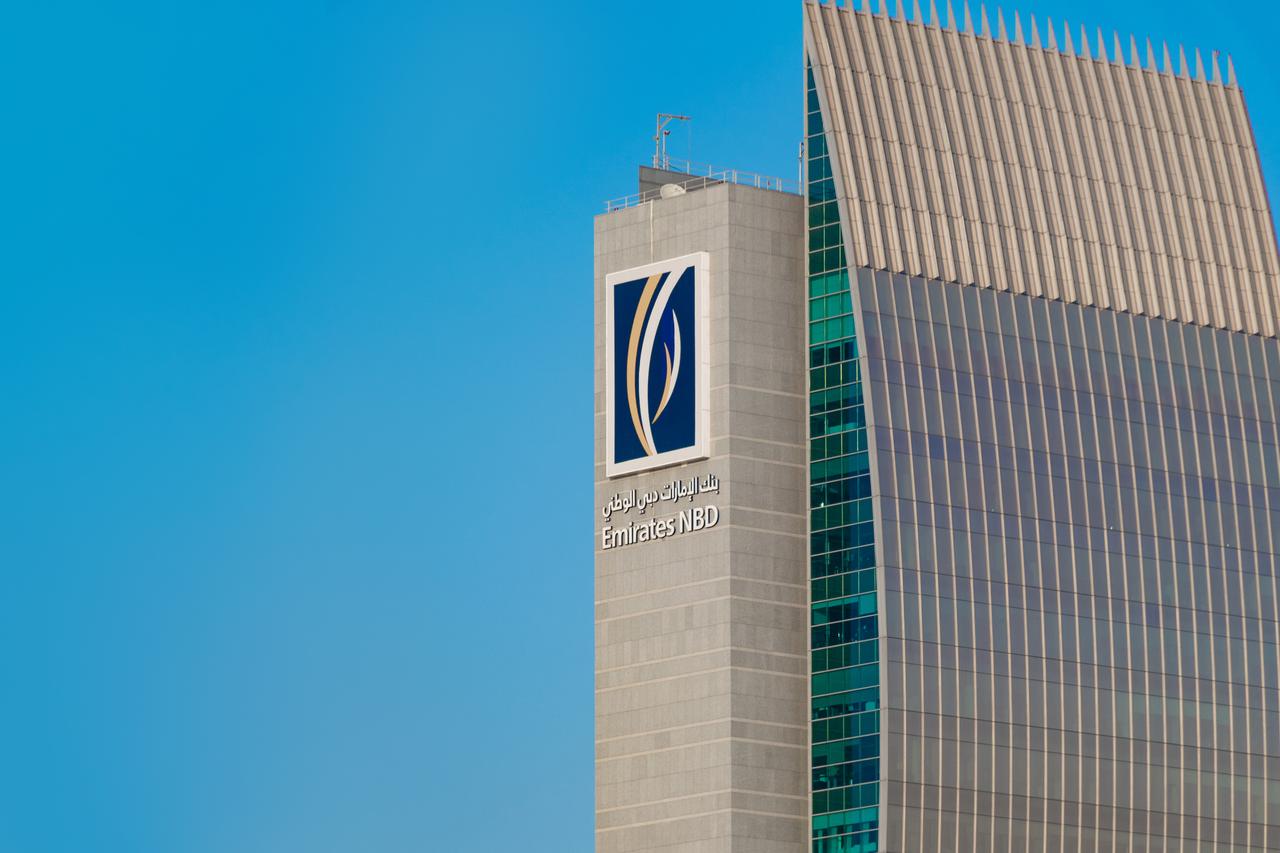
Dubai-based Emirates NBD PJSC is poised to acquire a 60 per cent stake in India’s RBL Bank via a $3 billion investment, marking the largest foreign direct investment ever recorded in India’s banking sector. The move, announced on 18 October 2025, is structured through a preferential share issuance of up to 959.04 million shares at ₹280 each and is subject to regulatory approvals.

RBL Bank’s management expects the deal to close within five to eight months, positioning the infusion within the current financial year, according to statements made by the lender’s leadership. Emirates NBD will assume promoter status at RBL, gaining board-nomination rights and solidifying its long-term presence in the Indian market.

The deal comes as India’s financial sector registers a surge in cross-border deals, with total deal-value reaching approximately $8 billion from January to September 2025—a 127 per cent increase over the same period last year. For its part, RBL Bank, a private lender headquartered in Mumbai with assets estimated at ₹1.46 trillion and a customer base of over 15 million, will benefit from the capital uplift and expanded ecosystem access.

Emirates NBD’s group chief executive, Shayne Nelson, said the investment underscores the bank’s confidence in India’s financial services growth trajectory and reflects its ambition to leverage RBL’s domestic franchise alongside Emirates NBD’s regional reach. RBL’s managing director & CEO, R Subramaniakumar, described the alliance as providing “an enormous opportunity” to move from mid-sized to large-bank status in India, reinforcing its ambitions to enter wealth management and strengthen corporate and retail lending.

Under the terms of the agreement, Emirates NBD will first subscribe to a preferential issue up to 60 per cent of RBL Bank, and then launch a mandatory open offer to public shareholders of up to 26 per cent at the same ₹280 per share price. The final stake will depend on maximum permissible foreign-investment limits and minimum public shareholding norms. The Indian regulatory framework allows up to 74 per cent foreign investment in private banks, but typically limits individual foreign investors to a maximum of 15 per cent unless an exemption is granted by the Reserve Bank of India, which is reported to have given informal backing to the deal.

Analysts say the deal is transformative for both parties: RBL stands to enhance its capital adequacy ratio—projected around 40 per cent post-transaction—and may scale up its corporate banking, digital payments and branch network expansion, tapping into ties between India and the Middle East. For Emirates NBD, the acquisition consolidates its Indian market access and complements its existing footprint in the Middle East, North Africa and Turkey.

Challenges remain. The transaction is subject to regulatory approvals in India and requires compliance with public-shareholding rules, which could complicate the open-offer structure. In addition, RBL has grappled with governance concerns in the past—its former CEO stepped down abruptly in 2021 following regulatory scrutiny—which means integrating under a foreign majority owner will require careful management of culture, controls and strategic alignment.

Observers suggest the deal may set a precedent for greater foreign involvement in India’s mid-sized banking sector, with implications for capital flows, market consolidation and competition. Brokers in Mumbai noted that the infusion of “confidence capital” into RBL could unlock higher credit growth and improve investor perception of the Indian private-banking sector. Meanwhile, the broader wave of cross-border activity, including Japanese and UAE groups entering Indian banks, highlights the shifting dynamics of the India-Middle East-Europe economic corridor.

HONG KONG SAR – Media OutReach Newswire – 20 October 2025 – The second annual Global Youth Powerhouse Summit 2025, organized by the Hong Kong Youth Professional Global Advocacy, officially took place today. The Summit has convened over 200 young professionals, government leaders, and corporate executives from Southeast Asia, the Middle East, and the Greater Bay Area, with over 5000 global participants from over 30 countries joining […]

Merchandise exports rose to USD 220.12 billion in the six-month period ending September, an uptick of 3.02 per cent compared with the equivalent span of the prior year, while imports climbed by 4.53 per cent to USD 375.11 billion, resulting in a trade deficit of USD 154.99 billion.

A key facet of this performance is that exports to 24 nations recorded growth, underscoring a push by Indian exporters to diversify markets beyond traditional strongholds. These countries span regions from the Middle East and Southeast Asia to Africa and Latin America, and collectively accounted for USD 129.3 billion, or 59 per cent of the country’s total exports in the period.

Despite this diversification, exports to the United States — one of the largest destination markets — slipped in September as tariffs imposed by Washington weighed on certain sectors. For the month, shipments to the US declined by 11.93 per cent to USD 5.46 billion.

Those opposing movements such as exporters point to the 50 per cent tariff introduced by the US on Indian goods from late August. The exports community says that while growth is evident in alternative geographies including Africa, Latin America and the Middle East, the US tariff climate remains a drag.

Within the group of 24 countries that posted export growth are the UAE, Germany, Vietnam, Mexico, Russia, Kenya, Nigeria, Canada, Poland, Sri Lanka, Oman, Thailand, Bangladesh, Brazil, Belgium, Italy and Tanzania, among others.

At the same time, exports to 16 other countries recorded negative growth, representing roughly USD 60.3 billion or about 27 per cent of total exports in the period. This reveals that while diversification is under way, certain destination markets continue to deliver weak outcomes.

Industry observers suggest that the strategic reorientation of markets has been accelerated by external pressures such as protectionist measures in key markets and supply-chain disruptions across sectors. One exporter noted: “The trend will continue in the coming months as well.”

Meanwhile, the Government of India is engaging on multiple fronts to sustain export momentum. Officials from the commerce ministry signalled that structural steps will be needed to strengthen manufacturing competitiveness and integrate India more deeply into global value chains. They pointed to raw‐material bottlenecks and high logistics costs among the constraints.

In parallel, trade discussions with the US are underway, aimed at reducing friction caused by duties and exploring possibilities for energy-and-goods cooperation. For instance, US officials have raised concerns over Indian imports of Russian oil and bilateral trade.

Another trend shaping export performance is the push into manufacturing sectors aligned with global demand shifts. The electronics and mobile-phone export segment, for example, has delivered strong growth: exports in certain months surged by as much as 39-60 per cent in year-on-year terms, signalling India’s growing role as a manufacturing hub for global brands.

On the import side, the widening of the trade deficit is partly explained by rising inbound shipments of gold, silver and crude oil, ahead of domestic demand spikes and festival season pickup. These pressure points reflect larger global cost dynamics rather than domestic export weakness per se.

Export diversification is also being viewed as a risk-mitigation strategy. The weakening of certain traditional markets combined with tariff exposure in the US has underscored the importance of broadening the destination base. Africa, Latin America and Southeast Asia are emerging as focal regions.

Manufacturers and trade bodies emphasise that sustaining this diversification will require improving logistics efficiency, deepening downstream processing, upgrading product quality and securing better access via trade agreements and export-promotion schemes.

For exporters that achieved growth in the 24-country set, end-markets include consumer goods, engineering exports, pharmaceuticals, agro-products and electronics. Their performance demonstrates the incremental success of strategic investment and policy alignment.

Still, the fact that over a quarter of export value was derived from countries with declining shipments signals a dual challenge. Growth pockets exist, but structural weaknesses and external dependencies remain persistent obstacles.


Riyadh — The inaugural edition of FIBO Arabia drew a total of 12,399 participants from regional and international markets to the three-day expo at the Riyadh Front Exhibition & Conference Center, signalling a notable step in Saudi Arabia’s push to define itself as a wellness and fitness hub in the Middle East.

The event, held under the theme “For a Strong and Healthy Society” and aligned with the kingdom’s Vision 2030 agenda, was conducted under the strategic partnership of the Ministry of Investment, the Ministry of Sport and the Ministry of Health. More than 80 exhibitors from around 18 countries participated, while attendees were presented with more than 50 industry-leading speakers across live arenas and conference forums.

One of the centre-piece announcements was the launch of the first Fitness Sector Development Report for the Kingdom, spearheaded by the Ministry of Sport in collaboration with advisory firm CAA Portas. The report projects the domestic fitness industry could expand to a value of SAR 15.5 billion by 2030, driven by policy reforms, investor interest and a growing consumer base.

International brands such as Technogym, Life Fitness, Keiser Corporation and Therabody featured in the line-up, underscoring the global interest in the kingdom’s wellness market. The conference programme included global fitness strategist Herman Rutgers and Morgan Stanley’s Alexey Naumov among its headline speakers.

Speakers and industry insiders described the event as a sign that the Gulf region is moving into a higher gear in terms of wellness infrastructure, investment and consumer engagement. “The success of FIBO Arabia’s inaugural edition reflects both the strength of Saudi Arabia’s wellness economy and the appetite for innovation, collaboration and growth across the industry,” said Vasyl Zhygalo, Managing Director of RX Middle East and Emerging Markets.

A particularly prominent feature of the expo was its emphasis on inclusivity and community participation. Female-led sessions and anecdotes of women athletes such as Nelly Attar — recognised as the first Arab woman to climb K2 — and Saudi fitness professional Rawan Al Saadi featured in discussions on access, empowerment and facility design. Meanwhile, event organisers hosted a variety of live arenas: a Performance Arena, a Strength Arena, a Tech Arena, a Calisthenics Arena, and a Group Fitness Arena powered by Les Mills.

Business-to-business networking and investment matchmaking were core to the strategy. The ecosystem included gym operators, wellness technology firms, nutrition solution providers and investors seeking access to opportunities in the region. One panel commented on how the kingdom’s younger demographic, rising female participation, and regulatory support combine to make the market appealing. The Fitness Sector Development Report cites private-sector expansion and policy reform among the key growth drivers.

Notably, the event’s timing and format reflect a regional pivot from traditional oil-led growth toward wellness, lifestyle and economy diversification. Saudi Arabia’s commitment to developing its ecosystem was underscored through both government support and the presence of global industry players. Industry experts observed that the applied technology, live experiences and cross-border brand involvement distinguish FIBO Arabia from earlier regional trade shows in the fitness sector.

Visitor figures of 12,399 set a baseline for the event’s future editions. The organisers have already announced that FIBO Arabia will return to the same venue from 29 September to 1 October 2026.

HONG KONG SAR – Media OutReach Newswire – 20 October 2025 – For Hong Kong tertiary students, pursuing dreams often comes with financial pressures. While applying for the government’s Student Financial Assistance Scheme (“Grant Loan”) is a common option, its complex application process and strict deadlines frequently catch students off guard, potentially leading to missed tuition payments and penalties. uFinance, a dedicated student loan platform, addresses this […]

HONG KONG SAR – Media OutReach Newswire – 18 October 2025 – Joyful Alliance, a Singapore-headquartered investment firm, today announced it will propose the development of the Wakayama Integrated Onsen Resort to the Wakayama City Government. The two parties officially signed the memorandum of cooperation on October 17. Joyful Alliance will propose an Integrated Onsen Resort development in Wakayama City, Japan, projected to attract millions of visitors […]

HONG KONG SAR – Media OutReach Newswire – 17 October 2025 – The Mineral Boutique Spa, a new luxury wellness destination located on the 36th floor of WWTTC Mall in Causeway Bay, officially opened in August 2025. Overlooking panoramic sea views and the city skyline, the spa introduces a new era of mineral-based skincare and personalized wellness experiences in Hong Kong. Positioned between a spa and a […]

VISHNU RAJA
RYO YAMADA
HITORI GOTOH
IKUYO KITA
Just in:
Technology shares plunge as Nasdaq enters correction // Asia Left Behind: Ten international companies have yet to report delivering on their cage-free egg pledges across the region // Cloudflare unveils Zero Wire vulnerability intelligence service // Emirates Group records AED 4.1 billion half-year profit // Oil advances towards $100 as tanker attacks persist // Dubai details five-year visa benefits for returning visitors // Beyond the exhibition floor: How robots, AI and networks are moving into the real world // CR Longdation Aethereal Cybersecurity × Global Cybersecurity Alliance (GCSA) Join Hands to Establish the “AI and Cybersecurity Research Centre” // After Reaching 7 Million Users in the Philippines, Skyro Launches Transparent Cash Loans in Malaysia // UK air traffic outage inflicted £33m financial losses // Kochi police detain two actors over bid to honey trap doctor // Xi Jinping Preparing For A Trilateral Summit With Trump And Putin At APEC Summit On Nov 18-19 // Private varsities bill all set to face the axe // OpenAI introduces GPT-6 Cyber with restricted security access // Geely’s i-HEV Intelligent Hybrid Technology Offers a New Direction for Gasoline-Powered Vehicles // OpenAI identifies 948 Linux privilege escalation flaws using AI // APT29-linked campaign exploits outdated Apple and Android software // Hong Kong mandates crypto transaction disclosures to tax authorities // Dubai boat show confirms international shipyard line-up for November // TVM –Mangaluru Vande Bharat claims top spot //