Just in:
Private varsities bill all set to face the axe // The “1st Greater Bay Area Health and Longevity Summit & Awards Ceremony” concludes successfully in Macao // Geely’s i-HEV Intelligent Hybrid Technology Offers a New Direction Vision for Gasoline-Powered Vehicles // Dubai details five-year visa benefits for returning visitors // Cloudflare unveils Zero Wire vulnerability intelligence service // Dubai boat show confirms international shipyard line-up for November // Ousted top Kochi cop gets IG post // Emirates Group records AED 4.1 billion half-year profit // Miss Universe Hong Kong Jen Zhou Departs for Puerto Rico to Compete in the 75th Miss Universe World Final // Oil and chip shares retreat after Democratic victories // Asia Left Behind: Ten international companies have yet to report delivering on their cage-free egg pledges across the region // e-Crime Bureau Signs Cybersecurity Partnership With Smart Africa, Reinforcing Its Global Expansion // OpenAI introduces GPT-6 Cyber with restricted security access // Technology shares plunge as Nasdaq enters correction // Meraas showcases five residential zones at Dubai Design Week // Oil advances towards $100 as tanker attacks persist // Geely’s i-HEV Intelligent Hybrid Technology Offers a New Direction for Gasoline-Powered Vehicles // Millions Of Indians May Soon Be Deprived Of Government Assistance // Emaar approves Development buyout ahead of planned delisting // CR Longdation Aethereal Cybersecurity × Global Cybersecurity Alliance (GCSA) Join Hands to Establish the “AI and Cybersecurity Research Centre” //

News related to
Mid Term

The Abu Dhabi Investment Authority is reportedly exploring the option of reducing its stake in the Qatari telecommunications giant Ooredoo QPSC. According to sources familiar with the matter, the sovereign wealth fund is considering raising between $500 million and $600 million through the sale of part of its holdings. ADIA currently owns approximately 10% of Ooredoo, a stake valued at around $1.26 billion. While the sovereign wealth […]

The rapid rise in demand for Pop Mart’s Labubu collectibles has raised concerns about the sustainability of their market value, with some analysts drawing comparisons to the infamous Beanie Baby craze that imploded in the 1990s. Labubu, one of the leading characters in Pop Mart’s line of designer toys, has become a highly sought-after collector’s item, but there are growing fears that the market for these toys […]

US President Donald Trump has confirmed his intent to sue the BBC for up to $5 billion, following a controversial incident involving a video edit that misrepresented his comments. The dispute stems from a video posted by the British broadcaster, which Trump claims distorted his remarks, resulting in what he described as unfair damage to his reputation. The controversy erupted after the BBC aired a clip from […]

Investcorp Capital, a prominent Abu Dhabi-listed alternative investments firm, has acquired the US-based Kanawha Scales & Systems, marking a strategic move to broaden its services sector portfolio. The acquisition, which was arranged by Investcorp, comes at a time when the company looks to strengthen its presence in the industrial services space. Although the financial details of the deal have not been disclosed, ICAP has highlighted the significance […]

An estimated US$300 million worth of long positions in the cryptocurrency market were wiped out within a short period, exposing vulnerabilities in high-leverage trading and sparking fresh concern among market participants. While the exact timeframe remains disputed, data aggregated from multiple analytics platforms show a sharp spike in forced liquidations as asset prices slipped.

According to the real-time liquidation monitor on one analytics service, the past 24 hours have seen unusually high volumes of closed long positions, with the tally edging near US$300 million. Other reports suggest the figure may have occurred over the span of 60 minutes, with industry social-alerts estimating that magnitude of losses among long traders.

Prices of flagship assets such as Bitcoin and Ethereum registered meaningful intra-day declines, which in turn triggered liquidation cascades. Data from the analytics platform show that the leverage unwind was heavily concentrated among long bets, meaning traders expecting prices to rise were forced out as conditions reversed. Market analysts point to a surrender of bullish momentum: the chain reaction begins when a leveraged long position is liquidated, driving asset-sales and pushing prices lower, which in turn triggers further liquidations. This creates a self-reinforcing decline until the excess leverage is cleaned out.

This manoeuvre comes at a moment when structural shifts are underway in the crypto ecosystem. On-chain research indicates that institutional players are absorbing large volumes of bitcoin—almost 300,000 BTC or around US$33 billion—since mid-year, signalling a migration of risk away from retail-leveraged positions into longer-term holdings. That migration may be insulating a lot of the market from large draw-downs, but it also leaves the leveraged short-term traders exposed.

Some analysts interpret the liquidation event as a symptom of broader fragility in the derivatives market. The platform that tracks open interest and funding rates flagged elevated levels of long-side leverage prior to the drop, suggesting that the market had been overloaded with bullish bets. Once price momentum stalled, forced liquidations acted as a trigger for a more acute correction. The effect tends to be more severe when a large proportion of leverage lies on one side of the trade.

While the spot market for major cryptos held up relatively well compared with past extreme episodes, the liquidation event raises questions about crowd positioning and risk management. The analytics firm responsible for the heat-map data emphasises that while asset prices can stay elevated, the presence of large clustered leveraged trades makes the market susceptible to sharp draw-downs. From a regulatory and risk-framework perspective, the event may amplify calls for more transparent oversight of derivatives platforms given the interconnectedness of spot-and-futures exposures.

From the retail trader’s standpoint, the message is clear: heavy use of leverage in a complex and volatile market increases the potential for rapid and large losses. Several traders active in online forums noted one recurring theme: when the dominoes fall, they fall quickly. Nonetheless, the institutional shift described in bitcoin ownership data suggests that the broader market may be entering a more mature phase, wherein spot liquidity and accumulation replace the wild speculative cycles of earlier years.

In the derivatives space, the major platforms are likely to re-evaluate margin-requirements and risk-controls. Some executives in the sector previously flagged that the previous cycle’s wild leverage growth was unsustainable. This latest liquidation incident could prompt exchanges to tighten conditions, potentially increasing costs for leveraged trading and reducing the appeal of highly-geared positions.

A landmark agreement between Apple Inc. and Tencent Holdings Ltd will allow Apple to collect a 15 per cent commission on payments made within WeChat’s mini games and mini apps on iPhones, marking a significant shift in the Chinese digital ecosystem. Under the deal, Apple will handle the payment processing for qualifying “mini-apps” embedded within WeChat and take half of its standard 30 per cent App Store […]

The cryptocurrency market experienced an abrupt surge in forced liquidations that wiped out approximately $220 million worth of long positions within a narrow timeframe, signalling heightened turbulence across the derivatives ecosystem. Data from tracking services show that the bulk of these liquidations occurred in the perpetual futures markets for major tokens, particularly Bitcoin and Ethereum.

According to aggregated figures, long positions accounted for the lion’s share of the losses, with one platform indicating about $173 million in long liquidations and around $46 million in short positions during the same window. On BTC contracts alone nearly $88.65 million was liquidated, while ETH accounted for about $39.21 million. These numbers highlight the elevated risk exposure from leveraged long positions in a volatile market environment.

Market participants described the spike as part of a broader deleveraging wave triggered by swift upside price movements and thinner liquidity conditions in derivatives markets. In this case, the cascade appears to have been initiated as liquidation auto-mechanisms triggered, driving forced unwinds that bordered on a short-squeeze scenario in some tokens. Exchanges and analytics firms reported notable deterioration in order-book depth and funding-rate dislocations amid the event.

Derivatives analysts point out that the structure of perpetual futures—where traders can hold long or short positions with leverage—makes the system vulnerable to sudden directional shocks. As one analyst put it, when margin positions begin auto-liquidating, “the waterfall becomes self-reinforcing, as each forced exit adds fuel to the next wave.” Traders holding long positions without sufficient margin buffers were disproportionately exposed.

The broader market impact is not restricted to immediate losses. Observers note that such liquidation spikes tend to raise implied volatility, disrupt funding-rate structures, and force platforms to draw on insurance funds or trigger automatic deleveraging mechanisms. For instance, one derivatives exchange reported that although no major platform collapsed, “stress tests” on margin systems and clearance flows were clearly elevated during the event.

Institutional responses to the event are already shaping up. Hedge funds and proprietary trading desks say they are trimming leverage thresholds, reducing tail-risk exposure and increasing hedge allocations in short-term options. Meanwhile retail participants are being urged to revisit risk-management protocols. One experienced derivatives strategist commented: “The lesson here is that high-leverage long bets in a regime of thin liquidity are inherently fragile—what appears as momentum can swiftly become a trap.”

Regulation and infrastructure strains also emerged as themes. Some centralised exchanges disclosed stress on their liquidation engines and the need to replenish risk-fund buffers. Decentralised platforms reported shorter circuit-breaker windows and sharper spreads in underlying tokens during the height of liquidation flows. That has fuelled discussion about whether infrastructure warranties and margin-support frameworks are keeping pace with escalating derivatives volumes.

While liquidations of this magnitude are by no means unprecedented in crypto markets, the concentration on long positions and the speed of unwind mark an important event. Previous cascades had more evenly-split long/short liquidations, but here the asymmetry suggests a sharp directional surprise for markets. Long-only leveraged players may now need to reassess their exposure vis-à-vis volatility, funding-rates, and underlying spot liquidity.

Advertisements

The Czech National Bank has made a groundbreaking decision by purchasing $1 million worth of Bitcoin and other cryptocurrencies. This move marks a significant shift in the institution’s approach to digital assets, as traditionally, central banks have been cautious about such volatile markets. This purchase is seen as a strategic step towards diversifying the country’s financial reserves and aligning with the growing trend of state-level engagement with cryptocurrencies.

The decision, which has raised eyebrows in financial circles, reflects a broader global trend where central banks and governmental institutions are increasingly exploring the role of digital currencies in modern economies. While the purchase is relatively modest compared to the vast reserves typically managed by central banks, it signals a new willingness to embrace the evolving digital finance landscape.

Central banks across the world have been exploring digital currencies for several years, with some even launching their own central bank digital currencies. However, direct investments in cryptocurrencies like Bitcoin are rare. Most central banks remain skeptical, often citing concerns over regulatory challenges, security risks, and the potential for instability in cryptocurrency markets.

The Czech National Bank’s move to buy Bitcoin suggests a shift in its thinking, with an increasing recognition of the role that cryptocurrencies might play in the future of the global financial system. Experts have suggested that the bank might be aiming to gain exposure to the asset class as part of a broader strategy to stay ahead of technological developments in finance.

The purchase has raised questions about how central banks will balance the use of traditional assets like gold and fiat currency with the emerging influence of digital assets. Cryptocurrency markets, especially Bitcoin, have seen significant price volatility, and its future remains uncertain. However, this new development in the Czech Republic comes amidst growing interest in digital currencies as a store of value, particularly as inflation concerns and geopolitical risks continue to influence traditional financial markets.

Bitcoin has been increasingly seen as a hedge against inflation, similar to gold, which has historically been a safe haven for investors during times of economic uncertainty. The Czech National Bank’s decision could be an acknowledgment of Bitcoin’s growing role in global finance, even as many countries still hesitate to fully embrace it. The purchase may also reflect the bank’s desire to experiment with cryptocurrencies and explore their potential as an alternative asset class, which could ultimately benefit its own strategic interests.

The Czech government and financial regulators have thus far remained cautious about cryptocurrency adoption. While the country has not implemented any major regulatory frameworks specifically for crypto assets, it has been keeping an eye on developments in the sector. The central bank’s decision could push for further discussions around the future regulatory landscape for cryptocurrencies within the Czech Republic, particularly in relation to institutional investment.

In Europe, other countries are also taking steps to integrate digital assets into their financial systems. For instance, countries like Switzerland and Germany have become more receptive to cryptocurrency investments, with some banks even offering cryptocurrency-related services to clients. However, the Czech Republic’s central bank is one of the few to make such a direct investment in Bitcoin, setting it apart from its regional counterparts.

The global narrative surrounding cryptocurrency adoption continues to evolve. Many governments and central banks have been hesitant to fully embrace these digital assets due to concerns over their speculative nature and lack of regulation. However, with financial institutions like the Czech National Bank making such investments, it’s becoming increasingly clear that there is an acknowledgment of cryptocurrencies’ growing influence on the global stage.

While there is no official statement from the Czech National Bank regarding its long-term strategy for cryptocurrencies, experts suggest that the purchase could be part of a broader effort to test the waters before making further moves in the digital asset space. Central banks are traditionally risk-averse, but as the digital economy continues to grow, institutions like the Czech National Bank may play a more active role in shaping the future of cryptocurrencies in the global financial system.


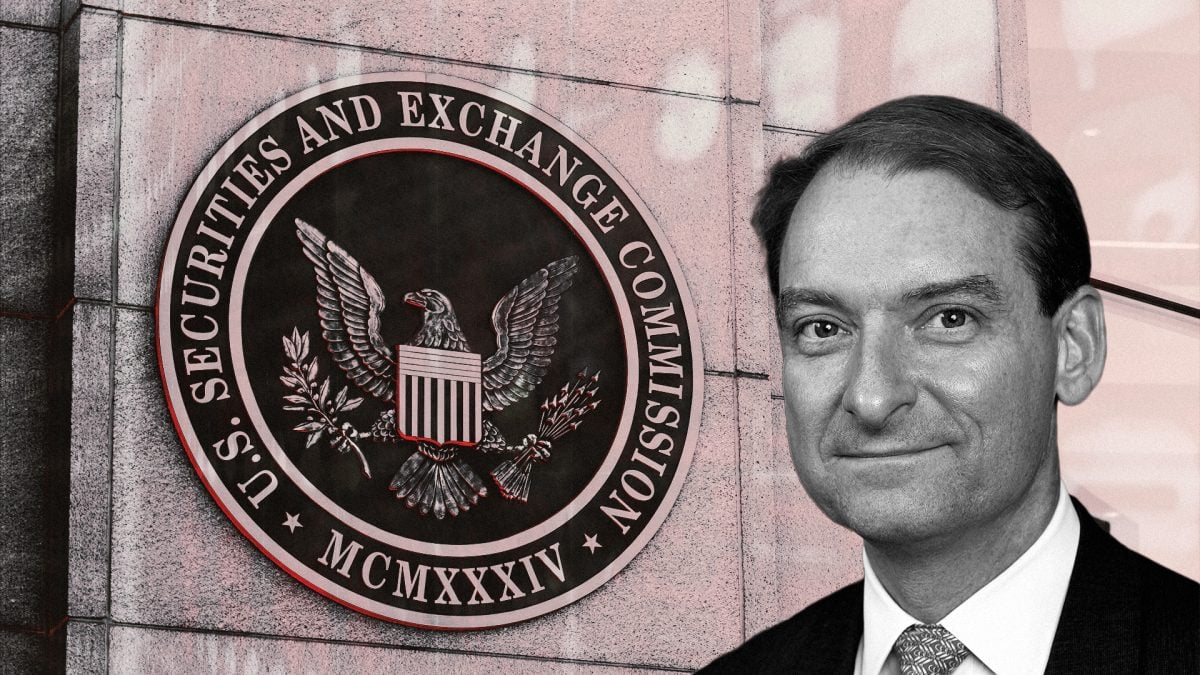
The U. S. Securities and Exchange Commission is set to modernize the landscape of cryptocurrency regulation through a groundbreaking initiative dubbed the “token taxonomy” plan. Unveiled by SEC Chair Paul Atkins, the plan aims to provide a clear framework for distinguishing between different types of digital assets, helping to clarify regulatory responsibilities and set a more structured path forward for the cryptocurrency industry. This initiative comes amid growing concerns over the lack of clarity in existing regulations and the potential for the sector to fall prey to abuses and fraud.

Atkins, who has been at the helm of the SEC since 2021, has emphasized the need for a comprehensive overhaul of the regulatory environment, particularly as the cryptocurrency market continues to evolve at a rapid pace. Under his leadership, the SEC has adopted a more proactive stance on enforcement, including cracking down on unregistered digital asset offerings and investigating prominent crypto firms. The new proposal seeks to address key issues surrounding token classification, governance, and investor protection, marking a significant step towards establishing a more predictable and transparent regulatory regime.

One of the central features of the token taxonomy plan is its attempt to clearly differentiate between utility tokens, security tokens, and commodities. Security tokens, which represent ownership in a company or project, would continue to fall under the purview of the SEC, while utility tokens, often used within decentralized networks to access specific services, may be treated differently. This distinction is crucial as it will help determine the specific regulations that apply to each category and streamline the processes for businesses looking to launch tokens in the market.

The plan proposes the creation of a digital asset registration framework that would allow crypto companies to register their tokens with the SEC, providing more transparency and accountability in the industry. By providing clear guidelines on what constitutes a security versus a non-security token, the SEC hopes to reduce confusion among developers, investors, and regulators alike, while also offering a clearer path for compliance.

The proposal also outlines provisions for enhancing consumer protection, an area of concern for both lawmakers and market participants. By ensuring that tokens classified as securities are subject to the same protections as traditional financial products, the SEC aims to reduce the risk of market manipulation and fraud that has plagued some sectors of the crypto market. The plan also calls for increased transparency regarding token offerings, including detailed disclosures about the underlying technology, token economics, and the potential risks for investors.

The unveiling of the token taxonomy plan comes at a time when the U. S. government is under increasing pressure to take action on crypto regulation. Cryptocurrencies have been at the forefront of debates over financial innovation, with proponents arguing that they could revolutionise sectors like finance and supply chain management, while critics warn of their potential to facilitate illicit activities, tax evasion, and investor exploitation. The SEC’s new proposal aims to strike a balance between fostering innovation and ensuring that the sector remains accountable and transparent.

While the announcement has been met with a generally positive response from the cryptocurrency community, some industry leaders have raised concerns over the complexity of the new framework and the potential for overregulation. There are worries that stringent rules could stifle innovation and drive crypto businesses away from U. S. markets, opting for jurisdictions with more lenient regulatory environments. On the other hand, advocates of the proposal argue that clear regulations are needed to create a safer, more stable market, which will ultimately benefit both consumers and businesses in the long run.

The token taxonomy plan is set to undergo a period of public consultation, during which industry stakeholders, legal experts, and members of the public will have the opportunity to provide feedback. This collaborative process will be crucial in refining the proposal and ensuring that it is both effective and adaptable to the rapidly changing crypto landscape.

HONG KONG SAR – Media OutReach Newswire – 12 November 2025 – AS Watson, the world’s largest international health and beauty retailer, has reached a major milestone in its global youth employment pledge – recruiting 134,000 young people to date and delivering 3.8 million hours of training. This achievement marks more than halfway toward its goal of creating 200,000 opportunities by 2030. Alongside job creation, AS Watson […]

Guyana’s energy landscape is set to undergo a transformation following the approval of major international companies to begin exploration activities within its borders. TotalEnergies, QatarEnergy, and Petronas have each received government approval to explore potential oil and gas reserves off the country’s coast, a move that could help diversify the sector and reduce reliance on the existing dominant players.

The country has long struggled to expand its energy portfolio beyond the consortium led by U. S.-based ExxonMobil, which has been instrumental in developing the region’s significant offshore oil fields. However, Guyana has faced challenges in fostering competition and attracting foreign investment that could assist in broadening its energy capabilities.

ExxonMobil has long held a near-monopoly over Guyana’s booming oil sector, benefiting from the vast discoveries made in the Stabroek Block, an area off the coast of Georgetown. While the company’s presence has led to substantial growth in the nation’s oil production, the reliance on a single foreign entity has raised concerns about the need for greater diversification. The new approvals for TotalEnergies, QatarEnergy, and Petronas mark a significant departure from the status quo, with these firms now poised to play an essential role in shaping the future of Guyana’s energy industry.

Guyana’s government has emphasized the importance of inviting new players into the market to boost local industry development and foster a more competitive environment. This move is seen as a strategic decision to counterbalance the influence of ExxonMobil, as well as to ensure that Guyana can better control its resources, rather than remaining overly dependent on a single operator.

Each of the three companies—TotalEnergies, QatarEnergy, and Petronas—brings a wealth of experience and resources to the table. TotalEnergies, headquartered in France, has been a significant player in the global oil and gas market for decades. Similarly, QatarEnergy, which is part of the energy powerhouse Qatar Petroleum, has vast experience in the exploration and production of natural gas and oil across several regions, including the Middle East and North Africa. Petronas, Malaysia’s state-owned oil and gas company, adds to this pool of expertise, with a strong track record of international exploration ventures.

The approval process involved extensive environmental and technical assessments to ensure that exploration activities would be conducted in line with Guyana’s regulatory standards. This includes adhering to the country’s stringent environmental protection measures, aimed at safeguarding its fragile marine ecosystems while extracting valuable energy resources.

While the trio of companies now entering Guyana’s oil and gas sector have been given the green light to explore, the real test will come as exploration progresses and potential discoveries are made. Industry analysts remain cautious but optimistic about the long-term prospects of this diversification. Some experts suggest that bringing in additional operators could drive increased investment and innovation, while others warn that challenges remain in ensuring the effective management of these newly opened opportunities.

The Guyanese government has promised to leverage the revenue generated from these new ventures to foster greater economic diversification. The hope is that the newfound wealth will benefit sectors such as infrastructure, healthcare, and education, helping to reduce the country’s historical dependence on oil. Critics, however, caution that managing the inflow of capital from new oil projects requires careful planning to avoid the so-called “resource curse,” which has plagued other resource-rich nations in the past.

China is intensifying its efforts to import liquefied natural gas from Russia, despite the ongoing sanctions imposed by the United States and the European Union. As part of these efforts, China has begun developing a fleet of ships designed to transport the super-cooled fuel, with the aim of circumventing international sanctions that prevent direct shipments of Russian LNG to Western markets.

The growing need for energy security and a steady supply of LNG has driven China to explore alternative ways to obtain natural gas, as it faces increasing pressure from energy demand and geopolitical challenges. With European nations largely cutting ties with Russia due to the conflict in Ukraine, China sees an opportunity to secure more of Russia’s vast natural gas reserves. However, the US and EU sanctions, which prohibit companies from providing services and equipment that facilitate the transportation of Russian LNG, have posed significant barriers to the direct importation of Russian gas.

To sidestep these restrictions, China is reportedly building a “shadow fleet” of vessels—tanker ships capable of transporting LNG without being registered under the jurisdictions of Western countries. These ships are often equipped with modified technologies and reflagged to nations that do not enforce the same sanctions as Western powers. Experts suggest this new fleet could potentially enable China to bypass regulatory hurdles and enhance its access to Russia’s energy exports.

This development comes amidst growing concerns about energy supply in both Russia and China. For Russia, the loss of its traditional European export markets has accelerated the search for new buyers in Asia. China, with its vast and growing energy demands, has become the ideal partner for Russia, with both nations keen to deepen their trade relations in the energy sector.

In recent months, reports from various trade bodies and maritime sources have indicated that Chinese shipping companies have begun to work closely with Russian counterparts to facilitate these energy exchanges. According to analysts, these operations are being conducted with the support of intermediaries who play a critical role in enabling the shipment of Russian gas to China. These intermediary companies typically operate under the radar, helping to shield the true origins of the LNG shipments from scrutiny.

The expansion of this fleet raises important questions about the international regulatory landscape and the extent to which sanctions can be effectively enforced in an increasingly interconnected global economy. While Western powers have imposed sanctions on Russia’s energy exports, many analysts argue that their impact has been diluted by countries like China and India, who have continued to purchase Russian energy despite the restrictions.

The move to build a shadow fleet also highlights the growing divide in global energy politics. As Western nations look to reduce their dependency on Russian energy, China has emerged as a key player in filling the gap. With this increasing trade of Russian LNG to China, there are indications that both countries are fortifying their positions in the global energy market, positioning themselves as key energy suppliers to the global south.

China’s energy imports from Russia are also seen as a key component of the broader geopolitical shifts that have been underway in recent years. By continuing to build its energy relationship with Russia, China is further diversifying its sources of energy, ensuring that it has a reliable and growing supply of natural gas that is less susceptible to the fluctuations of the global market. This is especially important as China seeks to meet its ambitious energy and industrial goals in the coming decades.

The logistical complexities of importing LNG are considerable, and China’s efforts to expand its shadow fleet reflect the nation’s determination to secure a more consistent energy supply. These vessels, which are currently being constructed and modified, will be able to bypass many of the traditional channels through which Western powers exert control over Russian energy exports. This represents a significant shift in the global LNG market, with China positioning itself as a key recipient of Russian energy.

Bitcoin’s price surge has surpassed $104,000, prompting widespread speculation over whether it is time to short the cryptocurrency. The latest surge represents a significant milestone for the digital asset, which has witnessed a dramatic increase in value over the past several months. This rise has ignited a range of reactions from investors and analysts alike, with some seeing it as a peak and others believing it is the beginning of a new upward trend.

Bitcoin’s journey to this point has been characterised by volatility, but the rise to $104,000 has brought it to the forefront of market discussions. This latest price level is viewed by some as a sign of continued bullish momentum, especially given the strong demand from institutional investors and increasing mainstream acceptance of cryptocurrencies. However, the steep climb has also prompted concerns about the sustainability of the rally.

For those closely monitoring the cryptocurrency markets, this price point raises critical questions. Is Bitcoin’s surge a bubble, or is it the start of a long-term bullish trend? The volatility of Bitcoin is not new, but its recent surge has magnified the debate between those advocating for holding and those seeing the potential for a market correction.

The growing influence of institutional investors has undeniably shaped Bitcoin’s price trajectory. Major financial institutions, including banks and investment firms, have increasingly integrated Bitcoin and other cryptocurrencies into their portfolios. This influx of institutional capital is often cited as a key driver behind the latest surge in prices. Additionally, the broader economic environment, including inflation concerns and fears about traditional investment vehicles, has led many to view Bitcoin as a hedge against fiat currency depreciation.

However, Bitcoin’s price movements also come amid regulatory challenges, with governments around the world grappling with how to approach cryptocurrencies. In some jurisdictions, stricter regulatory measures could have an adverse effect on prices, especially if there are significant clampdowns on mining or trading activity. The regulatory landscape continues to evolve, adding an additional layer of uncertainty for investors.

The question of whether this is the time to short Bitcoin arises from the observation that the cryptocurrency market often experiences extreme price fluctuations. The potential for a significant pullback after such a rapid increase in value cannot be overlooked. Bitcoin’s past behaviour shows that it has often experienced large corrections following major rallies. This pattern has led many traders to consider shorting the cryptocurrency, betting that its value could drop in the near term.

While shorting Bitcoin can be a lucrative strategy in some market conditions, it also carries considerable risk. Short sellers who misjudge the market could face substantial losses, particularly given the unpredictable nature of cryptocurrency prices. As such, some experts caution against betting against Bitcoin, arguing that the long-term outlook for the cryptocurrency remains strong due to its growing adoption and integration into the financial system.

For those wary of shorting, the more conservative approach would be to take a wait-and-see stance, monitoring the market’s movements for signs of a correction or continuation of the bullish trend. Some investors believe that Bitcoin’s price will stabilise at this new level before embarking on another leg of growth.

Looking beyond the immediate future, the broader trends within the cryptocurrency market also provide some context for Bitcoin’s performance. Innovations in blockchain technology, the rise of decentralised finance, and increasing use cases for digital currencies in various sectors all point towards a growing role for cryptocurrencies in the global economy. This could contribute to a long-term uptrend for Bitcoin, making it a less likely candidate for a sharp price reversal.

SoFi has achieved a significant milestone in the world of financial services, becoming the first nationally chartered bank in the United States to introduce cryptocurrency trading, including Bitcoin. This development positions the company as a key player in bridging traditional banking with the expanding digital currency market.

The move allows SoFi’s customers to buy, sell, and hold cryptocurrencies directly through their existing accounts, enhancing the platform’s appeal as a one-stop-shop for financial services. This shift comes amid growing demand for crypto investments, particularly as more consumers seek alternatives to traditional investments in stocks and bonds.

With the new crypto offering, SoFi customers will have the ability to trade a variety of digital assets, starting with Bitcoin. The platform also plans to expand its range to include other major cryptocurrencies such as Ethereum in the near future. SoFi’s seamless integration of crypto trading with its other services, including personal loans, mortgages, and investing, aims to simplify the crypto experience for users who are new to the digital asset space.

This landmark move also signals a growing acceptance of digital currencies within mainstream financial institutions, traditionally hesitant about embracing the volatile market. SoFi’s decision to allow crypto trading comes at a time when other financial services companies are cautiously exploring similar offerings. Many banks and payment companies are entering the crypto space, but SoFi stands out as the first to secure national banking status and roll out a comprehensive crypto trading service.

The firm, which already holds a charter as a savings and loan institution under the supervision of the Office of the Comptroller of the Currency, secured approval from the regulatory body to add crypto trading to its list of services. This approval was seen as a crucial step in the broader trend of regulatory authorities gradually adapting to the rapid growth of the cryptocurrency sector.

SoFi’s expansion into cryptocurrency trading also aligns with the broader trend of increased institutional interest in digital currencies. Over the past few years, various asset management firms and banks have slowly begun offering crypto-related services to their customers, albeit cautiously. SoFi’s move to offer crypto trading through a fully regulated bank platform could catalyse further innovation in the sector, prompting other financial institutions to follow suit.

While this development represents a win for SoFi, it also raises questions about the future of traditional banking as the line between conventional and digital finance continues to blur. As digital currencies gain traction, banks and financial institutions will need to adopt increasingly flexible approaches to remain competitive. SoFi’s move reflects its strategy to capture the younger, tech-savvy demographic that is more inclined to explore digital currencies and alternative investments.

The introduction of crypto trading by SoFi also opens up opportunities for the firm to expand its revenue streams. With the growing popularity of cryptocurrencies, companies that offer crypto services have seen significant growth in customer acquisition and engagement. SoFi’s vast user base, which includes millennials and Generation Z, could see increased activity on the platform, potentially boosting its financial performance in the coming quarters.

However, the regulatory landscape surrounding cryptocurrencies remains a concern. Despite increasing adoption, regulators continue to grapple with how to effectively oversee the space. This includes determining the appropriate level of consumer protection, tax implications, and how to mitigate potential illegal activities associated with digital currencies. SoFi’s decision to offer crypto trading within a regulated environment could provide some reassurance to customers concerned about the risks of engaging in the volatile crypto market.

Ahead of the 2025 Morocco Showcase Summit, industry leaders assess the kingdom’s readiness for 2030, analyzing investment and strategies to match demand CASABLANCA, MOROCCO – EQS Newswire – 11 November 2025 – As hospitality and investment leaders prepare to gather at the Marriott Hotel in Casablanca for the Morocco Showcase Summit on November 19-20, 2025, a critical question takes center stage: Is Morocco’s hospitality supply growth keeping […]

BYLINE ARTICLE FOR COP30 11 NOVEMBER 2025 BELEM, BRAZIL – Media OutReach Newswire – 11 November 2025 – Malaysia is not simply setting goals; it is actively translating its ambition into reality. Following the introduction of the Malaysia Pavilion theme, ‘Climate Action Now: Net Zero Pathways Unlocked,’ at the recent International Greentech & Eco Products Exhibition and Conference Malaysia (IGEM 2025), we have cemented our commitment in […]

By Ashok Nilakantan Ayers NEW YORK: The world’s most valuable technology companies are engaged in a spending spree unlike anything seen since the space race. Meta, Amazon, Alphabet and Microsoft intend to invest as much as $320 billion this year into artificial intelligence technologies, with Amazon offering the most ambitious spending initiative among the four, […]

The article Tech Giants’ $400 Billion AI Bet: Returns On Investment Is The Key Issue appeared first on Latest India news, analysis and reports on Newspack by India Press Agency).

SRV, a leading global player in its field, has made a significant move by opening a new office in Dubai, marking a pivotal moment in the company’s growth strategy. This new location is not merely an addition to its network but a strategic step towards building stronger international partnerships, fostering collaboration, and setting a new benchmark for excellence in the industry.

Dubai has long been a hub for innovation and commerce in the Middle East, making it an ideal location for SRV to enhance its reach and capabilities. The opening of the office signals SRV’s commitment to strengthening its presence in the region, as well as its desire to expand its impact on a global scale. Dubai’s strategic position at the crossroads of Europe, Asia, and Africa presents an opportunity for SRV to connect with clients, partners, and markets across multiple continents.

The Dubai office is set to serve as a key hub for SRV’s operations in the Middle East, offering a range of services that align with the company’s core values of innovation, agility, and excellence. With this expansion, SRV aims to meet the growing demand for its services while continuing to deliver high-quality solutions that exceed client expectations. The company’s decision to establish itself in Dubai highlights its dedication to delivering value and fostering long-term relationships with its partners.

The company’s leaders emphasized the importance of Dubai as a strategic gateway to new business opportunities, as well as its potential to drive collaborative efforts that span different industries. With its state-of-the-art infrastructure, world-class business environment, and dynamic workforce, Dubai offers a fertile ground for SRV to enhance its technological offerings and scale its operations to meet the needs of a rapidly evolving global market.

This move also aligns with SRV’s broader vision of becoming a global leader in its sector by fostering a culture of collaboration across borders. By tapping into the diverse and highly skilled talent pool available in Dubai, SRV is poised to bring fresh perspectives and innovative solutions to its clients. The company’s approach to talent acquisition and retention will play a crucial role in driving its success in the region, ensuring that it continues to set new standards for performance and excellence.

The Dubai office is expected to serve as a vital point of contact for clients in the region, offering both strategic and operational support. As the business landscape in the Middle East continues to evolve, SRV’s presence in Dubai will allow the company to remain at the forefront of industry trends, driving advancements in technology and service delivery that align with the needs of the local market.

As part of its ongoing commitment to innovation and growth, SRV is also focused on building partnerships with local businesses and stakeholders to ensure that its services are not only cutting-edge but also relevant to the specific needs of the region. The company aims to create a collaborative environment where local and global teams can work together seamlessly to develop solutions that drive meaningful change.

By Nantoo Banerjee It is difficult to grasp the fact that even 78 years after its independence, India, the world’s most populous country, continues to be heavily dependent on imported fertilizer to produce crops to feed its 1.46 billion-plus population. The prospect of a sudden fertiliser price surge ahead of its most important Rabi (winter) […]

The article Fertiliser Import Price Surge May Hit India’s Rabi Crop Output appeared first on Latest India news, analysis and reports on Newspack by India Press Agency).

HONG KONG SAR – Media OutReach Newswire – 10 November 2025 – CPA Australia’s regional survey about business technology adoption shows that most companies in Hong Kong have used artificial intelligence (AI) tools at different levels. Though the increasing AI application helps to improve productivity, it also transforms the hiring trends in the accounting and finance industry, and increases concerns on data protection and governance, according to […]

Oil prices rose as investors reacted to the prospect of a resolution to the US government shutdown, bolstered by optimism that a deal could bring an end to the ongoing stalemate. The increase in oil prices follows two consecutive weeks of declines, as market participants await key data that could provide more clarity on global supply and demand dynamics. Brent crude surpassed $64 per barrel, while West […]

International Holding Company, a prominent Abu Dhabi-based conglomerate, has posted significant financial results for the first nine months of 2025, driven by operational efficiency and a diversified investment portfolio. The company reported a 32.3 per cent increase in revenue, which reached Dhs84.6 billion, compared to the same period last year. The impressive growth in revenue was accompanied by an 8.3 per cent rise in net profit, which […]

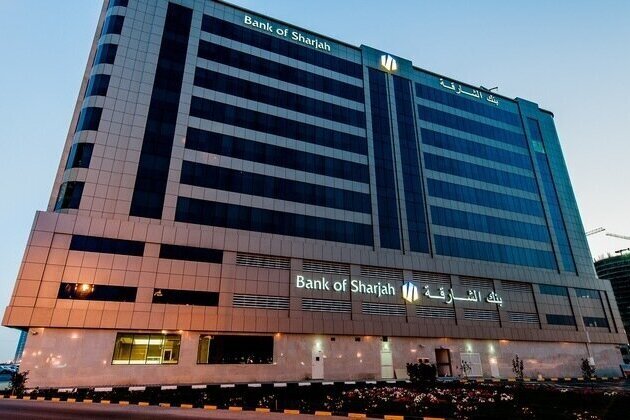
Bank of Sharjah played a key role in Ittihad International Investment LLC’s latest financing success, serving as Joint Lead Manager and Bookrunner in a US$550 million senior unsecured Sukuk issuance. The five-year bond offering attracted overwhelming investor interest, with the order book oversubscribed more than four times, peaking at US$2 billion. This level of demand highlights the strong confidence investors have in Ittihad International’s financial health and future growth prospects.

The Sukuk issuance represents a major milestone for Ittihad International Investment LLC, a prominent UAE-based investment group. With a focus on diversified investments across various sectors, Ittihad International has consistently shown its ability to adapt to market changes and maintain robust financial fundamentals. The success of the Sukuk offering is a clear reflection of the group’s strategic vision, which continues to resonate well with both regional and international investors.

The issuance attracted a diverse mix of institutional investors, including sovereign wealth funds, banks, and asset managers from across the globe. The appetite for the bond offering was not only driven by Ittihad’s strong credit profile but also by the stability and potential growth of the UAE’s economy, which remains a key driver for investment in the region. The overwhelming demand for the Sukuk underscores the high level of trust investors place in Ittihad’s long-term business strategies.

This successful transaction is a significant achievement for Bank of Sharjah, which has built a strong reputation in the financial sector for its role in leading major capital market deals in the region. The bank’s involvement as Joint Lead Manager and Bookrunner further solidifies its position as a leading financial institution in the UAE and the broader Middle Eastern market. Bank of Sharjah’s role in this high-profile Sukuk offering is seen as an endorsement of its deep understanding of regional markets and its ability to facilitate complex transactions for clients in a competitive environment.

The Sukuk, which is based on a Sharia-compliant structure, offers investors an attractive return while supporting Ittihad International’s strategic initiatives. The proceeds from the issuance are expected to be used for general corporate purposes, which include financing new investments and expanding the company’s portfolio in the UAE and beyond. The success of the transaction is a testament to Ittihad’s ongoing efforts to strengthen its financial position and drive long-term value for its stakeholders.

The Sukuk market in the Middle East has been thriving in recent years, with increasing interest from both local and international investors in Islamic finance products. The demand for Sukuk remains strong due to the region’s large and growing investor base, as well as the broader appeal of Sharia-compliant financial instruments. The Ittihad Sukuk transaction highlights the continued maturity of the Middle East’s debt capital markets and reinforces the role of Islamic finance in diversifying global investment opportunities.

The deal’s success also comes at a time when investor confidence in the UAE remains high, bolstered by the country’s continued economic recovery, business-friendly policies, and strong infrastructure development. These factors have contributed to the UAE’s attractiveness as a destination for both regional and international investors looking to capitalise on the country’s growth potential.

Dubai’s economy has demonstrated remarkable strength in the first half of 2025, with growth surpassing projections and reaffirming the emirate’s status as a global economic powerhouse. The city’s GDP expanded by 4.4 percent, reaching AED 241 billion, while the second quarter saw a notable 4.7 percent growth, bringing the total GDP for Q2 to AED 122 billion.

Key sectors played a pivotal role in driving this impressive performance. Dubai’s diversified economy, marked by a robust blend of finance, tourism, real estate, and trade, continues to thrive despite global uncertainties. The construction sector also witnessed significant growth, with an influx of infrastructure projects reflecting Dubai’s ambition to maintain its position as a leading global business hub.

One of the standout performers has been Dubai’s financial services industry, which has grown by a substantial margin. This sector’s success is largely attributed to Dubai International Financial Centre, which continues to attract a global clientele seeking access to the region’s thriving markets. With new regulatory reforms and the expansion of digital financial services, the financial services sector remains a cornerstone of Dubai’s economic resilience.

In addition, the real estate sector has shown signs of recovery after a few years of downturn, with both residential and commercial properties seeing increased demand. This growth can be linked to Dubai’s competitive positioning within the global property market, particularly in the luxury and hospitality segments. The city’s focus on international investors and high-net-worth individuals, combined with attractive incentives such as long-term visas and ease of doing business, has further bolstered investor confidence.

Tourism has also been a driving force behind Dubai’s economic growth. The city has seen a steady rise in international visitors, who are drawn to its world-class attractions, shopping festivals, and hospitality offerings. The Dubai Expo 2020, now extended into 2025, has had a ripple effect on the tourism sector, generating further investments and exposure to new global markets. Events and conferences have continued to bring in significant numbers of international guests, contributing to growth in the hospitality, retail, and leisure sectors.

The transportation and logistics sectors have been equally important to Dubai’s continued success. Dubai’s strategic location as a transport and logistics hub for the Middle East, Africa, and Asia continues to give it a competitive edge. Dubai International Airport, which consistently ranks among the world’s busiest airports, has witnessed a surge in passenger traffic, further solidifying its position as a key global aviation hub. Meanwhile, the port sector remains robust, with Dubai Ports World continuing to expand its reach internationally through strategic acquisitions and partnerships.

The emirate’s government has played a significant role in fostering a business-friendly environment, attracting foreign investment and enhancing the ease of doing business. New initiatives such as the Dubai Future Foundation and Dubai 2040 Urban Master Plan have injected fresh momentum into the city’s long-term growth trajectory. Dubai’s commitment to sustainable development, with a focus on green energy and technological innovation, ensures its competitiveness in a rapidly changing global economy.

Dubai’s resilience in the face of global economic challenges speaks to the emirate’s strategic focus on diversification and innovation. The city has managed to stay ahead of the curve by adopting advanced technologies in sectors like finance, healthcare, and education. In particular, the embrace of artificial intelligence, blockchain, and digital innovation has helped Dubai stay at the forefront of global economic trends.

VISHNU RAJA
RYO YAMADA
HITORI GOTOH
IKUYO KITA
Just in:
CR Longdation Aethereal Cybersecurity × Global Cybersecurity Alliance (GCSA) Join Hands to Establish the “AI and Cybersecurity Research Centre” // Dubai details five-year visa benefits for returning visitors // Emirates Group records AED 4.1 billion half-year profit // APT29-linked campaign exploits outdated Apple and Android software // e-Crime Bureau Signs Cybersecurity Partnership With Smart Africa, Reinforcing Its Global Expansion // Asia Left Behind: Ten international companies have yet to report delivering on their cage-free egg pledges across the region // Geely’s i-HEV Intelligent Hybrid Technology Offers a New Direction for Gasoline-Powered Vehicles // The “1st Greater Bay Area Health and Longevity Summit & Awards Ceremony” concludes successfully in Macao // Kochi police detain two actors over bid to honey trap doctor // Trump’s Iran War Has A Share Of Contribution To His Midterm Debacle // Ousted top Kochi cop gets IG post // Dubai boat show confirms international shipyard line-up for November // Miss Universe Hong Kong Jen Zhou Departs for Puerto Rico to Compete in the 75th Miss Universe World Final // TVM –Mangaluru Vande Bharat claims top spot // Private varsities bill all set to face the axe // Emaar approves Development buyout ahead of planned delisting // Meraas showcases five residential zones at Dubai Design Week // Oil and chip shares retreat after Democratic victories // After Reaching 7 Million Users in the Philippines, Skyro Launches Transparent Cash Loans in Malaysia // Cloudflare unveils Zero Wire vulnerability intelligence service //