Just in:
APT29-linked campaign exploits outdated Apple and Android software // The “1st Greater Bay Area Health and Longevity Summit & Awards Ceremony” concludes successfully in Macao // Dubai boat show confirms international shipyard line-up for November // Oil and chip shares retreat after Democratic victories // Fast Just Got Fastest: STING Energy Boost™ Celebrates Kimi Antonelli’s Formula 1® World Championship and the Fan Energy Behind It // TVM –Mangaluru Vande Bharat claims top spot // Dubai details five-year visa benefits for returning visitors // UK air traffic outage inflicted £33m financial losses // Emaar approves Development buyout ahead of planned delisting // Xi Jinping Preparing For A Trilateral Summit With Trump And Putin At APEC Summit On Nov 18-19 // After Reaching 7 Million Users in the Philippines, Skyro Launches Transparent Cash Loans in Malaysia // Geely’s i-HEV Intelligent Hybrid Technology Offers a New Direction for Gasoline-Powered Vehicles // Millions Of Indians May Soon Be Deprived Of Government Assistance // Cloudflare unveils Zero Wire vulnerability intelligence service // e-Crime Bureau Signs Cybersecurity Partnership With Smart Africa, Reinforcing Its Global Expansion // Private varsities bill all set to face the axe // Ousted top Kochi cop gets IG post // Oil advances towards $100 as tanker attacks persist // Asia Left Behind: Ten international companies have yet to report delivering on their cage-free egg pledges across the region // Kochi police detain two actors over bid to honey trap doctor //

News related to
Mid Term

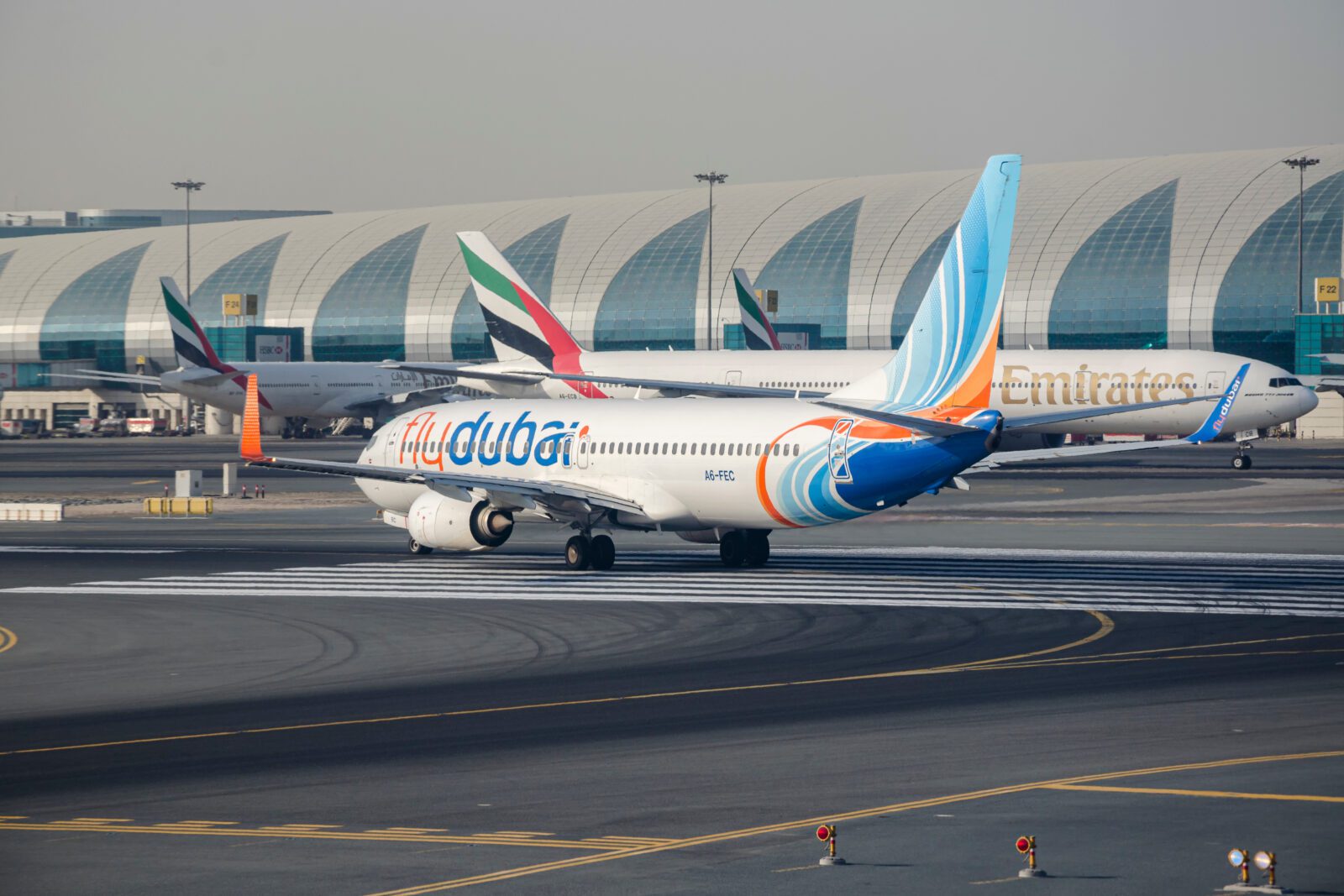
Dubai – GE Aerospace has secured two high-value engine agreements with Dubai-based carriers Emirates Airline and Group and flydubai at the 2025 Dubai Airshow 2025, underscoring the resilience and expansion of the UAE’s aviation sector. Emirates has committed to 130 additional GE9X engines to power 65 new Boeing 777-9 aircraft, bringing its total order for that engine type to more than 540 units. The contract includes spares and long-term service provisions. At the same time, flydubai has agreed to acquire 60 GEnx-1B engines with full support services for its first wide-body fleet of 30 Boeing 787-9 aircraft.

Emirates’ deal with GE not only affirms its status as the largest global customer for the GE9X engine, but also reinforces its long-standing partnership with Boeing Commercial Airplanes. Emirates’ chairman and chief executive, Sheikh Ahmed bin Saeed Al Maktoum, described the transaction — valued at US$38 billion at list prices — as “a long-term commitment and testament to our partnership with Boeing and GE”. This investment aligns with Dubai’s wider ambition to develop into a major aerospace hub.

On the flydubai front, the selection of the GEnx-1B engine marks a strategic shift for the carrier, which has historically operated a 737-only fleet. The agreement is structured to support the airline’s entry into long-haul operations and buttresses its network expansion into new markets. flydubai’s chief executive, Ghaith Al Ghaith, noted that engine performance, durability and services will play a critical role as the airline moves into wide-body territory amid intensifying competition and growing demand for air travel through Dubai’s gateway.

The significance of these deals extends beyond fleet numbers. For GE Aerospace the twin contracts cement its dominance in the high-thrust engine market, particularly in a region with challenging operating conditions and high growth potential. The GE9X engine — developed exclusively for the Boeing 777X family — boasts a 10 per cent improvement in specific fuel consumption compared with its predecessor, the GE90-115B, and has been certified to run on approved sustainable aviation fuel blends. The GEnx-1B, likewise, powers a majority of the Boeing 787 fleet and is already deployed widely in long-haul service.

For Emirates, the 65 additional 777-9 airframes raise its total 777X orderbook to 270 units, making it Boeing’s largest customer for that aircraft family. With this deal, the airline has options to convert some of the order to the future 777-10 or 777-8 variants, signalling confidence in the production programme despite earlier certification and delivery delays. The carrier expects deliveries of the initial 777-9 aircraft to begin from the second quarter of 2027. Emirates’ fleet strategy centres on operating a young, modern wide-body fleet aligned with Dubai’s infrastructure expansion.

Flydubai’s expansion into wide-body aircraft, powered by GEnx engines, places the carrier at a pivotal juncture in its evolution. Having grown rapidly in point-to-point markets, reserving its primarily single-aisle fleet for short to medium-haul routes, the move to wide-body aircraft reflects a transition towards intercontinental services. The engine order includes spares and a long-term services agreement, highlighting the importance of lifecycle support and operational reliability in emerging growth trajectories.

The UAE’s positioning as a major aviation hub is reinforced by these developments. The engine orders strengthen the supply-chain footprint in the region, benefit maintenance-, repair-and-overhaul infrastructure, and support the country’s ambition to attract high-value aerospace manufacturing and engineering activities. GE Aerospace announced a US$50 million investment in a new “On Wing Support” facility in Dubai South alongside the shows, underscoring its commitment to local presence.

From an industry-perspective the deals reflect broader trends: airlines placing large long-haul orders amid intense competition for slots and access, engine manufacturers capturing value through integrated services and support, and the Middle East remaining a key battleground for aerospace OEMs seeking growth beyond legacy domestic markets. For Emirates and flydubai, the agreements mark purposeful steps in fleet renewal and network expansion, though execution risks remain — notably aircraft delivery timelines, engine certification, and global economic headwinds.

Analysts caution that while the headline order values are striking, actual transaction prices typically fall beneath list values, and aircraft-programme delays can erode carrier scheduling and capacity planning. For Emirates the 777-9 programme has been subject to repeated postponements, while for flydubai the challenge lies in transitioning from narrow-body operations to wide-body logistics, route infrastructure and long-haul network economics.

Global alternative asset manager KKR & Co. has inaugurated a new office within the Abu Dhabi Global Market financial district, marking a significant expansion of its Middle East footprint. The office will be led by Julian Barratt‑Due, Managing Director and Head of Middle East Investing at KKR, with David Petraeus serving as Chairman of KKR Middle East, reinforcing the firm’s commitment to the region.

KKR’s decision underscores its confidence in Abu Dhabi as a gateway for global capital targeting the Gulf region. With assets under management totalling around US$720 billion, the firm already operates hubs in Dubai’s DIFC and Riyadh and views ADGM as a strategic next step.

The Abu Dhabi office aims to enhance KKR’s capacity to serve institutional clients and invest in a range of sectors including infrastructure, technology, and alternative assets across the Gulf. The move aligns with the firm’s broader strategy of partnering for long-duration assets in the region, as evidenced by its acquisition of a minority stake in ADNOC Gas Pipeline Assets LLC and investment commitments in the data centre platform Gulf Data Hub.

Abu Dhabi’s appeal lies in its stable economic foundations, regulatory clarity via ADGM’s common-law framework, and its ambition to become a major global financial centre. ADGM emphasised that KKR’s arrival reflects the city’s expanding role in the global investment ecosystem.

From KKR’s perspective, the firm has stated that the new presence will enable closer collaboration with regional partners and enhance responsiveness to market opportunities. The leadership structure signals that KKR is aiming for a long-term, on-the-ground commitment rather than a passive regional representation.

This move comes amid a broader industry trend of asset managers shifting focus toward the Gulf region. Firms such as PGIM have previously opened offices in ADGM, responding to abundant regional capital, favourable tax regimes, and dynamic infrastructure programmes.

Investors highlight that the Gulf markets are undergoing structural transformation, driven by diversification away from hydrocarbon dependence, growth of digital economies and infrastructure modernisation. KKR’s investments in energy and data-centre platforms illustrate how global managers are aligning with those shifts.

For Abu Dhabi, the addition of a major player like KKR bolsters its ambition to attract global financial services and alternative-capital players. ADGM’s track record of rising company registrations and assets under management suggests the jurisdiction is gaining momentum.

However, experts caution that competition is intensifying: neighbouring hubs such as Dubai and Riyadh are also targeting global managers, meaning KKR and similar firms will need to demonstrate differentiated value-propositions to win deal flow and client mandates. Some analysts note that while large sovereign wealth funds in the region remain dominant allocators, attracting third-party capital remains a challenge.

Operationally, establishing a local hub brings costs, regulatory obligations and talent-acquisition hurdles. While KKR cites its established regional presence and leadership under Petraeus and Barratt-Due as advantages, execution will be scrutinised by investors seeking measurable regional capital deployment and returns.

In the context of broader global asset-management dynamics, the Gulf real-assets market offers long-term, low-yield, inflation-hedged opportunities—an appealing counterbalance to the high-rate, equity-valued portfolios that dominate Europe and North America. KKR appears to be positioning itself to capture that shift, reinforcing its global expansion strategy.

In the 35th edition of Cushman & Wakefield’s Main Streets Across The World report, Hong Kong’s Tsim Sha Tsui maintains its global ranking position as the world’s 4th most expensive retail street; whilst the area continued to top the APAC ranking as region’s the most expensive retail destination Rents on New Bond Street ($2,231 per square foot per year) have leapfrogged Milan’s Via Montenapoleone and New York’s […]

Global markets are showing the strain after an extended period of exuberance, and the sudden shift in mood has unsettled investors who had come to expect uninterrupted gains across AI and tech, gold, cryptocurrencies, and equities. The turn has been swift. Gold has given back a meaningful portion of its late-October surge, bitcoin has slipped under $90,000, and equity markets worldwide have recorded several sessions of broad […]

Kenya’s banking sector is under pressure as impaired loan ratios hover at elevated levels even though pre-tax profits and capital buffers point to resilience, according to a recent assessment by ratings agency Fitch Ratings. The sector’s net impaired loans to equity stood at around 23 per cent in the first half of this year, reflecting persistent debt servicing challenges. Fitch estimates that the sector-wide ratio of impaired […]

A substantial shift in sentiment around Alphabet Inc. has taken shape following the firm’s elevation to ‘Buy’ from ‘Hold’ by Loop Capital, with the brokerage raising its price target to $320 from $260. The upgrade underscores a decisive move by Wall Street away from doubts about Alphabet’s core search business toward bullish conviction in its AI-driven future. Loop Capital’s managing director, Rob Sanderson, observed that earlier concerns […]

By T N Ashok When Bangladesh’s ousted prime minister Sheikh Hasina was sentenced to death in absentia on November 17 by a special tribunal in Dhaka, the shock rippled across the region. Yet the most curious reactions came not from Bangladesh—but from India. India’s government, normally swift to comment on developments in a neighbouring country, […]

The article Congress MP Shashi Tharoor Acted As A Test Balloon For PM Modi On Death Sentence To Sheikh Hasina appeared first on Latest India news, analysis and reports on Newspack by India Press Agency).

Advertisements

The cryptocurrency futures market experienced a significant wave of forced liquidations, amounting to $1.03 billion over the past 24 hours. A considerable portion of the liquidations occurred in long positions, totaling $725 million, while $305 million worth of short positions were also closed.

The dramatic liquidations were triggered by volatile market movements, which saw sharp price fluctuations across multiple digital assets. These price swings were exacerbated by shifts in market sentiment, which contributed to the rapid unwinding of leveraged positions. The forced liquidations come amid a broader backdrop of market uncertainty, as traders adjust their positions in response to global economic factors and the ongoing regulatory scrutiny of the cryptocurrency sector.

A notable driver of the sell-off was the high level of leverage employed by market participants. Crypto futures markets, particularly those offering derivatives with high leverage, often see sharp price corrections as a result of large liquidation events. When asset prices move against traders’ positions, forced liquidations can amplify the price movements, resulting in cascading effects that further destabilize the market.

This liquidations event reflects the high-risk nature of trading in the cryptocurrency space, especially with the volatile price action witnessed in major tokens such as Bitcoin, Ethereum, and other altcoins. Market analysts note that a significant portion of these liquidations occurred as Bitcoin’s price struggled to maintain momentum, dipping below key support levels. Other altcoins, including Ethereum and Solana, also saw substantial price corrections, which intensified the market’s turmoil.

While the forced liquidations have had a short-term destabilising effect, many market observers suggest that they may serve to recalibrate market positions, potentially clearing out overleveraged traders. However, the long-term implications for the market remain unclear. Crypto futures markets are known for their volatility, which can often result in sudden price movements, leaving traders vulnerable to unexpected liquidations during sharp corrections.

The level of forced liquidations seen in this event underscores the risks associated with high-leverage trading, particularly in a market as volatile as cryptocurrencies. As more traders flock to these markets, seeking greater profits from leveraged positions, such liquidations will likely become a recurring feature in the digital asset landscape.

Despite these liquidations, some analysts argue that the broader trend in the crypto market remains positive, with institutional adoption and growing interest from mainstream investors continuing to support long-term bullish prospects. They point to the increasing recognition of cryptocurrencies as a viable asset class, with traditional financial institutions exploring ways to integrate blockchain technology and crypto assets into their services.

On the other hand, the market faces significant regulatory challenges, particularly in key jurisdictions such as the United States and Europe. Governmental authorities have expressed concerns over the potential for market manipulation, fraud, and the lack of investor protection in the largely unregulated crypto space. These regulatory uncertainties add another layer of complexity to the market, as traders weigh the risks of entering a space with evolving rules and regulations.

At the same time, some proponents of cryptocurrency markets argue that forced liquidations and market volatility are simply part of the growing pains of a maturing market. They note that as liquidity improves and market participants become more sophisticated, the frequency and intensity of these liquidation events may diminish over time.

GE Aerospace has reached significant milestones at the Dubai Airshow 2025, signing major engine agreements with two of the UAE’s most prominent carriers—Emirates and flydubai. The deals highlight the ongoing growth and resilience of the UAE’s aviation sector, which continues to see robust demand for both commercial aircraft and high-performance engines, despite the global challenges facing the industry.

The first of these landmark agreements was signed with Emirates, the world-renowned airline based in Dubai. Under the terms of the agreement, GE Aerospace will supply advanced engines for a number of Emirates’ new aircraft, including both narrowbody and widebody models. The deal underscores the airline’s commitment to expanding its fleet with cutting-edge technology to enhance fuel efficiency, performance, and sustainability.

For flydubai, the agreement is equally important as it continues its rapid growth trajectory. Flydubai, known for its extensive network across the Middle East, Africa, and Asia, will also integrate GE engines into its fleet expansion plans. The airline’s strategic focus on upgrading its fleet with advanced engine technology aims to improve operational efficiency while reducing carbon emissions—an essential move in line with global environmental goals.

GE Aerospace’s role in both of these agreements solidifies its position as a leader in the global aviation industry, especially in the Middle East, a region that has become a critical hub for air travel. These deals are seen as a testament to GE’s cutting-edge engineering capabilities, which align perfectly with the UAE’s ambitious aviation growth plans. The country’s major airlines, particularly Emirates, have long been at the forefront of technological advancements in the aviation industry, pushing the envelope on fuel efficiency and operational performance.

The Dubai Airshow itself has served as a vital platform for aerospace companies to showcase new technologies and forge strategic partnerships. The agreements with Emirates and flydubai are a clear indication of the UAE’s ongoing investments in its aviation infrastructure, which is poised to continue its rapid expansion over the coming years. Aviation experts suggest that these deals are also part of a broader trend in the region, where carriers are increasingly prioritising the integration of more fuel-efficient and environmentally sustainable technologies into their fleets.

In addition to fleet expansion, both Emirates and flydubai are working to increase their market share, not only within the Gulf region but also globally. With air travel demand rebounding in many parts of the world, the strategic importance of the UAE’s aviation sector cannot be overstated. Emirates, with its vast global reach, remains a key player in international air travel, while flydubai has emerged as a critical part of the UAE’s broader air transport network, offering affordable travel options to key regional destinations.

GE Aerospace’s engine technology plays a crucial role in supporting both airlines’ efforts to stay competitive and sustainable in the evolving air travel market. The next-generation engines provided by GE offer improved fuel economy and significantly lower emissions, aligning with international targets for reducing aviation’s environmental footprint. In addition to offering operational benefits, these engines will provide long-term economic advantages, ensuring that both Emirates and flydubai remain agile in a highly competitive market.

Donald Trump is poised to repeat a pattern of missteps that have troubled his foreign policy approach throughout his presidency. His handling of international relations often seems to confuse the appropriate balance between clarity and ambiguity, with significant consequences for both the United States and its global partners. This issue will come into sharp focus during his upcoming meeting with Saudi Arabia’s Crown Prince Mohammed bin Salman […]

Greenlogue/AP Noatum Maritime, a subsidiary of AD Ports Group, has entered into a strategic partnership with Siemens Energy and Green Parrot Tech FZE, aimed at exploring innovative solutions for the offshore energy sector. This collaboration seeks to leverage the combined expertise of the three companies in a bid to drive advancements in the green energy transition, particularly in offshore wind and sustainable maritime solutions. The agreement was […]

The Middle East’s aviation market is poised for an extraordinary expansion, according to Airbus’s Global Market Forecast 2025. The region, currently experiencing rapid economic growth and a surge in travel demand, is expected to see its in-service fleet more than double over the next two decades. The forecast reveals that the fleet will increase from 1,480 aircraft in 2024 to 3,700 by 2044, driven by both the […]

Michele Faissola, a senior figure at the family office of Qatar’s former emir, has joined a growing list of high-net-worth individuals relocating from the UK, driven by rising taxes on the wealthy. Faissola, who had been a prominent London-based executive for more than a decade, has shifted his primary residence to Italy, according to recent filings. This move comes amid a surge of wealthy individuals seeking more favourable tax regimes, a trend that has accelerated in recent years.

Faissola, a former Deutsche Bank executive, joined the Dilmon family office in 2018. The office manages the vast fortune of Sheikh Hamad bin Khalifa Al Thani, the former emir of Qatar. The decision to relocate marks a significant departure for the 57-year-old, who had long been part of London’s financial elite. His move highlights the growing concerns over the UK’s increasing tax burden on the rich, which has led to a shift in both the financial landscape and the geography of its wealthiest residents.

While Faissola did not immediately respond to requests for comment, his decision reflects a broader trend among ultra-wealthy individuals. They are increasingly looking outside the UK for residence options that offer more favourable tax conditions. The move is not isolated, as numerous other high-profile figures have also sought alternative locations with tax incentives. London, long considered a global financial hub, has seen some of its most affluent residents relocate to places such as Switzerland, Monaco, and, in Faissola’s case, Italy.

The British government has raised taxes on high earners in an effort to address its budget deficit. The increase in income tax, capital gains tax, and other levies has sparked significant debate about the impact on the wealthy. Critics argue that these changes could drive away much-needed capital, potentially harming the country’s financial sector and economy. Supporters of the tax hikes, however, contend that the changes are necessary to balance public finances and ensure social welfare.

The rise in taxes is part of a broader trend in the UK, where the wealthiest citizens are facing higher rates of taxation. The introduction of the so-called “surcharge” on the highest earners’ income and the steady increase in capital gains taxes has left many individuals questioning whether the UK remains an attractive place to live and do business. This has prompted many to seek jurisdictions with lower tax rates or more favourable tax treatment for high-income earners.

For those like Faissola, who manage significant family fortunes, the decision to relocate is not purely financial. The tax environment is a key factor, but considerations around lifestyle, security, and political stability also play a role in these decisions. The growing trend of wealthy individuals leaving the UK has prompted discussions about the potential long-term effects on the country’s attractiveness to global investors and its position as a financial centre.

The trend of high-net-worth individuals moving abroad is also being driven by the increasing mobility of the wealthy. With the advent of digital platforms and remote work, it is easier than ever for executives and business owners to operate across borders. As the global economy becomes more interconnected, the ability to move assets and people efficiently has become a key consideration for the wealthy.

Bitcoin, the world’s leading cryptocurrency, has seen a significant drop, dipping below the $91,000 mark, a level that had previously seemed unreachable for the digital asset. This latest decline marks a pivotal moment for the market, as Bitcoin continues to face heightened volatility amidst shifting investor sentiments and global economic factors.

The recent price adjustment follows a series of fluctuations that have seen the value of Bitcoin soar to new heights, only to experience sharp corrections in the last few weeks. The drop has left market analysts questioning whether this signals a broader trend of market uncertainty or whether it’s merely a temporary setback for Bitcoin’s long-term upward trajectory.

Several factors are believed to be contributing to the current dip. One of the most prominent drivers of market volatility is the ongoing regulatory concerns surrounding digital assets. Governments across the globe have ramped up efforts to introduce stricter regulations on cryptocurrencies, with particular focus on anti-money laundering and tax policies. These actions have raised doubts among investors, triggering a sell-off in major cryptocurrencies, including Bitcoin.

The tightening of monetary policies by central banks, particularly the U. S. Federal Reserve, is also playing a significant role in the digital asset market’s instability. With the Fed’s recent interest rate hikes and other inflation-control measures, traditional investment avenues like bonds and equities have become more attractive, pulling attention away from high-risk assets like cryptocurrencies.

Bitcoin’s price drop comes despite strong institutional support and increasing mainstream adoption of blockchain technology. Corporate giants and investment firms continue to pour billions into Bitcoin, seeing it as both a store of value and a hedge against inflation. However, the cryptocurrency market’s volatility has remained a key concern for investors, with many choosing to adopt a more cautious approach as the market grapples with uncertainty.

The recent success of Ethereum’s upgrade to Ethereum 2.0, which promises to lower energy consumption and improve transaction speeds, has sparked renewed interest in altcoins, drawing capital away from Bitcoin and diversifying the cryptocurrency market. This shift in focus has contributed to Bitcoin’s loss of market dominance, as investors explore alternatives that promise long-term growth and more sustainable blockchain solutions.

Despite the current downturn, experts remain divided on Bitcoin’s long-term potential. Some continue to see the asset as a digital gold, offering a hedge against traditional economic risks and inflationary pressures. Others argue that its speculative nature, coupled with its limited regulation, will make Bitcoin highly susceptible to sharp price swings in the future.

Technological advancements in the blockchain sector, including innovations in decentralized finance and non-fungible tokens, are also playing a crucial role in shaping the future of digital assets. These developments have the potential to further disrupt traditional financial systems, drawing more attention to the blockchain space and potentially providing new avenues for Bitcoin to recover.

The broader financial landscape is also influencing Bitcoin’s price trajectory. With traditional markets facing their own uncertainties, including geopolitical tensions and economic slowdowns in key regions like Europe and China, Bitcoin’s performance is closely tied to global economic trends. As investors continue to grapple with these uncertainties, Bitcoin’s volatility is expected to persist, with many viewing it as a barometer for the health of the cryptocurrency sector as a whole.

Michael Saylor, the prominent Bitcoin advocate and co-founder of MicroStrategy, has made another significant move in his aggressive Bitcoin acquisition strategy. His company, which has been steadily amassing the cryptocurrency for years, has purchased 8,178 Bitcoin, valued at approximately $835 million. This new purchase further strengthens MicroStrategy’s position as one of the largest corporate holders of Bitcoin globally, a move that aligns with Saylor’s vision of Bitcoin as a store of value and a hedge against inflation.

The acquisition comes amid a backdrop of fluctuating Bitcoin prices, with the cryptocurrency demonstrating resilience despite market volatility. Bitcoin, which had experienced a substantial dip earlier in the year, has since shown signs of recovery. The latest move by MicroStrategy reinforces the long-term bullish outlook that Saylor has consistently expressed. For Saylor, Bitcoin represents more than just a speculative investment; it’s a cornerstone of his financial strategy. The acquisition is part of a broader trend in which institutional investors are increasingly viewing Bitcoin not merely as a speculative asset but as a vital element in their portfolios.

MicroStrategy’s ongoing purchases have led to the company’s Bitcoin holdings reaching well over 100,000 Bitcoin, which is valued at billions of dollars at current prices. This vast accumulation is not just a financial decision for Saylor but also a public statement about his belief in the future of Bitcoin. The company’s strategy has come under scrutiny at times, with critics questioning the wisdom of holding such a significant portion of corporate assets in a volatile cryptocurrency. However, Saylor has remained steadfast in his commitment, arguing that the potential upside of Bitcoin outweighs any risks associated with short-term market fluctuations.

Saylor’s position as one of the most vocal supporters of Bitcoin is well-established, and his company’s strategy of acquiring Bitcoin has become a benchmark for other institutional investors looking to follow suit. MicroStrategy’s aggressive buying strategy began in 2020, and since then, Saylor has made headlines for his unabashed enthusiasm towards the digital currency. For him, Bitcoin offers a unique opportunity to protect wealth from inflationary pressures that are exacerbated by traditional fiat currency policies.

Bitcoin’s journey over the past few years has been marked by significant institutional interest, with companies like Tesla and Square also making notable investments in the cryptocurrency. These moves have highlighted Bitcoin’s potential not just as a speculative asset but as an alternative form of money, challenging traditional financial paradigms. However, the path has not been without its challenges. Bitcoin has faced scrutiny from governments and regulators, particularly in terms of its environmental impact due to the energy-intensive mining process. This has sparked debates about the sustainability of the cryptocurrency in the long run.

Despite these concerns, Bitcoin’s role as a store of value continues to gain traction, especially among corporate players who see the cryptocurrency as a hedge against the potential devaluation of fiat currencies. The continued accumulation by MicroStrategy, with Saylor at the helm, underscores a broader trend of institutional adoption. MicroStrategy’s large Bitcoin holdings have made it a major player in the crypto space, and its moves are closely watched by analysts and investors alike.

Saylor’s strategy of leveraging Bitcoin as a treasury reserve asset has prompted discussions about the broader implications for corporate balance sheets. His bet on Bitcoin is a departure from conventional corporate finance practices, where cash and other liquid assets are typically held as reserves. Instead, Saylor has opted for a strategy that involves converting the company’s cash reserves into Bitcoin, believing that the cryptocurrency will outperform traditional assets over time.

Iran has launched an ambitious cloud-seeding operation as its water crisis intensifies, with authorities warning that the capital may face rationing or even evacuation if supplies cannot be sustained. The move comes against a backdrop of six years of dwindling rainfall and widespread depletion of reservoirs, particularly around Tehran, where dam-levels are at historic lows and domestic pressure on water supplies has escalated. A specialised aircraft under […]

Arada Developments, a prominent real estate firm co-owned by the son of Saudi Arabian Prince Alwaleed bin Talal and a member of Sharjah’s royal family, has secured a significant stake in a major London property project. The company has acquired 80% of a prestigious waterfront development, marking a key expansion into the UK market.

The project, located in the heart of London’s dynamic property sector, aims to deliver around 5,000 new homes, alongside a mix of retail and leisure spaces. This ambitious development is expected to transform a prime section of the city’s waterfront, contributing to the capital’s long-term housing and regeneration goals.

The deal highlights growing interest from Gulf-based investors in the UK property market, which has become an increasingly attractive destination for global capital. Despite the challenges of the broader economic environment, demand for prime real estate in London remains resilient, with institutional investors and developers keen to capitalise on its stable returns and strategic location.

Arada’s involvement in this project underscores its strategy of expanding beyond the Middle East, a move that reflects the company’s broader ambitions to diversify its portfolio and build a global presence. The firm, which has a significant footprint in the UAE, is no stranger to large-scale developments. It has a history of high-profile projects across the region, particularly in Dubai and Sharjah, where it has focused on residential and mixed-use developments.

The acquisition also speaks to the growing ties between Gulf investors and the UK property market. Over the years, London has attracted significant Gulf investment, particularly from sovereign wealth funds, family offices, and high-net-worth individuals seeking to diversify their holdings. This trend has only intensified in the wake of global uncertainties, with many investors seeking to hedge against risks in their home markets.

London’s residential property sector has seen substantial growth over the past decade, driven by both domestic and international demand. However, the sector has not been without its challenges. Economic factors such as Brexit and the COVID-19 pandemic have created uncertainty, but the long-term prospects for the capital’s real estate market remain strong. For Arada, the acquisition provides an opportunity to tap into this lucrative market while simultaneously benefiting from the UK’s stable legal framework and favourable regulatory environment.

The London waterfront site is expected to undergo extensive redevelopment, with construction set to commence shortly. The project will focus on creating a sustainable and vibrant community, featuring a mix of affordable and market-rate housing, along with green spaces and amenities that cater to modern urban living. The development is poised to be a key player in London’s ongoing efforts to address its housing shortage and meet the growing demand for residential properties in the city.

The impact of this project on the local economy is also expected to be significant. The development will generate thousands of jobs during the construction phase, contributing to the UK’s broader economic recovery. Furthermore, the influx of new residents and businesses to the area is likely to drive further regeneration and investment, benefiting the surrounding neighbourhoods.

The Bank of China’s Dubai branch is moving forward with plans to issue a new dollar-denominated bond, a three-year senior unsecured floating rate note. Initial price guidance has been set at SOFR plus 100 basis points, a sign of the bank’s effort to tap international capital markets despite current economic challenges. This move comes in light of the issuer’s credit ratings, with Moody’s assigning an A1 rating, […]

Oil traders are expressing doubts over OPEC+’s ability to implement production cuts next year, despite forecasts predicting a looming global supply surplus that could push prices even lower. A recent survey conducted by Bloomberg News revealed that nearly two-thirds of 25 brokers and analysts expect the oil-producing bloc to refrain from reducing its output in 2026, despite the market’s increasing vulnerability to a glut in oil supply. […]

Airbus is on the brink of securing a landmark deal with flydubai for the delivery of approximately 100 A321neo jets, marking a significant shift in the competitive dynamics of the Middle East’s rapidly expanding budget airline sector. The deal, expected to be finalised at the Dubai Airshow, would see Airbus surpass its US rival Boeing, which has traditionally been the dominant supplier to flydubai.

The discussions, which have been ongoing for several months, signal a potential turning point in the airline’s long-standing relationship with Boeing. Flydubai, a key player in the region’s low-cost carrier market, has been an exclusive Boeing customer for a significant portion of its fleet, operating predominantly 737 models. However, with demand for air travel surging across the Middle East and beyond, flydubai has been seeking to expand and modernise its fleet, considering a shift towards a more diversified aircraft portfolio.

Industry experts suggest that the A321neo, a more fuel-efficient version of Airbus’s popular A320, offers several advantages in terms of cost efficiency and operational flexibility. With its ability to serve both short-haul and medium-haul routes, the A321neo is well-suited to flydubai’s route network, which spans key destinations across Europe, Asia, and Africa. The aircraft’s larger seating capacity, improved fuel economy, and quieter engines also make it an attractive option for budget airlines looking to maximise profitability while meeting increasing passenger demand.

This potential order would represent a significant victory for Airbus, especially considering Boeing’s dominant presence at flydubai for over a decade. Flydubai has been a staunch supporter of Boeing’s 737, having placed orders for more than 200 of the aircraft in the past. The shift to Airbus jets, if confirmed, would be a blow to Boeing, which has faced various challenges in recent years, including the fallout from the grounding of the 737 MAX in 2019 following two fatal crashes. Despite regaining its footing with the 737 MAX’s return to service, the aircraft manufacturer has struggled to secure major deals in the region, especially with emerging budget carriers such as flydubai.

The deal, which would be one of the largest in Airbus’s history for a single customer in the region, is expected to strengthen the European planemaker’s foothold in the Middle East, a region that has traditionally been a battleground between Boeing and Airbus for dominance. The A321neo’s suitability for the region’s expanding budget carrier market, alongside its competitive pricing and operational efficiencies, has positioned it as a key player in the ongoing competition between the two aerospace giants.

Flydubai, for its part, has been exploring a range of options to modernise its fleet. While the A321neo deal with Airbus is likely to be the primary focus, the airline is also in advanced talks to secure a smaller order of Boeing 737 MAX jets, sources suggest. This mixed approach, opting for both Airbus and Boeing aircraft, would provide flydubai with increased operational flexibility and allow it to diversify its fleet to meet different market demands.

Flydubai’s decision to expand its fleet is driven by the rapid recovery of air travel in the Middle East following the pandemic. As the region’s tourism and business sectors continue to rebound, low-cost carriers such as flydubai are seeing increasing passenger numbers, making fleet expansion an urgent priority. The A321neo’s capabilities in terms of range and capacity are expected to help the airline capitalise on the growing demand for both domestic and international flights.

Between 1991 and 2023, catastrophic events have left an indelible mark on global agriculture, causing losses exceeding $3.26 trillion, a report from the Food and Agriculture Organization reveals. These disasters have not only disrupted food systems but also devastated the livelihoods of farmers and communities dependent on agricultural output. The FAO’s findings highlight that over the past three decades, agriculture has borne the brunt of a changing […]

Airbus has forecasted a significant expansion in the Middle East’s aviation sector, predicting the need for 4,080 new passenger aircraft deliveries over the next two decades. This growth is expected to bring the region’s in-service fleet from 1,480 aircraft in 2024 to 3,700 by 2044, reflecting the region’s expanding demand for air travel. The Middle East has long been a key player in global aviation, and this […]

SINGAPORE – Media OutReach Newswire – 17 November 2025 – The workplace is undergoing a seismic shift as employees’ expectations and priorities continue to evolve. Infinity Financial Advisory (Infinity FA) has been actively monitoring these developments through its ongoing collaborations with corporate partners, HR leaders, and financial advisors. This work reflects the firm’s commitment to providing organizations with timely insights into the changing dynamics of today’s workforce. […]

Elon Musk has shared his bold vision for the future of Tesla’s humanoid robot, Optimus, claiming it has the potential to revolutionise the global economy by eradicating poverty and providing universal high incomes. Speaking at a recent event, Musk presented an ambitious outlook for the robot, which is being developed by Tesla to perform a variety of tasks, ranging from mundane chores to complex industrial processes. Optimus, […]

VISHNU RAJA
RYO YAMADA
HITORI GOTOH
IKUYO KITA
Just in:
Technology shares plunge as Nasdaq enters correction // Oil and chip shares retreat after Democratic victories // Fast Just Got Fastest: STING Energy Boost™ Celebrates Kimi Antonelli’s Formula 1® World Championship and the Fan Energy Behind It // After Reaching 7 Million Users in the Philippines, Skyro Launches Transparent Cash Loans in Malaysia // OpenAI identifies 948 Linux privilege escalation flaws using AI // Emirates Group records AED 4.1 billion half-year profit // Miss Universe Hong Kong Jen Zhou Departs for Puerto Rico to Compete in the 75th Miss Universe World Final // e-Crime Bureau Signs Cybersecurity Partnership With Smart Africa, Reinforcing Its Global Expansion // Asia Left Behind: Ten international companies have yet to report delivering on their cage-free egg pledges across the region // Geely’s i-HEV Intelligent Hybrid Technology Offers a New Direction for Gasoline-Powered Vehicles // TVM –Mangaluru Vande Bharat claims top spot // Private varsities bill all set to face the axe // Emaar approves Development buyout ahead of planned delisting // Dubai boat show confirms international shipyard line-up for November // Oil advances towards $100 as tanker attacks persist // Hong Kong mandates crypto transaction disclosures to tax authorities // Millions Of Indians May Soon Be Deprived Of Government Assistance // Ta’ziz finalises $1.39bn funding for Ruwais industrial facilities // Cloudflare unveils Zero Wire vulnerability intelligence service // Geely’s i-HEV Intelligent Hybrid Technology Offers a New Direction Vision for Gasoline-Powered Vehicles //