News related to
Mid Term

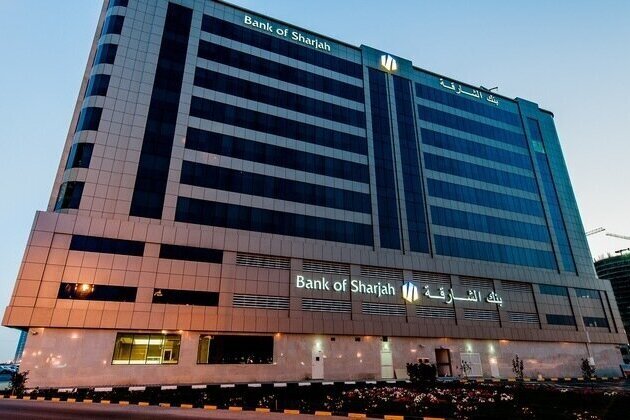
Bank of Sharjah played a key role in Ittihad International Investment LLC’s latest financing success, serving as Joint Lead Manager and Bookrunner in a US$550 million senior unsecured Sukuk issuance. The five-year bond offering attracted overwhelming investor interest, with the order book oversubscribed more than four times, peaking at US$2 billion. This level of demand highlights the strong confidence investors have in Ittihad International’s financial health and future growth prospects.

The Sukuk issuance represents a major milestone for Ittihad International Investment LLC, a prominent UAE-based investment group. With a focus on diversified investments across various sectors, Ittihad International has consistently shown its ability to adapt to market changes and maintain robust financial fundamentals. The success of the Sukuk offering is a clear reflection of the group’s strategic vision, which continues to resonate well with both regional and international investors.

The issuance attracted a diverse mix of institutional investors, including sovereign wealth funds, banks, and asset managers from across the globe. The appetite for the bond offering was not only driven by Ittihad’s strong credit profile but also by the stability and potential growth of the UAE’s economy, which remains a key driver for investment in the region. The overwhelming demand for the Sukuk underscores the high level of trust investors place in Ittihad’s long-term business strategies.

This successful transaction is a significant achievement for Bank of Sharjah, which has built a strong reputation in the financial sector for its role in leading major capital market deals in the region. The bank’s involvement as Joint Lead Manager and Bookrunner further solidifies its position as a leading financial institution in the UAE and the broader Middle Eastern market. Bank of Sharjah’s role in this high-profile Sukuk offering is seen as an endorsement of its deep understanding of regional markets and its ability to facilitate complex transactions for clients in a competitive environment.

The Sukuk, which is based on a Sharia-compliant structure, offers investors an attractive return while supporting Ittihad International’s strategic initiatives. The proceeds from the issuance are expected to be used for general corporate purposes, which include financing new investments and expanding the company’s portfolio in the UAE and beyond. The success of the transaction is a testament to Ittihad’s ongoing efforts to strengthen its financial position and drive long-term value for its stakeholders.

The Sukuk market in the Middle East has been thriving in recent years, with increasing interest from both local and international investors in Islamic finance products. The demand for Sukuk remains strong due to the region’s large and growing investor base, as well as the broader appeal of Sharia-compliant financial instruments. The Ittihad Sukuk transaction highlights the continued maturity of the Middle East’s debt capital markets and reinforces the role of Islamic finance in diversifying global investment opportunities.

The deal’s success also comes at a time when investor confidence in the UAE remains high, bolstered by the country’s continued economic recovery, business-friendly policies, and strong infrastructure development. These factors have contributed to the UAE’s attractiveness as a destination for both regional and international investors looking to capitalise on the country’s growth potential.


Dubai’s economy has demonstrated remarkable strength in the first half of 2025, with growth surpassing projections and reaffirming the emirate’s status as a global economic powerhouse. The city’s GDP expanded by 4.4 percent, reaching AED 241 billion, while the second quarter saw a notable 4.7 percent growth, bringing the total GDP for Q2 to AED 122 billion.

Key sectors played a pivotal role in driving this impressive performance. Dubai’s diversified economy, marked by a robust blend of finance, tourism, real estate, and trade, continues to thrive despite global uncertainties. The construction sector also witnessed significant growth, with an influx of infrastructure projects reflecting Dubai’s ambition to maintain its position as a leading global business hub.

One of the standout performers has been Dubai’s financial services industry, which has grown by a substantial margin. This sector’s success is largely attributed to Dubai International Financial Centre, which continues to attract a global clientele seeking access to the region’s thriving markets. With new regulatory reforms and the expansion of digital financial services, the financial services sector remains a cornerstone of Dubai’s economic resilience.

In addition, the real estate sector has shown signs of recovery after a few years of downturn, with both residential and commercial properties seeing increased demand. This growth can be linked to Dubai’s competitive positioning within the global property market, particularly in the luxury and hospitality segments. The city’s focus on international investors and high-net-worth individuals, combined with attractive incentives such as long-term visas and ease of doing business, has further bolstered investor confidence.

Tourism has also been a driving force behind Dubai’s economic growth. The city has seen a steady rise in international visitors, who are drawn to its world-class attractions, shopping festivals, and hospitality offerings. The Dubai Expo 2020, now extended into 2025, has had a ripple effect on the tourism sector, generating further investments and exposure to new global markets. Events and conferences have continued to bring in significant numbers of international guests, contributing to growth in the hospitality, retail, and leisure sectors.

The transportation and logistics sectors have been equally important to Dubai’s continued success. Dubai’s strategic location as a transport and logistics hub for the Middle East, Africa, and Asia continues to give it a competitive edge. Dubai International Airport, which consistently ranks among the world’s busiest airports, has witnessed a surge in passenger traffic, further solidifying its position as a key global aviation hub. Meanwhile, the port sector remains robust, with Dubai Ports World continuing to expand its reach internationally through strategic acquisitions and partnerships.

The emirate’s government has played a significant role in fostering a business-friendly environment, attracting foreign investment and enhancing the ease of doing business. New initiatives such as the Dubai Future Foundation and Dubai 2040 Urban Master Plan have injected fresh momentum into the city’s long-term growth trajectory. Dubai’s commitment to sustainable development, with a focus on green energy and technological innovation, ensures its competitiveness in a rapidly changing global economy.

Dubai’s resilience in the face of global economic challenges speaks to the emirate’s strategic focus on diversification and innovation. The city has managed to stay ahead of the curve by adopting advanced technologies in sectors like finance, healthcare, and education. In particular, the embrace of artificial intelligence, blockchain, and digital innovation has helped Dubai stay at the forefront of global economic trends.

Engineered by Australia’s leading probiotics expert, this high CFU probiotic delivers the ultimate gut defense, helping to reduce gut transit time by up to 18 hours. SINGAPORE – Media OutReach Newswire – 10 November 2025 – Life-Space, Australia’s No.1 probiotic brand, proudly unveils Triple Strength Probiotics, a flash charged probiotic designed to deliver intensive gut health support for those with more demanding digestive needs. With 15 premium […]

Consumer prices in China saw an unexpected increase in October, driven largely by heightened demand for travel, food, and transport during the holiday period. Official figures revealed that the consumer price index rose by 0.2%, surpassing analysts’ expectations. This marked a shift from the previous months when inflation had remained subdued, raising questions about the economic trajectory moving forward.

The data from the National Bureau of Statistics indicated that the uptick was primarily fueled by the surge in travel and food consumption associated with the Golden Week holiday, a week-long national event that encourages domestic tourism. Hotels, transport services, and restaurants saw increased patronage, pushing up prices in these sectors.

Notably, food prices were one of the key contributors to the overall rise in consumer prices. The cost of fresh vegetables, meat, and other staple goods experienced a spike, with pork prices seeing a particular increase due to seasonal fluctuations. China’s long-standing efforts to stabilize food prices have proven challenging in recent months, particularly in light of unpredictable weather patterns affecting crop yields. Despite these pressures, the overall CPI remains relatively low compared to other major global economies.

Alongside the rise in food prices, transportation costs also saw a marked increase, particularly for flights and long-distance travel, as the holiday season boosted demand. The transportation and hospitality sectors, both key drivers of the country’s service economy, showed positive signs of recovery as the nation continues its post-pandemic economic rebound. The surge in demand during Golden Week also contributed to the overall transportation cost increases.

Experts caution that while the CPI increase in October reflects an uptick in consumer spending, it may not necessarily signal a long-term trend. Many economists argue that the inflationary pressures witnessed in October were likely influenced by temporary factors linked to the holiday season, rather than a systemic inflationary shift. As consumer demand normalizes, inflation is expected to moderate.

China has been carefully monitoring its inflation levels, with officials keen to maintain price stability as the economy transitions from pandemic recovery to a more sustainable growth path. Despite the October surge, the government has largely maintained a cautious stance, aiming to avoid any drastic monetary policy changes. The People’s Bank of China has been wary of tightening policies too soon, opting instead to support the economy through more targeted interventions.

While inflationary concerns are on the radar, consumer confidence remains a vital aspect of China’s economic recovery. The government’s focus on stimulating domestic consumption, particularly in urban areas, plays a critical role in the broader economic strategy. As international trade faces challenges due to global uncertainties, domestic consumption is seen as a key pillar to maintain stable growth in the short to medium term.

The GCC bond market has experienced a surge in activity this week, with borrowers from various sectors seizing the opportunity to tap into favourable financial conditions. The tightening of borrowing costs has created a window of opportunity for sovereigns, banks, and corporations, leading to a total of nine mandates being issued.

The rush for capital comes at a time when borrowing costs have reached historically low levels. For many issuers, this represents an ideal moment to lock in cheap debt ahead of any potential future rate hikes. Among the most notable developments in this surge are the issuances of subordinated US dollar-denominated instruments, which have become increasingly popular among borrowers.

Sovereign issuers have been particularly active, with a mix of established and emerging players entering the market to raise funds for various development projects. These sovereign bonds are typically seen as safe investments, attracting strong interest from global investors. The preference for subordinated debt, which is ranked lower than senior debt in the event of default, reflects the confidence investors have in the region’s economic stability despite global uncertainties.

Banks, too, have been prominent participants in this market rally. With liquidity abundant, financial institutions have been eager to raise funds through bonds in order to strengthen their balance sheets and support lending activities. Several major GCC banks have launched bond issues, with a focus on long-term debt offerings to manage their refinancing needs and capital adequacy requirements.

Corporate borrowers, meanwhile, have been drawn to the bond market as a means of financing expansion and strategic initiatives. In particular, companies with strong credit ratings have capitalised on the tight borrowing conditions to secure funding at competitive rates. The demand for subordinated instruments has allowed corporates to issue debt with slightly higher yields, while still benefiting from the current low-rate environment.

One of the key drivers behind this bond market activity is the broader economic stability in the GCC region. Despite global challenges such as oil price volatility and geopolitical tensions, the region’s sovereign wealth funds and strong fiscal management have provided investors with confidence. Additionally, the implementation of economic diversification strategies across the Gulf States has helped bolster investor sentiment.

Another contributing factor is the continued strength of the US dollar, which is pegged to most of the GCC currencies. With the Federal Reserve maintaining its policy stance and the dollar remaining strong, issuers are able to tap into deep liquidity pools from global investors who are looking to park funds in stable currencies. As a result, demand for US dollar-denominated bonds from the GCC remains robust, particularly in the context of tightening global financial conditions.

The trend towards subordinated debt issuance has also been partly driven by investor demand for higher-yielding instruments, as investors seek returns in an otherwise low-interest-rate environment. Subordinated debt typically offers a higher yield due to its increased risk profile, making it attractive for investors seeking greater returns, especially as other asset classes provide limited growth.

Looking ahead, it is expected that this trend will continue in the short term as issuers capitalise on the current favourable market conditions. Analysts predict that the next few weeks may see even more issuances, as sovereigns and corporates look to take advantage of tight borrowing costs before any potential shifts in the global financial landscape.

Abu Dhabi National Oil Company is poised to significantly ramp up its global trading operations, with plans to increase the volume it handles by two-thirds over the next few years. This expansion is part of a broader strategy to strengthen ADNOC’s position on the global stage and tap into new revenue streams. The move signals the growing ambition of the UAE’s state-owned oil giant to enhance its commercial footprint beyond traditional oil and gas production.

Since the establishment of its trading arm in 2018, ADNOC has been gradually building its global network, positioning itself as a major player in international energy markets. The company has already set up trading offices in key financial hubs such as Singapore and Geneva, with the United States next on its list. This expansion is seen as a strategic initiative aimed at consolidating ADNOC’s presence in both the fuel trading and energy markets, where it competes with some of the world’s largest oil companies.

Ahmed Bin Thalith, CEO of ADNOC Global Trading, outlined the company’s goals during a recent interview. He explained that ADNOC’s trading operations are central to its broader strategy of extracting greater value from the fuel produced not only in the UAE but from global markets. Thalith emphasized that the expansion of the trading unit is integral to ADNOC’s vision of becoming a more diversified energy enterprise, moving beyond its traditional role as a major oil producer.

The UAE, known for its vast reserves of oil and natural gas, is under pressure to diversify its economy, which is heavily dependent on hydrocarbons. By expanding its trading operations, ADNOC seeks to secure additional revenue streams from the global sale of fuel products, a vital step as the world moves towards a more sustainable energy future. The move aligns with the UAE’s broader vision of positioning itself as a global energy hub, diversifying into renewable energy and other industries, such as technology and manufacturing.

ADNOC’s global trading expansion follows a series of similar moves by other Gulf oil companies seeking to broaden their operations beyond the traditional export of crude oil. Companies like Saudi Aramco have been pursuing similar strategies to increase their influence in the global energy trading market. However, ADNOC’s strategy to build a robust trading platform since 2018 gives it a more established presence in the field. The company is now looking to leverage its growing infrastructure to manage an even greater volume of trades, both within the Middle East and globally.

In addition to expanding its physical presence in strategic locations, ADNOC Global Trading is also exploring new technologies to improve its operations. This includes the use of data analytics and advanced digital tools to monitor and predict market trends, a crucial aspect for maintaining competitiveness in the volatile global energy market. By integrating cutting-edge technology into its trading practices, ADNOC aims to stay ahead of the curve and better position itself in a market where agility and adaptability are paramount.

The decision to enter the U. S. market is one of the more ambitious elements of ADNOC’s expansion plans. The company aims to tap into the largest energy market in the world, which has seen significant changes in recent years due to the shale revolution and growing interest in alternative energy sources. By establishing a presence in the U. S., ADNOC hopes to gain access to new trading opportunities, as well as foster relationships with key players in the global energy sector.

The expansion also reflects ADNOC’s long-term vision of becoming a more diversified energy company that is not solely reliant on crude oil exports. The UAE has been increasingly investing in renewable energy, and ADNOC’s trading division is seen as a key pillar in achieving this transition. As part of its sustainability strategy, ADNOC has set ambitious targets for reducing its carbon footprint and increasing its investment in cleaner energy technologies, including solar power and hydrogen.

A fresh roster of innovators, and increased sums of investment, had global innovators eyeing Hong Kong’s I&T capabilities HONG KONG SAR – Media OutReach Newswire – 7 November 2025 – Hong Kong Science and Technology Parks Corporation (HKSTP) has successfully concluded EPIC 2025 Presented by Cathay and HSBC. Ideas took flight at today’s Grand Finale; NEU Battery Materials brought home the Overall Championship and won the Green […]

Advertisements

Nigeria has successfully raised $2.35 billion through the sale of 10-year and 20-year Eurobonds, marking a significant achievement in its financial strategy. The transaction, announced on Wednesday, attracted a staggering $13 billion in orders, the largest-ever demand for Nigerian sovereign debt. The sale, conducted through the country’s Debt Management Office, highlights strong investor confidence in Nigeria’s economic recovery prospects despite ongoing challenges. The sale included two tranches: […]

Kenya’s leading telecommunications provider, Safaricom, has announced a significant 55 per cent increase in its half-year profits for 2025, driven by robust growth in data services and mobile transactions. The company, which holds a dominant position in East Africa’s telecom market, has seen a notable recovery in its performance following challenges in its Ethiopian venture. The surge in profits comes as Safaricom has navigated through the hurdles […]

Iron ore prices have continued their downward trend, heading towards their most significant weekly decline since February. The ongoing drop in prices is being driven by sluggish demand for steel in China and the tightening profit margins faced by steel mills. These factors have raised concerns about the overall stability of the global iron ore market, particularly in the world’s largest consumer, China.

Steel mills in China, which are the primary drivers of iron ore demand, are facing significant challenges due to rising input costs and tighter margins. The country’s construction and manufacturing sectors, which consume a large portion of steel, have struggled to gain momentum amid slower economic growth. With high input costs and a slowdown in industrial activity, many steelmakers have been forced to curb production, leading to reduced demand for iron ore.

At the same time, steel prices have also been under pressure, further exacerbating the squeeze on mill margins. While there were hopes for a recovery earlier in the year, the anticipated rebound in steel demand has yet to materialise, as economic conditions in China remain uncertain. The country’s industrial output has shown signs of stagnation, with infrastructure projects failing to meet expectations and housing activity continuing to struggle.

In addition to weak demand, iron ore prices have also been affected by rising supply levels. Brazilian mining giant Vale, one of the largest iron ore producers globally, has increased production in recent months, adding to the market’s supply glut. Vale’s expansion of its operations has helped to further ease supply concerns that have plagued the market over the last few years. However, this has created a situation where the supply of iron ore is outpacing demand, particularly given the subdued consumption from China’s steel mills.

The combination of oversupply and weakening demand has led to a decline in iron ore futures. The most actively traded contracts have experienced a significant fall in recent trading sessions, reflecting the broader bearish sentiment in the market. Prices have dropped by as much as 6% this week, marking a notable setback for an industry that had previously seen strong growth due to the post-pandemic recovery phase.

Global iron ore producers are feeling the impact of these declines as well. Companies such as Rio Tinto and BHP have faced a slowdown in earnings growth, despite their dominance in the market. Lower iron ore prices have put pressure on the profitability of these companies, leading to recalibrated forecasts for the rest of the year.

China’s role in the iron ore market remains critical, with the country accounting for over half of global iron ore consumption. However, the shift in the country’s steelmaking practices, including a push towards cleaner and more sustainable steel production, has led to concerns that long-term demand may not be as robust as previously expected. Furthermore, the government’s increasing focus on reducing emissions could eventually affect steel production levels in the country.

Despite these challenges, analysts believe that iron ore prices are unlikely to fall precipitously in the coming months. While demand from China may remain subdued, global steel production is expected to recover in other regions, such as Europe and North America. This could provide some support for iron ore prices, although the pace of recovery remains uncertain.

Bitcoin’s fair value, according to JPMorgan Chase, should be as high as $170,000, based on a model that compares it to gold’s market role. The investment bank argues that Bitcoin should represent two-thirds of gold’s private investment base, a significant increase from its current value of approximately $102,000 per Bitcoin.

JPMorgan’s analysis draws from its long-standing views on digital assets and traditional commodities, asserting that Bitcoin is on a path to becoming an essential part of the global investment portfolio, particularly among institutional investors. The bank’s model incorporates risk capital metrics and examines the private investment demand for both Bitcoin and gold. As more institutional investors seek exposure to digital assets, Bitcoin is increasingly seen as a hedge against traditional financial uncertainties.

According to the model, Bitcoin’s rise aligns with the expanding use of blockchain technology and cryptocurrencies as a store of value, much like gold has functioned for centuries. This comparison has gained traction, particularly as Bitcoin’s network effects and its decentralized structure differentiate it from other assets. JPMorgan believes that Bitcoin’s potential growth is rooted in its ability to scale and the growing adoption of cryptocurrencies in the financial system.

While Bitcoin’s market capitalisation currently lags behind gold, JPMorgan’s model suggests that it could capture a significant portion of the gold market, primarily in the realm of private investment. The bank’s forecast is based on the assumption that Bitcoin will continue to prove its resilience and utility as an asset, making it increasingly attractive to both institutional and retail investors alike. JPMorgan’s analysis takes into account Bitcoin’s volatile price history, yet the bank remains optimistic about its long-term potential as the digital asset continues to mature.

The bank’s prediction of a $170,000 fair value for Bitcoin is a sharp contrast to its current trading price, which fluctuates in the $30,000 to $35,000 range. However, JPMorgan notes that such a valuation is achievable if Bitcoin continues to gain market share from traditional assets like gold, especially as demand for hedging against inflation and economic uncertainty rises. Additionally, the introduction of Bitcoin ETFs and other investment products could help bridge the gap between digital currencies and mainstream financial markets, facilitating broader adoption.

For JPMorgan, Bitcoin’s fair value also hinges on broader regulatory developments. While the US and other countries have begun to establish clearer regulatory frameworks for cryptocurrencies, the landscape remains uncertain, which could impact Bitcoin’s trajectory. However, JPMorgan suggests that clearer regulations could bring more institutional investors into the space, providing further support for Bitcoin’s long-term growth.

JPMorgan’s bullish outlook on Bitcoin comes amid a broader market trend where digital assets, particularly Bitcoin and Ethereum, are becoming integral to the portfolios of both retail and institutional investors. This shift is propelled by growing recognition of the asset class’s potential to diversify traditional investment portfolios and provide exposure to the evolving digital economy. The rise of decentralized finance platforms and the increasing use of blockchain technology in various industries have helped position Bitcoin as a viable alternative to traditional store-of-value assets like gold.

Bitcoin’s integration into the financial ecosystem is also supported by advancements in blockchain infrastructure and the growing acceptance of cryptocurrencies in various sectors, from payments to banking to supply chain management. As these applications expand, Bitcoin is poised to become a more integral component of financial markets, reinforcing JPMorgan’s argument that its fair value could reach $170,000.

A Washington D. C. jury has cleared former Department of Justice paralegal Sean Charles Dunn of a federal misdemeanor assault charge after he hurled a submarine-style sandwich at a U. S. Customs and Border Protection agent on 10 August, a moment captured on video and processed through a high-profile federal court trial. The verdict follows a grand jury’s refusal to indict Dunn on felony assault charges, triggering […]

Apple is addressing one of the most prominent criticisms of its previous iPhone Air models by introducing a powerful camera upgrade in the upcoming iPhone Air 2. According to a top industry leaker, the iPhone Air 2 will feature a dual-camera system with two 48MP sensors, marking a significant leap in photography capabilities for the device. For years, iPhone Air users have complained about the device’s camera, […]

Shareholders of Tesla, Inc. approved a landmark compensation package for CEO Elon Musk that could ultimately be worth as much as $1 trillion, should the firm hit a series of ambitious milestones over the coming decade. Over 75 % of shares were cast in favour of the plan during the company’s annual meeting in Austin, Texas, signalling continued investor faith in Musk’s leadership. The package ties Musk’s […]

A prominent figure in the cryptocurrency world, Michael Saylor, has publicly declared that Bitcoin is “on sale”, signalling both bullish conviction and market caution in one of the most high-profile corporate crypto strategies. Saylor’s remarks, made via social-media post, come as Bitcoin slipped below the US $100,000 mark and as corporate and institutional appetite for the asset undergoes intense scrutiny.

Saylor, executive chairman of Strategy Inc., posted the phrase “₿itcoin on Sale” on his account, highlighting a rare moment of acquisition opportunity in his view. That post coincided with Bitcoin’s price retreat to just over US $103,000, following a sharp drop from its earlier peak above US $126,000. His firm continues to amass holdings at an average cost far below current market levels, reinforcing his narrative of seizing value amid volatility.

The strategy deployed by Saylor’s company remains centred on treating Bitcoin as a treasury asset rather than a speculative bet. Strategy now holds tens of billions of dollars worth of Bitcoin and has publicly declared an intention not to liquidate those holdings. Analysts estimate that the company faces around US $689 million in annual obligations—dividends, interest and operating costs—that will need to be met without selling crypto holdings. Failure to meet those obligations could force asset sales, but so far the company expects to service its debt and dividend commitments through equity issuance and other financing mechanisms rather than Bitcoin liquidation.

Saylor has reiterated a long-term price target of around US $150,000 for Bitcoin by the end of 2025, citing institutional demand, limited supply and the “digital gold” narrative that underpins his thesis. While that target remains ambitious, it signals the degree to which Strategy is doubling down on a one-asset treasury model. The company’s stock continues to trade at a significant premium to its net Bitcoin holdings, a premium build on investor belief in Saylor’s ability to deliver accretion of Bitcoin per share over time.

Market sentiment, however, tells a more cautious story. Bitcoin’s drop below US $100,000 has triggered outflows from spot-Bitcoin ETFs in the United States exceeding US $1.3 billion, according to data providers. At the same time, Strategy’s own valuation now absorbs significant risk: should Bitcoin stagnate or decline, the company’s heavy reliance on equity issuance to meet its obligations exposes existing shareholders to dilution. Critics such as prominent short-seller James Chanos have labelled the model “financial gibberish”, arguing that investors would be better off buying Bitcoin directly rather than trusting a leveraged equity vehicle.

Still, Strategy retains a cadre of committed supporters who believe the model is defensible if Bitcoin enters a sustained phase of adoption. Analysts covering the company have reaffirmed “buy” ratings and note that Saylor’s team does not appear to be slowing its accumulation of Bitcoin. That continued accumulation supports the “scarcity” argument Saylor advances, namely that corporate and institutional hoarding will reduce the available float and push prices higher.

The broader market context underscores the tension between optimism and caution. Bitcoin proponents emphasise macroeconomic factors such as inflation hedging, central-bank balance-sheet expansion and quantitative easing as tailwinds. Detractors point to regulatory risk, rising interest rates, and the possibility that the current cycle may be peaking or entering a correction phase. Within that dynamic Saylor’s “on sale” statement serves both as a rallying cry and a courageous public stance in a volatile landscape.

Researchers at Weill Cornell Medicine have identified a previously unrecognised source of oxidative stress in the brain that appears to drive neurodegeneration in disorders such as Alzheimer’s disease and Frontotemporal dementia. Their study highlights the role of support cells known as astrocytes in generating excessive mitochondrial reactive oxygen species at a specific site — mitochondrial Complex III — and suggests that targeting this mechanism may open new […]

Cyberport Welcomed 10 Listed Companies and 2 Unicorns over the past year Cyberport Investors Network (CIN) Celebrates 8th Anniversary with a Yearly Threefold Growth Cumulative Funds Surpassed HK$4.2 Billion HONG KONG SAR – Media OutReach Newswire – 6 November 2025 – The annual flagship event Cyberport Venture Capital Forum 2025 (CVCF) officially opened today at Hong Kong Cyberport. The two-day forum, themed “The Innovation-Venture Nexus: Igniting Transformative […]

By Nitya Chakraborty The historic victory of the Democratic socialist candidate Zohran Mamdani in New York mayoral elections on November 4 night is acting as a big booster, not only to the left wingers in the Democratic Party belonging to the Bernie Sanders group, but also to the left parties in Europe and Latin America. […]

The article Zohran Mamdani’s Victory As New York Mayor Has Given A Big Boost To Global Left appeared first on Latest India news, analysis and reports on Newspack by India Press Agency).

Swiss cloud storage leader pCloud introduces limited-time lifetime deals for Asian markets from November 3 to November 17, offering unmatched value on secure digital storage. ZUG, SWITZERLAND – Media OutReach Newswire – 6 November 2025 – Swiss-based cloud storage provider pCloud, trusted by more than 22 million users worldwide, announced today the launch of its exclusive 11.11 Mega Sale for Asia. Running from November 3 to November […]

A groundbreaking partnership has emerged between Ripple Labs, Mastercard Incorporated, WebBank and Gemini Trust Company to pilot the use of Ripple’s U. S. dollar-backed stablecoin, RLUSD, for credit-card settlement on the XRP Ledger network. The announcement, made at Ripple’s annual Swell 2025 event, signals a key move by a mainstream payments network to integrate blockchain-based tools into legacy infrastructure.

Under the terms of the pilot, Card issuer WebBank—partnering via Gemini’s credit-card programme—will explore settling Mastercard-network transactions using RLUSD on the XRPL. The goal is to streamline settlement flows between merchants and issuers, compressing what now often takes days into near-real-time settlement through blockchain rails, while preserving regulatory compliance and consumer protection.

Ripple noted that RLUSD has already surpassed a circulation threshold of $1 billion, and is issued under the oversight of the New York Department of Financial Services with reserves held in cash and short-term U. S. Treasuries. Mastercard described the collaboration as part of its broader strategy to integrate regulated digital assets. “Through our partnerships with Ripple, Gemini and WebBank, we’re using our global payments network to bring regulated, open-loop stablecoin payments into the financial mainstream,” said Sherri Haymond, Mastercard’s Global Head of Digital Commercialisation.

The partnership unfolds amid growing attention on stablecoins as institutional settlement tools rather than niche digital-asset instruments. Mastercard’s previous statements reflect cautious optimism: its Chief Product Officer, Jorn Lambert, has said that despite the potential of stablecoin technology, adoption demands “a seamless and predictable user experience, reach and wide distribution” beyond the technological narrative alone.

Industry analysts note that if scaled, this model could challenge entrenched settlement processes such as those using ACH and SWIFT and cut both transactional cost and latency—especially for cross-border commerce. Ripple executives suggest that the pilot is a demonstration of how stablecoins can function within regulated frameworks rather than as adversarial alternatives.

Nonetheless, key caveats remain. The pilot requires regulatory clearance before full onboarding begins, and adoption by issuers and merchants at scale remains to be proven. Some banks and payment networks continue to view stablecoins with caution, given ongoing questions about trust, custody, interoperability and how legacy infrastructure will migrate. As an example, Mastercard has publicly noted stablecoins still have “a long way to go” before becoming everyday payment tools.

This initiative builds on Ripple’s broader institutional push, which included a reported $500 million funding round at a $40 billion valuation, intended to fuel growth in custody, stablecoins and institutional payments infrastructure. The XRPL platform, which underpins XRP and is designed for low-cost, high-speed settlement and tokenisation, is central to the experiment.

For cardholders, the consumer experience may remain unchanged—swipe a card—but behind the scenes, settlement flows could shift dramatically. For merchants and issuers, the promise lies in reduced settlement risk, faster liquidity and improved traceability. For regulators and infrastructure providers, the test will show whether a hybrid bridge between legacy finance and blockchain can scale without undermining compliance or stability.

By TN Ashok NEW  YORK:When the polls closed at 9 p.m. on Tuesday, November 4, 2025, it took less than 40 minutes for the Associated Press to call the race. Zohran Mamdani, a 34-year-old democratic socialist and state assemblyman from Queens, had accomplished what many considered impossible just a year earlier: he defeated Andrew Cuomo—twice—to […]

The article The Mamdani Moment: A Political Earthquake In America’s Largest City appeared first on Latest India news, analysis and reports on Newspack by India Press Agency).

Business conditions across the United Arab Emirates’ non-oil private sector eased with the headline S&P Global UAE Purchasing Managers’ Index slipping from 54.2 in September to 53.8 in October. Growth remained above the mid-year trend but the moderation highlights emerging caution amid new challenges. The decline in the PMI reflects a tempering of momentum, notably in hiring and new business orders. While the headline index still signals […]

Extends Agentic AI Safety from infrastructure to application with agentless EDR and integrated guardrails to secure next-generation AI factories HONG KONG SAR – Media OutReach Newswire – 5 November 2025 – Trend Micro Incorporated (TYO: 4704; TSE: 4704), a global cybersecurity leader, today announced a new integration with NVIDIA BlueField, which embeds protection directly into the data center layer for more secure and scalable AI factories. This […]

The governments of the northern United Arab Emirates have taken a bold step into natural-hydrogen exploration with the collaboration among the Sharjah National Oil Corporation, Siemens Energy and Decahydron to assess the use of naturally occurring hydrogen for power generation and other industrial applications. This marks a decisive departure from traditional fossil reliance and underscores Sharjah’s ambition to secure a foothold in the emerging hydrogen economy. The initiative rides on ongoing technical studies by Decahydron and SNOC at an existing exploration well in Sharjah, with initial findings reported as encouraging and further drilling scheduled for 2026 to gather detailed resource data and measure flow rates.

The emerging project will evaluate whether natural hydrogen — distinct from hydrogen produced by electrolysis or reforming — can feed power turbines or serve heavy industry without the extensive storage, transport and conversion infrastructure typically required for conventional “green” or “blue” hydrogen. Siemens Energy brings its global hydrogen and energy-system expertise into the alliance, while Decahydron focuses on mineralisation and subsurface hydrogen resources. SNOC, as the emirate-owned upstream and midstream energy company, provides the local infrastructure and regulatory engagement needed to steer the resource development. The companies frame the effort as a potential new low-carbon energy source that could serve data centres, manufacturing plants and other energy-intensive uses in the UAE.

Figures within the consortium underscore the significance of the move. SNOC’s chief executive, Khamis Al Mazrouei, said the feasibility study could mark “a new chapter in Sharjah’s energy landscape—providing an abundant, naturally occurring source of clean energy.” Siemens Energy’s UAE managing director, Khalid Bin Hadi, described hydrogen as central to decarbonising the power sector, adding that this collaboration sets a new course for natural-hydrogen in the Gulf region. Decahydron’s CEO, Arnaud Lager, said early findings suggest the potential for continuous supply directly from subsurface sources and that Sharjah and the northern Emirates hold “exceptional potential”.

Global context reinforces the ambition behind the project. The UAE aims to become one of the top ten hydrogen-producing countries and to capture a 25 per cent share of the low-carbon hydrogen key markets, according to statements from leading federal energy officials. Sharjah’s drive aligns with this broader national strategy. Previously SNOC announced its intent to explore green hydrogen and carbon capture within its portfolio as part of its pathway to net-zero emissions. Now the emphasis on naturally occurring hydrogen marks a notable shift in approach.

The technical front remains complex. Natural hydrogen projects remain nascent worldwide, with questions around resource size, continuity of flow, well economics, contaminants and commercial usability still to be resolved. The Sharjah initiative is built on preliminary well-site data, but the drilling slated for 2026 will be critical in determining resource scale and flow rate viability, which in turn will affect whether the hydrogen can be used directly for power generation or whether it will need conversion. Siemens Energy’s role will involve analytical and technical verification of commercial potential, while SNOC’s project governance will oversee permitting, regulatory interaction and integration with Emirate infrastructure.

Industrial demand in the Gulf region adds urgency to the project. With increasing energy consumption from data centres, hydrogen applications in manufacturing, and a drive to decarbonise hard-to-abate sectors, natural hydrogen presents a complementary path to electrolytic hydrogen and renewables. The potential upside includes bypassing some of the cost and complexity of hydrogen storage and pipeline transport by tapping subsurface reservoirs directly. If proven viable, the Sharjah project could serve as a model for other Middle East jurisdictions investigating hydrogen from unconventional sources.

Strategic risks remain. Project economics will depend on the continuity and purity of hydrogen flows, the cost of drilling and well development, regulatory frameworks, and the readiness of industrial hosts to adapt infrastructure. Market competition is intensifying: electrolytic green hydrogen is scaling rapidly and could outpace unconventional hydrogen if production and storage costs fall further. Moreover, hydrogen certification, transport logistics, and industrial offtake agreements remain evolving domains globally. For Sharjah and the GNOC-Siemens-Decahydron alliance, time to commercial decision-making will be an important metric.

VISHNU RAJA
RYO YAMADA
HITORI GOTOH
IKUYO KITA