News related to
demand

Tether, the issuer of the USDT stablecoin, has reported a 13% increase in its user base during the first quarter of 2025, highlighting the growing demand for digital dollar alternatives in emerging markets. CEO Paolo Ardoino attributes this growth to USDT’s role in providing financial services to unbanked populations and its integration into various sectors beyond traditional stablecoin operations.

The company now serves over 400 million users globally, with approximately 35 million new wallets added each quarter. This expansion is particularly notable in regions with limited banking infrastructure, where USDT offers a stable medium for savings and transactions. Ardoino emphasizes that USDT functions as a “bridge” in these markets, facilitating access to the US dollar and supporting local economies.

Tether’s influence extends beyond user adoption. The company is among the top three global purchasers of short-term US Treasury bills, holding approximately $90.87 billion in such securities as of March 31, 2024. This significant investment underscores Tether’s role in the global financial system and its commitment to backing USDT with substantial reserves.

In addition to its stablecoin operations, Tether is diversifying its portfolio through investments in artificial intelligence and other emerging technologies. The company plans to launch an AI platform by the end of Q1 2025, signaling its intent to compete with established tech giants and expand its offerings beyond the cryptocurrency space.

Despite its growth, Tether faces regulatory scrutiny and challenges in various jurisdictions. The company has been proactive in addressing these concerns by enhancing its compliance measures and increasing transparency regarding its reserves and operations. Ardoino has dismissed allegations of Tether’s involvement in illicit activities as unfounded, emphasizing the company’s commitment to regulatory compliance.

The world of Linux has witnessed a shift with the announcement of Systemd’s plans to launch its own Linux distribution, dubbed ParticleOS. This move has piqued the interest of many in the open-source community, given Systemd’s significant influence within the Linux ecosystem. Known for its role in managing system processes, services, and init systems, Systemd has become a core component in many popular Linux distributions. The launch […]

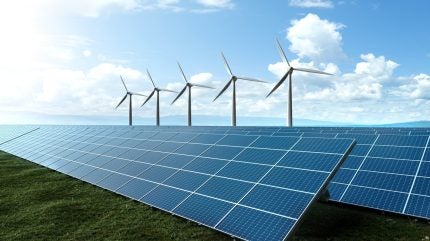
JSW Neo Energy has successfully completed the acquisition of a 4.7 GW renewable energy platform from O2 Power, marking a significant leap in its energy portfolio. This acquisition brings the total capacity of JSW Neo Energy to 12.2 GW, positioning it closer to its ambitious target of reaching 20 GW by 2030. The deal is part of the company’s strategic push to solidify its presence in India’s rapidly growing renewable energy sector.

With the energy landscape in India transitioning towards a more sustainable future, JSW Neo Energy’s expansion aligns with the government’s vision of achieving 500 GW of non-fossil fuel-based power capacity by 2030. The platform acquired from O2 Power, which includes both operational and under-construction projects, covers a diverse mix of solar and wind energy. These assets are expected to provide significant long-term revenue streams and diversify JSW Neo Energy’s renewable portfolio.

This move comes as part of JSW Energy’s broader strategy to accelerate its green energy initiatives. In line with this, the company aims to focus on scaling up its renewable capacity while phasing out fossil fuel-based assets. The acquisition enhances JSW Neo Energy’s position as one of India’s key players in the renewable energy market, alongside other major industry players such as ReNew Power, Adani Green, and NTPC. The renewable energy sector, which has seen robust growth due to favorable policy frameworks and increasing investment, is becoming an attractive space for both established energy companies and new entrants.

O2 Power, a prominent renewable energy developer in India, made the decision to divest a part of its portfolio as part of its strategy to streamline operations and focus on other business ventures. The deal reflects a broader trend in India’s renewable energy sector, where companies are consolidating and scaling operations to meet the increasing demand for clean energy. This transaction also underscores the competitive landscape in the sector, with firms vying for a larger share of the renewable energy pie.

For JSW Neo Energy, this acquisition not only expands its operational footprint but also accelerates its progress towards meeting India’s energy transition goals. The company has been actively involved in both the solar and wind energy segments and plans to continue investing in projects that enhance its renewable energy capacity. In recent years, JSW Neo Energy has been building its portfolio through a series of acquisitions and partnerships, including deals with leading international investors and developers.

The renewable energy sector in India has witnessed increased investments, supported by policy initiatives such as the National Wind-Solar Hybrid Policy and the Renewable Energy Purchase Obligation , which mandate that utilities must procure a certain percentage of power from renewable sources. These policies have created a conducive environment for energy companies like JSW Neo Energy to expand and scale their operations.

The push towards renewable energy also reflects a growing awareness of the need to address climate change and reduce reliance on fossil fuels. India has committed to achieving net-zero emissions by 2070, with an interim target of achieving 50% of its energy needs from non-fossil fuel sources by 2030. This aligns with JSW Neo Energy’s commitment to sustainable growth and its long-term vision of becoming a leader in the green energy space.

Experts in the industry believe that the consolidation of renewable energy assets through acquisitions, such as the one completed by JSW Neo Energy, is crucial for driving economies of scale. By consolidating assets, companies can reduce operational costs, increase efficiency, and improve their financial viability. Additionally, large-scale renewable projects allow companies to attract capital more easily, which is essential for financing the growth of the sector.

Matein Khalid “We went eyeball to eyeball and the other guy blinked” – JFK said about Nikita Peasantovich Shoe Bangarov after Stalin’s henchman in the Red Terror back down in the Cuban missile crisis. Trump has gone eyeball to eyeball with the bond market and Xi Jinping but only the Dragon Empire’s Emperor for Life has blinked while the bond vigilantes have gone berserk in the netherworld […]

New industry survey reveals that 80% of respondents confirm venture capital firms in Dubai are actively seeking AI-driven startups, reinforcing the city’s position as a global hub for AI investment and technological innovation. The findings are part of the newly released Practical Guide to Dubai’s AI Ecosystem 2025, developed by Duamentes Global Alliance in collaboration with Dubai Silicon Oasis (DSO). The guide provides key insights into investment trends, AI adoption, […]

HONG KONG SAR – Media OutReach Newswire – 11 April 2025 – As a low-carbon energy source with significant development potential, hydrogen energy is recognised as a vital component of future national energy strategies. To address the increasing industry demand for hydrogen energy applications, the Technological and Higher Education Institute of Hong Kong (THEi) is actively advancing the development of the hydrogen energy sector. Funded by the […]

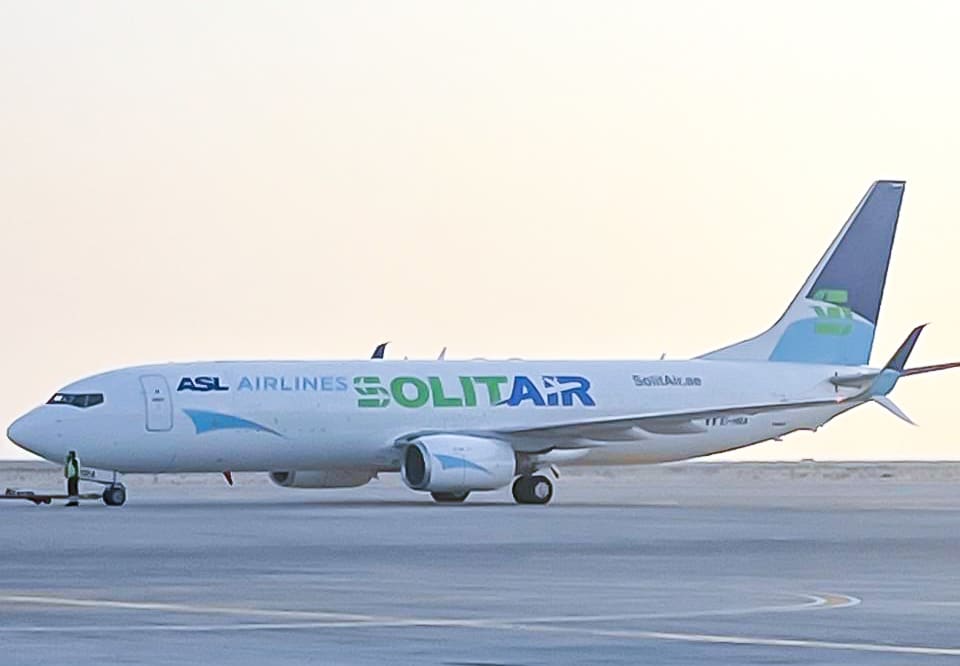
Dubai-based cargo airline SolitAir has secured its Air Operator Certificate from the United Arab Emirates’ General Civil Aviation Authority , marking a significant milestone in its operational expansion. The certification, issued under UAE Civil Aviation Regulations Part V, Chapter 4, authorises SolitAir to operate as a licensed air cargo carrier, following a rigorous evaluation of its operational, safety, and financial standards.

Headquartered at Dubai World Central , SolitAir specialises in middle-mile cargo services, connecting key logistics hubs across the Middle East, South Asia, and Central Asia. The airline’s fleet now comprises three Boeing 737-800 Boeing Converted Freighters —one of which is on a dry lease—and one Boeing 737-400 BCF. This expansion supports operations from its 220,000-square-foot logistics facility at DWC, enhancing its capacity to meet growing regional demand.

The AOC also facilitates SolitAir’s transition from chartered operations to in-house management of its aircraft. Notably, the airline has taken delivery of a 20-year-old Boeing 737-800 BCF, previously operated by carriers including Air India Express and TUI fly Germany. This aircraft, converted to a freighter in 2023, is currently undergoing maintenance in Sofia before entering service under SolitAir’s registry.

SolitAir’s operational strategy includes partnerships with ASL Airlines Ireland, from which it leases two additional Boeing 737-800 BCFs. These aircraft continue to operate under ASL’s ‘5H’ code, reflecting the collaborative nature of SolitAir’s fleet management approach.

The airline has initiated routes to Bangalore, India; Erbil, Iraq; and Riyadh, Saudi Arabia, aligning with its focus on underserved regional markets. Future plans involve expanding services to Africa, the Gulf Cooperation Council countries, the Indian subcontinent, and Central Asian nations, catering to integrators, freight forwarders, express operators, and e-commerce entities.

Advertisements

Saudi Arabia’s leading petrochemical firms are projected to report significant year-on-year declines in net profits for the first quarter of 2025, reflecting ongoing challenges in global demand, pricing pressures, and operational headwinds across the sector. Saudi Basic Industries Corporation , the kingdom’s flagship chemicals producer, is expected to post a 47% drop in net profit to SAR 130 million for Q1 2025, down from SAR 246 million […]

Off-plan property sales in Dubai surged 19.3% year-on-year in March 2025, underscoring sustained investor confidence in the emirate’s real estate sector, even as monthly figures registered a 7.4% decline compared to February. According to data from real estate consultancy ValuStrat, off-plan transactions accounted for nearly 70% of all residential deals during the month, reaffirming their dominant position in the market.

Jumeirah Village Circle led off-plan activity, followed by Business Bay, Damac Island City, Dubai Production City, and Dubai Maritime City. Notably, Dubai Production City and Uptown Motor City each recorded their highest-ever monthly volumes of off-plan sales, highlighting the growing appeal of emerging residential hubs.

While off-plan sales experienced a month-on-month dip, the broader market context remains robust. In February, off-plan registrations had increased by 22.2% compared to January, representing over 70% of total home sales. This upward trajectory aligns with the broader trend of rising demand for new developments, driven by attractive payment plans and anticipated capital appreciation.

The secondary market, meanwhile, showed mixed signals. Ready home transactions declined by 2.4% month-on-month in March but edged up 1.1% year-on-year. This suggests a stabilising trend in the resale segment, as buyers weigh options between immediate occupancy and investment in upcoming projects.

Dubai’s real estate market has been buoyed by a combination of factors, including population growth, limited new supply, and investor-friendly policies. In 2024, the city added over 170,000 new residents, the highest annual increase since 2018, while only 58% of the projected residential supply was delivered, equating to about 27,000 completed homes. This supply-demand imbalance has contributed to significant price increases across various property segments.

The ValuStrat Price Index reported a 27.5% annual rise in residential capital values by December 2024, with villas appreciating by 31.6% and apartments by 23.6%. Such growth has reinforced investor interest in off-plan properties, perceived as offering better value and higher potential returns.

IBM has unveiled the z17 mainframe, a system engineered to enhance artificial intelligence capabilities within enterprise environments. Central to this advancement is the IBM Telum II processor, featuring eight high-performance cores operating at 5.5GHz. This processor integrates an AI accelerator core and a coherently attached Data Processing Unit , collectively designed to deliver low-latency, high-throughput in-transaction AI inference, addressing complex transactional demands across industries such as finance, […]

Inks three signings in Q1 2025 to add 600 units under the Oakwood brand, bringing Ascott’s current portfolio in India to ~6,100 units Introduces lyf, The Crest Collection and The Unlimited Collection brands to cater to the evolving needs of next-gen travellers and address the growing demand for authentic Indian heritage and cultural experiences MUMBAI, INDIA / SINGAPORE – Media OutReach Newswire – 10 April 2025 – […]

Off-plan property transactions in Dubai have exhibited a complex pattern of growth and decline, underscoring the dynamic nature of the emirate’s real estate market. In January 2025, off-plan sales accounted for 69.1% of total home sales, reflecting a 37.9% year-on-year increase, despite a 13.5% month-on-month decline . This trend continued into February 2025, with off-plan transactions comprising a significant portion of the market, even as the total number of sales reached approximately 16,099, marking a 35% increase compared to the same period in 2024 .

In March 2025, off-plan property sales rose 19.3% year-on-year but declined 7.4% compared to February, according to a report by real estate agency ValuStrat. Despite the monthly dip, off-plan sales continued to dominate market activity, accounting for a substantial portion of total transactions.

The sustained interest in off-plan properties can be attributed to several factors. Competitive pricing and flexible payment plans have made these properties particularly appealing to investors and end-users alike. Additionally, limited supply in the secondary market has driven buyers toward off-plan options .

Developers have responded to this demand by accelerating project launches. In 2024, approximately 145,000 new off-plan units were introduced to the market, averaging 400 units daily . This surge in supply aims to meet the growing appetite for off-plan properties, particularly in emerging developments such as Palm Jebel Ali and The Oasis, which are attracting high-net-worth individuals seeking exclusivity and long-term capital appreciation .

The preference for off-plan properties is also evident in the types of units being transacted. Apartments have remained the preferred choice among buyers, accounting for 61% of all sales by volume in early 2024. Notably, 90% of off-plan sales during this period were apartments, highlighting their affordability, strong rental yields, and appeal to both end-users and investors .

However, the market has also experienced fluctuations. In August 2024, off-plan property prices saw a slight decline of 4.2% compared to the previous year, indicating a recalibration towards price equilibrium. Analysts suggest that this dip does not signify a weakening market but rather a healthy adjustment, as investors show a growing preference for ready-to-move-in properties .

The overall health of Dubai’s real estate sector is further evidenced by significant capital gains. In January 2025, the ValuStrat Price Index recorded a 27% year-on-year surge, with villa values reaching 264.2 points and apartments at 165 points . This upward trajectory reflects the robust demand and investor confidence in the market.

Population growth has also played a role in shaping the real estate landscape. In 2024, Dubai’s population increased by over 170,000 residents, the highest surge since 2018. This influx has intensified demand for housing, contributing to the rise in property prices and rental rates .

Vietnam Airlines has entered into a memorandum of understanding with Boeing to purchase 50 Boeing 737 MAX narrow-body aircraft, a deal valued at approximately $10 billion. The agreement was formalized on September 11, 2023, in Hanoi, coinciding with U.S. President Joe Biden’s state visit to Vietnam and the elevation of bilateral relations to a comprehensive strategic partnership.

This strategic move aligns with Vietnam Airlines’ fleet development strategy for 2025-2030, with a vision extending to 2035. The acquisition aims to modernize the airline’s fleet, enhance service quality on domestic and regional routes, and improve operational efficiency through the introduction of fuel-efficient aircraft. Chairman of the Board of Directors, Dang Ngoc Hoa, emphasized that aircraft investment is crucial for the airline’s recovery and sustainable development goals.

The Boeing 737 MAX series offers seating capacities ranging from 150 to 230 passengers and a flight range exceeding 3,000 kilometers, making it suitable for Vietnam Airlines’ network expansion plans. Brad McMullen, Boeing’s Senior Vice President of Commercial Sales, highlighted that Southeast Asia is one of the world’s fastest-growing aviation markets, and the 737 MAX is well-suited to meet regional demand.

Vietnam Airlines currently operates a fleet of 100 aircraft, including 65 narrow-body planes, serving over 97 routes to 50 domestic and international destinations. The airline plans to add about 60 new narrow-body aircraft by 2030 and 100 by 2035 to support its growth objectives.

Nakheel Properties has unveiled the third phase of its Bay Grove Residences development on Dubai Islands, introducing 241 residential units across three contemporary buildings. This expansion aims to meet the increasing demand for upscale waterfront living in Dubai.

The new phase offers a variety of living spaces, including one, two, and three-bedroom apartments, as well as four-bedroom duplexes. Unit sizes range from approximately 861 to 3,625 square feet, with prices starting at AED 2 million. Each residence is designed to provide expansive views of the sea and the Dubai skyline, featuring modern interiors and private terraces.

Residents will have access to a range of amenities, such as an infinity pool, fitness center, clubhouse, children’s play areas, and landscaped gardens. The development also offers direct access to a pristine beach, enhancing the coastal living experience.

Strategically located on Island B of Dubai Islands, Bay Grove Residences ensures seamless connectivity to key areas of the city. The development is approximately 14.6 kilometers from Dubai International Airport and 9 kilometers from Deira Island Beach. The newly constructed Infinity Bridge further facilitates convenient access to Dubai’s major attractions and business districts.

The project aligns with the Dubai 2040 Urban Master Plan, which emphasizes sustainable urban development and aims to position Dubai as a global hub for tourism and investment. Dubai Islands comprises five interconnected islands, offering over 20 kilometers of beaches and extensive waterfront living options.

Matein Khalid We are now living “ten days that shook the world” in real life, as John Reed did that fateful autumn long ago in Lenin’s shadow as the Bolshies stormed the Winter Palace in October 1917 before he was resurrected to begin his next life as the chairman/CEO of Citicorp in 1984. Is this just a magic realism joke? No. The fall of Tsar Nicki and […]

The Central Bank of the United Arab Emirates has officially granted Tap Payments a Retail Payment Services license, marking a significant advancement for the fintech company in the Middle East and North Africa region. This authorization enables Tap Payments to offer comprehensive payment solutions, including merchant acquiring, payment aggregation services, and domestic fund transfers within the UAE.

Established in 2014, Tap Payments has rapidly expanded its footprint across the MENA region, serving over 100,000 businesses in countries such as Saudi Arabia, Kuwait, Bahrain, Qatar, Oman, Egypt, Jordan, Lebanon, and the UAE. The company’s mission centers on simplifying online payments and fostering financial inclusion through innovative technology.

The acquisition of the UAE license aligns with Tap Payments’ strategic vision to unify and streamline payment processes across the region. This development is particularly timely, as the UAE’s e-commerce market is projected to reach $17 billion by 2025, reflecting a compound annual growth rate of 11%. The surge in digital transactions underscores the growing demand for secure and efficient payment solutions.

In addition to the UAE, Tap Payments has secured regulatory approvals in several other Gulf Cooperation Council countries. In March 2024, the company obtained the Electronic Payment Service Provider License from the Central Bank of Kuwait, adhering to the latest business regulations issued in May 2023. This achievement underscores Tap Payments’ commitment to compliance and innovation in the financial technology sector.

In May 2024, Tap Payments received the Payment Service Provider license from the Qatar Central Bank. This milestone aligns with Qatar’s National Vision 2030, emphasizing the country’s dedication to fostering a robust digital economy. The license enables Tap Payments to offer its full suite of payment solutions to businesses and consumers in Qatar, further solidifying its presence in the region.

BEIJING, CHINA – Media OutReach Newswire – 9 April 2025 – A scene even science fiction has yet to depict—humans and humanoid robots running side by side in a half-marathon — will become reality on ​April 13 in Beijing E-Town. Every spring, marathons sprout across China like bamboo shoots after rain. In Beijing, the world’s only “Dual Olympic City” and a global hub for science and innovation, […]

Smart Mobility International , a UAE-based distributor of New Energy Vehicles , has entered into a strategic partnership with IM Motors, a Chinese electric vehicle manufacturer co-founded by SAIC Motor, Alibaba Group, and Shanghai Zhangjiang Hi-Tech Park Development. This collaboration aims to introduce IM Motors’ premium electric vehicles to the United Arab Emirates , marking the brand’s inaugural entry into the Gulf Cooperation Council region.

IM Motors, established in 2020, has rapidly gained recognition for its innovative approach to electric mobility. The company’s vehicle lineup includes models such as the IM L7 sedan and the IM LS7 SUV, both of which have garnered attention for their advanced technology and design. In March 2024, IM Motors secured over 8 billion yuan in a Series B equity financing round. This funding, one of the largest investments in Chinese EV brands in recent years, was led by prominent state-backed investors, including Bank of China’s asset management unit, an investment arm of Agricultural Bank of China, and Shanghai government-backed Lingang Group. The capital infusion is earmarked for the development of new smart car models, technological advancements, and overseas expansion plans.

SMI has been proactive in aligning with the UAE’s vision for sustainable transportation. In January 2025, the company announced the opening of a specialized NEV service center in Dubai’s Al Quoz automotive district. This facility is designed to offer comprehensive maintenance services tailored to electric vehicles, including quick service areas, specialized battery care sections, and advanced diagnostic tools. The initiative reflects SMI’s commitment to supporting the UAE’s goal of increasing NEVs to 50% of the total vehicles on the nation’s roads by 2050.

The partnership between SMI and IM Motors is poised to introduce a range of premium electric vehicles to the UAE market. While specific models and timelines have yet to be announced, industry observers anticipate that IM Motors’ flagship vehicles, such as the IM L7 and IM LS7, will be among the first offerings. These models are known for their cutting-edge features, including autonomous driving capabilities, advanced infotainment systems, and impressive driving ranges.

The UAE’s automotive market has witnessed a surge in interest towards electric vehicles, driven by government initiatives promoting sustainable energy and reducing carbon emissions. The introduction of IM Motors’ vehicles is expected to cater to the growing demand for high-performance, environmentally friendly transportation options.

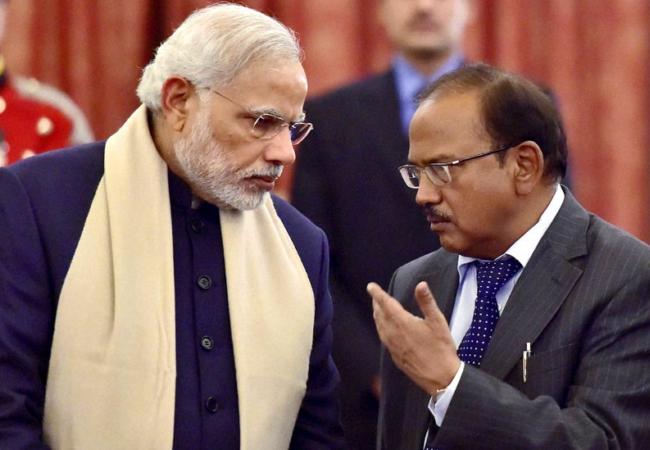
By Nitya Chakraborty What is happening to the “Neighbourhood First” policy of the Indian Prime Minister Narendra Modi in the year 2025? Modi is an expert in coining attractive slogans whether those finally work or not. For South Asia, he opted for Neighbourhood First and for South East Asia and ASEAN nations Act East. At […]

HONG KONG SAR – Media OutReach Newswire – 9 April 2025 – X Pay, the local leader in “Buy Now, Pay Later” solutions, is pleased to announce a landmark strategic partnership with STOREBERRY, Hong Kong’s fast-growing omnichannel commerce platform. “Our partnership with STOREBERRY marks a significant advancement in payment innovation for Hong Kong’s retail sector. The ‘Online Price Divider’ not only makes high-value purchases more accessible but […]

Global oil prices have fallen to their lowest levels in over four years, driven by escalating trade tensions and fears of a global economic slowdown. Brent crude dropped by 3.79% to $60.44 per barrel, while West Texas Intermediate declined by 4.13% to $57.12, marking their lowest points since February 2021. This decline follows the United States’ implementation of 104% tariffs on Chinese imports, after Beijing maintained its 34% retaliatory tariffs on U.S. goods. The escalating tit-for-tat measures have dampened hopes for a swift resolution, raising concerns about a deepening global recession and diminishing energy demand.

Compounding the situation, the Organization of the Petroleum Exporting Countries and its allies plan to increase output by 411,000 barrels per day in May, potentially leading to a supply surplus. Analysts warn that this move could further destabilize the market. Despite a slight easing from a 1.1 million-barrel decrease in U.S. crude inventories, overall sentiment remains bearish. Goldman Sachs forecasts further declines in oil prices through 2025 and 2026. Additionally, Russia’s ESPO Blend oil has, for the first time, dropped below the $60 Western price cap, underlining the global pressure on oil markets.

In Canada, oil and gas executives are adopting a cautious approach in response to the price slump. Doug Bartole, CEO of InPlay Oil, indicated that while immediate cutbacks in production or spending are not planned, sustained low prices, especially around $50 per barrel, could prompt strategic reassessments. InPlay recently completed a C$321 million acquisition of Alberta oil assets from Obsidian Energy, despite market uncertainties. Analysts from ATB Capital Markets have downgraded InPlay’s share target based on current low WTI price levels. Economist Peter Tertzakian noted that while major oil sands companies can sustain lower prices, smaller firms may need to adjust capital expenditures if the price slump continues. Meanwhile, Birchcliff Energy CEO Chris Carlsen highlighted a potential benefit for natural gas producers, as reduced oil drilling may decrease associated gas output, potentially tightening supply.

The sharp decline in oil prices poses significant challenges for Saudi Arabia’s ambitious Vision 2030 megaprojects, including the futuristic Neom city. Oil remains the backbone of the kingdom’s economy, despite efforts to diversify. With Brent crude recently falling to $62 a barrel and forecasts suggesting further declines due to global economic instability and increased OPEC+ output, the country faces a budget deficit and reduced oil-derived income. Saudi Aramco’s anticipated dividends have dropped significantly, compounding financial pressures. Analysts expect the government may scale back or delay lower-priority projects, focus on key investments like global events, or increase borrowing and taxation. Notably, plans for “The Line” have reportedly been reduced to a 1.5-mile stretch associated with the 2034 FIFA World Cup. Despite reassurances from Saudi officials, concerns persist that the ambitious Neom development, championed by Crown Prince Mohammed bin Salman, may need to be downsized unless oil revenues recover.

The U.S. administration’s tariff policies have been a significant factor in the market’s volatility. While some argue that the tariffs, impacting about 1% of the $28 trillion U.S. economy, are intended to shift global trade dynamics in favor of the United States and counter countries like China, others believe that the market’s reaction has been exaggerated. Despite the uproar, these tariffs would channel approximately $300 billion annually to the U.S. Treasury. Critics argue that the U.S., while the world’s largest importer, has a relatively low import-to-GDP ratio compared to other countries. They contend that China has more to lose in a trade war due to its export-reliant economy and employment structure. American public sentiment appears cautiously supportive of fair trade measures, especially against perceived Chinese industrial subsidies. Some suggest that markets should adopt a wait-and-see approach rather than panicking, likening the administration’s stance to the backlash faced by UK Prime Minister Liz Truss over her economic reform attempts, suggesting a resistance to market-driven pressure.

Falling oil prices, encouraged by policies aimed at reducing regulatory burdens, may bring lower gasoline costs but also discourage new oil production due to unprofitable pricing levels and economic uncertainty. Efforts to stimulate future energy production, such as expanding drilling access and reviving coal via executive order, are counterbalanced by cautious industry investment amidst global trade tensions. Additionally, March 2025 was the second-warmest on record globally, with Arctic sea ice hitting a near half-century low, continuing a concerning trend of climate anomalies. On the tech front, battery startup Bedrock Materials is shutting down due to competitiveness issues against cheaper lithium-ion technology from China. Meanwhile, Tesla alum Drew Baglino’s Heron Power is raising $50 million to develop advanced solid-state transformers, reflecting continued clean-tech investment. Furthermore, the Bezos Earth Fund and Global Methane Hub announced a $27.4 million initiative to identify and breed cattle and sheep that emit less methane, a step toward sustainable livestock farming. These developments reflect significant intersections between policy, environment, and innovation shaping global energy and climate landscapes.


SINGAPORE – Media OutReach Newswire – 9 April 2025 – The highly anticipated Food & Hotel Asia – Food & Beverage (FHA-F&B) event officially opens today, reaffirming its position as Asia’s premier international food and beverage platform. With an expected 65,000 attendees from both local and international markets, FHA-F&B is set to once again unite industry professionals, culinary innovators, and industry leaders under one roof. The opening […]

Goldman Sachs Group Inc. has cautioned that Brent crude oil prices could plummet below $40 per barrel under extreme scenarios, as escalating trade tensions between the United States and China exacerbate fears of a global economic downturn. This warning follows the bank’s recent downward revision of its 2025 Brent crude forecast to $77 per barrel, a $5 reduction from earlier estimates, citing unexpected increases in oil inventories and sluggish demand growth from China.

The ongoing trade dispute has led to significant market volatility, with President Donald Trump’s administration imposing tariffs of up to 60% on Chinese goods and 25% on steel imports. These aggressive measures have rattled global markets, leading to a bear market for the S&P 500 and substantial losses across major indices, including the FTSE 100 and DAX.

In response to these developments, OPEC+, the alliance of the Organization of the Petroleum Exporting Countries and its partners, announced an unexpected production increase of 411,000 barrels per day starting in May. This move aims to discipline non-OPEC supply but has contributed to a surplus, further depressing oil prices.

Analysts at Goldman Sachs have outlined several scenarios that could lead to a sharp decline in oil prices. For instance, if Chinese oil demand remains flat, Brent crude could drop to $60 per barrel. Additionally, the imposition of a comprehensive 10% tariff on imported goods by the U.S. could drive prices down to $63 per barrel. A full reversal of OPEC’s additional production cuts of 2.2 million barrels per day could further push prices to $61 per barrel.

The repercussions of these developments are multifaceted. While consumers may benefit from lower fuel prices, energy companies, particularly those involved in U.S. shale production, face significant financial strain. Major firms such as Chevron, Occidental Petroleum, and Diamondback Energy have already experienced notable stock declines.

The broader economic implications are equally concerning. The combination of escalating trade tariffs and increased oil production has heightened fears of a global recession. Financial institutions, including JPMorgan, have raised their recession forecasts, reflecting the growing economic uncertainties.

SEALSQ Corp, a company specializing in semiconductors and post-quantum technology, has announced a strategic partnership with IC’ALPS, a French ASIC design house, to develop advanced Application-Specific Integrated Circuits aimed at enhancing functional safety in the automotive sector. This collaboration seeks to address the emerging cybersecurity challenges posed by quantum computing advancements. IC’ALPS brings to the partnership its expertise in power management integrated circuits and adherence to automotive […]

VISHNU RAJA
RYO YAMADA
HITORI GOTOH
IKUYO KITA