News related to
demand

Greenlogue/AP Abu Dhabi’s sovereign investor Mubadala and the Abu Dhabi National Energy Company have finalised the acquisition of an 875-megawatt combined-cycle gas-fired power plant at the Talimarjan Power Complex in Uzbekistan, marking a significant step in the ongoing privatisation of the Central Asian country’s energy sector. Each entity now holds a 40 per cent stake in the TPP1 gas-fired plant through a newly created project company, Talimarjan […]

Gridora, a new infrastructure platform supported by ADQ, the Investment Holding Company , and Modon Holding, has formalised its first major collaboration by signing a memorandum of understanding with the Abu Dhabi Projects and Infrastructure Centre . This partnership aims to streamline the planning and execution of key transport infrastructure projects within the emirate. The MoU sets a strategic framework for cooperation, enabling Gridora and ADPIC to […]

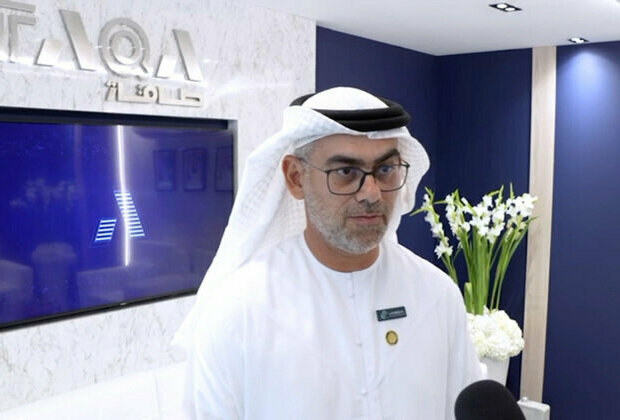
Abu Dhabi National Energy Company has unveiled plans to invest more than AED37 billion to meet the escalating power demands of the emirate’s expanding data centre and artificial intelligence infrastructure. The announcement was made by Group CEO and Managing Director Jasim Husain Thabet during the World Utilities Congress 2025.

This substantial investment is integral to TAQA’s strategy to deliver clean, certified, and reliable energy to critical infrastructure. The company aims to support Abu Dhabi’s ambition to become a global hub for digital innovation and AI development.

TAQA’s market capitalisation stands at approximately AED360 billion, positioning it among the top five companies in electricity generation, transmission, and water desalination across Europe, Africa, and the Middle East. Operating in 25 countries, TAQA has doubled its electricity production capacity to 56 gigawatts over the past four years, surpassing the total electricity consumption of the United Kingdom.

The company’s growth strategy includes significant international acquisitions. TAQA recently partnered with Mubadala to acquire an 875-megawatt gas-powered electricity station in Uzbekistan, aiding the country’s energy transition and opening new markets in Central Asia. Additionally, TAQA has acquired Transmission Investment, a leading UK-based energy and utility investment platform, enhancing its capabilities in offshore transmission services and infrastructure development.

In collaboration with Masdar, where TAQA holds a major stake, the company is developing 5 gigawatts of solar energy supported by 19 gigawatt-hours of battery storage. This integrated solar and battery system is designed to deliver a continuous supply of 1 gigawatt for 24 hours, marking it as the largest project of its kind globally.

TAQA plans to invest AED75 billion by 2030 to triple its electricity generation capacity to 150 gigawatts. Part of this strategy includes developing water desalination plants with a combined capacity of 1.3 billion gallons per day, with two-thirds utilising highly efficient reverse osmosis technology.

The company is also exploring acquisition opportunities in the United States, identifying it as a key market for expansion. TAQA aims to spend around $20 billion between 2023 and 2030 on organic and inorganic growth, targeting 150 gigawatts of capacity by the end of that period, up from around 56 gigawatts currently.

Akshay Dosaj and Asif Rashid  The UAE’s small and medium-sized enterprises (SMEs) sector is poised for substantial expansion, with projections estimating nearly one million businesses by 2030. As these enterprises navigate a competitive and dynamic environment, mergers and acquisitions (M&A) have become essential strategies for sustainable growth. To maximize these opportunities, SMEs need tailored solutions and expert guidance to achieve their growth ambitions and align with the […]

The Gulf nations offer more than growth potential. For VinFast, it presents a well-timed opportunity to expand into a region that’s actively investing in clean transportation while remaining open to new players. HANOI, VIETNAM – Media OutReach Newswire – 29 May 2025 – Gulf countries are reinventing themselves, quickly. They are now investing in cleaner energy, modern infrastructure, and long-term economic resilience. National strategies like UAE Vision […]

HONG KONG SAR – Media OutReach Newswire – 29 May 2025 – Rail leaders of global sustainable development consultancy Arup from across the Asia Pacific region shared their insights into the future of rail at Asia Pacific Rail 2025, ranging from the role of transit-oriented development in funding rail infrastructure, the use of the latest green and smart technology in transit systems, station transformation, and customer journey […]

Microsoft has launched a new terminal-based text editor designed to work seamlessly on both Windows and Linux platforms, aiming to simplify coding and text editing directly within the command line interface. This move reflects growing demand for efficient, lightweight tools that integrate naturally into developers’ existing workflows without the need for extensive retraining. The new editor, which arrived without significant fanfare, leverages familiar keyboard shortcuts that many […]

Advertisements

Solana’s cryptocurrency token has experienced a notable price surge, driven primarily by an inflow exceeding $1.1 billion to exchanges during May. This substantial movement of funds has attracted significant attention within the digital asset community, highlighting the growing interest in Solana amid an increasingly volatile market environment. The influx of tokens onto exchanges typically signals heightened trading activity, often preceding sharp price movements, and in Solana’s case, it appears to have been a catalyst for recent upward momentum.

The past weeks have seen a consolidation phase for Solana’s price, characterised by fluctuating trading volumes and cautious investor sentiment. However, May’s exchange inflow data reveals a sharp contrast, indicating a renewed wave of buying and selling pressure. This influx surpasses figures recorded in previous months, reflecting intensified activity from institutional players and retail investors alike. Analysts point out that such large-scale transfers to exchanges often suggest an intent to capitalise on price volatility, either through profit-taking or strategic accumulation.

Solana’s blockchain platform, known for its high throughput and fast transaction speeds, has gained traction beyond its original niche, appealing to a broader base of developers and users. Its ecosystem supports a wide range of decentralised applications, including DeFi protocols and NFTs, which have collectively contributed to increasing token demand. Industry experts attribute Solana’s recent price gains not only to market speculation but also to fundamental growth in network usage and ecosystem expansion.

Market participants closely monitor the inflow and outflow trends of tokens on exchanges as indicators of potential price directions. The reported $1.1 billion inflow represents tokens transferred from wallets to trading platforms, signalling that holders are preparing to trade. This can be interpreted in various ways: it may represent holders positioning themselves to sell and realise profits, or conversely, traders gearing up to buy or hedge positions amid market uncertainty.

Broader market conditions have influenced Solana’s trajectory as well. The cryptocurrency sector has witnessed uneven performance across different assets, with some coins consolidating while others rally sharply. Bitcoin’s fluctuating dominance and regulatory developments have introduced layers of complexity into trading decisions. Against this backdrop, Solana’s price action stands out due to the volume and scale of exchange inflows, setting it apart from many peers.

Further analysis of blockchain data confirms that the inflows were concentrated over several large transactions, often linked to known institutional wallets and prominent traders. This pattern contrasts with typical retail trading behaviour, which tends to be characterised by numerous smaller transfers. The presence of institutional activity points to growing confidence in Solana’s potential for medium-term gains, despite lingering concerns over market volatility and regulatory scrutiny.

Solana’s technological edge is often cited as a key factor supporting its valuation. The platform utilises a novel proof-of-history mechanism combined with proof-of-stake consensus, enabling it to process thousands of transactions per second with low fees. This scalability advantage is critical in sustaining the network’s appeal amid growing congestion issues faced by some competing blockchains. The surge in exchange inflows may partly reflect investor anticipation of further adoption driven by these technical strengths.

However, the rapid influx of tokens to exchanges also raises questions about market stability. Large sell-offs following such inflows could lead to increased price swings, challenging traders and investors to navigate the volatility carefully. Some market analysts warn that while the current price rise appears robust, it may be vulnerable to corrections if selling pressure intensifies or if broader market sentiment deteriorates.

Solana’s recent developments extend beyond price movements and token flows. The network has announced partnerships and upgrades aimed at enhancing security and interoperability, which could underpin longer-term growth. These initiatives include collaborations with major fintech firms and integration with cross-chain protocols, designed to broaden Solana’s accessibility and utility. Such advancements bolster the narrative that the project is moving beyond speculative trading into a more mature phase of ecosystem development.

The token’s growing use in decentralised finance applications adds an additional layer of interest for investors. DeFi platforms on Solana have attracted liquidity providers through competitive yields and efficient transaction processing, making them popular alternatives to Ethereum-based solutions burdened by higher fees. This trend has helped sustain demand for SOL tokens, supporting price levels despite wider market fluctuations.

Regulatory scrutiny remains an ongoing challenge for the cryptocurrency industry, including Solana. Various jurisdictions continue to debate rules concerning token classifications, trading practices, and investor protections. How regulators approach emerging blockchain technologies could significantly affect Solana’s market dynamics. Investors are closely watching for clarity that could either open new opportunities or impose restrictions affecting token liquidity and valuation.

Investor sentiment towards Solana reflects a balance of optimism and caution. While the large-scale exchange inflows and fundamental network growth signal promising prospects, market participants acknowledge the inherent risks posed by external economic factors, potential regulatory changes, and technological competition. The interplay of these forces will likely shape Solana’s price trajectory in the weeks ahead.

Kuwait’s fiscal deficit is projected to average 8.9% of GDP between 2025 and 2028, a significant increase from the estimated 2% in 2024, according to S&P Global Ratings. This deterioration is attributed to subdued oil prices and persistently high government expenditures, particularly on wages and subsidies, which together account for approximately 70% of total spending. S&P anticipates Brent crude oil prices to average $65 per barrel in […]

OPEC and its allies, collectively known as OPEC+, have reaffirmed their existing oil production targets through 2026, opting to maintain current supply restraints despite ongoing market volatility and internal disagreements over future quotas.

During a virtual ministerial meeting on Wednesday, the 22-member alliance confirmed that the group-wide production cuts, initially set in 2022, will remain in place. These cuts include a 2 million barrels per day reduction agreed upon in November 2022, along with additional voluntary cuts totaling 3.85 million bpd by eight key producers—Saudi Arabia, Russia, the United Arab Emirates, Kuwait, Iraq, Algeria, Oman, and Kazakhstan. The voluntary cuts are structured in two layers: a 1.65 million bpd reduction extended through the end of 2026 and a 2.2 million bpd cut scheduled to expire in March 2025.

The alliance’s decision to uphold these targets comes amid a backdrop of fluctuating oil prices and concerns over global demand. Brent crude futures have hovered around $65 per barrel, a significant drop from earlier highs, influenced by factors such as increased production from non-OPEC countries and economic uncertainties stemming from global trade tensions.

A more contentious discussion is set to take place on Saturday, when the eight core OPEC+ members implementing voluntary cuts will convene to decide on July production levels. These countries have been gradually unwinding the 2.2 million bpd cut since April, with increases of 411,000 bpd implemented in both May and June. The group is expected to consider a similar hike for July, potentially accelerating the rollback of cuts and impacting global oil supply dynamics.

Abu Dhabi’s sovereign wealth fund Mubadala Investment Company has raised $1 billion through a 10-year U.S. dollar-denominated Islamic bond, or sukuk, marking its first debt issuance of the year. The bonds, issued via its financing arm Mamoura Diversified Global Holding, were priced at 60 basis points over U.S. Treasuries, tightening from initial guidance of 95 basis points, following robust investor demand.

The offering attracted orders exceeding $4.75 billion, leading to a fivefold oversubscription, underscoring strong investor confidence in Mubadala’s creditworthiness and the appeal of Islamic finance instruments. This issuance follows Mubadala’s previous sukuk sale in October, where it raised 1 billion dirhams through a five-year bond.

The sukuk employs a wakalah structure, utilizing a portfolio of publicly listed shares as underlying assets, a first for a UAE-origin sukuk. This innovative approach reflects a shift towards more flexible and equity-based structures in Islamic finance, potentially setting a precedent for future issuances in the region.

Mubadala’s latest financial results indicate a 9.1% increase in assets under management, reaching 1.2 trillion dirhams, driven by strategic investments in sectors such as technology, manufacturing, and private credit. As the second-largest state investment fund in Abu Dhabi, following the Abu Dhabi Investment Authority, Mubadala plays a pivotal role in the emirate’s economic diversification efforts.

By K Raveendran The impeachment of Allahabad High Court judge Yashwant Varma in the wake of burnt notes being discovered from his residence appears to be a certainty. However, going by past experience, impeachment has rarely functioned as an effective deterrent against judicial misconduct in India. In the history of Indian judiciary, only five formal […]

Zscaler has announced its intention to acquire Red Canary, a leading Managed Detection and Response provider, in a strategic move aimed at enhancing its capabilities in AI-powered cybersecurity. This acquisition is poised to bolster Zscaler’s position in the cybersecurity landscape, particularly in the realm of AI-driven threat detection and response. The integration of Red Canary’s MDR expertise with Zscaler’s Zero Trust Exchange platform is expected to provide […]

Amazon Web Services has introduced Aurora DSQL, a serverless distributed SQL database engineered to deliver high availability, strong consistency, and scalability across multiple regions. Unveiled during AWS re:Invent 2024, Aurora DSQL is designed to address the limitations of existing distributed databases by offering a solution that combines low latency, SQL compatibility, and minimal operational overhead. Aurora DSQL features an active-active architecture that allows applications to perform read […]

A 37-year-old Iranian national, Sina Gholinejad, has pleaded guilty in a North Carolina federal court to his involvement in a series of ransomware attacks that targeted U.S. municipalities and organisations, causing extensive financial and operational damage. Gholinejad admitted to one count of computer fraud and abuse and one count of conspiracy to commit wire fraud. He now faces a maximum sentence of 30 years in prison, with […]

Demonstrating Financial Stability, Proposed Final Dividend of HK$0.81 cents per share, Exploring Overseas Market to Diversify Income Source HONG KONG SAR – Media OutReach Newswire – 27 May 2025 – The board of directors of Oi Wah Pawnshop Credit Holdings Limited (HKEx stock code: 1319.HK, the “Group” or “Oi Wah”) announced its annual results and its financial position. For the year ended 28 February 2025 (“FY2025”), the […]

Dubai’s employment landscape continues to attract job seekers from across Asia, Europe, and Africa, with South Asians among the most visible presence. From tax-free salaries to a safe, cosmopolitan lifestyle and fast-track digital governance, the emirate is steadily reinforcing its image as a global work destination with an accessible entry point for skilled professionals.

Dubai’s appeal is anchored in a combination of economic liberalism and aggressive infrastructure development, which has made the city one of the busiest hubs for aviation, logistics, finance, hospitality, and tech. For those seeking employment from outside the UAE, Dubai offers two main routes: applying for positions remotely, or entering on a short-term tourist visa with the hope of converting that stay into full-time employment. While the latter path involves risk and financial outlay, it remains the most widely taken route for candidates without existing work permits.

The city’s population is made up of nearly 90% expatriates, with professionals from India, Pakistan, the Philippines, Bangladesh, and the UK dominating several industries. Recruiters in Dubai confirm that demand remains steady for roles in sales, marketing, IT, logistics, real estate, engineering, healthcare, and hospitality. According to hiring trends tracked by regional recruitment firms, companies in free zone jurisdictions are particularly active, often targeting foreign candidates who bring sector-specific experience.

Dubai’s tax structure is a major driver of migration. With no personal income tax and a salary-based remuneration system, employees receive their full contracted pay without statutory deductions. This setup increases the net earnings of professionals, particularly those coming from high-tax jurisdictions. However, the city’s high cost of living — with real estate, private schooling, and transport costs — offsets some of the financial advantage, making proper salary negotiations crucial before signing contracts.

For prospective applicants based outside the UAE, the digital ecosystem built around Dubai’s employment market is an essential resource. Company career pages, job portals such as Dubizzle and Bayt, and professional networks like LinkedIn are widely used by HR departments and hiring managers. LinkedIn in particular has emerged as a preferred screening tool, where recruiters assess candidates’ professional branding even before calling for interviews. A well-structured profile featuring quantifiable achievements, skills endorsements, and updated CV attachments is now considered essential.

Recruitment agencies based in Dubai and in neighbouring countries also play an intermediary role. Many global firms with a presence in the UAE outsource their talent acquisition to specialist agencies. These agencies have formal tie-ups with employers to fill positions across levels, from blue-collar to senior management. In India, for instance, manpower firms with UAE licenses are regularly approached for hospitality, construction, medical, and logistics roles. Candidates approaching these agencies are advised to verify accreditation details and ensure the agency operates under UAE labour ministry guidelines.

A significant portion of those who eventually land jobs in Dubai do so by entering on a 60-day or 90-day visit visa. This visa allows job seekers to attend interviews, network with prospective employers, and explore options in person. While this method can be effective for confident candidates with solid credentials, the costs — including visa fees, accommodation, and living expenses — must be budgeted in advance. Moreover, there is no guarantee of securing employment during this window, making it a calculated gamble for many families.

An alternative is to enter Dubai on a student visa. Universities and training institutions in Dubai offer various professional development courses, and part-time work is permitted in certain free zone jurisdictions. While this route also involves significant upfront costs, it has become popular among young graduates aiming to break into the UAE market through education-led migration. However, strict visa compliance rules and limited working hours under student permits make it less appealing for mid-career professionals.

Once an individual secures a job offer, the employer typically initiates the work visa and residency sponsorship process. This includes submission of documents such as educational certificates, previous employment references, and medical fitness results. Once approved, a UAE resident permit is issued, which then allows the individual to bring in dependents under family sponsorship. The entire onboarding and visa stamping process usually takes two to four weeks, depending on the company’s internal HR process and jurisdiction.

Dubai’s strategic geographical position — within a 4-hour flight radius from major South Asian cities — adds another layer of practicality for job seekers. With only a two-hour time difference from India and Sri Lanka, many multinational firms operate regional back-offices or satellite centres in Dubai, recruiting bilingual and culturally adaptive professionals who can bridge operations between West Asia and South Asia.

Climate compatibility is another subtle advantage for those relocating from tropical or semi-arid regions. Temperatures and humidity levels, while extreme during peak summer months, mirror weather conditions in parts of South Asia and the Gulf, reducing the cultural adjustment curve for new migrants.

Safety and rule of law remain among the top reasons cited by working professionals and families relocating to Dubai. The UAE consistently ranks among the world’s safest countries, with low crime rates and a strong police presence. For women professionals and young students, this perception of security plays a pivotal role in relocation decisions.

Another factor contributing to Dubai’s growing job market is its economic diversification programme. With Vision 2030 and associated sectoral strategies, the city is investing in AI, clean energy, space technology, and digital banking. These emerging sectors have triggered a wave of high-skilled job openings, especially for engineers, data analysts, fintech specialists, and regulatory professionals. Start-up hubs like Dubai Internet City and Dubai Silicon Oasis are witnessing increased hiring, backed by funding incentives and incubator schemes.

However, competition remains high, with thousands of applications flooding each job posting. Recruiters advise applicants to focus on niche skills, international certifications, and sector-specific experience. A generic application or a poorly crafted CV has minimal chance of clearing the initial screening stage. Instead, candidates are urged to tailor their applications to each role, use keywords matching the job description, and attach short, results-oriented cover letters.


U.S. spot Bitcoin exchange-traded funds recorded a weekly trading volume of $25 billion between May 19 and 23, marking the highest level in 2025. This surge coincided with Bitcoin reaching an all-time high of $111,861, reflecting heightened investor interest and institutional participation.

Net capital inflows into these ETFs totaled $2.75 billion during the same week, one of the largest weekly inflows since their inception in early 2024. ETF issuers, including BlackRock and Fidelity, responded by creating new shares backed by equivalent Bitcoin purchases, thereby increasing market demand.

The combined assets under management of all active spot Bitcoin ETFs have now surpassed $131.4 billion. BlackRock’s iShares Bitcoin Trust leads the sector, with a net asset value exceeding $71 billion as of May 23. IBIT has maintained 30 consecutive trading sessions without a single day of outflows, holding approximately 3.3% of all existing Bitcoins.

Bitcoin’s price surge to over $111,000 has been attributed to several factors, including strong ETF inflows, increased regulatory clarity, and growing institutional adoption. Analysts note that the cryptocurrency’s momentum is further supported by macroeconomic conditions and policy developments.

President Trump’s directive to establish a Strategic Bitcoin Reserve has also influenced market dynamics. The reserve, capitalized with Bitcoin already owned by the federal government, aims to position the U.S. as a leader in the digital asset space.

Airbus and Tata Advanced Systems Limited have confirmed plans to establish a Final Assembly Line for the Airbus H125 helicopter in Kolar, Karnataka, marking the first privately-led helicopter manufacturing facility in India. This facility will become the fourth global production site for the H125, joining existing operations in France, the United States, and Brazil.

The H125, renowned for its versatility and performance, is expected to play a pivotal role in enhancing India’s civil aviation capabilities. With applications ranging from emergency medical services and disaster management to law enforcement and tourism, the helicopter is poised to address diverse operational needs. Its ability to operate in high-altitude and extreme environments, including a notable landing on Mount Everest, underscores its adaptability.

The decision to locate the assembly line in Karnataka was influenced by the state’s robust industrial infrastructure, skilled workforce, and supportive policies. The facility is anticipated to commence operations in 2026, with an initial production capacity of 10 helicopters annually, scalable based on demand.

This initiative aligns with the ‘Make in India’ programme, aiming to bolster domestic manufacturing and reduce reliance on imports. By producing the H125 locally, India seeks to meet its growing demand for helicopters, projected at 500 units over the next two decades, and position itself as a regional hub for aerospace manufacturing.

The collaboration between Airbus and TASL extends beyond this project, building on their partnership in the C295 military transport aircraft programme in Vadodara, Gujarat. This continued cooperation reflects a strategic commitment to developing a comprehensive aerospace ecosystem in India.

The H125 assembly line is expected to contribute significantly to the regional economy, creating employment opportunities and fostering technological advancements. It also represents a step forward in India’s efforts to enhance its capabilities in the aerospace and defence sectors through public-private partnerships.

Five leading financial industry groups, including the American Bankers Association and the Securities Industry and Financial Markets Association , have formally urged the U.S. Securities and Exchange Commission to revoke its rule mandating public companies to disclose material cybersecurity incidents within four business days. The coalition contends that the regulation compromises ongoing investigations, exposes sensitive information, and may inadvertently aid cybercriminals.

The SEC’s rule, adopted in July 2023, requires companies to report significant cyber incidents promptly, unless disclosure poses a substantial risk to national security or public safety. The financial groups argue that this timeline is insufficient for thorough internal assessments and coordination with law enforcement, potentially leading to premature disclosures that could hinder response efforts and mislead investors.

A recent cyberattack on Coinbase, a major cryptocurrency exchange, underscores the concerns raised by these financial entities. Hackers infiltrated Coinbase’s systems by bribing third-party customer service agents, obtaining personal data of approximately 97,000 users. The attackers demanded a $20 million ransom, which Coinbase refused to pay, opting instead to offer a $20 million reward for information leading to their arrest. The breach is expected to cost Coinbase between $180 million and $400 million in remediation and customer reimbursements.

The financial groups emphasize that mandatory rapid disclosure could alert other malicious actors to vulnerabilities before companies have secured their systems. They advocate for a more flexible approach that allows organizations to manage incidents effectively without the pressure of an inflexible reporting deadline.

The SEC maintains that timely disclosure of cyber incidents is crucial for investor protection and market integrity. However, the financial industry coalition insists that the current rule may do more harm than good, potentially exacerbating the very risks it aims to mitigate.

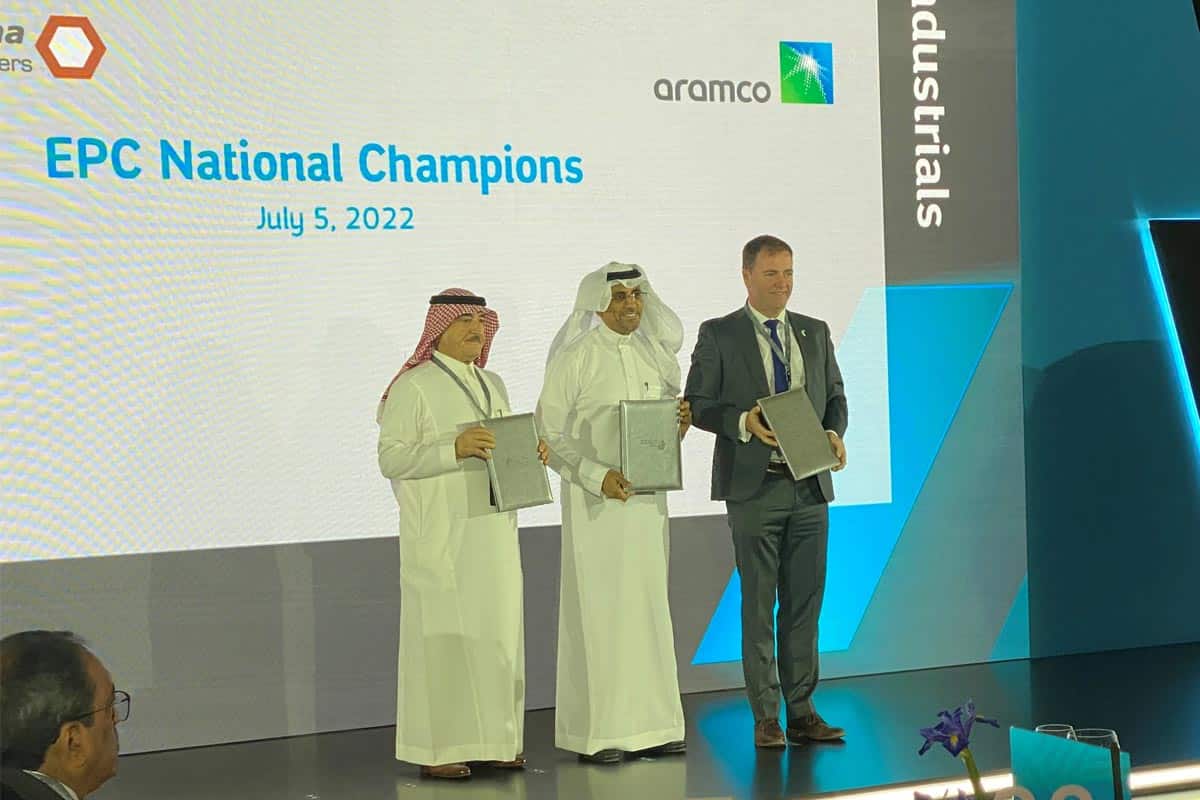
NesmaKent Energy Company , the joint venture between Saudi Arabia’s Nesma & Partners and the international engineering firm Kent, has secured a significant project management consultancy contract with Saudi Aramco. This contract marks a milestone for NKJV, positioning the partnership as a crucial player in the kingdom’s energy infrastructure development amid expanding ambitions in the energy sector.

The PMC contract involves comprehensive project oversight and management services for one of Saudi Aramco’s large-scale energy initiatives. NKJV’s responsibilities will span across planning, execution monitoring, quality control, cost management, and ensuring adherence to safety and environmental standards. This contract is part of Aramco’s broader strategy to engage specialised joint ventures that combine local expertise with international engineering standards, reinforcing Saudi Arabia’s Vision 2030 objectives to diversify and modernise its energy sector.

Nesma & Partners, well-established for its construction and engineering projects within the kingdom and region, has brought extensive local market knowledge and regulatory experience to the partnership. Kent, recognised for its global engineering and project consultancy portfolio, contributes advanced technical capabilities and international project management best practices. Together, the joint venture is expected to deliver high-quality consultancy services that meet Aramco’s stringent operational and environmental benchmarks.

The contract signals the growing trend among Saudi energy entities to engage collaborative partnerships that marry domestic strengths with foreign technological expertise. This aligns with the kingdom’s policy to increase localisation and private sector participation in mega projects. NKJV’s role as a PMC will extend beyond traditional supervisory functions, encompassing risk mitigation, technical advisory, and integration of innovative engineering solutions aimed at optimising project delivery and operational efficiency.

Saudi Aramco’s selection of NKJV follows a competitive tender process where multiple firms vied for the contract. The award underscores Aramco’s confidence in NKJV’s combined capabilities and track record. The project itself forms part of a wider portfolio of energy infrastructure investments by Aramco, which include enhancements in oil production facilities, downstream expansions, and renewable energy projects as the company transitions towards sustainable energy sources.

NesmaKent Energy’s contract exemplifies the shifting dynamics within the Saudi energy sector, where engineering consultancy and project management are gaining prominence as critical factors in successful project execution. The emphasis on specialised joint ventures highlights the kingdom’s commitment to leveraging cross-border partnerships to accelerate technological transfer and capacity building.

Industry experts note that the contract reinforces the strategic positioning of Nesma & Partners and Kent in the Middle East’s energy market. Nesma’s long-standing presence in Saudi Arabia has enabled it to navigate complex regulatory environments and develop robust relationships with government entities and private sector clients. Kent’s engineering pedigree, with a portfolio spanning oil and gas, petrochemicals, and infrastructure, complements Nesma’s regional experience with global standards.

The joint venture’s involvement in this Aramco project is expected to generate significant employment opportunities and skill development programmes in line with Saudi Arabia’s localisation agenda, known as Saudisation. NKJV plans to incorporate training modules and knowledge transfer frameworks to build local competencies in project management and engineering consultancy.

The energy project under NKJV’s management consultancy contract is critical to Aramco’s operational goals, encompassing upgrades to production capacity and the integration of advanced monitoring and control technologies. These developments are part of Aramco’s efforts to maintain its position as the world’s leading energy producer while adapting to evolving global energy demands and environmental regulations.

The scope of NKJV’s mandate also includes coordinating with multiple contractors, subcontractors, and regulatory bodies to ensure seamless execution. This requires a high level of technical expertise, project coordination skills, and compliance with international safety and quality certifications. NKJV’s approach reportedly emphasises sustainability and innovation, incorporating digital tools such as Building Information Modelling and real-time project analytics to enhance transparency and decision-making.

As Saudi Arabia intensifies its focus on energy diversification, including the expansion of renewable energy projects alongside traditional hydrocarbon investments, the expertise of joint ventures like NKJV will be crucial. Their ability to deliver complex projects efficiently and within budget will be pivotal in meeting the kingdom’s long-term strategic targets.

NesmaKent Energy’s success in securing this contract may open doors for further collaborations between Saudi and international firms in the energy consultancy sector. This contract reflects a broader trend of joint ventures becoming key conduits for technology transfer and knowledge exchange in the Gulf’s infrastructure and energy projects.

All 133 units of the Waldorf Astoria Residences Yas were sold out on launch day, generating AED 850 million in sales. This marks the first branded residential development on Yas Island, reflecting a significant demand for luxury living in Abu Dhabi.

Aldar Properties, the developer behind the project, reported that the swift sell-out underscores Yas Island’s growing appeal as a premier destination for both investors and residents seeking upscale living experiences. The development’s success is attributed to its prime location, waterfront views, and association with the Waldorf Astoria brand, known for its luxury and service excellence.

The residences, part of a broader strategy by Aldar to introduce iconic hospitality brands to Abu Dhabi, are situated near key leisure and entertainment attractions on Yas Island. This aligns with Aldar’s AED 1.5 billion investment programme aimed at transforming its hospitality portfolio to cater to the growing demand for premium experiences in the emirate.

The rapid sell-out of the Waldorf Astoria Residences Yas follows similar successes by Aldar, including the complete sale of Yas Riva, a luxury canal-front community, within 24 hours, generating over AED 1.4 billion in sales. These developments highlight the robust demand for high-end residential properties in Abu Dhabi, particularly among younger buyers and international investors.

The trend indicates a shift towards branded residences that offer not only luxurious accommodations but also a lifestyle associated with renowned hospitality brands. Aldar’s strategic partnerships with global brands like Waldorf Astoria and IHG’s Vignette Collection are central to this approach, aiming to enhance Abu Dhabi’s position in the global luxury real estate market.

OpenAI has announced the establishment of a legal entity in South Korea and plans to inaugurate an office in Seoul, marking its third operational base in Asia following Tokyo and Singapore. This strategic move underscores the company’s commitment to expanding its footprint in regions exhibiting significant growth in artificial intelligence adoption.

South Korea ranks second globally, after the United States, in the number of paying subscribers to ChatGPT. The nation’s robust technological infrastructure and a populace highly receptive to AI innovations have positioned it as a pivotal market for OpenAI’s expansion efforts.

Jason Kwon, OpenAI’s Chief Strategy Officer, emphasised South Korea’s comprehensive AI ecosystem, highlighting its strengths in hardware, software, and a diverse user demographic spanning various age groups. He noted that the country’s integrated approach to AI development makes it an ideal environment for meaningful AI impact.

In alignment with its expansion strategy, OpenAI has initiated recruitment processes to build a local team in Seoul. The company aims to foster collaborations with South Korean enterprises and governmental bodies to tailor AI solutions that resonate with local needs and regulatory frameworks.

Earlier this year, OpenAI entered into a partnership with Kakao, a leading South Korean internet company, to develop AI products customised for the Korean market. This collaboration is indicative of OpenAI’s approach to localising its offerings and integrating them seamlessly into existing digital ecosystems.

The establishment of a Seoul office also aligns with OpenAI’s broader initiative to implement data residency solutions across key Asian markets, including South Korea. By enabling local data storage, OpenAI addresses regional data sovereignty concerns and ensures compliance with local data protection regulations, thereby enhancing trust among enterprise clients and users.

OpenAI’s expansion into South Korea is part of a concerted effort to strengthen its presence in Asia. The company’s Tokyo office, opened in April 2024, serves as a hub for developing Japanese-language AI models and collaborating with local businesses and government entities. Similarly, the Singapore office, announced in October 2024, functions as the Asia-Pacific headquarters, focusing on regional partnerships and AI research initiatives.

Bitcoin exchange-traded funds have amassed over 75,000 BTC in net inflows over the past month, marking a significant shift in institutional investment patterns and fueling a surge in the cryptocurrency’s valuation. This influx, surpassing $6.5 billion, has been pivotal in driving Bitcoin to an all-time high of $109,900, reflecting a growing confidence among investors in the digital asset’s long-term prospects.

The substantial inflows into Bitcoin ETFs, particularly BlackRock’s iShares Bitcoin Trust , which alone attracted $6.5 billion, underscore a broader trend of institutional adoption. This movement is further evidenced by the actions of major financial entities such as JPMorgan Chase and Morgan Stanley, which have expanded their cryptocurrency offerings in response to increasing client demand.

Analysts attribute this surge to a confluence of factors, including favorable regulatory developments and macroeconomic conditions. The U.S. Senate’s progress on a regulatory bill for stablecoins and the establishment of a Strategic Bitcoin Reserve by the Treasury have provided a supportive policy environment. Concurrently, the weakening of the U.S. dollar and concerns over fiscal policies have prompted investors to seek alternative assets, positioning Bitcoin as a perceived safe haven.

The impact of these developments is evident in the market’s response. Bitcoin’s price trajectory has been bolstered by the sustained ETF inflows, with models estimating its fair value to be between $105,000 and $125,000 at the current rate of investment. This valuation aligns with the observed market behavior, where the cryptocurrency has maintained its upward momentum despite broader economic uncertainties.

The strategic moves by corporations also play a crucial role in this dynamic. Michael Saylor’s Strategy, for instance, has significantly increased its Bitcoin holdings, adding $765 million to its portfolio, which now exceeds $63 billion in value. Such corporate investments not only reflect confidence in Bitcoin’s potential but also contribute to its market stability and growth.

The entry of new players into the Bitcoin ETF space, such as Twenty One, led by the son of President Trump’s commerce secretary, indicates a diversification of investment vehicles and a broadening of the market base. This expansion enhances the accessibility of Bitcoin to a wider range of investors, further solidifying its position in the financial ecosystem.

VISHNU RAJA
RYO YAMADA
HITORI GOTOH
IKUYO KITA