News related to
demand

Crypto WINNAZ has rolled out an on‑chain yield engine aimed at meme coins, promising returns between 20× and 300× for participants who lock tokens into its lottery‑style prize pool starting 15 June. The initiative seeks to inject utility into tokens that traditionally rely on community hype, offering holders an alternative to sell‑driven volatility.

Meme coins have long suffered from a fundamental flaw: lacking intrinsic utility, they depend solely on speculative interest. This often leads to boom‑and‑bust cycles that leave latecomers holding the bag. Crypto WINNAZ’s model, however, introduces a structured yield mechanism. Participants lock in their meme coins, entering a provably fair lottery that rewards winners with a share of the prize pool—effectively turning stagnant holdings into yield‑bearing positions.

By embedding this financial gameplay at the smart‑contract level, WINNAZ separates itself from conventional meme‑coin launches that prioritise hype over structure. Industry analysts note this innovation addresses the “utility gap” that plagues such assets. Instead of value being purely speculative, holders gain access to periodic payouts, creating behavioural incentives around long‑term holding and moderating the hyper‑volatility typical of pump‑and‑dump schemes.

The timing of the launch coincides with broader meme‑coin ecosystem trends. Platforms such as Solana’s Pump.​fun and Justin Sun’s SunPump have pioneered meme‑coin launch infrastructure, underscoring growing demand for structured token launch engines. WINNAZ adds to the wave by focusing on yield—a pivot emphasised in a 2024 sector analysis which identified “launchpads” and liquidity engines as defining features of the current meme‑coin cycle.

Critics highlight potential risks: lottery models entail asymmetric payoff structures that may favour early or large liquidity contributors. Smaller investors face low probabilities of winning, and on‑chain yield frameworks have occasionally been undermined by exploit attempts. Crypto WINNAZ asserts its lottery contracts are transparent and secured via third‑party audits, although full external verification is pending.

Front‑line voices in the sector emphasise the importance of incentives aligned with holder interests. An HTX Research report on meme‑coin platform evolution underscores that sustainability hinges on blending cultural momentum with financial structure. WINNAZ exemplifies this hybrid, pairing community excitement with measurable yield.

Market reception to the launch announcement is mixed. Early presale interest suggests enthusiasm among yield‑chasing investors, yet sceptics note that without broader ecosystem integration—such as staking utility, cross‑chain interoperability or DAO governance—the yield engine may function fleetingly as a novelty.

Crypto WINNAZ has unveiled a roadmap that outlines evolving functionality, including integration with DeFi protocols and launchpad collaborations. These enhancements could expand utility beyond prize pools and foster secondary‑market liquidity, a recognised challenge for meme coins according to analytics platforms like Artemis, which found meme tokens delivered returns six times higher than average in 30‑day windows, but often lack persistent demand.

As part of its social engagement strategy, WINNAZ is introducing community initiatives and giveaways, aiming to sustain interest across diverse token sub‑communities. In line with developer insights from meme‑coin launch ecosystems, community traction is critical to underpinning utility mechanisms.

Crypto WINNAZ’s experiment brings together two volatile elements: meme‑coin culture and on‑chain yield mechanics. If successful, this hybrid defines a new meme‑coin archetype—one where token holders are rewarded for participation, not just speculation. Its launch could prompt rival projects to consider similar on‑chain utility frameworks when building meme economies.


IFA Hotels & Resorts, the hospitality arm of Dubai-listed International Financial Advisors Holding Company, has received board approval to increase its capital. The move, sanctioned on 11 June, aims to address borrowings totalling more than KWD 17.3 million, according to the parent company’s announcement. The proposed capital raise follows IFA Hotels’ earlier struggles with mounting liabilities. Listing on the Kuwait Stock Exchange, IFA Hotels specialises in developing, managing and […]

UAE’s economy is set to expand by 4.6% in 2025, bolstered by a strong non‑oil core and a gradual return in oil output, according to projections from the World Bank’s June “Global Economic Prospects” edition. This represents a 0.6‑point upward revision from January. The outlook for 2026 has also been upgraded to 4.9%, with growth anticipated to hold at that level in 2027. At the heart of […]

Stock markets across Asia plunged as global investors rushed to safe-haven assets following a military strike by Israel on Iran’s nuclear and ballistic missile facilities, intensifying geopolitical tensions in the Middle East. U.S. equity futures dropped sharply, while commodity prices surged—fuelled by fears of supply disruption and escalating conflict.

Crude oil futures reacted violently, with Brent surging about 9 % to approximately US $75.36 per barrel and West Texas Intermediate climbing to US $74.20, both marking the largest daily gains in months. Goldman strategists and energy analysts attributed the spike to risk premiums linked to potential retaliation and threats to regional infrastructure, especially across the Strait of Hormuz.

Precious metals and defensive currencies were also swept up in the panic. Spot gold rose by around 1.5 % to trade near US $3,434 per ounce, inching closer to its April record peak of US $3,500. The Swiss franc strengthened by roughly 0.4 % to reach two‑month highs against the U.S. dollar, while the yen appreciated by about 0.3 %—classic indicators of risk-off sentiment.

Asia’s leading equity indices suffered notable losses: Tokyo’s Nikkei 225 fell between 1.2 % and 1.4 %, Seoul’s Kospi dropped about 1.1 %, and Hong Kong’s Hang Seng declined roughly 0.8 %. U.S. S&P 500 E‑mini futures and Nasdaq futures plunged between 1.7 % and 1.8 %, while Pan‑European STOXX 50 futures slid around 1.6 %.

In India, the Nifty 50 and Sensex tumbled approximately 1.2 %, with the oil and gas sector leading losses thanks to narrower refining margins and soaring crude prices. Stocks of Bharat Petroleum, Indian Oil Corporation and HPCL each shed between 3.5 % and 6 %. Airline stocks, already shaken by a recent Air India crash near Ahmedabad, declined further as travel costs and uncertainty weighed heavily.

Debt markets saw a flight to quality. U.S. Treasury bonds rallied, pushing the 10‑year yield down to around 4.31–4.35 %, its lowest in a month. Currency markets mirrored these moves: the dollar index rose around 0.5 %, while the euro and sterling retreated slightly.

Analysts suggested the next moves hinge on Iran’s response. Charu Chanana, chief strategist at Saxo, noted that if tensions ignite, safe-haven demand and commodity volatility will likely persist. Matthew Haupt from Wilson Asset Management described this as a “classical risk‑off move,” adding that duration and scale of Tehran’s likely response will shape market impact.

This episode compounds earlier market strains. The global economy already faces headwinds from volatile U.S. trade policy and high inflation, while negotiations over Iran’s nuclear programme have stalled. A planned sixth round of talks in Oman was overshadowed as military actions overshadowed diplomacy.

Market indicators suggest traders are swiftly reducing risk exposure ahead of the weekend. Tony Sycamore from IG forecast continued selling in equities, saying that prudent investors will likely trim positions until further clarity emerges.

Energy market strategists warned of wider contagion. According to Saul Kavonic of MST Marquee, unless Iran specifically targets major oil infrastructure, supply impact remains limited—but persistent unrest could be enough to constrain output and flow through the region.

HONG KONG SAR – Media OutReach Newswire – 13 June 2025 – The International Automotive & Supply Chain Expo (Hong Kong) 2025 opened on June 12, bringing together global industry leaders. Seizing this strategic opportunity in Hong Kong, Dongfeng Motor is showcasing its technological edge and promoting nine flagship models covering both passenger and commercial vehicle segments. Dongfeng Motor aims to rank among the top three Chinese […]

Organisations grappling with escalating cyber threats are increasingly turning to open‑source Security Operations Center tools to establish proactive, cost‑effective defences. These solutions deliver SIEM, threat detection, incident response, and network monitoring capabilities while offering transparency, flexibility, and community‑driven innovation. Open‑source SOC platforms such as Security Onion, Wazuh, Graylog Open, TheHive and MISP form a modular toolkit that security teams can tailor to specific environments. Security Onion provides […]

By Nitya Chakraborty More than a month after the pause of India’s Operation Sindoor on May 10 at 5 PM, time has come to state it in candid terms that our Prime Minister’s doctrine of New Normal in respect of relations with Pakistan has failed to convince the major global powers. While strongly defending India […]
Advertisements

Africa’s ageing oilfields are undergoing a transformation as artificial intelligence technologies unlock new opportunities for enhanced oil recovery. Operators across the continent are leveraging data-driven systems, machine‑learning and regional policy incentives to revive mature reservoirs, boost output and improve efficiency. Major energy firms have spearheaded this push. SLB opened a 3,200 sq ft Africa Performance Centre in Luanda, Angola on 28 January 2025, designed to offer a collaborative platform for digital […]

Sharjah Islamic Bank and Warba Bank have spearheaded a flurry of USD‑denominated Additional Tier 1 sukuk issuances across the Gulf Cooperation Council, as institutions capitalise on narrower spreads, robust investor demand and abundant liquidity to bolster capital under Basel III norms. Sharjah Islamic priced a US$500 million perpetual issuance with a six‑year non‑call period at 6.125%, tightening from initial guidance of 6.5%, after books exceeded US$1 billion. Simultaneously, Kuwait’s Warba Bank […]

Sharjah achieved a total real estate trading value of AED 5.5 billion during May 2025, recording 8,415 transactions across the emirate. The total area traded reached 13.2 million square feet, underlining the emirate’s advancing market strength. Investors conducted 1,574 outright sales deals, accounting for roughly 18.7 per cent of activity, alongside 381 mortgage registrations totalling AED 1.1 billion—4.5 per cent of the transactions. Additionally, 1,486 initial sale contracts were signed, and 3,619 ownership certificates […]

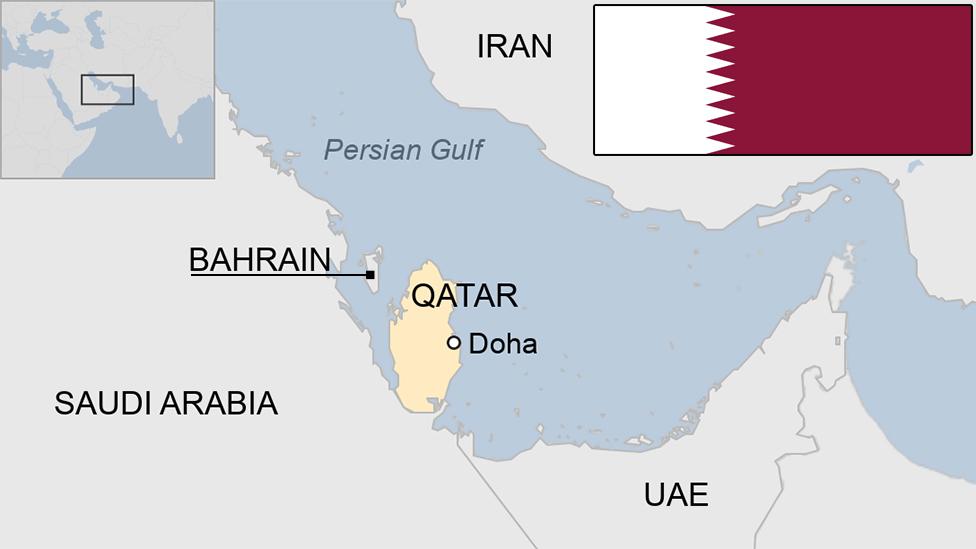
Defense Secretary Pete Hegseth informed the Senate Appropriations Committee on 11 June 2025 that the United States and Qatar have not yet formalised any agreement transferring a Boeing 747‑8 jetliner gifted by the Qatari royal family for potential use as Air Force One. Lawmakers pressing for details were met with repeated deferrals, as Hegseth invoked security and confidentiality concerns.

Senators voiced concern over the lack of transparency surrounding the gift. Senator Jack Reed of Rhode Island demanded insight into contractual terms and timeframe for retrofitting the aircraft to meet presidential standards, only to be told such information was “not for public consumption”. The Pentagon has neither disclosed cost estimates nor identified a specific US contractor for the extensive upgrade work required, including secure communications, defensive capabilities and airworthiness certification.

Despite earlier assurances from Air Force Secretary Troy Meink that retrofitting expenses could remain under USD 400 million, Democrats remain sceptical. Senator Chris Murphy pointed out that past Air Force One modernisation efforts have encountered significant budget escalations, sometimes reaching billions, and questioned the wisdom of funding work on a foreign jet when replacement aircraft are already in production.

Republicans, including Senators Jim Risch and Roger Marshall, defended the deal, asserting that Qatar and the UAE are strong US allies and that the jet donation alleviates procurement delays with Boeing. Secretary Hegseth echoed this view, suggesting that accepting Qatar’s jet could temporarily ease reliance on delayed Boeing‑built VC‑25B aircraft, though he declined to specify projected completion dates or key benchmarks.

Ethical concerns persist across party lines. Opponents argue that accepting a luxury aircraft from a foreign government may trigger Foreign Emoluments Clause issues or at least generate the appearance of impropriety. Qatar, meanwhile, has maintained that the nature of the transaction is under review—possibly a lease or outright purchase rather than a gift—though final details remain unresolved.

The Boeing 747‑8 in question, approximately 13 years old, features lavish interiors and advanced technology, earning it the nickname “palace in the sky.” Converting it to a presidential transport requires secure communications suites, defensive countermeasures, and structural modifications—a process estimated to span years. While Pentagon officials suggest costs may be contained beneath USD 400 million, analysts warn that upgrades for classified systems and nuclear safety could push costs well above one billion dollars.

Beyond the technical and ethical dimensions, questions remain over how accepting Qatar’s jet might affect broader US defence priorities. Some argue that prioritising resources for a foreign-made interim aircraft could detract from funding the delayed VC‑25B programme, which is pivotal to modernising the presidential fleet.

At the same hearing, Hegseth also dismissed calls for transparency, stating that budgetary and negotiating processes must remain classified for national security. This response intensified criticism from Democratic senators, who claim taxpayers deserve clarity on military expenditures and foreign transfers of high-value assets.

Meanwhile, Senate Republicans rejected two resolutions aiming to pause arms sales to Qatar and the UAE, signalling ongoing bipartisan support for the Gulf states despite growing unease over Trump administration’s foreign dealings. Republicans emphasised the strategic importance of maintaining strong defence cooperation, downplaying concerns over the aircraft gift.

The debate is set to continue as the Air Force advances planning and preliminary feasibility studies. Key upcoming moments include formalisation of the memorandum of understanding, selection of retrofit contractors, and disclosure of cost and timeline projections. The outcome will test the administration’s balance between diplomatic expediency, financial responsibility, and institutional transparency.

Donald Trump has declared on social media that the United States and China have finalised a trade agreement, pending formal sign-off from both himself and Chinese President Xi Jinping. The accord ensures China will supply rare earth minerals and magnets “up front” to the U.S., while the U.S. will honour its commitments, including allowing Chinese students to study at American universities. Trump also highlighted a tariff arrangement favouring the U.S., imposing a total of 55 per cent, against China’s 10 per cent.

Negotiators in London laid the groundwork for this framework during two days of discussions aimed at restoring the Geneva truce first reached in May, which had faltered amid export restrictions on critical minerals. U.S. Commerce Secretary Howard Lutnick described the outcome as putting “meat on the bones” of the Geneva agreement by addressing China’s curbs on rare earths and magnets. Both governments intend to present the framework for approval by Trump and Xi.

China controls a significant share of the world’s rare earth minerals, essential for manufacturing electronics, electric vehicles and defence technologies. Export licences recently granted to Chinese firms meeting U.S. demand reinforce China’s commitment to the agreement. The shortage of these minerals had previously disrupted global supply chains and limited U.S. access to critical components.

Alongside rare earth supplies, the agreement addresses educational exchanges by reaffirming that Chinese students will continue to access American universities. Trump emphasised this pledge in his social media announcement. Although the U.S. has criticised visas for students in sensitive fields, the deal appears to restore earlier norms.

Trump presented the tariff structure as a win for American interests: 55 per cent U.S. tariffs versus 10 per cent Chinese tariffs. These adjustments mark a shift from the extreme tariff stances of earlier this year, which had peaked at triple-digit levels.

Stock markets responded cautiously to the news: global indices displayed measured optimism as investors awaited details and official approvals. Analysts warned that markets remain fragile, with movement dependent on implementation and trust between the two nations.

Beijing’s participation was led by Vice Premier He Lifeng and Commerce Minister Wang Wentao, who conveyed the deal as a balanced step toward reviving the Geneva pact. The U.S. delegation included Commerce Secretary Lutnick, Treasury Secretary Scott Bessent, and Trade Representative Jamieson Greer. President Trump and President Xi had previously spoken by telephone on 5 June, building momentum for these discussions.

Despite this progress, experts caution that deep-seated mistrust and unresolved disputes remain. Non‑tariff barriers, such as technology export restrictions and visa policies, continue to loom. Chinese officials emphasised the deal’s provisional nature, awaiting “balanced” steps by both sides.

Analyst Ian Bremmer of Eurasia Group observed that while restarting the Geneva truce is a step up from breakdown, achieving a durable U.S.-China trade relationship will require sustained engagement and policy alignment. The role of rare earths as leverage underscores China’s global strategic advantage.

President Trump signalled confidence that approval could occur swiftly: Lutnick suggested sign-off might happen within days, as early as Wednesday or Thursday, after which implementation could begin. However, both governments have set a firm deadline of 10 August to negotiate a broader accord, before tariffs revert to higher levels.

With economic growth at risk from disrupted supply chains and tense trade anomalies, both the White House and Beijing face pressure to deliver tangible results. The World Bank recently warned that heightened tariff uncertainty could drag down global growth to an estimated 2.3 per cent in 2025.

While the deal hasn’t resolved core security‑driven trade issues—such as semiconductor and aviation export controls—it marks a notable thaw in tensions. Trump labelled his relationship with Xi as “excellent”, while both leaders exchanged invitations for state visits, signalling a diplomatic openness that has been absent from U.S.-China relations.

Pentagon officials have trimmed the U.S. Air Force’s F-35A fighter jet order dramatically, requesting just 24 aircraft in fiscal year 2026—cutting it by half from the previously projected 48 jets. The revised procurement proposal, submitted to Congress, seeks approximately $3.5 billion for the jets and an additional $531 million set aside for advance materials procurement. This downsizing is part of a broader strategy by the Department of Defence to […]

A major ransomware assault on a leading diagnostic and pathology services provider has sent healthcare operations into disarray, pausing thousands of patient procedures, crippling essential services like blood transfusions and cancer screenings, and exposing sensitive patient data across multiple hospitals. Investigators have attributed the attack to the Qilin ransomware group, known to operate under Russia’s ransomware-as-a-service infrastructure. The breach exploited weak multi-factor authentication, excessive privileged access, orphaned […]

By Nitya Chakraborty The high level delegations of United States of America and China concluded their two day trade talks in London on Tuesday agreeing to take forward the course of negotiations for further promoting steady and healthy development of economic and trade ties between the two largest economies of the world. Both Chinese and […]
Avalanche’s on‑chain activity has surged dramatically this year, with daily active addresses soaring from around 430,000 in April to approximately 2.2 million in June—a nearly fivefold rebound since early 2025.

Boosted by a wave of Web3 gaming projects drawing mass participation, the platform has also processed roughly 5.2 million transactions in the past week—an increase of over 110 % week‑on‑week. Projects such as MapleStory Universe and The Arena have been credited with driving substantial growth, addressing both gaming and DeFi audiences.

The immediate spike traces back to April, when daily active addresses bottomed near 430 k before accelerating sharply in May. By early June, daily active wallets exceeded 100,000 on Avalanche’s C‑Chain—levels not seen since the 2021 all‑time‑high phase. Token Terminal and Artemis data mirror this trend, showing monthly active wallets ballooning to 2.2 million—a 400 % rise since May.

Industry analysts attribute the surge to several factors. User sentiment on Reddit highlights optimism: “This is only the beginning; we are early. Once Avalanche is tested and proven, it will gain mass adoption. Enjoy the maturation process,” one user posted, reflecting broader confidence in the network’s trajectory. Institutional interest is also entering the fray: blockchain analytics firm Wu Blockchain noted that institutional tools like BlackRock’s tokenised Treasury products are being adopted on Avalanche’s Euler protocol as collateral.

Infrastructure upgrades have complemented growing ecosystem demand. Avalanche has embraced modular Subnet architecture, enabling specialised chains tailored for gaming and niche applications within its ecosystem. This flexibility, combined with low fees and sub‑second finality, is seen as critical in attracting developers and business interest.

Yet, despite record‑breaking user activity, AVAX token price has remained subdued. Trading near US $20–$22, the coin is down more than 60 % from its late‑2024 highs. Market watchers interpret this as a classic disconnect: on‑chain metrics up, price down—a potential accumulation window if fundamentals continue to strengthen.

Notably, spikes in stablecoin issuance—from about US $1.6 billion to over US $2.1 billion—and rising DeFi usage have complemented the on‑chain resurgence. However, decentralized exchange volumes have not kept pace, with daily DEX transaction volumes dipping despite higher transactional throughput.

Experts suggest that continued momentum will hinge on sustaining ecosystem activity and translating it effectively into token utility and value. Infrastructure improvements and new partner integrations—such as FIFA’s NFT launch on Avalanche—add further credibility.

Applications from African professionals to American MBA programmes are climbing sharply, driven by robust scholarship support, evolving diversity strategies, and a post-pandemic appetite for international career mobility. African candidates are finding new momentum in American business schools thanks to generous funding sources such as the TY Danjuma MBA Scholarship, established in 2011. The fund supports admissions at top‑ranked global institutions, awarding 64 students from nations including Nigeria, […]

Dubai International Airport has introduced sharply reduced long‑stay parking rates across all terminals, aiming to ease travel costs and reduce traffic congestion as passenger volumes surge. From 10 to 30 June, motorists can park for three days at AED 100, a week at AED 200, or up to 14 days at AED 300—a significant reduction from regular tariffs. The move addresses growing demand at DXB, where the airport expects to […]

Japanese investment firm Metaplanet has scaled its way into the top ten corporate Bitcoin holders by acquiring a further 1,088 BTC for roughly $117.9 million, boosting its total holdings to 8,888 BTC and vaulting above Galaxy Digital and Block Inc. into ninth place worldwide. The firm purchased the coins at an average price of approximately $108,400 each, signalling deepening confidence in its treasury strategy underpinned by sustained market uncertainty.

Metaplanet’s pivot from hotel management to cryptocurrency began in 2024. Since then, its stock has surged dramatically, at times rising over 8,850 per cent in just two years, as the company pursued a bitcoin‑centric treasury model. That performance has mirrored similar moves in the sector, including U.S. software firm Strategy, whose model inspired Metaplanet’s pivot.

The firm announced a plan to raise approximately $5.3–5.4 billion via stock acquisition rights—the largest warrant issuance in Japan—to scale its bitcoin holdings to 210,000 BTC by the end of 2027. Metaplanet previously outlined a target of 21,000 BTC by the end of 2026, which has since been superseded by the more ambitious 100,000 BTC milestone for next year.

Metaplanet’s CEO, Simon Gerovich—a former Goldman Sachs derivatives trader—told investors that Bitcoin serves as a hedge against a weakening yen, prolonged negative interest rates, and rising concerns over sovereign debt, setting it apart from traditional safe‑haven assets such as government bonds. This reflects broader market trends: analysts at Bitwise and Bitfinex suggest high sovereign bond default probabilities and consolidation above cost basis support further upside for Bitcoin prices.

Metaplanet’s strategy, dubbed the “555 Million Plan” and following its earlier “21 Million Plan”, channels nearly all funds raised into bitcoin purchases while maintaining flexibility to adjust funding based on market conditions and shareholder dilution safeguards. Its holdings, valued at close to $1 billion, now compare with those of Strategy, which boasts over 580,000 BTC, and ranks first among corporate holders.

Investor reactions have been swift: Metaplanet’s stock surged 15–22 per cent following the acquisition announcement and financing plan, underscoring strong market appetite for its bold strategy. Still, scepticism remains; industry analysts such as Standard Chartered caution that corporate reliance on Bitcoin may heighten balance‑sheet risk during market downturns and raise concerns about overvaluation in proxy‑stock structures.

This aggressive accumulation mirrors industry-wide dynamics. Over 60 public companies now hold more than 3 per cent of Bitcoin’s total supply, with estimates suggesting corporate demand may channel up to $330 billion into Bitcoin by 2029. In this environment, Metaplanet is positioning itself as Asia’s counterpart to MicroStrategy, not only through fearless accumulation but also via initiatives like the forthcoming ‘Bitcoin Hotel’ in Tokyo and educational outreach through its Japanese licence of Bitcoin Magazine.

Nevertheless, experts warn that this model carries heightened exposure to Bitcoin’s extreme volatility, potential regulatory shifts, and macroeconomic undercurrents. While some view Metaplanet as a pioneer advancing institutional acceptance of crypto, others argue the strategy intensifies concentration risks within corporate treasuries.

Abu Dhabi Global Market has recorded a substantial leap in its development as a financial hub, marking a more than 30 per cent increase in registered firms last year and a remarkable 245 per cent surge in assets under management. Such gains stem from the emirate’s strategic mobilisation of its nearly US $2 trillion in sovereign wealth, aimed at diversifying its economy beyond its dominant oil sector. This year’s first quarter performance continued […]

Mashreq Bank has secured a US$500 million Sukuk issuance through its special-purpose vehicle, Mashreq Al Islami Sukuk Company Ltd, with a secondary listing on Nasdaq Dubai. The trust certificates, set to mature in 2030, were unveiled under the bank’s US$2.5 billion Trust Certificate Issuance Programme. The issuance drew overwhelming appetite in the primary market, with subscriptions reaching nearly US$2.9 billion—almost six times the issued amount—before being admitted for trading on Nasdaq Dubai. […]

OpenTrade, a London-based fintech infrastructure provider, has closed a £5.5 million funding round, led by Notion Capital and Mercury Fund, raising its total capital to around £8.5 million since inception. The investment is earmarked to scale its build-out of real-world asset-backed stablecoin yield services across high-inflation markets in Latin America and Europe.

OpenTrade embeds “yield-as-a-service” into fintech apps, allowing users to earn interest on USD and EUR stablecoins—rates that significantly outperform traditional banking options. Fintech clients such as Criptan in Spain and Littio in Colombia now offer yields up to 9%, compared with local bank APRs of under 0.5%.

Co-founders Dave Sutter, Jeff Handler, and Tom Niermann have close links to USDC’s Centre consortium and hold decades of digital assets experience. They launched OpenTrade in early 2024 to address demand from emerging markets, where inflation erodes savings and dollar-denominated banking returns are negligible. The platform has since managed approximately $47 million in assets and processed nearly $200 million in transaction volume, growing at an average of 20% month-over-month.

The round also saw participation from a16z crypto, AlbionVC, and CMCC Global, reflecting continued investor confidence. OpenTrade intends to direct the funds towards enhancing its technological capabilities, supporting growth in client-facing applications, and broadening its product suite to include a wider range of real-world asset-backed instruments.

The company’s timing aligns with a broader surge in stablecoin infrastructure. Globally, stablecoin transaction volumes now exceed $20 trillion annually—outpacing conventional payment systems such as Visa, Mastercard, and PayPal. For fintech firms in emerging economies, embedding stablecoin yields into everyday platforms is reshaping perceptions of crypto, transforming digital currencies from purely transactional tools into accessible savings vehicles.

Argentina and Colombia exemplify this shift. Dollar accounts are rare, and where available, yields are negligible. In Colombia, dollar-denominated APRs are below 0.4%, while Littio users, through OpenTrade, attract up to 6%. Spain’s Criptan offers up to 9% in EUR stablecoin returns—generating user traction by outperforming traditional savings products.

Despite the rapid uptake of stablecoins, mainstream users in many regions face roadblocks: regulatory frameworks for safe yield generation have lagged behind adoption. OpenTrade bridges this gap by offering compliant real-world asset backing and embedded yield capabilities, supporting regulatory alignment while extending market reach.

This funding arrives amid a regulatory pivot in Europe. The Financial Conduct Authority plans to unveil discussion papers on stablecoin issuance and custody in Q4 2025, aligning with the EU’s Markets in Crypto-Assets framework. OpenTrade’s growth strategy demonstrates fintechs’ ambition to navigate both innovation and regulation in stablecoin infrastructure.

Fintech founders view embedded stablecoin yield as essential for financial inclusion. Sutter has emphasized that stablecoins have become crypto’s “killer app” and that over a third of Latin American consumers have used them for purchases. OpenTrade is positioned as an enabler: the platform supports deposits, withdrawals, and yield generation directly within existing fintech interfaces.

Investor sentiment adds context. Notion Capital’s Itxaso del Palacio remarked that the $240 billion stablecoin market needs robust infrastructure. Mercury Fund’s Samantha Lewis described OpenTrade as “core financial infrastructure for the next generation of fintech”. These endorsements highlight confidence in both OpenTrade’s leadership and market relevance.

Looking ahead, OpenTrade aims to expand its reach over the next 12–18 months. Key areas include launching new yield products, incorporating diverse asset classes, and enhancing the user experience for fintech clients. The vision is to become the go-to partner for compliant stablecoin yield solutions, competing across developed and emerging economies where rising inflation, currency volatility, and limited access to traditional deposits persist.

Dubai master developer Emaar Properties has introduced VYOM, a digital resale platform designed to streamline the sale of Emaar homes through secure, transparent and user‑controlled processes. Available now to global users, the platform enables homeowners and investors to manage listings, upload images, set prices and handle inquiries—all within an integrated, intuitive interface.

Mohamed Ali Alabbar, Emaar’s founder, emphasised that VYOM reflects a shift towards autonomy, trust and speed in the property market. “VYOM is more than a platform—it’s a new way of thinking about property resale,” he said, adding that it places control firmly in the hands of customers. The move addresses persistent inefficiencies in traditional resale methods, including pricing opaqueness, communication delays and fragmented processes.

VYOM emerges as part of Emaar’s broader digital transformation strategy. The platform aims to reduce friction in resale transactions, allowing direct buyer‑seller interactions without intermediaries. For users, the result is a streamlined experience: creation of personalised listings, real‑time updates, and enhanced transparency across the transaction journey.

Analysts suggest the launch positions Emaar ahead in a market increasingly adopting digital property solutions. Industry commentary notes that VYOM could prompt competitors—such as Damac Properties—to roll out similar digital resale or even rental platforms. One real estate expert reflected, “With Damac launching its e‑commerce property site, a trend is underway”—a transformation likely driven by rising online demand.

Emaar views VYOM as the first stage of a phased rollout. Future enhancements include integrated rental management and expanded analytics tools, offering marketing insights and valuation support to users. The initial launch focuses on resale, but the roadmap points to a full‑cycle platform guiding owners from purchase through resale and rental.

Market conditions in Dubai reinforce the appeal of digital platforms. Transaction volumes remain buoyant, and buyers are increasingly seeking end‑to‑end online clarity. Traditional resale has been hampered by agents’ commissions and uneven quality, often leaving sellers and buyers without real‑time updates or direct communication. VYOM seeks to bridge these gaps.

Emaar’s track record lends weight to this evolution. The company has been steadily digitising its portfolio, incorporating virtual tours, property management apps and smart home integrations in key UAE developments. VYOM aligns with these investments, reinforcing Emaar’s image as a tech‑forward developer.

Technology infrastructure behind VYOM is built on robust security and data‑protection standards, ensuring user authenticity, encrypted communications, and verified listings. This digital-first model is expected to reduce instances of fraud and misinformation that sometimes plague secondary property markets.

Investor sentiment appears optimistic. Although Emaar has not disclosed specific growth targets, experts believe VYOM could significantly boost customer retention and retention rates for repeat domestic and overseas investors. A senior property economist commented that such platforms “elevate resale liquidity and deepen buyer confidence in the Emaar brand”.

The Dubai Land Department, while not officially commenting, has previously expressed support for digitisation in property services and title registration. Platforms like VYOM may dovetail with government efforts to digitalise real estate transactions across the emirate, including escrow reforms and blockchain‑enabled land registry trials.

Homeowners who have previewed VYOM report an improved experience. One early user noted that the ability to revise prices instantly and manage viewings through the platform eliminated delays often caused by agent coordination. The user highlighted how features such as buyer messaging templates helped standardise and speed up negotiations, while integrated market insights assisted pricing strategies.

Emaar has also invested in training programmes for sales teams and customer‑care staff to ensure consistent support for VYOM users. This back‑end readiness suggests the platform will do more than merely exist online; it will be backed by human expertise and service continuity.

Financial analysts underscore the commercial implications. VYOM can retain undisclosed resale transaction fees and promote secondary market activity within Emaar’s ecosystem. Over time, data harvested from user behaviour could feed predictive tools, generating new revenue through ancillary services such as refinancing, renovation or interior design partnerships tied to resale activity.

While VYOM’s earliest phase targets the resale of Emaar properties—off‑plan and completed—broader implications may follow. Market watchers consider the platform a bellwether for digital transformation in real‑estate heavyweights, signalling a shift towards owner-empowered brokerage and vertical integration.

Arabian Post Staff -Dubai G‑SHOCK has released its GA‑V01 in the UAE, marking a significant step forward in hybrid timepiece design by blending analogue presence with digital clarity in a robust, contemporary form. The GA‑V01 introduces a distinctive spherical aesthetic, combining a full‑screen LCD display with striking analogue hands that pivot via a magnetic “Shock Release Hand” mechanism. This innovation absorbs impacts by allowing the minute hand […]

VISHNU RAJA
RYO YAMADA
HITORI GOTOH
IKUYO KITA