News related to
demand

Drone and robotics are evolving industry worldwide as well as in the Middle East where the UAE has taken a leadership role in gradually deploying them in government departments and public facilities – in addition to bringing in driver less vehicles and flying taxis – to transform its urban infrastructure into smart cities where drones, machines, robotics and AI will play a crucial role. The UAE’s General […]

Artificial Intelligence is expected to contribute around US$320 billion to the Middle East’s Gross Domestic Product (GDP) by 2030, with the Gulf Cooperation Council countries accounting for nearly 80 percent of that impact, translating to approximately US$260 billion, according to a latest report by global accounting firm PriceWaterhouseCoopers (PwC). The Gulf Cooperation Council (GCC) countries—Bahrain, Kuwait, Oman, Qatar, Saudi Arabia, and the United Arab Emirates—are at a […]

Bitcoin has reached a new pinnacle, surpassing $109,000 for the first time, with data indicating that 99% of holders are now in profit. This surge underscores the cryptocurrency’s robust momentum and growing investor confidence.

The digital asset’s ascent has been attributed to a confluence of factors, including increased institutional adoption, favourable regulatory developments, and heightened interest from retail investors. The approval of spot Bitcoin exchange-traded funds by the U.S. Securities and Exchange Commission in early 2024 has notably facilitated greater access for traditional investors, contributing to the asset’s upward trajectory.

Market analysts have observed that the current rally is supported by strong fundamentals. The limited supply of Bitcoin, capped at 21 million coins, combined with sustained demand, continues to exert upward pressure on its price. Additionally, macroeconomic factors such as inflation concerns and currency devaluation in various regions have prompted investors to seek alternative stores of value, with Bitcoin emerging as a preferred choice.

The cryptocurrency’s performance has also been bolstered by significant investments from prominent figures in the financial sector. Notably, a trader identified as James Wynn has reportedly made substantial gains through leveraged positions, reflecting the high-risk, high-reward nature of the market. Wynn’s activities have garnered attention on social media platforms, highlighting the speculative interest that often accompanies Bitcoin’s price movements.

Tether, the issuer of the world’s largest stablecoin, has reportedly surpassed Germany in holdings of U.S. Treasury securities, positioning itself among the top global holders of American government debt. Paolo Ardoino, Tether’s CEO, announced the milestone on social media, stating, “I think we’ve already passed Germany. Next target — South Korea!”

According to Tether’s Q1 2025 attestation report, the company holds approximately $120 billion in U.S. Treasuries, including direct holdings and indirect exposures through money market funds and reverse repurchase agreements. This figure places Tether ahead of Germany, which, as per the U.S. Department of the Treasury, held around $95 billion in U.S. government debt at the end of Q1 2025.

Tether’s substantial investment in U.S. Treasuries has not only solidified its position in the financial markets but also yielded significant returns. The company reported over $1 billion in operating profit for Q1 2025, primarily driven by income from its Treasury holdings. Additionally, Tether maintains $5.6 billion in excess reserves, underscoring its financial stability.

The stablecoin issuer’s aggressive accumulation of U.S. government debt has implications beyond its balance sheet. A study published on May 18, 2025, in the Social Science Research Network suggests that Tether’s significant market share in U.S. Treasury bills may be contributing to lower yields. The research indicates that Tether’s demand for Treasury bills equates to approximately $15 billion in annual interest savings for the U.S. government.

Tether’s growing influence in the financial sector is further evidenced by its expanding user base. The company reported a $7 billion increase in the circulating supply of its USD₮ stablecoin during Q1 2025, with a 13% rise in user wallets, totaling an estimated 46 million new accounts. This growth reflects increasing global demand for dollar-denominated digital assets, particularly in regions with volatile local currencies.

Beyond its core stablecoin operations, Tether is diversifying its investments. The company has allocated over $2 billion toward sectors such as renewable energy, artificial intelligence, and data infrastructure. Notably, Tether acquired a 70% stake in Adecoagro, a leading sustainable production company in South America, signaling a strategic expansion into sustainable infrastructure.

HONG KONG SAR – EQS Newswire – 21 May 2025 – Uni-Bio Science Group Limited (the “Company”, together with its subsidiaries, the “Group”) proudly announces that its new ophthalmology product, 金因康® (Diquafosol Sodium Eye Drops), has received marketing approval from the China National Medical Products Administration (NMPA) [Approval Number: 國藥准字H20254149]. This milestone strengthens the Group’s portfolio in ophthalmology, addressing the growing demand for innovative treatments in China’s […]

Addverb Technologies, a prominent player in industrial automation, has joined forces with Infineon Technologies to introduce Bluetooth Low Energy -based safety systems for warehouse robots, marking a significant step forward in industrial automation safety and reliability. The partnership aims to enhance operational efficiency and safety in increasingly automated warehouse environments by leveraging Infineon’s expertise in semiconductor technology and Addverb’s robotics solutions.

Warehouse automation has surged worldwide as e-commerce and supply chain demands intensify. Robots navigating complex warehouse layouts must adhere to stringent safety protocols while maintaining seamless communication with control systems. Addressing this, Addverb and Infineon have developed a BLE-enabled safety system designed to deliver real-time monitoring and remote power management for automated guided vehicles and autonomous mobile robots .

This collaboration integrates Infineon’s advanced semiconductor solutions, including microcontrollers and sensor technologies, with Addverb’s proprietary robotics platforms. The BLE technology facilitates low-latency, reliable wireless communication critical to safety compliance. It allows continuous exchange of safety signals between robots and central control units, ensuring immediate response to any irregularities or hazards within warehouse operations.

The system is designed to remotely control power supply to the robots, enabling emergency shutdowns or power cycling without physical intervention. This capability not only reduces downtime but also enhances worker safety by allowing rapid isolation of malfunctioning units from the fleet. Moreover, the BLE safety infrastructure supports real-time diagnostics and predictive maintenance, allowing operators to preempt potential failures before they escalate.

Addverb has been pushing the boundaries of warehouse robotics with a portfolio ranging from material handling robots to complex automation systems tailored for sectors such as e-commerce, retail, and manufacturing. Integrating BLE safety measures elevates the reliability of these systems by ensuring that automated machines operate within strict safety parameters while maintaining agility in operations.

Infineon’s role in this venture capitalises on its leadership in power management and sensor technology. The company’s robust BLE chipsets and microcontrollers form the backbone of the wireless communication system, optimised for low power consumption and high security, crucial in sensitive industrial environments. Their solutions are designed to withstand electromagnetic interference and physical wear and tear common in industrial settings.

The strategic alliance arrives amid growing regulatory and industry focus on enhancing safety standards in automated environments. Warehouse robots often operate alongside human workers, making fail-safe communication protocols a top priority. The BLE-based system introduced by Addverb and Infineon addresses this need by ensuring that safety signals are transmitted reliably and instantaneously, thereby preventing accidents and equipment damage.

Experts highlight that BLE technology offers a unique combination of low power consumption and sufficient range to cover extensive warehouse floors, making it well suited for large-scale automation systems. The technology’s inherent security features also mitigate risks associated with wireless communication, such as hacking or data breaches, thereby safeguarding operational integrity.

The deployment of BLE safety systems is expected to improve automation scalability in warehouses. Facilities can add or reconfigure robots without extensive rewiring or additional hardware installation, reducing costs and increasing flexibility. The wireless nature of the system also facilitates rapid integration with existing warehouse management systems and industrial Internet of Things platforms.

Addverb and Infineon’s partnership exemplifies the growing trend of collaboration between robotics firms and semiconductor companies to address the evolving challenges of industrial automation. By combining domain expertise, the companies are pioneering solutions that not only boost productivity but also uphold the highest safety standards in demanding environments.

Industry analysts view the integration of BLE-based safety systems as a critical advancement that will likely set a new benchmark for warehouse automation safety protocols globally. The move aligns with broader trends towards digitisation and smarter factories, where connectivity, automation, and safety coalesce to drive operational excellence.

The focus on remote power control also reflects an industry-wide shift towards more intelligent energy management in automation. Robots consume significant amounts of energy, and their efficient power regulation reduces operational costs and environmental impact. By enabling precise remote power management, the Addverb-Infineon system contributes to sustainable automation practices.

Mauritius is intensifying efforts to attract travellers from Gulf countries, with the tourism sector positioning itself to tap into a high-spending demographic amid growing global competition. The island’s tourism authority has highlighted the Gulf region as a key source market, aiming to capitalise on increased air connectivity, rising disposable incomes, and evolving travel preferences.

Officials from the Mauritius Tourism Authority emphasise a strategy focused on delivering a high-quality, product-driven experience tailored to Gulf travellers’ expectations. Luxury accommodations, personalised services, and exclusive experiences form the cornerstone of this approach. The island’s appeal is strengthened by its reputation for safety, pristine beaches, and cultural diversity, factors that resonate well with Gulf visitors seeking both relaxation and immersive travel.

Mauritius benefits from its geographic proximity and enhanced flight options, including direct and one-stop routes operated by regional and international airlines. These improved connections make the destination more accessible, facilitating a smoother travel experience that Gulf tourists increasingly prioritise. The airline partnerships and new routes also reflect broader industry trends where connectivity drives tourism inflows and regional collaboration plays a key role in market expansion.

The tourism authority’s promotional campaigns have adapted to digital trends, leveraging social media influencers and targeted marketing to engage Gulf travellers effectively. Content emphasises Mauritius as an exclusive yet accessible luxury getaway, blending natural beauty with upscale amenities. This digital outreach complements traditional marketing channels, aiming to build sustained interest and brand loyalty.

Luxury resorts and hotels on the island have upgraded their offerings, aligning with Gulf travellers’ preferences for privacy, fine dining, wellness, and bespoke excursions. Several properties have introduced Arabic-speaking staff, tailored menus, and prayer facilities to better serve the Gulf clientele. This cultural sensitivity enhances comfort and inclusivity, strengthening the destination’s competitive edge.

Economic data shows that Gulf tourists typically spend more per visit than visitors from many other regions, making them highly desirable for the island’s tourism revenue. With tourism contributing significantly to Mauritius’s GDP, targeting high-value markets is essential for sustaining economic growth, especially in the post-pandemic environment where recovery efforts remain critical.

The broader Indian Ocean region faces intense competition from other luxury beach destinations, including the Maldives, Seychelles, and Zanzibar. Mauritius’s tourism leadership acknowledges the need for continuous innovation and investment to maintain its standing. This includes diversifying experiences beyond beaches, promoting eco-tourism, cultural tours, and sporting events to appeal to diverse traveller interests.

Environmental sustainability is becoming a priority within Mauritius’s tourism development plans, as the island seeks to balance growth with conservation. Several resorts have adopted green certifications and community engagement programmes, which appeal to environmentally conscious Gulf travellers increasingly interested in responsible tourism. This trend aligns with global shifts toward sustainable travel, reinforcing Mauritius’s positioning as a forward-thinking destination.

Authorities are also working with Gulf travel agencies and tour operators to create customised travel packages that simplify booking and enhance the overall journey. Collaborative partnerships extend to the luxury retail and entertainment sectors, integrating shopping and leisure activities into holiday experiences. Such integrated offerings respond to Gulf tourists’ demand for comprehensive, seamless trips combining relaxation, adventure, and lifestyle.

Mauritius’s appeal to Gulf visitors is further strengthened by the island’s multilingual population and historical links to the region through trade and diaspora communities. These ties foster a sense of familiarity and hospitality, factors that influence travel decisions positively. The tourism sector recognises that maintaining and deepening these connections is crucial for long-term market development.

Global travel trends show an increasing preference among Gulf nationals for destinations that offer exclusivity and privacy, particularly amid ongoing health concerns and evolving safety expectations. Mauritius has implemented stringent health protocols and flexible cancellation policies to reassure travellers, factors that contribute to its attractiveness as a safe and dependable destination.

Despite the promising outlook, challenges remain. The volatility of international travel regulations, fluctuating fuel prices, and economic uncertainties in key Gulf states could affect visitor numbers. Moreover, competition for tourists’ attention and spending power requires Mauritius to continually enhance value propositions and innovate its offerings.

Investment in infrastructure improvements, including airports, road networks, and hospitality facilities, supports the island’s ambition to elevate the visitor experience. Public and private sector collaboration is essential in this regard, with government incentives encouraging tourism-related investments and innovation. These efforts underscore a commitment to sustainable and inclusive tourism growth.

Mauritius’s strategy reflects a broader shift in global tourism towards targeting affluent travellers with discerning tastes. By focusing on personalised, culturally aware, and environmentally responsible tourism products, the island is positioning itself as a top-tier destination for Gulf nationals. This aligns with global luxury travel market trends, which prioritise authenticity, comfort, and unique experiences.

Efforts to attract Gulf travellers are expected to have a multiplier effect, benefiting ancillary industries such as retail, transportation, and local crafts. The integration of tourism with local economic development highlights Mauritius’s holistic approach to growth, emphasising the social and economic benefits of a vibrant travel sector.


Advertisements

The University of Zimbabwe has sparked widespread criticism by offering adjunct lecturers a paltry US$5.50 per hour to replace striking academic staff, intensifying an ongoing labour dispute that has disrupted operations at the country’s premier higher education institution. Lecturers, represented by the Association of University Teachers , initiated an indefinite strike on 16 April, demanding a return to pre-2018 salary levels of US$2,250 per month for junior […]

Microsoft’s flagship developer conference, Build 2025, held in Seattle, faced significant disruptions as employees and activists protested the company’s collaborations with the Israeli military. The demonstrations, led by the group No Azure for Apartheid, highlighted concerns over the use of Microsoft’s Azure and AI technologies in military operations in Gaza. During CEO Satya Nadella’s keynote address, firmware engineer Joe Lopez interrupted the session, accusing Microsoft of supporting […]

Blackstone has initiated its entry into the cryptocurrency market by acquiring a stake in BlackRock’s iShares Bitcoin Trust , marking its first foray into digital assets. This move aligns with a broader trend of institutional investors embracing cryptocurrency through regulated investment vehicles.

The exact size of Blackstone’s investment has not been publicly disclosed, but filings with the U.S. Securities and Exchange Commission indicate a modest position. This strategic investment underscores a growing institutional interest in Bitcoin, particularly through spot exchange-traded funds , which offer regulated exposure to the cryptocurrency without the complexities of direct ownership.

BlackRock’s IBIT has emerged as a leading product in the spot Bitcoin ETF market, surpassing Grayscale’s Bitcoin Trust in assets under management. As of late May 2024, IBIT held nearly $20 billion in Bitcoin, reflecting significant investor confidence and inflows.

The approval of spot Bitcoin ETFs by the SEC in January 2024 marked a pivotal moment for cryptocurrency adoption among institutional investors. These ETFs provide a regulated avenue for exposure to Bitcoin, mitigating some of the risks associated with direct cryptocurrency investments. Since their approval, spot Bitcoin ETFs have attracted substantial capital, with inflows exceeding $40 billion, signaling robust demand from institutional players.

Blackstone’s investment follows similar moves by other major financial institutions. Barclays disclosed a $131 million stake in IBIT, while Morgan Stanley reported holdings worth $188 million. Additionally, sovereign wealth funds, such as Abu Dhabi’s Mubadala Investments, have made significant investments, with Mubadala holding a $437 million stake in IBIT as of December 2024.

The increasing institutional adoption of Bitcoin ETFs is contributing to the convergence of traditional finance and the cryptocurrency market. BlackRock executives have noted that the introduction of Bitcoin ETFs is facilitating this integration, as traditional financial institutions seek exposure to digital assets through familiar investment vehicles.

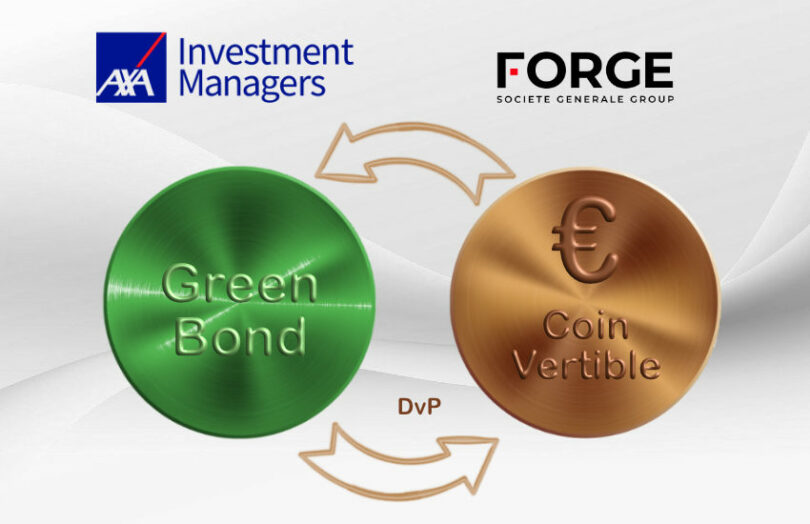
Societe Generale, one of Europe’s leading financial institutions, has launched a new stablecoin pegged to the US dollar on the Ethereum blockchain, marking a significant milestone as the first dollar-backed stablecoin issued by a traditional bank. The initiative, spearheaded by the bank’s digital asset subsidiary SG-Forge, aims to bridge the gap between conventional finance and the rapidly evolving world of decentralised finance .

The stablecoin, named USD CoinVertible , is designed to offer institutional clients a secure and regulated digital asset for on-chain transactions. SG-Forge has emphasised that USDCV will adhere to strict compliance standards, including Know Your Customer and Anti-Money Laundering protocols, ensuring its suitability for professional investors seeking exposure to digital assets within a regulated framework.

Jean-Marc Stenger, CEO of SG-Forge, stated that the launch of USDCV represents a pivotal step in the bank’s digital asset strategy. He highlighted the growing demand among institutional clients for stable and compliant digital assets that can facilitate efficient settlement and liquidity management on blockchain platforms.

The introduction of USDCV follows SG-Forge’s earlier venture into stablecoins with the euro-pegged EUR CoinVertible , which was initially deployed on the Ethereum blockchain. Despite its innovative approach, EURCV experienced limited adoption, prompting SG-Forge to expand its presence to other blockchain networks. In September 2024, the firm announced plans to deploy EURCV on the Solana network, citing the blockchain’s high throughput and low transaction costs as key factors for enhancing user experience and adoption.

Solana’s capabilities have attracted attention from various financial institutions seeking to leverage blockchain technology for digital asset issuance and management. SG-Forge’s decision to extend EURCV to Solana aligns with a broader industry trend of exploring scalable and cost-effective blockchain solutions to meet the demands of both retail and institutional users.

In addition to Solana, SG-Forge has expressed intentions to further expand its stablecoin offerings to other blockchain networks, including the XRP Ledger. This multi-chain strategy reflects the firm’s commitment to providing versatile and accessible digital asset solutions across diverse blockchain ecosystems.

The launch of USDCV positions Societe Generale as a pioneer among traditional banks venturing into the stablecoin market. While other financial institutions have explored digital asset initiatives, Societe Generale’s direct issuance of a dollar-pegged stablecoin on a public blockchain underscores its proactive approach to embracing digital innovation within a regulated framework.

As the stablecoin market continues to evolve, the entry of established financial entities like Societe Generale introduces a new dimension to the landscape. The bank’s emphasis on regulatory compliance and institutional-grade solutions may set a precedent for other traditional financial institutions considering similar ventures into the digital asset space.

The success of USDCV will likely depend on its adoption by institutional clients and its integration into existing financial infrastructures. SG-Forge’s ongoing efforts to enhance the utility and accessibility of its stablecoin offerings, including partnerships with market makers and listings on digital asset exchanges, will be critical in driving adoption and establishing a foothold in the competitive stablecoin market.

Cryptocurrency exchange Kraken has secured a Markets in Financial Instruments Directive licence in the European Union by acquiring Cypriot investment firm Greenfields Wealth, formerly known as Pacific Union Group. The acquisition, approved by the Cyprus Securities and Exchange Commission , enables Kraken to offer regulated crypto derivatives to advanced traders across selected EU markets.

This strategic move allows Kraken to operate under the EU’s MiFID framework, facilitating the provision of over-the-counter derivatives, including contracts for differences , to retail clients within the European Economic Area. The licence also permits Kraken to passport its services across other EU member states, potentially reaching a broader base of European traders and investors.

Shannon Kurtas, Kraken’s Co-General Manager of Pro & Exchange, stated that the acquisition reflects the company’s commitment to providing a trusted, regulated environment for advanced crypto traders and investors. She emphasized that the European market remains a top priority for Kraken as it continues to expand its services globally.

Kraken plans to introduce a range of derivatives products, including regulated futures and options, designed to meet the needs of sophisticated crypto investors in Europe. These offerings will enable traders to gain exposure to various digital assets in a capital-efficient and flexible manner, using a variety of collateral currencies to back their positions.

The acquisition of Greenfields Wealth provides Kraken with a strategic entry point into the European derivatives market. Cyprus has emerged as a hub for financial services firms seeking to operate across the EU, thanks to its regulatory framework and MiFID passport capabilities. The approval from CySEC enables Kraken to compete more effectively in the European crypto derivatives market.

Kraken has a history of pursuing regulated derivatives trading opportunities. In 2019, the company acquired Crypto Facilities, a UK-based crypto futures platform regulated by the Financial Conduct Authority , enhancing its presence in the UK market. This acquisition made Kraken the first licensed crypto futures provider in the United Kingdom.

The European crypto derivatives market is experiencing significant growth, with projections indicating a 15% growth rate until 2030. Kraken’s entry into this market positions the company to capitalize on the increasing demand for secure and regulated crypto derivatives trading in the EU.

Kraken’s approach to regulatory compliance has been systematic, with the exchange working to secure necessary approvals across different jurisdictions. This strategy helps ensure that its services meet local regulatory standards while providing users with access to advanced trading options.

The company’s expansion into the European market aligns with the EU’s Markets in Crypto-Assets regulation, which aims to address issues related to anti-money laundering, token issuance, and stablecoin-specific rules. Kraken’s acquisition of the MiFID licence represents a strategic move to capture opportunities in Europe’s expanding derivatives market.

Headless commerce is reshaping the retail landscape by decoupling the front-end customer interface from the back-end commerce functionality, enabling brands to offer more personalised, flexible, and scalable shopping experiences. This architectural shift is gaining momentum as retailers face increasing pressure to innovate in response to evolving consumer behaviour, technological advancements, and the demand for seamless omnichannel engagement. At its core, headless commerce separates the presentation layer—how customers […]

Ubuntu 25.10 will introduce a significant update to its core user experience by replacing the default terminal and image viewer applications with modern alternatives. This development marks a shift towards more streamlined and feature-rich tools, reflecting the broader trend of enhancing Linux desktop usability without sacrificing performance or stability. The new default terminal, known as “Console,” is set to replace GNOME Terminal, which has been a longstanding […]

Ethereum’s price steadied near $2,400 after a notable pullback, positioning itself for a potential upward move toward the $4,000 mark. The digital asset’s resilience at this support level has drawn increased attention from traders and analysts who are monitoring the market for signs of renewed momentum.

Following a period of heightened volatility, Ethereum has maintained a base close to $2,400, a level viewed by many as a critical buying zone. This price point has historically provided stability amid fluctuating market sentiment, suggesting that investors see value at this threshold. Trading volumes have also seen a surge, indicating a resurgence of interest as participants weigh the likelihood of a recovery rally.

Analysts note that the current consolidation phase may serve as a launchpad for a rebound that could push Ethereum toward its previous highs around $4,000. The cryptocurrency has faced downward pressure stemming from broader macroeconomic factors such as tightening monetary policies, global inflation concerns, and regulatory uncertainties. Despite these headwinds, Ethereum’s underlying technological developments and ecosystem growth continue to bolster confidence among market watchers.

Recent upgrades to the Ethereum network, particularly those enhancing scalability and reducing transaction fees, have strengthened the asset’s appeal. The transition to a proof-of-stake consensus mechanism, completed with the Merge, has also significantly reduced Ethereum’s energy consumption, aligning it with global sustainability goals. These technological milestones are seen as critical factors supporting long-term value, especially as decentralised finance platforms and non-fungible tokens continue to rely heavily on Ethereum’s infrastructure.

Market sentiment is further influenced by institutional adoption and increasing integration of Ethereum-based applications across various sectors. Financial firms and multinational corporations are exploring blockchain solutions that utilise Ethereum’s smart contract capabilities, highlighting the token’s growing utility beyond speculative trading. This expanding use case has created a more diversified demand base that could underpin price stability.

On the technical front, Ethereum’s price charts show a clear pattern of support forming around the $2,400 mark, which has acted as a floor against deeper declines. Momentum indicators such as the Relative Strength Index have hovered near neutral levels, indicating neither overbought nor oversold conditions. This suggests room for upward movement if buying pressure intensifies.

Traders are also closely watching the broader crypto market, where Bitcoin’s performance often sets the tone. Bitcoin’s stabilisation above key support levels has contributed to a more optimistic environment for altcoins like Ethereum. Correlations between Bitcoin and Ethereum prices remain significant, meaning that a bullish trend in Bitcoin could catalyse Ethereum’s push toward $4,000.

Regulatory developments continue to shape investor behaviour. Authorities in major economies are increasingly engaging with digital asset regulation, aiming to establish frameworks that encourage innovation while protecting investors. The clarity brought by such regulations, though sometimes viewed as restrictive, can reduce uncertainty and foster institutional investment.

Ethereum’s developer community remains active, with ongoing initiatives focused on network improvements and new protocol enhancements. These efforts aim to address scalability challenges and reduce costs further, which are essential for supporting growing user adoption. The vitality of this ecosystem contributes to Ethereum’s positioning as the leading platform for decentralised applications.

Investor interest is also driven by the emergence of layer-two solutions, which operate atop the Ethereum blockchain to increase transaction throughput and lower fees. These technologies are critical for managing network congestion and enhancing user experience, making Ethereum more competitive with alternative blockchains.

Dubai Holding has increased the size of its Dubai Residential REIT initial public offering to 15% of the entity’s capital, up from the previously announced 12.5%, in response to robust investor interest. The offering now comprises 1.875 billion units, with the institutional tranche expanded to 1.7875 billion units, while the retail tranche remains unchanged. Based on the price range of AED 1.07 to AED 1.10 per unit, […]

Zawos Group, a prominent business conglomerate in Oman, has entered into a definitive agreement to acquire NMC Healthcare LLC Oman and Elegant Medical Center Oman. The transaction encompasses two hospitals and six clinics and aesthetic centres, marking a significant development in the Sultanate’s healthcare sector. The acquisition is subject to customary closing conditions and is anticipated to be finalised within the next two months. Upon completion, NMC […]

Taiwan Revealed: AI Technology Island SINGAPORE – Media OutReach Newswire – 20 May 2025 – Discovery Channel announces the premiere of Taiwan Revealed: AI Technology Island, in collaboration with the Ministry of Foreign Affairs, ROC (Taiwan). This brand-new documentary, which offers an insight into Taiwan’s advancements in artificial intelligence (AI) and semiconductor technologies, premieres on the Discovery Channel on Thursday, May 22, at 7:10 p.m. SGT, and […]

Global financial markets reeled on Monday following Moody’s Investors Service’s decision to downgrade the United States’ sovereign credit rating from Aaa to Aa1. The move, citing escalating fiscal deficits and a ballooning national debt, has intensified scrutiny over Washington’s economic policies and triggered a wave of investor unease.

The downgrade has led to a sharp rise in U.S. Treasury yields, with the 30-year bond yield climbing to 5.03%, its highest level since November 2023. The 10-year yield also surged to 4.55%, reflecting growing apprehension about the sustainability of U.S. fiscal policy. Concurrently, the U.S. dollar weakened against major currencies, while global equity markets experienced significant declines.

Moody’s action follows the narrow approval of President Donald Trump’s $3.8 trillion tax-cut package by the House Budget Committee. The legislation, which aims to extend the 2017 tax cuts and introduce new reductions on tips and overtime income, is projected to add between $3 trillion and $5 trillion to the national debt over the next decade. Analysts warn that such measures could exacerbate fiscal imbalances and undermine investor confidence.

European markets responded negatively, with the pan-European STOXX 600 index falling by 0.7%, ending a five-week winning streak. Luxury stocks, heavily reliant on Chinese demand, were particularly affected due to disappointing retail sales data from China. In the UK, the FTSE 100 index dropped by 0.8%, while the midcap FTSE 250 fell by 1.3%, influenced by the U.S. credit downgrade and anticipation surrounding a UK-EU summit.

Asian markets mirrored this trend, with key indices declining amid concerns over the U.S. fiscal outlook. The downgrade has also stalled the recent Wall Street rally, with futures dipping and the dollar weakening. Investors are increasingly wary of the U.S.’s rising debt burden and the potential implications for global financial stability.

The concept of “bond vigilantes”—investors who sell off government bonds in response to fiscal irresponsibility—has resurfaced. Analysts caution that if yields continue to rise, it could lead to instability in both bond and stock markets, potentially forcing the Federal Reserve to intervene. Some foresee a scenario where yields could exceed 6%, posing significant risks to economic growth.

Moody’s downgrade aligns the U.S. with other major economies that have lost their triple-A ratings, such as the UK and France. The agency projects that the U.S. debt-to-GDP ratio could reach 134% by 2035, up from 98% last year. The federal deficit, currently at 6.4% of GDP, is expected to rise to 9% by 2035, driven by increased interest payments and entitlement spending.

Despite these warnings, Treasury Secretary Scott Bessent dismissed the downgrade, asserting that the tax cuts would spur economic growth sufficient to offset the increased debt. However, nonpartisan analysts and some lawmakers express skepticism, highlighting the lack of substantial spending cuts or new revenue measures to balance the budget.

The political landscape remains divided, with hardline Republicans advocating for deeper cuts to programs like Medicaid and the repeal of green tax credits. Moderate Republicans and some senators oppose such measures, citing potential harm to vulnerable populations and the broader economy. The proposed cuts could result in 8.6 million people losing Medicaid coverage, raising concerns about the social impact of fiscal austerity.

Revolut has unveiled plans to invest over €1 billion in France over the next three years, establishing Paris as its Western European headquarters and applying for a French banking license. The move is set to create more than 200 new jobs in addition to its existing 300-strong workforce in the country.

The announcement was made during the “Choose France” investment summit hosted by President Emmanuel Macron, which aims to attract significant foreign investments. Revolut’s decision underscores its commitment to the French market, where it currently serves over 5 million users. The company aims to double this figure by 2026 and reach 20 million users by 2030.

Sid Jajodia, Revolut’s Chief Banking Officer, highlighted France’s dynamic banking ecosystem and robust regulatory environment as key factors in the decision. The fintech firm already offers banking services in Europe through a license granted by Lithuania in 2018, which will remain a key base for its European operations.

Revolut’s expansion in France includes plans to introduce a range of financial products tailored to the local market. These offerings encompass savings accounts, consumer credit, and mortgage loans, aiming to position Revolut as a comprehensive financial partner for its users. The company has also launched a standalone crypto trading app, Revolut X, to cater to the growing demand for digital asset services.

The decision to establish a significant presence in Paris is seen as a strategic move amid concerns about London’s competitiveness as a financial hub post-Brexit. While Revolut’s global headquarters will remain in London, the shift signifies a broader trend of financial firms expanding operations within the European Union to maintain access to the bloc’s markets.

Revolut’s growth trajectory has been notable, with the company adding nearly 15 million new users globally in 2024, bringing its total customer base to over 50 million. The firm’s revenue reached £3.1 billion last year, with a pre-tax profit of £1.1 billion, driven by its diversified offerings, including crypto trading and business banking services.

Spain has increased reliance on its more expensive gas-fired power plants as it confronts challenges in maintaining grid stability following a nationwide blackout that exposed vulnerabilities in managing a surge of renewable energy on the system. The blackout disrupted power supplies for thousands, prompting urgent measures by grid operators to strengthen electricity generation from fossil fuel sources while balancing the country’s ambitious green energy goals. The blackout […]

Policybazaar.ae has introduced an expanded suite of car insurance benefits aimed at enhancing customer value through its PB Advantage programme. This initiative offers policyholders a range of exclusive perks designed to reduce the cost of vehicle ownership while rewarding safe driving behaviours.

The PB Advantage package now includes 12 complimentary car washes annually, aiming to ease the routine maintenance burden for insured drivers. This tangible benefit reflects a growing trend in the insurance industry where companies seek to provide added lifestyle conveniences alongside traditional coverage. By integrating such services, insurers are shifting focus towards holistic customer engagement rather than solely risk mitigation.

A key feature of the programme is a discount of up to 30 percent on premiums for drivers who demonstrate safe driving habits. This incentive responds to rising demands from consumers who wish for their responsible behaviour behind the wheel to be financially recognised. Safe driving discounts are gaining traction globally as insurers incorporate telematics and other data-driven approaches to assess risk more accurately. Through this mechanism, Policybazaar.ae aims to encourage safer roads and reduce accident-related claims.

The PB Advantage offers an excess waiver of up to AED 1,000, which lowers the out-of-pocket expenses policyholders face when filing a claim. This waiver can significantly alleviate the financial strain after an accident, thereby improving customer satisfaction and loyalty. Excess waivers are becoming an increasingly common feature in competitive insurance markets, reflecting insurers’ efforts to deliver more customer-centric policies.

Policyholders also receive a 15 percent discount on car repair services. This partnership with certified garages is expected to streamline claims processing and reduce repair costs, which are often a major concern for vehicle owners. By negotiating discounts with trusted service centres, Policybazaar.ae is positioning itself as a facilitator of efficient and affordable post-accident care.

Further enhancing the value proposition, the programme offers a 30 percent discount on car spare parts. This benefit targets the growing demand for cost-effective vehicle maintenance amid fluctuating global supply chains and rising parts prices. By mitigating repair expenses through direct discounts, the insurer supports policyholders in maintaining their vehicles in good condition without excessive financial burden.

Policybazaar’s move aligns with broader industry shifts towards value-added insurance models that integrate lifestyle benefits and proactive risk management incentives. With increasing competition in the UAE’s insurance sector, companies are innovating beyond coverage terms to secure customer retention and attract new segments.

The PB Advantage’s combination of complimentary services, financial incentives, and post-accident support responds to evolving consumer expectations, where convenience, cost savings, and personalised rewards are paramount. The programme also reflects the insurer’s commitment to digital innovation, as Policybazaar.ae leverages technology to streamline enrolment, claims, and communication.

Analysts note that the enhanced offering could influence competitors to adopt similar strategies, potentially driving a new standard in the UAE’s car insurance market. The emphasis on safe driving discounts is particularly significant amid government initiatives aimed at reducing road accidents and promoting traffic safety.

The introduction of excess waivers and repair discounts further positions PB Advantage as a comprehensive solution addressing both preventive and corrective aspects of vehicle insurance. These features may encourage more drivers to opt for policies with Policybazaar.ae, improving risk pools and underwriting outcomes over time.

Industry experts highlight that integrating such perks requires insurers to balance the cost of added services with pricing models, ensuring profitability while maintaining competitive premiums. The scalability of these benefits depends on partnerships with service providers and accurate data analytics to tailor offerings to customer profiles.

By offering twelve free car washes annually, Policybazaar.ae taps into a convenience factor that, while modest, can foster positive customer perceptions and frequent engagement. This small yet consistent benefit can enhance brand loyalty and differentiate the insurer in a crowded marketplace.

The safe driving discount up to 30 percent marks a considerable incentive, especially for cautious drivers who can demonstrate low-risk behaviour over policy periods. This element encourages the adoption of safer driving technologies, such as telematics devices and smartphone apps, which track and report driving patterns.

The excess waiver provision up to AED 1,000 represents an immediate financial relief for many policyholders, addressing a common pain point in motor insurance claims. This benefit also potentially reduces claim hesitation, enabling quicker accident reporting and smoother claims processing.

Discounts on car repairs and spare parts complement the core insurance offering by reducing indirect costs related to vehicle ownership. These benefits may attract cost-conscious consumers, especially those owning older or high-maintenance vehicles, who face significant upkeep expenses.

Policybazaar.ae’s PB Advantage initiative exemplifies a strategic response to shifting consumer needs in the UAE’s dynamic insurance landscape. As customers increasingly seek not only protection but also tangible value and convenience, insurers are compelled to innovate their product mix.

The programme’s multi-faceted approach underscores the growing importance of customer experience in insurance, where engagement extends beyond the moment of claim. This evolution is facilitated by digital platforms that enable seamless integration of insurance, maintenance, and reward services.

AI security solution integrated with NVIDIA Enterprise AI Factory validated design HONG KONG SAR – Media OutReach Newswire – 19 May 2025 – Trend Micro Incorporated (TYO: 4704; TSE: 4704), a global cybersecurity leader, today announced its bringing powerful and simplified security capabilities to NVIDIA Enterprise AI Factory validated design, helping organizations worldwide safely transform their business with next-gen AI infrastructure. Eva Chen, Co-Founder and CEO at […]

Sweden has embarked on a major technological initiative to establish a National AI Cloud infrastructure, with the Nordic data centre provider atNorth selected as the host for this critical platform. The project, led by 6G AI Sweden, aims to significantly enhance the country’s capacity to develop and deploy artificial intelligence technologies by providing state-of-the-art cloud computing resources tailored for AI research and industrial applications. This National AI […]

VISHNU RAJA
RYO YAMADA
HITORI GOTOH
IKUYO KITA
Just in: