News related to
demand

A new chapter is unfolding in the heart of the UAE’s real estate landscape as Arabian Hills Estate emerges to replace a once highly anticipated but ultimately undelivered development initially sold by Wahat Al Zaweya Holding PJSC. Positioned near Al Ain, on land just across the Abu Dhabi border, this expansive community of villa and mansion plots is being marketed as a symbol of luxury and renewal, […]

Saudi Arabia has achieved a major leap forward in its Vision 2030 ambitions, with a significant number of its key initiatives either completed or advancing on schedule, according to the Vision 2030 Annual Report 2024. As of the end of last year, 85 per cent of the 1,502 active projects under the reform plan are either finalised or progressing as planned, demonstrating an accelerated pace towards economic […]

A strong surge in Dubai’s vehicle rental sector has been recorded in 2024, with the Roads and Transport Authority reporting a 43 per cent increase in newly registered commercial vehicles compared to 2023. The authority also noted a substantial 33 per cent rise in the number of newly licensed rental companies, highlighting the emirate’s strengthening position as a regional transport and logistics hub.

The RTA’s Licensing Agency confirmed that 867 new rental companies were registered, bringing the total to 3,494 companies operating across the city, up from 2,627 the previous year. The commercial rental fleet grew markedly, reaching 71,040 vehicles compared to 49,725 in 2023, underscoring a clear trend of expansion in Dubai’s transport and mobility sectors.

Ahmed Mahboob, CEO of the Licensing Agency at RTA, attributed the growth to Dubai’s continued focus on facilitating business-friendly conditions and enhancing transport infrastructure. “The increase in the number of newly registered vehicles and companies operating in the commercial transport sector demonstrates Dubai’s competitiveness and appeal in attracting businesses to this sector. It also underscores the emirate’s commitment to accelerating economic growth and fulfilling its overarching development vision,” Mahboob stated.

Industry observers point out that Dubai’s strategic location, ambitious economic diversification initiatives, and robust regulatory framework are critical factors behind the expanding rental market. The city’s focus on preparing for major upcoming global events, such as COP28 and other international conferences, has also fuelled demand for flexible mobility solutions. Analysts further emphasise that the transport sector’s upswing aligns with Dubai’s broader ambitions under its D33 Economic Agenda, aimed at doubling the size of its economy over the next decade.

Market players in the rental industry are experiencing heightened demand from sectors such as tourism, logistics, real estate, and technology. The influx of expatriates, professionals, and digital nomads has significantly contributed to the appetite for short- and medium-term vehicle rentals. According to the Dubai Department of Economy and Tourism, the emirate welcomed 17.15 million international overnight visitors in 2023, a number expected to rise in 2024, thereby strengthening mobility requirements across the board.

The preference for rental vehicles over private ownership is also being driven by lifestyle shifts, with a growing emphasis on convenience, flexibility, and cost-effectiveness. According to a recent mobility survey conducted by consultancy firm Arthur D. Little, nearly 35 per cent of respondents in the UAE indicated a preference for rental or subscription-based vehicle services, suggesting a broader behavioural transformation underway in the transportation domain.

Commercial fleet operators have seized the opportunity by expanding their offerings beyond conventional vehicles to include electric vehicles , luxury cars, and specialised logistics transporters. Several leading rental companies have announced plans to increase their EV fleet components, aligning with the Dubai Green Mobility Strategy 2030, which targets a 30 per cent electrification rate across public and private fleets.

The supportive regulatory environment has played a pivotal role in boosting confidence among rental businesses. Dubai’s Licensing Agency has streamlined procedures for company registration and vehicle licensing, introduced digital platforms for permit applications, and incentivised fleet modernisation programmes. The introduction of smart traffic management systems and expansion of dedicated transport zones have further enhanced operational efficiency for rental operators.

Challenges remain, however, particularly concerning market saturation and competitive pricing pressures. As more companies enter the sector, maintaining profitability while ensuring high service standards has become a balancing act for operators. Experts warn that without continuous innovation, quality assurance, and diversification into niche services, some smaller players may struggle to sustain operations over the long term.

On the technological front, rental companies are investing heavily in digital transformation initiatives. Mobile booking apps, AI-powered fleet management systems, and customer service chatbots are becoming standard across the sector. Industry executives acknowledge that tech-driven operational efficiencies are crucial to managing costs, enhancing customer satisfaction, and scaling up rapidly to meet growing demand.

The integration of mobility-as-a-service platforms is emerging as a key trend, with rental companies partnering with public transport providers and ride-sharing apps to offer seamless transport solutions. This model aims to cater to a diverse customer base seeking unified, flexible options that combine private rentals with metro, tram, and bus networks. Such integration aligns with Dubai’s broader Smart City ambitions and Vision 2021 goals for sustainable urban mobility.

Economic analysts at Emirates NBD note that the transport and storage sector in Dubai grew by 11.5 per cent in 2023, reflecting the importance of mobility services to the emirate’s GDP. With new infrastructure projects, including expansion of Al Maktoum International Airport and investments in Dubai South, the momentum is expected to continue, providing further impetus to ancillary industries like vehicle rentals.

The city’s drive towards autonomous vehicle deployment and smart transport ecosystems is encouraging rental companies to prepare for future demand shifts. Partnerships between Dubai’s government agencies and global automotive technology firms signal a readiness to embrace disruptive mobility solutions. Rental companies that can adapt to these technological shifts are likely to be better positioned for long-term success.

The demographic dynamics of Dubai also contribute significantly to the expanding rental landscape. A youthful, tech-savvy population with a preference for service-oriented consumption models tends to favour rental and subscription services over traditional ownership. Additionally, Dubai’s tax-free environment, high disposable incomes, and strong entrepreneurial culture attract business travellers and start-up communities that rely heavily on flexible transport solutions.

Technology stocks surged on April 24, 2025, lifting broader U.S. markets as optimism grew over easing tariff tensions between the United States and China. Investors responded positively to reports suggesting that trade officials from both countries were nearing a compromise to de-escalate tariffs imposed over the past two years. The Nasdaq Composite climbed 2.5% to close at 16,012.34, marking its highest level in over five months. The […]

Bitcoin has soared beyond the $100,000 mark for the first time, reaching an intraday high of around $103,400, in a development that has intensified global debate over the future of cryptocurrencies. The breakthrough, which market analysts describe as a psychological milestone, has reignited bullish sentiment across digital asset markets, drawing renewed attention from institutional investors, hedge funds, and policymakers worldwide.

The world’s largest cryptocurrency by market value has been on an upward trajectory for much of 2025, driven by a mix of factors including growing institutional adoption, favourable regulatory signals, and broader macroeconomic uncertainty. Bitcoin’s surge beyond six figures was underpinned by mounting optimism over the expanding utility of blockchain technologies and the increasing use of cryptocurrencies as hedges against fiat currency devaluation.

According to market analysts tracking digital assets, Bitcoin’s advance to above $100,000 has been fuelled by substantial inflows from institutional investors, including pension funds, insurance companies, and sovereign wealth funds, who view Bitcoin as a store of value comparable to gold. Major asset managers have accelerated their crypto allocations after regulatory bodies in key markets such as the United States, Europe, and parts of Asia finalised clearer frameworks that legitimised cryptocurrency investments in traditional portfolios.

The approval of several Bitcoin spot exchange-traded funds earlier this year has played a crucial role in boosting demand. These instruments have allowed a broader set of investors to gain exposure to Bitcoin without the technical complexities of managing private keys and wallets, a development regarded as pivotal in attracting mainstream capital. The cumulative effect has been a substantial increase in Bitcoin holdings among institutional portfolios, pushing the price upward.

Macroeconomic factors have also contributed significantly to Bitcoin’s ascent. Persistent inflationary pressures in major economies, coupled with declining confidence in central bank policies, have pushed investors to seek alternative assets. Bitcoin, with its capped supply of 21 million coins, has increasingly been perceived as an attractive hedge against currency debasement, especially as traditional safe havens like government bonds offer diminished real returns.

The rally has also been amplified by technological advancements and broader acceptance of cryptocurrencies in everyday financial systems. Major payment networks have expanded their support for crypto transactions, and global banks have rolled out crypto custody services, further embedding Bitcoin into mainstream finance. Moreover, blockchain-based innovations such as decentralised finance platforms and tokenised real-world assets have reinforced the legitimacy of the crypto ecosystem, enhancing investor confidence.

Yet, the parabolic rise of Bitcoin has reignited concerns over the sustainability of such rapid gains. Financial experts warn that while Bitcoin’s fundamentals have strengthened compared to earlier bull cycles, the risk of volatility remains elevated. Bitcoin’s history is littered with examples of sharp corrections following euphoric rallies, and many observers urge caution amid the current exuberance.

Critics argue that despite broader acceptance, Bitcoin still faces unresolved issues including scalability challenges, regulatory uncertainty in emerging markets, and environmental criticisms linked to energy consumption from mining activities. Although significant strides have been made towards sustainable mining practices through greater adoption of renewable energy, environmental concerns continue to shadow Bitcoin’s long-term viability narrative.

Regulatory dynamics remain a crucial determinant of Bitcoin’s future trajectory. Authorities in several jurisdictions, while more accommodating than in previous years, continue to explore stricter frameworks to mitigate risks associated with money laundering, tax evasion, and financial stability. How these regulations evolve will likely influence Bitcoin’s path forward, with potential for both supportive policies and restrictive measures that could dampen enthusiasm.

Geopolitical tensions are another variable that could shape Bitcoin’s outlook. Cryptocurrencies have increasingly been utilised in cross-border transactions and capital flight during periods of political instability, which both enhances their perceived utility and invites tighter scrutiny from national governments wary of losing control over financial flows. Analysts note that Bitcoin’s decentralised nature is both its greatest strength and its most persistent regulatory challenge.

On the technological front, developments surrounding Bitcoin’s scalability solutions, particularly the implementation of Layer 2 protocols like the Lightning Network, offer promising pathways to address transaction speed and cost issues. Broader adoption of these solutions could enhance Bitcoin’s practicality as a medium of exchange, further reinforcing its market position.

Market participants are closely monitoring signals from major economies regarding interest rate policies, as shifts in monetary stances could impact Bitcoin’s appeal relative to traditional investment instruments. Any abrupt tightening by central banks could exert downward pressure on speculative assets, including cryptocurrencies, although Bitcoin’s maturing investment narrative may provide some cushion against such moves.

Bitcoin’s milestone has also reignited discourse about the future of digital currencies in the global economy. Central bank digital currencies are progressing towards launch phases in several countries, potentially reshaping the monetary landscape. Although CBDCs differ fundamentally from decentralised cryptocurrencies, their coexistence will test regulatory boundaries and public preferences regarding privacy, control, and financial sovereignty.

Looking ahead, market strategists caution against assuming a linear trajectory for Bitcoin’s price. While structural factors support a more mature and resilient Bitcoin market compared to previous cycles, external shocks, shifts in investor sentiment, and evolving regulatory landscapes can introduce significant volatility. Nevertheless, Bitcoin crossing the $100,000 threshold stands as a symbolic validation of the digital asset class’s growing influence in the global financial system.

Trading volumes across major exchanges have surged alongside Bitcoin’s price rise, highlighting heightened investor interest and suggesting momentum could continue in the short term. However, analysts emphasise the importance of risk management, noting that Bitcoin’s history has repeatedly demonstrated the potential for large price swings even within broader bullish trends.


World Host Group has expanded its footprint in the web hosting industry by acquiring FastComet, a move that is expected to enhance its global hosting capabilities and deepen its presence among developer-focused customers. The strategic acquisition underscores World Host Group’s broader ambition to position itself as a leader in premium hosting services, capitalising on FastComet’s strong reputation for performance, reliability, and customer support. FastComet, known for its […]

Temperatures soared close to 50°C across the United Arab Emirates today as fierce dusty winds swept through several areas, amplifying already sweltering conditions and causing widespread disruption. Authorities issued multiple weather alerts, urging residents to take precautions against heat-related illnesses and reduced visibility caused by the dust-laden atmosphere.

The National Centre of Meteorology confirmed that desert regions and inland cities recorded some of the highest temperatures, with Al Dhafra region touching 49.2°C by mid-afternoon. Urban centres such as Abu Dhabi, Dubai, and Sharjah experienced highs ranging between 45°C and 47°C, with humidity levels compounding the oppressive weather. The agency also noted that wind speeds varied between 15 to 25 kilometres per hour, occasionally surging to 45 kilometres per hour, stirring up dense dust clouds that blanketed highways and neighbourhoods.

In a parallel statement, emergency services intensified public advisories, warning of potential heat strokes and respiratory difficulties due to the airborne dust particles. Hospitals reported an uptick in patients exhibiting symptoms linked to dehydration and breathing complications, prompting health officials to reinforce messages about hydration and limited exposure during peak hours.

Traffic authorities reported several minor accidents and traffic snarls across the country, attributing them to diminished visibility caused by the dust storms. Motorists were urged to maintain safe distances and use fog lights even during daytime driving. Residents living in low-lying desert suburbs faced particularly challenging conditions, with winds strong enough to whip up sand dunes onto major roads, affecting mobility and safety.

While the UAE is no stranger to harsh summer conditions, the severity of today’s heatwave stands out, underscoring the growing frequency of extreme weather patterns in the region. Meteorologists pointed to a combination of regional atmospheric pressure systems and seasonal climatic shifts driving the sudden spike in temperatures. These changes mirror a broader trend observed across the Gulf, where weather extremes have become more pronounced over the past few years.

Labour authorities called for strict enforcement of the mandatory midday break for outdoor workers, which bars any construction or manual labour under direct sunlight between 12:30 pm and 3:00 pm. Inspectors were dispatched across industrial zones and construction sites to ensure compliance. Non-adherence carries substantial penalties under UAE labour regulations aimed at safeguarding workers’ health during summer months.

Energy consumption surged as residents and businesses ramped up air conditioning use to combat the intense heat. Officials from the Federal Electricity and Water Authority advised the public to conserve energy wherever possible to prevent grid overloads. Measures included setting thermostats to a minimum of 24°C and limiting the use of heavy appliances during peak demand hours.

Educational institutions that remained operational through the summer period either shifted classes online or modified school timings to avoid exposing students to extreme outdoor temperatures. Parents were advised to ensure children stayed indoors, wore light cotton clothing, and remained hydrated at all times.

Air quality across major emirates deteriorated markedly as a result of the dust storms. Environmental agencies recorded significant rises in particulate matter concentrations, warning that prolonged exposure could aggravate pre-existing respiratory conditions such as asthma and bronchitis. Health experts advised wearing masks outdoors and using air purifiers indoors to mitigate the health risks associated with poor air quality.

Tourist activities also took a hit, with desert safaris, outdoor markets, and public beach outings largely suspended. Many tour operators either cancelled excursions or adjusted schedules to early morning and late evening slots to avoid the worst of the heat. Shopping malls, indoor parks, and entertainment complexes saw a sharp rise in footfall as residents and visitors sought respite in air-conditioned venues.

Agricultural communities in rural parts of the Emirates voiced concern over crop damage due to the combination of excessive heat and abrasive winds. Farmers noted that young plants, particularly those without adequate shade or irrigation, showed signs of wilting and dehydration. Agriculture departments mobilised support initiatives to help farmers protect their yields, including advisories on irrigation management and shade-net installations.

Looking ahead, forecasters predict that elevated temperatures and dusty conditions are likely to persist over the coming days, though a marginal drop may occur towards the end of the week. Authorities continue to monitor the situation closely and are prepared to escalate measures if conditions worsen.

Healthcare providers across the Emirates remained on high alert. Medical professionals reiterated the importance of staying hydrated, avoiding caffeinated drinks, and recognising early signs of heat exhaustion, such as dizziness, headache, and muscle cramps. People with chronic illnesses, the elderly, and young children were especially advised to remain indoors and maintain cool environments.

The civil aviation sector reported no major flight disruptions despite the challenging weather. However, operational teams were instructed to remain vigilant, and minor adjustments were made to ground handling procedures at airports to ensure worker safety amid high temperatures and dusty winds. Pilots and crew members were also advised to factor in weather conditions during flight operations, especially during take-offs and landings.

Retailers noted a spike in sales of cooling appliances, water bottles, sunscreens, and protective wear such as hats and UV-resistant sunglasses. Pharmacies experienced heightened demand for electrolyte solutions and hydration tablets. Businesses adapted by launching promotional campaigns aimed at helping residents equip themselves against the heatwave.

Advertisements

Ethereum’s dominance in the cryptocurrency market has dwindled significantly, dropping to just 7.4%, a figure reminiscent of its market standing in 2020. This sharp decline highlights a fundamental shift within the industry, as Ethereum’s market position has steadily eroded in the face of rising competition, particularly from Bitcoin, which continues to lead the digital asset space. The drop in Ethereum’s market share also mirrors a dramatic change in its relative value against Bitcoin, where one ETH now commands only 0.018 BTC, a stark contrast to the 0.08 BTC it once represented in 2021.

Ethereum’s rise as the second-largest cryptocurrency by market capitalisation was primarily driven by its smart contract capabilities, offering developers a platform for decentralised applications . However, its dominance has been challenged by several factors, including network issues, scalability concerns, and the emergence of competing blockchain networks, such as Solana, Polkadot, and Avalanche. These competitors have capitalised on Ethereum’s early technical limitations, offering faster transaction speeds and lower fees, which have attracted both developers and investors seeking more efficient blockchain solutions.

The network’s scalability challenges became particularly evident during periods of high demand, with transaction fees soaring and processing times slowing, which diminished Ethereum’s appeal for many users. These issues contributed to Ethereum’s declining market share and pushed developers to explore alternative blockchain platforms that could handle increased demand without compromising performance. Ethereum’s much-anticipated upgrade to Ethereum 2.0, aimed at improving scalability and reducing transaction costs, has been slow to materialise, leaving room for other blockchain projects to capitalise on Ethereum’s delays.

The broader market conditions also play a role in Ethereum’s reduced market dominance. While the broader cryptocurrency market has grown, Ethereum has not been able to keep pace with Bitcoin, which has consistently been viewed as a store of value akin to digital gold. Bitcoin’s appeal has been further strengthened by institutional investment and its increasing adoption as a hedge against inflation and economic instability. As Bitcoin’s market dominance continues to rise, Ethereum’s relative position has fallen, underscoring the ongoing struggle for supremacy in the evolving cryptocurrency space.

The rise of decentralised finance has shifted some of the focus away from Ethereum, as new platforms have launched to capitalise on the demand for DeFi services. Platforms like Binance Smart Chain , Terra, and others have garnered significant attention and market share due to their ability to offer faster and cheaper alternatives for DeFi applications. These developments have further eroded Ethereum’s previously dominant position, with its role in DeFi projects gradually diminishing as users flock to more efficient alternatives.

The decline in Ethereum’s market dominance also reflects broader trends within the cryptocurrency space, where investors and developers are increasingly focusing on projects that offer more than just a store of value. The rise of non-fungible tokens , for instance, has introduced new applications for blockchain technology that Ethereum has struggled to fully capitalise on. While Ethereum remains a dominant player in the NFT space, its dominance has been challenged by networks like Flow, which offer lower transaction fees and faster speeds for NFT transactions.

Ethereum’s fluctuating dominance also raises questions about the long-term viability of its position in the blockchain ecosystem. Despite its foundational role in the development of decentralised applications and smart contracts, Ethereum’s reliance on a proof-of-work consensus mechanism has become increasingly problematic in an era where energy consumption and environmental concerns are paramount. Ethereum’s transition to a proof-of-stake model, while promising, has faced delays and challenges, allowing other blockchain platforms to emerge as viable alternatives.

Regulatory uncertainty continues to cloud the future of cryptocurrencies, including Ethereum. Governments around the world are still grappling with how to regulate digital assets, and the lack of clear guidelines has led to a degree of caution among investors. This uncertainty has further complicated Ethereum’s prospects, as its network faces increased scrutiny over issues such as gas fees and its environmental impact. Other blockchain projects that prioritise energy efficiency and regulatory compliance have gained favour, putting additional pressure on Ethereum’s market position.

ARK Invest, a leading investment management firm, has updated its bullish price forecast for Bitcoin, now projecting that the cryptocurrency could reach up to $2.4 million by 2030 in a highly optimistic scenario. This marks a significant revision of their previous estimate, reflecting growing confidence in Bitcoin’s long-term potential amid shifting global financial landscapes and evolving market dynamics.

Bitcoin’s price has been hovering around $94,000, a notable position that has sparked renewed investor interest and optimism regarding the cryptocurrency’s future. Despite this, there are signs of a strong sentiment shift among holders, as evidenced by a decline in Bitcoin exchange balances. The reduction in available Bitcoin on exchanges is generally seen as a positive indicator for the asset’s value, suggesting that more investors are choosing to hold their assets in anticipation of future growth.

The recalibration of ARK Invest’s Bitcoin target follows a broader trend of institutional interest in digital assets, with firms increasingly viewing cryptocurrencies not just as speculative assets, but as a legitimate store of value. ARK’s forecast is built on the assumption that the financial system will continue to evolve in a way that supports decentralised finance, with Bitcoin playing a central role in this transformation.

The investment firm’s analysis underscores a vision where Bitcoin is not only a hedge against inflation but also a pivotal component of a digital financial infrastructure that could reshape global markets. The projection is part of ARK Invest’s broader investment thesis that views cryptocurrencies, particularly Bitcoin, as an increasingly integral part of the global economy.

A key factor influencing ARK’s bullish view is the growing trend of institutional adoption, where large-scale investors such as corporations and hedge funds have begun to allocate significant portions of their portfolios to Bitcoin. The institutional narrative around Bitcoin is evolving, with many seeing it as a store of value comparable to gold, particularly in times of economic uncertainty. The investment firm has also pointed out that Bitcoin’s deflationary characteristics, driven by its capped supply, enhance its appeal in an environment where traditional fiat currencies are under pressure from inflationary forces.

Bitcoin’s increasing scarcity is also a central argument in ARK’s optimistic projection. With a fixed supply of 21 million coins, Bitcoin’s scarcity model stands in stark contrast to fiat currencies, which can be printed at will by central banks. As the available supply of Bitcoin continues to decrease due to the halving events, in which the reward for mining new blocks is cut in half, demand for the cryptocurrency is expected to outstrip supply, driving its price upwards. This model has historically led to bull runs, with each halving event triggering price increases in the years that follow.

Bitcoin’s growing network effect is strengthening its role in the global financial system. The increasing number of users, merchants accepting Bitcoin as payment, and the rise of Bitcoin-based financial products, such as futures and exchange-traded funds , all signal that Bitcoin is gaining more mainstream acceptance. As more people and institutions embrace Bitcoin, the more entrenched it becomes in the global economic fabric, creating a reinforcing cycle of adoption and value appreciation.

The reduction in Bitcoin exchange balances indicates a shift in investor behaviour. Investors are increasingly inclined to hold onto their Bitcoin rather than trade it, which is traditionally seen as a bullish indicator. When Bitcoin is held in wallets, it is less likely to be sold in response to short-term price fluctuations, signalling long-term conviction. The lower volume of Bitcoin on exchanges further suggests that the current market is largely driven by strong holders, indicating less volatility and more stability in the asset’s price.

Despite these promising trends, Bitcoin remains a volatile and risky asset, with unpredictable market swings and regulatory uncertainties continuing to pose challenges. Governments around the world have yet to fully regulate the cryptocurrency market, and while some countries have embraced Bitcoin as a legal tender, others have imposed strict restrictions on its use. The future trajectory of Bitcoin will largely depend on how regulators approach digital currencies, particularly regarding concerns over their potential for money laundering, tax evasion, and financial instability.

By Nitya Chakraborty Three days have passed since the savage terrorist attack at Pahalgam resulting in the death of 26 people, mostly tourists. The communal tenor of the massacre shocked the Indian people. There was unequivocal demand from the people supported by all sections of the political parties that the Narendra Modi government must take […]

A sharp decline in container traffic from China to the United States has emerged, as the latest round of tariffs imposed by the Trump administration triggers significant shifts in global trade flows. Shipping data and industry reports indicate a substantial drop in U.S. imports from China, with container bookings falling by approximately one-third since early April, according to Hapag-Lloyd, the world’s fifth-largest container-ship operator. The downturn follows […]

The SPDR Gold Shares ETF , the world’s largest gold-backed exchange-traded fund, experienced a significant outflow of $1.3 billion on April 22, 2025—the largest single-day withdrawal since 2011. This substantial movement reflects a notable shift in investor sentiment, as market participants reallocate assets in response to evolving economic indicators and geopolitical developments. Sees Largest Weekly Outflow Since 2022 on Trump Win – Bloomberg)

The outflow coincided with a decline in gold prices, which fell nearly 2% to $3,318.71 per ounce. This drop followed U.S. President Donald Trump’s decision to retract his threat to dismiss Federal Reserve Chair Jerome Powell and his expression of optimism regarding a potential trade agreement with China. These developments reduced the perceived need for safe-haven assets like gold, prompting investors to reassess their portfolios.

Simultaneously, the U.S. dollar and stock markets rebounded, further diminishing gold’s appeal. Analysts, including OANDA’s Kelvin Wong, cited these factors as triggers for the selloff, though he noted that potential upside movement in gold remains. Despite this short-term dip, gold had previously surged to a record high of $3,500 per ounce, and JP Morgan anticipates it could exceed $4,000 next year.

The broader context includes a significant surge in gold prices earlier in April, driven by investor concerns over the weakening U.S. dollar and President Trump’s economic policies. Gold reached a new peak of over $3,500 per ounce before settling at $3,426, marking a nearly 30% increase since Trump’s return to office. Analysts at JPMorgan predict gold could hit $4,000 by mid-2026, fueled by purchases from central banks and retail investors.

However, the easing of trade tensions and positive developments in U.S.-China relations have led to a reassessment of risk, with investors moving away from traditional safe havens. European gold funds, for instance, experienced significant inflows earlier in April, with approximately €1 billion poured into gold exchange-traded commodities during the week ending April 18, 2025. This marked the highest level of inflows since mid-January, reflecting rising investor demand for safe-haven assets amid escalating market volatility sparked by U.S. trade tariffs.

Despite these inflows, the subsequent outflows from GLD indicate a shift in investor strategy. The Bank of America’s April 2025 Fund Manager Survey revealed that institutional investors are adjusting their portfolios in response to global economic fears driven by U.S. tariff policies and escalating concerns of a recession. The survey indicated that investor expectations for economic growth have dropped to 30-year lows, with 82% predicting a weaker global economy this year. In response, money managers are moving away from high-risk sectors like technology and U.S. equities, instead turning to safer investments.

Gold has emerged as the top asset, with 42% of fund managers favoring it—up from 23% in March—due to its reputation as a safe haven in volatile markets and hedge against inflation. This surge in interest is mirrored by the SPDR Gold Shares ETF surpassing $100 billion in assets under management and gold prices hitting record highs above $3,300 an ounce.

Dubai-based luxury real estate developer Omniyat Holdings has mandated a consortium of international and regional banks to arrange its inaugural US dollar-denominated green sukuk, marking its entry into the sustainable finance market. The issuance, structured as a three-year fixed-rate senior unsecured sukuk under Regulation S, is poised to attract global investors seeking Sharia-compliant green investment opportunities.

The appointed joint global coordinators for the transaction are ADCB, Citi, ENBD Capital, JP Morgan, Mashreq, and Standard Chartered. Supporting them as joint lead managers and bookrunners are Ajman Bank, Commercial Bank of Dubai, Dubai Islamic Bank, First Abu Dhabi Bank, Kamco Invest, RAKBANK, and Warba Bank. Investor calls are scheduled to commence on Thursday, setting the stage for the sukuk’s launch, subject to market conditions.

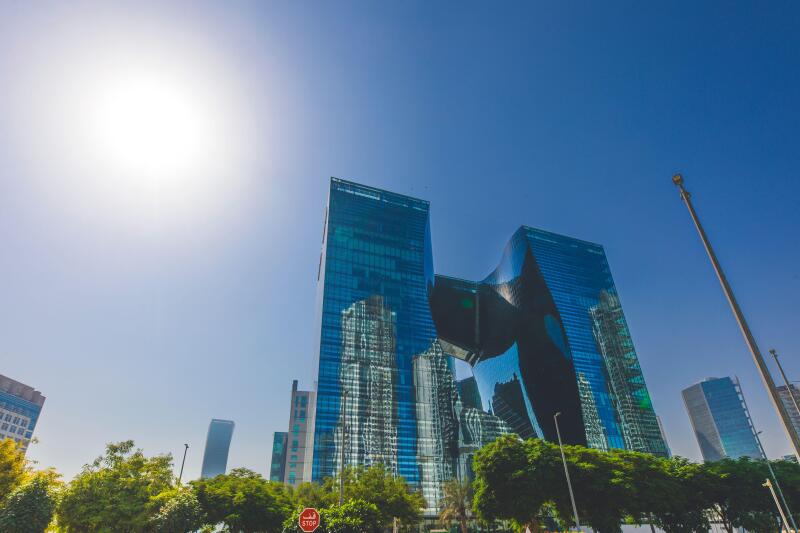
Omniyat, renowned for its high-profile developments such as The Opus in Dubai’s Business Bay—designed by the late Zaha Hadid—aims to leverage the proceeds from the green sukuk to finance or refinance projects that align with environmental sustainability criteria. This move aligns with the broader trend in the Gulf Cooperation Council region, where issuers are increasingly tapping into the green finance market to support environmentally friendly initiatives.

The UAE has emerged as a leader in green sukuk issuances, with activity in the sector doubling to $8.6 billion in the first half of 2024. This surge is attributed to a series of high-profile issuances by major financial institutions and corporations, reflecting the country’s commitment to sustainable development and its 2050 Net Zero Goals.

Omniyat’s entry into the green sukuk market follows similar moves by other prominent UAE entities. For instance, Abu Dhabi Islamic Bank successfully raised $500 million through a green sukuk offering, marking the world’s first US dollar-denominated green sukuk issued by a financial institution. The issuance was met with exceptional demand, attracting interest from over 100 global and regional investors, and was listed on the London Stock Exchange’s International Securities Market and Sustainable Bond Market.

Similarly, Majid Al Futtaim, a UAE-based developer and operator of shopping malls, has previously issued a $600 million green sukuk to finance a portfolio of green projects. The issuance, which was listed on Nasdaq Dubai, underscores the growing appetite for sustainable investment products in the region.

Walmart China has introduced a programme aimed at assisting Chinese exporters in enhancing their domestic sales, aligning with Beijing’s efforts to mitigate the impact of escalating US tariffs. The initiative seeks to integrate these exporters into Walmart’s supply chain, simplifying the approval process and facilitating easier access to the domestic market. This move comes as Chinese exporters face challenges due to a 145% tariff hike from the US, prompting the Chinese government to encourage local businesses to pivot towards domestic sales.

Despite government encouragement, many Chinese exporters remain hesitant to redirect their goods to the domestic market. Factory owners cite lower profits, weak demand, aggressive price competition, delayed payments, and high return rates as significant deterrents. Efforts by China’s commerce ministry, including organizing local matchmaking events and issuing support through firms like JD.com and Meituan, have been met with skepticism by small and medium-sized enterprises. These businesses argue that the proposed support falls short of addressing structural challenges, emphasizing the need for fiscal stimulus, rising consumer incomes, and stronger social safety nets to boost domestic consumption.

Walmart’s initiative also includes expanding its e-commerce platform, Walmart Marketplace, within China. The company has established offices in 11 cities nationwide, including Shenzhen, Shanghai, and Hangzhou, offering support in product selection, operational guidance, and both online and offline training to help international sellers grow their businesses on the platform. Additionally, Walmart unveiled its 2025 new seller incentive programme, offering up to $75,000 in incentives, with benefits such as preferential logistics services.

However, Walmart’s efforts to mitigate the impact of US tariffs have not been without controversy. The company has faced pushback from Chinese suppliers after requesting significant price reductions to offset the cost of tariffs. Some suppliers, including producers of kitchenware and clothing, have been asked to lower their prices by as much as 10% per round of tariffs, essentially shouldering the full cost of the duties. This approach has led to tensions with Chinese authorities, who have summoned Walmart executives for discussions. State broadcaster CCTV’s official social media account criticized Walmart’s demands, stating that they “may violate commercial contracts” and warning that “the consequences for the company will go beyond just a discussion” if it continues to press for discounts.

Global connectivity provider GNX has inaugurated a new office in Dubai, marking a significant step in its strategic expansion across the Middle East and Africa region. The move aims to cater to the growing demand for agile, secure, and scalable network solutions among enterprises, managed service providers , and data centre operators in the region. The Dubai office will serve as GNX’s regional headquarters, enabling the company […]

  Dubai has become a premier destination for real estate investment, drawing attention from around the world due to its favorable regulatory environment, economic stability, and strategic location. The emirate’s real estate sector has consistently attracted international investors, and the regulatory changes implemented over the past few years have only strengthened its appeal. In this article, Elkhan Salikhov, CEO and co-founder of Elite Merit Real Estate LLC […]

By Satyaki Chakraborty Vietnam has shown how a well calibrated trade diplomacy can be conducted in the year 2025 amidst the ongoing tariff war between the two biggest economic and military powers of the world USA and China. Both countries are having best trade relations with this South East Asian nation which is a sort […]

Vingroup is shaping a green ecosystem that seamlessly integrates sustainability into transportation, urban living, and environmental conservation, under Chairman Phạm Nhật Vượng’s visionary leadership. HANOI, VIETNAM – Media OutReach Newswire – 24 April 2025 – As climate change intensifies and sustainable practices become a global priority, businesses are increasingly called upon to address environmental challenges. Vingroup, a diversified conglomerate led by its Chairman – Vietnamese billionaire Phạm […]

Tensions between OPEC+ members are escalating, with Kazakhstan’s defiance in adhering to production quotas leading to renewed volatility in the global oil market. This clash, stemming from the group’s efforts to enforce stricter production controls, has driven a fresh downturn in crude oil prices. Kazakhstan’s resistance to cuts is threatening to ignite a price war, undermining the coalition’s broader strategy of stabilising global oil prices. Since early […]

Solana has surged past the $150 mark, marking a significant milestone in its upward trajectory. This rally reflects a broader bullish sentiment in the cryptocurrency market, with Solana’s price climbing over 8% in a single day to reach $150.99. The ascent was underpinned by a robust support base near $139.67, with price action forming consistent higher highs and lows—a classic bullish indicator.

The momentum is further bolstered by a notable increase in trading volume, suggesting heightened investor interest. Technical indicators reinforce this positive outlook; the 26-day Exponential Moving Average has risen above the 50-day EMA, a crossover that often precedes strong upward trends when supported by solid price action.

Analysts are now eyeing the $180–$190 range as the next potential target, anticipating an 89% rally if SOL successfully maintains its position above the current resistance levels. However, caution is advised as the market remains volatile, and any significant downturn could challenge the sustainability of this rally.

The recent price movement also obliterated a $1 million sell wall, indicating strong buying pressure and a shift in market dynamics. This development suggests that investors are increasingly confident in Solana’s prospects, further fueling the bullish momentum.

Despite the positive indicators, some experts warn of potential pullbacks. The Relative Strength Index is approaching overbought territory, which could signal a short-term correction. Additionally, resistance levels at $148 and $152 remain critical thresholds that SOL must decisively breach to sustain its upward trajectory.

On-chain activity has also seen a significant uptick, with active addresses on the Solana network rising from 2.97 million to 4.01 million in April. This increase in user engagement may contribute to the growing demand for SOL, potentially supporting further price appreciation.

Institutional interest appears to be playing a role in Solana’s recent performance. Large-scale purchases and whale accumulation have been observed, suggesting that major players are positioning themselves for potential long-term gains. This trend could provide additional stability and support for SOL’s price in the coming weeks.

MUMBAI, INDIA – Media OutReach Newswire – 24 April 2025 – The Rhenus Group, a global logistics solutions provider, has announced the official rebranding of Blu Logistics LATAM to Rhenus Logistics, following its acquisition in 2023. The rebranding will enhance the Group’s footprint and operational integration across Latin America, as BLU Logistics LATAM will now commercially operate under the Rhenus Logistics name in Argentina, Colombia, Ecuador, Mexico, […]

DAMAC Properties has reported a $54.45 million increase in collections, attributing this growth to the strategic integration of artificial intelligence across its operations. The Dubai-based real estate developer has implemented AI-driven tools to enhance customer engagement, streamline marketing efforts, and optimise sales processes, leading to significant financial gains.

Ali Sajwani, Managing Director of Operations and Technology at DAMAC Properties, highlighted the pivotal role of AI in transforming the company’s approach to real estate. By leveraging AI, DAMAC has been able to offer hyper-personalised customer experiences, improve lead generation, and reduce advertising expenditures. The adoption of AI-powered platforms, such as Meta’s Advantage+ Shopping Campaigns, has enabled the company to target potential buyers more effectively across various digital channels, including Instagram, Facebook, and WhatsApp.

The company’s foray into the metaverse, under the initiative named D-Labs, led by Ali Sajwani, has further exemplified its commitment to digital innovation. With an investment of up to $100 million, DAMAC aims to build digital cities, offering virtual homes and properties that allow customers to explore and customise their future residences through immersive virtual reality and augmented reality experiences. This initiative has not only enhanced customer engagement but also contributed to a notable increase in online-only sales, which currently generate over $100 million per quarter.

DAMAC’s strategic investments extend beyond AI and the metaverse. The company has announced plans to invest up to $1 billion in the data centre industry over the next few years, recognising the growing demand for digital infrastructure. This includes the launch of EDGNEX Data Centres, with facilities under construction in Saudi Arabia and plans for expansion into Indonesia, Jordan, and Turkey.

DAMAC’s collaboration with blockchain platform MANTRA to tokenize real-world assets in the Middle East, valued at $1 billion, underscores its commitment to embracing emerging technologies. This partnership aims to convert ownership rights into digital tokens, facilitating online trading and aligning with Dubai’s vision to become a global hub for digital and crypto assets.

SINGAPORE – Media OutReach Newswire – 24 April 2025 – CDNetworks, the APAC-leading network to deliver edge as a service, is reinforcing its commitment to supporting global enterprises as they expand into key emerging markets, including Latin America, South and Southeast Asia, the Middle East, and Africa. With a well-established presence in these rapidly growing regions, CDNetworks helps global enterprises accelerate their market entry and expand with […]

Moody’s Ratings has upgraded the senior unsecured sukuk rating of PNC Investments LLC , the parent company of Dubai-based Sobha Realty, from Ba3 to Ba2, while affirming the company’s corporate family rating at Ba3 with a stable outlook. This development follows Sobha Realty’s successful issuance of its inaugural $300 million 5NC3 sukuk in July 2023, which included a call feature—a first for a GCC sub-investment grade benchmark-sized […]

VISHNU RAJA
RYO YAMADA
HITORI GOTOH
IKUYO KITA