News related to
fall

Stellantis NV has revised its profit margin forecasts for 2024, attributing the changes to increased costs associated with revitalizing its Jeep and Dodge brands in the United States, as well as a notable slowdown in the global automotive sector. This strategic move highlights the challenges faced by one of the world’s leading automakers as it navigates a complex market landscape marked by economic uncertainty and shifting consumer preferences.

The automotive industry has encountered various headwinds in recent months, including inflationary pressures, fluctuating raw material prices, and evolving regulatory standards aimed at reducing emissions. Stellantis, formed from the merger of Fiat Chrysler and PSA Group, is experiencing heightened scrutiny as it attempts to balance profitability with investment in sustainable technologies and electric vehicle (EV) production. The company’s leadership has expressed concerns over the competitive landscape, particularly in the context of emerging electric vehicle manufacturers and traditional competitors ramping up their EV offerings.

In a recent statement, Stellantis reported that it now expects its adjusted operating profit margin to fall between 10% and 11% for the upcoming year, down from a prior estimate of 11% to 12%. This adjustment signals the company’s recognition of the difficult conditions affecting its operational costs and overall performance. The revised forecast reflects the growing expenses tied to revitalizing key brands that have struggled to maintain market share in a rapidly changing industry.

Stellantis has faced significant challenges with its Jeep and Dodge divisions. Both brands have historically been central to the company’s identity and profitability. However, they have recently grappled with declining sales and an outdated product lineup. The Jeep brand, which has traditionally thrived on its off-road capabilities and rugged image, has seen waning interest from consumers who are increasingly favoring SUVs and electric vehicles. Similarly, Dodge, known for its muscle cars, is contending with shifts in consumer preferences as the market leans towards more fuel-efficient and eco-friendly vehicles.

To address these challenges, Stellantis is investing heavily in product innovation and marketing initiatives aimed at rejuvenating the Jeep and Dodge brands. The company plans to launch a series of new models that emphasize electric and hybrid technology, aligning with the broader industry trend toward sustainability. These investments are crucial as Stellantis aims to enhance its competitive edge and capture a greater share of the evolving automotive market.

Economic factors are also influencing Stellantis’s outlook. The global automotive industry is currently facing a slowdown, driven by a combination of higher interest rates, reduced consumer spending, and ongoing supply chain disruptions. Many consumers are delaying new vehicle purchases, opting instead to hold onto their current cars amid rising costs of living. As a result, automakers, including Stellantis, are experiencing decreased demand for new vehicles, further complicating their financial projections.

The company’s response to these market dynamics includes a focus on operational efficiency and cost management. Stellantis is undertaking measures to streamline its production processes and reduce overhead expenses, enabling it to navigate the financial pressures more effectively. However, these efforts may take time to translate into improved margins, as the company balances the need for immediate cost reductions with the long-term goal of fostering brand loyalty and consumer engagement.

Stellantis’s revised profit margin forecast has raised concerns among investors, leading to fluctuations in the company’s stock price. Analysts are closely monitoring the situation, with many emphasizing the importance of the upcoming model launches and the company’s strategic pivot toward electric vehicles. As Stellantis works to navigate this period of uncertainty, its ability to execute a successful turnaround for the Jeep and Dodge brands will be crucial in determining its long-term success.

The automaker is not alone in facing these challenges; the entire industry is undergoing a significant transformation. Rivals such as Ford and General Motors are also adjusting their strategies in response to the shifting market dynamics. With the rise of electric vehicles and new entrants to the market, traditional automakers must adapt quickly to stay competitive. Stellantis’s commitment to electrification and sustainability positions it among the leaders in this evolving landscape, but the path forward remains fraught with obstacles.

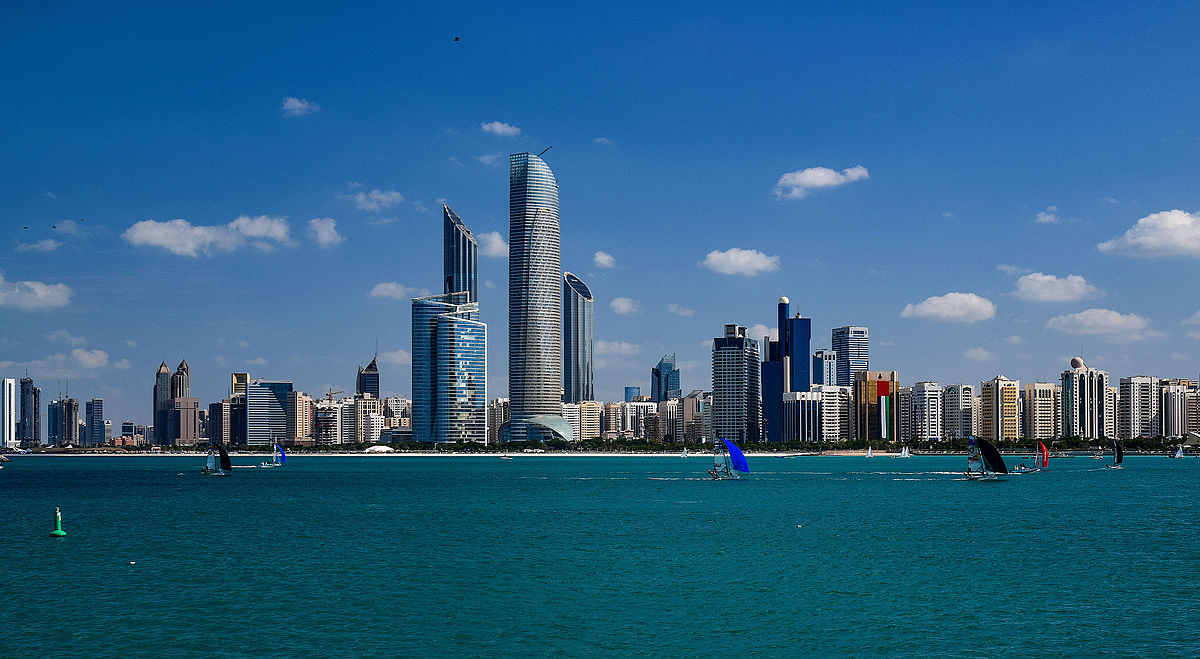
Abu Dhabi’s housing market has experienced its sharpest rise in rental prices in over a decade, driven by an intensifying demand across the city. The year-on-year increase of 15% in residential rents is being observed across prime segments, as tenants scramble for limited high-end properties. Analysts attribute this surge to a variety of factors, including population growth, economic stability, and the limited availability of new housing units.

This significant jump in rental rates reflects an underlying mismatch between supply and demand. While over 2,400 units were handed over this year, another 1,950 are expected to be delivered by year-end. However, this supply falls short of meeting the increasing demand, particularly for premium properties. The average occupancy rate across prime residential spaces has surpassed 90%, underscoring the tight housing market conditions.

Market trends also indicate a shift in buyer preferences, with off-plan transactions—properties sold before construction—dominating the market. However, a noticeable shift toward completed, ready-to-move-in properties is starting to take place, as buyers seek immediate occupation options. Additionally, the high number of expatriates moving to the UAE, driven by its stable economy and tax incentives, continues to feed the demand for residential housing, further tightening the market.

The office market in Abu Dhabi mirrors the residential sector’s growth. Prime and Grade A office spaces have witnessed a similar 15% year-on-year increase in rents, buoyed by a surge in demand from businesses. The occupancy rate in these categories has reached record highs, consistently hovering above 90%. The office rental landscape is becoming increasingly competitive as firms expand their footprints within the capital.

KUALA LUMPUR, MALAYSIA – Media OutReach Newswire – 30 September 2024 – The market has reacted live as Vice-President Kamala Harris and former President Donald Trump clashed in their first—and possibly last—debate before the November election. With financial markets already reacting to the debate’s fallout, the candidates’ performance and policies could reshape trading strategies. Below is an outline of what it means for traders’ long-term investment portfolios […]

SINGAPORE – Media OutReach Newswire – 27 September 2024 – Samsung Electronics Singapore announced the launch of the Galaxy S24 FE, Galaxy Tab S10 Series and Galaxy Fit3 in Singapore. The Galaxy S24 FE is now available for pre-order in Singapore, bringing Samsung’s premium mobile experiences and Galaxy AI to more users. Meanwhile, the Galaxy Tab S10 Series and Galaxy Fit3 will be available in Singapore from […]

Dar Global, the luxury property developer listed on the London Stock Exchange (LSE), has reported a net loss for the first half of 2024. The company, which specializes in high-end residential projects across key markets, highlighted market shifts and fluctuating costs as key factors contributing to the loss. Dar Global, a spinoff from Dubai-based Dar Al Arkan, had made waves in the real estate sector, aiming to […]

WordPress.org has taken the significant step of denying service to WP Engine, a major managed WordPress hosting provider. This decision raises alarms regarding the security and operational stability of websites reliant on WP Engine’s services, as they could face challenges in maintaining performance and security without direct support from the WordPress.org team. The conflict stems from unresolved issues regarding the way WP Engine handles updates and plugins […]

Singaporeans identify mental health as an important facet of holistic wellness and the lack of resources or support for mental wellness in Singapore is a nod to it being a key priority on the government’s national agenda and an opportunity for companies to do more. SINGAPORE – Media OutReach Newswire – 26 September 2024 – AIA Singapore today unveiled findings of the AIA Live Better Study 2024[1] […]

Advertisements
By Anjan Roy The Chinese economy is seeing deflation —that is, prices are really falling in real time— for 23 months straight. This has really raised the concerns of the Chinese political bosses which was reflected in the central bank move on Tuesday. The central bank cut its policy interest rates by the most ever […]

By P. Sudhir Anura Kumara Dissanayake, leader of the Janata Vimukti Perumana (JVP) and the National Peoples’ Power (an alliance of Left and progressive parties) won the presidential elections held on September 21 in Sri Lanka. He polled 57,40,179 votes (42.3 per cent) in these elections, which is a significant increase from the 4,18,553 votes […]

Gold has surged to historic heights, driven by the latest Federal Reserve decision to cut interest rates by 50 basis points, sparking heightened investor interest in safe-haven assets. The precious metal, which has long been seen as a hedge against inflation and economic uncertainty, reached an unprecedented $2,653 per ounce on September 23, a record in the global market.

The Fed’s move marked a pivotal shift in monetary policy, signaling further potential rate cuts. As interest rates fall, the opportunity cost of holding non-yielding assets like gold decreases, making them more attractive to investors. This shift has ignited a rally in gold prices, with many analysts predicting that the metal’s upward momentum may continue if the Fed maintains its rate-cutting strategy. The substantial increase in gold prices, approximately 30% from the start of the year, underscores growing concerns about the economic outlook.

Economic uncertainty fueled by rising geopolitical tensions, particularly in the Middle East, has also played a crucial role in driving gold to these new highs. Investors tend to flock to gold during times of instability, and the current geopolitical landscape has heightened that trend. In particular, concerns over potential disruptions in oil supplies and escalating conflicts have contributed to a broader risk-off sentiment in the market, with many turning to gold as a safer investment during turbulent times.

Global financial markets have been facing heightened volatility, spurred in part by fluctuating inflation rates and concerns over a possible economic slowdown in key markets such as the United States and Europe. This has led to increased speculation about future interest rate cuts, which further benefits gold. As inflation remains a key concern, particularly in the wake of strong consumer spending data, gold’s allure as a store of value has strengthened significantly.

The Federal Reserve’s latest actions have further entrenched the belief that it will continue to lower rates in an effort to manage inflation and support economic growth. Speculation is rife that further rate cuts could be on the horizon, with several financial analysts forecasting additional cuts by the end of 2024. As a result, gold prices could continue to rise, further bolstered by continued uncertainty in the global economic outlook.

Beyond U.S. monetary policy, a key factor contributing to the gold surge is the weakening of the U.S. dollar, which has dropped against a basket of major currencies. Gold, being dollar-denominated, becomes cheaper for investors holding other currencies when the dollar weakens, further increasing demand. This dynamic is likely to persist as long as the dollar remains under pressure due to softening economic data or expectations of further monetary easing by the Fed.

Central banks around the world have been increasing their gold reserves, driven by the desire to diversify away from dollar holdings amid concerns about long-term economic stability. China and Russia, in particular, have been large buyers of gold in recent years, further tightening supply in the global market and pushing prices upward.

The remarkable performance of gold has also drawn attention from a wide array of institutional investors, who are increasingly viewing it as an essential component of diversified portfolios. Amid concerns over stock market volatility and potential downward pressure on bonds due to interest rate movements, gold has emerged as a resilient option for mitigating risk. The widespread belief that gold will continue to perform well in the current economic environment is fueling additional inflows into gold-backed exchange-traded funds (ETFs) and other investment vehicles tied to the precious metal.

Despite the ongoing bullish sentiment, some analysts caution that gold’s rapid ascent could face headwinds if the Federal Reserve decides to reverse course on its monetary easing policies. A sudden shift toward tightening or a stronger-than-expected economic recovery could diminish gold’s appeal, particularly if the U.S. dollar strengthens in response to better-than-anticipated economic data. Nonetheless, the consensus among market watchers remains that gold is likely to continue benefitting from a combination of lower interest rates, geopolitical uncertainty, and a weaker dollar in the near term.

Gold’s record-breaking surge has been a boon for mining companies and the broader precious metals sector, which have seen their stocks rise in tandem with gold prices. The strong performance of gold miners reflects the market’s confidence that gold will remain a sought-after commodity, at least in the medium term. In particular, companies with low-cost operations are well-positioned to capitalize on the elevated price environment, which has bolstered profit margins across the sector.

Devastating floods in Kenya and Tanzania have left a trail of destruction, causing widespread loss of life and displacing tens of thousands of people. At least 32 people have been confirmed dead in Kenya, while neighboring Tanzania has reported at least 58 fatalities. Thousands more remain unaccounted for as emergency services struggle to cope with the rising waters and treacherous conditions. The flooding has been described as some of the worst in recent memory, severely impacting infrastructure, agriculture, and livelihoods across both nations.

Heavy rains have lashed East Africa over the past few weeks, overwhelming rivers and dams, and triggering landslides in many parts of the region. Rivers have burst their banks, and communities located along watercourses have been submerged. In Kenya, the hardest-hit regions include the coastal counties of Kilifi, Tana River, and Lamu, where entire villages have been wiped out. Residents have been forced to evacuate their homes, often leaving behind their belongings, livestock, and crops. The situation has been exacerbated by poor drainage systems, particularly in urban areas, making it harder for floodwaters to recede.

Tanzania has seen similar destruction. The Kilimanjaro and Morogoro regions have been the most severely affected, with roads and bridges washed away, hampering rescue efforts. In some areas, emergency workers have had to rely on helicopters and boats to reach stranded communities. Local officials have expressed concerns that the death toll could rise as more remote areas are reached and the full scale of the disaster becomes clearer.

Kenya’s Meteorological Department warned of continued heavy rainfall, predicting further flooding in parts of the country. Authorities have urged residents in flood-prone areas to move to higher ground and heed evacuation orders. Many, however, remain reluctant to leave their homes, citing fears of looting and the loss of their livestock, which is a vital source of livelihood. In some cases, entire families have chosen to stay behind, leaving only the elderly and children to seek refuge in makeshift camps set up by the government.

In Tanzania, where agricultural land has been submerged and thousands of livestock lost, authorities have declared a national emergency. The country’s Prime Minister visited some of the worst-affected areas, offering condolences to families who lost loved ones and pledging government support for rebuilding efforts. Emergency services, however, are already stretched thin, with many responders pointing to a lack of equipment and resources to deal with a disaster of this magnitude.

The floods have disrupted daily life, with schools, hospitals, and businesses shuttered in many areas. Road networks have been severely damaged, making it difficult to transport food, medicine, and other supplies to those in need. In Kenya, the military has been deployed to assist with evacuation and relief operations, particularly in the northern parts of the country, where access is limited due to poor infrastructure. The government has also appealed for international assistance, with humanitarian organizations already mobilizing to provide food, water, and shelter to the displaced.

Agriculture, a key economic driver in both Kenya and Tanzania, has been hit hard by the floods. Farmlands that provide food for millions have been inundated, destroying crops that were nearing harvest. This is expected to lead to significant food shortages in the coming months, compounding an already dire situation as both countries were grappling with drought conditions earlier in the year. Farmers, particularly those in low-lying areas, face the difficult task of starting over, with little to no savings or insurance to cover the losses. The agricultural damage is likely to impact food prices, driving inflation and putting pressure on households already struggling with the rising cost of living.

Health concerns are also mounting, as the stagnant water left behind by the floods is creating a breeding ground for diseases such as cholera and malaria. Health authorities in both Kenya and Tanzania are on high alert, setting up temporary clinics in affected areas and distributing clean water and sanitation supplies to prevent outbreaks. In many regions, however, access to healthcare is limited, raising fears that the death toll could rise as waterborne diseases take hold in the aftermath of the disaster.

Efforts to provide relief to the affected populations have been hindered by logistical challenges and a lack of adequate infrastructure. In some areas, aid workers have had to use boats to reach remote communities cut off by the floods. The international community, including agencies like the Red Cross and the United Nations, is stepping in to provide emergency assistance, but officials warn that the situation is dire, and more support is needed. Appeals for funding have been launched to help cover the costs of relief operations, but as of now, it is unclear how long the recovery process will take.

SINGAPORE – Media OutReach Newswire – 25 September 2024 – Singapore-based lifestyle brand SKINARMA has unveiled its newest iPhone case collection following the iPhone 16 release. Reintroducing old favorites and debuting fresh designs, the latest lineup explores themes inspired by mecha, cyberpunk, industrial and minimalist aesthetics, capturing the world’s growing fascination with futuristic design. Each case is fashioned to complement and highlight the updated iPhone 16 features. […]

By K Raveendran SEBI would be a nice name for a new range of washing machines. The brand name is short, sweet and has good connect with its namesake market regulator, which has by far excelled in the act of cleaning. Additionally, the new range may not require a detergent, as the machine by itself […]


Investors have witnessed a marked shift in market behaviour in recent weeks. The once seemingly invincible Big Tech stocks have faced pressure, no longer reaching new all-time highs, even as the broader S&P500 index posted record highs earlier this week (Monday). Nvidia—the poster child of the recent tech renaissance—has seen its stock price fall 8.5% from its August peak, despite reporting impressive second-quarter earnings on August 28th […]

A wave of dissatisfaction is sweeping through Bengaluru as customers of Colive, a startup specializing in tech-enabled shared living spaces, voice grievances regarding unreturned deposit amounts. Numerous complaints have surfaced on social media platforms, with users expressing frustration over what they describe as deceptive practices by the company. The fallout includes allegations of issuing post-dated cheques that bounce due to insufficient funds, leaving many feeling cheated and unheard.

Colive, which operates an app facilitating rentals and paying guest accommodations, has come under scrutiny for its refund policies. Users have reported that when they attempt to reclaim their deposits, the company presents them with post-dated cheques instead of immediate refunds. Many customers, including working professionals like Sanket Salot, have shared their experiences, highlighting the challenges they faced while trying to retrieve their funds. Salot, who resided in the Colive Signature Tower from October 2023 to March 2024, recounted a frustrating ordeal that many have echoed.

“The firm is effectively forcing customers to accept deposits only in the form of post-dated cheques,” Salot stated, underscoring the plight of those who have tried to navigate the refund process. He described a situation where, after repeated attempts to follow up, he received a cheque that ultimately bounced, leaving him at a loss. This sentiment is prevalent among several other users, who have taken to social media platform X (formerly Twitter) to share their stories.

Users on X have characterized Colive’s approach to refunds as a systematic issue. Complaints vary from unresponsive customer service to outright claims of funds being withheld. Many have stated that their support tickets raised with the company have been closed without resolution, further aggravating the situation. This lack of communication has compounded frustrations, leading to a broader narrative of distrust surrounding Colive’s business practices.

In addition to individual experiences, some customers have pointed to a pattern of behavior that suggests a larger systemic issue within the company. Reports indicate that the firm’s inability to return deposits in a timely manner is not isolated. A number of customers have expressed concerns over the company’s financial practices, suggesting that its operational viability is in question. This has raised alarms about the sustainability of the model that relies heavily on customer deposits.

Despite attempts by aggrieved customers to seek clarity and resolution, Colive has not provided a formal response to these allegations. Media inquiries have gone unanswered, leading to speculation about the company’s willingness to address these issues. Industry experts have weighed in, emphasizing the importance of transparency and accountability for companies operating in the shared living sector. They note that maintaining trust with consumers is crucial, especially in a competitive market where customer loyalty can significantly influence success.

This situation has attracted attention beyond the immediate circle of affected users. Social media reactions have spurred discussions about regulatory oversight and the need for consumer protection measures in the rental market. Some commentators argue that startups like Colive must adhere to stricter guidelines to prevent exploitation of consumers, particularly when dealing with significant financial transactions like security deposits.

As the dialogue around Colive’s practices continues to unfold, the broader implications for the shared living space industry are becoming evident. The reliance on digital platforms for rentals has made consumer feedback more visible than ever, forcing companies to adapt or risk losing their customer base. In an era where online reputation can make or break a business, the necessity for ethical practices and responsiveness to consumer concerns cannot be overstated.

Amid these developments, potential renters are advised to exercise caution and conduct thorough research before engaging with companies like Colive. While the concept of tech-enabled shared living offers many benefits, the current complaints highlight the pitfalls that can arise without proper oversight and customer service.

(via inputs from FPJ)

Arabian Post Staff Auréa Group, led by Mike Jatania, has officially completed the acquisition of The Body Shop, marking a crucial turning point for the beleaguered British cosmetics retailer. Once a pioneer in ethical beauty, The Body Shop has faced significant financial challenges in recent years, leading to its administration earlier in 2024. Auréa’s acquisition follows the chain’s struggles under its former owner, Natura & Co, which […]

Azerbaijan’s announcement of a new climate fund aimed at addressing global climate challenges has sparked debate among experts and policymakers. While the initiative reflects a growing awareness of the need for urgent action in combating climate change, skepticism remains over whether it will significantly narrow the persistent climate finance gap facing developing nations. As pressure mounts on both industrialized and emerging economies to contribute to global climate […]

ADNOC Distribution has announced an interim cash dividend of $350 million for the first half of the fiscal year, reflecting its strong financial performance and commitment to returning value to shareholders. This decision underscores the company’s robust operational framework and the positive outlook for its growth trajectory in the competitive energy sector. The announcement came during a recent board meeting, where the executives highlighted significant increases in […]

By Nitya Chakraborty India’s neighbour Sri Lanka has elected the Marxist-Leninist leader Anura Kumara Dissanayake as the next president in the intensely contested presidential elections held on Saturday, September 21. About 75 per cent of the total of 170 million population who voted, broke away decisively from the binary of two political formations through years […]

Silvergate Bank’s shutdown in March 2023 highlighted the vulnerability of financial institutions catering to the cryptocurrency industry under tightening regulatory oversight. Despite maintaining adequate capital reserves, the bank succumbed to external pressure from U.S. regulatory authorities, making it the first mid-size banking casualty of the year. Silvergate, which had positioned itself as a critical link between traditional finance and the burgeoning crypto sector, had shown signs of […]

WordCamp USA concluded recently with a keynote address from Matt Mullenweg, the co-founder of WordPress.org and CEO of Automattic, that has since ignited a considerable backlash from the WordPress community and beyond. While the event typically fosters a spirit of collaboration and community, Mullenweg’s speech diverged sharply from this norm, culminating in pointed criticism of a prominent managed WordPress web host, WP Engine. This controversial moment not […]

The World Bank has announced a record allocation of $42.6 billion towards climate finance in fiscal year 2024, marking a significant milestone in its efforts to support the global transition to clean energy. This represents a 10% rise from the previous year’s $38.6 billion, a testament to the institution’s ongoing commitment to addressing climate challenges in developing and emerging markets. The bank’s latest financial commitment is part of a broader strategy aimed at directing 45% of its total financing toward climate-related projects, a target it is closing in on.

This surge in climate financing has been largely directed towards green infrastructure, sustainable agriculture, renewable energy projects, and climate resilience measures, particularly in developing countries that are most vulnerable to the impacts of climate change. While the increased funding highlights progress, it still falls short of the trillions required annually to meet global climate goals. Experts have emphasized that for the world to reach net-zero emissions, particularly in emerging markets, there will need to be a substantial increase in both public and private sector investment.

Efforts by the World Bank to prioritize climate finance have come at a critical juncture, with climate-related disasters and global energy transitions becoming more urgent. The $4 billion increase compared to last year underscores the scale of financial mobilization required, yet it also highlights the significant funding gaps that still exist. Many developing countries face considerable challenges in accessing affordable financing to transition to cleaner energy sources, with the cost of capital often prohibitive for large-scale investments.

As governments worldwide continue to set ambitious decarbonization targets, developing economies are grappling with the competing demands of reducing emissions while fostering economic growth. The World Bank’s climate finance aims to bridge this gap, with projects that not only focus on reducing emissions but also enhancing climate resilience and supporting sustainable development initiatives.

The $42.6 billion record in 2024 is seen as a positive step forward, but analysts warn that much more must be done to meet the ambitious targets set by international climate agreements, such as the Paris Agreement. The International Energy Agency (IEA) estimates that to reach global net-zero emissions by 2050, annual investments in clean energy will need to rise to around $4 trillion. This underscores the need for more innovative financing mechanisms, stronger international collaboration, and the involvement of the private sector to mobilize the required capital.

The World Bank has been lauded for its leadership in climate finance, but the scale of the challenge demands broader participation from global financial institutions. Its financing structure, which blends grants, concessional loans, and guarantees, is designed to attract private investment and de-risk projects in developing economies. However, concerns remain that the current pace of financing may not be sufficient to prevent the worst impacts of climate change, particularly in regions that are already experiencing severe climate shocks.

India’s climate tech sector is facing significant funding challenges, according to a report by IIMA Ventures and MUFG Bank. Despite the country boasting over 800 climate tech startups, the ecosystem is grappling with limited access to capital, which is hampering innovation in critical areas such as renewable energy, carbon capture, and sustainable agriculture. The findings highlight a growing concern over the sector’s future, as it seeks to […]

SpaceX is under scrutiny for alleged safety violations during two launches in 2023, as the U.S. Federal Aviation Administration (FAA) has revealed. The company, led by Elon Musk, could face a fine of up to $630,000 due to failure to meet established launch safety requirements. The FAA disclosed that these violations occurred during two separate missions, raising concerns over adherence to regulatory standards governing commercial spaceflight.

The FAA’s enforcement proposal is based on findings that SpaceX committed three significant violations during its 2023 operations. These violations have prompted the agency to pursue a civil penalty amounting to $633,009, an amount calculated according to the civil penalty guidelines laid out by federal law. SpaceX has been given a 30-day period to respond to the FAA’s formal notice.

The first violation involves SpaceX’s failure to adhere to pre-flight safety protocols, which are designed to ensure that launch conditions are safe for both the crew and the public. The FAA stressed the importance of these protocols, emphasizing that any deviation from them poses potential risks to the mission’s success and to those involved in the launch process. This violation was reported to have occurred during a major satellite launch, which drew significant attention due to its payload and the complex nature of the mission.

The second violation occurred during another SpaceX mission later in 2023. This particular infraction concerned the post-launch safety measures, which are critical in preventing accidents that could arise from debris or malfunctions. The FAA’s findings indicate that SpaceX did not fully comply with the requirements for tracking and mitigating potential risks posed by falling rocket stages or debris that might threaten populated areas.

While SpaceX has been at the forefront of innovation in the space industry, the company has also drawn criticism for pushing the boundaries of regulatory frameworks. The FAA’s proposed fine underscores the tension between innovation and safety, especially as commercial space travel becomes increasingly accessible. SpaceX’s rapid cadence of launches has made it one of the most prolific players in the sector, but the FAA’s findings suggest that this speed may come at a cost to safety.

SpaceX has long been a critical partner in advancing U.S. spaceflight capabilities, working closely with NASA and private sector clients to deliver payloads to orbit and beyond. However, the 2023 violations point to a need for stricter compliance with federal safety regulations. Industry experts have highlighted that as the space industry expands, regulatory agencies such as the FAA must balance the need for innovation with stringent safety oversight to ensure that commercial spaceflight remains sustainable and safe for all stakeholders.

This is not the first time SpaceX has encountered challenges related to regulatory compliance. In previous years, the company faced investigations and scrutiny from federal agencies over various issues, including environmental concerns and noise complaints from communities near its launch sites. However, this proposed fine is one of the largest civil penalties the company has faced to date, signaling the FAA’s commitment to enforcing safety standards in the rapidly evolving commercial space sector.

Critics of SpaceX’s approach to launches argue that the company’s fast-paced operations may be contributing to oversight lapses. Some have raised concerns that the company’s focus on rapid development and frequent launches may come at the expense of rigorous safety checks. SpaceX has previously defended its track record, citing the overall success of its missions and its role in revolutionizing the space industry. Nevertheless, the violations in question indicate that more work may need to be done to ensure compliance with federal safety standards.

Industry analysts believe that the proposed fine could serve as a warning to other space companies operating under the FAA’s purview. The rise of private space ventures has transformed the landscape of space exploration, and with this transformation comes the need for robust oversight. The FAA’s decision to impose penalties on SpaceX could signal a broader shift toward stricter regulatory enforcement in an industry that has, until now, operated with relative freedom compared to other sectors.

SpaceX’s leadership is expected to respond to the FAA’s allegations within the specified 30-day window. It remains to be seen whether the company will contest the fine or take measures to address the violations. Should SpaceX decide to challenge the FAA’s findings, the case could set a significant precedent for how safety violations in commercial spaceflight are handled in the future. If the company chooses to settle, it could result in enhanced safety protocols for future missions and potentially stricter oversight from the FAA going forward.

The space industry is experiencing a period of unprecedented growth, with SpaceX at the forefront of this transformation. The company has achieved remarkable milestones, including the development of reusable rockets, which have lowered the cost of space travel and enabled a surge in commercial space activity. However, these achievements come with increased scrutiny from regulators, who are tasked with ensuring that safety standards keep pace with the rapid advancements in technology and operational scale.

SpaceX’s relationship with the FAA has seen both cooperation and conflict in the past. While the FAA has granted numerous licenses and approvals for the company’s operations, there have also been instances where SpaceX’s ambitious timelines have clashed with the FAA’s regulatory processes. One notable example occurred during a previous high-profile launch, when SpaceX proceeded with a test flight despite FAA objections over environmental concerns. The company’s assertiveness in pushing its agenda has won it praise for innovation but also criticism for occasionally sidestepping regulatory boundaries.

As the investigation into the 2023 violations unfolds, it is likely to fuel broader discussions about the future of space regulation. With more private companies entering the sector and the increasing frequency of launches, the FAA and other regulatory bodies face mounting pressure to ensure that safety protocols are consistently followed. The outcome of the SpaceX case could influence how these agencies approach enforcement in the coming years.

VISHNU RAJA
RYO YAMADA
HITORI GOTOH
IKUYO KITA
Just in:
Anthropic to prohibit persistent abuse of Claude chatbot // Burying Head In “India Made Poverty Reduction” Data Is Dangerous // Ta’ziz finalises $1.39bn funding for Ruwais industrial facilities // Middle East governments assess Iran war after US vote // AI trust gap reveals distinct retail priorities: Divergent paths to consumer growth in Hong Kong and the GBA // Democrats capture Senate majority with seven Republican seats // XRG secures agreement for $1.45bn Australian LNG stake // BJP’s Aggressive Response Exposes Anxiety Over Opposition Unity // After Reaching 7 Million Users in the Philippines, Skyro Launches Transparent Cash Loans in Malaysia // ADIPEC leaders urge investment in global energy networks // Emirates Group records AED 4.1 billion half-year profit // DIP Holding targets Dh1.12 IPO price and $529m proceeds // Fast Just Got Fastest: STING Energy Boost™ Celebrates Kimi Antonelli’s Formula 1® World Championship and the Fan Energy Behind It // xCube Access Welcomes Entrust Capital Limited  Expanding Access to Professional Portfolio Management // OpenAI identifies 948 Linux privilege escalation flaws using AI // SC to examine students’ exam plea today // ADIA and partners establish $1.4 billion aviation venture // Arrow Electronics showcases technologies advancing intelligent robotics, mobility and digital infrastructure // CPI, CPM dispute portrayal of Vayalar uprising leaders // Democrats secure Senate majority after Republican election losses //