News related to
fall

Hong Kong’s regulatory landscape for stablecoins is expected to undergo significant transformation with new frameworks anticipated by the end of the year. This marks a substantial step in the Hong Kong Monetary Authority’s (HKMA) broader plan to establish the city as a central player in the digital asset ecosystem. Through an upcoming licensing scheme, the HKMA intends to create a structured environment for fiat-backed stablecoins, ensuring stringent oversight that would apply not only to domestic issuers but also to overseas companies actively marketing stablecoins to the Hong Kong public. This regulatory approach aligns with Hong Kong’s ambition to become a global hub for virtual assets while maintaining a secure environment for investors.

The proposed framework follows Hong Kong’s recent initiatives to regulate virtual asset exchanges and has sparked interest from key industry figures, including Circle’s CEO, who identified Hong Kong as a strategic market for USD Coin (USDC). The stablecoin issuer has shown readiness to engage with Hong Kong’s new regulations, positioning itself for early compliance as the city shapes a potentially influential model for stablecoin governance worldwide.

The core of the HKMA’s strategy targets fiat-referenced stablecoins, distinguishing them from algorithmic or arbitrage-backed digital currencies, which are less likely to meet the agency’s stringent requirements. Under the proposed system, stablecoin issuers must uphold the stability of their currencies by maintaining equivalent reserve assets in segregated accounts, preferably held in Hong Kong–based financial institutions. This approach is intended to prevent destabilization risks seen with algorithmic stablecoins and offers an added layer of financial assurance by linking reserves to the value of the Hong Kong dollar or other fiat currencies.

In setting these standards, the HKMA is seeking to build consumer confidence in stablecoins as reliable digital alternatives to traditional currency. The proposed licensing requirements include a mandated HK$25 million in capital and the presence of a registered office in Hong Kong, requirements that aim to ensure operational transparency and accountability. Additionally, stablecoin issuers will need to meet rigorous internal controls, including risk management practices for handling and safeguarding reserve assets, similar to standards seen in traditional banking and finance.

The HKMA’s approach reflects the “same activity, same risk, same regulation” principle, which mandates that entities offering similar financial services be subject to comparable oversight regardless of their digital or traditional format. This regulatory alignment is intended to create an even playing field, further solidifying Hong Kong’s appeal as a stablecoin issuance and trading center. With the HKMA as the principal regulatory authority, the agency is positioned to enforce these new rules, impacting not only issuers but also entities involved in the stablecoin distribution network.

This framework brings with it an extraterritorial element, meaning that foreign stablecoin issuers could fall under Hong Kong’s regulatory scope if they issue stablecoins pegged to the Hong Kong dollar or target Hong Kong consumers. This provision seeks to limit risks associated with cross-border stablecoin transactions, which can complicate efforts to maintain monetary stability and secure reserves. Overseas issuers operating within Hong Kong’s jurisdiction will be required to obtain the necessary licenses, ensuring that foreign entities adhere to Hong Kong’s regulatory standards when they conduct business with local investors.

The HKMA’s efforts also highlight a broader trend in Asia toward more precise stablecoin regulations. With Japan recently setting its own regulations, Hong Kong is looking to offer a competitive regulatory framework that could draw international digital asset firms to establish operations within the city. This move reflects Hong Kong’s attempt to balance innovation with investor protection, a challenging dynamic as central banks worldwide navigate the complexities of digital finance.

As the regulatory framework unfolds, industry leaders like Circle’s Jeremy Allaire have recognized the advantages of a structured stablecoin ecosystem in Hong Kong, citing its role as a key market for USDC, one of the most widely used fiat-backed stablecoins globally. Circle’s interest in Hong Kong underscores the potential of the market and the appeal of the city’s stable regulatory environment, which could provide stability and growth opportunities for USDC and similar stablecoins within Asia.

Hong Kong’s proactive stance contrasts with the regulatory approaches seen in many Western jurisdictions, where stablecoin legislation remains in preliminary stages or subject to extensive legislative debate. The HKMA’s framework positions Hong Kong as a leader in digital currency regulation, providing a model that could inform stablecoin policies in other regions. By requiring stablecoin reserves to be held in highly liquid and low-risk assets, the proposed guidelines aim to create a safeguard against market volatility and instill confidence among users and investors alike.


To Foster Emotional Well-Being Through Art and Technology HONG KONG SAR – Media OutReach Newswire – 4 November 2024 – Breast cancer is the most common cancer among women in Hong Kong. In addition to improving treatment options for better disease management and survival rates, the medical community is increasingly prioritizing the enhancement of patients’ emotional well-being. From left to right: Professor Angela, Leung Yee-man, Associate Head […]

Concerns over potential conflicts of interest have prompted Ethereum researchers Justin Drake and Drankrad Feist to resign from their roles at EigenLayer, a decentralized protocol that facilitates the building of new applications on the Ethereum blockchain. This decision comes in the wake of their disclosure regarding substantial token payouts they received from EigenLayer, raising eyebrows within the cryptocurrency community and igniting debates over transparency and governance in […]

A disturbing new phishing scam is targeting individuals by leveraging personal information, including home addresses and images of their residences, to instill fear and demand money. The email typically comes from an unknown sender and features a menacing message claiming the recipient is under surveillance and that the sender possesses compromising footage. This alarming tactic aims to pressure victims into paying sums of money, often requested in […]

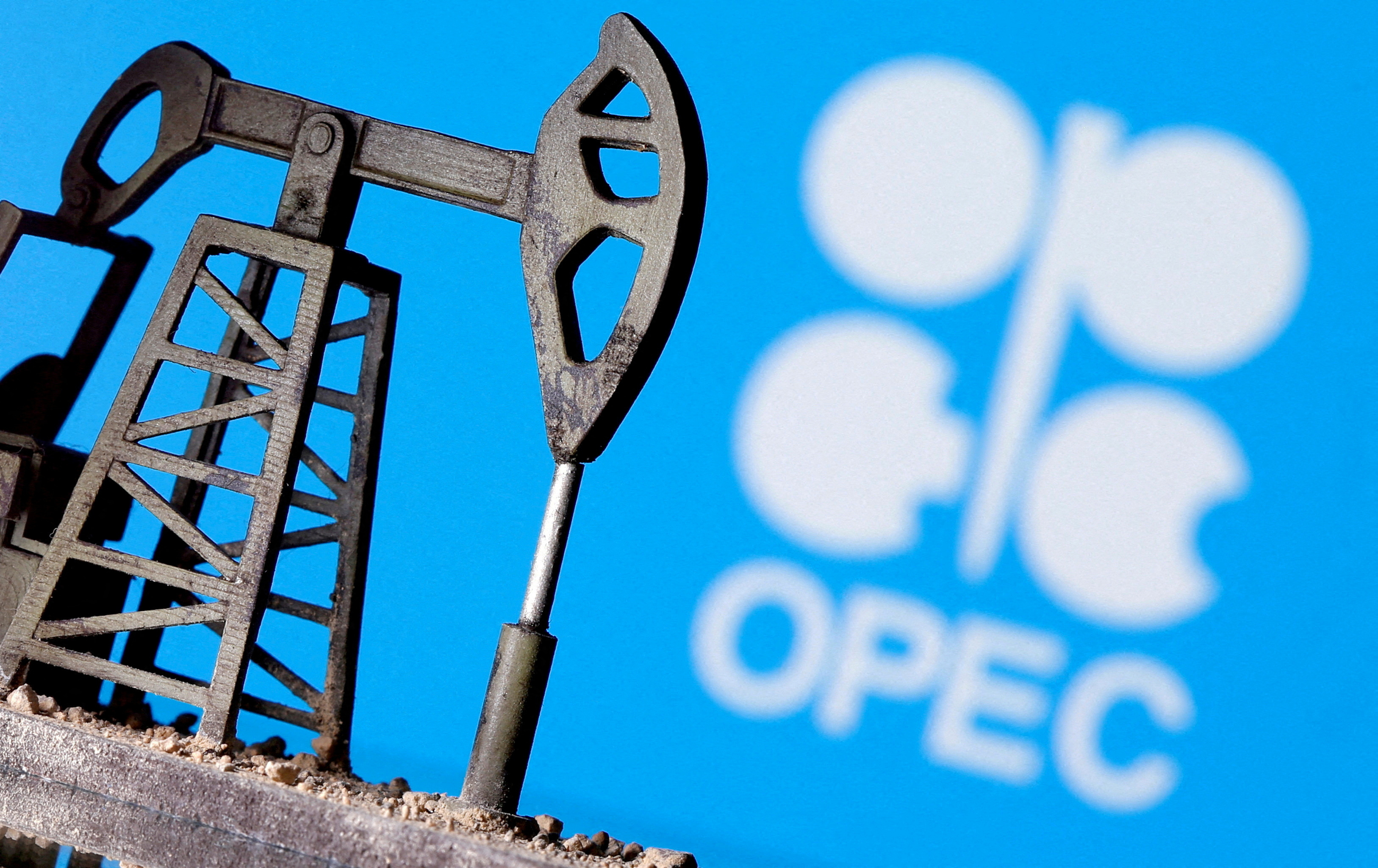
OPEC+ has announced a delay in the anticipated resumption of oil supply cuts, reflecting the ongoing challenges within the global crude market as prices continue to struggle. This decision follows a meeting of the coalition’s Joint Ministerial Monitoring Committee, where key players voiced concerns over persistent low oil prices and their impact on market stability.

In its recent deliberations, OPEC+ leaders emphasized the need for a strategic approach to support oil prices, which have seen significant fluctuations in the past year. Current benchmarks for crude oil have hovered around $80 per barrel, well below the levels needed for many member countries to balance their budgets. The ongoing geopolitical tensions and the potential economic fallout from inflationary pressures have further complicated the landscape, prompting OPEC+ to reconsider its production strategy.

The decision to delay the resumption of supply cuts is particularly notable given that earlier predictions had pointed towards an increase in production levels by the end of the year. Several member states, particularly those reliant on oil revenue, had anticipated a gradual easing of the cuts implemented to stabilize the market amid the COVID-19 pandemic. Instead, the coalition now appears to be adopting a more cautious stance, prioritizing price recovery over volume increase.

Saudi Arabia, the de facto leader of OPEC, has been vocal in advocating for measures to sustain oil prices. The Kingdom’s Energy Minister, Prince Abdulaziz bin Salman, reiterated the importance of market stability, emphasizing that the organization must remain vigilant in its assessment of global demand and supply dynamics. His remarks highlight the broader sentiment among OPEC+ members regarding the delicate balance required to navigate current market conditions.

Market analysts have pointed to several factors contributing to the ongoing volatility in oil prices. Demand forecasts have been revised downward, largely influenced by slowing economic growth in major economies such as China and Europe. Additionally, concerns regarding a potential resurgence of COVID-19 variants and their impact on global mobility have added to the uncertainty. As a result, some analysts project that oil demand may not rebound to pre-pandemic levels for some time.

Iran’s position within OPEC+ has also added complexity to the group’s dynamics. With ongoing negotiations surrounding the Joint Comprehensive Plan of Action, there is speculation about Iran’s potential return to the market. Should sanctions be lifted, the influx of Iranian oil could further exacerbate supply challenges, undermining efforts to stabilize prices. The coalition remains divided over how to handle Iran’s situation, as some members fear that increased production from Iran could lead to an oversupply, thereby pushing prices lower.

U.S. shale production continues to be a significant player in the global oil market. The American shale industry has proven to be remarkably resilient, adapting quickly to changing price environments. As crude prices struggle, shale producers have ramped up production, providing a counterbalance to OPEC+’s efforts to restrict supply. This dynamic has led to a tug-of-war in the market, with OPEC+ trying to manage its output while the U.S. shale industry responds to price signals by increasing production.

As OPEC+ deliberates its next steps, the energy market is also keeping a close eye on the potential impacts of environmental policies and the transition towards renewable energy sources. The global shift towards sustainability and decarbonization is expected to influence long-term oil demand. Many analysts predict that the transition could accelerate, particularly as countries commit to more aggressive climate goals. This has raised questions about the future role of oil in the global energy mix and how OPEC+ will adapt to these changes.

Looking ahead, OPEC+ faces the challenge of balancing its traditional role as a stabilizer in the oil market with the evolving landscape of energy consumption and production. The coalition’s next meeting, scheduled for December, will be crucial in shaping its strategy. Participants will likely focus on assessing both the short-term market outlook and the long-term implications of the ongoing transition towards alternative energy sources.

By Nitya Chakraborty Republican candidate Donald Trump’s Diwali message, just four days before the crucial November 5 presidential elections in USA, has enormous significance, which goes beyond the possible impact on Hindu-Americans voters on the polling day. The content of the message will have big impact on Bangladesh politics in the event of a Trump […]

Aleksei Andriunin, the founder of Gotbit, along with directors Fedor Kedrov and Qawi Jalili, has been indicted by U.S. prosecutors on charges of market manipulation and fraud. The allegations stem from their involvement in artificially inflating cryptocurrency trading volumes between 2018 and 2024, a strategy purportedly designed to facilitate listings on major exchanges. This indictment marks a significant legal move in the ongoing scrutiny of practices within the cryptocurrency sector, where regulatory oversight has become increasingly stringent.

The indictment outlines a scheme in which Gotbit, through its executives, allegedly manipulated trading activities to create a false appearance of market activity. The U.S. Attorney’s Office for the Southern District of New York has characterized these actions as a blatant attempt to mislead investors and exchanges alike, potentially jeopardizing the integrity of the financial system. Prosecutors argue that the defendants engaged in practices that not only distorted the market but also violated federal securities laws.

According to the court documents, Gotbit utilized various tactics to inflate its trading volumes. This included wash trading, where the same assets are bought and sold in a circular manner to create the illusion of increased trading activity. By presenting a facade of liquidity and investor interest, Gotbit sought to attract more traders and investors, thereby elevating its profile in a highly competitive marketplace. The indictment indicates that this fraudulent activity was systematically orchestrated over several years, potentially impacting a wide range of investors and the broader market.

The consequences of such actions could be severe. If convicted, the defendants face a maximum sentence of 20 years in prison for wire fraud, underscoring the serious nature of the charges. The case not only highlights individual accountability within the cryptocurrency industry but also reflects the larger narrative of regulatory crackdowns on practices deemed harmful to investors and market integrity. As authorities intensify their efforts to regulate the cryptocurrency market, this indictment serves as a warning to other market participants regarding the legal ramifications of manipulative practices.

Gotbit has positioned itself as a significant player in the cryptocurrency trading arena, providing a platform that allows users to engage in trading various digital assets. However, the allegations against its leadership could tarnish the company’s reputation and operations. The indictment is likely to raise questions about the operational practices within Gotbit and the broader implications for other cryptocurrency platforms that may be engaging in similar activities.

The growing concern over market manipulation within the cryptocurrency sector has prompted regulators to take a closer look at trading practices. The U.S. Securities and Exchange Commission (SEC) and other regulatory bodies have been actively pursuing cases against individuals and entities accused of engaging in fraudulent activities, with an emphasis on protecting investors from deceptive practices. The case against Andriunin, Kedrov, and Jalili represents just one of many instances where regulators are taking decisive action to maintain market integrity.

As the legal proceedings unfold, there may be broader implications for the cryptocurrency market as a whole. Investors are increasingly wary of potential fraud and manipulation, leading to calls for clearer regulations and increased transparency in the industry. This situation could catalyze changes in how cryptocurrency exchanges operate, pushing for stricter compliance measures and more rigorous oversight to protect investors and uphold market integrity.

The indictment could spark discussions within the industry regarding the ethical responsibilities of cryptocurrency platforms. As more individuals and institutions enter the cryptocurrency market, the need for robust ethical standards and practices becomes paramount. The fallout from this case may encourage stakeholders to reassess their operational practices, ensuring that they are in alignment with legal and ethical expectations.

Advertisements
By K Raveendran With clear indications that Israel is sparing Iranian oil facilities from attack, the downward pressure on oil has further increased and there is renewed talk of oil settling down around the level of $50 to the barrel. Crude has already fallen to early 70s and the demand-supply equations have not been particularly […]

Diplomatic tensions have surged between Ethiopia and Somalia, sparked by Somalia’s decision to expel Ethiopia’s ambassador Ali Adan, accusing him of undermining its sovereignty. Ali Adan was formally declared persona non grata and given a 72-hour deadline to exit Somalia. This move comes amidst a backdrop of strained relations between the two nations, which have navigated complex political dynamics over shared borders, security cooperation, and regional influence. […]

Robinhood Markets, Inc. has reported a remarkable increase in its cryptocurrency trading volumes for the third quarter of the fiscal year, reaching $14.4 billion. This figure marks a 112% rise compared to the same period last year, reflecting a growing interest in digital assets among retail investors. However, this uptick follows a significant drop from earlier in the year, with volumes falling sharply from $21.5 billion in the previous quarter and $36 billion in the first quarter.

The third-quarter results underscore a broader trend in the cryptocurrency market, where trading activities have experienced volatility amid shifting market conditions. Investors have been navigating a complex landscape characterized by fluctuating prices and regulatory scrutiny. The increase in trading volume year-over-year highlights Robinhood’s ability to capture a segment of the market, particularly among novice traders who have flocked to the platform for its user-friendly interface and commission-free trading model.

Despite the impressive year-over-year growth, the decline from earlier quarters raises questions about the sustainability of this trend. Analysts attribute the decrease to a combination of factors, including heightened market volatility and a cooling off after the frenzy surrounding cryptocurrencies in 2021. The cryptocurrency market, once marked by soaring prices and speculative investments, has encountered increasing regulatory scrutiny and market corrections that have tempered trading enthusiasm among investors.

A pivotal aspect influencing trading volumes has been the evolving regulatory environment surrounding cryptocurrencies. Governments and regulatory bodies worldwide are implementing stricter guidelines to manage risks associated with digital assets. For instance, the U.S. Securities and Exchange Commission (SEC) has intensified its focus on cryptocurrency exchanges, emphasizing compliance and investor protection. Such regulatory measures have led to increased uncertainty in the market, potentially impacting trading behavior on platforms like Robinhood.

The competitive landscape for trading platforms has evolved, with various fintech companies entering the cryptocurrency space. Established players are enhancing their offerings to attract users, while traditional financial institutions are beginning to embrace digital currencies. This competition could pose challenges for Robinhood as it seeks to maintain its market share in an increasingly crowded field.

User engagement remains a critical factor for Robinhood as it navigates these challenges. The platform has introduced features aimed at enhancing the trading experience, including educational resources and enhanced tools for monitoring cryptocurrency performance. By focusing on user education, Robinhood aims to empower its investors to make informed decisions in a volatile market. This strategy is particularly relevant as retail investors, many of whom are new to trading, may require additional guidance in navigating the complexities of cryptocurrency investments.

Despite the recent fluctuations in trading volumes, Robinhood has remained committed to expanding its cryptocurrency offerings. The company is actively exploring the introduction of new digital assets and trading pairs to cater to a diverse range of investor preferences. This strategy aligns with the broader trend of increasing consumer demand for access to a wider array of cryptocurrencies, as more investors seek to diversify their portfolios.

Looking ahead, analysts anticipate that Robinhood’s ability to adapt to market conditions and regulatory developments will be crucial for sustaining growth in cryptocurrency trading. The platform’s responsiveness to evolving investor needs, combined with its commitment to enhancing the user experience, will likely play a significant role in shaping its future performance. As the cryptocurrency market continues to evolve, Robinhood will need to navigate the delicate balance between user engagement, regulatory compliance, and competitive pressures to remain a leading player in the space.

The sentiment among retail investors is gradually shifting. Many are becoming more cautious after experiencing the volatility that characterized the cryptocurrency markets earlier this year. This shift in sentiment may influence trading behaviors and the overall demand for crypto assets in the short term. Investors may take a more strategic approach, focusing on long-term investments rather than short-term speculative trades.

Catastrophic flooding across southeastern Spain has left at least 72 people dead, with authorities evacuating thousands as torrents of water inundated urban and rural areas. The combination of intense rainfall and storm surges turned streets into rivers, submerged highways, and halted transportation networks in Murcia, Valencia, and Almeria. This extreme weather event, classified locally as a *gota fría* or “cold drop,” brought unprecedented rainfall and gale-force winds, marking one of the nation’s most severe weather-related disasters in recent history.

The flooding has wreaked havoc on infrastructure, especially in urban areas where vehicles were swept away, and public transport was paralyzed. At least 3,500 people were evacuated from affected regions, with some finding themselves stranded in tunnels or swept off highways as roads became impassable. As Valencia alone reported around 689,000 students affected by school closures, the storm’s impact on daily life has been widespread. The Valencia region recorded nearly 250 mm of rain in just 12 hours, with surrounding areas experiencing similarly historic levels, leading to rapid flooding of municipal streets and low-lying residential areas.

Emergency responders, including hundreds of soldiers, boats, and helicopters, were quickly mobilized, with military personnel assisting in the mass evacuation efforts and aiding those trapped in precarious conditions. Some citizens took refuge on rooftops awaiting rescue as the floodwaters rose, while emergency services worked tirelessly to clear submerged cars and reroute people to safety. Murcia’s mayor Mario Cervera described the situation as “critical,” with vast areas of his municipality “completely underwater.”

Air travel and rail services faced extensive disruption as two regional airports closed and the railway line between Madrid and Barcelona was suspended. Train services across Murcia were similarly impacted, leaving thousands of travelers stranded. Fatalities were reported in multiple incidents, including cases where individuals were swept away while attempting to navigate the flooded roads. In one such incident in Almeria, a man was found dead after his car was submerged in a tunnel despite a police cordon warning drivers to avoid the area. Authorities also found two siblings deceased after torrential rains overwhelmed their vehicle near Albacete.

Investing intelligently involves understanding the various asset classes and how they work together to create a well-diversified portfolio. A key element of successful investing is diversification, which helps reduce risk while maximizing returns over the long term. This guide explores different asset classes and their importance in building a balanced investment strategy. What Are Asset Classes? Asset classes are groups of investments that share similar characteristics and […]

Arctic polar bears, facing shifting ice conditions and warmer temperatures, are increasingly suffering from painful injuries caused by ice accumulation on their paws, according to recent findings from wildlife research in northern Canada and Greenland. The study, which observed two distinct polar bear populations over a decade, found that melting and refreezing snow, accelerated by warming trends, has led to unusually severe paw injuries in some of […]

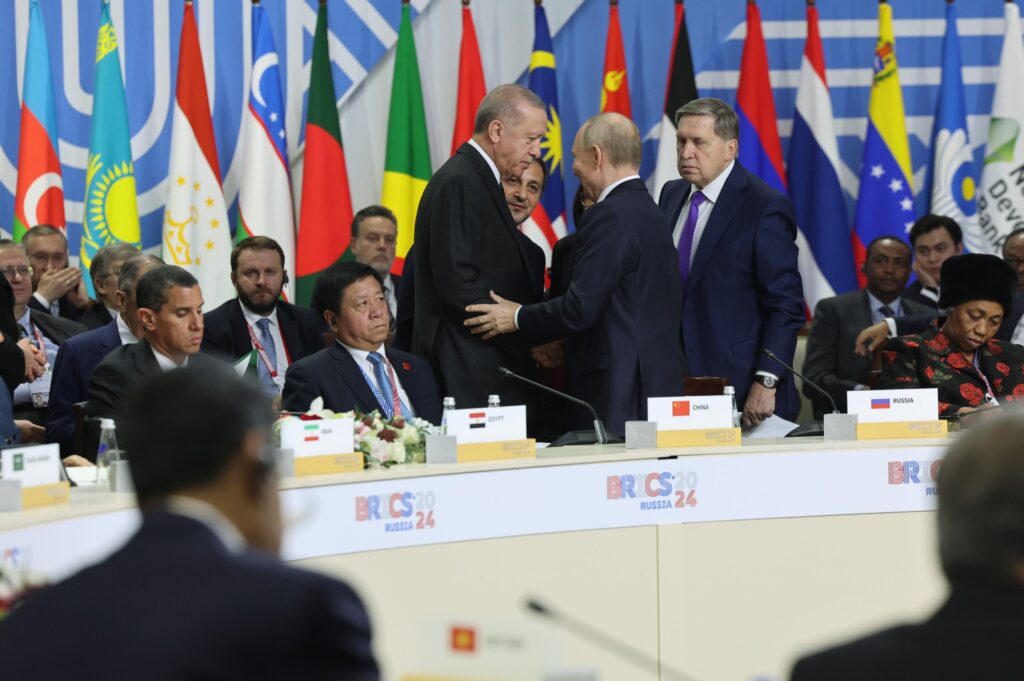
By Nitya Chakraborty The North Atlantic Treaty Organisation (NATO), the security alliance of the western nations led by the USA is having an uneasy period after celebrating its 75th year of founding in July this year with big fanfare. The recent summit of the BRICS in Kazan of Russia held on October 22 to 24 […]

Emerging as a standout title in the competitive first-person shooter (FPS) landscape, a new game has garnered attention for its impressive array of features offered without cost. Lauded for its engaging gameplay, the title has rapidly become a popular choice among gamers seeking a competitive edge in multiplayer settings. This FPS features a robust 1v1 mode that allows players to engage directly in fast-paced matches, appealing to […]

Global VC investment drops from $95.5 billion to $70.1 billion quarter-over-quarter AI accounts for six of ten largest VC deals globally in Q3’24, led by the only two $1 billion+ raises Americas accounts for nearly 60% of VC investment in Q3’24, with $41.4 billion in deal value Japan and Germany buck geographical trend with Japan recording a VC investment twelve-quarter high. HONG KONG SAR – Media OutReach […]

HONG KONG SAR – Media OutReach Newswire – 24 October 2024 – The global economic recovery presents a mixed picture. While the US economy looks set for a soft landing, the eurozone continues to face many uncertainties, particularly in the industrial sector. China, meanwhile, is struggling to sustain its growth. Finally, our political and social risk index remains at a high level despite the fall in inflation […]

MANILA, PHILIPPINES – Media OutReach Newswire – 24 October 2024 – VinFast has officially announced pricing and opened reservations for its five-seater VF 7 electric SUV during the 12th Philippines Electric Vehicle Summit (PEVS), marking the third VinFast vehicle available in the Philippine market after the VF 5 and VF 3 models. This launch also underscores VinFast’s commitment to advancing green transportation in the Philippines and expanding […]

In the digital age, the way people live in cities is evolving rapidly. While some people are seeking suburban retreats, many Asians are drawn to the convenience and vibrancy of urban life. This preference is fueled by the emergence of mega-complexes like Vinhomes’ projects, which offer a comprehensive range of amenities within the heart of bustling cities. These developments are designed to meet the diverse needs of […]

BEIJING, CHINA – Media OutReach Newswire – 25 October 2024 – As night falls, the outdoor theater at the south gate of Beijing Olympic Green dazzles with vibrant colors, quietly unveiling a feast of light and shadow. On the night of October 18, the 2024 Beijing Chaoyang International Light Festival officially kicked off, offering residents and visitors a fantastical journey through light and shadow with a series […]

The decentralized social network Bluesky has successfully closed a $15 million Series A funding round, emphasizing its commitment to a crypto-free platform despite the surge of interest in blockchain technologies. Led by Blockchain Capital, this investment marks a significant milestone for Bluesky, which was initially founded by Jack Dorsey, the co-founder of Twitter. The funding aims to bolster Bluesky’s development as it prepares to introduce new features, including micropayments for content creators, a move seen as essential in the evolving landscape of social media monetization.

Bluesky has positioned itself uniquely in the crowded social media marketplace, promising to uphold user data privacy and to foster a platform free from the pitfalls associated with crypto integrations. By steering clear of cryptocurrencies and blockchain technologies, the platform seeks to attract a user base wary of the volatility and speculation often linked to these digital assets. Dorsey, who has long advocated for a more decentralized internet, appears to be following through on his vision, prioritizing user experience and security over potential profit from crypto integrations.

The decision to avoid integrating cryptocurrencies is particularly noteworthy given the broader trend of platforms adopting blockchain and crypto solutions to engage users and enhance monetization strategies. Bluesky’s strategy is seen as a counterpoint to many of its competitors, which have begun exploring various forms of digital currency, NFTs, and blockchain-based functionalities. As platforms like Twitter, Facebook, and others delve into the complexities of crypto, Bluesky’s approach reflects a deliberate choice to differentiate itself in a fast-evolving digital landscape.

Investors have shown strong confidence in Bluesky’s vision, viewing its commitment to a clear business model without the complications associated with crypto as a positive signal. Blockchain Capital’s leadership in the funding round underscores the interest in projects that emphasize foundational internet principles, such as decentralization and user empowerment, while deliberately avoiding the hype surrounding cryptocurrencies.

Bluesky’s plans to implement micropayments for creators signal a focus on rewarding content producers directly, which aligns with emerging trends in social media platforms seeking to foster more meaningful engagement. This feature will allow users to support creators financially without the complex integrations often associated with crypto. Instead of tokenization, the platform aims to streamline the payment process, facilitating direct financial transactions that prioritize creator autonomy and sustainability.

As the platform continues to develop, it remains attentive to user feedback and the shifting dynamics within the social media landscape. The commitment to avoid integrating NFTs and crypto tokens allows Bluesky to maintain a straightforward user experience that prioritizes engagement over speculation. This approach not only appeals to a diverse user base but also opens the door for partnerships and collaborations with brands and content creators interested in a transparent monetization model.

The growth of decentralized platforms like Bluesky signals a shift in how social media is perceived and utilized. The emphasis on user control over data and content aligns with a broader trend toward decentralization, which advocates for greater transparency and user empowerment. Bluesky’s funding success indicates that investors are eager to support ventures that prioritize these values in an age where traditional social media platforms face increasing scrutiny regarding data privacy, content moderation, and user trust.

As the platform progresses toward its rollout of micropayments and other user-focused features, the tech industry will closely watch Bluesky’s developments. The absence of crypto integration positions the platform as a potentially safer and more user-friendly alternative in a crowded market.

Saudi Aramco is projected to report a significant decrease in its third-quarter net profit, with analysts anticipating a decline of approximately 20% compared to the same period last year. According to a recent analysis by Citi, this drop in earnings highlights the challenges faced by the oil giant amid fluctuating crude oil prices and shifting demand dynamics. The decline in profits reflects a broader trend impacting major […]

A significant slowdown in wind power development is hindering the world’s efforts to meet renewable energy goals, particularly as nations strive to cut carbon emissions in line with climate agreements. Wind energy, once seen as a pivotal solution to transitioning away from fossil fuels, is facing mounting challenges that threaten its viability as a cornerstone of the global energy mix. Despite the increasing urgency for green energy […]

The online gambling industry continues to grow rapidly, with more operators seeking efficient ways to enter the market. Turnkey online casino software offers a comprehensive solution for those looking to launch their digital gambling platforms quickly and effectively. However, successful integration of these turnkey solutions requires careful consideration of several crucial factors. Regulatory Compliance and Licensing One of the most critical aspects of integrating a turnkey online […]

VISHNU RAJA
RYO YAMADA
HITORI GOTOH
IKUYO KITA