Just in:
Asia Left Behind: Ten international companies have yet to report delivering on their cage-free egg pledges across the region // DIP Holding targets Dh1.12 IPO price and $529m proceeds // mamun raises US$3 million to finance cross-border trade between the Gulf and Asia // xCube Access Welcomes Entrust Capital Limited  Expanding Access to Professional Portfolio Management // Arrow Electronics showcases technologies advancing intelligent robotics, mobility and digital infrastructure // After Reaching 7 Million Users in the Philippines, Skyro Launches Transparent Cash Loans in Malaysia // SC to examine students’ exam plea today // OpenAI identifies 948 Linux privilege escalation flaws using AI // ADIPEC leaders urge investment in global energy networks // ADIA and partners establish $1.4 billion aviation venture // AI trust gap reveals distinct retail priorities: Divergent paths to consumer growth in Hong Kong and the GBA // Cyberport Venture & Capital Forum 2026 Grand Opening // Pinarayi faults UDF over mounting road crashes // Fast Just Got Fastest: STING Energy Boost™ Celebrates Kimi Antonelli’s Formula 1® World Championship and the Fan Energy Behind It // XRG secures agreement for $1.45bn Australian LNG stake // Democrats secure Senate majority after Republican election losses // BJP’s Aggressive Response Exposes Anxiety Over Opposition Unity // Utilities pursue ₹1,992 cr in unpaid bills // Emirates Group records AED 4.1 billion half-year profit // Vance attributes Republican midterm defeats to Iran conflict //

News related to
fall

The cryptocurrency platform Pump.fun has experienced a significant decline in daily trading volume, coinciding with the controversy surrounding Argentine President Javier Milei’s endorsement of the LIBRA memecoin. Data indicates that Pump.fun’s daily trading volume decreased by 27%, falling from $184 million to $134 million, following the promotion of LIBRA on February 14, 2025.

President Milei’s endorsement of LIBRA led to a rapid surge in the token’s market capitalization, reaching approximately $4 billion. However, the token’s value plummeted shortly thereafter, resulting in substantial financial losses for investors. This incident has sparked widespread criticism and calls for President Milei’s impeachment. He has defended his actions, stating that he was not fully informed about the token and acted in good faith.

The LIBRA memecoin was launched on February 14, 2025, with the intention of supporting small and mid-sized businesses in Argentina. President Milei promoted the token on his social media account, describing it as a promising investment opportunity. The token’s value experienced a brief surge before collapsing, leading to allegations of fraud and a significant financial impact on investors.

In the aftermath of the LIBRA incident, Pump.fun’s trading activity has notably declined. The platform’s daily trading volume fell by 27%, from $184 million to $134 million, as of February 19, 2025. This downturn reflects a broader trend of decreased activity in the memecoin market, possibly influenced by the negative publicity surrounding the LIBRA scandal.

Further complicating the situation, blockchain researchers have reported that approximately $99 million worth of cryptocurrency was withdrawn from the LIBRA marketplace by eight digital wallets linked to the token’s creator. These withdrawals have raised questions about the legitimacy of the token and the intentions of its creators.

The LIBRA incident has also prompted legal and political repercussions. Over 100 complaints have been filed against President Milei in Argentina’s supreme court, alleging financial misconduct and fraud. Opposition parties are calling for his impeachment, accusing him of irresponsibly promoting a fraudulent investment scheme. President Milei has denied any wrongdoing, asserting that he did not benefit financially from the promotion and was unaware of the token’s potential risks.


President Donald Trump has announced plans to impose tariffs of 25% or more on imported pharmaceuticals, automobiles, and semiconductors, aiming to reduce the U.S. trade deficit and bolster domestic manufacturing. The tariffs are slated for formal announcement on April 2, following a comprehensive review of trade policies concluding on April 1. This move signifies a significant shift in U.S. trade policy, as pharmaceutical products have traditionally been exempt from such tariffs under World Trade Organization rules.

The U.S. pharmaceutical market, valued at approximately $560 billion in 2024, relies heavily on imports, with around $200 billion worth of pharmaceutical products sourced from abroad. Major suppliers include Ireland, Germany, and Switzerland, which are expected to be significantly impacted by the proposed tariffs. India, another key exporter, sent pharmaceutical goods worth $8.73 billion to the U.S. in the fiscal year 2024, accounting for 31% of its total pharmaceutical exports. Following the tariff announcement, Indian pharmaceutical stocks experienced a notable decline, with the sector’s index dropping 2% to a seven-month low. Companies such as Sun Pharma and Dr. Reddy’s Laboratories saw their shares fall by 2% and 4%, respectively.

Industry experts warn that these tariffs could lead to increased drug prices for U.S. consumers and exacerbate existing medication shortages. The Healthcare Distribution Alliance , representing pharmaceutical distributors, expressed concerns that tariffs on generic drug products developed outside the U.S. could worsen shortages and elevate costs for patients, including those in Medicare and Medicaid programs. The HDA emphasized that distributors operate on low profit margins—approximately 0.3%—limiting their ability to absorb additional costs.

The global pharmaceutical supply chain is intricately linked, with many active pharmaceutical ingredients and raw materials sourced from countries like China and India. Approximately 13% of APIs used in the U.S. originate from China. Imposing tariffs on these imports could disrupt the supply chain, leading to production delays and increased manufacturing costs. Caroline Shleifer, CEO of regulatory research firm RegASK, noted that higher raw material costs are likely to cascade through the supply chain, raising overall production expenses and potentially leading to inflationary pressures in healthcare.

The proposed tariffs also pose challenges for domestic manufacturers. While the intent is to encourage companies to relocate production to the U.S., establishing new manufacturing facilities is a complex and time-consuming process. It requires significant investment in infrastructure, adherence to stringent regulatory approvals, and a skilled workforce. In the interim, consumers may face higher prices and limited access to essential medications.

The tariffs could have broader economic implications, potentially triggering retaliatory measures from affected trading partners. Such trade disputes may lead to a contraction in global trade, affecting not only the pharmaceutical industry but also other sectors interconnected through international supply chains. The uncertainty surrounding these developments has already led to volatility in global stock markets, with investors closely monitoring the situation.

By Cihan Tuğal DAMASCUS: As the smoke settles on the fall of Bashar al-Assad’s regime in Syria and its replacement by Islamist leadership under Hayat Tahrir al-Sham (HTS), it is clear that Turkey’s far-right governing bloc has emerged from the tumult strong and emboldened. What is less clear is whether this will mean that Recep […]

The once-booming memecoin market is experiencing a significant downturn, marked by high-profile scandals and a shift towards a more mature cryptocurrency landscape. Industry experts and recent events highlight the challenges facing these novelty digital assets.

Nic Carter, a partner at Castle Island Ventures, asserts that the memecoin era has concluded. He emphasizes that the market, once seen as a fair playground for traders, has been undermined by insider manipulation and fraudulent schemes. Carter points to the recent $LIBRA token scandal as evidence of the market’s compromised integrity.

The $LIBRA incident has notably impacted the reputation of the Solana blockchain network. Promoted by Argentine President Javier Milei, $LIBRA experienced a meteoric rise followed by a catastrophic collapse, erasing over $4 billion in value. This event has led to fraud allegations and calls for Milei’s impeachment. Solana, favored for its scalability and transaction speed, has seen a 15% decline in its token value since the scandal, as reported by Cinco Días.

The proliferation of memecoins lacking solid technological foundations has saturated networks like Solana, causing congestion and eroding investor trust. Platforms such as Pump.fun have facilitated the creation of these tokens, leading to a 46% decrease in daily new token launches from January 24 to February 18, 2025. This decline reflects growing skepticism among investors and developers.

Market data indicates a sharp reduction in investor interest in memecoins. The number of active traders has decreased by 50% since January, and the overall market capitalization of memecoins has dropped from $100 billion to significantly lower levels. Tokens like Dogecoin and Shiba Inu have experienced substantial price declines, with DOGE falling from $0.12 to $0.09 within a single day, as noted by IntoTheBlock.

The $LIBRA scandal has also brought to light the involvement of four entrepreneurs—Mauricio Novelli, Manuel Terrones Godoy, Julian Peh, and Hayden Mark Davis—who orchestrated the token’s promotion and subsequent collapse. Their actions have intensified scrutiny of memecoin projects and raised questions about the ethical responsibilities of public figures endorsing such assets.

Despite the downturn, some analysts believe that while the memecoin craze is over, these tokens will not disappear entirely. However, the market is expected to evolve, with investors becoming more discerning and regulatory bodies increasing oversight to prevent manipulation and fraud.

BANGKOK, THAILAND – Media OutReach Newswire – 19 February 2025 – Bangkok is no longer just a city of vibrant lights and ceaseless energy—it has emerged as a design hub that’s driving transformative change in urban living. By addressing challenges in city infrastructure, quality of life, environmental sustainability, and business innovation, Bangkok has positioned itself as a global leader in leveraging design to shape a better future. […]

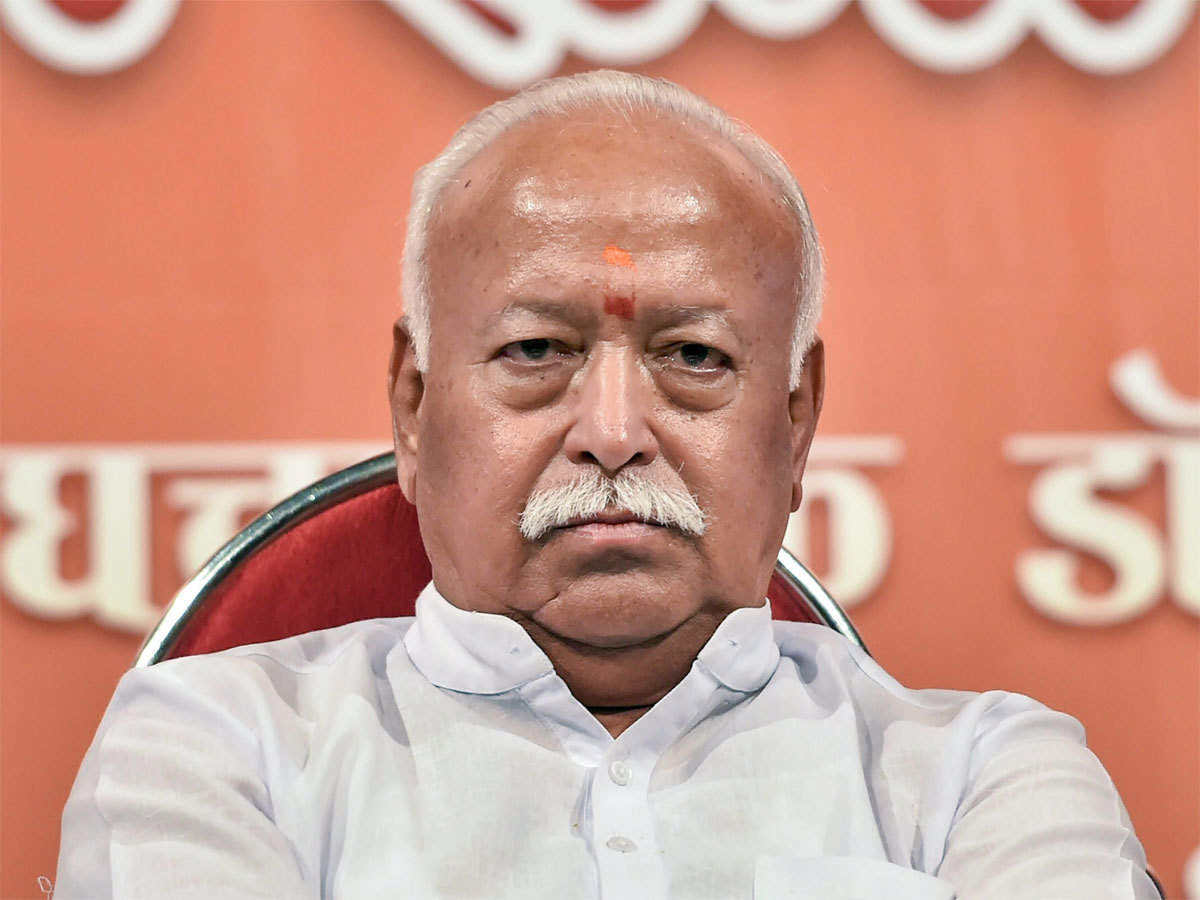
By Arun Srivastava RSS chief Mohan Bhagwat returned to Nagpur a disappointed patriarch. His ten day mission to Bengal to find a “credible and charismatic face” who could throw Mamata Banerjee out of power and install a saffron government after 2026 state assembly polls, could not be accomplished. Known as a man of few words, […]

Argentine President Javier Milei is facing intense scrutiny following his promotion of the cryptocurrency $LIBRA, which experienced a dramatic collapse shortly after his endorsement. The incident has led to widespread financial losses among investors and has sparked legal and political challenges for the president.

On February 14, 2025, President Milei took to his social media platform X to highlight $LIBRA, a newly launched cryptocurrency. His endorsement led to a rapid surge in the token’s value, with prices soaring to nearly $5. However, this spike was short-lived; within hours, $LIBRA’s value plummeted by approximately 90%, leaving numerous investors with substantial losses.

The swift rise and fall of $LIBRA have raised questions about the legitimacy of the cryptocurrency. Critics have labeled it a “memecoin,” suggesting it lacked intrinsic value and was subject to speculative trading. Further investigations revealed that a significant portion of $LIBRA was concentrated in a few wallets, intensifying suspicions of market manipulation.

In the aftermath of the collapse, over 110 complaints were filed against President Milei, accusing him of fraud and illicit association. Federal Judge María Servini has been assigned to investigate these allegations, focusing on whether the president’s actions constituted a deliberate scheme to defraud investors. The Anti-Corruption Office has also initiated an inquiry to determine if there was any misconduct by government officials in connection with the promotion of $LIBRA.

President Milei has denied any wrongdoing, asserting that his intention was merely to share information about $LIBRA and that he did not receive any personal benefit from its promotion. He emphasized that his social media post was intended to support private enterprise initiatives and that investors were aware of the inherent risks associated with cryptocurrency investments. Despite these assertions, the president’s actions have been met with severe criticism from political opponents and the public.

The controversy has had a tangible impact on Argentina’s financial markets. The Buenos Aires Stock Exchange experienced a 5.6% decline, a reaction attributed to the uncertainty and loss of confidence stemming from the $LIBRA incident. Economists warn that such events could deter future investments and exacerbate the country’s existing economic challenges.

Political ramifications are also unfolding. Opposition leaders have called for President Milei’s impeachment, arguing that his actions have undermined the integrity of his office and the nation’s financial stability. Former President Cristina Kirchner referred to Milei as a “crypto fraudster,” highlighting the severity of the accusations. While the likelihood of impeachment remains uncertain, the calls reflect deepening political divisions and growing concerns over the president’s judgment.

The $LIBRA scandal has also drawn attention to the broader issue of cryptocurrency regulation in Argentina. The incident underscores the potential risks associated with digital currencies, particularly those lacking transparency and regulatory oversight. Financial experts advocate for the implementation of stricter regulations to protect investors and prevent similar occurrences in the future.

Advertisements

Bitcoin’s value has fallen below the $94,000 threshold, influenced by macroeconomic factors and investor sentiment. Despite this downturn, some financial analysts continue to project a long-term surge, with estimates suggesting the cryptocurrency could reach $500,000 in the coming years.

On February 19, 2025, Bitcoin’s price dropped to $93,882.60, marking a 1.74% decrease for the day. This decline is attributed to rising bond yields and expectations of a robust U.S. jobs report, which have bolstered the U.S. dollar’s strength against other currencies. The dollar’s appreciation has made alternative assets like Bitcoin less attractive to investors, leading to a sell-off in the cryptocurrency market.

The recent inauguration of President Donald Trump’s second term has also impacted Bitcoin’s trajectory. Since January 20, when Bitcoin reached a record high, the cryptocurrency has experienced a 14% decline. This downturn is partly due to dissatisfaction with the new administration’s cryptocurrency policies. Notably, while the Securities and Exchange Commission has established a digital-asset task force, the anticipated creation of a Bitcoin strategic reserve has not materialized, leading to uncertainty among investors.

Despite the current bearish trend, some analysts remain optimistic about Bitcoin’s long-term potential. Geoffrey Kendrick, Standard Chartered’s global head of digital assets research, has predicted that Bitcoin could surpass $500,000 by the end of 2028. This forecast is based on factors such as improved investor access and a decrease in Bitcoin’s volatility, which could enhance its appeal as a mainstream asset class.

Similarly, financial analyst Michaël van de Poppe has suggested that Bitcoin’s price could reach $500,000, driven by institutional adoption and macroeconomic shifts. He points to the U.S. government’s pro-cryptocurrency stance and the potential for Bitcoin to serve as a strategic reserve asset as catalysts for this projected growth.

However, not all experts share this bullish outlook. BCA Research, a firm that has been optimistic about Bitcoin for the past two years, is now signaling a potential peak in the cryptocurrency market. The firm cites indicators such as the proliferation of memecoins and excessive bullish sentiment as signs that the market may be overheating. They suggest that a price point of $75,000 might be a more attractive entry for investors, considering current economic conditions and market dynamics.

By Nitya Chakraborty Eighty years after the end of the Second World War in 1945, Europe, especially Western Europe is in disarray, as their transatlantic ally for eight decades, the United States, is refusing to guarantee the security of the European nations belonging to the NATO under the new Trump doctrine. Earlier, there were differences […]
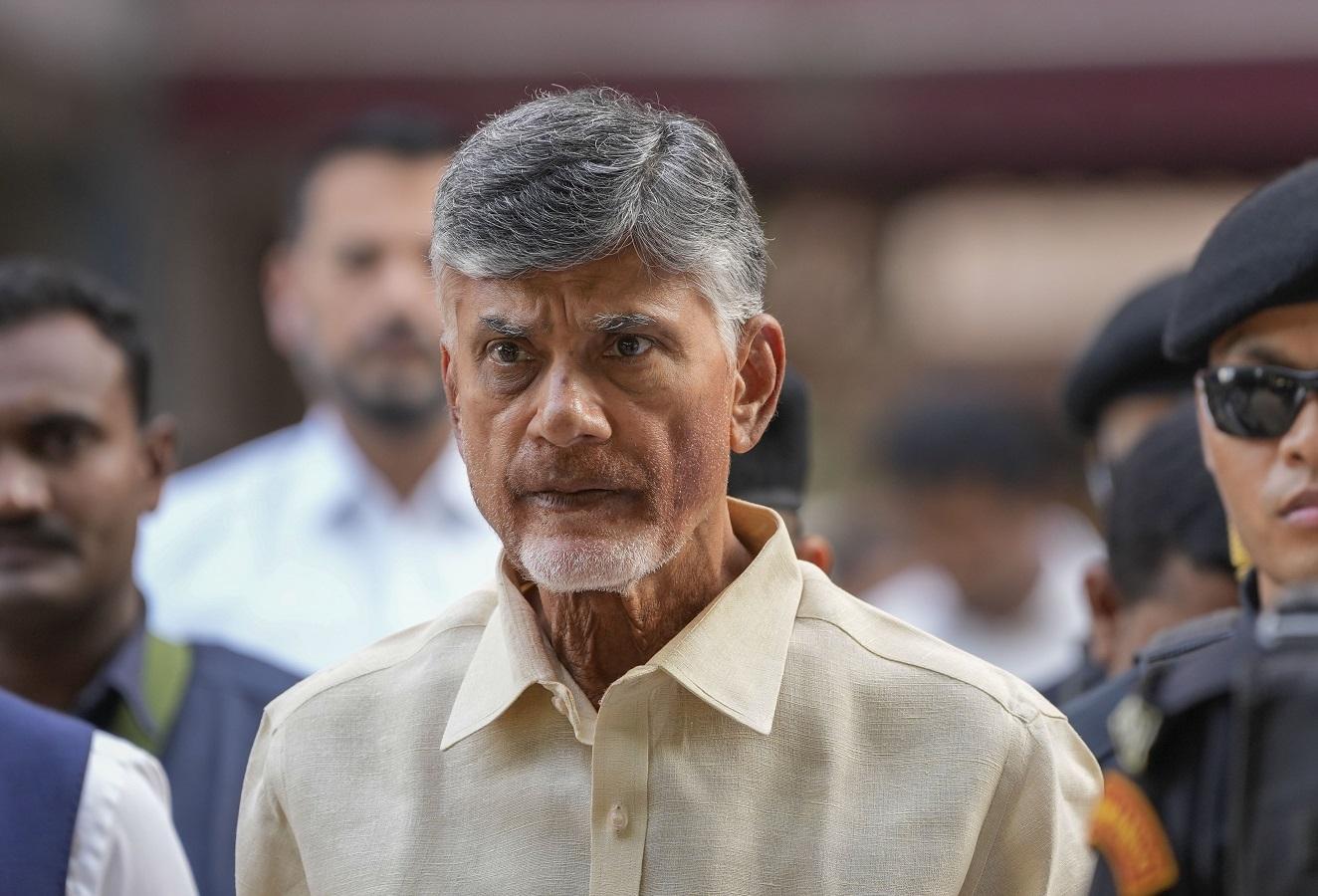
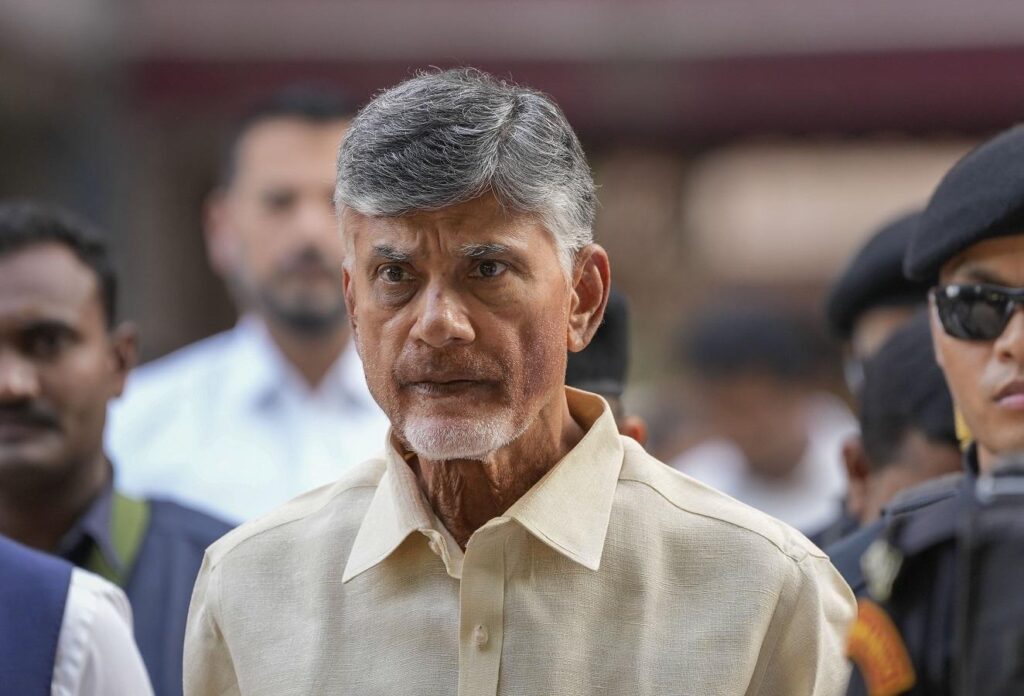
By Shanil Yakoob Almost a month to this day, on January 16, 2025, Andhra Pradesh Chief Minister N. Chandrababu Naidu made a startling proposal. Individuals with fewer than two children, he suggested, should be disqualified from contesting local body elections. This announcement came just two months after his government passed the Andhra Pradesh Panchayat Raj […]

Ethereum saw a notable price increase of 3.37% amid growing tensions surrounding Solana’s memecoin, LIBRA. The controversy has drawn significant attention within the cryptocurrency community, contributing to Ethereum’s market surge. Traders and analysts are closely monitoring the unfolding drama, with many speculating that Ethereum’s performance is benefiting from the uncertainty that the LIBRA debacle has generated.

LIBRA, a memecoin that operates on the Solana blockchain, has garnered a surge in popularity. However, its emergence has not been without issues. The controversy surrounding the token erupted due to various concerns, including its association with unverified projects and the volatility surrounding Solana’s network. As fears grew about LIBRA’s potential to destabilise the Solana ecosystem, Ethereum gained attention as an alternative in the market, especially given its more established position and reputation.

Ethereum’s rally is being attributed to several factors, with the LIBRA controversy serving as one of the key catalysts. Traders have flocked to the platform due to the growing concerns over the impact that unstable projects could have on newer blockchains. Ethereum’s robust infrastructure and established network have led to a resurgence of interest, with investors viewing it as a more stable investment amid the market’s ongoing volatility.

The timing of Ethereum’s gains coincides with a significant decline in Solana’s memecoin value, further fuelling the perception that investors are seeking refuge in more trusted platforms like Ethereum. Analysts have noted that while Solana’s network had gained significant traction in recent years, the appearance of projects like LIBRA has created more questions than answers, pushing some to diversify their portfolios into more established cryptocurrencies.

Experts within the cryptocurrency space have expressed concerns over the implications of the LIBRA issue. While the memecoin’s controversy might be seen as a growing pain for Solana, it has also opened the door for other blockchains, such as Ethereum, to gain an upper hand in the market. Solana, which once stood as a strong competitor to Ethereum, now faces challenges that have affected its credibility. The LIBRA situation may have weakened confidence in Solana, leaving Ethereum to capitalise on the shifting tides within the cryptocurrency market.

The market dynamics have certainly shifted, with Ethereum rising as a beneficiary of the ongoing debate. Ethereum’s price surge reflects its increasing appeal as a platform with a more reliable and secure ecosystem compared to Solana, particularly in light of the growing concerns surrounding the future of projects tied to Solana. Investors appear to be leaning towards more established blockchains with proven track records, recognising that these networks offer greater stability in uncertain times.

In the broader context, the LIBRA controversy has highlighted the volatility that characterises the cryptocurrency market. It serves as a reminder of how quickly sentiment can shift, especially when new and untested projects emerge. While the memecoin’s issues may be temporary, the ripple effect on the broader cryptocurrency landscape has been undeniable. Ethereum’s market performance stands as a testament to its resilience in the face of competition and controversy.

Ethereum’s strength lies in its broader ecosystem, with key developments such as Ethereum 2.0 and its transition to proof-of-stake, which continues to make it an attractive investment choice for those looking to enter the blockchain space. As Solana deals with the fallout from the LIBRA controversy, Ethereum’s technological advancements and established user base are helping it to retain its position as a leader in the market.

The surge in Ethereum’s price underscores a crucial trend in the cryptocurrency industry – the growing preference for stability and reliability. Despite the emergence of various new projects, investors remain drawn to established blockchains that can offer a sense of security amidst the chaos. Ethereum’s continued growth in this regard speaks to its enduring appeal as a safe haven for those seeking long-term gains.

Meteora’s co-founder, Ben Chow, has stepped down from his position following mounting pressure over his involvement in the $LIBRA rug pull controversy. The announcement comes as a third-party law firm has been hired to investigate the complex situation surrounding the digital currency project.

Chow’s resignation marks a significant development in the rapidly unfolding drama surrounding the $LIBRA token, which has drawn sharp scrutiny from investors, regulators, and the cryptocurrency community. The token, launched by Meteora last year, had promised to offer an innovative solution in the decentralised finance space but has since become embroiled in accusations of fraudulent activity and mismanagement.

The controversy first gained traction when a substantial amount of $LIBRA tokens was mysteriously withdrawn from the project’s liquidity pools, leading to widespread allegations of a rug pull. In a rug pull scenario, the project’s developers or key figures deliberately drain the liquidity pool, leaving investors with worthless assets. The sudden and dramatic loss of funds has sparked an outcry from investors who claim they were misled about the token’s stability and future potential.

Chow’s resignation comes after calls from both investors and key stakeholders within the cryptocurrency industry for a more transparent approach to the crisis. Despite his departure, the fallout continues to affect the reputation of Meteora, a company that was once considered a rising star in the DeFi space. The scandal has also led to increased scrutiny of similar projects, with regulators now closely examining the regulatory frameworks surrounding DeFi ventures and the accountability of their creators.

According to sources close to the matter, Meteora has engaged a third-party law firm to investigate the allegations surrounding $LIBRA. The firm is expected to conduct a thorough review of the company’s operations and the actions leading up to the alleged rug pull. While the investigation is ongoing, industry experts have raised concerns about the lack of accountability and oversight in the rapidly expanding DeFi space, which has long been criticised for its lack of regulation.

Meteora, which initially gained recognition for its innovative approach to blockchain technology, is now facing a crisis of confidence. The company’s leadership is under pressure to restore trust with its investors and the broader cryptocurrency community. Despite Chow’s resignation, many within the industry believe that the full extent of the scandal is yet to be revealed, with some speculating that more individuals within the company may be implicated in the ongoing investigation.

The fall of $LIBRA is not an isolated incident within the DeFi ecosystem. As more projects in the space struggle with transparency and governance issues, the call for greater regulatory oversight has intensified. However, regulators face a delicate balancing act between fostering innovation and ensuring consumer protection in an industry that remains largely unregulated.

Ben Chow, who was previously seen as a visionary leader in the cryptocurrency space, now finds himself at the centre of one of the most significant scandals to hit the DeFi sector. His resignation has only added fuel to the fire, as both the public and investors demand answers about what went wrong and who is ultimately responsible for the collapse of $LIBRA. While the investigation continues, the fallout is expected to have far-reaching implications for the future of DeFi projects and the regulatory landscape that governs them.

As the investigation into $LIBRA progresses, all eyes remain on Meteora and its handling of the crisis. Investors are anxious for transparency and accountability, while the broader crypto community watches closely to see how the company will respond to the allegations. The outcome of the third-party law firm’s investigation could have a lasting impact on the future of the DeFi sector and may set a precedent for how similar cases are handled in the future.

Argentine President Javier Milei is under judicial investigation following his endorsement of the cryptocurrency $LIBRA, which experienced a dramatic collapse shortly after his promotion. Federal Judge María Servini de Cubría has initiated a probe into allegations of fraud and misconduct associated with the digital currency’s rapid devaluation.

The controversy erupted when President Milei shared a post on social media platform X, highlighting $LIBRA as a promising investment opportunity. The cryptocurrency’s value surged to nearly $5 per token, attracting a substantial number of investors. However, within hours, the token’s price plummeted below $1, leading to significant financial losses for many. In response to the backlash, Milei deleted his original post and has since denied any wrongdoing. He stated, “I did not promote that. What I did, I spread the word.” He emphasized that his intention was to inform the public about potential financial tools, not to endorse them.

The fallout from the $LIBRA incident has been extensive. The Argentine fintech chamber described the situation as a potential “rug pull,” a term used to denote a fraudulent scheme where developers abandon a project and abscond with investors’ funds. The opposition, particularly the Peronist bloc, has seized upon the scandal, with some legislators calling for impeachment proceedings against President Milei. They accuse him of leveraging his position to promote a volatile financial product without adequate oversight.

Financial markets have also reacted negatively to the turmoil. The S&P Merval index experienced a decline of nearly 4.7%, and government bonds saw a decrease of approximately 0.5%. Economists attribute this downturn to the political instability spurred by the cryptocurrency debacle. Despite these challenges, ongoing negotiations with the International Monetary Fund for a new credit agreement remain active. Economy Minister Luis Caputo has reassured stakeholders that the $LIBRA controversy will not impede discussions with the IMF.

Further complicating matters, one of $LIBRA’s creators, American entrepreneur Hayden Mark Davis, characterized the cryptocurrency as an “experiment” that did not yield the desired results. Davis’s admission has intensified scrutiny of the project’s legitimacy and the due diligence conducted prior to its promotion. Legal experts suggest that if the investigation reveals intentional deception, both civil and criminal charges could be pursued against those involved.

KUALA LUMPUR, MALAYSIA – Media OutReach Newswire – 18 February 2025 – Malaysia’s aging population is growing at a faster-than-expected rate, with more than 17% of the population expected to be above the age of 60 by 2040 according to The Department of Statistics Malaysia (DOSM). This demographic shift indicates that more seniors will face mobility limitations, impacting their independence and overall well-being. One of the most […]

By Satyaki Chakraborty The anti-discrimination students body which pioneered the massive upsurge in Bangladesh last year leading to the fall of the Awami League government on August 5 and abdication of the then Prime Minister Sheikh Hasina to India, is set to float their new political party with specific programme and constitution by the end […]

Volatility in the cryptocurrency market has triggered a reassessment of investment strategies, as many high-cap digital assets have faced significant price drops. While the broader crypto market has experienced notable growth in the past year, recent corrections have caused some of the most established tokens to witness double-digit percentage declines. This has led to a contraction in the overall market capitalization, falling from roughly $1.3 trillion to about $1.15 trillion.

Despite the challenging conditions, one lesser-known cryptocurrency, Propichain , is emerging as a promising contender for investors seeking value in a recovering market. Propichain, which focuses on blockchain interoperability and decentralized finance , has seen a notable rise in interest amid the market’s turbulence. Analysts predict that the token could experience a significant surge, with some forecasting an astonishing 44,000% growth potential.

Propichain’s appeal lies in its unique approach to solving issues within the blockchain space, particularly its focus on enabling seamless communication between different blockchains. This feature positions Propichain as a solution to one of the key challenges facing the crypto industry today – fragmentation. While blockchain technology has made great strides in recent years, the lack of interoperability between networks has hindered its potential for widespread adoption.

By allowing different blockchains to interact with one another, Propichain offers a new layer of flexibility that could drive the next wave of blockchain innovation. This could prove to be particularly beneficial for decentralized finance projects, which require robust infrastructure for cross-chain transactions. As the DeFi space continues to expand, the ability for various blockchain systems to communicate effectively with one another becomes increasingly important.

Another factor driving Propichain’s potential for massive growth is its development team. The team has a strong track record in blockchain development and has demonstrated an ability to execute complex projects. Propichain’s partnership with established players in the DeFi space, along with its commitment to continuous innovation, further solidifies its position in the market.

With blockchain interoperability becoming more critical, Propichain is positioning itself as a key player in the ecosystem. While other projects are focused on scaling their own networks, Propichain is building a solution that could help other projects scale by connecting them to a larger network of blockchains. This approach could enable Propichain to tap into a wide array of use cases and applications, expanding its reach across industries and potentially leading to widespread adoption.

In addition to its technical capabilities, Propichain has a growing community of supporters and developers who are actively involved in the project’s ecosystem. This community-driven approach is crucial for the long-term success of any blockchain project, as it ensures that the platform remains responsive to the needs of its users and can adapt to changing market conditions.

The tokenomics behind Propichain are also worth noting. The platform uses a unique consensus mechanism that not only enhances security but also incentivizes participation from a wide range of stakeholders. This decentralized approach helps to maintain the integrity of the network while ensuring that it remains accessible to a broad base of users. As demand for blockchain interoperability continues to rise, Propichain’s value proposition could become increasingly attractive to investors looking for opportunities in a market that is still finding its footing after the recent correction.

While the broader cryptocurrency market continues to face volatility, Propichain’s prospects are attracting attention from both retail investors and institutional players. Several industry experts believe that the coin’s market potential could be unlocked as blockchain interoperability becomes a critical factor in the future development of the sector. These factors combined position Propichain as a cryptocurrency that may be poised for a major breakout.

However, as with any investment in the crypto space, there are risks associated with investing in Propichain. The volatility that has shaken the crypto market in recent months serves as a reminder that even the most promising projects can be affected by market forces. Therefore, while the potential for growth is significant, investors must also weigh the risks carefully.

Dubai’s public parking operator, Parkin, has introduced a change in the parking tariff structure, particularly targeting areas close to major event venues. Starting from February 17, the revised charges will see parking rates rise significantly in zones around the Dubai World Trade Centre , often referred to as the “Grand Event Zone.” The move comes as the city braces for a series of high-profile events, and the […]

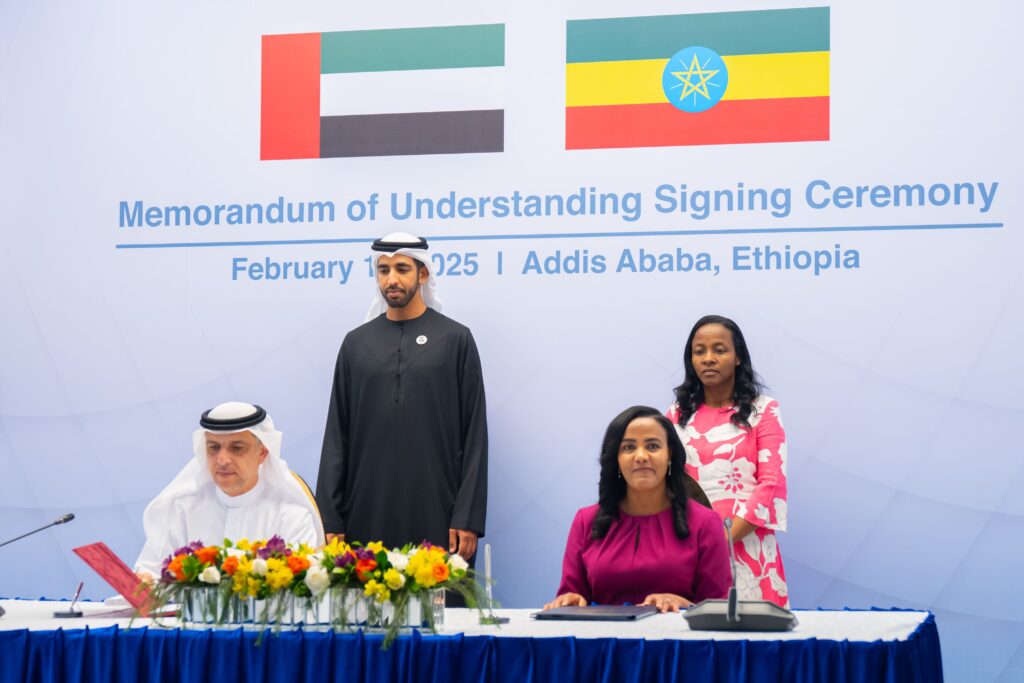
The United Arab Emirates has unveiled a $60 million initiative to develop schools tailored for visually impaired students across Ethiopia. This significant investment, announced ahead of the African Union Summit, underscores the UAE’s commitment to inclusive education and support for underserved communities.

The Khalifa Bin Zayed Al Nahyan Foundation, operating under Erth Zayed Philanthropies, will spearhead this project in collaboration with the Ethiopian government. The agreement was formalized by Mohamed Haji Al Khoori, Director General of the Foundation, and Ethiopia’s First Lady, Zinash Tayachew. The signing ceremony was witnessed by Sheikh Shakhboot bin Nahyan, UAE Minister of State and Trustee of Erth Zayed Philanthropies.

Ethiopia faces a pressing need in this sector, with approximately 1.2 million individuals living with visual impairments, including 332,000 who are blind. The country also contends with one of the highest global rates of trachoma, a preventable eye disease prevalent in underserved regions. This initiative aims to address these challenges by constructing schools equipped with advanced assistive technologies, specialized curricula, and vocational programs designed to empower visually impaired students for higher education and employment opportunities.

Sheikh Theyab bin Mohamed bin Zayed Al Nahyan, Deputy Chairman of the Presidential Court for Development and Fallen Heroes’ Affairs and Chairman of the Board of Trustees of Erth Zayed Philanthropies, emphasized the UAE’s dedication to supporting people of determination worldwide. He stated that providing visually impaired students in Ethiopia with inclusive learning environments is crucial for enabling them to reach their full potential.

Sheikh Shakhboot bin Nahyan highlighted the importance of sustainable development and strategic collaboration as drivers of lasting change. He noted that this initiative reflects the UAE’s unwavering commitment to uplifting communities, creating economic opportunities, and expanding access to essential services.

First Lady Zinash Tayachew expressed gratitude for the UAE’s continued partnership, which aligns with Ethiopia’s goal of ensuring that every citizen, regardless of abilities, has access to quality education. She emphasized that this collaboration will help create a more inclusive society where every student has the opportunity to succeed.

Mohamed Haji Al Khoori underscored that education is a fundamental right and that every child deserves the opportunity to learn in an environment that supports their unique needs. He added that strengthening educational systems lays the foundation for a more inclusive and equitable future, reaffirming the power of global partnerships in driving lasting impact.

This initiative builds upon the success of the Sheikha Fatima bint Mubarak School for the Blind in Addis Ababa, inaugurated in May 2024. The new schools will form a network across Ethiopia, expanding access to inclusive education and ensuring that visually impaired children, regardless of socioeconomic background, can thrive in supportive learning environments.

Fikeru Bejo, an IT teacher at the Sheikha Fatima bint Mubarak School for the Blind, shared insights into the transformative impact of such initiatives. He highlighted the resilience and determination of students to overcome challenges and achieve their goals, attributing their progress to the enhanced facilities, specialized teacher training, and introduction of assistive technology made possible by the UAE’s support.

Exotel, a prominent cloud-based customer engagement platform, has entered into a strategic partnership with Knowmax, an AI-driven knowledge management provider, aiming to revolutionize customer experience operations. This collaboration seeks to enhance query resolution efficiency and bolster agent productivity by integrating Exotel’s communication solutions with Knowmax’s intelligent knowledge management system. The alliance is poised to offer enterprises seamless access to actionable insights, thereby optimizing customer interactions across various […]

BEIJING, CHINA – Media OutReach Newswire – 15 February 2025 – Cultural exchange has become an essential bridge for communication between nations. Recently, products associated with China, such as the AI technology DeepSeek, the animated film Ne Zha 2, and the food documentary A Bite of China (Season 4), have converged to create a powerful wave of “Chinese style” that is making waves across the globe. Among […]

Available from February 2025 at Singapore Discovery Centre, New Interactive Game Aims to Champion National Education SINGAPORE – Media OutReach Newswire – 14 February 2025 – In commemoration of Total Defence Day on 15 February, HIDDEN and Defence Collective Singapore are excited to announce the launch of their new, interactive game, “Escape Quest: Operation Broken Oath”. This engaging and educational game is designed to raise awareness of […]

KUALA LUMPUR, MALAYSIA – Media OutReach Newswire – 14 February 2025 – HolidayGoGoGo, a leading travel agency in Malaysia, is excited to introduce a brand-new range of overseas tour packages designed for adventure-seekers and leisure travellers. Travellers of every budget can now explore stunning beaches, endangered marine life, or iconic cultural sites with HolidayGoGoGo’s customisable packages, providing them the perfect opportunity to explore Southeast Asia and beyond. […]

By Arun Srivastava How far the RSS chief Mohan Bhagwat would succeed in his mission to rejuvenate the saffron ecosystem and rejuvenate the cadres in West Bengal, who have been feeling disconsolate and crestfallen due to the intense factional feud in the state BJP, is not yet clear, but one thing is certain that they […]

OpenAI has announced the forthcoming release of GPT-5, which will incorporate the advanced o3 reasoning model. This integration aims to enhance the artificial intelligence’s capability to handle complex tasks by devoting additional deliberation time when addressing questions that require step-by-step logical reasoning. Notably, GPT-5 will be accessible to all ChatGPT users at no cost, providing unlimited chat access under standard intelligence settings. CEO Sam Altman emphasized the […]

VISHNU RAJA
RYO YAMADA
HITORI GOTOH
IKUYO KITA
Just in:
As AI Reshapes Education, Singapore Convenes Global Dialogue on the Future of Early Childhood Education // Anthropic to prohibit persistent abuse of Claude chatbot // SC to examine students’ exam plea today // Vingroup And Legends Global Announce Strategic Partnership For VinFast – Trong Dong Stadium // Govt opposes Arlekar’s PSC action // xCube Access Welcomes Entrust Capital Limited  Expanding Access to Professional Portfolio Management // BJP’s Aggressive Response Exposes Anxiety Over Opposition Unity // Cyberport Venture & Capital Forum 2026 Grand Opening // Burying Head In “India Made Poverty Reduction” Data Is Dangerous // Ta’ziz finalises $1.39bn funding for Ruwais industrial facilities // Asia Left Behind: Ten international companies have yet to report delivering on their cage-free egg pledges across the region // Democrats capture Senate majority with seven Republican seats // Arrow Electronics showcases technologies advancing intelligent robotics, mobility and digital infrastructure // Cloudflare unveils Zero Wire vulnerability intelligence service // Democrats secure Senate majority after Republican election losses // XRG secures agreement for $1.45bn Australian LNG stake // OpenAI identifies 948 Linux privilege escalation flaws using AI // After Reaching 7 Million Users in the Philippines, Skyro Launches Transparent Cash Loans in Malaysia // Emirates Group records AED 4.1 billion half-year profit // Vance attributes Republican midterm defeats to Iran conflict //