Just in:
Arrow Electronics showcases technologies advancing intelligent robotics, mobility and digital infrastructure // Cloudflare unveils Zero Wire vulnerability intelligence service // Meraas showcases five residential zones at Dubai Design Week // SC to examine students’ exam plea today // AI trust gap reveals distinct retail priorities: Divergent paths to consumer growth in Hong Kong and the GBA // As AI Reshapes Education, Singapore Convenes Global Dialogue on the Future of Early Childhood Education // After Reaching 7 Million Users in the Philippines, Skyro Launches Transparent Cash Loans in Malaysia // Asia Left Behind: Ten international companies have yet to report delivering on their cage-free egg pledges across the region // Hong Kong mandates crypto transaction disclosures to tax authorities // Oil and chip shares retreat after Democratic victories // Dubai boat show confirms international shipyard line-up for November // Democrats capture Senate majority with seven Republican seats // U.S. Mid Term Result Is A Clear Verdict Against Trump’s Authoritarianism // Utilities pursue ₹1,992 cr in unpaid bills // Pinarayi faults UDF over mounting road crashes // Vance attributes Republican midterm defeats to Iran conflict // Ta’ziz finalises $1.39bn funding for Ruwais industrial facilities // Fast Just Got Fastest: STING Energy Boost™ Celebrates Kimi Antonelli’s Formula 1® World Championship and the Fan Energy Behind It // DIP Holding targets Dh1.12 IPO price and $529m proceeds // Cyberport Venture & Capital Forum 2026 Grand Opening //

News related to
fall

OpenAI has announced the forthcoming release of GPT-5, which will incorporate the advanced o3 reasoning model. This integration aims to enhance the artificial intelligence’s capability to handle complex tasks by devoting additional deliberation time when addressing questions that require step-by-step logical reasoning. Notably, GPT-5 will be accessible to all ChatGPT users at no cost, providing unlimited chat access under standard intelligence settings. CEO Sam Altman emphasized the […]

SINGAPORE – Media OutReach Newswire – 13 February 2025 – In November 2022, the Land Transport Authority (LTA) made a monumental announcement of auctioning off the right to operate ad spaces at approximately 120 pedestrian overhead bridges, underpasses, and covered link-ways in a 10-year contract—a true first for the entity. One year later, the entity announced that out of seven proposals from four tenderers for the LTA, […]

Chinese authorities are formulating a plan to assist property developer China Vanke Co. in addressing a funding shortfall of approximately 50 billion yuan this year. The proposal includes allocating 20 billion yuan in special local government bonds to purchase unsold properties and vacant land from Vanke, thereby enabling the company to meet its public and private debt obligations. This initiative follows a series of interventions aimed at […]

Expected to open in late 2026, ASAI Cebu Oslob will introduce ASAI Hotels’ signature blend of modern design, local experiences, and vibrant communal spaces to one of the Philippines’ most scenic coastal destinations. BANGKOK, THAILAND – Media OutReach Newswire – 11 February 2025 – Dusit International, one of Thailand’s leading hotel and property development companies, and Grand Land Inc., a subsidiary of the Gaisano Grand Group of […]

By Nantoo Banerjee With Indian Rupee (INR) dwindling almost daily against US Dollar (USD), it is good the Union Budget for 2025-26 has stopped repeating on making the Indian economy a $5-trillion GDP to become the world’s third largest by the end of this year or anytime too soon. The budget also provides no indication […]

The Middle East confronts a significant and widening disparity between its climate adaptation funding requirements and actual expenditures. According to the Brookings Institution, the region’s national adaptation plans and nationally determined contributions estimate a need for $8.2 billion annually until 2030. However, modelled adaptation costs are projected at $17.1 billion per year, highlighting a substantial and growing financial gap. Amar Bhattacharya, a senior fellow at the Brookings […]

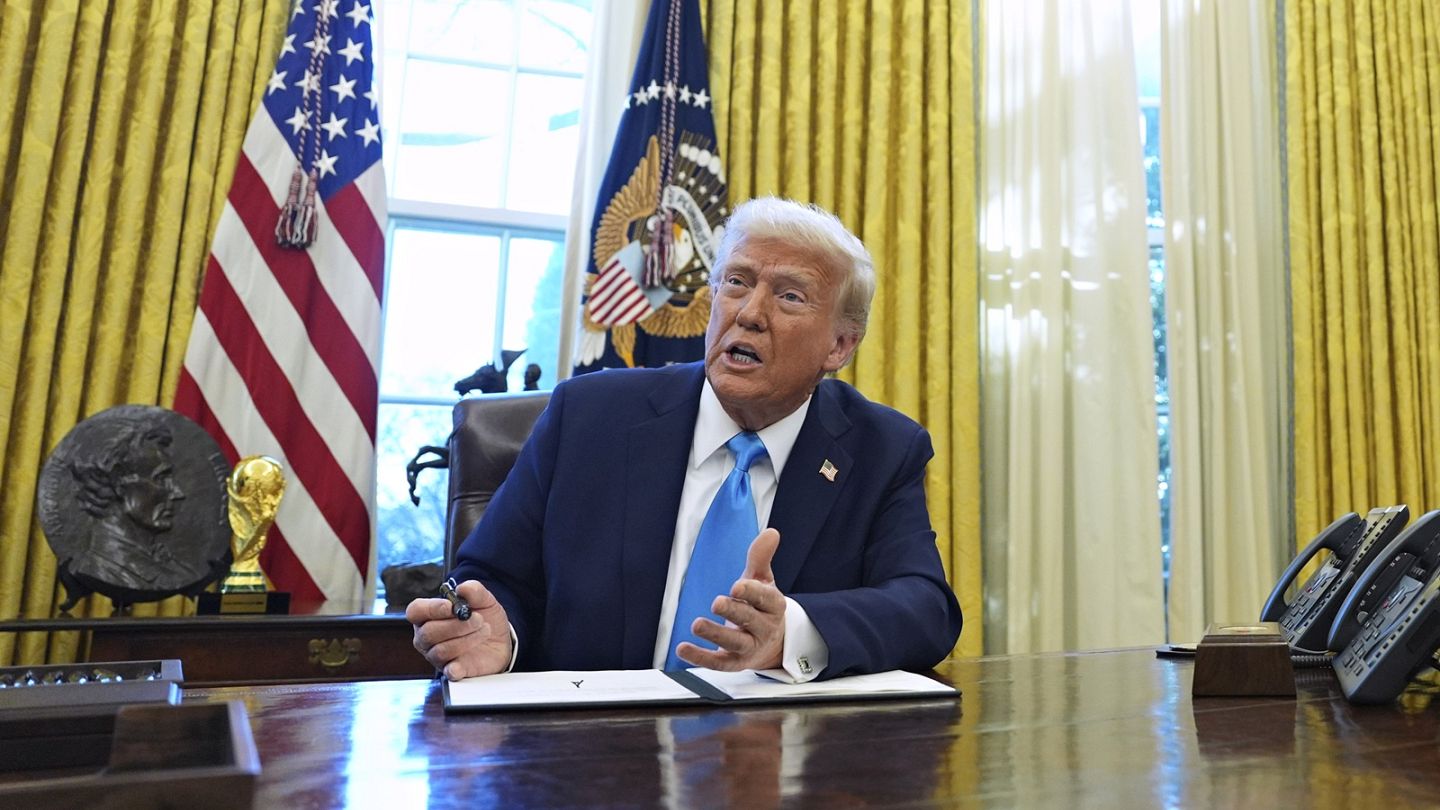
Gold prices have surged to an all-time high, reflecting investor anxiety following President Donald Trump’s declaration of a 25% tariff on steel and aluminium imports. Spot gold advanced 1.1% to $2,939.80 per ounce, briefly touching $2,942.70, while U.S. gold futures climbed 1.1% to $2,966.00. This marks the eighth record high for gold this year, underscoring its role as a safe-haven asset amid escalating trade tensions and inflation […]

Advertisements

The Gulf Cooperation Council is on track to see its debt capital market exceed $1 trillion in outstanding issuances by the end of 2025, driven by government initiatives aimed at market development, economic diversification, and the need to fund fiscal deficits and upcoming debt maturities. Fitch Ratings reports that the DCM in the GCC reached $940 billion by the close of the first quarter of 2024, marking a 7% year-on-year increase.

Saudi Arabia and the United Arab Emirates lead the region’s DCM, holding 43% and 30% of the market share, respectively. Approximately 40% of the GCC’s outstanding debt comprises sukuk, with the remainder in conventional bonds. Fitch Ratings, which assesses over 70% of the GCC’s US dollar-denominated sukuk, notes that 81% of these are investment-grade, with no defaults reported.

The anticipated growth in debt issuances is attributed to several factors, including projected declines in oil prices to $65–$70 per barrel in 2025 and 2026, which may prompt increased sovereign borrowing to cover budgetary shortfalls. Additionally, government-led initiatives to enhance debt capital markets and diversify funding sources are expected to play a significant role. Bashar Al Natoor, Global Head of Islamic Finance at Fitch Ratings, emphasizes that “most GCC countries have come a long way in developing their DCMs, with the bloc now accounting for almost a third of total emerging-market dollar issuance, excluding China.”

Despite these advancements, the GCC’s debt capital markets remain less mature compared to more developed regions and exhibit varying stages of development across member states. Saudi Arabia and the UAE possess the most advanced markets, while Qatar and Oman have seen contractions due to debt repayments. Kuwait’s absence of a debt law limits its funding options, and Bahrain continues to rely heavily on DCM access and support from other GCC nations amid persistent deficits.

In the banking sector, GCC banks are projected to issue over $30 billion in US dollar-denominated debt in 2025, a decrease from the record $42 billion issued in 2024. This decline is partly due to the maturation of approximately $23 billion in existing debt, with Qatari banks accounting for about a third of these maturities, and UAE and Saudi banks each representing around a quarter. Fitch Ratings anticipates that most additional Tier 1 instruments with first call dates in 2025 and 2026 will be called, given favorable financing conditions.

The US Federal Reserve is expected to reduce interest rates by 100 basis points in 2025, potentially leading to more favorable financing conditions for GCC banks. Strong credit growth, particularly in Saudi Arabia and the UAE, is also anticipated to support further issuances. In 2024, GCC banks’ US dollar debt issuance reached an unprecedented level, driven by high credit growth in Saudi Arabia, efforts to diversify funding bases, and substantial debt maturities.

Shiba Inu and Dogecoin , prominent meme-based cryptocurrencies, are experiencing significant downturns in their market performance. SHIB has declined by over 35% from its December high, currently trading at approximately $0.00002150. Similarly, DOGE is teetering near $0.0251, with forecasts suggesting a potential drop below $0.007.

Analysts attribute SHIB’s decline to a substantial decrease in its burn rate. Recent data indicates that only 8.73 million SHIB tokens were burned in the last 24 hours, marking a 71% drop from the previous day. This reduction in token burns could negatively impact SHIB’s value, as burning tokens is a strategy used to decrease supply and potentially increase demand.

The Shibarium ecosystem’s performance also plays a crucial role in SHIB’s valuation. The number of active accounts on Shibarium has fallen to just 1,250, and the average transaction fee has declined to 0.00023 BONE, down from December’s peak of 0.00045. This decrease in activity and fees may further contribute to SHIB’s price decline.

In the case of DOGE, the cryptocurrency is facing similar challenges. Currently trading at approximately $0.257777, DOGE has seen an intraday high of $0.259452 and a low of $0.247624. Market analysts predict that if the downward trend continues, DOGE could fall below the $0.007 threshold, raising concerns among investors.

LibreOffice has announced the release of version 25.2, introducing a range of enhancements across its suite of applications. This update focuses on refining user experience, bolstering accessibility, and expanding functionality. In Writer, users can now remove personal information from documents, mitigating the risk of unintended data exposure. The change-tracking system has been improved for more intuitive collaboration; selecting altered text highlights the corresponding entry in the “Manage […]

By Satyaki Chakraborty U.S. President Donald Trump has started breaking all conventions about abiding by international laws b h announcing the U.S. government’s sanctions against the International Criminal Court (ICC) taking the plea that the ICC is biased against the U.S. and Israel. Donald Trump launched sanctions against the global body, which is seen as […]
By Dr. Gyan Pathak Despite political setback in Delhi Vidhan Sabha election and loss of power to BJP, Aam Aadmi Party (AAP) will remain a political force of reckoning. AAP’s huge voter support base is intact, and election result shows that the BJP could win by only about a small margin of about 2.26 per […]

The payments to farm owners under BIPPA-protection marks a historic milestone and a critical step in Zimbabwe’s Arrears Clearance and Debt Resolution Process HARARE, ZIMBABWE – EQS Newswire – 8 February 2025 – The Government of the Republic of Zimbabwe is honouring its commitment to compensate investors protected by Bilateral Investment Protection and Promotion Agreements (BIPPAs), whose investments were affected by the Land Reform Programme in 2000. […]

Matein Khalid t is significant that President Trump, despite his bluff and brinkmanship with 25 percent tariff threats against Mexico and Canada, chose only to impose a 10 percent tariff on China. China is Washington’s only real peer competitor in great power realpolitik and its preeminent rival in Cold War 2.0. A 10 percent tariff is not a threat to global economic stability as would have been the 60 percent […]

By Nitya Chakraborty Exactly six months have passed since the installation of the interim government in Bangladesh on August 8, headed by Dr. Mohammad Yunus, three days after the ouster of the Awami League government led by former Prime Minister Sheikh Hasina. Hasina, daughter of the founder of the present Bangladesh, the late Sheikh Mujibur […]

Elon Musk’s Department of Government Efficiency has been granted “read-only” access to the U.S. Treasury Department’s federal payment system, a move that has sparked significant concern among lawmakers and the public. This system manages the disbursement of billions of dollars in federal funds, including Social Security payments and government salaries.

Jonathan Blum, a Treasury official, informed Congress that DOGE’s access is strictly limited to viewing information, ensuring that the team cannot alter or delay any payments. Despite these assurances, several legislators have expressed apprehension about the potential implications of this access. Senator Ron Wyden has been particularly vocal, arguing that Musk’s involvement poses a national security risk and lacks a clear legal foundation.

The situation escalated following the resignation of David Lebryk, the acting Deputy Secretary of the Treasury, who departed after reportedly resisting Musk’s requests related to the payment system. His departure has intensified debates about the appropriateness of granting external entities access to sensitive government operations.

Critics argue that even with “read-only” access, there is a risk of unauthorized use of sensitive taxpayer information. Concerns have been raised about the potential for data breaches or misuse of personal data. The Treasury Department has responded by emphasizing that career officials continue to oversee all payment processes, aiming to maintain the integrity and security of the system.

The establishment of DOGE by the Trump administration was intended to streamline federal operations and reduce inefficiencies. However, the recent developments have led to protests and legal challenges. Demonstrators have gathered outside the Treasury Department, voicing their opposition to Musk’s access to sensitive financial data. Additionally, several federal employee unions have filed lawsuits alleging that the access granted to DOGE violates legal protocols and compromises the security of federal payment systems.

Legal experts are divided on the issue. Some argue that granting DOGE access to federal payment data could potentially violate privacy and security regulations, including the Privacy Act and the Federal Information Security Management Act. Others contend that the move falls within the executive branch’s authority to manage federal operations.

Markets flourish with predictability. Companies require consistency to strategize effectively. However, the current US administration’s erratic approach to trade is fostering the opposite environment. Donald Trump’s eleventh-hour decision to postpone sweeping tariffs on Mexico and Canada provides temporary relief but does not address the core issue: the United States is becoming an increasingly erratic economic ally. Investors are already experiencing the repercussions. This latest suspension is the […]

The surge in gold prices has sparked a corresponding rise in gold-backed cryptocurrencies, which have gained significant traction in the wake of global economic uncertainties and a prolonged trade war. The value of gold has climbed nearly 10% this year, reaching new heights as investors look for stable assets amidst volatile market conditions, while most major cryptocurrencies have struggled to maintain positive momentum.

Gold-backed digital currencies, which are pegged to the price of gold, have become increasingly popular as both a hedge against inflation and a secure store of value. These cryptocurrencies provide investors with the benefits of blockchain technology, offering fast, secure transactions and lower fees, while still being tied to the tangible value of gold. As the price of gold breaks records, these digital assets have seen a sharp rise in value, attracting attention from institutional investors who are traditionally more risk-averse and have historically favoured physical gold for their portfolios.

The economic backdrop fueling this surge is primarily the ongoing trade tensions between major global economies. With trade disputes, particularly between the United States and China, showing no signs of abating, the global economy faces mounting pressure. These trade conflicts have led to fears of inflation and slower growth, pushing investors to seek refuge in traditional safe-haven assets like gold. As a result, the demand for gold-backed cryptocurrencies has risen, with investors increasingly willing to embrace digital assets that offer stability amid uncertain times.

Gold-backed cryptocurrencies differ from typical cryptocurrencies such as Bitcoin and Ethereum, which are not directly tied to any physical asset. Instead, the value of gold-backed tokens is directly correlated to the price of gold, which has proven to be a reliable store of value for centuries. This connection appeals to investors who seek the benefits of cryptocurrency without the volatility associated with unbacked tokens.

Several platforms have emerged in recent years offering gold-backed digital currencies, and their growth is being driven by the increasing adoption of blockchain technology across multiple sectors. These platforms typically work by holding physical gold reserves in vaults and issuing tokens that represent ownership of a specific amount of gold. Investors can trade these tokens on various exchanges, and they can also redeem them for physical gold if desired. This hybrid approach offers a unique combination of traditional financial instruments and the advantages of digital currencies.

Notably, the surge in gold prices has been driven by several factors, including concerns over inflation, geopolitical tensions, and the economic fallout from the ongoing trade war. As central banks continue to print money to stimulate economies, the fear of inflation has grown, leading to greater demand for gold as a hedge. In times of economic instability, gold has historically served as a safe-haven asset, with its value often rising when other markets falter. With the US dollar weakening and bond yields remaining low, gold’s appeal as an investment has only increased.

Meanwhile, the trade war, which has disrupted global supply chains and created uncertainty in the markets, has further compounded these concerns. Both the US and China have imposed tariffs on each other’s goods, resulting in higher prices for consumers and reduced global trade. This ongoing uncertainty has prompted many investors to turn to assets like gold-backed cryptocurrencies, which offer the potential for stability in an unpredictable economic environment.

One of the key advantages of gold-backed cryptocurrencies is their ability to provide exposure to the price of gold without the need for physical ownership or storage. Traditional gold investors often face challenges related to the high costs of securing and storing physical gold. By contrast, digital currencies offer a more accessible and efficient way to invest in gold. As more investors seek to diversify their portfolios, gold-backed tokens provide an attractive option for those looking to capitalise on the price of gold while avoiding some of the logistical issues associated with owning physical gold.

Despite the growth of gold-backed cryptocurrencies, challenges remain. The volatility of the broader cryptocurrency market can still affect the price of gold-backed tokens, and there are concerns around regulation and the potential for government crackdowns on digital currencies. While some countries have embraced blockchain technology and cryptocurrency as part of their financial systems, others remain cautious or outright hostile to the sector. This regulatory uncertainty could pose a risk to the long-term growth of gold-backed cryptocurrencies, as potential investors weigh the risks of government intervention and the stability of the market.

Close to 22,000 tennis fans flocked to Kallang Tennis Hub across nine days Second-seed Elise Mertens bested Ann Li to claim her 9th career WTA singles title Desirae Krawczyk and Giuliana Olmos claimed victory in a thrilling Doubles Final SINGAPORE – Media OutReach Newswire – 5 February 2025 – Elise Mertens and the pair of Desirae Krawczyk/Giuliana Olmos have claimed the inaugural Singapore Tennis Open (STO) Singles […]

Cryptocurrency markets began the day with a notable lack of movement, as trading volumes dropped by nearly 30%, marking a period of consolidation. Amid this trend, both bullish and bearish forces have remained active, but the lack of significant price fluctuations points to a potential for range-bound consolidation in the coming period. As major assets like Bitcoin, Ethereum, and XRP continue to experience subdued movement, two particular blockchain projects—Solana and SUI—stand out as they face pivotal moments in their market trajectories.

Solana, once considered one of the leading contenders in the blockchain space, is encountering a crucial juncture. The network, which rose to prominence with its promise of fast transaction speeds and low fees, has seen its price experience a steady decline. As the broader market grapples with low liquidity, Solana’s ability to maintain relevance is being tested. Despite an initial surge fueled by optimism regarding its scalability and unique consensus mechanism, Solana now faces concerns over network outages and heightened competition from other smart contract platforms, including Ethereum and newer contenders such as Avalanche and SUI.

Recent updates from Solana Labs highlight ongoing improvements to the network, including enhancements to decentralisation and transaction throughput. However, these developments have not been enough to stem the downward price pressure that has plagued SOL for months. The volatility seen in its earlier days is now replaced by uncertainty. While Solana remains a top-tier blockchain in terms of market capitalization, many analysts are watching closely to determine whether the project can sustain its position or if it risks falling into the shadows of more dominant platforms.

At the same time, the SUI network—launched with the backing of former Meta engineers—has been positioning itself as a potential long-term winner in the smart contract ecosystem. While it is still in its infancy compared to more established blockchains, SUI has garnered attention for its innovative approach to scalability. Its unique Move programming language, designed to offer flexibility and efficiency in asset management, could differentiate it from competitors.

However, SUI is still in a critical phase where the market must confirm whether it can deliver on its promise. Despite some initial interest, the lack of a clear price surge has left many investors on edge, waiting for concrete signs of bullish momentum. The current market conditions, combined with the cautious stance of many institutional investors, have led to a stagnation in SUI’s growth. Many analysts are closely observing SUI’s ability to break through its resistance levels, which could indicate the start of a more pronounced rally.

As Solana faces its critical point, SUI’s development remains a topic of growing importance in the crypto space. The two projects, while vastly different in terms of their technology and goals, both embody the shifting dynamics of blockchain development. Solana’s struggle to regain its former strength is tempered by the rising expectations around SUI, which is yet to prove itself on a large scale.

The outlook for Solana hinges significantly on its ability to address its scalability issues while maintaining a stable, decentralized network. With its price below key support levels, market watchers have been closely monitoring for any signs of recovery. Some experts argue that Solana might need to focus on strengthening its developer ecosystem, as many of the more successful blockchain platforms owe their success to vibrant communities and continuous innovation.

On the other hand, SUI’s success is largely dependent on its ability to convince both developers and users of its scalability and security advantages. Although SUI’s underlying technology is promising, many in the industry remain sceptical about whether it can achieve significant adoption and whether its distinct approach to data handling will stand the test of time.

The broader market environment plays a crucial role in shaping the trajectories of both networks. If the overall crypto market begins to recover, both Solana and SUI could stand to benefit. However, the current market sentiment remains cautious, as traders wait for more definitive signals. The drop in trading volume indicates that many are waiting for a trigger that might set off the next phase of market activity, whether it’s a bullish breakout or another downtrend.

As it stands, the near-term outlook for Solana is one of continued consolidation, with a focus on whether its core development team can introduce updates capable of restoring confidence in the network. For SUI, the situation is somewhat different; it still has to prove itself in terms of user adoption and building out its ecosystem. While the blockchain space is rife with competition, SUI’s innovative features may yet allow it to carve out a significant position if the market sees an influx of interest in its offerings.


Kazakhstan’s President, Kassym-Jomart Tokayev, has called for the swift expansion of the nation’s cryptocurrency infrastructure, acknowledging its crucial role in shaping the future of the financial sector. Tokayev’s remarks, made during a government meeting on 28 January 2025, highlight the growing importance of digital currencies and assets, particularly in the face of advancements in artificial intelligence.

Addressing government officials, Tokayev pointed out that the global financial landscape is undergoing a significant transformation, with cryptocurrencies becoming a key part of economic systems worldwide. He emphasised that Kazakhstan must capitalise on these developments to stay competitive in an increasingly digital economy. The President outlined the necessity of building a robust and secure digital infrastructure that can support the growing demand for cryptocurrency transactions and services.

Kazakhstan has emerged as a critical player in the global cryptocurrency market in recent years. With a favourable regulatory environment and a relatively low cost of electricity, the country has become a hotspot for cryptocurrency mining. In fact, Kazakhstan currently ranks among the top ten countries globally in terms of Bitcoin mining hash rate, despite facing challenges such as rising energy consumption and concerns over the environmental impact of mining operations.

Tokayev’s call to action for the expansion of crypto infrastructure aligns with broader efforts to position Kazakhstan as a leader in digital finance. The government has already taken steps to strengthen the country’s position in the crypto space, including establishing regulations aimed at attracting foreign investment and enhancing market transparency. However, Tokayev stressed that the pace of development must accelerate to keep up with global trends and technological advancements.

Artificial intelligence , which Tokayev identified as a fundamental factor in the evolving financial landscape, is also seen as a major driver for the adoption of digital assets. The President pointed to the intersection of AI and blockchain technology as a pivotal area for innovation. AI’s ability to optimise blockchain processes, increase security, and enable the creation of decentralised applications is expected to drive further growth in the sector.

Kazakhstan’s proactive stance on crypto infrastructure is particularly important as the country navigates the challenges posed by global economic uncertainty and the increasing prevalence of digital assets. While digital currencies have faced volatility and regulatory hurdles in some parts of the world, Kazakhstan’s government remains committed to fostering an environment conducive to their development. Tokayev’s vision includes creating a comprehensive ecosystem that incorporates not only cryptocurrency mining and trading, but also other digital financial services such as digital banking, insurance, and payment systems.

The potential for Kazakhstan to become a regional hub for digital finance is underscored by its strategic location at the crossroads of Europe and Asia. As more businesses and individuals seek access to alternative financial systems, Kazakhstan’s crypto-friendly policies could position the country as a key player in the global digital economy.

Despite the optimistic outlook, challenges remain. One of the key concerns is ensuring the security of digital assets and protecting consumers from the risks associated with crypto investments. Tokayev acknowledged that while cryptocurrencies offer numerous opportunities, they also present risks, particularly in terms of cyber threats and fraud. As such, the President called for the development of a robust regulatory framework to safeguard the interests of investors and ensure that the benefits of digital assets are fully realised.

The government’s approach to crypto infrastructure is also focused on improving public awareness and fostering educational initiatives. As cryptocurrency adoption continues to grow, it is essential for both the public and private sectors to work together to enhance understanding and encourage responsible usage. Tokayev highlighted the need for collaboration with international experts and stakeholders to create best practices for the crypto industry and establish Kazakhstan as a trusted destination for digital asset innovation.

The push for enhanced crypto infrastructure comes at a time when global financial markets are increasingly focused on the intersection of technology and finance. Countries around the world are competing to establish themselves as leaders in the digital asset space, and Kazakhstan is determined to stake its claim. Tokayev’s remarks reflect a sense of urgency in ensuring that Kazakhstan does not fall behind in the race to capitalise on the potential of cryptocurrencies and blockchain technology.

PEPE, one of the most prominent memecoins in the cryptocurrency world, has recently experienced a significant downturn, dropping 60% from its all-time high. This dramatic fall has caught the attention of investors, who are now turning their focus to alternative memecoins with the potential to yield substantial returns. Among these, PEPETO, a new contender in the memecoin market, is emerging as a possible replacement. However, the question remains: Can PEPETO match or surpass the success of its predecessor?

The price plunge of PEPE has raised concerns about the sustainability of memecoins in a market prone to rapid fluctuations. PEPE’s meteoric rise had many believing that it could achieve mainstream success, but the latest decline signals a shift in investor sentiment. PEPE’s performance over the past few months has been a rollercoaster, with its value dipping significantly from its peak. For investors who bought in at the top, the current dip has been disheartening, leading some to question whether the memecoin phenomenon is over.

Memecoins, often driven by social media trends and online communities, can be notoriously volatile. Their value typically surges when they capture the public’s imagination, but they also experience sharp declines once the hype wanes. PEPE’s fall is no exception, but it is also a reminder of the risks associated with investing in such speculative assets. The cryptocurrency market, particularly the memecoin sector, remains a high-risk environment, where fortunes can be made or lost in a short amount of time.

Despite PEPE’s sharp decline, the broader memecoin market remains alive with speculation. Investors are now seeking the next big opportunity, and PEPETO has emerged as a promising candidate. Launched in recent months, PEPETO has garnered attention for its innovative approach to community engagement and its ambitious plans for expansion. With a strong following on social media platforms like Twitter and Discord, PEPETO is positioning itself as a viable contender in the crowded memecoin space.

The appeal of PEPETO lies not just in its potential for rapid gains but also in its ability to capture the imagination of the memecoin community. Similar to PEPE, it is largely driven by internet culture, leveraging memes and viral trends to increase its visibility. However, PEPETO’s developers have made efforts to differentiate it by focusing on long-term community involvement and utility. The token aims to integrate more features than just speculation, such as partnerships and unique use cases that could give it more staying power than traditional memecoins.

PEPETO’s emergence also highlights a shift in investor attitudes towards memecoins. While many are still driven by the possibility of quick profits, there is a growing interest in coins with a clear roadmap and utility beyond the speculative nature of the market. Investors are beginning to look for more sustainable projects that can provide long-term value. PEPETO’s development team has capitalized on this trend by emphasising its focus on creating a token that not only entertains but also offers tangible benefits for its holders.

One factor contributing to PEPETO’s rise is the increasing presence of influencers and crypto enthusiasts who see potential in the coin’s future. The backing of prominent figures in the cryptocurrency world has given PEPETO more visibility and legitimacy, positioning it as a serious contender. Its online community has been actively engaging with the token’s progress, further driving its popularity. As social media remains one of the primary drivers of memecoin success, PEPETO’s growing presence is a strong indicator that it may have staying power.

However, like all memecoins, PEPETO’s future is uncertain. The volatility of the cryptocurrency market makes it difficult to predict whether PEPETO can maintain its momentum. While some investors are optimistic, others remain cautious, noting that memecoins often experience significant price fluctuations based on shifting trends and market sentiment. The success of PEPE serves as a cautionary tale for investors, reminding them of the risks involved in trading speculative assets.

The future of PEPETO will likely depend on its ability to evolve beyond the hype. While it has gained significant traction in a short amount of time, it faces the challenge of sustaining interest over the long term. It must continue to build its community, expand its use cases, and deliver on its promises. Whether or not it can achieve this will determine if it becomes more than just another fleeting memecoin. For now, PEPETO stands as a symbol of the continued fascination with meme-driven tokens, but its true potential remains to be seen.

KUALA LUMPUR, MALAYSIA – Media OutReach Newswire – 4 February 2025 – Monash University Malaysia marked a milestone with the launch of the Southeast Asia Research Centre for Digital Tech and Society (SEADS). The launch of SEADS was inaugurated by the Honourable YB Hannah Yeoh, Minister of Youth and Sports, in a ceremony committed to promoting a safer digital future. From left: Professor Duncan McDuie-Ra (Head of […]

By Nitya Chakraborty The present euphoria among the BJP-led government ministers after the presentation of the 2025-26 budget in Parliament over the mega relief to the income tax payers of the country might be shared by the estimated one crore people in the country benefited due to the budget proposals. But in terms of its […]
VISHNU RAJA
RYO YAMADA
HITORI GOTOH
IKUYO KITA