News related to
fall

Britain’s wealthy are increasingly eyeing the UAE as a prime destination for relocation, with over 800 high-net-worth individuals (HNWIs) expected to make the move in 2024. The UAE, renowned for its strategic location, luxurious lifestyle, and favorable tax policies, has become a top choice for millionaires worldwide. The Henley Private Wealth Migration Report reveals that this year, the UAE will welcome a record-breaking 6,700 millionaires, of which […]

Donald Trump has unveiled a tax reform proposal aiming to exempt approximately 93.2 million Americans from federal income taxes. This ambitious plan focuses on eliminating income tax liabilities for individuals earning below a certain threshold, which aligns with Trump’s ongoing efforts to reshape the tax system and promote economic growth. The initiative proposes significant changes, including the removal of taxes on tips and Social Security benefits, signaling a shift in fiscal policy that may impact millions of low- and middle-income workers.

Central to Trump’s tax strategy is the introduction of a new revenue framework based on tariffs, which he argues will replace the traditional income tax model. The proposal outlines a universal 20% tariff on all imports, with an even steeper 60% tariff on goods imported from China. By doing so, the former president aims to generate substantial revenue that would fund his tax cuts and other fiscal initiatives. This approach represents a fundamental change in how the government would collect revenue, relying more heavily on trade rather than direct taxation of citizens’ incomes.

The proposed reforms have sparked debate among economists and policymakers regarding their viability and potential consequences for the economy. Proponents argue that the elimination of income taxes for a large segment of the population would increase disposable income, thereby stimulating consumer spending and fostering economic growth. They contend that individuals who currently face a significant tax burden would have more resources to invest in goods, services, and savings.

Critics, however, caution that such a tax overhaul could lead to considerable budget deficits if the anticipated tariff revenues do not materialize as projected. They highlight that a universal 20% tariff on imports could provoke retaliation from trade partners, particularly China, potentially escalating into a trade war. The economic implications of increased tariffs could also ripple through domestic industries that rely on imported materials, resulting in higher costs for consumers and businesses alike.

Key players in the political landscape are beginning to respond to Trump’s tax plan. Some members of Congress have expressed cautious optimism, suggesting that the proposal may resonate with constituents frustrated by high taxes. Others remain skeptical, voicing concerns about the long-term fiscal implications and the impact on essential government services funded by income tax revenue.

The plan’s reliance on tariffs raises questions about its impact on inflation. With increased costs associated with imported goods, the price of everyday items could rise, disproportionately affecting low-income families who already spend a larger share of their income on necessities. Economists warn that the resulting inflationary pressures could negate any short-term benefits gained from tax exemptions.

Public opinion regarding tax reforms is mixed. A recent survey indicates that while many Americans favor tax cuts, there is significant apprehension about how those cuts would be funded. The possibility of higher consumer prices due to increased tariffs creates a dilemma for many voters, who may find themselves caught between lower taxes and rising costs of living.

Amid this backdrop, Trump’s proposal has found both support and resistance within the Republican Party. Some party members see this as an opportunity to fulfill a long-standing goal of overhauling the tax system in a way that aligns with conservative principles. Others warn against the potential fallout from abandoning traditional income tax structures, emphasizing the need for a balanced approach to tax reform that safeguards government revenue and public services.

As discussions surrounding the proposal continue, financial markets are watching closely. The uncertainty around tariff policies and their economic repercussions could lead to increased volatility, especially in sectors sensitive to trade. Investors are likely to assess how the tax plan and its implementation will influence consumer behavior and corporate profits.

While the tax reform proposal seeks to simplify the tax code and alleviate the burden on a significant portion of the American population, the broader implications of such changes remain to be fully understood. Stakeholders from various sectors are encouraged to engage in the debate, weighing the benefits of tax relief against the potential economic risks associated with an untested revenue model reliant on tariffs.

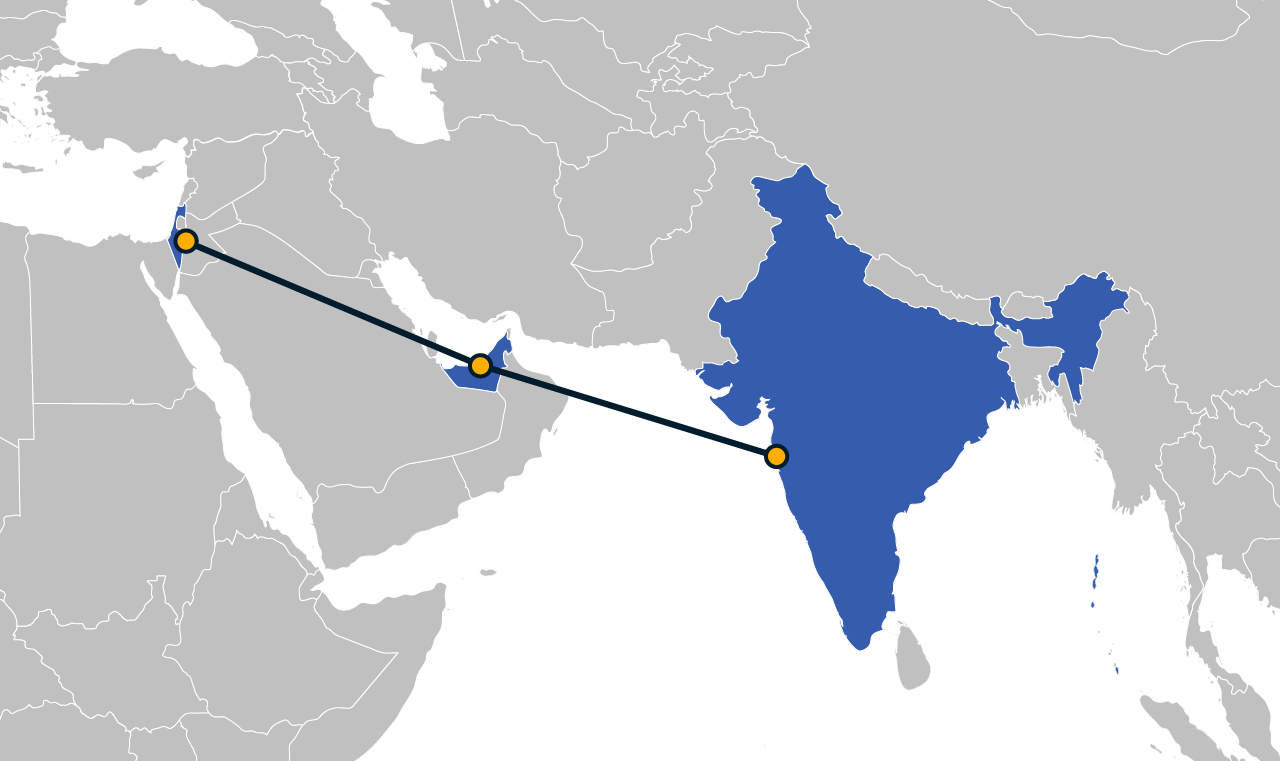
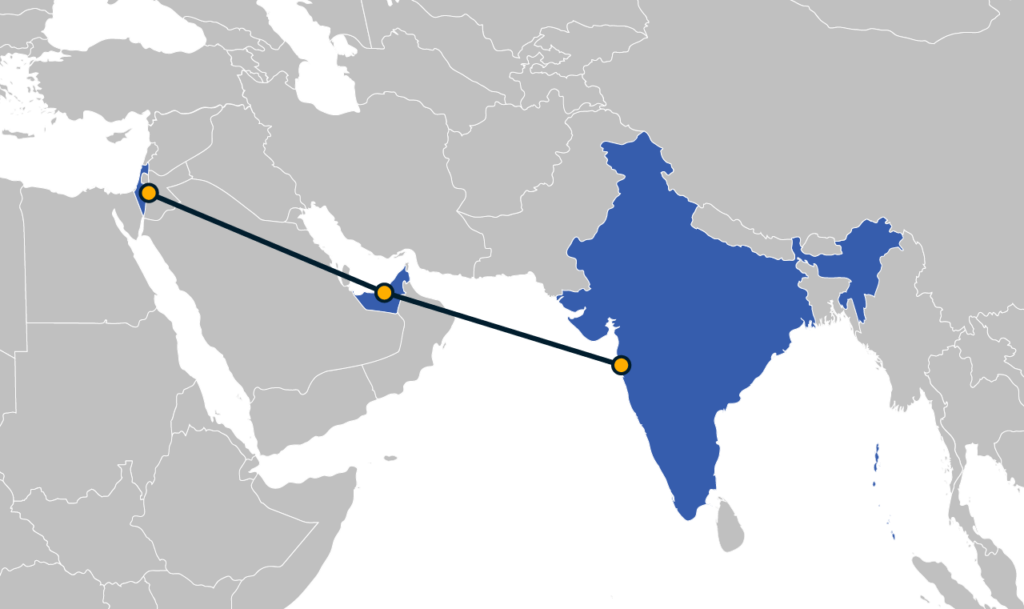
By Nantoo Banerjee It is good to note that the proposed India-UAE food corridor has already roped in a third partner, Israel. The project is expected to eventually involve the United States as well. The US was a key initiator of the historic four-nation I2U2 virtual summit in July 2022 bringing together leaders of India, […]

SINGAPORE – Media OutReach Newswire – 17 October 2024 – Akzo Nobel Paints (Singapore) Pte Ltd proudly introduces the new flagship Dulux Ambiance All AirClean, an innovative paint formulated with PureAir™ Technology to deliver cleaner indoor air. This breakthrough product represents AkzoNobel’s commitment to delivering solutions that can bring health and well-being advantages to its customers. Dulux Ambiance All AirClean Poor indoor air quality can arise from […]

Chinese markets are rallying as the country’s economy demonstrates signs of improvement. While the latest data offers some optimism, significant hurdles persist. Octa Broker analyses the situation and discusses the potential implications for the People’s Bank of China’s upcoming interest rate decision. KUALA LUMPUR, MALAYSIA – Media OutReach Newswire – 19 October 2024 – China has just released a slew of macroeconomic statistics. Although it generally looks […]

First Abu Dhabi Bank (FAB), the largest lender in the United Arab Emirates, has reported a remarkable performance for the third quarter of 2024. The bank posted a net profit of $1.2 billion, exceeding analysts’ expectations and reflecting a robust 38% year-on-year growth. This surge is attributed to a diversified revenue mix and strong growth across its core banking operations and investment banking division. FAB’s positive performance […]

Lucid Motors, the electric vehicle manufacturer backed by Saudi Arabia’s Public Investment Fund (PIF), is set to launch a stock sale aiming to raise approximately $1.67 billion. This move comes as the company seeks to bolster its financial position amid ongoing challenges in the EV market, including increased competition and supply chain constraints. With ambitions to expand production capabilities and improve cash flow, Lucid’s strategic decision highlights the importance of capital infusion in achieving its long-term growth objectives.

Founded in 2007, Lucid Motors initially gained attention for its luxury electric sedans, particularly the Lucid Air, which offers high performance and premium features. The vehicle has garnered numerous accolades for its impressive range and innovative technology, solidifying Lucid’s position as a key player in the luxury EV segment. The company went public in 2021 through a merger with a special purpose acquisition company (SPAC), further fueling expectations of significant growth and innovation.

The stock offering is expected to be conducted through an underwritten public offering, with the PIF participating as a significant investor. This partnership with the Saudi fund underscores the commitment of both entities to not only enhance Lucid’s market position but also align with Saudi Arabia’s broader economic diversification plan, Vision 2030. This initiative aims to reduce the kingdom’s dependence on oil revenues by investing heavily in renewable energy and technology sectors.

Financial analysts view this stock sale as a necessary step for Lucid to secure funds to navigate the challenges of scaling production while maintaining quality and safety standards. The company has faced scrutiny over its production timelines, with initial targets for delivering vehicles falling short of expectations. As Lucid ramps up its manufacturing capabilities, having sufficient capital will be crucial for maintaining operational efficiency and meeting consumer demand.

Recent data indicates that Lucid delivered a total of 2,000 vehicles in the first half of the year, a significant increase from previous figures, but still below market expectations. Analysts suggest that this stock sale could provide Lucid with the financial flexibility to address bottlenecks in its supply chain and enhance its manufacturing processes.

Competition in the luxury EV space is intensifying, with established automakers such as Tesla, Rivian, and traditional automotive giants investing heavily in electric vehicle development. This competitive landscape necessitates that Lucid not only increases production but also invests in marketing and customer acquisition strategies to capture a larger share of the growing EV market.

Lucid’s management has indicated plans to introduce new models in the coming years, including an SUV variant that could broaden its appeal beyond the luxury sedan segment. Such diversification is expected to attract a wider customer base and generate additional revenue streams. However, executing these plans requires substantial investment in research and development, which the anticipated stock offering aims to support.

Investor sentiment surrounding Lucid remains cautiously optimistic, especially given the strategic backing from the PIF. This partnership not only provides financial resources but also enhances Lucid’s credibility in the global market. As part of Saudi Arabia’s strategy to invest in innovative technologies, the PIF’s involvement serves to align Lucid with the kingdom’s goals of fostering sustainable energy solutions and advancing technological advancements.

Despite the promising outlook, challenges remain for Lucid. The automotive industry has been significantly impacted by ongoing supply chain disruptions, including semiconductor shortages that have hindered production across the sector. As a new player in the industry, Lucid must navigate these hurdles effectively to establish itself as a viable competitor against more established manufacturers.

Lucid’s market performance has been volatile since its public debut, reflecting broader trends in the EV sector. Investors are closely monitoring Lucid’s ability to execute its growth strategies and achieve profitability in the coming quarters. The outcome of the stock sale will play a crucial role in shaping the company’s future trajectory and investor confidence.

As the electric vehicle market continues to evolve, Lucid’s strategic decisions will be closely scrutinized by industry observers and investors alike. The forthcoming stock offering is a pivotal moment for the company, as it seeks to secure the necessary funds to enhance its production capabilities and innovate its product line.

Advertisements

Experience the new autumn menu, a one-night only Italian feast by michelin-starred chefs and more joy of exclusive culinary at Galaxy Macau. MACAU SAR – Media OutReach Newswire – 17 October 2024 – As the crisp north winds signal the start of the harvest season, the Autumn Crab Feast at Galaxy Macau™ Integrated Resort begins in earnest, treating food lovers to the most luxurious and magnificent culinary […]

The market capitalization of PayPal’s PYUSD stablecoin has dropped significantly, falling by 40% from over $1 billion in August to approximately $618 million in a span of just 90 days. This substantial decline appears to be largely attributed to a reduction in the circulating supply of PYUSD on the Solana blockchain, which has been a critical platform for its trading and usage.

PYUSD, introduced by PayPal in August 2023, was designed to provide users with a reliable digital currency that could facilitate transactions and offer a means of value storage within the PayPal ecosystem. Despite its initial success, this latest decline raises concerns regarding the stablecoin’s stability and acceptance in a competitive market, particularly as other cryptocurrencies and stablecoins vie for market share.

One of the main factors behind the market cap decline is the reduced circulating supply on Solana. As a blockchain that supports rapid transactions and lower fees, Solana has been integral to PYUSD’s utility. However, the supply reduction indicates a shrinking user base or decreased demand for the stablecoin within this ecosystem. Market analysts suggest that a diminished supply can lead to reduced confidence in a stablecoin’s ability to maintain its value, potentially triggering a sell-off by investors.

The broader cryptocurrency market has experienced volatility, influencing investor sentiment and trading behavior. PYUSD’s market cap reduction is reflective of the challenges faced by many digital currencies in maintaining stable values amid fluctuating demand. Competing stablecoins, particularly Tether (USDT) and USD Coin (USDC), continue to dominate the market with larger market capitalizations and established user bases. These competitors have managed to sustain trust among investors, unlike PYUSD, which is now seen as struggling to find its footing in the rapidly evolving cryptocurrency landscape.

Despite these challenges, PayPal remains committed to its digital currency initiatives. The company has reiterated its vision of integrating cryptocurrencies into its services and enhancing user experiences with digital payments. Experts believe that PayPal’s established reputation and extensive user base provide a unique advantage, which could be leveraged to revitalize the PYUSD stablecoin.

The declining market cap has led to increased scrutiny from regulatory bodies as well. Governments and financial institutions worldwide are keenly observing how companies like PayPal navigate the complex regulatory landscape surrounding digital currencies. The fallout from PYUSD’s market cap reduction may prompt additional regulatory oversight, emphasizing the importance of transparency and stability in the cryptocurrency sector.

Analysts are closely monitoring user engagement with PYUSD. As digital payments continue to evolve, the preference for cryptocurrencies as a transactional tool could reshape how users interact with stablecoins like PYUSD. PayPal’s integration of PYUSD within its platform could be pivotal in reigniting interest and expanding its user base. The company’s ability to innovate and adapt to market changes will be crucial in determining the future of its stablecoin offerings.

The decline in PYUSD’s market cap also underscores broader trends within the cryptocurrency market. The stablecoin sector has faced increased competition, with various projects emerging to meet diverse consumer needs. User preferences are shifting towards stablecoins that not only provide price stability but also facilitate seamless integration within broader financial ecosystems. This trend poses a challenge for established players like PayPal, which must continuously innovate to retain relevance in the market.

The dynamics of the cryptocurrency landscape are changing rapidly, with traditional financial institutions entering the space and offering their own digital currencies. These developments are creating a more competitive environment, which may further impact the performance of PYUSD and other stablecoins.

The World Bank has adjusted its economic growth forecasts for the Middle East and North Africa (MENA) region, citing heightened uncertainties stemming from the ongoing Gaza conflict. This revised outlook reflects the significant impact of geopolitical tensions on the economic stability of nations within the region.

In its latest report, the World Bank projected that MENA’s economy would grow by 2.4% in 2024, a decrease from its previous estimate of 3.1%. This downgrade highlights the fragile state of the region’s recovery amid escalating conflicts and rising inflation. The report emphasizes that the disruption caused by the Gaza war could have ripple effects across the region, particularly affecting trade, investment, and tourism.

Countries in the Gulf Cooperation Council (GCC) are expected to demonstrate more resilience, with projected growth rates of around 4.1%. However, the report notes that even these nations may not be immune to the broader economic downturn. With a notable dependency on global oil prices, any fluctuations could hinder growth potential. The World Bank attributes the GCC’s relative strength to high oil revenues, which are supporting government spending and infrastructure development.

The impact of the Gaza conflict is significant for several reasons. The humanitarian crisis in Gaza has raised concerns about stability in neighboring countries, which could lead to an influx of refugees and strain public services. Additionally, the ongoing conflict has prompted discussions about energy security in the region, particularly given Europe’s efforts to reduce its reliance on Russian gas.

Analysts also point to the potential for increased military spending in response to the conflict, which could divert resources from social and economic development initiatives. Such shifts in government spending could hinder long-term growth prospects for nations striving to diversify their economies away from oil dependency.

Tourism, a critical sector for many MENA economies, particularly in the Levant and North Africa, is facing headwinds as well. The Gaza conflict has raised travel advisories from various countries, impacting visitor numbers and spending. Countries such as Egypt and Jordan, which rely heavily on tourism, are expected to see a decline in revenues. The report indicates that the tourism sector’s recovery may lag behind other industries, affecting job creation and economic stability in these nations.

The region faces persistent challenges related to inflation and food security. Rising global commodity prices, exacerbated by supply chain disruptions from the Ukraine conflict, are contributing to higher living costs. Many MENA countries are grappling with food inflation, which has emerged as a significant issue for households, particularly in countries with already high poverty rates.

The report identifies key players who are likely to shape the region’s economic landscape. Saudi Arabia, with its Vision 2030 initiative, continues to drive efforts to diversify its economy and attract foreign investment. The United Arab Emirates is also making strides in positioning itself as a global business hub, focusing on technology and innovation. However, the volatility created by geopolitical tensions could impede these efforts and delay the realization of ambitious economic goals.

Lebanon, meanwhile, remains in a precarious economic situation. The ongoing political instability and the fallout from the 2020 port explosion continue to affect economic recovery efforts. Inflation has skyrocketed, and essential services have deteriorated, leading to widespread discontent among the population. International support remains critical for Lebanon as it navigates this challenging landscape.

As the World Bank’s report underscores, addressing these challenges will require coordinated efforts among MENA nations. Investment in renewable energy, improvements in infrastructure, and enhancements in governance and institutional frameworks are essential for fostering sustainable growth. The current geopolitical landscape presents both risks and opportunities for the region, highlighting the need for adaptive policies that can respond to emerging threats.

Yas Island and Saadiyat Island in Abu Dhabi have experienced a remarkable surge in visitor numbers and hotel occupancy this summer, reflecting the resilience and appeal of the emirate’s tourism sector. Various factors, including the easing of pandemic restrictions, a growing array of entertainment options, and strategic marketing campaigns, have collectively contributed to this impressive trend. Yas Island, renowned for its diverse attractions, has reported hotel occupancy […]

KUALA LUMPUR, MALAYSIA – Media OutReach Newswire – 16 October 2024 – The U.S. dollar holds significant sway over global markets, particularly for traders in India and Southeast Asia. This release highlights the critical importance of monitoring the dollar’s value and explores how its fluctuations affect currency pairs, commodity prices, and market strategies in the region. The U.S. dollar’s dominance in global trade and finance is unparalleled. […]

SINGAPORE – Media OutReach Newswire – 15 October 2024 – The acclaimed international brand UNIQ, synonymous with sleek and multifunctional phone cases, presents its latest range of iPhone 16 cases, featuring modern designs and elevated customizability. Extending to the iPhone 16, iPhone 16 Plus, iPhone 16 Pro, and iPhone 16 Pro Max models, the collection is set to appeal to a new generation of discerning and pragmatic […]

KUALA LUMPUR, MALAYSIA – Media OutReach Newswire – 15 October 2024 – While gold and silver often move in tandem, their relationship can sometimes be complicated. Despite sharing similar characteristics and applications, differences in underlying demand and supply dynamics can lead to occasional divergences. Octa broker discovers the nuances behind the gold-silver correlation and explores potential trading opportunities with the gold-silver ratio. The positive correlation between gold […]

By Dr. Gyan Pathak “NPPA revises the ceiling prices of eight scheduled drugs to meet the twin objectives of availability and affordability,” reads the title of the press release published on the Press Information Bureau’s website pib.gov.in. The title reverberated the sole esoteric Modi Mantra of the ritual of the price rise, that no one […]

Authorities are investigating former mayor Alice Guo for her alleged connections to a cryptocurrency platform implicated in substantial customer asset theft and money laundering. Guo’s name has emerged in relation to the Atom Asset Exchange (AAX), which, during its operations in 2022, reportedly defrauded customers of millions of dollars, leaving many individuals financially devastated. The case has raised significant concerns about governance and regulatory oversight in the cryptocurrency sector in the Philippines.

Evidence suggests that Guo was more than just a figurehead in this scandal. She is believed to have been a key player in operations linked to AAX, which claimed to be a legitimate digital asset exchange. Investigators have uncovered documents that reveal significant irregularities in AAX’s dealings, prompting questions about Guo’s role in orchestrating fraudulent schemes designed to siphon off investor funds. Testimonies from affected customers have painted a grim picture, alleging that Guo and her associates operated with impunity while misleading users about the safety and liquidity of their investments.

The allegations extend beyond financial crimes, implicating Guo in the management of illegal gambling operations. Reports indicate that she was involved in orchestrating gambling activities that drew in nearly 1,000 workers. Disturbingly, many of these individuals were victims of human trafficking, coerced into work under dire circumstances. Guo reportedly owned a significant portion of the compound where these illicit activities occurred, with tunnels connecting her property to the gambling operations. This connection has led investigators to delve deeper into her potential complicity in facilitating these crimes, as well as her role in a network that allegedly exploits vulnerable populations.

Further complicating the investigation is speculation about Guo’s identity. While she has claimed to be a local resident, her fingerprints have reportedly matched those of Guo Hua Ping, a Chinese national known for connections to organized crime syndicates operating in Asia. Additionally, witnesses have pointed out her struggles with the local dialect, fueling doubts about her claimed identity. This raises significant implications about her background and whether her operations in the Philippines are part of a broader scheme linked to transnational crime.

If the charges against Guo are substantiated, she and any accomplices could face severe legal consequences, with potential sentences amounting to as much as 1,218 years in prison. Legal experts indicate that the severity of the charges reflects the gravity of the offenses, particularly given the scale of the operations and the number of victims involved. Prosecutors are expected to pursue a strong case, arguing that Guo’s actions not only harmed individual investors but also undermined trust in the financial system at large.

The fallout from these allegations has sparked a broader discussion about regulatory practices within the cryptocurrency industry in the Philippines. Advocates for reform are calling for stricter oversight and more robust consumer protections to prevent such occurrences in the future. The Philippine Securities and Exchange Commission (SEC) is reportedly reviewing its regulatory framework in light of these events, recognizing the urgent need for measures that can safeguard investors from fraudulent schemes.

Public response to Guo’s situation has been mixed, with many expressing outrage over her alleged actions while others are wary of jumping to conclusions before a formal judicial process unfolds. Advocates for victims of financial fraud have demanded accountability and transparency from both the regulatory authorities and the judicial system to ensure justice is served.

As the investigation progresses, it remains to be seen how these developments will affect the broader landscape of cryptocurrency regulation in the Philippines. Stakeholders are increasingly aware that the issues surrounding AAX and Guo are symptomatic of larger systemic problems within the industry, highlighting the need for comprehensive reforms that address the vulnerabilities exposed by this scandal.

A significant shift in global oil prices has occurred, triggered by reports that Israel will not target Iranian energy facilities during its ongoing military operations. The announcement has contributed to a notable decrease in crude oil prices, with Brent crude futures falling to approximately $83.50 per barrel, a drop of nearly 5%. West Texas Intermediate (WTI) also experienced a decline, trading around $78.50 per barrel. The news of a potential de-escalation of tensions has sparked optimism among traders and analysts, prompting discussions about the implications for oil supply and regional stability.

This development follows heightened concerns about the geopolitical landscape in the Middle East, particularly since the onset of hostilities involving Israel and Hamas. Market observers had speculated that any escalation involving Iran could disrupt oil supply chains, especially given Iran’s substantial role in the global oil market. The country, a member of the Organization of the Petroleum Exporting Countries (OPEC), has consistently been a significant player in oil production, with its output averaging around 3 million barrels per day prior to the imposition of sanctions.

Analysts have noted that the decision to refrain from targeting Iranian facilities could stabilize oil prices in the short term. Such stability is crucial, as fluctuations in oil prices often reflect broader economic sentiments and can influence inflation rates worldwide. The International Energy Agency (IEA) had previously warned that any conflict in the region could lead to a supply shock, resulting in further price surges. However, the latest assurances have alleviated some of these fears, allowing for a moment of respite in oil markets.

The interplay between Israel and Iran extends beyond military engagements, encompassing significant economic implications as well. Iran’s oil exports have faced restrictions due to sanctions imposed by Western nations, limiting its ability to engage in international trade. Despite these challenges, Iran has sought to bolster its oil exports through partnerships with countries such as China, which has emerged as a primary importer of Iranian crude.

This latest news has prompted reactions from various stakeholders in the oil market. Major oil companies are closely monitoring the situation, as any potential escalation could alter their operational strategies and long-term investment plans in the region. Executives from companies like BP and Shell have expressed cautious optimism, reiterating their commitment to maintaining stable supply chains while navigating geopolitical uncertainties.

While the immediate outlook appears more favorable for oil prices, analysts caution that the situation remains fluid. The potential for conflict in the Middle East has not dissipated, and other geopolitical factors could still influence market dynamics. For instance, the ongoing conflict in Ukraine and its ramifications for global energy supply also weigh heavily on market sentiment. European countries continue to seek alternatives to Russian gas, further complicating the energy landscape and contributing to price volatility.

Market analysts are keeping a close eye on OPEC’s strategies in response to shifting demand dynamics. The organization has historically played a critical role in managing oil supply to influence prices. The group is likely to convene in the coming weeks to assess the current situation and consider adjustments to their production quotas. OPEC’s decisions are crucial for maintaining market equilibrium, especially during times of uncertainty.

In the context of these developments, there has been a renewed focus on the importance of diversifying energy sources and enhancing energy security. Nations worldwide are increasingly exploring renewable energy options as part of their long-term strategies to reduce dependence on fossil fuels. This transition has been accelerated by rising global temperatures and the urgent need to address climate change, prompting many governments to invest in sustainable energy infrastructure.

Power outages persist across North Carolina in the wake of Hurricane Helene, which left a trail of devastation that has upended communities. In Buncombe County, more than 25,000 households have been left without electricity for three weeks, as severe flooding damaged critical infrastructure, slowing efforts to restore power. The statewide impact has been significant, with nearly 100,000 households still struggling with outages, as local utilities and government agencies work to rebuild in the aftermath of one of the worst hurricanes the state has experienced in recent history.

The storm made landfall with Category 4 intensity, bringing winds exceeding 130 mph and unleashing torrential rains that led to flash flooding in several regions. Rural and urban areas alike suffered widespread damage, with roads washed away, bridges collapsing, and homes submerged under several feet of water. Emergency services have been stretched thin, with thousands of rescue operations underway, especially in hard-hit areas like Asheville, where rivers swelled to dangerous levels, overwhelming the city’s flood defenses.

In Buncombe County, the power grid took a particularly hard hit due to the storm’s ferocity. Many of the county’s substations were submerged under floodwaters, making it difficult for utility crews to assess the extent of the damage. Roads leading to key infrastructure have been washed away or remain inaccessible due to debris, further delaying repair efforts. The combination of flood damage and fallen trees from the hurricane’s high winds has left electrical lines in disarray, forcing residents to endure an extended blackout.

Local officials have been working round-the-clock to mitigate the impact of the prolonged outages. However, challenges remain as access to remote areas continues to be obstructed. Governor Roy Cooper emphasized that while progress is being made, the scale of destruction is unprecedented, and recovery will take time. He urged residents to remain patient and assured that federal disaster relief funds would be allocated to expedite repairs. Meanwhile, the National Guard has been deployed to assist with clearing roadways and delivering essential supplies to isolated communities.

As temperatures dropped, concerns about the well-being of those without power have increased. Residents in Buncombe County, in particular, have voiced frustration as they continue to grapple with the lack of electricity, while others are facing challenges related to food preservation and heating. The disruption of public services has compounded the difficulties, with schools in the area remaining closed and businesses struggling to reopen without reliable access to power. Many families have been forced to relocate temporarily, seeking refuge in shelters set up by the Red Cross and local churches.

The hurricane also triggered a cascading effect on other vital services. Hospitals, nursing homes, and other critical care facilities have faced mounting pressure to maintain operations using backup generators, while others have been forced to transfer patients to unaffected regions. Water treatment plants were similarly overwhelmed, leading to boil-water advisories in several towns, as the risk of contamination rose due to floodwaters breaching sanitation systems.

The agricultural sector in North Carolina has also borne the brunt of the hurricane’s devastation. Farmers in the eastern part of the state reported catastrophic losses as fields were submerged and livestock perished in the floods. Early estimates suggest that the damage to crops, particularly soybeans, tobacco, and corn, could reach into the hundreds of millions of dollars. Livestock farmers have also struggled, with large numbers of cattle and poultry succumbing to the rising waters. Agricultural experts warn that the full scope of the damage may not be realized for several weeks, as fields remain waterlogged and the logistical challenges of restoring farming operations persist.

Environmental experts have raised concerns about the long-term impact of Hurricane Helene on North Carolina’s ecosystems. Flooding has resulted in large-scale soil erosion, while contaminants from industrial sites and agricultural runoffs have mixed with floodwaters, potentially causing lasting harm to water sources and habitats. The state’s fisheries, a key economic driver, could see prolonged disruptions as rivers and estuaries remain clouded with debris and pollutants, threatening aquatic life and commercial fishing operations.

Insurance companies are bracing for what is expected to be an unprecedented number of claims. Early projections indicate that Hurricane Helene may be one of the costliest storms in the state’s history, with damages potentially exceeding $10 billion. Insurers have been mobilizing teams of adjusters to assess the damage, but the sheer scale of destruction, combined with ongoing access issues, has slowed the process. Many homeowners, however, are discovering that their policies do not fully cover the extent of the damage caused by flooding, leaving them facing substantial out-of-pocket expenses for repairs.

Rebuilding efforts are now the primary focus for state and local authorities, as they work to restore power and infrastructure in the affected areas. Federal assistance has been crucial in these efforts, with the Federal Emergency Management Agency (FEMA) coordinating aid and providing financial support to expedite recovery. President Joe Biden, during a briefing, promised continued federal assistance to North Carolina, acknowledging the hurricane’s devastation and the long road to recovery.

Nintendo and Game Freak have confirmed a significant data breach affecting the Pokémon franchise. The breach, which reportedly occurred earlier this year, compromised the personal information of both current and former employees, leading to widespread concern within the gaming industry. In a formal apology published on Game Freak’s official website, the developer studio acknowledged unauthorized access to its server, stating that sensitive data had been exposed. The […]

Introduces first-in-market “Wealth Booster Option” to Create Value Beyond Insurance HONG KONG SAR – Media OutReach Newswire – 14 October 2024 – Chow Tai Fook Life Insurance Company Limited (“CTF Life”) recently celebrated its towards 40th anniversary with a celebration dinner themed “Value Beyond Insurance” at the Hong Kong Convention and Exhibition Centre. To further promote the value of CTF Life in providing customers with personalised planning […]

As tensions escalate between Israel and Iran, the world is watching with bated breath, and financial markets are bracing for a potential economic shock. The deployment of additional US troops and advanced anti-missile systems to Israel highlights how serious the situation has become. Recent unprecedented attacks from Iran and Israel’s potential countermeasures, particularly targeting Iran’s vital oil or nuclear facilities, could set the stage for a global […]

A new study by Accenture highlights that companies embracing artificial intelligence (AI) and automation are experiencing notable performance advantages over their peers. The research indicates that 74% of firms reported their investments in automation and generative AI achieving or exceeding their expectations, with 63% planning to enhance these capabilities further by 2026. This comprehensive survey included insights from approximately 2,000 executives across various sectors. The findings underscore […]

Stepping away from the Tokyo Game Show, the vibrant energy and sheer enthusiasm displayed by fans and industry professionals alike leave an indelible mark. This year’s event reaffirmed Japan’s pivotal role in the global gaming landscape, a contrast sharply highlighted by the decline of the Electronic Entertainment Expo, or E3, which once reigned supreme as the industry’s marquee event. The question of why E3 faltered while the Tokyo Game Show has continued to thrive is as complex as the industry itself, reflecting broader shifts in consumer behavior, market dynamics, and cultural perspectives.

The Tokyo Game Show, held annually since 1996, has consistently showcased not just the latest in gaming technology but also the rich tapestry of Japanese culture that underpins much of its success. Each year, the event draws millions, transforming the Makuhari Messe convention center into a hub of innovation, creativity, and community. Visitors engage with upcoming titles, experience immersive environments, and participate in panels that often feature prominent figures from the industry. This interaction cultivates a sense of belonging and excitement that resonates deeply within the gaming community.

E3, on the other hand, has struggled to maintain its relevance. Once a symbol of the industry’s collective ambition, E3 has faced challenges that have eroded its foundation. The pandemic was a significant turning point, forcing E3 to adapt rapidly to an online format that did not resonate with audiences in the same way as the in-person experiences. The lack of a tangible connection among gamers, developers, and publishers undermined the excitement that had been the hallmark of previous expos. Following the pandemic, the annual event found itself increasingly sidelined as key players like Sony and Microsoft opted out of participation, choosing instead to focus on their own digital showcases. The absence of these major players revealed a fragmented landscape, leaving E3 struggling to maintain its status.

Tokyo Game Show has navigated these waters differently. The emphasis on community engagement, alongside the showcasing of local talent and innovations, has solidified its status as a beloved event. The dedication to embracing both traditional and modern gaming practices reflects the depth of Japan’s gaming culture. From retro titles to cutting-edge virtual reality experiences, the show captures the essence of an industry that continually evolves. This inclusivity is key; where E3’s appeal seemed to diminish, Tokyo Game Show’s commitment to showcasing a broad spectrum of gaming experiences attracts a diverse audience, celebrating not just high-budget productions but also independent developers and niche genres.

Japan’s unique cultural identity plays a pivotal role in the enduring success of the Tokyo Game Show. The event is not merely a commercial showcase; it embodies a cultural phenomenon. Traditional Japanese storytelling, art, and design principles intertwine with modern gaming narratives, creating an experience that resonates with both local and international audiences. This cultural fusion is particularly evident in the art direction of many Japanese games, often characterized by vibrant visuals and intricate storytelling, which draw from deep-seated cultural motifs. The Tokyo Game Show serves as a platform to highlight these elements, emphasizing the importance of cultural context in gaming.

The pandemic served as a catalyst for innovation within the Tokyo Game Show framework. While E3 struggled with its identity, the Japanese expo adopted hybrid formats that allowed for both physical and digital participation, thereby expanding its reach. This flexibility not only attracted a larger global audience but also empowered local developers who might not have had the opportunity to showcase their work on an international stage. The decision to incorporate online elements enhanced accessibility, ensuring that fans worldwide could partake in the excitement, regardless of geographic constraints.

The enthusiasm exhibited by fans during the Tokyo Game Show is also reflective of a renewed interest in gaming as a form of cultural expression. As the world grappled with isolation during the pandemic, video games emerged as a vital source of connection and escapism. The communal nature of gaming, often highlighted during events like Tokyo Game Show, fosters relationships that transcend borders. The growing acceptance of gaming as a legitimate form of entertainment and artistic expression has only strengthened the allure of the Tokyo Game Show. This year’s event saw fans eagerly lining up to engage with developers and explore the latest innovations, showcasing a robust passion that serves as a stark contrast to the dwindling excitement surrounding E3.

The Tokyo Game Show’s commitment to inclusion is another aspect that sets it apart. While E3 has faced criticism for its lack of representation and inclusivity, the Tokyo Game Show actively embraces diversity. Efforts to spotlight underrepresented voices in gaming, both in front of and behind the scenes, reflect a broader societal push for equity. This focus on diversity not only enriches the gaming landscape but also resonates with an audience increasingly demanding representation in their entertainment. By providing a platform for diverse narratives and creators, the Tokyo Game Show remains relevant in a rapidly changing industry.

Another factor contributing to the resilience of the Tokyo Game Show is its adaptability to changing trends within the gaming world. The event has consistently evolved to reflect emerging technologies and consumer preferences, whether through the incorporation of mobile gaming, virtual reality, or online streaming. This adaptability has kept the event fresh and engaging, ensuring it captures the attention of both industry insiders and casual gamers alike. Unlike E3, which has struggled to pivot in the face of evolving expectations, the Tokyo Game Show’s ability to embrace change has been a critical factor in its sustained success.

As the gaming industry continues to expand, the Tokyo Game Show is poised to maintain its position at the forefront of innovation and community engagement. The event’s ability to adapt to shifting landscapes, coupled with its celebration of Japan’s rich cultural heritage, ensures it remains a vital component of the global gaming conversation. As we reflect on the divergent paths of these two events, it becomes clear that the Tokyo Game Show’s commitment to authenticity, inclusivity, and community engagement will secure its place in the hearts of gamers for years to come.


HONG KONG SAR – Media OutReach Newswire – 10 October 2024 – Today, IX Asia Indexes announced the 2024 3rd quarter review of ixCrypto Index Series and IX Digital Asset Industry Index Series. The constituent changes will be effective on 18th October 2024 (Friday). The results of the constituent review and exchange review are as follows: 1. Constituent Review – ixCrypto Index Series 1.1. ixCrypto Index (“IXCI”) […]

VISHNU RAJA
RYO YAMADA
HITORI GOTOH
IKUYO KITA