Just in:
AI trust gap reveals distinct retail priorities: Divergent paths to consumer growth in Hong Kong and the GBA // xCube Access Welcomes Entrust Capital Limited  Expanding Access to Professional Portfolio Management // Ta’ziz finalises $1.39bn funding for Ruwais industrial facilities // Democrats capture Senate majority with seven Republican seats // As AI Reshapes Education, Singapore Convenes Global Dialogue on the Future of Early Childhood Education // CR Longdation Aethereal Cybersecurity × Global Cybersecurity Alliance (GCSA) Join Hands to Establish the “AI and Cybersecurity Research Centre” // Burying Head In “India Made Poverty Reduction” Data Is Dangerous // Oil and chip shares retreat after Democratic victories // APT29-linked campaign exploits outdated Apple and Android software // Vance attributes Republican midterm defeats to Iran conflict // Meraas showcases five residential zones at Dubai Design Week // Middle East governments assess Iran war after US vote // e-Crime Bureau Signs Cybersecurity Partnership With Smart Africa, Reinforcing Its Global Expansion // Cloudflare unveils Zero Wire vulnerability intelligence service // Pinarayi faults UDF over mounting road crashes // Fast Just Got Fastest: STING Energy Boost™ Celebrates Kimi Antonelli’s Formula 1® World Championship and the Fan Energy Behind It // Anthropic to prohibit persistent abuse of Claude chatbot // OpenAI identifies 948 Linux privilege escalation flaws using AI // UK air traffic outage inflicted £33m financial losses // After Reaching 7 Million Users in the Philippines, Skyro Launches Transparent Cash Loans in Malaysia //

News related to
fall

Arabian Post Staff -Dubai The United States is preparing to offer Saudi Arabia an arms package exceeding $100 billion, potentially to be announced during President Donald Trump’s upcoming visit to the kingdom in May. This proposal follows a failed attempt by the Biden administration to finalize a defense pact with Riyadh, which included conditions aimed at curtailing Chinese arms acquisitions and investments. Under Trump’s leadership, U.S.-Saudi defense […]

Walmart China has introduced a programme aimed at assisting Chinese exporters in enhancing their domestic sales, aligning with Beijing’s efforts to mitigate the impact of escalating US tariffs. The initiative seeks to integrate these exporters into Walmart’s supply chain, simplifying the approval process and facilitating easier access to the domestic market. This move comes as Chinese exporters face challenges due to a 145% tariff hike from the US, prompting the Chinese government to encourage local businesses to pivot towards domestic sales.

Despite government encouragement, many Chinese exporters remain hesitant to redirect their goods to the domestic market. Factory owners cite lower profits, weak demand, aggressive price competition, delayed payments, and high return rates as significant deterrents. Efforts by China’s commerce ministry, including organizing local matchmaking events and issuing support through firms like JD.com and Meituan, have been met with skepticism by small and medium-sized enterprises. These businesses argue that the proposed support falls short of addressing structural challenges, emphasizing the need for fiscal stimulus, rising consumer incomes, and stronger social safety nets to boost domestic consumption.

Walmart’s initiative also includes expanding its e-commerce platform, Walmart Marketplace, within China. The company has established offices in 11 cities nationwide, including Shenzhen, Shanghai, and Hangzhou, offering support in product selection, operational guidance, and both online and offline training to help international sellers grow their businesses on the platform. Additionally, Walmart unveiled its 2025 new seller incentive programme, offering up to $75,000 in incentives, with benefits such as preferential logistics services.

However, Walmart’s efforts to mitigate the impact of US tariffs have not been without controversy. The company has faced pushback from Chinese suppliers after requesting significant price reductions to offset the cost of tariffs. Some suppliers, including producers of kitchenware and clothing, have been asked to lower their prices by as much as 10% per round of tariffs, essentially shouldering the full cost of the duties. This approach has led to tensions with Chinese authorities, who have summoned Walmart executives for discussions. State broadcaster CCTV’s official social media account criticized Walmart’s demands, stating that they “may violate commercial contracts” and warning that “the consequences for the company will go beyond just a discussion” if it continues to press for discounts.

Emaar Malls has unveiled a four-month rent waiver initiative aimed at supporting food and beverage tenants with terrace spaces overlooking the Dubai Fountain and Lake areas at both Dubai Mall and Souk Al Bahar. The move, effective from June to September 2025, comes as the Dubai Fountain, a major attraction at the venue, undergoes a temporary closure. The decision to provide financial relief is intended to offset […]

Several listed insurance companies in the UAE may require regulatory intervention after falling short of solvency requirements, raising concerns about the stability of the insurance sector. This situation, which has come under scrutiny from financial analysts, may signal broader issues that could affect market confidence and the regulatory framework governing the sector.

S&P’s Director of Financial Services and Insurance Ratings, Emir Mujkic, has highlighted the issue, emphasizing that the lack of adequate solvency buffers in some of the 21 publicly listed insurers could undermine the overall market stability. According to Mujkic, these insurers are under pressure as they struggle to restore their financial health within the timeframes mandated by regulations. He further suggested that intervention from regulatory authorities might be necessary to safeguard both the insurers and their customers.

The UAE insurance sector comprises 21 listed companies, split between the Dubai Financial Market and the Abu Dhabi Securities Exchange . Of these, 10 are listed on the DFM, while 11 are traded on the ADX. Despite the sector’s overall growth and its significant role in the economy, the solvency challenges faced by these firms could present substantial risks, particularly for those whose financial positions do not meet the required thresholds.

Solvency is a critical factor for insurance companies, as it determines their ability to meet long-term obligations to policyholders. Regulators set solvency requirements to ensure that insurers have sufficient financial buffers to withstand periods of financial stress. When these buffers fall below the prescribed levels, the insurer’s ability to pay claims or meet other liabilities could be compromised, putting the wider financial system at risk.

Mujkic’s remarks come amid a series of reports suggesting that some insurers are struggling with profitability and capital adequacy. Factors such as fluctuating investment returns, high operating costs, and increased claims have contributed to these companies’ solvency concerns. Some firms have been unable to maintain the levels of reserves that are essential to meet future obligations, putting them at risk of regulatory action if their financial positions do not improve.

The regulatory framework in the UAE, while robust, has faced growing pressure to keep pace with the rapidly evolving market dynamics. As the market for insurance continues to expand, both locally and regionally, the authorities may be called upon to tighten oversight and enforce stricter solvency requirements to protect consumers and maintain confidence in the system.

In response to these challenges, the UAE’s Insurance Authority has already taken steps to monitor the financial health of insurers more closely. However, with concerns over the solvency of a number of market participants, there may be a need for more proactive interventions. Industry experts are watching closely to see whether regulatory bodies will act to enforce stricter solvency regulations or offer support to struggling firms to help them restore their financial health.

The implications of this issue extend beyond just the companies directly involved. The solvency crisis within the UAE insurance sector could have far-reaching effects on the broader financial markets, investor confidence, and the country’s reputation as a regional financial hub. Insurers play a vital role in the UAE’s economy, providing a wide range of services to both individuals and businesses. A failure to address solvency problems promptly could lead to wider economic repercussions, including a potential loss of investor trust and the erosion of consumer confidence in insurance products.

The UAE’s financial market is known for its openness to international investors, and the performance of listed companies, including those in the insurance sector, is closely monitored by foreign and domestic investors alike. If solvency issues persist or worsen, the regulatory authorities may face increasing pressure to introduce measures that reassure investors and stakeholders in the market.

One of the key challenges for insurers in the UAE is the evolving risk environment. Factors such as climate change, shifting regulatory landscapes, and the ongoing impact of global economic uncertainties have all contributed to the increasing complexity of risk management. Insurers are finding it more difficult to accurately assess and price risk, which in turn has placed additional strain on their financial stability. This has made it harder for companies to maintain the required solvency margins while also ensuring that they remain competitive in the market.

The regulatory authorities will need to balance the need for stricter solvency requirements with the goal of fostering a competitive and attractive environment for insurers. While regulatory intervention may be necessary in some cases, the authorities must ensure that any actions taken do not stifle innovation or create an overly burdensome regulatory environment. Maintaining a delicate balance will be key to ensuring the long-term stability and growth of the UAE’s insurance sector.

Industry insiders have noted that the UAE insurance market is still in a period of transition, with some companies still adapting to new market conditions and regulatory expectations. While many firms have been able to weather financial challenges, others may find it increasingly difficult to compete as the regulatory environment tightens and market pressures intensify.


Deep research, once the domain of academics, analysts, and professionals poring over databases and archives, is rapidly being transformed by artificial intelligence. Tools like Liner, ChatGPT, and Perplexity have redefined what it means to explore a subject in depth. These platforms promise not only to automate research but to enhance it—consolidating data, extracting patterns, and offering structured, referenced summaries that would normally take hours or days to […]

A militant assault in the Baisaran meadow near Pahalgam, Jammu and Kashmir, resulted in the deaths of 28 tourists and injuries to over 20 others on Tuesday afternoon, marking the deadliest civilian attack in the region since 2019.

The attack occurred around 2:50 PM when four to six assailants, dressed in military-style uniforms, emerged from the surrounding deodar forests and opened fire on tourists enjoying the popular meadow, often referred to as “Mini Switzerland” for its scenic beauty. Eyewitnesses reported that the attackers initially posed as security personnel, asking for identification and religious affiliations before selectively targeting non-Muslim men. Survivors recounted being asked to recite Islamic declarations and undergoing physical checks; those who failed were shot at close range.

The Resistance Front , an offshoot of the Pakistan-based Lashkar-e-Taiba, claimed responsibility for the massacre. In a statement, the group cited opposition to the settlement of over 85,000 non-locals in the Kashmir Valley, alleging it as a demographic alteration. This incident underscores the ongoing tensions following the revocation of Jammu and Kashmir’s special status in 2019, which allowed greater settlement of outsiders in the region.

Among the deceased were 24 tourists from various Indian states, including Karnataka, Kerala, Maharashtra, Odisha, Gujarat, Haryana, West Bengal, and Uttar Pradesh. Two locals from Jammu and Kashmir and two foreign nationals from Nepal and the United Arab Emirates were also killed. The injured, numbering over 20, were airlifted to military hospitals in Srinagar for treatment.

Prime Minister Narendra Modi, cutting short his visit to Saudi Arabia, condemned the attack as a “dastardly and inhuman act” and vowed to bring the perpetrators to justice. Union Home Minister Amit Shah traveled to Srinagar to assess the situation and coordinate the security response. Security forces launched a massive manhunt, deploying helicopters and imposing a temporary lockdown in parts of Pahalgam to apprehend the attackers.

The international community reacted swiftly. U.S. President Donald Trump expressed support for India, while U.N. Secretary-General António Guterres and leaders from Germany, Israel, and the European Union condemned the attack and offered condolences to the victims’ families.

The assault occurred during a period of increased tourism in Kashmir, with projections estimating around two crore visitors to the Union Territory this year. Pahalgam, a gateway to the Amarnath Yatra, had seen a surge in tourist footfall, signaling a return to normalcy after decades of insurgency. This attack threatens to derail these developments, casting a shadow over the region’s stability and economic recovery.

Opposition leaders criticized the government’s narrative of restored normalcy in Kashmir. Congress MP Priyanka Gandhi labeled the attack a “crime against humanity,” while Leader of Opposition Rahul Gandhi described it as “horrific,” emphasizing the need for a reassessment of the region’s security situation.

Eyewitness accounts painted a grim picture of the attack’s aftermath. Videos from the scene showed bloodied individuals lying on the ground, with others pleading for help. One woman was seen screaming for assistance for her husband, while others were seen lying motionless in the meadow. Survivors described the attackers’ methodical approach, with one assailant allegedly telling a woman that she was being spared so she could “narrate the horrors” to Prime Minister Modi.

The attack’s timing, coinciding with U.S. Vice President JD Vance’s visit to India, raised concerns about its potential geopolitical implications. While no direct link has been established, the incident echoes prior high-profile attacks timed with foreign dignitary visits, suggesting a possible strategy to garner international attention.

A pioneering lithium-ion battery that can stretch, self-repair after being cut, and maintain power output under extreme conditions has been developed by researchers at Jilin University in China. This innovation addresses longstanding challenges in flexible electronics, offering a robust energy solution for applications ranging from wearable devices to soft robotics. Traditional lithium-ion batteries are encased in rigid structures to prevent moisture ingress and contain flammable electrolytes, limiting […]

Advertisements

Centralised finance lending has contracted sharply, with the total loan book falling to $11.2 billion by the end of 2024—a 68% decline from its 2022 peak of $34.8 billion. This downturn underscores the profound impact of regulatory tightening, shifting investor sentiment, and evolving risk management practices within the financial sector.

The dramatic reduction in CeFi lending is attributed to a confluence of factors. Regulatory authorities have implemented stringent measures to mitigate systemic risks, compelling financial institutions to reassess their exposure to high-risk lending. These measures have included increased capital requirements and enhanced scrutiny of lending practices, particularly concerning unsecured and high-yield loans.

Non-banking financial companies , often referred to as shadow banks, have been significantly affected. Loan growth among NBFCs moderated to 6.5% in the first half of fiscal year 2024–25, a notable decrease from previous periods. This deceleration is particularly evident among upper-layer NBFCs, which predominantly engage in retail lending. The Reserve Bank of India’s Financial Stability Report highlights that the growth of bank borrowings in NBFCs’ liabilities declined from 26% to 17%, indicating a shift in funding dynamics.

In response to these challenges, NBFCs are diversifying their funding sources. There has been a marked increase in the issuance of non-convertible debentures and a growing reliance on foreign currency borrowings. However, this shift introduces new risks, particularly related to currency fluctuations, which could affect the financial stability of these institutions.

The regulatory landscape has also prompted financial institutions to enhance their risk assessment frameworks. Banks are increasingly evaluating the carbon footprint of their loan portfolios, aligning with global environmental, social, and governance standards. This trend reflects a broader commitment to sustainable lending practices and a recognition of the long-term risks associated with climate change.

Oil prices experienced a significant decline of over 2% on Monday, with Brent crude falling to $66.81 per barrel and West Texas Intermediate dropping to $63.58. This downturn is attributed to progress in US-Iran nuclear negotiations and escalating concerns over the impact of US tariff policies on global demand. The potential easing of sanctions on Iran could reintroduce over a million barrels per day of crude into the market, intensifying supply pressures.

The decline in oil prices poses a substantial challenge to Gulf economies, particularly those heavily reliant on hydrocarbon revenues. S&P Global Market Intelligence has indicated that Oman, Bahrain, and Iraq are at heightened risk of financing pressures if the current price trends persist. These nations, already contending with fiscal deficits and limited sovereign reserves, may face increased borrowing costs and potential credit downgrades.

Conversely, the United Arab Emirates and Qatar are better positioned to withstand prolonged periods of lower oil prices. Their diversified economies and substantial sovereign wealth funds provide a buffer against market volatility. However, even these nations are not immune to the broader economic implications of sustained low oil prices.

The broader financial markets have also reacted to these developments. Major Gulf stock indices experienced declines, with Saudi Arabia’s TASI index falling by 0.7% and Qatar’s index decreasing by 0.3%. These market movements reflect investor apprehension regarding the stability of oil-dependent economies in the face of fluctuating energy prices.

Adding to the complexity is the political climate in the United States. President Donald Trump’s renewed criticism of Federal Reserve Chair Jerome Powell has raised concerns about the central bank’s independence. This political interference is contributing to market uncertainty and could have implications for global economic stability.

The potential for a US recession further exacerbates concerns. Analysts warn that the combination of tariff policies and political instability could dampen economic growth, leading to decreased demand for oil. This scenario would place additional strain on oil-exporting nations, particularly those with less diversified economies.

Matein Kalid Only the poetic genius of an Irishman can do justice to the epic Big Boy sumo wrestling match in history – between Shogun Trump and Sensei Powell-san as panic spreads at the speed of light across the digital arteries of the global banking village. W.B. Yeats’s immortal versus echo in my brain – things fall apart, the center can​not hold, mere anar​chy is loosed upon […]

Libya’s Central Bank has enacted a 13.3% devaluation of the national currency, setting the official exchange rate at 5.5677 dinars per US dollar. This marks the first such adjustment since 2020, as the country grapples with escalating economic instability and a widening gap between official and black-market rates, which have reached 7.20 dinars per dollar. The devaluation underscores the deepening fiscal crisis in Libya, where rival administrations […]

KUALA LUMPUR, MALAYSIA – Media OutReach Newswire – 19 April 2025 – Even the most seasoned CFD traders can fall into psychological traps—from chasing the hype to holding poor trades out of stubborn hope. Emotional biases can cloud judgment and lead even experienced traders to costly blunders. However, psychological resilience reduces the risk of a loss. Octa Broker, as part of its commitment to traders’ education, explores […]

KUALA LUMPUR, MALAYSIA – Media OutReach Newswire – 18 April 2025 – Trading success often depends on whether or not one can pinpoint potentially profitable assets before sharp price movement. This is particularly evident in crypto, where high volatility is the norm. Technical analysis—an analysis of historical price action and chart patterns—is one of the main methods to predict price direction. Candlestick analysis, a part of technical […]

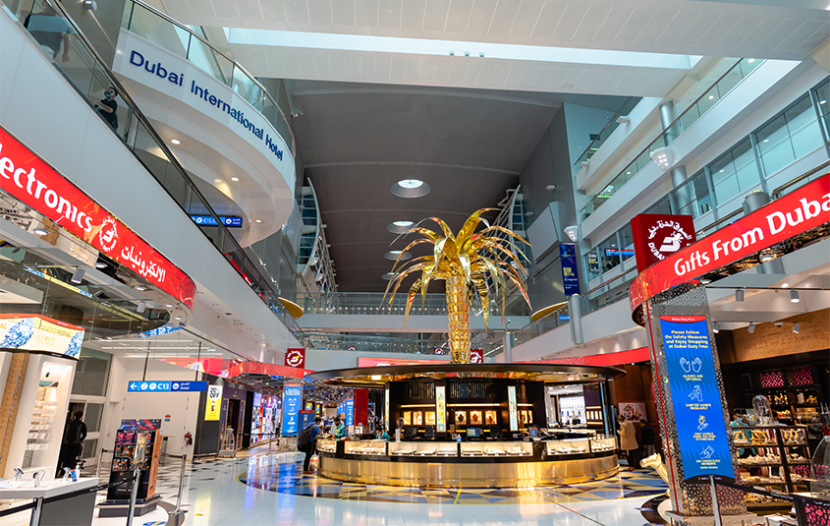
Dubai International Airport achieved a historic benchmark in 2024, welcoming 92.3 million passengers and solidifying its status as the world’s busiest international airport for the tenth consecutive year. This figure eclipses its previous high of 89.1 million set in 2018 and underscores the emirate’s strategic role in global aviation.

The surge in passenger traffic reflects Dubai’s sustained investment in infrastructure and its appeal as a nexus for international travel. December emerged as the busiest month, recording 8.2 million travellers, highlighting the city’s capacity to handle peak demand efficiently.

India remained DXB’s top destination market, contributing 12 million passengers. Saudi Arabia and the United Kingdom followed, with 7.6 million and 6.2 million passengers respectively. The airport’s extensive network now connects to 272 cities across 107 countries, serviced by 106 airlines, reinforcing its position as a global hub.

Operational efficiency has been a cornerstone of DXB’s success. Despite the increased footfall, 98.2% of departing passengers cleared passport control in under ten minutes, and 99.2% passed through security in less than five minutes. Baggage handling also saw improvements, with only 5.5 mishandled bags per 1,000 passengers, outperforming the international standard of 6.9.

Over the past decade, DXB has facilitated over 700 million passenger journeys across more than 3.3 million flights. This consistent performance is attributed to the airport’s commitment to innovation and excellence in service delivery.

Looking ahead, plans are underway to transition operations to Al Maktoum International Airport by 2032. The proposed $35 billion expansion aims to accommodate future growth, featuring five parallel runways and 400 aircraft gates. The design incorporates advanced technologies, including facial recognition systems, to streamline passenger processing and enhance the travel experience.

Dubai’s aviation sector continues to outpace traditional competitors. While London’s Heathrow Airport recorded 63.1 million passengers in the same period, DXB’s figures underscore its dominant position in international air travel.

Pi Coin has gained significant momentum, increasing by over 25% in a single day, with its price surpassing $0.75. This surge places Pi Coin among the leading altcoins for the day, reflecting growing optimism in the cryptocurrency community. Over the last 24 hours, Pi Coin has recorded a remarkable 30% rise, with its value climbing approximately 52% over the past week. The recent jump in Pi Coin’s […]

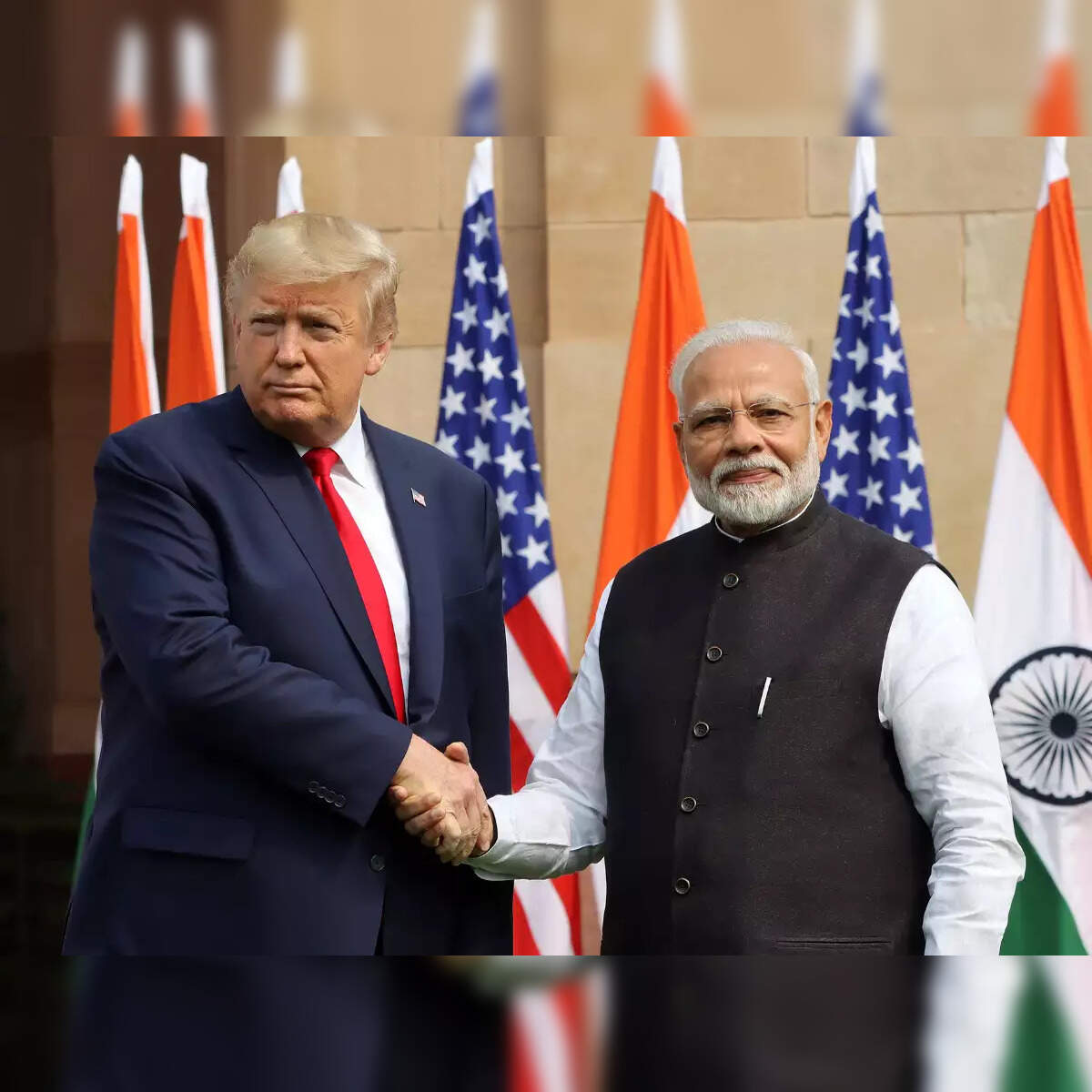
By K Raveendran In both foolhardiness in decision making and shameless flip-flop in dealing with disastrous aftermaths, Narendra Modi and Donald Trump have exhibited a total lack of honesty in admitting their mistakes. The similarity is too striking to be missed. Thanks to recklessness and impulsiveness in decision making—Narendra Modi with demonetization and Donald Trump […]


U.S. shale oil producers are confronting a challenging landscape as falling crude prices, escalating tariffs, and global market shifts undermine the sector’s profitability and growth prospects. Despite technological advancements that have bolstered production efficiency, the convergence of economic and policy pressures is prompting a reassessment of the industry’s trajectory.

Crude oil prices have declined to approximately $55 per barrel, a level below the $65 threshold that many U.S. shale companies require to maintain profitable operations. This price drop is attributed to a combination of increased output from the Organization of the Petroleum Exporting Countries and the impact of tariffs on imported equipment, which have raised operational costs for domestic producers. The U.S. Energy Information Administration has adjusted its 2025 crude price forecast downward from $70.68 to $63.88 per barrel, reflecting these market dynamics.

The rig count, a key indicator of drilling activity, has experienced a significant decline. According to Baker Hughes, the number of active oil rigs in the U.S. fell by nine in the past week, marking the largest single-week drop since June 2023. The Permian Basin, the nation’s most prolific shale region, saw its rig count decrease by five to 289, the lowest level since December 2021. This trend suggests a cautious approach among producers in response to the current economic environment.

President Donald Trump’s administration has advocated for increased domestic energy production as part of its “America First” agenda. However, the imposition of tariffs, particularly on steel and other imported equipment essential for drilling operations, has inadvertently strained the sector. Industry analysts warn that these policies may counteract efforts to achieve energy dominance by making U.S. oil less competitive on the global stage.

Efforts to expand U.S. energy exports have also encountered obstacles. The administration’s proposal for the European Union to purchase $350 billion worth of American energy products to address trade imbalances has been met with skepticism. European officials cite logistical challenges, existing long-term contracts with other suppliers, and a strategic emphasis on energy diversification as barriers to such a substantial shift in procurement.

Despite these challenges, U.S. shale production is projected to reach new heights. BloombergNEF forecasts a 4.5% increase in output, bringing production to a record 13.9 million barrels per day in 2025. This growth is attributed to improved drilling techniques and efficiencies that allow for greater output with fewer rigs. However, the sustainability of this growth is uncertain amid the current economic pressures.

The industry’s focus has shifted toward capital discipline and shareholder returns, moving away from aggressive expansion strategies. This shift, combined with the financial strain of tariffs and low oil prices, has led to a more conservative approach to drilling and investment. Some companies are exploring mergers and acquisitions as a means to consolidate resources and reduce operational costs.

Technological advancements continue to play a role in enhancing production efficiency. Innovations such as longer lateral wells and simultaneous fracturing of multiple wells have improved output per rig. However, the benefits of these technologies may be offset by the increased costs associated with tariffs and the need for significant upfront investment.

Matein Khalid “We went eyeball to eyeball and the other guy blinked” – JFK said about Nikita Peasantovich Shoe Bangarov after Stalin’s henchman in the Red Terror back down in the Cuban missile crisis. Trump has gone eyeball to eyeball with the bond market and Xi Jinping but only the Dragon Empire’s Emperor for Life has blinked while the bond vigilantes have gone berserk in the netherworld […]

By Anjan Roy Just as Donald Trump’s tariffs had shaken the world and the financial markets, a sudden brake on their implementation had equally shocked leaders to market sloggers as much. President Trump had equally abruptly pushed back the time when his “reciprocal” tariffs were to kick in. He deferred it by ninety days and […]

Saudi Arabia’s leading petrochemical firms are projected to report significant year-on-year declines in net profits for the first quarter of 2025, reflecting ongoing challenges in global demand, pricing pressures, and operational headwinds across the sector. Saudi Basic Industries Corporation , the kingdom’s flagship chemicals producer, is expected to post a 47% drop in net profit to SAR 130 million for Q1 2025, down from SAR 246 million […]

HONG KONG SAR – Media OutReach Newswire – 11 April 2025 – Today, IX Asia Indexes announced the 2025 1st quarter review of ixCrypto Index Series. The constituent changes will be effective on 18th April 2025 (Friday) (“the effective date”). The results of the constituent review and exchange review are as follows: 1. Constituent Review – ixCrypto Index Series 1.1 ixCrypto Index (“IXCI”) The number of constituents […]

Morocco is poised to become a central figure in Africa’s digital transformation as it prepares to host the third edition of GITEX Africa Morocco from 14 to 16 April 2025 in Marrakech. This event, held under the High Patronage of His Majesty King Mohammed VI, is organized by the Ministry of Digital Transition and Administration Reform in partnership with the Digital Development Agency (ADD) and KAOUN International. […]

The much-anticipated auction of ‘REAL’, a memecoin associated with mixed martial arts champion Conor McGregor, concluded without meeting its $1 million minimum bid. Organized by Real World Gaming , the auction aimed to capitalize on McGregor’s global appeal to fund innovative gaming projects. Despite expectations, the initiative did not attract the necessary financial backing.

Real World Gaming, formerly known as Balthazar DAO, rebranded in June 2022 to better align with its mission of integrating blockchain technology into the gaming industry. The organization focuses on developing next-generation wagering games and has been actively involved in the Web3 gaming space. The ‘REAL’ token was envisioned as a bridge between the gaming community and cryptocurrency enthusiasts, offering unique experiences and governance rights within the RWG ecosystem.

The auction’s failure to secure the minimum bid reflects the volatile nature of the cryptocurrency market, particularly concerning celebrity-endorsed tokens. While some memecoins have experienced significant surges, others have struggled to gain traction. The ‘REAL’ token’s underperformance may be attributed to several factors, including market saturation with similar offerings and growing investor skepticism toward celebrity-backed cryptocurrencies.

In contrast, other sectors within the cryptocurrency market have shown remarkable growth. Meme coins and real-world assets have led market gains in 2024. Leading meme coins such as Dogecoin , Shiba Inu , dogwifhat , Pepe , Bonk , and Floki Inu have seen their prices surge by an average of 338% year-to-date. Notably, dogwifhat’s value increased from less than $0.02 at the beginning of 2024 to around $1.80, reaching an all-time high of $4.58 in April. Similarly, real-world assets like Mantra and Ondo have experienced substantial gains, with increases of 1,570% and 380%, respectively.

The South African rand has fallen to unprecedented levels against the U.S. dollar, reaching 19.8225 on April 9, 2025, nearing its June 2023 record of 19.9075. This marks a decline of over 3% within the week. The depreciation is attributed to escalating global trade tensions and internal political instability. The recent downturn follows U.S. President Donald Trump’s imposition of a 10% baseline tariff on all imports, with […]

VISHNU RAJA
RYO YAMADA
HITORI GOTOH
IKUYO KITA
Just in:
As AI Reshapes Education, Singapore Convenes Global Dialogue on the Future of Early Childhood Education // APT29-linked campaign exploits outdated Apple and Android software // Burying Head In “India Made Poverty Reduction” Data Is Dangerous // Ta’ziz finalises $1.39bn funding for Ruwais industrial facilities // Utilities pursue ₹1,992 cr in unpaid bills // UK air traffic outage inflicted £33m financial losses // Pinarayi faults UDF over mounting road crashes // Fast Just Got Fastest: STING Energy Boost™ Celebrates Kimi Antonelli’s Formula 1® World Championship and the Fan Energy Behind It // ADIA and partners establish $1.4 billion aviation venture // Emirates Group records AED 4.1 billion half-year profit // e-Crime Bureau Signs Cybersecurity Partnership With Smart Africa, Reinforcing Its Global Expansion // Dubai boat show confirms international shipyard line-up for November // Oil and chip shares retreat after Democratic victories // Asia Left Behind: Ten international companies have yet to report delivering on their cage-free egg pledges across the region // CR Longdation Aethereal Cybersecurity × Global Cybersecurity Alliance (GCSA) Join Hands to Establish the “AI and Cybersecurity Research Centre” // Middle East governments assess Iran war after US vote // AI trust gap reveals distinct retail priorities: Divergent paths to consumer growth in Hong Kong and the GBA // xCube Access Welcomes Entrust Capital Limited  Expanding Access to Professional Portfolio Management // Vance attributes Republican midterm defeats to Iran conflict // Cyberport Venture & Capital Forum 2026 Grand Opening //