News related to
fall

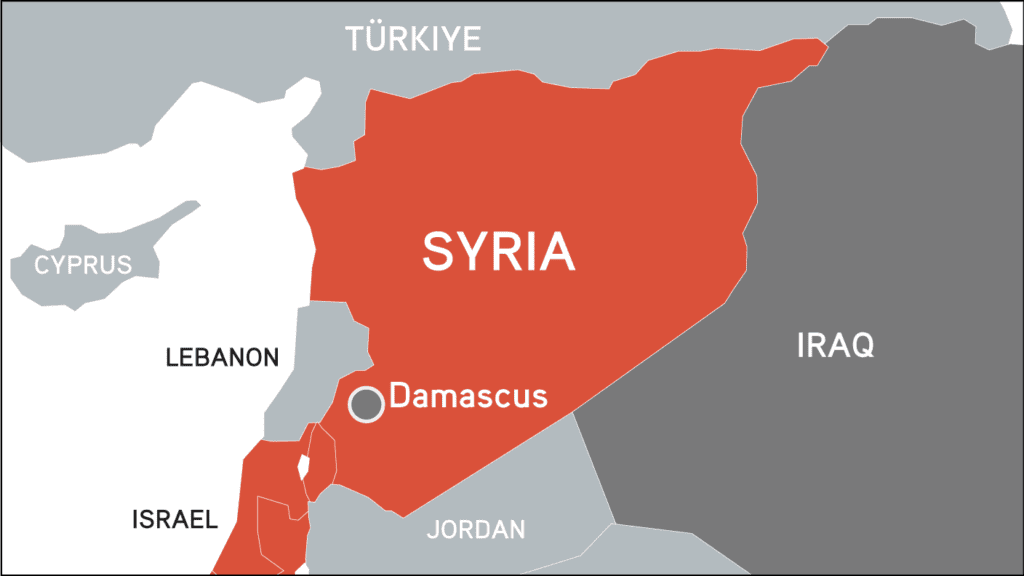
Matein Khalid The dramatic events of last week in Syria have only boosted President Erdogan’s role as the preeminent regional powerbroker in the heart of the Arab Levant as Turkish armed/financed Sunni militias engineered their collapse of the 54-year-old Assad dynastic tyranny in Damascus. Syria is once again a de facto Turkish protectorate, as it was in the five centuries since Sultan Selim Yavuz vanquished its Mamluk […]

Organizations Worldwide Brace for a Year of AI Transformation, Security Challenges, and Sustainability Imperatives SINGAPORE – Media OutReach Newswire – 11 December 2024 – NetApp® (NASDAQ: NTAP), the intelligent data infrastructure company, released its second annual Data Complexity Report, which examines how global organizations are navigating the increasing complexity of managing their data for AI. This year’s report provides a global view into how AI will impact […]

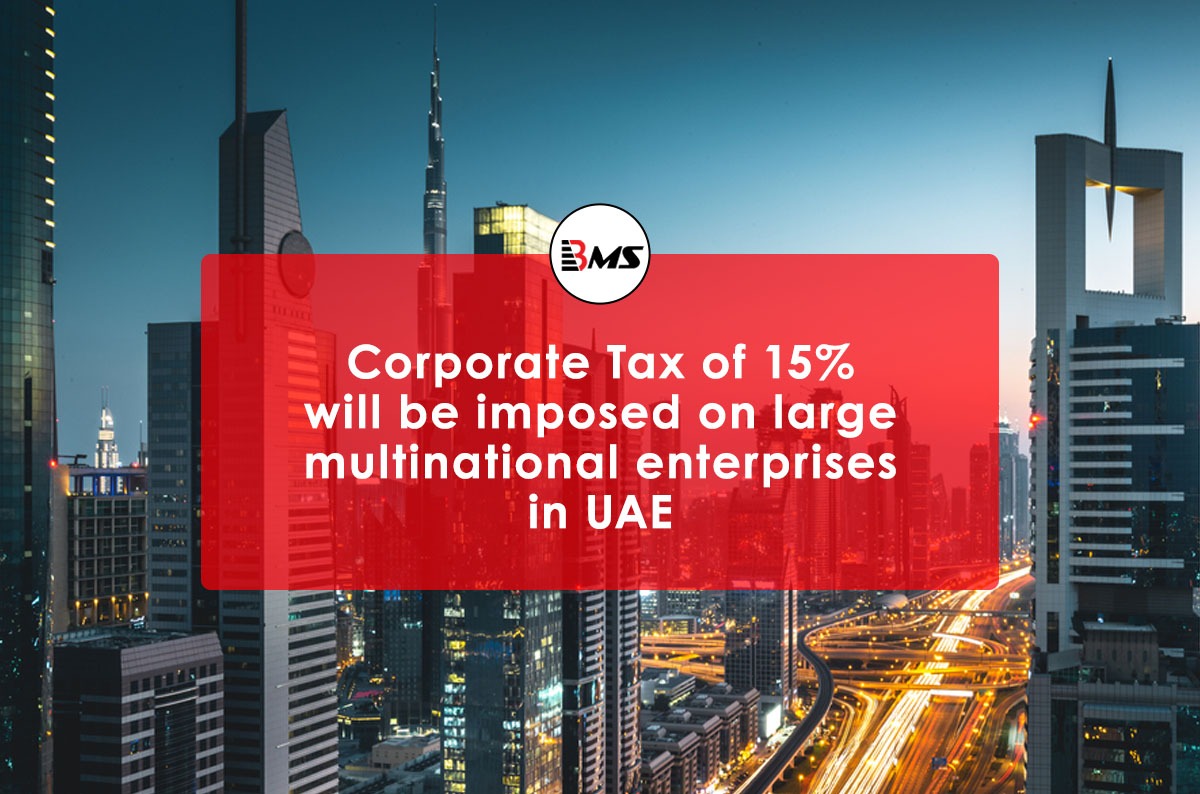
The UAE has implemented a significant tax reform aligning with global standards by introducing a 15% top-up tax for multinational enterprises (MNEs) with annual revenues exceeding €750 million. This development, effective January 2024, is part of the UAE’s commitment to the OECD’s Inclusive Framework on Base Erosion and Profit Shifting (BEPS), specifically Pillar Two of the global minimum tax rules.

This measure targets large corporations operating in multiple jurisdictions to ensure they pay a fair share of taxes. The top-up tax seeks to bridge gaps where corporate tax obligations in the UAE fall below the global minimum. Without such a provision, profits earned in the UAE could face additional taxation in countries where the parent entities are based. The reform is a step toward aligning with international tax principles, reducing tax avoidance, and fostering equitable competition.

The framework of the top-up tax is embedded in the Federal Decree-Law No. (60) of 2023. This legislation amends earlier provisions in the UAE Corporate Tax Law, detailing the mechanism to calculate and apply the new tax rate. The law mandates that multinational corporations calculate their effective tax rate in the UAE and apply a top-up to meet the 15% threshold if needed. This move not only strengthens compliance with global tax norms but also positions the UAE as a cooperative jurisdiction for international businesses.

The impact on businesses is multifaceted. For affected corporations, compliance involves meticulous record-keeping and aligning reporting standards with the OECD’s guidelines. Tax professionals in the UAE have emphasized the importance of early preparation, as the top-up tax applies retroactively to fiscal years beginning after the law’s effective date. Companies are advised to review their structures and consult experts to navigate the complexities of these changes.

From an economic perspective, this reform underscores the UAE’s proactive approach in maintaining its appeal as a global business hub while adhering to international expectations. It is anticipated that this move will encourage transparency and accountability among multinational corporations, ensuring their contributions align with their global earnings.

While the 15% tax does not alter the UAE’s standard corporate tax rate of 9%, it exclusively targets the largest global players operating within the country. Small and medium-sized enterprises, as well as those earning less than the revenue threshold, remain unaffected. The delineation ensures that the UAE continues to foster a supportive environment for smaller businesses while holding large corporations accountable for their tax obligations.

The UAE’s participation in the OECD’s BEPS initiative reflects its commitment to global economic collaboration. By adopting Pillar Two, the UAE joins over 140 jurisdictions working to implement minimum tax standards. This alignment not only safeguards the country’s reputation but also contributes to broader efforts to address tax base erosion and profit shifting by multinational enterprises.

Matein Khalid The late summer and autumn of 2024 may well go down in history as the Berlin Wall moment for the Middle East as the collapse of the nightmarish Assad dynastic dictatorship will have a seismic geopolitical fall out across the region. Iran has lost its land bridge/weapon supply conduit to its proxy militia Hezbollah, itself decapitated and militarily degraded by the IDF in Lebanon. Baathist […]

The United States government has approved the export of cutting-edge artificial intelligence (AI) chips to the United Arab Emirates (UAE) under a deal involving Microsoft and the Emirati technology firm G42. This decision comes after a prolonged review, and the deal underscores growing interest in enhancing the UAE’s AI capabilities. Microsoft has invested heavily in G42, forming a partnership to push forward the development of AI technologies in the UAE, but the approval has sparked debates over security risks and potential misuse of the technology.

Microsoft’s $1.5 billion investment in G42 this year not only includes a minority stake but also a strategic partnership that integrates Microsoft’s cloud services with G42’s AI applications. This collaboration is expected to enhance the UAE’s role as a leading player in AI development, especially in areas such as healthcare, government services, and autonomous systems.

However, the deal has faced scrutiny from U.S. lawmakers, who expressed concerns over G42’s potential links to China. The fears center on the possibility of U.S. technology being leveraged by adversarial nations, particularly given G42’s connections to powerful players in the Middle East. U.S. officials have raised alarms about the company’s ties to the Chinese government and its military, fearing that advanced AI systems could inadvertently benefit Beijing or other entities of strategic concern to the U.S.

To mitigate these concerns, the U.S. government imposed strict conditions on the export. Among the most notable restrictions, personnel from countries subject to U.S. arms embargoes, including China, are prohibited from accessing the Microsoft-operated facility in the UAE. Additionally, the deal specifically blocks individuals linked to the Chinese government or organizations based in China from using the technology. These safeguards are designed to ensure that sensitive U.S. technology is not misappropriated by entities that could pose a threat to national security.

Despite these precautions, the deal has ignited a broader conversation about the global race to develop and deploy AI technologies. U.S. officials have repeatedly warned that AI advancements, particularly in fields like military applications and weapons technology, could have significant national security implications. In light of this, the Biden administration has taken steps to bolster oversight of AI development, with mandatory disclosures required from developers of large-scale AI systems regarding the potential security risks of their technologies.

G42, which is partially owned by Abu Dhabi’s sovereign wealth fund and chaired by Sheikh Tahnoon bin Zayed Al Nahyan, has tried to reassure critics by emphasizing its compliance with international standards on AI and its commitment to transparency. However, the company’s efforts have not fully alleviated concerns, with many observers questioning whether the restrictions will be sufficient to prevent sensitive technology from falling into the wrong hands.

The partnership with Microsoft is seen as a major boost for the UAE’s ambitions to position itself at the forefront of AI research and development. The country has long sought to diversify its economy beyond oil, and AI is seen as a key pillar of this transformation. Yet, as this deal shows, the international implications of such partnerships are complex and multifaceted. While the UAE stands to benefit from access to some of the world’s most advanced AI technologies, the potential security risks associated with the transfer of such capabilities remain a point of contention.

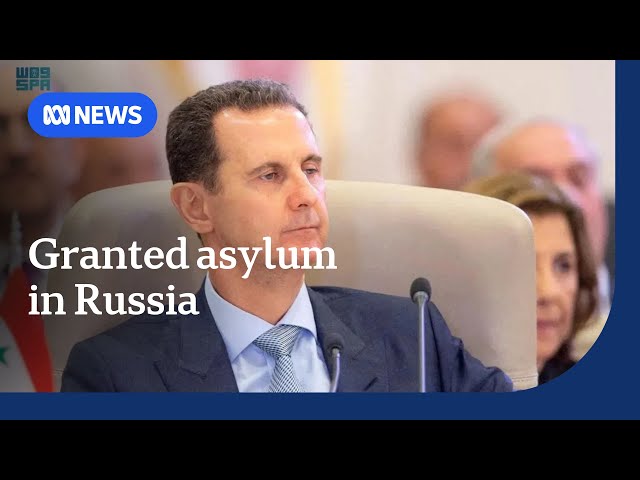
By Nitya Chakraborty The already war ravaged West Asian region has entered into a new phase of geo political turmoil with the ouster of the Syrian President Bashar-al Assad Government and the President fleeing from Damascus on Sunday to Moscow and granted asylum there by the Russian Government. The defeat of the Syrian Bath Party […]

New supply to weigh on office sector rental levels, while core retail high street rents continue to recover Grade A office year-to-date (YTD) net absorption as at mid-November recorded 1 million sq ft, with overall rents down by 5.9% in the same period. Rents are forecast to experience further downwards pressure in the 7%–9% range in 2025. Prime retail high street store leasing momentum slightly picked up […]

Advertisements

Global oil prices have seen a sharp increase, driven in part by a growing crisis in Syria’s energy sector. The country, already plagued by years of conflict, is facing an acute shortage of oil due to ongoing economic turmoil and political instability. Reports indicate that Syria’s oil production has drastically dropped from 90,000 barrels per day to just 20,000, a situation exacerbated by Turkish military operations in the northeast, which have impacted key oil fields. Compounding this, fuel shipments from Iran—once a lifeline—have slowed down, further straining Syria’s fuel supply.

Syria’s dependence on Iranian oil has been critical, with Tehran supplying up to 16 million barrels in 2024 alone. However, this amount falls far short of the country’s daily requirements, leading to black market surges and skyrocketing prices. The government’s cutbacks on fuel subsidies, alongside failed efforts to stabilize its own oil fields, have intensified the energy crisis. Public protests, triggered by shortages, reflect the widespread discontent, and basic goods like food have become increasingly difficult to transport due to high fuel costs.

Bitcoin’s monumental climb to $100,000 had all the trappings of a historic achievement. The cryptocurrency’s value soared as market analysts predicted continued growth, and investors dreamed of an even greater financial revolution. Despite the fanfare surrounding Bitcoin’s rally, an unexpected event in the world of altcoins quickly drew significant attention: the sudden collapse of Hawk Tuah, a cryptocurrency that had captivated many. What was once seen as a promising token has now raised questions about the stability of digital assets and the volatile nature of the crypto space.

Bitcoin’s $100K achievement was anticipated for years by its most ardent supporters, who argue that the cryptocurrency is poised to disrupt traditional finance. Many analysts view Bitcoin as a store of value akin to gold, especially during times of economic instability. A surge in institutional investment and public interest contributed to the rise in Bitcoin’s price, spurred by fears of inflation, the erosion of traditional financial systems, and growing support from government-backed institutions worldwide. As Bitcoin breached the $100K mark, enthusiasts celebrated, hoping the moment would mark the beginning of a new era for digital currencies.

However, while Bitcoin was grabbing the headlines, an altcoin—Hawk Tuah—was making waves for a completely different reason. A social media frenzy about Hawk Tuah’s potential led to an influx of retail investors, many of whom viewed the coin as a shortcut to quick profits. Cryptocurrency enthusiasts, seeking new opportunities outside Bitcoin, were drawn to Hawk Tuah’s marketing promises, with influencers and self-styled financial gurus touting it as a major up-and-comer.

The coin’s rapid ascent was fueled by hype and speculation, yet the rapid downfall was equally abrupt. Less than a week after Hawk Tuah reached its all-time high, it became clear that the project was riddled with issues: broken promises, questionable development practices, and, in some cases, fraud allegations. In an industry plagued by instability and a lack of regulation, the Hawk Tuah crash was a stark reminder of the risks involved in crypto investments.

In many online communities, the collapse of Hawk Tuah overshadowed Bitcoin’s milestone. Enthusiasts who had once been excited about Bitcoin’s price surge seemed far more engaged in analyzing the rise and fall of the altcoin. Even conversations among casual investors and retail participants shifted focus toward the sudden evaporation of Hawk Tuah’s market capitalization. Some even compared the situation to the famous “pump and dump” schemes that have plagued the crypto space for years.

Experts have weighed in on why the drama surrounding Hawk Tuah stole attention from Bitcoin’s $100K moment. For one, the crypto space remains largely unregulated, making it difficult for investors to distinguish between legitimate projects and speculative ventures. As Bitcoin gains more mainstream acceptance, smaller projects like Hawk Tuah leverage social media and influencer marketing to attract the attention of everyday investors, often without offering a transparent roadmap or fundamental utility. These tactics have raised alarms among financial experts, who caution that the lack of due diligence can lead to catastrophic losses.

The emotional allure of altcoins often leads to impulsive decisions, driven by the fear of missing out on the next big thing. Retail investors, many of whom lack the expertise to fully assess the long-term viability of a crypto asset, tend to be drawn in by short-term price movements rather than evaluating the coin’s underlying technology and use case. Hawk Tuah was no exception. As news of its rapid price escalation spread across social media platforms, inexperienced traders piled in, hoping for a fast return.

While Bitcoin’s position as the leader of the cryptocurrency market remains undisputed, the Hawk Tuah debacle serves as a cautionary tale for investors. Even as Bitcoin’s market cap continues to soar, the volatility of altcoins like Hawk Tuah shows that the crypto landscape is still filled with uncertainty. The success of a few digital currencies can overshadow the broader, more dangerous realities of the market. While Bitcoin may continue to rise, the price of altcoins often remains susceptible to the whims of influencers, market sentiment, and, more ominously, scam artists.

For many, the Hawk Tuah disaster is emblematic of a larger issue in the crypto world: the lack of regulation and investor protections. Unlike traditional stocks, which are subject to stringent rules and oversight, the cryptocurrency market operates in a gray area, with minimal regulatory frameworks in place. This allows for rapid price fluctuations and allows unverified projects to thrive. With the crypto sector continually drawing new participants, questions surrounding accountability, transparency, and investor safety are growing louder.

Despite the turbulence in the altcoin market, Bitcoin’s fundamentals remain strong. Institutional adoption, continued mainstream integration, and growing interest from governments around the world are signs that Bitcoin’s rise may not be a fleeting moment but the start of a more stable, established financial instrument. Yet, even with Bitcoin’s increasing legitimacy, the volatility of the broader market continues to pose challenges for investors looking for consistent returns.


Dubai is set to undergo a significant urban transformation as part of a strategy spearheaded by Sheikh Mohammed bin Rashid Al Maktoum. A comprehensive initiative aims to establish over 3,000 kilometers of pedestrian pathways, reshaping the emirate into a walkable and sustainable urban hub. The masterplan, designed to enhance accessibility and quality of life for residents and visitors, aligns with Dubai’s long-term vision of urban excellence and environmental sustainability.

The ambitious project, described as a cornerstone of the city’s urban development strategy, seeks to balance modern infrastructure with human-centric design. The extensive network of pedestrian-friendly pathways will integrate with existing and upcoming public transport systems, including metro stations, bus routes, and water taxis, ensuring seamless connectivity across the emirate. This initiative reflects Dubai’s commitment to fostering an environment where walking becomes a preferred mode of transportation, promoting health, reducing carbon emissions, and enhancing the city’s appeal.

Under the directive, urban planners are tasked with reimagining key areas of Dubai, prioritizing walkability while preserving the emirate’s iconic aesthetic. Residential neighborhoods, commercial districts, and tourist hotspots will feature pedestrian zones equipped with shaded pathways, dedicated green spaces, and urban amenities. The initiative also plans to incorporate advanced technologies such as smart lighting and interactive information kiosks, enhancing the user experience while ensuring safety and accessibility.

Key urban corridors, including Sheikh Zayed Road, Downtown Dubai, and Dubai Marina, are expected to be focal points for pedestrian-oriented development. The emphasis will be on creating vibrant public spaces that cater to diverse community needs, fostering social interaction and enhancing the city’s cultural vibrancy. By transforming major thoroughfares into walkable zones, Dubai aims to reduce traffic congestion and encourage sustainable mobility practices.

Environmental sustainability is at the core of the masterplan, with efforts focused on reducing the urban heat island effect and improving air quality. Extensive tree planting and landscaping are integral to the strategy, creating natural cooling effects and enhancing the overall livability of the city. Dubai’s leadership has underscored the importance of integrating environmentally responsible practices into urban planning, viewing this initiative as a step toward achieving broader climate goals.

The masterplan also includes measures to address accessibility for all segments of society, with pathways designed to accommodate people of determination. Wheelchair-friendly ramps, tactile paving for the visually impaired, and audio navigation systems are among the features planned to ensure inclusivity. Dubai’s dedication to creating an accessible urban environment underscores its role as a global model for inclusivity in city planning.

The project is anticipated to boost the emirate’s economic appeal by increasing footfall in commercial areas and attracting investment in retail and hospitality sectors. Walkable cities are widely regarded as more economically vibrant, with studies indicating that pedestrian-friendly infrastructure positively impacts local businesses and tourism. By aligning economic growth with sustainable urban practices, Dubai reinforces its position as a leading global city.

Authorities have emphasized the importance of public participation in the success of this initiative, encouraging residents to provide feedback on proposed pathways and suggest areas for development. Community engagement is seen as vital to ensuring the project’s relevance and effectiveness, fostering a sense of ownership and pride among Dubai’s diverse population.

A group of 15 individuals has been charged in the UAE with orchestrating a sophisticated operation involving tax evasion and money laundering, amounting to an estimated Dh107 million. Authorities have uncovered the elaborate scheme, which spanned several years, and involved the deliberate manipulation of financial systems across multiple sectors. The accused face serious charges that include falsifying financial documents, illegal financial transactions, and laundering proceeds from illicit activities.

The UAE’s economic crime investigators worked in coordination with international law enforcement to bring down this network. The operation primarily targeted various business entities that utilized complex mechanisms to evade taxes while diverting funds to illegal channels. The group allegedly funneled money through multiple shell companies, inflating expenses, underreporting revenues, and misclassifying transactions to disguise the flow of illicit funds.

UAE authorities have stressed the importance of holding individuals accountable for such financial crimes, particularly given the impact on the nation’s reputation as a global financial hub. The case has sparked significant concern within the business community, as it underscores the need for more stringent financial controls to prevent similar occurrences in the future. The accused individuals include both local and foreign nationals, some of whom held significant managerial positions within their companies.

While the investigation is still ongoing, authorities have already identified numerous accomplices who facilitated the fraudulent transactions. As part of the investigation, multiple properties and assets have been seized, including luxury real estate and high-value vehicles, which investigators claim were purchased with the proceeds of illicit activities. The scale of the financial misdeeds has drawn the attention of both national and international regulators, prompting calls for enhanced monitoring systems and tighter enforcement of anti-money laundering laws.

The UAE government has long been committed to strengthening its legal framework to combat money laundering, tax evasion, and other financial crimes. As part of its efforts, the government has been working closely with international organizations such as the Financial Action Task Force (FATF) to ensure that the country’s financial institutions adhere to the highest standards of transparency and accountability. This case serves as a stark reminder that the UAE remains vigilant in its fight against financial misconduct and will continue to take aggressive steps to uphold its global standing as a leading financial center.

In light of these developments, experts are warning businesses to ensure that their financial operations are fully compliant with the country’s regulations. Financial institutions in the UAE are now under increasing pressure to implement enhanced monitoring systems and report any suspicious activities promptly to the authorities. With the financial landscape rapidly evolving, there is a growing emphasis on the need for businesses to maintain rigorous internal controls and transparency in their operations to avoid falling victim to similar schemes.

The accused individuals are expected to face significant penalties if convicted, including heavy fines and lengthy prison sentences. UAE authorities are taking a firm stance on white-collar crime, with an increasing number of high-profile cases being brought to trial in recent years. As the legal proceedings continue, it is expected that further revelations may emerge about the scope of the operation and the individuals involved, shedding light on the complex networks that facilitate financial fraud and money laundering.

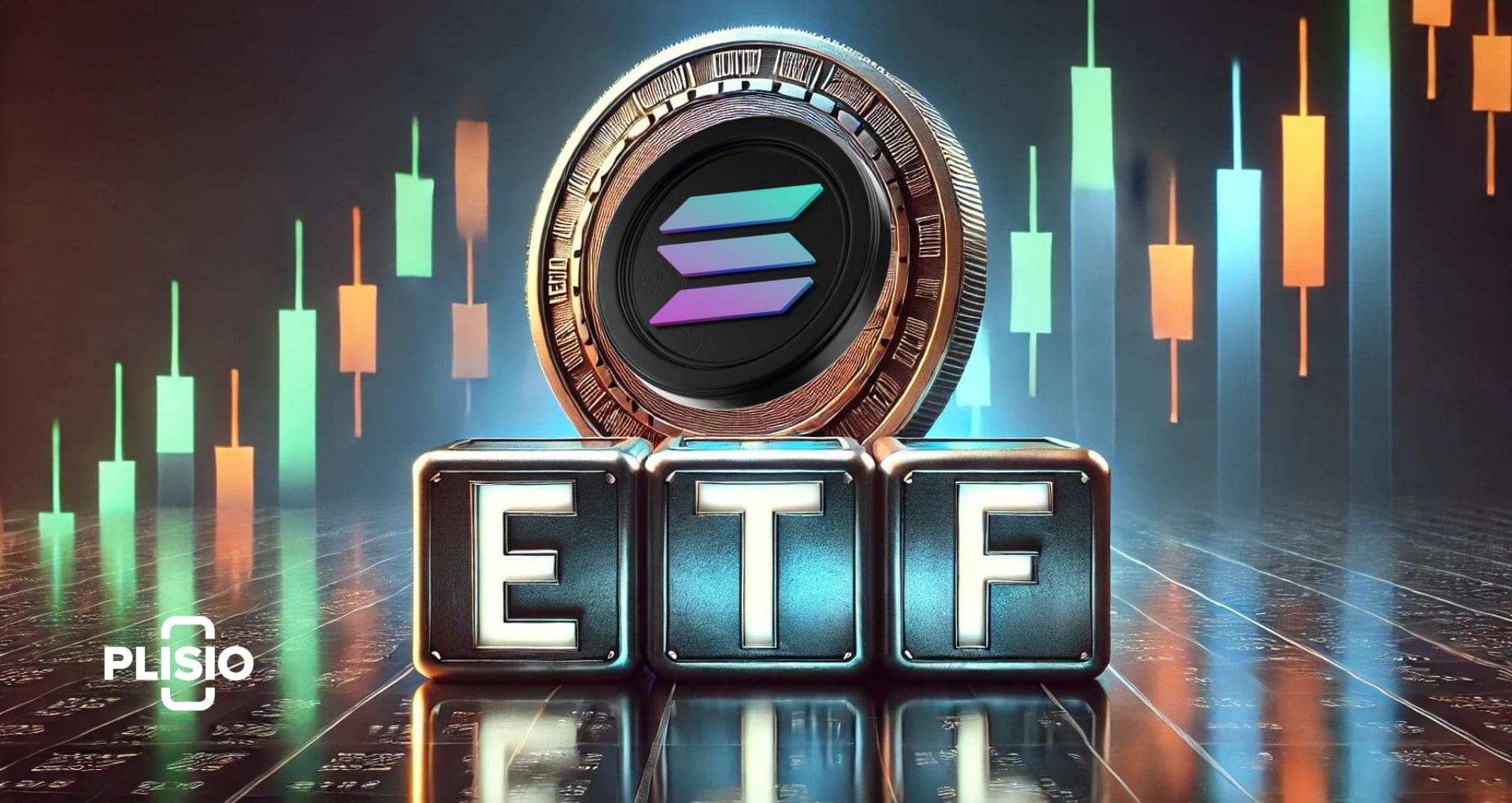
The U.S. Securities and Exchange Commission (SEC) has taken steps to halt progress on Solana exchange-traded fund (ETF) applications submitted by multiple issuers. These ETFs, designed to offer investors direct exposure to Solana (SOL), have encountered significant regulatory resistance. This marks a substantial setback for proponents of cryptocurrency-based ETFs within the United States.

At least two of the five firms seeking SEC approval for Solana ETFs, including prominent asset managers like VanEck and 21Shares, were informed their applications under the 19b-4 rule would not proceed. These filings, which represent a request to amend exchange listing rules to accommodate new financial products, are a critical step toward launching ETFs. However, the SEC’s decision to reject these applications indicates the regulatory body’s ongoing unease with the cryptocurrency market. Reports suggest the agency is particularly concerned about the classification of Solana as an unregistered security and its implications for the broader financial system.

The SEC’s scrutiny comes amid heightened attention on cryptocurrencies, with regulators debating whether certain digital assets, including Solana, function as securities or commodities. Solana’s rapid adoption and integration into decentralized finance (DeFi) ecosystems have spurred investor interest, but the ambiguity surrounding its regulatory status has made institutional adoption in the U.S. challenging.

The rejected filings were submitted through the Chicago Board Options Exchange (Cboe) earlier this year. While some issuers remain optimistic that changes in the regulatory environment could reopen discussions, others view the SEC’s stance as a signal that cryptocurrency ETFs, especially those based on altcoins like Solana, will face significant hurdles under the current administration.

International markets, however, have taken a different approach. In Brazil, a Solana-based ETF recently gained approval from local regulators, highlighting the divergence in regulatory attitudes between jurisdictions. This development has provided a glimmer of hope for cryptocurrency advocates, who argue that the U.S. risks falling behind in fostering innovation in digital assets.

The SEC’s position reflects broader challenges faced by cryptocurrency ETFs, with regulatory concerns extending beyond Solana to include issues such as market manipulation, investor protection, and systemic risk. The rejection of Solana ETF filings echoes the agency’s previous denials of spot Bitcoin ETFs, which similarly struggled to address regulatory apprehensions.

DHL’s GoHelp program equips local employees with critical disaster response skills to enhance resilience 20 years after the 2004 Indian Ocean tsunami devastated Sri Lanka COLOMBO, SRI LANKA – Media OutReach Newswire – 6 December 2024 – DHL Group has expanded its GoHelp Disaster Response Team (DRT) training to Sri Lanka, strengthening resilience and preparedness against disasters in the Asia Pacific region. DHL Group’s first GoHelp Disaster […]

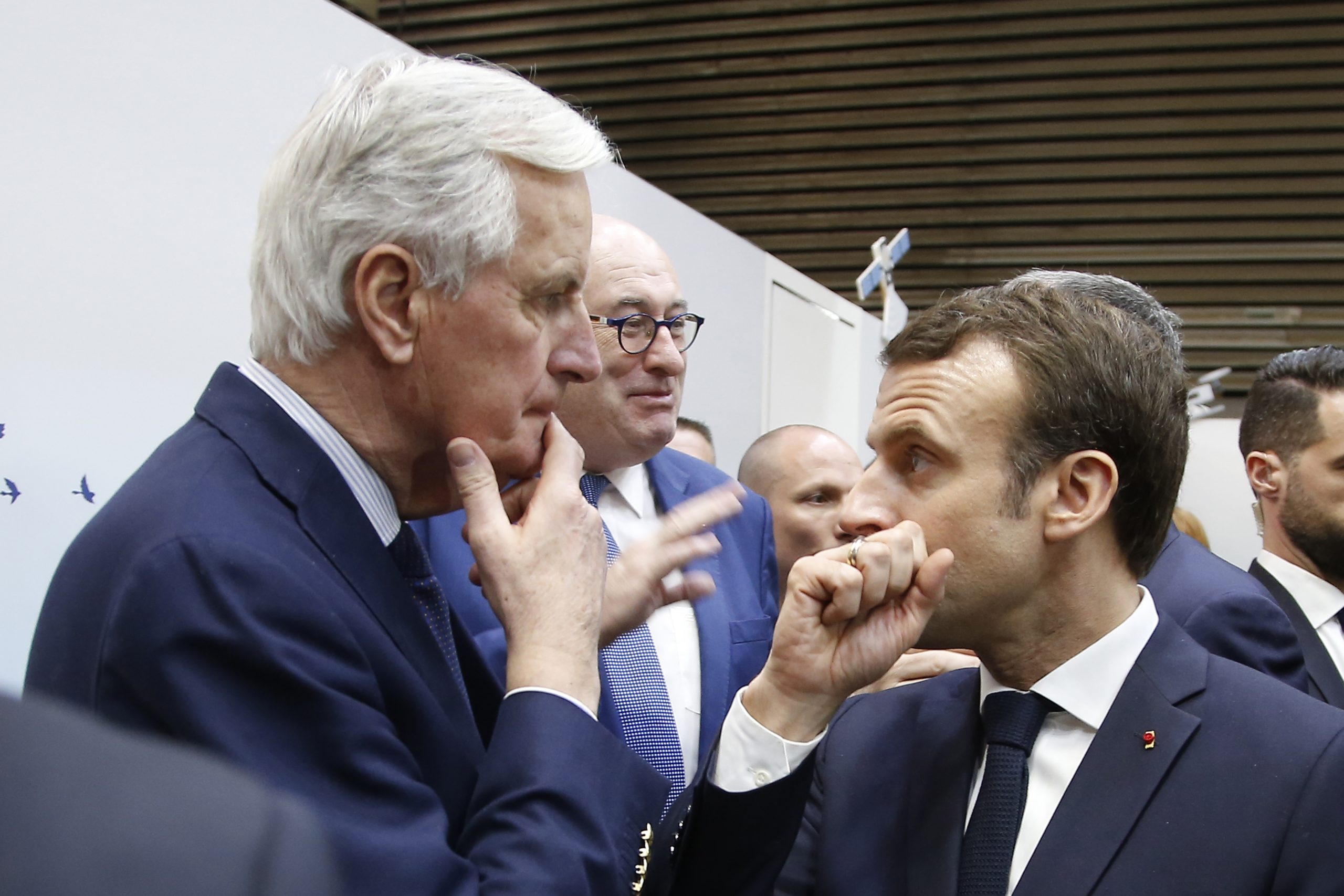
By Satyaki Chakraborty France landed on Wednesday night once again into a deeper political crisis after a no-confidence vote brought down the government, ending the beleaguered minority coalition of the conservative Prime Minister Michel Barnier propped up by the far right National Rally (RN) after only three months. The no-confidence motion brought by an alliance […]

Ubisoft has announced that it will be shutting down the servers for its free-to-play first-person shooter, *XDefiant*, after just seven months of operation. The decision comes as a result of the game’s inability to maintain a substantial player base and continued issues with player engagement. Ubisoft has confirmed that servers will officially close on June 3, 2024, but players can continue to enjoy the game until then. […]

Saudi Arabia’s presidency of COP16 has spotlighted the pressing need for enhanced funding for land restoration, urging the private sector to take a leading role in addressing the critical financial shortfall. As the world confronts escalating environmental challenges, the call aims to overcome what experts have described as a “blackhole” of financial resources necessary to restore degraded lands globally. The issue of land restoration has gained momentum […]

71% of organisations are using AI in their finance operations 57% of leaders say ROI is exceeding their expectations, compared to 29% of others. Financial reporting is the most common usage area – but this is widening out to include treasury management, risk management and tax Nearly three-quarters of leaders have developed principles and guidelines on the responsible use of AI HONG KONG SAR – Media OutReach […]

An important component in many industries is stainless steel screws and fasteners. Their advantages include high strength, corrosion resistance and possibility to operate at elevated temperatures. All fasteners, including hex bolts, nuts and other fastening components, have different kinds of threads; fasteners are fitted with threads and the external threading types determine how these fasteners will perform with given bolts or nuts. Therefore, reliability and performance of […]

Bitcoin dominance has dropped significantly, falling from 61.53% in November 2024 to 55.24%, marking a substantial shift in the cryptocurrency market. This decline has allowed altcoins to rise, with over 75% of the top 100 altcoins outperforming Bitcoin in recent market trends. The surge in altcoin performance is reflected in the Altcoin Season Index, which has surged to 88 points, signaling a potential shift in investor focus toward alternative cryptocurrencies.

The fall in Bitcoin’s dominance comes at a time when altcoins, including Ethereum, Solana, and newer entrants, have gained traction. Investors, once solely focused on Bitcoin, are now diversifying their portfolios, seeing opportunities in altcoins that offer different use cases and growth potential. Ethereum, the second-largest cryptocurrency by market cap, has benefited from its upgrades and use cases in decentralized finance (DeFi) and non-fungible tokens (NFTs). Similarly, Solana’s faster transaction times and lower fees have made it an attractive alternative for developers and traders alike.

The decline in Bitcoin dominance indicates a broader trend in the market where investors are increasingly seeking higher returns by diversifying their holdings. Bitcoin, long viewed as a store of value, has struggled to maintain its dominance amidst growing competition from altcoins offering more advanced technological solutions. While Bitcoin remains the most recognized cryptocurrency, the emerging competition presents a challenge to its market supremacy.

The rise of decentralized finance platforms, smart contract capabilities, and innovations such as layer-2 solutions have further contributed to the growing popularity of altcoins. These technologies promise greater scalability, lower costs, and faster transaction speeds, which make them more appealing for developers and users alike. In particular, layer-2 networks built on Ethereum, such as Optimism and Arbitrum, have seen increasing use due to their ability to handle transactions more efficiently, leading to greater adoption in sectors like gaming and decentralized exchanges (DEXs).

Ethereum’s network upgrades have played a significant role in shifting the focus away from Bitcoin. Ethereum’s transition to Proof of Stake (PoS) with the Merge in 2022 reduced its energy consumption, which in turn attracted more environmentally-conscious investors. Moreover, Ethereum’s growing role in enabling decentralized applications (dApps) and facilitating the rise of NFTs has contributed to its recent resurgence in market performance.

Solana, with its high throughput capabilities, is emerging as a strong competitor. The blockchain’s fast transaction speeds, scalability, and low fees have made it an attractive option for both developers and users. Additionally, Solana’s ecosystem is growing rapidly with more decentralized applications (dApps) and projects built on the blockchain. These developments have attracted substantial capital and boosted Solana’s position among the top altcoins.

Several newer altcoins such as Polkadot, Cardano, and Avalanche have also garnered attention from both investors and developers. Polkadot’s focus on interoperability between different blockchains allows for a more interconnected decentralized ecosystem, making it a key player in the altcoin market. Similarly, Avalanche’s consensus protocol, which promises to enable faster transaction finality and scalability, has helped it build a solid user base.

The increasing performance of these altcoins has been evident in various metrics, from market capitalization to developer activity and adoption by decentralized finance platforms. As the dominance of Bitcoin wanes, a broader market shift toward alternative cryptocurrencies seems to be underway, with altcoins now commanding a more significant portion of the market share. The Altcoin Season Index, which tracks the performance of the top 50 altcoins in comparison to Bitcoin, has surged to 88 points, indicating that altcoins are now outpacing Bitcoin in the current market environment.

As the altcoin season intensifies, the shifting focus of investors toward these alternative cryptocurrencies may continue. While Bitcoin remains a significant force in the cryptocurrency space, its market dominance is being challenged by altcoins that are gaining relevance due to their innovation, use cases, and technological improvements. The increased performance and adoption of these cryptocurrencies signal a potential new phase for the digital asset market, with altcoins leading the way in growth.

Memecoin MOODENG surged by 67% after being listed on Coinbase, ending a two-week slump where the token had fallen by more than 50%. This price increase signals renewed investor confidence and marks a significant rebound for the token, which had struggled to regain its earlier momentum in the highly volatile cryptocurrency market.

The surge began almost immediately after the listing announcement, with MOODENG’s value climbing to a new high of $0.0055. The coin, which had previously traded in a narrow range of between $0.002 and $0.003, has seen a dramatic change in investor sentiment. Analysts note that such dramatic fluctuations are typical in the meme coin sector, where market sentiment can swing drastically based on social media trends and exchange listings.

Coinbase, one of the largest cryptocurrency exchanges globally, has a history of driving up the price of tokens upon their listing. The platform’s decision to add MOODENG to its roster appears to have been a key factor in the coin’s price spike. Analysts suggest that the exposure provided by Coinbase has given the token a broader reach, attracting new investors who were previously hesitant due to MOODENG’s lack of mainstream visibility.

Despite the sudden price surge, MOODENG has not been immune to the volatility characteristic of memecoins. It has already seen sharp sell-offs after reaching its high, with prices retracting slightly, though remaining higher than before the Coinbase listing. This back-and-forth is emblematic of the memecoin market, where short-term speculation often drives the prices rather than long-term utility or adoption.

For investors, MOODENG’s rapid rise serves as a reminder of the unpredictable nature of meme-based cryptocurrencies. While some market participants may look to capitalize on quick gains, others may remain cautious, wary of the frequent boom-and-bust cycles that define the space. Analysts caution that the token’s future performance will largely depend on continued exchange support and community engagement, two elements that have proven essential for the success of memecoins.

Community-driven tokens like MOODENG have long been linked to social media trends and influencer endorsements, factors that can provide short-term boosts but leave the asset vulnerable to fluctuations in public interest. The MOODENG community, which has been vocal on platforms such as Twitter and Reddit, will play a crucial role in sustaining its momentum. If the community continues to generate excitement around the token, its price may see continued upward movement, but if the interest wanes, a decline may be imminent.

The Coinbase listing, while a significant milestone, also raises questions about the long-term sustainability of MOODENG’s market performance. Many memecoins, despite initial successes, fail to maintain their price levels once the hype fades. The fact that MOODENG is still largely driven by speculation and social trends rather than real-world use cases means its long-term prospects remain uncertain.

Despite the current euphoria surrounding MOODENG, market observers note that the broader memecoin sector continues to be a high-risk investment arena. The sector, which includes tokens like Dogecoin and Shiba Inu, has seen rapid price swings and unpredictable market behavior in the past. Investors remain cautious, aware that the volatility and speculative nature of the sector make it difficult to predict future movements with any certainty.

Shares of GQG Partners, a key investor in the Adani Group, plummeted significantly following an analyst report warning about the potential outflows from the firm’s portfolio. The note raised concerns regarding GQG’s continued exposure to the Adani Group amid increasing scrutiny over alleged bribery and fraud charges against Adani executives. The report, which was published late last week, highlighted a possible shift in investor sentiment as GQG […]

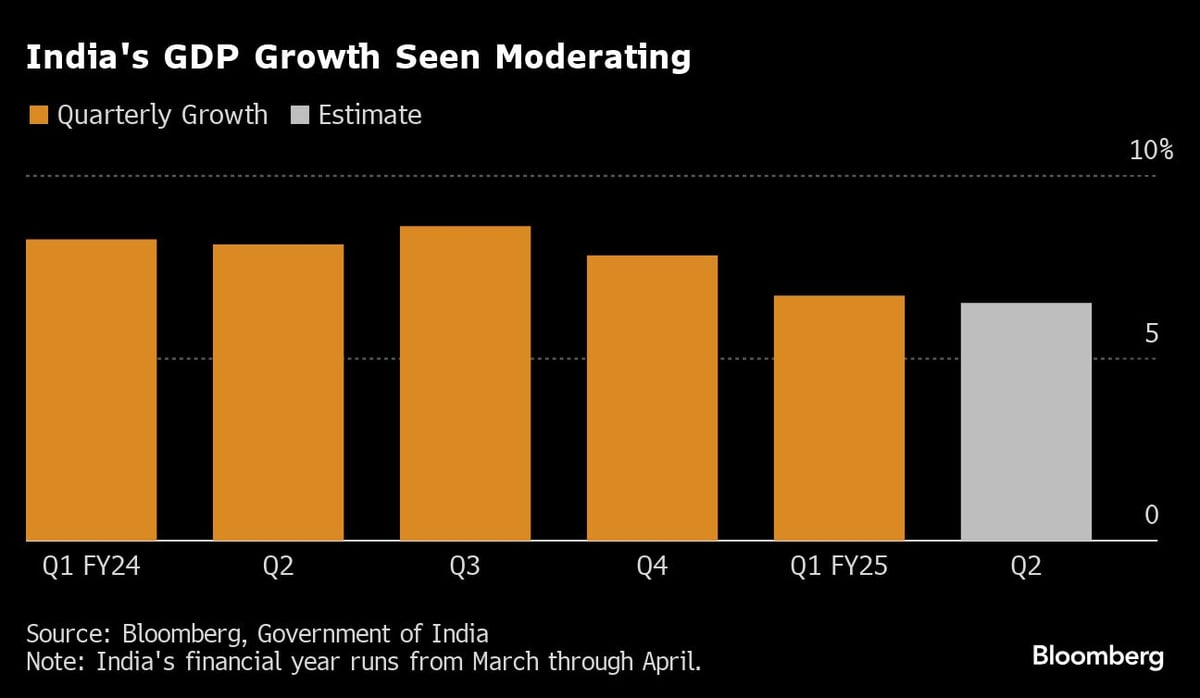
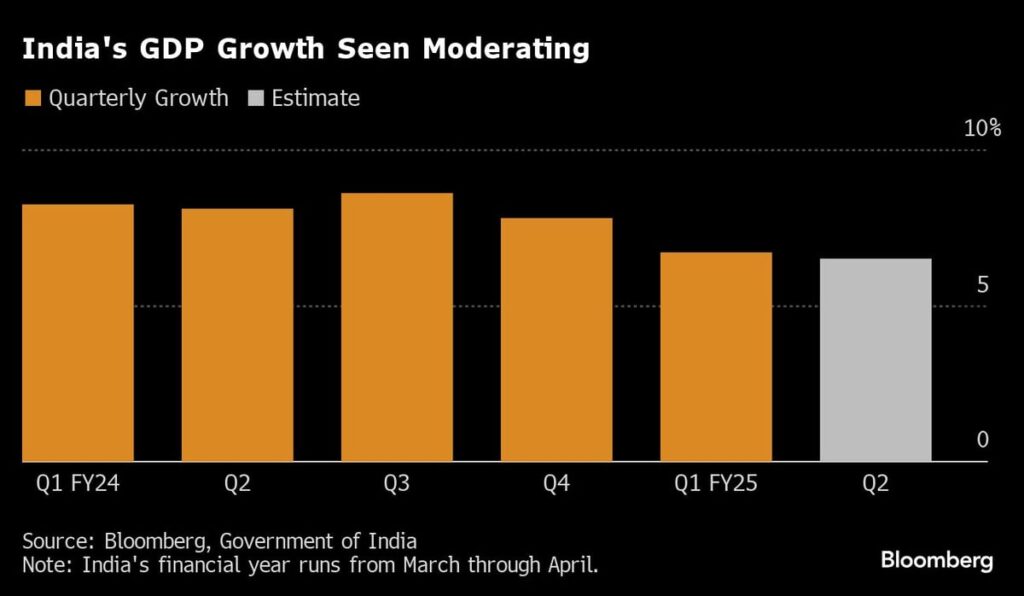
By Dr. Gyan Pathak Slowing down of GDP growth to seven quarters low of 5.4 per cent during second quarter of the financial year 2024-25 and contraction of the wages during the same period for the first time since the pandemic (March 2021) shows that India has fallen into a vicious circle of decline in […]
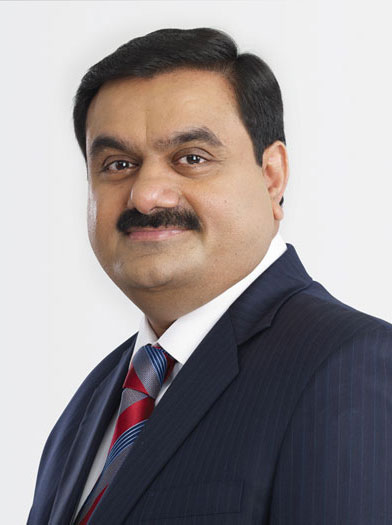
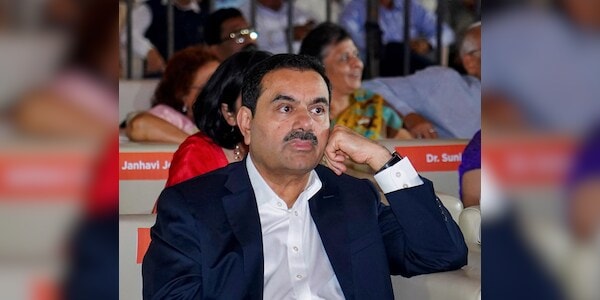
Gautam Adani, chairman of the Adani Group, faces allegations from U.S. prosecutors accusing him and his associates of orchestrating a bribery scheme to secure lucrative solar energy contracts in India. According to the indictment, Adani and others allegedly paid bribes totaling ₹2,029 crore (approximately $265 million) to government officials between 2020 and 2024. The scheme reportedly aimed to secure power purchase agreements essential for unlocking significant profits for the group and its U.S.-based partner.

The indictment outlines a sophisticated operation involving encrypted communications, code names, and falsified project justifications. Prosecutors have also accused the group of attempting to obstruct investigations by destroying evidence and staging a fake inquiry to mislead regulators. Additional charges include violations of the Foreign Corrupt Practices Act (FCPA) and securities fraud, highlighting the alleged use of deceptive claims to raise over $2 billion from U.S. investors.

Prominent figures implicated include Gautam Adani, his nephew Sagar Adani, and former CEOs of both Indian and U.S. entities involved in the projects. The case has reignited concerns about corporate governance and transparency within the Adani Group, which had already faced scrutiny following a report by Hindenburg Research earlier this year.

The allegations have sent shockwaves through the group’s financial landscape. Within hours of the charges being announced, the Adani Group canceled a $600 million bond offering, citing legal uncertainties. The company’s stock prices plummeted, with shares in Adani Enterprises falling over 20%. Bonds tied to Adani Green Energy also experienced steep declines, reflecting investor apprehensions about the group’s future.

By K Raveendran The defence mounted by the Adani Group, both by its leadership and by the Indian government, in the face of damning allegations of corruption and irregularities levelled by U.S. authorities, raises serious questions about the interplay between corporate interests and political power in India. While the U.S. investigation exposes what it claims […]
VISHNU RAJA
RYO YAMADA
HITORI GOTOH
IKUYO KITA
Just in:
ADIA and partners establish $1.4 billion aviation venture // BJP’s Aggressive Response Exposes Anxiety Over Opposition Unity // Burying Head In “India Made Poverty Reduction” Data Is Dangerous // ADIPEC leaders urge investment in global energy networks // Democrats capture Senate majority with seven Republican seats // Cloudflare unveils Zero Wire vulnerability intelligence service // mamun raises US$3 million to finance cross-border trade between the Gulf and Asia // Cyberport Venture & Capital Forum 2026 Grand Opening // Vingroup And Legends Global Announce Strategic Partnership For VinFast – Trong Dong Stadium // Arrow Electronics showcases technologies advancing intelligent robotics, mobility and digital infrastructure // xCube Access Welcomes Entrust Capital Limited  Expanding Access to Professional Portfolio Management // As AI Reshapes Education, Singapore Convenes Global Dialogue on the Future of Early Childhood Education // Fast Just Got Fastest: STING Energy Boost™ Celebrates Kimi Antonelli’s Formula 1® World Championship and the Fan Energy Behind It // Emirates Group records AED 4.1 billion half-year profit // Pinarayi faults UDF over mounting road crashes // After Reaching 7 Million Users in the Philippines, Skyro Launches Transparent Cash Loans in Malaysia // AI trust gap reveals distinct retail priorities: Divergent paths to consumer growth in Hong Kong and the GBA // CPI, CPM dispute portrayal of Vayalar uprising leaders // Anthropic to prohibit persistent abuse of Claude chatbot // U.S. Mid Term Result Is A Clear Verdict Against Trump’s Authoritarianism //