Just in:
AI trust gap reveals distinct retail priorities: Divergent paths to consumer growth in Hong Kong and the GBA // Pinarayi faults UDF over mounting road crashes // ADIA and partners establish $1.4 billion aviation venture // After Reaching 7 Million Users in the Philippines, Skyro Launches Transparent Cash Loans in Malaysia // Cloudflare unveils Zero Wire vulnerability intelligence service // Ta’ziz finalises $1.39bn funding for Ruwais industrial facilities // Dubai boat show confirms international shipyard line-up for November // OpenAI identifies 948 Linux privilege escalation flaws using AI // Cyberport Venture & Capital Forum 2026 Grand Opening // Arrow Electronics showcases technologies advancing intelligent robotics, mobility and digital infrastructure // Vance attributes Republican midterm defeats to Iran conflict // Asia Left Behind: Ten international companies have yet to report delivering on their cage-free egg pledges across the region // U.S. Mid Term Result Is A Clear Verdict Against Trump’s Authoritarianism // As AI Reshapes Education, Singapore Convenes Global Dialogue on the Future of Early Childhood Education // Fast Just Got Fastest: STING Energy Boost™ Celebrates Kimi Antonelli’s Formula 1® World Championship and the Fan Energy Behind It // APT29-linked campaign exploits outdated Apple and Android software // Burying Head In “India Made Poverty Reduction” Data Is Dangerous // Hong Kong mandates crypto transaction disclosures to tax authorities // xCube Access Welcomes Entrust Capital Limited  Expanding Access to Professional Portfolio Management // Meraas showcases five residential zones at Dubai Design Week //

News related to
fall

Global stock markets continue to experience significant losses, with sharp declines across major indices in Asia and other regions. The ongoing sell-off in equities has been driven by a combination of factors, including rising fears surrounding the stability of the global economy and concerns over the sustainability of the recent surge in artificial intelligence investments. These developments have raised alarm among investors, who are now bracing for the potential consequences of an AI bubble burst. As shares in major companies tumble, analysts are warning that the broader market could face deeper turmoil if the situation continues to deteriorate.

The volatility began when shares in leading technology firms, particularly in the AI sector, showed signs of weakness. Companies such as Google, Microsoft, and NVIDIA, which have heavily invested in AI technologies, saw substantial declines in their stock prices. Google’s CEO, Sundar Pichai, joined the growing chorus of voices warning that no company, regardless of its size or industry, would be immune if the AI-driven bubble were to burst. His remarks have further heightened concerns about the potential risks associated with the rapid adoption of AI technologies in various sectors, from finance to healthcare and manufacturing.

The sell-off has not been limited to just tech stocks. Broader market indices have also suffered, with the MSCI Asia-Pacific Index recording steep losses. Investors are particularly focused on the outlook for interest rates, as central banks, especially the Federal Reserve, have indicated that they will continue their tightening policies to combat inflation. This uncertainty regarding monetary policy has contributed to the risk-off sentiment, leading many investors to retreat from stocks and other risk assets.

Compounding the situation, the price of bitcoin, a barometer for risk appetite, has fallen to a seven-month low, reflecting the broader pullback from riskier assets. The digital currency, which had seen impressive gains earlier in the year, has now become a symbol of the broader unease in global financial markets. Its drop has triggered additional concerns, with some market participants fearing that the crypto market’s downturn could further exacerbate the sell-off in traditional equities.

The economic uncertainty has been exacerbated by geopolitical tensions, including the ongoing trade disputes between major economies, rising energy prices, and concerns over global supply chains. These factors have combined to create a perfect storm for investors, who are now facing mounting pressure to reassess their portfolios and risk exposures.

Corporate earnings reports are also under scrutiny, with many firms expected to report weaker-than-expected results due to higher input costs and slowing demand. Companies that had previously benefited from the pandemic-driven digital transformation, such as e-commerce giants and cloud computing providers, are now seeing their growth rates slow down. This slowdown is further contributing to the negative sentiment surrounding the stock market.

As the stock market sell-off continues, experts are advising caution and suggesting that investors should prepare for continued volatility in the months ahead. Some are calling for a reassessment of the risk associated with high-growth sectors, particularly those heavily reliant on AI technologies, while others recommend diversification to protect against potential downturns.

Donald Trump is poised to repeat a pattern of missteps that have troubled his foreign policy approach throughout his presidency. His handling of international relations often seems to confuse the appropriate balance between clarity and ambiguity, with significant consequences for both the United States and its global partners. This issue will come into sharp focus during his upcoming meeting with Saudi Arabia’s Crown Prince Mohammed bin Salman […]

Iran has launched an ambitious cloud-seeding operation as its water crisis intensifies, with authorities warning that the capital may face rationing or even evacuation if supplies cannot be sustained. The move comes against a backdrop of six years of dwindling rainfall and widespread depletion of reservoirs, particularly around Tehran, where dam-levels are at historic lows and domestic pressure on water supplies has escalated. A specialised aircraft under […]

By Nitya Chakraborty Bangladesh plunged into a fresh turbulence on Monday, November 17 after the International Crimes Tribunal (ICT) announced its verdict sentencing to death former Bangladesh Prime Minister Sheikh Hasina for” crimes against humanity” committed during last year’s student led agitation that led to the fall of her Awami League Government on August 5, […]

The article Bangladesh Plunges Into Fresh Turbulence After Tribunal’s Death Penalty To Sheikh Hasina appeared first on Latest India news, analysis and reports on Newspack by India Press Agency).

An in‑depth probe by the International Consortium of Investigative Journalists has unveiled a sprawling network of criminal finance powered by cryptocurrencies, highlighting how digital asset platforms, cash‑to‑crypto storefronts and unregulated exchange desks have become central to laundering money for human‑trafficking rings, drug cartels and Russian organised crime groups. The investigation, under the title “The Coin Laundry”, involved more than 100 journalists across 38 news outlets and casts a harsh light on how the crypto‑space has evolved into a parallel shadow financial system.

The core finding of the ICIJ project is that thousands of transactions—ranging from hundreds of millions of dollars—have flowed through crypto platforms that either lacked robust anti‑money‑laundering safeguards or deliberately facilitated anonymity. Some of the biggest cryptocurrency exchanges are shown to have moved hundreds of millions in funds tied to illicit actors even after criminal pleas and enforcement actions. The scale and the reach of the systems uncovered suggest that the digital‑asset industry has matured from niche speculation into a global conduit for organised illicit flows.

The architecture of this criminal system reveals several layers. First, cash‑to‑crypto storefronts operating in places like Dubai, Toronto and other jurisdictions emerge as physical bridges where cash is converted into crypto away from traditional banking rails. These outlets, according to the investigation, serve entities that “have lots of cash they want to offload without using a bank”. Secondly, certain crypto exchanges and wallets have been used to take funds from traffickers, drug networks or Russian criminal gangs, convert them into digital assets, transfer those across borders, then convert back into fiat currencies—often in jurisdictions with weak enforcement. Thirdly, mixers, anonymised cryptocurrencies and opaque wallet‑chains have enabled the origin and destination of funds to be obscured, making law‑enforcement tracking significantly harder.

Criminal networks profiting from these systems include people‑trafficking racks, where victims are moved across borders and payment flows routed via crypto; drug cartels that convert illicit cash into digital tokens to hide funds and move value swiftly; and Russian organised crime groups that make use of sanctions‑evading platforms to transfer funds internationally. The investigation points out how several Russian‑linked exchanges came under scrutiny after moving billions in assets on behalf of sanctioned individuals.

For regulators and law‑enforcement agencies, the ICIJ findings pose a serious challenge. Cryptocurrency was once hailed for its transparency because of blockchain traceability, yet the system has matured into one where anonymisation tools, cross‑jurisdictional flows and cash‑on‑ramps erode that promise. One analysis notes how the boundaryless nature of crypto and cash conversions has “erased national borders” in laundering schemes. The combination of weak regulatory oversight, technological complexity and global jurisdictional gaps means that the crypto sector now offers potentials previously reserved for traditional offshore banking and shell‑company networks.

From a regulatory‑policy perspective the report surfaces key faultlines. Many exchanges either operate in regulatory grey zones or rely on lax “know your customer” checks, enabling high‑risk actors to open accounts and move funds. The ICIJ investigation underscores how crypto to cash workflows are particularly acute in jurisdictions where enforcement is weak or cash‑based storefronts operate with minimal oversight. In India for example, investigators found that 144 cases over three years involved crypto routes used to funnel stolen or illicit cyber‑crime proceeds into global syndicates. That observation underscores how burgeoning crypto markets in emerging economies may be especially vulnerable to exploitation.

Industries beyond crypto feel the fallout. Traditional banking institutions face reputational risk when their clients or connected transactions use crypto intermediaries. Law‑enforcement agencies face mounting costs tracing and investigating these flows when the end‑destination is hidden behind layers of wallets or front businesses. Victims of people‑trafficking or drug networks often find no effective path to recovery, as the digital funds vanish into complex webs. One ICIJ commentary notes that while crypto platforms have profited from these illicit flows, those harmed are “left with little hope of justice”.

The ecosystem enabling this laundering structure demonstrates a careful interplay of legitimate and illegitimate actors. On one side are mainstream crypto exchanges, sometimes guilty of compliance failures or negligent oversight; on the other are fringe services—mixers that convert one token to another to obfuscate origins, anonymous coins such as Monero, and cash‑to‑crypto kiosks possibly operating in jurisdictions with lax enforcement. In the French legal reform context, a law recognising funds passing through anonymisation tools as part of money‑laundering was introduced, acknowledging how tools once fringe are now central to criminal flows.

From the enforcement standpoint the challenge is two‑fold: tracing funds and prosecuting high‑level actors. Blockchain analytics can trace token flows, but when the end‑recipient wallet is converted into cash via shadow exchanges or laundromats, it becomes a near‑impossible task. This is compounded when jurisdictions refuse to cooperate or when the conversion happens in physical storefronts beyond bank controls. One academic note highlights that conventional AML practices struggle to detect “subgraph” laundering patterns that exploit layered wallet behaviour and network effects.

The global regulatory environment currently appears mismatched to the scale of the problem. While policy makers have begun to act—such as the French law targeting anonymisation tools—many jurisdictions lack the statutory frameworks or enforcement resources to address crypto‑laundering at scale. Regulatory gaps are further compounded when major jurisdictions focus only on tokens traded on exchanges rather than on emerging narratives involving cash‑to‑crypto desks, unregulated decentralized platforms or off‑ramp services. One commentator described the flow from cash into crypto as “after tax‑havens, dirty money finds a new home: cryptocurrency”.

From a financial‑crime perspective, the finding that major exchanges still processed illicit funds even after criminal prosecutions signifies systemic weakness. This suggests that bad‑actor networks can rely on deep pockets, jurisdiction shifting and complex intermediaries to keep funds moving. The ICIJ investigation lists two of the world’s largest exchanges moving hundreds of millions in illicit funds after pleading guilty to crimes related to money laundering. These revelations raise questions about whether enough internal controls exist in the high‑volume crypto market and whether enforcement action has produced meaningful change.

The implications for victims of organised crime and for global governance are stark. For people trafficking survivors the money flows support networks that exploit human lives yet vanish into anonymous wallets across jurisdictions, making asset recovery and restitution extremely difficult. For drug‑trafficking networks, the agility and cross‑border speed of crypto conversion process provide large scale advantage. For states dealing with sanctions enforcement, the ability of crypto platforms to host cross‑border flows undermines the effectiveness of sanctions regimes.

While the ICIJ investigation sets out a clearer map of how these systems function, it also signals that the public and private sectors face an urgent need for stronger deterrence. Some proposals include mandatory global standards for exchange KYC/AML, registration of cash‑to‑crypto on‑ramp services, enhanced international cooperation for wallet tracing, seizure frameworks for anonymised funds and real‑time monitoring of conversion windows. A related academic analysis recommends adopting subgraph‑based network detection systems to identify laundering patterns earlier.

Industry players replying to the revelations argue that the bulk of legitimate crypto transactions are untainted and that enhancements to compliance are underway. Exchanges emphasise that transparency is improving with on‑chain traceability and that many illicit flows represent a small fraction of total volume. Some operators point out that regulators themselves are still developing the controls needed for a digital‑asset environment and that over‑regulation risks stifling innovation.

In parallel, a cultural shift is emerging where law‑enforcement bodies increasingly view crypto not just as a speculative market but as a core part of the financial‑crime ecosystem. Tasks once reserved for tracking offshore shell companies or cash couriers now must include tracing smart‑contracts, wallet clusters and token flows across borders. That evolution places a premium on technological capacity, inter‑agency cooperation and jurisdiction‑bridging legal tools.


Airbus is on the brink of securing a landmark deal with flydubai for the delivery of approximately 100 A321neo jets, marking a significant shift in the competitive dynamics of the Middle East’s rapidly expanding budget airline sector. The deal, expected to be finalised at the Dubai Airshow, would see Airbus surpass its US rival Boeing, which has traditionally been the dominant supplier to flydubai.

The discussions, which have been ongoing for several months, signal a potential turning point in the airline’s long-standing relationship with Boeing. Flydubai, a key player in the region’s low-cost carrier market, has been an exclusive Boeing customer for a significant portion of its fleet, operating predominantly 737 models. However, with demand for air travel surging across the Middle East and beyond, flydubai has been seeking to expand and modernise its fleet, considering a shift towards a more diversified aircraft portfolio.

Industry experts suggest that the A321neo, a more fuel-efficient version of Airbus’s popular A320, offers several advantages in terms of cost efficiency and operational flexibility. With its ability to serve both short-haul and medium-haul routes, the A321neo is well-suited to flydubai’s route network, which spans key destinations across Europe, Asia, and Africa. The aircraft’s larger seating capacity, improved fuel economy, and quieter engines also make it an attractive option for budget airlines looking to maximise profitability while meeting increasing passenger demand.

This potential order would represent a significant victory for Airbus, especially considering Boeing’s dominant presence at flydubai for over a decade. Flydubai has been a staunch supporter of Boeing’s 737, having placed orders for more than 200 of the aircraft in the past. The shift to Airbus jets, if confirmed, would be a blow to Boeing, which has faced various challenges in recent years, including the fallout from the grounding of the 737 MAX in 2019 following two fatal crashes. Despite regaining its footing with the 737 MAX’s return to service, the aircraft manufacturer has struggled to secure major deals in the region, especially with emerging budget carriers such as flydubai.

The deal, which would be one of the largest in Airbus’s history for a single customer in the region, is expected to strengthen the European planemaker’s foothold in the Middle East, a region that has traditionally been a battleground between Boeing and Airbus for dominance. The A321neo’s suitability for the region’s expanding budget carrier market, alongside its competitive pricing and operational efficiencies, has positioned it as a key player in the ongoing competition between the two aerospace giants.

Flydubai, for its part, has been exploring a range of options to modernise its fleet. While the A321neo deal with Airbus is likely to be the primary focus, the airline is also in advanced talks to secure a smaller order of Boeing 737 MAX jets, sources suggest. This mixed approach, opting for both Airbus and Boeing aircraft, would provide flydubai with increased operational flexibility and allow it to diversify its fleet to meet different market demands.

Flydubai’s decision to expand its fleet is driven by the rapid recovery of air travel in the Middle East following the pandemic. As the region’s tourism and business sectors continue to rebound, low-cost carriers such as flydubai are seeing increasing passenger numbers, making fleet expansion an urgent priority. The A321neo’s capabilities in terms of range and capacity are expected to help the airline capitalise on the growing demand for both domestic and international flights.

Japanese tourism stocks saw a significant decline on Monday following a travel warning issued by Beijing, advising its citizens against visiting or studying in Japan. The advisory marks an escalation in tensions between the two nations, which have been strained over various political and economic issues. As a result, travel-related stocks in Japan, including major airlines, hotel chains, and travel agencies, experienced substantial losses, reflecting investor concerns over the potential long-term impact on the industry.

The warning from China, which has one of the world’s largest outbound tourism markets, has raised alarms among Japanese businesses that rely heavily on Chinese visitors. For years, China has been a vital source of tourists to Japan, contributing significantly to the local economy, particularly in cities like Tokyo and Kyoto. The sharp downturn in shares underscores the vulnerability of the tourism sector to geopolitical tensions.

This latest development follows a series of diplomatic spats between Japan and China, which have increasingly impacted economic and trade relations. While the specifics of the current dispute remain unclear, analysts have pointed to issues such as territorial disagreements, historical grievances, and differing stances on regional security as key factors driving the diplomatic rift.

The travel warning by China is not the first of its kind. Beijing has previously restricted travel to Japan during periods of heightened tensions, but this advisory is seen as one of the most direct and impactful actions to date. The Chinese government has also issued similar warnings for other countries in the region in the past, often as a response to what it perceives as political provocations. However, the timing and nature of this particular advisory have raised the stakes, with Japan’s tourism sector now facing mounting pressure.

Tourism experts have expressed concern over the potential long-term damage to the industry. Chinese visitors make up a large proportion of international tourists to Japan, with millions arriving each year for both leisure and educational purposes. The travel ban could not only lead to immediate financial losses for airlines, hotels, and retail businesses but could also harm Japan’s reputation as a key global tourism destination.

Travel and hospitality stocks were among the hardest hit on Monday, with airline companies such as ANA Holdings and Japan Airlines seeing notable declines in their share prices. Hotel chains and tourism-related firms, which had already been struggling to recover from the impacts of the COVID-19 pandemic, also faced substantial losses. The Tokyo Stock Exchange saw a broad-based sell-off, with many of these companies seeing their stock values fall by several percentage points.

The warning has also affected the education sector, as many Chinese students choose to study in Japan, particularly in fields such as language, technology, and business. Educational institutions have begun to express concern over a potential reduction in the number of Chinese students, which would impact both their financial standing and Japan’s cultural exchange programs.

This development also raises questions about the future of Japan’s broader tourism strategy, which has heavily relied on attracting foreign tourists to offset the country’s aging population and declining domestic demand. Japan had been making significant efforts to diversify its tourism base, targeting markets in Southeast Asia, Europe, and North America. However, the Chinese market had remained the cornerstone of Japan’s tourism revival, particularly post-pandemic.

As the diplomatic tension continues, Japan may need to reconsider its approach to handling relations with China. While Japan has expressed concerns over the growing assertiveness of China in regional matters, it will likely need to balance these issues with the economic realities of relying on Chinese tourists. Many experts believe that Japan will seek to engage in diplomatic dialogue with China to de-escalate the situation, but the travel warning serves as a stark reminder of the volatility of international relations and their direct impact on the economy.

Advertisements

Greenlogue/AP Climate experts from China have raised significant concerns about the growing impact of trade barriers on global efforts to tackle climate change. Speaking at the COP30 summit, they warned that rising protectionism, including tariffs imposed by major economies such as the United States and the European Union, is hampering critical international collaboration needed to meet global emission reduction targets. The Chinese delegation highlighted that while countries […]

Matein Khalid Amazon (AMZN) shares were a doggy of the Mag-7 for most of 2025, falling as low as 161 in late April during the post Liberation Day temper tantrum by Mr. Market and trading in a narrow 200-225 range since late summer on concerns that AWS was losing ground to Microsoft’s Azure and Google Cloud in the cloud computing league tables. Even now, at 244 it […]

An estimated US$300 million worth of long positions in the cryptocurrency market were wiped out within a short period, exposing vulnerabilities in high-leverage trading and sparking fresh concern among market participants. While the exact timeframe remains disputed, data aggregated from multiple analytics platforms show a sharp spike in forced liquidations as asset prices slipped.

According to the real-time liquidation monitor on one analytics service, the past 24 hours have seen unusually high volumes of closed long positions, with the tally edging near US$300 million. Other reports suggest the figure may have occurred over the span of 60 minutes, with industry social-alerts estimating that magnitude of losses among long traders.

Prices of flagship assets such as Bitcoin and Ethereum registered meaningful intra-day declines, which in turn triggered liquidation cascades. Data from the analytics platform show that the leverage unwind was heavily concentrated among long bets, meaning traders expecting prices to rise were forced out as conditions reversed. Market analysts point to a surrender of bullish momentum: the chain reaction begins when a leveraged long position is liquidated, driving asset-sales and pushing prices lower, which in turn triggers further liquidations. This creates a self-reinforcing decline until the excess leverage is cleaned out.

This manoeuvre comes at a moment when structural shifts are underway in the crypto ecosystem. On-chain research indicates that institutional players are absorbing large volumes of bitcoin—almost 300,000 BTC or around US$33 billion—since mid-year, signalling a migration of risk away from retail-leveraged positions into longer-term holdings. That migration may be insulating a lot of the market from large draw-downs, but it also leaves the leveraged short-term traders exposed.

Some analysts interpret the liquidation event as a symptom of broader fragility in the derivatives market. The platform that tracks open interest and funding rates flagged elevated levels of long-side leverage prior to the drop, suggesting that the market had been overloaded with bullish bets. Once price momentum stalled, forced liquidations acted as a trigger for a more acute correction. The effect tends to be more severe when a large proportion of leverage lies on one side of the trade.

While the spot market for major cryptos held up relatively well compared with past extreme episodes, the liquidation event raises questions about crowd positioning and risk management. The analytics firm responsible for the heat-map data emphasises that while asset prices can stay elevated, the presence of large clustered leveraged trades makes the market susceptible to sharp draw-downs. From a regulatory and risk-framework perspective, the event may amplify calls for more transparent oversight of derivatives platforms given the interconnectedness of spot-and-futures exposures.

From the retail trader’s standpoint, the message is clear: heavy use of leverage in a complex and volatile market increases the potential for rapid and large losses. Several traders active in online forums noted one recurring theme: when the dominoes fall, they fall quickly. Nonetheless, the institutional shift described in bitcoin ownership data suggests that the broader market may be entering a more mature phase, wherein spot liquidity and accumulation replace the wild speculative cycles of earlier years.

In the derivatives space, the major platforms are likely to re-evaluate margin-requirements and risk-controls. Some executives in the sector previously flagged that the previous cycle’s wild leverage growth was unsustainable. This latest liquidation incident could prompt exchanges to tighten conditions, potentially increasing costs for leveraged trading and reducing the appeal of highly-geared positions.

The cryptocurrency market experienced an abrupt surge in forced liquidations that wiped out approximately $220 million worth of long positions within a narrow timeframe, signalling heightened turbulence across the derivatives ecosystem. Data from tracking services show that the bulk of these liquidations occurred in the perpetual futures markets for major tokens, particularly Bitcoin and Ethereum.

According to aggregated figures, long positions accounted for the lion’s share of the losses, with one platform indicating about $173 million in long liquidations and around $46 million in short positions during the same window. On BTC contracts alone nearly $88.65 million was liquidated, while ETH accounted for about $39.21 million. These numbers highlight the elevated risk exposure from leveraged long positions in a volatile market environment.

Market participants described the spike as part of a broader deleveraging wave triggered by swift upside price movements and thinner liquidity conditions in derivatives markets. In this case, the cascade appears to have been initiated as liquidation auto-mechanisms triggered, driving forced unwinds that bordered on a short-squeeze scenario in some tokens. Exchanges and analytics firms reported notable deterioration in order-book depth and funding-rate dislocations amid the event.

Derivatives analysts point out that the structure of perpetual futures—where traders can hold long or short positions with leverage—makes the system vulnerable to sudden directional shocks. As one analyst put it, when margin positions begin auto-liquidating, “the waterfall becomes self-reinforcing, as each forced exit adds fuel to the next wave.” Traders holding long positions without sufficient margin buffers were disproportionately exposed.

The broader market impact is not restricted to immediate losses. Observers note that such liquidation spikes tend to raise implied volatility, disrupt funding-rate structures, and force platforms to draw on insurance funds or trigger automatic deleveraging mechanisms. For instance, one derivatives exchange reported that although no major platform collapsed, “stress tests” on margin systems and clearance flows were clearly elevated during the event.

Institutional responses to the event are already shaping up. Hedge funds and proprietary trading desks say they are trimming leverage thresholds, reducing tail-risk exposure and increasing hedge allocations in short-term options. Meanwhile retail participants are being urged to revisit risk-management protocols. One experienced derivatives strategist commented: “The lesson here is that high-leverage long bets in a regime of thin liquidity are inherently fragile—what appears as momentum can swiftly become a trap.”

Regulation and infrastructure strains also emerged as themes. Some centralised exchanges disclosed stress on their liquidation engines and the need to replenish risk-fund buffers. Decentralised platforms reported shorter circuit-breaker windows and sharper spreads in underlying tokens during the height of liquidation flows. That has fuelled discussion about whether infrastructure warranties and margin-support frameworks are keeping pace with escalating derivatives volumes.

While liquidations of this magnitude are by no means unprecedented in crypto markets, the concentration on long positions and the speed of unwind mark an important event. Previous cascades had more evenly-split long/short liquidations, but here the asymmetry suggests a sharp directional surprise for markets. Long-only leveraged players may now need to reassess their exposure vis-à-vis volatility, funding-rates, and underlying spot liquidity.

By Nitya Chakraborty Bangladesh is going for national elections in February 2026 along with the holding of referendum for the July charter on the same polling day. The national address of the Chief Adviser of Bangladesh Government Dr. Muhammad Yunus on Thursday afternoon set the stage for the Parliamentary elections to end the present political […]

The article General Elections And Referendum To Be Held On Same Day In Bangladesh appeared first on Latest India news, analysis and reports on Newspack by India Press Agency).

Every bull market has its blind spots. There comes a point in every economic cycle when optimism feels effortless, when valuations stretch, and when extraordinary developments start to look normal. Only later, with the benefit of hindsight, do we realise which signals were genuine warnings. Today, investors are once again wrestling with that question. Global equities are trading near record highs, liquidity is returning as US interest […]

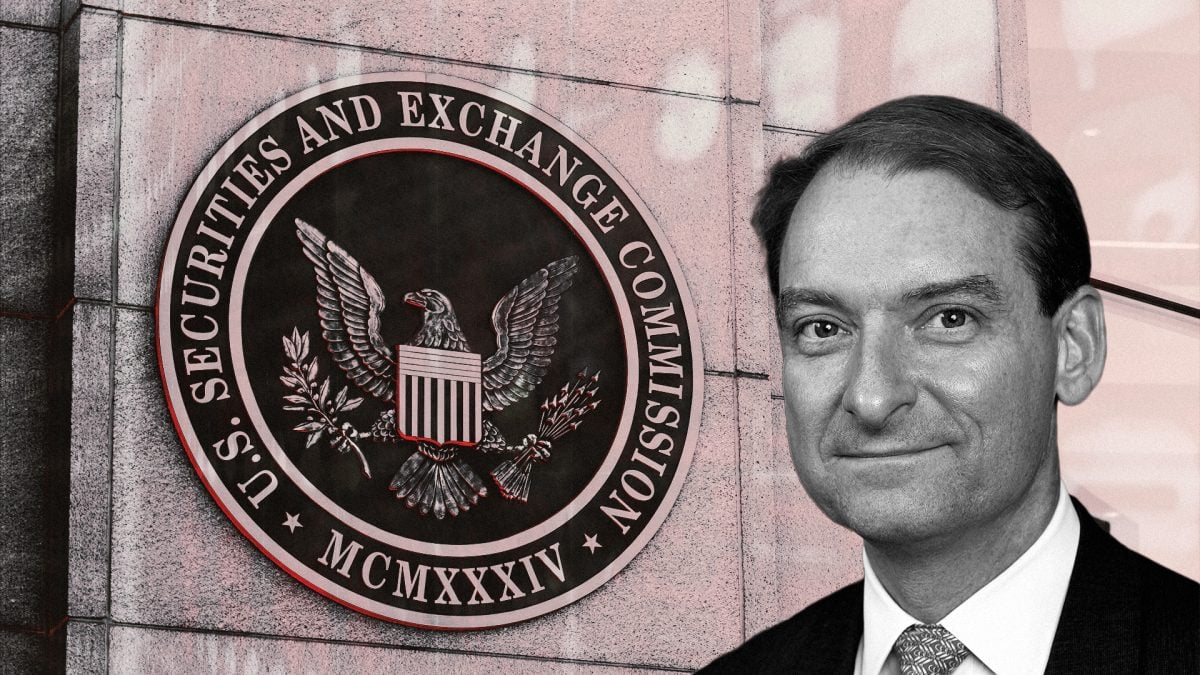
The U. S. Securities and Exchange Commission is set to modernize the landscape of cryptocurrency regulation through a groundbreaking initiative dubbed the “token taxonomy” plan. Unveiled by SEC Chair Paul Atkins, the plan aims to provide a clear framework for distinguishing between different types of digital assets, helping to clarify regulatory responsibilities and set a more structured path forward for the cryptocurrency industry. This initiative comes amid growing concerns over the lack of clarity in existing regulations and the potential for the sector to fall prey to abuses and fraud.

Atkins, who has been at the helm of the SEC since 2021, has emphasized the need for a comprehensive overhaul of the regulatory environment, particularly as the cryptocurrency market continues to evolve at a rapid pace. Under his leadership, the SEC has adopted a more proactive stance on enforcement, including cracking down on unregistered digital asset offerings and investigating prominent crypto firms. The new proposal seeks to address key issues surrounding token classification, governance, and investor protection, marking a significant step towards establishing a more predictable and transparent regulatory regime.

One of the central features of the token taxonomy plan is its attempt to clearly differentiate between utility tokens, security tokens, and commodities. Security tokens, which represent ownership in a company or project, would continue to fall under the purview of the SEC, while utility tokens, often used within decentralized networks to access specific services, may be treated differently. This distinction is crucial as it will help determine the specific regulations that apply to each category and streamline the processes for businesses looking to launch tokens in the market.

The plan proposes the creation of a digital asset registration framework that would allow crypto companies to register their tokens with the SEC, providing more transparency and accountability in the industry. By providing clear guidelines on what constitutes a security versus a non-security token, the SEC hopes to reduce confusion among developers, investors, and regulators alike, while also offering a clearer path for compliance.

The proposal also outlines provisions for enhancing consumer protection, an area of concern for both lawmakers and market participants. By ensuring that tokens classified as securities are subject to the same protections as traditional financial products, the SEC aims to reduce the risk of market manipulation and fraud that has plagued some sectors of the crypto market. The plan also calls for increased transparency regarding token offerings, including detailed disclosures about the underlying technology, token economics, and the potential risks for investors.

The unveiling of the token taxonomy plan comes at a time when the U. S. government is under increasing pressure to take action on crypto regulation. Cryptocurrencies have been at the forefront of debates over financial innovation, with proponents arguing that they could revolutionise sectors like finance and supply chain management, while critics warn of their potential to facilitate illicit activities, tax evasion, and investor exploitation. The SEC’s new proposal aims to strike a balance between fostering innovation and ensuring that the sector remains accountable and transparent.

While the announcement has been met with a generally positive response from the cryptocurrency community, some industry leaders have raised concerns over the complexity of the new framework and the potential for overregulation. There are worries that stringent rules could stifle innovation and drive crypto businesses away from U. S. markets, opting for jurisdictions with more lenient regulatory environments. On the other hand, advocates of the proposal argue that clear regulations are needed to create a safer, more stable market, which will ultimately benefit both consumers and businesses in the long run.

The token taxonomy plan is set to undergo a period of public consultation, during which industry stakeholders, legal experts, and members of the public will have the opportunity to provide feedback. This collaborative process will be crucial in refining the proposal and ensuring that it is both effective and adaptable to the rapidly changing crypto landscape.

Nigeria will kick off its 2025 oil licensing round in December, according to an announcement made by the country’s oil regulatory body in London. This new auction, which is expected to attract significant attention from both local and international energy companies, forms a key part of the Nigerian government’s strategy to revitalise dormant oil assets and bolster production levels. The licensing round is aimed at unlocking valuable […]

Belgium has become the latest nation to fall prey to a series of mysterious drone incursions that have unsettled Europe’s security landscape. This wave of drone activity, which has increasingly targeted critical sites across the continent, has prompted fears about potential espionage, sabotage, and escalating tensions in the region. For weeks, drones have been spotted hovering near strategic locations in various European countries, including military bases, nuclear […]

Engineered by Australia’s leading probiotics expert, this high CFU probiotic delivers the ultimate gut defense, helping to reduce gut transit time by up to 18 hours. SINGAPORE – Media OutReach Newswire – 10 November 2025 – Life-Space, Australia’s No.1 probiotic brand, proudly unveils Triple Strength Probiotics, a flash charged probiotic designed to deliver intensive gut health support for those with more demanding digestive needs. With 15 premium […]

A powerful tornado has caused widespread destruction across southern Brazil, with Parana state bearing the brunt of the damage. The violent storm, which struck unexpectedly, left thousands of residents in peril, forcing local authorities to declare a state of emergency as recovery efforts began. The tornado touched down in multiple regions of Parana, particularly affecting towns and rural communities. High winds, reaching speeds of up to 180 […]

Honda has initiated a recall of more than 400,000 vehicles in the United States, predominantly affecting its Civic model, due to a defect related to the wheels. This issue, which has raised serious safety concerns, is linked to errors made by one of the company’s suppliers. Experts in the automotive industry are now cautioning that this problem could be a precursor to further complications, possibly impacting more […]

HONG KONG SAR – Media OutReach Newswire – 8 November 2025 – HKFindLawyer.com has officially launched Hong Kong’s first “Work Injury Occupation and Injury Compensation Database”, a comprehensive online resource based on the Employees’ Compensation Ordinance. The database covers a wide range of occupations — including construction workers, cleaners, delivery riders, and office staff — as well as common workplace injuries such as falls, burns, back pain, […]

By Nitya Chakraborty US President Donald Trump’s favourite grouping Quadrilateral Security Dialogue (QUAD) is in deep crisis due to the strain in India-US relations in 2025 covering both trade and political issues and also a dip in personal ties between Trump and the Indian Prime Minister Narendra Modi over the role of the US President […]

The article Future Of Trump’s Favourite Grouping QUAD Is At Stake Due To India-US Schism appeared first on Latest India news, analysis and reports on Newspack by India Press Agency).

Iron ore prices have continued their downward trend, heading towards their most significant weekly decline since February. The ongoing drop in prices is being driven by sluggish demand for steel in China and the tightening profit margins faced by steel mills. These factors have raised concerns about the overall stability of the global iron ore market, particularly in the world’s largest consumer, China.

Steel mills in China, which are the primary drivers of iron ore demand, are facing significant challenges due to rising input costs and tighter margins. The country’s construction and manufacturing sectors, which consume a large portion of steel, have struggled to gain momentum amid slower economic growth. With high input costs and a slowdown in industrial activity, many steelmakers have been forced to curb production, leading to reduced demand for iron ore.

At the same time, steel prices have also been under pressure, further exacerbating the squeeze on mill margins. While there were hopes for a recovery earlier in the year, the anticipated rebound in steel demand has yet to materialise, as economic conditions in China remain uncertain. The country’s industrial output has shown signs of stagnation, with infrastructure projects failing to meet expectations and housing activity continuing to struggle.

In addition to weak demand, iron ore prices have also been affected by rising supply levels. Brazilian mining giant Vale, one of the largest iron ore producers globally, has increased production in recent months, adding to the market’s supply glut. Vale’s expansion of its operations has helped to further ease supply concerns that have plagued the market over the last few years. However, this has created a situation where the supply of iron ore is outpacing demand, particularly given the subdued consumption from China’s steel mills.

The combination of oversupply and weakening demand has led to a decline in iron ore futures. The most actively traded contracts have experienced a significant fall in recent trading sessions, reflecting the broader bearish sentiment in the market. Prices have dropped by as much as 6% this week, marking a notable setback for an industry that had previously seen strong growth due to the post-pandemic recovery phase.

Global iron ore producers are feeling the impact of these declines as well. Companies such as Rio Tinto and BHP have faced a slowdown in earnings growth, despite their dominance in the market. Lower iron ore prices have put pressure on the profitability of these companies, leading to recalibrated forecasts for the rest of the year.

China’s role in the iron ore market remains critical, with the country accounting for over half of global iron ore consumption. However, the shift in the country’s steelmaking practices, including a push towards cleaner and more sustainable steel production, has led to concerns that long-term demand may not be as robust as previously expected. Furthermore, the government’s increasing focus on reducing emissions could eventually affect steel production levels in the country.

Despite these challenges, analysts believe that iron ore prices are unlikely to fall precipitously in the coming months. While demand from China may remain subdued, global steel production is expected to recover in other regions, such as Europe and North America. This could provide some support for iron ore prices, although the pace of recovery remains uncertain.

Quantinuum, a leading quantum computing company, has officially launched Helios, a cutting-edge quantum system that it claims to be the most precise general-purpose commercial quantum computer globally. This milestone is seen as a significant development in the quantum computing industry, offering businesses the potential to solve complex computational problems with unprecedented accuracy and efficiency. Helios is powered by advanced quantum technology that allows it to solve problems […]

Shareholders of Tesla, Inc. approved a landmark compensation package for CEO Elon Musk that could ultimately be worth as much as $1 trillion, should the firm hit a series of ambitious milestones over the coming decade. Over 75 % of shares were cast in favour of the plan during the company’s annual meeting in Austin, Texas, signalling continued investor faith in Musk’s leadership. The package ties Musk’s […]

VISHNU RAJA
RYO YAMADA
HITORI GOTOH
IKUYO KITA
Just in:
Pinarayi faults UDF over mounting road crashes // Govt opposes Arlekar’s PSC action // Asia Left Behind: Ten international companies have yet to report delivering on their cage-free egg pledges across the region // U.S. Mid Term Result Is A Clear Verdict Against Trump’s Authoritarianism // SC to examine students’ exam plea today // After Reaching 7 Million Users in the Philippines, Skyro Launches Transparent Cash Loans in Malaysia // APT29-linked campaign exploits outdated Apple and Android software // Arrow Electronics showcases technologies advancing intelligent robotics, mobility and digital infrastructure // Utilities pursue ₹1,992 cr in unpaid bills // Meraas showcases five residential zones at Dubai Design Week // Hong Kong mandates crypto transaction disclosures to tax authorities // OpenAI identifies 948 Linux privilege escalation flaws using AI // Dubai boat show confirms international shipyard line-up for November // Emirates Group records AED 4.1 billion half-year profit // Fast Just Got Fastest: STING Energy Boost™ Celebrates Kimi Antonelli’s Formula 1® World Championship and the Fan Energy Behind It // Anthropic to prohibit persistent abuse of Claude chatbot // UK air traffic outage inflicted £33m financial losses // CR Longdation Aethereal Cybersecurity × Global Cybersecurity Alliance (GCSA) Join Hands to Establish the “AI and Cybersecurity Research Centre” // Cloudflare unveils Zero Wire vulnerability intelligence service // ADIA and partners establish $1.4 billion aviation venture //