Just in:
Democrats capture Senate majority with seven Republican seats // Vingroup And Legends Global Announce Strategic Partnership For VinFast – Trong Dong Stadium // Democrats secure Senate majority after Republican election losses // Emirates Group records AED 4.1 billion half-year profit // Middle East governments assess Iran war after US vote // U.S. Mid Term Result Is A Clear Verdict Against Trump’s Authoritarianism // DIP Holding targets Dh1.12 IPO price and $529m proceeds // xCube Access Welcomes Entrust Capital Limited  Expanding Access to Professional Portfolio Management // As AI Reshapes Education, Singapore Convenes Global Dialogue on the Future of Early Childhood Education // Cloudflare unveils Zero Wire vulnerability intelligence service // Pinarayi faults UDF over mounting road crashes // Burying Head In “India Made Poverty Reduction” Data Is Dangerous // OpenAI identifies 948 Linux privilege escalation flaws using AI // Vance attributes Republican midterm defeats to Iran conflict // Fast Just Got Fastest: STING Energy Boost™ Celebrates Kimi Antonelli’s Formula 1® World Championship and the Fan Energy Behind It // Utilities pursue ₹1,992 cr in unpaid bills // Arrow Electronics showcases technologies advancing intelligent robotics, mobility and digital infrastructure // XRG secures agreement for $1.45bn Australian LNG stake // Ta’ziz finalises $1.39bn funding for Ruwais industrial facilities // mamun raises US$3 million to finance cross-border trade between the Gulf and Asia //

News related to
fall

Oman has become the first Gulf Cooperation Council nation to legislate a personal income tax, with a royal decree introducing a flat 5% levy on residents earning above OMR 42,000 per year. The law takes effect on 1 January 2028 and is expected to impact roughly the top 1% of earners. The decree, Royal Decree No. 56/2025 issued by His Majesty Sultan Haitham bin Tariq, forms part of Oman’s […]

A joint alert from seven United Nations agencies has flagged Gaza’s fuel stocks as critically depleted, imperilling vital services for its 2.1 million residents. With fuel supplies down to a scarce trickle, health care, water, sanitation, aid distribution and communications infrastructures are faltering.

Hospitals such as Al‑Shifa in Gaza City have begun rationing fuel, placing patients in life-threatening situations. Doctors report incubators and dialysis equipment may fail within hours, while oxygen generators are sputtering. Ambulances have stalled, forcing staff to carry patients by hand, as critical care units teeter on collapse.

Water purification plants and sewage systems are shutting down without generator support, raising alarms over disease risks. UN officials have witnessed a sharp rise in meningitis and diarrhoeal illnesses among children. Bakeries and community kitchens have stopped, reducing the availability of fresh bread—a major food source for the displaced.

Although a one‑time delivery of some 75,000 litres reached Gaza—marking the first fuel entry in roughly four months—UN agencies caution this is but a drop in a deepening crisis. The quantity represents only a small fraction of the daily requirement to sustain relief operations. Officials emphasise that without regular, scaled deliveries, essential services face imminent blanket failure.

Israeli authorities have maintained that fuel shipments may be misused by militant groups, a claim that relief agencies strongly dispute. UN humanitarian representatives assert that fuel restrictions effectively constitute a form of collective punishment, with civilians bearing the brunt.

The blockade has persisted alongside ongoing military operations since March, despite intermittent commitments to allow aid in. The latest minimal fuel delivery was reportedly the first in 130 days. UN Secretary‑General António Guterres warned that without fuel to power ambulances, incubators and water networks, the fabric of civilian life is unraveling.

Aid workers are racing to implement rationing measures, diverting remaining stocks toward the most critical services—hospitals, maternity wards, water treatment facilities and mobile communications. But this partial reprieve is insufficient to meet surging demand.

In Gaza and beyond, humanitarian experts are urging urgent diplomatic engagement. Negotiations for new fuel corridors and scaled deliveries via Egypt and other Gaza crossings are underway, though the process remains slow and subject to volatile approval protocols. Some international mediators argue that allowing fuel in is as vital as increasing food aid, citing the interdependency of humanitarian systems.

The crisis has sparked global concern. UN agencies emphasise that fuel is the “backbone of survival”—not just for hospitals but for sanitation, communications, bakeries and logistics networks that sustain entire communities.

As operations continue under strain, the spotlight falls on the window of opportunity for diplomatic resolution. Pressure is mounting on all parties involved to remove barriers inhibiting consistent fuel access, which UN officials say is non‑negotiable to prevent the collapse of civilian life in Gaza.

By K Raveendran The most important takeaway from the Supreme Court’s stand on the Special Intensive Revision (SIR) of Bihar’s electoral rolls is a reminder that while the Election Commission of India (ECI) has the constitutional authority to take all necessary steps to ensure free and fair elections, it does not have the license to […]

Greenlogue/AP Morocco is embarking on an ambitious project to construct a 500 megawatt data centre powered entirely by renewable energy in Dakhla, Western Sahara, according to digital transition minister Amal El Fallah Seghrouchni. The facility aims to bolster the protection and localisation of sensitive data infrastructure, reinforcing the kingdom’s drive to establish itself as a key digital hub for Africa. The announcement positions the Dakhla centre as a state-owned flagship in […]

A once-weekly injection of Wegovy® has become available in Singapore, marking the latest step in managing obesity as a chronic disease. The product, from Novo Nordisk, is licensed for adults and those aged 12 and above who are obese or overweight with at least one weight‑related condition such as hypertension, type 2 diabetes or dyslipidemia.

The drug works by mimicking the gut hormone GLP‑1, promoting a sense of fullness and reducing food intake when combined with healthier diet and exercise regimes. Its introduction follows approval by the Health Sciences Authority on 28 February 2025 for use among adolescents with obesity—a first in the region.

Over 600,000 adult Singaporeans are classified as obese, a figure that underlines the public health urgency given the hundreds of comorbidities associated with obesity. The rollout of Wegovy® offers a medically guided therapy for a condition too often dismissed as a lifestyle issue.

Clinical experts argue obesity stems from complex biological factors, ranging from genetics to hormonal imbalances. Dr Abel Soh, chair of the Endocrine and Metabolic Society of Singapore, says, “Obesity is not simply the result of lifestyle choices—it is a medically recognised chronic disease influenced by a complex interplay of genetics, hormones and environment”.

Approval comes amid global strain on semaglutide supplies. Local clinics previously stocked Ozempic and Rybelsus and faced intermittent shortages, with expectant Wegovy® shipments deferred until 2026 according to some medical guides. Private clinics were unable to reference branded drugs until local stock arrived, due to regulatory restrictions.

Available through prescription in private settings, Wegovy® will be offered alongside diet and exercise interventions. The injectable is indicated for chronic use; ongoing physician oversight is advised. Regulatory approval includes a requirement to review treatment after 12 weeks in adolescents if BMI reduction falls below 5% on the full 2.4 mg dose.

Globally, Wegovy® was first authorised in the US in June 2021, followed by EU approval in early 2022. Earlier, in Singapore, semaglutide received approval under Ozempic’s label starting March 2023 for diabetic therapy.

The drug’s effectiveness has been supported by the STEP clinical programmes, showing average weight reductions of between 10–15% over periods of 68 to 104 weeks. Benefits extend beyond weight loss to metabolic health improvements, including lower blood pressure and decreased cholesterol.

Local uptake may mirror global patterns, where appetite suppression and metabolic regulation paired with lifestyle changes have delivered sustainable weight loss without surgery. However, supply challenges persist: healthcare providers warn that stocks may remain tight, with some expect delays or patient referrals under the Ozempic brand.

Novo Nordisk has also updated its savings programme for Wegovy®, making it more accessible to cash‑paying patients. The initiative aims to reduce financial barriers, although uptake and cost‑effectiveness will depend on real‑world pricing and insurance coverage.

The summer months bring warmth, sunshine and long perfect days. These conditions are great for enjoying your garden, but with the seasons, benefits also come from challenges. Those soaring temperatures you’d love to sunbathe in and lead to burnout plants. An increasing number of pests can lead to destroyed vegetables, and the dry soil can threaten your plant’s growth. You want to keep your garden healthy, thriving […]

HONG KONG SAR – Media OutReach Newswire – 11 July 2025 – Today, IX Asia Indexes announced the 2025 2nd quarter review of the ixCrypto Index Series and the IX Digital Asset Industry Index Series. The constituent changes will be implemented on the effective date of 18th July 2025 (Friday). The results of the constituent review and exchange review are as follows: 1. Constituent Review – ixCrypto […]

Advertisements

Nigeria has secured a $747 million syndicated loan, led by Deutsche Bank, to fund the initial 47.47‑kilometre phase of its flagship coastal highway spanning from Victoria Island to Eleko Village in Lagos. The Ministry of Finance confirmed the financing on Wednesday, marking a record for road infrastructure funding in the country. Lenders in the syndicate include First Abu Dhabi Bank, African Export‑Import Bank, Abu Dhabi Exports Office, ECOWAS […]

MENA region investment banking fees declined 2 per cent year‑on‑year in the first half of 2025, falling to US$773.7 million, the third‑highest H1 tally since 2000, according to London Stock Exchange Group’s Deals Intelligence data. The dip occurred amid an environment of oil‑price volatility, geopolitical fragmentation and escalating global trade tensions. Debt capital markets underwriting emerged as the growth engine, with related fees rising 20 per cent to US$278.9 million. However, […]

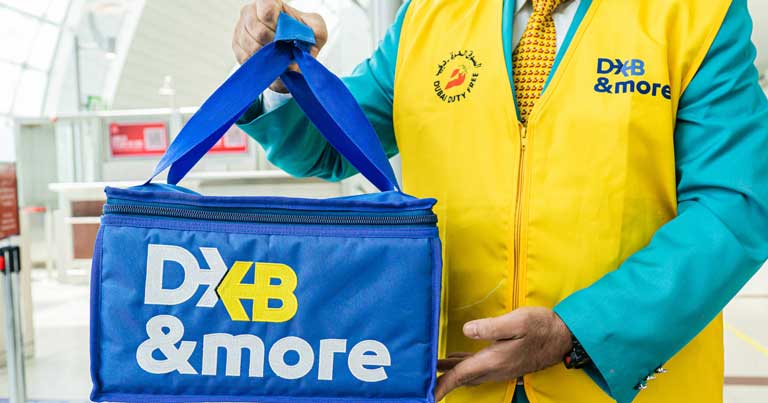
Dubai International Airport has introduced DXB Greet & Go in Terminal 3, revolutionising the way arrivals are greeted. Licensed hotels, tour operators and transport providers can now tap QR codes—replacing traditional placards—to meet guests efficiently in a dedicated arrivals area.

The initiative, officially live since early July, provides an authorised meeting zone designed to improve passenger flow and elevate hospitality standards. Dubai Airports has established this as part of its strategy to ease congestion and reduce stress at peak arrival times.

This digital-first service streamlines the reception experience: instead of waiting among crowds, drivers and host staff now scan pre-shared QR codes, guiding travellers directly to designated areas where they are met by clear signage. The system aligns with security protocols while offering better clarity and comfort.

Industry observers describe DXB Greet & Go as another milestone in Dubai’s automation and smart-performance ambitions. It complements prior enhancements—like biometric Smart Tunnels and QR-code navigation tools—designed to process high passenger volumes more swiftly while preserving a premium touchpoint.

Key regional operators have already registered. A senior operations manager at one of Dubai’s leading hospitality chains noted guest satisfaction has improved, citing fewer missed connections and faster handovers. Dubai Airports spokesperson emphasised that launch partners are primarily “licensed entities” committed to seamless, branded guest engagement.

Compliance and coordination with security teams were paramount in crafting the scheme. The dedicated meeting point follows stringent screening criteria and maintains oversight from airport operations, ensuring guest meets do not impinge on wider terminal safety. It also alleviates footfall in busy corridors, especially during peak periods.

Analysts see branding and service quality benefits. Sharply reducing wait times at arrivals enhances early impressions for high‑value guests, business travellers and VIPs—key revenues for both hotels and airport retail operators. And as QR-based systems gain traction worldwide, DXB’s approach may offer a replicable benchmark for other global gateways.

Passengers have already reported smoother arrivals. A recent poll by a GCC‑based travel blog found that 87 percent of users appreciated the clarity of designated zones and reduced crowding. Several said using the service felt more “personalised and modern”, aligning with expectations for a luxury travel experience.

Onboarding requires minimal effort: partners register via Dubai Airports’ platform, receive official QR codes linked to flight details, and station meeting personnel accordingly. QR scanning synchronises with flight schedules, activating the service only once the flight has landed and passengers have disembarked.

Dubai Airports reports the system has quickly gained traction among boutique hotels and VIP ground handlers, with expansion plans underway. Terminal 3—the main hub for Emirates—is expected to expand the service across other terminals if demand continues.

The move also integrates with existing smart journeys like DXB Express Maps, enabling visitors to navigate lounges, shops and gates by QR scanning digital kiosks. The combined effect is a frictionless experience from landing to departure, supporting ambitions to top 100 million annual passengers.

Shares of Nissan Motor Co. dropped sharply following the firm’s decision to increase its convertible bond issuance to ¥200 billion, up from the initially announced ¥150 billion. The company cited strong investor demand during the book-building process as justification for the upsized deal, though market reaction suggests heightened concerns over shareholder dilution. This convertible debt forms a key part of Nissan’s broader funding strategy, which includes a planned $4 billion […]

Jack Dorsey, the co‑founder of Twitter and current head of Block, has introduced Bitchat, a peer‑to‑peer encrypted messaging tool that operates entirely without internet or cellular networks, relying instead on Bluetooth Low Energy mesh technology within a 300‑metre radius. It is currently available in beta via Apple’s TestFlight, which has already reached its 10,000‑user capacity. The app enables fully decentralised communication: messages hop from device to device […]

Birthdays are one of life’s most special moments, and there’s no better way to express your love and best wishes than with a beautiful bouquet of flowers. Flowers carry deep meanings, and they instantly brighten up any occasion, especially birthdays. However, when you’re on a budget, it can be tricky to find the perfect bouquet that looks beautiful without draining your wallet. Luckily, you don’t have to […]

Kuwait Investment Authority, the sovereign wealth fund managing over US $1 trillion in assets, has divested a US $3.1 billion stake in Bank of America, according to sources familiar with the unregistered block trade. The shares were sold at US $47.95 each—at the bottom of Goldman Sachs’s marketed range—underscoring a strategic move to liquidate a long-held position. The sale marks a notable shift from the fund’s crisis-era backing of Merrill Lynch. In […]

Al Ansari Financial Services has disclosed that on Saturday 5 July, its subsidiary Al Ansar Exchange encountered a technical anomaly that resulted in the unintentional transfer of funds to a small number of customer accounts. The company said that their teams acted swiftly to locate and recover “the vast majority” of the erroneously transferred amounts. The incident did not interrupt the company’s routine operations, and Al Ansari stated that daily transactions proceeded […]

Federal Authority for Identity, Citizenship, Customs and Port Security has issued a strong and authoritative rebuttal to claims circulating that the United Arab Emirates is offering lifetime Golden Visas to certain nationalities. In its statement on 8 July, ICP emphasised that Golden Visa eligibility is strictly governed by existing laws, ministerial decisions, and official regulations. Applications are processed only via UAE government channels—no consultancy firm, internal or external, has legitimate authority to promise visa grants under simplified conditions.

The statement was prompted by alleged press releases from a foreign consultancy office claiming applicants could secure lifetime Golden Visas for all categories from abroad. ICP characterised these claims as legally baseless and made without coordination with UAE authorities. Following these claims, several Indian and UAE-based outlets reportedly published the information before the ICP clarified its position.

While ICP refrains from naming the specific consultancy, it has warned of impending legal action against entities using false promises to extract money from individuals seeking long-term residency in the UAE. “Entities spreading such false information [are] exploiting [people’s] hopes for a dignified life,” the authority stated. It urged the public to verify procedures through official sources, including its website and app, or by contacting the designated call centre at 600522222.

The ICP insisted that the Golden Visa framework remains unchanged: eligibility criteria, procedural regulations, and visa categories continue to be defined by UAE law and ministerial orders alone. The visa remains accessible only to those meeting these statutory provisions, and all processes must follow the established, government-operated digital platforms.

This response comes amid a broader pattern of misinformation regarding Golden Visa eligibility. Earlier this month, another wave of misleading reports claimed investors in digital currencies—particularly in Toncoin—had qualified for a ten-year Golden Visa by staking cryptocurrency. In response, ICP, alongside the Securities and Commodities Authority and the Virtual Assets Regulatory Authority, issued a joint statement rejecting those claims and reminded the public that cryptocurrency investment is not a recognised category for Golden Visa issuance.

Under the official programme, Golden Visa eligibility remains targeted to specific categories: real-estate investors, entrepreneurs, exceptional talents, qualified professionals, scientists and researchers, high-performing graduates and students, frontline workers, humanitarian pioneers, and notable maritime asset holders. The ICP reaffirmed that these criteria are set in accordance with legal frameworks and are unchanged by the rumours.

Despite the cross-border spread of misinformation, UAE authorities appear resolute in their commitment to transparency, integrity, and regulatory enforcement. The ICP has stated that all application processes must occur through official digital services, and only those platforms bear the authority to collect fees or accept documentation. Third-party entities claiming to facilitate visa applications risk legal consequences.

Experts underscore the potential fallout from such false claims. “Misleading promises fuel public confusion and pose reputational risks for the UAE’s visa systems,” noted one legal analyst based in Dubai, requesting anonymity. Misinformation casts doubt on the authenticity of the Golden Visa programme and could encourage fraud. UAE authorities increasingly rely on legal measures and public advisories to counteract false narratives.

The timing of this clarification aligns with heightened international interest in UAE residency schemes. In early July, news emerged that the UAE was piloting a streamlined lifetime Golden Visa pathway for Indian nationals under the UAE‑India Comprehensive Economic Partnership Agreement. Under the pilot, eligible Indian applicants could receive life-long residency without property investment, upon nomination and the payment of AED 100,000. This development appears to have driven a surge in media attention and consultation requests aimed at service providers.

While the ICP has not confirmed or elaborated on a pilot programme specific to any nationality, it advised the public to seek information strictly through official platforms. Interested parties are encouraged to consult the ICP website or app for updates on visa categories, including any new arrangements introduced under international agreements.

Signals from the UAE government reflect a dual strategy: expanding its talent- and investment-focused Golden Visa system, while firmly safeguarding procedural integrity. Through legislative collaboration, digital transformation, and cross-border trade agreements, the UAE continues to enhance its residency framework. However, officials remain vigilant against exploitation and fraudulent intermediaries.

As the visa environment evolves, clarity from ICP and associated authorities remains vital. Their recent intervention serves to remind the public that any deviations from established criteria are unauthorised and legally questionable. For those pursuing Golden Visa status, due diligence and reliance on official channels are indispensable.


U. S. former President Donald Trump has warned that any nations aligning with the BRICS bloc’s efforts to challenge the U. S. dollar will face a 10 % tariff, set to take effect by 1 August unless a deal is struck. Speaking at a Cabinet meeting and in a post on his Truth Social platform, Trump characterised BRICS’ currency ambitions as tantamount to “destroying the dollar,” likening such […]

Iran has achieved its highest energy output in nearly half a century, as crude production and exports continue expanding despite escalating tensions and Western sanctions. In 2024, total oil output—including crude and gas liquids—reached approximately 5.1 million barrels per day, marking levels unseen since before 1978. Indicators from the first half of 2025 signal further growth, reinforcing Tehran’s stance that its energy sector remains resilient even under pressure.

China remains the principal destination for Iranian crude. According to Vortexa and Kpler data, Beijing imported an average of 1.4 million bpd of Iranian crude and condensate during the first half of 2025. In June alone, Chinese imports surged to a record 1.8 million bpd, exploiting floating storage reserves accumulated previously.

Despite U. S. legal restrictions, these volumes endure through intricate shipping methods and discounts. As of June, Iranian crude was being sold to China at discounts of $3.30–$3.50 per barrel below Brent—the widest spread since 2023—partly triggered by weak demand from independent Chinese “teapot” refineries and additional U. S. sanctions on mid-tier processing firms in Shandong province. Refineries such as these have cut utilisation rates to around 51 per cent, down from 64 per cent last year.

Iran’s export capacity has been safeguarded by infrastructural alternatives designed to bypass the Strait of Hormuz. The Goreh‑Jask pipeline and Jask terminal—capable of exporting around 300,000 bpd—offer strategic flexibility, although actual utilisation fell to under 70,000 bpd in late 2024. Elsewhere, Saudi Arabia and the UAE have also enhanced their own bypass routes through the Strait to mitigate risk.

Nonetheless, current events pose fresh challenges. Israeli strikes in June damaged parts of oil infrastructure near Tehran and affected the South Pars gas field—responsible for up to 700,000 bpd of condensate. Exports from key terminals such as Kharg Island briefly dropped below 120,000 bpd from a weekly average of 1.7 million bpd. However, Iran manages significant stockpiles—approximately 27.5 million barrels afloat—that can sustain exports for weeks.

Domestic dynamics complicate this energy story further. Iran’s gasoline consumption has outpaced refining capacity by nearly 15–20 per cent since late 2024, triggering reliance on reserves and imports to fill shortfalls. Peak summer demand reached unprecedented levels, surpassing 143 million litres in a single day. Panic-buying followed some military strikes, exposing strains in planning and supply.

Iran’s global energy standing aligns with broader market projections. The International Energy Agency forecasts that global oil supply will exceed demand in 2025 by around 1.8 million bpd, a backdrop that may soften impacts from Iranian output. At the same time, discussions in Washington about lifting U. S. sanctions have raised concerns in Beijing, particularly for its fragmented independent refining sector. Analysts warn that a sudden lifting of sanctions could flood global markets—with an additional 500,000 bpd of Iranian oil—and undercut smaller Chinese players by crushing their margins.

Iran’s energy strategy shows calculated resilience. While nuclear tensions invite military risks, the oil ministry appears intent on diversifying markets, expanding infrastructure, and leveraging geopolitical leverage. Iran Daily reported that production comprised 4.3 million bpd of crude plus around 0.7 million bpd of other liquids in 2024. Analysts advocate that increased domestic use, ageing facilities, and investment gaps could temper the pace of future gains unless Tehran secures long-term funding and technical partnerships.

Observers note the inherent paradox: Iran continues ramping production even as global energy security faces renewed uncertainty. Control over chokepoints such as the Strait of Hormuz remains central. Although no full closure has occurred—the Iranian parliament proposed closure in late June pending council approval—the symbolic threat alone underlines Tehran’s strategic positioning. Global markets, buoyed by inventories and diversified routes, have so far absorbed the shock. Yet any escalation could rapidly unsettle thresholds.

Bitcoin held in exchange wallets has plunged to levels not seen in years, data from Coinglass and Glassnode indicate, underlining a shift towards long‑term holding and tightening liquidity.

According to Coinglass, total Bitcoin reserves across centralised exchanges have fallen to approximately 2.07 million BTC, marking a fresh low measured in this multi‑year timeframe. Glassnode data confirms that exchange-held Bitcoin as a percentage of total supply has dipped below 15%—a level unseen since 2018.

The depletion has been rapid: Coinglass reports that around 65,000 BTC exited major exchanges last week, pushing exchange balances down to near record lows. CryptoQuant analysis shows hot OTC reserves have also shrunk to roughly 146,000 BTC—declining from 480,000 BTC in September 2021—signalling broader supply erosion across both exchange and OTC channels.

Market analysts interpret these metrics as evidence of sustained accumulation by both retail and institutional investors. Transfers to cold storage and self‑custody wallets are rising sharply, coinciding with surging inflows to spot Bitcoin exchange‑traded funds since early 2024. Long‑standing holders and whales appear to be shifting their assets off‑platform, leading to what many describe as a looming supply shock.

This supply constriction factors into Bitcoin’s recent upside, where the price has rallied above the US $100,000 threshold and briefly touched US $110,000. Reduced available supply on exchanges dampens immediate selling pressure, while rising demand—particularly from ETF vehicles—supports upward momentum. Sentiment indicators reinforce this stance: CryptoQuant notes more than 85% of Bitcoin holders are in profit, suggesting limited incentive to sell.

Institutional trends underpin the narrative. Major asset managers such as BlackRock and Fidelity are funneling substantial reserves into ETF custody, moving assets off‑exchange and altering the liquidity dynamic. Corporates including MicroStrategy continue on‑chain accumulation as part of treasury strategies, while some national financial bodies are exploring Bitcoin holdings.

Analysts warn, however, that reduced float may lead to heightened volatility. A supply shock typically amplifies price moves—up and down—with heavy liquidations already observed: Coinglass data shows US $203 million of Bitcoin short positions were liquidated in under 24 hours during the brief rally above US $110,000. At the same time, positive global factors such as easing US–China trade tensions and expectations of interest‑rate cuts are adding fuel to risk assets, including Bitcoin.

Examining the wider picture, the halving event of April 2024, which halved block rewards to 3.125 BTC, continues to weigh on supply dynamics. With new issuance curtailed and existing supply migrating into private custody, on‑chain metrics show persistent outflows from exchanges. CryptoQuant’s Fund Flow Ratio also points to historic levels of “hodling” behaviour.

Whale activity mirrors the shift. Over the past month, Coinglass recorded withdrawals totalling more than 56,000 BTC from centralised exchanges. At the same time, metrics from CryptoQuant show centralised exchange reserves falling by roughly 550,000 BTC since mid‑2024, tightening the supply significantly.

While most analysts interpret the current balance trends as bullish, some caution is warranted. If investor sentiment reverses or macro‑economic shocks trigger rapid sell‑off, the thin on‑exchange liquidity could exacerbate price swings. Still, the dominant view frames the phenomenon as a structural supply retraction, particularly intensified by institutional demand.

Matein Khalid Sri Lanka is one of the most fascinating and drop-dead gorgeous countries I have ever visited, the island once known as Serendip by ancient Umayyad Arab sailors/ruby merchants and Ceylon by the colonial Dutch and British who once ruled the island, an emerald tear drop in the Indian Ocean. I have a special bond with Sri Lanka because my late mother, an artist, used to […]

Sterling’s recent rally has little to do with the UK economy suddenly outperforming expectations. It has everything to do with the dollar falling out of favour. When the pound hit $1.365 this week—its strongest level since early 2022—it was a flashing red signal that international investors are losing faith in the greenback. Let’s not pretend this is about interest rates. The Federal Reserve is still holding firm, […]

KUALA LUMPUR, MALAYSIA – Media OutReach Newswire – 7 July 2025 – For many traders, one of the main concerns when choosing a financial broker is the risk of falling victim to various shady tricks. The experts at Octa, a globally regulated and trusted broker since 2011, explain some of the questionable practices that traders must look out for when planning their journey in the markets. Trading […]

OPEC+ has opted to raise oil production by approximately 548,000 barrels per day in August, marking a sharp departure from earlier plans and surprising markets worldwide. The move, confirmed in a brief video conference, is projected to accumulate a surplus towards the close of the year, potentially eroding revenues for both OPEC members and higher-cost producers, including US shale firms.

With Brent crude prices slipping over 1% to around $67.50 and West Texas Intermediate falling to the mid‑$65 range, the group’s decision has already begun to ripple through markets. The scale of the increase is unprecedented compared to prior months—more than 130% larger than April’s hike and substantially above the 411,000 bpd rise earlier this summer.

Leaders within OPEC+ signalled that this shift reflects a strategic pivot: from defending elevated prices to asserting market share. Saudi Arabia, the group’s dominant force, spearheaded the increase, while also raising premiums for Arab Light crude sold to Asian markets—a move widely interpreted as a signal of confidence in near-term demand.

Analysts emphasise that current market structure is supportive of absorbing this surge. UBS’s Giovanni Staunovo remarked that “the oil market remains tight, suggesting it can absorb additional barrels,” though he cautioned about potential headwinds from macroeconomic uncertainties and lingering trade tensions in the next 6–12 months. Similarly, Reuters reporting notes that the decision followed assessments of low inventories and healthy economic indicators.

US President Donald Trump, whose administration has repeatedly lobbied for lower fuel costs domestically, is widely seen as a direct beneficiary of this policy. OPEC+ officials framed the increase as responsive to US pressure, with Saudi Arabia effectively stepping into a balancing role ahead of diplomatic visits.

Nevertheless, market watchers warn of mounting risks. RBC Capital projects that around 80% of the voluntary cuts—a total of 2.2 million bpd—will be reversed by September, hinting at oversupply. Financial institutions such as Morgan Stanley anticipate Brent could slide below $60 by early 2026, while ING and Barclays have also trimmed their forecasts in response to expanding inventories.

Geopolitical variables add further complexity. Though Middle Eastern tensions have eased since the brief flare‑up between Israel and Iran, any resurgence in conflict could inject volatility into the supply outlook. Moreover, internal cohesion within OPEC+ remains fragile, with nations such as Kazakhstan and Iraq reportedly exceeding quotas in recent months.

US domestic production continues its ascent, as data shows output from shale and other sources has hit record levels—adding to potential global gluts. The prospect of elevated US tariffs and slowing economic momentum could further suppress demand, amplifying price pressures.

Even so, OPEC+ remains optimistic in the short run. Saudi Arabia’s decision to lift regional premiums and analysts’ assessments of supportive market conditions reinforce this stance.

As this enlarged supply enters the market, price-sensitive producers such as US shale operators may face tighter margins. Global capitals will closely follow whether OPEC+ sustains this production path or retreats in the face of a deepening surplus.

A landmark regulation issued by the UAE General Civil Aviation Authority introduces the world’s first official framework enabling electric Vertical Take-Off and Landing aircraft and conventional helicopters to operate interchangeably using the same infrastructure. This innovation positions the nation at the forefront of the global Advanced Air Mobility revolution, merging cutting-edge technology with established aviation systems. At the heart of this framework lies the decision to permit […]

VISHNU RAJA
RYO YAMADA
HITORI GOTOH
IKUYO KITA