Just in:
DIP Holding targets Dh1.12 IPO price and $529m proceeds // Vance attributes Republican midterm defeats to Iran conflict // BJP’s Aggressive Response Exposes Anxiety Over Opposition Unity // Dubai boat show confirms international shipyard line-up for November // Cloudflare unveils Zero Wire vulnerability intelligence service // As AI Reshapes Education, Singapore Convenes Global Dialogue on the Future of Early Childhood Education // Anthropic to prohibit persistent abuse of Claude chatbot // xCube Access Welcomes Entrust Capital Limited  Expanding Access to Professional Portfolio Management // Emirates Group records AED 4.1 billion half-year profit // Arrow Electronics showcases technologies advancing intelligent robotics, mobility and digital infrastructure // Asia Left Behind: Ten international companies have yet to report delivering on their cage-free egg pledges across the region // Ta’ziz finalises $1.39bn funding for Ruwais industrial facilities // Hong Kong mandates crypto transaction disclosures to tax authorities // Fast Just Got Fastest: STING Energy Boost™ Celebrates Kimi Antonelli’s Formula 1® World Championship and the Fan Energy Behind It // APT29-linked campaign exploits outdated Apple and Android software // Pinarayi faults UDF over mounting road crashes // AI trust gap reveals distinct retail priorities: Divergent paths to consumer growth in Hong Kong and the GBA // Meraas showcases five residential zones at Dubai Design Week // SC to examine students’ exam plea today // OpenAI identifies 948 Linux privilege escalation flaws using AI //

News related to
fall

Bitcoin’s price has fallen below the $58,000 mark following a 10.82% drop over the past week. This downturn erased gains from the previous week and ended with a 2.81% decline as the cryptocurrency struggled to maintain momentum. The crypto market has also seen significant liquidations, with $138 million wiped out from long positions amid the sell-off. Despite the sharp decline, there are emerging signs that a market […]

The United Arab Emirates has officially launched its visa amnesty program, which will run until the end of 2024. This initiative aims to provide a comprehensive opportunity for expatriates with expired visas to rectify their status without facing fines or deportation. The UAE’s decision to waive penalties and offer a clean slate is part of a broader effort to enhance the nation’s immigration policies and address labor […]

A cryptocurrency trader has achieved a remarkable financial feat, turning a mere $10 investment into $150,000 within a staggering three-minute window. This rapid success was fueled by a calculated bet on a selection of lesser-known altcoins, highlighting the immense potential and volatility of the digital currency market. The trader’s windfall occurred during a particularly volatile trading session, where the chosen altcoins experienced an explosive surge in value. […]

KUALA LUMPUR, MALAYSIA – Media OutReach Newswire – 2 September 2024 – The influence of presidential elections on financial markets is often temporary. Still, the psychological effect of elections on traders and investors can cause emotional and illogical behaviour, contributing to increased market swings. Apart from the White House, the Senate is also up for grabs this fall, and the balance of power inside the legislative branch […]

Introducing 6 Adorable “mofusand X Sanrio characters Cuddly Cat Plushies + Meowtastic Mini Jars” Sets and “mofusand X Sanrio Plush Cuddle Buddies” for Double the Cuteness! HONG KONG SAR – Media OutReach Newswire – 29 August 2024 – The popular Japanese illustration mofusand, beloved for its endearing big eyes, playful poses and charming expressions, has captured the hearts of fans of all ages. This summer, 7-Eleven is […]

India is poised to benefit from an anticipated surge in monsoon rainfall next month, according to the latest weather forecasts. The meteorological department has predicted above-average precipitation for the concluding phase of the June-September monsoon season, offering a significant boost to agricultural productivity. This optimistic forecast comes as a relief to the nation’s farmers who have been grappling with fluctuating weather patterns affecting crop yields. The expected […]

Typhoon Shanshan unleashed its fury on Japan’s Kyushu island, leading to the evacuation of millions as violent winds and torrential rain battered the region. The typhoon, one of the most powerful to hit Japan this year, forced the closure of major factories and grounded hundreds of flights, causing widespread disruption across the southwest.

As the storm made landfall, authorities issued evacuation orders for over two million people across multiple prefectures. The typhoon brought with it wind speeds exceeding 150 kilometers per hour (93 mph), toppling power lines, uprooting trees, and causing significant structural damage. In addition to the destruction, more than 40,000 households were left without electricity, compounding the challenges faced by residents.

Transportation networks across the region were severely affected, with all flights to and from Kyushu being canceled. Train services were also suspended, leaving many stranded and unable to reach safer locations. Meanwhile, major automakers and electronics manufacturers, including Toyota and Sony, were compelled to halt operations in their regional plants, fearing further damage and ensuring the safety of their employees.

The typhoon’s impact extended beyond physical damage, as heavy rainfall triggered landslides and flooding in several areas, exacerbating the crisis. Emergency services were stretched thin as they responded to multiple calls for help, with rescue operations underway in the hardest-hit areas. Authorities have warned that the situation could worsen, with additional rainfall expected to continue throughout the weekend, raising concerns of further flooding and landslides.

The storm is expected to move northeastward, affecting other parts of Japan, including the Shikoku and Chugoku regions, before heading out to sea. Local governments have urged residents in these areas to remain vigilant and follow evacuation orders promptly to avoid casualties.

This typhoon serves as a stark reminder of Japan’s vulnerability to extreme weather events, which are becoming increasingly frequent and severe. The government has been investing in disaster preparedness and response measures, but the scale of Shanshan’s impact highlights the ongoing challenges in protecting lives and infrastructure from such powerful natural forces.

With recovery efforts already beginning, authorities are focusing on restoring power, clearing debris, and providing aid to those displaced by the storm. However, the full extent of the damage will likely take days to assess, and the nation is bracing for what could be a long and arduous recovery process.

As Typhoon Shanshan continues its path of destruction, Japan faces yet another test of resilience, with the nation rallying together to support those affected and rebuild in the aftermath of this devastating storm.

Advertisements

M A Hossain As the US presidential election approaches, Kamala Harris stands on the brink of making history. With approximately 70 days left in a compressed campaign, Harris is poised not only to become the first woman to ascend to the presidency but also to be the first president of Black and South Asian descent. Despite the significance of these firsts, Harris has made it clear that […]

SpiceJet’s stock has fallen sharply by over 6% following a directive from the Directorate General of Civil Aviation (DGCA) placing the airline under intensified scrutiny. The DGCA’s decision comes after identifying significant safety and financial issues during a recent inspection.

The aviation regulator’s enhanced oversight is a response to concerns about SpiceJet’s operational practices and financial stability. The DGCA’s inspection revealed numerous deficiencies, particularly in the airline’s adherence to safety protocols and maintenance procedures. These findings have prompted the regulator to impose stricter monitoring measures to ensure compliance with aviation safety standards.

SpiceJet, which has faced financial turmoil in recent years, has been struggling with mounting debts and operational challenges. The airline’s financial stress has been exacerbated by rising operational costs and a shrinking market share. The DGCA’s move reflects growing unease about the airline’s ability to address these issues effectively while maintaining safety standards.

The special audit conducted by the DGCA also highlighted concerns about SpiceJet’s fleet management and crew training. These issues, combined with the airline’s ongoing financial difficulties, have raised questions about its long-term viability and its capacity to sustain operations safely.

In response to the DGCA’s findings, SpiceJet has committed to implementing corrective measures to address the identified deficiencies. The airline has stated that it is working closely with the regulator to ensure all safety and operational standards are met. SpiceJet’s management has also pledged to improve its financial health through various restructuring efforts and cost-cutting measures.

Investors have reacted negatively to the news, leading to a significant drop in SpiceJet’s share price. The decline reflects market concerns about the airline’s ability to overcome its current challenges and restore investor confidence. Analysts have warned that continued regulatory scrutiny and financial instability could further impact the airline’s stock performance in the near term.

The DGCA’s decision underscores the critical importance of regulatory oversight in maintaining safety standards within the aviation industry. It also highlights the broader challenges faced by airlines in managing financial pressures while ensuring compliance with stringent safety regulations.

As SpiceJet navigates this turbulent period, the airline’s ability to address the DGCA’s concerns and stabilize its financial situation will be crucial in determining its future prospects. The outcome of this heightened surveillance will likely influence both the airline’s operational strategies and investor sentiment in the coming months.

By Nitya Chakraborty Former British Prime Minister Harold Wilson once said that a week is too long a time in politics. This was in the context of post-war turmoil in British politics. As regards India, it seems that the post 2024 Lok Sabha elections scenario is changing fast and the most affected has been the […]

Qatar is reportedly in advanced discussions to acquire a significant stake in a German refinery currently owned by Russia’s state-controlled oil company, Rosneft. This deal, if finalized, could see the Qatar Investment Authority (QIA) strengthen its already substantial investment portfolio, which includes a nearly 19% stake in Rosneft.

The negotiations involve Qatar being the last remaining bidder for the refinery assets, which were seized by the German government following the fallout from Russia’s military actions in Ukraine. The Qatari delegation has been actively engaged in high-level talks with German officials, with the potential acquisition seen as a strategic move to secure long-term energy interests in Europe.

Germany’s government, which previously took control of Rosneft’s operations in the country, is expected to support the transaction, given the geopolitical implications and the need to stabilize energy supplies in the region. This aligns with Germany’s broader strategy to reduce dependency on Russian energy while ensuring operational continuity at critical infrastructure sites.

Rosneft’s German assets have been under scrutiny as Europe seeks to disentangle itself from Russian energy influence, making Qatar’s interest particularly timely. The Qatari government’s deep ties with Russia and its financial muscle could provide the necessary leverage to close the deal.

Qatar’s pursuit of these assets underscores the Gulf nation’s ambition to expand its energy footprint in Europe, leveraging its vast wealth to gain strategic assets in key markets. The move also reflects the growing importance of energy security in a rapidly changing geopolitical landscape.

The ongoing negotiations are being closely watched by industry analysts, who see this potential acquisition as a significant development in the global energy sector, particularly in light of shifting alliances and the evolving dynamics of energy supply chains.

The deal, if completed, would further cement Qatar’s role as a critical player in the global energy market, positioning it alongside other major energy-exporting nations that are capitalizing on the changing geopolitical environment. The outcome of these negotiations could have far-reaching implications for the future of energy security in Europe and beyond.

Further updates on this evolving story are expected as the negotiations progress.

Pakistan’s central bank is actively pursuing $4 billion in financial support from Middle Eastern banks to address a significant funding gap in the country’s economy. This strategic move aims to bolster Pakistan’s foreign exchange reserves and stabilize its financial situation amid ongoing economic challenges.

The need for external financial assistance has become more pressing as Pakistan grapples with a substantial trade deficit and a weakening currency. The country’s financial authorities have been engaged in discussions with several banks in the Middle East, seeking their participation in bridging the critical funding shortfall.

Pakistan’s central bank chief highlighted that the proposed funds are crucial for managing the nation’s economic stability. These funds would help mitigate the pressure on foreign reserves, which have been under strain due to persistent trade imbalances and rising import costs. The central bank is focused on securing this financial support to ensure the smooth functioning of the economy and maintain investor confidence.

The initiative to secure funding from Middle Eastern banks reflects Pakistan’s broader strategy to diversify its sources of financial support and reduce dependence on traditional Western lenders. This approach is part of a broader economic reform agenda aimed at stabilizing the economy and fostering sustainable growth.

Middle Eastern banks, known for their substantial financial resources, have been a target for many countries seeking to address economic imbalances. Pakistan’s outreach to these institutions aligns with its efforts to build stronger economic ties with the region and tap into its financial capabilities.

The central bank’s efforts come at a time when Pakistan is also negotiating with international financial institutions for additional support. These negotiations are critical for the country as it seeks to balance its budget and address its economic vulnerabilities.

The potential $4 billion infusion from Middle Eastern banks would provide a significant boost to Pakistan’s foreign exchange reserves, allowing the country to better manage its external debt obligations and enhance its economic stability. This move is expected to alleviate some of the immediate financial pressures and provide a more favorable environment for economic recovery.

In parallel, Pakistan’s government is implementing a series of reforms aimed at improving fiscal discipline and enhancing economic efficiency. These measures are designed to address long-standing structural issues and create a more resilient economic framework.

The central bank’s outreach to Middle Eastern banks underscores the importance of international financial collaboration in addressing global economic challenges. As Pakistan navigates its path to economic stability, securing support from key financial players will be crucial in achieving its financial and economic goals.

This funding initiative represents a pivotal moment in Pakistan’s economic strategy, highlighting the country’s proactive approach to managing its financial challenges and seeking innovative solutions to bolster its economic position.

By Dr. Gyan Pathak Democratic compact between chief minister and Lieutenant Governor of Delhi has broken in the last ten years, LG VK Saxena has admitted in his opinion piece published in Indian Express on August 28, which is just an expression of the fact existing in all states and UTs where the opposition political […]

Amid a backdrop of rising tensions and shifting political landscapes, Israel faces a critical juncture in its ongoing struggle with Iran. As support for Prime Minister Benjamin Netanyahu continues to grow, the question of whether Israel should intensify its confrontation with Iran is gaining prominence. While the prospect of such a move may appeal to some as a demonstration of strength and resolve, the unpredictable nature of warfare poses significant risks that must be carefully considered.

Netanyahu has long positioned himself as a staunch defender of Israel’s security, particularly in relation to the perceived threat from Iran. His rhetoric and actions have consistently underscored the view that Iran’s nuclear ambitions and regional influence constitute an existential danger to Israel. Over the years, Netanyahu has been vocal about the need to curb Iran’s power, and his administration has supported a range of strategies, including military strikes, covert operations, and diplomatic pressure, to achieve this goal.

Recent developments have only heightened the stakes. Iran’s nuclear program appears to be advancing at a rapid pace, with reports suggesting that it may soon reach a critical threshold. Additionally, Iran’s influence in the region, through its support for proxy groups such as Hezbollah and its involvement in conflicts in Syria and Yemen, remains a significant concern for Israel. The strategic calculus for Israel is therefore becoming increasingly complex, as it weighs the potential benefits and costs of escalating the conflict with Iran.

Support for Netanyahu’s hardline approach has been bolstered by several factors. Domestically, his political standing has improved, partly due to his handling of security issues and his ability to present himself as a strong leader in times of crisis. The recent normalization agreements between Israel and several Arab states have also enhanced his reputation, suggesting that Israel’s regional position is stronger than ever. These developments may lead some to believe that now is the opportune moment to confront Iran more directly, capitalizing on Netanyahu’s political momentum and the perceived alignment of regional interests.

However, the decision to escalate the conflict with Iran is fraught with peril. Wars, by their very nature, are unpredictable and can spiral out of control in ways that are difficult to foresee. Even with superior military capabilities, Israel cannot guarantee a quick and decisive victory. Iran is a formidable adversary with a well-established military and a network of regional allies that could respond to Israeli aggression in ways that might destabilize the entire Middle East.

One of the key risks associated with a larger war is the potential for it to draw in other regional and global powers. The Middle East is a complex web of alliances and enmities, and any significant escalation by Israel could provoke responses from other countries, including Russia, Turkey, and the United States. Each of these actors has its own interests and objectives in the region, and their involvement could complicate Israel’s strategic objectives, leading to a protracted and costly conflict.

Moreover, there is the question of public opinion, both domestically and internationally. While Netanyahu may enjoy growing support within Israel, particularly among those who prioritize security concerns, there is also a segment of the population that is wary of the consequences of another major war. The memory of past conflicts, such as the 2006 Lebanon War and the ongoing tensions in Gaza, serves as a reminder of the human and economic toll that war can exact. Internationally, Israel could face increased scrutiny and criticism, particularly if civilian casualties were to mount, which could undermine its diplomatic standing and erode the support it currently enjoys from key allies.

The economic implications of a larger conflict should not be overlooked either. Israel’s economy, while robust, is not immune to the shocks that accompany military conflicts. Prolonged warfare could disrupt trade, deter investment, and strain public finances, leading to long-term economic challenges. The costs of rebuilding and addressing the humanitarian fallout of war could be substantial, diverting resources away from other critical areas such as education, healthcare, and infrastructure.

Given these considerations, the argument against escalating the conflict with Iran gains considerable weight. While the desire to neutralize a perceived threat is understandable, the risks associated with a larger war are significant. Netanyahu’s leadership has been characterized by a willingness to take bold actions, but in this case, caution may be the more prudent course.

Israel’s security concerns are legitimate, and the threat posed by Iran is real. However, history has shown that wars often produce unintended consequences. The 2003 invasion of Iraq by the United States serves as a cautionary tale of how even well-intentioned military interventions can lead to long-term instability and suffering. Israel must weigh the potential short-term gains of weakening Iran against the long-term risks of igniting a broader regional conflict.

Diplomatic efforts, while challenging, offer an alternative path. The international community, including Israel’s allies, has a vested interest in preventing a larger war in the Middle East. Diplomatic channels, including negotiations and multilateral efforts to curb Iran’s nuclear ambitions, should be pursued with renewed vigor. While diplomacy may not provide immediate results, it offers the possibility of a more sustainable and less costly resolution to the ongoing tensions.

The decision to escalate or avoid a larger conflict with Iran is one that will define Netanyahu’s legacy and Israel’s future. It is a decision that requires careful consideration of the potential consequences, both known and unknown. The support for Netanyahu’s approach is undeniable, but the wisdom of pursuing a path of greater confrontation remains questionable. Wars are rarely as simple as they appear at the outset, and the costs of miscalculation can be immense.

As Israel navigates this complex and dangerous terrain, the choice it makes will have profound implications for its security, its economy, and its standing in the world. The allure of a decisive victory over a formidable adversary is strong, but the risks of a broader conflict may ultimately outweigh the potential rewards. Israel must tread carefully, recognizing that while strength is essential, so too is the wisdom to avoid unnecessary and potentially catastrophic conflict.


Majid Al Futtaim, a leading retail and leisure conglomerate, has reported a robust Dh1.6 billion profit for the first half of the year, reflecting a strong performance across its diversified portfolio. The company’s latest financial results showcase significant gains driven by strategic expansions and increased consumer spending. The company’s profitability is largely attributed to its diverse business model, which includes shopping malls, retail operations, and leisure and […]

By Nantoo Banerjee Union Finance Minister Nirmala Sitharaman’s advice to government-controlled banks to launch special drives to step up deposit mobilization to catch up with the demand for loans may give a wrong impression that the public sector bank (PSB) management does not know the basic principles of banking. How can a PSB mobilise enough […]

Donald Trump’s foray into cryptocurrency has made headlines with the launch of his new venture, but the excitement has been tempered by a significant drop in Toncoin’s value and the sentencing of a bank CEO in a major scam case.

The launch of Trump’s new cryptocurrency project, the “DeFiant Ones,” marks a bold entry into the crypto market by the former President. This venture aims to offer decentralized financial solutions and attract investors with its promises of innovation and security. The project has garnered considerable attention, reflecting Trump’s continued influence and interest in emerging technologies. Despite this, the timing of the launch coincides with troubling news from the crypto world.

Toncoin, a prominent digital currency linked with the Telegram Open Network, has experienced a steep decline in value. The coin’s fall is attributed to a combination of regulatory concerns and market volatility, which have unsettled investors. The cryptocurrency’s drop has raised questions about the stability of newer digital assets and their susceptibility to market fluctuations. Analysts are closely monitoring the situation to gauge the long-term impact on Toncoin and similar projects.

Adding to the financial turbulence is the sentencing of a high-profile bank CEO involved in a cryptocurrency-related scam. The executive, who led a major banking institution, was sentenced to 24 years in prison for orchestrating a fraudulent scheme that deceived investors and embezzled millions. This case highlights the growing risks associated with cryptocurrency investments and the importance of regulatory oversight in the financial sector.

The convergence of these events underscores the volatility and complexity of the cryptocurrency market. Trump’s new project seeks to capitalize on the growing interest in decentralized finance, but it faces an environment marked by uncertainty and skepticism. Meanwhile, the Toncoin crash and the CEO’s sentencing illustrate the broader challenges facing the crypto industry, from regulatory pressures to fraudulent activities.

Investors and stakeholders are left navigating a landscape fraught with both opportunities and risks. As the crypto world evolves, the impact of these developments will likely shape future trends and regulatory approaches.

VANCOUVER, CANADA – Media OutReach Newswire – 26 August 2024 – On the evening of August 25th, the Vancouver Artgallery in Canada came alive with the song Waiting for You in Guizhou, marking the beginning of a cultural and natural feast from Southwest China. The “Mountain Park Province·Colorful Guizhou Wind” Cultural and Tourism Promotional Campaign is being held here, attracting participation from various dignitaries and officials. The […]

Multiple French websites, including prominent platforms like Doctolib and La Voix du Nord, have fallen victim to a series of cyberattacks. These incidents are attributed to pro-Russian hacker groups such as UserSec, RipperSec, Holy League, and Cyber Army Now. The surge in cyberactivity appears to be linked to the recent detention of Telegram CEO Pavel Durov in France. Doctolib, a widely used digital healthcare platform, and La […]

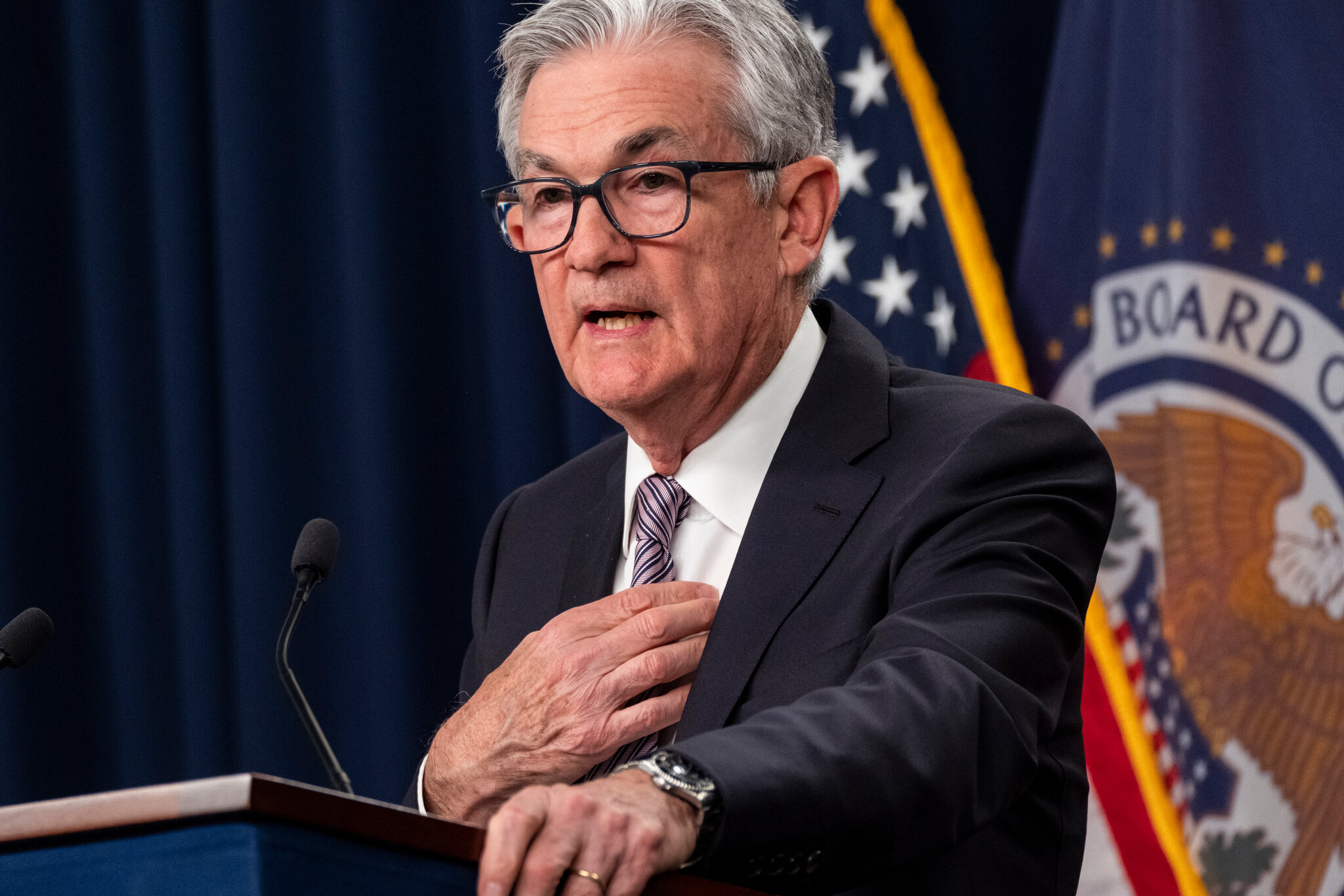
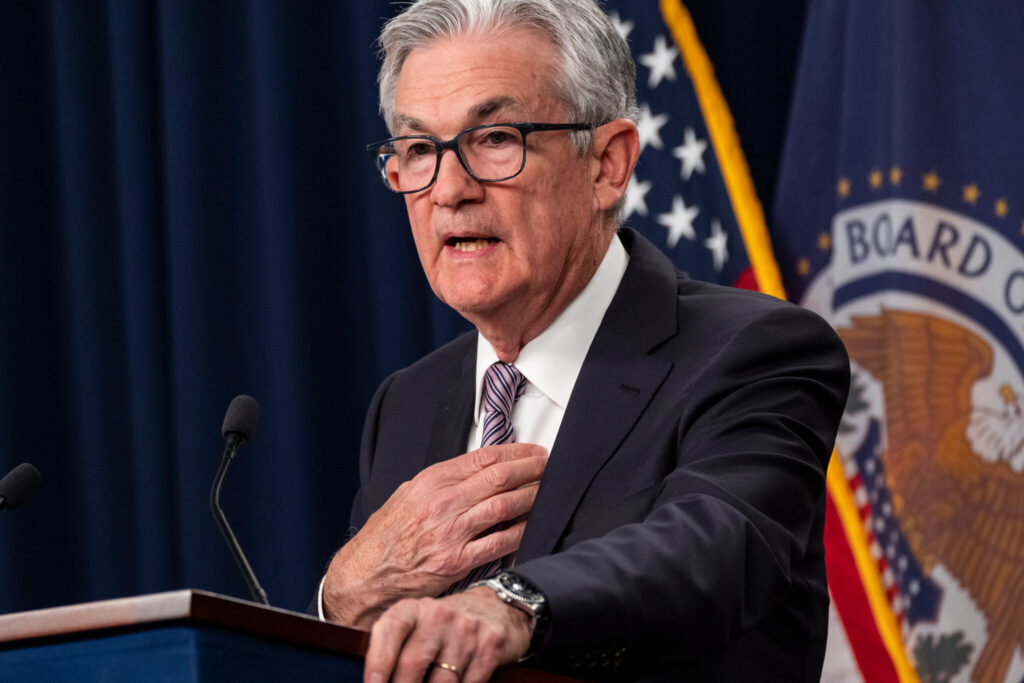
  By Anjan Roy   The US Federal Reserve chairman, Jerome Powell, has given a clear message from Jackson Hole, Wyoming, that the American central bank is all set to enter a rate reversal cycle. The Federal Reserve at long last would usher in a regime of lower policy rates.   This was picked up […]

Climate change is exacerbating income inequality worldwide, with low-income households bearing the brunt of its impacts, according to a comprehensive study analyzing climate shocks across various countries. The research, conducted using a Vector Autoregression (VAR) model, highlights the unequal distribution of climate-related economic effects, particularly in hot, low-income countries with significant agricultural sectors. The study’s findings underscore that climate shocks, such as extreme weather events, are not […]

A tropical storm warning is now in effect for Hawaii’s Big Island as Tropical Storm Hone approaches, bringing with it the threat of significant rain and wind. Forecasts predict that the storm will intensify over the coming days, with the southern parts of the island expected to experience heavy precipitation and strong gusts.

The National Weather Service has indicated that Hone could deliver wind speeds reaching up to 60 mph, along with up to 6 inches of rain in some areas. Such conditions are likely to cause localized flooding and could potentially lead to power outages and wind damage across the affected regions.

Emergency services are on high alert, preparing for the storm’s impact by securing critical infrastructure and mobilizing resources for potential evacuations. Residents have been advised to prepare for adverse weather conditions, including securing outdoor items, stocking up on emergency supplies, and staying informed through official channels.

The storm’s trajectory suggests that it will make landfall on the southern coast of the Big Island, with the potential to affect coastal communities and low-lying areas. Authorities are particularly concerned about the possibility of flash floods and mudslides, which could pose significant risks to safety and property.

Meteorologists are closely monitoring Hone’s movement, noting that while the storm is currently categorized as a tropical storm, fluctuations in intensity are possible as it approaches Hawaii. The system’s development is being tracked in real-time to provide accurate updates and warnings.

Residents and visitors are encouraged to follow local advisories and heed evacuation orders if issued. The combination of high winds and heavy rainfall poses a serious risk, and preparedness is key to minimizing impact and ensuring safety.

As the storm progresses, more detailed forecasts and updates will be provided to help the community stay informed and take necessary precautions. Emergency management officials continue to coordinate efforts to mitigate the storm’s impact and ensure a swift response to any arising challenges.

Overall, the arrival of Tropical Storm Hone underscores the importance of readiness in the face of severe weather events, with all eyes on the evolving situation as it develops over the coming days.

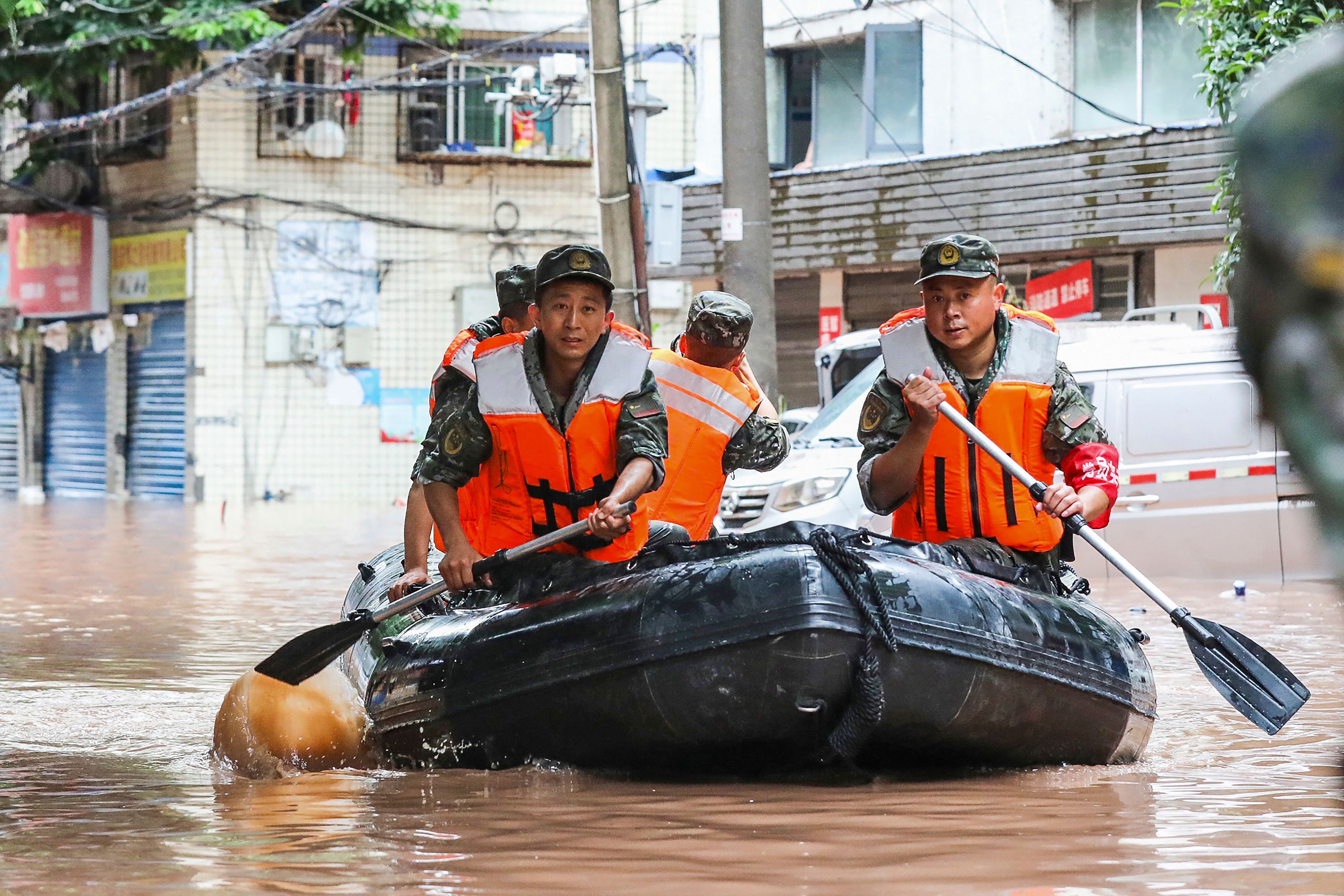
China has allocated an additional 50 million yuan ($7 million) to bolster flood prevention and relief efforts in Liaoning Province, as the region grapples with severe flooding. This new injection of funds from the central government underscores the escalating challenges faced by northeastern China due to extreme weather conditions, which have already caused widespread damage.

Heavy rainfall has battered Liaoning, leading to severe flooding that has displaced thousands of residents, destroyed infrastructure, and inundated large swathes of agricultural land. The decision to provide additional financial support aims to address the immediate needs of affected communities and to reinforce the region’s capacity to manage the ongoing crisis.

The Liaoning Provincial Flood Control and Drought Relief Headquarters has been at the forefront of coordinating rescue and relief operations, working in tandem with national emergency response teams. The added funds will be directed towards critical areas such as evacuation, emergency shelter provisions, and the repair of damaged infrastructure, including roads, bridges, and power lines.

Meteorological reports indicate that the province has experienced rainfall levels far exceeding seasonal averages, contributing to the severity of the flooding. The province’s river systems, including the Liao River, have swollen to dangerous levels, prompting authorities to issue warnings and to implement emergency measures. The situation has been exacerbated by the region’s geographical vulnerabilities, with mountainous areas particularly prone to landslides, further complicating relief efforts.

Authorities have been swift in their response, deploying thousands of rescue personnel to the hardest-hit areas. The People’s Liberation Army (PLA) has also been mobilized, providing critical support in evacuating residents and fortifying flood defenses. Despite these efforts, the scale of the disaster has overwhelmed local resources, necessitating the additional financial support from the central government.

The flooding in Liaoning is part of a broader pattern of extreme weather that has affected several regions across China this summer. Unusually heavy rainfall, driven by climate anomalies, has led to similar crises in other provinces, stretching the country’s disaster response capabilities. The Chinese government has emphasized the need for a coordinated national response, recognizing that the impacts of climate change are likely to increase the frequency and intensity of such events.

The additional funding for Liaoning will also be used to strengthen the province’s long-term resilience to flooding. This includes investments in improving drainage systems, reinforcing riverbanks, and enhancing early warning systems. Experts have called for a reassessment of flood management strategies across the country, advocating for a more integrated approach that considers both immediate response and long-term adaptation to changing climate patterns.

Economic losses from the flooding in Liaoning are expected to be significant, with early estimates running into billions of yuan. The agricultural sector, a key component of the region’s economy, has been particularly hard-hit, with large areas of crops destroyed. The destruction of infrastructure is also likely to have long-term repercussions, disrupting transport and logistics in the province.

The government’s swift action in allocating additional funds is a clear indication of its commitment to mitigating the impact of natural disasters and protecting the livelihoods of those affected. However, the situation in Liaoning remains fluid, with ongoing concerns about further rainfall and the potential for additional flooding.

As rescue and relief operations continue, authorities are urging residents in vulnerable areas to remain vigilant and to adhere to evacuation orders. The focus now is on stabilizing the situation and ensuring that those affected receive the necessary assistance as quickly as possible.

The response to the Liaoning flooding will likely serve as a critical test of China’s disaster management systems, highlighting the need for continued investment in infrastructure and preparedness to cope with the growing threat of climate-related disasters.

OPEC+ faces a critical decision in the coming weeks as it evaluates whether to move forward with its planned oil production increases scheduled to begin in October. The decision is fraught with complexity, driven by a mix of economic, political, and market factors that could significantly influence global oil prices and economic stability. The planned increases stem from a decision made in June 2024, where OPEC+ members […]

VISHNU RAJA
RYO YAMADA
HITORI GOTOH
IKUYO KITA