News related to
financial

The Bank also sponsored buka puasa meals for over 300 foodpanda riders in Melaka, Terengganu, Negeri Sembilan, and Perak KUALA LUMPUR, MALAYSIA – Media OutReach Neswire – 14 April 2025 – In conjunction with the holy month of Ramadhan, Hong Leong Islamic Bank (“HLISB” or the “Bank”) distributed 1,000 buka puasa meals to foodpanda e-hailing delivery riders in its ‘Senyum-Senyum Ramadhan‘ initiative, bringing the festive spirit and […]

Tether, the issuer of the USDT stablecoin, has reported a 13% increase in its user base during the first quarter of 2025, highlighting the growing demand for digital dollar alternatives in emerging markets. CEO Paolo Ardoino attributes this growth to USDT’s role in providing financial services to unbanked populations and its integration into various sectors beyond traditional stablecoin operations.

The company now serves over 400 million users globally, with approximately 35 million new wallets added each quarter. This expansion is particularly notable in regions with limited banking infrastructure, where USDT offers a stable medium for savings and transactions. Ardoino emphasizes that USDT functions as a “bridge” in these markets, facilitating access to the US dollar and supporting local economies.

Tether’s influence extends beyond user adoption. The company is among the top three global purchasers of short-term US Treasury bills, holding approximately $90.87 billion in such securities as of March 31, 2024. This significant investment underscores Tether’s role in the global financial system and its commitment to backing USDT with substantial reserves.

In addition to its stablecoin operations, Tether is diversifying its portfolio through investments in artificial intelligence and other emerging technologies. The company plans to launch an AI platform by the end of Q1 2025, signaling its intent to compete with established tech giants and expand its offerings beyond the cryptocurrency space.

Despite its growth, Tether faces regulatory scrutiny and challenges in various jurisdictions. The company has been proactive in addressing these concerns by enhancing its compliance measures and increasing transparency regarding its reserves and operations. Ardoino has dismissed allegations of Tether’s involvement in illicit activities as unfounded, emphasizing the company’s commitment to regulatory compliance.

JSW Neo Energy has successfully completed the acquisition of a 4.7 GW renewable energy platform from O2 Power, marking a significant leap in its energy portfolio. This acquisition brings the total capacity of JSW Neo Energy to 12.2 GW, positioning it closer to its ambitious target of reaching 20 GW by 2030. The deal is part of the company’s strategic push to solidify its presence in India’s rapidly growing renewable energy sector.

With the energy landscape in India transitioning towards a more sustainable future, JSW Neo Energy’s expansion aligns with the government’s vision of achieving 500 GW of non-fossil fuel-based power capacity by 2030. The platform acquired from O2 Power, which includes both operational and under-construction projects, covers a diverse mix of solar and wind energy. These assets are expected to provide significant long-term revenue streams and diversify JSW Neo Energy’s renewable portfolio.

This move comes as part of JSW Energy’s broader strategy to accelerate its green energy initiatives. In line with this, the company aims to focus on scaling up its renewable capacity while phasing out fossil fuel-based assets. The acquisition enhances JSW Neo Energy’s position as one of India’s key players in the renewable energy market, alongside other major industry players such as ReNew Power, Adani Green, and NTPC. The renewable energy sector, which has seen robust growth due to favorable policy frameworks and increasing investment, is becoming an attractive space for both established energy companies and new entrants.

O2 Power, a prominent renewable energy developer in India, made the decision to divest a part of its portfolio as part of its strategy to streamline operations and focus on other business ventures. The deal reflects a broader trend in India’s renewable energy sector, where companies are consolidating and scaling operations to meet the increasing demand for clean energy. This transaction also underscores the competitive landscape in the sector, with firms vying for a larger share of the renewable energy pie.

For JSW Neo Energy, this acquisition not only expands its operational footprint but also accelerates its progress towards meeting India’s energy transition goals. The company has been actively involved in both the solar and wind energy segments and plans to continue investing in projects that enhance its renewable energy capacity. In recent years, JSW Neo Energy has been building its portfolio through a series of acquisitions and partnerships, including deals with leading international investors and developers.

The renewable energy sector in India has witnessed increased investments, supported by policy initiatives such as the National Wind-Solar Hybrid Policy and the Renewable Energy Purchase Obligation , which mandate that utilities must procure a certain percentage of power from renewable sources. These policies have created a conducive environment for energy companies like JSW Neo Energy to expand and scale their operations.

The push towards renewable energy also reflects a growing awareness of the need to address climate change and reduce reliance on fossil fuels. India has committed to achieving net-zero emissions by 2070, with an interim target of achieving 50% of its energy needs from non-fossil fuel sources by 2030. This aligns with JSW Neo Energy’s commitment to sustainable growth and its long-term vision of becoming a leader in the green energy space.

Experts in the industry believe that the consolidation of renewable energy assets through acquisitions, such as the one completed by JSW Neo Energy, is crucial for driving economies of scale. By consolidating assets, companies can reduce operational costs, increase efficiency, and improve their financial viability. Additionally, large-scale renewable projects allow companies to attract capital more easily, which is essential for financing the growth of the sector.

A new report examining sponsored content across major video platforms has highlighted a persistent pay gap between male and female-identifying influencers, with women earning approximately 32% less than their male counterparts. The findings raise concerns about the growing inequalities within the influencer marketing industry, which has become a cornerstone of modern digital advertising.

The report, which analysed data from influencers across a variety of platforms including YouTube, Instagram, and TikTok, reveals significant pay disparities in terms of sponsored content deals. While influencers of all backgrounds continue to benefit from growing brand partnerships, female-identifying creators are, on average, paid less for similar work. The study underscores how these discrepancies reflect broader trends of gender inequality in both digital spaces and traditional media.

The figures reveal that female influencers receive fewer opportunities for high-paying deals, often being offered lower rates for sponsored posts, product promotions, and brand collaborations. The report’s data points to the fact that male influencers, particularly those in niches such as tech, gaming, and finance, tend to secure more lucrative partnerships than their female peers in comparable sectors. This gendered imbalance, according to experts, is a reflection of traditional gender roles and stereotypes that persist in the marketing and media industries.

In addition to pay disparities, the study found that women face more significant barriers in building long-term brand partnerships. Many brands tend to favour male influencers for high-profile campaigns due to the perception that they have wider appeal or higher engagement rates, despite data suggesting that women often generate stronger, more engaged communities. This phenomenon is particularly noticeable on platforms like Instagram, where beauty and lifestyle influencers are often sidelined in favour of male influencers for more high-budget campaigns.

Experts point out that these disparities are not necessarily due to a lack of talent or audience engagement, but rather stem from systemic biases within the industry. The report suggests that while the influencer marketing sector has flourished in recent years, the business side of the industry remains influenced by traditional, outdated gender norms. Men are still often seen as more “marketable” or “trustworthy” figures, while female influencers are viewed as more niche or limited in scope, despite growing evidence to the contrary.

The report also shines a light on the disproportionate representation of women in lower-paying categories. Female creators are often pigeonholed into specific content genres, such as beauty, fashion, or lifestyle, which generally attract lower sponsorships compared to male-dominated categories like technology or business. As a result, women in these areas are frequently excluded from the larger, more lucrative sponsorship deals that their male counterparts in tech or finance enjoy. This limits their earning potential and opportunities for career advancement.

The study also explored the influence of demographic factors, showing that women of colour, in particular, face even steeper pay gaps, earning up to 40% less than white men in some cases. This intersectional analysis further highlights the compounded nature of discrimination, where race and gender together exacerbate earning disparities in the influencer space. The report calls for more inclusivity and equitable representation in all sectors of the influencer industry to address this issue more effectively.

The findings have sparked a broader conversation within the influencer marketing industry about the need for systemic change. Advocates for equal pay and representation argue that brands and agencies must take a more active role in addressing these inequalities by establishing transparent pay structures and offering equal opportunities for all creators, regardless of gender. This includes not only ensuring equitable pay for sponsored content but also providing women with the same opportunities for visibility and brand collaborations as their male counterparts.

Some industry leaders have already begun to take action, launching initiatives aimed at closing the gender pay gap in influencer marketing. These include offering mentorship programs, providing financial literacy resources, and creating more inclusive content opportunities for female influencers. Additionally, there have been calls for platforms themselves to implement measures that promote fairness and equity, such as algorithmic adjustments to ensure equal exposure for all creators, regardless of gender.


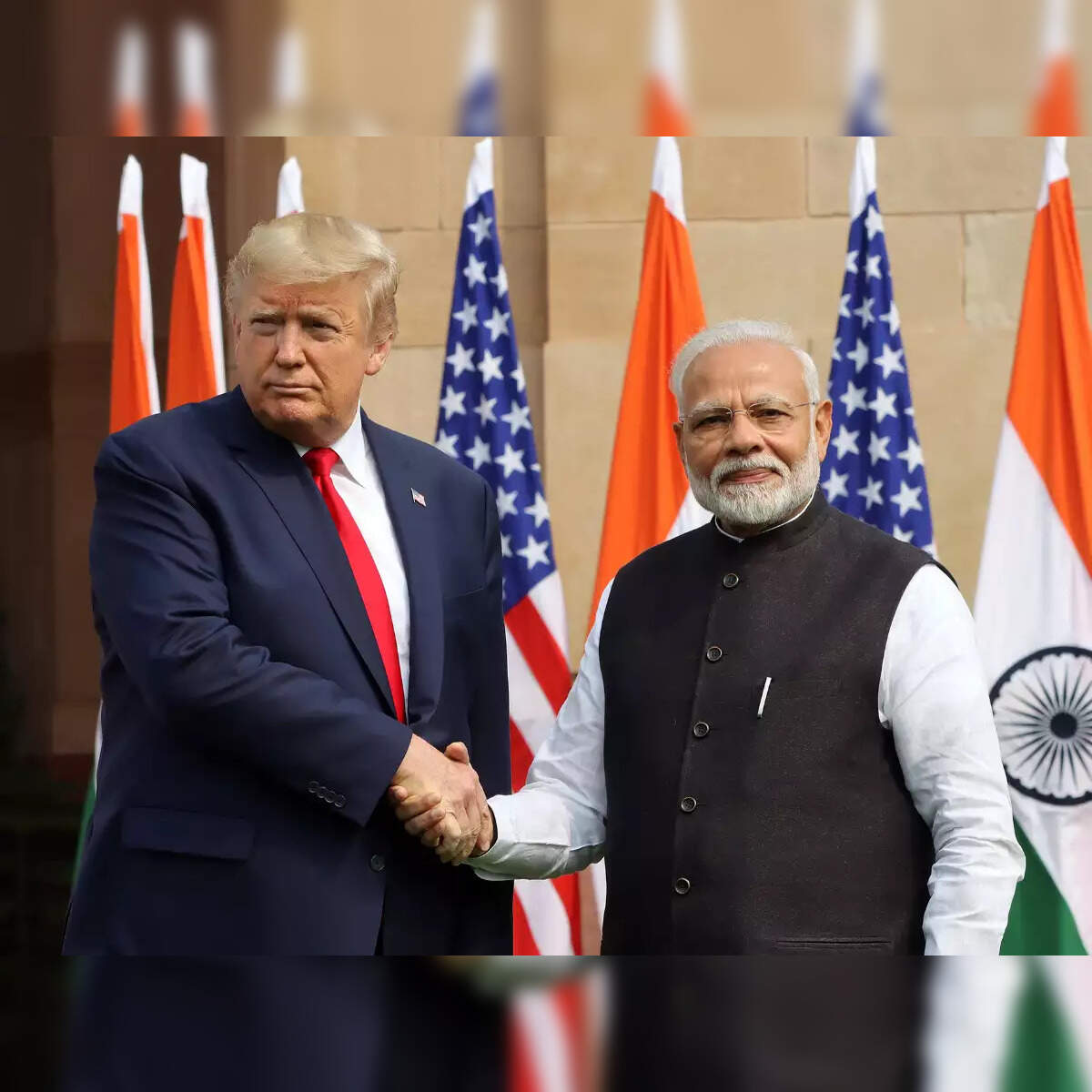
By K Raveendran In both foolhardiness in decision making and shameless flip-flop in dealing with disastrous aftermaths, Narendra Modi and Donald Trump have exhibited a total lack of honesty in admitting their mistakes. The similarity is too striking to be missed. Thanks to recklessness and impulsiveness in decision making—Narendra Modi with demonetization and Donald Trump […]


U.S. shale oil producers are confronting a challenging landscape as falling crude prices, escalating tariffs, and global market shifts undermine the sector’s profitability and growth prospects. Despite technological advancements that have bolstered production efficiency, the convergence of economic and policy pressures is prompting a reassessment of the industry’s trajectory.

Crude oil prices have declined to approximately $55 per barrel, a level below the $65 threshold that many U.S. shale companies require to maintain profitable operations. This price drop is attributed to a combination of increased output from the Organization of the Petroleum Exporting Countries and the impact of tariffs on imported equipment, which have raised operational costs for domestic producers. The U.S. Energy Information Administration has adjusted its 2025 crude price forecast downward from $70.68 to $63.88 per barrel, reflecting these market dynamics.

The rig count, a key indicator of drilling activity, has experienced a significant decline. According to Baker Hughes, the number of active oil rigs in the U.S. fell by nine in the past week, marking the largest single-week drop since June 2023. The Permian Basin, the nation’s most prolific shale region, saw its rig count decrease by five to 289, the lowest level since December 2021. This trend suggests a cautious approach among producers in response to the current economic environment.

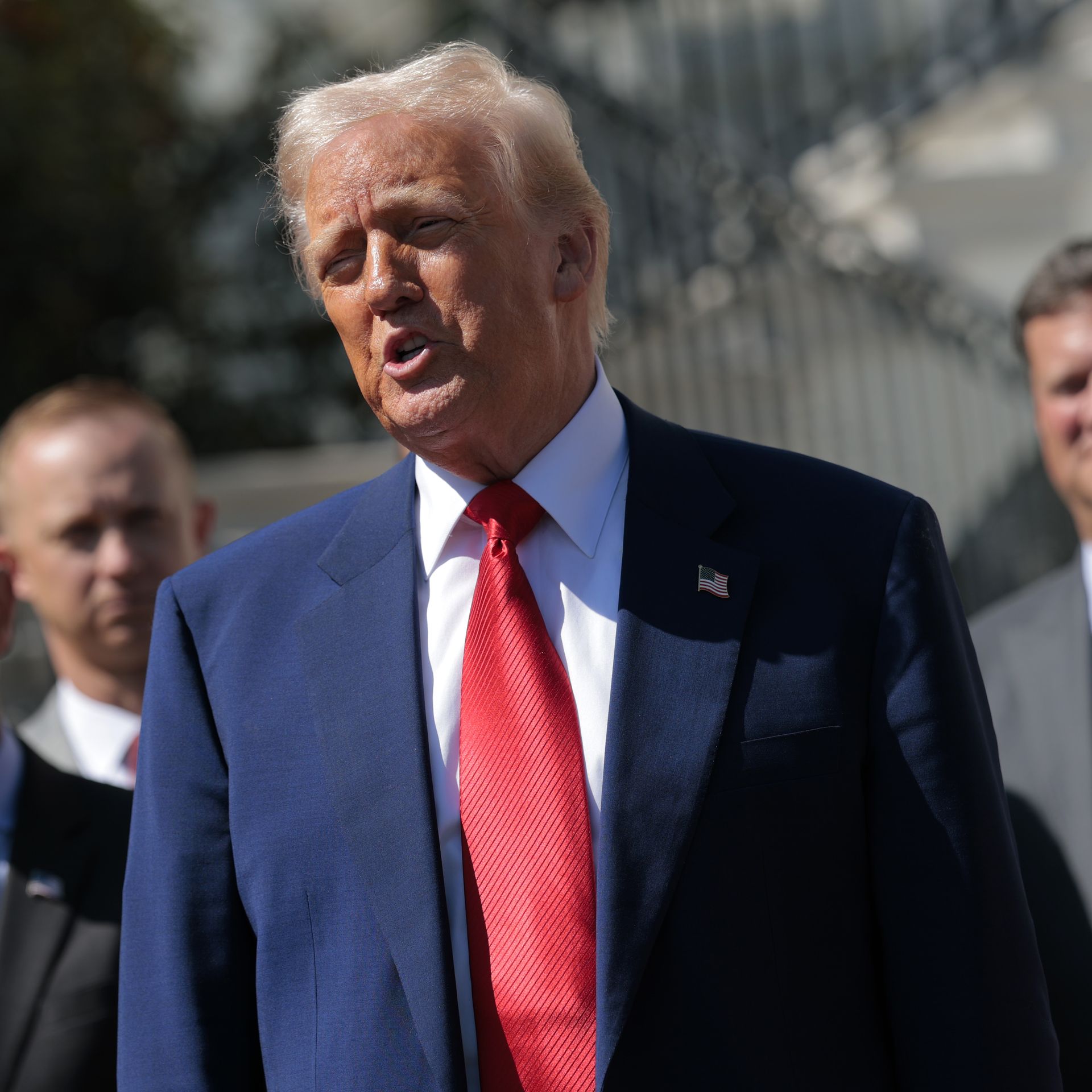
President Donald Trump’s administration has advocated for increased domestic energy production as part of its “America First” agenda. However, the imposition of tariffs, particularly on steel and other imported equipment essential for drilling operations, has inadvertently strained the sector. Industry analysts warn that these policies may counteract efforts to achieve energy dominance by making U.S. oil less competitive on the global stage.

Efforts to expand U.S. energy exports have also encountered obstacles. The administration’s proposal for the European Union to purchase $350 billion worth of American energy products to address trade imbalances has been met with skepticism. European officials cite logistical challenges, existing long-term contracts with other suppliers, and a strategic emphasis on energy diversification as barriers to such a substantial shift in procurement.

Despite these challenges, U.S. shale production is projected to reach new heights. BloombergNEF forecasts a 4.5% increase in output, bringing production to a record 13.9 million barrels per day in 2025. This growth is attributed to improved drilling techniques and efficiencies that allow for greater output with fewer rigs. However, the sustainability of this growth is uncertain amid the current economic pressures.

The industry’s focus has shifted toward capital discipline and shareholder returns, moving away from aggressive expansion strategies. This shift, combined with the financial strain of tariffs and low oil prices, has led to a more conservative approach to drilling and investment. Some companies are exploring mergers and acquisitions as a means to consolidate resources and reduce operational costs.

Technological advancements continue to play a role in enhancing production efficiency. Innovations such as longer lateral wells and simultaneous fracturing of multiple wells have improved output per rig. However, the benefits of these technologies may be offset by the increased costs associated with tariffs and the need for significant upfront investment.

Matein Khalid “We went eyeball to eyeball and the other guy blinked” – JFK said about Nikita Peasantovich Shoe Bangarov after Stalin’s henchman in the Red Terror back down in the Cuban missile crisis. Trump has gone eyeball to eyeball with the bond market and Xi Jinping but only the Dragon Empire’s Emperor for Life has blinked while the bond vigilantes have gone berserk in the netherworld […]

Advertisements

Empowering Enterprises in Global Expansion and Reinforcing Hong Kong’s Position as an International Innovation and Technology Hub HONG KONG SAR – Media OutReach Newswire – 11 April 2025 – The Hong Kong Productivity Council (HKPC) officially launched “The Cradle – Going Global Service Centre” (The Cradle) today, supported by the Zhongguancun Beijing-Hong Kong-Macao Youth Innovation Centre, the National Innovation Centre par Excellence (NICE), and the Greater Bay […]

Zambia is set to resume construction of a high-voltage transmission line connecting its power grid with Tanzania’s, a move expected to enhance energy security and foster economic integration across Eastern and Southern Africa. The Zambia–Tanzania Interconnector Project , backed by a $292 million financing package from the World Bank, the UK Foreign, Commonwealth & Development Office, and the European Union, aims to establish a 620-kilometre, 400kV double-circuit […]

New York State Assembly Member Clyde Vanel has introduced a bill that would permit state agencies to accept cryptocurrencies, including Bitcoin, Ethereum, Litecoin, and Bitcoin Cash, as payment for fines, taxes, and other financial obligations. The proposed legislation, Assembly Bill A2532, aims to modernize the state’s payment systems by integrating digital currencies.

The bill outlines that state agencies could enter into agreements with individuals to accept cryptocurrency payments for various charges, such as fines, civil penalties, rent, rates, taxes, fees, and other financial obligations owed to the state. While it does not mandate agencies to accept digital currencies, it clarifies that they have the legal authority to do so if they choose. Additionally, the legislation allows state agencies to charge a service fee to cover any costs associated with processing cryptocurrency transactions.

Assembly Member Vanel, representing the 33rd District in Queens, has been an advocate for cryptocurrency and blockchain technology. In 2019, he was instrumental in creating a cryptocurrency and blockchain task force to study the potential effects of these technologies on New York’s economy.

The introduction of this bill comes amid a complex regulatory environment for cryptocurrencies in New York. The state has been known for its stringent regulations, notably the BitLicense framework, which imposes strict disclosure and consumer protection requirements on businesses offering cryptocurrency-related services to New York residents. In November 2022, the state enacted a law temporarily halting the renewal of air permits to companies performing cryptocurrency mining operations out of former fossil fuel plants, citing environmental concerns.

South Korea has deferred the enforcement of the Credit Information Act on cryptocurrency exchanges until 1 December 2025, providing a grace period during which penalties will not be imposed unless violations involve intent or gross negligence. The Act mandates that crypto exchanges treat user transaction records as sensitive credit information, aligning them with traditional financial institutions in terms of data handling and protection.

This postponement allows exchanges additional time to adapt their systems and processes to comply with the stringent requirements of the Act. The Financial Services Commission has indicated that during this grace period, it will focus on guiding exchanges towards compliance rather than penalising them, unless there is clear evidence of deliberate or grossly negligent misconduct.

The Credit Information Act’s application to the crypto sector is part of South Korea’s broader initiative to regulate digital assets more comprehensively. The Act’s provisions require exchanges to implement robust data protection measures, including the secure storage of user data and the establishment of protocols to prevent data breaches. These measures are intended to enhance user trust and align the crypto industry’s practices with those of the traditional financial sector.

In the interim, the Virtual Asset User Protection Act, which came into effect on 19 July 2024, continues to govern the crypto industry. This Act mandates that exchanges store at least 80% of user deposits in cold storage, separate from their own funds, and entrust users’ cash deposits to licensed local banks. Additionally, exchanges are required to maintain cryptocurrency reserves matching customer deposits and to have insurance or reserve funds to cover potential losses from hacks or liquidity issues.

By Anjan Roy Just as Donald Trump’s tariffs had shaken the world and the financial markets, a sudden brake on their implementation had equally shocked leaders to market sloggers as much. President Trump had equally abruptly pushed back the time when his “reciprocal” tariffs were to kick in. He deferred it by ninety days and […]


HONG KONG SAR – Media OutReach Newswire – 11 April 2025 – Hong Kong-listed International Entertainment Corporation (1009.HK)(IEC or the Company), a Manila-based casino and hotel operator, has struck a provisional licensing deal with the Philippine Amusement and Gaming Corporation (PAGCOR), pledging $1 billion USD to $1.2 billion USD to fuel its forward-thinking growth plans in the Philippines’ booming gaming sector. International Entertainment Corporation has struck a […]

Dubai-based cargo airline SolitAir has secured its Air Operator Certificate from the United Arab Emirates’ General Civil Aviation Authority , marking a significant milestone in its operational expansion. The certification, issued under UAE Civil Aviation Regulations Part V, Chapter 4, authorises SolitAir to operate as a licensed air cargo carrier, following a rigorous evaluation of its operational, safety, and financial standards.

Headquartered at Dubai World Central , SolitAir specialises in middle-mile cargo services, connecting key logistics hubs across the Middle East, South Asia, and Central Asia. The airline’s fleet now comprises three Boeing 737-800 Boeing Converted Freighters —one of which is on a dry lease—and one Boeing 737-400 BCF. This expansion supports operations from its 220,000-square-foot logistics facility at DWC, enhancing its capacity to meet growing regional demand.

The AOC also facilitates SolitAir’s transition from chartered operations to in-house management of its aircraft. Notably, the airline has taken delivery of a 20-year-old Boeing 737-800 BCF, previously operated by carriers including Air India Express and TUI fly Germany. This aircraft, converted to a freighter in 2023, is currently undergoing maintenance in Sofia before entering service under SolitAir’s registry.

SolitAir’s operational strategy includes partnerships with ASL Airlines Ireland, from which it leases two additional Boeing 737-800 BCFs. These aircraft continue to operate under ASL’s ‘5H’ code, reflecting the collaborative nature of SolitAir’s fleet management approach.

The airline has initiated routes to Bangalore, India; Erbil, Iraq; and Riyadh, Saudi Arabia, aligning with its focus on underserved regional markets. Future plans involve expanding services to Africa, the Gulf Cooperation Council countries, the Indian subcontinent, and Central Asian nations, catering to integrators, freight forwarders, express operators, and e-commerce entities.

Ajman Bank has divested its stake in Gulf Navigation Holding, concluding a series of direct share transactions valued at AED 173.4 million over the past month. Data from the Dubai Financial Market indicates that nine direct deals, each ranging between 2.6 million and 9 million shares, were executed since March 5. This move signifies the bank’s complete exit from its investment in the Dubai-based shipping company. Previously, […]

First Abu Dhabi Bank PJSC , the largest lender in the United Arab Emirates by assets, is undergoing another wave of executive departures as it implements a significant internal restructuring aimed at reinforcing its regional dominance and enhancing shareholder value. Chief Credit Officer Neil Barrable is stepping down less than a year after his appointment, citing personal reasons. Barrable joined FAB in June 2024 from HSBC Holdings […]

Matein Khalid As I sensed a few hours after the NYSE opened on Liberation Day, the masters of the universe on Wall Street and the White House have knowingly ignited the mother of all Lehman/Liz Truss moments in the global capital markets. Like Shakira’s hips, my Bloomberg screen does not lie as it speaks to me in its ominous green phosphorescent flicker. ​The Volatility Index is once […]

President Donald Trump has signed legislation repealing a Biden-era Internal Revenue Service rule that mandated cryptocurrency brokers, including decentralised finance platforms, to report user transactions via Form 1099s. The rule, finalised in December 2024, aimed to extend tax reporting obligations to DeFi platforms, treating them similarly to traditional financial intermediaries.

The repeal follows bipartisan votes in both the House and Senate, utilising the Congressional Review Act to overturn the regulation. Critics argued that the rule imposed unworkable requirements on DeFi platforms, which, by design, lack centralised control and user data necessary for compliance. Industry stakeholders contended that enforcing such reporting standards on DeFi would stifle innovation and drive activity offshore.

The original IRS rule was part of a broader effort to enhance tax compliance in the digital asset sector, stemming from the 2021 Infrastructure Investment and Jobs Act. It sought to align cryptocurrency reporting with that of traditional financial instruments, estimating an increase in federal revenue. However, the DeFi community maintained that the decentralised nature of their operations made adherence to the rule impractical.

Supporters of the repeal, including Senator Ted Cruz and Representative Mike Carey, emphasised the importance of fostering innovation and avoiding regulatory overreach. They argued that the rule exceeded congressional intent and posed significant burdens on emerging technologies.

Opponents of the repeal expressed concerns about potential revenue losses and the risk of increased tax evasion. The Joint Committee on Taxation projected that rescinding the rule could reduce federal revenue by $3.9 billion over the next decade. Tax experts warned that the absence of reporting requirements might complicate efforts to monitor illicit activities within the crypto space.

HONG KONG SAR – Media OutReach Newswire – 11 April 2025 – Today, IX Asia Indexes announced the 2025 1st quarter review of ixCrypto Index Series. The constituent changes will be effective on 18th April 2025 (Friday) (“the effective date”). The results of the constituent review and exchange review are as follows: 1. Constituent Review – ixCrypto Index Series 1.1 ixCrypto Index (“IXCI”) The number of constituents […]

Abu Dhabi-based Mubadala Energy has announced a strategic partnership with Kimmeridge Energy Management to acquire a significant stake in the Commonwealth LNG project in Cameron, Louisiana. This move marks Mubadala Energy’s inaugural investment in the United States’ liquefied natural gas sector, aligning with its strategy to expand its gas portfolio amid the global energy transition.

Kimmeridge Energy Management, through its subsidiary Kimmeridge Texas Gas, acquired a 90% stake in Commonwealth LNG in June 2024. The project is developing a 9.5 million metric tons per annum LNG export facility on the west bank of the Calcasieu Ship Channel. The acquisition aimed to advance the project towards a final investment decision by the end of the second quarter of 2025.

In August 2023, Commonwealth LNG secured development capital from Kimmeridge, completing the funding required to reach FID. The two companies agreed in principle on a 20-year, 2 mtpa LNG offtake commitment from the facility, along with associated gas supply. This agreement also included terms for Kimmeridge’s participation in providing further equity to support the construction of the facility.

Mubadala Energy’s entry into the partnership brings additional financial strength and international expertise to the Commonwealth LNG project. While specific details of Mubadala’s investment have not been disclosed, the collaboration is expected to enhance the project’s prospects amid a competitive and evolving LNG market.

The Commonwealth LNG project has faced regulatory challenges, particularly concerning the U.S. Department of Energy’s approval process for LNG export licenses. The project has been awaiting an export permit for over a year, with delays attributed to the Biden administration’s pause on LNG export-permit reviews. Kimmeridge’s Managing Partner, Ben Dell, expressed optimism that the pause could be lifted early next year, potentially allowing the project to reach FID in the fourth quarter of 2025.

In anticipation of regulatory approvals, Commonwealth LNG has been proactive in securing partnerships and agreements to bolster the project’s development. In August 2023, the company entered into a collaboration with Baker Hughes for the supply of gas compression technology and equipment, aiming to commence production in early 2027. Additionally, Commonwealth LNG and Kimmeridge Texas Gas committed to natural gas certification under MiQ standards, reflecting a focus on environmental responsibility.

PASAY, PHILIPPINES – Media OutReach Newswire – 10 April 2025 – At the 2025 Manila International Auto Show (MIAS), VinFast officially launched sales of the VF 6, a fully electric SUV in the popular B-segment, introduced a free charging program available at charging stations operated by V-GREEN, and forged strategic partnerships with reputable Philippine dealerships and banks. These initiatives highlight VinFast’s commitment to accelerating the adoption of […]

Zimbabwe’s tobacco farmers are confronting significant financial setbacks as barn fires destroy substantial portions of their harvests, exacerbating existing economic pressures. The 2025 tobacco marketing season, which commenced on March 5, has seen farmers grappling with these unforeseen losses. Barn fires have long plagued Zimbabwe’s tobacco industry, with many incidents linked to the use of traditional curing methods that rely heavily on firewood. This practice not only […]

Sheikh Hamdan bin Mohammed bin Rashid Al Maktoum, Crown Prince of Dubai, Deputy Prime Minister, and Minister of Defence, marked a significant moment at the Bombay Stock Exchange by ringing the opening bell during his official visit to India. This event underscores the deepening economic ties between the United Arab Emirates and India, highlighting the robust relationship fostered through years of collaboration.

The Crown Prince’s visit follows an invitation extended by Indian Prime Minister Narendra Modi, delivered by External Affairs Minister Dr. Subrahmanyam Jaishankar during a meeting in Dubai. This invitation reflects the mutual commitment to enhancing bilateral relations across various sectors, including trade, investment, and cultural exchange.

During his time in Mumbai, Sheikh Hamdan engaged with key figures in India’s financial sector, discussing avenues to bolster economic cooperation. The act of ringing the opening bell at the BSE, one of Asia’s oldest stock exchanges, symbolizes the UAE’s interest in strengthening financial and investment linkages with India.

The UAE and India have a longstanding history of economic partnership, further solidified by the Comprehensive Economic Partnership Agreement signed in 2022. This agreement aims to enhance trade flows, reduce tariffs, and create new avenues for investment, benefiting both nations.

Sheikh Hamdan’s visit aligns with the objectives of the Dubai Economic Agenda D33, which seeks to double Dubai’s foreign trade and establish connections with an additional 400 cities globally by 2033. This strategic vision emphasizes Dubai’s role as a global trade hub and its commitment to fostering international economic partnerships.

Artificial intelligence is increasingly becoming a cornerstone in pharmaceutical research, with numerous companies leveraging advanced algorithms to expedite drug discovery and development. This transformative approach aims to reduce the time and cost traditionally associated with bringing new medications to market. Exscientia, headquartered in Oxford, UK, has been a pioneer in integrating AI into small-molecule drug design. The company’s platform, Centaur Chemist, combines human expertise with AI to […]

VISHNU RAJA
RYO YAMADA
HITORI GOTOH
IKUYO KITA