News related to
financial

The Central Bank of the United Arab Emirates has issued a new Dh100 polymer banknote, marking a significant advancement in the nation’s currency design. This initiative aligns with the UAE’s commitment to sustainability and innovation within its financial sector.

The newly released banknote showcases the Umm Al Quwain National Fort on the front, symbolizing the UAE’s rich cultural heritage. The reverse side features the Port of Fujairah alongside an image of Etihad Rail, representing the country’s ongoing infrastructural development and future aspirations. The note retains the traditional red color scheme of the existing Dh100 note to ensure easy recognition among the public.

Constructed from durable polymer material, the banknote offers an extended lifespan compared to its paper counterparts, aligning with environmental sustainability goals. Polymer banknotes are known to last significantly longer than paper notes, resulting in a reduced environmental impact and lower costs associated with production and replacement.

Incorporating advanced security features, the new Dh100 note includes a multi-colored security chip known as KINEGRAM COLORS®. This feature enhances protection against counterfeiting and bolsters public confidence in the currency. Additionally, the note is designed with Braille symbols to assist visually impaired individuals in identifying its denomination, promoting inclusivity in financial transactions.

Khaled Mohamed Balama, Governor of the CBUAE, emphasized that the introduction of the new banknote reflects the UAE’s dedication to a sustainable future and its ambition to enhance financial competitiveness. He highlighted that the design embodies the nation’s aspirations for progress while honoring its historical and cultural roots.

Tata Communications has unveiled Tata Communications Vayu, a next-generation cloud fabric designed to address the escalating challenges faced by enterprises in managing multi-cloud environments, rising costs, and the growing demands of artificial intelligence infrastructure. This integrated solution aims to simplify cloud operations, reduce expenses, and foster scalable innovation for businesses navigating the complexities of the digital era.

Vayu integrates Infrastructure as a Service , Platform as a Service , AI platforms, security, and cloud connectivity into a unified ecosystem. This consolidation eliminates management complexities, reduces operational costs, and enables enterprises to scale seamlessly without vendor lock-in. The platform’s transparent pricing model and built-in financial operations automation promise cost savings of up to 30%, with reductions of 15-25% compared to major cloud service providers, and notably, without data egress charges or hidden fees.

To support the increasing adoption of AI applications, Vayu offers on-demand access to high-performance NVIDIA GPUs, facilitating AI model training, fine-tuning, and deployment without substantial infrastructure investments. The inclusion of an AI Studio—comprising an AI workbench, model garden, and responsible AI frameworks—further accelerates innovation by providing essential tools for enterprises to develop and implement AI solutions effectively.

The platform’s PaaS services simplify application deployment through serverless computing, auto-scaling, and managed databases. Integrated DevOps tools, API management, and microservices architecture automate workflows, enabling rapid innovation without the burden of infrastructure management. This vendor-agnostic approach ensures cross-platform interoperability, allowing businesses to operate across various cloud environments, including on-premises, multi-tenant, edge, public, or private clouds.

Security remains a cornerstone of Vayu, featuring a zero-trust security framework, advanced identity and access controls, and compliance with key regulations such as the Digital Personal Data Protection Rules 2025, Reserve Bank of India , Securities and Exchange Board of India , Insurance Regulatory and Development Authority of India , and the Ministry of Electronics and Information Technology . Data encryption both at rest and in transit ensures protection against evolving cyber threats, providing enterprises with confidence in their data security.

Sustainability is also a key focus for Vayu, offering carbon-neutral cloud options and energy-efficient data centres. Tata Communications plans to implement direct liquid cooling technology to optimise heat management for high-performance computing, aligning with environmental, social, and governance goals while delivering superior cloud performance.

A.S. Lakshminarayanan, Managing Director and CEO of Tata Communications, highlighted the platform’s significance: “As the digital era accelerates, the need for enterprise cloud and AI solutions that balance performance, cost, and sustainability has never been greater. Tata Communications Vayu is more than a product—it will pioneer a new way forward for businesses to integrate, uncomplicate, and innovate.”

Bhaskar Gorti, Executive Vice President of Cloud and Cybersecurity Services at Tata Communications, emphasised the transformative nature of Vayu: “Tata Communications Vayu signifies a transformational shift. Enterprises today need more than just basic cloud services, and our latest offering is the beginning of a new chapter in cloud evolution—one where technology is no longer an obstacle but an enabler of limitless possibilities.”

The introduction of Vayu positions Tata Communications to compete directly with established cloud service providers such as Google Cloud, Microsoft Azure, and Amazon Web Services . By focusing on cross-platform interoperability, cost predictability, and leveraging its own network infrastructure, Tata Communications aims to differentiate itself in the competitive cloud market. The platform’s emphasis on reducing cloud expenditure by 15-25%, coupled with the absence of data egress charges, presents a compelling value proposition for enterprises seeking efficient and flexible cloud solutions.

Industry analysts note that the Indian public cloud services market is projected to reach $24.2 billion by 2028, growing at a compound annual growth rate of 23.8% from 2023 to 2028. This growth is driven by factors such as digital transformation initiatives, a preference for as-a-service models, and the increasing adoption of AI technologies. Tata Communications’ strategic focus on large enterprises, startups, and academic institutions positions Vayu to capitalise on this expanding market by providing tailored solutions that address the unique needs of these segments.


Strategy, formerly known as MicroStrategy, has significantly expanded its Bitcoin portfolio by acquiring 6,911 bitcoins between March 17 and March 23, 2025. The purchase, totaling approximately $584.1 million, was made at an average price of $84,529 per bitcoin. This acquisition elevates the company’s total holdings to 506,137 bitcoins, acquired at an aggregate purchase price of approximately $33.7 billion, averaging $66,608 per bitcoin.

This move underscores Strategy’s ongoing commitment to Bitcoin as a primary treasury reserve asset. The company’s aggressive accumulation strategy has positioned it as the largest corporate holder of Bitcoin, now controlling nearly 2.4% of the total 21 million bitcoins that will ever exist.

To finance this substantial acquisition, Strategy raised approximately $711.2 million through the issuance of 8.5 million shares of its 10.00% Series A Perpetual Strife Preferred Stock, priced at $85.00 per share. The offering was upsized due to strong investor demand, reflecting confidence in the company’s Bitcoin-focused strategy. The net proceeds from this offering were earmarked for general corporate purposes, including the acquisition of additional Bitcoin and working capital needs.

Michael Saylor, Strategy’s Executive Chairman, hinted at the impending Bitcoin purchase through a cryptic social media post featuring a Bitcoin price chart captioned “needs more orange.” This subtle indication preceded the official announcement of the acquisition, aligning with the company’s pattern of strategic and timely Bitcoin investments.

The company’s approach involves leveraging financial instruments to fund its Bitcoin acquisitions. The Series A Perpetual Strife Preferred Stock offers a fixed annual dividend of 10%, increasing by 1% per year if payments are deferred, capped at 18%. This structure is designed to attract fixed-income investors while providing Strategy with the necessary capital to continue its Bitcoin accumulation.

Despite the substantial investment in Bitcoin, Strategy’s stock experienced a decline of 6.8% to $274.13, amid a broader downturn in the cryptocurrency market. Bitcoin’s price decreased by 2.2% to $82,620 during the same period. This volatility highlights the inherent risks associated with the company’s Bitcoin-centric strategy, as its stock performance remains closely tied to fluctuations in the cryptocurrency market.

In the broader context, the cryptocurrency landscape is experiencing significant developments. President Donald Trump has pledged to transform the United States into the leading Bitcoin superpower and global cryptocurrency hub. In a pre-recorded address to the Blockworks Digital Assets Summit in New York, President Trump criticized previous administrations for their restrictive stance on crypto and announced plans to introduce clear regulations for stablecoins and market structures. These initiatives aim to stimulate investment and innovation in the crypto sector, potentially influencing corporate strategies like that of Strategy.

The U.S. Department of the Treasury has lifted sanctions against Tornado Cash, a cryptocurrency mixer previously accused of facilitating extensive money laundering activities, including transactions linked to North Korean cybercriminals. This decision follows a series of legal challenges questioning the Treasury’s authority to impose such sanctions on decentralized software protocols.

In August 2022, the Treasury’s Office of Foreign Assets Control sanctioned Tornado Cash, alleging its involvement in laundering over $7 billion since its inception in 2019. Notably, OFAC claimed that the North Korean hacking group Lazarus utilized the platform to launder more than $455 million. The sanctions marked a significant move by the U.S. government to regulate the use of cryptocurrency mixers, which are designed to obfuscate transaction trails on blockchain networks.

The sanctions faced immediate opposition from various quarters of the cryptocurrency community. Six users of Tornado Cash, with financial backing from the cryptocurrency exchange Coinbase, filed a lawsuit challenging OFAC’s action. They argued that sanctioning open-source, self-executing software exceeded the agency’s statutory authority under the International Emergency Economic Powers Act . The plaintiffs contended that the immutable smart contracts constituting Tornado Cash could not be considered property subject to sanctions.

In November 2024, the U.S. Court of Appeals for the Fifth Circuit ruled in favor of the plaintiffs, stating that OFAC had overstepped its authority. The court held that the smart contracts underlying Tornado Cash were not property and, therefore, not subject to sanctions under IEEPA. This ruling underscored the challenges regulators face when applying traditional legal frameworks to decentralized technologies.

Following the court’s decision, the Treasury conducted a review of the legal and policy issues surrounding the use of sanctions in the context of evolving technologies. On March 21, 2025, the Treasury announced the removal of Tornado Cash and associated Ethereum wallet addresses from the Specially Designated Nationals list. In a statement, Treasury Secretary Scott Bessent emphasized the department’s commitment to combating illicit activities in the digital asset space while acknowledging the need to adapt regulatory approaches to technological advancements.

Despite the delisting, the Treasury reiterated its concerns about North Korea’s state-sponsored hacking and money laundering campaigns. The department stressed the importance of securing the digital asset industry from abuse by illicit actors to maintain U.S. leadership in financial innovation and inclusion. The Treasury also indicated that it would continue to monitor transactions that could benefit malicious cyber actors or the North Korean regime.

The legal proceedings against individuals associated with Tornado Cash have also been noteworthy. In 2023, two co-founders of Tornado Cash were charged with facilitating over $1 billion in money laundering, including transactions linked to the Lazarus Group. One of the co-founders, Roman Storm, is awaiting trial and has denied any criminal activity. Additionally, in May 2024, developer Alexey Pertsev was sentenced to five years and four months in prison in the Netherlands for money laundering related to his involvement with Tornado Cash.

The removal of sanctions against Tornado Cash has elicited varied reactions from the cryptocurrency community and regulatory observers. Proponents of decentralized technologies view the court’s decision and subsequent delisting as a victory for open-source software development and financial privacy. They argue that sanctioning code rather than individuals or entities sets a concerning precedent for technological innovation.

Conversely, critics express apprehension that the delisting could embolden malicious actors to exploit similar platforms for illicit purposes. They emphasize the necessity for regulatory frameworks that effectively address the misuse of privacy-enhancing technologies without stifling innovation. The case of Tornado Cash highlights the complexities regulators face in balancing the promotion of technological advancement with the imperative to prevent criminal exploitation of emerging technologies.

The Treasury’s decision to lift sanctions against Tornado Cash underscores the dynamic nature of regulatory approaches to decentralized technologies. As the digital asset landscape continues to evolve, regulatory bodies worldwide are grappling with the challenge of applying existing legal frameworks to novel technological constructs. The outcome of the Tornado Cash case may serve as a reference point for future policy discussions on regulating decentralized platforms and the broader implications for financial privacy and security.

In the wake of the delisting, stakeholders in the cryptocurrency industry are closely monitoring potential regulatory responses and the development of new guidelines tailored to address the unique attributes of decentralized technologies. The balance between fostering innovation and ensuring robust safeguards against illicit activities remains a central theme in the ongoing discourse on cryptocurrency regulation.

Hong Kong’s tourism sector is actively seeking to attract high-net-worth travelers from the Middle East and Southeast Asia, implementing a series of strategic initiatives to diversify its visitor base and rejuvenate its economy. Recognizing the potential of affluent markets in the Gulf Cooperation Council countries and Southeast Asia, the Hong Kong government has allocated HK$1.2 billion in the 2025 budget to boost tourism. Finance Secretary Paul Chan […]

Abu Dhabi Future Energy Company, widely known as Masdar, has significantly bolstered its position in the global renewable energy sector by deploying approximately AED30 billion in equity investments and securing over AED16.5 billion in project financing across nine countries. These strategic moves underscore Masdar’s commitment to expanding its renewable energy portfolio and driving the global transition towards sustainable energy sources. Established in 2006, Masdar has been instrumental […]

British oilfield services and engineering firm Wood Group has agreed to extend its takeover discussions with Dubai-based Sidara, allowing time for the completion of an independent review of Wood’s projects division by Deloitte. This extension comes as Sidara faces a UK regulatory deadline to make a firm offer or withdraw, a deadline now deferred due to mutual agreement. Sidara had previously withdrawn a £1.6 billion bid for […]

Advertisements

Ripple Labs has secured a significant legal victory as the U.S. Securities and Exchange Commission officially dropped its lawsuit against the company, concluding a four-year legal battle that has had profound implications for the cryptocurrency industry. Ripple’s CEO, Brad Garlinghouse, announced the development, marking a pivotal moment for both the company and the broader digital asset market.

The SEC initiated legal proceedings against Ripple in December 2020, alleging that the company’s sale of its native cryptocurrency, XRP, constituted an unregistered securities offering. This action cast a shadow over XRP and raised concerns about the regulatory status of similar digital assets. However, the SEC’s decision to dismiss the case signifies a notable shift in the regulatory landscape, potentially setting a precedent for how cryptocurrencies are classified and regulated in the United States.

In response to the news, XRP experienced a notable price surge. The cryptocurrency’s value increased by approximately 8%, reaching $2.56, as investors reacted positively to the resolution of the legal uncertainty that had long surrounded Ripple and its digital token. This price movement reflects renewed investor confidence and suggests a more favorable outlook for XRP’s future.

The conclusion of the lawsuit comes amid broader regulatory developments under President Donald Trump’s administration, which has adopted a more accommodating stance toward the cryptocurrency industry. The administration’s efforts to ease regulatory pressures have included the dismissal of multiple lawsuits against crypto companies and the establishment of a task force aimed at fostering innovation within the digital asset space. These measures underscore a strategic shift toward embracing the potential of cryptocurrencies and blockchain technology within the U.S. financial system.

President Trump’s engagement with the cryptocurrency sector was further highlighted by his recent address at the Digital Asset Summit 2025, where he acknowledged the growing importance of digital assets in the global economy. This marked the first time a sitting U.S. president has spoken at a cryptocurrency conference, signaling a significant endorsement of the industry’s legitimacy and potential. During his speech, President Trump emphasized his administration’s commitment to positioning the United States as a leader in the crypto space, advocating for legislative reforms to support the growth of crypto institutions and the broader adoption of digital assets.

The resolution of the Ripple lawsuit is expected to have far-reaching implications for the cryptocurrency market. By clarifying the regulatory status of XRP, the decision may influence how other digital assets are perceived and regulated, potentially paving the way for increased institutional investment and mainstream adoption. Market analysts suggest that this outcome could serve as a catalyst for further innovation and growth within the crypto industry, as regulatory clarity is often cited as a critical factor for broader acceptance and integration of digital assets into traditional financial systems.

Despite the positive developments, some analysts caution that the cryptocurrency market remains inherently volatile. While the dismissal of the SEC’s case against Ripple removes a significant overhang, investors are advised to remain vigilant and consider the inherent risks associated with digital asset investments. Market dynamics can be influenced by various factors, including regulatory changes, technological advancements, and macroeconomic trends, all of which can contribute to price fluctuations and investment risks.

Ripple’s legal victory also has implications for other cryptocurrency platforms and tokens facing regulatory scrutiny. The outcome of this case may serve as a reference point for future legal interpretations and enforcement actions by regulatory bodies, potentially influencing the development of more comprehensive and clear regulatory frameworks for the cryptocurrency industry. This could lead to a more predictable and stable environment for both crypto companies and investors, fostering greater confidence and participation in the digital asset market.

Royal Private Offices across the Gulf Cooperation Council nations have rapidly accumulated assets totaling approximately $500 billion, emerging as pivotal players in the region’s financial landscape. This substantial growth has been instrumental in the creation of new sovereign wealth funds , reshaping investment strategies and economic diversification efforts within the Gulf states.

A recent report by Deloitte highlights the significant influence of RPOs, noting their role in establishing additional or parallel entities in countries where sovereign funds already exist. This trend is particularly evident in the GCC, where new funds linked to specific individuals or extended families have emerged in recent years.

The GCC’s sovereign wealth funds currently manage assets estimated at $4.9 trillion, with projections suggesting this figure will surpass $5 trillion by early 2025 and could reach $7 trillion by 2030. The integration of RPOs into the financial ecosystem has not only expanded the asset base but also diversified investment portfolios, encompassing sectors such as technology, infrastructure, and renewable energy.

One notable development is the establishment of a $500 million family office in Hong Kong by Sheikh Ali Al Maktoum, a member of Dubai’s ruling family. This move underscores the strategic intent of Gulf royals to explore investment opportunities across Asia, focusing on sectors like artificial intelligence, construction, electric vehicles, tourism, and fintech.

The emergence of RPOs has also led to increased competition among GCC cities to attract global wealth managers. Both Dubai and Abu Dhabi are vying to become the region’s premier financial hubs, offering favorable business regulations, tax incentives, and access to substantial sovereign wealth. Abu Dhabi, for instance, is leveraging its sovereign wealth funds, which manage nearly $2 trillion, to boost non-oil growth and position itself alongside Dubai as a prominent financial center.

This competitive landscape has attracted numerous international finance and law firms to the Middle East. Prominent entities such as Marshall Wace, Rothschild, and Skadden have expanded their operations into the region, drawn by the burgeoning opportunities presented by RPOs and SWFs.

The strategic investments by RPOs are not confined to traditional sectors. Sheikh Tahnoun bin Zayed al Nahyan, the UAE’s national security adviser, controls an estimated $1.5 trillion in assets and is focusing on transforming Abu Dhabi into an artificial intelligence superpower. Through his control over tech conglomerate G42, Sheikh Tahnoun aims to position the UAE at the forefront of the global AI industry, reflecting the region’s ambition to lead in cutting-edge technologies.

The rise of RPOs has also influenced the asset management landscape. In 2024, major firms aggressively expanded in the Middle East to engage local investors, driven by sovereign wealth funds’ demand for local investment. This expansion reflects the growing appeal and strategic importance of the Middle East for global finance and legal entities.

HONG KONG SAR – Media OuReach Newswire – 24 March 2025 – Economist Impact successfully concluded its 5th annual Technology for Change Asia on March 12th and 13th at the Hopewell Hotel in Hong Kong, bringing together over 570 leaders to explore the transformative power of emerging technologies for business and society. Photo caption: Albert Wong Hak-keung, chief executive officer of Hong Kong Science & Technology Parks […]

By K Raveendran It would be an understatement that the discovery of a large stash of cash from the residence of Delhi High Court Justice Yashwant Varma has sent shockwaves. This unexpected incident has raised uncomfortable questions about corruption and integrity within the judiciary, often viewed as the guardian of justice and moral rectitude. While […]

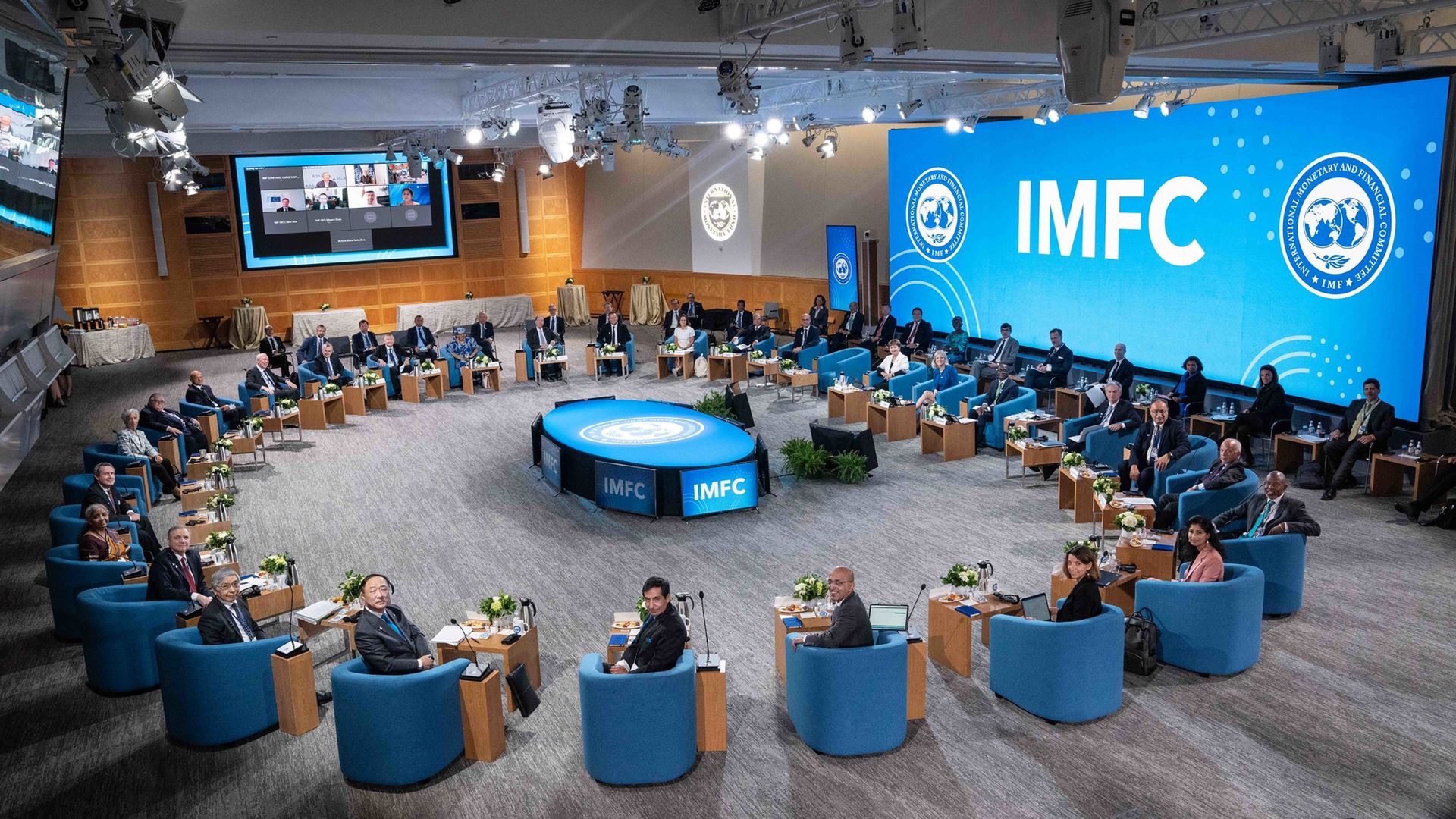
The International Monetary Fund has officially incorporated Bitcoin and other cryptocurrencies into its global economic statistics, reflecting their growing significance in the financial landscape. The IMF’s Balance of Payments Manual, Seventh Edition , released on March 20, 2025, provides detailed guidance on the classification and treatment of digital assets, marking a pivotal shift in international financial reporting standards.

In this updated manual, the IMF categorizes digital assets into two primary types: fungible and non-fungible tokens. Fungible tokens, such as Bitcoin, are further divided based on the presence or absence of corresponding liabilities. Cryptocurrencies like Bitcoin, which do not have associated liabilities and function as mediums of exchange, are classified as non-produced nonfinancial assets. These assets are recorded separately in the capital account, acknowledging their unique nature and economic role.

Conversely, digital assets with corresponding liabilities, such as certain stablecoins, are treated as financial instruments. This distinction underscores the IMF’s effort to accurately reflect the economic realities of various digital assets within the global financial system.

The BPM7 also addresses the classification of tokens tied to specific platforms. For instance, cryptocurrencies like Ethereum and Solana, which are integral to their respective platforms, may be treated akin to equity holdings in the financial account. This approach aligns with traditional financial principles, where ownership of platform-specific tokens is comparable to holding equity in a company.

The IMF recognizes activities such as staking and mining, which are essential for validating cryptocurrency transactions, as income-generating services. Rewards from these activities are treated similarly to dividends and are recorded as income, depending on the size and purpose of the holdings. This recognition reflects the growing economic impact of digital assets and adds visibility to related services in macroeconomic statistics.

The inclusion of cryptocurrencies in the IMF’s standards signifies a broader trend of acknowledging the role of decentralized digital currencies in the financial system. By treating cryptocurrencies as non-produced assets, the IMF acknowledges their unique characteristics and the need for specialized economic analysis.

This development is expected to enhance transparency and provide a more comprehensive view of global economic activities. It also highlights the IMF’s commitment to staying abreast of technological advancements and their impact on the global economy. As cryptocurrencies continue to evolve, this recognition by the IMF sets a precedent for other international organizations and governments to follow suit, potentially leading to more standardized and regulated approaches to digital currencies.

The IMF’s updated framework also addresses the complexity of staking and crypto yields, noting that rewards from holding tokens could be treated like equity dividends and recorded as income, based on the size and purpose of the holdings. Notably, this update helps countries better track the economic impact of digital assets. The IMF now treats activities like mining or staking, which help validate crypto transactions, as services. These will be included in computer services exports and imports.

Kuwait is on the brink of a significant financial transformation as it prepares to permit banks to offer mortgages for the first time. This legislative shift, anticipated to be approved soon by the Council of Ministers, is expected to unlock a market valued at approximately $65 billion, potentially expanding lenders’ credit portfolios by 40%. Historically, Kuwait has refrained from allowing or regulating mortgages due to concerns over […]

Dubai is implementing significant regulatory reforms to enhance its status as a burgeoning hub for hedge funds. The Dubai Financial Services Authority is conducting a comprehensive review of existing regulations to eliminate unnecessary burdens and lower entry barriers for financial firms.

The DFSA has proposed reducing the minimum capital requirements for certain money managers, aligning more closely with European Union and United Kingdom standards. This marks one of the most substantial regulatory shifts in nearly two decades. Currently, Dubai hosts over 70 hedge funds, with a significant number managing assets exceeding $1 billion.

In addition to lowering capital thresholds, the DFSA is considering reducing the amount of emergency cash that firms are required to maintain. Furthermore, the authority may abolish rules necessitating regulatory approval for key personnel hires, shifting the responsibility of vetting to the companies themselves.

These proposed changes aim to minimize barriers to entry and foster a more conducive business environment for hedge funds. The DFSA emphasizes that these reforms will maintain compliance with international regulatory standards while promoting growth within the financial sector.

The Dubai International Financial Centre , established in 2004, operates as an independent jurisdiction within the United Arab Emirates, with its own legal and regulatory framework based on international standards and principles of common law. This unique environment has been instrumental in attracting global financial services and related industries to Dubai.

The DIFC does not impose any investment or leverage restrictions on hedge funds, providing managers with broad flexibility to design products that align with their strategies. Mandatory disclosures are required in the hedge fund’s prospectus, and specific rules relate to prime brokers, who must be eligible custodians authorized to provide custody services in the DIFC or recognized foreign entities.

Setting up a fund in the DIFC requires either establishing a domestic fund manager or licensing an existing fund manager from a recognized jurisdiction to act as the external fund manager of the DIFC fund. The base capital requirement for a Category 3C Fund Manager is $70,000, with actual capital required depending on the nature and scale of the business.

The DFSA’s commitment to promoting the development of the financial services industry in Dubai has garnered support from international bodies such as the Managed Funds Association . The MFA acknowledges that the new statutory objective will help the DFSA prioritize the growth of the financial services industry in Dubai, allowing alternative investment funds to better serve institutional investors in the region.

The evolving regulatory environment in the UAE is critical for hedge funds and alternative investment firms looking to thrive in the region. Understanding key regulatory trends, upcoming changes, and potential areas of focus provides valuable insights for those already regulated or exploring opportunities in the UAE’s dynamic financial landscape.

Matein Khalid Risk assets went ballistic this week as DonnyT did his tariff man war dance, hurled his Tomahawk at Canada, Mexico, China and EU as Liberation Day begins on April 2nd in Year Zero of the Ten Thousand Year MAGA Empire. Long years ago, America made a tryst with destiny and now comes the time, we must redeem our pledge to The Donald, the Don of […]

Coinbase Global Inc., the largest U.S.-based cryptocurrency exchange, is in advanced discussions to acquire Deribit, a leading platform for Bitcoin and Ether options trading. The potential acquisition has been communicated to regulators in Dubai, where Deribit holds a license.

Deribit, founded in 2016 and headquartered in the Netherlands, has established itself as a dominant force in the cryptocurrency options market, particularly for Bitcoin and Ether contracts. In 2024, the exchange’s options notional trading volume surged 99% year-over-year to $743 billion, with total trading volume nearing $1.2 trillion. This growth underscores the increasing adoption of options and futures among institutional traders seeking risk management tools and leverage in crypto markets.

The potential acquisition aligns with Coinbase’s strategic push to expand its institutional offerings and underscores the growing importance of derivatives in the digital asset space. By integrating Deribit’s robust derivatives platform, Coinbase aims to enhance its product suite for institutional clients and strengthen its position in the competitive cryptocurrency exchange landscape.

While Coinbase’s interest has progressed to advanced stages, it is noteworthy that Kraken, another major U.S. cryptocurrency exchange, has also been in talks with Deribit regarding a potential acquisition. Contrary to earlier reports suggesting that Kraken had withdrawn from negotiations, sources indicate that discussions between Kraken and Deribit are ongoing. This simultaneous interest from two prominent exchanges highlights Deribit’s significant value proposition in the crypto derivatives market.

Deribit’s valuation has been a focal point in these discussions. In January, reports estimated the company’s worth to be between $4 billion and $5 billion. However, with the recent surge in crypto market activity and the heightened interest from major exchanges, the valuation could potentially be higher. Despite the advanced nature of the talks, it remains unclear if Coinbase has reached a final agreement with Deribit, and the discussions may not necessarily result in a deal.

The potential acquisition has been communicated to regulators in Dubai, as Deribit holds a license in the city. This license would be transferred to the acquiring entity, in this case, Coinbase. This regulatory aspect adds a layer of complexity to the negotiations, as compliance with international financial regulations is paramount for both entities.

The cryptocurrency industry has witnessed a surge in mergers and acquisitions, reflecting a maturation of the market and a drive towards consolidation. Exchanges are increasingly seeking to diversify their offerings to cater to a broader clientele, particularly institutional investors who demand sophisticated trading instruments like options and futures. By potentially acquiring Deribit, Coinbase would not only expand its product offerings but also solidify its position as a comprehensive platform for various trading strategies.

For Deribit, integration with a major exchange like Coinbase could provide access to a wider user base and additional resources, potentially accelerating its growth and innovation in the derivatives market. However, such an acquisition would also entail significant integration efforts, including aligning technological infrastructures, compliance protocols, and corporate cultures.

The Open Network Foundation has addressed circulating reports suggesting it raised $400 million in a funding round. Contrary to these claims, the Foundation clarified that prominent venture capital firms have collectively acquired over $400 million worth of Toncoin, the native cryptocurrency of the TON blockchain, through purchases from early investors.

Among the investors are notable firms such as Sequoia Capital, Ribbit, Benchmark, and Kingsway. Additional participants include Vy Capital, Draper Associates, Libertus Capital, CoinFund, Hypersphere, SkyBridge, and Karatage. These investments were made directly in Toncoin, rather than through traditional equity or cash transactions. A spokesperson for the TON Foundation emphasized that this is not a fundraising round but rather a strategic move by these venture capitalists, reflecting their confidence in the future success and utility of the TON blockchain and its expanding ecosystem.

The TON blockchain, originally developed by the founders of the messaging app Telegram, operates as a decentralized network supporting the development of Mini Apps within the Telegram ecosystem. In January, the Foundation strengthened its partnership with Telegram, designating TON as the exclusive blockchain for Telegram’s Mini Apps Ecosystem. This collaboration aims to provide Telegram’s extensive user base, which significantly exceeds 1 billion monthly active users, with seamless access to financial applications, including efficient payment solutions for goods and services.

Over the past year, the TON blockchain has experienced substantial growth. The number of active accounts surged from 4 million to 41 million, and Toncoin holders surpassed 121 million, exceeding the number of wallets holding Bitcoin. This remarkable expansion has attracted institutional investors globally, underscoring the network’s robust capabilities and potential.

Looking ahead, the TON Foundation aims to onboard 30% of active Telegram users to the TON blockchain by 2028. This ambitious goal will be driven by four key verticals:

1. Attracting users through Telegram’s native intellectual property, such as stickers, gifts, and on-chain collectibles.

2. Introducing engaging and rewarding multiplayer mini-games.

3. Providing decentralized finance solutions that offer user-friendly savings options with sustainable returns.

4. Creating practical payment applications that deliver real-world utility for crypto holdings.

Shaun Maguire, Partner at Sequoia Capital, expressed enthusiasm about the collaboration, stating, “The TON team is the best in the world at the intersection of consumer product thinking and crypto infrastructure. When you combine this with the global distribution of Telegram, we’re very excited to see where they go.”

Steadfastly Implements High-Quality Development Strategies and Optimize Channel Structures with a Focus on Global Market Expansion HONG KONG SAR – Media OutReach Neswire – 21 March 2025 – ZJLD Group Inc. (“ZJLD” or the “Company”, together with the Company’s subsidiaries, collectively the “Group”) (SEHK stock code: 06979. HK), an outstanding representative in the Chinese baijiu industry and the first baijiu company listed in Hong Kong Stock Exchange, […]

Chinese financial experts have raised concerns that US dollar-pegged stablecoins may strengthen the dollar’s global dominance by linking international credit to virtual economies. They advocate for China to develop its own stablecoins to enhance the yuan’s international standing.

A recent opinion piece published in several Chinese outlets considers how China should respond to the proliferation of US dollar stablecoins. The article suggests that China’s central bank should consider issuing its own stablecoins to counter the influence of dollar-pegged digital currencies.

Wang Yongli, former Vice President of the Bank of China, analyzed the position of the U.S. dollar as the world’s dominant currency and its implications for China’s monetary strategy. He pointed out that many countries, including China, have sought to internationalize their currencies and reduce reliance on the dollar, but these efforts face significant challenges. Despite China being the world’s second-largest economy and the largest trading nation in goods, the RMB’s share in global payments remains low, only around 4%, compared to the dollar’s nearly 50%. The RMB’s share in global reserves is also minimal, at just over 2%, while the U.S. dollar, despite declining from its peak, still accounts for nearly 60%.

China has been proactive in developing its own central bank digital currency , known as the digital yuan or e-CNY. This initiative aims to modernize the country’s payment systems and promote the yuan’s international use. The digital yuan is currently being tested in various regions and sectors within China, with plans for broader implementation in the future.

The internationalization of the yuan faces challenges, particularly due to China’s stringent capital controls, which limit the currency’s convertibility. These controls are in place to maintain financial stability but hinder the yuan’s acceptance as a global currency. Additionally, geopolitical tensions and U.S. sanctions add complexity to China’s efforts to promote the yuan internationally.

In response to these challenges, Chinese researchers have proposed the idea of a common Asian digital currency. Such a currency could reduce the region’s reliance on the U.S. dollar and enhance financial cooperation among Asian countries. This proposal reflects a strategic move to counter the dollar’s dominance and promote regional financial stability.

The proliferation of US dollar stablecoins presents both opportunities and challenges for global financial systems. While they offer efficiency and accessibility in digital transactions, they also reinforce the dollar’s hegemony, potentially undermining other currencies. China’s consideration of its own stablecoins and the development of the digital yuan are strategic efforts to enhance the yuan’s global standing and mitigate the risks associated with dollar-dominated digital currencies.

Many factors come into play when choosing a reliable broker to start your trading journey. For someone with limited experience in the markets, this choice can be very confusing, and the priorities are hard to define. However, traders have their own trove of practical knowledge, and tapping into it can shed light on brokers’ red flags. As part of its global research, global broker Octa surveyed hundreds […]

HONG KONG SAR – Media OutReach Newswire – 20 March 2025 – China Mobile International (“CMI”) hosted the AI+ Era Global Development Forum in Hong Kong on March 19. Distinguished guests included Li Huidi, Executive Vice President of China Mobile; Mu Chenhong, Deputy Director of the Information Center, Liaison Office of the Central People’s Government in the Hong Kong SAR; Wong Chi Kwong, Tony, JP, the Commissioner […]

President Donald Trump has called on Congress to expedite the passage of stablecoin and cryptocurrency reserve legislation, emphasizing the need for regulatory clarity in the rapidly evolving digital asset sector. This appeal was made during his address at the Digital Asset Summit, marking the first time a sitting U.S. president has spoken at a cryptocurrency-focused conference.

In his speech, President Trump underscored the importance of integrating digital assets into the mainstream financial system, stating, “We must ensure that our regulatory framework fosters innovation while protecting consumers and maintaining financial stability.” He urged legislators to deliver comprehensive bills to his desk before the congressional recess in August, reflecting a sense of urgency in addressing the regulatory challenges posed by digital currencies.

This development follows the Senate Banking Committee’s recent advancement of the Generating Necessary Information for Unobstructed Selection Act, a bipartisan bill co-sponsored by Senators Bill Hagerty and Kirsten Gillibrand. The GENIUS Act aims to provide federal legitimacy to stablecoins, digital currencies pegged to traditional assets like the U.S. dollar, by establishing a dual regulatory framework. This framework would allow stablecoin issuers to register with either state or federal authorities, thereby promoting their adoption as mainstream payment options. However, critics, including Senator Elizabeth Warren, have raised concerns about potential risks such as insufficient consumer safeguards and financial instability, cautioning against a possible Big Tech takeover of the dollar.

In addition to legislative efforts, the Trump administration has taken proactive steps to position the United States as a leader in the digital asset space. Earlier this month, President Trump signed an executive order establishing a Strategic Bitcoin Reserve and a U.S. Digital Asset Stockpile. The Strategic Bitcoin Reserve is designed to treat bitcoin as a reserve asset, capitalized with bitcoin forfeited in criminal or civil asset forfeiture proceedings. This move aims to create a “digital Fort Knox,” signaling a significant shift in the U.S. government’s approach to digital assets. The U.S. Digital Asset Stockpile will consist of other digital assets obtained through similar forfeiture proceedings, with strategies for their responsible stewardship under consideration.

The administration’s actions have been met with both optimism and skepticism. Proponents argue that these measures will integrate cryptocurrencies more deeply into the financial system, transforming them into viable payment systems and investment vehicles. Kevin O’Leary, a prominent investor and “Shark Tank” star, remarked that under President Trump’s leadership, cryptocurrency is moving away from its “cowboy era,” referencing past market volatility and regulatory uncertainties. O’Leary noted that with the implementation of regulations, crypto is becoming more integrated with financial institutions, signaling a maturation of the industry.

Conversely, critics express concerns over the rapid institutionalization of digital assets without comprehensive regulatory oversight. They caution that an overly permissive stance could lead to financial instability and inadequate consumer protections. The debate highlights the delicate balance policymakers must strike between fostering innovation and ensuring the safety and soundness of the financial system.

The Digital Asset Summit also featured discussions on the global implications of the United States’ digital asset policies. Industry leaders emphasized the need for international collaboration to establish harmonized regulatory standards, citing the borderless nature of cryptocurrencies. They argued that coordinated efforts are essential to prevent regulatory arbitrage and to promote the healthy development of the global digital asset ecosystem.

As the legislative process unfolds, all eyes are on Congress to see how it will navigate the complex landscape of digital asset regulation. The outcome will have profound implications not only for the United States but also for the global financial system, as nations worldwide grapple with the challenges and opportunities presented by the rise of digital currencies.

Pasqal, a French quantum computing startup, has integrated its neutral-atom quantum processors into Microsoft’s Azure Quantum cloud service, marking a significant advancement in cloud-based quantum computing accessibility. This collaboration allows Azure Quantum users to utilize Pasqal’s unique technology to address complex computational challenges without the need for substantial infrastructure investments. Neutral-atom quantum computing represents a notable shift from traditional quantum computing methods. Pasqal’s approach involves manipulating neutral […]

The TON Foundation, the entity overseeing the development of The Open Network blockchain, has successfully raised over $400 million through the sale of its native cryptocurrency, Toncoin. This substantial investment underscores the growing confidence in blockchain technologies and their potential applications.

Prominent venture capital firms participated in this funding round, including Sequoia Capital, Ribbit, Benchmark, and Kingsway. Additional investors such as Vy Capital, Draper Associates, Libertus Capital, CoinFund, Hypersphere, SkyBridge, and Karatage also contributed, reflecting a broad spectrum of interest from established financial entities.

A spokesperson for the TON Foundation clarified that these investments were made directly in Toncoin, rather than through traditional equity or cash transactions. This approach aligns with the foundation’s commitment to integrating investors into the TON ecosystem, promoting active participation and alignment with the network’s growth objectives.

The TON blockchain, initially conceptualized by Telegram, has experienced significant development and adoption. Over the past year, it has attracted more than 40 million active users, with the number of independent Toncoin holders reaching approximately 121 million. This rapid expansion highlights the platform’s scalability and its appeal to a diverse user base.

Toncoin serves multiple functions within the TON ecosystem, including transaction fees, staking, and governance. Validators and stakers receive Toncoin rewards for securing the network, and holders can participate in on-chain governance by submitting and voting on improvement proposals. This multifaceted utility enhances the token’s value proposition and encourages community engagement.

The involvement of high-profile investors such as Sequoia Capital and Benchmark not only provides substantial financial backing but also brings strategic expertise to the TON Foundation. These firms have a history of supporting innovative technology ventures, and their participation is expected to accelerate TON’s development and market penetration.

The decision to raise funds through a token sale rather than traditional equity financing reflects a broader trend in the blockchain industry. This method allows for immediate liquidity and aligns investor incentives with the network’s performance, fostering a more integrated and symbiotic relationship between the foundation and its backers.

The successful capital raise positions the TON Foundation to further enhance its infrastructure, expand its user base, and explore new applications for its blockchain technology. As the blockchain landscape continues to evolve, TON’s ability to attract significant investment underscores its potential to become a major player in the decentralized technology space.

This development also reflects a growing institutional interest in cryptocurrencies and blockchain projects. The participation of established venture capital firms signifies a maturation of the industry, with traditional investors recognizing the long-term potential of decentralized networks and digital assets.

The TON Foundation’s strategic approach to fundraising and its commitment to integrating investors into its ecosystem may serve as a model for other blockchain projects seeking sustainable growth and community engagement. By aligning the interests of investors, developers, and users, TON aims to foster a vibrant and resilient network capable of adapting to the rapidly changing technological landscape.

VISHNU RAJA
RYO YAMADA
HITORI GOTOH
IKUYO KITA
Just in:
Smart home choices widen as compatibility standards advance // North Korean hackers channel Binance funds through fake tokens // FATF unveils measures to dismantle global scam networks // AutoSwift secures close to A$10 million from Singapore’s X Star Technology to scale AI WINGMAN // FAB takes full ownership of Bahrain fund administrator Yasira // AI stock rout erodes sovereign and pension holdings // France identifies Iranian Guards as supermarket hacking suspects // European refrigeration hacks expose Gulf retail security risks // Bank of England flags sharper AI share correction risks // COP31 leaders demand accelerated action as warming intensifies // Allianz Insurance Singapore Encourages Homeowners to Strengthen Their Home Protection as Residential Fires Continue to Rise // Google patches actively exploited Chrome XML security flaw // Flydubai Dammam cancellations persist as Etihad extends suspensions // US relocates tankers from second British base amid threats // FinCEN identifies $8 billion in suspect overseas payments // Recognition under the U.S. Green Building Council’s rating system confirms the 22-residence tower is on track for full certification on completion // Lee Kum Kee Sauce-Sponsored 2026/27 Hong Kong Windsurfing Circuit – iQFOiL Championships Conclude Successfully // Japan’s Nikkei advances as buyers return after sell-off // Moonless skies improve stargazing conditions across northern Saudi Arabia // OnePlus 16 India debut reconsidered amid launch discussions //