News related to
financial

Gears up to launch Aspire Yield SINGAPORE – Media OutReach Neswire – 3 April 2025 – ASG2 Pte Ltd, a subsidiary of Aspire, a Singapore-headquartered all-in-one finance platform for modern businesses, today announced that it has secured the Capital Markets Services Licence (CMS) from the Monetary Authority of Singapore (MAS). The licence will enable Aspire to better serve businesses in Singapore by widening its offering to include […]

Eric Trump has announced a significant move into the cryptocurrency sector by partnering with Hut 8 Mining to establish American Bitcoin, a company aiming to become a leading force in Bitcoin mining. This decision follows the closure of multiple family bank accounts by major U.S. financial institutions.

In a recent interview, Eric Trump revealed that several prominent banks, including JPMorgan Chase, Bank of America, Capital One, TD Bank, and First Republic, terminated accounts associated with the Trump family. He described these actions as politically motivated and an attack on the family’s financial stability. Capital One has publicly denied these allegations, asserting that account closures are not influenced by political considerations.

The abrupt termination of these accounts prompted Eric Trump to explore decentralized financial systems, leading to his involvement in the cryptocurrency industry. He expressed that the experience underscored the vulnerabilities inherent in traditional banking and highlighted the potential of digital currencies to offer financial autonomy.

American Bitcoin emerges from a strategic partnership between the Trump-affiliated American Data Centers and Hut 8 Mining, a well-established player in the crypto-mining infrastructure sector. Under the terms of the agreement, Hut 8 holds an 80% stake in the new venture, while American Data Centers retains the remaining 20%. Eric Trump assumes the role of Chief Strategy Officer, with Matt Prusak appointed as Chief Executive Officer.

The company’s mission is to position itself as the world’s most efficient Bitcoin miner and to build a substantial strategic Bitcoin reserve. This initiative aligns with the broader objective of establishing the United States as a central hub for cryptocurrency innovation and operations. Donald Trump Jr. emphasized the family’s commitment to the value of Bitcoin, noting that mining offers opportunities beyond mere ownership of the digital asset.

The announcement of American Bitcoin has elicited varied reactions. Supporters view it as a forward-thinking move that leverages emerging technologies to circumvent traditional financial barriers. Critics, however, raise concerns about potential conflicts of interest, given the family’s political prominence, and the environmental implications associated with large-scale Bitcoin mining operations.

Dubai’s leading parking management firm, Parkin, has announced a cash dividend of AED 280.9 million for the second half of 2024, slated for distribution in late April 2025. This decision reflects the company’s robust financial performance and aligns with its commitment to delivering consistent shareholder returns.

Concurrently, Parkin is set to implement a Variable Parking Tariff Policy starting 4 April 2025. This initiative, introduced in collaboration with Dubai’s Roads and Transport Authority , aims to optimise parking space utilisation by adjusting fees based on demand during specific timeframes.

Under the new policy, parking charges will vary between peak and off-peak hours. Peak periods are designated from 8:00 AM to 10:00 AM and 4:00 PM to 8:00 PM, during which premium parking zones will incur higher fees. Specifically, parking in these premium areas will cost AED 6 per hour during peak times. Off-peak hours, spanning 10:00 AM to 4:00 PM and 8:00 PM to 10:00 PM, will maintain the existing tariff structure.

The RTA has expanded the classification of premium parking zones to encompass approximately 40% of Parkin’s public parking portfolio, an increase from the previously communicated 35%. These zones are primarily located in high-demand, densely populated areas, including vicinities adjacent to public transport infrastructure. The remaining 60% of spaces will be designated as standard parking.

For multi-storey car parks , Parkin will maintain a fixed rate of AED 5 per hour, applicable 24/7. However, a maximum daily charge of AED 40 will be imposed for stays exceeding eight hours within a 24-hour period. As of the end of 2024, Parkin operated 3,200 parking spaces across six MSCPs.

Approximately 35% of Parkin’s developer parking spaces will now be subject to the Variable Parking Tariff Policy, a significant adjustment from the earlier expectation of 0%. This change is set to take effect simultaneously with the public parking tariff adjustments on 4 April 2025.

Parkin’s financial results for the fiscal year 2024 have surpassed the guidance provided during its March 2024 initial public offering . The company’s average public parking utilisation rate increased by 2.4 percentage points to 28.3%, underscoring a positive trend in demand for parking services.

The implementation of the Variable Parking Tariff Policy is part of Parkin’s broader strategy to enhance the efficiency of parking space usage across Dubai. By aligning parking fees with demand fluctuations, the company aims to improve accessibility and convenience for motorists while supporting the city’s transportation infrastructure.

Motorists are advised to acquaint themselves with the new tariff structures and zone classifications ahead of the changes to ensure compliance and avoid potential fines. Detailed information regarding the updated parking tariffs and zone designations is available on Parkin’s official website and mobile application.

Parkin’s proactive approach in adjusting its dividend payouts and parking tariffs reflects its responsiveness to market dynamics and commitment to delivering value to both shareholders and customers. As Dubai continues to evolve as a global metropolis, such initiatives are pivotal in maintaining the city’s reputation for efficient urban planning and infrastructure management.

The forthcoming changes underscore the importance of adaptive strategies in urban management, particularly in rapidly growing cities like Dubai. By implementing variable pricing models, Parkin aims to balance demand and supply effectively, ensuring that parking resources are utilised optimally.

As the implementation date approaches, stakeholders, including residents, businesses, and visitors, are encouraged to stay informed about the new parking regulations. This awareness will facilitate a smoother transition and help mitigate any potential inconveniences arising from the tariff adjustments.

Parkin’s collaboration with the RTA exemplifies a coordinated effort to enhance urban mobility and address the challenges associated with urbanisation. The Variable Parking Tariff Policy is expected to serve as a model for other cities grappling with similar issues, showcasing Dubai’s leadership in innovative urban management solutions.

In light of these developments, Parkin remains committed to monitoring the impact of the new tariff system and making necessary adjustments to ensure its effectiveness. Continuous feedback from the public will be instrumental in refining the policy to better serve the community’s needs.

The integration of technology in disseminating information about the new tariffs, through platforms like the Parkin mobile app, reflects the company’s dedication to leveraging digital tools for enhanced customer engagement and service delivery.

American Bitcoin, a US-based Bitcoin mining company, is poised to make a significant move in the market by exploring options for a public listing or introducing private equity to fuel its expansion. The company, jointly founded by Hut 8 and American Data Centers, has garnered attention due to its ambitious plans to scale its operations and leverage the ongoing surge in cryptocurrency demand. This move is being closely watched by industry experts, investors, and stakeholders as the company aims to position itself as a key player in the rapidly evolving world of cryptocurrency mining.

With the support of the Trump family, American Bitcoin’s market ambitions have taken a prominent position in the crypto sector. The backing from a high-profile family brings additional visibility and credibility to the company’s potential to disrupt the Bitcoin mining space. This strategic partnership is expected to provide American Bitcoin with not only financial resources but also valuable connections and a broader network within both the tech and investment communities.

The cryptocurrency market has experienced a marked increase in interest and investment over the past few years, particularly in Bitcoin mining. As the flagship cryptocurrency continues to dominate market discussions, mining operations that can scale efficiently are being highly sought after by both institutional investors and private equity firms. American Bitcoin’s strategy includes utilising state-of-the-art mining technology and securing access to renewable energy sources to ensure long-term sustainability and cost efficiency in its operations.

As of now, American Bitcoin is weighing whether to pursue an initial public offering or opt for private equity funding. An IPO would provide the company with the potential to raise capital from a wide array of investors, offering shares to the public and solidifying its position in the mainstream market. On the other hand, private equity could provide more flexibility in terms of growth strategy and operational control, as it would involve raising funds from select private investors.

The decision between the two paths is a critical one, as the company must balance the need for substantial capital with its desire to maintain a certain level of autonomy. Industry experts believe that both options could provide valuable opportunities for American Bitcoin to fuel its growth and meet the increasing demand for Bitcoin mining operations. However, the success of either approach will depend heavily on the company’s ability to convince investors of its long-term profitability and strategic vision.

The timing of this potential move also comes at a crucial moment for the cryptocurrency industry. Bitcoin’s market performance, while volatile, continues to demonstrate its resilience as an asset class. Furthermore, the broader acceptance of cryptocurrencies as a legitimate financial instrument by both governments and private institutions has created a favourable environment for companies like American Bitcoin to thrive.

Looking ahead, American Bitcoin’s plans to scale its operations are set against the backdrop of increasing competition in the cryptocurrency mining sector. The company will need to differentiate itself by offering innovative solutions, optimising its operations, and tapping into new market opportunities. The role of its backers, including the Trump family, could prove pivotal in shaping the company’s ability to secure its place in a crowded market.

The Bitcoin mining industry, known for its capital-intensive nature, requires substantial investments in hardware, energy, and infrastructure. As a result, companies within the sector are constantly exploring ways to improve efficiency and reduce costs while maintaining profitability. American Bitcoin’s strategic focus on renewable energy sources and cutting-edge mining technology positions it as a forward-thinking company in an industry that is often criticised for its environmental impact.

The company’s leadership is also keenly aware of the need to build a strong brand identity and attract investors who are aligned with its long-term vision. By positioning itself as an environmentally conscious and technologically advanced company, American Bitcoin hopes to set itself apart from competitors that may not be as focused on sustainability or innovation.

Beyond the financial considerations, American Bitcoin’s public offering or private equity introduction will have broader implications for the cryptocurrency mining industry. If successful, it could signal a new wave of institutional involvement in the sector, attracting both investors and talent eager to capitalise on the growing demand for Bitcoin and other cryptocurrencies. This, in turn, could lead to further advancements in mining technology and operational strategies, ultimately shaping the future of the industry.

The involvement of the Trump family in American Bitcoin’s journey adds a layer of intrigue to the company’s potential growth. With a history of significant influence in both business and political circles, their participation brings an element of prestige and recognition that could help the company navigate the complex regulatory landscape surrounding cryptocurrency mining.

KUALA LUMPUR, MALAYSIA – Media OutReach Newswire – 2 April 2025 – Octa, a global broker since 2011, surveyed more than 2,000 traders from Indonesia, Malaysia, South Africa, and Nigeria to discover their most glaring concerns regarding choosing a financial broker. What are the most suspicious brokers’ traits, according to traders? How do traders identify potentially unreliable service providers in the highly diversified e-brokerage landscape? Below is […]

BlackRock, the world’s largest asset manager overseeing approximately $12 trillion, has obtained registration from the UK’s Financial Conduct Authority to function as a crypto asset firm. This authorisation enables BlackRock to offer cryptocurrency services within the United Kingdom.

The FCA’s decision positions BlackRock as the 51st entity on its crypto asset register, joining notable firms such as Coinbase, PayPal, and Revolut. The FCA maintains rigorous standards for registration, having approved only a fraction of applicants. According to the FCA, many submissions have been rejected due to incomplete or substandard components necessary for a thorough assessment.

This development aligns with BlackRock’s strategic expansion into digital assets. In January 2024, the firm introduced the iShares Bitcoin Trust in the United States, which rapidly attracted substantial investor interest. Building on this momentum, BlackRock launched the iShares Bitcoin Exchange-Traded Product on European exchanges in Paris and Amsterdam. The ETP debuted with a promotional fee waiver, reducing its expense ratio to 0.15% until the end of the year, after which it will revert to 0.25%, aligning with competitors like CoinShares. Manuela Sperandeo, BlackRock’s Head of Europe & Middle East iShares Product, remarked that this initiative reflects a tipping point in the industry, combining established retail investor demand with increasing professional engagement.

Market analysts interpret BlackRock’s FCA registration as a significant endorsement of the cryptocurrency sector, potentially encouraging broader institutional adoption. Given BlackRock’s substantial influence in global finance, its entry into the UK crypto market may signal a shift towards mainstream acceptance of digital assets.

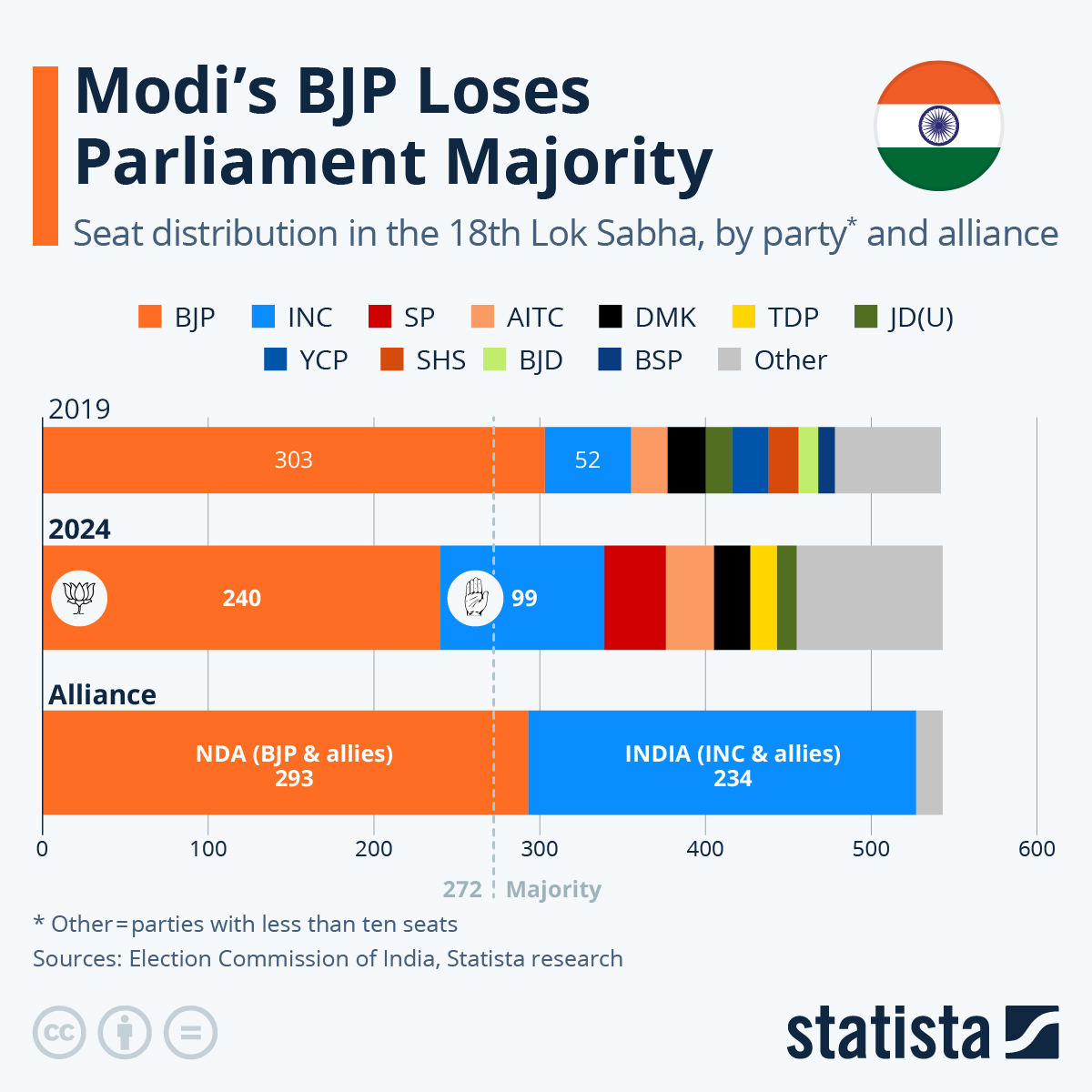
By Nantoo Banerjee If in the United States, the world’s second largest federal democracy, the number of seats in the House of Representatives could remain capped at 435 since 1913, there is no reason to justify the latest delimitation exercise to freshly fix the number of seats and boundaries of territorial constituencies in each state […]
Advertisements

BlackRock’s USD Institutional Digital Liquidity Fund , a tokenized money market fund operating on the Ethereum blockchain, has witnessed a significant surge in total value locked , escalating from $615 million to $1.87 billion over a span of three weeks. This substantial growth underscores the increasing institutional interest in blockchain-based financial products.

The BUIDL fund invests in low-risk assets, including U.S. Treasury bills, cash, and repurchase agreements, offering investors a stable yield. The fund’s rapid expansion reflects a broader trend in the tokenization of real-world assets , a market that has recently surpassed $10 billion in TVL. Industry observers attribute this growth to a combination of factors, including enhanced regulatory clarity and the search for secure digital asset investments amid fluctuating cryptocurrency markets.

In addition to its presence on Ethereum, BlackRock has expanded BUIDL’s reach to multiple blockchains, including Avalanche, Aptos, Polygon, Optimism, and Arbitrum. This multi-chain strategy aims to leverage the unique advantages of each platform, such as reduced transaction fees and increased scalability. For instance, the management fee for BUIDL is set at 50 basis points on Ethereum, Arbitrum, and Optimism, while it is lower—only 20 basis points—on Aptos, Avalanche, and Polygon. This fee structure is supported by ecosystem development organizations that have agreed to subsidize the costs to incentivize usage on these platforms.

The tokenization of assets like those in the BUIDL fund offers several benefits, including fractional ownership, increased liquidity, and reduced transaction costs. By converting traditional financial products into digital tokens on a blockchain, investors can access and trade these assets more efficiently. This process also enables instantaneous and transparent settlement, enhancing the overall efficiency of financial markets.

Emails falsely claiming to be from the cryptocurrency exchange Gemini are circulating, sparking concerns of a growing scam targeting its users. The fraudulent messages allege that the company has filed for bankruptcy and urge recipients to click on a link to confirm account details or withdraw their funds before an impending shutdown. Experts warn that this is part of an ongoing wave of phishing schemes aimed at […]

Abu Dhabi’s economy expanded by 3.8% in 2024, reaching a record AED 1.2 trillion, driven by a 6.2% surge in the non-oil sector, according to the Statistics Centre – Abu Dhabi . This marks the third consecutive year of record-breaking GDP figures for the emirate. The non-oil sector’s contribution rose to 54.7% of the total GDP, underscoring the effectiveness of Abu Dhabi’s economic diversification strategies. Key industries […]

JOHANNESBURG, SOUTH AFRICA – Media OutReach Newswire – 1 April 2025 – The BFSI Security Summit 2025 is set to take place on May 7, 2025, at the Radisson Blu Gautrain, Sandton, Johannesburg, bringing together leading cybersecurity experts, IT decision-makers, and industry pioneers to tackle the growing cyber risks facing Africa’s banking, financial services, and insurance (BFSI) sector. Cybersecurity remains a top concern for financial institutions in […]

Highlights of the Annual Results for the Year Ended December 31, 2024: With rising demand for chips from AI technology-related industries, AI chip orders from Comtech continued to grow, driving the Group’s revenue up by 14.3% year-on-year to RMB10,129.1 million. The Group recorded a gross profit of approximately RMB889.4 million and a net profit of approximately RMB273.5 million. Profit attributable to equity shareholders of the Company was […]

A significant move has been made by a prominent Japanese hotel company, as it secured a 15.5% weighting in a crypto-focused exchange-traded fund . This marks an unexpected yet strategic shift towards the digital currency market by a company traditionally rooted in the hospitality sector. The hotel firm’s investment decision signals a broader trend of diversification and innovation within established industries, as more companies explore the potential of cryptocurrencies and blockchain technology.

The ETF, which predominantly focuses on digital assets, has attracted attention due to its potential to bridge the gap between traditional industries and the rapidly expanding cryptocurrency market. The hotel firm’s acquisition is particularly notable given the ongoing volatility in the cryptocurrency space, which often deters conservative investors. However, its decision reflects a calculated risk in pursuit of higher returns and the possibility of capturing the growing interest in decentralized finance systems.

Experts suggest that the firm’s move could serve as a signal to other companies in Japan and beyond, encouraging them to consider digital assets as part of their portfolios. Japan has historically been one of the more crypto-friendly nations, with a progressive regulatory approach that has supported the growth of the digital currency market. The country’s financial authorities have acknowledged the benefits of blockchain technology and the role it could play in shaping the future of global finance.

The hospitality sector, much like many others, has felt the pressure to adapt in the face of technological advancements. The COVID-19 pandemic has forced businesses to reimagine their operations and explore innovative avenues for growth. For the hotel company, investing in a crypto-focused ETF represents a forward-thinking approach to ensuring long-term sustainability in an increasingly digital world.

The decision comes as institutional interest in cryptocurrencies continues to rise, with major financial players such as investment firms and pension funds gradually incorporating digital currencies into their strategies. However, many experts caution that while the allure of crypto assets is undeniable, they remain a high-risk investment due to their volatility and regulatory uncertainty.

Despite these challenges, the hotel firm’s stake in the crypto ETF is seen as part of a broader trend of traditional companies seeking to capitalise on digital currencies. This move is not isolated; several other firms have either publicly stated their intention to invest in blockchain-based projects or have already made similar investments. The diversification of investment portfolios is a strategy being adopted by businesses looking to stay ahead in a fast-evolving financial landscape.

One of the driving factors behind this shift is the growing acceptance of cryptocurrency as a legitimate asset class. Bitcoin and Ethereum, two of the most well-known cryptocurrencies, have gained significant traction among both retail and institutional investors. Their increasing mainstream acceptance is pushing companies to reconsider their positions on digital currencies.

The hotel company’s move also comes at a time when the global financial markets are experiencing increased interest in crypto-related products. ETFs, which allow investors to gain exposure to various assets without directly purchasing them, have become one of the most popular investment vehicles for retail and institutional investors alike. The crypto ETF, in particular, has garnered significant attention for offering a more regulated and transparent way to invest in digital assets compared to direct investment in cryptocurrencies.

While the potential for growth within the crypto market is substantial, analysts continue to advise caution. The fluctuating nature of digital currencies, along with the regulatory uncertainties surrounding them, makes it a challenging environment for both investors and companies alike. Still, for businesses like the hotel firm, the potential rewards may outweigh the risks, especially as blockchain technology continues to demonstrate its utility beyond just financial transactions.

The investment also highlights the evolving role of hospitality companies in the broader tech landscape. As more businesses in traditional industries engage with the digital economy, the line between sectors becomes increasingly blurred. The integration of cryptocurrencies into established business models could pave the way for future innovations that bring added value to customers and stakeholders alike.

The hotel company’s shift into crypto represents a bold step in its ongoing transformation. Although the move might seem unorthodox, it is aligned with a growing trend of corporate diversification. The company’s leadership has expressed confidence in its ability to manage the risks associated with the crypto market, focusing on long-term growth prospects and positioning the company at the forefront of digital innovation.

LONDON, UK – Media OutReach Newswire – 31 March 2025 – Diginex Limited (“Diginex” or the “Company”)(Nasdaq: DGNX), a leading impact technology company focused on solving pressing environmental, social, and governance (ESG) challenges, today announced a strategic alliance with Forvis Mazars Global (“Forvis Mazars”), a leading global professional services firm, to bring its innovative supply chain due diligence platform, diginexLUMEN, to Forvis Mazars’ extensive client base. This […]

Strategy, formerly known as MicroStrategy, has significantly bolstered its Bitcoin portfolio by acquiring 22,048 BTC for approximately $1.92 billion, averaging $86,969 per Bitcoin. This purchase elevates the company’s total holdings to over 500,000 BTC, reinforcing its position as the largest corporate holder of the cryptocurrency.

As of March 30, 2025, Strategy’s aggregate Bitcoin holdings stand at 506,137 BTC, acquired at a total purchase price of approximately $33.7 billion, with an average cost of $66,608 per Bitcoin. This substantial investment has yielded a year-to-date return of 11.0% in 2025, underscoring the firm’s commitment to Bitcoin as a primary treasury reserve asset.

Michael Saylor, Executive Chairman of Strategy, has been a vocal advocate for Bitcoin, positioning it as a strategic asset for the company’s financial strategy. Under his leadership, Strategy has consistently increased its Bitcoin holdings, viewing the cryptocurrency as a hedge against inflation and a store of value.

The company’s aggressive acquisition strategy has been facilitated through various financial instruments, including the issuance of convertible bonds and preferred stock offerings. In a notable move, Strategy announced a $21 billion at-the-market offering of convertible perpetual preferred stock, yielding over 9%, with the intent to fund further Bitcoin purchases. This initiative, part of the “21/21 plan,” reflects the company’s innovative approach to capital raising without committing to a repayment timeline, as these shares do not have a maturity date.

Strategy’s substantial Bitcoin holdings now represent over 2% of the global circulating supply, a figure that underscores the company’s influence in the cryptocurrency market. This accumulation strategy has positioned Strategy ahead of other major corporate holders, including Tesla and Coinbase, whose combined holdings are less than 1% of the total supply.

Despite the bullish accumulation, Strategy’s stock performance has experienced volatility, closely mirroring Bitcoin’s price fluctuations. The company’s stock has seen a decline of over 50% from its November highs, reflecting the inherent risks associated with its heavy reliance on Bitcoin’s market performance. This correlation highlights the potential financial exposure and the speculative nature of Strategy’s investment approach.

In addition to its investment activities, Strategy has implemented operational changes, including a 20% reduction in its workforce. This downsizing affected departments such as research and development, consulting, and sales and marketing, aligning with the company’s strategic shift towards digital assets. The workforce reduction coincided with a significant increase in Bitcoin holdings, indicating a reallocation of resources towards cryptocurrency investments.

The company’s financial maneuvers have attracted both attention and scrutiny. While some investors view Strategy’s Bitcoin-centric strategy as visionary, others express concern over the sustainability and risk associated with such a concentrated investment. The issuance of high-yield convertible securities to fund Bitcoin acquisitions raises questions about financial leverage and potential dilution of shareholder value.

Michael Saylor’s public statements have further amplified the discourse surrounding Strategy’s approach. At the Conservative Political Action Conference , Saylor emphasized Bitcoin as “digital property” and a crucial tool for the United States to “own cyberspace” in the future. Such assertions underscore his unwavering belief in Bitcoin’s potential but also invite regulatory and market scrutiny.

As Strategy continues to navigate the volatile cryptocurrency landscape, its substantial Bitcoin holdings and innovative financial strategies will remain focal points for investors and market analysts. The company’s future performance will likely hinge on Bitcoin’s market trajectory and the broader acceptance of cryptocurrencies in the global financial ecosystem.

The broader implications of Strategy’s Bitcoin accumulation extend beyond corporate finance, potentially influencing market dynamics and regulatory perspectives on cryptocurrency adoption. As the company holds a significant portion of the global Bitcoin supply, its actions may impact liquidity and price stability within the market.

HONG KONG SAR – Media OutReach Newswire – 31 March 2025 – Huatai Securities Co., Ltd. (the “Company”; stock codes: 601688.SH, 6886.HK, HTSC.L), a leading technology-driven comprehensive securities company in China, released its consolidated financial results for the year ended December 31, 2024, reporting record revenue and profit, alongside substantial progress in its internationalization strategy. Annual Highlights: In 2024, the Company continued to execute on strategic priorities, […]

Foxconn, Apple’s primary manufacturing partner, plans to produce 25 to 30 million iPhones in India this year, more than doubling its output from the previous year. This move underscores Apple’s strategy to strengthen its manufacturing footprint in India and diversify its supply chain amid global uncertainties.

The Taiwanese contract manufacturer has been conducting trial runs at its facility in Bengaluru, Karnataka, aiming to meet Apple’s stringent quality standards and production targets. This initiative aligns with Apple’s broader objective to reduce reliance on Chinese manufacturing and mitigate risks associated with geopolitical tensions and supply chain disruptions.

Foxconn’s expansion in India is part of a larger trend of global tech companies seeking alternative manufacturing hubs. India’s Production-Linked Incentive scheme has been instrumental in attracting such investments by offering financial incentives to boost domestic manufacturing. In the fiscal year ending March 2023, Foxconn produced approximately ₹300 billion worth of iPhones, surpassing the PLI scheme’s cap of ₹200 billion, indicating the program’s success in scaling up production.

In addition to iPhone assembly, Apple is broadening its product manufacturing in India. A unit of Foxconn is set to commence the assembly of AirPods at a new factory near Hyderabad, Telangana, by early 2025, following successful trial productions. This diversification reflects Apple’s commitment to expanding its product assembly capabilities within the country.

However, the expansion has encountered challenges. Reports suggest that China is imposing restrictions on the movement of employees and specialized equipment essential for high-tech manufacturing to India and Southeast Asia. These measures appear aimed at limiting technology transfers and mitigating potential job losses, posing obstacles to Apple’s efforts to diversify its production bases.

Despite these hurdles, Apple’s manufacturing partners in India are making significant strides. Tata Electronics has acquired a 60% stake in Pegatron Technology India, which manages an iPhone plant near Chennai. This acquisition positions Tata as a formidable competitor to established players like Foxconn in the Indian iPhone manufacturing landscape.

The Indian government’s support has been pivotal in this expansion. Foxconn is establishing a mobile phone manufacturing plant in the Devanahalli Industrial Area, Bengaluru, with an investment of ₹21,911 crore. The company will receive incentives amounting to ₹6,970 crore under the Electronics System Design and Manufacturing policy, as announced by Karnataka’s Chief Minister.

The California State Assembly has introduced Assembly Bill 1052 , a legislative measure aimed at providing legal protections for individuals engaging with digital assets such as Bitcoin. The bill, spearheaded by Assemblymember Juan Carrillo Valencia, Chair of the Assembly Banking and Finance Committee, seeks to affirm the rights of Californians to self-custody digital assets and to use them as a valid form of payment.

AB-1052 explicitly recognizes the right of individuals and businesses within the state to accept digital financial assets for the sale of goods and services. It deems the use of such assets in private transactions as valid and legal consideration. Furthermore, the bill prohibits public entities from imposing taxes, withholdings, assessments, or other charges solely based on the use of digital assets as a method of payment. This provision aims to prevent discrimination against digital asset transactions by governmental bodies.

In addition to payment considerations, the bill addresses the management of unclaimed digital assets. It stipulates that intangible property held in a digital asset account will escheat to the state three years after certain conditions are met, such as the return of undelivered communication to the owner or the last exercise of ownership interest by the owner. Holders of private keys for such escheated digital assets are required to transfer them to a custodian designated by the Controller, ensuring that these assets are managed appropriately and securely.

AB-1052 also seeks to amend the Political Reform Act of 1974 by prohibiting public officials from issuing, sponsoring, or promoting any digital assets, securities, or commodities. This measure is intended to reduce potential conflicts of interest and political influence over emerging financial technologies. Public officials are further restricted from engaging in transactions or conduct related to digital assets that could create conflicts with their public duties.

Global Footprint and B2C-B2B Synergies Drive Long-term Development Results Highlights Revenue surged by 71.7% to historical high of US$345.78 million. Net profit hit historical high and grew by 151.5% to US$19.04 million, net profit margin improved by 1.7 percentage points to 5.5%. The Board of Directors has recommended a final dividend of HK7.5 cents per share. The Business-to-Customer (B2C) YesStyle Platforms recorded revenue of US$265.64 million, up […]

Abu Dhabi-based Agthia Group PJSC has acquired a 100% stake in Riviere Mineral Water Desalination & Filling Factory LLC, a prominent player in the United Arab Emirates’ bottled water home and office delivery sector. This strategic move is anticipated to expand Agthia’s Water & Food segment revenues by approximately 6.5% and triple its household customer base. Established in 2003, Riviere serves customers across Abu Dhabi, Al Ain, […]

The United Arab Emirates has ascended to the forefront of global cryptocurrency adoption, marked by a 41% year-on-year increase in crypto app downloads, totaling 15 million in 2024. In January 2025 alone, the nation recorded 3.55 million installations of crypto applications, underscoring a robust and growing interest in digital assets. Projections indicate that user penetration will reach 39.1% by the end of 2025, signifying the transition of cryptocurrency from a niche interest to a mainstream financial instrument within the country.

This surge is underpinned by a proactive regulatory environment. The Dubai Financial Services Authority has expanded its list of recognized crypto tokens, while the Abu Dhabi Global Market introduced the world’s first Distributed Ledger Technology Foundations Framework, providing legal structures for blockchain-based organizations. Furthermore, the Central Bank of the UAE approved AE Coin, the nation’s inaugural dirham-pegged stablecoin, facilitating faster and more cost-effective digital transactions.

A study by Atmos, a proprietary trading platform by Taurex, highlights the UAE’s leadership in the crypto space. The research indicates a cryptocurrency ownership rate of 25.3% among the UAE population, coupled with an adoption growth rate of 210%. Despite the presence of only one Bitcoin ATM, the UAE secured the top position in the study’s rankings, reflecting the country’s deep integration of digital assets into its financial ecosystem.

The UAE’s commitment to fostering a crypto-friendly environment is further evidenced by substantial institutional investments. Abu Dhabi’s MGX, a $330 billion investment vehicle backed by Mubadala, recently acquired a $2 billion minority stake in Binance, one of the world’s leading cryptocurrency exchanges. This move aligns with the UAE’s ambition to become a global crypto hub and demonstrates confidence in the transformative potential of blockchain technology.

On a regional scale, the Middle East and North Africa have experienced significant growth in the crypto sector. Between July 2023 and June 2024, the UAE received over $30 billion in cryptocurrency, ranking among the top 40 globally and establishing itself as MENA’s third-largest crypto economy. This influx underscores the UAE’s pivotal role in the regional digital asset landscape.

Abu Dhabi’s sovereign investor, ADQ, has solidified its position in the logistics sector by acquiring a majority stake in Dubai-listed courier firm Aramex. This development follows a voluntary conditional cash offer initiated through its subsidiary, Q Logistics Holding LLC. Q Logistics obtained acceptances representing 40.57% of Aramex’s shares. Prior to this offer, ADQ already held a 22.69% stake in Aramex via the Abu Dhabi Ports Group, in […]

Abu Dhabi-based Agthia Group PJSC has acquired a 100% stake in Riviere Mineral Water Desalination & Filling Factory LLC, a prominent UAE mineral water desalination company. The acquisition, executed through Agthia’s subsidiary Al Ain Food & Beverages, is anticipated to expand Agthia’s Water & Food segment revenues by approximately 6.5%. Agthia, a leading food and beverage company in the Middle East and North Africa, has been actively […]

Blackstone, the US-based private equity firm, has agreed to acquire a 22% stake in AGS Airports, the operator of Aberdeen, Glasgow, and Southampton airports, for £235 million. The remaining 78% stake will continue to be held by AviAlliance, a subsidiary of the Canadian pension investor PSP Investments.

AGS Airports serves over 11 million passengers annually. The investment by Blackstone is aimed at supporting the growth of the UK’s travel and tourism industries. Greg Blank, CEO of Blackstone Infrastructure Strategies, highlighted that transportation remains a key focus area for the firm, citing the strong global growth in leisure travel.

AviAlliance, known for its investments in airports such as those serving Athens, Düsseldorf, Hamburg, and San Juan in Puerto Rico, acquired AGS last year from Ferrovial and Macquarie at an enterprise value of £1.5 billion. Sandiren Curthan, PSP’s global head of infrastructure investments, emphasized that both PSP and Blackstone are like-minded investors with long-term patient capital to support the development of AGS.

In a related development, Qatar’s Lesha Bank has indirectly acquired a stake in Edinburgh Airport through an investment in an infrastructure-focused fund managed by a renowned infrastructure fund manager. This move marks Lesha Bank’s entry into the global infrastructure investment market and aligns with its strategic focus on resilient asset classes.

These transactions reflect a broader trend of increased private investment in UK transport infrastructure. Private investors currently back several of the UK’s leading airports, including London’s Heathrow and Gatwick. Last year, Ferrovial agreed to sell the majority of its stake in Heathrow … .

The UK’s aviation sector has witnessed a surge in private investments, with firms like Blackstone and Lesha Bank seeking to capitalize on the burgeoning travel industry. Blackstone’s infrastructure unit has also invested internationally … , and the airport manager behind Rome … airports.

Lesha Bank’s investment in Edinburgh Airport is structured through a Shari’a-compliant financing arrangement, reinforcing its commitment to expanding its aviation and infrastructure portfolio. This acquisition follows Lesha Bank’s recent successful acquisition of several aircraft leased to a leading airline.

The influx of private capital into the UK’s airport infrastructure is expected to drive enhancements in airport operations and passenger experiences. AGS Airports, for instance, is implementing changes to accommodate larger aircraft and open new routes, aiming to boost traffic and connectivity.

Industry analysts suggest that such investments could lead to increased competition among airports, potentially resulting in better services and facilities for travelers. However, they also caution that the involvement of private equity firms may prioritize profitability, which could impact pricing structures and accessibility.

The UK’s aviation industry plays a crucial role in the nation’s economy, facilitating trade, tourism, and business travel. The recent investments by Blackstone and Lesha Bank underscore the sector’s attractiveness to global investors and its potential for growth in the coming years.

As these developments unfold, stakeholders will be keenly observing how the infusion of private capital influences the operational strategies and performance of these airports. The balance between profitability and public service will be a critical factor in determining the long-term success of these investments.

The aviation sector’s recovery post-pandemic has been marked by a resurgence in passenger numbers and an increased appetite for travel. Investments such as these are indicative of confidence in the industry’s rebound and its capacity to adapt to evolving market dynamics.

While the financial details of Lesha Bank’s stake in Edinburgh Airport have not been disclosed, the move signifies a strategic expansion into the UK market. Lesha Bank CEO, Mohammed Ismail Al Emadi, stated that the investment marks a significant milestone, aligning with the bank’s focus on infrastructure investments with robust growth potential.

The collaboration between established infrastructure investors like AviAlliance and new entrants such as Blackstone and Lesha Bank is expected to bring diverse perspectives and expertise to the UK’s airport operations. This could lead to innovative approaches in managing airport assets and enhancing passenger experiences.

As the landscape of airport ownership in the UK evolves, the emphasis will likely be on balancing commercial interests with the need to provide efficient, accessible, and high-quality services to the public. The involvement of private investors brings both opportunities and challenges in achieving this equilibrium.

The UK’s airports are vital hubs connecting the nation to the rest of the world. The recent investments signal a recognition of their importance and a commitment to their development and modernization. How these investments translate into tangible benefits for passengers and the broader economy remains to be seen.

The trend of private investment in airport infrastructure is not unique to the UK. Globally, investors are increasingly viewing airports as attractive assets, offering stable returns and opportunities for growth. The UK’s experience may serve as a case study for other nations considering similar investment strategies.


VISHNU RAJA
RYO YAMADA
HITORI GOTOH
IKUYO KITA