News related to
Arabia

The United Arab Emirates is set to enhance its aerospace capabilities through a collaboration between Tawazun Council and Mubadala Investment Company. This partnership aims to establish a state-of-the-art Maintenance, Repair, and Overhaul facility in Al Ain, focusing on aircraft engines. The initiative underscores the UAE’s commitment to becoming a regional hub for advanced aerospace technologies.

Announced at the International Defence Exhibition 2025, the project involves Mubadala’s subsidiary, Sanad, joining forces with global aerospace leader Pratt & Whitney. The facility will be the first of its kind in the Middle East, North Africa, and South Asia regions, providing comprehensive MRO services for Pratt & Whitney’s GTF™ engines. Once operational, it is expected to handle up to 350 engine shop visits annually.

Dr. Bakheet Al Katheeri, CEO of Mubadala’s UAE Investments platform, highlighted the strategic importance of the collaboration: “This partnership between Mubadala and Tawazun is a clear demonstration of the Mubadala UAE Investments platform delivering on its mandate. We are building national champions in the aerospace sector, fostering a vibrant aerospace ecosystem, and partnering with world-class entities like Pratt & Whitney to accelerate the transformation of Abu Dhabi’s economy.”

The facility, slated to open in the third quarter of 2028, will be located at the Al Ain Aerospace Park. It is poised to generate several hundred jobs, contributing significantly to the local economy and supporting the UAE’s broader economic diversification strategy. The collaboration also serves to fulfill Raytheon’s offset obligations to the UAE, marking a unique instance where a civil project offsets military purchases.

Marc Meredith, Vice President of GTF Commercial Aftermarket at Pratt & Whitney, expressed enthusiasm about the venture: “Pratt & Whitney have been talking to Sanad about developing our relationship with them. This is a really exciting, generational project, both for us and for them.” The partnership builds upon a decade-long relationship between Pratt & Whitney and Sanad, which currently operates an MRO facility for IAE V2500 engines in Abu Dhabi.

The decision to establish a new site in Al Ain, rather than expanding the existing facility, was driven by the anticipated scale of future GTF engine production. Meredith noted the substantial opportunities ahead: “There is a massive opportunity in front of us.”

Tawazun Council, an independent government entity collaborating closely with the Ministry of Defence and security agencies in the UAE, plays a pivotal role in this initiative. The Council’s involvement ensures alignment with national defense and security objectives, while also promoting the growth of the UAE’s aerospace sector.
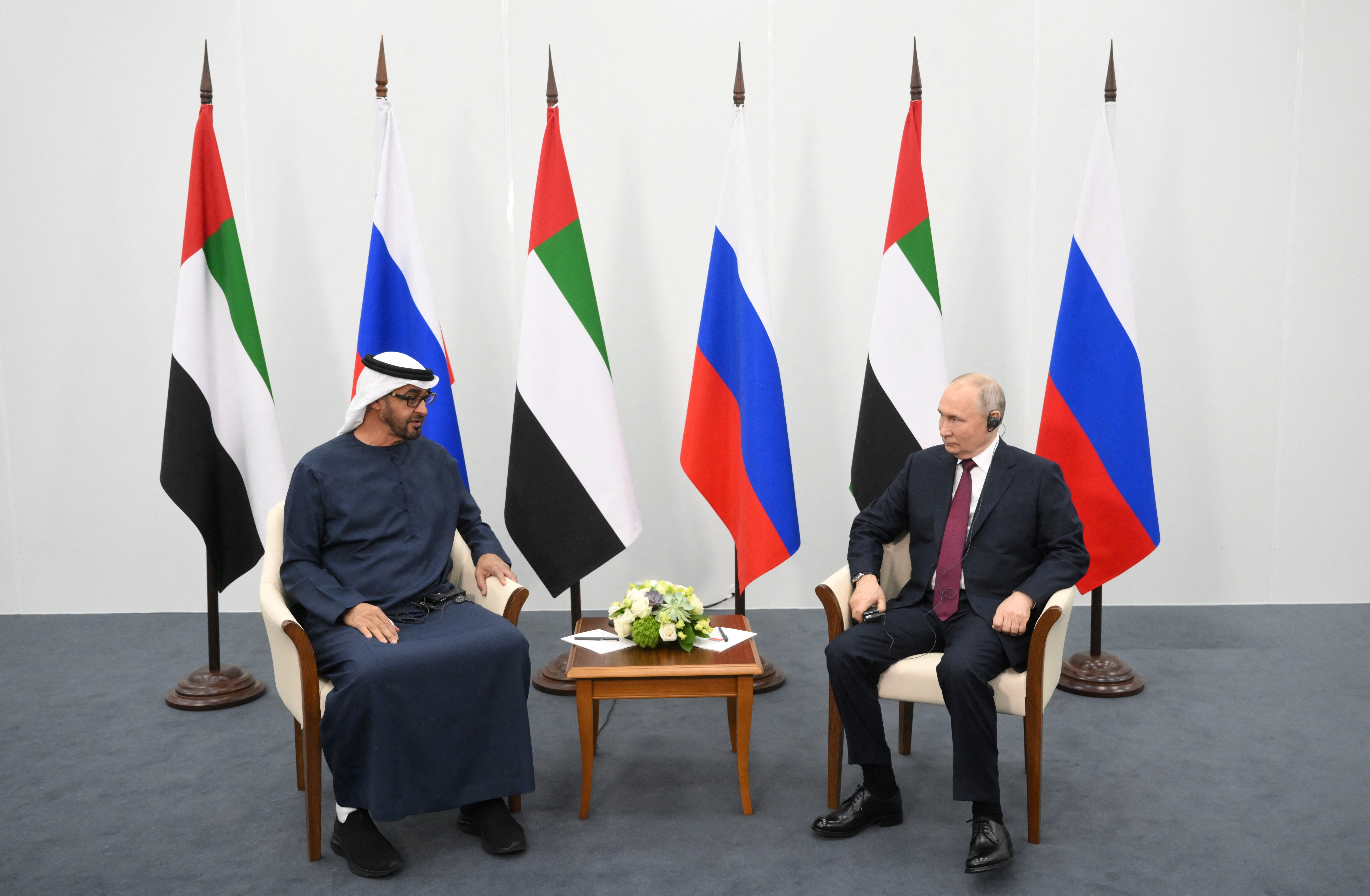
In a significant diplomatic and economic development, the United Arab Emirates and Ukraine have formalized a Comprehensive Economic Partnership Agreement during Ukrainian President Volodymyr Zelensky’s official visit to Abu Dhabi. The accord aims to bolster bilateral trade, investment, and economic collaboration between the two nations, marking a pivotal moment in their diplomatic relations.

The signing ceremony, held in Abu Dhabi, was attended by UAE President Sheikh Mohamed bin Zayed Al Nahyan and President Zelensky. Under the terms of the CEPA, 99% of Ukrainian imports of UAE goods and 97% of Ukrainian exports to the UAE will be exempt from customs duties, effective immediately. This strategic move is projected to contribute approximately $369 million to the UAE’s Gross Domestic Product and $874 million to Ukraine’s GDP by 2031. The agreement is also expected to accelerate Ukraine’s economic recovery and create new opportunities for cooperation in sectors such as infrastructure, heavy industry, aviation, aerospace, and information technology.

President Zelensky’s visit to the UAE comes at a time when momentum is building for potential peace talks to end the ongoing conflict in Ukraine. The UAE, home to a significant number of Russian and Ukrainian expatriates, has been considered a potential site for these discussions. During his visit, President Zelensky emphasized priorities such as repatriating Ukrainian captives, enhancing economic partnerships, and initiating humanitarian programs. He expressed gratitude for the UAE’s mediation efforts, which have reportedly resulted in saving many lives.

In addition to the CEPA, the two leaders agreed to establish a Ukraine-UAE Investment Council, aiming to explore promising investment opportunities in Ukraine, particularly in infrastructure projects. This initiative underscores the UAE’s commitment to supporting Ukraine’s economic development and post-war reconstruction efforts.

The UAE’s involvement in facilitating dialogue and supporting Ukraine’s sovereignty has been evident through its diplomatic engagements. Sheikh Mohamed bin Zayed Al Nahyan reaffirmed the UAE’s dedication to supporting peaceful resolution efforts and alleviating the humanitarian impact of the Ukraine conflict. He emphasized the importance of reaching peaceful solutions to crises around the world and reiterated the UAE’s commitment to building partnerships based on cooperation and understanding to promote peace, stability, and prosperity for all.

Concurrently, high-level talks between U.S. and Russian officials are set to occur in Saudi Arabia, aiming to explore a peace dialogue regarding the Ukraine conflict. Notably, Ukraine has been excluded from these discussions, a move President Zelensky criticizes, emphasizing the necessity of consulting strategic partners before any negotiations with Russia. He has declared that Ukraine will disregard any peace agreements forged between the U.S. and Russia without its involvement, underscoring the importance of including Ukraine in any peace negotiations.

The CEPA between the UAE and Ukraine is the first such agreement Ukraine has signed with a Gulf country, highlighting the UAE’s role as a strategic partner in Ukraine’s economic and diplomatic endeavors. Bilateral trade between the two nations reached $372.4 million in 2024, and the new agreement aims to further enhance this economic relationship by reducing or eliminating customs duties and opening new avenues for collaboration in various sectors.

This development reflects a broader trend of Middle Eastern countries engaging more actively in global diplomatic efforts, positioning themselves as neutral grounds for conflict resolution and as pivotal players in international economic partnerships. The UAE’s strategic support and facilitation of dialogue underscore its growing influence in global affairs, particularly in fostering peace and stability in conflict regions.

As the situation in Ukraine remains fluid, the international community continues to monitor the developments closely. The UAE’s proactive approach in mediating and supporting Ukraine’s sovereignty may serve as a model for other nations seeking to play a constructive role in global peace efforts. The success of the CEPA and the potential for future diplomatic resolutions could significantly impact the geopolitical landscape, offering a pathway toward stability and economic growth in the region.

Australian digital assets market maker Zerocap has unveiled the nation’s inaugural options-based structured product linked to the CoinDesk 20 Index . Announced at Consensus Hong Kong, this partnership with CoinDesk Indices aims to provide sophisticated investors with diversified exposure to leading digital assets.

The CoinDesk 20 Index serves as a benchmark, capturing the performance of the top 20 digital assets by liquidity and volume. Over the past five years, the index has demonstrated significant growth, offering a broader alternative to traditional bitcoin-ether portfolios by including a range of prominent cryptocurrencies.

Mark Hiriart, head of sales at Zerocap, highlighted the significance of this development: “This partnership with CoinDesk Indices brings sophisticated, structured options to the crypto market for the first time, offering our clients enhanced ways to invest in digital assets with tailored risk and diversification benefits.”

The introduction of this product reflects a growing demand among institutional investors for advanced financial instruments in the cryptocurrency sector. By incorporating options-based strategies, the offering allows for customized risk management, potential yield enhancement, and exposure to a diversified basket of digital assets.

In a development that has sent shockwaves through Argentina’s political and financial spheres, Hayden Davis, co-creator of the controversial cryptocurrency Libra, is alleged to have boasted about making payments to Karina Milei, sister and close advisor to President Javier Milei. These claims have surfaced amid a broader investigation into the president’s promotion of the now-collapsed memecoin.

Text messages purportedly sent by Davis in December 2024 suggest he had significant influence over President Milei through financial dealings with Karina Milei. In these messages, Davis allegedly stated, “I send $$ to his sister and he does whatever I say and does what I want.” These communications were reportedly reviewed by multiple media outlets, including CoinDesk and El País.

Karina Milei, who holds the position of General Secretary of the Presidency, is known for her influential role in her brother’s administration. She has been a prominent figure alongside President Milei during official engagements and policy deliberations. The allegations suggest that Davis believed his financial interactions with her granted him sway over presidential decisions.

In response to these claims, Davis has denied any wrongdoing. Through a spokesperson, he stated that he does not recall sending such messages and has no record of them on his device. He further emphasized, “I never made any payments to them, nor did they request any. Their only concern was ensuring proceeds from Libra would benefit Argentina’s people and economy.” This statement was reported by CoinDesk.

The controversy intensified when President Milei promoted the Libra token on social media in mid-February 2025. He described the cryptocurrency as an innovative tool to support small businesses in Argentina. However, shortly after his endorsement, the token’s value plummeted by over 90%, leading to significant financial losses for investors. This rapid decline has been characterized by some financial analysts as a “rug pull,” a term used to describe a scenario where a cryptocurrency’s creators abruptly withdraw, taking investors’ funds with them.

The political ramifications have been swift. Opposition leaders have called for an impeachment trial, accusing President Milei of engaging in fraudulent activities and compromising the integrity of his office. Federal Judge María Romilda Servini has been assigned to lead the investigation into the matter, as reported by Reuters. The judiciary is examining whether the president’s actions constitute fraud or other criminal offenses.

The scandal has also had a tangible impact on Argentina’s financial markets. The S&P Merval, the country’s primary stock index, experienced a significant drop of nearly 4% following the emergence of the controversy. This decline reflects investor apprehension regarding the potential economic and political instability resulting from the incident.

President Milei has addressed the nation, denying any misconduct and asserting that his promotion of the Libra token was intended solely to explore alternative financial solutions for Argentina’s struggling economy. He stated, “I did not promote that. What I did, I spread the word,” during an interview with Todo Noticias, as reported by CoinDesk. Despite these assertions, the president faces mounting scrutiny from both the public and political adversaries.

The role of Karina Milei in this unfolding situation remains a focal point of the investigation. As a trusted advisor and integral member of the president’s inner circle, any substantiated evidence of her involvement in unethical financial transactions could have profound implications for the administration. To date, neither Karina Milei nor her office has issued a public response to the allegations.

Mastercard has shifted its focus from experimental projects to delivering practical cryptocurrency solutions, according to Raj Dhamodharan, the company’s head of crypto and blockchain. This strategic move aims to bridge the gap between traditional finance and blockchain networks, facilitating the mainstream adoption of digital assets.

Dhamodharan emphasized the necessity for consumers to connect using familiar systems to propel cryptocurrency into everyday use. He stated, “What is stopping [crypto] from going mainstream is really that consumers need to be able to find each other using what they already know.” This approach underscores Mastercard’s commitment to integrating digital assets into its existing financial infrastructure, ensuring seamless and secure transactions for users.

In line with this strategy, Mastercard has introduced the Crypto Credential system, designed to enhance trust and verification in digital transactions. This system enables users to transfer crypto assets using email addresses instead of complex wallet addresses, simplifying the process and reducing potential errors. The company has partnered with compliance firm Notabene to integrate this system into the SafeTransact platform, aiming to provide a user-friendly experience while maintaining robust security standards.

Mastercard is expanding its crypto card program, allowing consumers to make everyday purchases using digital currencies. This initiative enables real-time use of cryptocurrencies, providing a practical application for digital assets in daily transactions. By collaborating with various financial institutions and crypto platforms, Mastercard aims to offer a seamless payment experience for users worldwide.

The company’s Multi-Token Network is another significant development, offering a platform of programmable payment services built on a private, secure blockchain. MTN aims to provide scalable and interoperable solutions for digital asset transactions, catering to the evolving needs of businesses and consumers in the crypto space.

Dhamodharan highlighted Mastercard’s role as a connector between traditional finance and blockchain networks, ensuring regulatory compliance while enabling new business models. He noted that the company plans to announce additional partnerships and use cases throughout 2025, reinforcing its commitment to integrating crypto into global payments.

This strategic shift comes as traditional financial firms increasingly recognize the potential of blockchain technology and digital assets. By moving beyond experimentation, Mastercard aims to provide real-world solutions that address existing challenges in the crypto ecosystem, such as security, compliance, and user accessibility.

Grayscale Investments, a prominent digital asset management firm, has unveiled the Grayscale Pyth Trust, a new investment vehicle designed to provide accredited investors with exposure to PYTH, the governance token of the Pyth Network. This initiative marks a significant expansion of Grayscale’s product suite, aiming to bridge traditional finance with decentralized finance ecosystems.

The Pyth Network, operating on the Solana blockchain, serves as a decentralized oracle network that delivers high-fidelity financial data to smart contracts. By aggregating real-time data from a consortium of over 50 leading financial institutions and trading platforms, Pyth ensures the accuracy and reliability of on-chain information. The introduction of the Grayscale Pyth Trust offers investors a direct avenue to participate in the governance and future development of this critical infrastructure within the DeFi landscape.

Michael Sonnenshein, CEO of Grayscale Investments, emphasized the strategic importance of this launch, stating, “As the DeFi sector continues to evolve, providing our clients with diversified exposure to foundational elements like the Pyth Network aligns with our commitment to offering innovative investment solutions.” He further highlighted the role of oracles in bridging on-chain and off-chain data, underscoring their significance in the maturation of decentralized financial systems.

The Grayscale Pyth Trust is structured to cater to accredited investors, adhering to regulatory standards while broadening access to digital assets associated with emerging blockchain technologies. This move reflects a growing trend among institutional investors seeking to engage with decentralized networks that offer real-world applications and governance opportunities.

Solana’s blockchain, known for its high throughput and low transaction costs, provides the underlying infrastructure for the Pyth Network. The synergy between Grayscale’s investment products and Solana’s technological capabilities is poised to attract investors interested in the scalability and efficiency of next-generation blockchain solutions.

Industry analysts view Grayscale’s expansion into oracle-based tokens as a strategic diversification, recognizing the increasing demand for reliable data feeds in smart contract execution. The Pyth Network’s approach to sourcing data directly from market participants addresses concerns about data latency and manipulation, offering a robust solution for decentralized applications.

In the broader context of the cryptocurrency market, the introduction of the Grayscale Pyth Trust signifies a maturation of investment opportunities, moving beyond traditional cryptocurrencies like Bitcoin and Ethereum. By focusing on infrastructure components essential to the DeFi ecosystem, Grayscale is positioning itself at the forefront of digital asset management, catering to investors seeking exposure to the foundational technologies driving blockchain innovation.

The launch of the Grayscale Pyth Trust also coincides with a period of heightened regulatory scrutiny in the cryptocurrency sector. Grayscale’s adherence to compliance standards in offering this trust reflects an understanding of the importance of regulatory alignment in fostering investor confidence and ensuring the longevity of digital asset investment products.

As the DeFi landscape continues to expand, the role of decentralized oracles like the Pyth Network becomes increasingly critical. They serve as the connective tissue between real-world data and blockchain-based applications, enabling a myriad of use cases from decentralized finance to gaming and beyond. Grayscale’s initiative to provide investment exposure to this segment indicates a recognition of the pivotal role that data accuracy and reliability play in the ecosystem’s growth.

Tokyo-based investment firm Metaplanet has announced a 10-for-1 stock split, effective April 1, following a staggering 3,900% surge in its share price over the past year. This remarkable growth is largely attributed to the company’s strategic acquisition of Bitcoin, positioning it as a significant corporate holder of the cryptocurrency.

Since initiating its Bitcoin investment strategy in April 2024, Metaplanet has amassed approximately 2,031 bitcoins, valued at nearly $200 million. The firm’s aggressive accumulation has drawn parallels to U.S.-based MicroStrategy, known for its substantial Bitcoin holdings. Metaplanet’s stock price escalation has been directly linked to its cryptocurrency investments, prompting the decision to implement a stock split to enhance market accessibility and liquidity.

The upcoming stock split aims to reduce the financial barrier for potential investors by lowering the price per share, thereby broadening the company’s shareholder base. In an official statement, Metaplanet expressed that the stock split is intended to “lower the price per trading unit, thereby improving liquidity, expanding our investor base, and strengthening our connection with a broader range of shareholders.”

In its latest acquisition, Metaplanet purchased an additional 269.43 bitcoins at an average price of ¥14,846,322 per Bitcoin, equating to approximately $25.8 million. This purchase increased the company’s total holdings to over 2,000 bitcoins, reinforcing its commitment to a Bitcoin-centric investment approach. The firm has set ambitious targets to expand its reserves to 10,000 bitcoins by the end of 2025 and 21,000 by the end of 2026.

The company’s strategic shift towards Bitcoin investments has not only bolstered its financial standing but also significantly impacted its market valuation. The 3,900% increase in Metaplanet’s stock price over the past year underscores the market’s positive response to its cryptocurrency-focused strategy. This surge mirrors a broader trend among companies adopting Bitcoin as a treasury asset, inspired by pioneers like MicroStrategy.

Metaplanet’s approach includes diversifying its business model to integrate Bitcoin into various facets of its operations. The firm has ventured into developing a Bitcoin-themed hotel and an educational branch aimed at promoting cryptocurrency adoption. These initiatives reflect a comprehensive strategy to capitalize on the growing interest and acceptance of Bitcoin in mainstream finance and commerce.

However, the company’s aggressive Bitcoin accumulation strategy is not without risks. The inherent volatility of cryptocurrency markets poses potential challenges to financial stability. Analysts caution that a significant downturn in Bitcoin’s value could adversely affect Metaplanet’s financial health, given its substantial exposure to the digital asset. Additionally, geopolitical tensions and regulatory uncertainties surrounding cryptocurrencies add layers of complexity to the firm’s investment approach.

Despite these challenges, Metaplanet remains steadfast in its belief in Bitcoin’s long-term value proposition. The company’s leadership views the cryptocurrency as a hedge against traditional market fluctuations and a strategic asset for future growth. This conviction is evident in their continued investments and the structural adjustments, such as the forthcoming stock split, designed to align with their Bitcoin-centric vision.

The broader market has taken note of Metaplanet’s performance, with investors closely monitoring the outcomes of its bold investment strategy. The forthcoming stock split is anticipated to attract a more diverse group of investors, potentially leading to increased trading volume and liquidity. As the April 1 effective date approaches, market participants are keen to observe how this move will influence Metaplanet’s stock performance and whether it will sustain its upward trajectory.

Advertisements

Argentine President Javier Milei is facing intense scrutiny following his promotion of the cryptocurrency $LIBRA, which experienced a dramatic collapse shortly after his endorsement. The incident has led to widespread financial losses among investors and has sparked legal and political challenges for the president.

On February 14, 2025, President Milei took to his social media platform X to highlight $LIBRA, a newly launched cryptocurrency. His endorsement led to a rapid surge in the token’s value, with prices soaring to nearly $5. However, this spike was short-lived; within hours, $LIBRA’s value plummeted by approximately 90%, leaving numerous investors with substantial losses.

The swift rise and fall of $LIBRA have raised questions about the legitimacy of the cryptocurrency. Critics have labeled it a “memecoin,” suggesting it lacked intrinsic value and was subject to speculative trading. Further investigations revealed that a significant portion of $LIBRA was concentrated in a few wallets, intensifying suspicions of market manipulation.

In the aftermath of the collapse, over 110 complaints were filed against President Milei, accusing him of fraud and illicit association. Federal Judge María Servini has been assigned to investigate these allegations, focusing on whether the president’s actions constituted a deliberate scheme to defraud investors. The Anti-Corruption Office has also initiated an inquiry to determine if there was any misconduct by government officials in connection with the promotion of $LIBRA.

President Milei has denied any wrongdoing, asserting that his intention was merely to share information about $LIBRA and that he did not receive any personal benefit from its promotion. He emphasized that his social media post was intended to support private enterprise initiatives and that investors were aware of the inherent risks associated with cryptocurrency investments. Despite these assertions, the president’s actions have been met with severe criticism from political opponents and the public.

The controversy has had a tangible impact on Argentina’s financial markets. The Buenos Aires Stock Exchange experienced a 5.6% decline, a reaction attributed to the uncertainty and loss of confidence stemming from the $LIBRA incident. Economists warn that such events could deter future investments and exacerbate the country’s existing economic challenges.

Political ramifications are also unfolding. Opposition leaders have called for President Milei’s impeachment, arguing that his actions have undermined the integrity of his office and the nation’s financial stability. Former President Cristina Kirchner referred to Milei as a “crypto fraudster,” highlighting the severity of the accusations. While the likelihood of impeachment remains uncertain, the calls reflect deepening political divisions and growing concerns over the president’s judgment.

The $LIBRA scandal has also drawn attention to the broader issue of cryptocurrency regulation in Argentina. The incident underscores the potential risks associated with digital currencies, particularly those lacking transparency and regulatory oversight. Financial experts advocate for the implementation of stricter regulations to protect investors and prevent similar occurrences in the future.

Bitcoin’s value has fallen below the $94,000 threshold, influenced by macroeconomic factors and investor sentiment. Despite this downturn, some financial analysts continue to project a long-term surge, with estimates suggesting the cryptocurrency could reach $500,000 in the coming years.

On February 19, 2025, Bitcoin’s price dropped to $93,882.60, marking a 1.74% decrease for the day. This decline is attributed to rising bond yields and expectations of a robust U.S. jobs report, which have bolstered the U.S. dollar’s strength against other currencies. The dollar’s appreciation has made alternative assets like Bitcoin less attractive to investors, leading to a sell-off in the cryptocurrency market.

The recent inauguration of President Donald Trump’s second term has also impacted Bitcoin’s trajectory. Since January 20, when Bitcoin reached a record high, the cryptocurrency has experienced a 14% decline. This downturn is partly due to dissatisfaction with the new administration’s cryptocurrency policies. Notably, while the Securities and Exchange Commission has established a digital-asset task force, the anticipated creation of a Bitcoin strategic reserve has not materialized, leading to uncertainty among investors.

Despite the current bearish trend, some analysts remain optimistic about Bitcoin’s long-term potential. Geoffrey Kendrick, Standard Chartered’s global head of digital assets research, has predicted that Bitcoin could surpass $500,000 by the end of 2028. This forecast is based on factors such as improved investor access and a decrease in Bitcoin’s volatility, which could enhance its appeal as a mainstream asset class.

Similarly, financial analyst Michaël van de Poppe has suggested that Bitcoin’s price could reach $500,000, driven by institutional adoption and macroeconomic shifts. He points to the U.S. government’s pro-cryptocurrency stance and the potential for Bitcoin to serve as a strategic reserve asset as catalysts for this projected growth.

However, not all experts share this bullish outlook. BCA Research, a firm that has been optimistic about Bitcoin for the past two years, is now signaling a potential peak in the cryptocurrency market. The firm cites indicators such as the proliferation of memecoins and excessive bullish sentiment as signs that the market may be overheating. They suggest that a price point of $75,000 might be a more attractive entry for investors, considering current economic conditions and market dynamics.

Telecommunications provider du has become the first operator in the United Arab Emirates to commercially launch 5G Voice over New Radio services. This development signifies a significant advancement in the nation’s telecommunications infrastructure, enhancing voice call quality and network performance for users.

The introduction of 5G VoNR allows for voice calls to be transmitted entirely over the 5G network, eliminating the need to revert to 4G during calls. This results in faster call setup times, high-definition voice quality, and improved battery efficiency for compatible devices. du’s extensive 5G Standalone Access network underpins this service, offering widespread coverage across the UAE.

In addition to launching VoNR, du has received full certification from leading handset manufacturers, ensuring compatibility of their devices with du’s 5G SA network. This certification guarantees that users with certified devices can seamlessly access the enhanced voice services without additional configurations.

Saleem AlBlooshi, Chief Technology Officer at du, emphasized the company’s dedication to advancing its network capabilities: “Our commitment to evolving and elevating our network to superior standards has resulted in the 5G SA network certification, guaranteeing that du customers experience ultra-modern connectivity and unparalleled digital experiences.” He highlighted that the VoNR service is set to reshape voice communications by providing seamless 5G connectivity during calls, faster call setups, high-definition voice quality, and enhanced battery life.

The deployment of 5G SA technology is a strategic move to meet the growing demand for high-speed, reliable connectivity among consumers and businesses. This infrastructure supports advanced applications such as augmented reality, immersive communications, and other data-intensive services that require low latency and high bandwidth.

Karim Benkirane, Chief Commercial Officer at du, stated: “The introduction of the 5G SA network and the enablement of VoNR over 5G network represent a giant leap forward in our mission to deliver exceptional service and innovative solutions to our customers.” He noted that this technology not only enhances user experience with superior speeds and call quality but also opens new possibilities for businesses and public services, propelling the UAE closer to its smart city goals.

The 5G SA network’s capabilities extend beyond consumer applications. Enterprises can leverage network slicing, a feature that allows the creation of virtual networks tailored to specific requirements. This enables businesses to deploy customized solutions with dedicated resources, ensuring optimal performance for critical applications.

In the broader context, du’s collaboration with technology partners has been instrumental in this rollout. In October 2024, du entered into an agreement with Ericsson to expand its 5G network, aiming to enhance capacity and deliver next-generation services. This partnership focuses on utilizing Ericsson’s Radio Access Network portfolio to bolster du’s infrastructure.

In December 2024, du and Nokia announced the deployment of the first commercial 5G Cloud Radio Access Network solution in the Middle East and Africa. This initiative underscores du’s hybrid RAN strategy, which combines purpose-built and cloud-native infrastructures to offer greater flexibility and scalability in network management.

The commercial launch of 5G VoNR and the expansion of the 5G SA network align with the UAE’s vision to be at the forefront of technological innovation. These advancements are poised to support various sectors, including healthcare, education, and entertainment, by providing the necessary infrastructure for digital transformation.

As the first operator in the UAE to achieve these milestones, du sets a precedent in the region’s telecommunications landscape. The company’s proactive approach in adopting and deploying cutting-edge technologies reflects its commitment to meeting the evolving needs of its customers and contributing to the nation’s digital economy.

Abu Dhabi National Oil Company for Distribution has announced plans to inaugurate its first flagship service station in Egypt within the year. This strategic move signifies the company’s commitment to expanding its footprint in the North African energy market.

The upcoming service station, slated for New Cairo, will feature an enhanced ADNOC Oasis convenience store and a comprehensive suite of automotive services. This development aims to elevate the customer experience, aligning with ADNOC Distribution’s standards observed in its flagship stations across Abu Dhabi and Dubai.

This initiative is part of the broader collaboration between ADNOC Distribution and TotalEnergies, marked by the two-year anniversary of their joint venture, TotalEnergies Marketing Egypt . Established in 2023, TEME oversees over 240 fuel retail sites across Egypt, encompassing wholesale fuel distribution, aviation fuel services, and lubricant blending operations.

Eng. Bader Saeed Al Lamki, CEO of ADNOC Distribution, highlighted the significance of this expansion: “The ongoing success of our TEME joint venture demonstrates the value of our international expansion strategy in driving value-accretive growth. Egypt, with its significant economic potential, is a key part of our growth journey.”

Thomas Strauss, Managing Director and Country Chair of TotalEnergies Marketing Egypt, echoed this sentiment: “This partnership underscores our mutual dedication to strengthening Egypt’s energy solutions. We recognise the immense potential of the Egyptian market and are committed to fostering sustainable growth.”

In addition to the flagship station, ADNOC’s Voyager lubricants, blended locally by TEME, are set to expand their availability through independent distributors later this year. This move aims to extend the brand’s reach beyond existing ADNOC Distribution service stations, positioning Egypt as a pivotal hub for lubricant production and export.

Looking ahead, TEME is focusing on enhancing its presence in Egypt’s aviation fuel market, a sector integral to the country’s transport and tourism industries. This strategic emphasis aligns with Egypt’s role as a regional nexus, poised to meet the escalating energy demands of the area.

ADNOC Distribution, established in 1973 and headquartered in Abu Dhabi, has evolved into a leading mobility retailer in the UAE. The company’s operations span fuel retail, aviation fueling, car services, lubricants, and convenience stores. Its expansion into Egypt, facilitated by the TEME joint venture, underscores its commitment to broadening its regional influence and delivering premium energy solutions.

The forthcoming flagship service station in New Cairo is poised to set a new benchmark for customer service and operational excellence in Egypt’s fuel retail sector. As ADNOC Distribution and TotalEnergies celebrate their collaborative achievements, they remain steadfast in their mission to support Egypt’s energy infrastructure and economic development.

This development not only signifies a milestone in ADNOC Distribution’s growth trajectory but also reflects the dynamic and evolving landscape of Egypt’s energy market. With continued investments and a focus on innovation, the TEME joint venture is well-positioned to contribute significantly to the region’s energy needs and economic prosperity.

By Nitya Chakraborty Eighty years after the end of the Second World War in 1945, Europe, especially Western Europe is in disarray, as their transatlantic ally for eight decades, the United States, is refusing to guarantee the security of the European nations belonging to the NATO under the new Trump doctrine. Earlier, there were differences […]


Tether co-founder Reeve Collins is lending his support to Pi Protocol, a new venture aiming to introduce a yield-bearing stablecoin in the latter half of 2025. This initiative seeks to launch on both the Ethereum and Solana blockchains, offering users an opportunity to earn profits through the USI token.

Pi Protocol plans to mint stablecoins via smart contracts, utilizing real-world assets as collateral. This approach is designed to provide stability and transparency, addressing common concerns associated with digital currencies. Participants in the protocol will have the chance to earn profits in the form of USI tokens, which are integral to the platform’s ecosystem. Additionally, the project intends to introduce governance tokens, enabling users to partake in decision-making processes and influence the protocol’s future developments.

Reeve Collins, renowned for co-founding Tether—the widely used stablecoin pegged to the U.S. dollar—brings a wealth of experience to Pi Protocol. His involvement is anticipated to bolster confidence in the project, given his history of successful ventures in the blockchain space. Collins has previously co-founded BLOCKv, a platform for creating and distributing non-fungible tokens , and has been instrumental in pioneering digital marketing and blockchain technologies.

The decision to deploy Pi Protocol on both Ethereum and Solana blockchains is strategic. Ethereum, known for its robust smart contract capabilities, offers a vast and established user base. Solana, on the other hand, has been gaining traction due to its high throughput and lower transaction costs. Notably, Solana’s decentralized finance ecosystem has seen significant growth, with stablecoin inflows increasing by 129.4% in the first month of 2025, bringing the total balance to $11.7 billion. This surge indicates a growing interest in Solana’s offerings and positions it as a formidable platform for new projects like Pi Protocol.

The integration of RWAs as collateral is a noteworthy aspect of Pi Protocol’s design. By anchoring the stablecoin to tangible assets, the project aims to mitigate volatility and enhance trust among users. This methodology aligns with emerging trends in the crypto industry, where platforms are increasingly exploring asset-backed tokens to bridge the gap between traditional finance and digital assets.

As the project progresses towards its anticipated launch in the second half of 2025, stakeholders and potential users are keenly observing its development. The collaboration of seasoned professionals like Reeve Collins with innovative blockchain solutions underscores the evolving landscape of decentralized finance and the continuous efforts to introduce stable, yield-generating financial instruments in the crypto space.

In the broader context, the introduction of Pi Protocol’s stablecoin contributes to the diversification of digital financial products available to users. As blockchain technology matures, the fusion of real-world assets with digital tokens presents new avenues for investment and financial management, potentially reshaping traditional economic models.

Prointek, a prominent player in the interactive technology and unified communication sectors, has officially opened its latest manufacturing facility in Greater Noida, marking a significant step towards bolstering India’s self-reliance in high-tech production. This new facility, strategically located in the National Capital Region, is expected to not only increase the company’s production capacity but also enhance its contribution to the rapidly expanding sector.

The 250,000-square-foot plant, which has been in development for several months, will focus on the production of a variety of interactive displays and unified communication solutions. The facility is a response to the growing demand for high-quality tech products that support modern communication systems, particularly as businesses and educational institutions continue to embrace digital transformation.

Prointek’s expansion aligns with the government’s ongoing push for “Atmanirbhar Bharat” , which encourages domestic manufacturing and aims to reduce dependency on foreign imports. By investing in local production capabilities, Prointek seeks to not only cater to the local market but also expand its presence globally, making the plant a crucial element in the company’s long-term strategy.

The company’s expansion is poised to have a significant impact on the regional economy as well. The facility is expected to create numerous job opportunities, both in the manufacturing sector and in associated roles such as research and development, logistics, and sales. Local suppliers of materials and components are also likely to benefit from the enhanced production activity, fostering growth in ancillary industries.

Prointek’s decision to build the facility in Greater Noida reflects the area’s attractiveness for tech-focused investments. The region has become a hub for IT and electronics manufacturing, with proximity to Delhi and well-established infrastructure facilitating easier access to global markets. The presence of skilled labour and a supportive business environment has also made Greater Noida an ideal location for such expansions.

The new manufacturing plant will primarily focus on producing cutting-edge interactive displays, smartboards, and video conferencing systems. These products are highly sought after in various sectors, including education, corporate communications, government services, and healthcare. As hybrid work models and remote learning continue to gain popularity, the demand for advanced technology solutions that bridge physical and virtual spaces has seen substantial growth.

In line with its commitment to sustainability, Prointek has incorporated green technologies into the facility’s design and operations. The plant is equipped with energy-efficient systems and has adopted a zero-waste policy, reflecting the company’s dedication to minimizing its environmental footprint while meeting the demands of the digital age. This move positions Prointek as a leader in eco-conscious manufacturing practices within the technology sector.

The expansion is not only about increasing production capacity but also about enhancing the company’s research and development efforts. Prointek plans to leverage the new facility as a hub for innovation, where cutting-edge technologies can be developed to meet the evolving needs of global markets. With a growing focus on artificial intelligence and machine learning in interactive systems, the company aims to integrate these technologies into its products to provide more dynamic and user-friendly solutions.

Prointek’s growth trajectory has been impressive, with the company already enjoying a strong presence in key international markets. The establishment of the Greater Noida facility is expected to strengthen its competitive edge, enabling the company to meet increasing demand across the globe. As technology continues to play an integral role in communication and business operations, Prointek’s commitment to quality and innovation positions it for continued success.

This move comes at a time when the Indian government is actively encouraging foreign direct investment and supporting the growth of the manufacturing sector through initiatives such as the Production Linked Incentive scheme. These policies are designed to attract global tech companies and encourage domestic companies like Prointek to expand their capabilities. The opening of the new facility is likely to act as a catalyst for further investments in India’s tech manufacturing space.

The growth of Prointek’s operations in India reflects the broader trend of tech companies increasing their local manufacturing presence. This shift is driven by various factors, including the desire to mitigate supply chain risks, reduce lead times, and take advantage of the favourable business environment in India. The opening of Prointek’s plant is a clear indication that India is becoming an increasingly important player in the global tech manufacturing landscape.

Industry analysts expect that Prointek’s new facility will further strengthen India’s position in the global technology market. As more companies follow suit and ramp up domestic manufacturing capabilities, India could become a key hub for the production of high-tech products, offering a competitive alternative to traditional manufacturing centres in Asia and beyond.

The defence sector is no longer a niche or cyclical play—it is becoming a structural necessity in investor portfolios. With rising geopolitical tensions and global security realignments, the financial case for defence stocks has never been stronger. The surge in defence equities over the past year suggests a fundamental shift, not just a reaction to short-term events. At the Munich Security Conference last weekend, European leaders signalled […]

Robinhood is set to enter the Singaporean cryptocurrency market in 2025, marking a significant expansion of its services beyond traditional stock trading. The platform, known for democratizing investing in stocks, will leverage Bitstamp’s entities to facilitate its cryptocurrency operations in the region.

This move comes as the global cryptocurrency industry gains more traction, and the demand for user-friendly platforms has grown in Asia. Singapore, a thriving hub for fintech and digital assets, is an ideal location for Robinhood’s expansion into cryptocurrencies, as its government has embraced crypto regulation and blockchain technology.

Robinhood’s partnership with Bitstamp, a prominent European cryptocurrency exchange, is expected to strengthen the platform’s operational capabilities and credibility. The collaboration will allow Robinhood to conduct its cryptocurrency trading activities through Bitstamp’s established infrastructure, which complies with local regulations and security standards.

Singapore has long been a leader in cryptocurrency adoption, with regulatory frameworks that support the growth of blockchain technology. The Monetary Authority of Singapore , the country’s financial regulator, has taken a proactive approach in shaping the digital asset landscape, offering a regulatory sandbox for cryptocurrency firms and ensuring robust consumer protection measures. Robinhood’s entry into this environment signals its commitment to expanding its portfolio in a market with substantial growth potential.

The decision to extend Robinhood’s offerings to include cryptocurrency trading aligns with the company’s broader strategy to diversify its services and tap into the growing demand for digital currencies. Cryptocurrencies have witnessed increased interest in Asia, particularly in Singapore, where retail and institutional investors are keen to explore new opportunities in the space. With the backing of Bitstamp’s infrastructure, Robinhood will be well-positioned to cater to both individual investors and those looking for more secure and regulated trading platforms.

Robinhood’s move into cryptocurrency services follows its increasing focus on diversifying its product offerings. Initially renowned for its commission-free stock trading, the platform has expanded into other asset classes such as options, ETFs, and now digital assets. The company’s emphasis on low-fee trading options aligns with its mission to make financial services more accessible to a broader audience.

The global cryptocurrency market has become increasingly competitive, with established players such as Binance, Coinbase, and Kraken dominating the space. Robinhood’s entry into the market, however, could stir competition by attracting its large user base from its stock trading platform. The platform’s user-friendly interface and commitment to low fees have made it a popular choice among retail investors, and the addition of cryptocurrency services will likely appeal to this demographic.

Analysts predict that Robinhood’s move into the crypto market could bring about significant changes to the competitive landscape, particularly in Singapore. The country’s strong regulatory framework, combined with a growing appetite for digital asset investment, positions Robinhood to tap into a diverse range of customers. As a result, the company’s operations in Singapore will likely influence how cryptocurrency exchanges interact with regulators and consumers in the region.

By entering Singapore, Robinhood also demonstrates its broader vision of becoming a global player in the cryptocurrency market. The company has previously stated its intentions to expand its cryptocurrency offerings beyond the United States, and the Singapore initiative represents a key milestone in that strategy. The move could pave the way for further international expansion into other markets in Asia and beyond.

Despite the promising prospects, Robinhood’s foray into cryptocurrencies may face challenges, particularly concerning regulation and market volatility. Although Singapore’s regulatory environment is regarded as supportive, crypto firms must navigate stringent compliance requirements. Additionally, the volatile nature of cryptocurrency prices may create uncertainty in the market, impacting investor confidence and trading volumes. These risks will require Robinhood to maintain a robust risk management framework as it launches its services in Singapore.

The entry of a major player like Robinhood into the cryptocurrency space is indicative of the growing mainstream acceptance of digital currencies. As traditional financial institutions and established companies continue to embrace cryptocurrencies, the industry is expected to mature and become more integrated with the global financial system. This trend is expected to accelerate as regulatory clarity improves and more investors become comfortable with the risks and rewards of digital assets.

OKX has made a significant stride in its European expansion by securing a Markets in Crypto-Assets license, positioning itself as one of the first global exchanges to comply with the European Union’s new regulatory framework for digital assets. The MiCA license, a milestone in crypto regulation, enables the exchange to legally operate across 28 countries within the European Economic Area , further solidifying OKX’s position as a key player in the global cryptocurrency landscape.

This development comes at a time when the crypto industry is facing increasing regulatory scrutiny, particularly in Europe. The MiCA framework aims to establish a comprehensive regulatory environment for digital assets, addressing concerns such as investor protection, market integrity, and financial stability. By obtaining this license, OKX demonstrates its commitment to operating within the regulatory boundaries set by the EU, enhancing trust and reliability for both individual and institutional users.

With the MiCA license now in place, OKX has expanded its services to include euro-denominated trading pairs, providing a seamless integration for European users. This move allows customers in the EEA region to trade digital assets directly with euros, facilitating smoother transactions and reducing the need for conversions. Furthermore, OKX has introduced free bank transfers and fiat payment options, making it easier for European customers to deposit and withdraw funds.

The decision to offer free bank transfers and fiat payment options is particularly notable, as it addresses one of the common pain points for cryptocurrency users: high transaction fees. By eliminating these charges, OKX is able to enhance its competitiveness in an already crowded market, attracting users who may have been deterred by traditional exchange fees. These efforts also align with the company’s broader strategy to provide a user-friendly and cost-effective platform for its European clientele.

OKX’s expansion into the European market marks a new chapter in the company’s international growth. The exchange, which was founded in 2017, has quickly established itself as one of the largest and most reputable platforms in the crypto space. Its growth has been driven by a focus on innovation, security, and customer service, which has earned it a loyal user base in regions around the world. The company’s expansion into Europe reflects its commitment to diversifying its reach and tapping into the growing demand for crypto services across the continent.

As one of the first global exchanges to secure a MiCA license, OKX is now well-positioned to capitalise on the evolving regulatory environment in Europe. The MiCA framework, which is set to come into full effect in 2024, aims to provide legal certainty for crypto businesses operating in the EU. For exchanges like OKX, compliance with MiCA is essential for maintaining a strong presence in the European market, as regulators seek to ensure that crypto activities are conducted safely and transparently.

The move is also significant because it comes at a time of heightened regulatory uncertainty in other parts of the world. In the United States, for example, the crypto industry is facing increasing pressure from lawmakers and regulators, who are working to create a more structured approach to digital asset regulation. In this context, Europe’s MiCA framework offers a more defined path forward for crypto businesses looking to operate within a regulated environment.

Beyond the regulatory benefits, OKX’s decision to offer localized services tailored to the needs of European users is a key aspect of its strategy. The company has long emphasised the importance of localisation, recognising that each market has its unique requirements and challenges. By offering euro pairs and a range of fiat payment options, OKX is making it easier for European users to engage with the platform and participate in the growing digital asset economy.

OKX’s success in securing the MiCA license also highlights the company’s ongoing efforts to prioritise compliance and security. Over the years, OKX has made significant investments in strengthening its security infrastructure, which is a critical factor in maintaining the trust of its users. The exchange has implemented a variety of measures to safeguard customer assets, including robust encryption protocols, multi-signature wallets, and insurance funds for potential losses due to breaches.

The MiCA license also places OKX in a favourable position to expand its range of services across Europe. As the regulatory environment in Europe becomes clearer, OKX will have the opportunity to offer additional products and services, such as staking, lending, and asset management, to a wider audience. The company’s ability to operate in 28 EEA countries provides it with a significant competitive edge over other exchanges that may be restricted by more stringent regulations.

However, the regulatory landscape for crypto assets remains dynamic, and OKX’s ability to maintain its position in the European market will depend on its continued compliance with MiCA and other evolving regulations. As the EU finalises the implementation of MiCA in the coming years, exchanges like OKX will need to adapt to new rules and requirements that could affect everything from anti-money laundering measures to customer due diligence.

Privacy advocates continue to challenge the widespread perception that personal data protection is futile in today’s digital age. A growing narrative posits that privacy is dead, suggesting there is little point in striving for data security amid the growing dominance of surveillance and data exploitation. However, this line of thinking has been fiercely contested by experts who argue that not only is privacy very much alive, but it is also more crucial than ever in safeguarding human rights and personal freedoms.

The claim that privacy is dead is rooted in a sense of resignation, often referred to as the “abdication mindset.” This philosophy, which believes that the battle to protect privacy is lost, has gained traction with the increasing prevalence of online data breaches, mass surveillance, and the power of tech giants. However, privacy advocates argue that such a defeatist perspective is self-fulfilling. The more individuals and institutions accept the idea of privacy’s demise, the more difficult it becomes to reverse the tide of data misuse and erosion of privacy rights.

Human rights, including privacy, have historically been preserved and advanced through determined efforts. As with any human right, protecting privacy is an ongoing fight. The struggle may seem overwhelming, but victories in this domain, such as the establishment of the European General Data Protection Regulation , show that change is possible. Privacy advocates contend that this perspective should inspire action rather than resignation. If privacy is allowed to wither away without resistance, it could indeed fade into obsolescence.

Another common misconception is that for privacy to hold any value, it must be 100% foolproof—secure to an absolute degree. This view, though well-intentioned, often hinders progress by setting unrealistic standards. While it is undeniable that privacy-enhancing tools and practices should continuously improve, expecting absolute perfection in data security is both impractical and counterproductive. In reality, privacy is a spectrum, and striving for incremental improvements rather than an unattainable ideal is essential for creating sustainable privacy frameworks.

Striving for flawless data security may lead to a situation where organisations or individuals feel that since perfect privacy is unachievable, there is little point in pursuing better security measures at all. This all-or-nothing mentality, much like the abdication mindset, undermines the very efforts that can make a tangible difference. Privacy, in this case, suffers from a lack of proactive development and is left vulnerable to exploitation.

Instead of waiting for a perfect solution, experts argue that ongoing improvements—though perhaps small—are essential in making meaningful progress. This attitude encourages the adoption of privacy practices and technologies that can address real concerns, rather than becoming paralysed by the notion that only a flawless system is worth building.

The battle for privacy is far from over, and those in the advocacy field continue to push for enhanced data protection laws, better consumer education, and more robust technological solutions. Additionally, many argue that privacy should not be seen solely through the lens of technology. It is also about broader societal and political movements. Efforts to push back against invasive surveillance practices and call for corporate transparency on data usage reflect a shift towards a deeper recognition of privacy as a fundamental right.

One of the key reasons privacy matters is its deep connection to individual freedom. In a world where personal data is continuously harvested and commodified, privacy becomes an essential tool for autonomy. Without privacy, individuals risk losing control over their personal information, opening the door to manipulation, surveillance, and exploitation by both state and corporate entities. This makes privacy not merely a technical issue, but a vital aspect of a democratic society.

Protecting privacy ensures that individuals retain control over their personal lives and decisions. It is not just about keeping sensitive data safe but about asserting one’s autonomy in an increasingly interconnected world. The right to privacy enables individuals to make personal decisions without fear of being watched or judged, empowering them to engage in free expression and democratic participation.

Privacy protection is essential in preserving the integrity of personal relationships and freedom of association. In the absence of privacy, individuals may hesitate to engage in sensitive or intimate conversations, avoid certain groups or causes, or make personal choices that they believe could expose them to risk. Such chilling effects on personal behaviour ultimately undermine the fabric of civil society.

A nuanced approach to privacy protection, therefore, should focus on striking a balance between securing data and preserving individual freedoms. It is important to understand that privacy is not an all-or-nothing proposition. As technology continues to evolve, so too should our approach to protecting privacy. Incremental steps in policy-making, consumer advocacy, and technological design can make a significant difference in improving privacy protections while accommodating the practical realities of the modern world.

Around 75,000 traders have reportedly incurred significant losses in LIBRA transactions, amounting to an estimated $286 million. This massive financial blow has sent ripples through the crypto and financial communities, raising concerns over the stability and security of digital trading platforms. The losses come after a series of volatile shifts in the LIBRA market, prompting numerous investigations into the platform’s practices and risk management.

The traders affected by the crash were primarily retail investors, many of whom joined the platform in pursuit of quick gains in the volatile cryptocurrency market. The large-scale losses have ignited debates surrounding the transparency of digital asset platforms and the level of regulatory oversight needed to protect users. As the market for cryptocurrencies continues to grow, incidents like these have underlined the risks associated with trading on decentralised exchanges.

LIBRA, once hailed as a promising player in the burgeoning cryptocurrency market, has now found itself at the centre of a storm. The platform’s reliance on algorithms and automated trading systems for price determination has come under scrutiny. Experts argue that the system’s vulnerability to market manipulation and price volatility contributed heavily to the massive losses. Traders reported sudden, drastic price fluctuations on their accounts without adequate warnings, leading to large-scale liquidations of positions.

Crypto platforms like LIBRA are typically built on blockchain technology, which enables decentralised trading of digital currencies. While this offers a level of transparency, it also means that users are often left to navigate a complex, and sometimes chaotic, environment on their own. Regulatory bodies worldwide are facing increased pressure to introduce stricter rules to ensure that platforms like LIBRA provide adequate consumer protection.

Many traders have expressed frustration with the platform’s lack of clear communication during the price swings. Some reported that they were unable to reach customer support representatives when they needed assistance, exacerbating the losses they incurred. The absence of a safety net for users trading in such high-risk markets has led to calls for stronger regulations within the sector.

The immediate response from LIBRA’s team has been to offer partial compensation for those affected by the losses. However, the company’s ability to fully cover the $286 million in damages remains uncertain. Legal experts believe that the situation could lead to widespread litigation, with traders seeking compensation through class action lawsuits. The platform has indicated that it will review its risk management policies to prevent future incidents, but this has done little to quell the dissatisfaction among its users.

A growing number of critics argue that platforms like LIBRA should be subject to the same level of regulation as traditional financial institutions. They stress the need for clearer guidelines around margin trading, the use of automated trading bots, and the protection of retail investors. The current lack of oversight in the crypto sector leaves consumers vulnerable, and experts warn that more safeguards are needed to prevent further widespread losses.

The legal landscape surrounding cryptocurrencies is rapidly evolving, with governments around the world considering how best to regulate digital currencies and exchanges. While some countries have implemented strict regulations, others have taken a more hands-off approach. This disparity in regulations has made it difficult for global traders to navigate the crypto market safely. Experts believe that a unified international framework could help standardise protections for users across platforms like LIBRA.

As the aftermath of the LIBRA debacle unfolds, many are questioning whether the cryptocurrency market is ready for the mainstream. While some remain optimistic about the long-term prospects of digital currencies, others are increasingly sceptical, citing the risks highlighted by the recent events. The losses suffered by thousands of traders have highlighted a critical flaw in the way some platforms operate, and it remains to be seen whether this will lead to a shift in how cryptocurrencies are regulated globally.

By L S Herdenia BHOPAL: Bhopal is decorating itself to accord warn welcome to over 100 big industrial magnets who will be in the capital city to attend Madhya Pradesh government sponsored Industrial Summit. The Summit will be inaugurated by the Prime Minister Narendra Modi on February 24. Nearly a hundred distinguished industrialists and chiefs […]


stc.AI, the artificial intelligence arm of Saudi Arabia’s leading digital enabler stc Group, has launched a groundbreaking large language model sovereign cloud platform. This move positions the kingdom at the forefront of the AI revolution, marking a key milestone in its ambition to become a global technology hub. The platform is set to run Llama 405B, one of the most advanced AI models in existence, and is […]

By Shanil Yakoob Almost a month to this day, on January 16, 2025, Andhra Pradesh Chief Minister N. Chandrababu Naidu made a startling proposal. Individuals with fewer than two children, he suggested, should be disqualified from contesting local body elections. This announcement came just two months after his government passed the Andhra Pradesh Panchayat Raj […]

By Kunal Bose The world, much to its disappointment, is seeing the United States of America, which is the world largest economy and mightiest military power, rapidly embracing raw, unrestrained capitalism under the newly inaugurated second-term Presidency of Donald John Trump abandoning all traces of egalitarianism. Induction of Tesla chairman Elon Musk to head the […]


FloppyPepe , a meme-inspired cryptocurrency, is rapidly gaining attention, with projections suggesting it could outperform established assets like Solana by an astonishing 10,300% in the current market cycle. While Solana has seen significant price increases due to optimism surrounding an upcoming exchange-traded fund approval and network improvements, the emergence of FloppyPepe signals a new wave of interest in meme tokens, potentially reshaping investor expectations.

Solana’s price surge has captured the crypto community’s focus, with many analysts forecasting a rise to $300 within the next month. This bullish sentiment stems from two key factors: the expected approval of Solana’s ETF, which could drive more institutional investment, and the recent upgrades to the Solana network aimed at improving scalability and performance. These developments have led to a renewed sense of optimism among SOL holders, some of whom are betting that the asset could once again rival top cryptocurrencies like Bitcoin and Ethereum.

Despite these positive developments, the market’s attention is increasingly divided as new contenders emerge in the meme-token sector. FloppyPepe, based on the popular “Pepe the Frog” meme, has gained traction in the crypto world with its growing following. Initially a niche meme coin, it has now sparked excitement due to its aggressive price predictions. The token’s rapid rise is fuelled by social media buzz and a cult-like following, typical of meme-based cryptocurrencies, which have historically seen dramatic increases in value based on viral trends and online hype.

FloppyPepe’s meteoric growth potential lies in its ability to capitalise on the volatile nature of meme coin markets. Similar to the explosive rises of tokens like Dogecoin and Shiba Inu, FloppyPepe thrives on community engagement, social media momentum, and speculative trading. In fact, some analysts predict that the token could see gains surpassing 10,000% if the momentum continues. This level of growth would make it one of the most significant stories of the current crypto cycle, challenging even established players like Solana.

On the other hand, Solana’s long-term viability faces a set of challenges that could affect its current optimism. Although the upcoming ETF approval is expected to bring institutional investors into the fold, it also raises questions about whether Solana can maintain its market position when other blockchain projects continue to emerge with similar technological advancements. While Solana’s network upgrades promise to enhance its functionality, the broader market still wrestles with concerns over scalability, security, and its ability to differentiate itself in a crowded field.

FloppyPepe, with its meme token status, operates in a much different market segment. While the meme-token market is often criticised for being speculative and volatile, the sheer unpredictability of these assets is what attracts traders looking for massive short-term gains. Additionally, the token’s success is tied not only to its meme origins but also to its engagement with the broader cryptocurrency community, which frequently fuels the rise of such assets. Its ability to capture the zeitgeist of internet culture may help it continue to grow, even in the face of potential market corrections.

It is important to note that the cryptocurrency market is notoriously volatile, with prices frequently shifting based on broader macroeconomic trends, regulatory news, and technological advancements. The rise of meme coins like FloppyPepe challenges traditional investment principles, as these tokens often lack the fundamental backing seen in more established assets like Solana. Yet, their appeal lies in the speculative gains they offer in the short term, making them a high-risk, high-reward asset class for adventurous investors.

For now, FloppyPepe’s future trajectory remains unclear, and its ability to continue growing at its current pace will depend on several factors, including the level of continued community support and its integration into broader crypto exchanges. The token’s surge in popularity highlights the growing trend of meme-based cryptocurrencies, which continue to captivate retail investors and provide new opportunities for speculative trading. While Solana’s infrastructure improvements may help it sustain its growth over time, FloppyPepe offers an example of how meme tokens can reshape the landscape in unexpected ways.

VISHNU RAJA
RYO YAMADA
HITORI GOTOH
IKUYO KITA