Just in:
Oil and chip shares retreat after Democratic victories // After Reaching 7 Million Users in the Philippines, Skyro Launches Transparent Cash Loans in Malaysia // Trump’s Iran War Has A Share Of Contribution To His Midterm Debacle // Beyond the exhibition floor: How robots, AI and networks are moving into the real world // Hong Kong mandates crypto transaction disclosures to tax authorities // OpenAI identifies 948 Linux privilege escalation flaws using AI // Asia Left Behind: Ten international companies have yet to report delivering on their cage-free egg pledges across the region // OpenAI introduces GPT-6 Cyber with restricted security access // Oil advances towards $100 as tanker attacks persist // Geely’s i-HEV Intelligent Hybrid Technology Offers a New Direction Vision for Gasoline-Powered Vehicles // Kochi police detain two actors over bid to honey trap doctor // UK air traffic outage inflicted £33m financial losses // Cloudflare unveils Zero Wire vulnerability intelligence service // Millions Of Indians May Soon Be Deprived Of Government Assistance // Dubai details five-year visa benefits for returning visitors // TVM –Mangaluru Vande Bharat claims top spot // Meraas showcases five residential zones at Dubai Design Week // e-Crime Bureau Signs Cybersecurity Partnership With Smart Africa, Reinforcing Its Global Expansion // CR Longdation Aethereal Cybersecurity × Global Cybersecurity Alliance (GCSA) Join Hands to Establish the “AI and Cybersecurity Research Centre” // Geely’s i-HEV Intelligent Hybrid Technology Offers a New Direction for Gasoline-Powered Vehicles //

News related to
Arabia

By D Raja History of the Communist Party of India in the last 100 years is a glorious saga of struggles and sacrifices for our country and its people. History of our freedom movement and our progress after independence are incomplete without the blood and sweat of communists all over the country. The foundation day […]
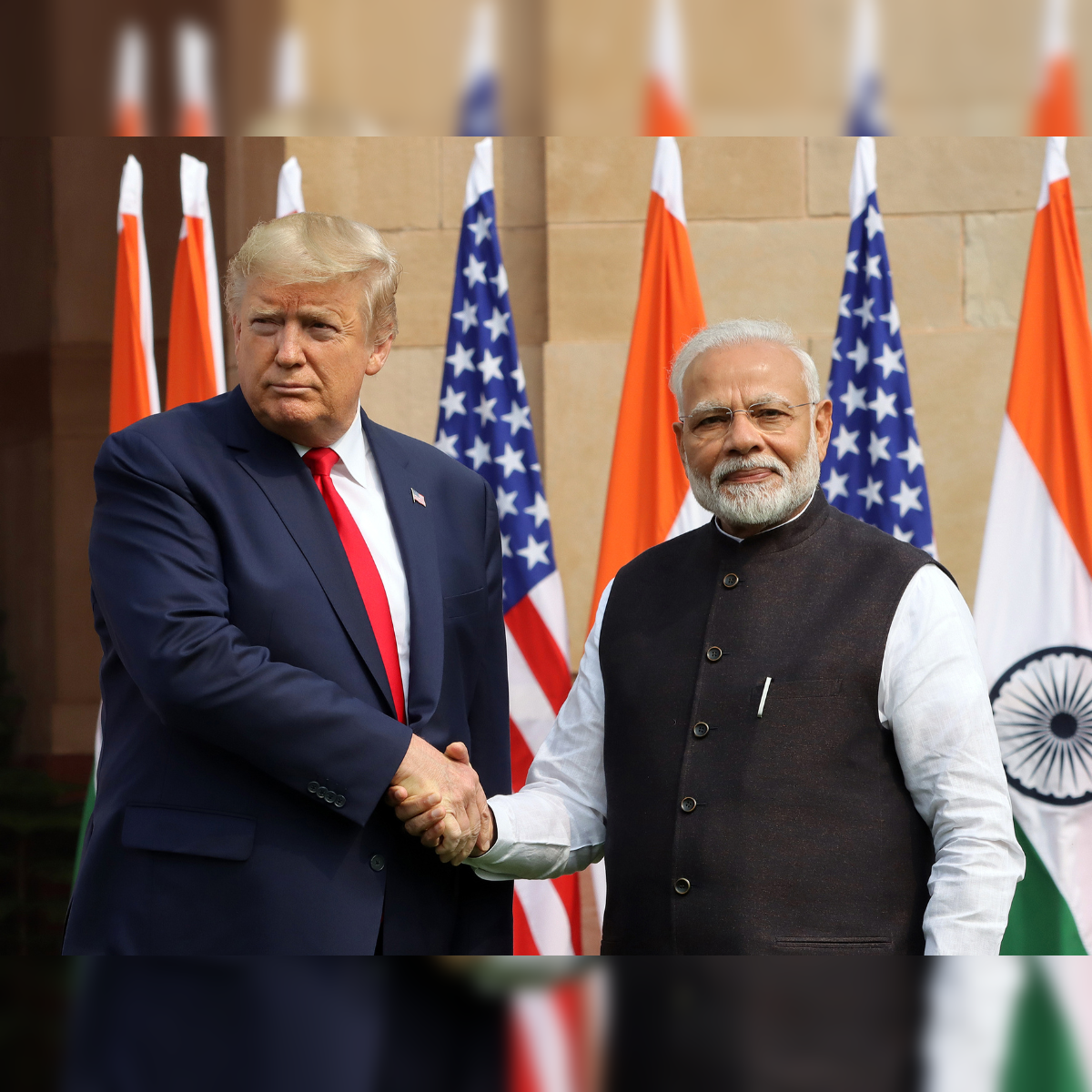
By K Raveendran While Prime Minister Narendra Modi’s ‘friend’, the US President-elect Donald J Trump, is set to move into White House, once again, it need not be particularly beneficial for India. If anything, Trump can be said to be “anti-India” even while remaining “pro-Modi”. The camaraderie contrasts starkly with the president-elect’s anti-India economic stance, […]

Hyundai’s commitment to sustainable transport solutions has taken a significant step forward with the launch of two Hydrogen Fuel Cell Buses into public service in Abu Dhabi. This move marks a milestone in the Emirate’s ongoing efforts to reduce its carbon footprint and transition toward more environmentally friendly transportation options. The buses, Hyundai’s Elec City FC and Universe FC, are now operational, providing a cleaner, quieter alternative to conventional diesel-powered vehicles.

The buses are part of a broader initiative to enhance the UAE’s public transport infrastructure with cutting-edge, eco-friendly technologies. Hyundai, in partnership with its exclusive UAE distributor, Juma Al Majid Co., is working to introduce hydrogen-powered vehicles that align with the UAE’s sustainability goals. These buses emit zero emissions, relying on hydrogen fuel cells to generate electricity, which is a significant step in tackling urban pollution and promoting energy-efficient transit options.

The launch follows the successful delivery of the first two hydrogen fuel cell buses in November 2024. The Emirate of Abu Dhabi has set its sights on becoming a leader in green technologies, with public transportation being a key area of focus. The hydrogen buses are a critical part of this transition, offering a practical solution to reducing the reliance on fossil fuels while meeting growing urban mobility demands.

The new buses are designed for both efficiency and comfort, providing passengers with a smooth and quiet ride. The Elec City FC is a fully electric bus equipped with a hydrogen fuel cell system, while the Universe FC, a larger model, is intended for longer journeys and is also powered by hydrogen fuel cells. Both models are expected to meet the rigorous standards of public transport fleets while offering a significant reduction in greenhouse gas emissions.

Juma Al Majid Co. has been instrumental in making this transition possible. As Hyundai’s exclusive distributor in the UAE, the company has facilitated the deployment of these advanced vehicles as part of its wider strategy to introduce green technology solutions across various sectors in the UAE. Their efforts are aligned with the UAE’s Vision 2021, which includes plans to reduce the country’s carbon emissions by 16 percent by 2025.

The UAE government’s commitment to clean energy is exemplified by the National Agenda, which includes ambitious targets for sustainability and diversification of energy sources. The introduction of hydrogen buses is a step toward fulfilling these targets, particularly in the transport sector, which is one of the largest contributors to emissions. Public transport in Abu Dhabi, already home to a growing fleet of electric buses, is being transformed into a more energy-efficient system through such innovations.

Hydrogen-powered vehicles have been gaining traction globally due to their ability to offer long ranges and quick refueling times compared to traditional battery-powered electric vehicles. Hydrogen buses, which use fuel cells to convert hydrogen into electricity, are particularly suited to long-distance travel and heavy-duty applications like public transportation. The technology behind hydrogen fuel cells allows for a high energy density, enabling the buses to travel longer distances without the need for frequent refueling.

The UAE has increasingly focused on hydrogen as a key component of its energy strategy, with a series of government-backed initiatives aimed at making the nation a hub for hydrogen production and utilization. The launch of the hydrogen fuel cell buses is part of a broader strategy to position the UAE as a leader in the global shift towards hydrogen energy. The nation is working on establishing hydrogen hubs and expanding its infrastructure for the production, storage, and distribution of hydrogen fuel.

Experts suggest that hydrogen will play an essential role in the future of transportation, not just in the UAE, but globally. With its clean energy potential, hydrogen is seen as a promising solution for reducing emissions in sectors that are difficult to electrify, such as long-haul transport, heavy-duty trucks, and buses. The successful operation of the first hydrogen fuel cell buses in Abu Dhabi may pave the way for other cities across the UAE to adopt similar technologies, contributing to the region’s green transition.

The introduction of these buses comes at a time when the world is increasingly focused on sustainable transportation solutions. With the transport sector contributing significantly to global carbon emissions, many countries are investing in green technologies to reduce their environmental impact. Hydrogen fuel cells, alongside electric batteries, are seen as key alternatives to conventional fossil fuel engines.

Abu Dhabi’s use of hydrogen buses is expected to encourage further investment in alternative fuel technologies. The public sector’s role in championing clean energy solutions is essential in building consumer confidence in these new technologies. The continued success of hydrogen-powered buses will not only help reduce emissions but also serve as a model for other cities in the region.

The long-term impact of this initiative could extend beyond public transportation. As hydrogen technology advances, the integration of hydrogen fuel cells into other sectors, such as construction, logistics, and even aviation, could become a viable option. In the coming years, the infrastructure for hydrogen production and distribution is expected to expand significantly, further enabling its adoption across various industries.

Arabian Post Staff -Dubai Jared Kushner’s investment firm, Affinity Partners, has secured an additional $1.5 billion in funding from the Qatar Investment Authority and Abu Dhabi-based asset manager Lunate. This significant capital infusion extends the investment period of Affinity’s debut fund to 2029, positioning the firm for sustained growth in the competitive private equity landscape. Kushner, founder of the Miami-based firm, disclosed these developments during an episode […]

OpenAI has unveiled its latest artificial intelligence models, o3 and o3-mini, marking a significant advancement in AI reasoning and problem-solving abilities. These models are currently undergoing internal safety testing, with plans for broader access to security researchers before a public release scheduled for early 2025.

The o3 models represent a progression from OpenAI’s previous o1 series, which debuted in September 2024. Unlike their predecessors, the o3 models incorporate a “self-checking” mechanism that enables the AI to internally plan and articulate its decision-making process. This feature allows users to adjust the model’s “thinking time,” balancing response speed with accuracy.

Early internal benchmarks indicate that o3 achieves an 87.5% score on the ARC-AGI benchmark, a substantial improvement over the 25–32% range recorded by o1. Additionally, o3 has attained a 96.7% score on the AIME 2024 assessment and 87.7% on the GPQA Diamond benchmark, underscoring its enhanced reasoning capabilities.

OpenAI’s CEO, Sam Altman, emphasized that the o3 models are designed to tackle complex reasoning tasks, positioning them as formidable competitors to AI systems developed by other tech giants, such as Google’s Gemini model. Altman stated that o3 signifies the beginning of the “next phase” of AI development, focusing on advanced problem-solving and decision-making abilities.

The o3-mini variant offers an adaptive thinking time feature, allowing for low, medium, and high processing speeds. OpenAI reports that higher compute settings yield more accurate results. The o3-mini has demonstrated superior performance compared to its predecessor, o1, particularly on the Codeforces benchmark, which evaluates coding proficiency.

OpenAI has opened applications for external researchers interested in testing the o3 models, with the application window closing on January 10, 2025. This initiative aims to ensure comprehensive safety evaluations before the models become publicly accessible. The company plans to release o3-mini by late January 2025, followed shortly by the full o3 model.

The introduction of the o3 models has intensified the competitive landscape in AI development, with OpenAI securing a $6.6 billion funding round in October 2024 to support its advancements. This development follows closely on the heels of Google’s release of its Gemini model, highlighting the rapid pace of innovation in the field.

OpenAI’s commitment to enhancing AI reasoning capabilities reflects a broader industry trend toward developing models that can perform complex tasks with greater accuracy and reliability. The o3 models’ self-checking feature represents a notable step toward AI systems that can not only generate responses but also provide insights into their decision-making processes, potentially increasing user trust and transparency in AI interactions.

The Gulf Cooperation Council (GCC) debt capital market has reached a significant milestone, with outstanding debt surpassing $1 trillion by the end of November 2024. This achievement marks an 11% year-on-year growth, with approximately 40% of the total debt comprising sukuk, or Islamic bonds. Saudi Arabia leads the region’s debt capital market, followed by the United Arab Emirates and Qatar. In September, Fitch projected that Saudi Arabia’s […]

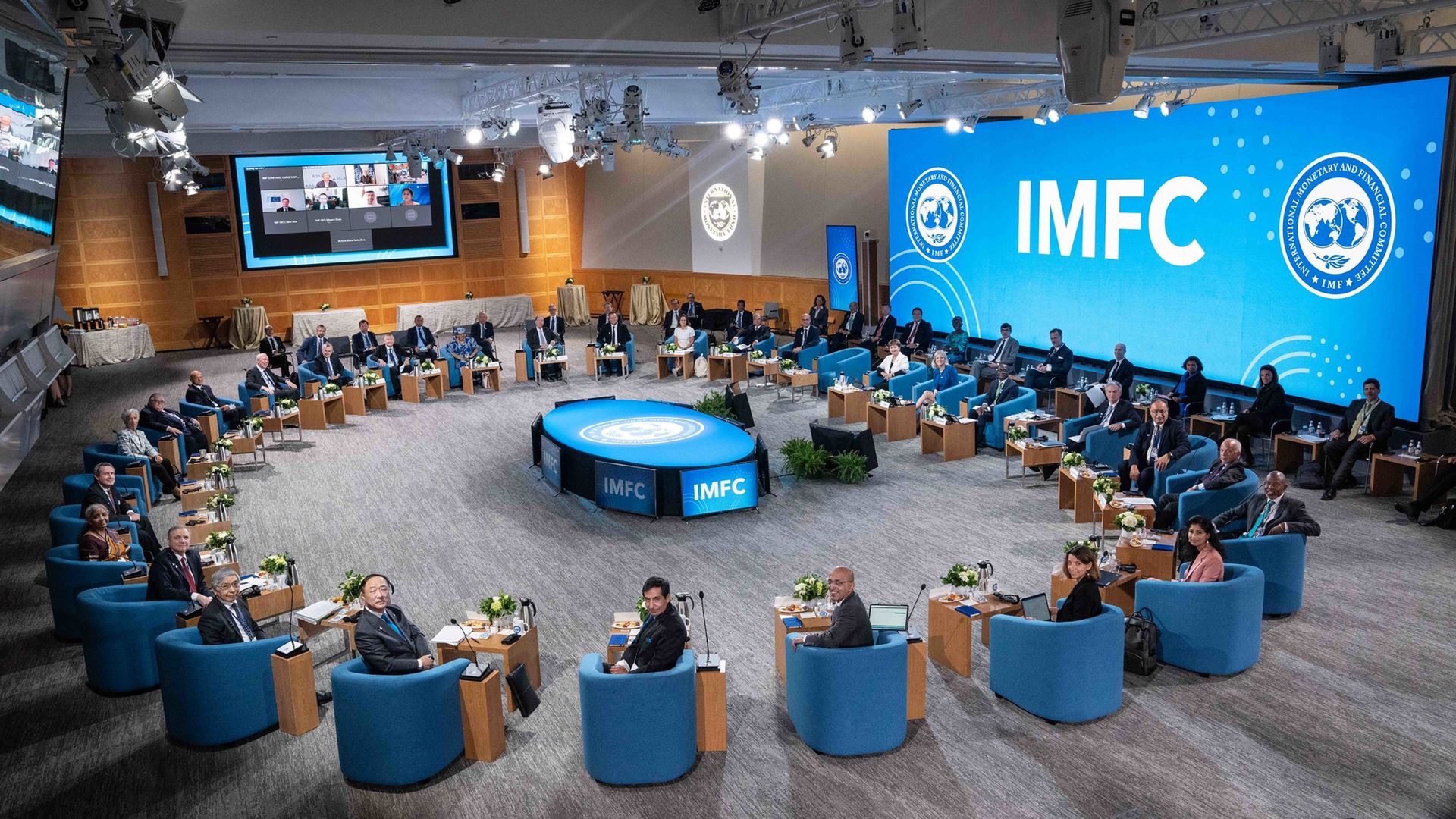
The Gulf economies are expected to continue their upward trajectory despite ongoing geopolitical tensions across the Middle East, according to the latest report from the International Monetary Fund (IMF). The region’s resilience, the IMF suggests, is driven by its diversified economic base, robust fiscal policies, and higher oil prices, which have counterbalanced the adverse effects of regional instability.

While the Middle East remains a hotspot for geopolitical risks, including tensions in Yemen, Syria, and Iran, the Gulf Cooperation Council (GCC) states—namely Saudi Arabia, the UAE, Qatar, Kuwait, Bahrain, and Oman—are poised for solid growth. The IMF’s economic outlook for the Gulf for the upcoming year signals a stable trajectory, with growth projections ranging from 3.2% to 3.5% for most of the member states. This comes on the back of strong economic fundamentals and the region’s strategic efforts to diversify away from oil dependency.

According to the IMF, the GCC’s fiscal prudence and economic diversification initiatives are vital drivers of the positive outlook. Non-oil sectors such as finance, real estate, tourism, and technology have become key contributors to economic growth. Saudi Arabia, for instance, has ramped up its Vision 2030 reform plan, focusing on broadening its economic base and reducing the country’s dependency on hydrocarbons. These efforts have led to an uptick in foreign direct investment and economic activity outside of oil.

The region’s handling of fiscal policies has played a crucial role in shielding it from the negative impacts of external shocks. Governments in the Gulf have generally maintained sound fiscal policies, with substantial fiscal surpluses bolstering state coffers, even as global oil prices fluctuate. For instance, Saudi Arabia and the UAE have used their oil revenues to fund ambitious infrastructure and diversification projects that promote long-term stability.

Saudi Arabia’s economic transformation efforts, notably under the leadership of Crown Prince Mohammed bin Salman, are already yielding results. The kingdom’s GDP has experienced robust growth, especially in non-oil sectors such as entertainment, sports, and tourism. Major projects like Neom, the futuristic city being developed in the northwest, and the Red Sea Project are expected to generate significant economic activity in the coming years. These initiatives reflect a long-term vision to create new economic hubs and reduce reliance on oil.

The UAE, another key player in the Gulf, has also shown a remarkable shift towards diversifying its economy. Dubai’s push to become a global center for technology and finance is starting to pay off, with the city positioning itself as a regional leader in both fintech and blockchain. Abu Dhabi’s focus on renewable energy and clean technologies is further strengthening the UAE’s long-term economic resilience. With such initiatives, the UAE is set to continue its strong performance, with growth forecasts suggesting the economy will expand by 4% over the next year.

Qatar has similarly proven its economic resilience. The country’s investment in liquefied natural gas (LNG) projects has enhanced its export capabilities, enabling it to weather external market fluctuations. Qatar has also shifted its focus to developing a more diverse economy, emphasizing finance, sports, and education, particularly through initiatives like the Qatar National Vision 2030.

The IMF also highlighted that Kuwait and Oman are expected to experience moderate growth, driven by their diversified economies and investments in non-oil sectors, including infrastructure and services. Although Oman has faced fiscal challenges in the past, its recent economic reforms and strategic investments are expected to yield positive results in the coming years. Similarly, Kuwait’s substantial sovereign wealth fund continues to provide a financial cushion, enabling the country to continue its development plans despite challenges.

Despite the ongoing tensions in neighboring countries, the Gulf states have managed to maintain political stability, a crucial element in sustaining investor confidence. The UAE’s role as a neutral hub for international trade, coupled with Qatar’s robust diplomatic efforts, has further insulated the region from potential instability. While conflicts in Yemen, Syria, and Iraq present challenges, the Gulf countries have largely shielded their economies from these disturbances through strong governance and military spending.

The Gulf’s active participation in global energy markets continues to provide it with a cushion against external shocks. Oil remains a crucial driver of revenue, but the higher global oil prices in the past year have supported economic resilience. Saudi Arabia and the UAE have also taken steps to ensure that their energy resources are used sustainably, with the UAE focusing on clean energy initiatives and Saudi Arabia looking to become a leader in green hydrogen production.

The region’s financial markets have also performed admirably in the face of geopolitical risk. Stock exchanges across the Gulf have been showing positive growth, with investors confident in the long-term prospects of the region. The UAE, in particular, has seen a surge in its financial markets, fueled by investor confidence in its economic diversification plans. Furthermore, the region’s strong banking sectors and their adaptation to digital banking and fintech have made them more attractive to foreign investors.

On the global stage, the Gulf has increasingly become a key partner in trade and investment. Its strategic location, at the crossroads of Europe, Asia, and Africa, continues to make it a central hub for international trade. In addition, initiatives such as the GCC’s Free Trade Agreement and the bloc’s involvement in the World Trade Organization (WTO) strengthen its position as a trade powerhouse.


Advertisements

Elite Group Holding, a diversified UAE-based conglomerate, has announced plans to develop a one million square foot integrated facility in Dubai Industrial City, with an investment of Dhs100 million. This strategic move aims to bolster the company’s presence in the automotive and e-commerce sectors.

The new facility is expected to support Elite Group Holding’s expansion and strengthen its foothold in these industries. The company, known for its luxury automotive dealership, The Elite Cars, holds exclusive partnerships with brands such as Zenvo Automotive, Jetour, and Soueast. Additionally, it operates ART Elite Car Rental and other subsidiaries.

Saud Abu Alshawareb, Executive Vice President of Industrial at TECOM Group, emphasized the significance of the automotive industry’s pursuit of innovation in driving economic activity, attracting investment, and creating new skill-based jobs. He noted that Elite Group Holding’s investment underscores the growing confidence in the UAE’s robust business ecosystem and its attractiveness for companies seeking to expand their regional footprint.

The project aligns with several UAE national strategies, including Operation 300bn, Make it in the Emirates, and the Dubai Economic Agenda ‘D33’. By enhancing efficiencies across vital sectors such as automotive and e-commerce, the new hub is expected to catalyze industry excellence and positively impact society and the economy.

Tamer Abu Khalaf, partner of Elite Group Holding, expressed enthusiasm about the company’s future growth and the project’s role in expanding its presence in key sectors. He stated that this investment marks a pivotal step in broadening their footprint across key sectors and solidifying their presence in the dynamic region. Khalaf highlighted that Dubai Industrial City aligns perfectly with their vision to innovate and lead in industries shaping tomorrow’s economy, offering a center of excellence to drive efficiency, sustainability, and innovation across their operations.

The group’s growth strategy includes launching new branches, expanding dealership networks, and building strategic partnerships to bring leading luxury and premium automotive brands to the UAE. Their focus on eco-friendly solutions, such as electric and hybrid vehicles, and advancing digital integration across e-commerce and automotive operations aligns with the UAE’s sustainability goals.

The facility’s strategic location within Dubai Industrial City offers several advantages, including proximity to Al Maktoum International Airport, Jebel Ali Port, and key national roadways. This positioning will allow Elite Group Holding to streamline operations and expand its reach in both local and international markets. The site will also benefit from an Etihad Rail freight terminal, further enhancing its logistics capabilities.

Arabian Post Staff -Dubai The United Arab Emirates (UAE) generates between AED 10 and 11 billion annually through indirect taxes, constituting a substantial portion of the federal budget, which totals approximately AED 65 billion. Younis Haji Al Khoori, Undersecretary of the Ministry of Finance, highlighted the pivotal role of these tax revenues in bolstering economic growth and strengthening the federal government’s financial position. Indirect taxes in the […]

Cryptocurrency exchanges across the European Union are preparing to delist stablecoins that fail to comply with the forthcoming Markets in Crypto-Assets (MiCA) regulations, set to be fully enforced by December 30, 2024. Notably, Tether’s USDT, the world’s largest stablecoin by market capitalization, is among those facing delisting due to non-compliance with MiCA’s stringent requirements.

MiCA aims to establish a comprehensive regulatory framework for crypto-assets within the EU, enhancing transparency, consumer protection, and market integrity. A key provision mandates that stablecoin issuers obtain an e-money license, ensuring tokens are fully backed by reserves held in independent banks and that issuers maintain robust transaction monitoring systems. Tether has not yet secured this license, rendering USDT non-compliant under the new regulations.

In response, major cryptocurrency exchanges operating in the EU have announced plans to delist USDT and other non-compliant stablecoins. Coinbase Europe, for instance, has informed its users of the impending delisting, advising them to convert their USDT holdings into compliant alternatives such as USD Coin (USDC) or Euro Coin (EURC), both issued by Circle and fully compliant with MiCA standards. This move is in line with Coinbase’s commitment to adhere to regulatory requirements and ensure the security of its users’ assets.

The delisting of USDT is expected to have significant implications for the European cryptocurrency market. USDT has been a cornerstone of crypto trading, providing liquidity and a stable store of value for traders and investors. Its removal could lead to reduced liquidity, increased trading costs, and potential disruptions in the market. Market participants are concerned that the absence of USDT may hinder trading activities and slow the growth of the crypto ecosystem within the EU.

Tether’s non-compliance stems from its current operational structure, which does not align with MiCA’s requirements for reserve backing and regulatory oversight. The company has faced scrutiny over the transparency and adequacy of its reserves, with critics alleging insufficient backing for the tokens in circulation. Tether has previously defended its practices, asserting that its tokens are fully backed and that it operates with a commitment to transparency and regulatory compliance.

The implementation of MiCA represents a significant step toward the formalization and regulation of the cryptocurrency industry within the EU. By enforcing strict compliance standards, the EU aims to mitigate risks associated with crypto-assets, including fraud, money laundering, and market manipulation. The regulation also seeks to foster innovation by providing clear guidelines and a stable regulatory environment for businesses and investors.

However, the delisting of prominent stablecoins like USDT raises questions about the balance between regulation and market dynamics. While regulatory compliance is essential for market integrity and consumer protection, the sudden removal of widely used assets could disrupt market operations and negatively impact users who rely on these tokens for trading and value transfer.

Exchanges are taking steps to minimize disruption by offering users options to convert their USDT holdings into compliant alternatives. For example, Coinbase has facilitated the transition by providing seamless conversion services and detailed guidance to its users. Other exchanges are expected to implement similar measures to ensure a smooth transition and maintain user trust.

By Dr. Soma Marla The Union Ministry of Agriculture recently circulated a new draft for a policy framework concerning agricultural marketing. Faiz Ahmed Kidwai, additional secretary in the ministry, proposed the draft to revamp the existing framework. According to the government, the proposed universal tax on agricultural produce will increase farmers’ incomes. The committee has […]

Dogecoin’s 11% decline has positioned it as the leading loser among major cryptocurrencies, reflecting broader market concerns as Bitcoin also experiences notable drops. These movements have cast a shadow over the crypto sector during the holiday season, stirring unease in an industry already grappling with volatility and uncertainty.

Market experts attributed the downturn to a combination of factors, with QCP Capital, a trading firm, pointing to an overconfidence in market positioning. Their analysis, shared in a Friday report, suggests that traders had adopted overly bullish strategies, which backfired as the market sentiment shifted. This pattern is not isolated to Dogecoin alone but has been echoed across other key cryptocurrencies, with Bitcoin and Ethereum also facing downward pressure.

While Bitcoin remains the dominant player in the market, its decline has been significant, with the cryptocurrency losing ground as investor sentiment wavers. Experts have raised concerns about the future direction of the market, particularly as Bitcoin struggles to regain its footing. Dogecoin’s movement, which often follows trends set by Bitcoin, adds to the growing anxiety about the sector’s stability. The dip is widely seen as part of the broader correction phase that has affected digital currencies in the last few weeks.

The relationship between Bitcoin and altcoins like Dogecoin remains closely intertwined. Historically, shifts in Bitcoin’s price have had a ripple effect, influencing altcoin trends. As Bitcoin’s performance falters, smaller cryptocurrencies, including Dogecoin, often experience more pronounced fluctuations. This pattern appears to be playing out once again, with Dogecoin feeling the brunt of the market’s uncertainty. Traders had previously shown increasing optimism, but now face a sudden correction that has thrown off short-term projections.

Several factors have contributed to the market’s current mood. The ongoing scrutiny of crypto regulations globally has created an environment of caution among investors. As regulators consider tighter controls over digital assets, some market players are reconsidering their positions. For Dogecoin, a currency that has been driven in part by social media sentiment and celebrity endorsements, the external pressures are especially pronounced. Unlike Bitcoin, which is seen as a store of value by many, Dogecoin has struggled to maintain consistent long-term investor confidence.

Investor enthusiasm for digital currencies had been buoyed by the promise of blockchain technology and decentralized finance, but now, market corrections are bringing those expectations into sharper focus. Cryptocurrencies, once seen as the future of finance, are increasingly viewed as speculative assets vulnerable to short-term sentiment shifts. These developments come as the global economy faces uncertainty, with inflationary pressures and geopolitical tensions contributing to the overall risk appetite in the markets.

The combination of technical factors and macroeconomic concerns has created a more cautious environment for crypto trading. As a result, some investors are choosing to hold off on major positions until the market stabilizes. This cautious outlook has been exacerbated by the holiday season, traditionally a time when market activity can be less predictable due to lower trading volumes.

As the crypto industry navigates these challenges, market analysts are keeping a close eye on the broader trends. While Bitcoin and Dogecoin face immediate hurdles, many experts continue to view the long-term potential of cryptocurrencies as promising. However, in the short term, the volatility is likely to persist, leaving many traders to reassess their strategies. The ability of Dogecoin and other altcoins to recover will depend on several factors, including Bitcoin’s price trajectory and the ongoing regulatory landscape.

The ripple effect of Bitcoin’s struggles has also been felt among smaller crypto projects, with many seeing similar patterns of decline. However, some market observers are cautious about the depth of these corrections, noting that the crypto space has a history of bouncing back after sharp declines. While Dogecoin’s fall has been steep, it is far from the first time the currency has experienced significant volatility.

Cryptopia, the New Zealand-based cryptocurrency exchange that was forced into liquidation following a 2019 hack and a 2021 employee theft, has initiated the process of returning millions of dollars in cryptocurrency to its users. So far, the exchange has repaid over NZ$400 million (approximately $224.9 million) to 10,000 verified account holders, with plans to distribute further amounts in the coming year.

The exchange, once one of the largest in the country, had a tumultuous few years after the hack, which saw the loss of millions in cryptocurrency from user accounts. Despite attempts to recover from the breach, Cryptopia was unable to regain trust and was ultimately placed into liquidation in 2019.

Since the liquidation, efforts have been underway to recover and redistribute the funds owed to users, as the exchange’s liquidators worked through the complexities of returning assets from the frozen and compromised accounts.

Cryptopia’s situation has been a key example of the challenges faced by cryptocurrency exchanges when confronted with security breaches and internal fraud. The combination of the hack, followed by the theft of additional funds by a former employee, left the exchange struggling to meet its obligations to users. While liquidators have been able to recover significant portions of the stolen cryptocurrency, the process of returning funds to account holders has been slow, as the legal and financial hurdles surrounding such cases are often intricate and time-consuming.

The decision to liquidate the exchange followed an extensive investigation into the breach and the theft. Liquidators were tasked with identifying and recovering the stolen cryptocurrency, while also determining how to fairly distribute the recovered assets among the thousands of affected account holders.

Cryptopia’s repaid funds represent a significant portion of what users lost during the breaches. For many, the payout marks a long-awaited resolution to years of uncertainty. However, the process has been slow, and some users still await their full compensation.

The return of these funds is significant not only for the users who have been directly affected but also for the wider cryptocurrency community. It highlights the complexities of ensuring secure exchanges and the challenges of managing asset recovery after a breach. While no system can be completely foolproof, the incident underscores the importance of robust security measures and vigilant oversight in the cryptocurrency sector.

As the distribution continues into 2024, Cryptopia’s case will likely serve as a reference point for future regulatory and security measures in the cryptocurrency exchange industry. The liquidation process itself is also likely to be closely studied as an example of how the legal frameworks surrounding cryptocurrency asset recovery evolve.

The exchange’s repayment process has raised questions about how other crypto exchanges could better protect user assets and respond in the event of a breach. The emergence of new regulations for cryptocurrency exchanges in various countries may help prevent similar situations, although the industry remains largely unregulated in many areas.

This case also draws attention to the evolving nature of cryptocurrency regulations, particularly regarding the responsibilities of exchanges in safeguarding user funds. Regulatory bodies worldwide are working toward creating standards that would compel crypto exchanges to adopt stronger security practices, further ensuring that users’ assets are better protected.

While some have praised Cryptopia’s efforts to repay users, others remain critical of the delay in compensation, especially for those whose funds were tied up for years. The distribution process itself has been meticulous and slow, as the liquidators work to ensure that payouts are fair and based on the exact amounts owed to each individual.

Despite these challenges, the successful repayment to 10,000 account holders has offered hope that, even in cases where exchanges are compromised, users can still recover their assets, albeit after considerable time and effort. The unfolding process continues to unfold in New Zealand courts, with further payouts expected in the next year.

El Salvador has announced plans to persist with, and potentially accelerate, its Bitcoin acquisitions, even after securing a $1.4 billion loan agreement with the International Monetary Fund (IMF) that advises limiting exposure to the cryptocurrency. Stacy Herbert, director of the National Bitcoin Office, confirmed the government’s intention to continue buying Bitcoin for its Strategic Bitcoin Reserve, indicating that purchases might proceed at an increased pace.

This development follows the IMF’s recommendation for El Salvador to scale back its Bitcoin-related activities. The loan agreement stipulates that acceptance of Bitcoin by the private sector should be voluntary, and the public sector’s involvement in Bitcoin-related economic activities and transactions should be confined.

Despite these stipulations, the Salvadoran government remains steadfast in its commitment to Bitcoin. Herbert emphasized that Bitcoin would continue to be recognized as legal tender in the country, and the government would persist in its daily Bitcoin purchases. President Nayib Bukele had previously stated that the government would continue this practice until Bitcoin becomes unaffordable with fiat currencies.

As part of the IMF agreement, El Salvador has agreed to make acceptance of Bitcoin by businesses optional, rather than mandatory, and to limit public sector involvement in Bitcoin-related activities. Additionally, the government plans to phase out its official cryptocurrency wallet, Chivo, by either selling it or discontinuing its use.

The IMF had previously expressed concerns over El Salvador’s adoption of Bitcoin as legal tender, citing potential risks to financial stability and consumer protection. The recent agreement aims to mitigate these risks while providing financial support to the country’s economy.

El Salvador’s pioneering move to adopt Bitcoin as legal tender in September 2021 has been met with both praise and criticism. While the government argues that the cryptocurrency can boost financial inclusion and attract investment, critics point to its volatility and the potential for facilitating illicit activities.

Despite the IMF’s recommendations, the Salvadoran government’s decision to continue its Bitcoin purchases underscores its commitment to integrating cryptocurrency into the nation’s financial system. This stance highlights the ongoing tension between traditional financial institutions and the emerging world of digital currencies.

AD Ports Group has successfully refinanced and upsized its revolving credit facility (RCF) to $2.125 billion, enhancing its financial flexibility. This move sees the RCF increased from $1 billion, a strategic decision to bolster the company’s liquidity and further its investment ambitions. The new facility comprises both AED and USD tranches, offering a diversified funding structure that aligns with AD Ports’ expansive growth plans across multiple sectors.

The RCF, now one of the largest in the region, is designed to provide AD Ports with the capacity to pursue its long-term strategic initiatives. The group has positioned itself as a key player in the maritime, logistics, and infrastructure sectors, and this refinancing represents a significant step in its ability to seize emerging opportunities. With the upsized facility, AD Ports aims to fuel its investments in major infrastructure projects, improve its service offerings, and support the increasing demand in global trade.

In an official statement, the company outlined that the new RCF would enhance its liquidity position, enabling it to better capitalize on future expansion opportunities. This includes investments in port infrastructure, logistics, and real estate development, which are central to its growth strategy. The refinancing also comes at a time when AD Ports is actively looking to expand its footprint in new and existing markets, including Asia, Europe, and Africa.

AD Ports Group’s new financing structure offers a blend of flexibility and stability, a crucial element given the current economic environment. The group’s diversified portfolio, which spans across container ports, logistics hubs, industrial zones, and offshore services, provides a strong foundation for leveraging this expanded credit line. Additionally, the refinanced facility includes terms that reflect the group’s improved financial standing, with favorable pricing and extended maturity.

Industry experts have pointed to this refinancing as a sign of the growing strength and financial health of AD Ports. The company’s continued expansion into various sectors has made it a formidable player in the global logistics and maritime industry. The RCF upsizing comes in response to a significant increase in demand for port and logistics services, particularly in the Middle East and beyond, as global supply chains continue to evolve and expand.

The refinancing also highlights AD Ports’ ability to secure competitive financing terms, despite global market fluctuations. This positions the company as a leader in the regional logistics and transportation sectors, equipped with a robust balance sheet to support ambitious growth. By securing favorable credit conditions, AD Ports ensures its ability to navigate the complexities of international trade, enhance its global connectivity, and better serve its diverse customer base.

As part of the refinancing, AD Ports also emphasized its commitment to sustainability and digital transformation, which are integral to its long-term strategy. The company has been investing heavily in smart port technologies, green energy solutions, and digital logistics platforms. These investments are not only expected to improve operational efficiency but also ensure that AD Ports remains at the forefront of innovations in the global trade and logistics sectors.

The expansion of the RCF aligns with AD Ports Group’s vision of becoming a global leader in integrated logistics and transportation services. With access to enhanced capital resources, the company is better positioned to expand its portfolio of services, such as warehousing, cargo handling, and integrated supply chain solutions. The upsized facility ensures that AD Ports has the flexibility to take advantage of opportunities in both developed and emerging markets, continuing to diversify its offerings and increase its market share.

Experts believe that this move will further strengthen AD Ports’ competitive edge, particularly in the UAE and GCC markets, where demand for infrastructure and logistics services continues to grow. The company’s long-term focus on infrastructure development and modernization makes it a pivotal player in shaping the region’s economic future, and the RCF upsizing ensures that it has the financial muscle to execute its plans effectively.

As AD Ports Group continues to expand its global presence, this refinancing positions it to maintain its momentum and meet the evolving needs of its clients and stakeholders. The facility’s enhanced size reflects the company’s strategic shift toward larger-scale operations, enabling it to tackle both regional and global challenges with increased financial agility.

This development also marks a significant milestone for AD Ports as it seeks to integrate more sustainable practices into its operations. The group’s investment in green technologies, including renewable energy solutions for its ports and logistics hubs, is expected to play a central role in its ability to secure future growth. By aligning its financing with its sustainability goals, AD Ports is demonstrating its commitment to responsible business practices while positioning itself for continued success.

Marathon Digital Holdings, a leading cryptocurrency mining company, has significantly increased its Bitcoin reserves through strategic financial maneuvers. In November and December 2024, the firm raised approximately $1.93 billion via zero-coupon convertible senior notes. These funds facilitated the acquisition of 15,574 Bitcoins at an average price of $98,529 per coin, totaling around $1.53 billion. Additionally, Marathon repurchased approximately $263 million of its existing convertible notes maturing in 2026. As of December 18, 2024, the company holds 44,394 Bitcoins, valued at approximately $4.45 billion, based on the spot price of $100,151 per Bitcoin.

The initial offering, completed on December 4, 2024, involved $850 million in zero-coupon convertible senior notes due 2031. Marathon granted initial purchasers an option to buy an additional $150 million in notes, potentially increasing the total to $1 billion. The net proceeds of approximately $835.1 million were designated primarily for Bitcoin acquisitions and repurchasing existing convertible notes due in 2026.

Subsequent to this offering, Marathon continued its strategy by raising additional funds through similar financial instruments. The company utilized these proceeds to purchase 11,774 Bitcoins for about $1.1 billion, averaging $96,000 per Bitcoin. This purchase increased Marathon’s total Bitcoin holdings to 40,435, valued at approximately $3.9 billion, based on a Bitcoin price of $96,500 at the time.

Marathon’s aggressive accumulation of Bitcoin aligns with a broader trend among major corporations integrating cryptocurrency into their financial strategies. Companies like MicroStrategy and Riot Platforms have similarly expanded their Bitcoin holdings, viewing the digital asset as a viable store of value and a hedge against traditional market fluctuations. This corporate adoption reflects growing confidence in Bitcoin’s long-term potential and its role in diversified investment portfolios.

The use of convertible notes has become a favored method for companies to raise capital for cryptocurrency investments. These financial instruments allow firms to secure funds at low or zero interest rates, with the option to convert debt into equity under specific conditions. This approach provides flexibility in capital management and aligns with the dynamic nature of the cryptocurrency market.

Marathon’s strategic investments have also been accompanied by efforts to enhance its mining operations. The company has entered into agreements to acquire renewable energy assets, such as a wind farm in Hansford County, Texas, with 240 MW of interconnection capacity and 114 MW of nameplate wind capacity. This initiative reflects Marathon’s commitment to integrating sustainable energy sources into its mining activities, addressing environmental concerns associated with cryptocurrency mining.

Despite these advancements, Marathon has faced challenges in the financial markets. The announcement of convertible debt offerings has led to stock price volatility, with shares experiencing declines due to potential shareholder dilution. For instance, following the announcement of a $250 million convertible debt offering in August 2024, Marathon’s stock dropped over 10%.

Nevertheless, Marathon’s leadership remains optimistic about the company’s strategic direction. By leveraging convertible notes to finance Bitcoin acquisitions and repurchase existing debt, Marathon aims to strengthen its balance sheet and enhance shareholder value. The company’s substantial Bitcoin holdings position it favorably to capitalize on potential future appreciation of the digital asset.

Dubai Aerospace Enterprise (DAE) has successfully secured $201 million in compensation from its insurers following significant losses caused by the imposition of sanctions on Russia. The payout marks a major step in DAE’s effort to recover from the financial toll these sanctions have taken on its business operations. The aviation firm, which owns and manages a fleet of aircraft leased to airlines worldwide, has been significantly impacted by the sanctions imposed in response to Russia’s invasion of Ukraine.

The sanctions have led to a dramatic disruption of DAE’s aircraft leasing operations in Russia. The company’s portfolio includes several jets leased to Russian airlines, which became subject to forced returns, asset seizures, and outright grounding. DAE was forced to cancel contracts and find ways to recover its assets after the Russian government passed laws preventing the return of foreign-owned aircraft. As part of the fallout from these geopolitical events, many of DAE’s high-value assets were left stranded in Russia, leaving the company with substantial financial exposure.

The payout from the insurers, which was finalized after a prolonged claims process, is seen as a crucial recovery for DAE. Industry analysts note that the company faced a complex and multifaceted challenge. Not only did it deal with physical asset seizures, but there were also legal hurdles and the financial uncertainty stemming from Russia’s refusal to honor contracts. The compensation is intended to cover losses related to the seizure of aircraft, the loss of aircraft value, and the non-repayment of lease agreements that were disrupted by the sanctions.

Although the compensation is a significant milestone, experts suggest that DAE’s recovery is far from complete. While the financial assistance will certainly ease the company’s liquidity constraints, the long-term effects of the sanctions remain a concern for the aviation industry at large. Leasing companies that operated in Russia are continuing to grapple with similar challenges, including the revaluation of aircraft that were once thought to be secured assets but are now devalued due to their involuntary relocation or grounding.

This payout is also a clear example of the broader economic impact of international sanctions on the aviation industry. Leasing companies, such as DAE, which provide aircraft to global airlines, have been facing increasingly complex legal and operational challenges in Russia. Industry experts underline that the aircraft leasing market is built on a delicate balance of international agreements and regulatory frameworks. When nations are cut off from the global financial system, as Russia has been, it creates a domino effect, severely impacting businesses that rely on cross-border contracts and financial protections.

The aviation sector, which was already reeling from the impact of the COVID-19 pandemic, is now forced to confront the unintended consequences of geopolitical tensions. Leasing companies, in particular, are under pressure as they try to recover from the crisis. Some firms have opted to write off assets, while others, like DAE, are seeking legal recourse and insurance compensation. The question of how insurers assess the financial impact of sanctions-related losses is likely to be an ongoing point of discussion in the industry.

In addition to the insurance settlement, DAE has been exploring alternative strategies to mitigate its losses. The company has ramped up efforts to lease out its remaining fleet to non-Russian airlines, and it is working on a comprehensive restructuring plan to reduce exposure to regions that may pose future risks due to political instability. These efforts are part of a broader trend in the aviation leasing industry where companies are looking for ways to diversify their portfolios and reduce dependence on volatile markets.

DAE’s experience highlights the need for better risk management frameworks in the aviation industry. Experts argue that the complexities of international regulations, combined with the unpredictability of global political events, mean that companies need to adopt more proactive approaches to risk mitigation. Insurers, too, may need to reassess the terms under which they offer coverage to aviation firms, particularly in high-risk regions like Russia.

For DAE, securing the insurance payout is a step in stabilizing the company’s finances, but it is clear that the road to full recovery is long and uncertain. The situation in Russia continues to evolve, and the leasing company will need to navigate a constantly shifting geopolitical landscape. As it works to recover its losses, DAE is also paying close attention to the broader implications of the sanctions on its business model, as well as the potential for further disruptions in its international leasing operations.

UAE-based agricultural giant Al Dahra is reportedly in negotiations to lease agricultural land in Kenya, a move that could further strengthen the company’s presence in the East African market. The discussions center around large-scale agricultural operations that could span thousands of hectares, contributing to both local food production and Al Dahra’s wider global portfolio.

The proposed farmland lease is part of a growing trend in which foreign companies, particularly from the Gulf region, are investing in Africa’s agricultural sector. Kenya, with its favorable climate and strategic location, has long been a target for agribusiness investments. For Al Dahra, which operates across a diverse range of agricultural sectors such as crop production, animal feed, and trading, the potential lease offers an opportunity to tap into a fertile land base for its agribusiness operations.

Kenya’s government, eager to modernize its agricultural sector and boost exports, has been welcoming foreign investment. The nation’s agricultural policy includes initiatives aimed at increasing productivity and establishing partnerships with international players. Al Dahra’s move is in line with Kenya’s ongoing efforts to enhance its agricultural infrastructure and food security, offering both a business opportunity for Al Dahra and a potential solution to local supply chain challenges.

A key aspect of the deal is the access to Kenya’s extensive irrigation networks, which are critical for maintaining consistent crop yields in the face of fluctuating weather patterns. The UAE-based company, with its expertise in water-efficient farming technologies, would be well-positioned to utilize these systems. The partnership could also support Kenya’s ambitions to increase agricultural exports, particularly in sectors such as horticulture, floriculture, and cereals, which have seen steady growth in recent years.

Al Dahra has established itself as a significant player in international agriculture, with operations in more than 15 countries. Its move into Kenya aligns with the UAE’s broader strategy to diversify its economic interests, particularly in the agriculture and food security sectors. With the increasing pressures of climate change and growing demand for food worldwide, investments like these are expected to play a crucial role in global food production systems.

The agreement could also have broader regional implications, as Kenya is viewed as a key agricultural hub within the East African Community (EAC). If successful, it would provide a model for other foreign agribusinesses looking to expand into the region, further integrating Kenya into global supply chains.

However, the negotiations come amid a backdrop of growing scrutiny regarding land leasing practices in Africa. Critics argue that large-scale land acquisitions by foreign firms can lead to land dispossession, adversely affecting local communities. There are also concerns about the environmental impact of large agribusinesses on local ecosystems. As such, the terms of the lease will likely face close examination by both Kenyan stakeholders and international watchdogs. It remains to be seen how Al Dahra addresses these issues, but it is expected that the company will work closely with local authorities and stakeholders to mitigate potential risks.

Al Dahra’s reputation for sustainable practices could play a pivotal role in easing concerns over the environmental and social impacts of its operations. The company has made significant strides in promoting sustainable farming techniques, including using innovative irrigation methods and reducing water usage in its farming operations. These efforts are crucial in an environment like Kenya, where water scarcity is a significant challenge.

The broader context of this move is also influenced by the growing importance of food security in the UAE. With limited arable land and water resources at home, the UAE has been investing in agricultural projects abroad for years. These investments not only ensure the country’s food supply but also provide economic and strategic advantages. As the UAE looks to secure long-term food security, projects like Al Dahra’s farming lease in Kenya are central to this vision.

Kenya, too, stands to benefit significantly from such investments. The East African nation has grappled with issues such as land degradation, inconsistent rainfall, and low agricultural productivity. Foreign investments like the one proposed by Al Dahra could provide the necessary capital, technology, and expertise to address these challenges. Additionally, the job creation and technological advancements that accompany such large-scale agricultural operations could help uplift rural communities.

The Oman Investment Authority (OIA) has acquired a stake in xAI, the artificial intelligence company founded by entrepreneur Elon Musk. This strategic investment aligns with OIA’s objective to diversify its international portfolio and leverage advanced technologies across various sectors.

Established in March 2023 and officially launched in July of the same year, xAI has rapidly positioned itself among the top five companies in the AI industry. The firm specializes in developing advanced AI systems, including generative AI models designed to understand and interpret complex data.

In December 2024, xAI secured approximately $6 billion in equity financing, elevating its valuation to $50 billion. This substantial funding round attracted investments from prominent venture capital firms such as Andreessen Horowitz, Lightspeed Venture Partners, Sequoia Capital, and Tribe Capital.

The OIA’s investment in xAI is part of Oman’s broader strategy to integrate advanced AI technologies into its economy. Abdulsalam Mohammed Al Murshidi, Chairman of OIA, emphasized that this move aims to benefit from globally advanced technologies across various sectors.

xAI has recently achieved significant milestones, including the establishment of a cutting-edge data center in the United States and the launch of an enhanced version of its platform, Grok-2. These developments are expected to bolster the company’s capabilities in processing and analyzing real-time data, further solidifying its position in the AI sector.

Elon Musk’s ventures have experienced remarkable growth, with his net worth surpassing $400 billion, making him the world’s wealthiest individual. This financial ascent is largely attributed to the success of companies like Tesla, SpaceX, and xAI. Notably, SpaceX has reached a valuation of $350 billion, establishing it as the world’s most valuable startup.

By Dr. Gyan Pathak Just a day before the scheduled end of the winter session of the Parliament of India, the confrontation between the ruling NDA and the Opposition INDIA bloc turned physical at its entrance, and several MPs were injured. It is something different from the issue-based confrontations within both the Houses of Parliament, […]

Central banks across the Gulf Cooperation Council (GCC) have reduced key interest rates, mirroring the U.S. Federal Reserve’s decision to lower its benchmark rate by 25 basis points (bps). This synchronized monetary policy adjustment underscores the region’s commitment to maintaining currency pegs to the U.S. dollar and supporting economic stability. The Federal Reserve decreased the federal funds target rate range to 4.25%–4.5%, signaling a cautious approach to […]

JJJ, a new hedge fund established by former Moore Capital executives, has made a significant move into Dubai’s thriving financial market, joining a growing list of hedge funds that are increasingly eyeing the Middle East for expansion. The firm’s decision to set up shop in Dubai comes as part of a larger trend in the financial world, with several major hedge funds diversifying their portfolios and strategies by targeting the region’s rapidly developing financial infrastructure.

Dubai’s status as a global business hub continues to rise, with the emirate offering a favorable regulatory environment, access to wealth management opportunities, and strategic proximity to both emerging and developed markets. While the city has long been a financial nexus, the past few years have seen an influx of hedge funds, private equity firms, and asset managers. This has been driven by various factors, including political stability, economic diversification, and reforms that have made Dubai an increasingly attractive destination for investors.

The move by JJJ is part of a broader trend of hedge funds exploring opportunities outside of their traditional bases in Europe and the United States. Firms are seeking not only the benefits of a more competitive regulatory environment but also the ability to tap into the vast capital reserves held in the Middle East. The region is home to some of the wealthiest sovereign wealth funds and private investors in the world, offering hedge funds the opportunity to manage capital from highly liquid sources.

Dubai’s financial ecosystem has been evolving to meet the demands of global investors, with key initiatives such as the Dubai International Financial Centre (DIFC) and the Dubai Financial Market (DFM) enhancing the city’s status as a financial powerhouse. The DIFC, in particular, has introduced reforms to make it easier for foreign firms to operate, including offering tax incentives, regulatory flexibility, and a wide range of financial products designed to appeal to global investors.

Hedge funds such as Bridgewater Associates, Citadel, and Renaissance Technologies have already made substantial investments in the Middle East, setting up operations or partnerships in Dubai to take advantage of these changing dynamics. The attraction is clear: with the city’s tax advantages, world-class infrastructure, and access to high-net-worth individuals, Dubai offers a unique blend of opportunity for firms looking to expand globally.

JJJ’s entrance into the market signals its belief in the growing potential of Dubai as a financial center. The firm’s founders, who built their careers at Moore Capital before launching their own venture, have chosen the UAE as a base to further expand their global strategy. Dubai’s thriving real estate, tourism, and technology sectors provide additional opportunities for diversification, and the financial ecosystem is uniquely poised to help firms manage and grow assets in these sectors.

Market analysts are observing that Dubai’s development as a financial hub is accelerating. The UAE government has focused on attracting international investors through a series of economic reforms, including the introduction of a new visa system aimed at increasing foreign talent and capital inflows. Additionally, the UAE has strengthened its financial regulations to align more closely with international standards, helping to bolster the confidence of global investors.

The UAE’s efforts to enhance its financial landscape come at a time when many traditional financial centers, particularly in Europe, are facing economic challenges. With the UK navigating post-Brexit uncertainties and European financial markets encountering growing regulatory pressures, Dubai’s business-friendly environment and stable geopolitical landscape provide an appealing alternative. As a result, Dubai has emerged as a go-to location for hedge funds seeking to reduce their reliance on markets that are less certain or experiencing instability.

One of the key factors driving hedge funds to Dubai is the emirate’s strong connection to the global oil industry, which remains a significant driver of wealth in the region. The UAE’s energy sector continues to evolve, with a growing emphasis on renewable energy investments and green technologies. Hedge funds are positioning themselves to tap into these new opportunities, aligning with the region’s broader vision for sustainable development.

Dubai’s geographic location also makes it an attractive proposition for hedge funds looking to diversify their global investment strategies. Sitting at the crossroads of Asia, Europe, and Africa, the city serves as a bridge between markets in these regions, giving hedge funds access to a wide range of assets and opportunities. Dubai’s proximity to fast-growing emerging markets, particularly in Asia and Africa, allows hedge funds to tap into growing economies while also maintaining their existing connections to established markets in the West.

JJJ’s foray into the Dubai market comes at a time when the global hedge fund industry is seeing an increasing appetite for alternative investments. These funds, which traditionally relied on traditional equity and bond markets, are now diversifying their portfolios to include private equity, real estate, and other alternative asset classes. Dubai, with its dynamic growth and diverse industries, offers an ideal environment for this kind of diversification.

A new direction for digital asset regulation is taking shape as the Trump administration’s Digital Chamber’s Token Alliance discusses key priorities with pro-crypto SEC Commissioners Hester Peirce and Mark Uyeda. The priorities, set forth by the group, aim to dismantle or reconsider several regulations affecting the cryptocurrency and broader digital asset markets.

The alliance presented its day-one agenda, signaling an aggressive stance against existing regulatory frameworks that many in the crypto space consider overly broad or impractical. Central to their agenda is the overhaul of the 2019 framework for analyzing “investment contracts” in digital assets, which the alliance believes unnecessarily expanded the scope of what is considered an investment contract. Critics argue that this move left too much room for uncertainty, complicating the regulatory landscape for crypto assets.

One of the most significant shifts proposed is the reconsideration of amendments to Rule 3b-16, which had sought to expand the definition of “exchange” to include decentralized finance (DeFi) markets. The rule, if enforced, would have placed stricter regulatory requirements on decentralized exchanges, potentially curbing the growth of decentralized finance, a sector that has flourished despite regulatory challenges. The proposal to reconsider this rule reflects a growing consensus that current regulations might not adequately address the unique characteristics of decentralized platforms.

Further scrutiny will also be applied to ongoing legal actions and investigations concerning digital assets. The alliance has urged the SEC to immediately review all ongoing digital-asset-related investigations and Wells Notices. These notices, which are issued as part of enforcement actions, could lead to charges against companies or individuals violating securities laws. The call to halt and reassess these investigations is a direct challenge to the existing enforcement posture of the SEC, particularly under its previous leadership.

A critical aspect of the alliance’s agenda is the withdrawal of proposed Safeguarding Rules, which would have excluded state-chartered banks and trust companies from being considered qualified custodians for digital assets. These rules were seen by many in the industry as an unnecessary barrier, limiting the ability of traditional financial institutions to engage with digital assets. By advocating for the withdrawal of these rules, the alliance aims to ensure that more financial entities can participate in the digital asset ecosystem, helping to provide the infrastructure needed for growth.

The group seeks to rescind SAB 121, a standard that has caused significant friction within the digital asset community. The rule requires custodial entities to hold crypto assets on their balance sheets, creating potential accounting and financial reporting issues for companies holding client assets. The alliance argues that this requirement creates undue burdens on businesses, potentially discouraging them from offering custodial services for digital assets. The SEC’s rescinding of SAB 121 would be a major victory for crypto service providers, many of whom have cited it as a significant obstacle to growth.

The Trump administration’s proposed changes to these regulatory frameworks come at a time when digital assets are becoming an increasingly important part of the global financial landscape. As cryptocurrencies and blockchain technologies continue to gain mainstream acceptance, the need for clear and practical regulations has never been more pressing. However, the challenge remains for regulators to balance innovation with investor protection, ensuring that the digital asset market can thrive without opening the door to greater risks of fraud, manipulation, or financial instability.

Key figures in the industry are closely watching the evolving regulatory landscape. While the proposals to revisit the 2019 framework and rescind several key rules have been welcomed by many in the crypto space, the shift in regulatory policy is not without controversy. Some argue that loosening regulations too quickly could expose investors to greater risks. Others are concerned that too much regulation could stifle innovation and drive blockchain projects away from the U.S., especially as other countries such as the European Union are moving ahead with their own regulatory frameworks.

The debate surrounding the future of digital asset regulation highlights the growing importance of cryptocurrency in the global economy. Whether the Trump administration’s regulatory overhaul will have long-term positive effects on the industry remains to be seen, but it signals a willingness to reconsider outdated regulations that may not align with the evolving digital economy. What is clear is that the push for deregulation could reshape the way digital assets are viewed by both regulators and the broader public, offering new opportunities for growth and development in the sector.

As the regulatory environment continues to shift, stakeholders in the digital asset space are preparing for potential changes. Advocacy groups, blockchain companies, and financial institutions are aligning their strategies to take advantage of a regulatory landscape that may be more accommodating to innovation. However, this also brings a renewed focus on the need for clarity, as businesses seek to navigate the complex and often contradictory world of cryptocurrency regulation.

Bitcoin mining machine prices in Shenzhen’s Huaqiangbei electronics market have surged by 30% over the past year, driven by increased global demand and a significant rise in Bitcoin’s value. Merchants report that buyers from the United States, Canada, and Russia are leading the procurement of these high-performance devices.

A vendor in Huaqiangbei stated that the Antminer S21 335T model is now priced at $5,600 (approximately 40,700 RMB), up from 28,000 RMB last year, marking a 30% increase. Bitmain’s official website lists the 473T S21 XP water-cooled miner at 73,900 RMB; however, this model is currently sold out, reflecting the heightened demand.

The surge in Bitcoin’s value has reignited interest in cryptocurrency mining, prompting international buyers to source equipment from Shenzhen, a major hub for electronics manufacturing and distribution. This trend has been particularly noticeable in recent months, with customers from Russia, Ethiopia, the United States, and Canada purchasing hundreds to thousands of new machines, often arranging deliveries through Hong Kong.

The increased demand has led to a shortage of mining equipment, causing prices to rise. Manufacturers and suppliers are struggling to keep up with orders, and some popular models are sold out. This scarcity has intensified competition among buyers, further driving up prices.

The global interest in Bitcoin mining has also led to significant investments in infrastructure. For instance, Shenzhen-based firm BIT Mining has planned to invest $26 million to build a data center in Texas, while Beijing-based Bitmain is expanding its operations in the state.

However, the expansion of Bitcoin mining has raised environmental concerns due to the substantial energy consumption associated with the process. The International Energy Agency notes that demand for digital services is growing rapidly, leading to increased energy use by data centers and transmission networks.

VISHNU RAJA
RYO YAMADA
HITORI GOTOH
IKUYO KITA