Just in:

News related to
Arabia

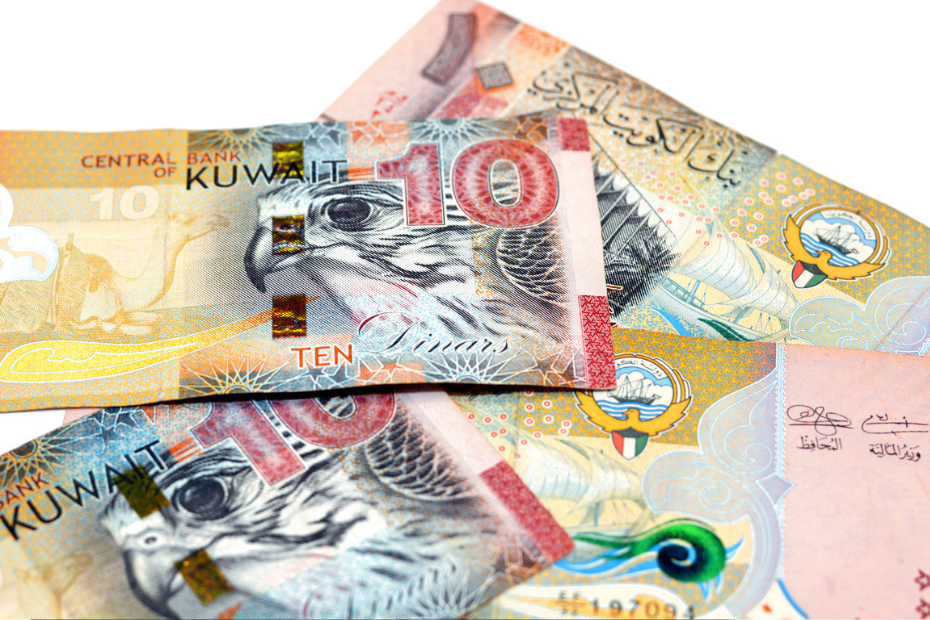
Kuwait’s Warba Bank has entered into a significant agreement to acquire a nearly 33% stake in Gulf Bank, marking a major development in the country’s banking sector. The move is seen as part of Warba’s strategy to enhance its market position and diversify its portfolio in an increasingly competitive financial environment.

Under the terms of the deal, Warba Bank will purchase a substantial portion of Gulf Bank’s shares, subject to regulatory approval. The acquisition is expected to provide Warba with increased influence over Gulf Bank’s operations, while also bolstering its financial strength and expanding its customer base.

The decision to acquire a stake in Gulf Bank is part of a broader trend in the Gulf Cooperation Council (GCC) region, where financial institutions are increasingly consolidating and forming strategic alliances to strengthen their market presence. Kuwait’s banking sector, in particular, has witnessed a series of mergers and acquisitions in recent years as institutions seek to increase efficiency and adaptability amidst changing economic conditions.

Gulf Bank, established in 1960, has long been one of the prominent players in Kuwait’s banking landscape. It has earned a reputation for its diverse range of services, which include retail banking, corporate banking, and investment solutions. The bank’s solid financial standing and track record of growth make it an attractive partner for Warba, which has been aggressively pursuing expansion opportunities since its establishment in 2010.

For Warba Bank, the acquisition represents a significant step toward achieving its long-term growth objectives. The bank has positioned itself as a major player in Kuwait’s financial sector, with a focus on innovation and digital banking solutions. Warba’s leadership sees the Gulf Bank acquisition as a key opportunity to expand its footprint and increase its market share, particularly in the retail and corporate banking segments.

Experts in the financial sector have pointed out that this acquisition will likely create a more formidable competitor within Kuwait’s banking market. Warba Bank, which has steadily gained market recognition for its commitment to technology and customer service, stands to benefit from Gulf Bank’s established brand and network. Additionally, Gulf Bank’s extensive branch network will provide Warba with access to new customer segments, particularly in the corporate banking sector, where Gulf Bank has a strong presence.

The merger is also seen as a response to the evolving economic climate in the Gulf region. As the region continues to recover from the effects of the global pandemic and fluctuating oil prices, financial institutions are seeking to solidify their positions by strengthening their balance sheets and diversifying their service offerings. This strategic acquisition allows Warba to better position itself to weather future economic uncertainties while capitalizing on new growth opportunities.

While the acquisition is expected to be beneficial for both banks, it does not come without challenges. One of the primary hurdles will be aligning the corporate cultures and operational frameworks of Warba and Gulf Bank, both of which have distinct organizational structures. Integrating the two institutions will require careful management, particularly in terms of consolidating resources, aligning business strategies, and retaining key talent from both sides.

Regulatory approval will also play a crucial role in determining the success of the acquisition. The Kuwait Central Bank (CBK) will need to assess the potential impact of the merger on competition in the local market, as well as ensure that both banks comply with the relevant financial regulations. Given the size and significance of the deal, industry observers expect a thorough review process before the deal can proceed.

The acquisition is expected to be a positive move for Kuwait’s banking sector overall, signaling confidence in the country’s financial stability and the resilience of its banking institutions. Analysts believe that this deal could pave the way for further consolidation within the sector, as other banks look for opportunities to enhance their competitive edge in the face of an evolving market landscape.

Warba Bank’s decision to acquire a stake in Gulf Bank also highlights the growing importance of strategic partnerships in the GCC’s banking industry. In a region where banks are increasingly focusing on digital transformation and the expansion of financial services, partnerships and acquisitions allow institutions to rapidly scale and access new technologies and markets.

The broader implications of the deal could extend beyond Kuwait, with the possibility of similar acquisitions and partnerships taking place across the GCC region. As Gulf economies continue to diversify away from oil dependency, financial institutions are expected to play a key role in supporting the development of new industries and sectors. For Warba Bank, the acquisition of Gulf Bank provides an opportunity to be at the forefront of this shift, positioning itself as a leading financial institution in a rapidly changing economic environment.

The Dubai Civil Aviation Authority (DCAA) has formalized a partnership with Keeta Drones, a Chinese drone technology firm, to enhance the safety and regulation of drone delivery operations across Dubai. This collaboration underscores Dubai’s commitment to positioning itself as a global leader in civil aviation and smart transportation solutions.

The Memorandum of Understanding (MoU) was signed by H.E. Mohammed Abdullah Lengawi, Director General of DCAA, and Dr. Yinian Mao, Chairman of Keeta Drones. The agreement focuses on several key areas: assessing infrastructure requirements for designated drone zones, reviewing airspace needs, and evaluating safety and security measures essential for effective drone delivery operations within the emirate.

H.E. Mohammed Abdullah Lengawi emphasized the significance of this partnership, stating, “This collaboration highlights the DCAA’s dedication to implementing Dubai’s leadership vision by enabling drone-based delivery and offering innovative infrastructure that allows companies to test their solutions within a safe and model environment.” He further noted the authority’s commitment to creating an attractive environment for emerging aviation technologies while ensuring regulatory frameworks that enhance safety and security.

Dr. Yinian Mao expressed optimism about the collaboration, remarking, “With DCAA’s support, Keeta Drones will be able to expedite the expansion of its operations by establishing routes across Dubai, offering more services, and exploring diverse new initiatives.” He assured that Keeta Drones would adhere to the required safety standards and work jointly with the DCAA to transform Dubai into one of the most advanced cities for smart transportation.

The DCAA will provide necessary support to Keeta Drones, including facilitating communication with relevant government entities to expedite the establishment of new drone flight paths and promote the growth of the low-altitude aviation economy in Dubai. This initiative is part of broader efforts to regulate drone operations and associated activities, aiming to develop innovative and secure transport solutions that benefit various societal sectors while supporting the emirate’s sustainable and ambitious development goals.

The collaboration between DCAA and Keeta Drones is expected to play a pivotal role in shaping the future of drone-based delivery services in Dubai. By focusing on safety, security, and regulatory compliance, the partnership aims to set a benchmark for drone operations, potentially influencing global standards in the rapidly evolving drone industry.

As drone technology continues to advance, the integration of such systems into urban environments presents both opportunities and challenges. Dubai’s proactive approach in partnering with industry leaders like Keeta Drones reflects its commitment to embracing innovation while maintaining stringent safety and security protocols.

Andrey Rogachev provides insights into the dynamics of Dubai as the regional design and architectural hub. Investor and strategic management expert Andrey Rogachev discusses the role of international partnerships in the UAE, using the example of the exclusive representation of the German premium construction paint brand Profitec. in an interview with Arabian Post, he shares insights on how industry leaders are driving nearby markets forward to take […]

By K Raveendran As we enter 2025, the accelerating proliferation of artificial intelligence (AI) is poised to reshape the global landscape in ways akin to the transformational impact the internet had in the late 20th century. Within the first few days of the year, AI-driven technology stocks have seen substantial surges, with shares of major […]

Venture capital funding in Saudi Arabia and the UAE has experienced a notable decline, as shifting investor priorities and regional economic trends impact the growth of startups and early-stage businesses in both countries. The drop reflects broader changes in the global investment landscape, marked by a heightened focus on risk-adjusted returns and increased caution in the face of global economic uncertainty. In the past year, venture capital […]

Dubai Aerospace Enterprise (DAE) has announced a definitive agreement to acquire 100% of Nordic Aviation Capital (NAC), a leading aircraft leasing company established over three decades ago. The terms of the transaction have not been disclosed.

As of September 2024, NAC’s fleet consisted of 252 owned and committed assets, leased to approximately 60 airline customers across 40 countries. Following the acquisition, DAE’s fleet will expand to about 750 owned, managed, and committed aircraft, valued at approximately $22 billion, serving around 170 airline customers in 70 countries.

Firoz Tarapore, CEO of DAE, expressed enthusiasm about the acquisition, stating, “We are delighted at this opportunity to add NAC’s capabilities, complementary market presence, and people to our platform. This transaction will allow us to provide more cost-effective solutions to a larger group of customers.”

The acquisition will be financed through internal resources and committed debt financing, ensuring that DAE’s leverage and funding metrics remain consistent with its credit ratings. The transaction is subject to regulatory approvals and the approval of NAC Holdings Limited’s shareholders, with completion anticipated in the first half of 2025.

Emirati billionaire Hussain Sajwani has pledged to invest $20 billion in the U.S. data center industry, a move announced alongside President-elect Donald Trump at his Mar-a-Lago residence in Palm Beach, Florida.

Sajwani, chairman of Dubai-based DAMAC Properties, expressed his intention to potentially exceed the $20 billion investment, contingent upon favorable market conditions. This substantial commitment underscores the growing demand for data infrastructure to support advancements in artificial intelligence and cloud services.

DAMAC Properties, under Sajwani’s leadership, has a history of collaboration with the Trump Organization, notably developing the Trump International Golf Club in Dubai, which opened in 2017. Sajwani’s relationship with Trump has been well-documented, with the two families sharing both business and personal ties.

The announcement comes amid a surge in investments in AI technology and the necessary infrastructure to support it. Since the introduction of OpenAI’s ChatGPT in late 2022, there has been a significant increase in funding directed toward generative AI technology and the infrastructure required to support it. For instance, Microsoft announced plans to invest approximately $80 billion this fiscal year to expand its AI capacity.

President-elect Trump has emphasized his commitment to bolstering domestic industries and attracting foreign investment. During his campaign, he proposed higher tariffs on Chinese goods to limit China’s access to advanced data center technology. The announcement of Sajwani’s investment aligns with Trump’s economic agenda, aiming to stimulate job creation and technological advancement within the United States.

However, it’s worth noting that not all previously announced investments have come to fruition. Early in his first term, Trump announced a $10 billion investment by Foxconn in a Wisconsin factory, which promised thousands of jobs but was largely abandoned. Despite such precedents, the current investment climate, particularly in AI and data infrastructure, appears more robust, with multiple tech giants committing substantial funds to expand their capabilities.

Sajwani’s investment is expected to focus on the construction of data centers across various U.S. states, including Texas, Arizona, Oklahoma, Ohio, Illinois, Louisiana, Michigan, and Indiana. These facilities will play a crucial role in supporting the growing demands of AI applications and cloud computing services.

The U.S. data center industry has been experiencing significant growth, with estimates suggesting that the country could attract up to $1 trillion in data center investments over the next five years. Sajwani’s commitment represents a notable contribution to this expanding sector, highlighting the increasing importance of data infrastructure in the digital economy.

In addition to his ventures in real estate and data centers, Sajwani has diversified his business interests through his private investment firm, which acquired Italian fashion group Roberto Cavalli in 2019. He has also invested in luxury developments in London, including the Versace-branded DAMAC Tower in Nine Elms.

The collaboration between Sajwani and Trump has not been without scrutiny. Their business dealings have raised questions about potential conflicts of interest, given Trump’s political position and the international scope of their ventures. Nonetheless, both parties have maintained that their relationship is strictly professional, centered around mutually beneficial business opportunities.

As the U.S. continues to tighten restrictions on the export of AI chips to China, investments like Sajwani’s are seen as strategic moves to bolster domestic technological infrastructure. The Biden administration had previously implemented measures to limit China’s access to advanced AI technology, a stance that President-elect Trump appears poised to continue with key appointments in his administration.

Sajwani’s commitment to investing in U.S. data centers reflects a broader trend of international investors recognizing the potential of the American technology sector. With the increasing integration of AI and cloud services into various industries, the demand for robust data infrastructure is set to rise, making such investments both timely and strategically significant.

The announcement has been met with optimism from industry analysts, who view it as a positive indicator of continued growth and innovation in the U.S. technology sector. As these data centers become operational, they are expected to create numerous job opportunities and contribute to the advancement of AI and cloud computing technologies.

While the full impact of Sajwani’s investment will unfold over the coming years, its alignment with current technological trends and economic policies suggests a significant boost to the U.S. data center industry. As the digital economy expands, the importance of such infrastructure investments cannot be overstated, positioning the United States as a continued leader in technological innovation.

Advertisements
By Sushil Kutty Voting is on February 5. Results will be declared on February 8. The BJP put out a poster within minutes of the announcement that Delhi will have a BJP Chief Minister by mid-February. But the BJP was beaten to the claim by AAP spokesperson Priyanka Kakkar who asserted, even before the Election […]

State-owned investors, notably sovereign wealth funds (SWFs) and public pension funds (PPFs), are significantly increasing their presence in global private markets. With combined assets under management exceeding $13 trillion, these entities are reshaping investment landscapes by channeling substantial capital into sectors such as private equity, real estate, and infrastructure. Mubadala Investment Company, Abu Dhabi’s sovereign wealth fund, exemplifies this trend. In 2024, Mubadala’s investments surged by 67% […]

Saudi Arabia has taken a significant step toward revolutionizing its renewable energy sector, announcing the prequalification of 33 companies for its ambitious 8GWh Battery Energy Storage System (BESS) projects. This initiative, which is a critical part of the country’s broader energy transformation strategy, aims to enhance the efficiency and stability of the nation’s power grid while bolstering its renewable energy capacity. The announcement marks a pivotal milestone […]

PureHealth’s subsidiary, Ardent Health, has executed a strategic move to bolster its presence in the United States healthcare market. The UAE-based health provider announced the acquisition of a significant U.S. healthcare player, marking a pivotal moment in its global expansion strategy. This development positions Ardent Health as a more formidable force within the competitive American healthcare landscape, aligning with PureHealth’s long-term goals to diversify and expand its operations internationally.

The deal, valued at billions of dollars, grants Ardent Health an influential role within the U.S. healthcare sector, which has seen increasing demand for services, particularly in the aftermath of the COVID-19 pandemic. Ardent Health, which already operates a network of hospitals, outpatient centers, and healthcare services across the U.S., will leverage this acquisition to further expand its geographical footprint and service offerings. Experts believe this acquisition reflects a calculated strategy to access new patient populations, advance healthcare innovation, and enhance service delivery across different states.

The acquisition involves several hospitals and healthcare facilities, adding more than 2,000 beds to Ardent Health’s network, enhancing its capacity to meet growing demand for healthcare services, particularly in underserved regions. This move further aligns with the increasing trend of healthcare consolidation in the U.S., as healthcare providers look to increase their operational efficiencies and compete with larger hospital networks.

The acquisition also opens up new opportunities for Ardent Health to integrate its healthcare models with the acquired facilities. With a focus on innovative care delivery systems, Ardent aims to introduce cutting-edge technologies such as telemedicine, digital health solutions, and artificial intelligence-driven diagnostics to improve patient outcomes. This integration could provide Ardent with a competitive advantage, positioning it as a leader in offering cost-effective, patient-centric care.

For PureHealth, this acquisition aligns with its broader strategy to diversify its portfolio and deepen its international presence. The company’s growth trajectory has been marked by aggressive expansion into various international markets, with a particular emphasis on the U.S., a market that has shown resilience and growth even amidst economic challenges. PureHealth’s CEO, who has been instrumental in orchestrating the acquisition, commented that the move is crucial for achieving the company’s goal of becoming a leading global player in healthcare by 2025.

Healthcare analysts have noted that this acquisition also represents a shift towards a more integrated and patient-focused healthcare model. By expanding its reach in the U.S., Ardent Health is poised to compete with well-established U.S.-based healthcare systems. This growth will likely allow Ardent Health to capitalize on the growing trend toward value-based care, which incentivizes healthcare providers to improve patient outcomes while reducing costs.

The deal underscores the growing importance of international investment in the U.S. healthcare sector, as foreign entities increasingly recognize the opportunities in one of the world’s largest and most lucrative healthcare markets. This acquisition also highlights the ongoing trend of Middle Eastern healthcare giants making strategic inroads into Western markets, a move that reflects the global nature of the healthcare industry and the increasing demand for quality care worldwide.

Ardent Health, under the leadership of PureHealth, is expected to continue its trajectory of growth, driven by this acquisition and other strategic initiatives. The acquisition process, which is still subject to regulatory approvals, will likely face scrutiny from U.S. antitrust regulators. However, experts anticipate that the deal will clear these hurdles, as it is expected to strengthen competition and improve healthcare service delivery in the affected regions.

The expansion of Ardent Health’s footprint is seen as a response to the broader challenges facing U.S. healthcare, such as rising costs, an aging population, and disparities in access to quality care. By acquiring facilities in underserved markets, Ardent Health aims to bridge some of these gaps while enhancing its overall service offerings. Furthermore, the acquisition aligns with PureHealth’s emphasis on improving healthcare infrastructure in emerging markets, where there is a pressing need for advanced healthcare systems.

As the healthcare sector evolves globally, players like PureHealth’s Ardent Health are capitalizing on mergers and acquisitions to achieve economies of scale, increase their market share, and enhance patient care. The success of this acquisition will likely have a ripple effect across the industry, prompting further consolidation and strategic partnerships within the healthcare sector.

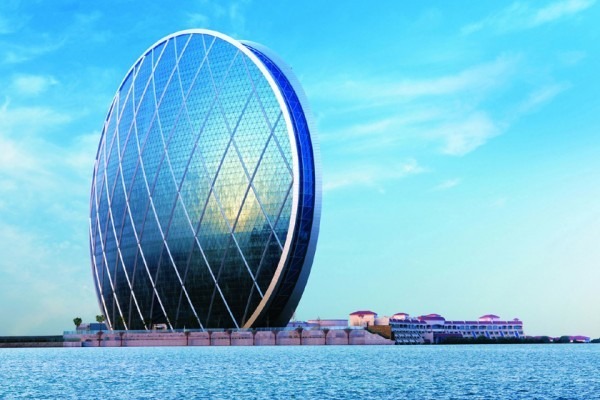
Aldar Properties, a prominent real estate developer based in the UAE, is set to enter the international bond market with its debut offering of hybrid notes, aiming to raise significant capital through a benchmark USD-denominated issuance. This marks a strategic move as the company seeks to diversify its financing options, reflecting growing confidence in the Middle Eastern property sector despite global economic fluctuations.

The move is seen as a key step in Aldar’s long-term financing strategy, which includes bolstering its liquidity and securing funds to support its extensive pipeline of real estate developments across the UAE. The planned issuance of hybrid bonds will likely appeal to institutional investors seeking higher returns, as these notes are designed to offer a more attractive yield compared to traditional debt instruments.

According to industry experts, hybrid notes offer the flexibility of both equity and debt instruments. These securities typically carry characteristics of bonds but can be converted into equity at the issuer’s discretion. In Aldar’s case, the hybrid notes will be structured to provide flexibility while enhancing the company’s capital base. This initiative is aligned with Aldar’s goal of optimizing its balance sheet while maintaining a competitive edge in the rapidly evolving real estate market.

The hybrid bonds will be issued under Aldar’s recently updated USD 2 billion Global Medium-Term Note (GMTN) program, which was approved earlier this year. The company intends to use the funds raised through this issuance to support its growth initiatives, which include several high-profile residential and commercial projects within Abu Dhabi and across the UAE. These developments are expected to contribute to the company’s steady revenue stream and help it capture a larger share of the region’s expanding real estate market.

Aldar’s decision to tap into the hybrid bond market comes at a time when investors have shown increased interest in hybrid instruments due to their unique risk-return profile. With these notes, Aldar is looking to capitalize on favorable market conditions while maintaining its financial flexibility, as hybrid securities are less sensitive to interest rate fluctuations compared to traditional debt.

The UAE’s thriving real estate sector has demonstrated resilience, despite global challenges such as inflationary pressures and geopolitical tensions. Aldar’s strong performance in recent years, along with its reputation for high-quality developments, positions the company well to attract investor interest in its hybrid bond offering. Analysts predict that the offering could provide Aldar with a competitive advantage, allowing the company to continue its expansion plans while managing financial risk more effectively.

Aldar’s hybrid notes will appeal to both global and regional investors, with its strategic location and robust development pipeline making it an attractive investment opportunity. The company’s portfolio includes high-profile projects like the Yas Bay waterfront development, which features residential, commercial, and entertainment spaces. These iconic projects are poised to enhance the company’s brand recognition and drive future demand for its properties, ultimately increasing the potential for returns on hybrid bond investments.

Investor interest in the UAE’s real estate market remains strong, particularly in Abu Dhabi, where Aldar holds a dominant position. The UAE’s government initiatives, including plans to diversify the economy and improve infrastructure, have further contributed to the positive outlook for the sector. These factors, combined with Aldar’s track record of successful developments, are expected to bolster investor confidence in the company’s bond issuance.

The company’s strategy of diversifying its capital structure by incorporating hybrid securities is not only about raising funds but also about ensuring sustainable growth in a competitive market. By issuing hybrid bonds, Aldar is able to strengthen its capital position without overly diluting equity or taking on excessive debt. This approach ensures the company can maintain a healthy balance sheet while executing its ambitious growth plans.

Aldar’s hybrid notes offering is part of a larger trend within the Middle Eastern real estate market, where companies are increasingly turning to innovative financing structures to meet their funding needs. As other regional developers explore similar hybrid instruments, Aldar’s move could set a precedent for future debt issuances in the sector. It also reflects the growing maturity of the Middle East’s bond market, which is attracting increasing attention from international investors.

Market experts believe the debut hybrid notes from Aldar will be a bellwether for other companies in the region. Should the offering meet with strong demand, it could encourage further issuances from both established developers and newer market entrants. This would signal an increasing acceptance of hybrid securities as a viable alternative to traditional financing methods, which may have been less attractive due to rising interest rates and market volatility.

Saudi Arabia has successfully raised $12 billion via a three-part bond issuance, marking its largest debt sale since 2017. The offering attracted substantial investor interest, with the order book reaching nearly $37 billion, indicating an oversubscription of approximately three times.

The bond issuance comprises three tranches: $5 billion with a three-year maturity, $3 billion maturing in six years, and $4 billion set for a ten-year term. This strategic move aligns with the kingdom’s 2025 borrowing plan, which estimates funding needs of 139 billion Saudi riyals ($37.02 billion) to address a projected budget deficit of 101 billion riyals for the year. Additionally, approximately 38 billion riyals are allocated for debt repayment.

Concurrently, the Public Investment Fund (PIF), Saudi Arabia’s sovereign wealth fund, has secured a $7 billion murabaha credit facility. This Islamic financing arrangement, supported by a syndicate of 20 international and regional financial institutions, is intended to fuel the fund’s future investments.

These financial maneuvers are integral to Saudi Arabia’s Vision 2030 initiative, which seeks to diversify the economy beyond oil dependence. Finance Minister Mohammed Al Jadaan has emphasized the government’s commitment to expanding strategic spending through 2025, focusing on development and giga-projects that align with Vision 2030 objectives.

Currency markets sent a resounding message last week: the US remains the dominant force in the global economy. The dollar surged to a two-year high against the euro, which fell to $1.0267, and reached an eight-month peak against sterling, with the pound dropping to $1.2354, which is its lowest level since late April. This sharp rally reflected a growing belief among investors that the US economy’s resilience […]

By Nantoo Banerjee The slump in India’s GDP growth rate is understandable. Contrary to the government claims, the job market is down. The income growth, in general, is shrinking. A vast section of consumers are not spending enough, except for wage goods or daily dire necessities, as their real income is not growing. The FMCG […]

Saudi Arabia’s water sector experienced pivotal advancements in 2023, with desalinated seawater production growing by 31 percent. The increase has resulted in desalinated water now accounting for half of the country’s distributed water supply, marking a rise from 44 percent in the previous year. These developments were detailed in the latest report from the General Authority for Statistics, which highlights significant shifts in the kingdom’s water management […]

Sheikh Mohammed bin Rashid Al Maktoum, Vice President and Prime Minister of the UAE, has approved a transformative housing package worth Dhs5.4 billion aimed at enhancing the living conditions of Dubai’s citizens. This strategic move forms part of the government’s broader commitment to improving the quality of life for Emiratis and meeting the growing demand for affordable housing in the city. The initiative is set to provide significant support to citizens looking to own homes in the rapidly developing metropolis.

The housing package, which focuses on providing financial support for homeownership, aligns with Dubai’s long-term vision of fostering sustainable urban growth while maintaining social stability. It is expected to address the demand for residential properties, particularly in light of the increasing population and urban expansion in the emirate. Experts suggest that this initiative will be pivotal in ensuring that citizens are not left behind as the city continues its ambitious development agenda.

The allocation of Dhs5.4 billion will facilitate the construction of new homes and offer assistance to Emirati families looking to purchase property. This comprehensive program is tailored to ensure that financial barriers are reduced for citizens, making homeownership more accessible to a larger segment of the population. The initiative underscores the UAE leadership’s dedication to providing a high standard of living to its people, especially in the face of the challenges posed by rising property prices in Dubai.

In addition to new housing developments, the package includes provisions for subsidized loans, which will ease the financial burden on families seeking to build or buy homes. The move also includes enhancements to the existing infrastructure, ensuring that residential areas are equipped with essential amenities, including schools, healthcare facilities, and recreational spaces. These upgrades are in line with Dubai’s commitment to creating integrated communities that foster both economic growth and quality of life.

This initiative comes at a time when the UAE’s real estate sector is experiencing significant growth, particularly in the luxury segment. While Dubai’s high-end market continues to attract international investors, the demand for affordable housing for its citizens has become increasingly pressing. Experts have pointed out that initiatives like Sheikh Mohammed’s housing package play a crucial role in ensuring the equitable distribution of the benefits of the city’s success, preventing the widening of social divides.

The housing package is also expected to stimulate economic activity within the local construction and real estate sectors. With the funds earmarked for both residential development and infrastructure enhancements, a wide range of industries, from construction to finance, will benefit from the government’s investment. Furthermore, the provision of affordable housing is likely to contribute to a more stable labor market, ensuring that Dubai remains an attractive destination for both local and foreign talent.

Dubai has made considerable strides in addressing the housing needs of its citizens over the past decade. However, the city’s rapid expansion and growing population have placed increasing pressure on the availability of affordable housing. Experts have noted that the affordability gap has widened, particularly for middle-class families. The latest initiative from Sheikh Mohammed is seen as a timely intervention to rectify this imbalance, offering a lifeline to citizens struggling to enter the property market.

This initiative aligns with other significant housing policies implemented by the UAE government over the years, such as the provision of land grants to Emiratis for residential purposes and other subsidy schemes that have bolstered homeownership. The focus, however, has now shifted to ensuring that these efforts are both sustainable and scalable in the face of an evolving urban landscape.

The allocation of funds for such an extensive housing project reflects the broader goals of the UAE’s leadership to create a more inclusive society where every citizen has the opportunity to thrive. By ensuring that Emiratis have access to affordable homes, the government is not only improving individual livelihoods but also fostering long-term economic stability. The initiative is expected to have ripple effects throughout the economy, particularly in the real estate and construction sectors, where demand for new projects is expected to grow.

Dubai has firmly established itself as one of the world’s most influential urban centers, securing a spot among the top 10 cities globally in the 2024 Global Power City Index (GPCI). The index, which evaluates cities based on various economic, cultural, political, and environmental factors, underscores Dubai’s growing status as a critical global hub for finance, innovation, and infrastructure.

The GPCI is a highly regarded tool that ranks major cities worldwide according to their strength in multiple categories, including business environment, human capital, cultural interaction, and quality of life. Dubai’s ascent in the rankings is attributed to its robust economic performance, advanced technological infrastructure, and the expansion of its global reach through strategic international partnerships.

One of the primary factors behind Dubai’s rise is its dominance in the business and financial sectors. The city has become an increasingly important player in global markets, offering a favorable environment for both startups and multinational corporations. It is home to a dynamic economy, buoyed by its position as a key financial hub in the Middle East, drawing significant foreign investment and becoming the headquarters for numerous international firms.

Dubai’s business-friendly regulatory environment has contributed significantly to this growth. Policies that promote ease of doing business, combined with tax incentives and world-class infrastructure, have made it a magnet for companies and entrepreneurs seeking to establish a presence in the region. The city’s ambitious plans to further develop its financial sector and embrace emerging technologies such as blockchain and fintech have also cemented its place as a future-facing global economic powerhouse.

The city’s commitment to technological innovation has also played a crucial role in its rising global standing. Dubai has been at the forefront of the tech revolution in the Middle East, with a heavy focus on smart city initiatives and advancements in artificial intelligence, digital payments, and autonomous transport systems. The government’s initiatives, such as the Dubai Smart City project, have positioned it as a model for cities worldwide seeking to integrate technology into urban development.

Dubai has been increasingly recognized for its role in international trade. The city’s ports and logistics infrastructure, including the world-renowned Jebel Ali Port, have made it a central node in global shipping and freight networks. The expansion of Dubai’s air transport sector, led by Emirates Airlines, has further strengthened its position as a vital air transit hub, connecting it to key global markets and boosting its tourism industry.

Dubai’s influence extends well beyond the financial and technological sectors. The city is also gaining recognition for its leadership in cultural and lifestyle offerings. The growth of its art, entertainment, and sports industries has enhanced its soft power, attracting international events such as the Dubai International Film Festival and Formula 1 Grand Prix. The city’s unique blend of modernity and tradition appeals to a diverse range of visitors and residents, making it an increasingly sought-after destination for global talent.

On the social front, Dubai’s focus on enhancing the quality of life for its residents has helped it climb in the GPCI rankings. The city’s government has invested heavily in developing green spaces, improving public transportation, and providing high-quality healthcare and educational facilities. These efforts contribute to Dubai’s reputation as a livable city with a high standard of living, further attracting expatriates from around the world.

Dubai’s dynamic real estate market also plays a pivotal role in its positioning on the global stage. The city’s skyline, dominated by landmarks such as the Burj Khalifa and other ultra-modern developments, has become synonymous with cutting-edge architectural design and luxury living. With ongoing projects in sustainable urban development and the continued growth of residential, commercial, and tourism sectors, Dubai’s real estate market remains a key driver of its economic growth and global visibility.

The city’s tourism industry continues to thrive, drawing millions of visitors annually for business, leisure, and cultural experiences. Dubai’s attractions, including iconic landmarks, shopping festivals, and luxury resorts, attract travelers from around the world, bolstering its image as a global tourism destination. The government’s strategic focus on expanding the city’s tourism infrastructure and diversifying its offerings, such as through cultural initiatives and major international exhibitions, has contributed to its international appeal.

Dubai’s rise in the GPCI rankings is a testament to the city’s forward-thinking approach and its ability to adapt to changing global dynamics. Its growth trajectory aligns with its broader vision of becoming a global leader in innovation, sustainability, and economic development. As Dubai continues to attract global talent, investment, and attention, it is poised to solidify its position as a central player in the global urban landscape.

This transformation is also reflected in the city’s ambitious plans for the future. Dubai aims to continue enhancing its competitiveness by investing in next-generation infrastructure, sustainable urban planning, and new industries such as space exploration. Its growing stature in the GPCI highlights its resilience and capacity to navigate challenges, from geopolitical uncertainties to global economic shifts, while maintaining its upward trajectory.

By K. Raveendran The government has notified draft rules relating to the digital privacy protection law. Undoubtedly, this underscores a critical moment in the ongoing evolution of privacy legislation. The law, ostensibly designed to safeguard citizens, particularly children, from the darker corners of the digital realm, also raises profound concerns about the potential for governmental […]
By Arun Srivastava Nobody except Narendra Modi knows Narendra Modi well, better than others. Leaders of almost all the political parties, even his BJP colleagues, are mythically in a state of confusion whether Modi would renounce Nitish Kumar and impose president’s rule in Bihar or Nitish would emerge on the political scenario as his conscience […]

Matein Khalid Two tragic plane crashes in Azerbaijan/South Korea and now terrorist outrages in Las Vegas and New Orleans take the joy out of New Year’s Day but all we can hope that the world will be reinvented with a modicum of rationality when Donald Trump swears the oath to uphold the US Constitution on January 20th. The political messiah of MAGA is also a geopolitical/trade time […]

Coinbase, the prominent U.S.-based cryptocurrency exchange, has acquired the Cyprus unit of BUX, formerly known as Stryk, rebranding it as Coinbase Financial Services Europe. This strategic move provides Coinbase with a Cyprus Investment Firm (CIF) license, enabling the offering of contracts for differences (CFDs) across the European Economic Area (EEA).

The acquisition, finalized in October 2024, signifies Coinbase’s commitment to expanding its services within the European market. The Cyprus Securities and Exchange Commission (CySEC) has approved the domain “coinbase.com/international-exchange/europe,” though it is not yet operational. This approval allows Coinbase to passport its Cyprus license, facilitating the provision of financial products across multiple EEA member states.

Contracts for differences are financial instruments that enable traders to speculate on asset price movements without owning the underlying assets. This acquisition positions Coinbase to diversify its offerings, potentially attracting professional and institutional clients seeking CFD products. While Coinbase has not officially announced plans to launch CFD products, the regulatory infrastructure is now in place to support such offerings.

Yorick Naeff, CEO of BUX, expressed satisfaction with the transaction, stating, “We are pleased with the sale of our MiFID licensed entity, BUX Europe Limited (BEU), to Coinbase, a globally recognized leader in the crypto industry.” This divestment aligns with BUX Holding’s strategic shift to focus exclusively on shares and ETF offerings, following its acquisition by Dutch bank ABN AMRO.

Prior to the sale, BUX had transferred its Cyprus-based clients to AvaTrade, another CFD broker, indicating that Coinbase’s interest lies primarily in the operational infrastructure and regulatory approvals rather than an existing client base. This approach suggests a focus on building a new clientele under the Coinbase brand within the European market.

The rebranding of BUX Europe Limited to Coinbase Financial Services Europe Ltd was recorded by Belgium’s Financial Services and Markets Authority (FSMA) on October 11, 2024. This regulatory milestone underscores Coinbase’s commitment to compliance and its strategic intent to broaden its service offerings across Europe.

Coinbase’s expansion into the European market comes amid increasing regulatory scrutiny and evolving market dynamics. By securing a CIF license, Coinbase is better positioned to navigate the complex regulatory landscape of the EEA, offering a broader range of financial products to meet diverse client needs.

This acquisition also reflects a broader trend among cryptocurrency exchanges seeking to diversify their product offerings and expand their global footprint. By obtaining necessary licenses and regulatory approvals, these exchanges aim to provide a comprehensive suite of services, including traditional financial instruments like CFDs, to attract a wider client base.

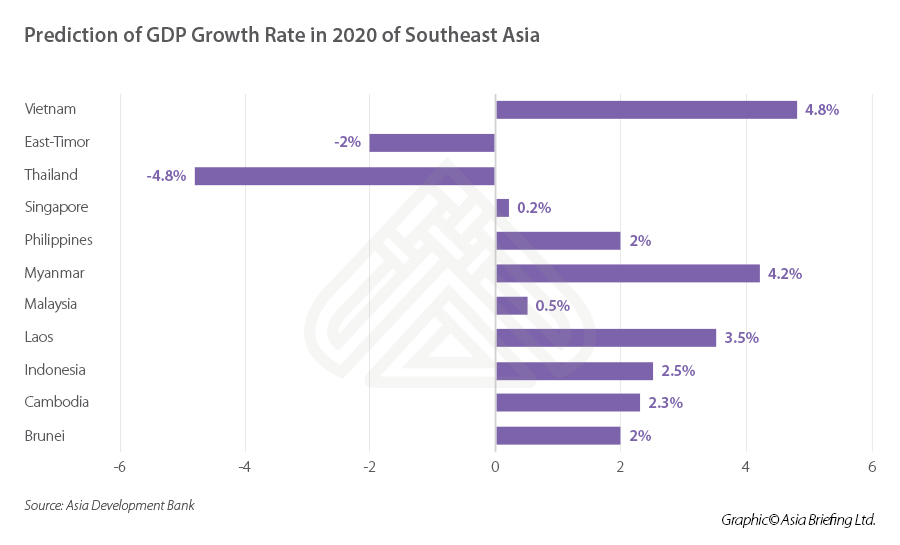
By Nitya Chakraborty from Hanoi Vietnam, the Communist nation with nearly 10 crore population is presently the focus of the big investors of the world including the USA as the nation’s leadership has made a miracle in building a highly skilled youth brigade along with the creation of an investment climate which can compete with […]

Crude oil prices are projected to remain within the $70 per barrel range, influenced by multiple factors, including potential oversupply conditions and shifts in geopolitical dynamics. Experts suggest that while the market might stabilize around this figure, uncertainty from global demand and political maneuvers will continue to shape its trajectory in the coming months.

The crude market has entered a phase where supply and demand fundamentals are being tested against evolving global economic conditions. Several key developments, particularly around oil-producing nations, have created a delicate balance that keeps prices in a relatively stable range, yet susceptible to fluctuations driven by external factors.

For months, the oil market has been closely watching the decisions of the Organization of the Petroleum Exporting Countries (OPEC) and its partners, such as Russia, who collectively manage production quotas to balance supply. OPEC’s recent moves to curb production have been aimed at propping up prices, but an increase in U.S. oil output has led to speculation that there may be an oversupply in the market. The United States has reached record production levels, largely driven by shale oil, which could overshadow OPEC’s production cuts.

Geopolitical tensions in major oil-producing regions, such as the Middle East, remain a persistent risk to price stability. However, analysts have indicated that, at least for now, the global oil market is able to absorb disruptions without a significant impact on prices. The advent of more diverse energy sources, including natural gas and renewable energy, has also lessened oil’s price volatility compared to previous decades.

One of the most notable contributors to the ongoing price forecast is former U.S. President Donald Trump’s impact on energy policies. His administration’s push for energy independence and deregulation policies have led to a surge in domestic oil production. While Biden’s administration has implemented more stringent climate and energy policies, the effects of Trump’s legacy are still visible, with shale producers continuing to drive the U.S. oil production boom.

Despite this, global oil consumption, especially in China, has shown signs of slower growth, a factor that could weigh on oil prices. Experts note that while China remains a major driver of global energy demand, its economic slowdown could dampen the demand for crude, putting downward pressure on prices. Additionally, OPEC’s attempts to control prices by adjusting production could be more difficult to execute as non-OPEC countries, particularly the U.S., maintain higher levels of output.

Environmental pressures are also playing a role in shaping oil demand. Many nations are intensifying their efforts to transition to cleaner energy sources, potentially limiting the demand for fossil fuels in the long term. Governments worldwide are setting more ambitious renewable energy targets and offering incentives for green technologies, which could lead to a future reduction in oil dependency.

Despite these long-term trends, the immediate outlook for crude remains cautiously optimistic. The global recovery from the pandemic, especially in developed economies, is expected to continue driving demand for oil, particularly for transportation and manufacturing. Yet, the resurgence of COVID-19 in certain regions and the ongoing supply chain disruptions may have a complex impact on global economic growth, which will, in turn, influence oil demand.

In the U.S., gas prices remain a central topic as consumers face fluctuating fuel costs. While gas prices in the country have seen recent increases due to tighter refinery margins and seasonal demand spikes, there is no consensus on how long this trend will persist. Analysts believe that domestic production levels, combined with seasonal factors, could prevent prices from surging uncontrollably.

In Europe, the situation is more nuanced. Energy prices, including natural gas and oil, have been a driving force behind inflation. The war in Ukraine, ongoing for several years now, has further complicated Europe’s energy dynamics, pushing countries to reconsider their energy strategies. Despite Europe’s focus on alternative energy, oil continues to play a significant role in meeting energy demand, particularly in transportation and industry. With the cost of living rising and energy prices still high, consumers in Europe are facing additional financial strain.

At a global level, the shift toward more sustainable energy production and consumption is growing, but it is clear that oil remains a cornerstone of the global energy mix for the time being. Countries that rely heavily on oil exports, like Saudi Arabia and Russia, continue to exert influence on the market, pushing for price stabilization measures. However, the dynamics of global energy consumption are changing, and the transition to greener alternatives remains a key factor to monitor.

VISHNU RAJA
RYO YAMADA
HITORI GOTOH
IKUYO KITA