Just in:

News related to
Arabia

Prime Minister of Viet Nam Pham Minh Chinh’s visits to three Middle Eastern countries have yielded substantial outcomes, especially in cooperation and boosting agricultural trade. HA NOI, VIETNAM – Media OutReach Newswire – 9 November 2024 – During Prime Minister Pham Minh Chinh’s visits, Viet Nam and the UAE, Saudi Arabia and Qatar, have reached significant economic, trade and investment cooperation agreements. These agreements represent a breakthrough […]

Talabat, the Middle East and North Africa (MENA) subsidiary of Delivery Hero, is set to launch an initial public offering (IPO) in Dubai, aiming to raise over $1 billion. This marks a pivotal move for the regional food delivery giant, as it transitions into the Dubai Financial Market, bringing with it a slice of the booming tech sector in the region. Delivery Hero, which will retain the majority of Talabat’s shares post-IPO, is taking steps to fortify its financial position amid the rapid growth of its MENA business.

This IPO, a secondary share sale, is expected to position Talabat as one of the most prominent tech stocks in the region. With Delivery Hero scaling back its international operations and focusing more on high-growth markets, the listing is seen as an opportunity to unlock value in a region that has shown impressive growth metrics for the company. Talabat, which has rapidly expanded across the Gulf Cooperation Council (GCC) and beyond, will now attract attention from investors eager to tap into the food delivery boom.

For Delivery Hero, the decision to list Talabat follows its divestment of operations in Taiwan and its broader strategy of simplifying its portfolio. The IPO comes at a time when Talabat’s financial performance in the MENA region has reached new heights. In the first half of 2024, the region’s Gross Merchandise Volume (GMV) surged 29.4% to $6.56 billion, while revenue rose by 32.2% to $1.81 billion. Adjusted EBITDA also demonstrated a strong increase, growing from $123.8 million to $233 million year-on-year.

New ERP Solutions Help Construction Companies Meet Budgets, Deadlines, and Resource Demands As the construction industry faces increasingly complex projects and tighter profit margins, a growing number of companies are turning to ERP software for construction to improve efficiency. ERP software tailored for construction is transforming how these companies manage everything from budgeting to scheduling, aiming to reduce costs and streamline operations. ERP Software Helps Address Industry […]

Several central banks in the Gulf Cooperation Council (GCC) have moved in close alignment with the United States Federal Reserve, adjusting interest rates as a preemptive measure against inflationary trends and to stabilize financial markets. In the latest developments, central banks in the UAE, Saudi Arabia, Bahrain, and Qatar have either maintained their rates or slightly adjusted them in response to the Fed’s monetary policy shifts, which […]

Dubai’s financial landscape has showcased substantial activity in recent trades, with the Dubai Financial Market (DFM) witnessing trades valued at $10.51 million across major players, particularly Al Ansari Financial Services and Ajman Bank. Al Ansari’s consistent performance, marked by a 5% rise in operating income to AED 578 million for the first half of 2023, is partly fueled by high corporate demand and an increased volume of […]

MENA’s IPO landscape, marked by resilience and sustained momentum, achieved close to $1 billion in total proceeds through five initial public offerings (IPOs) in the third quarter of 2024. While global IPO activity experienced a slowdown, the MENA region has displayed contrasting strength, particularly with a steady rise in listings on various regional exchanges, signifying robust investor demand and a supportive market environment. The third quarter’s fundraising […]

Europe is preparing for the potential implications of a second Trump presidency, concerned about renewed trade tensions and significant shifts in the transatlantic security framework. European leaders recall the policies of Trump’s first term, marked by tariffs on European imports, withdrawal from the Paris Climate Accord, and a confrontational approach to NATO contributions. With 2024 U.S. elections looming, European officials are not only bracing for a resurgence of similar tactics but also assessing ways to assert greater autonomy in defense and trade.

European officials and diplomats have begun emphasizing readiness to avoid a repeat of the challenges that caught many off-guard in 2016. Some leaders, including former French President François Hollande, advocate for a proactive stance, urging the European Union to prepare for a United States that may distance itself from Europe. This contingency plan comes amid heightened anxieties that Trump, unbound by re-election concerns, might intensify his stance on Europe’s defense spending and reduce American military presence in the region.

A renewed Trump administration could increase pressure on Europe to adjust its strategic and defense priorities. With his past criticisms of NATO members’ defense spending, particularly Germany’s, Trump’s possible return to the White House has led to a revival of European conversations on strategic autonomy. During Trump’s initial tenure, he consistently advocated for NATO countries to boost their contributions, often singling out Germany, which at the time did not meet NATO’s 2% GDP defense expenditure target. While Germany has since increased its defense spending, concerns persist that Trump may push for even more significant European financial commitments or explore alternative alliances outside NATO.

In Germany, which has experienced some of the most direct effects of Trump’s policies, the federal government is intensifying its preparations. German Foreign Minister Annalena Baerbock’s outreach to U.S. Republican counterparts exemplifies a strategic approach to establish dialogue channels with influential American conservatives. However, many German policymakers, including influential parliamentarian Norbert Röttgen, question the depth of current preparation efforts, noting that Europe’s primary response to Trump’s 2016 election was inadequate and highlighting the importance of independent defense planning as a hedge against potential U.S. policy shifts.

Across the EU, there is a growing trend to diversify defense and trade partnerships beyond the U.S. European Commission officials have coordinated increased production of military supplies, such as ammunition, to bolster Ukraine’s defense—a move that reflects a broader commitment to strengthening the EU’s defense capabilities independently of the U.S. Former Estonian President Toomas Hendrik Ilves observed that Europe has substantially ramped up its weapons support for Ukraine, surpassing even U.S. assistance in some aspects, which has reinforced confidence in Europe’s evolving defense autonomy.

Another key area of concern is the potential impact on U.S.-EU trade relations. Trump’s previous term saw the imposition of tariffs on European steel and aluminum, sparking a transatlantic trade dispute. A new administration could see these tariffs reintroduced or new tariffs placed on high-value European exports, such as automobiles, which could disrupt key European industries. European economies, particularly Germany’s automotive sector, could experience significant repercussions from any new tariffs, given the close integration of global supply chains. In light of these risks, the EU has been ramping up its trade outreach to diversify markets and secure alternative trade agreements.

The strategic and political implications of a second Trump term also extend to the sensitive issue of European alliances. Poland, for instance, has maintained strong relations with the U.S. regardless of leadership, with initiatives like “Fort Trump”—a symbolic reference to enhanced U.S. troop presence in Poland. While Poland has benefited from U.S. support, including defense cooperation, Trump’s campaign rhetoric about achieving a “peace deal” with Russia within a day has stirred unease. Given Poland’s critical position in NATO’s eastern flank and its robust support for Ukraine, Polish officials are wary of any potential pivot by Washington that could undermine NATO’s collective stance against Russia.

In response to these uncertainties, several European countries have taken steps to build relationships with influential American Republicans, including House and Senate members. Efforts to enhance diplomatic engagement have been evident in the diplomatic visits of figures like former British Prime Minister Boris Johnson, who held talks with Texas Governor Greg Abbott to anticipate changes in U.S.-UK ties in a Trump-led America.

Advertisements

A second term for Donald Trump could usher in significant changes for investors in the Middle East, with the potential for both increased economic opportunities and geopolitical instability. Trump’s return to the presidency would likely revive his administration’s assertive economic policies, reshaping U.S. foreign relations, particularly toward China, Europe, and Middle Eastern nations, while possibly impacting global market dynamics in ways that will directly affect Gulf economies.

Trump’s “America First” approach, previously marked by attempts to realign American foreign policy priorities, could lead to heightened trade tensions with major global economies, including the European Union and China. During his previous term, the Trump administration imposed steep tariffs on Chinese goods and withdrew from the Trans-Pacific Partnership, signaling a shift from multilateral agreements to bilateral deals with clear U.S. advantages. These policies could place Middle Eastern investors in a challenging position, especially those with extensive ties to both Western and Asian markets. His re-election could rekindle these policies, affecting key industries and the economic strategies of regional stakeholders, who may need to reassess their portfolios to navigate potential trade disruptions.

One area of likely change would be Trump’s approach to the U.S.-China trade war, which saw tariffs as high as 25% imposed on hundreds of billions in imports. The escalating tariffs strained trade flows globally, and with Trump’s potential return, the continuation or expansion of such tariffs could push China to deepen its ties with Gulf nations as it seeks alternative partners. The Middle East, particularly Saudi Arabia and the UAE, has already seen increased investment from China under the Belt and Road Initiative, and a further intensification of U.S.-China rivalry could strengthen these relations. Additionally, Gulf economies that depend heavily on oil exports may find opportunities as China looks for secure energy suppliers outside of the American sphere.

Simultaneously, Trump’s proposed policies are expected to drive further U.S. disengagement from traditional allies in Europe, compelling these countries to secure alternative economic partnerships. This shift could create an environment where European countries turn to the Middle East to establish closer trade relations, viewing Gulf states as critical energy providers and investment hubs. Regional investors could benefit from an increased inflow of European capital seeking to mitigate the effects of U.S. tariffs.

In terms of defense, Trump has consistently voiced support for reducing U.S. military commitments abroad, urging allies in Europe and the Middle East to shoulder more responsibility for their own defense. This could result in reduced U.S. military presence in Gulf nations, which may encourage these states to expand defense partnerships within the region and seek additional security alliances beyond the U.S. This shift could spur an increase in local defense spending and the development of domestic defense industries, presenting investment opportunities in these sectors. However, it may also bring heightened insecurity, which could lead to market instability, especially in oil-dependent economies that rely on stable energy production and export environments.

The Middle East’s energy sector might experience new pressures and opportunities under a Trump administration focused on American energy independence. Trump has previously supported policies that increase domestic oil and gas production in the U.S., which could lead to a drop in oil prices globally, impacting the revenue of oil-exporting countries in the Gulf. To counter this, Gulf economies may be motivated to diversify and boost non-oil sectors such as technology, real estate, and tourism, creating new avenues for regional and international investors.

Trump’s stance on Iran could also lead to renewed tensions in the region. During his first term, the administration’s “maximum pressure” campaign aimed at curbing Iran’s nuclear ambitions led to economic sanctions and heightened regional conflicts. If reinstated, such policies could escalate instability in areas around the Strait of Hormuz, a key chokepoint for global oil exports. Middle Eastern markets might face disruptions if these tensions spill over, particularly for industries dependent on steady energy flows and safe trading routes. Yet, defense and energy infrastructure investments may see a boost in response to these renewed geopolitical challenges.

Trump’s previous involvement in brokering the Abraham Accords set a precedent for Arab-Israeli normalization. A return to power could see a renewed push for expanded economic ties between Israel and more Arab states, following the precedent of UAE, Bahrain, Morocco, and Sudan establishing official relations with Israel. Investors across the Gulf could benefit from these expanded commercial ties through greater market access, technology transfers, and joint ventures, particularly in high-growth sectors like technology, renewable energy, and tourism. The prospect of regional integration holds promise for attracting further foreign direct investment (FDI) and bolstering Middle Eastern economies.

Middle Eastern investors, therefore, may need to prepare for a mixed impact, balancing potential market volatility with strategic opportunities. Gulf Cooperation Council (GCC) countries, particularly the UAE and Saudi Arabia, may find themselves in a pivotal position, with increased leverage in securing favorable trade agreements as both Western and Eastern economies seek partnerships in response to Trump’s policies. Yet, they may also have to contend with the risks of being on the frontline of fluctuating U.S. policies toward the region, especially regarding defense and energy.

Arabian Post Staff Dubai state-owned Emirates Group that operates the world’s largest international carrier, Emirates Airline, reported a record profit before tax of Dh10.4 billion (US$2.8 billion) for the first six months of 2024-25, its best-ever half-year financial performance, surpassing its record profit before tax for the same period last year. This is the first financial year that the UAE corporate income tax, enacted in 2023, is […]

By Anjan Roy Never before, an American presidential election evoked such widespread interest and concern across the world. This is because the presumptive president has given rise to fears and concerns about America’s policies which do not promise to follow the scripted lines. There is a sense of uncertainty all the way in the power […]
By Nitya Chakraborty On November 5 late night, even before the presidential election results gave Donald Trump a majority of 270, former President of Brazil Jair Bolsonaro wrote an ecstatic message in X the former Twitter congratulating his mentor on his magnificent win saying this will have a big impact on Latin American politics. Bolsonaro […]

The facility caters to high-tech end-user industries, such as Aerospace, Healthcare, 5G, Artificial Intelligence (AI) and Electric Vehicles (EV) SINGAPORE – Media OutReach Newswire – 7 November 2024 – SABIC, a global diversified chemicals company, today announced the official launch of its new US$170 (S$220) million ULTEM™ resin manufacturing facility in Singapore, marking the company’s first advanced specialty chemical manufacturing facility in the region producing the high-performance […]

The Trump administration’s latest strategy to impose stricter sanctions on Iran and Venezuela is set to have a significant impact on global oil markets. As tensions rise over geopolitical maneuvering and energy security concerns, experts predict that these measures will strain already delicate oil supplies and could lead to higher prices globally. The decision underscores the U.S.’s firm stance against two key oil producers, both of which have been facing international isolation due to their respective political landscapes.

Under the previous administration, sanctions against these nations were ramped up, but the current approach seeks to tighten those restrictions even further, with the aim of curbing oil exports from both Iran and Venezuela. Analysts believe that this intensification is intended to increase pressure on the governments in Tehran and Caracas, while also signaling the U.S.’s commitment to reducing foreign oil dependency. The new sanctions could, however, complicate matters for oil-importing nations, as they will likely face higher costs and uncertainty in accessing sufficient supply.

Iran, whose oil industry has been a target of U.S. sanctions for years, faces restrictions that limit its ability to engage in global trade. With the United States and many European countries pressuring buyers not to purchase Iranian oil, Tehran’s market share has drastically shrunk. Despite this, Iran has still managed to export oil to certain regions, including China, albeit covertly. The latest sanctions are expected to curb these exports even further, as U.S. officials vow to penalize any entities engaging in trade with Tehran’s oil sector. This will likely exacerbate Iran’s economic woes and deepen the global oil supply shortage.

Venezuela, already grappling with a humanitarian crisis and a collapsed economy, is another major target of U.S. sanctions. The Latin American nation holds some of the largest oil reserves in the world but has struggled to maintain production levels due to mismanagement, lack of investment, and the effects of sanctions imposed by Washington. As production continues to decline, Venezuela’s role as a key oil exporter diminishes. With further sanctions on the horizon, experts anticipate a further decline in Venezuelan oil output, further straining the global oil market.

These sanctions could have widespread ramifications beyond Iran and Venezuela. Global oil prices, already volatile in recent months due to the ongoing war in Ukraine and other supply disruptions, are expected to rise as oil becomes scarcer. Some analysts are predicting that a more severe reduction in output from these two countries could push oil prices well above current levels, forcing governments and companies worldwide to adjust their energy strategies.

The administration’s move to implement stricter sanctions on these oil-rich countries aligns with broader U.S. goals of reducing global reliance on unstable regimes. By limiting Iran and Venezuela’s capacity to export oil, Washington is seeking to restrict revenue streams that could fund political instability or hostile actions. However, experts warn that these policies may not be fully effective in the long term and could further alienate both countries, making future diplomatic engagement more difficult.

For international oil markets, these measures represent a critical crossroads. A reduced supply of oil from Iran and Venezuela may benefit other oil-producing countries like Saudi Arabia, Russia, and the United States, which are all positioned to fill the gap. However, these nations are already producing at near maximum capacity, and additional pressure on these producers could create upward price pressures. Furthermore, non-compliance with the sanctions by other nations, especially China, could result in a fractured global response, leading to even more volatility in the markets.

The oil markets’ response to these sanctions will likely hinge on the willingness of major players to support U.S. policies. If countries such as China and India, two of the largest oil consumers, continue to trade with Iran and Venezuela despite U.S. warnings, the impact of these sanctions could be muted. On the other hand, if these nations adhere to the U.S.-led restrictions, the oil supply could shrink significantly, which would lead to higher costs for energy consumers worldwide.

One of the more significant ramifications of these sanctions is the effect on U.S. allies. Countries that are heavily dependent on Venezuelan or Iranian oil, such as certain European nations, may face challenges in meeting their energy needs. This could prompt some to seek alternative sources of oil, such as those from the U.S. itself, which has ramped up production in recent years. While U.S. shale production has boomed, it is unclear if it will be able to absorb the loss of oil exports from these countries and meet global demand.

The sanctions’ broader economic impact cannot be ignored. Countries around the world are grappling with inflation and supply chain disruptions, which are already driving up energy costs. The additional strain on oil markets caused by these new sanctions could further exacerbate economic instability, especially in developing nations that are highly reliant on affordable energy.

The UAE and Australia have reached a landmark trade agreement, aiming to increase bilateral trade to $15 billion by 2032. The Comprehensive Economic Partnership Agreement (CEPA) was signed to foster greater collaboration across key sectors, including energy, technology, education, and agriculture. Under the deal, both nations are expected to enhance investment flows, create new job opportunities, and strengthen their economic ties in the Middle East and Oceania […]

Dubai’s office market has experienced a significant surge in rental prices during the third quarter of 2024, with prime office locations recording the steepest increases. This upward trend is reflective of the city’s growing appeal as a global business hub, particularly for multinational companies across sectors such as finance, technology, and consulting. Notably, areas like Dubai International Financial Centre (DIFC) and Downtown Dubai have seen substantial rent hikes, driven by an influx of businesses looking to capitalize on the city’s business-friendly environment and strategic location.

A combination of factors has fueled this rapid growth. The city’s favorable tax environment, ease of business setup, and top-tier infrastructure continue to attract international firms seeking stable, high-quality office space. Experts have noted that hybrid working models, a post-pandemic trend, have also contributed to the growing demand for flexible office spaces. Companies are increasingly prioritizing flexible, open-plan layouts and co-working spaces that allow them to adjust their office footprint based on operational needs. This shift has further amplified the demand in both premium and emerging commercial districts.

While top-tier locations continue to see the highest rental growth, more affordable options in areas such as Dubai Science Park and Dubai Investments Park are also experiencing robust demand. In these locations, rents have jumped by as much as 37% year-on-year, reflecting broader market expansion. Moreover, Expo City, once seen as a secondary option, is now emerging as a competitive contender in the office space market, offering quality facilities with better price points and strong transport connectivity compared to central business areas.

The expansion is not just limited to office space demand; Dubai’s infrastructure projects and strategic vision, which emphasize connectivity and business continuity, have also played a role in reinforcing the city’s position as a leading global business destination. Experts forecast that this demand will likely sustain through the remainder of the year, supported by Dubai’s continued role as a bridge between East and West.

Strengthening Ties in Innovation and Investment with the Middle East HONG KONG SAR – Media OutReach Newswire – 6 November 2024 – At the Future Investment Initiative Institute 8th Edition (FII8), held from 29th October to 31st October in Riyadh, Saudi Arabia, the Hong Kong Science and Technology Parks Corporation (HKSTP) made significant strides in bridging Hong Kong and the Middle East’s innovation and technology (I&T) ecosystems […]

By Nitya Chakraborty Finally, the U.S. election results are out. The Republican candidate Donald Trump has swept the polls by winning convincingly in the presidential contest as also leading the Republican Party to majority in both the Senate and the House of Representatives. There is no grey area. It is apparent that the majority of […]

Gulf markets experienced an upward swing today as oil prices rebounded and optimism surfaced across key regional sectors. The market’s movement also responded to global cues, with investors eyeing gains in the energy sector after oil prices recovered from a recent dip, fueled by U.S. plans to replenish strategic reserves. The rally comes at a time when former U.S. President Donald Trump claimed victory in the ongoing U.S. election campaigns, drawing attention to potential shifts in international relations and economic policies.

Saudi Arabia’s Tadawul All Share Index (TASI) edged up 0.1%, bolstered by gains across the financial and utility sectors. Zain KSA, one of the kingdom’s major telecom firms, reported a slight rise following a positive quarterly performance, indicating a robust demand for telecom services within the region. Investment flows also gained momentum as Saudi Arabia continues to position itself as a leading regional hub, with over 540 multinational companies having established regional headquarters in the kingdom, surpassing the nation’s ambitious 2030 target.

The Abu Dhabi Securities Exchange (ADX) rose by 0.1%, supported by the solid performance of Borouge, an energy giant and diversified holdings firm. This positive development in the UAE capital aligns with a broader trend of stable gains across the GCC, where Dubai’s DFM General Index gained 1%. Notable contributions came from Emirates Central Cooling Systems Corp and Salik Co., which posted gains of 1.8% and 1.3% respectively, underlining investor confidence in infrastructure and cooling solutions as demand spikes amid steady urban growth.

In Qatar, the Qatari index rose 0.8% as Qatar National Bank, the Gulf’s largest lender, saw its shares climb 1.1%. The bank’s upward trajectory helped support broader market sentiment, with investors anticipating further gains from upcoming earnings announcements, particularly in the petrochemical sector where Industries Qatar saw a 0.7% rise. Qatar’s stock performance also mirrors the cautiously optimistic outlook seen across the region, where energy investments and government spending continue to drive economic activity.

Meanwhile, Bahrain’s index increased by 0.3%, supported by financial sector stability, while Kuwait’s stock market remained flat. Oman’s MSM 30 index, however, slipped by 0.6%, marking a modest decline amid mixed sentiments on oil output and demand.

Oil prices, an essential driver for Gulf economies, climbed by over 1% following a steep drop in previous sessions. This gain was attributed to the U.S. government’s plans to boost the Strategic Petroleum Reserve, a move anticipated to buoy oil demand in the near term, while supply outlook remains restrained due to geopolitical factors. This resurgence in oil prices provided a welcome reprieve for GCC markets, which had felt pressure from international oil price volatility.

Abu Dhabi’s National Marine Dredging Company (NMDC) is pursuing its first significant acquisition in the Gulf region, with plans to finalize a deal by the end of the year. The state-backed firm, which has expanded its portfolio through several infrastructure and engineering projects, has been actively exploring new ventures in the region to diversify its operations and strengthen its position in the global construction and marine services […]

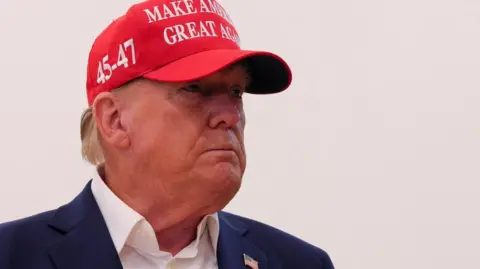
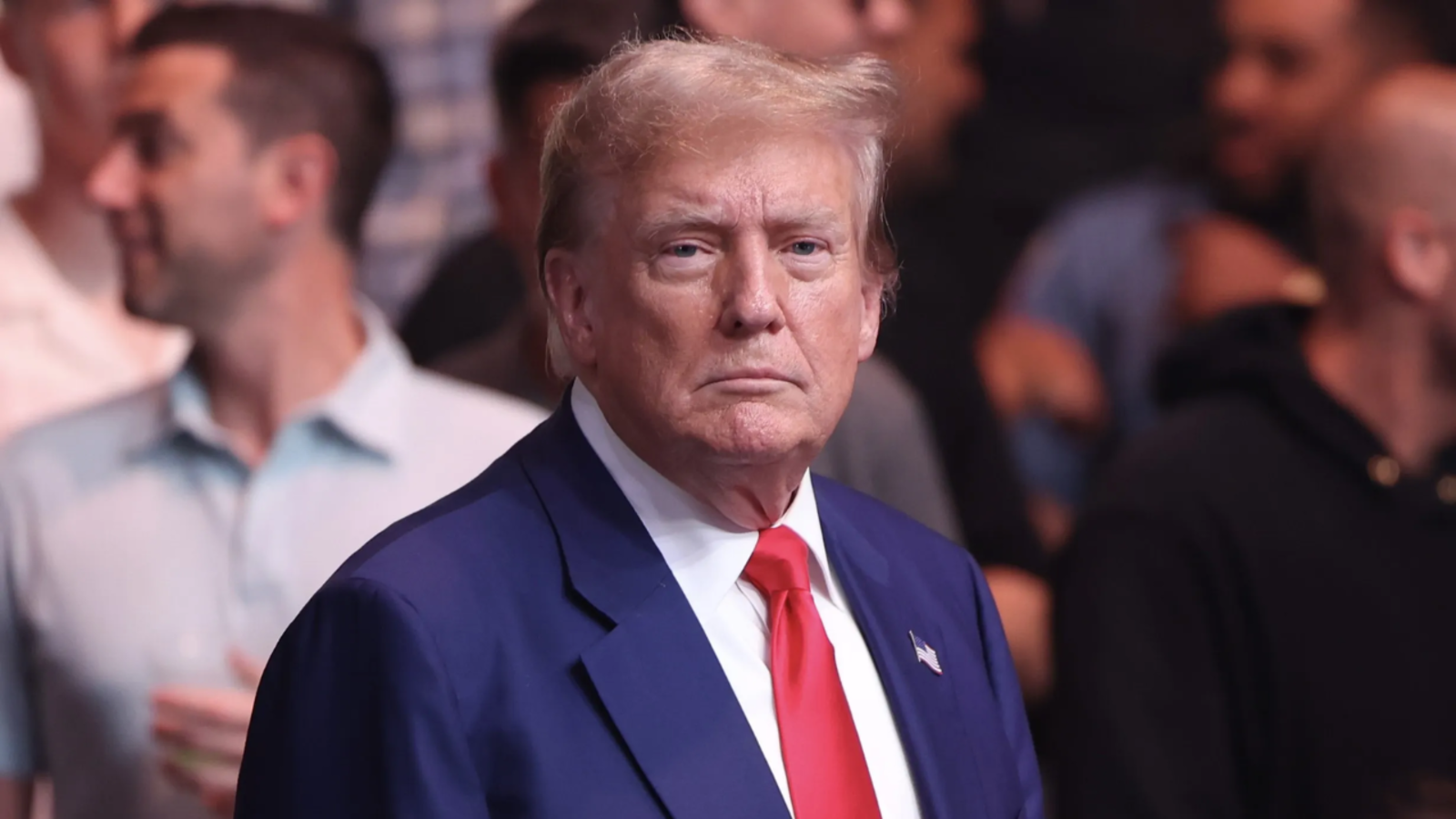
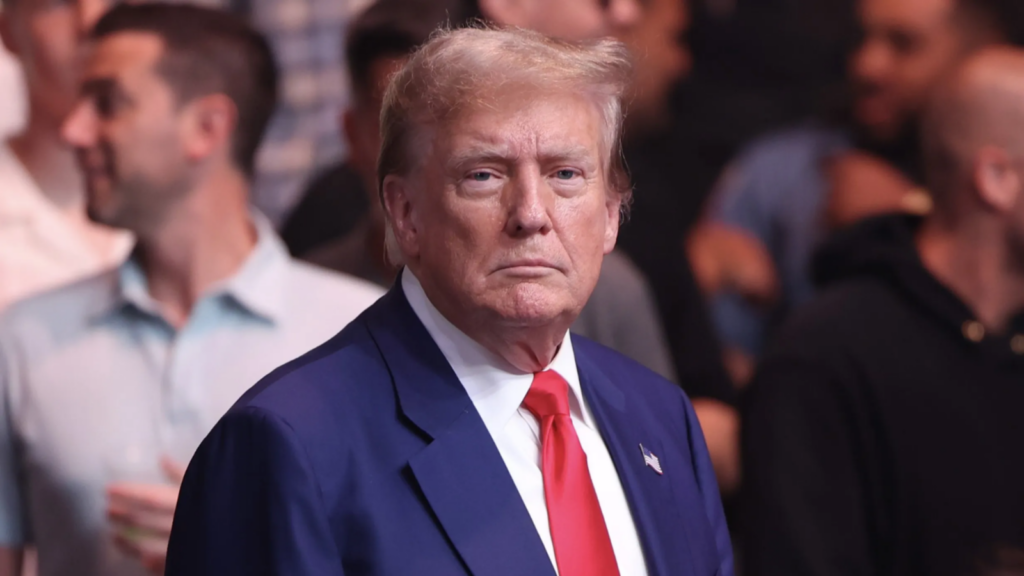
Donald Trump declared a resounding victory following his success in a pivotal electoral contest, marking a significant milestone in his political journey. Speaking to a fervent crowd of supporters, Trump praised his campaign’s momentum and emphasized the importance of his victory in shaping the nation’s future. His remarks came after securing a crucial state that many had anticipated to be a tight race.

Trump’s win has sent shockwaves through the political landscape, igniting debates over the direction of the upcoming election cycle. Political analysts have been quick to weigh in on the implications of his victory, with some suggesting it could be a precursor to a broader surge in support, while others caution that the battle for the White House is far from over.

The former president’s victory in this key state highlights his continuing influence within the Republican Party. In his speech, Trump reinforced his stance on major issues, including immigration, trade, and national security, reiterating promises to restore economic prosperity and strengthen America’s global standing. His remarks were a clear message to his rivals that he is ready to reassert control over the political narrative leading up to the next presidential election.

Trump’s political allies have rallied behind his victory, seeing it as a reaffirmation of his strength as a candidate. Republican figures, many of whom had initially been skeptical about his potential candidacy, have now aligned themselves with his vision for the future. Several prominent party members have voiced their support, underscoring the idea that Trump’s victory could pave the way for a unified Republican front as the race for 2024 intensifies.

Meanwhile, the Democratic Party is bracing for what promises to be a fiercely contested election. Trump’s message of economic recovery and national security resonated with voters in key battleground states, suggesting that his ability to galvanize support among certain demographic groups remains a formidable force. This victory has reignited concerns among Democratic strategists about Trump’s potential to sway critical swing voters.

In the aftermath of his speech, there has been an outpouring of both support and criticism from various quarters. While many of his supporters cheered his victory, praising his leadership and vision, others expressed concerns over the divisive rhetoric that has often characterized his political career. Opponents argue that Trump’s approach to governance, particularly his handling of issues like healthcare, social justice, and climate change, has been polarizing and detrimental to the broader social fabric of the country.

The race for the presidency has undoubtedly entered a new phase, with Trump’s electoral success serving as a reminder of the enduring strength of his political brand. As he continues to rally supporters, the coming months will likely see heightened scrutiny of his policies and public statements. The Republican Party, meanwhile, faces a critical decision as it assesses how best to position itself for the approaching election cycle.

As political analysts digest the implications of this victory, attention is turning to the potential candidates who could emerge to challenge Trump for the Republican nomination. While several prominent figures have already signaled their intentions to run, none have yet been able to replicate the level of support Trump continues to command among a significant portion of the electorate.

The broader political environment remains unpredictable, with many questioning how the next phase of the race will unfold. In the coming months, both parties will focus their efforts on winning over key voting blocs, particularly in swing states, where Trump’s influence has been most keenly felt. As he capitalizes on this victory, Trump will need to navigate both internal party dynamics and external opposition to maintain his political dominance.

The UAE has unveiled its long-term National Investment Strategy 2031, aiming to attract and retain investments that will fortify the country’s economic diversification and accelerate its status as a global hub for business. The strategy is poised to reshape the investment landscape, focusing on key sectors including advanced technology, renewable energy, healthcare, and financial services.

The UAE’s leadership emphasized that the strategy is a pivotal element of the country’s broader economic transformation plan, building on its recent successes in establishing itself as a leading center for trade, technology, and innovation. As part of the strategy’s goals, the country is looking to increase the volume of foreign direct investment (FDI), enhance local businesses, and promote the integration of sustainable economic practices across industries.

Underpinning this ambitious strategy is the objective to improve the UAE’s competitive position in the global market by tapping into sectors of emerging global importance. This approach is intended not only to attract new investments but also to foster innovation that will drive growth across both traditional and non-traditional sectors. By 2031, the UAE aims to position itself as a key player in the global knowledge economy, with sustainable and cutting-edge technologies leading the charge.

One of the most critical components of the strategy is a comprehensive focus on advanced industries, particularly those that integrate artificial intelligence (AI), data science, and renewable energy technologies. In line with global trends, the UAE is seeking to capitalize on the opportunities brought about by climate change adaptation and green technologies. By investing in renewable energy projects, including solar and nuclear power, the nation is positioning itself to become a leader in sustainable energy solutions while contributing to global climate goals.

Another key feature of the strategy is its emphasis on strengthening the healthcare sector. As the world faces growing challenges related to aging populations and pandemics, the UAE is investing in health technologies that promise to not only improve the quality of healthcare services but also reduce costs and enhance healthcare delivery. This includes advancements in medical research, biotechnology, and digital health technologies, all aimed at improving efficiency and accessibility in the health sector.

A focal point of the UAE’s National Investment Strategy is also its effort to encourage the expansion of the financial services industry, particularly focusing on fintech innovations. By tapping into emerging trends such as blockchain, digital currencies, and decentralized finance, the UAE seeks to redefine its financial ecosystem, making it more agile and globally competitive. This is part of a broader initiative to attract a new generation of entrepreneurs and investors, particularly those in the tech and financial sectors.

The strategy also acknowledges the importance of a flexible and attractive regulatory framework for investors. The UAE plans to introduce measures that further ease the process of setting up businesses, reducing bureaucratic hurdles, and promoting an environment conducive to innovation. These steps include improvements in intellectual property laws, enhancing access to venture capital, and increasing transparency within the market. In this context, the UAE’s government is also aiming to make significant strides in digitizing the business registration process and enhancing the speed and efficiency with which new enterprises can operate.

The announcement of the National Investment Strategy 2031 comes at a time when the UAE is already seeing notable investments flowing into its economy. The UAE government has actively pursued bilateral investment agreements with countries across the globe, resulting in increased foreign capital inflows. The goal is to build on this momentum and ensure that the country remains an attractive proposition for investors and entrepreneurs seeking a stable and profitable business environment.

The strategy also aligns with the UAE’s Vision 2030, which places heavy emphasis on sustainability and economic diversification. It seeks to reduce the country’s reliance on oil exports and move towards a more knowledge-based economy. This vision aims to diversify revenue streams while fostering innovation and ensuring a more resilient economy in the face of global economic fluctuations. To support this transition, the UAE has been progressively creating a conducive ecosystem for high-tech industries, incorporating digital and green solutions into its infrastructure projects, and providing substantial incentives for businesses engaged in sustainability.

At the heart of the National Investment Strategy is the creation of new partnerships with global technology companies, investors, and academic institutions. These collaborations are expected to drive research and development activities, particularly in sectors that focus on sustainability, health, and innovation. Such partnerships are intended to propel the country’s efforts in creating a vibrant innovation ecosystem, fostering an environment where groundbreaking ideas can thrive and scale up quickly.

The strategy’s success will be closely tied to its ability to leverage the UAE’s geopolitical position as a bridge between East and West. Positioned at the crossroads of Europe, Asia, and Africa, the UAE has long served as a gateway for international trade, investment, and commerce. This strategic location, combined with its advanced infrastructure and growing talent pool, will help the UAE remain a prominent player on the global investment map.


Bitcoin has surged to an all-time high as traders factor in the possibility of a Donald Trump victory in the upcoming U.S. presidential election. The cryptocurrency reached new heights, surpassing the $40,000 mark for the first time, driven by a combination of factors, including growing political uncertainty, the appeal of Trump’s economic policies, and an increasing demand for decentralized assets as hedges against inflation.

As the election race intensifies, market analysts are closely monitoring how Trump’s political resurgence could impact traditional markets and the broader economy. Traders seem to be betting that a second Trump presidency would lead to favorable conditions for Bitcoin, particularly given his past rhetoric on the benefits of digital currencies and his critical stance toward centralized financial systems.

Bitcoin’s rapid rise comes at a time when the broader global economy is grappling with uncertainty. The U.S. economy, though resilient in many ways, faces challenges such as inflation, supply chain disruptions, and a fluctuating stock market. With the Federal Reserve’s interest rate hikes and the push for tightening monetary policy, many investors are looking for assets that provide an alternative to traditional banking systems. Bitcoin, often viewed as a store of value similar to gold, fits the bill.

Trump’s influence on Bitcoin’s price movement is not entirely new. In 2017, during his first presidential campaign, Bitcoin saw significant price appreciation, as his anti-establishment rhetoric resonated with many investors seeking refuge from a perceived unstable traditional financial system. His leadership style, coupled with calls to deregulate the financial sector, has always aligned with the ideals of the crypto community, which champions decentralization and reduced government oversight.

The current market sentiment surrounding Bitcoin reflects growing confidence in the cryptocurrency’s long-term potential, especially among traders who perceive Trump’s economic policies as supportive of asset appreciation. Trump’s stance on cryptocurrencies has evolved over time. Initially dismissive, his recent statements have indicated a more favorable approach, particularly with the rise of Bitcoin’s mainstream appeal.

While Bitcoin’s value continues to climb, it has also drawn attention from traditional financial institutions, who are taking a closer look at the asset class. Major financial firms are increasingly open to the idea of incorporating Bitcoin into their portfolios, with some even offering products that allow clients to invest directly in the cryptocurrency. This shift represents a growing mainstream acceptance of Bitcoin, which was once viewed as a speculative and volatile asset.

The surge in Bitcoin’s price is not solely attributable to political factors. The rise of institutional investment, the increasing adoption of blockchain technology, and regulatory clarity are all contributing to the cryptocurrency’s appeal. In countries like El Salvador, where Bitcoin has been adopted as legal tender, the digital currency’s role as a financial tool has become more apparent. The growing use of blockchain technology in industries ranging from supply chain management to healthcare also bodes well for Bitcoin’s future, as it becomes increasingly intertwined with global economic systems.

In the U.S., Bitcoin’s role in the political sphere is also gaining attention. Some political figures, particularly those aligned with the Republican Party, have expressed support for digital currencies, viewing them as a way to counterbalance the influence of the Federal Reserve and the U.S. dollar. Trump, despite his criticisms of the current administration, has been vocal in supporting policies that could benefit the cryptocurrency market. His stance on cryptocurrency has been a mixture of endorsement and skepticism, but his broader economic agenda, which favors lower taxes, deregulation, and less government intervention, aligns with the pro-crypto sentiment prevalent in the market.

Despite Bitcoin’s bullish momentum, there are concerns about the potential risks associated with such rapid price increases. Critics warn that Bitcoin’s volatility could result in a market correction, particularly if traders begin to overextend their positions. Additionally, global regulatory pressures could affect the asset’s price trajectory. Some governments, including China and the European Union, have signaled that they may take a more stringent approach to cryptocurrency regulation, which could influence market sentiment and investor behavior.

Bitcoin’s market capitalization surged, positioning it as the 10th most valuable asset globally, overtaking Meta’s market cap in a significant milestone for digital currency. Valued at $1.469 trillion, Bitcoin now stands among a roster of prominent corporations and precious metals, reflecting a growing mainstream acceptance of cryptocurrency as a valuable financial asset. As it edges past Meta’s $1.415 trillion, this advancement underscores Bitcoin’s emerging stability and appeal, bridging the gap between traditional finance and digital assets.

The rise in Bitcoin’s market value comes amidst a period of renewed interest in cryptocurrency assets as broader economic concerns drive investors toward alternative assets. Bitcoin, often viewed as “digital gold,” has sustained a strong appeal among investors seeking a hedge against inflation and financial uncertainty. This achievement follows years of volatility within the cryptocurrency market, highlighting Bitcoin’s shift from a niche digital asset to one recognized within established financial circles as a potentially viable store of value.

Bitcoin’s rise to this financial echelon highlights its unique qualities, particularly as a decentralized asset unaffected by conventional monetary policies. With a limited supply capped at 21 million coins, Bitcoin’s scarcity plays a crucial role in its valuation, differentiating it from traditional currencies that can be influenced by central banks. Analysts point to Bitcoin’s fixed supply as one reason for its attractiveness in times of inflation, with many investors considering it a secure store of value akin to gold. Unlike fiat currencies, Bitcoin operates on a decentralized network, offering users autonomy and a form of financial independence that centralized assets cannot match.

Some financial experts interpret Bitcoin’s advancement in market valuation as indicative of a shifting perception among institutional investors, who increasingly view digital assets as part of a balanced investment portfolio. High-profile financial firms, including Fidelity, BlackRock, and others, have shown interest in cryptocurrency by developing infrastructure for institutional clients, fueling the belief that Bitcoin and similar assets are becoming indispensable in modern financial strategy. Bitcoin’s integration into mainstream finance continues, with exchange-traded funds (ETFs) and other investment products creating access points for investors previously hesitant to engage in digital currency markets directly.

Notwithstanding this impressive ascent, Bitcoin’s market performance has been marked by fluctuations. In 2021, Bitcoin’s value experienced a meteoric rise, crossing the $60,000 threshold before undergoing a sharp decline during 2022’s “crypto winter,” which saw significant losses in the broader digital asset space. This volatility has led to caution among traditional investors, yet the asset’s resilience in rebounding from lows strengthens the case for Bitcoin’s potential long-term viability. While its trajectory has not been linear, Bitcoin’s consistent recovery and growth reflect a degree of maturity in the market, contrasting with its early years characterized by extreme swings.

Bitcoin’s surpassing of Meta by market capitalization also draws attention to the contrasting models and trajectories of the two assets. While Meta represents a centralized technology behemoth navigating privacy concerns and regulatory scrutiny, Bitcoin offers a decentralized, transparent financial option free from central governance. Bitcoin’s public blockchain allows participants to verify transactions without a central authority, ensuring transparency and security. As technology giants like Meta face ongoing scrutiny over data privacy, Bitcoin’s appeal as an open and censorship-resistant currency is amplified, making it particularly attractive to a generation attuned to digital privacy issues.

Despite Bitcoin’s growth, regulatory challenges remain. The cryptocurrency sector faces varied regulatory approaches worldwide, with some countries such as the United States and China imposing restrictions or outright bans, while others, including El Salvador and Switzerland, embrace digital currencies through legislative frameworks. Regulatory ambiguity has prompted industry stakeholders to advocate for clearer policies that protect consumers while fostering innovation. Regulatory stability, proponents argue, is essential to ensure long-term confidence in digital assets among institutional and retail investors alike.

Bitcoin’s evolving role also underscores potential shifts in the global financial ecosystem, with digital assets increasingly positioned as integral to the future of finance. Central banks globally have observed Bitcoin’s growth with a mixture of apprehension and intrigue, with many exploring the idea of central bank digital currencies (CBDCs) to create government-backed digital equivalents. These digital currencies could enhance payment efficiencies and reduce transaction costs, although they differ fundamentally from decentralized cryptocurrencies like Bitcoin. In exploring CBDCs, governments aim to modernize financial infrastructure, yet many remain cautious of the unregulated nature of Bitcoin, which operates beyond central control and oversight.

Aldar Properties has unveiled its highly anticipated Mamsha Gardens development, situated on the pristine Saadiyat Island in Abu Dhabi. This luxury destination promises to blend the sophistication of residential living with the allure of resort-style amenities, offering a new standard of living in one of the UAE’s most coveted locations. The announcement comes amid growing demand for high-end living spaces on Saadiyat Island, which continues to emerge as a hub for culture, leisure, and investment.

The project features a mix of contemporary design and luxurious accommodations, with expansive gardens and stunning views of the island’s coastline. Located within the cultural district of Saadiyat Island, the development is strategically placed near several renowned institutions, including the Louvre Abu Dhabi and the Guggenheim Museum. These world-class attractions are expected to further enhance the appeal of Mamsha Gardens, attracting a blend of international buyers, investors, and affluent residents seeking a vibrant and serene living environment.

Designed by leading architects, Mamsha Gardens encompasses a variety of luxury residential units, including beachfront villas and modern apartments. The villas are equipped with private pools, spacious terraces, and expansive windows that provide unobstructed views of the sea and the surrounding natural landscapes. The apartments, ranging from one to three bedrooms, are designed to offer flexibility for families and individuals, all while ensuring privacy and exclusivity.

In addition to its aesthetic appeal, Mamsha Gardens is designed with a focus on sustainability. The development integrates green technologies to reduce its environmental footprint, including energy-efficient systems and eco-friendly building materials. This emphasis on sustainability reflects a broader trend in the UAE’s real estate market, where developers are increasingly prioritizing eco-conscious designs in response to growing environmental awareness among consumers.

The amenity offering at Mamsha Gardens further enhances its appeal. The development boasts a variety of leisure facilities, including a state-of-the-art gym, dedicated yoga studios, and a series of outdoor sports courts. Residents will also have access to a private beach, ensuring a resort-like atmosphere at their doorstep. Moreover, the project includes landscaped gardens, jogging tracks, and recreational areas designed to cater to families and individuals looking to enjoy an active lifestyle in a peaceful and luxurious setting.

The launch of Mamsha Gardens aligns with Aldar Properties’ broader strategy to strengthen its position as a leader in the UAE’s real estate sector. The company has made significant strides in delivering iconic residential and mixed-use developments, such as the Yas Bay Waterfront and Al Raha Beach. With the growing appeal of Saadiyat Island, Aldar is positioning Mamsha Gardens as one of the most sought-after destinations for those looking for premium real estate in Abu Dhabi.

The development is expected to attract both domestic and international buyers, particularly those seeking a luxurious lifestyle close to cultural landmarks and world-class amenities. With Saadiyat Island’s transformation into a premier cultural and leisure destination, the demand for high-end residential properties is on the rise, and Mamsha Gardens is set to capitalize on this trend. The project also reflects a broader shift in the UAE’s real estate market towards more integrated and community-focused developments that combine residential, leisure, and cultural experiences.

In terms of investment potential, Mamsha Gardens is expected to deliver solid returns, thanks to the strategic location on Saadiyat Island and the high level of interest in properties that offer both luxury and proximity to cultural landmarks. The project has been designed to cater to the growing demand for integrated living spaces, which provide residents with the convenience of modern amenities combined with the tranquility of a resort-style environment.

Saadiyat Island itself has seen significant development in recent years, with Aldar spearheading several projects aimed at enhancing the island’s global appeal. As a cultural epicenter, the island is poised to continue attracting international interest from both tourists and investors, with Mamsha Gardens serving as a key component in its broader vision.

VISHNU RAJA
RYO YAMADA
HITORI GOTOH
IKUYO KITA
Just in:
Oil and chip shares retreat after Democratic victories // CM disputes Vijayan’s claims // Dubai details five-year visa benefits for returning visitors // Xi Jinping Preparing For A Trilateral Summit With Trump And Putin At APEC Summit On Nov 18-19 // Private varsities bill all set to face the axe // Geely’s i-HEV Intelligent Hybrid Technology Offers a New Direction Vision for Gasoline-Powered Vehicles // The “1st Greater Bay Area Health and Longevity Summit & Awards Ceremony” concludes successfully in Macao // Elephant calf on death line airlifted for treatment in Gujarat // Miss Universe Hong Kong Jen Zhou Departs for Puerto Rico to Compete in the 75th Miss Universe World Final // e-Crime Bureau Signs Cybersecurity Partnership With Smart Africa, Reinforcing Its Global Expansion // Ningbo Consensus on Collaborative Development released at 2026 Global Mayors Dialogue · Ningbo // Geely’s i-HEV Intelligent Hybrid Technology Offers a New Direction for Gasoline-Powered Vehicles // APT29-linked campaign exploits outdated Apple and Android software // Dubai boat show confirms international shipyard line-up for November // Trump’s Iran War Has A Share Of Contribution To His Midterm Debacle // Millions Of Indians May Soon Be Deprived Of Government Assistance // Technology shares plunge as Nasdaq enters correction // CR Longdation Aethereal Cybersecurity × Global Cybersecurity Alliance (GCSA) Join Hands to Establish the “AI and Cybersecurity Research Centre” // TVM –Mangaluru Vande Bharat claims top spot // Beyond the exhibition floor: How robots, AI and networks are moving into the real world //