News related to
Arabia

Mutuum Finance, a decentralized lending protocol, is garnering significant attention in the decentralized finance sector. The platform’s presale phase has seen substantial participation from prominent investors, driven by projections of a 1300% increase in token value by its official launch.

The platform offers a dual-market approach: Peer-to-Contract and Peer-to-Peer . In the P2C market, transactions are automated through smart contracts, providing a secure method for users to supply or borrow assets. This market accepts only tokens that meet stringent safety and risk criteria, such as stablecoins like USDT or established assets like ETH, ensuring a safer environment for users aiming to minimize risk while earning or accessing funds. Conversely, the P2P market enables direct user-to-user transactions, allowing the exchange of a broader range of tokens, including newer or higher-risk assets like memecoins and recently launched cryptocurrencies. While these tokens carry higher risks, they also offer opportunities for users seeking potential higher returns. Both markets are powered by smart contracts, ensuring transactions remain secure, decentralized, and efficient across the platform.

The presale is structured across multiple stages, with the initial phase pricing MUTM tokens at $0.01. Early investors have the opportunity to secure tokens at this entry point, with the price set to increase in subsequent stages, culminating in a launch price of $0.06. This structure offers early participants a potential 1100% return by the time of the platform’s official launch. For instance, an investment of $1,200 at this stage could potentially grow to $13,200 at launch.

Analysts predict further price growth post-launch, driven by the platform’s live beta release and increasing community interest. Anticipated listings on top-tier centralized exchanges could further enhance the token’s value, with projections suggesting an additional 1100% increase or more.

To engage and reward its community, Mutuum Finance has announced a $100,000 giveaway. The prize pool will be divided among 10 winners, each receiving $10,000 worth of MUTM tokens. Participants are required to follow Mutuum Finance on social media platforms and actively engage with the community. Detailed instructions for participation are available on the official website.

During the Super Bowl LIX halftime performance at the Caesars Superdome in New Orleans, a protester brandishing a Palestinian flag disrupted Kendrick Lamar’s set. The individual, who was part of the 400-member field cast, ascended the stage and unfurled a flag that combined the Palestinian and Sudanese emblems, with the words “Gaza” and “Sudan” inscribed respectively. Security personnel swiftly intervened, apprehending the protester and escorting him off the field. The New Orleans Police Department is currently evaluating potential charges against the individual.

The National Football League confirmed that the protester had concealed the flag until the performance commenced, and that neither the production team nor the organizers were aware of his intentions. Roc Nation, the company responsible for producing the halftime show, stated that the act was neither planned nor part of the official production.

Kendrick Lamar continued his performance without interruption, delivering a set that included collaborations with artists such as SZA and Samuel L. Jackson. The halftime show was notable for Lamar’s position as the first solo hip-hop artist to headline the event.

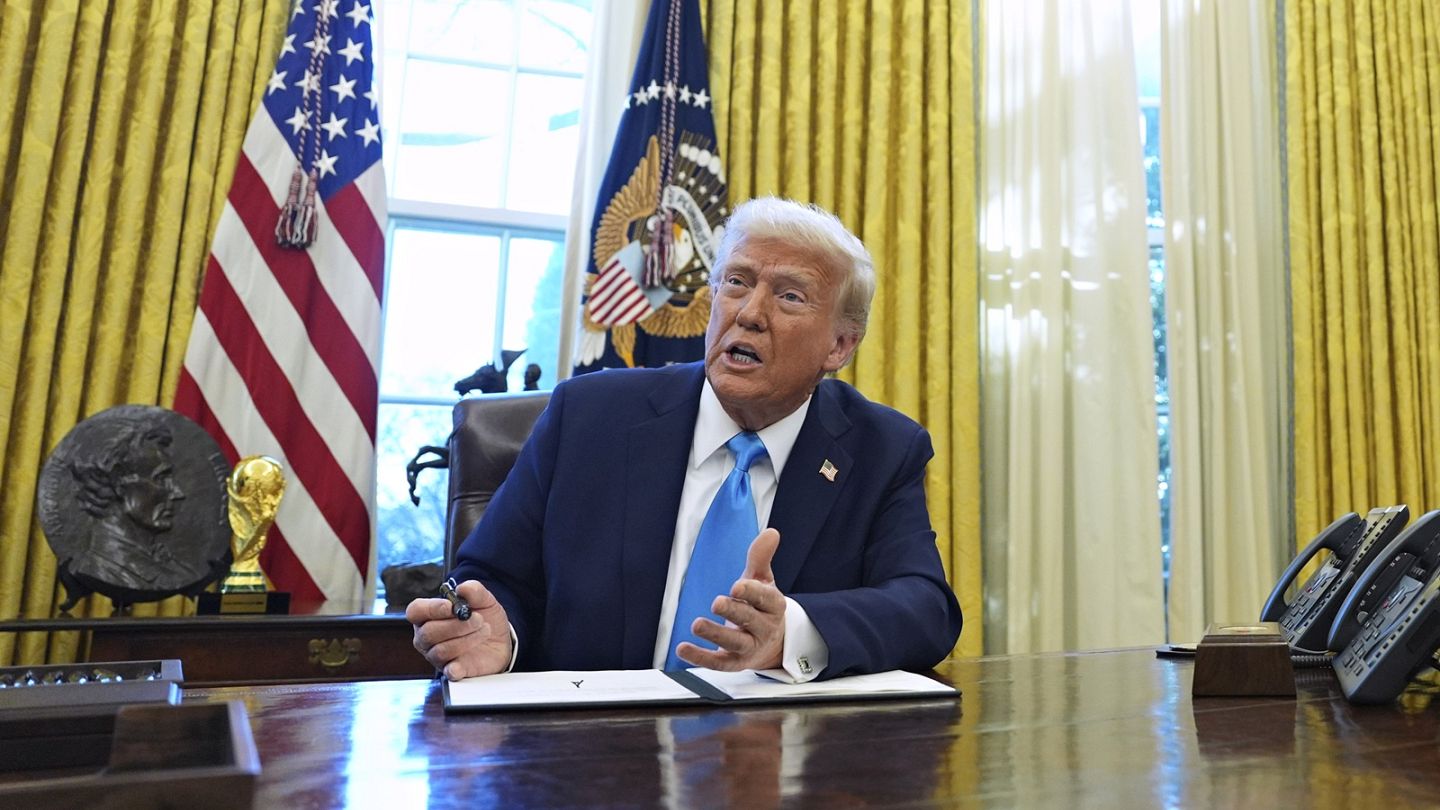
The Super Bowl, attended by President Donald Trump, concluded with the Philadelphia Eagles defeating the Kansas City Chiefs 40-22. This victory served as redemption for the Eagles, who had previously lost to the Chiefs in an earlier Super Bowl matchup.

The incident occurred amidst a fragile ceasefire between Israel and Hamas, as well as ongoing civil unrest in Sudan since 2023. The protester’s actions have sparked discussions about the intersection of political expression and entertainment events, highlighting the challenges organizers face in maintaining security while respecting freedom of speech.

In the aftermath of the game, celebrations in Philadelphia escalated into chaos, with fans setting fires, climbing on police vehicles, and engaging in brawls. Law enforcement agencies are investigating the disturbances, aiming to identify and hold accountable those responsible for the disorderly conduct.

HP Inc. has announced plans to establish a state-of-the-art manufacturing facility in Riyadh, Saudi Arabia, marking a significant expansion of its global operations. The facility is scheduled to commence production of personal computers , printers, and other computing devices within the year. This move aligns with Saudi Arabia’s Vision 2030 initiative, which aims to diversify the nation’s economy and bolster its technological capabilities. Enrique Lores, President and […]

The Gulf Cooperation Council equity markets have observed a downturn in net foreign investor inflows, with January figures decreasing to $939 million from December’s $1.04 billion, marking a significant 41% drop compared to November’s numbers. This trend is highlighted in the ‘Foreign Flow Analysis’ study by Iridium Advisors, a Dubai-based management consulting firm. CEO Oliver Schutzmann interprets this as foreign investors becoming “more selective in their allocations.” […]

Saudi Arabia has announced a substantial $14.9 billion investment in artificial intelligence during the LEAP 2025 technology conference in Riyadh. This move underscores the Kingdom’s ambition to position itself as a global leader in digital innovation and aligns with its Vision 2030 objectives. The announcement was made by Minister of Communications and Information Technology Abdullah Al-Swaha, who highlighted the nation’s rapid growth in the tech sector. He […]

The Gulf Cooperation Council nations are confronting potential economic challenges following U.S. President Donald Trump’s imposition of tariffs on imports from Canada, Mexico, and China. These measures, which include a 25% tariff on steel and aluminum, have raised concerns about escalating inflation and the possibility of increased interest rates within the GCC region.

Global markets have already exhibited signs of distress in response to the tariffs. Asian shares displayed hesitation, and the U.S. dollar strengthened as investors anticipated the economic repercussions of the new trade barriers. Analysts suggest that the tariffs could lead to higher inflation in the United States, potentially limiting the Federal Reserve’s ability to implement rate cuts. This scenario may have a cascading effect on global markets, including those in the GCC.

In the Gulf region, stock markets have mirrored global trends, experiencing declines attributed to fears of a trade war. Saudi Arabia’s benchmark index, for instance, fell by 0.3%, influenced by drops in major companies such as ACWA Power Company and Saudi Awwal Bank. Similarly, the Qatari index decreased by 0.6%, primarily due to a significant profit drop in Industries Qatar.

Economists warn that the tariffs may disrupt global supply chains, leading to increased costs for imported goods. For the GCC countries, which rely heavily on imports for various sectors, this could translate into higher consumer prices, thereby fueling inflation. The potential rise in inflation may prompt central banks in the region to consider adjusting interest rates to maintain economic stability.

The automotive industry is one sector that could be significantly impacted. Vehicles imported from the affected countries may become more expensive, leading to higher costs for consumers in the GCC. Additionally, industries such as construction and manufacturing, which depend on imported raw materials, might face increased production costs, further contributing to inflationary pressures.

Saudi Arabia’s Capital Market Authority has released draft amendments to its Investment Funds Regulations, seeking public feedback until 5 November 2024. The proposed changes aim to enhance investor protection, particularly for retail clients engaging with private and foreign investment funds.

A key proposal mandates that fund managers secure equal or greater cash subscriptions from qualified and institutional clients before offering private fund units to retail investors. Similarly, foreign fund securities cannot be privately offered to retail clients unless matching cash subscriptions are obtained from qualified and institutional clients within the Kingdom. This initiative addresses concerns that private and foreign funds, which operate under fewer regulatory constraints than public funds, may pose higher risks to retail investors.

In 2021, the CMA permitted retail clients to invest up to SAR 200,000 in private and foreign funds without specifying their subscription percentage. The current draft amendments aim to set specific percentages for retail client subscriptions to mitigate risk exposure and enhance protection. The CMA emphasizes that these proposals will strengthen investor protection by addressing the risks associated with private and foreign funds.

The CMA encourages stakeholders, market participants, and the public to share their insights on these proposed amendments. Comments can be submitted via the Unified Electronic Platform for Public Consultation or through the CMA’s official email channels. All feedback will be carefully reviewed before finalizing the regulatory amendments.

These proposed amendments are part of the CMA’s ongoing commitment to enhance investor protection by refining the requirements for offering private and foreign investment funds to retail investors. The CMA aims to increase market transparency, enhance investor protection, and boost market participation.

As Saudi Arabia continues to diversify its economy and expand its financial markets, these measures will contribute to a safer and more appealing environment for both local and international investors.

Advertisements
By Satyaki Chakraborty U.S. President Donald Trump has started breaking all conventions about abiding by international laws b h announcing the U.S. government’s sanctions against the International Criminal Court (ICC) taking the plea that the ICC is biased against the U.S. and Israel. Donald Trump launched sanctions against the global body, which is seen as […]
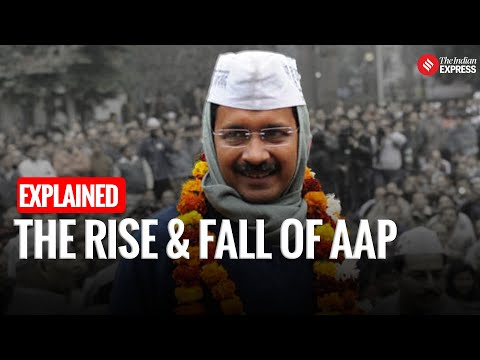
By Dr. Gyan Pathak Despite political setback in Delhi Vidhan Sabha election and loss of power to BJP, Aam Aadmi Party (AAP) will remain a political force of reckoning. AAP’s huge voter support base is intact, and election result shows that the BJP could win by only about a small margin of about 2.26 per […]
By Nitya Chakraborty Exactly six months have passed since the installation of the interim government in Bangladesh on August 8, headed by Dr. Mohammad Yunus, three days after the ouster of the Awami League government led by former Prime Minister Sheikh Hasina. Hasina, daughter of the founder of the present Bangladesh, the late Sheikh Mujibur […]


The Abu Dhabi Securities Exchange has solidified its position among the world’s top 20 stock exchanges in 2024, achieving a total market capitalisation of AED2.9 trillion . This accomplishment also places ADX as the eighth-largest among emerging markets.

Trading activity on ADX experienced significant growth, with the total value of trades reaching AED342 billion, marking a 7% increase compared to 2023. Net foreign investment amounted to AED24 billion, underscoring the exchange’s strong appeal to international investors.

The combined market capitalisation of the Abu Dhabi Securities Exchange and the Dubai Financial Market surpassed AED3.9 trillion by the end of 2024, reflecting a gain of AED257 billion from the previous year.

In recognition of its performance, ADX was awarded the title of Best Islamic Stock Exchange 2024 by the Global Islamic Finance Awards .

The exchange’s robust performance is attributed to increased trading activity and heightened interest from foreign investors. The UAE’s stock markets have demonstrated resilience and growth, contributing to the nation’s economic development.

By Satyaki Chakraborty The Communist Party of India (Marxist) has released its draft political resolution for the 24th congress of the Party to be held in Madurai in April this year. The last party congress was held in 2022 and so the coming congress held after three years, is expected to make an appraisal of […]

Saudi Aramco, the world’s largest oil producer, has significantly increased its official selling price for Arab Light crude oil destined for Asia. This move has sent ripples through the global energy markets, raising questions about the potential impacts on supply, demand, and the broader oil market dynamics. The price adjustment comes as the global oil market continues to face various challenges, including fluctuating demand, geopolitical tensions, and […]

UAE and Saudi Arabia are poised to dominate the MENA region’s e-commerce growth in 2024, as both countries capitalise on their technological advancements, robust infrastructure, and increasing consumer adoption. With rising digital transformation efforts and governmental support, these two nations are solidifying their position as the region’s e-commerce leaders. The digital marketplace in the MENA region is forecasted to reach new heights this year, with the UAE […]

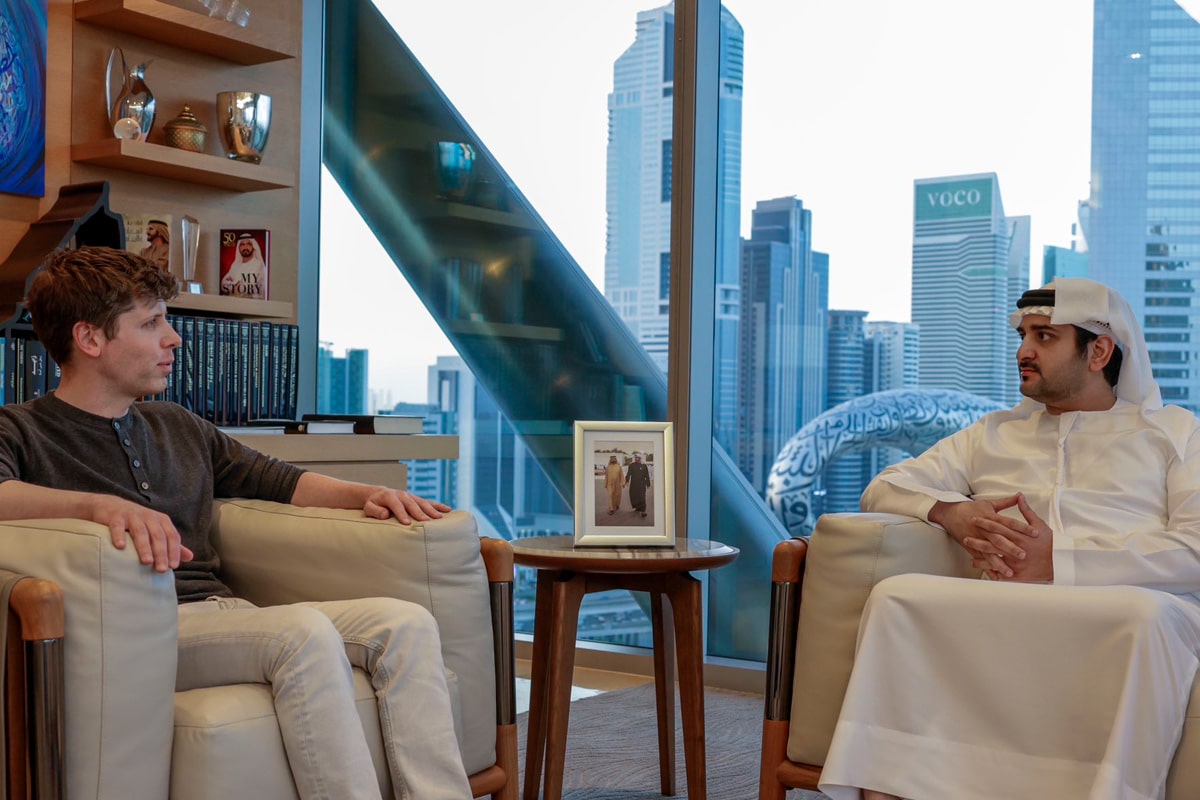
OpenAI CEO Sam Altman is scheduled to visit the United Arab Emirates this week for discussions with the Abu Dhabi-based investment group MGX. The meeting will focus on securing funding for OpenAI’s ongoing projects, particularly its model development and the expansive Stargate infrastructure initiative, which is central to the company’s long-term strategy.

The meeting in Abu Dhabi comes as OpenAI embarks on a $40bn fundraising effort to support its next phase of growth. This funding is crucial as OpenAI looks to expand its capabilities, especially in light of intensifying competition from Chinese alternatives in the artificial intelligence space.

OpenAI, known for its development of the popular language model ChatGPT, is seeking to raise a significant sum to push forward with its plans to enhance AI models and infrastructure. The Stargate project is particularly important, as it aims to revolutionise OpenAI’s computational resources and data handling capabilities, laying the groundwork for more advanced AI systems. Altman’s visit to the UAE comes at a pivotal moment for OpenAI, as it strives to maintain its competitive edge in a rapidly evolving AI landscape.

The company is facing increasing pressure from cheaper Chinese alternatives, particularly DeepSeek, which has emerged as a formidable challenger in the AI market. DeepSeek’s ability to provide cost-effective solutions has gained attention, potentially disrupting the US-dominated sector. This new wave of competition has forced US companies, including OpenAI, to rethink their strategies and accelerate the development of more advanced and resource-intensive AI models.

Altman’s trip to Abu Dhabi is part of a broader effort by OpenAI to secure partnerships and financial backing from international investors. MGX, known for its significant influence in the Middle East’s investment landscape, is a key player in the UAE’s ambitious push to position itself as a global leader in technology and innovation. OpenAI’s appeal to MGX is underscored by the potential for lucrative returns in the burgeoning AI sector, which continues to attract attention from global investors looking to capitalise on the future of artificial intelligence.

As OpenAI seeks to cement its position as a leader in AI development, the company is also navigating the challenges that come with maintaining a competitive edge. The emergence of DeepSeek, backed by strong financial support and growing technical capabilities, has added a new dimension to the AI race. The Chinese company’s ability to offer AI solutions at a lower cost has made it an attractive alternative for businesses looking to deploy AI at scale, putting pressure on US companies to innovate more rapidly and efficiently.

Altman’s discussions with MGX are expected to focus not only on securing the necessary funds for Stargate and model development but also on building strategic partnerships that could help OpenAI fend off the growing competition from China. The UAE has become an increasingly important player in the global tech ecosystem, with its investments in AI, fintech, and other cutting-edge technologies positioning it as a hub for innovation in the region.

The timing of Altman’s visit to the UAE highlights the importance of securing international investment to sustain OpenAI’s aggressive growth strategy. The UAE’s commitment to fostering technological innovation and supporting global AI leaders aligns with OpenAI’s goals, making it a natural partner in the quest for funding and resources.

In recent months, OpenAI has made significant strides in its model development, releasing new versions of its language models and expanding the scope of its offerings. The company’s plans to scale its operations and invest heavily in infrastructure are essential for staying ahead of rivals like DeepSeek, whose rapid advancements have put additional pressure on the US tech sector to invest more heavily in AI research and development.

The competition between OpenAI and DeepSeek is not just a matter of technological advancement but also of financial strength. OpenAI’s ability to raise $40bn would provide a significant boost to its efforts to outpace competitors, especially as global demand for AI-powered solutions continues to grow. However, the challenge of securing funding in a highly competitive market underscores the stakes for both companies as they vie for dominance in the AI space.

For Altman and OpenAI, the upcoming meetings in Abu Dhabi are a critical opportunity to secure the backing needed to sustain their leadership position. With the stakes higher than ever, OpenAI is focusing on securing long-term partnerships and investments that will allow it to continue pushing the boundaries of AI technology. The collaboration with MGX could play a pivotal role in shaping the future of OpenAI and its efforts to remain at the forefront of artificial intelligence development.

A marked rise in the number of AI specialists in the UAE signals the nation’s growing commitment to becoming a global leader in artificial intelligence. According to a recent report by BCG Global, the country has seen a 40% increase in AI experts since 2022, underscoring the rapid transformation in the local tech ecosystem. This surge comes as the UAE continues to prioritise technological innovation as a key driver of its economic diversification strategy.

This surge in AI talent reflects the UAE’s ambition to develop a robust digital economy and foster new industries, creating opportunities not just for local talent, but also for international professionals looking to leverage the UAE’s forward-thinking approach to technology. The UAE government’s focus on AI, highlighted by initiatives such as the UAE Artificial Intelligence Strategy 2031, has made the country a major hub for AI investment and innovation.

The UAE’s push to lead the Middle East in AI innovation stems from the wider global trend of accelerating technological advancement, with governments and private companies racing to harness the potential of AI. Within the UAE’s strategic vision, AI has become integral to a range of sectors, from healthcare and finance to logistics and education. The significant increase in AI talent coincides with the country’s broader plans to invest heavily in technology and digital transformation, ensuring that the necessary human capital is available to drive future innovations.

Key to this growth is the country’s commitment to creating an ecosystem that supports both local and global talent. Major initiatives, such as the launch of the AI Lab and the establishment of the Mohammad Bin Zayed University of Artificial Intelligence, have provided resources and educational opportunities designed to attract and nurture talent. As AI technology continues to evolve, the UAE’s investment in cultivating a skilled workforce has played a crucial role in positioning the nation as a competitive player on the global stage.

In addition to a focus on talent development, the UAE’s thriving private sector has also contributed to this growth. Tech giants, including IBM, Microsoft, and Google, have established significant operations in the country, offering both employment opportunities and collaborative platforms to foster the development of AI technologies. These companies, in partnership with local organisations, have accelerated the pace of innovation, allowing the UAE to make substantial strides in areas like machine learning, data analytics, and robotics.

The rapid expansion of AI expertise in the UAE also reflects broader trends within the region, as neighbouring countries look to emulate the UAE’s success. The UAE’s proactive stance on AI has set an example for other Gulf Cooperation Council nations, which are also exploring ways to integrate AI into their own national strategies. Bahrain, Saudi Arabia, and Qatar have made moves towards enhancing their technological capabilities, yet the UAE remains the most advanced in terms of both AI talent and technological infrastructure.

The increase in AI specialists in the UAE is not without its challenges. While the demand for talent is high, there remains a shortage of professionals with the necessary advanced skills. This gap has led to fierce competition for qualified AI experts, with companies and institutions offering increasingly attractive salaries and benefits to recruit the best talent from across the world. For example, AI professionals with expertise in areas like natural language processing, robotics, and autonomous systems are particularly sought after, with firms willing to pay premium wages to secure such expertise.

To mitigate this, the UAE has implemented several initiatives aimed at upskilling its existing workforce. The government’s emphasis on education and training, through initiatives like the National Programme for Artificial Intelligence, has helped to bridge the skills gap. Moreover, collaboration with international educational institutions has also played a vital role in ensuring that the nation is preparing its future generations for the digital economy.

Experts point out that while the country’s investments in AI talent are impressive, further efforts are needed to maintain the momentum. As AI becomes increasingly integrated into more sectors, it will be essential for the UAE to continue fostering a culture of innovation and collaboration between the public and private sectors. The government’s vision of positioning the UAE as an AI-driven economy is dependent on a continual supply of skilled professionals capable of both advancing the technology and applying it to real-world challenges.

Tesla and SpaceX CEO Elon Musk’s ambitious “buyout” offer, made available to employees, has seen an overwhelming response as the deadline draws near. By Wednesday, more than 40,000 employees from a mix of industries had expressed interest in the scheme. The initiative, which provides employees with the opportunity to exit their respective positions in exchange for a generous severance package, is creating a ripple effect across the corporate landscape.

Musk, known for his unorthodox management style, initially pitched the buyout programme with the goal of reducing costs and restructuring his growing empire. The offer, which includes a lump-sum severance and additional benefits, was extended to both salaried and hourly employees. However, it also comes with the stipulation that interested parties must leave by the end of February, with a severance package set to be paid out through September.

Industry observers have expressed mixed reactions to Musk’s strategy. On one hand, it could be a calculated move to reduce headcount while offering an attractive exit for employees seeking a change. On the other hand, the rapid sign-up rates have sparked concerns over potential long-term impacts on talent retention within Musk’s companies.

The initial wave of interest is largely attributed to the promise of a significant payout, which is perceived as a rare opportunity for employees to leave with financial security. While some see this as a chance to pursue personal or entrepreneurial goals, others have raised questions about the longer-term implications for Musk’s companies, particularly in light of the growing demands on SpaceX’s staffing and Tesla’s continued expansion.

The offer also reflects broader trends within corporate restructuring and employee turnover. Many companies are increasingly offering severance packages as part of cost-cutting measures, especially as the global economy faces uncertainty. These buyout schemes are seen by some as a win-win: employees get a financial cushion, while companies streamline their workforce to navigate economic pressures.

Though the buyout offer has been met with a high level of interest, particularly among those seeking a fresh start or financial independence, it is also revealing deeper issues within Musk’s companies. Employees have voiced concerns about the overall work environment, including high stress, long hours, and the fast-paced nature of the job. These concerns have contributed to the attractiveness of the buyout, especially among those who feel they may be reaching a breaking point.

Despite the swelling numbers of employees seeking to leave, Musk’s companies are not facing an immediate staffing crisis. Experts suggest that many of those opting for the buyout may not represent critical roles, and the company could ultimately come out ahead by shedding positions that are not central to its operations. Furthermore, it allows Musk to consolidate control and reduce costs, which is a common goal for companies seeking to increase profitability.

However, the growing popularity of the buyout scheme highlights a significant shift in employee-employer dynamics. With workers increasingly looking for work-life balance and more control over their professional futures, companies are being forced to reconsider their relationship with staff. Musk’s initiative could be seen as an attempt to meet this demand by offering a financial exit, but it may also be indicative of the pressures faced by employees in high-performance environments like those at Tesla and SpaceX.

The ultimate success of the buyout offer will likely hinge on its ability to balance financial incentives with long-term strategic goals. While Musk is not new to bold business strategies, this offer marks a critical juncture for the companies he leads. Employees’ decision to accept or decline the buyout will shape the future direction of Tesla, SpaceX, and other ventures under Musk’s control.

As the deadline for the buyout scheme approaches, Musk will likely face tough decisions regarding the impact on his companies. If more employees continue to sign up, the effect on organisational structure and morale could become a pressing concern. Conversely, if a smaller pool of workers leaves, Musk could be seen as having succeeded in streamlining operations without sacrificing too much talent.

Vietjet Aviation Joint Stock Company has reported unprecedented financial performance for 2024, marking its most successful year since the onset of the COVID-19 pandemic. The airline’s consolidated revenue reached approximately 52.2 trillion VND , reflecting a 19% increase compared to the previous year. Consolidated after-tax profit stood at 1.4 trillion VND , a significant rise of 564% year-over-year.

Throughout 2024, Vietjet transported over 19.6 million passengers across 104,000 flights, achieving year-over-year increases of more than 6% in passenger numbers and 2% in flight operations. The airline’s fleet of 85 aircraft maintained an average seat utilization rate of 87% and a technical reliability rate of 99.7%. Cargo operations also saw substantial growth, with a total volume of 88,964 tons transported, marking a 73% increase from the previous year and capturing over 10% of the freight market share among Vietnamese airlines.

As of September 30, 2024, Vietjet’s total assets were valued at nearly 94 trillion VND . The company’s debt-to-equity ratio was reported at 2.25, and its liquidity ratio stood at 1.4, both considered safe levels within the aviation industry. Cash, bank deposits, and cash equivalents totaled nearly 3,997 billion VND , ensuring sufficient liquidity and working capital.

In the first nine months of 2024, Vietjet paid nearly 5.56 trillion VND in direct and indirect taxes and fees, underscoring its role as a significant contributor to economic growth, trade, and tourism.

The airline expanded its network to 155 routes, comprising 43 domestic and 112 international destinations. New direct routes were launched, including Da Nang to Ahmedabad and Xi’an to Ho Chi Minh City, with increased frequencies on existing routes such as Ho Chi Minh City to Perth, as well as other regional destinations like South Korea, Japan, and Hong Kong.

In line with its fleet expansion strategy, Vietjet and Airbus signed a contract for 20 new-generation wide-body A330neo aircraft, valued at US$7.4 billion. Additionally, the airline partnered with Rolls-Royce for the supply of 40 Trent 7000 engines and TotalCare services for the A330neo aircraft. A comprehensive service agreement was also signed with Lufthansa Technik, a leading provider of aircraft maintenance services.

Vietjet has been actively pursuing the research, development, and use of sustainable aviation fuel in collaboration with international partners, as part of its commitment to environmental, social, and governance goals. The airline continues to innovate consumer services on its e-commerce platform, prioritizing technology-driven solutions for a seamless passenger experience.

Bain Capital is in the final stages of negotiations to acquire Mitsubishi Chemical Group’s pharmaceutical subsidiary, Mitsubishi Tanabe Pharma, for over 500 billion yen . This move aligns with Mitsubishi Chemical’s strategy to streamline its operations and concentrate on core sectors such as vehicle electrification, semiconductor manufacturing, and food production.

Established over 90 years ago in Osaka, Mitsubishi Tanabe Pharma specializes in developing treatments for central nervous system disorders, immuno-inflammation, and oncology. The company has a global presence, with operations spanning multiple continents. Notably, its drug Radicava, used in the treatment of amyotrophic lateral sclerosis , has been a significant contributor to its revenue growth.

In the first half of the fiscal year ending March 2025, Mitsubishi Chemical’s pharmaceutical segment reported a 6% increase in sales revenue, reaching 232.5 billion yen, and a 28% rise in core operating income to 41.4 billion yen. Despite these positive figures, Mitsubishi Chemical has been reassessing its business portfolio to focus on areas with higher growth potential. The potential divestiture of its pharmaceutical unit is part of this broader strategy.

Bain Capital has been granted preferential negotiation rights, indicating its position as the leading candidate to finalize the acquisition. This development follows earlier reports that both Bain Capital and Blackstone were among the final bidders for Mitsubishi Tanabe Pharma, with valuations estimated between $3 billion and $3.5 billion. Local private equity firm Japan Industrial Partners was also reported to be in the bidding process.

This prospective acquisition is part of a broader trend of increased mergers and acquisitions activity in Japan. Bain Capital has been particularly active in the Japanese market, having previously led the acquisition of Kioxia Holdings, a prominent chipmaker. The firm’s interest in Mitsubishi Tanabe Pharma underscores its strategy to invest in sectors with strong growth prospects and innovative capabilities.

Mitsubishi Chemical has not provided specific comments on the ongoing negotiations but has stated that it is continuously reviewing its business portfolio, considering all options, including potential divestitures, to optimize its operations and focus on strategic areas. The company aims to better align its resources and capabilities to meet evolving market demands and technological advancements.

First Abu Dhabi Bank , the UAE’s largest lender, reported a profit before tax of AED 19.9 billion for 2024, marking a 13% increase from the previous year. This growth was underpinned by a 15% rise in revenue, reaching AED 31.6 billion.

The bank’s net profit stood at AED 17.1 billion, reflecting a 4% year-on-year growth. This performance was driven by robust client activity and favorable economic conditions, leading to a 15% increase in operating income to AED 31.6 billion. Both net interest and non-interest income contributed to this uptick.

FAB’s total assets expanded by 5% to AED 1.2 trillion. Loans and advances grew by 9% to AED 528 billion, while customer deposits increased by 8% to AED 820 billion. The international segment of FAB’s operations saw a 33% rise in revenue, now accounting for 22% of the group’s total revenue.

The bank maintained strong asset quality, with a non-performing loan ratio of 3.8% and a liquidity coverage ratio of 140%. The return on tangible equity was reported at 17.1%, aligning with the bank’s medium-term target of over 16%.

Hana Al Rostamani, FAB’s Group Chief Executive Officer, highlighted the bank’s client-centric strategy as a key factor in its performance. She emphasized the importance of enhancing customer engagement and broadening relationships across various segments, contributing to the bank’s growth both domestically and internationally.

Lars Kramer, Group Chief Financial Officer, noted that strong business momentum and favorable economic conditions were reflected in volume growth and diversified income streams. He also pointed out the significant role of the bank’s international franchise in delivering diversified sources of growth.

FAB’s performance aligns with the UAE’s broader economic growth, supported by diversification efforts and strategic initiatives. The UAE Central Bank has projected a 4% GDP growth for 2024, bolstered by non-oil sector expansion and global economic agreements.

In the first half of 2024, FAB reported a net profit of AED 8.4 billion, with a 16% increase in revenue to AED 15.7 billion. The bank’s total assets at the end of June 2024 were AED 1.2 trillion, reinforcing its position as the largest bank in the UAE.

The bank’s strategic focus includes leveraging its international network to capitalize on global market opportunities and reinforcing its position as a leading financial institution in the MENA region. This approach is in line with the UAE’s national ambitions and economic diversification strategies.

SINGAPORE – Media OutReach Newswire – 5 February 2025 – Coopers Hill, an international consultancy specialising in landscape architecture, urban design and masterplanning, today announced its acquisition of Scape Design UK, Europe’s premier hospitality and luxury lifestyle landscape architects. With its new London studio, Coopers Hill establishes its first European office marking the firm’s seventh international office following its Dubai opening in 2023. With a 40-year legacy […]

Markets flourish with predictability. Companies require consistency to strategize effectively. However, the current US administration’s erratic approach to trade is fostering the opposite environment. Donald Trump’s eleventh-hour decision to postpone sweeping tariffs on Mexico and Canada provides temporary relief but does not address the core issue: the United States is becoming an increasingly erratic economic ally. Investors are already experiencing the repercussions. This latest suspension is the […]

The surge in gold prices has sparked a corresponding rise in gold-backed cryptocurrencies, which have gained significant traction in the wake of global economic uncertainties and a prolonged trade war. The value of gold has climbed nearly 10% this year, reaching new heights as investors look for stable assets amidst volatile market conditions, while most major cryptocurrencies have struggled to maintain positive momentum.

Gold-backed digital currencies, which are pegged to the price of gold, have become increasingly popular as both a hedge against inflation and a secure store of value. These cryptocurrencies provide investors with the benefits of blockchain technology, offering fast, secure transactions and lower fees, while still being tied to the tangible value of gold. As the price of gold breaks records, these digital assets have seen a sharp rise in value, attracting attention from institutional investors who are traditionally more risk-averse and have historically favoured physical gold for their portfolios.

The economic backdrop fueling this surge is primarily the ongoing trade tensions between major global economies. With trade disputes, particularly between the United States and China, showing no signs of abating, the global economy faces mounting pressure. These trade conflicts have led to fears of inflation and slower growth, pushing investors to seek refuge in traditional safe-haven assets like gold. As a result, the demand for gold-backed cryptocurrencies has risen, with investors increasingly willing to embrace digital assets that offer stability amid uncertain times.

Gold-backed cryptocurrencies differ from typical cryptocurrencies such as Bitcoin and Ethereum, which are not directly tied to any physical asset. Instead, the value of gold-backed tokens is directly correlated to the price of gold, which has proven to be a reliable store of value for centuries. This connection appeals to investors who seek the benefits of cryptocurrency without the volatility associated with unbacked tokens.

Several platforms have emerged in recent years offering gold-backed digital currencies, and their growth is being driven by the increasing adoption of blockchain technology across multiple sectors. These platforms typically work by holding physical gold reserves in vaults and issuing tokens that represent ownership of a specific amount of gold. Investors can trade these tokens on various exchanges, and they can also redeem them for physical gold if desired. This hybrid approach offers a unique combination of traditional financial instruments and the advantages of digital currencies.

Notably, the surge in gold prices has been driven by several factors, including concerns over inflation, geopolitical tensions, and the economic fallout from the ongoing trade war. As central banks continue to print money to stimulate economies, the fear of inflation has grown, leading to greater demand for gold as a hedge. In times of economic instability, gold has historically served as a safe-haven asset, with its value often rising when other markets falter. With the US dollar weakening and bond yields remaining low, gold’s appeal as an investment has only increased.

Meanwhile, the trade war, which has disrupted global supply chains and created uncertainty in the markets, has further compounded these concerns. Both the US and China have imposed tariffs on each other’s goods, resulting in higher prices for consumers and reduced global trade. This ongoing uncertainty has prompted many investors to turn to assets like gold-backed cryptocurrencies, which offer the potential for stability in an unpredictable economic environment.

One of the key advantages of gold-backed cryptocurrencies is their ability to provide exposure to the price of gold without the need for physical ownership or storage. Traditional gold investors often face challenges related to the high costs of securing and storing physical gold. By contrast, digital currencies offer a more accessible and efficient way to invest in gold. As more investors seek to diversify their portfolios, gold-backed tokens provide an attractive option for those looking to capitalise on the price of gold while avoiding some of the logistical issues associated with owning physical gold.

Despite the growth of gold-backed cryptocurrencies, challenges remain. The volatility of the broader cryptocurrency market can still affect the price of gold-backed tokens, and there are concerns around regulation and the potential for government crackdowns on digital currencies. While some countries have embraced blockchain technology and cryptocurrency as part of their financial systems, others remain cautious or outright hostile to the sector. This regulatory uncertainty could pose a risk to the long-term growth of gold-backed cryptocurrencies, as potential investors weigh the risks of government intervention and the stability of the market.

By K Raveendran OPEC+ is once again at the centre of a global energy crisis as it grapples with a new challenge posed by President Donald Trump’s tariffs on major crude oil suppliers. The tariffs, which include a 10 percent levy on Canadian oil and 25 percent on US imports into Canada in retaliation, threaten […]

VISHNU RAJA
RYO YAMADA
HITORI GOTOH
IKUYO KITA