News related to
Arabia

NEOM and DataVolt have entered into a landmark agreement, marking a significant step toward realizing Saudi Arabia’s vision for a sustainable, data-driven economy. This collaboration aims to establish advanced data centers within NEOM, the ambitious megacity under development in the kingdom’s northwest. The partnership focuses on creating state-of-the-art data infrastructure to support NEOM’s technological and environmental goals. DataVolt, recognized for its expertise in developing and operating data […]

By Nantoo Banerjee With Indian Rupee (INR) dwindling almost daily against US Dollar (USD), it is good the Union Budget for 2025-26 has stopped repeating on making the Indian economy a $5-trillion GDP to become the world’s third largest by the end of this year or anytime too soon. The budget also provides no indication […]

Gold prices have surged to an all-time high, reflecting investor anxiety following President Donald Trump’s declaration of a 25% tariff on steel and aluminium imports. Spot gold advanced 1.1% to $2,939.80 per ounce, briefly touching $2,942.70, while U.S. gold futures climbed 1.1% to $2,966.00. This marks the eighth record high for gold this year, underscoring its role as a safe-haven asset amid escalating trade tensions and inflation […]

The Gulf Cooperation Council is on track to see its debt capital market exceed $1 trillion in outstanding issuances by the end of 2025, driven by government initiatives aimed at market development, economic diversification, and the need to fund fiscal deficits and upcoming debt maturities. Fitch Ratings reports that the DCM in the GCC reached $940 billion by the close of the first quarter of 2024, marking a 7% year-on-year increase.

Saudi Arabia and the United Arab Emirates lead the region’s DCM, holding 43% and 30% of the market share, respectively. Approximately 40% of the GCC’s outstanding debt comprises sukuk, with the remainder in conventional bonds. Fitch Ratings, which assesses over 70% of the GCC’s US dollar-denominated sukuk, notes that 81% of these are investment-grade, with no defaults reported.

The anticipated growth in debt issuances is attributed to several factors, including projected declines in oil prices to $65–$70 per barrel in 2025 and 2026, which may prompt increased sovereign borrowing to cover budgetary shortfalls. Additionally, government-led initiatives to enhance debt capital markets and diversify funding sources are expected to play a significant role. Bashar Al Natoor, Global Head of Islamic Finance at Fitch Ratings, emphasizes that “most GCC countries have come a long way in developing their DCMs, with the bloc now accounting for almost a third of total emerging-market dollar issuance, excluding China.”

Despite these advancements, the GCC’s debt capital markets remain less mature compared to more developed regions and exhibit varying stages of development across member states. Saudi Arabia and the UAE possess the most advanced markets, while Qatar and Oman have seen contractions due to debt repayments. Kuwait’s absence of a debt law limits its funding options, and Bahrain continues to rely heavily on DCM access and support from other GCC nations amid persistent deficits.

In the banking sector, GCC banks are projected to issue over $30 billion in US dollar-denominated debt in 2025, a decrease from the record $42 billion issued in 2024. This decline is partly due to the maturation of approximately $23 billion in existing debt, with Qatari banks accounting for about a third of these maturities, and UAE and Saudi banks each representing around a quarter. Fitch Ratings anticipates that most additional Tier 1 instruments with first call dates in 2025 and 2026 will be called, given favorable financing conditions.

The US Federal Reserve is expected to reduce interest rates by 100 basis points in 2025, potentially leading to more favorable financing conditions for GCC banks. Strong credit growth, particularly in Saudi Arabia and the UAE, is also anticipated to support further issuances. In 2024, GCC banks’ US dollar debt issuance reached an unprecedented level, driven by high credit growth in Saudi Arabia, efforts to diversify funding bases, and substantial debt maturities.

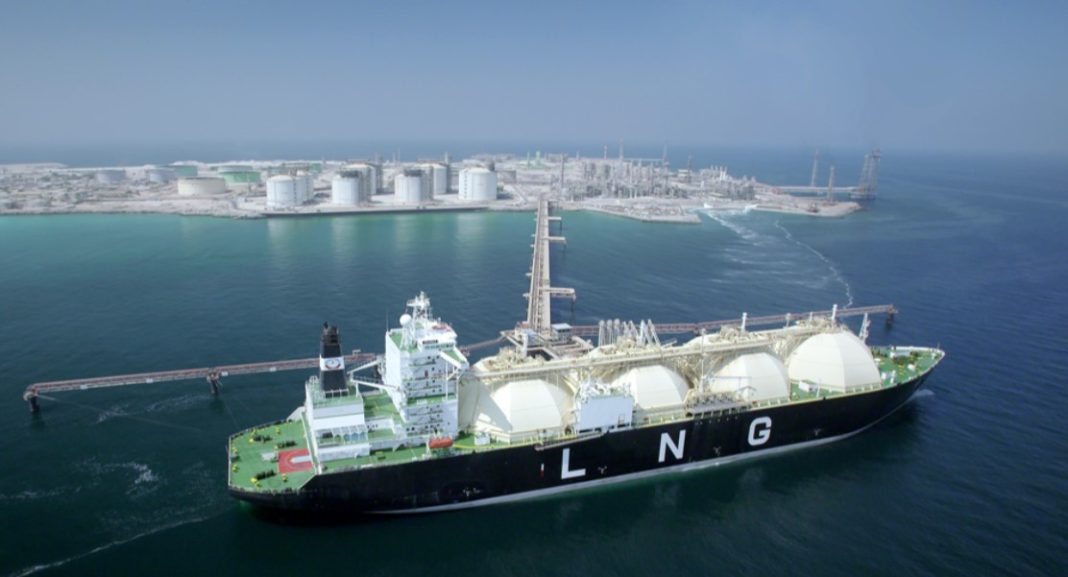
Abu Dhabi National Oil Company has entered into a five-year contract to supply 2.5 million tonnes of liquefied natural gas to Bharat Petroleum Corporation Limited , according to sources familiar with the matter. Under this agreement, BPCL is set to receive 40 LNG cargoes, with deliveries commencing in April. The initial two years will see a gradual increase in supply volumes.

The formal signing of the deal is scheduled during the four-day India Energy Week conference. This partnership underscores the strengthening energy ties between the United Arab Emirates and India, reflecting a mutual commitment to energy security and diversification.

DeepFest 2025, held from 9 to 12 February in Riyadh, has underscored Saudi Arabia’s burgeoning role in the global artificial intelligence arena. The event, co-located with the LEAP technology conference, attracted over 48,000 AI enthusiasts, including thought leaders, data scientists, and innovators from around the world. The Kingdom’s significant progress in AI was highlighted by its ascent to the 14th position globally in the 2024 Global AI […]

Lior Div, the Chief Executive Officer of cybersecurity firm Cybereason Inc., has filed a lawsuit against former U.S. Treasury Secretary Steven Mnuchin and the SoftBank Vision Fund, alleging that their financial maneuvers have jeopardized the company’s financial stability. The legal action centers on claims that the investment strategies employed by Mnuchin’s Liberty Strategic Capital and the SoftBank Vision Fund have placed Cybereason at risk of insolvency.

In 2021, Cybereason secured a $275 million investment led by Liberty Strategic Capital, Mnuchin’s private equity firm. This funding round was intended to bolster the company’s position in the cybersecurity market, with plans to expand its workforce and pursue acquisitions in the Extended Detection and Response and cloud security sectors. The investment was seen as a strategic move to enhance Cybereason’s capabilities in combating sophisticated cyber threats.

However, the lawsuit contends that the terms of the investment and subsequent financial decisions have adversely affected Cybereason’s financial health. Specific details of the alleged detrimental actions have not been disclosed publicly, but the legal filing suggests that the strategies implemented by Mnuchin and the SoftBank Vision Fund have led to significant financial strain on the company.

Cybereason, founded in 2012 by Lior Div, Yonatan Striem-Amit, and Yossi Naar, has been recognized for its innovative approach to cybersecurity, particularly in delivering proactive threat detection and response solutions. The company has previously attracted substantial investments, including a $59 million Series C funding round led by SoftBank in 2015, which facilitated its expansion into the Japanese market.

The involvement of high-profile investors such as Mnuchin and the SoftBank Vision Fund was initially perceived as a vote of confidence in Cybereason’s technology and market potential. Mnuchin, upon leading the 2021 investment, expressed enthusiasm about partnering with Cybereason to defend critical information networks against the growing danger of cyberattacks.

The current legal dispute raises questions about the dynamics between startup companies and their investors, particularly concerning the influence of investment terms on a company’s operational autonomy and financial well-being. The outcome of this lawsuit could have broader implications for the venture capital landscape, especially in the technology sector, where substantial investments are often accompanied by strategic control exerted by investors.

Advertisements

Financial educator and author Robert Kiyosaki has issued a stark warning about an impending market downturn, advising investors to consider assets like Bitcoin, gold, and silver as safeguards. Kiyosaki, renowned for his book *Rich Dad Poor Dad*, has a history of cautioning against economic vulnerabilities and promoting alternative investments.

In a recent communication, Kiyosaki emphasized that the anticipated market crash is now unfolding, affecting various sectors including stocks, bonds, real estate, and commodities such as gold, silver, and Bitcoin. He described the situation as a “brutal crash” and suggested that this period presents an opportunity for investors, as high-quality assets become more affordable. He stated, “The best assets in the world are going on sale.”

Kiyosaki has consistently expressed concerns about escalating global debt levels and the potential for widespread economic instability. He has been a vocal proponent of Bitcoin, viewing it as a hedge against traditional financial system risks. He has previously predicted that a significant market crash would lead to a surge in Bitcoin’s value, urging investors to “Get out of fake and into crypto, as well as gold and silver.”

The financial expert has also criticized traditional education systems for not adequately preparing individuals for financial independence. He argues that schools often train students to become employees rather than investors or entrepreneurs, leaving them ill-equipped to manage their finances during economic downturns. He stresses the importance of financial education, stating that those without it are likely to suffer the most in the event of a market collapse.

Kiyosaki’s investment strategy focuses on assets that he believes can withstand economic turbulence. He advocates for a diversified approach, including investments in physical gold and silver, as well as Bitcoin. He views these assets as protection against currency devaluation and market instability, advising investors to consider them as part of their portfolios.

While Kiyosaki’s predictions have been met with both support and skepticism, his warnings come at a time when global markets are experiencing significant volatility. Recent policy decisions, such as the introduction of new trade tariffs by the U.S. government on countries including Canada, Mexico, and China, have contributed to market instability. These developments have led to substantial losses in various asset classes, prompting investors to seek safer alternatives.

Dubai Electricity and Water Authority has announced a significant change in its water consumption measurement, transitioning from the imperial gallon to the cubic metre starting with the March 2025 billing cycle. This move aligns with Cabinet Resolution No. of 2023 and Ministerial Resolution No. of 2024, issued by the Ministry of Industry and Advanced Technology, which mandate the discontinuation of the imperial gallon unit in water meters across the UAE.

Saeed Mohammed Al Tayer, MD & CEO of DEWA, emphasized the importance of this transition, stating that adopting the cubic metre as a uniform and globally recognized measurement unit is a significant step towards enhancing alignment with international best practices. He noted that this change would facilitate benchmarking across sectors and support DEWA’s efforts to provide world-class services, ultimately benefiting customers and stakeholders.

To ensure a smooth transition, DEWA has confirmed that the current smart meters installed for customers are already compatible with the cubic metre measurement system, eliminating the need for any changes to customers’ meters. During the preparatory phase, DEWA will include both units in water bills and on the customer dashboard. The final adoption of the new unit will take effect with the March 2025 billing cycle. Customers will be informed of the change through official communication channels.

This initiative reflects DEWA’s commitment to adhering to local and international regulations to ensure services meet the highest standards of quality, efficiency, reliability, and availability. By aligning with international best practices, DEWA aims to enhance its leadership in innovation and sustainability.

The adoption of the cubic metre as the standard unit for measuring water consumption is expected to provide customers with a clearer understanding of their water usage, promoting more efficient consumption patterns. This change also aligns DEWA with other utilities in the UAE, fostering a unified approach to resource management across the nation.

In the lead-up to the March 2025 implementation, DEWA plans to engage in extensive customer outreach to ensure that all users are well-informed about the upcoming changes. This will include detailed explanations of the new billing units and guidance on interpreting water consumption data in cubic metres.

The shift from the imperial gallon to the cubic metre is part of a broader strategy to modernize utility services in Dubai. By standardizing measurement units, DEWA aims to improve transparency in billing and enhance customer satisfaction.

The cryptocurrency market is abuzz with discussions about PropiChain , a blockchain-based platform aiming to revolutionize real estate investment. Currently trading below $1, analysts project that PCHAIN could surge to $3 by 2025, representing a staggering 30,000% increase.

PropiChain integrates blockchain technology with artificial intelligence to tokenize real estate assets, enabling fractional ownership. This approach allows investors to purchase portions of high-value properties, lowering the entry barrier traditionally associated with real estate investments. The platform’s AI tools provide predictive market analysis, assisting investors in making informed decisions.

The platform also offers virtual property tours through the metaverse, allowing potential investors to explore properties remotely. Smart contracts automate processes such as lease renewals and rental payments, enhancing efficiency and reducing reliance on intermediaries.

PropiChain’s presale has garnered significant attention, with tokens initially priced at $0.004. Analysts predict that early investors could see returns exceeding 800% even before the token lists on major exchanges. The platform’s listing on CoinMarketCap and a successful smart contract audit by BlockAudit have further bolstered investor confidence.

Shiba Inu and Dogecoin , prominent meme-based cryptocurrencies, are experiencing significant downturns in their market performance. SHIB has declined by over 35% from its December high, currently trading at approximately $0.00002150. Similarly, DOGE is teetering near $0.0251, with forecasts suggesting a potential drop below $0.007.

Analysts attribute SHIB’s decline to a substantial decrease in its burn rate. Recent data indicates that only 8.73 million SHIB tokens were burned in the last 24 hours, marking a 71% drop from the previous day. This reduction in token burns could negatively impact SHIB’s value, as burning tokens is a strategy used to decrease supply and potentially increase demand.

The Shibarium ecosystem’s performance also plays a crucial role in SHIB’s valuation. The number of active accounts on Shibarium has fallen to just 1,250, and the average transaction fee has declined to 0.00023 BONE, down from December’s peak of 0.00045. This decrease in activity and fees may further contribute to SHIB’s price decline.

In the case of DOGE, the cryptocurrency is facing similar challenges. Currently trading at approximately $0.257777, DOGE has seen an intraday high of $0.259452 and a low of $0.247624. Market analysts predict that if the downward trend continues, DOGE could fall below the $0.007 threshold, raising concerns among investors.

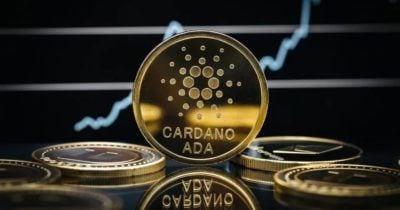
Grayscale Investments has filed an application with the U.S. Securities and Exchange Commission to list a Cardano exchange-traded fund on the New York Stock Exchange . This initiative marks Grayscale’s inaugural standalone ADA investment product, aiming to provide investors with regulated exposure to the Cardano blockchain’s native cryptocurrency.

The proposed ETF, designated to trade under the ticker symbol “GADA,” is structured to offer investors direct exposure to ADA without the need to hold the cryptocurrency directly. Each share of the trust would represent a proportional ownership of ADA, with pricing based on the CoinDesk Cardano Price Index . BNY Mellon Asset Servicing is slated to serve as the administrator, while Coinbase Custody Trust Company would act as the custodian for the assets.

Grayscale’s filing is part of a broader strategy to expand its cryptocurrency ETF offerings. In recent weeks, the firm has submitted applications for ETFs linked to other digital assets, including XRP, Solana , and Litecoin . These moves reflect a growing interest among asset managers to provide regulated investment vehicles that offer exposure to various cryptocurrencies.

The SEC’s stance on cryptocurrency ETFs has evolved, particularly under the current administration. The regulatory body’s recent openness to such products has encouraged firms like Grayscale to pursue ETF listings for a wider range of digital assets. However, it’s important to note that the SEC has previously classified certain cryptocurrencies, including ADA, as securities in past legal actions. This classification could present regulatory challenges for the approval of the proposed Cardano ETF.

Swedish fintech leader Klarna is preparing to integrate cryptocurrency into its platform, as announced by CEO Sebastian Siemiatkowski. In a statement on X, Siemiatkowski declared, “I give up. Klarna and me will embrace crypto! More to come.” This move signifies a strategic shift for the company, which has traditionally focused on “buy now, pay later” services.

Klarna, valued at $14.8 billion, has over 85 million users and processes approximately $100 billion in transaction volume annually. The company’s decision to explore cryptocurrency integration comes as it plans an initial public offering in April 2025. However, Klarna has clarified that it does not intend to incorporate digital assets into its BNPL services.

President Donald Trump is set to meet Jordan’s King Abdullah II at the White House today to deliberate on the U.S. administration’s contentious plan concerning the Gaza Strip. The proposal involves relocating Gaza’s Palestinian population to neighboring countries and redeveloping the territory under U.S. oversight—a strategy that has ignited widespread criticism across the Middle East.

Trump has advocated for the evacuation of Gaza’s 2.2 million residents, suggesting their resettlement in nations such as Jordan and Egypt. He envisions transforming the war-torn enclave into a prosperous area, referring to it as the potential “Riviera of the Middle East.” In a recent interview, Trump stated that Palestinians would not have the right to return to Gaza, proposing instead to provide them with better housing in neighboring countries.

This proposal has been met with firm opposition from key regional players. King Abdullah has unequivocally rejected the idea, emphasizing that Jordan will not accept any forced displacement of Palestinians from their homeland. He has labeled such proposals as a “red line,” underscoring the potential threat they pose to regional stability.

Egypt has also dismissed the plan, with officials reiterating their refusal to compromise on the Palestinian right to self-determination and return. The Egyptian government has emphasized that any attempts to annex land and displace Palestinians are unacceptable.

The Palestinian Authority and Hamas have condemned the proposal, viewing it as an attempt at ethnic cleansing. Hamas spokespersons have asserted that Gaza is not for sale and remains an integral part of Palestinian land.

Within the U.S., the plan has encountered skepticism from several Republican lawmakers. Critics argue that forcibly relocating an entire population could lead to further instability in the Middle East and damage America’s standing in the region.

Despite the backlash, Trump has indicated that he may leverage U.S. aid to encourage compliance with his plan. He has suggested the possibility of withholding financial assistance from countries that refuse to accept Palestinian refugees, a move that could significantly impact nations like Jordan and Egypt, which are among the largest recipients of U.S. aid in the region.

The meeting between Trump and King Abdullah comes at a critical juncture, as a fragile ceasefire between Israel and Hamas hangs in the balance. Trump has issued an ultimatum to Hamas, demanding the release of all hostages by midday Saturday, threatening to propose the cancellation of the ceasefire if his demands are not met. He has warned that failure to comply would result in severe consequences, stating that “all hell is going to break out” if the hostages are not freed.

Analysts suggest that King Abdullah’s visit to Washington is pivotal. As the first Arab leader to meet with Trump since his return to office, Abdullah is expected to present practical Arab perspectives on the Gaza situation. He aims to balance Jordan’s national security interests and domestic concerns while maintaining its crucial relationship with the United States.

Singapore has committed to reducing its greenhouse gas emissions to between 45 and 50 million tonnes of carbon dioxide equivalent by 2035, a notable decrease from the projected 60 MtCO₂e in 2030. This pledge, submitted to the United Nations Framework Convention on Climate Change on 10 February 2025, aligns with the nation’s broader strategy to achieve net-zero emissions by 2050.

Achieving these ambitious targets will necessitate the development and deployment of advanced technologies. The Energy Market Authority has announced plans to co-fund feasibility studies on carbon capture and storage for power generation. These studies will explore both post-combustion carbon capture for combined-cycle gas turbines and pre-combustion carbon capture to produce hydrogen. Such initiatives are crucial for mitigating emissions from natural gas, which currently accounts for over 95% of Singapore’s electricity generation.

In addition to CCS, Singapore is investing in low-carbon energy imports. The nation aims to import up to 6 gigawatts of low-carbon electricity by 2035, potentially supplying around 30% of its energy needs. Conditional approvals have been granted for projects in Australia, Cambodia, Indonesia, and Vietnam. To support these ventures, Singapore is prepared to offer 30-year import licences, providing companies with the long-term security needed to justify substantial investments in infrastructure.

The government is also focusing on enhancing energy efficiency across various sectors. Initiatives include the Genco Energy Efficiency Grant Call, which encourages power generation companies to adopt energy-efficient technologies by co-funding up to 50% of their projects. In the transportation sector, efforts are underway to transition to cleaner energy sources. All new public bus purchases are now cleaner energy buses, including electric or hybrid models, with a target to replace all existing diesel buses by 2040. Additionally, the cycling path network is set to expand to 1,300 km island-wide by 2030, promoting sustainable urban mobility.

However, the path to these goals is fraught with challenges. The success of these initiatives hinges on the successful development and implementation of new technologies, as well as sustained global cooperation. The high upfront costs associated with infrastructure development, such as large-scale solar farms, battery storage systems, and extensive power cables for energy imports, present significant financial hurdles. The government acknowledges these challenges and is taking steps to mitigate them, including offering long-term import licences and co-funding feasibility studies.

If you thought currency markets were unpredictable before, welcome to the Trump era—a world where tariffs, policy tweets, and America First economics make for a wild ride. Forget the usual playbook. Trading currencies in this environment requires sharp instincts, a stomach for volatility, and a ruthless ability to read between the lines of Trump’s economic agenda through seeking financial advice. Tariffs are back in a big way, […]

Dubai’s fitness scene is constantly evolving, but 2025 is shaping up to be a standout year. As the city moves ahead with its unique blend of innovation and ambition, we’re seeing new trends on the horizon that promise to transform the way people approach health and wellness. Predicted fitness trends taking over Dubai in 2025 suggest a focus on personalization, community-based activities, and cutting-edge technology that meets […]

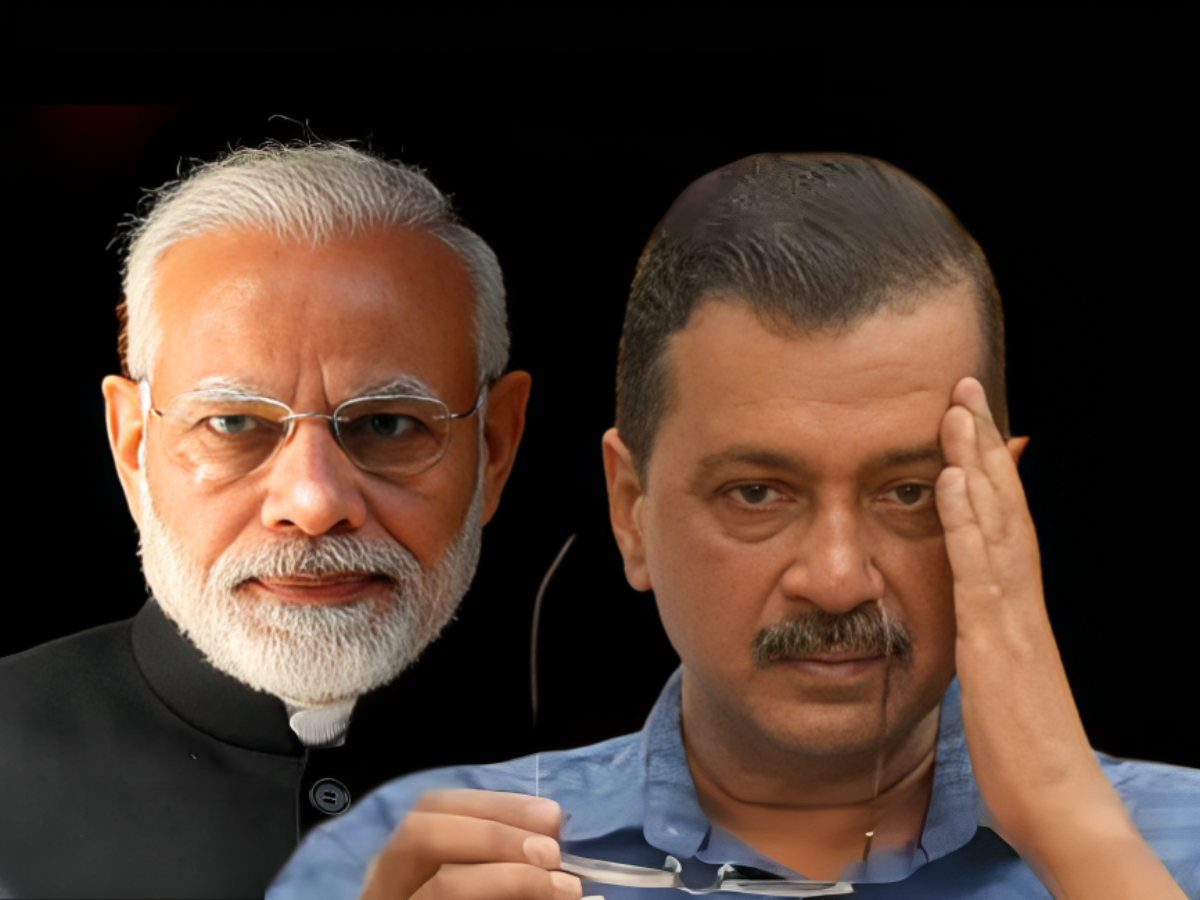
By Nitya Chakraborty The victory of the BJP in the Delhi assembly elections defeating the ruling Aam Aadmi Party (AAP) convincingly is certainly a jolt to the opposition INDIA bloc, but it does not mean the end of AAP, or the final tolls for the INDIA bloc, as some commentators in the national media and […]

A duplex penthouse, known as the “Sky Palace,” occupying the 108th floor of Dubai’s Burj Khalifa, has been listed for $51 million. This 21,000-square-foot residence, situated approximately 460 meters above ground, offers unparalleled 360-degree views of the Arabian Gulf, Palm Jumeirah, and the mountains of Ras Al Khaimah. The property is currently a shell unit, allowing buyers to customize the interior to their preferences. An estimated additional […]

Aster DM Healthcare, a prominent integrated healthcare provider in the Gulf Cooperation Council region, has launched its flagship digital health platform, ‘myAster’, in the Kingdom of Saudi Arabia. This strategic move aligns with Aster’s broader objectives to enhance its footprint within the kingdom and to elevate the standard of healthcare services available to its residents.

The ‘myAster’ platform is designed to offer users a comprehensive suite of healthcare services, including teleconsultations, appointment scheduling, and access to personal medical records. By integrating these features, Aster aims to provide a seamless and patient-centric experience, ensuring that quality healthcare is both accessible and convenient for the Saudi population.

Dr. Azad Moopen, Founder Chairman and Managing Director of Aster DM Healthcare, emphasized the significance of this development, stating, “The introduction of ‘myAster’ in Saudi Arabia represents a pivotal step in our mission to make healthcare more accessible and efficient. We are committed to leveraging technology to bridge gaps in healthcare delivery and to meet the evolving needs of the communities we serve.”

This initiative is part of Aster’s ongoing efforts to expand its services in Saudi Arabia. The company has previously made significant investments in the kingdom, including the acquisition of a majority stake in Sanad Hospital in Riyadh. This acquisition marked one of the largest healthcare deals in the region, underscoring Aster’s dedication to strengthening its presence in Saudi Arabia.

In addition to its hospital operations, Aster has also ventured into the retail pharmacy sector within the kingdom. Through a joint venture with Al Hokair Holding Group, the company plans to establish over 250 pharmacies across Saudi Arabia. This expansion aims to bring Aster’s quality care products closer to the local population, further solidifying its commitment to enhancing healthcare accessibility.

The launch of ‘myAster’ is anticipated to complement these existing services by providing a digital avenue for patients to engage with healthcare professionals and manage their health needs efficiently. As the platform rolls out, Aster plans to gather user feedback to continually refine and enhance the services offered, ensuring they align with patient expectations and requirements.

Saudi Arabia’s healthcare sector has been undergoing significant transformations, driven by the objectives outlined in the nation’s Vision 2030 plan. A key component of this vision is the enhancement of healthcare services through technological integration and increased private sector participation. Aster’s introduction of ‘myAster’ aligns with these national goals, contributing to the digitalization and improvement of healthcare delivery in the kingdom.

Industry experts have noted that the integration of digital platforms like ‘myAster’ can lead to improved patient outcomes by facilitating timely access to medical consultations and personalized health information. Such platforms also have the potential to alleviate pressure on traditional healthcare facilities by offering alternative channels for patient care.

A prominent Dogecoin investor, who previously transformed a modest investment into a substantial fortune, has now spotlighted Rexas Finance as a promising opportunity for significant returns. Rexas Finance recently concluded Stage 11 of its presale, successfully raising $41 million, reflecting strong investor confidence. The RXS token is currently priced at $0.25, a notable increase from its initial launch price of $0.03.

Rexas Finance aims to revolutionize asset ownership through the tokenization of real-world assets, enabling fractional ownership of high-value items such as real estate and commodities. This approach seeks to democratize access to investments traditionally reserved for affluent individuals and institutions. The platform offers tools like the Rexas Token Builder and QuickMint Bot, facilitating users in creating, managing, and transacting with their tokens, thereby enhancing accessibility and potentially disrupting conventional asset management practices.

Analysts have observed that RXS has garnered positive attention due to its utility and community support. Some speculate that the cryptocurrency could outperform established assets like Dogecoin, given its innovative approach and the growing interest in asset tokenization. The rigorous audit conducted by Certik further bolsters the project’s security and legitimacy, enhancing investor confidence.

The success of the RXS presale and its strategic positioning within the burgeoning real-world asset tokenization industry make it an attractive prospect for investors. As more individuals recognize the value of tangible assets on the blockchain, expressed through tokens like RXS, the faster the token is likely to be adopted and appreciate in value. With additional presale stages ahead and plans for listings on major exchanges, Rexas Finance appears poised for significant growth.

The world of cryptocurrency is witnessing a renewed surge in memecoin activity, with significant developments emerging across the United States, Africa, and Asia. This resurgence is marked by the introduction of new tokens, strategic initiatives by major blockchain platforms, and the engagement of prominent figures and organizations.

In the United States, Barstool Sports founder Dave Portnoy has ventured into the memecoin arena with the launch of the $STOOLIE coin. Described as more than just a digital currency, $STOOLIE aims to unite the Barstool community under a shared digital asset. The initiative encourages fans, known as “Stoolies,” to promote the coin, hold their investments, and expand the community, with an ambitious target of reaching a $1 billion market capitalization. This move underscores the growing trend of media personalities leveraging cryptocurrency to foster community engagement and brand loyalty.

Meanwhile, in Africa, the cryptocurrency landscape is experiencing notable activity with the emergence of memecoins that aim to resonate with cultural identities and support charitable causes. In November 2021, Wakanda Inu was launched as a charity-oriented meme token, representing a community-driven project that aspires to unify individuals under a shared digital asset. The token’s creators describe it as embodying the spirit of community and aim to leverage its success for social good across the globe. Additionally, Uganda’s Mitroplus Labs has introduced “Afro,” a Pan-African meme token designed to foster unity and economic empowerment across the continent. These developments highlight a growing interest in leveraging cryptocurrency to promote cultural identity and support philanthropic initiatives in Africa.

BlackRock Inc., the world’s largest asset manager, is preparing to launch a Bitcoin Exchange-Traded Product in Europe, with plans to domicile the fund in Switzerland. The company could begin marketing the ETP as early as this month, according to sources familiar with the matter. This initiative marks BlackRock’s first crypto-linked ETP outside the United States.

The move comes in response to growing demand from both institutional and retail investors seeking exposure to digital assets. BlackRock’s U.S.-based iShares Bitcoin ETF , launched in January 2024, has accumulated nearly $60 billion in assets under management, reflecting significant investor interest in cryptocurrency-linked investment products.

In anticipation of this European expansion, BlackRock has established a Zurich-based entity, iShares Digital Assets AG, to focus on digital asset offerings. This strategic decision underscores the firm’s commitment to meeting the evolving needs of investors in the digital asset space.

However, the European market presents distinct regulatory challenges. The forthcoming Markets in Crypto-Assets Regulation in the European Union is set to introduce stringent requirements for crypto businesses, potentially making operations more complex compared to the U.S. market. Despite these hurdles, BlackRock’s decision to proceed indicates confidence in navigating the regulatory landscape and capitalizing on the growing appetite for cryptocurrency investments in Europe.

Industry analysts note that BlackRock’s entry into the European crypto ETP market could intensify competition among providers. Existing firms have already begun implementing measures such as fee waivers to attract investors. The fee structure of BlackRock’s new ETP remains undisclosed, but it is expected to play a crucial role in the product’s competitiveness and appeal to investors.

The success of BlackRock’s U.S. Bitcoin ETF has been attributed to increased participation from institutional investors, including sovereign wealth funds. Larry Fink, BlackRock’s CEO, has highlighted the potential for Bitcoin’s value to rise substantially if large-scale institutional investments continue. He suggests that even a modest allocation of 2% to 5% of assets by these investors could drive Bitcoin’s price significantly higher.

Bitcoin has experienced a significant surge, approaching the $100,000 mark. As of February 10, 2025, Bitcoin is trading at $97,605, reflecting an increase of $636, or approximately 0.66%, from the previous close. The day’s trading range saw a high of $97,937 and a low of $94,747.

Ethereum, the second-largest cryptocurrency by market capitalization, is currently priced at $2,645.11, marking a slight decrease of $12.46, or 0.47%, from its prior close. Throughout the day, Ethereum’s price fluctuated between a high of $2,668.35 and a low of $2,541.34.

Solana has demonstrated notable growth, with its price reaching $204.14, an uptick of $2.40, or 1.19%. The day’s trading for Solana recorded a peak at $205.63 and a trough at $194.02.

XRP is currently valued at $2.43, experiencing a decline of $0.04, or 1.62%, from the previous close. The cryptocurrency’s intraday high was $2.47, with a low of $2.32.

The cryptocurrency market has been experiencing heightened volatility, influenced by various factors including geopolitical tensions and regulatory developments. Notably, recent policy decisions, such as the imposition of new tariffs by the U.S. on imports from Canada, Mexico, and China, have led to significant market reactions. These tariffs resulted in a substantial liquidation in the crypto market, amounting to $2 billion, with Bitcoin experiencing a 7.5% decline to $91,969, and Ethereum dropping by 20.1% to $2,510.

Despite these fluctuations, institutional interest in cryptocurrencies remains strong. Strategy Inc., formerly known as MicroStrategy, has raised an additional $584 million through the sale of preferred stock to further its $42 billion cryptocurrency acquisition plan. The company has acquired a total of 218,887 bitcoins between October 31 and January 26, underscoring the growing institutional adoption of digital assets.


VISHNU RAJA
RYO YAMADA
HITORI GOTOH
IKUYO KITA