News related to
Arabia

Bitcoin has surged above $106,000, marking a notable milestone for the cryptocurrency as investors and analysts increasingly focus on its strategic role in future financial reserves. This rise reflects a broader shift in market sentiment, driven by growing institutional interest and increasing speculation around Bitcoin’s potential to become a key asset in global financial systems. As central banks, corporations, and financial institutions explore digital assets, Bitcoin’s price surge signals a pivot toward its establishment as a store of value.

Several factors have contributed to this dramatic price increase, but perhaps the most pivotal is the anticipation that Bitcoin will become a reserve asset for institutional investors and even central banks. As nations and large financial entities explore the possibility of holding Bitcoin in their reserves, it is positioning itself as a digital alternative to traditional assets like gold. Analysts view Bitcoin’s growth as part of a larger trend, where digital currencies are gaining acceptance amid growing concerns over inflation, currency debasement, and geopolitical risks.

Bitcoin’s performance, which has fluctuated significantly in recent months, now suggests a major shift in investor confidence. On platforms such as the Chicago Mercantile Exchange (CME), institutional interest in Bitcoin has been at an all-time high. Meanwhile, global financial institutions are increasingly analyzing the asset’s potential within their investment portfolios. Many are viewing Bitcoin not just as a speculative asset, but as a hedge against traditional financial risks, particularly in light of the ongoing turbulence in global markets. This shift in perception is underscored by statements from prominent market players, who indicate that Bitcoin could become a key part of diversified investment strategies moving forward.

Meanwhile, Bitcoin’s increasing adoption by large corporations has helped elevate its status. Companies like Tesla, MicroStrategy, and Block (formerly Square) have all made substantial Bitcoin purchases in recent years, contributing to the growing acceptance of the cryptocurrency as a legitimate investment. These moves are part of a larger trend in which major companies, especially in technology and finance, are increasingly embracing Bitcoin. Tesla’s CEO, Elon Musk, has notably been vocal about Bitcoin’s potential as a store of value, further fueling optimism in the market.

Bitcoin’s price surge also coincides with broader changes in global monetary policies. Amid inflationary pressures and low-interest rates in major economies, many investors are turning to digital assets as an alternative to traditional stocks and bonds. The growing acceptance of Bitcoin by governments and businesses as a viable asset class is helping drive the latest surge in its price. Notably, countries like El Salvador have already taken steps to recognize Bitcoin as legal tender, setting a precedent for other nations to follow suit.

Market participants also point to the increasing regulatory clarity surrounding Bitcoin and other cryptocurrencies. Countries such as the United States, with ongoing discussions in Congress, are exploring frameworks that could provide more stability and legitimacy to the cryptocurrency market. This evolving regulatory landscape is seen as a key factor in institutional investors’ willingness to adopt Bitcoin as part of their portfolios. While some concerns remain regarding how global regulators will handle cryptocurrencies in the long term, the current trend points toward greater integration of Bitcoin into the mainstream financial system.

As Bitcoin’s price climbs, so too does the debate over its environmental impact. Critics have long raised concerns about the high energy consumption required to mine Bitcoin. Despite this, Bitcoin’s advocates argue that advancements in sustainable mining technology and increasing use of renewable energy sources are addressing these issues. The rise of Bitcoin ETFs and other investment products also reflects a more mainstream acceptance of Bitcoin as an asset class. These products allow investors to gain exposure to Bitcoin without directly holding the cryptocurrency, expanding its appeal to a wider range of market participants.

The surging price has drawn the attention of both retail and institutional investors, who are looking to capitalize on Bitcoin’s new role in the global economy. However, while the optimism surrounding Bitcoin remains high, analysts warn that its volatility remains a significant risk. Prices can fluctuate dramatically in a short time frame, and this uncertainty continues to make Bitcoin a speculative investment for many. Nonetheless, with its growing acceptance among institutional investors, Bitcoin’s evolution from a niche asset to a more mainstream store of value seems increasingly likely.

The broader cryptocurrency market has also benefited from Bitcoin’s price movement, with altcoins like Ethereum seeing significant gains in recent weeks. Many investors view Bitcoin as a bellwether for the overall health of the digital asset market, and its rise has had a ripple effect across the industry. Ethereum, which has long been seen as the second-largest cryptocurrency by market capitalization, has also seen its price surge as more investors look for alternative digital assets with the potential for similar growth.

The cryptocurrency landscape is abuzz with the rise of a new meme coin that could soon join the ranks of the most explosive digital assets in the market. Catslap ($SLAP), a new feline-themed meme coin, has caught the attention of crypto enthusiasts with its impressive lineup of developments aimed at propelling the token to new heights. Riding on the success of previous meme coins like Popcat, which saw explosive gains in 2021, $SLAP is positioning itself as the next big player in the meme coin space, with forecasts suggesting it could experience gains as high as 700x in the coming year.

At the core of the latest buzz surrounding $SLAP is its innovative approach to building community engagement and boosting its market presence. The token has launched a series of initiatives designed to foster a dedicated user base and encourage participation, including a comprehensive Zealy social quests campaign. This initiative allows users to earn rewards and further engage with the $SLAP community, while simultaneously boosting the coin’s visibility across various social media platforms. The campaign’s success is critical, as it has the potential to accelerate the coin’s adoption among mainstream crypto investors.

Adding fuel to the fire is the coin’s airdrop event, designed to distribute tokens to new users, as well as those who have already shown interest in $SLAP. Airdrops have become a common tactic for crypto projects to create buzz and incentivize investment, and $SLAP’s airdrop is no exception. The campaign has already sparked excitement within the cryptocurrency ecosystem, as investors eagerly anticipate the distribution of tokens, hoping to capitalize on the anticipated surge in value.

The meme coin’s growth potential has also been bolstered by a growing online community that backs the project. Communities built around meme coins often play a significant role in their success, and $SLAP has quickly developed a dedicated following across platforms like Twitter, Telegram, and Reddit. As a result, the coin has generated significant buzz, with many hoping that it will follow in the footsteps of other meme-based tokens such as Dogecoin and Shiba Inu, which have both achieved substantial returns for early investors.

Cryptocurrency analysts have been keeping a close eye on $SLAP, with many seeing the coin as a potential powerhouse in the coming months. Some analysts predict that the coin could mirror the success of Popcat, a meme coin that took the crypto world by storm in 2021 and achieved astronomical gains. If $SLAP can capture the same level of attention and investor interest, it could see its value increase exponentially, making it a prime investment opportunity for those seeking high-risk, high-reward ventures.

The rise of meme coins has been one of the defining trends in the cryptocurrency world, particularly over the past few years. Coins like Dogecoin and Shiba Inu have shown that with the right amount of social media buzz and community support, meme coins can achieve massive growth. As more investors seek out the next big opportunity in the meme coin space, $SLAP is well-positioned to ride the wave of growing interest in this niche segment of the market.

However, as with all investments, there are risks involved. The volatility of meme coins is well-documented, and while the potential for massive returns exists, so too does the possibility of rapid losses. Critics argue that the hype surrounding meme coins can lead to unsustainable price surges, followed by sharp declines. For investors considering $SLAP, it is important to approach the coin with caution and an understanding of the risks associated with speculative digital assets.

Despite the risks, $SLAP’s developers have made strides to create a coin that offers more than just speculative trading opportunities. The team behind the project has emphasized its commitment to building a sustainable ecosystem, with plans for further utility integration and partnerships with other blockchain projects. By focusing on long-term growth and real-world use cases, $SLAP aims to differentiate itself from the typical meme coin, which often relies solely on hype and social media buzz for its value.

In addition to its marketing and community-building efforts, $SLAP is also exploring partnerships with other crypto projects to expand its utility and increase its market presence. Collaborations with decentralized finance (DeFi) protocols and non-fungible token (NFT) projects could provide $SLAP with additional use cases, helping to cement its place in the broader cryptocurrency ecosystem.

XRP has drawn renewed focus in the cryptocurrency market as on-chain data reveals substantial outflows of the token from major exchanges. Market analysts and blockchain trackers indicate that $300 million worth of XRP has been withdrawn, fueling speculation of accumulation by whales and institutional investors. This development arrives amid an extended phase of price consolidation for XRP, sparking discussions on its potential trajectory.

According to data from Coinglass, the significant outflows over the past week indicate a strategic shift by high-net-worth investors, who appear to be betting on the token’s future. The movement of such a considerable volume suggests confidence in XRP’s long-term potential despite broader market uncertainties. Observers highlight that such patterns of withdrawal often correlate with accumulation, as holders transfer their tokens to private wallets to prepare for anticipated price surges.

The timing of these transactions is notable, as XRP has demonstrated resilience following regulatory clarity in its ongoing legal battle with the United States Securities and Exchange Commission (SEC). The partial victory Ripple Labs achieved earlier this year, where XRP was deemed not to be a security when sold on secondary markets, has bolstered investor sentiment and rekindled interest in the asset.

XRP’s price has remained relatively stable, hovering within a tight range between $0.50 and $0.55. Analysts attribute this to broader market conditions and the lack of a significant catalyst in the crypto space. However, the scale of the $300 million outflows has prompted speculation that larger players could be positioning themselves for a breakout. Whale Alert, a blockchain tracker, recorded multiple transactions of XRP worth millions, adding weight to the idea that this activity is a precursor to strategic market movements.

Beyond these transactions, Ripple Labs has been advancing its efforts to expand XRP’s utility. The company has been actively pursuing partnerships with financial institutions globally, emphasizing cross-border payment solutions. Such initiatives aim to solidify XRP’s role as a preferred digital asset for seamless, low-cost transactions, a factor that experts believe could drive demand over time.

The cryptocurrency market has witnessed increased volatility in recent months, with fluctuating macroeconomic indicators and shifting investor sentiment impacting digital asset prices. While Bitcoin and Ethereum continue to dominate trading volumes, altcoins like XRP are gaining traction, especially among those seeking diversification in their crypto portfolios.

Analysts caution, however, that market dynamics remain uncertain. Although the $300 million outflows hint at positive sentiment, they do not guarantee immediate price action. Factors such as liquidity, macroeconomic conditions, and regulatory developments will play critical roles in shaping XRP’s near-term prospects. Some experts suggest that retail investors should carefully monitor market trends and avoid being swayed solely by whale activity.

On the regulatory front, Ripple’s legal entanglements continue to weigh on its ecosystem. Despite the partial victory in its case against the SEC, the broader question of XRP’s status under U.S. securities law remains unresolved. A final decision in the matter, expected in the coming months, could serve as a pivotal moment for the token, potentially influencing its adoption and price.

In addition to its legal battles, Ripple Labs is preparing for a new phase of innovation. Its recent announcements about leveraging XRP for real-world applications, including tokenized assets and central bank digital currency (CBDC) pilots, reflect the firm’s ambition to remain at the forefront of blockchain technology. This approach aligns with the growing demand for decentralized financial solutions, which many see as a transformative force in the global financial system.

Market participants are also paying close attention to XRP’s performance against broader altcoin indices. Some argue that the consolidation phase, coupled with heightened whale activity, presents a favorable entry point for long-term investors. However, the inherent volatility of cryptocurrency markets suggests that any investment carries significant risks.

The Sharjah Roads and Transport Authority (SRTA) has launched an interactive initiative at Zahia City Center to strengthen public understanding of its road and transport services. This three-day event is designed to foster greater community engagement while showcasing the Authority’s focus on sustainable infrastructure and improved public transportation systems.

Visitors to the platform are being introduced to SRTA’s latest technological solutions and future projects aimed at enhancing urban mobility across the emirate. Through engaging displays and interactive tools, attendees can explore how SRTA’s initiatives contribute to better connectivity, reduced environmental impact, and overall quality of life.

Highlighting the Authority’s dedication to innovation, the platform showcases a variety of ongoing projects and services. This includes plans for road network expansion, public transit enhancements, and the introduction of environmentally friendly transport options. Officials have emphasized that the event provides a direct avenue for the public to voice concerns, suggest improvements, and gain insights into how SRTA is shaping the region’s transport infrastructure.

The event also features demonstrations of smart transportation tools, such as mobile applications that provide real-time updates on bus schedules, parking availability, and route planning. These technologies reflect SRTA’s commitment to integrating digital advancements to address urban transport challenges efficiently.

A key feature of the initiative is its focus on sustainability. SRTA has underlined its efforts to align with global environmental goals, introducing measures such as energy-efficient street lighting and plans to transition to electric buses. The platform also educates visitors on how these projects contribute to reducing carbon emissions and promoting eco-conscious travel options within Sharjah.

Transport experts attending the event praised the initiative as a step forward in addressing the growing demands of an expanding population. They noted that effective public engagement plays a critical role in the successful implementation of large-scale transport projects. By providing an opportunity for the community to interact with officials, SRTA ensures its services align with the needs and expectations of its residents.

The event comes as Sharjah continues to expand its infrastructure to accommodate economic growth and urbanization. Strategic plans to enhance connectivity between key industrial, commercial, and residential hubs are underway, supported by a combination of government funding and private sector collaboration. These efforts are expected to boost the emirate’s competitiveness as a leading destination for investment and tourism.

Among the highlights at Zahia City Center are detailed presentations on SRTA’s upcoming projects, including new road networks and transit corridors. These developments are expected to ease congestion, improve safety, and shorten travel times for commuters. Officials at the event reiterated the Authority’s mission to create a transport system that is accessible, inclusive, and sustainable for all segments of society.

The Authority’s efforts have also drawn attention for their emphasis on technology-driven solutions. SRTA’s adoption of artificial intelligence in traffic management, such as adaptive signal control systems and predictive maintenance for infrastructure, showcases its forward-thinking approach to addressing urban transport challenges.

By Dr. Nilanjan Banik On November 30, Mr. Donald Trump posted a threat on his social media, warning that if BRICS countries abandon the US dollar, they would face a 100% tariff. This is not a new threat; similar warnings have also been directed at other regions, including nearshore friendly countries such as Mexico and […]

The Riyadh Metro project, a pivotal component of Saudi Arabia’s Vision 2030 strategy, has achieved another significant step forward with the inauguration of the Red and Green lines. These additions to the expansive transportation network underline the city’s ambitions to become a global urban hub and address critical challenges such as traffic congestion and carbon emissions.

The launch follows years of meticulous planning and phased implementation by the Royal Commission for Riyadh City (RCRC). With six lines spanning 176 kilometers and connecting 85 stations, the Riyadh Metro represents one of the largest urban transport initiatives in the Middle East. The network’s phased rollout began earlier this month, with the Blue, Yellow, and Purple lines debuting on December 1. The Orange Line is scheduled to complete the system’s full deployment in early January 2025.

The Green Line, traversing King Abdulaziz Road, and the Red Line, covering King Abdullah Road, collectively add over 38 kilometers of coverage. These routes aim to improve connectivity between key residential, commercial, and educational districts, including access to King Khalid International Airport and King Abdullah Financial District (KAFD), the latter a central hub for the kingdom’s economic diversification.

Operational details confirm daily metro services running from 6 a.m. to midnight, with high-tech, fully automated trains ensuring seamless transport. Travelers can choose between various ticketing options, ranging from SAR 4 for a two-hour pass to SAR 140 for a 30-day unlimited pass, while premium class tickets cater to those seeking enhanced comfort. The user-friendly Darb mobile app facilitates route planning and ticket purchases, promoting a convenient and integrated experience for commuters.

The Riyadh Metro is also celebrated for its eco-friendly design. Incorporating solar panels in station construction, the project offsets 20% of its energy needs through renewable sources. Once fully operational, the metro is projected to reduce 250,000 daily car journeys, saving approximately 400,000 liters of fuel and significantly cutting urban pollution levels. These measures align with the global push for sustainable urban development.

RCRC’s strategic vision extends beyond transportation, with metro stations doubling as community hubs. Major stations such as KAFD Metro Station and Qasr Al-Hukm District Station offer not only transit services but also retail outlets, air-conditioned lounges, and parking facilities accommodating thousands of vehicles. The separation of family and single carriages caters to cultural sensitivities, while a VIP class provides exclusive amenities for premium passengers.

By Dr. Gyan Pathak India’s flagship Employment Linked Incentive (ELI) scheme announced in the Union Budget 2024-25 for decent job creation in the country did not take off even in mid-December 2024. Union Ministry of Finance is busy in making next Union Budget 2025-26, which will be tabled on February 1, 2025. India Inc is […]

Advertisements

ADNH Catering, a prominent UAE-based catering services provider, has announced plans to raise its ownership stake in its Saudi joint venture, Compass Arabia, to 50%. This move is expected to strengthen ADNH’s foothold in the Middle East, particularly in the growing food services sector of Saudi Arabia. By doubling its share in the venture, ADNH is positioning itself to capitalize on the Kingdom’s expanding hospitality and catering […]

following the structure and guidelines provided. I’ll research and return shortly with the completed piece.

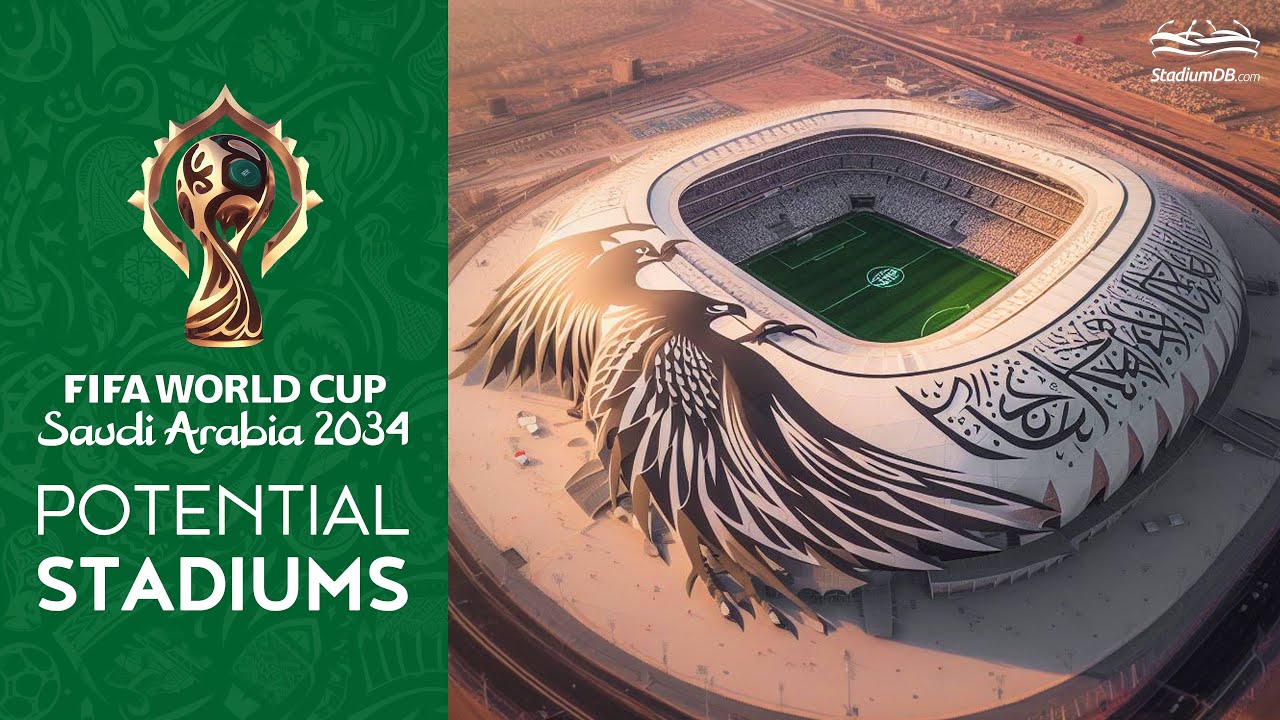
Saudi Arabia aims to redefine global tourism with FIFA World Cup 2034

Saudi Arabia is gearing up to host the FIFA World Cup in 2034, an event set to elevate its global profile while aligning with its Vision 2030 objectives. This monumental occasion is more than just a sporting event; it serves as a platform for the Kingdom to showcase its ambitious advancements in real estate, infrastructure, and tourism, positioning itself as a premier global destination.

The Kingdom’s preparation includes massive investments in hospitality and tourism infrastructure. By 2030, it aims to double the capacity of hotel rooms to accommodate the influx of football fans and tourists. Landmark projects like NEOM and the Red Sea Project are expected to play pivotal roles, with a strong emphasis on integrating luxury, sustainability, and cutting-edge design. The Red Sea Project, for instance, prioritizes renewable energy, ecosystem preservation, and minimal carbon footprint, underlining Saudi Arabia’s commitment to sustainable tourism.

Riyadh, the capital city, will undergo a transformative urban upgrade, aiming to rival major global cities. Planned enhancements include a new airport terminal, efficient public transportation systems, and advanced stadium facilities. The World Cup is projected to attract millions of international visitors, offering a significant boost to local businesses and the hospitality sector. Furthermore, the Kingdom’s strategy involves leveraging digital innovations to provide seamless experiences for visitors, including advanced ticketing systems, smart tourism platforms, and AI-driven logistics management.

Cultural tourism will also be a focal point, with initiatives to promote Saudi Arabia’s rich heritage and traditions. Sites like Diriyah and AlUla, both recognized for their historical and archaeological significance, are being developed into world-class tourist attractions. These efforts aim to foster cultural exchange while boosting Saudi Arabia’s reputation as a diverse and inclusive travel destination.

Economic analysts anticipate a significant boost to the local economy, with increased job creation in sectors such as construction, transportation, and hospitality. The World Cup aligns closely with Vision 2030, which seeks to diversify the Kingdom’s economy by reducing reliance on oil revenues. By capitalizing on global events, Saudi Arabia is positioning itself as a hub for international investment, tourism, and cultural collaboration.

State-owned Saudi Electricity Co. has secured a significant $3.6 billion internationally syndicated credit facility. This financing is designed for general corporate purposes, marking a major financial milestone for the utility company. The credit facility spans five years with the added flexibility of two one-year extension options, ensuring that the company has a robust financial buffer for its future operations and growth.

The financing deal is being provided by a group of 13 banks, including several leading international financial institutions. The consortium includes the Industrial and Commercial Bank of China (ICBC), Bank of China, Agricultural Bank of China, Bank of Communications, and China Construction Bank, alongside prominent regional banks such as KfW IPEX Bank, State Bank of India, and First Abu Dhabi Bank. The deal also involves Abu Dhabi Commercial Bank, Abu Dhabi Islamic Bank, Boubyan Bank, Dubai Islamic Bank, and Saudi Investment Bank.

This syndicate brings together a diverse mix of global and regional financial powerhouses, reinforcing Saudi Electricity Co.’s credibility and appeal in the global market. It highlights the strong international trust in the company’s ability to meet its financial obligations. The financing agreement is seen as an essential move to strengthen the company’s operational capacity and support its expansion initiatives across Saudi Arabia’s rapidly developing energy sector.

Saudi Electricity Co. is the primary electricity provider in the Kingdom of Saudi Arabia, playing a critical role in supporting the nation’s growing demand for power. The company is involved in the generation, transmission, and distribution of electricity, with a wide-reaching infrastructure that covers both urban and rural areas. As part of the Saudi government’s Vision 2030, the company is expected to continue investing in its infrastructure to support the kingdom’s growing energy needs, driven by both population growth and industrial development.

The newly secured syndicated credit facility is part of Saudi Electricity Co.’s strategy to diversify its funding sources and enhance its financial stability in the face of ongoing energy sector reforms. With Saudi Arabia pushing forward with ambitious diversification plans under Vision 2030, the demand for electricity continues to rise, creating further pressure on the country’s energy utilities to expand and modernize their infrastructure.

The five-year tenor of the loan, with the potential for two one-year extensions, provides Saudi Electricity Co. with a long-term financial cushion to undertake projects that will modernize and expand its power generation and distribution systems. It also aligns with the company’s ongoing efforts to increase the efficiency of its operations and integrate renewable energy sources into its grid. The company is exploring a range of technologies to boost its renewable energy capacity, aligning with the country’s broader sustainability goals.

The consortium of banks involved in this deal underscores the strong ties between Saudi Arabia and key global financial institutions, particularly those from China and the Gulf region. China has emerged as one of the major international partners for Saudi Arabia, with a growing interest in the country’s infrastructure and energy sectors. This trend is likely to continue as the two countries strengthen their economic and political relationships, driven by mutual interests in energy security and economic diversification.

The involvement of regional banks such as First Abu Dhabi Bank and Dubai Islamic Bank also highlights the ongoing collaboration between Saudi Arabia and the UAE. The UAE has been an active participant in the broader Gulf region’s energy sector, with many of its financial institutions looking to expand their presence in Saudi Arabia’s burgeoning energy market.

The loan facility also comes at a time when Saudi Electricity Co. is looking to improve its financial profile. While the company has historically relied on state-backed financing, this syndicated loan deal represents a step towards accessing global capital markets. The participation of a diverse array of international and regional banks suggests that Saudi Electricity Co. is becoming more integrated into the global financial ecosystem, reflecting its evolving role in the Kingdom’s energy transition.

This syndicated loan is expected to help Saudi Electricity Co. fulfill its mission of modernizing and expanding its infrastructure to meet growing electricity demands. It will also bolster its ability to integrate clean and renewable energy sources into the grid, supporting the broader goal of reducing the country’s carbon footprint and advancing sustainability efforts.

The move is also part of Saudi Electricity Co.’s long-term strategy to maintain financial flexibility and reduce its reliance on government support. By securing funding from a range of international and local financial institutions, the company is positioning itself for future growth, both in the domestic and regional energy markets. The successful closure of this facility also serves as an endorsement of the company’s financial health and strategic direction, providing it with the resources needed to maintain its pivotal role in the energy sector.

Saudi Arabia’s Public Investment Fund (PIF) has acquired a 15% stake in the holding company of Heathrow Airport, marking a significant step in the sovereign wealth fund’s expansion into global infrastructure. The transaction, valued at approximately £1.3 billion, is part of a broader agreement where Paris-based private equity firm Ardian also purchased a 22.6% stake in FGP Topco, Heathrow’s parent company, from the Spanish infrastructure firm Ferrovial. Together, the deals represent a combined investment of £3.3 billion, valuing Heathrow at £8.7 billion, slightly lower than its previous valuation of £9.5 billion.

Ferrovial, which held a substantial interest in Heathrow since 2006, has been gradually divesting its stake. This sale is part of its strategy to refocus its portfolio while retaining a 5.25% minority interest in the airport. Qatar Investment Authority remains one of Heathrow’s major shareholders with a 20% stake, alongside other institutional investors like Singapore’s GIC and Canada’s Caisse de dépôt et placement du Québec, each holding smaller shares.

The move underscores PIF’s commitment to diversifying its investments and aligning with Saudi Arabia’s Vision 2030, which emphasizes economic diversification beyond oil revenues. Heathrow Airport, one of the busiest global travel hubs, handled over 80 million passengers annually before the pandemic and remains a critical node for international connectivity.

The United Arab Emirates has revealed a lineup of dazzling locations for New Year’s Eve fireworks, promising residents and visitors a spectacular celebration to ring in 2025. With world-famous landmarks and breathtaking displays, the festivities aim to showcase the country’s grandeur and hospitality while offering diverse experiences for everyone.

Dubai, renowned for its extravagant celebrations, will feature Burj Khalifa as the centerpiece of its New Year’s Eve festivities. The iconic skyscraper will host a stunning nine-minute show featuring synchronized light beams, original music, and an intricate fireworks display. This world-famous attraction is expected to draw thousands to Downtown Dubai, where the experience is enhanced by the surrounding fountains and vibrant nightlife. Meanwhile, the historic district of Al Seef offers an alternative experience, where the fusion of traditional architecture and modern pyrotechnics creates a unique cultural ambiance.

Atlantis, The Palm, another star venue in Dubai, will treat guests to an unforgettable night combining fireworks and a live performance by international artist Lionel Richie. Guests at the luxurious resort will have exclusive vantage points from its waterfront and restaurants, ensuring an opulent setting to welcome the new year.

In Abu Dhabi, the capital city offers equally impressive celebrations. The Corniche, a picturesque eight-kilometer-long promenade, is expected to attract large crowds with its vivid fireworks display, lighting up the waterfront against the city’s skyline. Yas Island, home to theme parks, hotels, and entertainment venues, will also host stunning pyrotechnics, best enjoyed from Yas Bay Waterfront, Yas Marina, or Yas Beach.

The broader UAE features additional sites ensuring the celebrations reach every corner of the nation. Sharjah’s Al Majaz Waterfront will deliver a family-friendly atmosphere with spectacular fireworks illuminating its scenic lagoon. Ras Al Khaimah continues to carve its place as a record-breaking destination for pyrotechnics, promising jaw-dropping displays set against the backdrop of its mountains and coastline.

As the clock approaches midnight, each location offers a distinctive charm, from the bustling urban settings of Dubai to the tranquil and cultural vibes of Al Seef and the family-oriented atmosphere of Yas Island. The UAE’s preparation highlights its commitment to providing world-class entertainment and attracting global attention during the festive season.

Authorities have urged attendees to plan ahead, given the large crowds expected at prime locations. Public transport services are being expanded, and organizers are ensuring ample parking and accessibility at key sites to facilitate smooth celebrations. With safety and enjoyment as top priorities, security measures and crowd management protocols are set to enhance the overall experience.

By Dr. Gyan Pathak Halt all fresh suits, proceedings, and orders in relation to the Places of Worship (Special Provisions) Act 1991, ordered a three-judge bench of the Supreme Court of India on December 12, implications of which will be far reaching since it would transcend beyond the legal boundaries to the social and political […]

uBroker Spa has acquired a significant 49% share in the Italian independent game development studio, Memorable Games, marking a strategic move to broaden its presence in the burgeoning gaming industry. This partnership is poised to bolster the creative ambitions of Memorable Games, known for its innovative titles, while offering uBroker a stronger foothold in the gaming sector, which continues to grow rapidly worldwide. Memorable Games, founded in […]

Byte Federal, a prominent Bitcoin ATM network in the United States, has disclosed a security breach that compromised the personal data of 58,000 customers. The company revealed the incident after identifying unauthorized access to its systems, which reportedly led to the exposure of sensitive user information, including names, email addresses, and transaction details.

The breach has raised concerns about cybersecurity measures in the cryptocurrency sector. Byte Federal, known for operating over 1,000 Bitcoin ATMs across more than 40 states, has positioned itself as a major player in the digital asset ecosystem, facilitating cryptocurrency transactions for thousands of users daily. This incident underscores the vulnerabilities even in established networks within the fintech space.

Byte Federal’s systems were reportedly targeted in a sophisticated cyberattack, exploiting vulnerabilities in its data storage infrastructure. While the company has not confirmed whether financial information, such as bank account or credit card details, was accessed, it has assured customers that immediate steps were taken to address the breach and secure its systems. Additionally, Byte Federal is cooperating with law enforcement agencies and third-party cybersecurity firms to investigate the breach thoroughly and prevent future incidents.

This data breach follows Byte Federal’s expansion of its service offerings, including the integration of the Bitcoin Lightning Network, which enables faster and more cost-efficient transactions. The company’s focus on innovation has drawn significant attention, but this breach may lead to heightened scrutiny over its cybersecurity protocols. Industry experts have noted that companies in the cryptocurrency domain must balance innovation with robust security measures to protect user data.

Affected customers are being notified individually and advised to monitor their accounts for any unauthorized activity. Byte Federal has also recommended users to reset their passwords and adopt additional security measures, such as enabling two-factor authentication, to safeguard their accounts. The company is offering complimentary identity theft protection services to those impacted by the breach.

The incident has prompted discussions about regulatory oversight and the need for stricter cybersecurity compliance in the fintech and cryptocurrency sectors. Analysts argue that the growing adoption of digital assets necessitates a parallel emphasis on security standards to protect consumers and maintain trust in the ecosystem. This breach serves as a stark reminder of the challenges faced by firms operating in an increasingly digital financial landscape.

By P. Sudhir The rapid advance of Hayat Tahrir al-Sham and other armed factions led to the fall of Bashar al- Assad’s government in Syria. With this, the US has succeeded in toppling the last of the secular regimes in West Asia. US military interventions resulted not only in the fall of secular regimes in […]

Dubai Electricity and Water Authority (DEWA) has forged a strategic partnership with the Electric Power Research Institute (EPRI), aiming to accelerate the shift towards renewable energy. This collaboration aligns with DEWA’s long-term goal to enhance energy sustainability and address the evolving global energy challenges. By joining forces, both organizations seek to leverage cutting-edge technologies and drive forward Dubai’s ambitious clean energy agenda.

The agreement between DEWA and EPRI will focus on various aspects of the energy transition, including grid modernization, renewable energy adoption, and advanced energy storage solutions. With EPRI’s extensive research capabilities and DEWA’s robust infrastructure, the two entities plan to create a framework for knowledge exchange, joint projects, and innovation. The partnership is poised to play a pivotal role in the development and implementation of modern energy technologies, helping to shape the future of energy in Dubai and beyond.

As part of the collaboration, the two organizations will engage in training and development programs aimed at equipping professionals with the skills needed to navigate the challenges of the energy sector. These training initiatives will cover a range of topics, including energy efficiency, clean power generation, and grid resilience. This aspect of the partnership underscores the importance of developing human capital to support the energy transformation process.

DEWA has made significant strides in transitioning towards a more sustainable energy mix, with projects such as the Mohammed bin Rashid Al Maktoum Solar Park serving as flagship examples. The solar park, which is one of the largest in the world, has been a critical part of Dubai’s strategy to reduce carbon emissions and meet its renewable energy targets. By expanding its renewable energy portfolio and collaborating with global leaders like EPRI, DEWA is reinforcing its position as a leader in the Middle East’s energy sector.

EPRI, a US-based non-profit organization, brings decades of expertise in power systems, energy generation, and environmental sustainability. The institute works with utilities, governments, and other stakeholders worldwide to research and develop solutions for the energy industry. EPRI’s contribution to the collaboration with DEWA will be instrumental in driving innovations in smart grid technologies, energy storage systems, and the integration of renewable energy sources into the existing power infrastructure.

The collaboration is timely, as global energy systems are undergoing profound changes. Governments and organizations worldwide are facing the dual challenge of increasing energy demand while reducing environmental impact. In Dubai, DEWA’s leadership in renewable energy is essential for meeting the emirate’s energy goals, which include generating 50% of its power from clean sources by 2050. To achieve these targets, the emirate is focusing on solar, wind, and other renewable technologies, alongside improvements in energy efficiency and grid management.

Energy storage is one area that will benefit from the DEWA-EPRI collaboration. As renewable energy sources like solar and wind are intermittent, energy storage solutions are crucial for ensuring a stable and reliable power supply. The partnership will explore innovative energy storage technologies to better manage fluctuations in energy generation, enabling DEWA to enhance grid stability and reduce reliance on fossil fuels.

The focus on grid modernization will be vital as Dubai looks to incorporate a larger share of renewable energy into its power mix. Modernizing the grid involves upgrading infrastructure to handle decentralized and variable energy sources. This is particularly important as more renewable energy is generated locally through distributed systems, such as solar panels on buildings. Advanced grid technologies, such as smart meters and automation, will help integrate renewable energy more effectively while maintaining reliability and minimizing energy losses.

DEWA’s collaboration with EPRI also underscores the growing importance of international partnerships in addressing global energy challenges. As nations worldwide aim to meet climate goals set under international agreements such as the Paris Agreement, sharing knowledge and expertise becomes crucial. By working with EPRI, DEWA taps into a global network of energy innovators, ensuring that its energy transition strategies are informed by the latest research and best practices.

Dubai’s clean energy push is part of a broader trend across the region, where energy producers are increasingly embracing sustainable practices. The UAE has made significant investments in renewable energy projects, such as the Barakah nuclear power plant and the Noor Abu Dhabi solar plant. These efforts are not only aimed at reducing the country’s carbon footprint but also at diversifying its energy sources and enhancing energy security.

The DEWA-EPRI partnership also highlights the critical role of technological innovation in the energy sector. The growing adoption of digital tools and advanced analytics is transforming how utilities manage energy systems. Artificial intelligence, big data, and machine learning are becoming essential in optimizing grid performance and predicting energy demand patterns. These technologies will play a central role in the collaboration, helping to improve the efficiency and flexibility of Dubai’s energy infrastructure.

Another key area of focus for DEWA is enhancing energy efficiency across various sectors, including transportation and buildings. The collaboration with EPRI will explore how advanced technologies can be applied to optimize energy use in these areas, helping to reduce consumption and lower costs. Additionally, the partnership aims to promote the integration of electric vehicles (EVs) into Dubai’s transport network, providing a sustainable alternative to traditional fuel-powered vehicles.

Modon Real Estate has set a groundbreaking milestone in the UAE’s real estate sector by becoming the first developer in the region to commit to using low-carbon steel in its construction projects. This achievement comes as a result of a strategic partnership with EMSTEEL Group, the UAE’s largest steel and building materials manufacturer. The two companies signed a Memorandum of Understanding (MoU), solidifying their commitment to advancing sustainability and reducing carbon emissions in the country’s construction industry.

The alliance between Modon and EMSTEEL is a significant step forward in the UAE’s efforts to become a global leader in sustainable development. The use of low-carbon steel in construction, a vital component in reducing environmental impact, aligns with the UAE’s broader goals for environmental responsibility, particularly its National Climate Change Plan and the UAE Green Agenda 2030. The partnership is expected to enhance the nation’s sustainability credentials while transforming the local construction industry.

Low-carbon steel is produced with fewer greenhouse gas emissions compared to traditional steel, which is a significant contributor to carbon pollution globally. By incorporating this material, Modon is setting a new benchmark for the region’s real estate sector, making substantial progress toward creating more environmentally friendly urban environments. The collaboration between Modon and EMSTEEL is expected to pave the way for other developers in the UAE to adopt similar sustainable practices.

EMSTEEL, known for its cutting-edge manufacturing technologies and leadership in the steel industry, has long been committed to sustainability. The company’s partnership with Modon marks a new chapter in its efforts to support green building initiatives across the UAE. The company has pioneered various innovations in steel production, and its involvement in the low-carbon steel initiative aligns with the growing global trend of reducing carbon emissions in industrial processes.

The introduction of low-carbon steel into construction is part of a broader shift in the construction industry toward more sustainable materials. With the global construction sector accounting for a large portion of the world’s carbon emissions, the push for greener alternatives is gaining momentum. Low-carbon steel offers a solution to this issue, as it has the potential to reduce the carbon footprint of buildings and infrastructure projects significantly.

The impact of this collaboration goes beyond just environmental benefits. Modon and EMSTEEL’s MoU reflects a growing recognition of the importance of sustainable construction practices not only in the UAE but also in the Middle East region. As the demand for green buildings and sustainable infrastructure grows, the partnership is expected to attract significant attention from developers and industry leaders looking to align with the global trend toward sustainability.

This partnership could also have economic implications, as the construction industry is a major contributor to the UAE’s economy. By adopting low-carbon steel and other sustainable practices, developers can differentiate themselves in an increasingly competitive market. Sustainability is becoming a key factor for buyers, investors, and tenants who prioritize environmental responsibility in their purchasing and leasing decisions.

Modon, which is known for its focus on building vibrant and sustainable communities, has been at the forefront of implementing eco-friendly initiatives in its developments. This partnership with EMSTEEL is a natural extension of the company’s long-standing commitment to sustainability. Modon’s focus on creating green, energy-efficient communities aligns with the UAE’s vision of reducing its carbon footprint and ensuring a sustainable future for future generations.

The UAE has made significant strides in sustainability over the years, with initiatives such as the Dubai Clean Energy Strategy and Abu Dhabi’s Masdar City driving the push for cleaner, greener practices in the construction sector. The country’s ambitious goals for reducing carbon emissions are reflected in the growing number of partnerships and initiatives like the one between Modon and EMSTEEL, which aim to reduce the carbon intensity of construction materials and processes.

The construction sector is now entering a new era, where sustainable practices are no longer optional but are becoming a requirement. As part of this transformation, the use of low-carbon steel is gaining traction as a viable solution to reduce the environmental impact of building materials. With the support of companies like EMSTEEL, Modon is paving the way for a future where sustainable development is integrated into every aspect of urban planning and construction.

Tether (USDT) has seen a significant shift in its distribution across blockchain networks, with Ethereum surpassing TRON in terms of USDT supply. Over the past month, the amount of USDT on Ethereum has surged by approximately $20 billion, pushing its dominance in the stablecoin market. As of the latest reports, Ethereum now accounts for the majority of the USDT supply, with more than $12 billion of the total circulating USDT on the Ethereum network.

This notable growth is a result of increasing demand for Ethereum-based DeFi applications and the network’s broader adoption. USDT, a leading stablecoin in the cryptocurrency sector, has traditionally been spread across various blockchains, including Bitcoin’s Omni layer, TRON, and others like EOS and Liquid. However, Ethereum has long been the primary platform for stablecoins, and its share has now expanded significantly, reflecting Ethereum’s renewed appeal amid the growing DeFi ecosystem.

Ethereum’s dominance has been bolstered by its Ethereum 2.0 upgrade, improving scalability and transaction costs, which has made it a more attractive option for decentralized finance platforms and crypto traders. The increase in USDT supply on Ethereum is not just a byproduct of market demand but also a strategic move to enhance Ethereum’s role in decentralized applications (dApps) and smart contract solutions.

Meanwhile, TRON, which once held a more substantial share of USDT, has seen its role diminish in the face of Ethereum’s rising prominence. While TRON continues to be a player in the stablecoin ecosystem, its share of the total USDT supply has decreased notably in recent months. This shift is indicative of broader trends in the stablecoin market, where networks like Ethereum are increasingly seen as the go-to platforms for issuing and transferring stablecoins due to their robust infrastructure and widespread use.

Brian Quintenz, the head of crypto policy at Andreessen Horowitz, has emerged as a frontrunner for the position of chair at the Commodity Futures Trading Commission (CFTC). This potential appointment has generated considerable attention, particularly in the context of shaping the future of cryptocurrency regulation in the United States. Quintenz’s deep-rooted experience with the regulatory landscape, particularly his tenure at the CFTC under the Trump administration, positions him as a key figure in guiding the U.S. government’s approach to digital assets and derivatives markets.

During his tenure as a commissioner at the CFTC from 2017 to 2021, Quintenz made a significant impact in the world of financial regulation. He was one of the first regulators to recognize the growing importance of digital assets, including cryptocurrencies like Bitcoin and Ethereum, and the need to develop a regulatory framework that both fosters innovation and protects investors. Quintenz was known for his support of the crypto industry, advocating for clearer and more consistent rules governing digital asset markets. His work on derivatives, particularly around crypto futures contracts, laid the foundation for much of the regulatory framework in place today.

Quintenz’s appointment to the CFTC chair could signal a more crypto-friendly regulatory environment in the U.S., one that aligns with the priorities of industry advocates who have long argued for clearer rules to enable innovation without stifling growth. The CFTC, under Quintenz’s guidance, is expected to build upon his prior work, including his advocacy for creating a comprehensive regulatory framework that supports digital asset trading while ensuring financial stability.

Quintenz’s potential leadership is seen as crucial for addressing the growing demand for regulation in the cryptocurrency space, particularly as institutional interest in digital assets continues to rise. The U.S. has been grappling with questions around the appropriate regulatory body to oversee crypto markets, with the CFTC and the Securities and Exchange Commission (SEC) often at odds over jurisdictional issues. Quintenz, however, has long argued that the CFTC is best suited to oversee crypto derivatives and related markets due to its expertise in futures and commodities. If confirmed, Quintenz could play a pivotal role in resolving these jurisdictional disputes and advancing a clear, unified regulatory framework.

Under Quintenz’s leadership, the CFTC could also take a more proactive role in fostering innovation within the digital asset space. His track record at Andreessen Horowitz, one of Silicon Valley’s most influential venture capital firms, shows his keen understanding of the intersection between technology and regulation. At the firm, Quintenz has worked closely with emerging blockchain companies and crypto projects, providing guidance on navigating the complex regulatory landscape. This experience gives him a unique perspective on how to balance the need for regulation with the desire for innovation, making him a natural fit to lead the CFTC as it continues to evolve its approach to crypto.

The crypto industry, which has faced increasing scrutiny from lawmakers and regulators, would likely welcome a more consistent and favorable regulatory framework under Quintenz’s leadership. While some in the industry have expressed concerns about regulatory overreach, many are hopeful that Quintenz’s appointment could provide the clarity and stability needed to drive continued growth. The ongoing battle over cryptocurrency regulations has been marked by conflicting signals from different regulatory bodies, with the SEC taking a more aggressive stance on enforcement, particularly against centralized exchanges. In contrast, the CFTC has been more focused on ensuring that financial markets, including crypto derivatives, function within a legal framework that promotes transparency and market integrity.

One of the key challenges that Quintenz would face as CFTC chair is the evolving nature of the crypto market. With innovations like decentralized finance (DeFi) and non-fungible tokens (NFTs) continuing to gain popularity, the regulatory framework needs to be adaptable enough to keep pace with rapid changes in the industry. Quintenz’s previous work at the CFTC, where he helped craft rules for Bitcoin futures and other digital asset contracts, suggests he understands the importance of staying ahead of market developments and ensuring that regulation evolves in tandem with technological advancements.

Quintenz’s approach to digital asset regulation will likely focus on protecting consumers without stifling innovation. His stance during his time at the CFTC and his work at Andreessen Horowitz indicate that he views regulation as a tool to create a level playing field for all market participants while fostering innovation. This would be in stark contrast to some of the more stringent regulatory approaches favored by other factions within the U.S. government, which seek to impose more controls over the growing crypto market.

His potential appointment also comes at a time when the U.S. is facing mounting pressure to establish a clear and consistent regulatory framework for digital assets. Other countries, such as the European Union, have moved forward with comprehensive crypto regulation, and the U.S. risks falling behind in the global race to regulate emerging financial technologies. Quintenz’s appointment could help solidify the U.S.’s position as a leader in digital asset regulation, ensuring that the country remains competitive while safeguarding the financial system.

The stablecoin market has reached a significant milestone, surpassing a total market capitalization of $200 billion, a first in the digital asset’s history. This surge reflects a broader trend where stablecoins are increasingly being adopted for a range of uses beyond their initial function of facilitating cryptocurrency trading. Key drivers of this growth include rising capital inflows and the expanding role of stablecoins in real-world applications such as payments and remittances.

In the past few months, the stablecoin market has been on a steady upward trajectory, with assets like Tether (USDT) and USD Coin (USDC) leading the charge. Tether, in particular, has seen substantial growth, maintaining its dominance in the market with significant increases in its circulation. The overall growth of the stablecoin ecosystem is linked to both the rise in digital asset trading volumes and the increasing acceptance of these digital currencies as alternatives to traditional fiat money.

One of the main catalysts behind the expanding use of stablecoins is the broadening scope of their use cases. Traditionally, stablecoins were primarily used by traders as a way to move in and out of volatile cryptocurrency positions without leaving the ecosystem. However, in 2024, there has been a noticeable shift. Increasingly, businesses and individuals are utilizing stablecoins for payments, cross-border remittances, and even as a store of value. This shift has been especially visible in sectors like gaming, e-commerce, and even charity, where stablecoins offer a faster, cheaper, and more secure alternative to conventional payment methods.

As more users and companies look to leverage the benefits of stablecoins, the market has also attracted the attention of regulators. Many financial authorities around the world are taking a more active role in regulating stablecoins to ensure financial stability while balancing innovation. The regulatory landscape remains in flux, with governments working on frameworks to ensure stablecoins are used responsibly without undermining the traditional financial system.

The integration of stablecoins into decentralized finance (DeFi) platforms has further cemented their relevance. As DeFi grows, the demand for stablecoins within these decentralized applications has spiked. These platforms use stablecoins as a medium for lending, borrowing, and earning interest, all of which contribute to the broader adoption of stablecoins across various sectors.

Despite the growing popularity, challenges persist. Issues related to transparency, especially concerning the reserves backing stablecoins like Tether, have sparked debates among market participants and regulators alike. Nonetheless, the general outlook for the stablecoin market remains positive, as technological advancements continue to pave the way for greater adoption and diversification of stablecoin offerings.

Oman remains steadfast in its commitment to becoming a global leader in green hydrogen production, despite facing a range of challenges in its pursuit of an energy transition. The Gulf nation is tapping into its vast renewable energy potential to position itself as a key player in the emerging green hydrogen market, which could play a pivotal role in global decarbonization efforts. The country’s green hydrogen strategy […]

The United Arab Emirates has finalized a comprehensive agreement aimed at boosting economic and trade relations with the Eurasian Economic Union (EAEU), marking a significant step in its efforts to diversify trade partnerships and expand its geopolitical influence. The deal, signed by top officials in both regions, is expected to enhance cooperation in sectors such as energy, technology, and logistics, and increase bilateral trade, which has already shown promising growth.

The EAEU, a political and economic union comprising Armenia, Belarus, Kazakhstan, Kyrgyzstan, and Russia, represents a growing market with over 180 million consumers. The agreement with the UAE promises to deepen economic integration between these countries and one of the Middle East’s most dynamic economies. This strategic alignment highlights the UAE’s broader ambition to strengthen its role as a global trading hub, positioning itself as a bridge between East and West.

Trade relations between the UAE and the EAEU have been steadily evolving, with the UAE emerging as a key partner for EAEU nations in recent years. This new pact, formalized after several rounds of negotiation, is designed to capitalize on existing commercial synergies, offering a platform for increased investment flows, joint ventures, and the expansion of supply chains. The agreement sets the stage for a substantial increase in trade volumes, as both parties have agreed to reduce trade barriers and streamline customs procedures, making it easier for goods and services to flow across borders.

In addition to the trade component, the agreement includes provisions for cooperation in technology and innovation. The UAE, already a leader in the tech sector in the Middle East, is looking to export its expertise in fields such as artificial intelligence (AI), renewable energy, and smart infrastructure. EAEU nations, particularly Russia and Kazakhstan, are keen to integrate more advanced technologies into their industries, and the UAE sees this as a prime opportunity to tap into these growing markets. The deal is expected to open up new avenues for collaboration in space technology, fintech, and cybersecurity, sectors in which the UAE has made substantial strides.

Energy remains one of the cornerstone industries in the relationship. The UAE, a member of the Organization of the Petroleum Exporting Countries (OPEC), and Russia, one of the world’s largest oil producers, have long had a robust partnership in the energy sector. This agreement formalizes their commitment to enhancing energy cooperation, particularly in the field of renewable energy. With both nations investing heavily in solar, wind, and nuclear power, the UAE’s clean energy expertise could play a pivotal role in helping EAEU countries achieve their energy transition goals.

The partnership holds significant strategic value for the UAE, which is seeking to diversify its international partnerships and reduce its reliance on traditional Western markets. As geopolitical dynamics shift, particularly with increasing tensions between the West and Russia, the UAE sees the EAEU as an important alternative to expand its global influence. The UAE’s government has been active in seeking closer relations with non-Western powers, building ties with China, India, and Russia in various sectors, including defense, technology, and trade.

For the EAEU, the agreement provides a new dimension to its outward economic orientation, as the bloc looks to reduce its dependence on Europe and enhance its engagement with the Middle East. This new avenue for collaboration is seen as critical for the EAEU’s long-term economic strategy, which aims to bolster ties with countries in Asia and the Arab world. The UAE’s rapidly growing economy and its strategic location between Asia, Africa, and Europe offer a unique gateway for EAEU countries to increase their exports, access global markets, and attract investments.

This agreement is part of a broader trend of the UAE pursuing economic diversification and expanding its trade footprint beyond its traditional partners. The UAE has been actively seeking new trade agreements with nations across the globe, and this deal with the EAEU complements similar initiatives with countries such as India, China, and various African nations. Through these agreements, the UAE is enhancing its position as a regional and global trade powerhouse, and the EAEU pact is a significant component of that vision.

The deal’s signing follows years of diplomatic and economic negotiations, with both sides recognizing the growing potential for collaboration across multiple sectors. The UAE has long prioritized the development of strong, diversified economic relationships, and this agreement with the EAEU is expected to deliver tangible benefits for both regions in the coming years.

While the agreement sets the stage for increased trade and investment, both sides are aware of the challenges involved in implementing such a broad partnership. Differences in regulatory environments, market structures, and political dynamics could present hurdles that need to be navigated carefully. However, the determination on both sides to push forward with these initiatives reflects the shared commitment to strengthening economic ties.

FIFA confirmed Saudi Arabia as the host of the 2034 Men’s World Cup on Wednesday, marking a historic moment for both the nation and the Middle East. The announcement was largely a formality, as Saudi Arabia was the sole bidder for the prestigious tournament, securing the rights without facing competition from other countries.

This victory positions Saudi Arabia as the second nation in the Middle East to host the World Cup, following Qatar’s successful bid for the 2022 tournament. FIFA’s decision to award Saudi Arabia the 2034 event underscores the growing influence of the region in global sports and aligns with the country’s ongoing push to diversify its economy and enhance its global stature.

The announcement follows the deadline for World Cup host bids, which closed without any other nations stepping forward. While other countries had considered bidding, Saudi Arabia’s extensive investment in sports infrastructure, coupled with its broader ambitions under the Vision 2030 initiative, positioned it as the dominant candidate. The country’s growing role in global sports has been evident in recent years with high-profile events such as the LIV Golf series and the Saudi Pro League attracting international attention.

The choice to award Saudi Arabia the 2034 World Cup aligns with FIFA’s ongoing efforts to globalize the tournament and increase its presence in new markets. This marks a continuation of FIFA’s strategy to bring the World Cup to regions that have historically been underrepresented in major international sporting events. For Saudi Arabia, hosting the World Cup is part of its broader ambitions to reshape its international image and establish itself as a leading destination for tourism, sports, and entertainment.

Saudi Arabia’s Vision 2030, spearheaded by Crown Prince Mohammed bin Salman, is a national development plan that aims to reduce the kingdom’s dependence on oil revenues by investing in non-oil sectors like tourism, entertainment, and sports. The 2034 World Cup fits into this larger strategy, with the event expected to boost the country’s economy, infrastructure, and international appeal. The announcement of the World Cup was celebrated within the country, reflecting national pride and ambition.

The infrastructure required for the World Cup is expected to drive further modernization efforts. Saudi Arabia has already embarked on major construction projects in recent years, including the building of new sports venues, hotels, and entertainment complexes. The country has also been investing heavily in upgrading its transportation networks, with the aim of creating a seamless experience for international visitors. The legacy of the tournament will likely include lasting improvements to Saudi Arabia’s tourism infrastructure, further positioning it as a destination for international visitors.

Although the lack of competition for the 2034 World Cup bid may raise questions about the transparency of the process, FIFA’s decision was met with enthusiasm from both supporters and critics of Saudi Arabia’s role in global sports. Some observers argue that the country’s growing presence in major international events raises important questions about the intersection of politics, sports, and human rights. However, others believe that hosting the World Cup presents an opportunity for Saudi Arabia to foster greater engagement with the global community.

The Middle East, as a region, has seen a rapid transformation in its sports culture over the last decade. The successful hosting of the 2022 World Cup in Qatar was a landmark event, showcasing the region’s ability to manage and execute a major international sports competition. Qatar’s ability to navigate the logistical challenges of hosting the World Cup has set a precedent for Saudi Arabia, which is expected to follow a similar path in preparation for 2034.

Saudi Arabia’s growing investment in football, particularly through its domestic league, has drawn attention from the international football community. The country’s efforts to attract top talent to the Saudi Pro League, including high-profile signings like Cristiano Ronaldo, have increased the league’s visibility. This influx of international stars has raised the profile of Saudi football and contributed to the country’s ambitions of becoming a leading force in the global football landscape.

The 2034 World Cup also presents a significant opportunity for FIFA to expand the tournament’s global reach. With the event taking place in the Middle East for the second time in just over a decade, FIFA aims to strengthen its presence in a region with rapidly growing football interest and infrastructure development. The decision is likely to further cement football’s place as the world’s most popular sport, especially in a region where the sport has seen an explosion in popularity and investment.

VISHNU RAJA
RYO YAMADA
HITORI GOTOH
IKUYO KITA
Just in:
Technology shares plunge as Nasdaq enters correction // OpenAI introduces GPT-6 Cyber with restricted security access // Private varsities bill all set to face the axe // Dubai details five-year visa benefits for returning visitors // Geely’s i-HEV Intelligent Hybrid Technology Offers a New Direction Vision for Gasoline-Powered Vehicles // Xi Jinping Preparing For A Trilateral Summit With Trump And Putin At APEC Summit On Nov 18-19 // Dubai boat show confirms international shipyard line-up for November // Ningbo Consensus on Collaborative Development released at 2026 Global Mayors Dialogue · Ningbo // APT29-linked campaign exploits outdated Apple and Android software // Beyond the exhibition floor: How robots, AI and networks are moving into the real world // OpenAI abandons secrecy agreements for future data centres // e-Crime Bureau Signs Cybersecurity Partnership With Smart Africa, Reinforcing Its Global Expansion // Millions Of Indians May Soon Be Deprived Of Government Assistance // Miss Universe Hong Kong Jen Zhou Departs for Puerto Rico to Compete in the 75th Miss Universe World Final // UK air traffic outage inflicted £33m financial losses // Microfinance case trouble for Vellappally // The “1st Greater Bay Area Health and Longevity Summit & Awards Ceremony” concludes successfully in Macao // Motorola introduces Signature 27 flagship priced at $1,599 // Geely’s i-HEV Intelligent Hybrid Technology Offers a New Direction for Gasoline-Powered Vehicles // Kochi police detain two actors over bid to honey trap doctor //