News related to
Arabia

Actress and filmmaker Olivia Wilde has entered the world of venture capital with the launch of her new firm, which aims to invest in innovative start-ups across various industries. This move marks a significant shift from her Hollywood career and positions Wilde as a burgeoning player in the investment landscape. With a focus on nurturing creativity and fostering entrepreneurial spirit, the firm seeks to support companies that align with Wilde’s values, particularly those led by women and underrepresented founders.

Wilde’s firm has been described as an extension of her long-standing commitment to advocating for diverse voices in the entertainment industry. By transitioning into venture capital, she intends to amplify these efforts by providing financial backing to emerging companies that challenge the status quo. This venture comes at a time when the tech and entertainment sectors are increasingly intertwined, offering unique opportunities for innovative collaborations.

In her announcement, Wilde emphasized her desire to empower entrepreneurs who prioritize ethical practices and social responsibility. The firm is particularly interested in companies that address pressing global issues, such as climate change and social inequality. This aligns with Wilde’s own advocacy work and reflects a broader trend among investors who are increasingly seeking to make a positive impact through their financial decisions.

The establishment of Wilde’s venture capital firm reflects a growing trend among Hollywood figures who are diversifying their portfolios and engaging in investment activities. Celebrities such as Ashton Kutcher and Serena Williams have also made headlines with their venture capital endeavors, demonstrating that the intersection of entertainment and entrepreneurship is becoming more commonplace. These figures leverage their influence and resources to identify and support promising start-ups, often bringing valuable connections and insights from their respective industries.

Wilde’s approach to venture capital aims to differentiate her firm from traditional investment models. By prioritizing personal connections and collaborative relationships with entrepreneurs, she seeks to create a supportive ecosystem where start-ups can thrive. This ethos is particularly relevant in a market that can be notoriously challenging for new businesses to navigate.

Emerging trends in the venture capital landscape indicate a growing demand for investments in technology that address sustainability and social justice. As investors increasingly recognize the importance of Environmental, Social, and Governance (ESG) criteria, Wilde’s firm appears well-positioned to capitalize on this shift. Many investors are prioritizing companies that not only show potential for financial returns but also contribute positively to society.

Wilde’s entry into venture capital also comes at a time when the start-up ecosystem is witnessing unprecedented growth. According to industry reports, investment in start-ups has surged in various sectors, including health tech, fintech, and green technology. This influx of capital has created a competitive landscape, making it crucial for entrepreneurs to differentiate themselves to attract funding. Wilde’s firm may offer a unique advantage to start-ups that resonate with her values and vision.

The firm has already begun to explore potential investment opportunities, actively engaging with founders and attending pitch events. With Wilde’s celebrity status and industry connections, she can leverage her platform to elevate the visibility of the start-ups she chooses to support. This aspect of her venture could open doors for promising companies that might otherwise struggle to gain traction in a crowded market.

Wilde’s commitment to mentorship is expected to be a hallmark of her investment strategy. By offering guidance and resources to start-ups, she aims to foster an environment where innovative ideas can flourish. This hands-on approach contrasts with the more traditional model of passive investment, positioning Wilde’s firm as a collaborative partner in the entrepreneurial journey.

The impact of Wilde’s venture capital firm may extend beyond financial support; it could also inspire other figures in the entertainment industry to explore similar paths. As more celebrities engage in venture capital, the potential for creative partnerships and cross-industry innovation grows. This could lead to exciting developments in sectors ranging from technology to sustainability.

As Wilde embarks on this new chapter, her background as a filmmaker may influence her investment choices. Her experience in storytelling and understanding of audience engagement could guide her in identifying start-ups with compelling narratives and strong market potential. By focusing on the human element of entrepreneurship, Wilde’s firm is likely to emphasize not just the financial metrics but also the stories behind the companies and their founders.

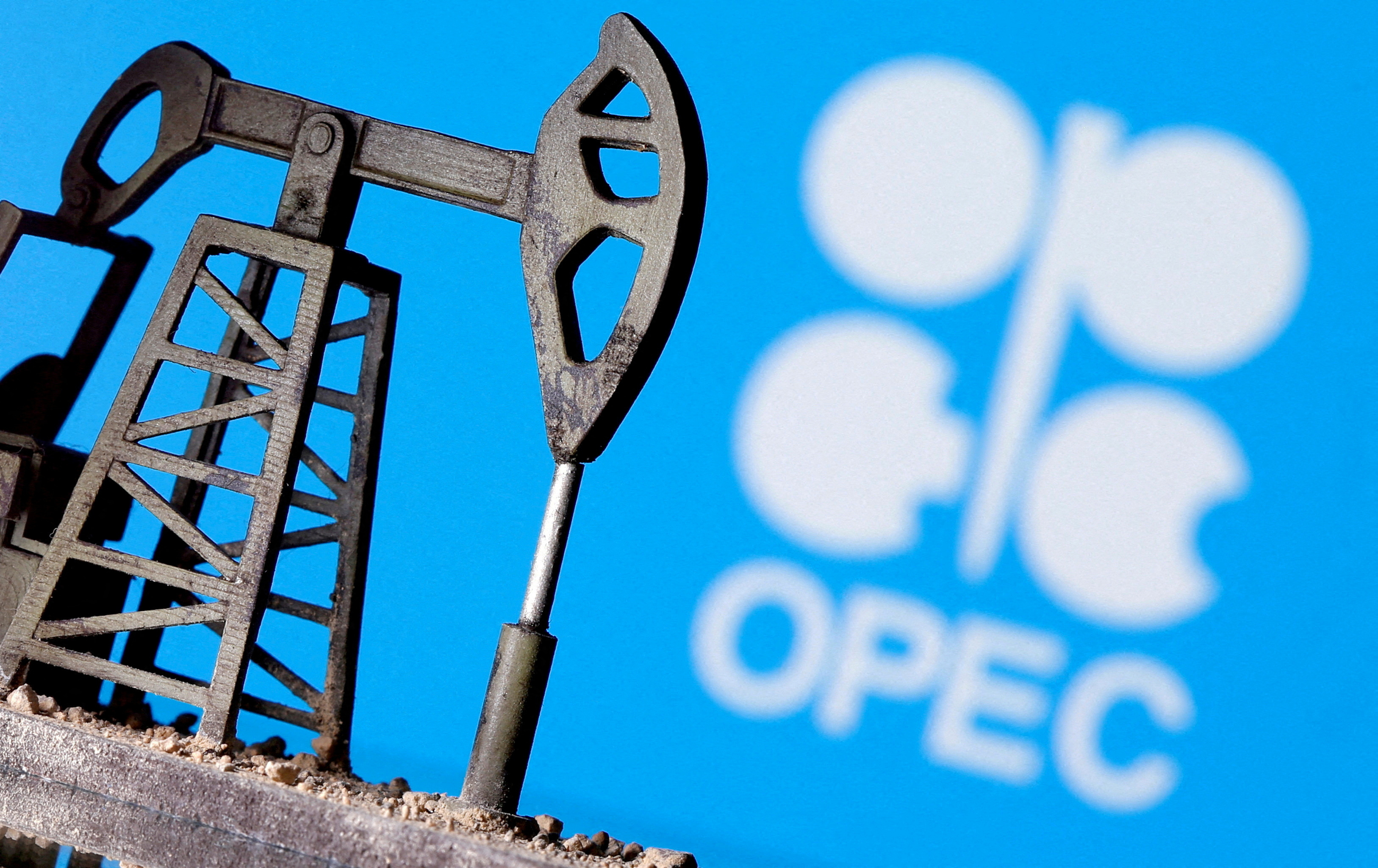
OPEC+ has announced a delay in the anticipated resumption of oil supply cuts, reflecting the ongoing challenges within the global crude market as prices continue to struggle. This decision follows a meeting of the coalition’s Joint Ministerial Monitoring Committee, where key players voiced concerns over persistent low oil prices and their impact on market stability.

In its recent deliberations, OPEC+ leaders emphasized the need for a strategic approach to support oil prices, which have seen significant fluctuations in the past year. Current benchmarks for crude oil have hovered around $80 per barrel, well below the levels needed for many member countries to balance their budgets. The ongoing geopolitical tensions and the potential economic fallout from inflationary pressures have further complicated the landscape, prompting OPEC+ to reconsider its production strategy.

The decision to delay the resumption of supply cuts is particularly notable given that earlier predictions had pointed towards an increase in production levels by the end of the year. Several member states, particularly those reliant on oil revenue, had anticipated a gradual easing of the cuts implemented to stabilize the market amid the COVID-19 pandemic. Instead, the coalition now appears to be adopting a more cautious stance, prioritizing price recovery over volume increase.

Saudi Arabia, the de facto leader of OPEC, has been vocal in advocating for measures to sustain oil prices. The Kingdom’s Energy Minister, Prince Abdulaziz bin Salman, reiterated the importance of market stability, emphasizing that the organization must remain vigilant in its assessment of global demand and supply dynamics. His remarks highlight the broader sentiment among OPEC+ members regarding the delicate balance required to navigate current market conditions.

Market analysts have pointed to several factors contributing to the ongoing volatility in oil prices. Demand forecasts have been revised downward, largely influenced by slowing economic growth in major economies such as China and Europe. Additionally, concerns regarding a potential resurgence of COVID-19 variants and their impact on global mobility have added to the uncertainty. As a result, some analysts project that oil demand may not rebound to pre-pandemic levels for some time.

Iran’s position within OPEC+ has also added complexity to the group’s dynamics. With ongoing negotiations surrounding the Joint Comprehensive Plan of Action, there is speculation about Iran’s potential return to the market. Should sanctions be lifted, the influx of Iranian oil could further exacerbate supply challenges, undermining efforts to stabilize prices. The coalition remains divided over how to handle Iran’s situation, as some members fear that increased production from Iran could lead to an oversupply, thereby pushing prices lower.

U.S. shale production continues to be a significant player in the global oil market. The American shale industry has proven to be remarkably resilient, adapting quickly to changing price environments. As crude prices struggle, shale producers have ramped up production, providing a counterbalance to OPEC+’s efforts to restrict supply. This dynamic has led to a tug-of-war in the market, with OPEC+ trying to manage its output while the U.S. shale industry responds to price signals by increasing production.

As OPEC+ deliberates its next steps, the energy market is also keeping a close eye on the potential impacts of environmental policies and the transition towards renewable energy sources. The global shift towards sustainability and decarbonization is expected to influence long-term oil demand. Many analysts predict that the transition could accelerate, particularly as countries commit to more aggressive climate goals. This has raised questions about the future role of oil in the global energy mix and how OPEC+ will adapt to these changes.

Looking ahead, OPEC+ faces the challenge of balancing its traditional role as a stabilizer in the oil market with the evolving landscape of energy consumption and production. The coalition’s next meeting, scheduled for December, will be crucial in shaping its strategy. Participants will likely focus on assessing both the short-term market outlook and the long-term implications of the ongoing transition towards alternative energy sources.

Roblox Corporation has announced a remarkable surge in its financial performance for the third quarter of 2024, reporting total bookings of $1.1 billion. This figure represents a substantial increase driven primarily by a notable uptick in activity within its console gaming segment. The company’s performance highlights the growing popularity of its platform and its ability to attract new users.

Roblox’s financial report reveals that bookings, which include both virtual currency sales and user-generated content, rose 20% year-over-year. This growth underscores the platform’s ongoing expansion and its appeal to a diverse demographic, particularly among younger audiences. The company’s Chief Financial Officer, Michael Guthrie, noted that the increase was partly attributed to “unusually high growth” in the console market, which has become a significant contributor to the company’s revenue.

The surge in console bookings can be linked to several factors, including the launch of new features that enhance user engagement and the introduction of exclusive content that draws players back to the platform. As gaming increasingly shifts to console platforms, Roblox has capitalized on this trend by optimizing its offerings to cater to console gamers. The company has been proactive in expanding its partnerships with major gaming console manufacturers, allowing it to leverage their marketing capabilities and reach a broader audience.

The user engagement metrics indicate a positive trajectory. Average daily active users (DAUs) for the quarter reached 66 million, reflecting a 15% increase from the same period in the previous year. This growth is crucial as it not only drives bookings but also fosters a vibrant community that attracts developers and advertisers alike. The platform’s ability to maintain a high level of user activity is vital for its long-term sustainability and growth.

Roblox’s ecosystem benefits from its user-generated content model, which allows developers to create and monetize games on the platform. During the third quarter, Roblox paid out approximately $250 million to developers, marking a 30% increase compared to the same quarter last year. This investment in its developer community not only incentivizes quality game creation but also enhances the overall gaming experience for users. By fostering a diverse array of experiences, Roblox ensures that its platform remains fresh and engaging.

The company has also been focusing on international markets, seeking to expand its footprint beyond its primary user base in North America. By investing in localized content and marketing strategies, Roblox aims to attract users in regions such as Europe and Asia, where gaming culture is rapidly evolving. The localization efforts have proven fruitful, with international bookings contributing a larger share to total revenues. As the global gaming market continues to grow, Roblox’s international strategy positions it well for future expansion.

Another significant development for Roblox is its ongoing commitment to safety and moderation. The company has enhanced its content moderation systems to ensure a safe environment for younger users. This focus on user safety has become increasingly important as regulatory scrutiny on online gaming platforms intensifies. By prioritizing safety, Roblox aims to build trust with parents and guardians, which is essential for the platform’s sustained growth.

Roblox’s strategic initiatives extend to technological advancements. The company has been actively investing in augmented reality (AR) and virtual reality (VR) technologies to enhance user experiences. As the gaming landscape evolves, the integration of AR and VR features could provide Roblox with a competitive edge, attracting a more diverse user base interested in immersive gaming experiences.

Despite the impressive financial results, Roblox faces challenges, including increased competition from other gaming platforms and social media networks. Companies like Fortnite and Minecraft continue to vie for the attention of gamers, prompting Roblox to innovate and differentiate its offerings. To remain competitive, Roblox must continually refine its platform, expand its content library, and enhance user experiences.

Price fluctuations for Bitcoin have surged, reaching levels not seen in three months as the U.S. presidential election approaches. This spike in volatility reflects the heightened uncertainty and speculation among investors in both cryptocurrency and traditional financial markets. As the electoral landscape becomes more complex, analysts suggest that market participants are increasingly turning their attention to the potential impacts of the upcoming election on economic policies and financial regulations.

Bitcoin’s price, a benchmark for the broader cryptocurrency market, recently showed significant swings, underscoring the tendency of digital assets to react strongly to political developments. Analysts note that this uptick in volatility is closely linked to investor sentiment regarding regulatory frameworks that could emerge post-election. With candidates from both major political parties holding contrasting views on cryptocurrency regulation, the stakes for Bitcoin and other digital currencies have escalated.

Investors are particularly attentive to signals from leading candidates, such as the incumbent President and potential challengers. Their positions on digital currency policies and broader economic strategies are being closely monitored, as they could influence the legislative environment surrounding cryptocurrencies. The outcome of the election could determine the trajectory of regulatory measures impacting the sector, which many see as critical for the long-term viability of digital assets.

Market observers emphasize that the correlation between political events and Bitcoin price movements is becoming increasingly pronounced. The volatility jump is viewed as a precursor to more significant price adjustments that could follow the election. Historically, political events have played a crucial role in shaping investor behavior in financial markets, and cryptocurrencies are no exception.

In addition to regulatory concerns, macroeconomic factors such as inflation rates and monetary policy are also contributing to Bitcoin’s volatility. The Federal Reserve’s stance on interest rates and inflationary pressures are vital considerations for investors. A potential change in the administration could result in shifts in fiscal policy that directly affect financial markets, leading to speculative trading behavior.

With analysts predicting increased trading volumes in the lead-up to the election, the interplay between market sentiment and political developments is likely to intensify. Investors in Bitcoin are now more focused on potential outcomes and their implications for the digital currency space, which could lead to rapid price changes. The market’s response to the election will also be influenced by key economic indicators released in the weeks leading up to voting day, such as job reports and inflation data.

The heightened volatility comes amid a broader trend of increasing institutional interest in Bitcoin. Major financial institutions are beginning to incorporate cryptocurrencies into their portfolios, signaling a shift in acceptance and potential mainstream integration of digital assets. This institutional involvement adds another layer of complexity to market dynamics, as larger players with substantial capital can amplify price movements in response to political news.

As traders navigate these turbulent waters, the focus remains on strategies to mitigate risks associated with price swings. Many are employing advanced trading techniques, including options and futures contracts, to hedge against potential losses. This trend reflects a growing sophistication in the cryptocurrency market, as participants become more adept at managing volatility.

The decentralized nature of Bitcoin and its underlying technology, blockchain, continues to attract attention as a revolutionary force in finance. As debates around digital currency regulations unfold, advocates for cryptocurrency assert that the technology can provide financial inclusion and transparency, regardless of the election outcome. However, concerns regarding security, fraud, and consumer protection remain central to discussions on regulation.

In the context of international markets, Bitcoin’s performance is also being viewed against the backdrop of global economic conditions. Investors are keenly aware of how changes in U.S. policy could ripple through global markets, influencing everything from trade relationships to investment flows. The interconnectedness of financial systems means that developments in the U.S. can have significant implications for the broader cryptocurrency ecosystem.

As election day approaches, investors and analysts alike are keeping a close eye on sentiment shifts and potential surprises in the political landscape. The ability of Bitcoin to weather these fluctuations will likely depend on the clarity and stability of regulatory frameworks established post-election. Market participants are poised for action, recognizing that the outcomes of political contests often reverberate far beyond the ballot box, impacting investment strategies and market valuations.

Phasmophobia, the co-op horror game developed by Kinetic Games, has achieved a significant milestone by surpassing 20 million copies sold globally. This accomplishment marks a notable success in the gaming industry, particularly for an indie title that was released in early access in September 2020. The game’s unique premise, which revolves around players taking on the roles of ghost hunters, has captivated a diverse audience and garnered considerable attention on various streaming platforms.

Since its launch, Phasmophobia has attracted a robust player base due to its immersive gameplay and social elements. The game allows up to four players to investigate haunted locations, utilizing various tools and gadgets to gather evidence of paranormal activity. The combination of cooperative gameplay, strategic planning, and the thrill of encountering supernatural elements has resonated with players, contributing to its remarkable sales figures.

Kinetic Games, a small independent studio, initially created Phasmophobia as a part-time project. The developers aimed to blend horror with teamwork, offering players an experience that evokes both fear and camaraderie. As word of mouth and streaming videos showcased the game’s engaging features, its popularity soared, leading to rapid sales growth. The game quickly climbed the charts on platforms like Steam, where it gained prominence in the horror game category.

The rise of Phasmophobia can be attributed to its effective utilization of social media and streaming platforms. Influencers and streamers played a pivotal role in showcasing the game to wider audiences, creating a ripple effect that significantly boosted its visibility. Platforms such as Twitch and YouTube became essential in demonstrating gameplay, sharing reactions, and fostering community engagement. This virality, coupled with positive reviews from players and critics alike, helped cement Phasmophobia’s place in gaming culture.

Continuous updates and community engagement have further enhanced the game’s longevity. Kinetic Games has actively listened to player feedback, implementing new features, maps, and ghosts to keep the gameplay fresh and exciting. Seasonal events and updates have also contributed to player retention, ensuring that the community remains engaged. As players return for new content, the cycle of engagement helps sustain sales momentum.

In a competitive gaming landscape, Phasmophobia stands out not only for its unique concept but also for its ability to adapt to player preferences. The developers have introduced quality-of-life improvements and gameplay enhancements, such as better graphics, sound design, and user interface adjustments. This commitment to ongoing development has fostered a loyal player base, eager to experience the latest updates and improvements.

The rise of the horror genre in gaming cannot be overlooked. Phasmophobia has benefited from a broader trend where horror games have seen increased popularity. Titles like Resident Evil Village and the resurgence of classic franchises have reignited interest in horror gaming, leading players to explore new experiences like Phasmophobia. This trend has created an environment conducive to the growth of indie horror games, allowing smaller studios to thrive.

Phasmophobia’s success has also inspired other developers to explore cooperative horror gameplay. Several new titles are emerging in the market, aiming to replicate the winning formula of teamwork and suspense that Phasmophobia has popularized. This trend highlights a shift in consumer interest toward multiplayer experiences that blend horror with collaboration, paving the way for innovative game design.

As the gaming industry evolves, Phasmophobia remains at the forefront of a thriving niche market. The 20 million copies sold represent not just a sales figure but a testament to the power of community-driven gameplay and the effectiveness of grassroots marketing strategies. Kinetic Games has proven that a small studio can achieve monumental success by prioritizing player engagement and fostering a vibrant community.

The cryptocurrency market is witnessing a surge of interest in emerging tokens that analysts predict could follow the trajectory of previous meme coin successes. Among the multitude of digital currencies, four specific coins are currently drawing heightened attention for their potential explosive growth. As investors scour the market for the next big opportunity, the community is eager to identify which tokens may rise to prominence in the same way as the now-famous PEPE coin.

At the forefront of this emerging trend are Shiba Inu (SHIB), Floki Inu (FLOKI), Dogecoin (DOGE), and the newly launched meme-inspired currency, Wojak (WOJAK). These coins, while tethered to the whimsical and often unpredictable nature of meme culture, demonstrate fundamental characteristics that have sparked interest from seasoned and novice investors alike. Analysts point to a combination of community engagement, social media momentum, and unique branding strategies as pivotal elements influencing these cryptocurrencies’ potential success.

Shiba Inu, which started as a playful homage to Dogecoin, has evolved into a prominent player within the meme coin arena. Its community-driven approach and decentralized nature have facilitated a loyal following, leading to significant price fluctuations that investors seek to capitalize on. The Shiba Inu ecosystem continues to expand with initiatives such as ShibaSwap, which allows users to trade various tokens within its platform. Moreover, the introduction of Shiba Inu’s own decentralized stablecoin, TREAT, has further bolstered its position as a multifaceted player in the crypto landscape.

Floki Inu, another meme-based cryptocurrency, has made significant strides in establishing its identity beyond mere speculation. With a focus on utility, Floki Inu aims to integrate its currency into a wider array of applications, including play-to-earn gaming and NFT marketplaces. The project has garnered attention through strategic marketing campaigns, including sponsorships and partnerships that elevate its visibility within the crowded crypto space. The growing community of Floki enthusiasts continues to push for adoption and usability, which could enhance its value proposition.

Dogecoin remains a staple in the cryptocurrency market, often regarded as the benchmark against which other meme coins are measured. Originally created as a joke, Dogecoin’s robust community and high-profile endorsements from celebrities and industry leaders have propelled it into mainstream recognition. As new projects and tokens emerge, Dogecoin continues to hold its ground, aided by ongoing developments such as increased transaction capabilities and collaborations with prominent brands, which sustain its relevance and appeal.

The newly minted Wojak coin represents the latest wave of meme-inspired cryptocurrencies seeking to tap into the cultural zeitgeist surrounding internet memes. Named after the Wojak meme, a character symbolizing various emotions, this coin has quickly gained traction among meme enthusiasts. Early adopters are eager to explore its potential for both profit and community engagement. With social media buzz fueling its initial momentum, Wojak coin is positioning itself as a fresh contender in the meme coin landscape.

Market analysts suggest that the rise of these four cryptocurrencies reflects a broader trend within the digital currency space, characterized by the intersection of meme culture and financial speculation. As investors become increasingly adept at identifying emerging opportunities, the excitement surrounding these coins serves as a testament to the evolving dynamics of the crypto market.

A pivotal factor in the success of these tokens is their ability to harness community involvement and social media presence. Platforms like Twitter and Reddit play a crucial role in shaping perceptions and driving investment decisions, as enthusiastic communities rally around these coins to promote their growth. The viral nature of meme coins creates a feedback loop, where hype can lead to increased investment, which in turn fuels further hype, creating a self-sustaining cycle.

However, the volatility of meme coins poses inherent risks for investors. Many experts caution that the speculative nature of these investments can lead to sharp price fluctuations and potential losses. The market is rife with examples of tokens that have skyrocketed in value only to plummet just as dramatically, underscoring the importance of thorough research and a cautious approach to investing in cryptocurrencies.

As the cryptocurrency landscape continues to shift, investors are advised to stay informed about market trends and the underlying technologies of the coins they consider. The evolution of Shiba Inu, Floki Inu, Dogecoin, and Wojak coin illustrates the fluid nature of the crypto market, where the next potential success story can emerge from unexpected corners.

Venture capital funding in the Americas took a significant lead in Q3 2024, according to KPMG’s Q3 Venture Pulse Report, reflecting both the strength of U.S. technology sectors and ongoing international interest in AI, defense technology, and clean energy. Despite an overall decline in global funding volume, the Americas have continued to dominate, with North American firms capturing the lion’s share of investments, led by growth in generative AI, defense tech, and other high-stakes innovations, even as other regions recorded slower capital inflows.

The third quarter saw roughly $38 billion raised by VC-backed companies globally, with over half of this funding directed to American companies. AI alone accounted for an impressive 33% of all U.S. venture capital funding, showing the sector’s resilience even as some high-profile names, such as Anthropic and OpenAI, completed multimillion-dollar funding rounds this year. Notably, VC funding in Europe, the Middle East, and Asia has contracted compared to previous quarters. In Europe, market watchers note that funding has slowed down, especially in fintech and climate tech, previously fast-growing sectors. In Asia, investments have shown mixed results; China’s subdued economic environment impacted overall venture capital inflows, although China saw continued investment in artificial intelligence, robotics, and advanced manufacturing.

A shift in defense technology investments has emerged in 2024, with the U.S. and allied nations emphasizing strategic technologies that support national security. This has resulted in significant funding growth for American defense-tech firms, which benefited from increased federal spending and private sector collaboration. Noteworthy deals included significant rounds raised by emerging defense-tech firms that are leveraging AI to enhance surveillance, reconnaissance, and cybersecurity operations. The U.S. government’s increased focus on countering security risks from AI-related technologies has spurred both private and public investment in dual-use tech—civilian technologies with potential military applications, which are becoming increasingly prioritized.

Generative AI has maintained its role as a primary driver of VC funding. According to data from Accel, AI-related startups received nearly two-thirds of all generative AI funding across the U.S., Europe, and Israel. This trend was most visible in large-scale investments in foundational AI infrastructure, including cloud services, model training, and neural network development. Market research indicates that U.S. firms like OpenAI continue to set records, raising approximately $18.9 billion since early 2023, with Anthropic following closely with $7.8 billion. Notably, new players such as Elon Musk’s xAI have also seen significant investments, reflecting the strategic importance and market enthusiasm for AI innovation.

In Europe, artificial intelligence continues to attract capital, albeit at a slower pace. Notable AI recipients included Wayve, a UK-based autonomous driving startup, and Mistral, a French AI firm focusing on natural language processing. While European investment levels have softened overall, AI and defense-related sectors show continued resilience, aligning with national priorities and security considerations.

Globally, clean energy investments also attracted substantial VC interest, especially in areas related to hydrogen and battery technologies. Despite the sector’s promise, climate tech funding was one of the hardest-hit areas globally, affected by economic uncertainties and fluctuating energy prices. This has led to a more conservative approach from investors, although breakthroughs in energy storage, carbon capture, and hydrogen fuel cells remain attractive for long-term investors looking at green energy’s potential within sustainability mandates and decarbonization policies.

Advertisements

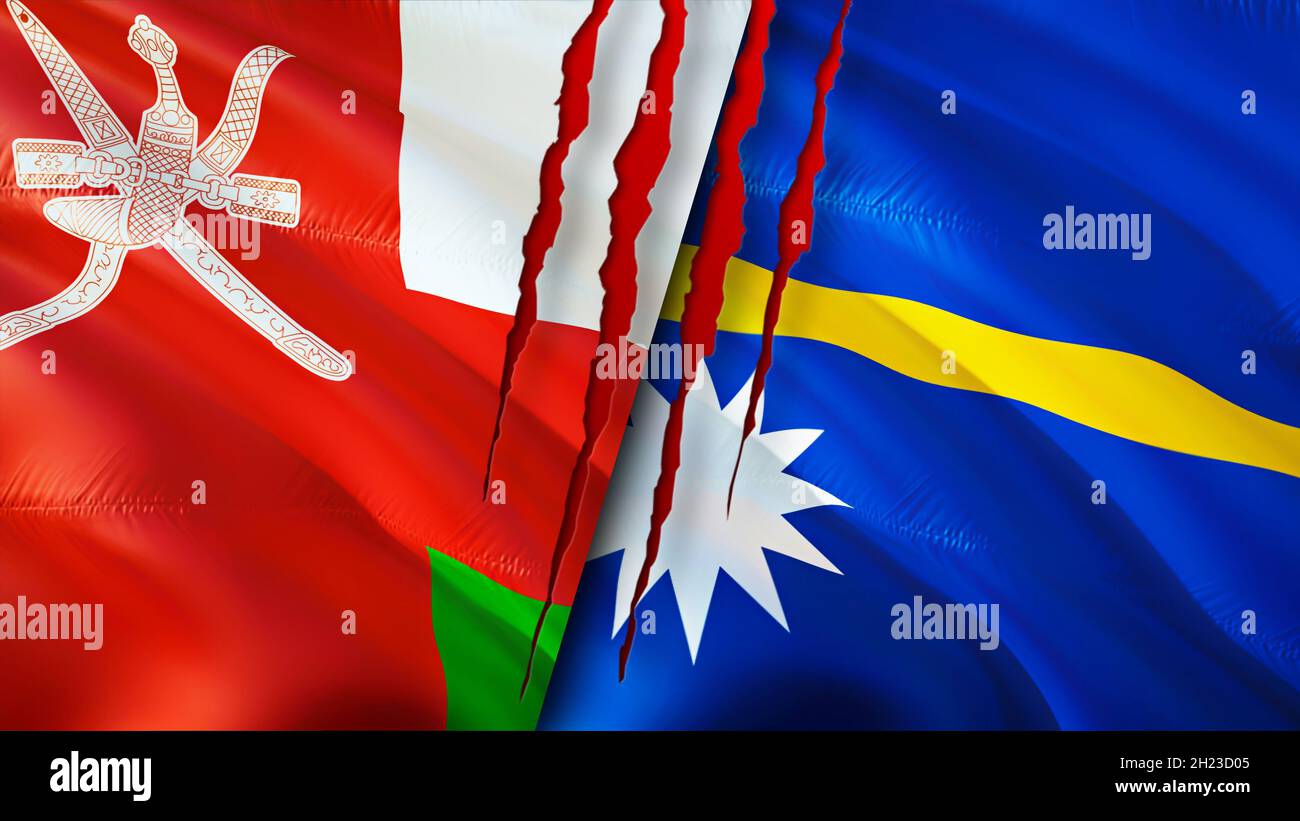
Oman and Nauru are exploring ways to enhance bilateral relations, focusing on economic, diplomatic, and developmental cooperation, as both nations seek mutual benefits in diverse sectors. Oman’s Foreign Minister Sayyid Badr Hamad Al Busaidi welcomed Nauru’s President David Ranibok Adeang in Muscat, underscoring Oman’s strategic interest in expanding its diplomatic reach. The discussions highlighted Oman’s Vision 2040, a national strategy emphasizing economic diversification through sectors like logistics, tourism, and technology, which aligns with Nauru’s developmental needs and ambitions.

The meeting emphasized Oman’s positioning as a major logistics and trade hub. Ports in Salalah, Duqm, and Sohar serve as pivotal centers for regional commerce, with plans to extend facilities that could support Nauru’s trade interests and benefit from its location in the Pacific. Both nations have identified tourism as a shared area of interest, and Oman’s plans for tourism expansion—aiming to attract 11 million annual visitors by 2040—could include tailored partnerships with Nauru to enhance cultural and environmental tourism in both regions. Similarly, Oman’s ports, critical in the global maritime routes, provide additional infrastructure and maritime trade support that may serve the strategic needs of Nauru’s Pacific-based trade interests.

Oman’s Vision 2040 agenda also prioritizes advanced technology and infrastructure development, areas where Nauru could collaborate on sustainable projects. As Oman pursues the expansion of its broadband connectivity, partnerships in information and communication technology (ICT) could allow Nauru access to advancements that boost digital connectivity and infrastructure. The Oman Broadband Company, a leader in the region’s digital initiatives, has successfully laid fiber-optic networks and built high-speed internet infrastructure with support from major international financing groups. Nauru, with its need for reliable communication networks, could benefit significantly from these technological exchanges, aiding both domestic and international connectivity.

Energy cooperation also offers promising potential. Oman’s interest in renewable energy and sustainable development, alongside its established oil and gas sector, positions it as a possible partner in energy-related projects. Oman’s Al Wusta governorate, a central oil production area, has expanded oil and gas field development to boost output and meet both local and export demands. Nauru’s resource-dependent economy may find utility in Oman’s experience in balancing resource extraction with sustainability measures, possibly adapting these practices to foster responsible resource management within its own industries.

Huawei’s latest operating system, HarmonyOS NEXT, is driving a significant shift in China’s digital currency landscape. Integrating the country’s central bank digital currency (CBDC), known as the digital yuan, directly into the operating system, Huawei aims to facilitate instant, secure, and direct transactions across devices for over a billion users, enhancing digital financial interactions in China’s fast-evolving tech sector.

With HarmonyOS NEXT, Huawei introduces a native compatibility feature that embeds the digital yuan, enabling secure transactions without the need for third-party apps like Alipay or WeChat Pay, which currently dominate the digital payment scene. This integration also leverages HarmonyOS’s unique atomic transaction capabilities, which allow immediate, two-way exchanges suited for digital payments and IoT applications. Such a setup is anticipated to accelerate the adoption of the digital yuan for both consumer and business uses, providing an alternative to traditional payment services in China.

Huawei’s strategic move to incorporate the digital yuan into HarmonyOS also aligns with Beijing’s efforts to build a sovereign digital payment infrastructure, a step away from reliance on foreign platforms. This initiative comes as China seeks greater control over its tech ecosystem, particularly in the context of mounting tensions with the United States. Since Huawei was barred from using Google services, the company has pursued self-reliance aggressively, first by launching HarmonyOS in 2019 and now with HarmonyOS NEXT, which completely abandons Android compatibility.

CEO Speaks in FinTech Panel Discussions HONG KONG SAR – Media OutReach Newswire – 4 November 2024 – XTransfer, the World’s Leading & China’s No.1 B2B Cross-Border Trade Payment Platform, was featured at Hong Kong Fintech Week 2024 last week as both an exhibitor and a main sponsor. The event attracted significant attention to XTransfer‘s booth, where attendees learned about the company’s innovation for secure and speedy […]

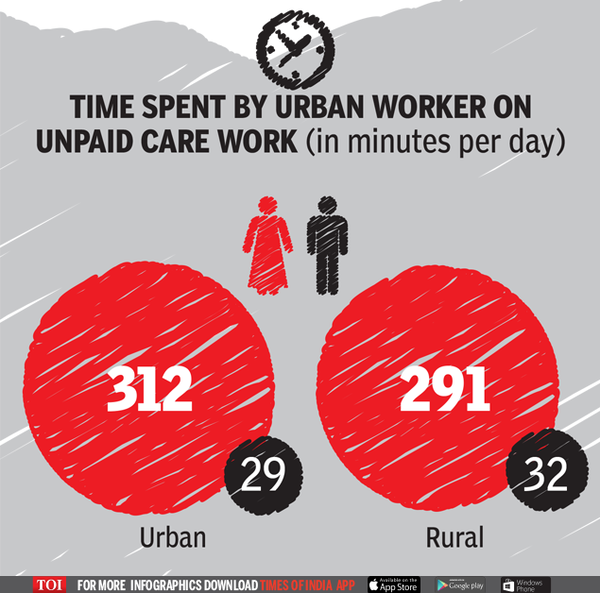
By Dr. Gyan Pathak One third of the working-age persons of the world aged 15 or older outside the labour force in 2023were engaged in unpaid care work, while in India they were 54.1 per cent, the new estimates presented in the ILO Statistical brief revealed. The share of women in India in unpaid care […]

Blockchain infrastructure provider Ankr has announced a significant new integration with The Open Network (TON) blockchain, enabling developers to build decentralized applications (DApps) directly for Telegram, one of the world’s largest messaging platforms. With this integration, Ankr is expected to facilitate the development process, allowing programmers to streamline the creation of apps and mini-games, further expanding the use of decentralized technology on a platform boasting nearly 950 million users.

The integration, unveiled by Ankr on October 24, introduces a robust Remote Procedure Call (RPC) gateway that connects developers to the TON network. This gateway enables them to interact with the blockchain’s ecosystem without the technical hurdles of setting up nodes. Through this, developers can execute transactions, check wallet balances, and retrieve ownership information, optimizing their workflow and eliminating the need for extensive blockchain-specific setup. This new feature is part of Ankr’s Web3 API suite, making it more accessible for developers to integrate TON’s blockchain technology directly into their applications.

Telegram’s use of the TON blockchain, originally developed to support a cryptocurrency ecosystem within its platform, has evolved since Telegram’s founders, Pavel and Nikolai Durov, introduced it in 2018. Although the initial launch faced regulatory challenges in the United States, resulting in Telegram stepping back from the project, the technology continued under the governance of the TON Foundation, which has maintained its focus on decentralized application development. The ecosystem, now seeing renewed momentum, is positioned as a decentralized Web3 solution closely aligned with Telegram’s commitment to privacy and user control over data.

Ankr’s integration with TON arrives amid a broader surge of interest in decentralized applications and blockchain-based services across social platforms. In September, TON received a $30 million investment from crypto firms Bitget and Foresight Ventures, an injection aimed at accelerating TON’s infrastructure and developer engagement. This financial boost underscores the increasing viability and competitive positioning of TON as a blockchain choice within Web3 development.

Incorporating Ankr’s RPC service for TON enhances accessibility for developers seeking to tap into Telegram’s extensive user base. This service, now integrated with Ankr’s Web3 API, simplifies decentralized application workflows, allowing for seamless deployment of applications, wallet management, and transaction processing. As developers build tools on TON, they can leverage these capabilities to integrate applications, mini-games, and utility tools, enhancing user engagement within Telegram and expanding the use of digital assets through TON’s ecosystem.

Saudi Arabia, as host of the 16th United Nations Convention to Combat Desertification (UNCCD) Conference of the Parties (COP16), is intensifying its call for comprehensive global efforts to address the escalating crises of land degradation, desertification, and drought. With a staggering 40% of the world’s land already classified as degraded, impacting around 3.2 billion people, Saudi officials have underscored the pivotal role COP16 could play in reshaping […]

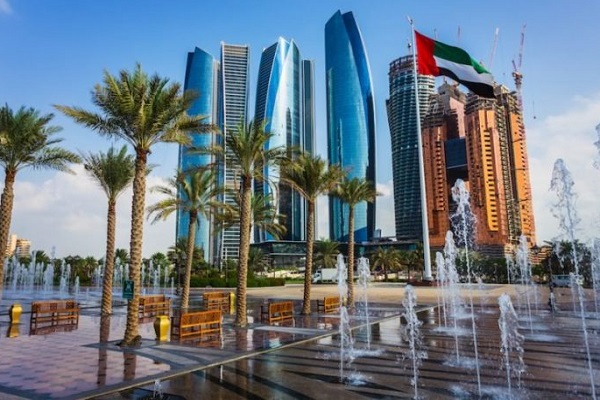
An Abu Dhabi financial venture has rolled out an innovative blockchain-based fund, designed to offer global investors a streamlined entry into U.S. Treasury markets through tokenization. Libeara, a blockchain infrastructure company, has partnered with FundBridge Capital to launch this new on-chain treasury fund, formally titled the Delta Wellington Ultra Short Treasury On-Chain Fund. Targeted primarily at institutional investors, the fund is structured to integrate the stable returns of short-term U.S. Treasury securities with the advantages of blockchain technology, allowing investors to subscribe, transfer, and redeem digital units of the fund.

This fund, launched initially on the Ethereum blockchain, represents a significant move towards integrating traditional assets with digital platforms, simplifying global access to U.S. Treasuries. By establishing a direct connection to stable U.S.-denominated investments, the Ultra Fund offers a unique digital alternative to conventional treasury investments, catering especially to investors from the Web3 and crypto-focused segments. Following its Ethereum debut, expansion plans aim to integrate other blockchains such as Arbitrum, Avalanche, and Solana to broaden access for digital investors.

Blockchain-enabled tokenization has been gathering pace as a mechanism to improve transparency, reduce operational expenses, and increase accessibility in the financial sector. This venture by Libeara and FundBridge aligns with the UAE’s progressive vision toward blockchain adoption and asset digitization. Wellington Management, a renowned asset management firm, serves as the sub-manager of the fund and supports its bridge to traditional finance (TradFi). This collaboration further connects the fund with Wellington’s established infrastructure and risk management protocols, which are pivotal in attracting institutional investors to digital assets.

Custodial oversight for this fund is provided by Standard Chartered, a global banking institution headquartered in London, known for its digital assets and blockchain-friendly initiatives. Standard Chartered’s involvement not only enhances the fund’s credibility but also bolsters investor confidence by providing secure, regulated custody of the underlying assets. This aligns with the bank’s broader commitment to offering digital asset exposure to its clients while navigating the evolving regulatory landscape.

Libeara’s CEO Aaron Gwak emphasizes that this fund’s design is a “significant step forward” in granting institutional credibility to blockchain assets, describing it as a progression from Libeara’s previous tokenized Singapore dollar-denominated fund. This initiative is expected to attract a new demographic of investors who have been cautious about integrating digital assets with traditional finance, marking another phase in the global shift toward blockchain adoption within mainstream financial systems.

In a major endorsement for the Abu Dhabi Securities Exchange (ADX), U.S.-based GQG Partners has injected a substantial $500 million investment into Alpha Dhabi, a prominent UAE-based conglomerate and a subsidiary of the International Holding Company (IHC). The transaction reflects the escalating international interest in ADX-listed firms and highlights Alpha Dhabi’s expanding portfolio and growing influence across the region. This investment is part of GQG’s broader strategy to tap into high-potential markets with robust growth forecasts, further amplifying ADX’s stature on the global investment landscape.

Alpha Dhabi, recognized as one of the Middle East’s fastest-growing investment holding companies, has been strategically enhancing its diverse portfolio, with stakes in construction, healthcare, hospitality, and energy sectors. This recent infusion by GQG marks a significant affirmation of its corporate strategy, coming on the heels of a year that saw heightened activity on the ADX, with foreign investments increasingly flowing into the Emirati market. The investment aligns with ADX’s ambitions to draw more international capital and attract a diversified investor base.

RIYADH, SAUDI ARABIA – Media OutReach Newswire – 3 November 2024 – Sahm Capital is pleased to announce that retail investors can now subscribe to the highly anticipated Tamkeen Human Resources Co. Initial Public Offering (IPO) through the Sahm App [https://sahmcapital.onelink.me/Wjbt/oamyoiri]. Tamkeen, a leading company in the Saudi human resources sector, has set its final IPO offer price at SAR 50 per share, following a successful institutional […]

By K Raveendran The tenure of Justice Sanjiv Khanna, who is set to succeed Justice D Y Chandrachud as the new Chief Justice of India, is too short to become a pivotal phase and as such promises more continuity than breaking new ground. At the same time, his nuanced perspectives and unwavering commitment to justice, […]
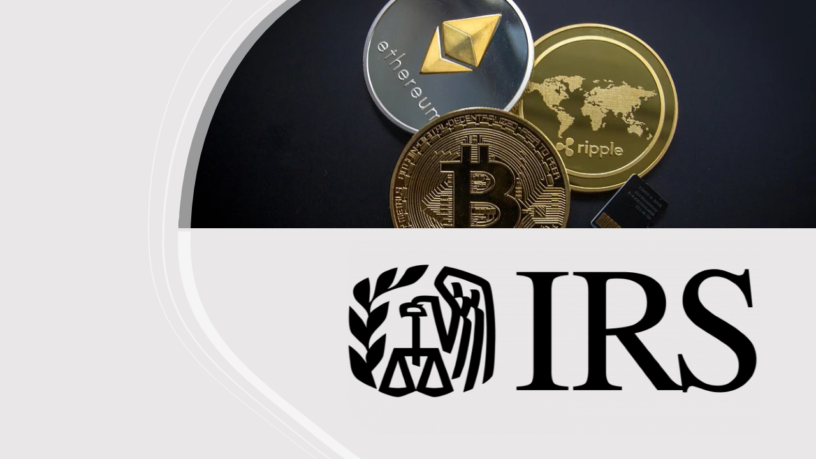

The U.S. Internal Revenue Service (IRS) has clarified that cryptocurrency rewards credited to taxpayers’ accounts are taxable in the year they are received, regardless of subsequent access restrictions due to platform freezes or account restrictions. This new guidance, issued to clarify reporting requirements, confirms that staking and similar rewards in digital assets are subject to immediate taxation upon credit, not contingent upon actual accessibility.

Cryptocurrency staking, which has surged in popularity, involves participants locking up their digital assets to help validate blockchain transactions. In return, users receive rewards, often credited directly to their accounts. However, in scenarios where these assets are later frozen—whether due to platform insolvency, regulatory issues, or account suspensions—the IRS asserts that the taxable event occurred upon the crediting of rewards, making any freeze irrelevant to the taxation timeline. By contrast, rewards not yet credited at the time of a freeze do not incur immediate tax liability until they become accessible, providing some respite for affected users.

This guidance comes amid an uptick in high-profile digital asset platform freezes, such as those involving the collapses of Celsius Network and FTX. Both companies encountered severe liquidity crises, leading to account freezes and, in some cases, bankruptcy proceedings. This left many customers with inaccessible assets, sparking concerns about the implications for tax obligations. The IRS’s updated stance directly addresses these scenarios, underscoring that taxpayers must report income based on receipt rather than accessibility, a principle likely to affect tax planning strategies for cryptocurrency holders.

Cryptocurrency tax obligations have been increasingly emphasized by the IRS as it expands oversight on digital assets, which are treated as property for U.S. tax purposes. Digital asset income, including rewards from staking and airdrops, must be reported as part of gross income, with the valuation pegged to fair market value at the time of receipt. Failure to report such income accurately can lead to penalties or interest on unpaid taxes. The IRS recently introduced a specific question on digital asset transactions for 2023 federal tax filings, indicating a heightened focus on compliance within this sector.

The IRS’s approach, which reflects the “constructive receipt” doctrine, is consistent with its treatment of other income types. This doctrine considers income as taxable when credited, regardless of when it becomes accessible, aiming to close loopholes for deferring tax obligations. However, this rule could impact many taxpayers, particularly those reliant on staking platforms or involved with platforms that limit liquidity. Industry experts have noted the need for further transparency, as taxpayers may face challenging situations when dealing with platforms in financial distress.

Saudi Arabia and India have signed a Memorandum of Understanding (MoU) to jointly explore the potential of establishing a transnational electricity grid. The agreement, signed between Saudi Energy Minister Prince Abdulaziz bin Salman and India’s Power Minister Raj Kumar Singh, represents a significant step towards energy collaboration, aligning with both nations’ ambitions to foster energy security, reduce emissions, and support the production of green hydrogen. This MoU was formalized during the Middle East and North Africa Climate Week in Riyadh, a platform that convened leaders to discuss sustainability and climate action.

The agreement outlines plans for technical and economic feasibility studies to assess the viability of cross-border power connectivity. Officials from both sides have expressed optimism about the project’s potential, which would facilitate the exchange of electricity during peak periods and in emergencies. The grid is expected to allow for efficient electricity trade between the two nations, leveraging renewable energy sources to stabilize their respective grids and reduce reliance on fossil fuels. This partnership comes amid broader efforts by both governments to prioritize sustainable energy and manage peak energy demands through enhanced interconnectivity.

In addition to the grid, Saudi Arabia and India agreed to explore opportunities in green hydrogen production, aiming to establish robust supply chains for materials essential to the renewable energy industry. These initiatives will rely on both countries’ natural resources and technological capabilities. India, with its extensive renewable energy infrastructure, and Saudi Arabia, with its abundant solar energy potential, are seen as complementary partners in this endeavor.

HONG KONG SAR – Media OutReach Newswire – 1 November 2024 – Paul Chan, Financial Secretary of the Hong Kong Special Administrative Region Government, wrapped up his Middle East visit (October 31) by meeting top officials in Saudi Arabia, witnessing the signing of various bilateral memoranda of understanding (MoUs) and delivering a keynote speech at the “Future Investment Initiative” (FII). Hong Kong’s Financial Secretary, Paul Chan, speaks […]

The TON Foundation has announced a significant leap toward decentralized governance with the launch of the Society DAO, a novel initiative aimed at enhancing community involvement and fostering competition within The Open Network (TON) ecosystem. Positioned as a critical step toward decentralization, the Society DAO seeks to empower community members by providing them with a structured, incentive-driven model to influence decisions, allocate resources, and drive development initiatives. Unlike traditional governance frameworks, Society DAO operates with a commitment to distribute authority and encourage active participation from multiple projects within the TON ecosystem.

The Society DAO functions as a resource allocation and governance body that emphasizes community-led decision-making across three primary sectors: development, community engagement, and user adoption. This decentralized governance body is tasked with setting goals, assessing funding needs, and distributing resources across multiple initiatives within each category. By supporting multiple projects within each field, the DAO aims to encourage competition and foster resilience, ensuring that no single initiative monopolizes resources or decision-making power. In this framework, TON community members hold voting rights and influence, fostering a collaborative environment that rewards participation and transparency.

The Society DAO has outlined several key operational functions designed to promote a resilient TON ecosystem. These include the power to allocate resources to promising projects, develop community-driven adoption strategies, and incentivize grassroots engagement. This approach underscores the TON Foundation’s shift toward a decentralized operational model, aiming to make decision-making within the ecosystem more reflective of the community’s evolving priorities. By allowing multiple projects within each sector to receive support, the DAO cultivates a diverse and adaptable ecosystem where projects must prove their value to the community, thus promoting long-term growth and innovation.

One distinguishing feature of the Society DAO is its reliance on a unique token-based governance structure that empowers users based on on-chain credentials and achievements. Community members who engage in various activities and events can earn rewards in the form of tokens or badges, which serve as markers of their contributions. This mechanism allows for a more reputation-based governance approach, where active and reputable community members gain greater influence over decision-making processes. This reputation system not only fosters trust within the community but also encourages consistent, meaningful participation from users.

In addition to community-driven resource allocation, the Society DAO model emphasizes transparency and accountability. Project proposals, funding requests, and milestone achievements are tracked on the blockchain, ensuring that all community members have access to accurate information about how resources are distributed and used. This transparency is intended to reduce potential conflicts of interest and build trust among participants by ensuring that decisions are made based on merit and community consensus. By documenting every decision on-chain, the Society DAO can maintain a public record of its governance actions, which users can review and evaluate.

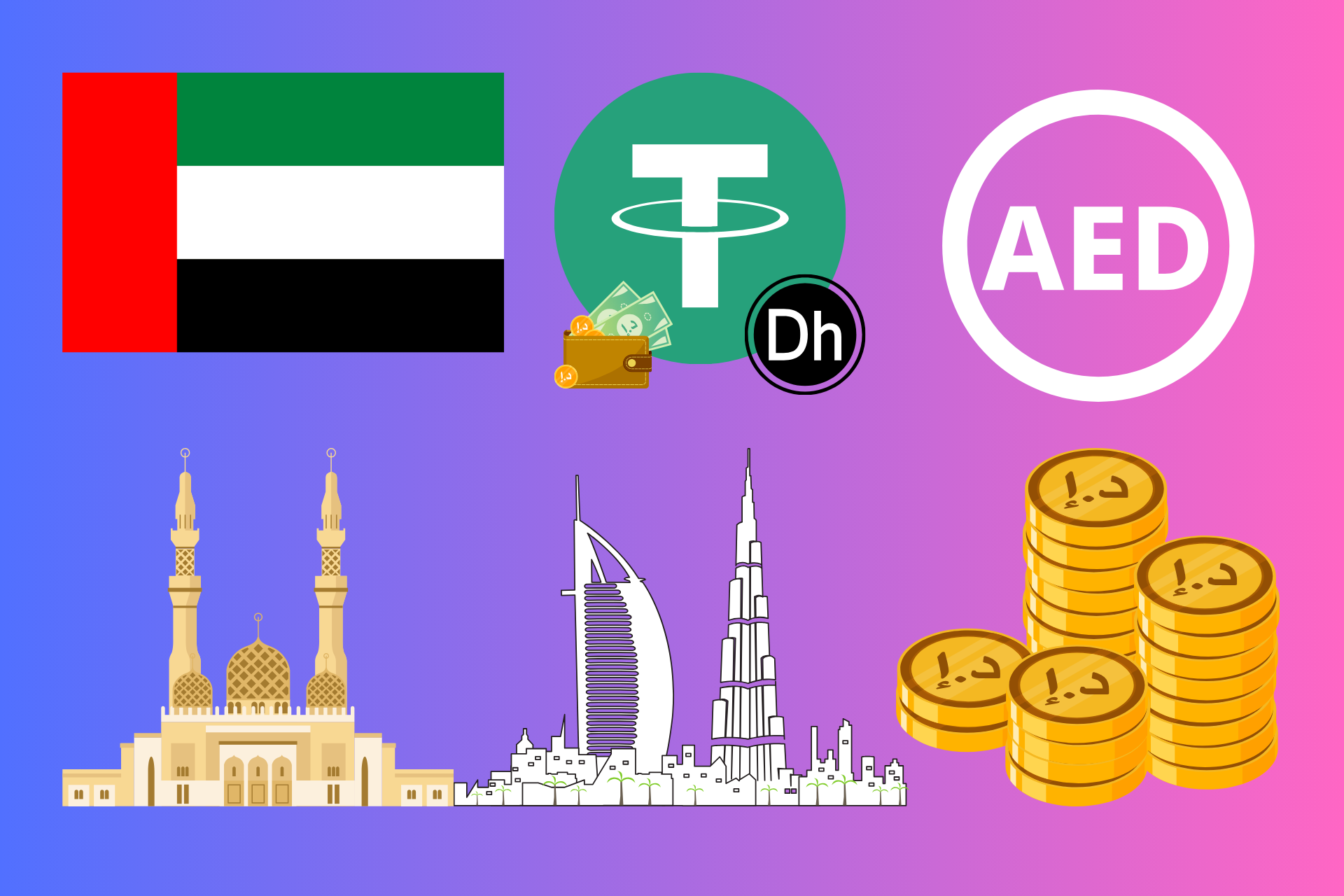
Tether, the prominent stablecoin issuer known for USDT, is set to roll out a new digital asset pegged to the United Arab Emirates Dirham (AED) on the TON blockchain. This strategic move reflects Tether’s ambition to diversify its offerings and capitalize on the Gulf region’s growing interest in stable digital currencies, offering an alternative to dollar-dominated assets. The development highlights the UAE’s evolving regulatory environment, which is increasingly favorable for cryptocurrency adoption, positioning the Gulf state as a major digital finance hub.

The proposed Dirham-backed stablecoin seeks to address the demand for a localized digital currency in the UAE, allowing for easier access to UAE Dirham transactions for users in the region. With full backing in AED reserves held locally, Tether is aiming to reassure users about the coin’s stability and security, a critical factor given regulatory scrutiny of stablecoins globally. Phoenix Group, a UAE-based tech and investment firm, is collaborating with Tether on this project, leveraging the UAE’s technological framework to build a secure ecosystem around the new stablecoin. Tether’s CEO Paolo Ardoino emphasized that the AED-pegged coin is set to cater to users within and beyond the UAE, meeting the increasing need for Dirham-denominated transactions in both personal and business spheres.

The launch on the TON blockchain is noteworthy, as TON has gained traction as a flexible and scalable blockchain platform, offering fast, efficient transactions that are increasingly attractive to enterprises looking for seamless digital payment solutions. This marks Tether’s first stablecoin on TON, adding to its existing range across other platforms. This Dirham-pegged coin will not only diversify Tether’s blockchain presence but also underscore the TON blockchain’s growing relevance in the crypto space, as more businesses seek adaptable infrastructure for their digital financial operations.

By Nitya Chakraborty Republican candidate Donald Trump’s Diwali message, just four days before the crucial November 5 presidential elections in USA, has enormous significance, which goes beyond the possible impact on Hindu-Americans voters on the polling day. The content of the message will have big impact on Bangladesh politics in the event of a Trump […]

Nasdaq surged to fresh highs this week, driven by Alphabet’s impressive earnings, underscoring the enduring allure of AI-driven software as the foundation of market growth. The latest market movements reveal a significant shift: while AI’s vast potential remains undiminished, investors are coming to terms with the fact that hardware, especially in the chip sector, may not be the most sustainable path to capitalize on it. As major […]

VISHNU RAJA
RYO YAMADA
HITORI GOTOH
IKUYO KITA