News related to
Arabia

By Nitya Chakraborty The announcement on Gaza between Israel and Hamas just five days before the inauguration of Donald Trump as the President of USA on January 20 has baffled many leaders of the peace movement as also left liberal political analysts as to how to properly assess the policies of this hard far right […]

Chinese solar giant Trinasolar is seeking a strategic partner in the United Arab Emirates (UAE) for a major solar power initiative valued at $5 billion. This ambitious project is designed to further the company’s foothold in the Middle East’s rapidly expanding renewable energy sector. The program aims to leverage Trinasolar’s advanced technologies and the UAE’s increasingly aggressive push towards sustainability, a combination that could mark a significant […]

A Dubai court has ordered the former CEO of Drake & Scull International, Khaldoun Al Tabari, alongside a former employee, to pay a staggering $41.3 million in damages. The court ruling follows the company’s involvement in financial mismanagement that led to significant losses. Al Tabari and the ex-employee, identified as an unnamed former senior manager, were found guilty of embezzlement and fraudulent practices during their tenure at […]

With alcohol sales in both the U.S. and China experiencing a decline, global spirits giants Diageo and Pernod Ricard are shifting their focus to the South Asian market, specifically targeting a new generation of drinkers. Both companies, recognized for their premium brands such as Johnnie Walker, Guinness, and Chivas Regal, have identified India and neighboring countries as pivotal in their plans for growth. This region, with its expanding middle class and evolving consumer behavior, presents an untapped opportunity to offset the challenges they face in more established markets.

In the U.S., consumption of alcohol has been on a downward trajectory for years, as changing social attitudes and concerns about health have altered traditional drinking habits. A similar trend is observed in China, where alcohol consumption has slowed amid an economic downturn and increasing government pressure against excessive drinking. The shift in consumer preferences in these regions has led Diageo and Pernod Ricard to recalibrate their strategies and focus more heavily on markets with burgeoning potential.

India, in particular, stands out as a key market for these companies, with its large, young population and rising disposable income. A growing number of millennials and Generation Z consumers are becoming more interested in Western-style alcoholic beverages, which has spurred the development of tailored marketing campaigns. Diageo and Pernod Ricard are not only aiming to introduce their premium brands but also creating a cultural shift toward drinking in social settings and a higher acceptance of international alcoholic beverages.

While the alcohol market in India is still highly regulated, with state-level restrictions and varying taxes across regions, the demand for spirits, especially whisky, is substantial. Whisky remains the preferred alcoholic drink in the country, and international brands have found a niche within this preference. Both Diageo and Pernod Ricard have been ramping up their investments in the subcontinent, focusing on establishing a foothold in India’s rapidly growing urban centers.

Pernod Ricard, for example, has introduced a wide range of products tailored to local tastes while maintaining the global appeal of its brands. The company’s strategy has been to offer products at different price points, allowing them to target both the premium and mass markets. Similarly, Diageo’s Johnnie Walker has launched region-specific campaigns that cater to India’s burgeoning demand for luxury spirits while also targeting younger drinkers through social media platforms.

One of the biggest advantages for both companies is the growing number of young consumers who are eager to experiment with new tastes and experiences. This demographic is highly active on digital platforms, where global trends in fashion, food, and drink have a quicker impact. Social media marketing has proven effective in India, with influencers and brand ambassadors reaching millions of consumers daily. Diageo and Pernod Ricard have capitalized on this trend, using digital media to promote their products and tap into the aspirational mindset of Indian youth.

In addition to traditional retail outlets, the rise of e-commerce in India has provided another channel for alcohol sales. Platforms such as Amazon and local players like BigBasket now offer alcohol delivery in select regions, expanding the accessibility of international spirits. The availability of premium alcohol through these channels aligns with a shift in consumption patterns, where convenience is as important as quality. With more consumers preferring to shop online, Diageo and Pernod Ricard are ensuring their products are visible and accessible in the digital marketplace.

While the potential in India is significant, it comes with its challenges. Cultural norms around drinking vary widely across the country, and alcohol consumption is still taboo in some communities. Moreover, navigating the labyrinth of state-imposed regulations presents an ongoing hurdle for both Diageo and Pernod Ricard. The two companies have had to collaborate with local distributors and build relationships with regional governments to ensure that their products meet regulatory standards and can be sold across the diverse Indian market.

Beyond India, the broader South Asian market, which includes countries like Pakistan, Bangladesh, and Sri Lanka, also holds promise for growth. However, these nations present their own unique set of challenges. In Pakistan, for instance, where alcohol is heavily restricted, the market for foreign spirits is limited to the non-Muslim population and expatriates. Nevertheless, these markets are still considered important in the long-term strategy of Diageo and Pernod Ricard as they seek to diversify their consumer base.

To further boost their presence, both companies are also exploring opportunities in the craft beverage sector. Craft spirits have been gaining traction in urban areas in India and other parts of South Asia, where consumers are looking for unique and locally inspired flavors. Diageo’s push into craft gin and local distillery partnerships is part of a broader strategy to cater to the growing interest in premium and artisanal drinks. Pernod Ricard has followed suit by promoting craft options and expanding its portfolio to include Indian-made liquors, creating products that blend traditional flavors with modern drinking preferences.

Abu Dhabi’s Emirates Nuclear Energy Corporation (ENEC) is strategically expanding its footprint in the global nuclear power industry, aiming to become a significant player in energy markets beyond the UAE. The initiative comes at a time when the world is focusing on achieving carbon-neutral goals and ensuring sustainable energy solutions. ENEC’s pursuit of global growth underscores the UAE’s ambition to diversify its energy sources and establish itself as a leader in clean energy technologies.

ENEC, founded in 2009, has made considerable strides in the UAE’s nuclear power sector, with the Barakah Nuclear Energy Plant being the centerpiece of its operations. The plant, located in the Al Dhafra region, is the first nuclear power plant in the Arab world, with four reactors now operational. The successful implementation of Barakah has positioned ENEC as a model for nuclear energy projects in the Middle East and has given it the confidence to pursue expansion into international markets.

One of the key drivers behind ENEC’s global ambitions is its desire to capitalize on growing global demand for low-carbon energy solutions. As countries strive to meet their climate goals, there is an increasing emphasis on nuclear energy as a reliable and scalable option for reducing greenhouse gas emissions. The International Atomic Energy Agency (IAEA) has reported a steady rise in interest in nuclear power projects worldwide, especially in Asia and Europe, where governments are pushing for clean energy investments.

The UAE’s commitment to carbon neutrality by 2050 has propelled ENEC’s expansion plans. Nuclear energy, which is free from carbon emissions during its generation phase, aligns with the country’s goal of reducing reliance on fossil fuels. By expanding its nuclear operations globally, ENEC is not only seeking to help other nations achieve their climate objectives but also to strengthen the UAE’s geopolitical standing as a leader in energy innovation.

ENEC’s global ambitions are supported by the robust technological expertise it has developed over the years. The company has already partnered with international firms and organizations to develop state-of-the-art nuclear power technologies. One of the most notable partnerships is with Korea Electric Power Corporation (KEPCO), which has provided engineering and design expertise for the Barakah plant. This collaboration has enhanced ENEC’s capacity to build and operate nuclear power plants efficiently, making the company well-positioned to expand its presence abroad.

ENEC’s strategy to pursue international nuclear energy ventures is multifaceted. The company is looking at countries with high energy demands and those committed to reducing their carbon footprints. In particular, ENEC is eyeing markets in Asia, Europe, and parts of Africa, where energy infrastructure is rapidly developing, and nuclear power is seen as a critical part of the energy mix.

In Asia, where the demand for electricity continues to grow, nuclear power is gaining traction as a solution to meet the surging energy needs while curbing emissions. Countries like India, China, and South Korea are already investing heavily in nuclear energy projects, and ENEC’s experience and expertise make it an attractive partner for these nations. Additionally, ENEC has expressed interest in the potential of expanding its influence in Eastern Europe, where countries such as Ukraine and Poland are looking to diversify their energy sources in the face of rising energy security concerns.

ENEC’s drive for global expansion is not limited to providing nuclear plants; the company is also looking to position itself as a comprehensive energy services provider. This includes offering nuclear safety consultancy, training services for operating nuclear plants, and contributing to the development of nuclear infrastructure in emerging economies. ENEC’s efforts to enhance its global standing go hand in hand with its long-term commitment to developing nuclear energy that adheres to the highest international safety standards.

While ENEC’s expansion plans are ambitious, they come with challenges. Nuclear energy, while growing in demand, still faces significant scrutiny due to concerns about safety, waste management, and the long-term environmental impact. Despite the rigorous safety standards that ENEC follows, including compliance with the highest regulatory protocols from the UAE’s nuclear authorities, the company will need to work proactively to address public concerns about nuclear energy’s potential risks. Furthermore, the costs associated with nuclear power plants, including construction, decommissioning, and waste disposal, remain high, which could be a deterrent for some countries exploring nuclear options.

Nevertheless, ENEC’s management believes that the long-term benefits of nuclear power far outweigh these concerns. By promoting nuclear energy as a key component of a diversified energy strategy, ENEC hopes to help countries reduce their reliance on fossil fuels, stabilize energy prices, and enhance energy security. Nuclear power, with its capacity for reliable, large-scale energy generation, can complement renewable sources like wind and solar, ensuring a balanced energy grid that is capable of meeting the needs of an evolving global market.

Global sukuk issuance is forecasted to approach $190 billion to $200 billion in 2025, driven by monetary easing and substantial financing needs in core Islamic finance countries, according to S&P Global Ratings.

In 2024, the total issuance stabilized at $193.4 billion, slightly down from $197.8 billion in 2023. This performance was underpinned by a significant increase in foreign currency-denominated issuance and a drop in local-currency issuance. The stabilization was further aided by strong financing needs in core Islamic finance countries, the need to attract foreign capital, and improving global liquidity conditions, with major central banks starting to ease their monetary policy.

Local currency-denominated sukuk issuance fell by 14.6% year on year, primarily due to lower issuance in Malaysia, Pakistan, Turkiye, and Indonesia. The largest drop was in Malaysia, where government issuance decreased because of a smaller fiscal deficit due to the reduction of subsidies. Similarly, Malaysia’s central bank’s issuance fell as a result of tighter liquidity conditions for the Islamic banks as their financing growth continued to outpace deposit growth. Pakistan also saw lower local-currency issuance, as the government’s fiscal position remains under pressure and monetary conditions remain tight, as did Turkiye, where tight monetary conditions resulted in lower local currency-denominated issuance. However, local-currency issuance in Saudi Arabia resumed its growing trend as the government tapped the market with jumbo issuance and started issuing retail sukuk.

Conversely, foreign currency-denominated sukuk issuance increased significantly, rising to $72.7 billion in 2024 from $56.5 billion in 2023. This surge was mainly attributable to the Gulf Cooperation Council (GCC) countries, Malaysia, and Indonesia. Among GCC countries, Saudi Arabia and Kuwait led the way, with banks, corporations, and the government of Saudi Arabia stepping up their foreign-currency issuance, while banks and corporations in Qatar and Oman were also more active in this area. The United Arab Emirates ended the year with marginally lower foreign-currency sukuk issuance than last year. In Malaysia, performance was mainly underpinned by increased issuance by the International Islamic Liquidity Management Corporation and a couple of issuances by the central bank and the sovereign wealth fund. Indonesia’s higher sukuk volumes were due to the country’s increased sovereign issuance.

Fitch Ratings reported that global outstanding sukuk grew 8.5% year-on-year to $900 billion by the end of the third quarter of 2024. Sukuk held a large 30% share of the global debt capital market outstanding in core markets. In the GCC, the debt capital market is about $1 trillion outstanding, with sukuk holding a 37% share.

The U.S. Federal Reserve’s 50-basis-point rate cut in September improved financing conditions, leading to a rise in global sukuk issuances. Fitch expects rates to reach 4.5% at the end of 2024 and 3.5% at the end of 2025, boosting issuance activity in the fourth quarter of 2024 and into 2025. A further decline in interest rates is anticipated to support refinancing upcoming maturities and funding diversification goals.

Despite the positive outlook, risks to the sukuk pipeline remain. Sharia-related complexities, rising geopolitical risks, and oil price volatilities could affect market growth. Bashar Al Natoor, global head of Islamic finance at Fitch Ratings, noted that while there is a build-up of the sukuk pipeline partially supported by the recent Fed cut, these downside risks could impact the market.

In the first half of 2024, global sukuk issuance reached $91.9 billion, a slight increase from $91.3 billion during the same period in 2023. This growth was significantly influenced by a 23.8% rise in foreign currency issuances, which hit $32.7 billion by June 30, 2024, up from $26.4 billion the previous year. Saudi Arabia, the United Arab Emirates, Oman, Malaysia, and Kuwait were the main contributors to this increase.

However, the market might face disruptions starting next year with the adoption of the Accounting and Auditing Organization for Islamic Financial Institutions’ (AAOIFI) Standard 62 guidelines. These guidelines, which transition the industry toward asset-backed sukuk by requiring the real transfer of underlying assets to investors, could impact the market depending on investor and issuer response. Despite potential challenges, existing sukuk are unlikely to be disrupted as any changes in contractual obligations would require investor consent.

By K Raveendran The latest decision by the Modi government to grant sanction for prosecution of Aam Aadmi Party (AAP) leaders Arvind Kejriwal and Manish Sisodia marks yet another chapter in the ongoing narrative of central agencies being leveraged for political ends. At its core, the move highlights a pattern that has become increasingly familiar, […]
Advertisements
By Dr. Gyan Pathak The way AAP, BJP and the Congress have been trying to woo the electorates living in Delhi’s slums, unauthorized colonies, and less developed areas, it is increasingly becoming clear that the key to winning the legislative elections lies with them. Over 50 per cent of the voters live in these areas, […]
By Nantoo Banerjee There seems to exist a method in US President-elect Donald Trump’s madness when he talks about his desire to annex Canada and Greenland, and renaming the Gulf of Mexico among others. A US annexation of Canada is possible through a treaty between the two countries involving the British Monarch, or a referendum […]

In a world where financial markets often feel like a roulette wheel spun by central banks, more and more investors are embracing active fixed income strategies—and for good reason. These hands-on approaches to bond investing are proving to be an antidote to the unpredictability of stocks, the underwhelming returns of cash, and the volatility of crypto. This isn’t just a trend; it’s a quiet revolution. At its […]

Saudi Arabia is gearing up for a substantial increase in initial public offerings (IPOs) in 2025, with plans to list up to 56 companies over the next two years. This ambitious agenda underscores the kingdom’s commitment to diversifying its economy and attracting foreign investment. Dr. Sultan Altowaim, Head of Research at Al Rajhi Capital, revealed that seven IPOs have already been approved or completed, with two scheduled […]

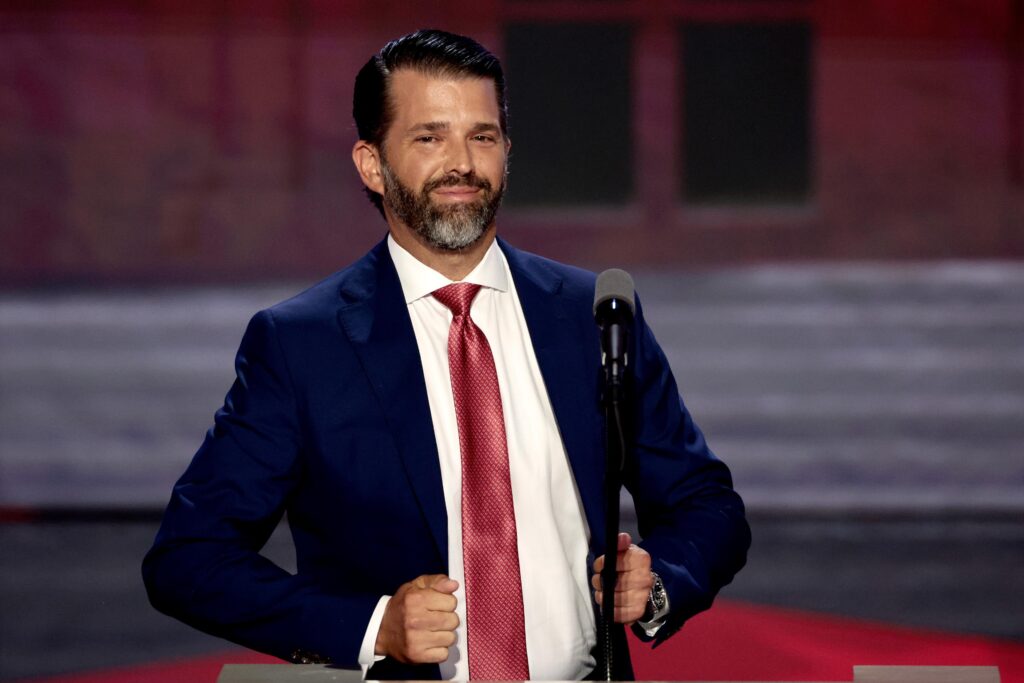
Damac Properties, a major real estate development company based in the UAE, has announced a remarkable $20 billion investment deal that marks a significant milestone in the continued strengthening of ties between the Gulf region and former President Donald Trump. The deal comes on the heels of growing business activities between the Trump Organization and companies within the UAE, signaling a deepening relationship that blends politics and commerce.

The landmark investment will largely focus on large-scale development projects in the Middle East, particularly in the UAE and surrounding regions, areas that have seen a significant increase in foreign investment in recent years. This particular venture, supported by Damac, which is one of the region’s most influential real estate developers, not only marks a huge financial commitment but also highlights Trump’s ongoing influence in the Middle East, a region where he has cultivated robust business partnerships.

Damac’s decision to align with the Trump Organization further consolidates the firm’s position within the luxury real estate sector, particularly as demand for high-end properties in the Gulf grows. The projects set to be developed under this partnership will span various sectors, from residential to commercial spaces, further enhancing the region’s appeal as a hub for international business.

This growing collaboration between Trump and Gulf-based entities like Damac points to a shift in the way Gulf states are engaging with American businessmen. The partnership reflects a broader trend where the region’s wealthy investors see value in deepening their relationships with powerful political figures, especially those with a global influence, such as Trump.

While Trump’s presidency left a complicated legacy regarding his ties to foreign governments, the current investment underscores the longevity of his business connections, particularly in the UAE, which remains one of the most lucrative and influential partners for Trump outside the United States. Under the terms of the deal, Trump will lend his brand to high-profile projects, which will undoubtedly raise the profile of these developments globally.

The expansion of Trump’s real estate ventures in the region speaks volumes about his sustained business interests in the Middle East. Trump’s brand, which has long been associated with luxury and wealth, aligns seamlessly with the aspirations of Gulf investors looking to increase their visibility on the global stage. The collaboration has also highlighted the shifting dynamics in real estate development, where political figures increasingly play a key role in shaping the future of business deals across borders.

What is especially notable is the involvement of the UAE in these initiatives. As one of the most economically diversified countries in the Middle East, the UAE is positioning itself as a leader in not only finance and tourism but also in the luxury real estate market. The Trump Organization’s presence in the region further underscores the country’s influence and its ability to attract major international investors. Despite concerns over the potential conflicts of interest due to Trump’s dual role as a businessman and political figure, the Gulf region has continued to welcome his projects, leading some analysts to question the broader implications of such investments.

The agreement also raises questions about the future of Trump’s business operations, especially in the context of his ongoing political career. With his political influence diminishing following his presidency, the $20 billion investment deal could be seen as an attempt to stabilize his financial portfolio by aligning with powerful Middle Eastern entities. The Trump Organization’s expansion into luxury real estate markets in the UAE also fits into a broader pattern of American businesses exploring new opportunities in foreign markets that are seen as stable and profitable.

Gulf investors, including those behind Damac, have increasingly demonstrated their willingness to engage with the Trump Organization despite the political controversy that surrounds his name. For many investors in the region, the financial upside of such partnerships outweighs the potential diplomatic fallout, a sign of the region’s prioritization of economic interests over political considerations.

The deal has sparked a mixed reaction. On one hand, it is seen as a symbol of the enduring power of Trump’s brand and his ability to foster profitable business ventures, even after leaving the White House. On the other hand, critics point to the risks of such ties, with concerns over the potential influence that foreign investors could exert over American politics through business arrangements.

The Mohammed Bin Rashid Space Centre (MBRSC) has announced that final preparations are underway for the launch of MBZ-SAT, the UAE’s most advanced Earth observation satellite. The satellite is scheduled for launch in January 2025, marking a significant milestone in the nation’s space exploration efforts.

Developed entirely by Emirati engineers at MBRSC, MBZ-SAT is poised to become the region’s most advanced high-accuracy, high-resolution imaging satellite. Designed to operate in low Earth orbit at an altitude of approximately 613 kilometers, the satellite will provide detailed imagery with a resolution of less than one square meter. This capability is expected to support a wide range of applications, including urban planning, environmental monitoring, water quality assessment, and agricultural development.

The satellite’s development involved comprehensive environmental testing at the Korea Aerospace Research Institute (KARI) in South Korea. These rigorous tests, including thermal vacuum, vibration, acoustic, and mass properties testing, ensured the satellite’s resilience under the extreme conditions of space. Following successful testing, MBZ-SAT was transported to Vandenberg Space Force Base in California for final launch preparations.

MBZ-SAT is equipped with an advanced imaging system capable of capturing high-resolution data with unprecedented accuracy and speed. The satellite’s automated scheduling and processing systems will enable it to generate ten times more imagery than previous models, with data processed and delivered in under two hours. This rapid turnaround is expected to enhance applications such as environmental monitoring, disaster relief, and infrastructure management.

The satellite’s development also marks significant progress for the UAE’s aerospace sector, fostering local economic growth through strategic partnerships. Nearly 90% of the satellite’s mechanical structures and a significant portion of its electronic modules were produced in collaboration with UAE-based companies, including Strata, EPI, Rockford Xellerix, Halcon, Falcon, and EGA. This collaboration not only strengthens the UAE’s space capabilities but also facilitates the transfer of knowledge to local talent.

Once operational in low Earth orbit, MBZ-SAT will be monitored from MBRSC’s Mission Control Centre, where teams will analyze the data transmitted back to Earth. The launch of MBZ-SAT is expected to solidify the UAE’s reputation as a global leader in space technology and sustainable innovation.

The launch of MBZ-SAT is scheduled for January 2025, with the exact date to be confirmed. The satellite will be launched aboard a Falcon 9 rocket, with the launch site to be announced.

Dubai’s real estate market, renowned for its rapid expansion and high returns, is encountering signs of strain as it grapples with unprecedented growth and emerging challenges. The city has experienced a significant surge in property prices, with forecasts indicating an 8% increase in 2025, driven by a shortage of housing supply.

In the third quarter of 2024, Dubai recorded 47,269 property transactions, the highest quarterly figure on record, marking a 41.8% increase compared to the same period in 2023. This surge has led to a 19.9% rise in property prices year-over-year.

Despite the robust demand, the market is facing a significant supply shortage. Knight Frank estimates that approximately 300,000 homes are expected to be built in Dubai between now and the end of 2029, with apartments accounting for 80.1% of the supply and villas making up 17.4%. However, only 8,900 new villas are anticipated by the end of 2024, and an additional 19,700 by the end of 2025, indicating a persistent villa shortage.

This supply-demand imbalance is contributing to rising property prices. Faisal Durrani, Partner and Head of Research for MENA at Knight Frank, noted that house prices in Dubai continue to be fueled by relentless demand, with prices in the mainstream market climbing by 4.3% in the third quarter, taking city-wide prices up by 19.9% compared to the same time last year.

The luxury segment is also experiencing significant growth. Properties valued over $1 million now account for 18.1% of all sales, up from 6.3% in 2020. This trend underscores Dubai’s appeal to high-net-worth individuals seeking premium real estate options.

Looking ahead, industry experts anticipate a moderation in price increases. Farooq Syed, CEO of Springfield Properties, forecasts residential prices to rise between 5% and 10% in 2025, driven by robust demand for off-plan properties. He emphasized that Dubai’s ability to balance rapid expansion with policies prioritizing market stability and long-term value creation will continue to position it as a leader in global real estate.

However, the market’s rapid growth has also led to concerns about affordability and sustainability. The limited availability of sites across key locations is contributing to rising prices for off-plan homes, while stock in the secondary market is experiencing significant price growth, especially where older homes have been refurbished.

The influx of international buyers is influencing the market dynamics. The opening of international schools in Dubai has accompanied significant house-price inflation, as developers create housing projects aimed at affluent families seeking quality education for their children. This trend has notably increased property prices in areas with international schools, as seen in regions such as Brittany, Marbella, Portugal, the south of France, and Switzerland.

In response to the growing demand for luxury properties, developers are undertaking significant projects. For instance, the Trump Organization, in partnership with Saudi real estate company Dar Global, is set to develop Trump-branded properties in Dubai. These ventures include a $4 billion project in Oman and a Trump Tower in Dubai, featuring a hotel and residential units, set to launch next year.


The luxury market is also attracting high-profile individuals. Soccer star Neymar recently purchased a $54.45 million penthouse in Dubai’s Bugatti Residences, underscoring the city’s appeal to affluent buyers.

Despite the challenges, Dubai’s real estate market remains resilient, supported by strategic government reforms, robust foreign investment, and a diversified economic landscape extending beyond oil. The city’s strong infrastructure and investor-friendly policies continue to attract both residents and high-net-worth individuals, positioning Dubai as a preferred destination for long-term investment.

However, the market’s rapid growth has also led to concerns about affordability and sustainability. The limited availability of sites across key locations is contributing to rising prices for off-plan homes, while stock in the secondary market is experiencing significant price growth, especially where older homes have been refurbished.

The influx of international buyers is influencing the market dynamics. The opening of international schools in Dubai has accompanied significant house-price inflation, as developers create housing projects aimed at affluent families seeking quality education for their children. This trend has notably increased property prices in areas with international schools, as seen in regions such as Brittany, Marbella, Portugal, the south of France, and Switzerland.

In response to the growing demand for luxury properties, developers are undertaking significant projects. For instance, the Trump Organization, in partnership with Saudi real estate company Dar Global, is set to develop Trump-branded properties in Dubai. These ventures include a $4 billion project in Oman and a Trump Tower in Dubai, featuring a hotel and residential units, set to launch next year.
Abu Dhabi’s state-owned holding company, ADQ, has acquired a 22% stake in Aramex, a leading global logistics and transportation solutions provider. This strategic investment aims to bolster the United Arab Emirates’ position in the international logistics and transportation sector.

The acquisition was executed through a series of on-market transactions and an off-market special deal. Murtaza Hussain, ADQ’s acting chief investment officer for M&A and alternative investments, stated that Aramex’s global leadership in logistics complements ADQ’s existing investments, including Abu Dhabi Ports, Abu Dhabi Airport, and Etihad Rail, as the company works to expand the UAE’s logistics ecosystem.

Established in 1982, Aramex has grown into a global provider of logistics and transportation solutions, with over 600 offices in more than 65 countries. The company offers a wide range of services, including domestic and international express delivery, e-commerce shipping and fulfillment solutions, road, air, and sea freight, supply chain management, and more.

In September 2020, ADQ initially acquired the 22% stake in Aramex through its subsidiary, Alpha Oryx Limited. This move was part of ADQ’s broader strategy to invest in key sectors that support the UAE’s economic diversification and growth.

Subsequently, in January 2022, Alpha Oryx transferred its 22.32% stake in Aramex to Abu Dhabi Ports Group, another ADQ subsidiary. This transfer aimed to create synergies between Aramex’s global logistics operations and Abu Dhabi Ports’ regional infrastructure, enhancing the UAE’s logistics capabilities.

Aramex has been actively restructuring its operations to adapt to the evolving logistics landscape. In September 2021, the company split its core businesses into Aramex Express, focusing on business-to-consumer deliveries, and Aramex Logistics, handling business-to-business operations. This strategic realignment was designed to capture growth opportunities in the post-COVID-19 transportation and logistics industry.

The UAE’s logistics sector has been experiencing significant growth, driven by increasing e-commerce demand and strategic investments in infrastructure. ADQ’s acquisition of a substantial stake in Aramex aligns with the nation’s vision to become a global logistics hub, leveraging its strategic location and advanced infrastructure.

ADQ, established in 2018, is one of the region’s largest holding companies, with a broad portfolio spanning key sectors, including utilities, tourism and hospitality, aviation, transportation, logistics, industrial, real estate, media, healthcare, food and agriculture, and financial services. The company’s investment in Aramex reflects its commitment to enhancing the UAE’s economic competitiveness and diversification.

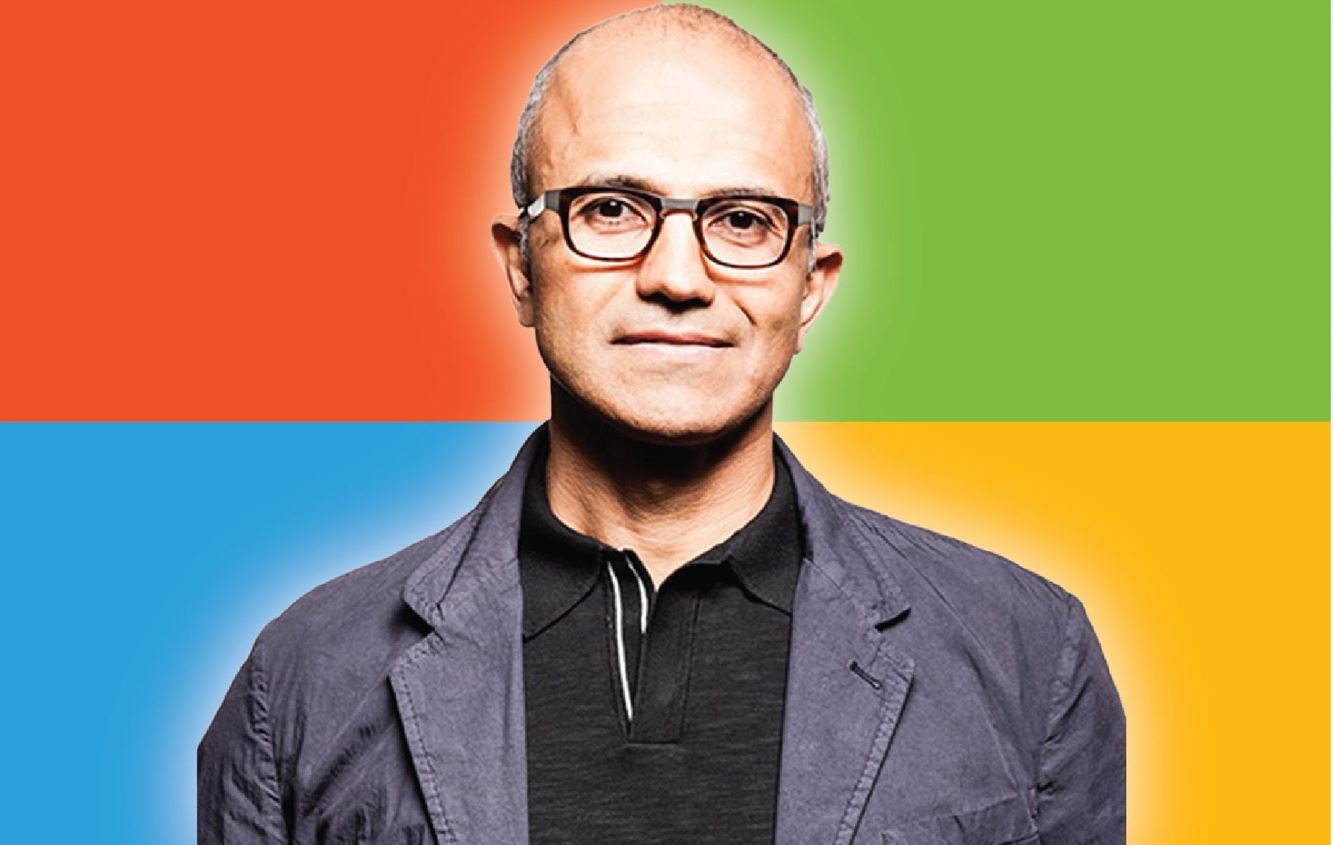
By K Raveendran Microsoft’s deepening engagement with India is both a strategic imperative and a reflection of its renewed focus on emerging technologies under the leadership of Satya Nadella. Nadella’s connection to India goes beyond his heritage; his initiatives underscore a profound appreciation for the country’s pivotal role in shaping the future of technology. As […]
By Dr. Gyan Pathak Prioritizing employment generation and increasing funds for employment guarantee schemes have unquestionably emerged as the top priority during pre-budget consultations of Union Minister of Finance Nirmala Sitharaman for the Union Budget 2025-26, both with the Central Trade Unions (CTUs) and India Inc. The confederation of Indian Industry (CII) urged the Union […]
By Dr. Gyan Pathak Delhi elections has clearly shown that the opposition INDIA bloc has now become a dilapidated house in which the walls and pillars are falling apart. Saying two of its allies – Congress and Aam Aadmi Party (AAP) has broken away, will be an understatement, since the Congress is not only trying […]

Arf, a blockchain-powered fintech platform, has entered into a significant strategic partnership with LuLu Financial Holdings to transform global payment systems. The collaboration will focus on enabling T-0 settlement for cross-border transactions, aiming to revolutionize the speed and efficiency of payments across international borders. This innovative solution seeks to provide businesses and consumers with real-time settlement options, eliminating delays traditionally associated with international payments. Arf, known for […]

Saudi Arabia has officially assumed leadership of the International Society for Reef Conservation (ICRI) Secretariat, marking a pivotal moment in the global fight to protect coral reefs. The move was confirmed during the 2025 ICRI conference, where environmental ministers and stakeholders from around the world gathered to discuss the escalating challenges coral reefs face and the urgent need for coordinated global action. Saudi Arabia’s selection as the […]

Bank Alfalah has secured a strategic investment in Jingle Pay, a prominent UAE-based fintech company, marking a significant step in its pursuit of growth in the digital financial sector. The acquisition comes amid an ongoing trend of traditional financial institutions increasingly eyeing fintech ventures as a means of broadening their service offerings in the region.

Jingle Pay, which has gained considerable traction with its innovative solutions in digital payments, is expected to benefit from the partnership by leveraging Bank Alfalah’s extensive network and resources. The deal signifies a pivotal moment for both entities, with Bank Alfalah positioning itself as a key player in the UAE’s fast-evolving digital payments landscape.

The strategic move is part of a broader strategy by Bank Alfalah to capitalize on the rapid growth of fintech in the Gulf Cooperation Council (GCC) countries, driven by rising demand for mobile banking services, peer-to-peer transactions, and other digital finance solutions. The deal will not only strengthen Bank Alfalah’s footprint in the UAE market but also enable Jingle Pay to scale its offerings to a larger customer base across the region.

Industry analysts see this as a critical partnership that underscores the increasing convergence between traditional banks and fintech startups. The global rise of digital payments, coupled with a shift in consumer preferences toward cashless transactions, has created fertile ground for such collaborations. As consumers embrace digital wallets and online payment systems, financial institutions are moving quickly to incorporate such technologies into their service offerings.

The UAE’s fintech ecosystem has become a focal point for global investors, spurred on by a favorable regulatory environment, including initiatives like the Dubai International Financial Centre’s (DIFC) fintech hub. The country’s commitment to fostering innovation and digital transformation in financial services is reflected in its rapid adoption of technologies such as blockchain, artificial intelligence, and machine learning, which are revolutionizing financial services.

Bank Alfalah, one of Pakistan’s largest private banks, has been diversifying its portfolio with a focus on tech-driven financial products. Its move into fintech partnerships aligns with its goal of offering enhanced financial solutions to both individual consumers and businesses in the GCC region. The strategic acquisition of a stake in Jingle Pay enhances its ability to deliver next-generation payment systems, addressing the growing demand for seamless and secure payment methods.

Jingle Pay, which offers both individual and corporate clients a wide array of financial services including mobile wallet solutions and bill payment facilities, is well-positioned to benefit from this infusion of capital and expertise. With the backing of Bank Alfalah, the company plans to accelerate its expansion and continue innovating in the fast-paced fintech space. Jingle Pay’s growth trajectory will also be boosted by its ability to tap into Bank Alfalah’s robust infrastructure, which includes a vast network of ATMs, branches, and financial products, giving the fintech company access to a broader spectrum of potential clients.

This partnership could also set a precedent for further consolidation in the fintech sector as larger financial institutions continue to seek out emerging players in the digital payments space. As more banks embrace digital transformation, the line between traditional banking services and fintech solutions continues to blur, creating new opportunities for both established financial players and disruptive startups. For consumers, this is likely to mean more options for managing their finances digitally, from making payments to accessing loans and other financial products, all from their smartphones.

For the UAE market, this deal between Bank Alfalah and Jingle Pay is expected to contribute to the growth of the fintech sector, offering greater competition and innovation in the financial technology space. The integration of traditional banking resources with fintech innovation has the potential to reshape how consumers and businesses interact with financial institutions, making digital finance more accessible and efficient.

By Arun Srivastava RSS chief Mohan Bhagwat visiting Bengal for ten days is certainly not such a big news to draw attention. But his stay this time attains importance for the reason that he would discuss the state of the BJP and RSS in the state and give direction to the RSS workers to take […]

Carrefour has officially exited Oman, marking the conclusion of its collaboration with Majid Al Futtaim. This decision follows years of shared operations within the retail market, as the multinational giant, part of the French conglomerate Groupe Carrefour, faced increasing competition and changing dynamics within the regional landscape. Majid Al Futtaim, the operator of Carrefour in the region, has opted to pivot towards a new retail format called […]

A consortium led by the Arab Energy Fund (TAEF), formerly known as the Arab Petroleum Investments Corporation (APICORP), has acquired a 100% stake in Metito Utilities, a Dubai-based global investor and operator specializing in sustainable water management solutions. The acquisition, conducted in partnership with Saudi Arabia’s Zamil Group Investment Company and the Ghandour family, aligns with TAEF’s strategic vision to enhance energy security and sustainability by investing […]

VISHNU RAJA
RYO YAMADA
HITORI GOTOH
IKUYO KITA