News related to
Arabia

Dubai’s Roads and Transport Authority has unveiled its fourth-generation traditional abras, a key initiative aimed at modernising the city’s iconic water transport system. The new abras, which combine traditional design with innovative technology, are expected to enhance the overall passenger experience while maintaining the charm and heritage of Dubai’s waterways.

The new fleet marks a significant step in the evolution of Dubai’s abras, which have long been a cornerstone of the city’s transport network, offering both locals and tourists a scenic and practical way to cross the Dubai Creek. These traditional boats, often seen as a symbol of the emirate’s rich maritime history, will now feature advanced features including more eco-friendly propulsion systems, improved safety measures, and greater passenger comfort.

In an announcement made by the RTA, it was revealed that the new generation of abras will include enhanced materials for durability, better fuel efficiency, and a more comfortable ride. These innovations come as part of a broader push to modernise Dubai’s transport infrastructure, positioning the city as a global leader in integrating sustainable technologies with its cultural heritage.

The fourth-generation abras will include air-conditioning systems for passenger comfort, and a more streamlined design to reduce fuel consumption and emissions, aligning with Dubai’s environmental goals. This new fleet is also part of RTA’s efforts to boost Dubai’s tourism sector by providing an upgraded and attractive water transport option for visitors while ensuring the traditional spirit of the abras is retained.

“The launch of the fourth-generation abras is a major milestone in the evolution of public transport in Dubai,” said Mattar Al Tayer, Director-General and Chairman of the RTA. He highlighted that the initiative represents the authority’s ongoing commitment to enhancing mobility solutions that balance modernity with tradition. “This project exemplifies Dubai’s vision of fostering sustainable growth while embracing its rich cultural heritage.”

The new generation of abras will also feature state-of-the-art navigation systems, offering more efficient scheduling and tracking of the fleet. These improvements are designed to further enhance the operational efficiency of the boats, making travel along the Creek smoother for both commuters and tourists alike.

The decision to modernise the traditional abras aligns with the UAE’s long-term commitment to sustainability and technological integration. The nation has already made substantial investments in green technologies across various sectors, with a particular focus on reducing carbon emissions and promoting energy-efficient systems. The RTA’s new abras are expected to play a key role in helping the city achieve its ambitious sustainability targets, especially as the global focus on eco-friendly transportation intensifies.

In addition to their sustainability features, the new abras will incorporate advanced safety features, including GPS tracking and communication systems, which will allow for better coordination and faster response times in case of emergency. This is expected to reassure passengers and enhance the overall reliability of the service, especially in high-traffic areas of Dubai Creek.

The RTA’s initiative is expected to not only improve the experience for daily commuters but also attract more tourists to the waterway, which has long been a popular attraction in Dubai. The new abras, with their modern features and enhanced comfort, will likely offer an even more appealing way to explore the historic district of Bur Dubai, Deira, and other key areas along the Creek.

The traditional abras have been a feature of Dubai’s public transport network for decades, offering a scenic and affordable way to navigate the city’s waterways. However, the evolving needs of residents and visitors, alongside the city’s rapid growth, have necessitated changes to the system. The RTA’s decision to upgrade the abras aims to address these needs while ensuring the city’s water transport continues to serve as both a practical mode of transport and a cultural symbol.

RTA’s modernisation efforts are also seen as part of a broader trend across Dubai, where a mix of traditional values and modern technological advancements is shaping the city’s transport landscape. From driverless taxis to electric buses and sustainable metro services, the RTA has been at the forefront of integrating innovation into the city’s public transport network.

The new abras are also expected to be more inclusive, with design modifications that make the boats more accessible to people with disabilities. The RTA has stated that it is committed to ensuring all its public transport services meet the needs of the entire population, including those with mobility challenges. The new abras will have specially designed seating and ramps to accommodate passengers with physical disabilities, further enhancing the inclusivity of Dubai’s transport system.

As the global transportation industry increasingly turns towards sustainability, the RTA’s new abras demonstrate how cities like Dubai are seeking to preserve their cultural heritage while embracing new technologies. The launch of these boats highlights the emirate’s commitment to becoming a leader in sustainable urban development and reflects the growing importance of integrating green solutions into public transport systems worldwide.

Passengers on the new abras will also benefit from enhanced security features, with additional surveillance cameras and safety protocols in place. These measures are expected to ensure that Dubai’s water transport remains one of the safest and most reliable in the region, with a focus on passenger welfare at every stage of the journey.

Hayden Davis, the creator behind the highly debated LIBRA memecoin, has introduced a new digital token named MELANIA, further stirring up the already volatile world of cryptocurrency. Davis, who rose to prominence for his controversial involvement with LIBRA, stated that he had refunded $5 million to prominent investor Dave Portnoy after the latter faced significant losses with the previous token. This latest move by Davis has sparked a new wave of interest and scepticism within the crypto community, especially given the history of volatility surrounding his previous projects.

LIBRA, which gained widespread attention due to its speculative nature and ties to the social media influencer community, was initially touted as a groundbreaking new cryptocurrency. However, its journey was marred by controversies, including fluctuating values and allegations of market manipulation. Despite the backlash, LIBRA achieved a notable degree of success in terms of market presence, albeit with a reputation that many considered controversial. Its erratic performance and the subsequent departure of several investors raised questions about the stability of such tokens.

Davis, who had been at the forefront of the LIBRA coin’s launch, faced intense scrutiny over its impact. The memecoin’s popularity grew quickly, attracting investors seeking fast returns, yet it was often criticised for lacking a solid underlying value or utility. LIBRA’s volatility led to substantial losses for many, including Portnoy, a prominent figure in the financial world, who invested heavily into the token. Portnoy, who is known for his outspoken persona, expressed frustration over the unpredictability of the coin, noting that his investment had been marred by significant financial losses.

In response, Davis made an unexpected move by announcing that he had refunded Portnoy’s $5 million in an effort to address the criticism that had been directed towards LIBRA. Davis’ refund, while somewhat mitigating the damage to Portnoy’s portfolio, did little to quell the broader doubts about the memecoin’s legitimacy. His actions sparked a polarising debate within the crypto world, with some applauding the gesture as a sign of accountability, while others viewed it as a tactical move to bolster his reputation ahead of the release of his new token, MELANIA.

MELANIA’s launch is the latest addition to a growing trend of memecoins that have taken over the crypto space in recent years. These tokens, often based on internet trends or pop culture references, are typically known for their highly speculative nature. MELANIA, however, presents itself as a different entity, according to Davis, who claims that the token will have a stronger focus on utility and long-term value. While the specifics of MELANIA’s underlying technology remain unclear, Davis has been vocal about his plans for the token to transcend the typical characteristics of memecoins by incorporating elements of DeFi and NFTs .

The unveiling of MELANIA has already generated a significant amount of attention, both positive and negative. On the one hand, the cryptosphere is intrigued by Davis’ bold claim that he has “sniped” both LIBRA and MELANIA tokens, suggesting that he has the ability to strategically manipulate or influence the market in his favour. On the other hand, sceptics have raised concerns that Davis is once again positioning himself as a central figure in the creation of speculative assets, potentially leading investors down a similar path as with LIBRA.

Despite the criticism, Davis has insisted that he is taking a more responsible approach with MELANIA, aiming to create a cryptocurrency that balances the high-risk, high-reward nature of the market with a more stable and transparent framework. He has outlined plans for MELANIA to support charitable initiatives, including efforts to assist underprivileged communities, which he hopes will add credibility to the project. The combination of social causes with cryptocurrency is becoming an increasingly popular trend in the space, with several blockchain projects positioning themselves as vehicles for social good.

Critics, however, remain unconvinced by Davis’ assurances, pointing out that the broader crypto market remains largely unregulated, with limited safeguards for investors. As evidenced by the LIBRA experience, tokens in the memecoin category can experience significant swings in value, often driven more by hype than tangible innovation. The unpredictability of these assets has led to calls for greater oversight in the cryptocurrency sector, as more individuals and institutions enter the market looking to capitalise on the potential for quick returns.

Adding to the intrigue is Davis’ claim that he was responsible for “sniping” both LIBRA and MELANIA, a term often used in trading circles to describe taking advantage of market opportunities at opportune moments. Whether this refers to manipulating market sentiment or executing tactical trades in his favour remains unclear, but it further adds to the mystique surrounding Davis as a figure in the crypto world. His activities have sparked interest not only from investors but also from regulatory bodies who are beginning to take a closer look at the actions of influential players in the cryptocurrency space.

West Virginia’s healthcare industry is grappling with mounting workforce shortages, presenting ongoing challenges that are straining hospitals and healthcare providers across the state. Despite efforts to address the issue, the shortage of medical professionals continues to hinder service delivery, with significant implications for patient care and hospital operations.

Hospitals in West Virginia, particularly in rural areas, have reported increasing difficulties in attracting and retaining skilled workers, such as doctors, nurses, and other essential healthcare staff. These shortages have led to higher workloads for existing staff, longer wait times for patients, and concerns over the quality of care. The challenges have intensified in the wake of the COVID-19 pandemic, which exacerbated the already precarious state of the healthcare workforce.

The West Virginia Hospital Association has highlighted these persistent issues in a series of statements, emphasising the detrimental impact on healthcare services. The association’s president, whose remarks have resonated with both healthcare workers and policymakers, warned that without significant intervention, the situation could worsen, affecting the accessibility and standard of care in the state.

A primary concern is the rising demand for healthcare services, especially with an aging population. West Virginia has one of the oldest populations in the United States, and as more people reach retirement age, there is an increasing need for medical professionals to manage chronic conditions, provide long-term care, and address the complexities of aging health concerns. However, the supply of healthcare workers has failed to keep pace with this demand, leading to workforce imbalances that challenge the state’s healthcare infrastructure.

Another significant issue contributing to the workforce shortage is the growing number of healthcare professionals leaving the industry. Many nurses and doctors are opting for early retirement or leaving the profession due to burnout and stress, further compounding the problem. High levels of emotional and physical exhaustion, exacerbated by the pandemic, have led to job dissatisfaction among healthcare workers, making it difficult for healthcare facilities to retain their workforce.

Financial pressures have also played a role in the workforce shortage. Many healthcare organisations, particularly smaller and rural hospitals, have been unable to offer competitive salaries or benefits that can attract or retain highly skilled medical staff. As a result, healthcare workers are often lured to other regions or larger urban hospitals, where compensation and resources are more robust.

The state’s government has taken some steps to address these workforce challenges, including offering incentives for healthcare workers to stay in West Virginia or return to the state. Financial incentives, such as loan forgiveness programs and recruitment bonuses, have been introduced, but these measures have not yet led to significant improvements in the overall workforce numbers.

There have been efforts to expand medical training opportunities within the state. Educational institutions have been working to increase the number of graduates in fields like nursing, medicine, and allied health, in hopes of alleviating the shortage over time. However, experts argue that without immediate action to retain existing staff and improve working conditions, these long-term solutions may not have a sufficient impact in the short term.

Health experts have also pointed to the increasing reliance on technology as a potential solution to some of these workforce gaps. Telemedicine and digital health tools have been widely embraced during the pandemic, and their continued use could help mitigate the effects of workforce shortages by allowing healthcare providers to extend their reach and provide care in areas where staffing is limited. However, the success of this approach depends heavily on infrastructure and the ability to integrate these technologies effectively into the state’s healthcare system.

As West Virginia struggles with these workforce challenges, there are growing concerns that the state’s healthcare system may become unsustainable, particularly in its rural regions. These areas are particularly vulnerable, with fewer healthcare facilities and fewer resources available to deal with rising patient numbers. If the shortage of medical professionals is not addressed, these communities could face even greater difficulties in accessing the care they need.

For now, healthcare providers across the state are focusing on strategies to manage the existing workforce more effectively. Many hospitals are implementing measures to reduce staff burnout, such as offering flexible hours, improving work environments, and providing additional support for mental health. Some hospitals are also turning to innovative staffing solutions, including expanding the use of advanced practice providers, such as nurse practitioners and physician assistants, to fill gaps in care.

Despite these efforts, healthcare leaders remain cautious about the future. The workforce shortages are expected to persist unless more substantial reforms are introduced, including increased investments in the healthcare sector, better incentives for workers, and continued expansion of training programs. As the situation evolves, the state’s policymakers and healthcare administrators will need to work collaboratively to develop sustainable solutions that ensure quality care for all West Virginians.

Ducab Group has joined forces with the Mohammed Bin Rashid Housing Establishment in a strategic partnership aimed at enhancing Dubai’s large-scale residential developments with advanced cable solutions. This collaboration marks a significant step in promoting sustainability and advancing infrastructure within the emirate, as Ducab provides an array of high-quality products, including low-voltage power cables, wires, flexible cables, and Flam BICC2 fire-resistant cables.

The partnership comes in response to the UAE’s ambitious push for sustainable development, aligning with the country’s wider vision of creating environmentally responsible and energy-efficient housing. MBRHE, tasked with providing affordable homes to UAE nationals, is focused on modernising its housing projects, making this collaboration a key element in ensuring that their new developments adhere to the highest standards of safety, energy efficiency, and environmental sustainability.

The low-voltage power cables, central to the collaboration, are designed to meet the growing demand for reliable energy supply in urban areas. These cables are essential for transmitting electricity efficiently across residential complexes, enabling the seamless operation of essential services such as lighting, heating, and air conditioning. Flexible cables, which allow for easy installation in a variety of configurations, will also play a vital role in maintaining the safety and durability of the electrical systems within these residential areas.

The incorporation of Flam BICC2 fire-resistant cables adds an extra layer of safety, protecting the residents and properties from potential electrical fires. These fire-resistant cables, which meet stringent international standards, provide superior protection by preventing the spread of fire through the electrical infrastructure, crucial in high-rise buildings and densely populated areas. With fire safety becoming an increasing concern in residential construction, these cables will play an important role in mitigating risks and ensuring the well-being of Dubai’s growing population.

Ducab, a prominent manufacturer of cables and electrical products in the UAE, has a long-standing reputation for providing innovative and reliable solutions for various sectors, including construction, energy, and infrastructure. Its involvement in this partnership strengthens its position as a leading provider of electrical solutions for the UAE’s residential and commercial sectors. The company’s commitment to sustainable practices is evident in its product offerings, which not only meet international quality standards but also incorporate eco-friendly manufacturing processes.

The collaboration with MBRHE also signals Ducab’s continued efforts to support the UAE’s ambitious sustainability goals, including its drive to reduce carbon emissions and promote energy efficiency across all industries. By providing cutting-edge cable technology that adheres to the highest safety standards, Ducab is contributing to the UAE’s goal of building smart, sustainable cities that can meet the challenges of the future.

MBRHE’s role in the partnership is pivotal, as it oversees the construction and delivery of homes for UAE nationals. The establishment is responsible for implementing Dubai’s housing strategy, ensuring that projects are not only cost-effective but also meet the sustainability standards required for long-term success. The inclusion of Ducab’s advanced cable solutions is part of a broader initiative to elevate the quality of these homes, ensuring they are equipped with the latest technology and built to withstand the demands of modern living.

Dubai’s housing sector has seen significant transformation over the past few years, with an increasing focus on green building practices and energy-efficient solutions. This partnership between Ducab and MBRHE is a direct response to this shift, as developers and stakeholders strive to meet the growing demand for sustainable housing options. The project aligns with Dubai’s broader goals outlined in its Vision 2021 and other long-term urban planning strategies, which focus on sustainable development, energy efficiency, and the creation of smart cities.

As part of the collaboration, Ducab’s role extends beyond the supply of cables and wires. The company is also involved in providing technical support and expertise, ensuring that the installation and maintenance of these systems meet the highest standards of quality and safety. Ducab’s commitment to research and development ensures that its products continue to evolve in line with technological advancements and the shifting demands of the construction and energy sectors.

The move to integrate advanced cable solutions into Dubai’s residential projects also comes as the emirate ramps up efforts to bolster its position as a global hub for innovation and sustainability. With growing pressure on governments and industries to adopt more environmentally conscious practices, collaborations like the one between Ducab and MBRHE are essential in driving the change needed to support sustainable urban development.

Qatar has unveiled a significant reduction in business set-up fees, a move aimed at making it easier for entrepreneurs to establish entities within the country’s growing financial hub. The Qatar Financial Centre announced that the application fee for licensing an entity within its platform will be reduced by a staggering 90%, dropping from $5,000 to $500.

This reduction applies specifically to businesses that will engage in non-regulated activities within the QFC, although Single Family Offices are excluded from the fee cut. The new initiative is designed to lower entry barriers and encourage more entrepreneurs and businesses to take advantage of Qatar’s thriving financial ecosystem.

The QFC, a key pillar in Qatar’s economic diversification strategy, has positioned itself as a dynamic platform for both local and international companies seeking to operate in the region. This step reflects the country’s growing emphasis on fostering a more open and accessible business environment, especially as it seeks to attract startups, SMEs, and other entrepreneurs from around the globe.

The decision to slash set-up costs for businesses seeking to operate in the QFC is part of Qatar’s broader agenda to strengthen its competitive edge in the Middle East and North Africa region. By making it easier to establish companies, Qatar aims to tap into the growing demand for financial services and other non-regulated activities.

The move is also expected to benefit those looking to establish smaller, niche companies that might not otherwise have considered Qatar as a viable business location due to high initial costs. Qatar’s commitment to creating a more entrepreneur-friendly landscape aligns with its long-term vision of fostering sustainable growth through diversification and innovation.

Notably, while the QFC’s new fee structure is designed to attract entities with non-regulated business models, it also sends a message to the broader market about Qatar’s evolving role as a business hub in the region. By reducing the cost of entry, the country hopes to level the playing field for businesses of all sizes and industries.

This fee reduction aligns with Qatar’s wider economic reforms, including those that aim to ease regulations on foreign investments, offer tax incentives, and provide better access to capital for emerging businesses. The QFC’s efforts also reflect Qatar’s strategic aim of becoming a more diversified, competitive, and resilient economy, reducing its reliance on traditional sectors such as oil and gas.

In recent years, the country has made substantial strides in creating an environment conducive to growth and innovation. Initiatives like this are likely to play a key role in positioning Qatar as an attractive destination for foreign direct investment , which will be pivotal for future economic expansion.

The move is also in keeping with global trends that see financial centres and business hubs competing to provide the most appealing regulatory and fiscal environments. Qatar is positioning itself to meet the growing demand for digital finance, fintech, and other non-regulated sectors, where opportunities for growth and profitability are seen to be abundant.

In addition to these measures, Qatar’s focus on creating a more transparent and streamlined regulatory environment has been instrumental in its quest to attract international businesses. The QFC offers a competitive range of services designed to simplify processes for companies, including business licensing, tax exemptions, and operational support, further enhancing its appeal to potential investors.

Qatar’s economic diversification strategy is being closely monitored by industry experts, with many recognising the country’s growing importance as a business and financial hub in the Gulf region. By lowering business entry fees and removing traditional barriers to establishment, Qatar is positioning itself as a forward-thinking, business-friendly nation eager to promote entrepreneurship and global investment.

Given its strategic geographical location and political stability, Qatar is increasingly seen as a secure and profitable gateway for businesses looking to access the broader MENA region. The government’s proactive approach to enhancing the business climate, evidenced by the fee reduction, has already yielded tangible results in attracting international investors and business operations to the country.

While the new fee structure is a positive development for the QFC, it is also crucial to consider how it will resonate with other financial hubs in the region, such as Dubai and Abu Dhabi. These cities have long been established as business destinations, with comprehensive support networks and attractive fiscal policies. Qatar’s recent measures indicate an understanding of the need to foster a competitive business environment, but the long-term impact on regional competition remains to be fully seen.

For now, however, the move to significantly reduce business licensing fees is expected to boost Qatar’s image as a modern, progressive economy that is actively seeking to expand its footprint in the international business world. It also reflects the wider trend of economic liberalisation and market-friendly reforms sweeping across the Gulf region.

The Mohammed Bin Rashid Aerospace Hub at Dubai South has reached a milestone in private jet movements, recording an unprecedented 17,891 movements in 2024. This represents a 7% increase from the previous year, cementing Dubai’s position as a key global hub for private aviation.

December alone saw over 2,600 private jet movements, marking a staggering 51% rise compared to the same month in 2023. This surge highlights a sustained upward trend in aviation activity, particularly in the final quarter of the year, as Dubai continues to attract significant international traffic.

Several factors are driving this growth, including Dubai’s reputation as a prime destination for international events, leisure, and business activities. The city’s robust tourism industry further bolstered by the steady rise in international visitors contributed significantly to the increase in private jet movements.

With a remarkable 18.72 million international visitors in 2024, Dubai solidified its position as a world-class destination. The UAE’s strategic positioning, its status as a global tourism hub, and the growing appeal of Dubai’s luxury offerings, ranging from top-tier exhibitions to high-profile business conferences, have all contributed to this surge in air traffic.

The aerospace sector is also benefiting from Dubai’s growing importance as a business and leisure nexus, attracting affluent individuals, celebrities, and executives, all of whom rely on private aviation for the convenience and flexibility it provides. This growth in private jet movements has allowed Dubai to expand its aviation infrastructure, with the MBRAH hub now more equipped than ever to handle the increasing demand.

Dubai’s year-round calendar of events has helped sustain this steady growth in the aviation sector. High-profile events such as the Dubai Airshow, Art Dubai, and the Dubai World Cup continue to draw in crowds from all over the world, while the UAE’s leadership in hosting global conferences, such as Expo 2020, further strengthens its role as a premier destination for global business, tourism, and entertainment.

Dubai’s comprehensive tourism strategy has significantly impacted the private aviation sector. Efforts to bolster the city’s appeal to both leisure and business travellers have been fruitful, as evidenced by the growing number of international visitors each year. This influx has directly translated into increased demand for private jet services, ensuring that the aviation sector remains a key player in the emirate’s economy.

Business aviation’s rise in Dubai is not just a reflection of the city’s appeal but also of broader trends within the private jet industry. Globally, business and leisure aviation have surged in popularity, with a growing number of individuals preferring the privacy, convenience, and speed that private jets offer. The UAE, and Dubai in particular, has been quick to capitalize on these global shifts, positioning itself as a central point for high-end travel.

Dubai’s strategic location in the Middle East plays a pivotal role in connecting travellers to major markets across Europe, Asia, and Africa. The city’s status as an international hub makes it an attractive stopover for private jet users who are travelling to and from distant destinations. The growth of international airlines, combined with the continued expansion of Dubai’s own fleet of business jets, enhances its role as a global leader in aviation.

The growing number of private jets arriving in Dubai has also contributed to an expansion of the city’s aviation infrastructure. The increase in private jet movements has led to enhanced facilities at MBRAH, which has significantly improved its capacity to serve high-profile clients and international travellers. This expansion is part of a broader trend in Dubai’s continuous investments in its aviation industry, which have reinforced its status as a hub for global travel.

Notably, private jet traffic has not just been limited to corporate executives and leisure travellers. A rising number of tourists opting for private jet travel are also contributing to the sector’s growth. Dubai’s luxury hotels, exclusive resorts, and world-renowned shopping centres cater to this affluent group of tourists, further incentivising private jet travel.

The city’s commitment to providing exceptional services for private aviation passengers, including bespoke concierge services and streamlined entry processes, has positioned it as an attractive destination for private jet users. With high-end services and access to luxurious facilities, Dubai has become a go-to destination for those seeking an elite travel experience.

The U.S. Securities and Exchange Commission is encountering mounting challenges in its oversight of cryptocurrency exchanges, with key cases involving Binance and Coinbase experiencing temporary halts. These legal pauses have raised questions about the agency’s ability to regulate the burgeoning crypto industry effectively. Now, the potential for similar delays in the high-profile case against Ripple further complicates the SEC’s crypto enforcement strategy.

The SEC’s legal actions against Binance and Coinbase, two of the largest cryptocurrency exchanges in the world, have been central to its efforts to impose stricter controls on the sector. However, court decisions have led to delays in these proceedings, with both companies seeing temporary relief from their legal battles. These pauses have intensified the debate on whether the SEC is losing its grip on cryptocurrency regulation and whether its approach is becoming increasingly ineffective in the face of mounting industry resistance.

The SEC’s lawsuits against Binance and Coinbase have attracted significant attention due to their implications for the broader cryptocurrency market. Binance, which operates globally, has been accused of violating U.S. securities laws by facilitating the trading of unregistered securities. Meanwhile, Coinbase, based in the U.S., has faced similar allegations, drawing the SEC’s scrutiny for listing tokens deemed to be securities under federal law. Both exchanges have denied the allegations, with Binance calling the SEC’s charges “unfounded” and Coinbase asserting that it complies with all relevant regulations.

John Reed Stark, a former SEC official, has played a significant role in commenting on the ongoing legal landscape surrounding cryptocurrency. Stark, who served as Chief of the SEC’s Office of Internet Enforcement, recently speculated that the Ripple case could follow a similar path. He suggested that the outcome of the case, which involves accusations that Ripple’s XRP token constitutes an unregistered security, could determine the future direction of the SEC’s crypto-related litigation. Stark’s remarks highlight growing concerns that the SEC’s attempts to regulate the crypto space might face significant setbacks if its cases continue to stall.

As the legal battles continue, the broader cryptocurrency market is watching closely. Industry advocates and experts argue that regulatory clarity is essential for the sector’s long-term growth. The volatility surrounding these high-profile lawsuits underscores the challenge of applying traditional securities laws to a rapidly evolving technological field. The crypto community remains divided on the effectiveness of the SEC’s approach, with some advocating for a more tailored regulatory framework that considers the unique nature of digital assets.

The delays in the cases against Binance and Coinbase have also brought renewed attention to the SEC’s overall strategy. Some analysts believe that the agency’s aggressive stance may be backfiring, with legal challenges creating uncertainty for both investors and businesses within the crypto space. The possibility that the SEC’s approach may not result in swift, clear decisions has prompted calls for a more measured approach, one that balances enforcement with the need for regulatory clarity and innovation.

Ripple, which has been embroiled in its own legal battle with the SEC for several years, has been another focal point in this ongoing debate. The case hinges on whether XRP, Ripple’s native cryptocurrency, should be classified as a security under U.S. law. If the court rules in favour of Ripple, it could set a significant precedent that limits the SEC’s power to regulate other cryptocurrencies in the same way. However, if the SEC prevails, it could cement its authority over digital assets, further consolidating its control over the market.

Despite the uncertainty, the SEC’s enforcement actions have had tangible effects on the cryptocurrency industry. Many smaller exchanges and crypto firms have taken precautionary measures to ensure they comply with U.S. regulations, fearing similar legal repercussions. Additionally, some companies have begun to relocate their operations overseas to avoid the SEC’s jurisdiction, further complicating the regulatory landscape.

As the lawsuits progress, the SEC faces increasing pressure to demonstrate the effectiveness of its regulatory actions. Industry stakeholders are pushing for a more coherent framework that can accommodate the complexities of blockchain technology while ensuring investor protection. The pause in the cases against Binance and Coinbase, coupled with the ongoing uncertainty surrounding Ripple, leaves the SEC’s crypto enforcement strategy in a state of flux.

Advertisements

Arabian Post Staff -Dubai The eyewear industry is witnessing a technological revolution with the introduction of smart sunglasses featuring adjustable brightness controls. These innovative accessories are now accessible to consumers in Dubai through various online platforms, offering a blend of style, comfort, and advanced functionality. Lombell, a prominent name in eyewear innovation, has launched a new line of sunglasses equipped with adjustable neutral density filters. These filters […]

Argentine President Javier Milei is under judicial investigation following his endorsement of the cryptocurrency $LIBRA, which experienced a dramatic collapse shortly after his promotion. Federal Judge María Servini de Cubría has initiated a probe into allegations of fraud and misconduct associated with the digital currency’s rapid devaluation.

The controversy erupted when President Milei shared a post on social media platform X, highlighting $LIBRA as a promising investment opportunity. The cryptocurrency’s value surged to nearly $5 per token, attracting a substantial number of investors. However, within hours, the token’s price plummeted below $1, leading to significant financial losses for many. In response to the backlash, Milei deleted his original post and has since denied any wrongdoing. He stated, “I did not promote that. What I did, I spread the word.” He emphasized that his intention was to inform the public about potential financial tools, not to endorse them.

The fallout from the $LIBRA incident has been extensive. The Argentine fintech chamber described the situation as a potential “rug pull,” a term used to denote a fraudulent scheme where developers abandon a project and abscond with investors’ funds. The opposition, particularly the Peronist bloc, has seized upon the scandal, with some legislators calling for impeachment proceedings against President Milei. They accuse him of leveraging his position to promote a volatile financial product without adequate oversight.

Financial markets have also reacted negatively to the turmoil. The S&P Merval index experienced a decline of nearly 4.7%, and government bonds saw a decrease of approximately 0.5%. Economists attribute this downturn to the political instability spurred by the cryptocurrency debacle. Despite these challenges, ongoing negotiations with the International Monetary Fund for a new credit agreement remain active. Economy Minister Luis Caputo has reassured stakeholders that the $LIBRA controversy will not impede discussions with the IMF.

Further complicating matters, one of $LIBRA’s creators, American entrepreneur Hayden Mark Davis, characterized the cryptocurrency as an “experiment” that did not yield the desired results. Davis’s admission has intensified scrutiny of the project’s legitimacy and the due diligence conducted prior to its promotion. Legal experts suggest that if the investigation reveals intentional deception, both civil and criminal charges could be pursued against those involved.

By Satyaki Chakraborty The anti-discrimination students body which pioneered the massive upsurge in Bangladesh last year leading to the fall of the Awami League government on August 5 and abdication of the then Prime Minister Sheikh Hasina to India, is set to float their new political party with specific programme and constitution by the end […]

Arabian Post Staff -Dubai The United Kingdom’s Court of Appeal has upheld a High Court decision dismissing a $1.2 billion bankruptcy petition against Prince Hussam Bin Saud Bin Abdulaziz Al Saud, a prominent member of the Saudi royal family and governor of Saudi Arabia’s Al-Bahah province. The litigation, initiated by Kuwait’s Mobile Telecommunications Company KSCP , centered on an alleged debt dispute dating back to 2010.MTC sought […]

Cryptocurrency giant Tether has embarked on an ambitious venture beyond digital finance, investing $200 million to acquire a majority stake in Blackrock Neurotech, a leading brain-computer interface company. This strategic move, executed through Tether’s venture division, Tether Evo, signifies the company’s commitment to advancing neurotechnology and making it accessible to a broader audience.

Blackrock Neurotech, based in the United States, specializes in developing neural implants that enable direct communication between the human brain and computers. These devices have the potential to revolutionize the lives of individuals with neurological disorders by restoring motor functions and facilitating control over digital interfaces. Notably, Blackrock Neurotech has achieved significant milestones, including restoring speech for an ALS patient through a BCI implant, enabling communication at a rate of 62 words per minute.

Paolo Ardoino, Tether’s Chief Technology Officer, emphasized the importance of democratizing access to such transformative technologies. He stated that Tether is committed to developing BrainOS as an open-source platform, collaborating with universities worldwide to ensure the technology remains in the public domain. This approach aims to prevent monopolization by a few entities and promote widespread adoption and innovation in the BCI field.

The development of BrainOS is poised to position Tether as a significant player in the neurotechnology sector, directly competing with companies like Neuralink. Founded by Elon Musk, Neuralink has been at the forefront of BCI innovation, recently implanting its device in a third human patient. This patient, paralyzed from the neck down, has been able to control digital devices through thought, marking a significant advancement in the practical application of BCI technology.

The sales landscape is changing all the time. So, to address this, you need to make specific plans for crushing sales goals in 2025 and beyond. As a beginner or seasoned pro, there are a few things you can try this year and into the next few. So, from using data analytics to make better decisions and improve the overall customer experience, here are some suggestions. Set […]

Pi Network is poised to transition from its Enclosed Mainnet to an Open Network on February 20, 2025, at 8 AM UTC. This pivotal move will enable external connectivity, allowing users to transfer Pi coins to external wallets and facilitating broader integration with other blockchain platforms.

The announcement has ignited a surge of interest within the cryptocurrency community, leading to a flurry of price predictions for the Pi token. Some enthusiasts anticipate substantial gains, with projections reaching as high as $314,159 per token—a figure symbolically linked to the mathematical constant π ≈ 3.14159. However, achieving such a valuation would necessitate a market capitalization exceeding $31 trillion, a figure that dwarfs the entire cryptocurrency market’s current valuation.

More conservative forecasts suggest that the Pi token could trade between $24.85 and $350 in 2025, contingent upon successful market listings and widespread adoption. These projections are based on factors such as the influx of new liquidity, the network’s user base growth, and the overall acceptance of Pi as a viable digital currency.

The forthcoming Open Network launch is also expected to influence the Pi token’s market dynamics significantly. The transition will remove previous restrictions, allowing seamless integration with external platforms and real-world applications. This development is anticipated to enhance the token’s liquidity and accessibility, potentially leading to increased trading activity and price volatility.

Despite the optimistic outlook from some quarters, skepticism persists. The Pi Network has faced criticism regarding its legitimacy and operational model. Notably, Bybit CEO Ben Zhou has explicitly refused to list the Pi token, citing concerns over its legitimacy. Additionally, the project’s reliance on social referrals and marketing has raised questions about its structural integrity, with some observers likening it to a pyramid scheme.

The Pi Network, developed by a team of Stanford graduates, aims to make cryptocurrency mining accessible via mobile devices. Since its inception on March 14, 2019, the network has grown to over 70 million users worldwide. The project’s energy-efficient approach to mining, utilizing a consensus algorithm adapted for mobile devices, has been highlighted as a key innovation in reducing energy consumption compared to traditional mining methods.

The global silicon wafer industry is witnessing a resurgence, propelled by the escalating demand for advanced semiconductor components essential for artificial intelligence applications. In the latter half of 2024, worldwide silicon wafer shipments began to recover from the downturn experienced in 2023, as reported by the SEMI Silicon Manufacturers Group . Despite a 2.7% decline over the year, totaling 12,266 million square inches, and a 6.5% revenue contraction to $11.5 billion, the upward trend in the latter part of the year indicates a positive trajectory for the industry.

This revival is largely attributed to the rapid adoption and advancement of generative AI technologies, which have significantly transformed the semiconductor landscape. Hyperscale data center operators and original equipment manufacturers are expanding their server capacities to meet the computational demands of AI model training and inference processes. This expansion necessitates a substantial increase in AI accelerators, leading to a surge in demand for processor units and high-bandwidth memory associated with these accelerators.

The heightened demand for HBM products is evident in the financial performance of key industry players. SK Hynix, for instance, surpassed Samsung in quarterly profits for the first time, driven by a surge in demand for advanced memory chips necessary for AI data centers. In the fourth quarter of 2024, SK Hynix’s operating profit soared to Won8.1 trillion , with sales increasing by 75% to Won19.8 trillion. HBM products, crucial for AI servers, significantly contributed to this profit, comprising 40% of SK Hynix’s DRAM chip revenue. The demand for these chips is expected to double due to investments in AI infrastructure projects, such as the massive $500 billion Stargate initiative by OpenAI and SoftBank.

Similarly, Micron Technology has experienced a positive financial outlook, with shares surging approximately 14% following an upbeat first-quarter forecast. This optimism is fueled by the demand for memory chips utilized in AI computing. As one of the three primary suppliers of HBM chips, alongside SK Hynix and Samsung, Micron is capitalizing on the growing need for semiconductors in generative AI technologies. These DRAM chips are essential for AI-oriented graphics processing units, facilitating the processing of vast amounts of data. Micron anticipates a record revenue of approximately $8.7 billion and an increase in its gross margin to around 39.5% for the first quarter.

The surge in AI applications has also impacted semiconductor manufacturing giants like Taiwan Semiconductor Manufacturing Co. . TSMC reported a significant profit increase, with fourth-quarter earnings rising 57% to NT$374.7 billion . This growth is largely driven by high-performance computing revenue, which surged 58%, offsetting declines in other sectors. CEO CC Wei highlighted the tight AI capacity but reassured that TSMC is working diligently to meet customer demand.

However, the rapid expansion in AI-driven demand has introduced challenges, particularly concerning supply chain constraints. High-bandwidth memory is in even shorter supply than GPUs, potentially hindering the data center industry’s expansion plans. The HBM design provides greater speed and reduced latency, key to the performance of AI processing. During the COVID-19 supply chain shortages, carmakers could not obtain chips for their vehicles, so they simply built cars without the chips and mothballed them until they could shore up inventory. GPU vendors like Nvidia and AMD don’t have that option. No high-bandwidth memory means GPUs can’t be assembled because the HBM has to be added to the GPU package at the manufacturing stage.

In response to these challenges, companies are exploring innovative solutions. NEO Semiconductor, for instance, announced the development of its 3D X-AI chip, designed to replace existing HBM chips and address data bus bottlenecks. This advancement aims to alleviate some of the supply constraints by providing alternative high-performance memory solutions.

The global silicon wafer market’s recovery is further bolstered by strategic investments and collaborations. For example, Foxconn is building a Nvidia superchip facility in Mexico, aiming to meet the growing demand for AI hardware. Such initiatives not only enhance production capacities but also diversify the supply chain, reducing dependency on a single region and mitigating potential geopolitical risks.

Changpeng Zhao, the CEO of Binance, announced that he would contribute 150 BNB to support victims of the LIBRA token scam. This move comes as a response to the rising concerns surrounding fraudulent crypto schemes and the growing need for greater accountability within the industry. Zhao’s donation underscores a broader effort to address the challenges posed by scams in the cryptocurrency world.

LIBRA, a token that was initially marketed as a promising new digital asset, has gained notoriety for its involvement in a significant scam that left many investors financially devastated. The scam primarily targeted individuals looking to capitalise on the growing interest in digital currencies, drawing them into fraudulent schemes that promised high returns. However, once the funds were invested, the organisers of the scam disappeared, leaving victims with no recourse for recovery.

Zhao’s decision to donate to the cause has been met with mixed reactions. While many have praised his generosity, others have raised questions about the broader systemic issues within the cryptocurrency market. Critics argue that while individual acts of charity are commendable, they do little to address the underlying problems that allow such scams to proliferate in the first place.

The Binance CEO, however, has positioned his donation as a direct response to the specific victims of the LIBRA scam, offering hope to those who lost substantial amounts of money. His actions also bring attention to the growing role of cryptocurrency exchanges in combating fraud and protecting users. Binance, being one of the largest cryptocurrency exchanges in the world, has taken a number of steps in the past to improve the security and integrity of the digital asset market, though critics argue that the exchange, along with other platforms, could do more to prevent such incidents from occurring in the future.

While the donation itself is an act of goodwill, it raises important questions about the responsibility of major industry players in preventing scams. Cryptocurrency exchanges like Binance hold vast amounts of market influence and are often the first point of contact for new users entering the digital asset space. As the industry continues to evolve, there is an increasing call for regulatory oversight to help mitigate the risks associated with trading in digital currencies.

The LIBRA scam, which was reportedly designed to exploit the hype surrounding decentralized finance tokens, highlights the vulnerability of inexperienced investors in an unregulated market. Many of the victims were lured by promises of high returns and quick profits, characteristics common to fraudulent schemes. The incident has sparked discussions around the need for more robust safeguards for investors, including clearer regulations and increased transparency from cryptocurrency projects and exchanges.

Despite these concerns, the cryptocurrency market remains largely self-regulated, with only a few countries enacting specific laws to govern digital asset trading. This lack of a unified regulatory framework leaves many investors unprotected and exposes them to the risk of scams. The absence of comprehensive regulations also complicates efforts to hold fraudsters accountable, as they can often operate across jurisdictions where enforcement mechanisms are weak or nonexistent.

As part of his ongoing efforts to address the challenges of fraud in the cryptocurrency industry, Zhao has called for greater cooperation between industry leaders and regulators. He has emphasised the need for a more collaborative approach to establishing guidelines that can protect investors while fostering innovation within the sector. However, Zhao’s calls for cooperation have not been without controversy, with some critics suggesting that cryptocurrency exchanges are more focused on their bottom lines than on implementing meaningful changes that could benefit the broader ecosystem.

The controversy surrounding LIBRA and similar scams has brought attention to the potential risks associated with the rise of DeFi projects, which are largely built on the promise of decentralization and financial inclusion. While these projects have the potential to revolutionise the financial sector, they also present significant challenges when it comes to ensuring security and trustworthiness. The lack of a central authority to oversee DeFi projects makes them particularly susceptible to fraud and manipulation.

The responsibility of companies like Binance to ensure the security of their platforms and to protect users from scams has never been more pressing. Binance has already implemented a number of security measures, including enhanced identity verification procedures and anti-money laundering protocols, in an effort to protect users. Despite these efforts, scams like the LIBRA incident continue to highlight the limitations of self-regulation within the cryptocurrency space.

Experts agree that stronger regulatory frameworks are necessary to protect investors and promote sustainable growth in the cryptocurrency market. Some have argued that a more rigorous approach to regulation could help prevent scams from taking root by requiring greater transparency from cryptocurrency projects and exchanges. Others caution that over-regulation could stifle innovation and drive new projects to jurisdictions with more lenient rules.

Zhao’s donation of 150 BNB reflects the growing concern within the cryptocurrency community about the impact of scams on public perception and investor confidence. By taking direct action, Zhao aims to show that major industry players are committed to addressing the harms caused by fraud. However, the donation also raises questions about the extent to which cryptocurrency exchanges can be held responsible for the actions of their users and the projects listed on their platforms.

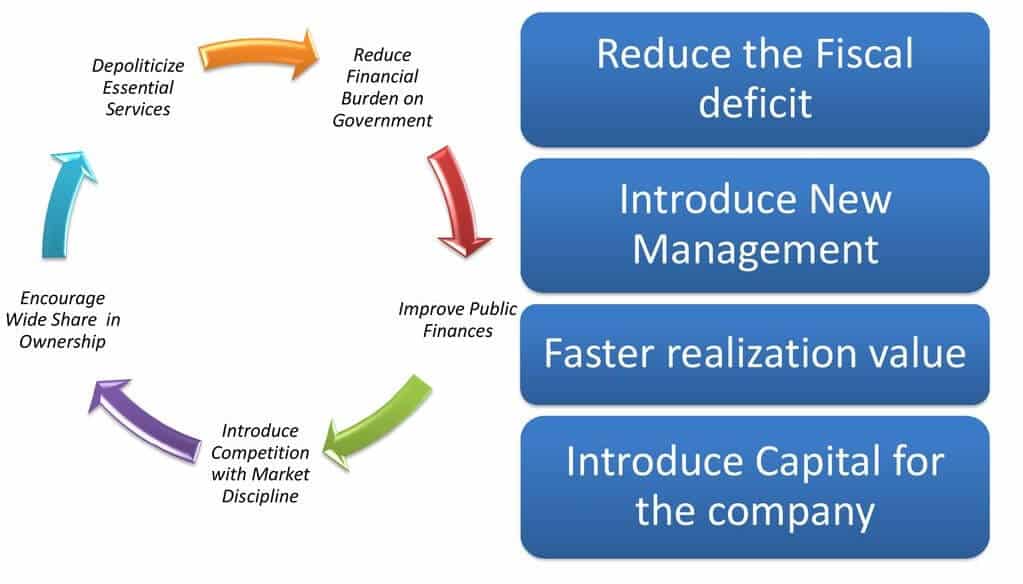
By Nantoo Banerjee The government disinvestment in India’s state-controlled enterprises is always welcome if it is aimed to make them professionally managed entities for faster growth. Unfortunately, the haphazard disinvestments in public sector enterprises (PSE) by the government seem to have only a single purpose — financing part of the annual union budget deficit. The […]

Elon Musk, leading the Department of Government Efficiency , has ignited controversy by asserting that the U.S. Social Security database lists over 5 million individuals aged 140 or older as beneficiaries. These remarks, made during a press conference in the Oval Office alongside President Donald Trump, have prompted discussions about the integrity of government records and the potential for systemic errors.

Musk stated, “We’ve discovered that the system is so outdated it limits federal employee retirements to 10,000 per month, due to manual processing and storage of paperwork in a 1950s-style limestone mine called Iron Mountain in Pennsylvania.” He further highlighted significant issues within the Social Security system, including recipients listed as over 150 years old and unverified payments. These findings expose the inefficiencies and archaic record-keeping in the federal government, raising questions about the misuse of taxpayer dollars.

The Department of the Treasury has acknowledged that Musk’s team was granted “read-only access” to its payment system codes. In a letter to Senator Ron Wyden, Treasury official Jonathan Blum clarified that this access aims to “maximize payment integrity for agencies and the public.” Blum emphasized that the review has not resulted in the suspension or rejection of any payment instructions, including those for Social Security and Medicare.

Despite these assurances, Musk’s assertions have faced skepticism. Critics argue that the claims lack substantiation and may undermine public trust in government programs. Social media platforms have seen a surge of reactions, with users questioning the veracity of Musk’s statements. One user remarked, “The oldest living American is 114, and people are really stupid enough to believe Elon Musk found social security payments to people who are 150.”

The controversy has also led to legal challenges. A coalition of labor unions, led by the American Federation of Teachers, filed a lawsuit aiming to block DOGE’s access to sensitive personal data at various federal agencies. The unions allege that the administration violated privacy laws by providing Musk’s team access to systems containing personal information of millions of Americans without their consent. The lawsuit seeks to halt data access and ensure the destruction of any already disclosed records.

In response to the uproar, President Trump defended Musk’s efforts, stating that the investigation could potentially save up to $1 trillion by identifying and eliminating inefficiencies. He emphasized the importance of reallocating resources to improve productivity and economic growth.

El Salvador is set to make a significant stride in the global cryptocurrency space with the introduction of a dedicated Bitcoin section at its National Library. The initiative aims to promote the understanding of Bitcoin’s role in the modern financial landscape, with the library becoming the first in the world to feature a permanent collection dedicated to the digital currency.

The new section will not only house a variety of books and resources on Bitcoin, but will also include an interactive display that demonstrates the operation of a full Bitcoin node in real-time. This demonstration will showcase the network’s fundamental role in facilitating peer-to-peer transactions, decentralised consensus, and the security of the global Bitcoin system. The library’s innovative move underscores the growing importance of cryptocurrency and blockchain technologies in shaping the future of finance.

El Salvador’s push to integrate Bitcoin into its national framework has been met with both enthusiasm and skepticism. In 2021, the country made headlines as the first in the world to adopt Bitcoin as legal tender, a bold move aimed at fostering financial inclusion and reducing dependency on traditional banking systems. The decision, spearheaded by President Nayib Bukele, generated widespread debate among economists, policy makers, and the global financial community, with concerns ranging from volatility risks to the broader implications for global monetary policy.

The National Library’s Bitcoin section is part of a larger effort by the government to support Bitcoin literacy and educate the public on how the cryptocurrency functions. El Salvador’s decision to incorporate Bitcoin into its official monetary system was a pivotal moment in the global conversation about digital currencies, and the library initiative represents a continuation of that effort. By making Bitcoin more accessible and understandable to the public, the library aims to demystify the technology and encourage individuals to engage with it in a meaningful way.

The section will feature a range of resources, including literature on the history of Bitcoin, its technological underpinnings, and its potential to disrupt traditional financial systems. Additionally, the live Bitcoin node demonstration will allow visitors to see firsthand how transactions are validated and how the network operates, offering a tangible understanding of the underlying infrastructure that powers the cryptocurrency.

Experts in the field of blockchain technology and cryptocurrency have praised El Salvador’s commitment to education and its progressive stance on integrating digital assets into the mainstream. By promoting Bitcoin literacy, the library is helping to build a foundation of knowledge that could enable the next generation of financial professionals to better navigate the evolving digital economy. The initiative also complements the country’s broader strategy of positioning itself as a leader in cryptocurrency adoption, which includes the creation of “Bitcoin Beach” – a community-focused initiative aimed at fostering the use of Bitcoin for everyday transactions.

However, the decision to embrace Bitcoin has not been without controversy. Critics argue that the volatility of Bitcoin poses significant risks to the stability of El Salvador’s economy, particularly given the country’s reliance on remittances, which make up a large portion of its GDP. The price fluctuations of Bitcoin could create instability in the value of these remittances, which are often sent by Salvadorans working abroad. Additionally, concerns have been raised about the environmental impact of Bitcoin mining, which requires significant energy consumption.

Despite these concerns, President Bukele has remained steadfast in his belief that Bitcoin represents a transformative force for economic growth, particularly in emerging markets. By introducing a Bitcoin-focused educational initiative, the National Library is helping to build the groundwork for future developments in blockchain and cryptocurrency technology. The initiative is also part of a broader effort to align El Salvador with the global trend of digitisation, as governments and businesses worldwide increasingly explore the potential of digital currencies and decentralised technologies.

As more countries and institutions around the world begin to explore the possibilities of cryptocurrencies, El Salvador’s National Library stands as a symbol of the country’s forward-thinking approach to technological innovation. The Bitcoin section, along with the live node demonstration, provides a unique opportunity for individuals to engage with the technology in a hands-on way, gaining a deeper understanding of its potential impact on the financial system.

The Bitcoin section at the National Library is expected to attract both local visitors and international tourists, many of whom are keen to learn more about El Salvador’s pioneering role in the cryptocurrency space. It will also serve as a hub for academic research, with scholars and students having access to a wealth of information on Bitcoin and its applications. This initiative could potentially inspire similar efforts in other countries looking to embrace the digital future.

Saudi Arabia holds the largest portion of the Gulf Cooperation Council’s debt capital market , accounting for 44.8 percent of all outstanding issuances, according to recent data from Fitch Ratings. This makes the kingdom a dominant player within the region’s financial landscape, which has seen substantial growth over the past year. The total value of the GCC’s debt capital market surpassed $1 trillion by the end of […]

French energy giant EDF has entered a strategic partnership with TAQA Group, a Saudi-based energy company, to push forward innovations in geothermal energy technology. The deal, which also includes power generation and HVAC applications as well as compressed air energy storage, was formalised during the third PIF Private Sector Forum at the King Abdul Aziz International Conference Centre in Riyadh, Saudi Arabia. Omar Aldaweesh, CEO of EDF […]

Apple’s Vision Pro headset is set to receive a significant AI upgrade, marking a new chapter in the development of the company’s first wearable device. This update, expected to launch soon, is poised to enhance the device’s performance, introducing cutting-edge artificial intelligence features that promise to revolutionise user interaction and functionality. The Vision Pro, which was introduced as Apple’s foray into the mixed-reality space, has drawn significant […]

Argentina’s political landscape has been rocked by calls for the impeachment of President Javier Milei after he expressed support for the controversial LIBRA cryptocurrency token, only to retract his endorsement days later. This move has sparked a fierce backlash from opposition lawmakers, who are now seeking to hold the president accountable for what they term as a breach of trust and mismanagement.

The LIBRA token, which gained prominence in the crypto market as part of a broader financial experiment, was initially praised by Milei, who viewed it as an innovative tool to fight Argentina’s persistent inflation. However, his swift reversal, just days after his public endorsement, has left both the public and political figures questioning his leadership and decision-making capabilities.

Milei’s initial tweet in support of the token was widely perceived as a signal of confidence in Argentina’s ability to embrace innovative financial solutions. This endorsement came amidst the country’s ongoing battle with inflation and economic instability, which has led to widespread dissatisfaction with traditional economic policies. The president, a self-proclaimed libertarian, has often sought to align himself with new, unorthodox approaches to reform Argentina’s financial sector, and the LIBRA token seemed to fit into that narrative.

However, the situation took a dramatic turn when Milei retracted his support for the token after intense scrutiny from both domestic and international financial experts. Critics argued that the token lacked sufficient backing and posed a threat to Argentina’s already fragile economy. The withdrawal of support from the president came as a result of mounting pressure from conservative factions within his own party, as well as concerns raised by influential economists and banking associations.

The opposition, led by figures such as Uxió Sanz, a prominent member of the Argentine Socialist Party, swiftly condemned the president’s actions, calling it a display of inconsistency and recklessness. Sanz went as far as to accuse Milei of “playing games with the nation’s economy” and stated that such actions undermined the credibility of his administration. According to Sanz, the president’s erratic behaviour on such an important issue warranted a formal investigation and impeachment proceedings.

The impeachment push has been supported by several political parties, including the Kirchnerist faction, which has long been at odds with Milei’s free-market policies. They argue that the president’s flip-flopping on financial matters demonstrates a lack of leadership and disregard for the country’s economic stability. The debate surrounding the LIBRA token is now at the forefront of Argentina’s political discourse, with protests and heated discussions dominating the media.

The withdrawal of support for LIBRA has also raised questions about the transparency and accountability of Milei’s administration. Critics argue that the decision to promote and then abandon the token so abruptly reflects poorly on the president’s judgment. Financial analysts have warned that such erratic moves could further destabilise Argentina’s already precarious economic situation, particularly as the country grapples with high inflation rates, soaring debt, and a shrinking currency.

Milei, for his part, has defended his actions, claiming that the decision to withdraw support for LIBRA was made after careful consideration and in consultation with his economic advisers. He stressed that his government’s priority remained addressing Argentina’s inflationary crisis and improving the nation’s financial resilience. While he acknowledged the controversial nature of his tweet, he asserted that his government would continue to explore innovative solutions for Argentina’s economic challenges.

The controversy has also drawn attention to the broader issue of cryptocurrency regulation in Argentina. The country, which has become a hotspot for crypto trading in Latin America, has seen rapid growth in digital currency adoption, driven by a lack of confidence in traditional financial institutions. However, the government’s inconsistent stance on cryptocurrencies has left many investors uncertain about the regulatory framework moving forward. Critics argue that the LIBRA incident highlights the need for clearer policies and more careful consideration before making public statements on such volatile markets.

Despite Milei’s efforts to stabilise the political situation, the LIBRA token debacle has undoubtedly dented his image. The president, who took office with promises of drastic economic reform, is now facing intense scrutiny from both his political adversaries and the public. The ongoing impeachment discussions are likely to dominate the political agenda in the coming weeks, with many questioning whether Milei can retain the support of key allies and stakeholders within his own government.

The market for fan tokens has seen a sharp increase following Tether’s recent investment in Juventus Football Club, with Juventus’ fan token skyrocketing by 200%. Other fan tokens, including those for Lazio and Porto, have also experienced significant surges, indicating a broader trend in the digital sports economy.

Tether’s strategic move has underscored the growing intersection between cryptocurrency and traditional sports, particularly through fan engagement platforms. The investment, part of a broader collaboration between the stablecoin issuer and the renowned Italian football club, has spurred considerable trading activity in fan tokens. Fan tokens, which allow supporters to engage more directly with their teams, vote on specific club decisions, and access exclusive content, have gained traction in recent years, with Tether’s backing providing a clear signal of the potential for digital assets in the sports world.

The JUV token, which has been a popular asset in the fan token market, saw a massive uptick in value following news of Tether’s involvement. This surge, marking a 200% increase in its value, signals a potential shift in how investors view the future of sports and entertainment-linked digital currencies. The token’s growth is attributed to increased interest in Juventus, a club with a vast global following, combined with the legitimacy of Tether’s investment backing the token’s credibility in the market.

Similar trends have emerged for other fan tokens. Tokens associated with Lazio and Porto, two other prominent European football clubs, have seen significant increases in value. Lazio’s token saw a 150% increase, while Porto’s fan token surged by over 180%. These jumps are being attributed to a combination of factors, including renewed interest in football clubs’ digital assets and the growing confidence in fan tokens as legitimate, tradable assets.

Industry experts suggest that Tether’s investment could be a turning point for the fan token ecosystem. By investing in established football clubs, Tether is effectively bridging the gap between the cryptocurrency world and traditional sports institutions, providing further validation to the idea of fan tokens as serious investment assets. With large-scale entities like Juventus now involved, fan tokens are no longer seen merely as speculative digital assets, but rather as a tangible way for fans to interact with their teams in a more integrated manner.

The fan token market, while still niche, is rapidly expanding. According to reports, more than 50 football clubs, including some of the largest European clubs, have issued their own tokens. These tokens serve as a new form of digital engagement, where supporters can vote on club-related decisions, participate in exclusive events, and even access limited-edition merchandise. This innovation is a response to the increasing demand for fans to have a more personal and interactive experience with their favourite teams.

While Tether’s involvement has driven much of the attention towards Juventus’ JUV token, the growth of fan tokens is not limited to the Italian club. Other clubs have begun to explore the benefits of incorporating blockchain technology into their fan engagement strategies. The success of Juventus and its token could lead to similar investments in the fan token market from other major cryptocurrencies or financial institutions. In particular, as more major players in the cryptocurrency space align themselves with sports teams, fan tokens may grow to become a fundamental part of sports-related finance.

The market’s response also highlights the speculative nature of fan tokens. With their inherent volatility, fan tokens are a high-risk investment, with value fluctuations influenced by a variety of factors including the performance of the associated team, the success of the fan token platform itself, and broader market conditions within both the sports and cryptocurrency sectors. The price increases of the JUV, Lazio, and Porto tokens demonstrate the impact of such factors, and many investors see these tokens as a way to capitalise on the popularity of sports, particularly as clubs continue to tap into the growing potential of cryptocurrency-based ecosystems.

The surge in fan token prices suggests that more football clubs may turn to digital assets as a revenue stream. The innovative model allows clubs to earn additional income while simultaneously offering fans new ways to connect with their teams. For clubs like Juventus, which have extensive international followings, the digitalisation of fan engagement via blockchain offers an expanded reach, attracting both traditional fans and a younger, tech-savvy audience more inclined to engage with digital assets.

VISHNU RAJA
RYO YAMADA
HITORI GOTOH
IKUYO KITA