News related to
Arabia

Warships from various nations have begun arriving at Abu Dhabi’s National Exhibition Centre Marina, marking the commencement of the eighth Naval Defence and Maritime Security Exhibition 2025. This biennial event, scheduled from 17 to 21 February 2025, runs concurrently with the International Defence Exhibition and Conference , positioning Abu Dhabi as a central hub for global defence and maritime security discussions.

The initial fleet of naval vessels navigated through the city’s waterways to berth at the ADNEC Marina, showcasing a diverse array of ships varying in size and function. Additionally, several participating naval vessels have docked at Mina Zayed, further enhancing the event’s international maritime presence.

Saeed Al Mansoori, Defence Events Advisor at ADNEC Group, highlighted NAVDEX’s evolution, stating, “The current edition of NAVDEX has become a leading platform for showcasing the latest innovations in naval defence and security.” He emphasized that the expanded exhibition space and increased participation from global companies underscore Abu Dhabi’s prominence in the defence industry.

NAVDEX 2025 offers exhibitors a unique opportunity to display their vessels in a dedicated waterborne exhibition area, where ships can be moored at the temporary marina equipped with floating docks. The event will present a carefully curated daily schedule of live demonstrations, many led by exhibitors themselves, providing an engaging experience for visitors. Guests at the grandstand overlooking the waterfront and adjacent to the exhibition area will have a front-row view of the latest maritime technologies and capabilities in action.

A notable feature of this year’s exhibition is NAVDEX Talks, a series of lectures and panel discussions where experts and specialists will explore emerging trends, present real-world case studies, and highlight the latest advancements in naval defence technology. These sessions aim to foster strategic collaboration and knowledge exchange among industry leaders, decision-makers, and innovators.

Under the patronage of His Highness Sheikh Mohamed bin Zayed Al Nahyan, President of the UAE and Supreme Commander of the UAE Armed Forces, NAVDEX 2025 is organized by Capital Events in association with the UAE Armed Forces. The event provides a dedicated platform for international naval defence and maritime security companies to showcase their technologies and services to a global audience.

The exhibition hall features over 3,000 square meters of space, accommodating local and international exhibitors specializing in naval, maritime, and coastal security technologies, equipment, and crafts. The on-water exhibits at the ADNEC Marina enable exhibitors to berth their crafts and vessels on temporary marina pontoons, facilitating daily live demonstrations that offer practical insights into the capabilities of the showcased technologies.
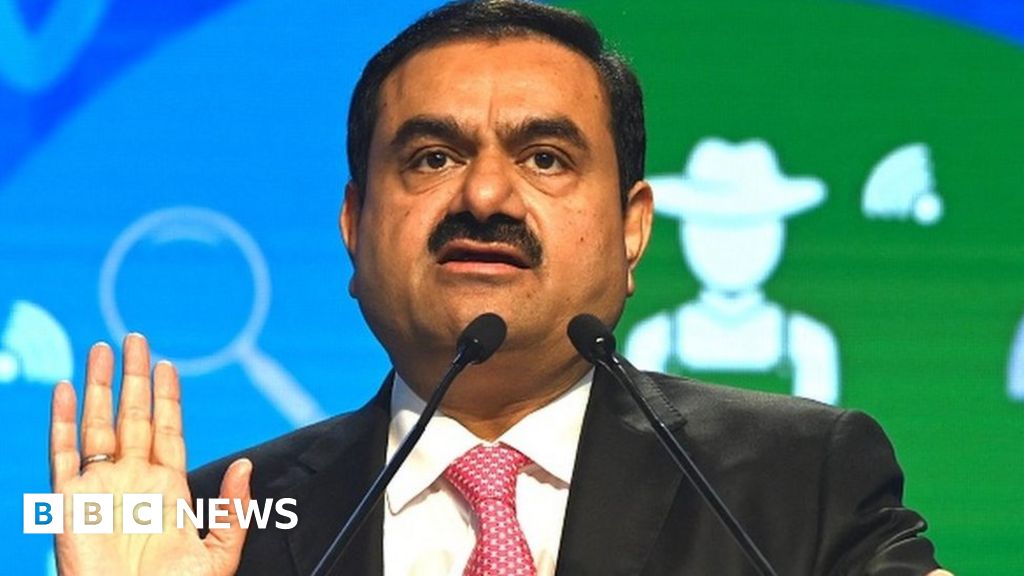
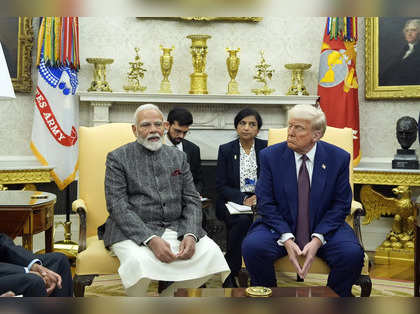
By Sushil Kutty The only time Prime Minister Narendra Modi lost his equilibrium at the joint press conference with President Donald Trump was when a journalist asked Modi if “Adani” had come up for discussion in the talks with President Trump. Visibly disturbed, Prime Minister told the journalist tersely that when two countries held talks, […]

A significant assembly of finance ministers and central bank governors from emerging markets is set to commence on February 16, 2025, in Al-Ula, Saudi Arabia. This high-level conference, jointly organized by the International Monetary Fund and the Kingdom of Saudi Arabia, aims to address the multifaceted challenges confronting emerging market and developing economies in the current global landscape. The gathering occurs against a backdrop of escalating trade […]

The Environmental, Social, and Governance sukuk market has achieved a significant milestone, with its outstanding value exceeding $50 billion by the end of 2024. This growth underscores the increasing integration of ethical and sustainable principles within Islamic finance. Data from the London Stock Exchange Group indicates that ESG sukuk issuances reached $15.2 billion in 2024, marking a 14.5% annual growth. This represents the eighth consecutive year of […]

Saudi Arabia’s Crown Prince Mohammed bin Salman has assumed a pivotal role in shaping the international landscape under U.S. President Donald Trump’s administration. As traditional diplomatic norms give way to a more transactional approach, the Crown Prince’s influence is increasingly evident in critical geopolitical arenas, notably the Middle East and Eastern Europe.

In the Middle East, Saudi Arabia is leading an urgent Arab initiative to counter President Trump’s contentious proposal for Gaza. The U.S. plan suggests relocating Palestinians to neighboring countries, a move that has been met with widespread rejection from regional stakeholders. In response, Saudi Arabia, in collaboration with Egypt, Jordan, and the United Arab Emirates, is formulating an alternative strategy. This plan emphasizes the establishment of a Gulf-funded reconstruction program and the marginalization of Hamas, aiming to stabilize Gaza while preserving Palestinian national aspirations. A summit in Riyadh is scheduled to further deliberate on these proposals, underscoring Saudi Arabia’s commitment to regional stability and its willingness to challenge U.S. policies when they conflict with Arab interests.

Beyond the Middle East, Crown Prince Mohammed bin Salman is extending his diplomatic reach to address the ongoing conflict in Ukraine. The Trump administration has announced potential peace talks with Russian officials, a move that has elicited mixed reactions from the international community. European leaders have expressed concerns that this approach may inadvertently legitimize Russian aggression. Amid these tensions, Saudi Arabia has offered to host summit talks in Riyadh, positioning itself as a neutral ground for dialogue. This initiative not only highlights the Crown Prince’s ambition to elevate Saudi Arabia’s global diplomatic profile but also reflects a strategic alignment with President Trump’s unconventional foreign policy methods.

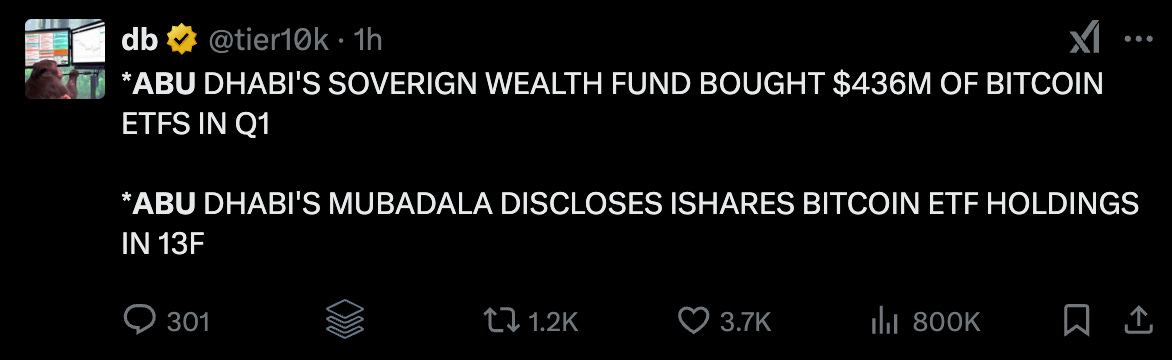
Abu Dhabi’s sovereign wealth fund, Mubadala Investment Company, has made a significant entry into the cryptocurrency market by acquiring $436.9 million worth of shares in BlackRock’s iShares Bitcoin Trust ETF during the fourth quarter of 2024. This move underscores the growing institutional interest in digital assets among sovereign wealth funds.

According to the latest 13F filings with the U.S. Securities and Exchange Commission, Mubadala purchased approximately 8.2 million shares of IBIT, marking its inaugural investment in a Bitcoin exchange-traded fund. This acquisition aligns with a broader trend of institutional investors increasing their exposure to cryptocurrency-linked financial products.

The fourth quarter of 2024 witnessed a surge in Bitcoin’s value, with the cryptocurrency appreciating by 47%. This upward trajectory has been a catalyst for various asset managers, including wealth management firms, hedge funds, and pension funds, to bolster their investments in Bitcoin ETFs. Notably, the State of Wisconsin Investment Board more than doubled its holdings in the iShares Bitcoin Trust ETF to 6 million shares by the end of December. Similarly, Tudor Investment Corp, a prominent hedge fund, increased its stake to 8 million shares, valued at $426.9 million at the close of the year.

Mubadala’s strategic investment reflects a growing confidence among sovereign wealth funds in the viability of digital assets. This move is particularly significant given the Middle East’s increasing engagement with blockchain technology and cryptocurrencies. In 2023, Abu Dhabi demonstrated its commitment to the digital asset space by investing in Bitcoin mining operations, collaborating with Marathon Digital and local firm Zero Two to develop a large-scale mining facility in the capital.

The iShares Bitcoin Trust ETF, managed by BlackRock, has emerged as a leading product in the market, amassing over $55 billion in assets under management. BlackRock’s expansion into Abu Dhabi in November 2024, securing a commercial license to operate, may have further facilitated Mubadala’s investment decision.

Industry experts view Mubadala’s substantial allocation to Bitcoin ETFs as a pivotal moment in the institutional adoption of digital assets. Anthony Pompliano, a well-known Bitcoin advocate, highlighted the strategic implications of such investments, suggesting that sovereign wealth funds’ involvement could prompt other nations to consider integrating Bitcoin into their reserves.

Financial advisory firms have also been active in this domain. Cetera Advisors and NewEdge Advisers, for instance, have increased their holdings across multiple Bitcoin ETFs, including those offered by Fidelity, ARK Investments, and Invesco. This trend indicates a rising demand from clients seeking exposure to digital assets through traditional investment vehicles.

While Mubadala’s investment marks a significant milestone, it is part of a broader pattern of institutional investors recognizing the potential of cryptocurrency assets. As digital currencies continue to gain mainstream acceptance, the involvement of sovereign wealth funds like Mubadala could signal a transformative shift in the global financial landscape.

The 13F filings provide a window into the investment strategies of large institutional players, offering insights into their positions at the end of each quarter. These disclosures, while not reflective of real-time holdings, are instrumental in understanding market dynamics and the evolving sentiment toward emerging asset classes like cryptocurrencies.

Mubadala’s foray into Bitcoin ETFs not only enhances its diversified investment portfolio but also positions Abu Dhabi as a forward-thinking participant in the rapidly evolving digital economy. As other sovereign wealth funds observe and assess the outcomes of such investments, a ripple effect leading to broader adoption of digital assets in institutional portfolios worldwide is plausible.

By T N Ashok WASHINGTON: Indian Prime Minister Narendra Modi’s visit the United States is more significant than ever at a time when the geo-political situation is fast changing, and new leaders take over in many countries. Modi’s scheduled meeting with US President Donald Trump on Thursday in White House offered positive results for the […]
Advertisements

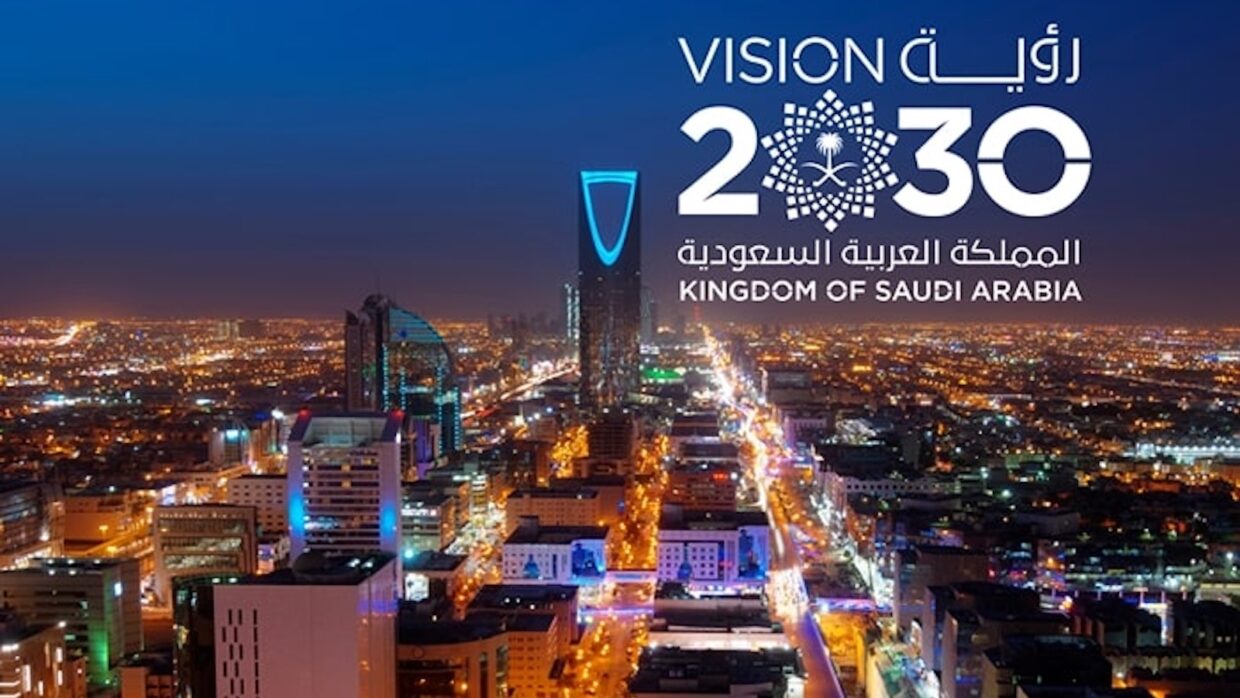
Saudi Arabia has reported a fiscal deficit of 115.625 billion riyals for 2024, driven by a 6% increase in total spending compared to the previous year, as per data from the Ministry of Finance. This rise in expenditure aligns with the kingdom’s commitment to its Vision 2030 economic transformation strategy, which aims to diversify the economy beyond oil dependence.

The government’s initial projection for the 2024 deficit was 79 billion riyals, approximately 1.9% of GDP. However, updated estimates have revised this figure to 115 billion riyals, around 3% of GDP. In the first nine months leading up to September 30, the deficit stood at 58 billion riyals, with more than half of this amount recorded in the third quarter alone.

Total government revenues for 2024 reached 1.26 trillion riyals , marking a 4% increase from the previous year and exceeding initial budget estimates by 7%. Notably, non-oil revenues have shown significant growth, contributing to the overall revenue increase.

The Vision 2030 initiative encompasses several large-scale projects, including the NEOM megacity, the Red Sea Project, and Qiddiya, all designed to stimulate economic diversification and reduce reliance on oil revenues. These projects require substantial upfront investments, contributing to the current fiscal deficit. The government has emphasized that this “deficit by design” is a strategic move to foster long-term economic growth and sustainability.

Despite the widening deficit, Saudi Arabia’s non-oil sector has demonstrated resilience. Since 2017, non-oil economic growth has consistently ranged between 4% and 5%, indicating progress in the kingdom’s diversification efforts. The government remains optimistic that continued investment in Vision 2030 projects will yield significant economic benefits in the coming years.

However, the ambitious nature of these projects has raised concerns about financial feasibility. Some initiatives, such as the NEOM megacity, have faced challenges related to budget overruns and delays. Analysts suggest that the kingdom may need to reassess certain projects to ensure fiscal sustainability.

In response to these challenges, Saudi Arabia is adjusting its investment strategies. The Public Investment Fund plans to reduce its foreign investment portfolio from 30% to 18%, redirecting focus toward domestic projects that align with Vision 2030 objectives. This shift aims to bolster local economic development and maximize the impact of government spending.

Starbucks has unveiled an ambitious plan to significantly increase its presence in the Middle East by opening approximately 500 new stores over the next five years. This expansion is expected to create around 5,000 jobs in the region, underscoring the company’s commitment to growth in this market. Chief Executive Officer Brian Niccol emphasized the strategic importance of this move, stating that the Middle East offers substantial opportunities […]

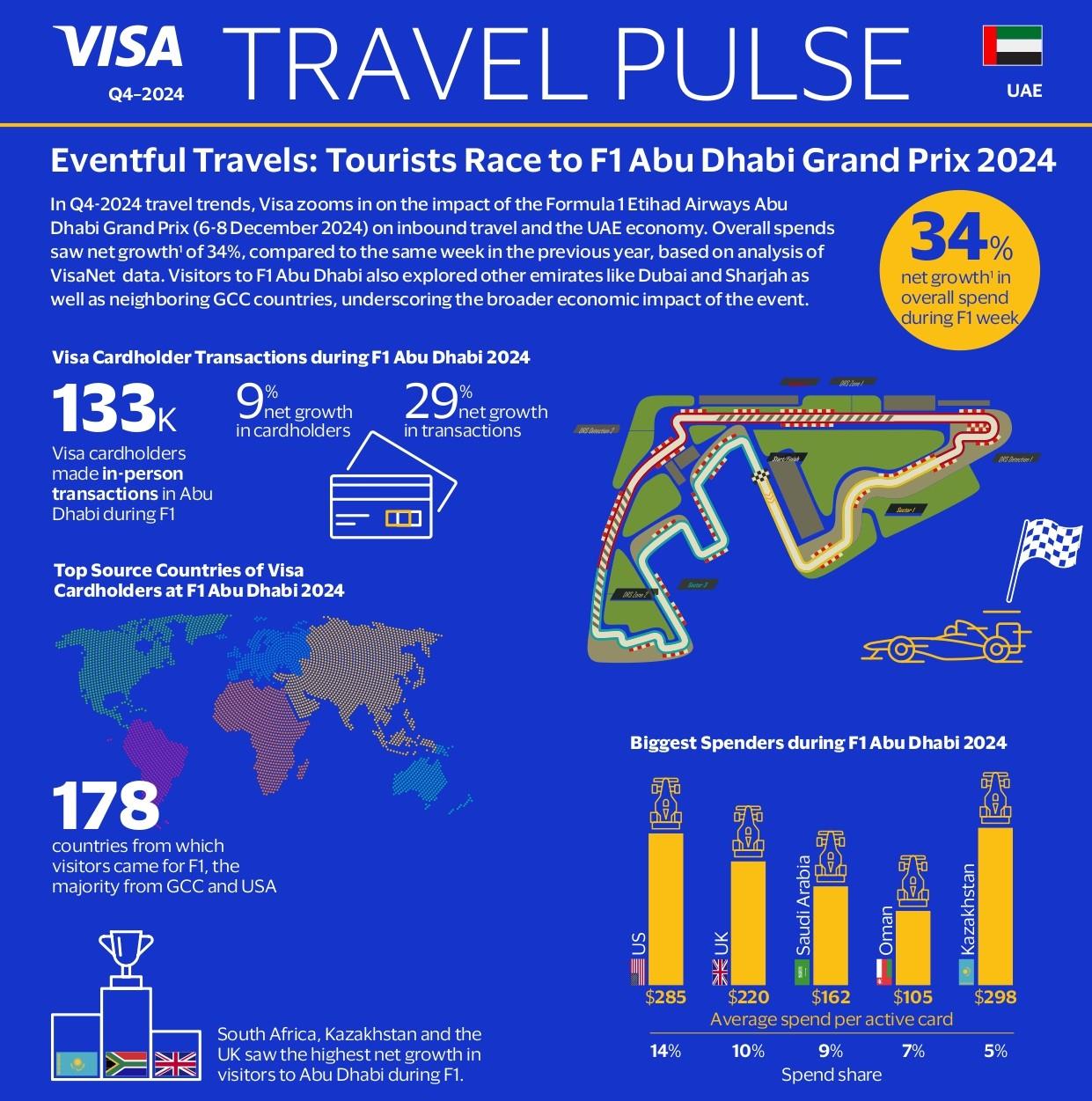
The 2024 Formula 1 Etihad Airways Abu Dhabi Grand Prix significantly boosted the local economy, with international visitor spending in Abu Dhabi increasing by 34% compared to the same week in 2023, according to Visa’s latest Travel Pulse report. During the event, 133,000 Visa cardholders from 178 countries made in-person transactions in the city, marking a 9% rise in visitors and a 29% uptick in transactions.

Visitors from the United States led in spending, accounting for 14% of the total, with an average spend per card of $285, which is 29% higher than the overall average for the event. Other top-spending nationalities included Kazakhstan , the United Kingdom , Saudi Arabia , and Oman .

The Grand Prix’s economic impact extended beyond Abu Dhabi, as 62% of these visitors also spent in other emirates, particularly Dubai and Sharjah. Additionally, 4% of non-GCC visitors continued their journeys to other GCC countries during or after the event, highlighting the boost to regional tourism.

In Abu Dhabi, spending on travel services experienced the largest growth, rising by 68% and representing 18% of the total spend during the F1 weekend. Dining expenditures also saw a notable increase, up 53%, accounting for 19% of the total spend in the emirate. Retail spending grew by 17%, contributing 14% to Abu Dhabi’s overall spend.

Across the UAE, travel services saw an 18% increase, making up 9% of the total spend. Dining spend rose 27%, contributing 8% to the total spend across the nation. Retail spending witnessed an impressive 83% surge, accounting for 27% of the total spend across the UAE during the F1 weekend.

Dubai’s Roads and Transport Authority has entered into a Memorandum of Understanding with Elon Musk’s The Boring Company to explore the development of the ‘Dubai Loop’ transport project. The agreement was formalized during the World Governments Summit in Dubai, in the presence of His Highness Sheikh Hamdan bin Mohammed bin Rashid Al Maktoum, Crown Prince of Dubai.

The proposed Dubai Loop is a 17-kilometer underground transport system featuring 11 stations, designed to transport over 20,000 passengers per hour. The system aims to connect major hubs throughout Dubai, significantly reducing travel times between key points in the emirate to just minutes. Utilizing electric vehicles traveling at speeds of up to 160 kilometers per hour, the loop will facilitate direct, non-stop journeys to destination stations.

This initiative aligns with Dubai’s vision for smart and sustainable transport solutions, leveraging advanced tunneling technologies to enhance urban mobility. The Boring Company’s loop system has been operational in Las Vegas since 2021, where it has transported over two million passengers. The Vegas Loop is currently under active development, with plans for 104 stations and 110 kilometers of tunnel, eventually transporting over 90,000 passengers per hour throughout the system.

The collaboration between RTA and The Boring Company will focus on exploring the use of sustainable, innovative technologies to safely and efficiently transport passengers via the loop system. The MoU includes research on tunneling technology, mobility trends, and safety standards, with a focus on pioneering solutions for Dubai’s evolving transportation needs.

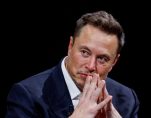
Elon Musk, speaking at the World Governments Summit via video link, emphasized the advantages of tunnel systems over alternatives like flying cars, citing the practicality, safety, and efficiency of tunnels, which are protected from weather and noise, offering a smoother experience for passengers.

The Dubai Loop project is part of a larger plan to develop a citywide loop transportation system, aiming to alleviate traffic congestion by providing a high-speed underground alternative to traditional roadways. The initiative also supports Dubai’s ambitious sustainability goals, aligning with the Dubai Clean Energy Strategy 2050.

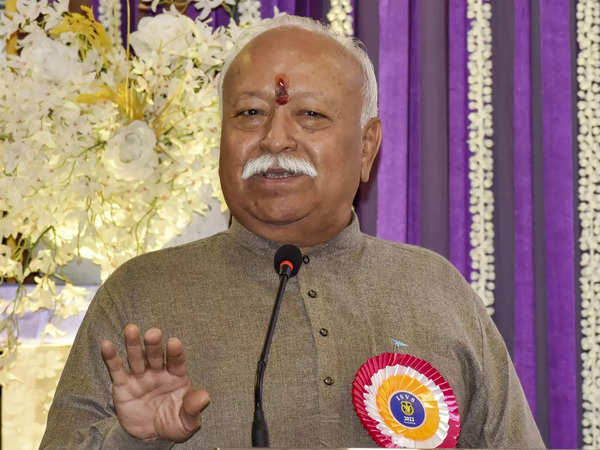
By Arun Srivastava How far the RSS chief Mohan Bhagwat would succeed in his mission to rejuvenate the saffron ecosystem and rejuvenate the cadres in West Bengal, who have been feeling disconsolate and crestfallen due to the intense factional feud in the state BJP, is not yet clear, but one thing is certain that they […]

Litecoin is currently trading at approximately $125.31, reflecting a modest increase of 0.91% over the past 24 hours. The cryptocurrency has experienced an intraday high of $128.39 and a low of $119.19.

Technical analysis indicates that LTC is trading within a descending parallel channel, a pattern that often precedes bullish breakouts. A successful breakout from this channel could propel Litecoin’s price to the $170 mark.

The Relative Strength Index and Moving Average Convergence Divergence indicators are currently above their bullish thresholds, suggesting potential upward momentum. However, the MACD is nearing a bearish cross, indicating that traders should exercise caution.

Market analysts have provided varied forecasts for Litecoin’s price trajectory. Some predict a significant appreciation, with potential highs reaching $170 if key resistance levels are surpassed. Others offer more conservative estimates, suggesting that LTC may trade between $150 and $200 throughout the year, contingent on broader market adoption and technological advancements.

GameStop Corp., the video game retailer known for its volatile stock history, is reportedly considering investments in Bitcoin and other cryptocurrencies. This strategic move aims to diversify the company’s assets and align with emerging financial trends.

The company’s stock experienced a significant uptick, rising approximately 8% in after-hours trading following the news. This surge reflects investor optimism about GameStop’s potential entry into the cryptocurrency market.

Speculation intensified after GameStop CEO Ryan Cohen shared a photo on social media featuring himself alongside Michael Saylor, the co-founder of Strategy , a firm renowned for its substantial Bitcoin holdings. This post fueled discussions about GameStop’s possible shift towards cryptocurrency investments.

In December 2023, GameStop’s board authorized a new investment policy, permitting the allocation of funds into various asset classes, including equities and alternative assets. This policy change has led to deliberations about investing in cryptocurrencies as a means to leverage the company’s cash reserves.

Analysts have noted that GameStop’s potential move into cryptocurrency could mirror Strategy’s approach, where significant investments in Bitcoin have been used as a hedge against traditional market fluctuations. Such a strategy could provide GameStop with a diversified asset base, potentially enhancing its financial stability amid the evolving retail landscape.

However, this potential shift is not without risks. The cryptocurrency market is known for its volatility, and substantial investments could expose GameStop to financial uncertainties. Moreover, the company has previously ventured into the crypto space with initiatives like launching crypto wallets in 2022, which were later discontinued due to regulatory concerns.

Figment, a leading independent staking infrastructure provider, has announced its membership in the Blockchain Association, the premier trade association for the cryptocurrency industry in the United States. This strategic move underscores Figment’s commitment to collaborating with policymakers and regulators to establish clear guidelines for the staking ecosystem, particularly as institutional interest in protocol staking continues to grow.

Kristin Smith, CEO of the Blockchain Association, welcomed the partnership, stating, “We are excited to welcome Figment as a member of the Blockchain Association. As the U.S. moves into a new era for digital assets, establishing regulatory clarity around staking will be critical. We look forward to the Figment team lending their expertise to these policy conversations in DC.”

Through this collaboration, Figment aims to focus on key educational and advocacy initiatives, including:

– Integrating protocol staking into exchange-traded products .

– Developing comprehensive regulatory frameworks for staking activities.

– Educating stakeholders on the distinctions between protocol staking and yield products.

– Aligning policies across different jurisdictions to ensure consistency.

This membership enhances Figment’s ability to serve its over 700 institutional clients, including asset managers, exchanges, wallets, foundations, custodians, and large token holders. By joining the Blockchain Association, Figment strengthens its position as a trusted voice in shaping the future of digital asset infrastructure and contributes to the development of responsible industry standards.

Jennie Levin, Chief Regulatory & Strategy Officer at Figment, emphasized the importance of this collaboration, stating, “Protocol staking is the backbone of blockchain security, ensuring network integrity and decentralization. Figment is thrilled to join the Blockchain Association, to align with industry leaders to further this message and advocate for a thriving, secure, and decentralized future.”

The Bank of Montreal , one of Canada’s leading financial institutions, has significantly increased its Bitcoin exchange-traded fund holdings to $150 million, according to recent Securities and Exchange Commission filings. This marks a substantial rise from its previous holdings of $13 million.

The SEC filings reveal that BMO’s investments are diversified across several prominent Bitcoin ETFs, including those managed by Ark Invest, Fidelity, BlackRock, and Grayscale. This strategic move aligns BMO with other major financial institutions that are expanding their presence in the cryptocurrency sector.

In addition to its increased Bitcoin ETF holdings, BMO has made notable adjustments to its investment portfolio. The bank added approximately 2.67 million shares of MicroStrategy Incorporated , a company known for its substantial Bitcoin holdings, representing an increase of about 4,817% over its previous position. Conversely, BMO reduced its positions in companies like NVIDIA Corporation and Amazon.com, Inc. , decreasing its holdings by 19% and 13%, respectively.

This development comes amid a broader trend of traditional financial institutions increasing their exposure to Bitcoin and related assets. For instance, PNC Bank, a top 10 U.S. bank by assets, recently reported a five-fold increase in its Bitcoin ETF holdings, rising from $10 million to $67 million over the past year. Goldman Sachs leads in this arena with $710 million invested in Bitcoin ETFs.

The growing interest in Bitcoin ETFs among major banks reflects a shift towards integrating cryptocurrency assets into traditional investment portfolios. Analysts suggest that this trend is driven by increasing client demand for digital asset exposure and the recognition of Bitcoin’s potential as a hedge against inflation.

BMO’s substantial increase in Bitcoin ETF holdings underscores the bank’s strategic initiative to align with evolving market dynamics and client interests. As the cryptocurrency landscape continues to mature, it is anticipated that more financial institutions will follow suit, further bridging the gap between traditional finance and digital assets.

The fragrance industry in Qatar is experiencing significant growth, driven by a strong cultural appreciation for luxury scents and an increasing demand for high-quality and exclusive perfumes. The presence of premium retailers such as LETOILE has contributed to the expansion of the market, offering a diverse selection of international and niche fragrances. As consumer preferences shift toward personalization, sustainability, and digital shopping experiences, the industry is adapting […]

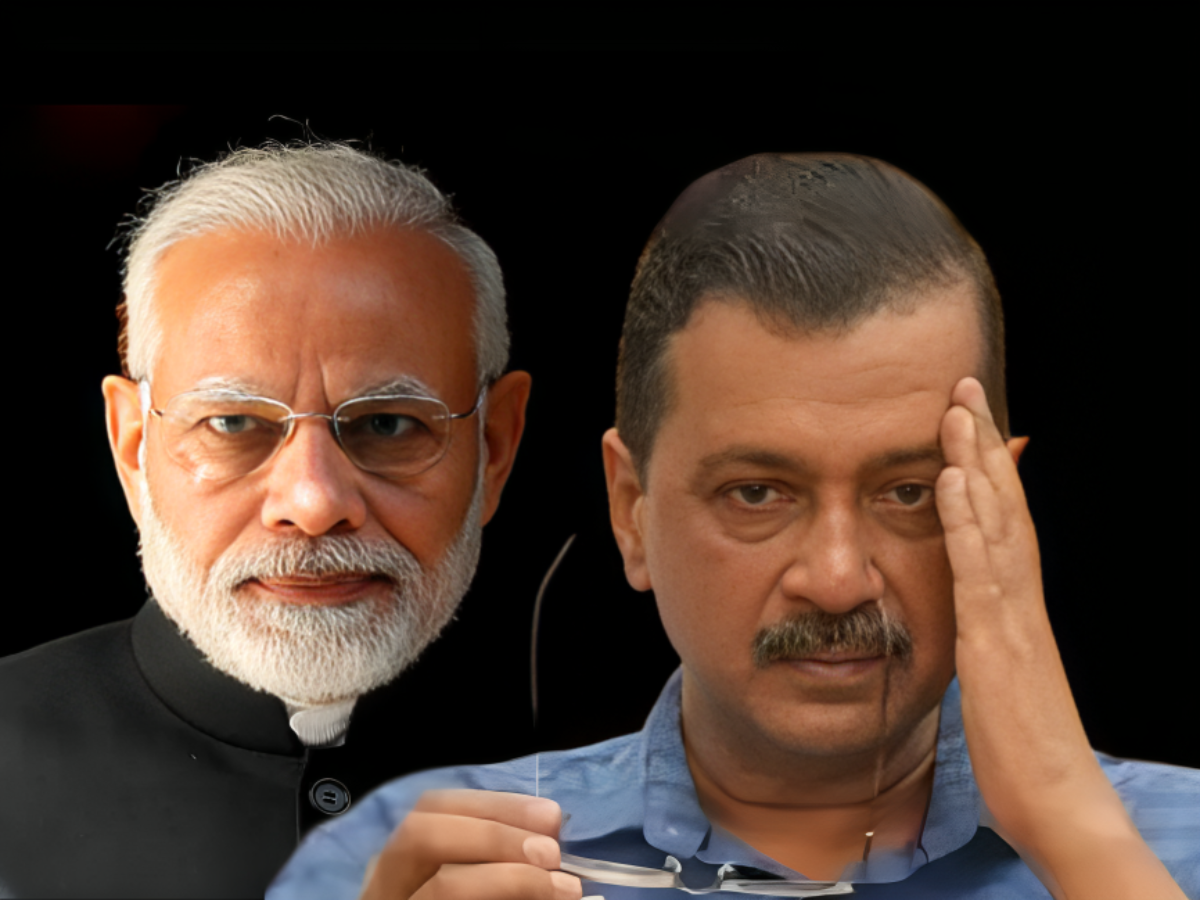
By P. Sudhir The BJP has won the Delhi assembly election with a tally of 48 seats, polling 45.6 per cent of the vote. The Aam Aadmi Party (AAP) won 22 seats getting 43.6 per cent of the vote. The difference between the two was only 2 per cent but it translated into 40 seats […]

As the allure of train travel experiences a resurgence, 2025 presents an array of exceptional rail journeys that promise both luxury and adventure. From traversing Europe’s scenic landscapes to exploring the vast deserts of the Middle East, these routes offer unparalleled experiences for discerning travellers. The Orient Express La Dolce Vita is set to commence its inaugural journeys across Italy in April 2025. Travellers can anticipate itineraries […]

Rajiv Jain, the billionaire founder and chairman of Florida-based investment firm GQG Partners, is actively expanding his investment footprint in the United Arab Emirates and Saudi Arabia. Following significant deals with prominent UAE entities such as International Holding Company , Aldar Properties, and ADNOC Gas, Jain is exploring further opportunities in these burgeoning markets. GQG Partners, managing assets worth approximately $160.4 billion, has recently executed a substantial […]

LEAP, the acclaimed technology event, is expanding into Asia with the introduction of LEAP East, scheduled at the Hong Kong Convention and Exhibition Centre from 9 to 11 July 2026. Organised by Tahaluf, this inaugural event aims to attract global tech leaders, innovators, and investors to one of the world’s most dynamic cities. The conference will feature over 300 expert speakers and 300 exhibitors, showcasing advancements across […]

Tabby, a prominent financial services and shopping application in the Middle East and North Africa , has successfully raised $160 million in a Series E funding round, elevating its valuation to $3.3 billion. This development positions Tabby as the most valuable fintech company in the region. The funding round was led by existing investors Blue Pool Capital, a Hong Kong-based investment firm, and Saudi Arabia’s Hassana Investment […]

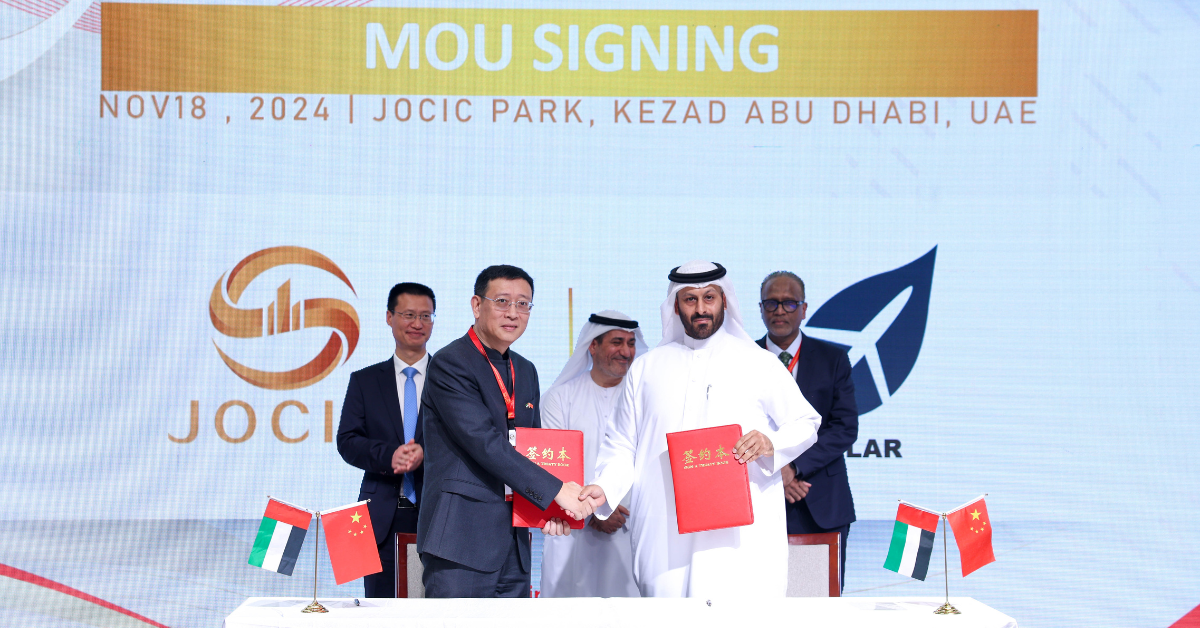
Hong Kong-based Volar Air Mobility has announced plans to manufacture electric aircraft in Abu Dhabi, aligning with the United Arab Emirates’ commitment to sustainable transportation. The company aims to produce the RX4E, a four-seater electric aircraft designed for various applications, including eco-tourism, pilot training, medical evacuations, border control, and surveillance. The RX4E has achieved a significant milestone by becoming the world’s first electric aircraft certified under Part 23 regulations for commercial use. citeturn0search3

Volar Air Mobility has been actively collaborating with UAE authorities to advance green aviation initiatives. In September 2024, the company signed a Memorandum of Understanding with the UAE’s General Civil Aviation Authority to establish a Green Aviation technological development hub in the country. Additionally, Volar partnered with Etihad Aviation Training to explore the development of a sustainability cluster focused on research and development in green aviation within the UAE. citeturn0search0

The UAE has been investing in sustainable transportation modes, including electric vehicles, buses, and the Dubai Metro system, significantly reducing the number of cars on the road. citeturn0search2 The UAE’s Net Zero 2050 Strategy aims to stimulate economic and societal advancement by leading the transition to net zero emissions. citeturn0search16

Volar’s decision to establish production facilities in Abu Dhabi aligns with the UAE’s strategic vision for sustainable development. The RX4E’s applications in eco-tourism and pilot training are expected to contribute to the nation’s environmental goals. The aircraft’s capabilities in medical evacuations, border control, and surveillance also offer potential enhancements to public services.

Elon Musk announced that Grok 3, his latest AI chatbot developed by xAI, is in its final stages and set for release within a week or two. Speaking via video call at the World Governments Summit in Dubai, Musk highlighted Grok 3’s advanced reasoning capabilities, stating it has outperformed existing chatbots in tests conducted so far.

Musk, who co-founded OpenAI in 2015 but departed in 2018 due to strategic disagreements, established xAI to rival AI leaders like OpenAI and Google’s DeepMind. His renewed focus on AI comes as a consortium led by him has offered $97.4 billion to acquire the nonprofit controlling OpenAI. This move aims to prevent OpenAI’s transition to a for-profit model, a shift Musk has publicly criticized.

OpenAI’s leadership, including CEO Sam Altman, has dismissed Musk’s offer as a tactic to disrupt the company’s restructuring plans. Altman emphasized that OpenAI is not for sale and remains committed to its mission of developing safe and beneficial AI technologies.

The proposed acquisition has raised concerns about the concentration of power in the AI industry. Regulatory authorities in the United States are scrutinizing major AI firms, including OpenAI and its partners, for potential antitrust violations. Musk’s bid, coupled with his legal actions against OpenAI’s leadership, underscores the escalating tensions and competition within the AI sector.

VISHNU RAJA
RYO YAMADA
HITORI GOTOH
IKUYO KITA