News related to
Arabia

Foreign direct investment (FDI) in the United Arab Emirates reached a landmark $16 billion in 2023, marking a robust 37% increase in greenfield projects from the prior year. This notable surge, amid ongoing global economic challenges, underscores the UAE’s strategic appeal as a premier investment destination in sectors ranging from renewable energy to high-tech manufacturing and healthcare. Global uncertainties have challenged capital flows worldwide, with the UAE […]

As the security situation in Lebanon deteriorates due to the ongoing regional conflict, Citigroup has taken steps to relocate some of its staff from the country. This decision follows reports of heightened cross-border violence and rising concerns about potential escalation near the Lebanese-Israeli border. Such actions underscore the increasing risks that multinational corporations face while operating in Lebanon, which has been grappling with intensified instability in the region.

Citigroup’s decision is part of a larger pattern among multinational firms reassessing their Middle Eastern operations. The bank is implementing contingency plans to ensure the safety of its employees, reflecting a broader trend among foreign companies facing difficult operating environments. Citigroup’s relocation efforts align with its long-standing emergency preparedness measures, designed to protect employees and maintain critical operations during crises.

Arabian Post Staff A potential increase in supply could saturate the unfulfilled demand, and lead to lower prices and rents in the Dubai real estate market, S&P said in a report. It notes that the market expects residential supply stock will increase by about 182,000 units over 2025-2026, given that the large number of properties that were presold over 2022-2023 will be delivered. This is significantly higher […]

Hong Kong’s tech and innovation sector has stepped into a strategic collaboration with Saudi Arabia’s Vision 2030, underscoring the growing relationship between these two economic hubs. In a landmark move, InvestHK, Hong Kong’s leading economic development agency, recently sent its largest startup delegation to the Kingdom to explore new avenues for investment and innovation in sectors such as fintech, smart manufacturing, and biotechnology. This alignment reflects a critical juncture as Saudi Arabia continues to diversify beyond oil and adopt a knowledge-driven economy through strategic global partnerships and a pivot towards tech and sustainability.

At the Future Investment Initiative (FII) held in Riyadh, Hong Kong’s representatives, including top executives from InvestHK, engaged directly with Saudi public and private sector leaders to understand the vast opportunities emerging in the Kingdom’s evolving market. The delegation highlighted Hong Kong’s robust tech ecosystem and advanced capabilities in finance and logistics, seeking collaboration in new areas of digital transformation and green technology. These meetings aim to serve as groundwork for greater bilateral relations, aligning with Saudi Arabia’s development of NEOM, an ambitious $500 billion smart city designed to be a hub for advanced technology, renewable energy, and AI-driven innovation.

The FII summit served as a platform for Hong Kong’s startups to showcase their expertise, particularly in sectors such as fintech, e-commerce, supply chain technology, and data analytics. Saudi Arabia, with a clear agenda to attract foreign investment, has positioned itself as a fertile ground for growth, with a primary focus on technology and diversified industries. Hong Kong startups found particular resonance in Saudi initiatives around blockchain, IoT, and renewable energy technologies—areas where Hong Kong has been a leader across Asia. The nation’s supportive business environment, competitive tax framework, and international connectivity make it an attractive collaborator as Saudi Arabia envisions a post-oil economy by 2030.

Hong Kong’s appeal as a tech incubator has surged in recent years, with InvestHK reporting that its startup sector reached a new high in 2023, with 4,257 startups employing over 16,000 professionals. The ecosystem’s steady expansion is attributed to Hong Kong’s low tax rates, favorable business environment, and proximity to the Mainland China market. The city’s fintech sector is particularly vibrant, bolstered by government support and private investment, drawing attention from economies seeking to boost their own digital economies. InvestHK’s delegation in Riyadh emphasized Hong Kong’s standing as a gateway to Asia and its significance in the Greater Bay Area, which comprises key cities in Southern China and supports an increasingly interconnected economic network.

The collaboration between Hong Kong and Saudi Arabia is set to be mutually beneficial, as Saudi initiatives are increasingly inviting global tech pioneers to participate in its ambitious transformation. Saudi Vision 2030’s blueprint includes the growth of high-tech cities, the promotion of renewable energy, and the fostering of innovation-driven sectors—creating ample opportunity for foreign enterprises and startups. As such, the Hong Kong delegation’s visit was also a step towards establishing Hong Kong as a vital partner in Saudi Arabia’s pursuit of economic diversification and sustainable development, further cementing the city’s status as a key player in global tech advancement.

Despite current global economic headwinds, both Hong Kong and Saudi Arabia remain committed to advancing their tech sectors. The FII platform allowed participants from Hong Kong to discuss strategic growth areas with Saudi officials, focusing on infrastructure, venture capital, and talent development. Given the record-high startup figures in Hong Kong, the exchange of expertise and collaborative projects in fields such as AI, logistics technology, and health tech appear poised for expansion.

French President Emmanuel Macron is set to arrive in Morocco on October 28, marking a significant effort to repair diplomatic ties that have been strained by a series of disputes and political frictions in recent years. The visit, spanning three days, comes at the invitation of Morocco’s King Mohammed VI and is positioned as an attempt to reinforce cooperation between the two countries amid rising regional challenges and shifting political dynamics.

Diplomatic relations between France and Morocco have been complex over the last decade, with periods of both cooperation and tension. Notable points of contention have involved policy disagreements regarding the Western Sahara, Morocco’s push for greater autonomy, and perceptions of French interference in North African affairs. A perceived coolness in bilateral ties reached a tipping point over the past year, as Morocco deepened its ties with other global powers, particularly the United States and Israel, indicating a shift away from its traditional reliance on France as a key ally and economic partner.

The French administration, aware of the economic and strategic value Morocco holds, has framed this visit as an opportunity for Macron to personally affirm France’s commitment to fostering a balanced and respectful partnership. The agenda is expected to address a range of topics crucial to both countries, including economic trade, security collaboration, and cultural exchanges, as well as a potential reset in policies affecting visa issuance for Moroccan nationals—a sensitive topic that has fuelled public resentment in Morocco. Macron’s planned public appearances, speeches, and bilateral meetings with Moroccan officials are anticipated to underscore shared interests while navigating areas of difference diplomatically.

A focal point of Macron’s visit is expected to be Morocco’s reconstruction and recovery efforts following the recent earthquake that devastated the Atlas Mountains region, leaving a trail of significant human and infrastructural damage. Although French relief support following the earthquake had been met with some criticism regarding its timeliness and adequacy, Macron’s engagement with reconstruction efforts may symbolize France’s willingness to assist its long-standing partner in this critical phase, despite prior political strains.

The visit will also provide a platform to address regional security, particularly as Morocco and France have historically shared concerns over terrorism and human trafficking across the Mediterranean. Both countries continue to be key players in counterterrorism efforts in North Africa and the Sahel region, where extremist groups pose a persistent threat. Macron’s discussions with Moroccan leaders are likely to revisit joint security strategies, including intelligence sharing and border control measures, which have served as pivotal elements of cooperation in past years.

Economic collaboration, too, will feature prominently on the agenda. France remains one of Morocco’s largest trading partners, with French companies heavily invested in sectors such as telecommunications, automotive manufacturing, and renewable energy in Morocco. Macron’s delegation includes business representatives aiming to explore new investments, especially in renewable energy projects, a sector where Morocco has established itself as a regional leader. Macron is expected to promote French participation in Morocco’s green initiatives, aligning with global climate commitments and France’s own economic priorities in clean energy transitions.

Observers believe Macron’s visit also reflects a broader objective: to recalibrate France’s influence in a region where economic and political alliances are rapidly evolving. Morocco’s engagement with other international partners, particularly the United States and China, has accelerated, with significant investment flows reshaping Morocco’s infrastructure and defense capabilities. Additionally, Morocco’s recent normalization of ties with Israel has diversified its diplomatic alliances, a move that France has viewed with cautious optimism, recognizing Morocco’s intent to play a more autonomous role in regional affairs.

By Nantoo Banerjee Domestic issues often override international commitments in diplomacy. China’s preference of Kamala Harris to Donald Trump as the next US president may look unusual but not entirely illogical from the world’s second largest economy’s business point of view. China may not mind if such a possibility could enhance diplomatic discomfort to its […]

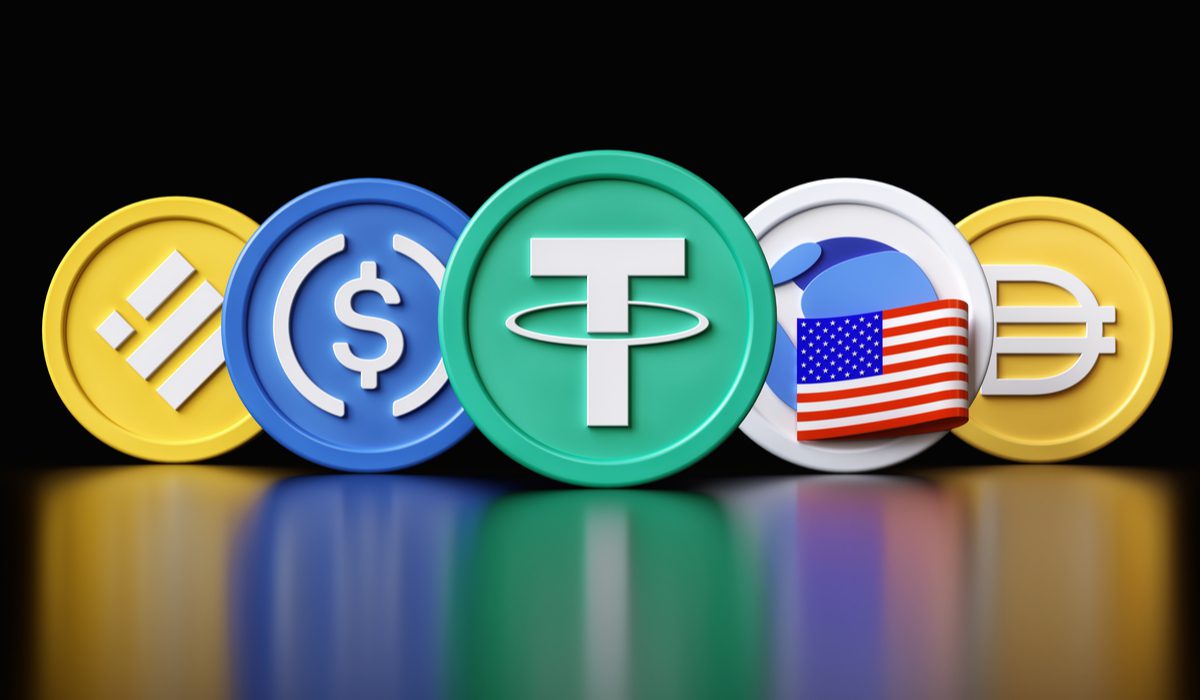
A remarkable milestone occurred on October 26 when Base achieved a record in stablecoin trading volume, momentarily eclipsing major blockchain platforms such as Solana, Ethereum, and Tron. The platform accounted for an impressive 30.06% of the total stablecoin volume, marking a significant shift in the landscape of digital asset trading.

Base, a layer-2 solution built on the Ethereum blockchain, has gained traction for its scalability and low transaction fees, making it an attractive option for traders and developers alike. The recent surge in stablecoin activity can be attributed to a confluence of factors, including growing interest in decentralized finance (DeFi) and the increasing acceptance of cryptocurrencies by mainstream financial institutions.

Alongside the stablecoin volume milestone, Base also set a new benchmark in daily transactions, recording 5.6 million transactions on the same day. This figure represents a notable 20% increase from the previous month, underscoring the growing engagement of users with the platform. The impressive transaction volume reflects not only heightened trading activity but also a broader trend toward the adoption of blockchain technology.

Several key players have contributed to Base’s success in the stablecoin market. The integration of various decentralized applications (dApps) on its platform has enhanced user experience and attracted a diverse range of users. Developers are increasingly building on Base due to its compatibility with Ethereum, allowing for seamless integration of existing Ethereum-based dApps while benefiting from lower gas fees and faster processing times.

The momentum gained by Base comes in the context of an evolving stablecoin landscape. Traditional stablecoins like Tether (USDT) and USD Coin (USDC) continue to dominate, yet alternative stablecoins and newer entrants are making significant inroads. This shift illustrates the dynamic nature of the cryptocurrency market and highlights Base’s ability to position itself as a formidable player amid these changes.

Partnerships with financial institutions have played a crucial role in Base’s ascent. Collaborations with firms that support crypto transactions have bolstered user confidence and expanded the platform’s reach. As institutional adoption of cryptocurrencies continues to grow, platforms like Base are well-positioned to capitalize on the increased demand for efficient, reliable trading environments.

The surge in daily transactions can also be linked to the rising popularity of yield farming and liquidity provision within the DeFi space. Users are incentivized to engage with platforms that offer competitive yields, prompting a surge in transaction volume as liquidity pools are funded and manipulated to optimize returns. This trend reflects a broader shift toward decentralized financial services, where users can take greater control of their assets without intermediaries.

Market analysts observe that Base’s focus on user experience has been instrumental in its growth. Simplifying the process of trading and providing users with intuitive interfaces has lowered barriers to entry for newcomers to the crypto space. Educational initiatives and community engagement have also played a role in fostering a sense of trust and loyalty among users, which is vital in an industry often marred by volatility and uncertainty.

The competitive landscape for stablecoins and blockchain platforms remains fierce. As Base continues to expand its user base and enhance its offerings, attention must be paid to regulatory developments that could impact the broader market. The regulatory environment for cryptocurrencies and stablecoins is evolving, with various jurisdictions exploring frameworks that could affect operations and user engagement. This regulatory scrutiny emphasizes the importance of compliance and the need for platforms like Base to adapt to changing legal landscapes.

Innovative features are also on the horizon for Base as it looks to maintain its growth trajectory. Enhancements to its infrastructure, including scalability improvements and security measures, are in development to ensure that the platform can handle increasing transaction volumes without compromising performance. Continued investment in technology will be crucial for sustaining user trust and engagement, particularly as competitors vie for market share.

Advertisements

A significant transformation is underway in Saudi Arabia as a growing number of start-ups are choosing the kingdom as their base, marking it as a crucial destination for entrepreneurs. This influx stems from the nation’s strategic investments and reforms aimed at diversifying its economy beyond oil dependence. The Vision 2030 initiative has played a pivotal role in shaping a conducive environment for innovation and entrepreneurship, facilitating the kingdom’s emergence as a vibrant start-up ecosystem.

Investment in technology and innovation has surged, with the government introducing various initiatives to encourage entrepreneurial activities. The Saudi Arabian government has allocated substantial funding to support start-ups through entities like the Public Investment Fund (PIF) and initiatives such as the Saudi Venture Capital Company. This funding is complemented by a supportive regulatory framework, designed to simplify processes for new businesses, making it easier for both local and foreign entrepreneurs to establish their ventures in the kingdom.

The burgeoning tech sector in Saudi Arabia is drawing attention not just locally but globally. The kingdom has become increasingly attractive to international investors looking for opportunities in fast-growing markets. Notably, the start-up scene has expanded in sectors like fintech, e-commerce, health tech, and logistics. Reports indicate that Saudi Arabia’s start-up ecosystem raised around $1.1 billion in funding in 2023 alone, with numerous investment rounds capturing significant amounts for emerging companies. This financial influx is crucial as it allows entrepreneurs to scale their businesses and tap into new markets.

Major international companies are increasingly establishing their operations in Saudi Arabia. Global tech giants like Amazon and Microsoft have expanded their presence in the region, contributing to a thriving tech environment. Their involvement not only brings investment but also fosters a culture of innovation by creating partnerships with local start-ups and providing mentorship opportunities.

Networking events and incubators have also proliferated, serving as platforms for entrepreneurs to connect with potential investors, mentors, and peers. Initiatives like the Misk Innovation program and the Saudi Startups Network have emerged as significant players in facilitating the growth of start-ups by providing essential resources, training, and networking opportunities. These networks enhance collaboration among entrepreneurs, allowing them to share knowledge, insights, and experiences.

The cultural shift towards entrepreneurship is also evident in the changing perceptions among Saudi youth. With a large proportion of the population being young and tech-savvy, there is a growing eagerness to embrace entrepreneurship as a viable career path. Educational institutions are adapting their curricula to emphasize entrepreneurship and innovation, equipping students with the skills necessary to navigate the challenges of starting and running a business.

However, challenges persist for start-ups operating in the kingdom. While the regulatory environment has improved, issues related to bureaucracy and access to financing still exist. Entrepreneurs often face hurdles in navigating the legal landscape, which can impede their ability to establish and scale their businesses. Additionally, there is a need for greater access to venture capital, as many start-ups struggle to secure funding beyond initial rounds.

Despite these challenges, the outlook remains positive as the Saudi government continues to implement reforms aimed at enhancing the business climate. The Kingdom is actively working to promote a knowledge-based economy by fostering innovation and entrepreneurship through policies that encourage research and development. Collaboration with educational institutions and private sectors is crucial in creating a robust ecosystem that supports start-ups and nurtures talent.

Saudi Arabia’s geographical location presents a strategic advantage, offering easy access to regional and international markets. Its proximity to other Middle Eastern and North African countries positions it as a gateway for start-ups aiming to expand their reach beyond local borders. As logistics and transportation networks improve, the kingdom is likely to become a vital hub for companies looking to serve a broader audience.

With the upcoming U.S. presidential election casting a shadow over global financial markets, cryptocurrency stands out as an asset class poised for high volatility based on the election’s outcome. As former president Donald Trump reenters the electoral scene against Vice President Kamala Harris, crypto investors are paying close attention to how a Trump win could reshape cryptocurrency regulation and performance, particularly for Bitcoin and other key digital assets.

Historically, presidential election cycles have shown significant influence on cryptocurrency market behavior, especially for Bitcoin. Data from previous elections indicates that Bitcoin prices tend to experience substantial movements post-election, irrespective of the winning candidate. Following the 2020 election, for example, Bitcoin’s value surged, marking an increased interest among investors amid the heightened economic uncertainty tied to COVID-19 relief measures and concerns over inflation. However, as the 2024 election approaches, Trump’s potential return to the presidency introduces a new level of uncertainty that differs markedly from 2020. According to a report by Bitwise Asset Management, Bitcoin’s value could rise by an estimated 10.7% should Trump secure victory. Conversely, a Harris win is forecasted to prompt a similar decline, likely due to her administration’s alignment with current regulatory approaches under President Joe Biden.

Regulatory policies in the U.S. have tightened considerably over the past year, with the SEC leading several enforcement actions aimed at crypto firms, exchanges, and initial coin offerings (ICOs). As such, Trump’s stance on cryptocurrency, which has previously wavered, now appears more lenient compared to Harris. During Trump’s previous administration, oversight was relatively hands-off, providing crypto investors a fertile environment for market growth, albeit without structured guidelines. In contrast, Harris is expected to continue Biden’s approach, emphasizing consumer protection through regulatory frameworks, a trend currently contributing to restrained market enthusiasm among retail investors. Observers suggest that Trump’s promise to relax crypto regulations could rekindle enthusiasm among retail and institutional investors, who view clearer guidelines and reduced scrutiny as conducive to growth in both valuation and adoption rates of cryptocurrencies.

Crypto market responses are also anticipated to align with Bitcoin’s Halving cycle, a built-in scarcity feature that reduces block rewards by half approximately every four years, with the most recent event occurring in April 2024. Historically, Bitcoin rallies have closely followed Halvings, influenced further by investor interest in assets with perceived scarcity. Analysts expect this dynamic to be heightened under a Trump presidency, as reduced regulation coupled with supply restrictions could make Bitcoin a more attractive inflation hedge. Conversely, a continuation of current regulatory trends under a Harris administration might suppress these price escalations, as crypto businesses face heightened scrutiny and potential restrictions on stablecoin and DeFi protocols.

Market watchers note that alongside Bitcoin, certain altcoins such as Dogecoin and Cardano could be notably impacted by the election result. Both coins have shown sensitivity to Trump’s political narratives, especially as Dogecoin, with its origins as a meme asset, often aligns with social and speculative trends. Cardano, known for its environmentally-conscious proof-of-stake model, may also benefit from a shift in sentiment toward alternative digital assets under Trump’s policy approach, which is expected to favor financial deregulation broadly. Meanwhile, Ethereum and other blockchain projects emphasizing regulatory compliance may perform better under Harris’ administration, whose regulatory approach aligns with a systematic scrutiny of decentralized finance ecosystems.

Despite these speculations, experts caution that market sentiment may experience only short-lived spikes based on the election outcome. The long-term impact, they argue, hinges on substantial regulatory actions and the economic policies pursued post-election, especially concerning inflation and recessionary pressures. Crypto market reactions have been muted in the face of uncertainty over potential policy shifts, given that many investors prefer tangible policy enactments over rhetoric.

Economic fundamentals also play a role in investor strategies, with inflation rates, interest rate hikes, and the potential for recession forming a significant backdrop. Analysts at Coinbase Research point to the likelihood of heightened volatility for both traditional and digital assets amid interest rate adjustments and global economic challenges. The Federal Reserve’s monetary policy, particularly regarding interest rate hikes, remains a critical factor, as crypto’s inverse relationship to interest rates often leads to valuation adjustments in line with broader financial markets. Should a Trump administration adopt an expansionary fiscal stance, this may lower interest rates, encouraging borrowing and spending in financial markets, including crypto. A more cautious fiscal policy from Harris could contribute to slower crypto market growth, potentially accelerating a shift toward stablecoins as a hedge against market swings.

A growing number of start-ups are flocking to Saudi Arabia, transforming the kingdom into a significant exit market for entrepreneurs seeking to capitalize on burgeoning opportunities. This shift reflects the nation’s ambition to diversify its economy beyond oil dependency, aligning with its Vision 2030 initiative aimed at fostering innovation and entrepreneurship. Data from recent industry reports highlights a surge in venture capital investment in Saudi Arabia, signaling […]

Arada has officially launched W Residences at Dubai Harbour, marking a significant addition to the luxury real estate market in the UAE. This vibrant three-tower complex is designed to offer residents an unparalleled seafront living experience, combining modern luxury with the natural beauty of the waterfront. The announcement comes amid a broader trend of increasing investment in high-end residential properties in the region, as demand for luxurious living spaces continues to grow.

The W Residences complex comprises three elegant towers, each offering stunning views of the Arabian Gulf and Dubai’s iconic skyline. The project features 104 lavish residences, ranging from two to four-bedroom apartments. The design incorporates contemporary architecture with elements that reflect the rich cultural heritage of the UAE. Each residence boasts floor-to-ceiling windows that not only enhance natural light but also provide breathtaking panoramic views.

The amenities at W Residences are designed to cater to a lifestyle of luxury and comfort. Residents will have access to exclusive facilities, including a state-of-the-art fitness center, infinity pools, and private beach access. The complex also features beautifully landscaped gardens and private outdoor spaces, allowing for a seamless blend of indoor and outdoor living. A dedicated concierge service ensures that all residents’ needs are met, from housekeeping to event planning.

The launch of W Residences aligns with Dubai’s ongoing efforts to position itself as a leading global destination for luxury living. Real estate experts note that high-net-worth individuals are increasingly drawn to the city, attracted by its vibrant lifestyle, world-class amenities, and tax-free environment. The strategic location of Dubai Harbour further enhances the appeal of the W Residences, situated in proximity to key attractions such as the Dubai Marina, the Palm Jumeirah, and the upcoming Dubai Lighthouse.

Arada’s commitment to sustainability is evident in the construction of W Residences, which adheres to the highest environmental standards. The development is designed to minimize its carbon footprint through energy-efficient technologies and sustainable materials. This approach reflects a growing trend within the UAE’s real estate sector, where developers are increasingly prioritizing eco-friendly practices in response to both regulatory pressures and consumer demand.

The launch event was attended by key figures from the real estate industry, including investors, developers, and influencers, who gathered to witness the unveiling of this innovative project. Arada’s leadership emphasized their vision of creating not just residences but a vibrant community that reflects the lifestyle aspirations of modern residents. The company has positioned itself as a pioneer in the UAE’s real estate landscape, with previous successful developments that have garnered significant attention and accolades.

The demand for luxury properties in Dubai has been bolstered by a surge in tourism, with the city welcoming millions of visitors each year. The hosting of major global events, such as Expo 2020, has further enhanced Dubai’s visibility on the world stage, attracting affluent individuals seeking to invest in prime real estate. Industry analysts suggest that this trend will continue, with expectations of sustained growth in property prices and rental yields for high-end developments.

The W Residences project also benefits from Arada’s strategic partnerships with leading international brands, which enhance the overall living experience for residents. Collaborations with renowned interior designers and luxury brands ensure that each residence is not only aesthetically pleasing but also equipped with high-end finishes and state-of-the-art technology. This attention to detail resonates with buyers looking for a sophisticated lifestyle that combines comfort with modern convenience.

As the real estate market evolves, Arada’s W Residences stands out as a prime example of the luxury offerings that are redefining living standards in Dubai. The project’s focus on both community and individual luxury reflects broader trends in the market, where buyers increasingly seek more than just a place to live. Instead, they desire a holistic lifestyle experience that encompasses leisure, wellness, and social engagement.

The success of W Residences could pave the way for further developments in the region, as other developers look to capitalize on the growing demand for luxury residential options. The strategic positioning of the project within the rapidly developing Dubai Harbour area suggests that it will serve as a catalyst for future investments and enhancements to the local infrastructure. With its unique blend of luxury, sustainability, and community-focused design, W Residences is poised to become a landmark in Dubai’s luxury real estate market.

A significant decline in oil prices, exceeding 4%, has been observed after Israel conducted airstrikes in Iran, reportedly avoiding energy infrastructure. The unexpected military action has stirred uncertainty in the global oil markets, with analysts weighing the potential implications for future supply dynamics in an already volatile geopolitical landscape.

Crude oil futures, particularly West Texas Intermediate (WTI), fell sharply to around $83 per barrel, while Brent crude dipped below $87. The downward trend comes in the wake of heightened tensions in the Middle East, which had already led to fluctuations in oil prices due to fears of supply disruptions. Analysts had anticipated that military action between Israel and Iran could provoke a response that might impact oil production, but the avoidance of direct hits on energy facilities has seemingly mitigated immediate concerns.

Market sentiment turned bearish as traders reacted to the news. “The focus is on the geopolitical risks that have historically pushed oil prices higher. However, the fact that energy facilities were not targeted means that supply fears are somewhat alleviated, leading to this decline in prices,” commented David Wilson, a senior analyst at a leading energy consultancy. Investors now seem to be reassessing the risk factors that typically influence oil market volatility.

This latest escalation is part of a broader backdrop of ongoing hostilities between Israel and Iran, which have been characterized by intermittent exchanges of fire and military posturing. Iran’s Revolutionary Guard has warned that any attack on its soil will trigger severe retaliation. This historical animosity, coupled with Iran’s significant role as an oil exporter, continues to inject volatility into oil markets. Iran produces approximately 4 million barrels of oil per day, a vital contribution to the global supply.

The broader market reaction also reflects concerns regarding global economic performance, particularly in light of ongoing inflationary pressures and monetary policy tightening in several economies. Experts note that if economic growth slows, demand for oil may diminish, further complicating the price outlook. “Even with geopolitical tensions, the underlying economic indicators suggest a slowdown. If demand continues to weaken, we could see prices stabilize at lower levels,” stated Maria Chan, a commodities strategist.

In the wake of this geopolitical incident, analysts are also scrutinizing other potential threats to oil supply, including disruptions in other oil-producing regions. The Organization of the Petroleum Exporting Countries (OPEC) and its allies, including Russia, are continually adjusting their output strategies to stabilize prices, but such maneuvers become increasingly complicated amid geopolitical instability.

The ongoing conflict in Ukraine remains a significant factor influencing oil prices. Russia’s actions in Ukraine have led to widespread sanctions, disrupting energy supplies and complicating global market dynamics. While the current geopolitical climate suggests heightened risks, some analysts believe that the market has already factored in many of these risks due to the historical precedent of volatility in energy prices.

With the energy market closely monitoring developments in the Middle East, any signs of further escalation could quickly alter price trajectories. “The balance of risk has shifted slightly with this event, but we are still very much in a reactive mode as traders evaluate the ongoing situation,” remarked Samir Gupta, an oil market expert.

On a corporate level, oil companies are assessing how these geopolitical developments could impact their operations and investment strategies. Executives are increasingly focused on the dual challenge of navigating regulatory environments while managing geopolitical risks. “We have to remain agile. The situation can change rapidly, and we must be prepared to adapt our strategies accordingly,” noted Rachel Green, a chief financial officer at a major oil producer.

The situation remains fluid, with various stakeholders keenly observing the geopolitical landscape for further developments. Oil prices are expected to remain sensitive to news from the region, influencing not only immediate market reactions but also long-term strategic planning for oil companies and investors alike.

Indonesia’s ambitious Trans Sumatra toll road project is set to receive a significant boost with the support of Abu Dhabi’s ADIA (Abu Dhabi Investment Authority) and the Netherlands-based APG Asset Management. The two global investment giants have signed agreements with Indonesia’s sovereign wealth fund, the Indonesia Investment Authority (INA), targeting key sections of the extensive toll road network spanning Sumatra, one of Indonesia’s most populous islands.

As Indonesia seeks to modernize its transportation infrastructure, the collaborative investment is aimed at reducing logistical costs, accelerating regional development, and strengthening the country’s investment appeal to both local and international stakeholders. INA, founded in 2021, has adopted a partnership-driven approach, drawing interest from heavyweight investors worldwide. This toll road initiative exemplifies INA’s broader strategy of pooling funds to expand infrastructure and is seen as part of Indonesia’s vision to position itself as a major player in the region’s economic landscape.

The $2.72 billion funding commitment for the Trans Sumatra project will support the expansion of nearly 3,000 kilometers of toll roads. In a region where economic growth is largely reliant on logistics and mobility, the initiative is designed to enable more efficient transportation of goods and services across Sumatra’s economically diverse regions. It is expected to cut transit times substantially, which is anticipated to reduce costs across industries, benefiting both large and small enterprises reliant on timely logistics.

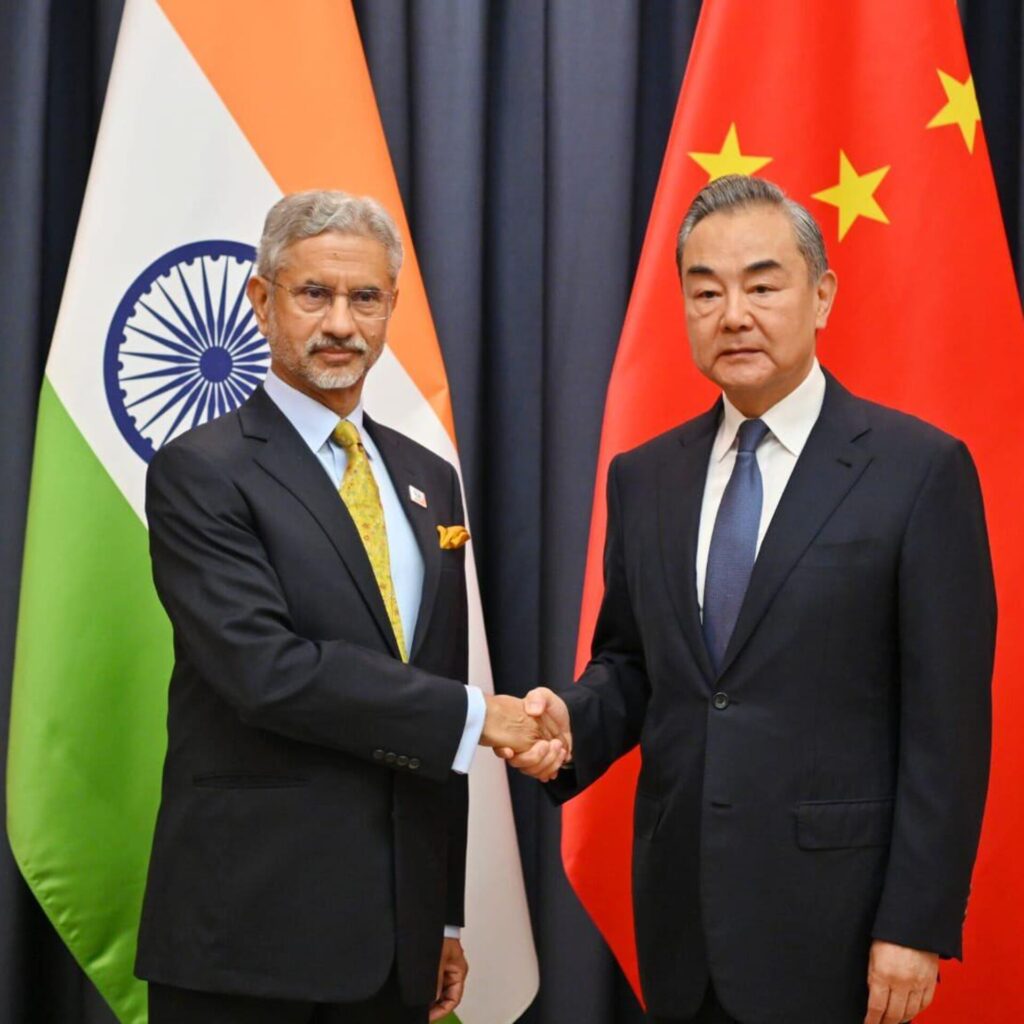
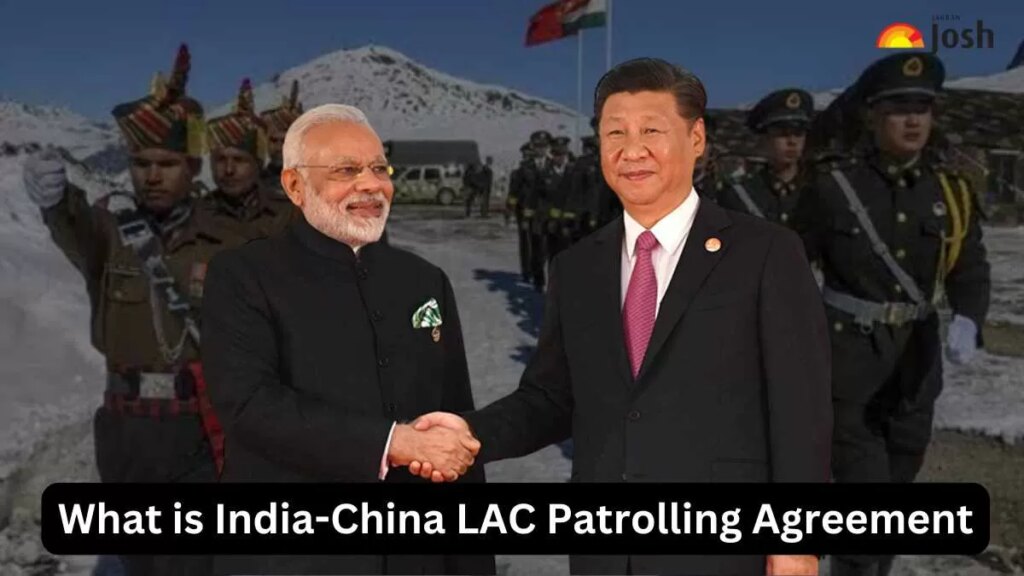
By Anjan Roy Although ice has apparently been broken between India and China over conflicts and confrontations in Demchok and Depsang areas in eastern Ladakh, tensions have not been eliminated fully. The hurriedly announced agreement, in the hours before BRICS summit in Russia’s Kazan on October 22-24, was directed more at the international audiences than […]

Saudi Arabia has announced a sweeping mandate that will standardize USB-C charging ports across smartphones, tablets, and a range of electronic devices by 2025. This move, intended to reduce electronic waste and streamline the user experience, will position Saudi Arabia among a growing number of regions adopting universal charging standards, notably following the European Union’s similar regulation effective in 2024.

The Saudi Standards, Metrology, and Quality Organization (SASO) along with the Communications, Space, and Technology Commission (CST) have outlined a phased rollout. The initial phase, beginning January 1, 2025, requires USB-C ports for mobile phones, tablets, e-readers, and other handheld devices. By April 2026, this requirement will extend to laptops. According to the CST, this strategy is designed to simplify device compatibility, reduce consumer costs, and advance Saudi Arabia’s commitment to sustainability goals. Officials estimate the change could lower charger-related electronic waste by about 15 tonnes annually and reduce consumer expenditure on chargers by SAR 170 million (USD 45 million) per year.

Adopting customer reference management software has become a game-changer for businesses seeking to streamline their sales cycle and bolster their marketing efforts. This technology facilitates the organization of customer endorsements and enhances the overall customer experience— a critical factor in today’s competitive market. By leveraging a centralized system for handling customer references, companies are better positioned to promote their offerings and capitalize on positive client feedback. The […]

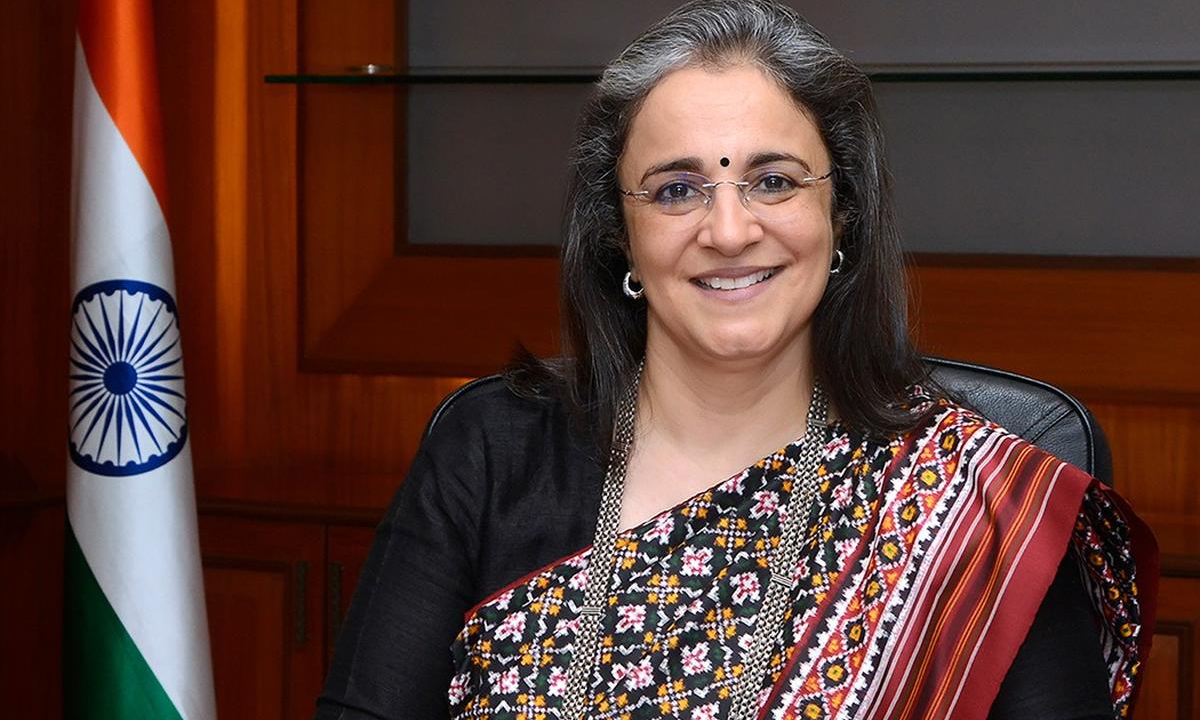
By K Raveendran The desperation shown by BJP members of the parliamentary accounts committee to shield SEBI chairperson Madhabi Puri Buch from criticism for her failure to appear before the panel shows how her acts of commission and omission were not just a reflection of certain deficit in personal integrity, but how a sinister plot […]

Ledger, a leading cryptocurrency security company, is setting its sights on expanding into the Middle East and India, identifying both regions as ripe for growth in the digital asset sector. During a recent industry conference, Ledger’s CEO, Pascal Gauthier, articulated the company’s strategy to capitalize on the increasing interest in cryptocurrencies and the demand for secure storage solutions. He emphasized that the company’s commitment to enhancing security measures aligns with the burgeoning crypto market in these regions.

Gauthier noted that the Middle East, with its rapidly evolving financial landscape and the region’s growing acceptance of digital currencies, presents a significant opportunity for Ledger. Countries like the United Arab Emirates and Saudi Arabia are making strides in blockchain technology and regulatory frameworks that support cryptocurrency activities. This shift is encouraging local businesses and consumers to explore digital assets, prompting the need for reliable security solutions to protect their investments.

India, on the other hand, has seen a marked increase in cryptocurrency adoption despite regulatory uncertainties. The country’s young, tech-savvy population is driving a surge in digital asset investments, with several startups focusing on providing crypto-related services. Gauthier indicated that Ledger’s expansion into India would cater to this increasing demand for secure crypto storage, especially among individuals seeking to invest in digital currencies amidst a landscape that has faced both regulatory challenges and opportunities.

Gauthier’s remarks come at a time when major players in the tech and finance sectors are recognizing the potential of the crypto market in these regions. The UAE has launched initiatives like the Dubai Multi Commodities Centre, which aims to foster a conducive environment for crypto businesses. Additionally, the recent formation of regulatory bodies in the Gulf states is paving the way for more structured engagement with cryptocurrencies.

Industry experts believe that Ledger’s expansion plans will not only enhance the company’s market presence but also contribute to the broader acceptance of cryptocurrencies in the region. The availability of secure hardware wallets is crucial for building consumer confidence in digital assets, especially in markets where scams and security breaches have raised concerns.

As Ledger ramps up its efforts, it is also likely to face competition from other firms looking to establish themselves in these emerging markets. The rise of local competitors offering similar security solutions could challenge Ledger’s market share. However, the company’s established reputation and commitment to innovation may position it favorably against such challenges.

To further bolster its market strategy, Ledger is expected to engage in partnerships with local financial institutions and technology firms. Collaborating with existing players in the market will enhance its distribution channels and brand recognition, facilitating smoother entry into the Middle East and Indian markets. This approach will allow Ledger to tailor its offerings to meet local consumer preferences and regulatory requirements.

The growing trend of integrating blockchain technology in various sectors, including finance, supply chain, and healthcare, is also playing a pivotal role in shaping Ledger’s expansion strategy. As businesses in these regions seek to harness the benefits of blockchain, there will be an increasing demand for secure crypto management solutions, which Ledger is well-positioned to provide.

Education and awareness surrounding cryptocurrency and blockchain technology are essential for fostering a supportive environment for digital assets. Ledger plans to invest in initiatives aimed at educating potential customers about the importance of security in the crypto space. By conducting workshops and seminars, the company aims to demystify cryptocurrencies and promote responsible investing practices.

Consumer sentiment in both the Middle East and India towards digital currencies is changing. The potential for high returns has drawn many investors, despite the associated risks. As governments in these regions begin to provide clearer regulatory guidelines, the influx of institutional investors is also anticipated, further legitimizing the crypto market. Ledger’s expansion aligns with this trend, as the demand for secure storage solutions will grow alongside institutional interest.

The company’s product line, which includes hardware wallets and other security solutions, is continually evolving to meet the diverse needs of consumers. This adaptability will be key in navigating the unique challenges and opportunities presented by the Middle East and Indian markets.

A new federal decree-law aimed at overhauling traffic regulations has been enacted by the UAE Government, reflecting a strategic effort to modernize the nation’s transportation framework. This legislation responds to the dynamic global shifts in mobility, focusing on emerging technologies and innovative vehicle classifications.

This decree-law places significant emphasis on self-driving vehicles and electric cars, as well as personal mobility devices. It lays the groundwork for a robust regulatory environment that supports the integration of advanced technologies into everyday transportation. By updating vehicle classifications, the UAE is preparing for the broader adoption of innovative mobility solutions that align with global trends.

The legislative move also includes provisions for utilizing cutting-edge technology within the nation’s extensive road network. This approach is in line with the UAE’s vision to foster smart city initiatives, emphasizing sustainable and efficient transportation options. The country aims to ensure that its infrastructure not only supports conventional vehicles but is also equipped to accommodate futuristic mobility solutions.

One of the key features of the new traffic law is the establishment of a cabinet resolution that will outline the necessary requirements for the inspection, licensing, and renewal of self-driving vehicles. This is a significant step, as it creates a clear framework for regulating these advanced vehicles, ensuring that safety standards are maintained while promoting innovation.

The decree-law further stipulates procedures for trials of new vehicle technologies, which is crucial for fostering an environment conducive to innovation. By streamlining these processes, the UAE hopes to attract global automotive and technology companies to conduct trials and introduce their products within its borders. This could position the UAE as a leading hub for automotive innovation in the region, stimulating economic growth and job creation.

The legislation acknowledges the importance of personal mobility devices such as e-scooters and electric bicycles, which are increasingly popular in urban areas. By formally recognizing these modes of transportation, the UAE is taking proactive steps to regulate their use, ensuring public safety while encouraging sustainable transport options.

The decree-law aligns with the UAE’s broader commitment to sustainability and environmental responsibility. As the world shifts towards greener alternatives, the promotion of electric vehicles and advanced mobility solutions reflects the UAE’s dedication to reducing its carbon footprint. The government’s initiatives in this regard are also in keeping with global environmental goals, enhancing the nation’s reputation as a responsible player on the international stage.

Stakeholders in the transportation sector, including automotive manufacturers and technology firms, have welcomed the new law as a significant advancement. They believe that a clear regulatory framework will encourage investment and innovation, enabling the UAE to compete effectively in the rapidly evolving global automotive market. By creating a conducive environment for new technologies, the UAE is likely to attract investments from companies seeking to test and deploy their innovations in a forward-thinking market.

Industry experts assert that the shift toward self-driving and electric vehicles is not merely a trend but represents a fundamental change in how transportation systems operate. The updated regulations will allow for a more seamless integration of these technologies into existing infrastructure, which is essential for the safe operation of autonomous vehicles.

The decree-law addresses the growing need for smart transportation solutions that can adapt to changing urban landscapes. The focus on advanced technology will allow for better traffic management and improved safety protocols, essential for accommodating the influx of vehicles and personal mobility devices expected in the coming years.

As the UAE continues to invest in its infrastructure and embrace innovative transportation solutions, the implications of this new traffic law extend beyond mere regulation. It represents a strategic vision for the future of mobility in the region, setting a precedent for other nations to follow. The potential benefits include improved urban mobility, enhanced safety, and a greener environment, which collectively contribute to a higher quality of life for residents and visitors alike.

By Dr. Gyan Pathak With announcement of NDA and INDIA bloc’s candidates for byelections of all the 9 Vidhan Sabha Constituencies in Uttar Pradesh, one can now see the chief contestants arrayed in the electoral battlefield, and also make an assessment of their respective strengths and weaknesses, the success or failure of which may decide […]

Google has unveiled its watermarked technology for detecting AI-generated text, making it available to the public as open source. This initiative responds to the increasing challenges posed by the proliferation of AI-generated content, which has sparked concerns regarding misinformation and the authenticity of written communication. By equipping individuals and organizations with tools to identify AI-generated text, Google aims to bolster the integrity of online discourse and facilitate […]

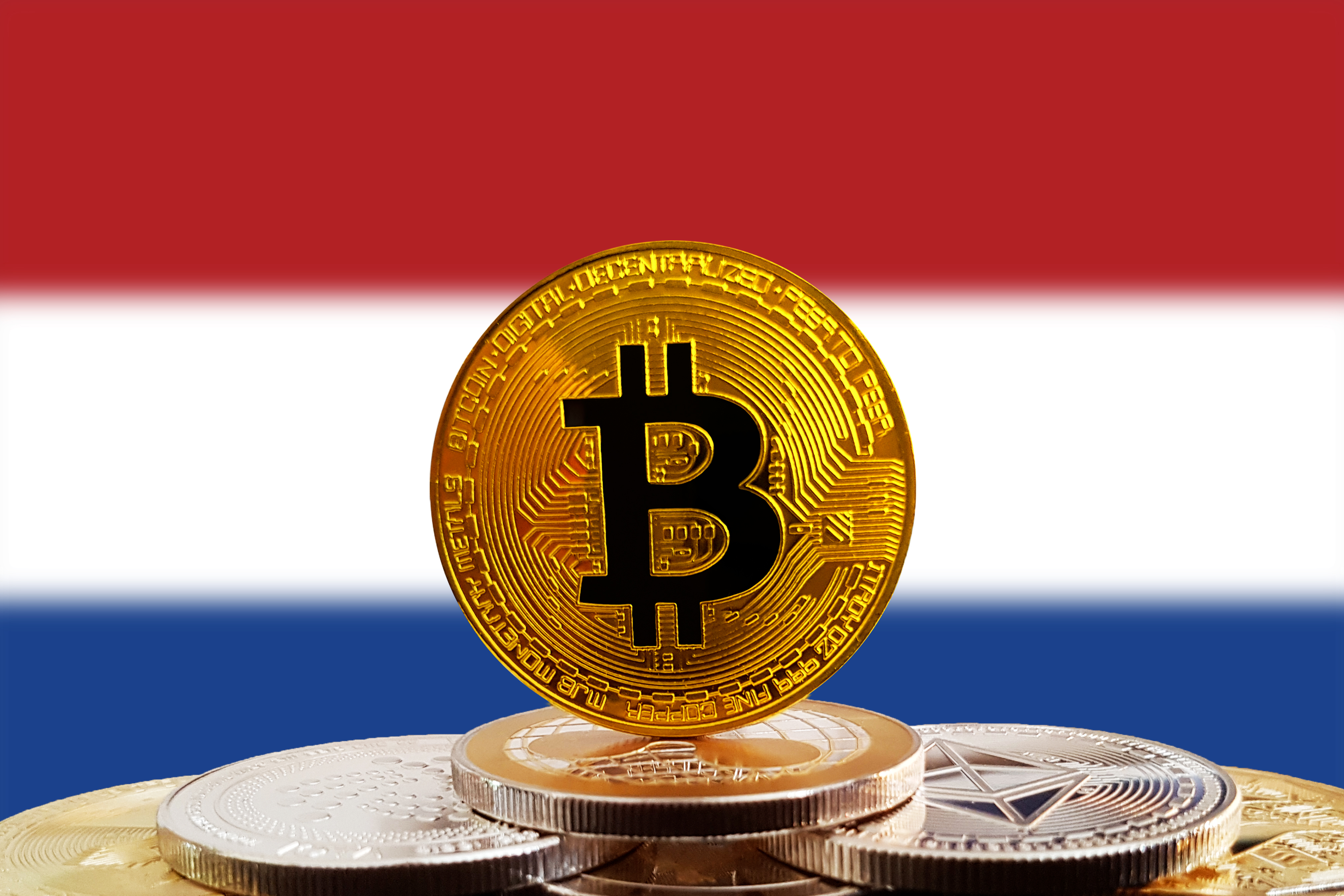
The Netherlands has introduced a draft bill requiring cryptocurrency service providers to report detailed client information to tax authorities, marking a significant alignment with the EU’s tax and transparency goals for digital assets. The proposal aims to close existing tax loopholes in cryptocurrency transactions, ensuring that individuals and companies report taxable income generated through digital assets, with authorities seeking to curb tax evasion effectively across Europe.

Central to this legislation is the adherence to DAC8, the EU’s eighth Directive on Administrative Cooperation, which mandates crypto-asset providers to share user transaction data with local tax bodies. DAC8, recently ratified by the European Council, is set to be implemented across the European Union by January 2026. The new rules are part of the EU’s extensive drive to regulate the crypto space, with a focus on enhancing tax compliance and preventing digital assets from serving as havens for illicit transactions.

In alignment with the DAC8 standards, the Dutch bill specifies that service providers, including exchanges, brokers, and wallet providers, must report all transactions involving Dutch residents to national tax agencies. This includes recording details of transaction amounts, dates, market values, and fees, ensuring that the Dutch authorities have a comprehensive view of all crypto-related activities. Additionally, the Netherlands intends to comply with the Organisation for Economic Co-operation and Development’s (OECD) Crypto-Asset Reporting Framework (CARF), which expands the scope of data sharing to include non-EU jurisdictions, such as the United States and the United Kingdom. CARF seeks to standardize crypto-asset reporting, aiming to make it more challenging for users to transfer assets across borders to evade tax responsibilities.

The Dutch Ministry of Finance anticipates that these measures will substantially increase transparency within the crypto sector, which has previously posed challenges for tax authorities due to the ease of transferring assets across platforms and borders. The Ministry asserts that these steps are essential to creating a fair tax landscape, ensuring that all income, including that derived from cryptocurrencies, is accurately declared and taxed. Proponents of the bill also believe it will aid in reducing financial crimes linked to crypto, aligning with similar EU initiatives like the Markets in Crypto-Assets Regulation (MiCA), which further addresses regulatory oversight in the sector.

As the Netherlands opens this proposal to public feedback, debate around user privacy concerns and the potential regulatory burden on crypto providers is already emerging. Critics argue that requiring such comprehensive data collection risks overreach and could dissuade crypto firms from operating in the Netherlands or the EU altogether. Concerns also extend to data protection issues, as the expansive data-sharing requirements could expose users to breaches and misuse if adequate safeguards are not put in place. Additionally, some crypto advocates argue that stricter regulations may push users towards decentralized platforms that operate outside the purview of centralized tax authorities, which could undermine the very goal of transparency.

Despite these reservations, the Netherlands and other EU states are prioritizing tax compliance to counter potential losses in tax revenue associated with the expanding crypto market. Studies by EU agencies suggest that by reducing tax evasion in crypto transactions, member states could collectively enhance tax revenues by over €1 billion annually. For countries with rapidly growing crypto sectors, this potential revenue increase is particularly enticing as they contend with budgetary pressures and demands for greater public services.

Dubai Chamber of Commerce has inaugurated the Korean Business Council to bolster economic ties and foster collaboration between businesses in Dubai and the Republic of Korea. This initiative is part of Dubai Chamber’s ongoing efforts to diversify its economic partnerships and attract foreign investment. The council’s establishment comes at a time when both regions seek to enhance their bilateral trade relations, with an eye on creating sustainable business opportunities.

The inaugural annual general meeting of the Korean Business Council took place in Dubai, featuring prominent business leaders, government officials, and representatives from various sectors. This gathering provided a platform for discussions on enhancing trade and investment flows between Dubai and South Korea. Key participants included senior officials from Dubai Chambers, members of the diplomatic community, and representatives from South Korean firms operating in the UAE.

During the meeting, chamber officials emphasized the significance of the council in facilitating dialogue and collaboration. The council aims to serve as a vital link between the two regions, fostering partnerships across various sectors, including technology, renewable energy, tourism, and healthcare. By leveraging the strengths of both economies, the Korean Business Council intends to create a synergistic environment conducive to business growth and innovation.

The UAE is already a significant trading partner for South Korea in the Middle East. In 2023, bilateral trade between the two nations reached approximately $15 billion, with South Korea exporting goods such as machinery, electronics, and automobiles. The establishment of the Korean Business Council is expected to further stimulate this trade and attract South Korean companies to invest in Dubai’s growing market.

South Korea’s Ministry of Trade, Industry, and Energy has expressed support for the initiative, recognizing the strategic importance of strengthening economic relations with the UAE. South Korea’s trade envoy to the UAE highlighted the country’s commitment to fostering business collaborations and creating a more robust economic framework for bilateral trade.

The new council will offer various services to its members, including market research, networking opportunities, and access to resources that can assist in navigating the Dubai business landscape. By providing a platform for collaboration and knowledge-sharing, the council aims to empower businesses to expand their reach and enhance their competitiveness in the region.

The council is expected to play a pivotal role in attracting South Korean investment into Dubai’s rapidly developing sectors. As Dubai continues to position itself as a global business hub, the Korean Business Council will facilitate opportunities for South Korean firms looking to establish or expand their operations in the region.

With its strategic location, favorable business environment, and established infrastructure, Dubai has become an attractive destination for South Korean companies. Numerous South Korean enterprises have already made significant investments in sectors such as construction, hospitality, and technology, underscoring the potential for further collaboration.

The Korean Business Council will also focus on promoting cultural exchanges between the two regions. Cultural ties are essential in fostering mutual understanding and trust, which can enhance business interactions. Events showcasing Korean culture, technology, and innovation are expected to be organized to facilitate this cultural exchange, enabling Dubai businesses to gain insights into South Korea’s advancements in various industries.

The council’s establishment aligns with the UAE’s Vision 2021, which aims to position the nation as a global economic leader and a hub for trade and investment. By enhancing relationships with key markets like South Korea, Dubai is making strategic moves to achieve its economic diversification goals.

In addition to economic benefits, the council is poised to contribute to the broader goal of sustainable development. As both regions prioritize sustainability and innovation, the council will encourage cooperation in sectors such as renewable energy and environmental technology. Collaborative initiatives in these areas can lead to significant advancements, addressing pressing global challenges while promoting economic growth.

As the Korean Business Council embarks on its journey, its success will rely on the active participation of its members and the commitment to fostering a dynamic and collaborative business environment. The council’s leadership has expressed enthusiasm for creating a vibrant network of businesses that can thrive in Dubai’s competitive landscape.

Engaging with local stakeholders and participating in trade missions and exhibitions will be crucial in building relationships and expanding business opportunities. By connecting South Korean and Dubai-based companies, the council aims to unlock the potential for innovative partnerships that can drive economic growth.


German luxury carmaker Mercedes-Benz announced a staggering decline of more than 50 percent in its third-quarter profits, attributing this downturn primarily to a significant slowdown in the Chinese market, a vital region for luxury vehicle sales. The company reported a net profit of €1.72 billion for the quarter, down from €3.64 billion in the same period last year, reflecting the challenges posed by weakening demand and broader economic uncertainties.

The company highlighted that while it experienced strong sales growth in the first half of the year, the third quarter revealed a stark contrast. The demand for luxury vehicles in China, which constitutes a substantial share of Mercedes-Benz’s sales, has faced pressures from economic headwinds, including stricter COVID-19 restrictions and a subsequent sluggish recovery. These factors have led to a notable reduction in consumer spending, particularly on high-end goods.

Mercedes-Benz also noted an increase in production costs, further exacerbating profit pressures. The ongoing global supply chain issues have contributed to elevated costs for raw materials and logistics, impacting overall profitability. The company emphasized the challenges of maintaining its profit margins amid these rising expenses and shifting consumer preferences.

In response to the declining profits, Mercedes-Benz outlined its strategic focus on adapting to changing market dynamics. The firm has committed to increasing its electric vehicle (EV) offerings as part of its long-term strategy to capture a larger share of the growing EV market. The company has set ambitious goals to deliver more than 20 new electric models by 2026, aiming to transition its fleet to a more sustainable lineup.

In light of the reduced profits, Mercedes-Benz CEO Ola Källenius expressed optimism about the company’s future trajectory. He highlighted that despite current challenges, the company remains committed to innovation and sustainability, key pillars of its business strategy. Källenius stated that the transition to electric mobility presents significant opportunities for growth, and Mercedes-Benz is strategically positioning itself to meet these challenges head-on.

The luxury automobile market is undergoing a significant transformation as consumer preferences shift towards sustainability and advanced technology. Mercedes-Benz’s investment in electric vehicles is a direct response to this trend, as it aims to enhance its competitiveness in an increasingly crowded market dominated by emerging EV manufacturers.

Analysts have pointed out that the luxury car segment is at a crossroads, influenced by changing consumer behavior and economic factors. The growth of the electric vehicle market, driven by increasing environmental awareness and government incentives, poses both challenges and opportunities for traditional luxury carmakers. Competitors are also ramping up their EV offerings, making it imperative for established brands like Mercedes-Benz to stay ahead in innovation and technology.

Mercedes-Benz’s performance in the Asia-Pacific region has also raised concerns, as the company reported lower sales figures in various markets beyond China. Factors such as geopolitical tensions, inflationary pressures, and fluctuating currency values have influenced consumer confidence and purchasing power, impacting sales across the region.

The luxury car market’s dynamics are also shifting, with younger consumers increasingly prioritizing sustainability over brand loyalty. This generational shift has prompted luxury car manufacturers to rethink their marketing strategies and product offerings to align with the values and preferences of a new wave of buyers.

In the face of these challenges, Mercedes-Benz’s leadership has stressed the importance of agility and adaptability in navigating the evolving landscape. The company’s focus on research and development has been intensified, with significant investments earmarked for advancing autonomous driving technologies and enhancing connectivity features in their vehicles. These innovations aim to appeal to tech-savvy consumers who are seeking modern solutions in their mobility experiences.

The company’s latest financial results have also drawn attention to the importance of maintaining a robust supply chain. Mercedes-Benz has been actively working to mitigate risks associated with supply chain disruptions by diversifying its supplier base and investing in local manufacturing capabilities. This strategy is designed to enhance operational resilience and ensure the timely delivery of vehicles to meet customer demand.

Market experts suggest that while the current quarter’s profit decline is concerning, it may serve as a catalyst for Mercedes-Benz to refine its business strategies and focus on long-term growth initiatives. The ongoing shift towards electric mobility and sustainable practices represents a crucial opportunity for the brand to solidify its position as a leader in the luxury automotive sector.

VISHNU RAJA
RYO YAMADA
HITORI GOTOH
IKUYO KITA