News related to
Arabia

The cryptocurrency market witnessed a significant development as CLANKER, the native token of the tokenbot platform, achieved a market capitalization exceeding $60 million. This surge follows its recent listing on Coinbase, one of the world’s leading cryptocurrency exchanges.

As of February 20, 2025, CLANKER is trading at $61.28, reflecting a substantial increase from its initial market value. The token’s 24-hour trading volume stands at approximately $25.98 million, indicating heightened investor interest and activity. Notably, CLANKER’s price has experienced a 76.47% rise in the past 24 hours, underscoring its growing momentum in the crypto space.

The tokenbot platform, powered by CLANKER, offers an AI-driven solution on the Base network, enabling users to launch ERC-20 tokens seamlessly. By interacting with Clanker on Web3 social platforms like Warpcast or Supercast, users can specify token details, and the system automatically creates a Uniswap V3 pool with an initial market value of $30,000. This streamlined process has contributed to the platform’s rapid adoption and the token’s escalating value.

The recent listing on Coinbase has amplified CLANKER’s visibility and accessibility, attracting a broader spectrum of investors. Coinbase’s rigorous selection process for token listings often serves as a benchmark for credibility within the crypto community. The inclusion of CLANKER on such a prominent platform not only enhances its legitimacy but also provides a gateway for increased liquidity and trading volume.

Market analysts attribute CLANKER’s impressive performance to several factors, including its innovative platform features, strategic exchange listings, and the overall bullish sentiment in the cryptocurrency market. The token’s unique proposition of simplifying token creation through AI integration positions it favorably among both developers and investors seeking efficient solutions in the decentralized finance sector.


Lightchain AI has rapidly distinguished itself by seamlessly integrating blockchain technology with artificial intelligence. During its presale phase, the company has raised over $13.5 million, with tokens priced at $0.005625 each. This significant capital influx underscores strong investor confidence in Lightchain AI’s innovative approach.

The platform’s unique proposition lies in its fusion of blockchain’s decentralized ledger capabilities with AI’s data processing prowess. This combination aims to enhance transaction efficiency, security, and scalability, positioning Lightchain AI as a formidable contender in the tech landscape.

In contrast, established blockchain platforms like Ethereum, Solana, Cardano, and Polkadot have been pivotal in the industry’s evolution. Ethereum, for instance, boasts a robust developer community, with approximately 1,889 full-time developers contributing to its ecosystem. This extensive support has facilitated a wide array of decentralized applications and smart contracts.

Solana, renowned for its high transaction speeds, can process up to 65,000 transactions per second . This capability has attracted numerous projects, although the network has faced challenges due to the proliferation of meme coins, which have, at times, affected its reputation.

Cardano and Polkadot, both aiming for high scalability and performance, have seen varying levels of developer engagement. Cardano, for example, has around 153 full-time developers, while Polkadot has approximately 621. These figures highlight the competitive landscape in which Lightchain AI is emerging.

The recent resurgence of staking services by platforms like Kraken further indicates a dynamic shift in the cryptocurrency ecosystem. Kraken’s decision to reintroduce staking for U.S. customers, after a previous suspension due to regulatory challenges, reflects a changing regulatory environment. This move allows users to stake assets such as Ethereum, Solana, Polkadot, and Cardano, potentially increasing user engagement and network security.

President Donald Trump has announced plans to impose tariffs of 25% or more on imported pharmaceuticals, automobiles, and semiconductors, aiming to reduce the U.S. trade deficit and bolster domestic manufacturing. The tariffs are slated for formal announcement on April 2, following a comprehensive review of trade policies concluding on April 1. This move signifies a significant shift in U.S. trade policy, as pharmaceutical products have traditionally been exempt from such tariffs under World Trade Organization rules.

The U.S. pharmaceutical market, valued at approximately $560 billion in 2024, relies heavily on imports, with around $200 billion worth of pharmaceutical products sourced from abroad. Major suppliers include Ireland, Germany, and Switzerland, which are expected to be significantly impacted by the proposed tariffs. India, another key exporter, sent pharmaceutical goods worth $8.73 billion to the U.S. in the fiscal year 2024, accounting for 31% of its total pharmaceutical exports. Following the tariff announcement, Indian pharmaceutical stocks experienced a notable decline, with the sector’s index dropping 2% to a seven-month low. Companies such as Sun Pharma and Dr. Reddy’s Laboratories saw their shares fall by 2% and 4%, respectively.

Industry experts warn that these tariffs could lead to increased drug prices for U.S. consumers and exacerbate existing medication shortages. The Healthcare Distribution Alliance , representing pharmaceutical distributors, expressed concerns that tariffs on generic drug products developed outside the U.S. could worsen shortages and elevate costs for patients, including those in Medicare and Medicaid programs. The HDA emphasized that distributors operate on low profit margins—approximately 0.3%—limiting their ability to absorb additional costs.

The global pharmaceutical supply chain is intricately linked, with many active pharmaceutical ingredients and raw materials sourced from countries like China and India. Approximately 13% of APIs used in the U.S. originate from China. Imposing tariffs on these imports could disrupt the supply chain, leading to production delays and increased manufacturing costs. Caroline Shleifer, CEO of regulatory research firm RegASK, noted that higher raw material costs are likely to cascade through the supply chain, raising overall production expenses and potentially leading to inflationary pressures in healthcare.

The proposed tariffs also pose challenges for domestic manufacturers. While the intent is to encourage companies to relocate production to the U.S., establishing new manufacturing facilities is a complex and time-consuming process. It requires significant investment in infrastructure, adherence to stringent regulatory approvals, and a skilled workforce. In the interim, consumers may face higher prices and limited access to essential medications.

The tariffs could have broader economic implications, potentially triggering retaliatory measures from affected trading partners. Such trade disputes may lead to a contraction in global trade, affecting not only the pharmaceutical industry but also other sectors interconnected through international supply chains. The uncertainty surrounding these developments has already led to volatility in global stock markets, with investors closely monitoring the situation.

President Donald Trump addressed a gathering of international financiers and technology leaders at the Future Investment Initiative Priority Summit in Miami Beach on Wednesday. The event, hosted by Saudi Arabia’s sovereign wealth fund, the Public Investment Fund , aimed to foster global investment partnerships and economic collaboration. In his opening remarks, President Trump declared, “The United States is back and open for business.” He emphasized his administration’s […]

Confidence within the energy sector regarding the attainment of global net-zero emissions by 2050 has markedly decreased. The Energy Industries Council reports that only 16% of industry leaders now believe these climate goals are achievable, a significant drop from 45% the previous year. This decline is attributed to policy instability, financial uncertainties, and protracted project approval processes. The EIC’s “Net Zero Jeopardy Report II” highlights that inconsistent […]

Azizi Developments has officially commenced sales for Burj Azizi, poised to become the world’s second-tallest tower at 725 meters. The grand launch event took place at Dubai’s Coca-Cola Arena on February 18, 2025, attracting over 15,000 attendees, including government officials, investors, and media representatives. The evening featured a performance by American singer Jennifer Lopez.

Global sales events are scheduled for February 19, 2025, at prestigious venues worldwide, including the Conrad Hotel in Dubai, The Peninsula in Hong Kong, The Dorchester in London, JW Marriott Juhu in Mumbai, Marina Bay Sands in Singapore, Four Seasons Hotel in Sydney, and the Palace Hotel in Tokyo.

Burj Azizi, set for completion by 2028, will feature over 131 stories comprising residential, hotel, retail, and entertainment spaces. The residential section offers luxurious one-, two-, and three-bedroom apartments, with prices starting at AED 10,000 per square foot. Notably, it will be the only freehold property on Dubai’s Sheikh Zayed Road.

Amenities include wellness centers, swimming pools, saunas, cinemas, gyms, mini markets, resident lounges, and a children’s play area. The tower will also house a seven-floor vertical retail center, a luxury ballroom, a beach club, an observation deck, an adrenaline zone, and various high-end dining options.

Mr. Farhad Azizi, Group CEO of Azizi Developments, expressed pride in the project, stating, “Burj Azizi is not just a structure; it is a tribute to the emirate’s ever-growing prominence on the global stage.”

The tower is designed to set multiple records, including the highest hotel lobby on the 111th floor, the highest nightclub on the 126th floor, and the highest restaurant on the 122nd floor. A museum at the pinnacle will showcase the building’s development through multimedia exhibits.

Every 20 floors will feature dedicated amenity spaces, including swimming pools, saunas, steam rooms, fully equipped gyms, yoga centers, spas, game rooms, business centers, children’s play areas, cinemas, restaurants, coffee shops, and supermarkets.

Azizi Developments, with a portfolio of over 30,000 delivered homes, aims to redefine luxury living and architectural innovation with Burj Azizi, further enhancing Dubai’s iconic skyline.

The project represents a significant investment, with sales now open to buyers worldwide. Interested parties can attend the global sales events or visit the official website for more information.

Burj Azizi is poised to become a landmark destination, offering unparalleled luxury and contributing to Dubai’s status as a global metropolis.

The development underscores Dubai’s commitment to pushing architectural boundaries and setting new standards in luxury real estate.

As construction progresses, Burj Azizi is expected to attract significant interest from investors and residents seeking a prestigious address in one of the world’s most dynamic cities.

The tower’s strategic location on Sheikh Zayed Road offers residents and visitors easy access to Dubai’s key attractions and business districts.

With its blend of luxury, innovation, and prime location, Burj Azizi is set to become a symbol of Dubai’s ambitious vision and growth.

DP World’s Jebel Ali Port has achieved its highest cargo volumes since 2015, handling 15.5 million twenty-foot equivalent units in 2024, an increase of 1 million TEUs from the previous year. This surge represents nearly 18% of DP World’s total global container throughput of 88.3 million TEUs for the year.

The growth in container throughput was driven by strong local and regional demand, particularly from Asia and the Indian Subcontinent. New shipping services enhanced global connectivity, and efficient operations ensured smooth cargo flow despite challenges such as the Red Sea crisis.

Breakbulk cargo also experienced significant growth, surging by 23% year-on-year to reach 5.4 million metric tonnes , marking the second-highest performance in nearly a decade. This increase was fueled by the region’s investments in infrastructure, renewable energy, and industrial development. Jebel Ali handled large shipments of wind turbines, solar panels, heavy machinery, and construction materials, with imports constituting 80% of total shipments. Outbound shipments were led by sugar, iron, and steel.

Abdulla Bin Damithan, CEO and Managing Director of DP World GCC, stated, “This performance reflects the strength of our world-class ports and logistics infrastructure. The 15.5 million TEUs handled at Jebel Ali in 2024, along with the strong growth in breakbulk cargo, show our capacity to meet increasing demand in both sectors.”

DP World’s global operations have also seen remarkable growth. The Posorja terminal in Ecuador reported an 87% increase in volume, handling nearly 1 million TEUs. Other terminals, including San Antonio in Chile, Yarimca in Türkiye, Chennai in India, Callao in Peru, Antwerp in Belgium, and London Gateway in the UK, experienced double-digit growth. The company’s global container terminal capacity has now surpassed 100 million TEUs annually.

Sultan Ahmed bin Sulayem, Group Chairman and CEO of DP World, commented, “During the last 10 years, we have invested more than $11 billion in world-class ports and logistics infrastructure to make trade flow. This record performance is further evidence that our long-term investment is providing the right services for our customers in the right places.”

Advertisements

Saudi Arabia’s state-owned oil giant, Aramco, has signed definitive agreements to acquire a 25% equity stake in Unioil Petroleum Philippines, a prominent player in the Philippine petroleum sector. This strategic move aims to capitalize on the anticipated growth of the high-value fuels market in the Philippines and represents a significant step in Aramco’s global downstream expansion.

Established in 1966, Unioil operates a robust network of 165 retail stations and four storage terminals across the Philippines. The company’s diversified operations have positioned it as one of the fastest-growing entities in the country’s fuel industry. By acquiring a substantial stake in Unioil, Aramco plans to extend its brand presence and introduce its range of products, including Valvoline-branded lubricants, to selected retail stations within the archipelago.

Yasser Mufti, Aramco’s Executive Vice President of Products and Customers, expressed enthusiasm about the partnership, stating, “This investment represents another step forward in our global strategy to expand Aramco’s retail network, and we look forward to introducing Aramco’s high-quality products and services to customers in the Philippines.” This sentiment underscores Aramco’s commitment to enhancing its participation in vibrant economies through collaboration with established local partners.

The financial specifics of the transaction have not been publicly disclosed. However, the acquisition aligns with Aramco’s broader strategy to secure additional outlets for its refined products and strengthen its global retail footprint. This move follows Aramco’s previous retail acquisitions in Chile and Pakistan, highlighting a consistent pattern of strategic investments aimed at diversifying its market presence and tapping into emerging economies with growing energy demands.

The Philippines, with its expanding economy and increasing energy consumption, presents a lucrative opportunity for Aramco. The country’s demand for high-value fuels is projected to rise, driven by rapid urbanization, industrial growth, and a burgeoning middle class. By integrating into the Philippine market, Aramco positions itself to meet this rising demand while fostering economic growth within the region.

Unioil’s Chief Executive Officer, Janice Co Roxas-Chua, welcomed the partnership, noting that the collaboration with Aramco is poised to enhance Unioil’s service offerings and operational capabilities. “Partnering with a global leader like Aramco allows us to bring world-class products and services to our customers, further elevating the standards of the Philippine fuel industry,” she remarked.

This acquisition is subject to customary closing conditions, including regulatory approvals. Both companies are expected to work closely with Philippine authorities to ensure compliance and facilitate a smooth transition. Upon completion, consumers in the Philippines can anticipate access to a broader range of high-quality fuel products and services, reflecting the combined expertise and resources of Aramco and Unioil.

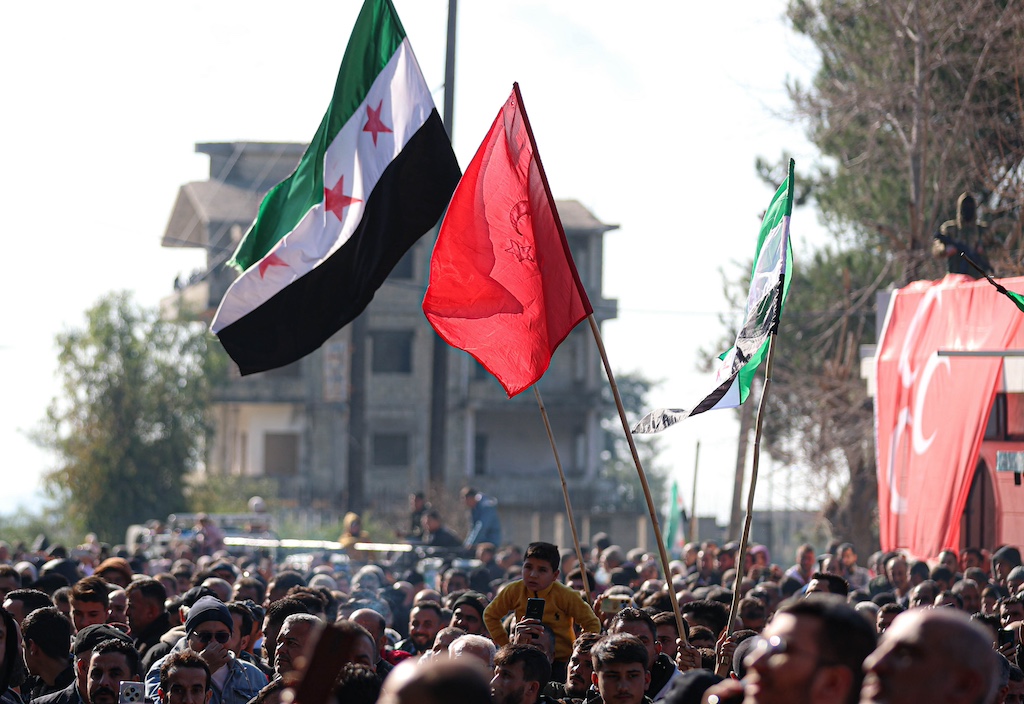
By Cihan Tuğal DAMASCUS: As the smoke settles on the fall of Bashar al-Assad’s regime in Syria and its replacement by Islamist leadership under Hayat Tahrir al-Sham (HTS), it is clear that Turkey’s far-right governing bloc has emerged from the tumult strong and emboldened. What is less clear is whether this will mean that Recep […]
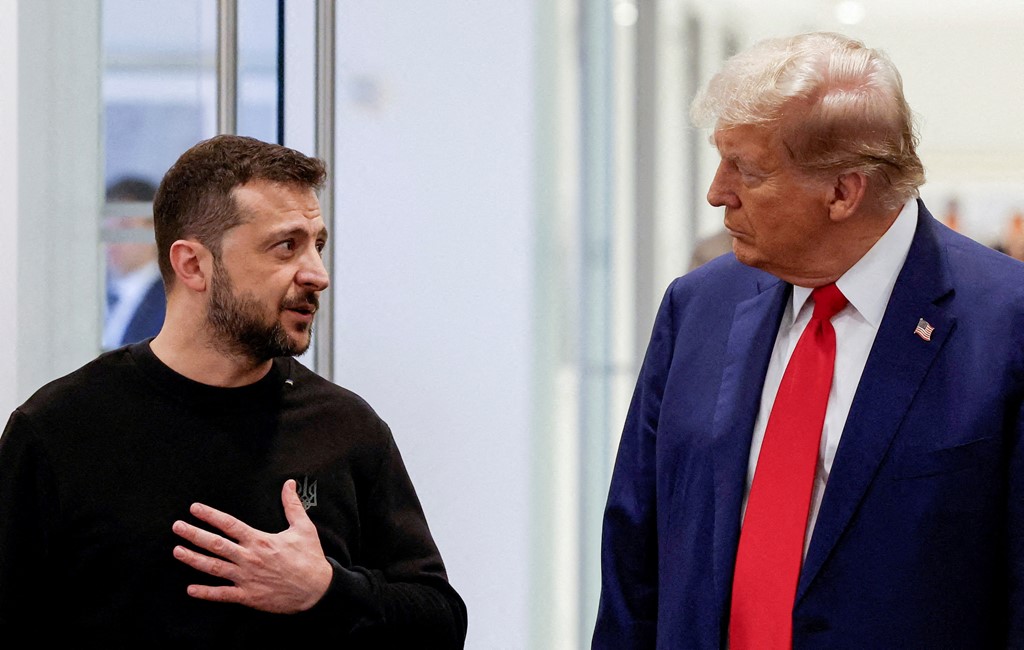
By Ben Chacko LONDON: Donald Trump’s demand for a $500 billion “payback deal” forcing Ukraine to hand over control of its natural resources has been exposed by the Telegraph. As the newspaper’s columnist Ambrose Evans-Pritchard notes, proposed terms amount to a more punitive reparations package than was imposed on Germany after World War I. Not […]
By M. A. Hossain & Vishakhajha For decades, U.S. alliances have been the backbone of global stability, fostering economic cooperation and collective security. NATO, economic partnerships with European and Asian allies, and engagement in international organizations have cemented America’s leadership in world affairs. However, under Trump’s second term Presidency, these traditional alliances came under significant […]

By Sushil Kutty It isn’t funny, the Supreme Court choosing to “slam” Ranveer Allahbadia and simultaneously giving him relief against more FIRs. This interim protection, however, comes even as the bench hinted at more trouble for Allahbadia’s incestuous thoughts. For Ranveer Allahbadia, the future looks bleak unless his parents come to his rescue hoping he […]
By Dr. Gyan Pathak With Union Government of India making the appointments of the Chief Election Commissioner of India, and an Election Commissioner under the new law of 2023, while the law itself is pending adjudication in the Supreme Court of India, people’s hopes and fears about independence of Election Commission of India running high. […]
By Anjan Roy Russian president, Vladimir Putin, has already achieved a very big objective of his diplomacy — isolating Europe from the United States. Now with the US President’s latest statement from his clubhouse, Donald Trump seems to have dumped the traditional diplomatic tie up between Western Europe and America. India must take lesson — […]

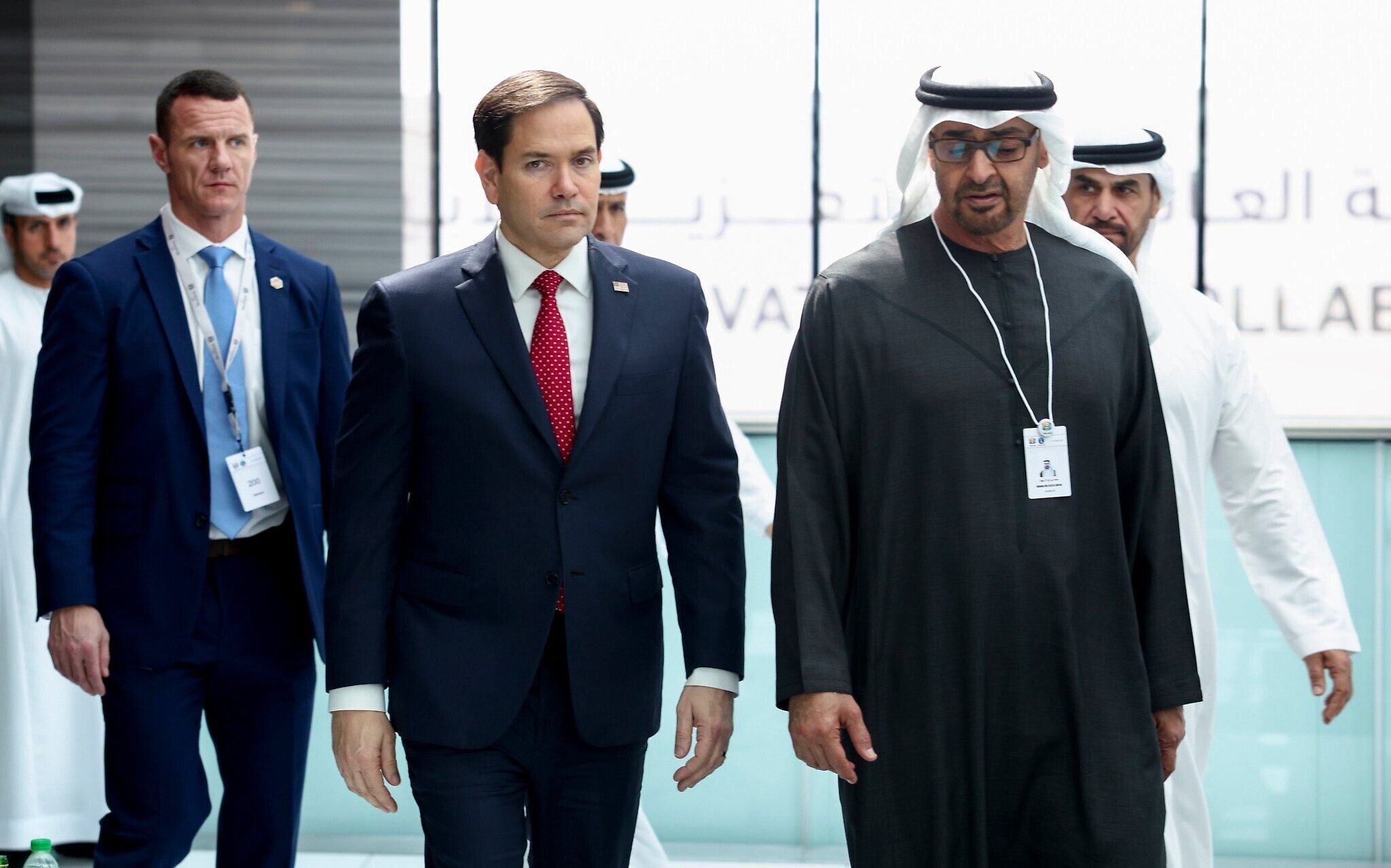
US Secretary of State Marco Rubio concluded his Middle East tour with a visit to the United Arab Emirates on Wednesday, engaging in discussions with President Sheikh Mohammed bin Zayed Al Nahyan. The talks focused on regional stability, the ongoing conflicts in Gaza and Ukraine, and the enhancement of bilateral relations between the two nations.

During the meeting in Abu Dhabi, both leaders underscored the importance of collaborative efforts to address pressing regional issues. A significant portion of their dialogue centered on the Gaza conflict, with President Sheikh Mohammed expressing firm opposition to any displacement of Palestinians from the territory. He reiterated the UAE’s commitment to a two-state solution as the viable path to enduring peace in the region.

The discussions also encompassed the war in Ukraine. The UAE has played a mediating role in facilitating prisoner exchanges between Russia and Ukraine, highlighting its position as a neutral party capable of fostering dialogue. Secretary Rubio acknowledged the UAE’s contributions and emphasized the need for continued international cooperation to resolve the conflict.

Prior to his arrival in the UAE, Secretary Rubio engaged in high-level talks in Saudi Arabia, where he met with Russian Foreign Minister Sergey Lavrov. These discussions marked the highest-level engagement between the United States and Russia since the onset of the Ukraine conflict in 2022. The meetings aimed to explore potential avenues for peace and to address the broader implications of the war on global security.

In addition to geopolitical issues, Secretary Rubio and President Sheikh Mohammed explored opportunities to strengthen economic and defense ties between the United States and the UAE. Both parties recognized the mutual benefits of deepening cooperation in sectors such as technology, energy, and defense. The UAE’s strategic location and its role as a hub for innovation make it a pivotal partner in advancing shared interests.

The visit coincided with the International Defense Exhibition and Conference in Abu Dhabi, a premier event showcasing the latest advancements in defense technology. Secretary Rubio’s presence at IDEX underscored the United States’ commitment to supporting the security and defense capabilities of its allies in the region. The exhibition provided a platform for defense contractors and government officials to discuss potential collaborations and to address emerging security challenges.

While in Abu Dhabi, Secretary Rubio also toured the Abrahamic Family House, a symbol of interfaith harmony comprising a mosque, church, and synagogue within a single complex. This visit highlighted the UAE’s efforts to promote tolerance and coexistence among diverse religious communities. Secretary Rubio commended the initiative, noting that such efforts are essential in fostering mutual understanding and peace in a region historically marked by religious and cultural divisions.

The Middle East tour, which included stops in Israel and Saudi Arabia before culminating in the UAE, reflects the United States’ strategic interest in engaging with key regional players. In Israel, Secretary Rubio met with Prime Minister Benjamin Netanyahu to discuss security concerns and the ongoing situation in Gaza. The discussions reaffirmed the strong bilateral relationship and the United States’ unwavering support for Israel’s right to self-defense.

In Saudi Arabia, the focus shifted to the broader implications of the Ukraine conflict and its impact on global energy markets. Secretary Rubio’s meeting with Crown Prince Mohammed bin Salman aimed to align strategies on stabilizing energy supplies and addressing the humanitarian crisis resulting from the war. The dialogue also touched upon the importance of maintaining open channels of communication with Russia to prevent further escalation.

Throughout the tour, Secretary Rubio emphasized the United States’ commitment to pursuing diplomatic solutions to complex international challenges. He highlighted the necessity of multilateral cooperation and the role of regional partners in achieving sustainable peace and stability. The engagements underscored a multifaceted approach, combining diplomatic outreach with strategic partnerships to address both immediate conflicts and their underlying causes.

The UAE visit, in particular, showcased the depth of the bilateral relationship and the shared vision for a stable and prosperous Middle East. Both nations expressed optimism about the prospects of enhanced collaboration across various domains, setting the stage for future initiatives aimed at promoting peace, security, and economic growth in the region.

As Secretary Rubio returns to Washington, the outcomes of his Middle East tour are poised to influence U.S. foreign policy in the region. The insights gained from direct dialogues with regional leaders will inform the United States’ strategies in addressing the intertwined challenges of geopolitical conflicts, energy security, and regional stability. The administration’s approach will likely continue to balance assertive diplomacy with support for allies, aiming to foster an environment conducive to lasting peace and cooperation.

Metaplanet Inc., a Tokyo Stock Exchange-listed company, has expanded its Bitcoin holdings to over 2,100 BTC. The firm acquired an additional 68.59 bitcoins at an average price of $96,335 per coin, totaling approximately $6.6 million. This purchase elevates Metaplanet’s total Bitcoin assets to 2,100 BTC, representing 0.01% of the 21 million bitcoins that will ever exist.

This acquisition follows a significant purchase earlier this month, where Metaplanet bought 269.43 bitcoins for around $26 million, averaging $97,985 per coin. These strategic investments are part of Metaplanet’s broader plan to amass substantial Bitcoin reserves. The company aims to hold 10,000 BTC by the end of 2025 and 21,000 BTC by the close of 2026. To support this ambitious goal, Metaplanet has announced plans to raise approximately ¥116 billion through the issuance of 21 million shares.

Metaplanet’s strategic shift towards Bitcoin began in 2024, inspired by MicroStrategy’s approach of utilizing Bitcoin as a primary treasury reserve asset. This pivot has significantly impacted Metaplanet’s financial standing and market perception. In 2024, the company reported unrealized gains of approximately $36 million from its Bitcoin holdings. Additionally, Metaplanet’s shareholder base expanded by 500% to 50,000 investors during the same period.

The company’s stock performance has mirrored its aggressive Bitcoin acquisition strategy. Over the past year, Metaplanet’s share price has surged by 3,500%, reaching ¥5,880 per share. This remarkable growth has drawn parallels to MicroStrategy’s trajectory, earning Metaplanet the moniker “Asia’s MicroStrategy.”

Beyond its investment activities, Metaplanet is diversifying its business operations. The company manages a Bitcoin-themed hotel in Tokyo and holds the exclusive license for Bitcoin Magazine in Japan. These ventures align with Metaplanet’s mission to promote Bitcoin adoption and education within the region.

However, Metaplanet’s aggressive Bitcoin accumulation strategy is not without risks. The inherent volatility of cryptocurrency markets poses potential challenges. Analysts caution that a significant downturn in Bitcoin’s value could adversely affect the company’s financial health and stock performance. Moreover, geopolitical tensions and regulatory uncertainties add layers of complexity to Metaplanet’s investment approach.

Despite these challenges, Metaplanet remains steadfast in its commitment to Bitcoin. The company’s leadership believes that Bitcoin’s unique attributes, such as its scarcity and decentralized nature, position it as a valuable asset for long-term growth. As Metaplanet continues to execute its strategic vision, it stands as a prominent example of corporate Bitcoin adoption in Asia.

In the broader market context, Bitcoin’s price has experienced fluctuations. Currently, Bitcoin is trading at $97,225, reflecting a 2.15% increase from the previous close. The cryptocurrency’s intraday high reached $97,340, with a low of $94,997. These price movements underscore the dynamic nature of the cryptocurrency market, which companies like Metaplanet navigate in their investment strategies.

Toncoin , the native cryptocurrency of The Open Network, is experiencing a notable price recovery, approaching the $4 mark. This upward movement is largely attributed to a significant increase in staking inflows and heightened activity among large holders, commonly referred to as ‘whales’.

In the past week, Toncoin’s price has rebounded, nearing the $4 threshold. This resurgence aligns with a substantial inflow of approximately $250 million from large holders over a 72-hour period, indicating strong confidence among major investors. Additionally, the cryptocurrency has maintained a remarkably low volatility, with a mere 2% trading range over a 12-day span, suggesting a period of consolidation and potential for further upward movement.

Staking participation has also seen a significant uptick. Currently, around 29% of the total Toncoin supply, equating to approximately 727.1 million TON, is staked, offering an estimated annual reward rate of 4.71%. This increase in staking activity reflects a growing trend among investors seeking stable returns through staking mechanisms, thereby reducing the circulating supply and potentially contributing to price appreciation.

Despite a decline in Total Value Locked within Toncoin’s decentralized finance ecosystem, the rise in staking suggests a shift in investor behavior towards more secure and predictable returns. This trend is further supported by a steady increase in active addresses holding Toncoin, indicating a broader engagement within the network.

The once-booming memecoin market is experiencing a significant downturn, marked by high-profile scandals and a shift towards a more mature cryptocurrency landscape. Industry experts and recent events highlight the challenges facing these novelty digital assets.

Nic Carter, a partner at Castle Island Ventures, asserts that the memecoin era has concluded. He emphasizes that the market, once seen as a fair playground for traders, has been undermined by insider manipulation and fraudulent schemes. Carter points to the recent $LIBRA token scandal as evidence of the market’s compromised integrity.

The $LIBRA incident has notably impacted the reputation of the Solana blockchain network. Promoted by Argentine President Javier Milei, $LIBRA experienced a meteoric rise followed by a catastrophic collapse, erasing over $4 billion in value. This event has led to fraud allegations and calls for Milei’s impeachment. Solana, favored for its scalability and transaction speed, has seen a 15% decline in its token value since the scandal, as reported by Cinco Días.

The proliferation of memecoins lacking solid technological foundations has saturated networks like Solana, causing congestion and eroding investor trust. Platforms such as Pump.fun have facilitated the creation of these tokens, leading to a 46% decrease in daily new token launches from January 24 to February 18, 2025. This decline reflects growing skepticism among investors and developers.

Market data indicates a sharp reduction in investor interest in memecoins. The number of active traders has decreased by 50% since January, and the overall market capitalization of memecoins has dropped from $100 billion to significantly lower levels. Tokens like Dogecoin and Shiba Inu have experienced substantial price declines, with DOGE falling from $0.12 to $0.09 within a single day, as noted by IntoTheBlock.

The $LIBRA scandal has also brought to light the involvement of four entrepreneurs—Mauricio Novelli, Manuel Terrones Godoy, Julian Peh, and Hayden Mark Davis—who orchestrated the token’s promotion and subsequent collapse. Their actions have intensified scrutiny of memecoin projects and raised questions about the ethical responsibilities of public figures endorsing such assets.

Despite the downturn, some analysts believe that while the memecoin craze is over, these tokens will not disappear entirely. However, the market is expected to evolve, with investors becoming more discerning and regulatory bodies increasing oversight to prevent manipulation and fraud.

Fry Networks has launched Fry 2.0, an innovative token model aimed at enhancing the sustainability and fairness of decentralized mining. This development signifies a strategic shift from speculative practices to a framework where mining rewards are directly linked to each network’s practical applications and prospective monetization.

In the Fry 2.0 ecosystem, mining rewards are now distributed through specialized tokens corresponding to specific network contributions, replacing the previous single-token system. This approach ensures that miners receive tokens reflective of their particular inputs, aligning incentives with network expansion and future revenue streams.

The newly introduced tokens include fVPN for bandwidth miners supporting the decentralized VPN network, fNODE for infrastructure nodes bolstering network security, and fSENSOR for IoT and environmental data miners. Each token’s value is intended to be underpinned by the demand for its associated service as the network transitions to monetized rewards, promoting a sustainable and scalable mining environment.

To enhance control and reduce unnecessary emissions, Fry Networks has implemented a manual claiming process for mining rewards. Miners are now required to actively claim their earnings, a measure designed to prevent excessive token distribution, empower miners with greater oversight of their assets, and protect the system from potential misuse. This initiative also aims to facilitate steady and controlled network growth, thereby preserving the long-term value of the mining ecosystem.

The transition to Fry 2.0 reflects Fry Networks’ commitment to constructing a genuine decentralized infrastructure, moving beyond transient trends. By aligning mining rewards with network growth and future monetization, the company seeks to create a more equitable and valuable ecosystem for miners, users, and the broader community.

Fry Networks, a project built on the Algorand ecosystem, aspires to develop a decentralized network comprising multiple decentralized networks. This ambitious vision underscores the company’s dedication to fostering innovation and sustainability within the decentralized infrastructure landscape.

Pi Network, the mobile-based cryptocurrency platform, has officially launched its open mainnet today at 8:00 AM UTC, transitioning from its enclosed mainnet phase that began in December 2021. This significant milestone enables Pi Coin to be traded on major cryptocurrency exchanges, marking a pivotal moment for its extensive user base.

Despite the anticipation surrounding the launch, Pi Coin’s value has experienced a sharp decline. Over the past 24 hours, the price of Pi Coin’s IOU token has plummeted by approximately 42%, now trading around $62.83. This downturn is attributed to growing skepticism among investors regarding the project’s viability and concerns over its structural integrity. Some analysts have raised questions about the network’s sustainability, with discussions emerging about potential pyramid scheme characteristics.

The Relative Strength Index , a momentum oscillator that measures the speed and change of price movements, indicates a bearish trend for Pi Coin. The RSI recently entered the overbought zone but has since experienced a significant downturn, reflecting increased selling pressure and declining investor confidence. Market analysts warn that if the current support level at $63 is breached, Pi Coin’s value could further decline to $47, unless substantial investor backing materializes.

In response to the mainnet launch, several major cryptocurrency exchanges have announced plans to list Pi Coin. Platforms such as OKX, Bitget, and HTX have confirmed the inclusion of Pi Coin on their trading platforms. Bitget has initiated a $60,000 Pi Coin airdrop promotion, running until March 3, aiming to incentivize user engagement and trading activity. Similarly, BitMart is offering a $3,000 USDT worth of Pi Coin giveaway to 300 selected users.

However, the transition has not been entirely seamless. Exchanges like HTX have delisted the Pi IOU token ahead of the mainnet launch, contributing to the token’s price volatility. This move underscores the challenges associated with the shift from IOU tokens to the actual Pi Coin, as the market adjusts to the newly tradable asset.

The Pi Network’s journey began in 2019, founded by a team of Stanford graduates with the vision of making cryptocurrency mining accessible via mobile devices. The project has since amassed a substantial user base, with millions of pioneers participating in its ecosystem. The mainnet launch signifies the network’s transition to full decentralization, enabling external wallet transfers, exchange listings, and the development of decentralized applications within its ecosystem.

Despite the project’s growth, the recent price decline highlights the uncertainties and challenges inherent in the cryptocurrency market. Investor sentiment appears cautious, influenced by concerns over the network’s structural integrity and the broader market dynamics. As Pi Coin becomes tradable on major exchanges, its value will be subject to market forces, and its long-term success will depend on user adoption, technological advancements, and regulatory compliance.

BENEFIT, Bahrain’s leading fintech and electronic financial transactions service provider, has formalised a partnership with haifin, an e& enterprise company from the UAE, aiming to revolutionise Bahrain’s banking sector. This collaboration is poised to enhance financial resilience and foster innovation across the industry.

Established in the UAE in 2021, haifin has a proven track record in de-risking trade finance lending. The platform employs advanced technologies, including blockchain and artificial intelligence, to detect and prevent fraud in real-time. To date, haifin has safeguarded over $150 million for its consortium members by identifying and mitigating fraudulent activities.

The strategic alliance between BENEFIT and haifin is set to bolster Bahrain’s banking industry’s ability to manage risks and combat fraud, particularly within trade finance. By integrating haifin’s cutting-edge solutions, Bahraini banks are expected to experience increased lending confidence, leading to higher revenues and improved access to liquidity for small and medium-sized enterprises and corporate borrowers.

The official signing ceremony took place at BENEFIT’s headquarters in Bahrain. Abdulwahed AlJanahi, Chief Executive of BENEFIT, emphasised the significance of this partnership, stating that it represents a pivotal step in strengthening Bahrain’s financial ecosystem through advanced technology. He noted that by providing banks with state-of-the-art tools to proactively combat fraud and streamline trade finance, the sector is empowered to operate with unparalleled efficiency and confidence. This collaboration aims to reinforce trust, security, and innovation at the core of the industry’s future, setting the stage for a more resilient and digitally advanced banking landscape in Bahrain.

Zul Javaid, Chief Executive of haifin, highlighted the importance of this partnership, noting that after their success in the UAE and ambition to address similar challenges across the Middle East and Africa region, this collaboration with BENEFIT marks a major milestone. Together, they aim to deliver advanced technology solutions that enhance risk management, ultimately driving growth for banks.

Since its inception, haifin has expanded its network from seven banks in 2021 to 15 lending institutions, including 13 major UAE banks and two fintech companies. The platform has processed transactions exceeding AED 200 billion and has identified potential frauds amounting to several million dirhams. Handling over 4 million data points monthly, haifin’s machine learning capabilities continue to evolve, offering robust solutions to its members.

This partnership aligns with Bahrain’s broader efforts to enhance its financial infrastructure. Earlier this month, the Ministry of Industry and Commerce signed a Memorandum of Understanding with BENEFIT to develop a corporate credit rating system. This initiative aims to provide accurate and transparent credit ratings, facilitating SMEs’ access to necessary financing and promoting investment across the country.

Etihad Airways has reported a record after-tax profit of $476 million for 2024, more than tripling its 2023 profit of $143 million. This significant financial upturn is attributed to a surge in passenger numbers, a robust recovery in cargo operations, and enhanced operational efficiencies.

The Abu Dhabi-based carrier’s total revenue reached nearly $6.9 billion in 2024, up from $5.5 billion the previous year. Passenger revenue alone accounted for $5.7 billion, reflecting a 25% increase. The airline transported 18.5 million passengers, a 32% rise from 14 million in 2023, with a passenger load factor of 87%. This growth was supported by a 28% increase in Available Seat Kilometres .

Cargo operations also experienced a notable boost, with revenues climbing 24% to $1.1 billion. The volume of cargo transported increased to 646,000 tonnes from 579,000 tonnes in 2023, driven by expanded capacity and improved yields in the latter half of the year.

Etihad’s Chief Executive Officer, Antonoaldo Neves, credited the airline’s workforce for the remarkable performance, stating, “Our team’s dedication has been instrumental in achieving these record results. We are committed to maintaining our financial strength and delivering exceptional customer experiences.”

The airline’s operational efficiency improved, with a 4% year-on-year reduction in Cost per Available Seat Kilometre excluding fuel. This was achieved through strategic network expansion, including the addition of over 20 new destinations such as Boston, Jaipur, Bali, and Nairobi, and increased frequencies on 25 existing routes. Etihad’s fleet grew by 12 aircraft, incorporating six new A320 NEOs and the reintroduction of its fifth A380.

In line with the United Arab Emirates’ strategy to diversify its economy through tourism, Etihad’s growth aligns with national objectives. The airline plans to expand its network to over 125 airports by 2030, further enhancing its global connectivity.

Industry analysts note that while Etihad’s profit remains modest compared to Emirates’ $4.7 billion profit in 2023, the airline’s turnaround signifies a positive trajectory. Etihad’s focus on operational efficiency, strategic expansion, and customer satisfaction positions it well for sustained growth in the competitive aviation sector.

By K Raveendran The controversial circumstances surrounding the appointment of the new Chief Election Commissioner (CEC) have given rise to a sense of distrust between the Congress party and the Election Commission, setting the stage for a difficult and fraught relationship. The tension was further exacerbated when Rahul Gandhi publicly expressed his dissent, effectively institutionalizing […]


Arabian Post Staff With the GCGRA continuing to license gaming vendors, the UAE is expected to introduce new gaming products, including lotteries, prize draws, and integrated gaming systems for both online and land-based casinos. Although Internet and Sports Wagering licenses have yet to be approved, industry experts predict that 2025 could bring regulatory changes, with potential breaking news on online gaming licenses. Meanwhile, the focus remains on physical casinos and lottery expansions, shaping the UAE’s […]

VISHNU RAJA
RYO YAMADA
HITORI GOTOH
IKUYO KITA