News related to
Arabia

Volatility in the cryptocurrency market has triggered a reassessment of investment strategies, as many high-cap digital assets have faced significant price drops. While the broader crypto market has experienced notable growth in the past year, recent corrections have caused some of the most established tokens to witness double-digit percentage declines. This has led to a contraction in the overall market capitalization, falling from roughly $1.3 trillion to about $1.15 trillion.

Despite the challenging conditions, one lesser-known cryptocurrency, Propichain , is emerging as a promising contender for investors seeking value in a recovering market. Propichain, which focuses on blockchain interoperability and decentralized finance , has seen a notable rise in interest amid the market’s turbulence. Analysts predict that the token could experience a significant surge, with some forecasting an astonishing 44,000% growth potential.

Propichain’s appeal lies in its unique approach to solving issues within the blockchain space, particularly its focus on enabling seamless communication between different blockchains. This feature positions Propichain as a solution to one of the key challenges facing the crypto industry today – fragmentation. While blockchain technology has made great strides in recent years, the lack of interoperability between networks has hindered its potential for widespread adoption.

By allowing different blockchains to interact with one another, Propichain offers a new layer of flexibility that could drive the next wave of blockchain innovation. This could prove to be particularly beneficial for decentralized finance projects, which require robust infrastructure for cross-chain transactions. As the DeFi space continues to expand, the ability for various blockchain systems to communicate effectively with one another becomes increasingly important.

Another factor driving Propichain’s potential for massive growth is its development team. The team has a strong track record in blockchain development and has demonstrated an ability to execute complex projects. Propichain’s partnership with established players in the DeFi space, along with its commitment to continuous innovation, further solidifies its position in the market.

With blockchain interoperability becoming more critical, Propichain is positioning itself as a key player in the ecosystem. While other projects are focused on scaling their own networks, Propichain is building a solution that could help other projects scale by connecting them to a larger network of blockchains. This approach could enable Propichain to tap into a wide array of use cases and applications, expanding its reach across industries and potentially leading to widespread adoption.

In addition to its technical capabilities, Propichain has a growing community of supporters and developers who are actively involved in the project’s ecosystem. This community-driven approach is crucial for the long-term success of any blockchain project, as it ensures that the platform remains responsive to the needs of its users and can adapt to changing market conditions.

The tokenomics behind Propichain are also worth noting. The platform uses a unique consensus mechanism that not only enhances security but also incentivizes participation from a wide range of stakeholders. This decentralized approach helps to maintain the integrity of the network while ensuring that it remains accessible to a broad base of users. As demand for blockchain interoperability continues to rise, Propichain’s value proposition could become increasingly attractive to investors looking for opportunities in a market that is still finding its footing after the recent correction.

While the broader cryptocurrency market continues to face volatility, Propichain’s prospects are attracting attention from both retail investors and institutional players. Several industry experts believe that the coin’s market potential could be unlocked as blockchain interoperability becomes a critical factor in the future development of the sector. These factors combined position Propichain as a cryptocurrency that may be poised for a major breakout.

However, as with any investment in the crypto space, there are risks associated with investing in Propichain. The volatility that has shaken the crypto market in recent months serves as a reminder that even the most promising projects can be affected by market forces. Therefore, while the potential for growth is significant, investors must also weigh the risks carefully.
Cryptocurrency exchange Bybit has officially removed itself from the blacklist of France’s financial regulator, the Autorité des Marchés Financiers , after over two years of collaboration. The decision to lift the restriction was confirmed by the exchange’s CEO, who stated that Bybit had worked diligently to address regulatory concerns and align with France’s legal frameworks.

This marks a significant development for the platform, which faced scrutiny in the European nation for operating without proper regulatory approval. The resolution signals a growing acceptance of cryptocurrency exchanges in France, following an increasing global push for tighter controls in the digital asset sector.

Bybit’s relationship with the AMF, which regulates financial markets in France, had been fraught with challenges. The exchange was initially blacklisted by the AMF, a key move made to protect investors and ensure that cryptocurrency platforms met the necessary legal and compliance requirements. However, this ban is now officially lifted, with Bybit’s CEO publicly announcing the successful removal from the list, following a series of efforts to comply with France’s stringent regulatory standards.

The French government has been active in its efforts to manage the growing cryptocurrency market, enforcing regulations designed to mitigate risks such as fraud and money laundering. As one of the major players in the global cryptocurrency exchange landscape, Bybit’s removal from the blacklist is seen as a positive move in terms of broader regulatory acceptance of crypto platforms.

Bybit has stated that its compliance with the AMF has included significant efforts to enhance transparency, bolster anti-money laundering measures, and improve customer protection strategies. The exchange has worked on building a framework that is in line with France’s Financial Markets Law, which governs the activities of digital asset providers in the country. These changes aim to address concerns raised by the AMF and other regulatory bodies.

The approval also comes amid France’s broader strategy to become a leading hub for cryptocurrency in Europe. Last year, the country introduced new laws to encourage crypto innovation while ensuring market participants adhere to regulatory requirements. This regulatory clarity aims to foster a secure environment for digital asset exchanges while protecting both consumers and the financial system.

With the lifting of the ban, Bybit now has the green light to offer its services to French citizens without the looming threat of regulatory sanctions. This is an important step for the exchange, which is one of the largest global platforms for cryptocurrency trading, offering a wide range of products from spot trading to derivatives and futures.

However, the approval also serves as a reminder of the ongoing challenges facing cryptocurrency exchanges globally as regulators grapple with how best to manage the rapidly evolving market. While the lifting of Bybit’s ban signifies progress, it highlights the broader regulatory complexities facing cryptocurrency exchanges across Europe.

The resolution is expected to have a positive impact on Bybit’s growth prospects in Europe, particularly in France, where the digital asset market is experiencing growing interest. France’s move to approve Bybit is likely to influence other European regulators and crypto exchanges, encouraging a more harmonised regulatory approach across the region.

The collaboration between Bybit and the AMF exemplifies how the cryptocurrency market is evolving towards a more regulated and secure environment. Despite initial hurdles, Bybit’s dedication to regulatory compliance in France signals a shift in the broader narrative of how cryptocurrency exchanges must operate within European markets.

While the approval is a step forward for Bybit, it will not necessarily shield the exchange from ongoing regulatory scrutiny. The cryptocurrency industry, while growing, remains under close watch by regulators globally, especially in Europe, where authorities are increasingly taking a proactive approach to combatting financial crime and protecting investors.

A growing trend in the meme coin sector has seen FloppyPepe surpass its predecessor, Pepe , capturing the attention of both investors and cryptocurrency enthusiasts alike. Recently, a notable Dogecoin millionaire garnered media attention after staking a massive $1 million on meme coins, marking a strategic shift from PEPE to FPPE. This bold move, backed by the promising features of FloppyPepe, signals a potentially significant change in the meme coin landscape.

FloppyPepe’s rise is partly driven by its advanced AI-powered utilities and its promise of creating a tangible, real-world impact. Unlike traditional meme coins, which are often criticized for lacking utility, FPPE stands out due to its sophisticated technology that appeals to a more discerning investor base. Its presale event has been nothing short of remarkable, with the coin raising $907,200 within just 24 hours, an indication of both high demand and investor confidence.

Currently priced at $0.0000002 during its ongoing presale, FloppyPepe offers an accessible entry point for those looking to capitalise on what some are calling the next big thing in the meme coin market. This pricing strategy positions the coin for potential mass adoption, especially as it attracts a broader demographic beyond the typical meme coin investor.

The market is taking notice of FloppyPepe’s trajectory. While PEPE continues to hold a significant presence within the meme coin ecosystem, its growth seems to have plateaued as newer contenders with added value start gaining attention. The influx of investors and major players shifting their focus to FloppyPepe reflects a growing trend within the cryptocurrency community to seek projects with both meme potential and solid technological foundations.

Critics of meme coins have often highlighted the speculative nature of these digital assets, with many questioning their long-term viability. However, FloppyPepe is positioning itself as a response to these concerns by adding value through its AI-powered features. These technological advancements are geared towards providing real-world applications, which could elevate the coin’s status from a mere joke to a legitimate player in the broader cryptocurrency market.

FloppyPepe’s private presale was only the beginning. The project’s developers are currently gearing up for a wider public sale, with plans to increase the coin’s exposure to mainstream investors. This effort to build a broad base of supporters is critical to its long-term success, as the market for meme coins continues to evolve. Unlike traditional cryptocurrencies like Bitcoin or Ethereum, which are often defined by their underlying technology and use cases, meme coins like FloppyPepe rely heavily on community support and viral momentum to drive their value.

The increased focus on FloppyPepe has also been accompanied by heightened interest from social media influencers and cryptocurrency advocates, who have taken to various platforms to promote the coin’s potential. These endorsements have further fueled speculation that FloppyPepe could become the next big meme coin to make a significant impact, particularly in a market that thrives on hype and social sentiment.

The surge in FloppyPepe’s presale earnings underscores the coin’s growing popularity. As of now, the presale remains open, with investors keen to secure their share before the public launch. The coin’s affordability during the presale phase has attracted both seasoned investors and newcomers to the cryptocurrency space, each hoping to capitalise on its rapid rise.

With PEPE’s dominance beginning to wane, FloppyPepe is stepping into a vacuum left by older meme coins that have failed to evolve or add meaningful use cases. As more investors flock to FPPE, it becomes evident that the meme coin market is becoming more sophisticated, with an increasing demand for projects that combine meme appeal with innovative features. This shift could potentially reshape the landscape of meme coins, moving beyond the often volatile and speculative nature of past successes.

FloppyPepe’s focus on AI integration is also noteworthy. The coin’s developers have emphasised that the use of AI will play a crucial role in expanding its real-world impact. By utilising cutting-edge technologies, FloppyPepe aims to create a sustainable platform that goes beyond mere speculation, providing value to its users and investors alike. These advancements are expected to create a new wave of meme coin projects that incorporate utility into their ecosystems, setting them apart from older, less innovative alternatives.

Gold-backed tokens have not lived up to expectations as the price of the precious metal sees a decline while risk assets gain traction. Amid growing speculation that former President Donald Trump’s tariffs may only be a negotiating strategy, investors are reassessing the global economic landscape. As the price of gold drops, the market shift raises questions about the stability of gold-backed tokens and whether they can weather the storm of fluctuating commodity prices.

Despite gold-backed tokens being promoted as a safe haven for investors, their performance has faltered in recent months, mirroring a broader decline in the precious metal’s price. Gold, once viewed as a reliable store of value, has faced downward pressure as investors recalibrate their portfolios in the face of shifting economic factors. The appeal of these tokens—cryptocurrencies that are tied to the price of gold—has diminished in light of market developments that have bolstered other asset classes.

The scenario surrounding Trump’s tariffs has added to the uncertainty. Wall Street analysts are increasingly speculating that the tariffs might not be as severe as originally anticipated. In fact, some view them as a mere tactic in a broader trade negotiation strategy. This perspective has led to a shift in sentiment, with risk assets—such as stocks—seeing an uptick as investors shift focus toward growth opportunities, leaving gold-backed assets in a precarious position.

The price of gold, which peaked earlier in the year due to inflation fears and global uncertainties, has now come under pressure. This decline has seen gold tokens, which track the price of the commodity, underperforming. As institutional investors have shifted their attention to more volatile but potentially lucrative assets, gold has lost some of its former appeal as a hedge against inflation and economic instability.

At the same time, riskier assets, particularly stocks, have surged. Investors are encouraged by signs of economic recovery and the resilience of equity markets. Analysts suggest that the ongoing optimism surrounding the potential easing of trade tensions, particularly between the US and China, has contributed to the rising demand for equities and corporate bonds. This sentiment is in stark contrast to the subdued demand for gold, which typically thrives in periods of heightened economic uncertainty.

The divergence between traditional assets and gold has prompted some financial experts to rethink the role of gold-backed tokens in a diversified portfolio. These digital assets, which have been gaining traction over the past few years, are now facing criticism for not providing the same level of stability that physical gold traditionally offers. With risk assets becoming more attractive to institutional investors, there are concerns that gold-backed tokens might not be able to maintain their value in the face of these shifting market dynamics.

The situation is further complicated by ongoing debates surrounding the broader implications of Trump’s trade policies. With tariffs remaining a key point of contention in international trade relations, the market remains on edge. The possibility of a trade war or retaliatory measures from other nations has been a key driver of gold’s price in the past. However, if the tariffs prove to be a bluff or a short-term negotiation tactic, the potential for further downside in gold prices could become less likely, providing more space for risk assets to flourish.

While gold-backed tokens have faced challenges, the broader cryptocurrency market has continued to evolve. The rise of other types of digital assets, particularly those tied to more volatile sectors like technology and energy, has drawn investor attention away from precious metals. This shift is evident in the increasing focus on tokens linked to blockchain innovation, artificial intelligence, and green energy. Gold, historically seen as a safe bet in times of economic crisis, is now competing with a new generation of digital assets that offer the promise of higher returns, albeit with greater risk.

This change in the investment landscape has left many wondering whether gold-backed tokens will continue to serve as a reliable store of value. The volatility in both the price of gold and the broader financial markets has highlighted the complex relationship between traditional assets and their digital counterparts. As more investors look to diversify their portfolios, the demand for assets like gold-backed tokens may become less pronounced, particularly if the broader trend towards riskier, high-growth investments continues.

The Middle East and North Africa region is poised for a strong year of initial public offerings in 2025, with Saudi Arabia set to dominate the market, according to recent analysis. With 27 potential listings on the horizon, Saudi Arabia continues to assert itself as the powerhouse of regional IPO activity. As the world economy begins to stabilize post-pandemic, the Middle East’s capital markets are set to […]

A looming tariff threat from the United States is casting a shadow over multiple sectors in India, including automobiles, textiles, and footwear, with analysts warning that potential hikes in import duties could disrupt trade and economic growth. This growing concern comes amid rising trade tensions between the two countries, which have led to a heightened focus on the viability of Indian exports in the face of stricter US trade policies.

The US administration has indicated that it might impose higher tariffs on goods from India, a move that could significantly affect industries critical to the Indian economy. With the US being one of India’s largest trading partners, the prospect of tariffs on goods such as cars, clothing, and shoes is troubling for manufacturers and exporters alike. According to recent reports, India’s automotive and textile sectors have been identified as particularly vulnerable due to their significant export volumes to the US market.

The automotive sector, which includes both luxury cars and compact vehicles, stands to lose billions of dollars in export revenue should tariffs increase. India is home to several global automotive manufacturers, including Maruti Suzuki, Tata Motors, and Mahindra & Mahindra, which export a substantial number of vehicles to the US. A tariff hike could render these products less competitive, pushing US-based consumers towards locally manufactured or cheaper imported alternatives from other countries. In 2023, India exported nearly $2 billion worth of cars to the US, a figure that could shrink under new tariffs.

Similarly, the textiles industry, another key player in India’s export economy, faces a turbulent future if tariffs are raised. India is the world’s second-largest producer of textiles, with a significant portion of its products headed to the US market. The US is a vital customer for Indian textiles, including apparel, fabrics, and home furnishings. Analysts argue that any increase in tariffs could lead to a decline in demand, as US buyers might seek more affordable alternatives from other suppliers, particularly from countries that currently benefit from lower trade barriers.

The footwear sector is also at risk, with India exporting a wide range of footwear items to the US. Footwear exports have been a growing part of India’s manufacturing output, with the US accounting for a major portion of this trade. A tariff increase could significantly affect manufacturers, especially small and medium enterprises , which depend heavily on the US market for revenue. These companies may struggle to absorb the additional costs imposed by tariffs, leading to potential price hikes or a reduction in exports.

The looming tariff threat is not just about trade barriers; it also reflects broader geopolitical concerns. Trade relations between the US and India have been increasingly strained due to disagreements over various trade practices, including market access, intellectual property rights, and agricultural policies. The US has expressed dissatisfaction with India’s protectionist policies, and this discontent has translated into the threat of tariffs. However, the issue is not only about trade; it also touches on political relations, with both countries vying for greater economic influence in the region.

Trade experts suggest that India could be facing a period of heightened vulnerability, especially as the US underlines its “America First” policy, prioritising domestic industries and reducing reliance on imports. While India has sought to diversify its trade partnerships and strengthen ties with other countries, including the European Union and Japan, the US remains a key economic player. This makes the potential for increased tariffs particularly damaging for India, especially in light of its ambition to boost exports and achieve a higher growth trajectory.

In response to the threat of higher tariffs, the Indian government has ramped up efforts to protect its domestic industries by exploring alternative markets and seeking to negotiate more favourable trade terms with the US. The government has also engaged in diplomatic efforts to reduce trade tensions, hoping to find common ground on issues that could benefit both nations. However, some experts are sceptical about the immediate impact of these negotiations, given the political climate and the US’s growing tendency to assert its economic interests.

The potential consequences of these tariffs extend beyond individual industries. Analysts caution that a tariff hike could lead to inflationary pressures within India, as businesses may pass on the additional costs to consumers. This, in turn, could affect consumer spending and dampen overall economic activity. Moreover, sectors like automotive manufacturing and textiles are major sources of employment, and any disruption in these industries could result in significant job losses, further straining India’s labour market.

For now, industry stakeholders are watching closely as developments unfold. The automotive sector is exploring strategies to mitigate the impact of potential tariffs, including shifting production to other countries or adjusting product lines to cater to the changing demands of US consumers. Similarly, the textiles industry is focusing on increasing its competitive edge by diversifying its offerings and tapping into non-US markets. However, these measures may not be enough to offset the damage caused by a sharp rise in tariffs, which could push both sectors to reconsider their overall export strategies.

German asset management firm Patrizia has secured a licence to open its inaugural office in the Abu Dhabi Global Market , marking a strategic expansion into the Middle Eastern market. This move highlights the firm’s growing interest in tapping into the region’s expanding real estate and investment landscape.

Patrizia’s decision to establish a presence in ADGM, a global financial centre based on the Abu Dhabi island, comes as the firm looks to enhance its footprint in key international markets. The company’s new office in Abu Dhabi will focus on expanding its investor base, strengthening relationships with local partners, and identifying new opportunities in real estate investment management. This initiative aligns with the firm’s broader strategy to diversify its portfolio and engage in markets with strong growth prospects.

The ADGM has emerged as a major hub for international firms looking to capitalise on the Gulf region’s real estate potential. By offering a robust regulatory framework, tax incentives, and a conducive environment for global financial operations, ADGM has become an attractive destination for international businesses. Patrizia’s entry into the market reflects a growing trend of global firms seeking to establish a foothold in the UAE, particularly in Abu Dhabi, which continues to position itself as a critical player in the global financial sector.

In line with this strategic expansion, Patrizia intends to leverage its experience in managing both private and institutional capital, bringing its expertise to the Middle East’s dynamic real estate sector. The firm’s portfolio, which spans residential, office, and retail properties, is well-positioned to cater to the evolving demands of the regional market. By establishing a local office, Patrizia will be able to offer more personalised services to investors, enhancing its ability to respond to the specific needs of clients in the region.

With a presence in key European cities and a strong global network, Patrizia has been at the forefront of sustainable real estate investment. The firm has committed itself to integrating environmental, social, and governance principles into its investment strategies. The Middle East office is expected to serve as a hub for these initiatives, allowing Patrizia to collaborate with local stakeholders on projects that align with the region’s growing focus on sustainable development. Abu Dhabi’s Vision 2030, which promotes sustainable economic growth and diversification, offers a solid foundation for such efforts.

The UAE’s commitment to fostering innovation and sustainability makes it an attractive market for real estate investment. Patrizia’s move to open an office in Abu Dhabi demonstrates its readiness to engage with local government initiatives and contribute to the region’s ambitious development goals. This expansion also comes amid increased interest from international investors in the UAE’s property market, which has seen resilience in recent years despite global economic challenges.

The licensing of Patrizia’s office further cements ADGM’s reputation as a preferred destination for global asset managers and investment firms. The jurisdiction’s legal infrastructure, coupled with its strategic location, has made it an ideal base for businesses targeting the Middle East and beyond. Abu Dhabi, as the capital of the UAE, continues to be a pivotal location for regional financial activities, drawing attention from multinational companies looking to establish or expand their presence in the Middle East.

Patrizia’s office is expected to enhance the company’s capability to manage real estate assets for both institutional investors and private clients in the region. This includes expanding its reach to investors interested in long-term, sustainable investments across asset classes. The firm’s ability to offer tailored solutions for clients, combined with its broad experience in managing diverse portfolios, positions it well to cater to the needs of investors in Abu Dhabi and the broader Middle Eastern market.

Patrizia’s expansion into Abu Dhabi also reflects a broader shift in the financial sector, where firms are increasingly seeking to capitalise on the opportunities presented by emerging markets. The UAE, and specifically Abu Dhabi, has become a vital nexus for investment activity, attracting capital from around the world. With its strong infrastructure and commitment to enhancing its financial services industry, the UAE is positioning itself as a key financial centre for global asset management firms.

Advertisements

GCC countries continue to assert their dominance in global energy markets, securing top rankings across key indicators such as crude oil production, reserves, and natural gas resources. According to the latest figures from the Statistical Centre for the Cooperation Council for the Arab Countries of the Gulf , the region remains the leading force in crude oil production and holds vast reserves of both crude oil and natural gas.

The GCC nations, collectively producing approximately 17 million barrels per day of crude oil in 2023, account for an impressive 23.2% of the world’s total crude oil output. Despite facing a 6.8% reduction in production compared to 2022, the GCC still maintains its status as the world’s top producer. The drop in output reflects broader market dynamics, including fluctuating global demand and OPEC’s collective production targets.

The region’s extensive crude oil reserves continue to fuel its position as a key player in global energy, with the GCC countries holding the largest share of these resources. The capacity to produce such vast quantities of oil underpins the economic stability of the member states, whose economies are heavily reliant on oil and gas exports.

In addition to crude oil, the GCC also leads in natural gas reserves, further solidifying its status as a critical energy hub. The region ranks second globally in natural gas exports, with its abundant reserves ensuring a continued supply to major global consumers. The GCC’s gas infrastructure, supported by investments in extraction and export facilities, plays a pivotal role in meeting the growing demand for cleaner energy alternatives.

The latest rankings also highlight the region’s strength in marketed natural gas production, where the GCC countries are positioned third worldwide. This places the Gulf nations among the most significant producers of natural gas, behind only the United States and Russia. As global energy consumption increasingly shifts towards natural gas due to its lower carbon footprint compared to coal and oil, the GCC’s growing role as a supplier of this resource is becoming ever more vital.

Nokia has teamed up with Advanced Communications & Electronics Systems Company for Neutral Host to introduce a cutting-edge indoor solution in Makkah, aimed at significantly enhancing mobile network coverage across both indoor and outdoor environments. This ambitious project, which comes as part of a long-term partnership, is set to revolutionise connectivity in the region, particularly for the millions of pilgrims who visit the holy city each year.

The partnership is focused on the deployment of an advanced, sharable indoor solution that will address growing demand for seamless communication across Makkah’s densely populated areas. This innovative system will provide robust mobile coverage across key locations, from religious sites to residential and commercial buildings, offering reliable connectivity for pilgrims, residents, and businesses alike.

The project comes at a critical time, as Makkah continues to see a surge in the number of visitors, particularly during religious seasons such as Ramadan and Hajj. With millions of people relying on mobile devices for navigation, communication, and services, the need for a comprehensive network solution has never been greater.

Through this collaboration, Nokia and ACE aim to tackle the issue of network congestion, ensuring that visitors have uninterrupted access to mobile services, even in the busiest locations. This will also provide significant benefits for local enterprises, enabling them to optimise operations and enhance the customer experience through reliable mobile networks.

In addition to improving coverage, the solution will focus on providing enhanced data services and faster network speeds, enabling users to stream, communicate, and access information with ease. By leveraging advanced technologies such as 5G, the new system will future-proof the city’s network infrastructure, making it well-equipped to handle the increasing demand for high-speed internet.

The deployment of this neutral host solution will also enable multiple mobile operators to share the same infrastructure, reducing costs while simultaneously improving service quality. This approach ensures that different networks can benefit from the same high-performance coverage without the need for duplicative infrastructure, contributing to more sustainable and efficient network management.

Both companies are leveraging their expertise to create a solution that not only improves the quality of service but also ensures a long-term, scalable approach to meet future demands. Nokia’s vast experience in mobile network technology, combined with ACE’s in-depth knowledge of the local market and its role as a neutral host provider, positions the partnership as a key player in the ongoing development of Makkah’s network infrastructure.

With this project, Makkah is expected to become one of the most connected cities in the world, setting a new standard for network coverage in religious tourism destinations. The solution is designed to meet the specific needs of the region, including high capacity, low latency, and seamless handovers between indoor and outdoor networks, ensuring that visitors and locals alike benefit from a superior mobile experience.

The implementation of this solution also aligns with broader initiatives in Saudi Arabia to modernise its infrastructure in line with Vision 2030, which aims to diversify the economy and enhance the quality of life for citizens and visitors. As part of this vision, the Saudi government has been investing heavily in digital transformation projects, with a focus on developing smart cities and improving connectivity in key locations like Makkah.

This partnership is expected to drive further collaboration between telecom companies and service providers in the region, fostering innovation and accelerating the adoption of new technologies. It also highlights the growing importance of network connectivity in the modern world, particularly in regions that attract large numbers of visitors and where reliable communication is essential for both safety and convenience.

The advanced indoor solution is just the beginning of what could be a series of initiatives aimed at enhancing connectivity in Makkah and beyond. As mobile data usage continues to increase, both Nokia and ACE are committed to ensuring that the city remains at the forefront of technological innovation, providing the best possible service for all users.

Dubai has rolled out a new system for parking fees in designated zones near major event venues. The system, which went into effect today, introduces variable pricing, with rates set to increase during large-scale events. The move is part of ongoing efforts to streamline traffic management and improve the overall visitor experience in high-demand areas, including around the Dubai World Trade Centre .

Under the new policy, parking charges will rise to Dh25 per hour during events, a significant increase from the regular fees, which will remain lower during non-event periods. The increased rates apply to the parking areas closest to key venues, such as those surrounding DWTC, which hosts a variety of international conferences, exhibitions, and events that draw large crowds.

The decision to introduce variable parking fees comes after growing concerns over congestion in the vicinity of these event zones. Dubai’s authorities have been actively working on strategies to manage the influx of visitors to major events, ensuring both the smooth flow of traffic and accessibility to key locations.

Officials explained that the rise in parking fees during events is designed to encourage visitors to use alternative modes of transport, such as public transit, which would help alleviate the pressure on parking spaces. The implementation of this system is also expected to contribute to reducing the environmental impact by promoting greener transport options.

The new fee structure is part of a broader effort to modernise the city’s infrastructure in anticipation of increased demand as Dubai continues to establish itself as a global hub for business, culture, and tourism. The city’s proactive approach to managing its transport systems is also a reflection of its ambitions to maintain high standards of urban planning and sustainability.

While the fee hike may be seen as a necessary adjustment in light of the growing demand for parking, it has drawn mixed reactions from residents and visitors alike. Some express concerns that the increased charges could disproportionately affect those attending less prominent events or those who may rely on parking due to the lack of public transport options in certain areas. Others welcome the change, viewing it as a positive step towards ensuring better traffic management and improving the overall quality of life in high-demand zones.

Transport experts have emphasised the importance of integrated planning when it comes to urban mobility. As Dubai continues to develop and expand, experts suggest that a more comprehensive approach to transport, which includes enhanced public transportation networks and better parking management strategies, will be crucial to maintaining the city’s appeal to both residents and visitors.

The Dubai Roads and Transport Authority has been at the forefront of this initiative, working closely with local authorities to ensure the effective implementation of the new fee structure. RTA has also highlighted the expansion of alternative transport options, such as the Dubai Metro and bus services, as essential components of the strategy to support the city’s growing population and increasing number of tourists.

This change aligns with Dubai’s long-term vision of reducing traffic congestion and carbon emissions. The city’s leaders have repeatedly expressed a commitment to sustainable urban development, with a particular focus on reducing the number of private vehicles on the roads. The introduction of variable parking fees is one of many measures designed to support these goals, encouraging more people to rely on public transportation rather than private cars.

Dubai’s move to introduce variable parking fees is also reflective of a broader trend seen in major cities around the world, where dynamic pricing models have been introduced to manage traffic congestion and improve access to key areas. Cities like London and New York have employed similar strategies to control the flow of vehicles in high-traffic zones, with varying degrees of success.

In addition to the economic and environmental benefits, the new pricing model is expected to have a positive impact on the city’s public transportation system. By encouraging more people to use the Metro or buses, the pressure on parking spaces should be alleviated, making it easier for those who truly need to park to find a spot. This shift is expected to help optimise the use of available infrastructure, benefiting both residents and visitors who rely on public transport for their daily commute or during special events.

Apple Inc. and Meta Platforms are intensifying efforts to develop AI-driven humanoid robots, signaling a significant shift in the technology landscape. This move positions both companies in direct competition within the emerging robotics sector, aiming to revolutionize industries ranging from healthcare to domestic services. Meta has initiated a substantial investment in humanoid robotics, focusing on creating advanced robots capable of performing human-like tasks. The company’s Reality Labs […]

Cryptocurrency analysts are forecasting a significant upward trajectory for XRP, Ripple’s native token, with projections suggesting a potential rise to $17 in the coming year. This optimistic outlook is bolstered by recent market developments and technical analyses indicating a robust bullish trend.

As of February 17, 2025, XRP is trading at $2.71, reflecting a slight decrease of 0.025% from the previous close. The token experienced an intraday high of $2.80 and a low of $2.70, with a 24-hour trading volume of approximately $2.9 billion.

The recent acknowledgment by the U.S. Securities and Exchange Commission of Grayscale’s application to list an XRP Exchange-Traded Fund has injected renewed enthusiasm into the market. Although this acknowledgment does not equate to approval, it signifies a step forward in regulatory recognition, potentially paving the way for increased institutional investment.

Technical analysis reveals that XRP is forming a bullish pennant pattern, a continuation pattern that often precedes significant price movements. Analyst Egrag Crypto has highlighted this formation, suggesting that upon confirmation of a breakout above the $3.40 resistance level, XRP could rally towards the $15 to $17 range. He emphasizes the importance of surpassing this critical threshold to validate the bullish momentum.

In addition to the ETF developments, XRP’s decentralized exchange has reported a surge in activity, with daily trading volumes reaching $17 million. This uptick in DEX usage indicates growing confidence among retail investors and may serve as a catalyst for further price appreciation.

Market sentiment is further buoyed by the broader cryptocurrency landscape, where assets like Bitcoin have demonstrated resilience amidst economic fluctuations. The recent stabilization of Bitcoin’s price, despite inflationary pressures, suggests a maturation of the crypto market, with XRP poised to benefit from this stability.

Ethereum , the world’s second-largest cryptocurrency by market capitalization, has experienced a notable price decline, trading at $2,668.58 USD. This downturn has prompted market analysts to project a potential surge, with forecasts suggesting a rise to between $4,000 and $8,000 in the coming months.

The current price reflects a decrease of $25.71 from the previous close, with intraday highs reaching $2,717.51 and lows of $2,656.81. Despite this downward trend, experts remain optimistic about Ethereum’s future performance.

Several factors contribute to this positive outlook. The ongoing development and anticipated upgrades to the Ethereum network, particularly the transition to a proof-of-stake consensus mechanism, are expected to enhance scalability and energy efficiency. These improvements could bolster investor confidence and drive demand.

The increasing adoption of decentralized finance platforms and non-fungible tokens , which predominantly operate on the Ethereum blockchain, underscores the network’s integral role in the evolving digital economy. This growing utilization may further influence ETH’s value positively.

The United Arab Emirates is set to engage in high-level discussions with the European Union to bolster international efforts against money laundering and financial crimes. Hamid Al Zaabi, Secretary General and Vice Chairman of the UAE National Anti-Money Laundering and Combatting Financing of Terrorism and Financing of Illegal Organisations Committee, announced the upcoming talks, emphasizing the UAE’s dedication to global financial stability.

Al Zaabi highlighted the necessity of international collaboration, noting that the UAE has already initiated dialogues with the United States and France to develop a comprehensive strategy addressing financial crimes, including those related to narcotics and fraud. He stated, “Through comprehensive preventive measures, the UAE continues to foster a stable and secure economic environment for all.”

This initiative follows the seventh EU-UAE Structural Dialogue on Anti-Money Laundering and Countering the Financing of Terrorism , held in Abu Dhabi in November 2024. The meeting underscored the commitment of both parties to combat financial crimes and enhance international cooperation. Discussions focused on current global trends and challenges in AML/CFT, with both sides expressing a shared determination to strengthen collaborative measures.

The EU emphasized the importance of law enforcement and judicial cooperation between the UAE, EU member states, and relevant EU bodies. The dialogue was co-chaired by representatives from the UAE Ministry of Foreign Affairs, the European External Action Service , the EU Delegation to the UAE, and the European Commission. Plans were made to convene the next round of discussions in Brussels in early 2025.

In addition to these dialogues, the UAE hosted a seminar titled “European Union Sanctions and Enhancing Cooperation to Strengthen Sanction Effectiveness” in Abu Dhabi. The event provided a comprehensive overview of EU sanctions frameworks and explored avenues for enhanced cooperation to ensure the efficacy of sanctions. Attendees included representatives from various UAE public sector entities, reflecting the nation’s commitment to aligning with international standards and practices in financial regulation.

The UAE’s proactive stance is further evidenced by its hosting of the 2024 Asia/Pacific Group on Money Laundering Annual Meeting and Technical Assistance and Training Forum. The event, attended by over 400 delegates from the Asia-Pacific region, served as a platform to coordinate anti-money laundering and counter-terrorism financing technical assistance. The forum welcomed new Development Assistance Partners, including the EU AML/CFT Global Facility, Germany’s Global Program Combating Illicit Financial Flows , and Luxembourg’s Institute for Legal Support and Technical Assistance .

These efforts are part of a broader strategy by the UAE to enhance its financial regulatory framework and international cooperation. In November 2024, the UAE and Sweden signed bilateral agreements on mutual legal assistance in criminal matters and extradition, aiming to strengthen collaboration in combating organized crime. Sweden’s Minister for Justice, Gunnar Strömmer, emphasized that these agreements would reduce criminals’ ability to operate within both countries.

The UAE’s commitment to combating financial crimes is also evident in its recent actions against international criminal networks. The country has been instrumental in targeting the Kinahan cartel, a notorious organized crime group involved in drug trafficking and money laundering. In late 2024, Ireland signed an extradition treaty with the UAE, facilitating the prosecution of cartel members residing in Dubai. This development followed the arrest of Sean McGovern, a key figure in the Kinahan cartel, in Dubai. The treaty represents a significant step in international efforts to dismantle such criminal organizations.

French authorities have been investigating investments by Marseille-based drug dealers in Dubai’s real estate market. Luxurious skyscrapers, such as “Act One” and “Act Two,” have become focal points in judicial investigations into money laundering activities. French drug traffickers are suspected of channeling illicit funds into these properties, highlighting the UAE’s ongoing challenges in preventing financial crimes. The UAE’s collaboration with international partners is crucial in addressing these complex transnational issues.

By Ruth Milkman LONDON: Michael Burawoy had three lifelong passions. The first was English football, specifically Manchester United, the team he supported from childhood and to which he remained loyal for the rest of his life. The other two were Marxism and sociology, into which he poured his prodigious energies for over half a century. […]


A significant shift in American financial trends has emerged: the number of U.S. adults owning Bitcoin now exceeds those carrying student loan debt. This development highlights the growing adoption of cryptocurrency amidst ongoing concerns over educational debt.

Recent data indicates that approximately 65.7 million American adults, or 28% of the adult population, currently own cryptocurrency, with Bitcoin being the predominant asset. This marks a substantial increase from 15% in 2021, suggesting a rising public confidence in digital currencies. In contrast, about 42.7 million Americans hold federal student loan debt, collectively amounting to $1.693 trillion. This figure represents a 42% increase over the past decade, reflecting both the escalating costs of higher education and the broader accessibility of college degrees.

The surge in cryptocurrency ownership can be attributed to several factors. The “crypto winter” of 2022, characterized by significant market downturns, appears to have been a temporary setback. Since then, the market has rebounded, with Bitcoin’s value reaching record highs. Notably, in December 2024, Bitcoin rallied past $107,000, fueled by President-elect Donald Trump’s proposal to establish a U.S. Bitcoin strategic reserve. This policy initiative, coupled with the inclusion of companies like MicroStrategy in major stock indices, has bolstered investor confidence and attracted substantial capital inflows.

Demographic analyses reveal that cryptocurrency adoption varies across different groups. Men aged 18 to 29 are the most prominent investors, with 42% reporting that they have engaged with cryptocurrencies. This contrasts with 17% of women in the same age bracket. Racial and ethnic disparities are also evident: 28% of Asian adults have invested in cryptocurrencies, compared to approximately 20% of Black and Hispanic adults, and 14% of White adults. Income levels further influence investment patterns, with 23% of adults in upper-income households participating in the crypto market, versus 14% in lower-income households.

Despite the increasing popularity of cryptocurrencies, skepticism persists. A survey conducted in October 2024 found that 63% of U.S. adults lack confidence in the safety and reliability of cryptocurrencies. This sentiment underscores the volatile nature of digital assets and the regulatory uncertainties surrounding them.

Conversely, the student loan landscape presents its own challenges. The percentage of households with student debt has more than doubled from 10% in 1992 to 21% in 2022. This rise is partly due to more Americans pursuing higher education and the escalating costs associated with it. The financial burden of student loans has far-reaching implications, affecting borrowers’ ability to purchase homes, start businesses, and save for retirement.

Policy responses to these issues have been varied. The Trump administration has expressed skepticism towards widespread student debt forgiveness, favoring targeted relief measures instead. In contrast, Vice President Kamala Harris has advocated for more comprehensive solutions, including significant debt cancellation and the promotion of free college education to address systemic inequalities.

Dubai’s Museum of the Future recently hosted an array of global dignitaries attending the World Governments Summit 2025, which concluded last week. The summit attracted over 30 heads of state and government, more than 80 international and regional organizations, and 140 government delegations, totaling over 6,000 participants.

Among the distinguished visitors to the museum were President Andry Rajoelina of Madagascar, Vice President Félix Ulloa of El Salvador, Prime Minister Sonexay Siphandone of Laos, and Chairwoman Željka Cvijanović of the Presidency of Bosnia and Herzegovina. These leaders explored the museum’s innovative exhibits, which span themes from outer space exploration to the intricacies of inner space, reflecting the institution’s commitment to showcasing future trends and technological advancements.

The Museum of the Future, celebrated for its avant-garde architecture and often referred to as “the most beautiful building on Earth,” serves as a global platform for intellectual discourse. It aims to foster discussions on future opportunities and challenges, bringing together thought leaders, policymakers, and innovators to collaboratively shape the trajectory of humanity.

During their visits, the delegations were briefed on the museum’s role in promoting knowledge-driven dialogues and its efforts in exploring transformative trends across various sectors. The immersive experiences offered by the museum provided these global leaders with insights into potential future scenarios, emphasizing the importance of proactive governance and international cooperation.

The World Governments Summit 2025, held from February 11 to 13 in Dubai, centered on the theme “Shaping Future Governments.” The event convened a diverse group of participants, including heads of state, ministers, industry leaders, and experts, to deliberate on pressing global challenges and innovative solutions. Key topics encompassed governance, economic development, technological innovation, sustainability, and global health.

His Excellency Mohammad Al Gergawi, Minister of Cabinet Affairs and Chairman of the World Governments Summit Organization, highlighted the summit’s significance, stating that it has achieved its prominent status through a unique and forward-thinking vision. This vision prioritizes proactive future planning as the foundation of effective governance, focusing on empowering individuals and developing thriving communities. It champions international partnerships and collaboration as the most effective way to achieve common goals and ensure prosperity for all.

The summit featured over 200 interactive sessions, addressed by more than 300 prominent figures. Discussions ranged from the integration of artificial intelligence in public services to strategies for sustainable urban development. Notably, the event also hosted 21 global forums that delved into future trends and their implications for governments worldwide.

In addition to the high-profile political figures, the summit attracted leaders from various sectors. Sundar Pichai, CEO of Google and Alphabet; Robin Li, Co-founder and CEO of Baidu; and Larry Ellison, Chairman and CTO of Oracle, were among the notable attendees. Their participation underscored the critical intersection of technology and governance in addressing contemporary global issues.

The Museum of the Future’s engagement with these leaders during the summit exemplifies its mission to be more than just a repository of exhibits. It strives to be an active participant in the global dialogue on shaping the future, providing a space where ideas converge, and collaborative solutions emerge.

The cryptocurrency market witnessed an unprecedented surge in token creation in January 2025, with over 600,000 new tokens minted, a twelvefold increase from the monthly average of 50,000 observed between 2022 and 2023. This rapid expansion has raised significant concerns among analysts regarding potential liquidity fragmentation and its impact on the market’s stability.

The acceleration in token issuance became particularly notable in the fourth quarter of 2024, with monthly figures reaching 400,000 before escalating to January’s record levels. Bobby Ong, co-founder of CoinGecko, highlighted this trend, attributing it to the emergence of user-friendly token creation platforms. One such platform, Pump.fun, operating on the Solana blockchain, enables users to launch meme coins without requiring technical expertise. This democratization of token creation has lowered barriers to entry, allowing a broader spectrum of individuals to participate in the crypto ecosystem.

While the proliferation of new tokens reflects a vibrant and innovative market, it also poses challenges. Gabriel Halm, a research analyst at IntoTheBlock, expressed concerns that the sheer volume of new tokens could lead to liquidity fragmentation. With investor attention and capital spread across an ever-growing number of assets, the liquidity of individual tokens may diminish, potentially resulting in increased volatility and difficulties in executing large trades without significant price impacts.

The surge in token creation is not occurring in isolation. The broader cryptocurrency market has experienced notable fluctuations. In January 2025, the overall market capitalization saw gains, with Bitcoin’s price increasing by 9% month-over-month, reaching an intramonth high of approximately $109,000. However, this growth has been accompanied by heightened volatility, partly attributed to macroeconomic factors such as elevated U.S. Treasury yields, which have exerted pressure on risk assets, including cryptocurrencies.

The influx of new tokens also raises questions about the quality and viability of these assets. The ease of token creation may lead to an oversupply of tokens with limited utility or value, potentially diluting investor confidence and capital. This environment necessitates rigorous due diligence from investors to discern valuable projects from those lacking substantive foundations.

The rapid expansion of the token landscape could have regulatory implications. As the market becomes increasingly saturated, regulators may scrutinize the legitimacy and compliance of new token offerings more closely. This could lead to stricter regulatory frameworks aimed at protecting investors and ensuring market integrity.

In response to these developments, market participants are advocating for enhanced transparency and standards in token issuance. Establishing clear guidelines and best practices could help mitigate risks associated with the proliferation of new tokens and support the sustainable growth of the cryptocurrency market.

The current landscape presents a paradox: while the surge in token creation signifies innovation and growth, it also introduces complexities that could undermine market stability. Balancing the enthusiasm for new digital assets with prudent risk management and regulatory oversight will be crucial in navigating the evolving dynamics of the cryptocurrency market.

Saudi Arabia’s Public Investment Fund is intensifying its efforts to diversify the nation’s economy by expanding tourism investments beyond the capital city, Riyadh. This strategic move aligns with the Kingdom’s Vision 2030 objectives, aiming to transform Saudi Arabia into a global tourism hub. In July 2023, PIF established the Saudi Tourism Investment Company, known as Asfar, to spearhead the development of new tourism projects across various cities. […]

By Dr. Gyan Pathak In pursuance of Equality of opportunity and treatment, an ILO Committee of Experts has asked India again to amend the definition of wage, ensure job evaluation, equal remuneration for the same job to male and female workers, and end discrimination on religious or caste basis especially for Dalit Muslims and Dalit […]
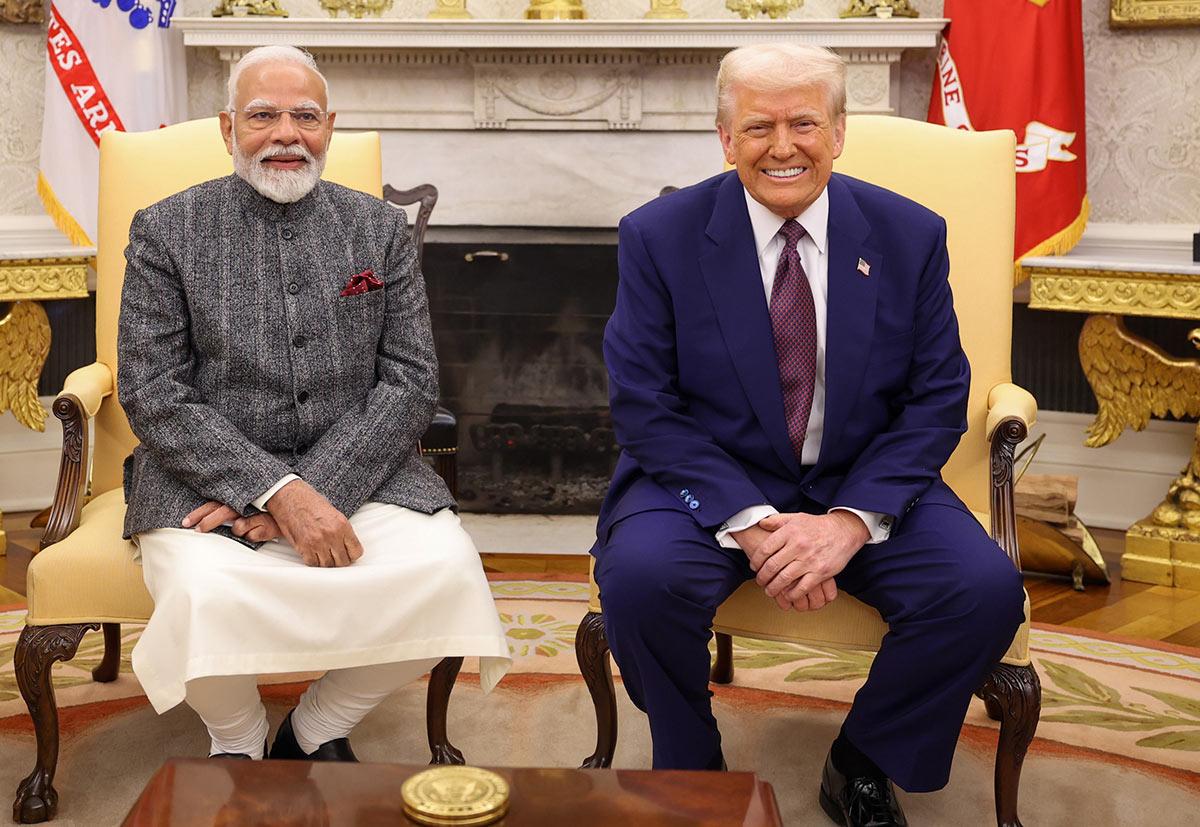
By K Raveendran The Indo-US joint declaration presents a striking imbalance, appearing more as a dictated statement than a mutually crafted agreement. The document is overwhelmingly skewed in favour of the United States, particularly in the domain of defence procurement, where it reads less like a diplomatic understanding and more like a sales pitch for […]


Artificial Intelligence has become an integral part of various industries, enhancing efficiency and decision-making processes. Central to harnessing the full potential of AI is the art of prompt engineering—the craft of designing inputs that guide AI models to produce desired outputs. This report delves into the various prompting techniques that have emerged, offering insights into their applications and effectiveness. Zero-Shot Prompting Zero-shot prompting involves instructing an AI […]

The United Arab Emirates has initiated a groundbreaking project to map air corridors and establish regulatory frameworks for piloted and autonomous air taxis and cargo drones. This ambitious endeavour aims to integrate advanced air mobility solutions into the nation’s urban infrastructure, enhancing transportation efficiency and connectivity.

The General Civil Aviation Authority , in collaboration with the Advanced Technology Research Council’s entities—Technology Innovation Institute and ASPIRE—announced the initiative during the World Government Summit 2025. The project is slated for completion within the next 20 months, during which aerial corridors and comprehensive regulations will be defined.

These designated routes are planned to link major international airports with prominent urban landmarks, facilitating the seamless operation of air taxis and cargo drones across the UAE’s cities. This development is poised to alleviate traffic congestion, promote sustainable urban growth, and position the UAE as a leader in advanced air mobility.

Saif Mohammed Al Suwaidi, Director General of the GCAA, highlighted the significance of this milestone: “Air corridor mapping for piloted and autonomous air taxis and drones is a crucial milestone that will enable the seamless implementation of advanced air mobility into the UAE’s infrastructure.” He emphasized that this initiative ensures the safe and efficient adoption of air mobility, paving the way for a smarter, more connected future.

The UAE’s commitment to innovative transportation solutions is further exemplified by its history of embracing cutting-edge technologies. In 2017, Dubai commenced testing two-seater, propeller-driven flying taxis developed by Germany’s Volocopter, marking an early foray into autonomous aerial transport. Building on this foundation, the current project seeks to operationalize such technologies on a broader scale.

In September 2024, U.S.-based air-taxi manufacturer Joby Aviation applied for certification to operate commercial air transport services in the UAE. This move signifies growing international interest in the UAE’s burgeoning advanced air mobility sector. The certification process involves developing operational manuals, facility inspections, and comprehensive training programs for pilots and maintenance personnel, underscoring the rigorous standards set by the GCAA.

Dr. Najwa Aaraj, CEO of TII, underscored the transformative potential of this collaboration: “By advancing airspace management and integrating piloted and autonomous air taxis and cargo drones, we are not only enhancing urban connectivity but also driving sustainable and accessible mobility solutions that will benefit future generations.” TII’s role focuses on developing advanced airspace management systems to ensure the safe integration of these new aerial vehicles into existing urban environments.

ASPIRE, tasked with coordinating among regulators, industry stakeholders, and researchers, aims to create a flexible and diverse transportation system. Stephane Timpano from ASPIRE noted: “Addressing real-time urban mobility challenges through innovative solutions like air taxis and drones is a major step forward.” This initiative is expected to ease pressure on traditional road networks and foster the development of smarter, more resilient cities.

The UAE’s strategic vision encompasses the integration of artificial intelligence and smart automation to manage and optimize these air corridors. This approach ensures predictive maintenance, efficient traffic management, and robust safety protocols, aligning with global trends in smart city development.

Aston Martin Aramco Formula One Team has entered into a groundbreaking multi-year sponsorship agreement with cryptocurrency exchange platform Coinbase, marking a significant milestone in the integration of digital finance within elite motorsport. This partnership is distinguished by its financial arrangement: the entire sponsorship fee will be transacted in USD Coin , a stablecoin pegged 1:1 to the U.S. dollar.

This collaboration represents the first instance of a Formula One team publicly announcing the full payment of a partnership using a stablecoin. By embracing USDC for this transaction, Aston Martin signals a forward-thinking approach to financial operations, highlighting the efficiency and global reach of cryptocurrency in high-stakes industries.

Jefferson Slack, Managing Director of Commercial at Aston Martin Aramco, expressed confidence in the alliance, stating, “This partnership shows the trust and confidence we place in Coinbase’s expertise as a leader in digital finance. By transacting this deal fully in USDC, we’re signaling our commitment to innovation, building a sustainable, forward-thinking relationship with Coinbase.”

Coinbase’s branding will feature prominently on Aston Martin’s AMR25 race cars, specifically on the halo and rear-wing end plates, as well as on the racing suits of drivers Fernando Alonso and Lance Stroll throughout the upcoming Formula One season. This visibility aligns with Coinbase’s strategy to expand its global presence and promote the adoption of digital currencies across diverse audiences.

Gary Sun, Vice President of Marketing at Coinbase, highlighted the significance of this venture: “This is a huge moment for Coinbase, marking the first time we’ve invested in a sports partnership entirely in cryptocurrency. It’s also our debut in Formula One, and we’re thrilled to align with a sport that values pushing boundaries with transformative ideas and technology.”

The decision to utilize USDC for the sponsorship underscores the practical benefits of stablecoins in large-scale transactions, offering stability, reduced transaction costs, and seamless cross-border payments. While Coinbase remains open to transacting in various cryptocurrencies based on partner preferences, the selection of USDC for this deal reflects its suitability for substantial financial agreements.

This partnership emerges amidst a growing trend of cryptocurrency integration within Formula One. In June 2021, Crypto.com secured a multi-year deal with Formula One, later expanding its involvement with a significant nine-year, $100 million agreement in 2022, which included naming rights to the Miami Grand Prix. Individual teams have also embraced the crypto movement; for instance, Red Bull Racing has collaborated with platforms like Bybit and Mysten Labs to enhance fan engagement through blockchain technology.

Aston Martin’s alliance with Coinbase not only enhances the team’s financial portfolio but also paves the way for innovative, blockchain-based fan engagement initiatives. As the season progresses, supporters can anticipate unique on-chain experiences designed to deepen their connection with the team and the sport.

VISHNU RAJA
RYO YAMADA
HITORI GOTOH
IKUYO KITA