News related to
Arabia

Egypt and the United Arab Emirates have entered into a series of agreements aimed at boosting their renewable energy collaboration. These deals, announced during a high-level diplomatic visit, underscore the strengthening economic partnership between the two nations. With both countries prioritizing energy transition strategies, the agreements could play a crucial role in achieving their sustainability and energy security goals.

The signing ceremony, held in Cairo, marks a significant milestone in the growing economic cooperation between the two nations, particularly in the renewable energy sector. Under the terms of the deals, the UAE will contribute both expertise and financial support to help Egypt accelerate its renewable energy initiatives. The projects will focus on solar and wind energy, aligning with Egypt’s broader objective to increase its renewable energy capacity in the coming decades.

The partnership is built on a foundation of shared strategic interests in energy security and sustainability. Egypt has set ambitious targets to generate 42% of its energy from renewable sources by 2035, with a particular emphasis on expanding its solar and wind energy capacities. Meanwhile, the UAE, which has been a leader in the renewable energy space through investments such as the Masdar energy initiative, is eager to bolster its influence in the Middle East and North Africa (MENA) region by supporting Egypt’s green energy transition.

Egypt, located at the crossroads of Africa and the Middle East, offers vast opportunities for renewable energy investments due to its geographic advantages, including abundant sunlight and wind potential. As part of the deal, the UAE’s energy firms will help finance and develop large-scale solar parks, as well as offshore wind farms along Egypt’s Mediterranean coastline. These ventures are expected to enhance Egypt’s energy export potential, particularly to Europe, which has shown increasing interest in diversifying its energy supply sources in light of current geopolitical tensions.

The strategic importance of this collaboration is further underscored by the fact that it comes amid global energy shifts. As countries around the world work toward meeting climate change goals, many have turned their attention to renewable energy as a key pillar of energy security. For both Egypt and the UAE, this agreement represents a significant step toward achieving their respective goals of reducing dependence on fossil fuels, creating green jobs, and positioning themselves as leaders in the global renewable energy market.

Both nations have been active participants in the global push to combat climate change. The UAE has been a strong advocate for decarbonization and played a leading role in the 2023 COP28 climate summit, which took place in Dubai. Egypt, on the other hand, hosted the COP27 summit in Sharm El Sheikh in 2022, focusing on solutions for sustainable development and advancing renewable energy technologies. This shared commitment to environmental stewardship is expected to deepen their collaborative efforts in the years to come.

The Egyptian government has expressed optimism that these agreements will bring not only energy transformation but also broader economic benefits. By expanding its renewable energy capacity, Egypt aims to create jobs, boost foreign direct investment, and reduce its energy import dependency. Additionally, the projects could help Egypt manage its growing energy demands as the population expands and industrial development accelerates.

The UAE’s role in these developments is also seen as a key element in its strategy to diversify its economy beyond oil and gas. With the UAE’s heavy investments in clean energy technologies, the country is positioning itself as a regional leader in the green energy revolution. Through Masdar, one of the UAE’s leading renewable energy companies, the country has been actively involved in solar and wind energy projects across the globe. By partnering with Egypt, the UAE is not only extending its energy portfolio but also reinforcing its influence in one of the region’s largest economies.

Both Egypt and the UAE have set ambitious goals for their renewable energy initiatives. Egypt has a target to generate 20 gigawatts of renewable energy by 2025, and it is currently one of the largest producers of solar energy in the MENA region. Meanwhile, the UAE has invested heavily in technologies such as carbon capture and storage, green hydrogen production, and nuclear energy, with plans to become a global leader in clean energy innovation.

The deals are also expected to benefit local communities in Egypt by providing much-needed infrastructure, skills development, and employment opportunities. As Egypt continues to expand its renewable energy sector, the demand for technical expertise and local labor is expected to rise. Both Egyptian and UAE officials have emphasized the importance of creating long-term, sustainable benefits for the local workforce, including vocational training and capacity-building programs.

Energy cooperation between Egypt and the UAE is not limited to just these renewable energy projects. Both countries have also been discussing potential collaborations in other sectors, such as agriculture, water management, and technology. These efforts are part of a broader economic strategy aimed at fostering deeper ties between the two nations, which share strong trade relations and mutual interests in advancing economic growth and regional stability.

A U.S. federal probe is scrutinizing JPMorgan Chase & Co.’s dealings linked to a hedge fund with alleged connections to the Iranian oil trade, raising concerns over compliance with sanctions and anti-money laundering regulations. The investigation, spearheaded by the U.S. Department of Justice (DOJ), focuses on potential violations stemming from the bank’s financial transactions involving entities associated with Al-Qatirji Company, a Syrian conglomerate tied to Iranian oil revenue streams.

JPMorgan’s involvement reportedly includes providing banking services to a hedge fund accused of facilitating the transfer of Iranian oil proceeds. Authorities are examining whether the bank sufficiently adhered to due diligence protocols in flagging and addressing transactions potentially linked to the Al-Qatirji network. This Syrian entity has been implicated in financing Iran’s Islamic Revolutionary Guard Corps-Qods Force (IRGC-QF) and other regional proxies, including the Houthis in Yemen.

The hedge fund under investigation is alleged to have channeled millions of dollars from Iranian oil sales into international markets, circumventing sanctions designed to limit Iran’s access to global financial systems. U.S. officials assert that such networks allow the IRGC-QF to sustain operations and fund regional destabilization efforts. The Al-Qatirji network reportedly laundered proceeds through financial hubs such as Istanbul and Beirut, enabling the movement of significant sums to entities in Syria and East Asia, including the People’s Republic of China.

The DOJ’s inquiry underscores broader U.S. efforts to curtail illicit financial flows tied to sanctioned regimes. A Treasury Department action earlier this month targeted 26 individuals, companies, and vessels linked to Al-Qatirji’s operations. Acting Under Secretary for Terrorism and Financial Intelligence, Bradley T. Smith, highlighted the critical role of corporate networks in sustaining Iran’s regional agenda, stating that ongoing measures aim to dismantle these channels.

While JPMorgan has yet to face formal allegations, the investigation reflects growing regulatory scrutiny over banks’ roles in potentially facilitating sanctions evasion. Financial institutions worldwide are increasingly held accountable for ensuring robust compliance frameworks that prevent illicit activities, particularly involving entities on U.S. sanctions lists.

Experts note that global banks often grapple with challenges in identifying sophisticated evasion tactics employed by sanctioned entities. Advanced laundering schemes, such as utilizing shell companies and obfuscated trade routes, complicate detection efforts. In JPMorgan’s case, regulators are likely examining whether compliance lapses enabled the hedge fund’s activities.

The investigation also raises questions about corporate accountability and the effectiveness of sanctions in curbing malign activities. Analysts suggest that while sanctions can impose significant economic costs, their enforcement depends heavily on vigilance from financial institutions and governments. The JPMorgan case could set a precedent for how major banks address exposure to high-risk clients and transactions.

Three senior Bank of America executives in India have stepped down amid an internal investigation into alleged irregularities in equity market dealings. Debasish Purohit, co-head of investment banking in India; Subhrajit Roy, managing director and head of global capital markets for India; and Vikram Khaitan, director of investment banking, are reportedly at the center of this inquiry.

This probe underscores potential governance and compliance concerns, prompting significant changes within the leadership of one of the largest foreign banks operating in the Indian financial ecosystem. The investigation appears to focus on equity market transactions handled under the purview of these executives, but specific details about the alleged wrongdoing remain undisclosed. Bank of America has so far declined to comment on the situation.

Debasish Purohit, a seasoned investment banker with decades of experience, has been integral to Bank of America’s operations in the region. Similarly, Subhrajit Roy, a prominent figure in India’s capital markets, has held leadership roles at multiple global banks, contributing to major transactions across the corporate landscape. Vikram Khaitan’s expertise further bolstered the bank’s strategic advisory functions, making these departures significant for the institution’s operations in the country.

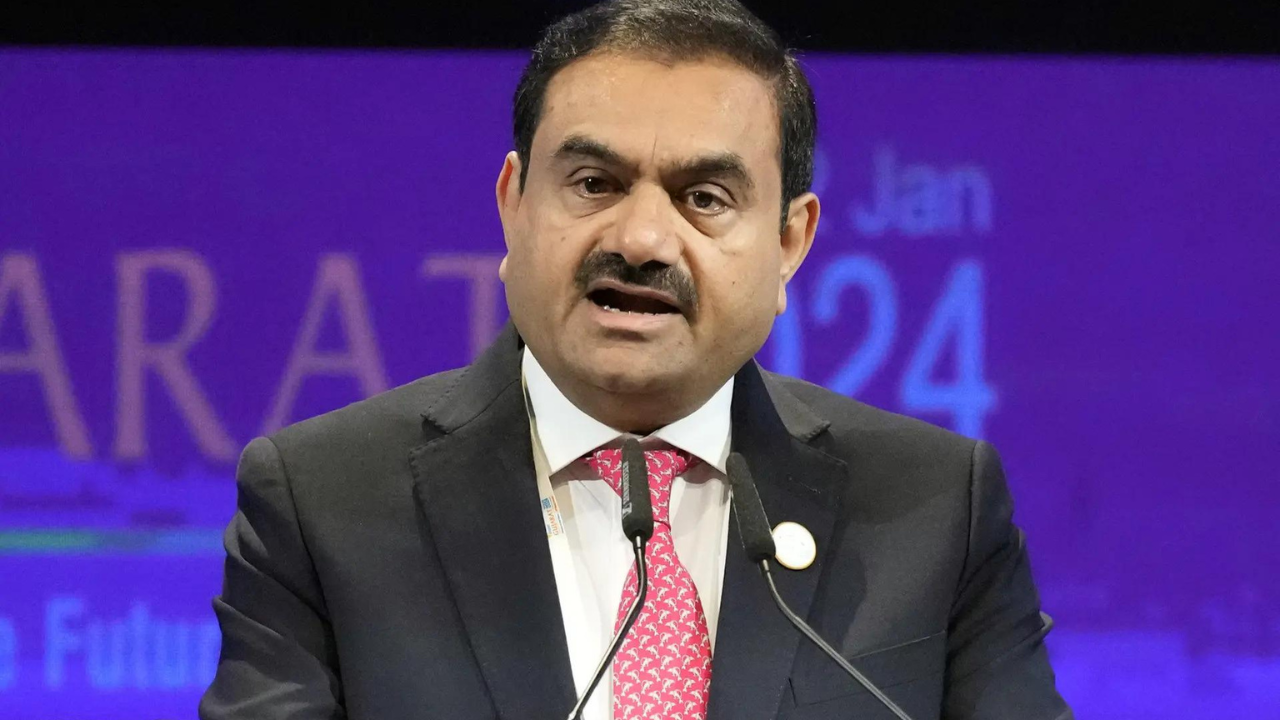
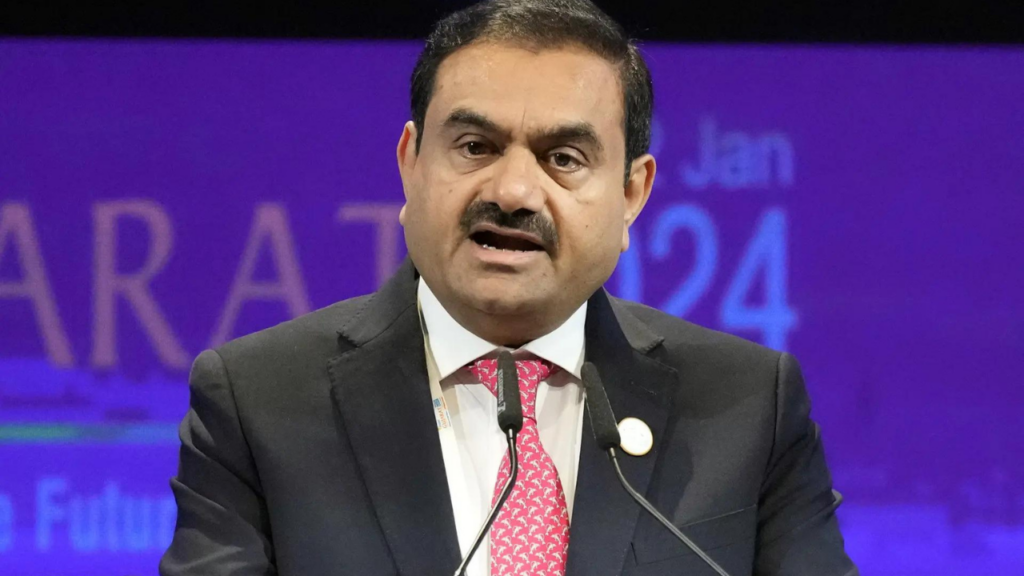
By Anjan Roy The real import of the US department of justice (DOJ) indictment of Indian billionaire, Gautam Adani, on counts of corruption and bribery has been somewhat lost on the wider public. It is the geo-economics of US dominion over the rest of the world that has to be taken note of. It is […]

Game and asset marketplace Itch.io has implemented a policy requiring creators to disclose the use of generative AI in their projects. This step follows rising concerns about transparency in digital content creation, particularly with the proliferation of AI-generated assets. The requirement applies specifically to asset packs, with creators needing to classify content through their project dashboards. While some developers have embraced the rule as a means to […]

Political divisions are increasingly shaping public health outcomes, creating barriers to effective healthcare and widening disparities across communities. The interplay between ideological and partisan identities has significant consequences on health policies, behaviors, and outcomes, as seen during the COVID-19 pandemic and beyond.

Polarization occurs when societal opinions, beliefs, or interests split into opposing extremes. This trend has grown over decades in the United States, fueling challenges in addressing public health crises. Researchers Shana Kushner Gadarian, Jay J. Van Bavel, Eric Knowles, and Kai Ruggeri highlight these impacts, emphasizing the urgent need to mitigate the health risks tied to political polarization.

The COVID-19 pandemic exemplified how political affiliations influence health behaviors. Data from 2020 to 2021 showed that individuals who supported Donald Trump were less likely to adopt recommended measures such as mask-wearing and social distancing. This partisan divide extended to vaccination rates, resulting in significantly higher COVID-19-related death rates among Republican voters compared to Democrats.

The research underscores that polarization doesn’t just influence individual behavior—it also stymies public health policymaking. When political leaders prioritize partisan interests over evidence-based strategies, essential compromises become elusive. The aftermath of the Affordable Care Act’s passage revealed this dynamic, with Republican voters less inclined to enroll in the program despite its benefits. Similarly, legislative battles over abortion rights and Medicaid expansion highlight how political divides obstruct progress on crucial health initiatives.

State-level policies further exacerbate health inequities. In the U.S., states with more liberal policies, such as Medicaid expansion, stricter tobacco regulations, higher minimum wages, and tighter gun control, tend to see better health outcomes and longer lifespans. Conversely, conservative-leaning states often resist such measures, leading to poorer health outcomes. This growing divide reflects the broader implications of polarization on individual and community well-being.

Polarization also hinders local governments’ ability to enact health policies. As state-level leaders increasingly preempt local regulations, measures such as paid sick leave, minimum wage adjustments, and firearm safety laws face significant hurdles. This limits the effectiveness of public health strategies and exacerbates disparities between states.

At an individual level, polarization can erode trust in healthcare systems and experts. People with strong partisan identities are more likely to reject contradictory information, even when it pertains to critical health risks or preventive measures. This resistance can lead to lower rates of flu vaccinations, unhealthy dietary choices, and reluctance to seek medical care.

The researchers also observed a link between extreme political beliefs and poorer physical and mental health outcomes. Individuals who align more ideologically with the extremes, compared to their state’s average voter, tend to experience worse overall health. These findings suggest that extreme partisanship not only divides communities but also harms individual well-being.

Donald Trump’s Media and Technology Group (TMTG), parent company of Truth Social, has taken a significant step into the cryptocurrency sector. Reports suggest the company has filed a trademark application for “TruthFi,” signaling plans to develop a platform for cryptocurrency payments, digital asset custody, and trading. This move aligns with its reported discussions to acquire shares in Bakkt, a prominent cryptocurrency exchange platform backed by Intercontinental Exchange.

TMTG’s ambitions in the crypto domain appear to capitalize on the growing influence of digital assets. By potentially acquiring Bakkt, the company seeks to enhance its foothold in the emerging market of decentralized finance and digital payments. Bakkt’s infrastructure, which includes a consumer app for managing cryptocurrencies and other digital assets, could serve as a robust foundation for TMTG’s new venture. Market analysts speculate that this acquisition could bridge Truth Social’s ecosystem with blockchain technology, fostering a streamlined integration of social media and financial technology.

The decision comes during a bullish phase for cryptocurrencies. Bitcoin recently surpassed $93,000, buoyed by optimism surrounding President-elect Donald Trump’s policies, which are expected to favor a lighter regulatory approach to digital assets. This spike has further stimulated activity in the cryptocurrency market, with Ethereum and decentralized finance tokens also experiencing substantial gains.

Bakkt, which went public via a SPAC merger in 2021, has positioned itself as a significant player in the crypto market, offering a regulated platform for trading and managing digital assets. Its potential integration with TMTG could unlock opportunities for users seeking seamless transactions within a politically conservative ecosystem. Trump’s team has declined to comment on the acquisition, though Bakkt acknowledged the market speculation but refrained from issuing a confirmation.

The broader implications of this development extend beyond TMTG’s immediate interests. Analysts believe that a successful foray into cryptocurrency by Trump’s media group could reshape the financial technology landscape, especially by linking ideological media with decentralized finance. This could cater to a niche market of users aligned with Trump’s policies while leveraging the soaring popularity of cryptocurrencies.

Shares of Bakkt surged over 160% following reports of the potential deal, reflecting market optimism. Similarly, TMTG shares experienced fluctuations as speculation about the acquisition grew. Industry observers anticipate further volatility as negotiations progress, with a formal announcement expected to clarify the strategic objectives of the partnership.

As TMTG continues to diversify its portfolio, the integration of cryptocurrency services marks a transformative step in the evolution of its digital ventures. While the success of this endeavor hinges on regulatory approvals and market reception, the potential synergy between Truth Social’s platform and Bakkt’s crypto expertise underscores the growing intersection of media, politics, and finance in the digital age.

This strategic pivot also aligns with Trump’s broader vision to establish a technology-driven economy with minimal government intervention, appealing to proponents of blockchain innovation. As cryptocurrency adoption accelerates globally, TMTG’s initiatives could set a precedent for other media companies exploring similar integrations.

Advertisements

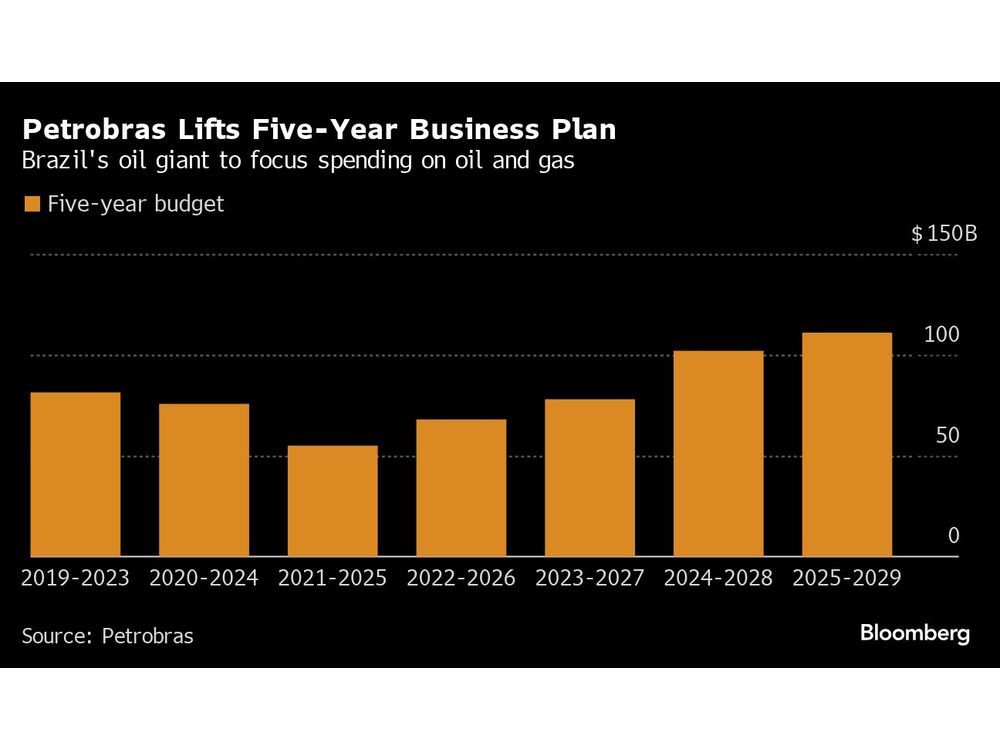
Petrobras, officially Petroleo Brasileiro SA, has committed to paying up to $55 billion in dividends by 2029 as part of its recently unveiled five-year strategic plan. This initiative underscores the state-controlled company’s ongoing emphasis on robust shareholder returns while navigating operational and market challenges. The substantial payout is linked to the company’s goal of balancing investor expectations with reinvestment in its core projects.

According to Petrobras, the projected dividend distributions align with a policy stipulating payouts equivalent to 45% of the firm’s free cash flow, a figure adjusted for specific tax considerations. Analysts suggest this conservative approach may allow for further flexibility, including potential extraordinary dividends depending on market conditions and Petrobras’ liquidity position. The estimated free cash flow for shareholders over the next fiscal year stands at approximately $16 billion.

The updated strategy incorporates a total investment plan of $78 billion spanning from 2024 to 2028, focusing primarily on exploration and production, particularly in offshore and deepwater oil fields. The allocation is intended to maintain Petrobras’ competitive edge in Brazil’s energy sector, which accounts for a significant portion of its revenues. While upstream activities will receive the bulk of investments, renewable energy projects and decarbonization efforts are gradually gaining traction within the portfolio.

Chief Executive Officer Jean Paul Prates emphasized the importance of maintaining operational efficiency and ensuring dividend payments remain sustainable. He also noted the growing scrutiny Petrobras faces in balancing returns with its broader role as a national oil company, particularly amid rising environmental concerns.

Despite promising financial targets, the company has faced criticism over its focus on traditional fossil fuels. Environmental advocates and some industry experts argue that a greater share of resources should be directed toward clean energy initiatives to future-proof the company’s relevance in a rapidly transitioning global energy landscape.

AirAsia is charting a bold course to establish a low-cost aviation hub, inspired by the success of Dubai, in key Southeast Asian cities like Bangkok and Kuala Lumpur. The carrier’s move comes at a time when it seeks to reposition itself after enduring a series of challenges that have shaped the airline industry post-pandemic. AirAsia’s vision is to become a major player in the global air transport scene by capitalizing on the low-cost model that has become increasingly attractive to budget-conscious travelers.

The decision to target Bangkok and Kuala Lumpur reflects a strategic pivot toward optimizing the airline’s existing routes and expanding its presence in an increasingly competitive air travel market. The model aims to leverage these cities as central hubs from which passengers can access a wide range of affordable international destinations. This vision mirrors the transformative success of Dubai International Airport, which has become one of the world’s busiest transit hubs by offering extensive connections at competitive prices.

This ambitious project is not just a push for more flight routes but a larger vision of connecting key Southeast Asian cities to the world. AirAsia aims to position these locations as gateways for travelers seeking affordable access to global destinations. By doing so, AirAsia hopes to replicate the success of Dubai, which has thrived on a similar strategy of fostering global connectivity through a low-cost airline model.

The role of technology and innovative service models is central to AirAsia’s approach. The airline plans to enhance its digital capabilities, streamlining operations and customer engagement through mobile apps, online booking systems, and other digital platforms. By focusing on efficiency and customer-centric services, AirAsia intends to remain competitive in the increasingly digital world of air travel.

One of the key challenges AirAsia faces is the evolving nature of the aviation industry. While the low-cost model has proven successful, especially during times of financial instability, the airline is now contending with a new set of pressures. Rising fuel costs, inflationary pressures on travel demand, and labor shortages have all made it more difficult for low-cost carriers to maintain profitability without compromising service quality. In this challenging landscape, AirAsia’s focus on cost efficiency and technological innovation is crucial to ensuring long-term sustainability.

The airline’s pivot toward Southeast Asia as a potential low-cost hub also taps into the growing demand for regional air travel. The COVID-19 pandemic reshaped many travelers’ preferences, with a notable shift toward short-haul flights in regional markets. As countries in the Asia-Pacific region begin to recover from the pandemic, AirAsia anticipates that demand for budget-friendly travel options will surge, especially as economic uncertainty remains a significant concern for many consumers.

AirAsia’s ability to offer cheap fares while maintaining operational efficiency is critical to its long-term strategy. A key part of this strategy is maintaining a fleet of narrow-body aircraft, which are more fuel-efficient and better suited for short-haul, budget-friendly routes. AirAsia has already begun expanding its fleet in anticipation of this growth, particularly focusing on the latest aircraft models that offer lower operational costs. By doing so, the airline hopes to maintain its competitive edge while providing a seamless travel experience to its customers.

Despite the airline’s optimism, competition remains fierce in Southeast Asia’s budget airline market. Regional competitors, including Singapore Airlines’ Scoot and Jetstar Asia, have also adopted low-cost models and are expanding their services in key markets. As these rivals continue to grow, AirAsia will need to ensure that its hubs in Bangkok and Kuala Lumpur are not just affordable but also offer a unique and attractive proposition to travelers.

AirAsia’s ability to succeed in establishing itself as a global hub will depend on its partnerships with local governments, airport authorities, and tourism boards. AirAsia’s experience in fostering relationships with regional authorities will be a key advantage, as the airline seeks to integrate seamlessly into the local tourism and transportation infrastructure. By aligning its objectives with those of local stakeholders, AirAsia can position its Southeast Asian hubs as integral parts of regional and global travel networks.

The airline’s expansion also taps into broader trends in the global aviation industry, which has seen significant consolidation and a shift towards sustainability. AirAsia has committed to reducing its carbon footprint and has already introduced several initiatives to make its operations more environmentally friendly, including the purchase of more fuel-efficient aircraft and the implementation of carbon offsetting measures. While these efforts are still in their early stages, the airline’s focus on sustainability is likely to appeal to an increasingly environmentally conscious traveler base.

One aspect that could play a significant role in AirAsia’s bid to establish a low-cost hub in Southeast Asia is the region’s growing middle class. With countries like Indonesia, Thailand, and Malaysia witnessing rapid urbanization and a rise in disposable income, air travel is becoming more accessible to a wider segment of the population. As this trend continues, the potential for a low-cost hub to serve as a gateway for millions of travelers expands.

Dubai has witnessed a transformative step in sustainable living with the groundbreaking of Knightsbridge, a pioneering climate-adaptive wellness community by LEOS Developments. Marking a milestone in urban planning, the project blends luxury and environmental consciousness, establishing a new benchmark for real estate in the region.

Strategically situated in Meydan’s District 11, the development covers an extensive 335,877 square feet, with an impressive 70% dedicated to green spaces. The Knightsbridge master plan, a collaboration with Nakheel and Meydan, integrates natural surroundings into a luxury urban environment, setting a new standard for ecological harmony and resident well-being.

The design draws inspiration from classic British architecture, integrating modern climate-responsive features such as UV-proof double glazing, energy-efficient LED lighting, and a self-shading building structure. Additionally, the community prioritizes sustainability through solar panels, smart irrigation systems, greywater recycling, and biodegradable reed-bed filtration. The eco-conscious approach ensures optimal adaptation to Dubai’s unique climate, promoting both comfort and efficiency.

Knightsbridge comprises luxury villas and townhouses, offering amenities such as private pools, elevators, climate-controlled outdoor terraces, and cutting-edge smart home systems. Enhanced features in the villas include private cinemas, chef’s kitchens, and jacuzzis, providing an unparalleled living experience. Residents will also enjoy access to a swimmable lagoon, yoga decks, outdoor cinemas, and wellness-focused facilities.

This innovative project positions Knightsbridge not just as a residence but as a lifestyle destination, seamlessly blending luxury, health, and sustainability. LEOS Developments aims to redefine modern living in Dubai, aligning with the emirate’s vision for progressive urban development.

Bandai Namco Online, a subsidiary of Bandai Namco Holdings, is set to be dissolved and merged with its parent company following persistent financial challenges. The move is part of a strategic restructuring aimed at addressing significant losses incurred by the subsidiary, particularly in its game development ventures. Despite robust sales in Bandai Namco’s other divisions, the online gaming arm reported cumulative losses of over ¥8.2 billion in the last fiscal year, with mounting liabilities exceeding its assets.

The decision to integrate Bandai Namco Online into the broader organizational framework reflects an effort to streamline operations and better align resources with the company’s profitable sectors, such as toys and entertainment. Bandai Namco Holdings confirmed that the dissolution would not impact ongoing game support or future development, as those operations will now be absorbed under the main company’s management.

Industry experts attribute the subsidiary’s financial troubles to inefficient resource allocation, including prolonged development cycles and frequent project revamps, which escalated costs. Flagship projects like *Blue Protocol*, an anticipated MMO game, faced substantial criticism and failed to meet market expectations, particularly in competitive segments dominated by titles such as *Final Fantasy XIV* and *Genshin Impact*.

Solana (SOL) has reached a landmark valuation, achieving a new all-time high of $262, solidifying its position among the most prominent blockchain networks. This price surge underscores Solana’s growing influence, making it the 149th largest asset by market value globally. The achievement reflects heightened interest in altcoins, signaling a possible shift in the cryptocurrency market dynamics.

This rise is attributed to Solana’s scalability and low transaction fees, which have made it a favored platform for developers and investors alike. Over the past months, the blockchain’s capacity to process thousands of transactions per second has positioned it as a key player in decentralized finance (DeFi) and non-fungible token (NFT) sectors. Decentralized applications (DApps) built on Solana, such as Raydium and Jito, have reported substantial increases in activity and revenue, further reinforcing its dominance.

The surge coincides with an uptick in the broader altcoin market, historically characterized by alternative cryptocurrencies outperforming Bitcoin during specific cycles. Analysts suggest that Solana’s robust infrastructure and community engagement through innovative features, such as meme coins, have catalyzed its growth. Tokens like BONK and PNUT, developed within Solana’s ecosystem, have gained popularity for their ease of creation and low-cost transactions, introducing a unique facet to its blockchain economy.

Institutional interest has also played a pivotal role in driving Solana’s momentum. As the blockchain garners recognition for its long-term potential, investment firms and crypto-focused funds are increasingly including SOL in their portfolios. Meanwhile, retail participation remains strong, with users engaging in staking and other blockchain activities facilitated by Solana’s seamless user interface and accessibility.

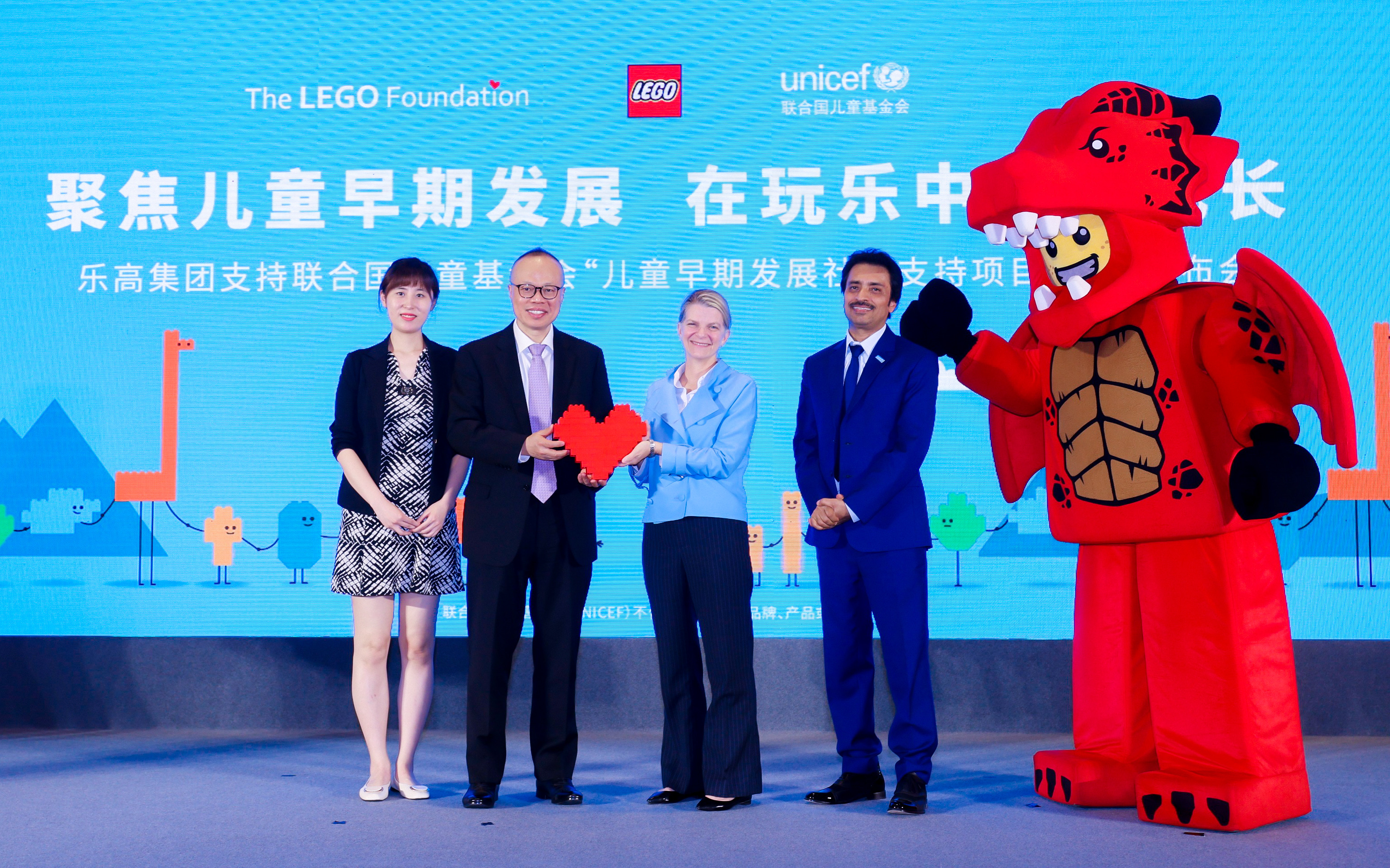
Lego and UNICEF have introduced a new set of design guidelines aimed at creating safer and more enriching digital play experiences for children. These tools, referred to as the Responsible Innovation Guidelines for Digital Child Safety, encourage game developers to prioritize child welfare, privacy, and meaningful engagement in the rapidly evolving digital entertainment sector. This initiative represents a significant step in addressing growing concerns about the impact of digital spaces on children’s mental and physical well-being.

The guidelines are crafted to help developers integrate child-centric design principles, including promoting positive online interactions, protecting privacy, and discouraging addictive mechanics. By fostering safer online ecosystems, Lego and UNICEF aim to mitigate risks associated with gaming, such as cyberbullying, excessive screen time, and exposure to harmful content.

Lego’s commitment to child safety aligns with its broader strategy of integrating play with learning. The guidelines are expected to provide a blueprint for the gaming industry, urging companies to adopt practices that uphold the rights and well-being of younger audiences. This move comes amid increased scrutiny of digital platforms’ responsibility towards their youngest users, as highlighted by recent studies and advocacy efforts from child welfare organizations.

By Arun Srivastava Muslims have no right to vote: this is the message that was sent by the state machinery and police to the country on November 20, while the elections to the assembly were underway in Maharashtra and Jharkhand and nine by-elections were held in Uttar Pradesh. Nevertheless, Muslim women in UP deserve salute […]

Bitcoin surged to a new all-time high, surpassing the $97,600 mark, triggering a wave of liquidations worth over $450 million. The spike in value led to the forced closure of significant positions, with $270 million tied to long positions and $180 million to short positions. The volatility underscores the market’s highly reactive nature, as sudden price movements continue to fuel liquidations among traders.

The record-breaking surge in Bitcoin’s value occurred during a period of increased market optimism, with institutional interest and retail participation driving demand. This surge was also influenced by favorable macroeconomic factors, including speculation around potential future regulations and the growing acceptance of Bitcoin as a store of value. Investors and traders alike reacted strongly, as evidenced by the liquidation totals, further highlighting the level of leverage employed in the market.

Bitcoin’s rise above $97,600 marks a major milestone in the cryptocurrency’s price history, surpassing its previous record of $69,000 set in late 2021. This growth came after several months of volatility, in which the digital asset fluctuated widely due to macroeconomic uncertainties, regulatory concerns, and evolving market sentiment. However, despite these fluctuations, Bitcoin has managed to maintain its position as the leading cryptocurrency, with many analysts now predicting a continuation of its bullish trajectory.

The dynamics of cryptocurrency trading, particularly in leveraged positions, play a crucial role in these rapid price movements. Leverage amplifies both gains and losses, leading to a cascade of liquidations when prices swing sharply. The forced selling during Bitcoin’s price ascent is a direct result of traders being unable to meet the margin calls on their leveraged positions, causing automatic closures of both long and short positions.

A closer look at the figures reveals a substantial divide in the liquidations between long and short positions. The majority of the liquidated positions were long trades, valued at approximately $270 million. This reflects the high level of optimism among investors, with many betting that Bitcoin would continue to rise. On the other hand, the $180 million worth of short positions that were liquidated underscores the significant bearish sentiment that existed prior to the rally, as traders who had placed bets on Bitcoin’s decline were forced to close their positions as prices soared.

The liquidity impact extends beyond individual traders. The liquidations also contribute to heightened market volatility, as the closure of large positions can further drive price swings. This feedback loop is a common feature of markets that involve high levels of speculation and leverage, where short squeezes and long squeezes can exacerbate price movements. Such events, while often triggering short-term panic, have the potential to reshape market sentiment and influence future price expectations.

While liquidations are a natural part of the trading cycle, they can have a cascading effect on market participants and broader market trends. Many traders, especially those involved in high-leverage positions, face significant risk when price movements are unpredictable. Despite the allure of large potential returns, the risks associated with trading on margin are substantial, as demonstrated by the liquidation figures.

For Bitcoin and other cryptocurrencies, this volatility is not only a feature of the market but a driving force behind its evolution. As institutional participation increases and market infrastructure improves, there is a growing focus on the stability and regulation of the crypto space. However, the wild price swings that result from speculative trading remain a defining characteristic of the market.

This record-breaking price surge also highlights the ongoing evolution of the digital asset landscape. The acceptance of Bitcoin by institutional investors and large corporations has increased, with more prominent financial institutions entering the space. This institutional participation is seen by some as a validation of Bitcoin’s status as a legitimate financial asset, further fueling its upward trajectory. However, the same institutions are also grappling with the risks associated with the volatile nature of the market.

The Bitcoin rally is reflective of broader trends in the cryptocurrency industry. The increase in Bitcoin’s value comes alongside the rise of other digital assets, such as Ethereum and various altcoins. While Bitcoin remains the dominant cryptocurrency by market capitalization, the overall market for digital assets has grown substantially, with a growing number of investors looking to diversify their portfolios beyond traditional stocks and bonds.

As the digital asset market continues to mature, the balance between speculation and institutional involvement will likely determine the long-term sustainability of these price movements. While Bitcoin’s new all-time high is a significant achievement, the liquidations serve as a reminder of the risks involved in trading digital currencies. Traders and investors alike must remain mindful of the potential for sudden price shifts that can result in substantial financial losses.

The U.S. Securities and Exchange Commission (SEC) has announced the distribution of $4.6 million to investors affected by the defunct cryptocurrency startup BitClave. This move follows a long-running investigation into the company, which had been accused of conducting an unregistered securities offering. BitClave’s initial coin offering (ICO), launched in 2017, promised investors a platform for decentralized search and advertising but was marred by allegations of fraud and mismanagement.

BitClave’s ICO raised approximately $25 million by selling its tokens, but the company later faced mounting legal issues and regulatory scrutiny. The SEC’s intervention has been pivotal in bringing some relief to investors, many of whom had seen their investments evaporate as the project faltered and ultimately shut down. The decision to return funds comes after a protracted legal process, which concluded that BitClave’s token sale violated federal securities laws.

As part of the SEC’s ongoing efforts to regulate the rapidly expanding cryptocurrency industry, the agency emphasized the importance of protecting retail investors from deceptive and illegal practices. The recovery of funds for BitClave investors is a rare but significant instance of the SEC securing financial restitution for affected parties in the realm of digital assets.

The funds, along with interest, will be distributed to those who invested in BitClave’s ICO. Investors are expected to receive compensation as part of a settlement that has been finalized by the SEC, marking an important step in holding cryptocurrency companies accountable for their actions. This distribution is seen as a win for investors who were left holding assets that became worthless following BitClave’s collapse.

The SEC’s action against BitClave reflects broader efforts to tighten oversight in the cryptocurrency sector. As digital currencies and blockchain-based startups proliferate, regulators have been grappling with how to classify and monitor ICOs, tokens, and the broader ecosystem to ensure compliance with securities laws. The BitClave case serves as a reminder of the risks involved in cryptocurrency investments, particularly in projects lacking regulatory oversight.

Saudi Aramco, the world’s largest oil company, is advancing its debt strategy, seeking to optimize financial resources while prioritizing consistent dividend payouts to its shareholders. This strategy aligns with the company’s broader goals to remain resilient in the face of global energy market fluctuations and economic challenges.

Aramco’s approach comes at a time when global oil markets are in a state of volatility, driven by geopolitical tensions, supply chain disruptions, and shifting demand. The company’s decision to increase its debt load is seen as an effort to safeguard its dividend policy, which is a critical aspect of its value proposition to investors. Aramco’s dividends have been a significant draw for shareholders, especially given the company’s size and influence in the energy sector.

The company’s recent bond issuance, one of the largest in its history, is a key element in this strategy. Analysts suggest that Aramco is strategically leveraging debt to bolster its liquidity while avoiding the pitfalls of excessive dependence on oil revenues alone. As oil prices fluctuate, Aramco has turned to debt instruments to help ensure stability in its cash flow, a move that underscores its commitment to its long-standing dividend policy.

In its latest move, Aramco plans to issue more bonds and engage in strategic financing activities. The company has emphasized that this will allow it to balance its capital expenditures, which include investments in both upstream and downstream operations, while maintaining robust dividends for its stakeholders. By strengthening its debt profile, Aramco is positioning itself for long-term sustainability, despite potential market risks.

The strategy is designed to support Aramco’s ambitious growth plans. These include continuing investment in key oilfields and enhancing its refining and chemical operations, which are integral to its diversification efforts. The company has also focused on its low-carbon initiatives and investments in renewable energy, both of which have become critical to securing its future in an energy transition world.

With the global energy landscape in flux, Aramco’s management is keenly aware of the pressures that both internal and external factors exert on the company’s financial performance. The increase in debt comes at a time when the company must balance short-term obligations with long-term growth objectives. As part of this initiative, Aramco has reassured investors that the funds raised through debt will be used strategically to support both its operational goals and financial returns.

Aramco’s expanded debt strategy is expected to ensure its ability to maintain a competitive edge in an increasingly dynamic and uncertain energy market. The company’s solid track record of profitability, bolstered by its vast reserves and global footprint, provides a foundation for this enhanced financial approach. By strategically increasing its debt levels, Aramco aims to navigate the unpredictable nature of the oil market while positioning itself as a financially stable and attractive option for investors.

Financial analysts closely monitoring Aramco’s moves believe that the company’s debt strategy could have wider implications for the energy sector. As the global energy transition accelerates, many energy giants are exploring similar strategies to adapt to new market conditions. For Aramco, the challenge will be balancing its debt load with continued operational success, especially as global energy consumption patterns evolve.

Some experts suggest that while Aramco’s strategy to increase debt is sound in the short term, it could present challenges in the longer term, particularly if energy prices experience sustained declines. The company’s massive capital expenditures in the form of infrastructure development and the diversification into non-oil sectors could be financially strained if global oil prices slump. However, with its deep pockets and strong backing from the Saudi government, Aramco is likely to weather these challenges better than most.

Aramco’s increasing reliance on debt raises broader questions about the future of the global energy sector, especially among state-owned oil giants. The move is seen as a response to the changing dynamics of global energy, where sustainability and long-term shareholder value are becoming more important than immediate profits. For Aramco, the shift in focus to maintaining dividends through debt could mark a new phase in its evolution, one where financial flexibility becomes as important as its oil and gas output.

Space Perspective, the innovative space tourism company, is set to revolutionize the sector by selecting the Gulf region as a key launch site for its high-altitude flights. Scheduled for 2025, the company’s plans signal the emergence of the Middle East as a significant player in the global space tourism industry, with far-reaching implications for both the region and the future of space travel. The Gulf’s selection for […]

Saudi Aramco and its Chinese partner, Rongsheng Petrolem, have signed a pivotal agreement to expand the Sasref refinery, a key asset in the Kingdom’s petrochemical sector. The deal, valued at billions of dollars, marks a significant milestone in both companies’ strategic ambitions to bolster refining capacity and enhance the downstream oil and gas value chain. Sasref, located in Saudi Arabia’s Eastern Province, has long been a vital […]

Saudi Aramco is set to bolster its financial positioning by increasing its debt levels, as it aims to continue delivering substantial dividends to shareholders. The decision is part of a broader strategy to maintain its capital return policy while balancing the financial demands of its massive oil and gas operations. The move highlights the company’s commitment to rewarding investors, even as it navigates the complex global energy market.

In a statement issued by the oil giant’s Chief Financial Officer, Aramco emphasized that the increased debt would help facilitate its expansion plans, while also ensuring the growth of its dividend payouts. These dividends have been a key component of Aramco’s investment appeal, with the company previously distributing more than $75 billion to its stakeholders in 2023 alone. The plan to take on more debt underscores a long-term commitment to high dividend levels, despite fluctuations in global oil prices and other macroeconomic factors.

Aramco’s pivot towards debt financing is indicative of its effort to balance its need for reinvestment in oil and gas infrastructure with the demands of shareholders seeking stable returns. Analysts suggest that this move could help the company better withstand market volatility and competition within the global energy sector. However, the strategy also places additional pressure on the company’s financial structure, as it may increase the burden of debt servicing over time.

The company’s debt-to-equity ratio and overall leverage are expected to come under scrutiny as it embarks on this new strategy. While Saudi Aramco remains one of the world’s most profitable companies, critics warn that heavy reliance on debt could expose it to risks if oil prices decline sharply or if geopolitical tensions disrupt supply chains. Nonetheless, Aramco’s financial management team remains confident that the company’s robust cash flow and diversified assets will allow it to service this debt while maintaining its dividend policy.

Aramco’s decision to increase debt comes as oil prices face pressure from a combination of global supply challenges and shifting demand patterns. While the global energy landscape remains unpredictable, Aramco has been consistently outperforming its peers, with solid profits in the last few quarters despite fluctuating crude prices. The company is focusing on maintaining its dominance in the energy sector by investing heavily in both upstream and downstream operations, while also seeking growth in renewable energy projects.

The Saudi oil giant’s move also aligns with its broader goal of diversifying its portfolio to reduce its dependency on crude oil revenue. With a growing interest in natural gas, petrochemicals, and renewable energy ventures, Aramco is looking to adapt to the shifting energy market. This diversification strategy, alongside its increasing debt, suggests that Aramco is positioning itself not only for immediate financial stability but also for long-term resilience.

Despite the challenges posed by shifting global energy markets, Saudi Aramco’s financial position remains strong. The company continues to be a key player in both the energy market and global finance, with investors closely watching its strategies for growth and sustainability. As Aramco ramps up its debt, it also seeks to maintain its reputation as a leading source of stable returns for its investors, cementing its status as one of the world’s most valuable companies.

One of the key aspects of Aramco’s financing strategy is its commitment to shareholder returns, a factor that has long been a hallmark of the company’s business model. As global energy demand fluctuates, Aramco has made it clear that it intends to prioritize its dividend payments as a central element of its financial strategy, which could provide stability to its investors in uncertain times.

However, Aramco’s decision to increase debt is not without its critics. Some experts believe that the move could signal potential concerns over the company’s long-term growth prospects, particularly if energy transition efforts in key markets reduce reliance on fossil fuels. The company’s substantial cash reserves have long been a point of pride, and while debt can provide short-term liquidity, some analysts caution that a more aggressive debt strategy could limit flexibility in the future.

Ultimately, the decision to take on more debt aligns with Aramco’s strategy to balance dividend growth with sustainable investments in its operations and energy diversification. The company’s financial team has expressed confidence that this approach will allow Aramco to meet the demands of its investors while also securing its future in an evolving global energy market.

The rise of stablecoin adoption in Africa has sparked a surge of digital economic activity, with US-based crypto startups leading the charge. This financial shift is largely driven by increasing demand for stable, blockchain-backed currencies that offer a hedge against inflation and volatility, a feature that aligns with the continent’s unique economic challenges. Stablecoins have become a critical tool in enhancing financial inclusion, particularly for underserved populations and markets traditionally excluded from the global financial system.

Several US companies are at the forefront of this movement, offering accessible platforms that enable seamless cryptocurrency transactions across the continent. For example, companies like Yellow Card and other crypto exchange platforms have seen exponential growth in the region, facilitating cross-border payments and enabling users to store wealth in a more stable digital format compared to local currencies that are susceptible to inflation.

Between 2021 and 2022, Africa witnessed a staggering 1200% surge in cryptocurrency adoption, with stablecoins playing a pivotal role in this transformation. As the most widely used digital assets in many African nations, stablecoins provide a vital service by offering an alternative to traditional financial systems that many Africans find inaccessible. These cryptocurrencies are typically pegged to stable assets, like the US dollar, which helps shield users from currency devaluation. They have proven particularly useful for businesses and individuals looking to avoid the risks associated with rapidly fluctuating fiat currencies.

One of the key drivers behind the adoption of stablecoins in Africa is their use in remittances. With millions of Africans living abroad, remittances from the diaspora constitute a significant portion of the continent’s GDP. Traditional money transfer services often charge high fees and can be slow. However, stablecoins allow for nearly instant transfers with minimal fees, making them an appealing alternative for both senders and recipients.

The push for adoption is also supported by local cryptocurrency exchanges, like Yellow Card, which provide users with easy access to stablecoins. According to industry leaders, platforms that embrace stablecoins are able to tap into the growing demand for faster, cheaper, and more reliable digital payments. Furthermore, the integration of blockchain networks like Solana has also helped in reducing transaction fees and increasing the speed of transfers, making stablecoins even more accessible.

Despite the optimism, challenges remain, particularly regarding regulatory frameworks. While some African governments have embraced digital currencies and cryptocurrencies, others have imposed restrictions, complicating the regulatory environment. This has led to a fragmented landscape where the adoption of stablecoins varies significantly across countries. Some countries, such as Nigeria and South Africa, have shown proactive engagement, creating pilot projects and regulations that balance innovation with consumer protection. However, the lack of standardized regulations across the continent continues to pose a challenge.

Education also plays a crucial role in ensuring the success of stablecoin adoption. Many African users are still unfamiliar with how cryptocurrencies work, and a lack of awareness can be a barrier to widespread adoption. To address this, companies like Yellow Card have launched educational initiatives, such as the Yellow Card Academy, which provides free resources to help users understand digital currencies and blockchain technology. These programs aim to foster greater trust in stablecoins and expand the knowledge base, empowering individuals to make informed decisions about their finances.

A milestone decision has been reached by Gulf Cooperation Council (GCC) financial regulators, setting a framework for streamlined fund passporting within the bloc. This move is poised to enhance market integration and facilitate cross-border investments among member states. The announcement follows deliberations during the 29th meeting of the GCC Committee of Heads of Financial Market Authorities, underlining a collective aim to boost the region’s financial landscape.

The approved framework includes detailed passporting regulations designed to ease the registration of investment funds, enabling them to operate seamlessly across GCC markets. By adopting a unified approach, member states aim to attract international investors, create competitive opportunities for local fund managers, and strengthen the region’s position as a financial hub. The framework represents a critical step in fostering economic collaboration and reducing barriers to capital flow in the Gulf.

Authorities emphasized the significance of this framework in promoting transparency, improving operational efficiency, and aligning with global financial practices. They underscored that the initiative aims not only to streamline processes for fund managers but also to ensure investor protection through standardized regulatory oversight. By harmonizing regulations, the GCC markets are expected to enhance their collective appeal to institutional investors and global asset managers.

The passporting mechanism will allow funds licensed in one GCC state to be marketed in others without the need for separate approvals in each jurisdiction. This system mirrors successful models in regions like the European Union, which has demonstrated the benefits of regulatory alignment for mutual fund operations. Industry analysts predict that the GCC’s adoption of such a mechanism could significantly boost regional fund performance and attract higher levels of foreign direct investment.

Market participants have expressed optimism about the move, viewing it as a catalyst for growth in the asset management industry across the Gulf. The alignment of regulatory practices is expected to lower operational costs, reduce duplication of efforts, and enhance market efficiency. Fund managers stand to benefit from simplified procedures, while investors are likely to gain access to a broader range of investment opportunities within the region.

This development comes against the backdrop of ongoing efforts by GCC nations to diversify their economies and reduce reliance on oil revenues. The region has been investing heavily in financial sector reforms, infrastructure, and technology to create a more conducive environment for economic growth. Fund passporting is seen as an integral part of these reforms, aiming to stimulate capital markets and support the broader objectives of economic integration.

Implementation of the framework is expected to be phased, with member states aligning their domestic regulations to the new standards over the coming months. Industry experts believe that a successful rollout will depend on effective coordination between regulatory bodies and market players, ensuring that the framework’s benefits are realized without compromising market stability.

The GCC’s financial authorities have highlighted their commitment to addressing challenges and refining the framework as needed to meet evolving market demands. Regular consultations with stakeholders are planned to ensure the initiative remains responsive to industry trends and investor needs. This collaborative approach is anticipated to foster trust and confidence among market participants, paving the way for greater regional financial integration.

Bitcoin has surged to an unprecedented high, reaching $94,000, reflecting growing investor optimism and the increasing mainstream adoption of cryptocurrencies. This new milestone marks a significant moment for the digital asset, which has seen its value rise sharply over the past months, despite facing several market fluctuations. As Bitcoin climbs to new heights, it signals not only the expanding interest in cryptocurrencies but also highlights the shifting dynamics of the global financial markets.

The recent spike in Bitcoin’s value has been fueled by a confluence of factors, including institutional adoption, growing interest from hedge funds, and heightened global economic uncertainty. Key players in the financial industry have taken a keen interest in cryptocurrencies, viewing them as a store of value in the face of inflation and currency devaluation. Bitcoin’s ascent is seen as a response to concerns over traditional financial systems, particularly amid rising inflation in major economies.

Experts point to several catalysts behind this bullish trend. One major factor is the ongoing embrace of Bitcoin by institutional investors, who are increasingly looking at it as a hedge against inflation. For example, several large financial institutions and publicly traded companies have disclosed significant Bitcoin holdings. This shift towards institutional investment is seen as a vote of confidence in Bitcoin’s long-term viability as a store of value.

Bitcoin’s increasing integration into traditional finance systems is enhancing its credibility and acceptance. Financial instruments such as Bitcoin futures, exchange-traded funds (ETFs), and Bitcoin-linked products are becoming more mainstream, allowing investors to gain exposure to the cryptocurrency market through regulated platforms. These developments have made it easier for traditional investors to add Bitcoin to their portfolios, further driving up demand.

Another significant factor contributing to the rise in Bitcoin’s price is the growing interest in decentralized finance (DeFi) applications. These platforms, which allow individuals to engage in financial transactions without relying on traditional intermediaries such as banks, have seen explosive growth in the past year. Bitcoin is often seen as the backbone of these platforms, and as DeFi gains traction, so does Bitcoin’s value.

The increasing number of Bitcoin users is also a contributing factor to the surge in price. As more people worldwide recognize the potential of Bitcoin as a financial asset and alternative currency, demand for the cryptocurrency has grown. This is especially notable in countries facing economic instability, where individuals turn to Bitcoin as a means to preserve their wealth. Moreover, Bitcoin’s decentralized nature appeals to those seeking financial independence from centralized financial institutions.

However, Bitcoin’s path to $94,000 has not been without its hurdles. The cryptocurrency has faced regulatory challenges in various countries, with governments exploring ways to control or tax cryptocurrency activities. Despite this, Bitcoin has proven resilient, as regulatory concerns have been overshadowed by the cryptocurrency’s growing use case and its appeal as a hedge against inflation.

In addition, the volatility of the Bitcoin market remains a critical issue for investors. While the cryptocurrency has achieved new highs, it is still prone to sharp price fluctuations. This volatility, often driven by news events or regulatory announcements, continues to pose risks for those looking to invest in Bitcoin. Nonetheless, many market analysts argue that the volatility is a natural part of Bitcoin’s growth cycle, and they expect the digital asset to mature over time, stabilizing as it becomes more integrated into the global economy.

As Bitcoin continues its upward trajectory, other cryptocurrencies are also benefiting from the broader trend. Altcoins, including Ethereum, Litecoin, and others, have seen their values rise alongside Bitcoin, with investors seeking diversified exposure to the cryptocurrency market. However, Bitcoin remains the dominant force in the digital asset space, accounting for a significant portion of the market capitalization of all cryptocurrencies combined.

The growing interest in Bitcoin is not limited to institutional investors and individuals; governments around the world are also taking note of the cryptocurrency’s rising influence. Some countries have embraced Bitcoin, with El Salvador famously adopting it as legal tender in 2021. Others, however, have moved in the opposite direction, with China implementing strict measures to curb cryptocurrency mining and trading. The regulatory environment for Bitcoin remains a key area of focus, with governments looking to balance innovation with consumer protection and financial stability.

Looking ahead, many analysts predict that Bitcoin’s growth trajectory is likely to continue. With its increasing acceptance by both institutional and retail investors, Bitcoin is well-positioned to remain a key player in the global financial ecosystem. Additionally, the growing infrastructure surrounding cryptocurrencies, including wallets, exchanges, and payment processing systems, further enhances Bitcoin’s accessibility and usability.

Saudi Investment Bank has priced its first Additional Tier 1 (AT1) sukuk at 6.375%, marking a significant milestone in the Islamic finance sector. The deal, which was announced to global investors this week, is expected to bolster the bank’s capital position and strengthen its financial stability. The issuance, primarily targeted at international investors, demonstrates the bank’s confidence in capitalizing on favorable market conditions and investor appetite for […]

VISHNU RAJA
RYO YAMADA
HITORI GOTOH
IKUYO KITA