News related to
Arabia

Saudi Arabia has announced a significant investment of SR13.4 billion to expand the Qurayyah Independent Power Plant in the Eastern Province. This expansion aims to add 3.01 gigawatts of power generation capacity, addressing the Kingdom’s growing energy demands and supporting its economic development. The Saudi Power Procurement Company , the nation’s sole licensed electricity buyer, has signed a power purchase agreement with the Saudi Electricity Company and […]

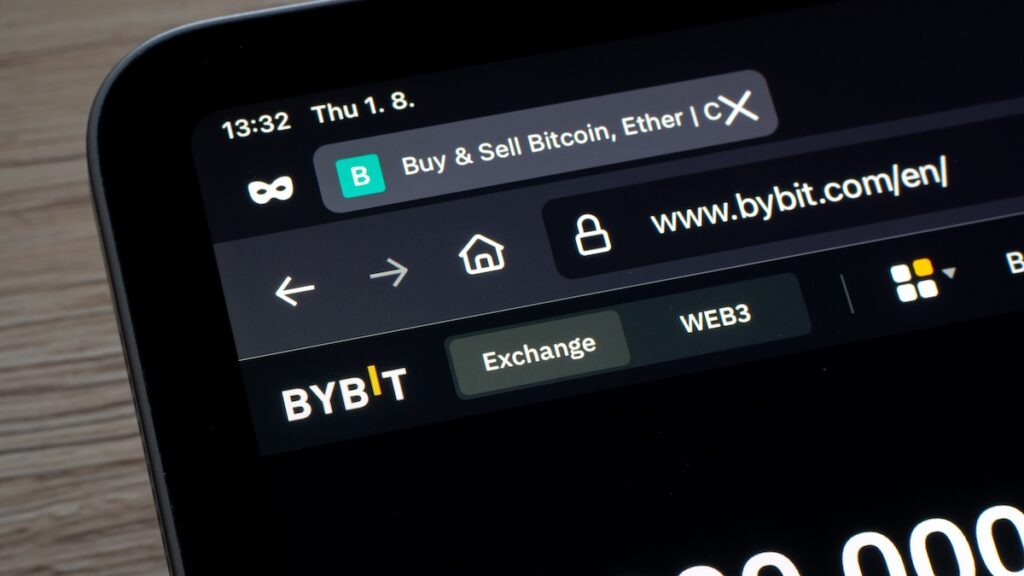
In a significant security breach, Dubai-based cryptocurrency exchange Bybit has reported the theft of approximately $1.5 billion worth of Ethereum. The incident, which stands as one of the largest in the history of digital currencies, has raised serious concerns about the security protocols of cryptocurrency platforms.

Bybit’s CEO, Ben Zhou, disclosed that during a routine transfer from the exchange’s cold wallet to a warm wallet, an attacker managed to manipulate the transaction interface. This manipulation granted the hacker control over the cold wallet, enabling the unauthorized transfer of around 401,000 Ethereum tokens to an unidentified address. Despite the magnitude of the theft, Zhou assured clients that all their assets remain fully backed and unaffected, emphasizing that the exchange’s operations continue without disruption.

The breach has prompted Bybit to collaborate with blockchain forensic experts to trace and recover the stolen funds. Initial investigations suggest that the pilfered assets are being moved across various new addresses, complicating the recovery efforts. Notably, TRM Labs, a blockchain intelligence firm, has linked the attack to North Korean hackers, citing substantial overlaps between the addresses used in this breach and those associated with previous North Korean cyber thefts. This connection underscores the escalating involvement of state-sponsored actors in large-scale cryptocurrency crimes.

In response to the incident, Bybit has processed over 350,000 withdrawal requests, aiming to maintain client trust and ensure liquidity. The exchange has also implemented bridge loans to compensate users for any unrecovered funds, highlighting its commitment to safeguarding customer interests. However, the hack has led to a noticeable decline in the value of Bybit’s native token, which experienced a drop of up to 6% following the news.

This event adds to a series of high-profile security breaches within the cryptocurrency sector. In 2024 alone, cybercriminals absconded with approximately $2.2 billion from various crypto platforms, reflecting the persistent vulnerabilities in the industry’s security infrastructure. The Bybit hack, surpassing previous incidents in scale, serves as a stark reminder of the challenges that digital asset exchanges face in protecting against increasingly sophisticated cyber threats.

The broader cryptocurrency market has also felt the impact of the Bybit breach. Both Bitcoin and Ethereum experienced slight declines in value as traders reacted to the unfolding situation. Analysts suggest that such incidents could hinder the path to mainstream adoption of cryptocurrencies, as security concerns remain a significant barrier for potential investors.

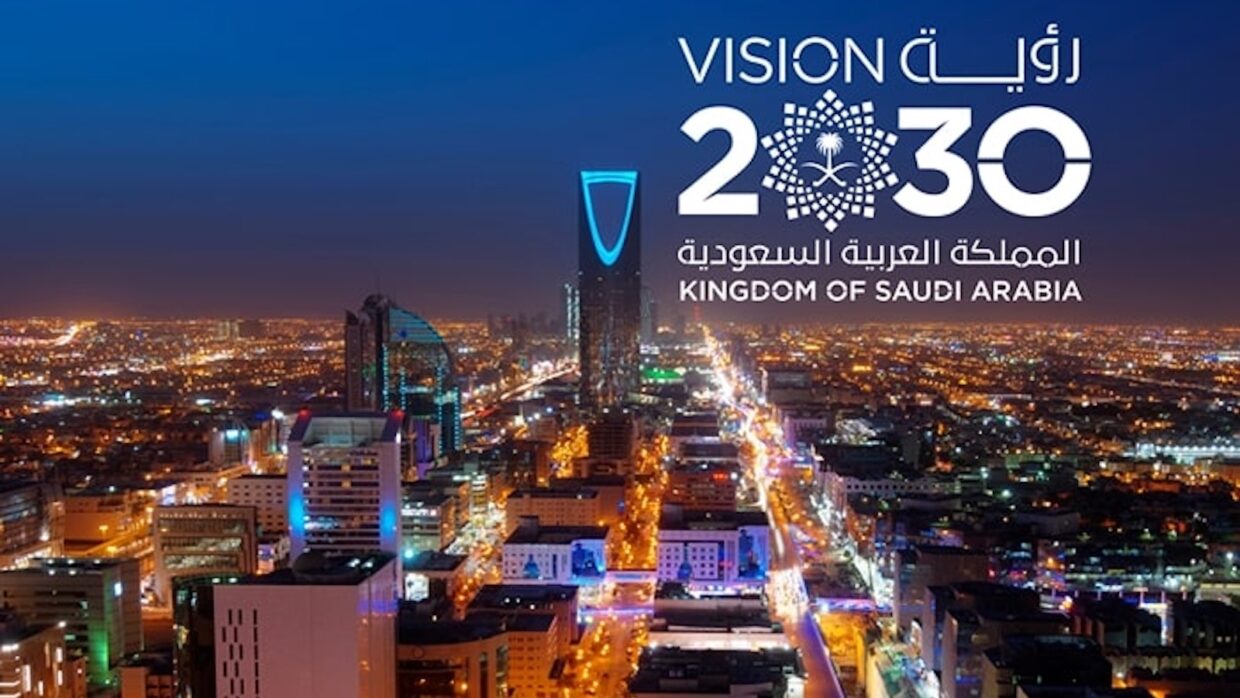
Saudi Arabia has rapidly become a pivotal player in the Gulf Cooperation Council’s private equity sector, driven by strategic reforms and its ambitious Vision 2030 agenda. Over the past five years, the Kingdom’s private equity investments have experienced remarkable growth, escalating from $523 million in 2019 to $4 billion in 2023, reflecting a compound annual growth rate of 66%. This surge underscores Saudi Arabia’s commitment to creating an investor-friendly environment that appeals to both domestic and international stakeholders.

A significant factor contributing to this expansion is the dominance of buyout transactions, which have consistently constituted approximately 80% of the total private equity capital deployed in the country. This trend indicates a robust market for mergers and acquisitions, aligning with the nation’s objectives to diversify its economy and reduce reliance on oil revenues. Additionally, growth equity investments are gaining momentum, supporting mid-sized companies poised for expansion and further stimulating economic diversification.

The Kingdom’s strategic initiatives, particularly the Shareek Program launched in 2021, play a crucial role in this transformation. Designed to bolster large Saudi enterprises, Shareek aims to accelerate private sector investments, fostering economic development and enhancing the global competitiveness of Saudi businesses. By facilitating partnerships between the public and private sectors, the program seeks to unlock new investment opportunities and drive sustainable growth.

Sector-wise, technology and infrastructure have emerged as focal points for private equity investments. The government’s emphasis on digital transformation and smart city projects has attracted substantial capital, leading to advancements in these areas. For instance, the development of NEOM, a futuristic city envisioned under Vision 2030, exemplifies the type of large-scale infrastructure projects drawing investor interest. Such initiatives not only modernize the nation’s landscape but also create a plethora of opportunities for private equity firms seeking to capitalize on the burgeoning demand for innovative solutions.

In tandem with these developments, Saudi Arabia’s Public Investment Fund has been instrumental in anchoring foreign investments within the Kingdom. By collaborating with international asset managers and financial institutions, PIF aims to attract $100 billion in annual foreign direct investments by 2030. Notable partnerships include a $2 billion Middle East infrastructure fund with Canadian asset manager Brookfield and agreements with Japanese financial entities, reflecting the Kingdom’s strategic approach to integrating global expertise and capital into its economic framework.

However, the rapid evolution of the private equity landscape is not without challenges. Proposed changes by the Accounting and Auditing Organization for Islamic Financial Institutions could introduce complexities in the Islamic debt market, potentially affecting transaction structures and investor appeal. The new rules mandate issuers of Islamic bonds to transfer legal ownership of underlying assets to investors, aiming for closer adherence to Islamic principles of risk-sharing. While intended to enhance compliance, these changes may increase transaction costs and deter investment if not managed adeptly.

Liquidity concerns persist, particularly in sectors with less mature market infrastructures. The developing nature of the private equity and venture capital ecosystems necessitates continuous efforts to deepen capital markets and enhance investor confidence. Initiatives to address these issues include the maturation of Saudi Arabia’s stock market, which is progressively offering more exit avenues for private equity investments, thereby improving liquidity and attracting further capital inflows.

The Kingdom’s proactive stance in privatizing state-owned assets across various sectors, such as energy, infrastructure, healthcare, education, tourism, and entertainment, has unlocked vast opportunities for both local and international investors. With investments now exceeding $50 billion, these privatization efforts signify a pivotal shift in Saudi Arabia’s economic landscape, promoting private sector involvement and fostering a more dynamic investment climate.

In the realm of sports and entertainment, Saudi Arabia has made significant strides, exemplified by its $1 billion investment in DAZN, a sports streaming service owned by billionaire Sir Leonard Blavatnik. This strategic move not only amplifies the Kingdom’s presence in the global sports industry but also aligns with its broader objectives to diversify the economy and enhance its international image. The collaboration aims to broadcast Saudi sports and events to over 200 markets, showcasing the nation’s commitment to expanding its cultural and entertainment footprint worldwide.


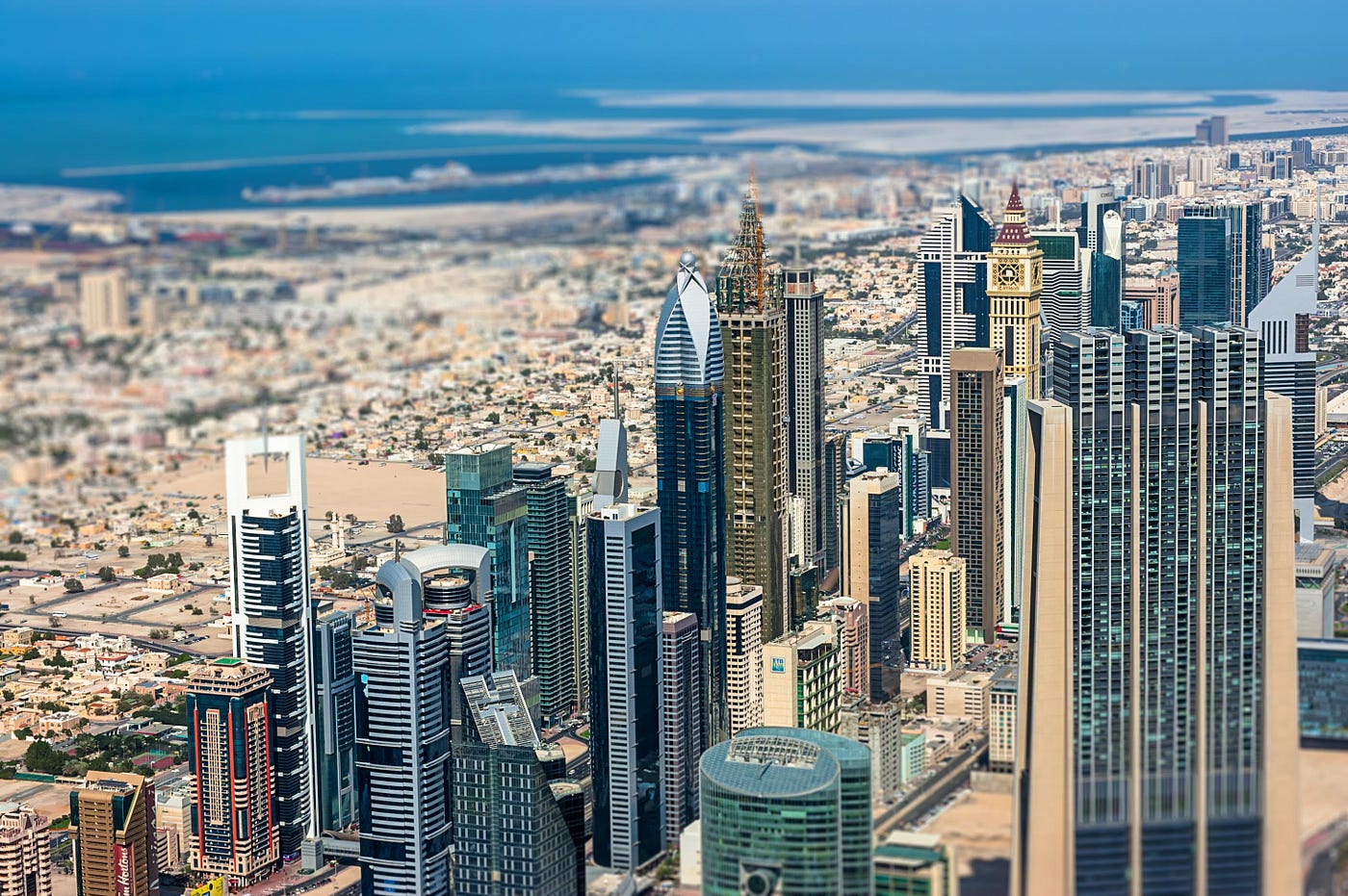
The Dubai Maritime Authority , under the Ports, Customs, and Free Zone Corporation, has unveiled a strategic initiative to bolster telecommunications coverage across the emirate’s waters. This project involves the installation of four advanced telecommunications towers, aiming to provide comprehensive network coverage in key maritime zones, including Dubai Islands, The World Islands, Palm Jebel Ali, and Dubai Waterfront.

Sheikh Dr. Saeed bin Ahmed bin Khalifa Al Maktoum, CEO of the DMA, emphasized that this initiative aligns with Dubai’s vision to establish itself as a premier global maritime hub. “Our participation in this project reflects our commitment to enhancing Dubai’s position as a leading center for maritime navigation, luxury yachts, and recreational marine activities,” he stated.

The announcement was made during the Dubai International Boat Show, where the DMA showcased the “Dubai Waterways Telecom Network Coverage” project. This initiative is set to enhance the telecommunications infrastructure, ensuring seamless connectivity for maritime operations and leisure activities.

In collaboration with key partners, the project aims to address existing connectivity gaps in Dubai’s maritime regions. The enhanced network is expected to support various maritime stakeholders, including commercial vessels, recreational boaters, and emergency services, by providing reliable communication channels essential for safety and operational efficiency.

This development is part of a broader strategy to integrate advanced technologies into Dubai’s maritime sector. By improving telecommunications infrastructure, the DMA seeks to attract regional and international maritime enterprises, fostering investment and reinforcing Dubai’s status as a competitive maritime capital.

The initiative also complements previous efforts to streamline maritime operations. For instance, the Telecommunications and Digital Government Regulatory Authority had previously signed a memorandum of understanding with the Ports, Customs, and Free Zone Corporation to simplify the authorization process for maritime vessels. This agreement aimed to establish a cohesive procedure for acquiring necessary authorizations through the DMA, thereby enhancing operational efficiency within Dubai’s territorial waters.

Casino aesthetics have profoundly influenced contemporary art and culture, extending beyond the gaming floors into various creative domains. The vibrant visuals, architectural grandeur, and thematic elements of casinos have become significant sources of inspiration for artists, designers, and cultural institutions worldwide.

The architectural evolution of casinos, particularly in Las Vegas, exemplifies this impact. In the early 2000s, a shift from replica-themed designs to modern art and architecture transformed the city’s landscape. Prominent architects like Helmut Jahn, Daniel Libeskind, and César Pelli were commissioned to create trendy tower casinos, aiming to attract visitors through innovative design. The CityCenter complex, for instance, showcases contemporary art installations and structures that have redefined the traditional casino image. This movement, termed “Casinopolitanism,” has influenced urban development in cities like Macau and Singapore, which have adopted similar approaches to integrate art and architecture into their casino resorts.

Artists have also drawn inspiration from casino culture, incorporating its elements into various art forms. Photographer Adam Lampton’s work in Macau captures the juxtaposition of colonial history, Chinese traditions, and modern casino-driven capitalism. His images document the rapid transformation of Macau into a gambling hub, highlighting the contrasts between grand-scale casino projects and the city’s quieter residential neighborhoods. Similarly, Las Vegas-based artist James Stanford creates digital montages that reinterpret historic neon signs into complex mandala patterns, blending traditional symbols with contemporary digital art techniques. His “Shimmering Zen” series exemplifies how casino imagery can be reimagined to produce new artistic expressions.

The interior design of casinos further exemplifies the fusion of art and environment. The Cosmopolitan of Las Vegas, for example, integrates art throughout its premises, featuring graffiti by artists like Shepard Fairey and installations such as Roark Gourley’s giant shoe sculptures. These artistic elements enhance the ambiance, creating immersive experiences that extend beyond gambling. The resort’s artist-in-residence program and digital art displays in its lobby further emphasize the role of art in enriching the visitor experience.

Casino aesthetics have also permeated popular culture, influencing fashion, film, and music. The opulent and glamorous imagery associated with casinos has been portrayed in numerous films and music videos, symbolizing luxury, risk, and excitement. This portrayal has, in turn, influenced fashion trends, with designers drawing inspiration from the lavish costumes and vibrant colors typical of casino settings. The integration of casino-inspired elements into mainstream media underscores the cultural significance of casino aesthetics in shaping contemporary art and lifestyle.

By Girish Linganna US President Donald Trump has raked up a hornets’ nest in New Delhi by claiming that $21 million in US aid to India—from the United States Agency for International Development (USAID), an independent US government agency responsible for administering civilian foreign aid and development assistance, approved earlier by Joe Biden, was used […]

Global oil prices have experienced a significant decline, with West Texas Intermediate crude falling nearly 3% to $70.40 per barrel, marking a two-month low. This downturn is attributed to a combination of U.S. policy changes under President Donald Trump and evolving geopolitical dynamics in the Middle East. President Trump’s recent energy policies have introduced substantial volatility into the oil market. His administration’s focus on bolstering fossil fuel […]

Advertisements

Saudi Arabia is poised to lead the Middle East and North Africa region in initial public offerings in 2025, with 27 companies planning to list on its stock exchange. This surge underscores the Kingdom’s efforts to diversify its economy and strengthen its capital markets. According to a report by EY, the MENA region anticipates 38 company IPOs and 22 fund listings in 2025, spanning various sectors. The […]

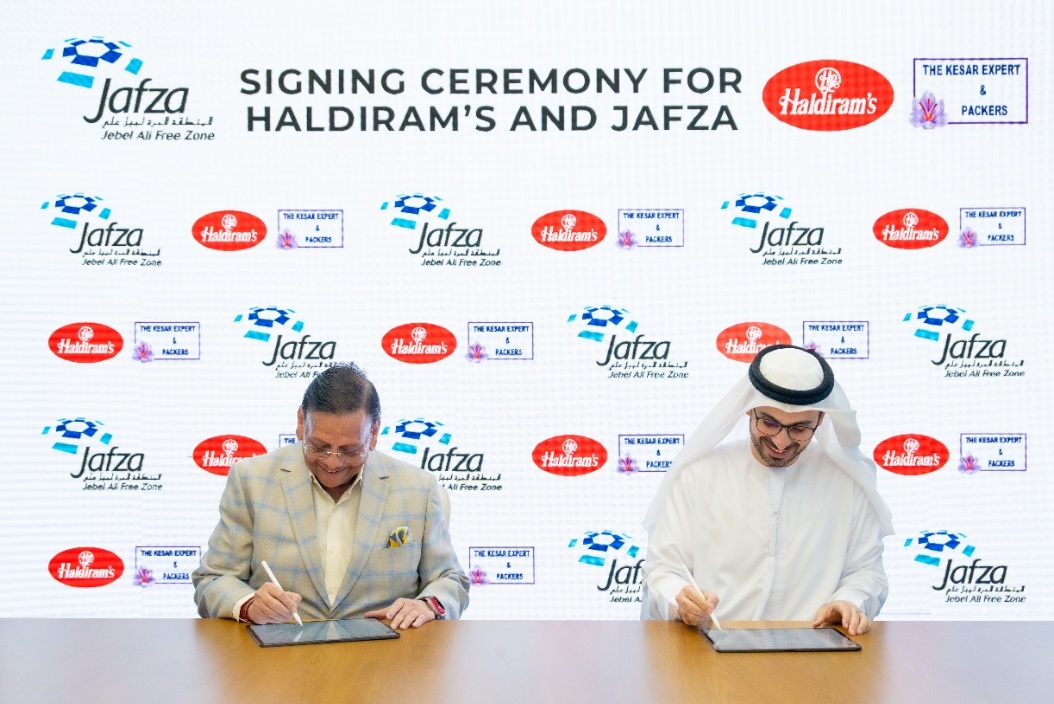
Jebel Ali Free Zone has entered into a partnership with Indian multinational food brand Haldiram’s to establish one of the largest saffron processing facilities in the Gulf Cooperation Council region. The agreement was formalised during the Gulfood event in Dubai.

Scheduled to commence operations in March 2025, the facility will be managed by Kesar Expert & Packers, a company with 22 years of experience in high-quality saffron processing in India. The plant aims to obtain the globally recognised European BRCGS certification, ensuring the quality and purity of its saffron products.

Initially, the hub will process 30 metric tonnes of saffron annually, with plans to expand capacity to 100 metric tonnes over the next five years. This growth strategy will leverage the Comprehensive Economic Partnership Agreement between the UAE and India, as well as the advanced connectivity and infrastructure provided by Jebel Ali Port and Jafza.

The collaboration also explores further avenues, including expanding Haldiram’s presence in Dubai and investing in additional food processing and distribution facilities. This initiative underscores Dubai’s position as a global trade hub, bolstered by Jafza’s thriving food and beverage sector, which currently hosts over 770 companies.

This development aligns with a series of significant engagements by Indian food and beverage companies at Gulfood. Reliance Consumer Products Limited introduced its renowned brand Campa to the UAE market, marking its inaugural entry, facilitated by Abu Dhabi’s Agthia Group. Additionally, Lulu Retail has signed nine strategic memorandums of understanding with global manufacturers to enhance product offerings across the GCC and beyond. Among these agreements is the introduction of Milaf Cola, a carbonated date beverage from Saudi Arabia, to LuLu stores throughout the GCC, with future plans to enter the Indian market.

Arabian Post Staff -Dubai The United Arab Emirates has rapidly transformed into a pivotal hub for international cricket, hosting major tournaments and nurturing a competitive national team. This evolution from informal matches to a central role in the cricketing world underscores the nation’s commitment to the sport. Cricket’s roots in the UAE trace back to 1892 when British military personnel introduced the game to the Trucial States. […]

President Donald Trump has executed a significant overhaul of the U.S. military’s top leadership, dismissing Air Force General Charles Q. Brown Jr., the Chairman of the Joint Chiefs of Staff, along with five other senior military officials. This move, announced late Friday, marks an unparalleled shift within the Pentagon’s hierarchy. General Brown, who made history as the first African American to serve as the nation’s highest-ranking military […]

The United Arab Emirates is set to experience a period of unstable weather conditions over the coming days, influenced by the convergence of low-pressure systems and upper-air disturbances. According to the National Centre of Meteorology , these atmospheric changes are expected to bring fluctuations in temperature, increased humidity, and a likelihood of rainfall across various regions. On Saturday, 22nd February 2025, the NCM reported fair to partly […]

Finanx AI’s FNXAI token has experienced a notable surge, capturing the attention of both retail and institutional investors. This growth is attributed to its innovative approach of linking the token’s value to profits generated by AI-driven stock trading algorithms, moving away from traditional speculative models.

At the forefront of this initiative is Zhang Bao Long, Finanx AI’s Chief Strategic Officer, often referred to as the “Warren Buffett of China.” Zhang emphasizes the critical role of artificial intelligence in modern finance, stating that leveraging technology to extract patterns from complex data is essential for success in today’s markets.

The FNXAI token distinguishes itself by anchoring its value to the performance of AI-powered trading strategies. These advanced machine learning algorithms analyze vast amounts of market data to execute trades, aiming to generate consistent, real-world profits. This methodology offers a more predictable and stable asset class compared to the volatility often associated with traditional cryptocurrencies.

Despite fluctuations in the broader market, FNXAI has demonstrated resilience, with its price reaching an all-time high of $2.08 on February 18, 2025. The token’s 24-hour trading volume stands at approximately $4.88 million, indicating sustained interest and activity among investors.

Analysts attribute FNXAI’s stability to its AI-driven foundation, which provides a buffer against the typical volatility in the crypto space. As more institutions and hedge funds incorporate AI into their quantitative trading strategies, FNXAI represents a shift towards automated, data-centric decision-making in asset management.

Zhang Bao Long predicts that AI will continue to disrupt traditional financial strategies, urging industry players to adopt AI-driven methods or risk obsolescence. He asserts that the future of finance is moving away from instinct-based decisions towards intelligence-driven strategies.

The cryptocurrency landscape is witnessing the emergence of Pepeto, a meme coin that has garnered significant attention during its presale phase. Priced at a mere $0.000000112, Pepeto positions itself as a potential high-return investment, reminiscent of the early days of Shiba Inu .

Shiba Inu’s meteoric rise transformed modest investments into substantial fortunes. An individual who invested $1,000 in SHIB during its inception in August 2020 would see that investment balloon to approximately $12.67 million today. This surge underscores the lucrative potential inherent in early-stage meme coin investments.

Pepeto aims to capitalize on this trend by presenting itself as the “true Pepe,” seeking to rectify past missteps in the meme coin sector. Beyond its humorous branding, Pepeto introduces innovative features designed to enhance user experience and market appeal. Central to its ecosystem is PepetoSwap, a platform offering zero-fee trading, a significant departure from the often hefty fees associated with traditional exchanges. Additionally, the development of the Pepeto Exchange aims to bolster liquidity and minimize slippage, ensuring smoother transactions for users.

The total token supply for Pepeto mirrors that of the original PEPE coin, set at 420 trillion tokens. This deliberate choice reflects a strategic effort to draw parallels with successful predecessors while carving out its unique identity in the crypto space.

The cryptocurrency market is witnessing a significant shift as FloppyPepe , an AI-driven meme coin, gains unprecedented traction among investors. Analysts project a remarkable 9,300% surge for FPPE, positioning it ahead of established tokens like Pepe and Bonk .

FloppyPepe’s rapid ascent is attributed to its successful private presale, which raised $907,200 within 24 hours, underscoring strong investor confidence. The token is currently available at a presale price of $0.0000002, presenting an accessible entry point for a diverse range of investors. The project’s credibility is further reinforced by a SolidProof audit and endorsements from prominent figures in the crypto community, including popular YouTuber NASS CRYPTO.

A key differentiator for FloppyPepe is its integration of artificial intelligence, particularly through its AI text-to-image tool, Meme-o-Matic. This innovative feature enables users to generate viral content rapidly, enhancing user engagement and broadening the token’s appeal. The tool is slated for launch on Telegram in the coming weeks, potentially expanding its user base significantly.

Market analysts highlight FloppyPepe’s potential for substantial returns. Projections suggest that an initial investment of $1,000 could escalate to $250,000, indicating a 25,000% return. Such forecasts are drawing attention from investors seeking high-yield opportunities in the evolving crypto landscape.

The broader cryptocurrency market is also experiencing notable movements. Bitcoin has stabilized at $96,500, while Solana has demonstrated a significant surge. In this dynamic environment, FloppyPepe’s unique blend of meme culture and AI technology positions it as a compelling investment opportunity.

The cryptocurrency landscape is witnessing a notable shift as FloppyPepe , a small-cap AI-integrated meme coin, gains traction among investors traditionally aligned with established tokens like Cardano . This trend highlights the dynamic nature of the crypto market, where emerging technologies and innovative projects can rapidly alter investor preferences.

FloppyPepe has distinguished itself by merging meme culture with artificial intelligence, creating a unique niche in the crypto ecosystem. The token’s recent SolidProof certification has bolstered investor confidence by ensuring the security and reliability of its smart contracts. This certification, achieved during its ongoing presale phase, underscores the project’s commitment to transparency and technological robustness.

The presale of FPPE has demonstrated remarkable momentum, reportedly raising nearly $1 million within 24 hours. This rapid capital influx is indicative of strong market interest and suggests a growing belief in FPPE’s potential. Contributing to this enthusiasm is the announcement of an upcoming text-to-image AI agent on Telegram, slated for release in two weeks, which aims to enhance user engagement and broaden the token’s utility.

In contrast, Cardano , a well-established blockchain platform known for its proof-of-stake consensus mechanism and focus on sustainability, has experienced a modest decline in its token value. Currently trading at approximately $0.769463, ADA has seen a 4.07% decrease over the past 24 hours. Despite its strong market position and a market capitalization exceeding $27 billion, ADA’s recent performance reflects the volatile nature of the cryptocurrency market and the challenges faced by established tokens amidst emerging competitors.

The rise of FPPE is part of a broader trend where investors are exploring alternative assets with high growth potential. Reports indicate that holders of Cardano and Dogecoin are reallocating funds towards emerging tokens like FPPE, driven by the prospect of substantial returns. Analysts have identified FPPE as a formidable contender in the AI crypto sector, with projections suggesting significant growth potential.

FPPE’s innovative approach includes deflationary tokenomics, where 1% of every transaction is burned, reducing the total supply over time and potentially increasing the token’s value. Additionally, 3% of each transaction is redistributed to long-term holders, incentivizing sustained investment and fostering a loyal community. These mechanisms are designed to create scarcity and reward commitment, distinguishing FPPE from other meme coins.

The convergence of meme culture and AI technology in FPPE represents a novel fusion that appeals to a diverse investor base. This blend not only capitalizes on the viral nature of meme coins but also integrates practical AI applications, offering users tangible utility beyond speculative trading. The forthcoming AI-driven features are anticipated to enhance user interaction and provide unique functionalities within the crypto space.

While FPPE’s ascent is noteworthy, it operates within a highly competitive and unpredictable market. Established entities like Cardano possess extensive ecosystems and substantial developer communities, providing them with resilience and the capacity for innovation. Cardano’s ongoing developments and strategic initiatives continue to position it as a significant player in the blockchain arena.

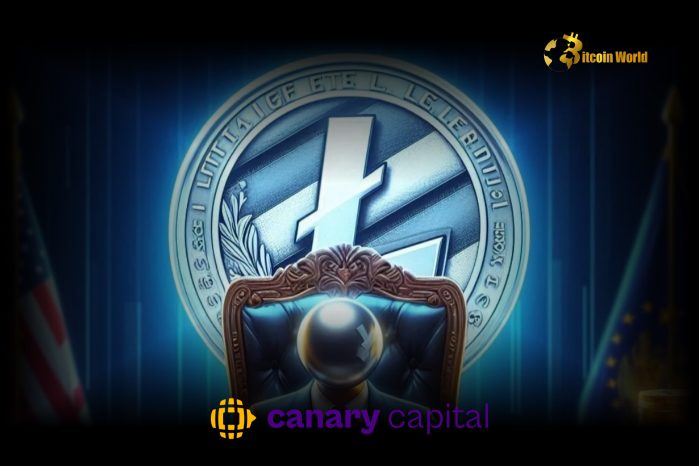
Canary Capital’s proposed spot Litecoin exchange-traded fund has been listed on the Depository Trust and Clearing Corporation system under the ticker LTCC, signaling a significant advancement toward its potential debut. This development indicates that the necessary trading infrastructure is being established, though the ETF still awaits approval from the U.S. Securities and Exchange Commission .

The DTCC serves as the primary clearing and settlement provider for securities transactions in the United States, processing millions of trades daily. Inclusion in the DTCC system is a critical preparatory step for any ETF, ensuring that once regulatory approval is granted, the fund can commence trading seamlessly. However, it’s important to note that a DTCC listing does not imply SEC approval; it merely reflects that the issuer is making necessary arrangements ahead of a potential launch.

Canary Capital submitted its application for the spot Litecoin ETF in October 2024, positioning itself ahead of similar filings by asset managers such as Grayscale and CoinShares. The firm’s proactive approach suggests a strategic effort to be at the forefront of offering investors exposure to Litecoin through a regulated financial product. If approved, this ETF would be the first in the U.S. to provide direct exposure to Litecoin, expanding the range of cryptocurrency investment options beyond Bitcoin and Ethereum.

The SEC’s decision-making process involves a thorough review of such applications, with an initial period of 45 days from the filing date, extendable up to 90 days. Given that Canary Capital’s application was filed in October 2024, a decision is anticipated imminently. Market analysts have been closely monitoring the situation, with Bloomberg’s Senior ETF Analyst Eric Balchunas estimating a 90% probability of approval before the end of 2025. This optimistic outlook is based on the SEC’s recent approvals of spot Bitcoin and Ethereum ETFs, which have set a precedent for similar cryptocurrency-based financial products.

The potential approval of a spot Litecoin ETF holds significant implications for the cryptocurrency market. Litecoin, often referred to as the “silver” to Bitcoin’s “gold,” has maintained a robust presence in the digital asset space since its inception in 2011. Designed to offer faster transaction confirmations and a different hashing algorithm, Litecoin has garnered a dedicated user base and widespread adoption. The introduction of an ETF would likely enhance Litecoin’s visibility and accessibility, attracting a broader spectrum of investors, including those who prefer traditional investment vehicles over direct cryptocurrency holdings.

The cryptocurrency market has experienced a surge in ETF-related activities, especially following the successful launch of spot Bitcoin ETFs in 2024. These products have collectively attracted substantial capital inflows, with Bitcoin ETFs alone amassing $65 billion, far exceeding initial projections. This influx of institutional investment has been a driving force behind the appreciation of Bitcoin’s price, which soared from $43,000 to over $100,000 within the same year. The anticipated approval of a Litecoin ETF could potentially replicate this effect, providing upward momentum for Litecoin’s market value.

As of February 22, 2025, Litecoin is trading at approximately $129.57, reflecting a slight decrease of 0.04% from the previous close. The cryptocurrency reached an intraday high of $138.79 and a low of $123.95. Market participants are keenly observing these price movements, as the potential approval of the ETF could serve as a catalyst for increased demand and price appreciation.

By Arun Srivastava Saffron ecosystem, especially the BJP leadership always strives to turn a Hindu festival into a political controversy. Every dispute adds to its membership and helps widen its support base. This time too they have succeeded in their move to politicize Maha Kumbh Mela. Notwithstanding stampede and death of large number of pilgrims […]

Pi Network’s native cryptocurrency, Pi Coin, has experienced a dramatic decline of more than 60% in its market value following the project’s highly anticipated mainnet launch. The token’s price tumbled from an initial high of $1.97 to approximately $0.64 within a day, raising concerns among investors and the broader cryptocurrency community.

The mainnet launch, which occurred on February 20, 2025, was expected to bolster Pi Coin’s market presence. Several centralized exchanges, including OKX, Bitget, and MEXC, promptly listed the token, allowing users to trade Pi Coin on their platforms. Despite these listings, the token’s value swiftly depreciated, leading to significant market volatility.

In contrast, some major exchanges have refrained from listing Pi Coin. Bybit’s CEO, Ben Zhou, publicly criticized the project, citing concerns over its legitimacy. Zhou referenced a 2023 warning from Chinese authorities that labeled Pi Network as a scam targeting vulnerable populations, particularly the elderly. He emphasized that Bybit had no intentions of listing Pi Coin and challenged the Pi Network team to address these allegations.

The precipitous drop in Pi Coin’s value has been attributed to several factors. Analysts suggest that early miners may have capitalized on the mainnet launch to liquidate their holdings, exerting downward pressure on the price. Additionally, the absence of listings on prominent exchanges like Binance has limited the token’s accessibility and liquidity. Market participants have also expressed concerns regarding the token’s real-world utility and the project’s overall transparency.

Despite the current challenges, Pi Network boasts a substantial user base, with over 60 million registered users globally. The project’s unique mobile-based mining approach has garnered significant attention, allowing users to mine cryptocurrency directly from their smartphones without the need for energy-intensive hardware. However, discrepancies in reported user numbers have emerged, with blockchain explorers indicating approximately 9.1 million active users, leading to questions about the platform’s actual adoption rate.

By Satyaki Chakraborty With just two days left for the national elections in Germany scheduled for next Sunday, February 23, all opinion polls suggest a near ten point lead by the conservative CDU/CSU combo as against the far right AFD which is threatening to take over power in European Union’s richest economy with the open […]


Emirates SkyCargo has been awarded the ‘International Airline of the Year’ title at the STAT Times International Awards for Excellence in Air Cargo for the second consecutive year. This accolade, determined by votes from STAT Times’ global readership, underscores the airline’s significant influence in global logistics.

The award ceremony took place in Nairobi during the Air Cargo Africa 2025 event. Badr Abbas, Divisional Senior Vice President of Emirates SkyCargo, accepted the award on behalf of the company. In his remarks, Abbas highlighted the airline’s dedication to innovation and customer service, stating, “Emirates SkyCargo is the benchmark for excellence in the global logistics industry, serving as a trusted partner that seamlessly connects the world.”

Emirates SkyCargo, the freight division of Emirates, has been instrumental in connecting businesses across over 145 destinations on six continents for nearly four decades. Utilizing a combination of passenger aircraft and dedicated freighters, the airline offers a diverse range of specialized products supported by advanced infrastructure, ensuring efficient and reliable cargo movement.

Cryptocurrency exchange Bybit is currently grappling with an outflow exceeding $1.46 billion in mETH and stETH tokens, with a portion being converted to ETH on decentralized exchanges. Blockchain analyst ZachXBT identified these suspicious transactions, suggesting a potential security breach, though official confirmation from Bybit remains pending.

The outflow involves substantial transfers of mETH and stETH tokens from Bybit’s wallets to external addresses. Notably, approximately $200 million worth of stETH has already been liquidated. The destination addresses for these funds have been flagged, and exchanges are advised to monitor and potentially blacklist them to prevent further unauthorized activities.

Bybit has previously encountered security challenges. In the first half of 2024, the exchange reported detecting nearly $1 billion in abnormal withdrawal requests, successfully preventing over $79 million in fraudulent activities through enhanced AI-driven security measures. These incidents underscore the persistent threats faced by cryptocurrency platforms and the necessity for robust security protocols.

The current situation has raised concerns within the crypto community, emphasizing the importance of vigilance and proactive measures to safeguard digital assets. Users are advised to monitor their accounts closely and consider transferring funds to secure wallets until more information is available.

TrinaTracker, a division of China’s Trina Solar, has inaugurated a manufacturing facility in Jeddah’s 3rd Industrial City, Saudi Arabia, with an annual production capacity of 3 gigawatts . This strategic move aligns with Saudi Arabia’s ambitious Vision 2030 plan, aiming to diversify its energy portfolio by significantly increasing renewable energy sources.

The newly established plant specializes in producing TrinaTracker’s Vanguard series of solar trackers and smart control systems. These advanced trackers are designed to optimize the orientation of solar panels, enhancing energy capture and overall efficiency. Notably, the facility operates with zero pollutant emissions during its production processes, underscoring TrinaTracker’s commitment to sustainable manufacturing practices.

This Jeddah-based factory marks TrinaTracker’s fourth manufacturing hub, complementing existing facilities in China, Spain, and Brazil. The decision to establish a presence in Saudi Arabia reflects the company’s strategy to localize production and meet the growing demand for solar energy solutions in the Middle East.

Saudi Arabia has set an ambitious goal to source at least 50% of its power from renewable energy by 2030, targeting an expansion to 130 GW of renewable capacity. Of this, 58.7 GW is expected to come from solar energy. The integration of TrinaTracker’s manufacturing capabilities is poised to play a pivotal role in achieving these targets, providing locally produced, state-of-the-art solar tracking technology.

The Kingdom’s commitment to renewable energy is further evidenced by several large-scale solar projects. The Sudair Solar PV Project, located in Sudair Industrial City, is nearing full operational status. Once completed, this 1.5 GW facility will supply power to approximately 185,000 households and is expected to offset an estimated 2.9 million tons of carbon dioxide emissions annually. The project utilizes bifacial solar panels with single-axis tracking technology, enhancing efficiency and energy output.

In addition to domestic initiatives, Saudi Arabia has engaged in international collaborations to bolster its renewable energy infrastructure. In December 2024, during French President Emmanuel Macron’s visit to Riyadh, agreements were signed with French energy giants TotalEnergies and EDF Renewables. TotalEnergies is set to construct a 300 MW solar park in Rabigh Industrial City, while EDF Renewables will develop two solar parks totaling 1.4 GW. These projects are slated to commence operations by 2026 and are part of the Kingdom’s broader strategy to attract foreign investment and expertise in the renewable sector.

Kanye West, the renowned rapper and entrepreneur, has announced the launch of a new cryptocurrency, $YZY, set to become the official currency for his Yeezy brand. The initiative aims to integrate digital currency into the brand’s ecosystem, allowing customers to use $YZY for transactions on the Yeezy website.

Hussein Lalani, Yeezy’s Chief Financial Officer, disclosed that the token distribution for $YZY is structured as follows: 70% allocated to Kanye West, 10% designated for liquidity, and the remaining 20% reserved for investors. This allocation strategy underscores West’s significant stake in the project, while also ensuring liquidity and investor participation.

The launch of $YZY was initially slated for Thursday but has been postponed to Friday. This delay is intended to ensure a seamless rollout and address any potential technical issues prior to the official release.

The introduction of $YZY reflects a growing trend among artists and brands leveraging blockchain technology to create proprietary digital currencies. By adopting $YZY as the official currency for Yeezy, West aims to offer a unique payment method for customers, potentially enhancing user engagement and fostering a sense of community among supporters.

VISHNU RAJA
RYO YAMADA
HITORI GOTOH
IKUYO KITA