Just in:
e-Crime Bureau Signs Cybersecurity Partnership With Smart Africa, Reinforcing Its Global Expansion // Hong Kong mandates crypto transaction disclosures to tax authorities // Dubai details five-year visa benefits for returning visitors // Ousted top Kochi cop gets IG post // Asia Left Behind: Ten international companies have yet to report delivering on their cage-free egg pledges across the region // Millions Of Indians May Soon Be Deprived Of Government Assistance // Geely’s i-HEV Intelligent Hybrid Technology Offers a New Direction Vision for Gasoline-Powered Vehicles // CR Longdation Aethereal Cybersecurity × Global Cybersecurity Alliance (GCSA) Join Hands to Establish the “AI and Cybersecurity Research Centre” // After Reaching 7 Million Users in the Philippines, Skyro Launches Transparent Cash Loans in Malaysia // Kochi police detain two actors over bid to honey trap doctor // Trump’s Iran War Has A Share Of Contribution To His Midterm Debacle // Cloudflare unveils Zero Wire vulnerability intelligence service // The “1st Greater Bay Area Health and Longevity Summit & Awards Ceremony” concludes successfully in Macao // Meraas showcases five residential zones at Dubai Design Week // Private varsities bill all set to face the axe // TVM –Mangaluru Vande Bharat claims top spot // Emirates Group records AED 4.1 billion half-year profit // Oil advances towards $100 as tanker attacks persist // Emaar approves Development buyout ahead of planned delisting // Technology shares plunge as Nasdaq enters correction //

News related to
Arabia

South Korea’s Financial Services Commission has unveiled a structured plan to permit corporate entities to engage in cryptocurrency transactions through real-name accounts. This initiative, set to commence in the first half of 2025, aims to integrate corporate participation in the digital asset market while ensuring regulatory oversight.

The FSC’s strategy involves a three-phase rollout. Initially, non-profit organizations, law enforcement agencies, and cryptocurrency exchanges will be granted access to real-name accounts. This move is designed to facilitate activities such as the conversion of platform fee income into fiat currency for exchanges and the handling of confiscated assets by law enforcement. However, exchanges will be subject to government guidelines to prevent market volatility.

In the subsequent phase, slated for the second half of 2025, professional investment entities—including listed companies and registered investment institutions—will be authorized to participate in crypto asset trading. These entities must adhere to stringent anti-money laundering protocols and undergo evaluations by banks and crypto exchanges to ensure compliance.

The final phase envisions extending crypto investment capabilities to general enterprises. This stage remains under long-term consideration and is contingent upon the successful implementation of preceding phases, as well as the establishment of comprehensive regulations encompassing stablecoins, exchange operations, and cross-border crypto transaction monitoring.

FSC Vice Chairman Kim So-young emphasized the importance of a cautious and measured approach, stating that the policy’s implementation must be gradual and carefully monitored to prevent market disruptions. He highlighted the necessity of clear AML guidelines to maintain market integrity throughout the rollout process.

This policy shift addresses longstanding challenges within South Korea’s crypto industry, particularly for small and mid-sized exchanges that have struggled with liquidity constraints. By enabling corporate accounts, these exchanges are expected to enhance their operational capabilities and competitiveness within the market.

Robinhood Markets Inc. has reported a significant increase in its fourth-quarter earnings, driven by a substantial rise in cryptocurrency trading activity. The company’s total revenue for the quarter reached $1.01 billion, marking the first time it has surpassed the billion-dollar threshold. This performance exceeded analysts’ expectations, which had projected revenue of $934 million.

A key contributor to this growth was the surge in cryptocurrency trading revenue, which escalated by 700% year-over-year to $358 million. This increase accounted for more than half of Robinhood’s transaction-based revenue, which itself saw a 200% rise to $672 million. The heightened interest in digital assets, particularly Bitcoin, which recently surpassed the $100,000 mark, played a significant role in this development.

In addition to the rise in crypto trading, Robinhood experienced growth in other areas. Options trading revenue increased by 83% to $222 million, while equities trading revenue rose by 144% to $61 million. The company’s assets under custody expanded by 88% to $193 billion, with net deposits reaching a record $16 billion during the quarter.

ADNEC Group has announced that TAG Dynamics, a globally recognised leader in manufacturing custom armoured and non-armoured vehicle solutions, will serve as a Premium Partner for the upcoming International Defence Exhibition and Naval Defence & Maritime Security Exhibition 2025. These events are scheduled from 17th to 21st February at the Abu Dhabi National Exhibition Centre .

IDEX and NAVDEX have, for over three decades, convened global leaders, policymakers, and experts to showcase the latest advancements in defence technologies. The exhibitions offer a comprehensive view of innovations shaping the future of international security.

Saeed Al Mansoori, Advisor for Defence Exhibitions at Capital Events, a subsidiary of ADNEC Group, emphasised the significance of this collaboration: “The partnership with TAG Dynamics highlights the true purpose of IDEX and NAVDEX: to bring the world together to showcase advanced technologies and forge meaningful collaborations, aligning with the UAE’s vision for progress and security through collaboration and partnership.”

TAG Dynamics plans to unveil a series of groundbreaking innovations designed to enhance security, mobility, and operational effectiveness. These developments reflect the company’s commitment to pushing the boundaries of technology in service of the defence sector.

Mahmoud Gharghar, Chief Executive Officer of TAG Dynamics, expressed the company’s enthusiasm: “IDEX and NAVDEX 2025 represent a cornerstone for innovation and collaboration in the defence industry, and TAG Dynamics is honoured to serve as the Premium Partner of this prestigious event. Our commitment to advancing safety through cutting-edge technologies such as AI and remote-controlled systems is at the heart of everything we do.”

IDEX and NAVDEX 2025 are anticipated to attract a significant number of international delegations, defence contractors, and industry professionals. The events will feature live demonstrations, product launches, and discussions on the latest trends in defence and maritime security.

The collaboration between ADNEC Group and TAG Dynamics underscores a shared vision of fostering innovation and strengthening global defence partnerships. As the defence landscape evolves, such alliances play a crucial role in addressing emerging security challenges and advancing technological frontiers.

The UAE continues to position itself as a central hub for international defence exhibitions, facilitating dialogue and collaboration among global stakeholders. The upcoming IDEX and NAVDEX 2025 are set to further this objective, providing a platform for showcasing cutting-edge technologies and fostering strategic partnerships.

TAG Dynamics’ participation as a Premium Partner highlights the company’s dedication to contributing to global security and its commitment to innovation in defence technology. Attendees can look forward to experiencing the latest advancements that TAG Dynamics and other industry leaders will present during the exhibitions.

As the defence sector faces rapidly changing challenges, events like IDEX and NAVDEX serve as vital platforms for collaboration, knowledge exchange, and the promotion of peace and security worldwide. The partnership between ADNEC Group and TAG Dynamics exemplifies the collaborative efforts necessary to navigate the complexities of modern defence and security landscapes.

The United Arab Emirates has secured a position among the top ten countries globally for the number of artificial intelligence companies per million inhabitants, as highlighted in the Global AI Competitiveness Index. This achievement underscores the nation’s rapid advancement in the AI sector.

The Global AI Competitiveness Index, a collaborative effort between the International Finance Forum and Deep Knowledge Group, analyzed over 55,000 AI companies worldwide to assess their density, financing, and development. The UAE’s prominent ranking reflects its strategic focus on fostering AI innovation and enterprise.

In 2017, the UAE appointed the world’s first Minister of State for Artificial Intelligence, signaling its commitment to AI development. Subsequently, the National Strategy for Artificial Intelligence 2031 was launched, aiming to position the UAE as a global leader in AI by 2031. This strategy aligns with the broader UAE Centennial 2071 vision, focusing on economic, educational, and governmental transformation through AI.

The National Strategy for Artificial Intelligence 2031 outlines several key objectives, including establishing a network of researchers, industry experts, and policymakers; supporting the development of domestic AI startups and products; encouraging foreign direct investment and partnerships with global AI firms; and providing guidance and financial support for local businesses to expand globally.

The UAE’s strategic investments in AI are evident through initiatives such as the establishment of the Technology Innovation Institute, which has developed advanced open-source large language models like Falcon. Additionally, the UAE has launched the $100 billion MGX fund, targeting AI investments globally. These efforts are complemented by partnerships with major U.S. technology companies, including Nvidia, AMD, Microsoft, OpenAI, and IBM, enhancing the UAE’s access to cutting-edge AI technologies.

The World Governments Summit 2025 concluded its three-day event in Dubai on Thursday, uniting over 30 heads of state and government, more than 80 international and regional organizations, and 140 government delegations. Under the theme “Shaping Future Governments,” the summit addressed pressing global challenges and explored innovative solutions for effective governance.

French President Emmanuel Macron, speaking at the AI Action Summit in Paris earlier this week, emphasized the need for streamlined regulatory processes and significant investment in artificial intelligence to compete with global powers. He advocated for increased European cooperation and a unified strategy for AI development, highlighting France’s commitment to investing €109 billion in the sector.

In a notable session, industry leaders underscored the critical importance of digital access for societal advancement. Margherita Della Valle, CEO of Vodafone, highlighted the widening gap between those with internet access and those without, noting that approximately 2.6 billion people remain offline, with 300 million residing in remote areas lacking connectivity infrastructure. Hatem Dowidar, CEO of the e& group, discussed his company’s evolution towards offering services in fintech, cybersecurity, and cloud computing, reflecting a broader industry shift towards comprehensive digital solutions.

The summit also featured discussions on the ethical deployment of AI and the necessity for robust networks to support its implementation. Mickey Mikitani, CEO of Japan’s Rakuten, called for a radical transformation of the telecommunications sector and the removal of entry barriers to foster innovation. Panelists emphasized the importance of dialogue between governments and industry leaders to develop regulations that address current and future challenges in the AI landscape.

ManageEngine, the enterprise IT management division of Zoho Corporation, is set to host its Middle East User Conference in Dubai, focusing on the integration of artificial intelligence into enterprise IT systems. The event aims to equip businesses with strategies to effectively adopt AI technologies, enhancing operational efficiency and competitiveness.

The conference will feature keynote speeches from ManageEngine’s technology and domain experts, covering topics such as the evolving IT and cybersecurity landscape and leveraging new technologies to stay ahead in the market. Rajesh Ganesan, Vice President at ManageEngine, will discuss the changing role of IT departments in the current era, emphasizing the shift towards remote work and a digital-first customer approach.

In the Middle East, AI is poised to significantly impact the economy. A report by PwC estimates that AI could contribute up to $320 billion to the region’s economy by 2030, accounting for 2% of the total global benefits. Saudi Arabia is expected to see the largest absolute gains, with AI contributing over $135.2 billion to its economy, equivalent to 12.4% of its GDP. In relative terms, the UAE is anticipated to experience the most substantial impact, with AI contributing close to 14% of its 2030 GDP.

The annual growth in AI’s contribution to the Middle East’s economy is projected to range between 20-34% per year, with the fastest growth in the UAE, followed by Saudi Arabia. This growth is attributed to the significant investments these countries are making in AI technologies and their efforts to integrate AI across various sectors.

The ManageEngine conference will also highlight the company’s latest solutions designed to assist enterprises in navigating the complexities of AI integration. Attendees will have the opportunity to participate in detailed walkthroughs and live demonstrations of ManageEngine’s major solutions, including ServiceDesk Plus, OpManager Plus, Applications Manager, Desktop Central, Mobile Device Manager Plus, Log360, Site24x7, and the suite of Active Directory management products.

By K Raveendran Prime Minister Narendra Modi’s call for greater emphasis on the Global South in the evolving world order shaped by artificial intelligence is a strategic proposition. With AI becoming the most critical technological force of the 21st century, it is imperative that developing nations, particularly those in the Global South, have a role […]

Advertisements

Singapore-based cryptocurrency payment provider Alchemy Pay has secured an Electronic Financial Business registration in South Korea through a strategic investment in local e-finance platform EZPG Co., Ltd. This move enables Alchemy Pay to offer a range of financial services within the country, including money transfers, online payment gateways, and digital asset services.

With this registration, Alchemy Pay is now authorized to process cryptocurrency transactions and integrate with prominent South Korean payment platforms such as KakaoPay, PAYCO, and Naver Pay. Chief Marketing Officer Ailona Tsik emphasized South Korea’s significance, stating, “As a pivotal hub in Asia for both traditional finance and digital currency adoption, Korea represents a tremendous opportunity for Alchemy Pay’s long-term growth.”

This development follows Alchemy Pay’s recent expansion into the Australian market, where it obtained registration as a Digital Currency Exchange Provider with the Australian Transaction Reports and Analysis Centre . This approval allows the company to facilitate fiat-to-crypto payment services across Australia, enhancing its regional presence and compliance with local regulations.

In South Korea, the Electronic Financial Business registration is governed by the Electronic Financial Transactions Act, which sets the framework for electronic financial services and aims to ensure their security and reliability. Companies holding this registration are subject to regulatory oversight to maintain transparency and protect consumers.

Solana has witnessed significant whale activity, with large investors moving substantial amounts of the cryptocurrency off exchanges, indicating potential bullish momentum. In the past week, a prominent Solana whale accumulated 257,599 SOL, valued at approximately $54 million, suggesting renewed confidence among major investors.

This accumulation aligns with a broader trend of increased whale activity within the Solana ecosystem. Notably, another whale unstaked 2.16 million SOL, worth around $128 million, transferring 1.3 million SOL out, with 312,868 SOL deposited to major exchanges like Binance and Kraken. Despite these movements, the whale retains a substantial holding of 863,000 SOL in their wallet and 9.86 million SOL in staking, reflecting ongoing engagement with the network.

These developments have coincided with a notable price increase for SOL. The cryptocurrency has experienced a 34% rise over the past week, surpassing the $200 mark for the first time since April. This surge is attributed to significant whale accumulation, which has reignited bullish momentum for Solana’s native token.

Technical indicators further support this positive outlook. The Relative Vigor Index has climbed above the signal line, indicating increased buying pressure. Additionally, the On-Balance-Volume has risen from $64.8 million to $71.6 million over the past month, suggesting heightened trading activity and investor interest.

Institutional investors have also shown increased interest in Solana. According to a CoinShares report, institutional funds flowing into Solana have surpassed investments in rival layer 1 tokens such as Ethereum and Avalanche. This trend underscores growing confidence in Solana’s scalability and performance features, attracting substantial capital from institutional investors.

The decentralized exchange activity on Solana has also been robust, with high trading volumes highlighting the platform’s active ecosystem and cost-effective transaction model. This efficiency in facilitating decentralized trading has garnered significant attention, particularly from users seeking airdrops, underscoring Solana’s competitive edge in providing seamless trading experiences.

However, not all whale activities have been bullish. On November 4, a significant sale occurred when a whale offloaded 265,070 SOL on Binance, netting approximately $44 million. Despite this sale, the whale still holds a considerable amount of SOL, indicating ongoing interest in the asset.

The cryptocurrency landscape is witnessing a significant shift as Panshibi , a new meme coin, rapidly gains traction, posing a formidable challenge to Dogecoin’s long-standing dominance. Analysts are forecasting substantial gains for $SHIBI, with some predicting up to a 50-fold increase in value by March 2025. citeturn0search0

Panshibi, inspired by panda imagery, has quickly captured the attention of the crypto community. Its unique appeal lies in combining meme culture with tangible utility, offering a gamified ecosystem where holders can engage in AI-powered quests and community challenges. Participants are rewarded with tokens, fostering deeper community involvement. citeturn0search9

Financial incentives further bolster Panshibi’s allure. The platform’s stake-to-earn system offers annual percentage yields of up to 1,200%, making it an attractive option for both short-term and long-term investors. citeturn0search9

Channel 4 has unveiled a new documentary titled “Seeking Satoshi: The Mystery Bitcoin Creator,” aiming to shed light on the elusive figure behind Bitcoin’s inception. The film embarks on a surreal exploration, suggesting a potential conspiracy among Silicon Valley elites to obscure the true identity of Satoshi Nakamoto. The program is scheduled to premiere on YouTube on Monday, February 17.

This release follows HBO’s documentary “Money Electric: The Bitcoin Mystery,” which posited that Bitcoin developer Peter Todd might be Nakamoto. Todd has vehemently denied these claims, labeling them as “ludicrous.” The documentary’s assertion has been met with skepticism within the cryptocurrency community, with many questioning the evidence presented.

Thailand is advancing plans to establish a casino industry aimed at bolstering tourism and economic growth. The government has approved a draft law to legalise gambling and casinos, envisioning integrated resorts that combine gaming facilities with entertainment options. However, experts caution that the success of this initiative hinges on the meticulous development and implementation of regulatory frameworks.

The proposed legislation, known as the Integrated Entertainment Business Act or the Entertainment Complex Bill, seeks to permit casinos within large-scale entertainment complexes. These complexes would encompass hotels, shopping centres, and theme parks, aiming to attract both domestic and international tourists. Prime Minister Paetongtarn Shinawatra has expressed optimism that legalising casinos will enhance tourism, create employment opportunities, and stimulate investment.

Projections indicate that Thailand’s gaming revenue could surpass that of Singapore, potentially positioning it as the third-largest gaming market globally. Analysts estimate that a mature Thai gaming industry could generate annual gross gaming revenues of approximately $9.1 billion, with some studies suggesting figures as high as $15.1 billion. Potential locations for these integrated resorts include Bangkok, Phuket, Chiang Mai, and Pattaya.

Despite the promising economic prospects, the initiative faces significant challenges. Public and political support for legalised gambling in Thailand is limited, with concerns about potential social issues such as gambling addiction and increased household debt. A survey conducted in January revealed that a majority of respondents opposed the establishment of casinos, citing moral and social concerns.

To attract leading international casino operators, the Thai government must ensure a competitive and transparent development process. This involves balancing the interests of investors with the need to implement strong social safeguards. The proposed legislation includes measures such as prohibiting individuals under the age of 20 from entering casinos and requiring Thai nationals to register and pay an entry levy. However, the effectiveness of these measures will depend on rigorous enforcement and public education campaigns.

Bighit Music Co. Ltd. has announced the launch of the BTS Token, a blockchain-based digital currency aimed at transforming the purchasing experience for BTS fans worldwide. This initiative seeks to streamline transactions for merchandise, event tickets, and exclusive digital content, offering a more efficient and secure payment method.

The BTS Token is designed to address common challenges faced by the global fanbase, such as high transaction fees, unpredictable exchange rates, and limited payment options in certain regions. By leveraging blockchain technology, the token ensures transparent, decentralized, and cost-effective transactions, enhancing accessibility for all fans.

Key features of the BTS Token include:

– Stable Pricing: Advanced stabilization mechanisms are in place to maintain consistent pricing for merchandise and tickets across different regions.

– Exclusive Benefits: Token holders will have access to unique perks, including discounts on official merchandise, priority access to limited-edition NFTs, and invitations to exclusive events.

– Secure Transactions: The blockchain foundation provides transparent and tamper-proof transactions, granting fans full control over their digital assets.

– Smart Contract Automation: Real-time regulation of pricing and availability through smart contracts ensures fairness and prevents third-party price inflation.

The rollout plan for the BTS Token is as follows:

– Q1 2025: Official launch of the token and its integration into fan platforms.

– Q2 2025: Partnerships with merchandise vendors and ticketing providers to facilitate token transactions.

– Q3 2025: Introduction of staking programs and community-driven rewards to incentivize active participation.

– Q4 2025: Expansion into NFT-based fan experiences and digital collectibles, offering fans new ways to engage with BTS.

This development comes after all BTS members renewed their exclusive contracts with Bighit Music in September 2023, ensuring continued collaboration with the agency. The renewed contracts are set to commence in 2025, aligning with the anticipated completion of the members’ mandatory military service.

Jashita Tulum Luxury Hotel and Villas has become the first hotel in Tulum to accept cryptocurrency payments directly through its booking system. Guests can now reserve accommodations using digital assets via the hotel’s official website, streamlining the reservation process for tech-savvy travelers.

This initiative was inspired by discussions with prominent figures in the cryptocurrency industry who frequent the hotel. These guests, including founders of major Layer 2 protocols and DeFi pioneers, highlighted the need for luxury establishments to accommodate digital wealth. CEO Tommaso stated, “When you’ve hosted the minds behind today’s most revolutionary protocols, you learn what matters. My ambition is not only to deliver magic moments to our guests but also to welcome beautiful and innovative minds.”

The integration of cryptocurrency payments positions Jashita Tulum at the forefront of a growing trend in the hospitality sector. As digital currencies gain mainstream acceptance, more luxury hotels are adopting crypto-friendly policies to cater to a clientele that values both privacy and technological innovation.

Located on Soliman Bay, Jashita Tulum offers 30 luxury suites, a penthouse, an Italian restaurant, and a spa. The hotel’s decision to embrace digital payments reflects its commitment to providing personalized and innovative experiences for its guests.

The move also aligns with Tulum’s reputation as a destination for digital nomads and crypto enthusiasts. The region’s focus on sustainability and innovation makes it an attractive locale for travelers seeking modern conveniences in a luxury setting.

Electrical safety is the most important element of occupational health and safety when working in production, during electrical repairs and on construction sites. The enterprise, especially those related to the electrical industry, must pay attention to the protection of personnel from electrical hazards. In the UAE, the availability of insulating gloves, safety shoes and clothing are prescribed by local safety standards. This will prevent electrocution, burns and […]

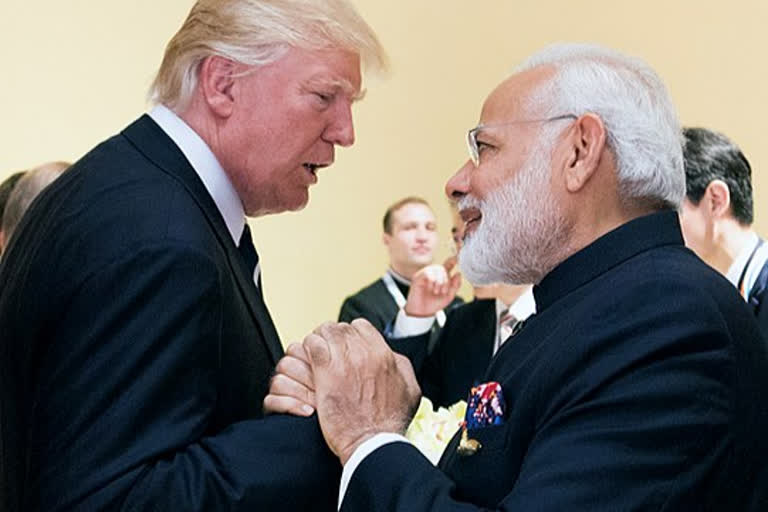
By Nitya Chakraborty Prime Minister Narendra Modi will be meeting the United States President Donald Trump in Washington on February 13. He is going straight to U.S. on a two-day visit after completing his engagement in France on Tuesday, including co-chairing the global AI summit along with the French President Emanuel Macron. For all practical […]

NEOM and DataVolt have entered into a landmark agreement, marking a significant step toward realizing Saudi Arabia’s vision for a sustainable, data-driven economy. This collaboration aims to establish advanced data centers within NEOM, the ambitious megacity under development in the kingdom’s northwest. The partnership focuses on creating state-of-the-art data infrastructure to support NEOM’s technological and environmental goals. DataVolt, recognized for its expertise in developing and operating data […]

By Nantoo Banerjee With Indian Rupee (INR) dwindling almost daily against US Dollar (USD), it is good the Union Budget for 2025-26 has stopped repeating on making the Indian economy a $5-trillion GDP to become the world’s third largest by the end of this year or anytime too soon. The budget also provides no indication […]

Gold prices have surged to an all-time high, reflecting investor anxiety following President Donald Trump’s declaration of a 25% tariff on steel and aluminium imports. Spot gold advanced 1.1% to $2,939.80 per ounce, briefly touching $2,942.70, while U.S. gold futures climbed 1.1% to $2,966.00. This marks the eighth record high for gold this year, underscoring its role as a safe-haven asset amid escalating trade tensions and inflation […]

The Gulf Cooperation Council is on track to see its debt capital market exceed $1 trillion in outstanding issuances by the end of 2025, driven by government initiatives aimed at market development, economic diversification, and the need to fund fiscal deficits and upcoming debt maturities. Fitch Ratings reports that the DCM in the GCC reached $940 billion by the close of the first quarter of 2024, marking a 7% year-on-year increase.

Saudi Arabia and the United Arab Emirates lead the region’s DCM, holding 43% and 30% of the market share, respectively. Approximately 40% of the GCC’s outstanding debt comprises sukuk, with the remainder in conventional bonds. Fitch Ratings, which assesses over 70% of the GCC’s US dollar-denominated sukuk, notes that 81% of these are investment-grade, with no defaults reported.

The anticipated growth in debt issuances is attributed to several factors, including projected declines in oil prices to $65–$70 per barrel in 2025 and 2026, which may prompt increased sovereign borrowing to cover budgetary shortfalls. Additionally, government-led initiatives to enhance debt capital markets and diversify funding sources are expected to play a significant role. Bashar Al Natoor, Global Head of Islamic Finance at Fitch Ratings, emphasizes that “most GCC countries have come a long way in developing their DCMs, with the bloc now accounting for almost a third of total emerging-market dollar issuance, excluding China.”

Despite these advancements, the GCC’s debt capital markets remain less mature compared to more developed regions and exhibit varying stages of development across member states. Saudi Arabia and the UAE possess the most advanced markets, while Qatar and Oman have seen contractions due to debt repayments. Kuwait’s absence of a debt law limits its funding options, and Bahrain continues to rely heavily on DCM access and support from other GCC nations amid persistent deficits.

In the banking sector, GCC banks are projected to issue over $30 billion in US dollar-denominated debt in 2025, a decrease from the record $42 billion issued in 2024. This decline is partly due to the maturation of approximately $23 billion in existing debt, with Qatari banks accounting for about a third of these maturities, and UAE and Saudi banks each representing around a quarter. Fitch Ratings anticipates that most additional Tier 1 instruments with first call dates in 2025 and 2026 will be called, given favorable financing conditions.

The US Federal Reserve is expected to reduce interest rates by 100 basis points in 2025, potentially leading to more favorable financing conditions for GCC banks. Strong credit growth, particularly in Saudi Arabia and the UAE, is also anticipated to support further issuances. In 2024, GCC banks’ US dollar debt issuance reached an unprecedented level, driven by high credit growth in Saudi Arabia, efforts to diversify funding bases, and substantial debt maturities.

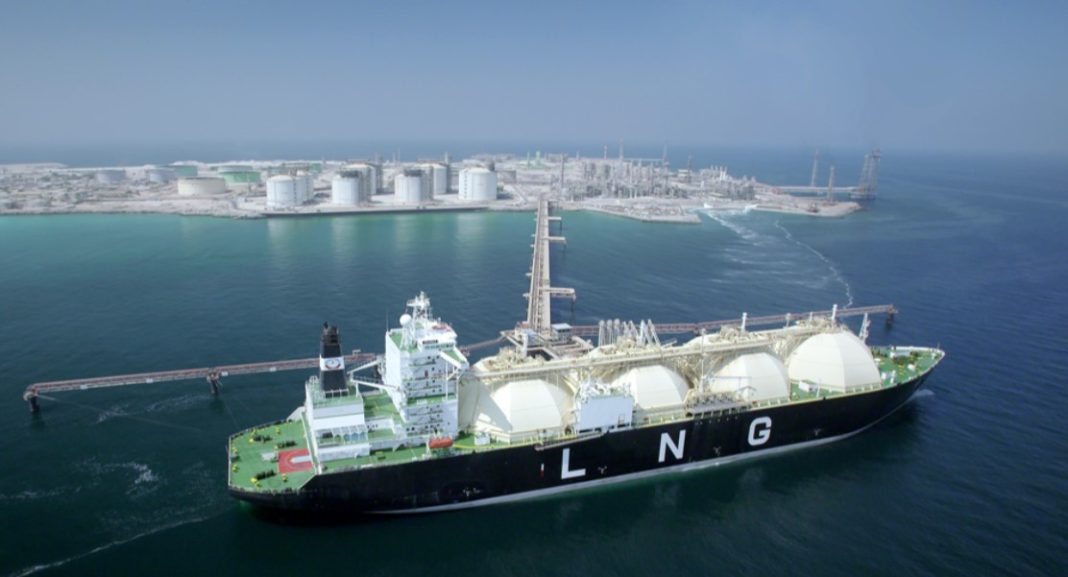
Abu Dhabi National Oil Company has entered into a five-year contract to supply 2.5 million tonnes of liquefied natural gas to Bharat Petroleum Corporation Limited , according to sources familiar with the matter. Under this agreement, BPCL is set to receive 40 LNG cargoes, with deliveries commencing in April. The initial two years will see a gradual increase in supply volumes.

The formal signing of the deal is scheduled during the four-day India Energy Week conference. This partnership underscores the strengthening energy ties between the United Arab Emirates and India, reflecting a mutual commitment to energy security and diversification.

DeepFest 2025, held from 9 to 12 February in Riyadh, has underscored Saudi Arabia’s burgeoning role in the global artificial intelligence arena. The event, co-located with the LEAP technology conference, attracted over 48,000 AI enthusiasts, including thought leaders, data scientists, and innovators from around the world. The Kingdom’s significant progress in AI was highlighted by its ascent to the 14th position globally in the 2024 Global AI […]

Lior Div, the Chief Executive Officer of cybersecurity firm Cybereason Inc., has filed a lawsuit against former U.S. Treasury Secretary Steven Mnuchin and the SoftBank Vision Fund, alleging that their financial maneuvers have jeopardized the company’s financial stability. The legal action centers on claims that the investment strategies employed by Mnuchin’s Liberty Strategic Capital and the SoftBank Vision Fund have placed Cybereason at risk of insolvency.

In 2021, Cybereason secured a $275 million investment led by Liberty Strategic Capital, Mnuchin’s private equity firm. This funding round was intended to bolster the company’s position in the cybersecurity market, with plans to expand its workforce and pursue acquisitions in the Extended Detection and Response and cloud security sectors. The investment was seen as a strategic move to enhance Cybereason’s capabilities in combating sophisticated cyber threats.

However, the lawsuit contends that the terms of the investment and subsequent financial decisions have adversely affected Cybereason’s financial health. Specific details of the alleged detrimental actions have not been disclosed publicly, but the legal filing suggests that the strategies implemented by Mnuchin and the SoftBank Vision Fund have led to significant financial strain on the company.

Cybereason, founded in 2012 by Lior Div, Yonatan Striem-Amit, and Yossi Naar, has been recognized for its innovative approach to cybersecurity, particularly in delivering proactive threat detection and response solutions. The company has previously attracted substantial investments, including a $59 million Series C funding round led by SoftBank in 2015, which facilitated its expansion into the Japanese market.

The involvement of high-profile investors such as Mnuchin and the SoftBank Vision Fund was initially perceived as a vote of confidence in Cybereason’s technology and market potential. Mnuchin, upon leading the 2021 investment, expressed enthusiasm about partnering with Cybereason to defend critical information networks against the growing danger of cyberattacks.

The current legal dispute raises questions about the dynamics between startup companies and their investors, particularly concerning the influence of investment terms on a company’s operational autonomy and financial well-being. The outcome of this lawsuit could have broader implications for the venture capital landscape, especially in the technology sector, where substantial investments are often accompanied by strategic control exerted by investors.

Financial educator and author Robert Kiyosaki has issued a stark warning about an impending market downturn, advising investors to consider assets like Bitcoin, gold, and silver as safeguards. Kiyosaki, renowned for his book *Rich Dad Poor Dad*, has a history of cautioning against economic vulnerabilities and promoting alternative investments.

In a recent communication, Kiyosaki emphasized that the anticipated market crash is now unfolding, affecting various sectors including stocks, bonds, real estate, and commodities such as gold, silver, and Bitcoin. He described the situation as a “brutal crash” and suggested that this period presents an opportunity for investors, as high-quality assets become more affordable. He stated, “The best assets in the world are going on sale.”

Kiyosaki has consistently expressed concerns about escalating global debt levels and the potential for widespread economic instability. He has been a vocal proponent of Bitcoin, viewing it as a hedge against traditional financial system risks. He has previously predicted that a significant market crash would lead to a surge in Bitcoin’s value, urging investors to “Get out of fake and into crypto, as well as gold and silver.”

The financial expert has also criticized traditional education systems for not adequately preparing individuals for financial independence. He argues that schools often train students to become employees rather than investors or entrepreneurs, leaving them ill-equipped to manage their finances during economic downturns. He stresses the importance of financial education, stating that those without it are likely to suffer the most in the event of a market collapse.

Kiyosaki’s investment strategy focuses on assets that he believes can withstand economic turbulence. He advocates for a diversified approach, including investments in physical gold and silver, as well as Bitcoin. He views these assets as protection against currency devaluation and market instability, advising investors to consider them as part of their portfolios.

While Kiyosaki’s predictions have been met with both support and skepticism, his warnings come at a time when global markets are experiencing significant volatility. Recent policy decisions, such as the introduction of new trade tariffs by the U.S. government on countries including Canada, Mexico, and China, have contributed to market instability. These developments have led to substantial losses in various asset classes, prompting investors to seek safer alternatives.

VISHNU RAJA
RYO YAMADA
HITORI GOTOH
IKUYO KITA
Just in:
Miss Universe Hong Kong Jen Zhou Departs for Puerto Rico to Compete in the 75th Miss Universe World Final // UK air traffic outage inflicted £33m financial losses // Beyond the exhibition floor: How robots, AI and networks are moving into the real world // Xi Jinping Preparing For A Trilateral Summit With Trump And Putin At APEC Summit On Nov 18-19 // CR Longdation Aethereal Cybersecurity × Global Cybersecurity Alliance (GCSA) Join Hands to Establish the “AI and Cybersecurity Research Centre” // Asia Left Behind: Ten international companies have yet to report delivering on their cage-free egg pledges across the region // After Reaching 7 Million Users in the Philippines, Skyro Launches Transparent Cash Loans in Malaysia // Geely’s i-HEV Intelligent Hybrid Technology Offers a New Direction for Gasoline-Powered Vehicles // Meraas showcases five residential zones at Dubai Design Week // Hong Kong mandates crypto transaction disclosures to tax authorities // Emirates Group records AED 4.1 billion half-year profit // Trump’s Iran War Has A Share Of Contribution To His Midterm Debacle // Cloudflare unveils Zero Wire vulnerability intelligence service // TVM –Mangaluru Vande Bharat claims top spot // Private varsities bill all set to face the axe // Millions Of Indians May Soon Be Deprived Of Government Assistance // OpenAI identifies 948 Linux privilege escalation flaws using AI // Kochi police detain two actors over bid to honey trap doctor // Oil advances towards $100 as tanker attacks persist // e-Crime Bureau Signs Cybersecurity Partnership With Smart Africa, Reinforcing Its Global Expansion //