News related to
China

Arabian Post Staff -Dubai Oman has launched a $1 billion lithium-ion battery materials project in Sohar Free Zone, marking one of the Sultanate’s most significant moves into the clean-energy manufacturing supply chain and deepening its push to attract advanced industrial investment beyond oil and gas. The project centres on an anode materials production plant with planned annual capacity of up to 200,000 tonnes, a scale that places […]

BYD has moved to reassure drivers over assisted-driving safety by pledging to cover some crash-related losses linked to its God’s Eye system, a step that could reshape expectations in China’s fast-moving smart-vehicle market while leaving key liability limits firmly in place. The Shenzhen-based carmaker said users of God’s Eye A, God’s Eye B and God’s Eye 5.0 would receive one year of cover for accidents occurring while […]

By Nitya Chakraborty Facing the big possibility of China taking control of the new Junta government in Myanmar which took office last month, Indian policy makers are now very keen to give a big push to the India-Myanmar relations covering both economy and security aspects. Myanmar President U Min Aung Hlaing is in India visit […]

The article Facing Major Challenge From China, India Set To Improve Bilateral Relations With Myanmar appeared first on Latest India news, analysis and reports on Newspack by India Press Agency).

Automakers have cut their own discounts on electric vehicles in Germany, signalling a shift in pricing strategy as fresh state support starts to influence the country’s largest clean-car market. The move marks an important turn in Europe’s biggest automotive economy, where manufacturers had relied heavily on rebates after the abrupt end of earlier purchase incentives disrupted demand. Average discounts on the 20 best-selling electric models fell from […]

Super Micro Computer Inc. has sought to turn a Taiwan enforcement action into evidence of active cooperation with authorities after three suspects were arrested and 50 servers were seized over an alleged attempt to divert advanced AI hardware towards restricted China-linked markets.

The California-based server maker said the equipment had first been sold through an authorised reseller before being deceptively acquired and targeted for illicit diversion. Its statement framed the case as a successful intervention rather than a failure of internal controls, stressing that it had worked with Taiwan authorities to stop the movement of high-value systems used in artificial intelligence data centres.

The case has drawn attention because Supermicro sits at the centre of the AI infrastructure boom, supplying servers that integrate advanced graphics processors and networking components used to train and run large AI models. Such systems have become strategically sensitive as Washington, Taipei and allied governments tighten oversight of technology flows to mainland China, Hong Kong and Macau.

Taiwan prosecutors have been investigating suspects accused of falsifying export documents for high-end AI servers containing Nvidia chips. The servers were allegedly routed through Japan as part of an attempt to move restricted technology onwards to China-linked buyers. The seizure of 50 systems, though small compared with global AI server demand, is significant because it shows authorities are now pursuing hardware diversions beyond the better-known routes through Southeast Asia.

Supermicro’s response is also shaped by a separate and larger US criminal case that has placed the company under scrutiny. In March, US prosecutors charged three people linked to Super Micro Computer, including co-founder Yih-Shyan “Wally” Liaw, in an alleged conspiracy to divert about $2.5bn worth of AI server technology to China in violation of export controls. Liaw and another defendant were arrested, while a third defendant was listed as a fugitive. Super Micro Computer itself was not named as a defendant.

That case alleged a sophisticated scheme involving shell companies, false shipping documents, repackaging and dummy servers designed to mislead compliance checks. Prosecutors said controlled AI server technology was moved from the United States to Taiwan before being redirected through intermediary locations to reach Chinese customers. The allegations intensified questions over how manufacturers, distributors and resellers monitor the final destination of advanced hardware once it leaves controlled channels.

Supermicro has denied institutional wrongdoing and has said the conduct alleged in the US case violated company policies. The latest Taiwan-linked statement attempts to reinforce that message by presenting the firm as a partner to investigators. It thanked law-enforcement and legal officials, while saying industry and government must work together to strengthen safeguards and improve supply-chain visibility.

The timing matters for investors. Supermicro has been one of the most closely watched hardware suppliers during the AI build-out, benefiting from surging demand for rack-scale servers used by cloud providers, enterprises and sovereign AI projects. That growth has made export-control compliance a material business risk. A single enforcement case can raise concerns about sales screening, reseller audits, customer identification and shipment tracking, even when the company is not accused of direct wrongdoing.

Nvidia’s position adds another layer to the issue. Its most advanced AI processors remain central to global data-centre expansion, and restrictions on sales to China have forced chipmakers and server companies to navigate a shifting regulatory environment. Nvidia has repeatedly said it follows export rules and does not support unlawfully exported products. Its chief executive, Jensen Huang, has also underlined that server vendors must maintain their own compliance standards when handling systems containing restricted chips.

The Taiwan action highlights a broader enforcement shift. Authorities are no longer focused only on chip shipments; fully assembled AI servers are now a priority because they can be more difficult to trace after integration. Servers may contain restricted processors, specialised networking, memory and cooling systems that together create the computing power needed for frontier AI workloads. Once such systems are broken into multiple shipments or passed through resellers, detecting diversion becomes more complex.

China-linked hacking groups have used the Middle East war to intensify cyber-espionage attempts against maritime, energy and political targets across the Gulf, exposing how regional conflict is being turned into an intelligence-gathering opportunity for rival powers. The activity, tracked between October 2025 and March 2026, shows threat actors aligned with Beijing moving quickly around geopolitical shocks, particularly after the escalation involving Iran from late February. Maritime affairs, […]

China’s Communist Party has named Guan Zhiou, the country’s natural resources minister, as Party secretary of Hubei, placing a cabinet-level official with land, forestry and planning experience in charge of one of central China’s most important industrial provinces.

Guan replaces Wang Zhonglin, who has been removed from the posts of Hubei Party secretary, standing committee member and provincial committee member, with a further assignment to be announced. The decision was conveyed at a provincial leadership meeting in Wuhan on May 30, where the central authorities described the change as part of a broader assessment of Hubei’s leadership needs and development priorities.

The appointment gives Guan control of the top political office in a province that sits at the centre of China’s inland transport network and plays a strategic role in advanced manufacturing, water management, grain logistics and Yangtze River economic planning. Hubei’s capital, Wuhan, is a major base for automotive production, optoelectronics, universities, biomedical research and high-end equipment, making the province a testing ground for Beijing’s effort to combine industrial upgrading with regional balance.

Guan, born in December 1969 in Shenyang, Liaoning province, is 56 and a member of the Manchu ethnic group. He holds a doctorate in science and is an alternate member of the 20th Communist Party Central Committee. His career has moved through county administration, municipal planning, provincial government, propaganda work, forestry governance and national resource management, giving him a profile that spans both local economic administration and central regulatory oversight.

His move to Hubei comes less than two years after he rose to the Ministry of Natural Resources, where he became Party secretary and minister in December 2024. That ministry oversees land use, mineral resources, territorial spatial planning, marine resources, surveying and natural resource supervision, areas closely tied to China’s drive to improve food security, industrial self-reliance, ecological protection and urban development discipline.

Before entering the central government, Guan spent much of his early career in Liaoning, including posts linked to Shenyang’s planning and land resources system, Faku county administration, agricultural affairs and provincial government coordination. He later served on the Liaoning provincial Party standing committee and chaired the provincial federation of trade unions. A transfer to Shandong in 2018 placed him in charge of propaganda work and education-related Party responsibilities before his move to Beijing in 2020 to lead the National Forestry and Grassland Administration.

That background is likely to shape his work in Hubei, where economic policy is intertwined with land redevelopment, ecological protection along the Yangtze, flood control, industrial zoning and rural revitalisation. Hubei has long been central to China’s “Rise of Central China” strategy, but it also faces familiar pressures, including uneven local government finances, competition for investment, the need to raise household consumption and the challenge of moving manufacturers up the value chain.

Hubei’s economy expanded to 6.266 trillion yuan in 2025, growing 5.5 per cent year on year. Wuhan’s output reached 2.215 trillion yuan, up 5.6 per cent, reinforcing the city’s role as the province’s growth engine. Provincial authorities have set a 2026 growth target of about 5.5 per cent, alongside efforts to keep surveyed urban unemployment at about 5.5 per cent, signalling a policy mix focused on steady expansion, employment and industrial resilience.

The province’s leadership team now pairs Guan with Governor Li Dianxun, who has emphasised manufacturing, consumption, technological innovation and service-sector upgrading in this year’s government work agenda. Hubei has sought to attract investment into automotive components, new energy supply chains, digital industries and cultural consumption, while also promoting Wuhan’s role as a national science and education hub.

Guan’s appointment also reflects a wider pattern in China’s cadre management, where central authorities rotate officials between ministries and provinces to align local governance with national policy priorities. Hubei has political significance beyond its economic weight because of Wuhan’s transport links, its university and research base, and its position along the Yangtze River, a corridor Beijing regards as vital to both industrial security and environmental protection.

Wang Zhonglin, Guan’s predecessor, had led Hubei since late 2024 after serving as governor and, earlier, Party secretary of Wuhan during the city’s post-pandemic recovery. His next role has not been disclosed, leaving the latest move as part of an unfinished personnel sequence at provincial level.

Advertisements

Arabian Post Staff -Dubai UAE President His Highness Sheikh Mohamed bin Zayed Al Nahyan was represented at the Eurasia Economic Forum 2026 in Astana by Dr Thani bin Ahmed Al Zeyoudi, Minister of Foreign Trade, as Abu Dhabi moved to strengthen commercial links with a region central to new supply chains, logistics corridors and investment flows. The forum, held on May 28 and 29 alongside the Supreme […]

BANGKOK/SINGAPORE – Media OutReach Newswire – 29 May 2026 – Vinpearl Joint Stock Company announced a series of strategic partnerships and agreements with Agoda, AirAsia MOVE, BeMyGuest, and GlobalTix, leading regional players in online travel, aviation, and experience distribution. These collaborations are aimed at expanding access to international travelers, strengthening the global presence of the Vinpearl, VinWonders, Vinpearl Golf, and VinPalace ecosystem, and bringing Vinpearl’s hospitality, leisure, and entertainment offerings to a broader audience across international markets.

Photo1.jpg

The agreements were signed at the Vietnam-Thailand Business Forum and the Vietnam-Singapore Technology Connectivity Forum, held as part of Party General Secretary and State President To Lam’s official visits to the Kingdom of Thailand, the Republic of Singapore, and the Republic of the Philippines from May 28 to June 1, 2026.

In Thailand, Vinpearl announced the expansion of its strategic partnerships with Agoda and AirAsia MOVE to strengthen the international presence of its integrated tourism, hospitality, and entertainment ecosystem.

Through Agoda, one of the world’s largest online travel platforms, Vinpearl aims to optimize business performance across its tourism, hospitality, and entertainment portfolio while expanding its reach in key markets including Southeast Asia, India, the Middle East, Australia, and long-haul international traveler segments. The partnership also marks a new milestone for VinWonders, with its integrated leisure and hospitality products now being offered directly through Agoda’s global platform.

The partnership with AirAsia MOVE is designed to broaden international access to Vinpearl and VinWonders hospitality, leisure, and entertainment offerings in Phu Quoc, Nha Trang, and Da Nang-Hoi An through one of the region’s leading digital travel platforms. Via AirAsia MOVE, travelers can conveniently book flights, accommodations, and attractions within a single itinerary, making it easier to choose integrated Vinpearl and VinWonders experiences when visiting Vietnam.

With access to a network of more than 700 airlines and over one million hotels worldwide, AirAsia MOVE is expected to further strengthen the visibility of the Vinpearl and VinWonders ecosystem among international travelers, while also enhancing Vietnam’s appeal as a destination for visitors from ASEAN and other key global markets.

Photo2.jpg

In Singapore, Vinpearl also signed partnership agreements with BeMyGuest and GlobalTix, two of the Asia-Pacific region’s leading technology and distribution platforms for travel experiences.

Supported by extensive partner networks and some of the region’s most diverse travel product portfolios, these collaborations are expected to strengthen the presence of the VinWonders brand across Southeast Asia, China, and India, while expanding international access to unique experience offerings in Nha Trang, Phu Quoc, and Da Nang.

Through these agreements, the partners will leverage their respective strengths in technology, distribution, and customer ecosystems to progressively expand the international footprint of Vinpearl and VinWonders while enhancing the global appeal of Vietnamese tourism.

Ms. Ngo Thi Huong, Chief Executive Officer, Vinpearl, said: “These partnerships not only expand Vinpearl’s network of strategic partners but also create a strong foundation for the Vinpearl and VinWonders ecosystem to connect more deeply with global traveler segments through some of the region’s leading travel, aviation, and distribution platforms. This represents an important step in our strategy to strengthen international competitiveness and position Vinpearl destinations among the top choices for travelers across Asia.”

Mr. Krishna Rathi, Associate Vice President, Supply, Agoda, said: “With its extensive scale of operations, diverse portfolio, and ability to develop integrated destinations, Vinpearl is one of the most outstanding partners in Vietnam’s tourism industry today. We believe this partnership will help the Vinpearl and VinWonders ecosystem engage more deeply with rapidly growing international traveler segments across Asia and global markets.”

Ms. Nadia Omer, Chief Executive Officer, AirAsia MOVE, said: “We highly value the opportunity to partner with Vinpearl in unlocking strategic collaboration potential within one of Southeast Asia’s most dynamic and fast-growing tourism markets. As an OTA platform with a comprehensive travel ecosystem and extensive regional connectivity, AirAsia MOVE is committed to further enhancing travel connectivity and intra-regional tourism flows. Vietnam is emerging as one of the region’s brightest tourism destinations, and we believe the combination of Vinpearl’s leading hospitality and entertainment ecosystem with AirAsia MOVE’s distribution and connectivity capabilities will create significant growth opportunities for the tourism sector in the years ahead.”

The partnerships with Agoda, AirAsia MOVE, BeMyGuest, and GlobalTix mark another milestone in Vinpearl’s strategy to internationalize its tourism, hospitality, and entertainment ecosystem while expanding the presence of Vinpearl and VinWonders accommodation, leisure, and experience offerings across global travel platforms.

Hashtag: #Vinpearl

The issuer is solely responsible for the content of this announcement.

About Agoda

Agoda is a global online travel platform offering more than six million accommodation options, including hotels, resorts, apartments, and vacation villas, as well as flight bookings, travel activities, and related travel services. Headquartered in Singapore, Agoda is part of Booking Holdings (Nasdaq: BKNG). The platform operates in 39 languages, provides 24/7 customer support, and employs more than 7,500 people worldwide.

About AirAsia MOVE
AirAsia MOVE (MOVE) is the digital travel platform of Capital A Group and has been recognized by the World Travel Tech Awards as Asia’s Best Travel Booking App for three consecutive years since 2023. Focused on building a comprehensive travel ecosystem, MOVE delivers affordable, seamless, and personalized travel experiences across Southeast Asia and international markets.

The platform currently connects travelers to more than 700 airlines and over one million hotels worldwide while offering a wide range of services including attraction tickets, airport transfers, travel insurance, and integrated travel products. AirAsia MOVE also enhances user experience through its loyalty program and AskBo, an AI-powered travel chatbot.

About BeMyGuest
BeMyGuest is a Singapore-based travel technology company founded in 2012, specializing in booking and distribution solutions for attractions, tours, and travel experiences across the Asia-Pacific region. Its ecosystem includes the Distribution Network and Xplore Booking System, which support sales management, multi-channel distribution, and digital operations for thousands of partners in the experience tourism industry. BeMyGuest is connected to numerous online travel platforms and international distribution partners while providing multilingual solutions and flexible pricing models for integrated systems.

About GlobalTix
GlobalTix is a global technology and distribution platform for attractions, tours, and travel experiences, headquartered in Singapore with operations across multiple Asia-Pacific markets. Founded in 2013, GlobalTix enables attractions and experience operators to connect with travel agencies, online travel platforms, and international distribution partners through a unified platform. Its partners include major brands such as Mount Faber Leisure Group, Taman Safari Indonesia, Mandai Wildlife Group, National Gallery Singapore, and Singapore Airlines.

About Vinpearl

Vinpearl is Vietnam’s leading hospitality, tourism, and entertainment brand, currently operating 60 properties across 20 provinces and cities nationwide. Its ecosystem includes a network of five-star hotels and resorts with more than 17,500 rooms; 15 VinWonders theme parks featuring attractions for visitors of all ages; six world-class golf courses; and three VinPalace convention and performing arts centers. The portfolio also includes two semi-wildlife conservation and care parks, an equestrian academy, and million-dollar live-action performance shows in destinations such as Nha Trang and Phu Quoc, attracting millions of visitors each year.

Japan’s biggest automakers lost momentum in April as weaker demand in China, the Middle East and parts of the global export market pulled down combined sales, even as Suzuki delivered a sharp rise on the strength of demand in India. Eight major Japan-based carmakers sold 1,936,042 vehicles worldwide during the month, a 1.3% fall from a year earlier. The decline highlighted the uneven conditions facing an industry […]

HONG KONG SAR – Media OutReach Newswire – 28 May 2026 – Hong Kong has overtaken Switzerland as the world’s top cross-boundary wealth management centre, according to the latest Global Wealth Report 2026 published by the Boston Consulting Group (May 27).

Hong Kong has emerged as the world's largest cross-boundary wealth management centre
Hong Kong has emerged as the world’s largest cross-boundary wealth management centre

Hong Kong’s cross-boundary wealth rose 10.7% in 2025 to US$2.9 trillion, driven by Chinese Mainland flows and a vigorous stock market that delivered significant IPO (initial public offering) activity and strong gains in benchmark-heavy internet platforms, according to the report. It also projected that, from 2025 to 2030 the cross-boundary wealth managed by Hong Kong will grow by 9% on average annually and maintain first place globally, fully affirming Hong Kong’s position as a world-leading cross-boundary wealth management centre.

Paul Chan, Financial Secretary of the Hong Kong Special Administrative Region Government (HKSARG), highlighted that China’s National 15th Five-Year Plan clearly supports Hong Kong in strengthening its functions as an international asset and wealth management centre, which is also a key component of Hong Kong’s ‘Finance +’ development strategy.

“Over the past few years, the Government has worked closely with the financial sector to continuously improve the financial infrastructure and ecosystem, expand the range of investment products and risk management tools, and deepen the connectivity with capital markets around the world.

“Leveraging the advantages of ‘one country, two systems’, complemented by free, open, transparent, and predictable economic policies as well as a stable and secure investment environment, and cross-market connectivity, Hong Kong is attracting more and more ultra-high-net-worth individuals and family offices to establish a presence and invest in the city,” Mr Chan said.

Hong Kong rises to world's top cross-boundary wealth management centre (1).jpg

Christopher Hui, Secretary for Financial Services and the Treasury of the HKSARG, noted that the Government had issued the Policy Statement on Developing Family Office Businesses in Hong Kong in March 2023 and has since implemented various measures to encourage family offices to operate in Hong Kong. Such initiatives, he said, include providing profits tax concession to family-owned investment holding vehicles managed by eligible single family offices and introducing the New Capital Investment Entrant Scheme.

“The Government will introduce legislative proposals into the Legislative Council next month (June 2026) to further enhance the preferential tax regimes for funds, single family offices and carried interest, so as to further enhance the competitiveness of the tax regimes, and attract more funds and family offices to set up and operate in Hong Kong,” Mr Hui said.

According to a study commissioned by Invest Hong Kong and published in February 2026, there were over 3,380 single family offices operating in Hong Kong as of end-2025, representing an increase of more than 25%, over the past two years.

Hashtag: #HongKong #BrandHongKong #Global #Wealth #Management #Top


The issuer is solely responsible for the content of this announcement.

Highlights of FY25/26 Results

  • Group sales US$3,650 million – up 0.1% compared to the prior year; a decrease of 2% on a constant currency basis
  • Gross profit US$840 million or 23.0% of sales (compared to US$843 million or 23.1% of sales in the prior year)
  • Adjusted EBITA US$287 million or 7.9% of sales (compared to US$344 million or 9.4% of sales in the prior year)
  • Net profit attributable to shareholders totalled US$202 million – a decrease of 23% compared to the prior year
  • Net profit, excluding non-cash unrealized currency movements, restructuring costs, impairment of certain intangible assets, and adverse fair value movements in investments, declined by 13% to US$234 million
  • Free cash flow from operations totalled US$217 million compared to US$286 million in the prior year
  • A recommended final dividend of 44 HK cents per share (5.64 US cents)
  • As of 31 March 2026, cash reserves amounted to US$902 million (compared to US$791 million at the prior year end); and the ratio of total debt to capital was 10%

HONG KONG SAR – Media OutReach Newswire – 28 May 2026 – Johnson Electric Holdings Limited (“Johnson Electric”), a global leader in electric motors and motion subsystems, today announced its results for the twelve months ended 31 March 2026.

Group sales for the 2025/26 financial year were US$3,650 million, an increase of 0.1% compared to the prior year. Net profit attributable to shareholders decreased by 23% to US$202 million or 21.59 US cents per share on a fully diluted basis. Adjusted net profit, excluding the effects of non-cash foreign exchange rate movements, the impairment of intangible assets, restructuring charges, and adverse fair value movements in investments, declined by 13% to US$234 million.

Sales Performance

The Automotive Products Group (“APG”) achieved sales of US$3,054 million, which amounted to 84% of total Group sales. Excluding currency effects, APG’s sales decreased by 3%.

Global automotive industry production volumes increased slightly over the prior year, but growth remains lacklustre in most markets due to affordability concerns and the challenges faced by OEMs and suppliers in adjusting to geopolitical uncertainty, tariff pressures, and the shifting economics of battery electric vehicles that continue to be shaped by the level of government subsidies available to consumers.

APG’s sales are divided broadly equally across the three major geographic regions of demand, but performance over the past year reflected distinct variations in local market conditions, as well as APG’s own mix of OEM customers and the timing of new program launches.

In Asia, the division’s sales declined by 7% on a constant currency basis primarily due to the ongoing erosion in market share held by Sino-foreign joint venture OEM customers in China. APG has continued to win significant new business awards from Chinese domestic OEMs and their suppliers, which now account for the majority of its sales in China. However, the division’s historically large share among joint venture customers has acted as a drag on its recent sales performance that is taking time to reverse. The domestic passenger vehicle market in China itself experienced a sharp slowdown in sales in the first quarter of 2026 due to the phasing out of trade-in subsidies designed to encourage the purchase of electric vehicles.

APG’s sales to the Americas increased by 1% on a constant currency basis in a market that saw total light vehicle production volumes broadly flat. The predominant factor constraining new car sales in North America is cost of living concerns, with many low to middle income car buyers struggling to afford new vehicles that, on average, have increased in price by over 30% since 2020.

In Europe, APG’s sales decreased by 2% on a constant currency basis. The European auto market continues to experience sluggish consumer demand at the same time that OEMs are hampered by excess production capacity and the impact of shifting emissions regulations on their product model line-ups.

APG’s strategy in the context of the varied and unpredictable operating environment for component suppliers is, firstly, to focus on bringing to market innovative motion technologies that enable electrification, reduce emissions, and enhance passenger safety and comfort. Secondly, APG aims to offer its diverse base of customers an unrivalled total cost and value proposition that combines speed, scale, and reliability of production with an adaptable global operating footprint.

The Industry Products Group (“IPG”) achieved sales of US$596 million – an increase of 2% compared to the prior year on a constant currency basis. After three successive years of declining sales, this marks an important return to growth for the division. In more commoditized product application segments, new business development has been redirected towards the rapidly growing base of Chinese manufacturers who are capturing an increasing share of the global market for consumer and commercial hardware goods – particularly for low-priced, entry-level products. In parallel, IPG is focused on supplying motion subsystem solutions to more specialized, higher-growth segments, including humanoid robotics, warehouse automation, medical devices, semiconductor manufacturing equipment, and liquid cooling applications.

Gross Margins and Operating Profitability

The Group’s gross profit of US$840 million, or 23.0% of sales, was essentially flat compared to the prior financial year. Slight increases in production staff costs, depreciation, and raw materials were offset by savings in other production overheads and direct labour.

Reported earnings before interest, tax and amortization (“EBITA”) amounted to US$258 million, a decrease of 22% compared to US$331 million achieved in the prior year. The decline was due to a combination of factors, including higher selling and administrative staff costs and other provisions, an impairment of intangible assets arising from a past acquisition, and reduced other income due to an adverse net change in the fair value of certain investments.

Net Profit and Financial Condition

Net profit attributable to shareholders decreased by 23% to US$202 million or 21.59 US cents per share on a fully diluted basis. Adjusted net profit, excluding the effects of non-cash foreign exchange rate movements, the impairment of intangible assets, restructuring charges, and adverse fair value movements in investments, amounted to US$234 million compared to US$268 million in the prior year.

The Group’s overall financial condition remains robust with a total debt to capital ratio of 10%, an interest coverage ratio of 22 times, and year-end cash reserves of US$902 million.

Dividends

The Board considers it appropriate to recommend maintaining the final dividend of 44 HK cents (5.64 US cents) per share, which together with the interim dividend of 17 HK cents per share, represents a total dividend of 61 HK cents (7.82 US cents) per share.

Chairman’s Comments on the Annual Results and Outlook

Commenting on the annual results for the financial year 2025/26, Dr. Patrick Wang, Chairman and Chief Executive, said, “Operating conditions for global manufacturing businesses during the financial year 2025/26 remained challenging, with end-market demand in most regions subdued and geopolitical events and uncertainties placing upward pressure on input costs.”

Dr. Patrick Wang further commented: “In the face of these headwinds, Johnson Electric maintained its long-standing resilience with sales and gross profit margins both holding up comparatively well. The bottom-line result, however, was negatively impacted by the effects of higher overhead expenses on a flat sales base, adverse net changes in the fair value of investments, and a non-cash intangible assets impairment charge.”

Concerning the near-term financial outlook, Dr. Patrick Wang said: “The global economy demonstrated resilience over the past year, despite the protracted conflict between Russia and Ukraine and the geopolitical shock of tariffs being imposed on US imports of goods from almost all countries. Looking ahead, the unstable and unpredictable conditions for trade and global manufacturing have been made even more precarious by the outbreak of war in the Middle East.”

“Johnson Electric has a long-standing track record in successfully navigating volatile global markets. In the near term, with geopolitical and macro-economic dynamics impossible to forecast with precision, management remains focused on cost control, managing the effects of inflation, and maintaining a prudent financial risk profile.”

“In parallel, however, we are also committed to invest in adapting and scaling our business model to meet strong underlying demand for our motion subsystem solutions in several high-growth end-markets and new product applications. Included among these are: thermal management systems for electric and hybrid vehicles that depend on a combination of water pumps, valves and actuators to support optimal vehicle cabin temperature, extend electric vehicle driving range, and contribute to longer battery life; solid oxide fuel cell power generation systems that are becoming established as an important source of low-emission, on-site electricity supply to AI data centres; and AI-enabled humanoid robots, which are widely viewed as one of the most significant industrial and commercial opportunities over the next ten to twenty years.”

Forward Looking Statements

This news release contains certain forward looking statements with respect to the financial condition, results of operations and business of Johnson Electric and certain plans and objectives of the management of Johnson Electric.

Words such as “outlook”, “expects”, “anticipates”, “intends”, “plans”, “believe”, “estimates”, “projects”, variations of such words and similar expressions are intended to identify such forward looking statements. Such forward looking statements involve known and unknown risk, uncertainties and other factors which may cause the actual results or performance of Johnson Electric to be materially different from any future results or performance expressed or implied by such forward looking statements. Such forward looking statements are based on numerous assumptions regarding Johnson Electric’s present and future business strategies and the political and economic environment in which Johnson Electric will operate in the future.

Note to Editors and Securities Analysts: The full text of the Annual Results announcement, includingfinancial statements, is available through the Investors section of company’s website at www.johnsonelectric.com
Hashtag: #JohnsonElectric

The issuer is solely responsible for the content of this announcement.

About Johnson Electric Group

At Johnson Electric, our vision is to be the world’s definitive provider of innovation and reliable motion systems.

We are a global leader in electric motors, actuators, motion subsystems and related electro-mechanical components, serving a broad range of industries including Automotive, Liquid Cooling, Robotic Joints, Smart Metering, Business Equipment, Ventilation, Home Automation, Large Appliances, Power Tools, Medical Devices and Lawn & Garden Equipment. The Group is headquartered in Hong Kong and employes over 30,000 individuals in more than 20 countries worldwide. We are listed on The Stock Exchange of Hong Kong Limited ( Stock no. 179). For further information, please visit: .

BINZHOU, CHINA – Media OutReach Newswire – 27 May 2026 – The Information Office of Binzhou Municipal People’s Government recently held a press conference to officially release the Outline of the 15th Five-Year Plan for National Economic and Social Development of Binzhou City (hereinafter referred to as “the plan”). The plan sets forth the overarching goals, primary tasks, and major initiatives guiding the city’s economic and social trajectory from 2026 to 2030, charting a comprehensive blueprint for the coming five years.

The scenery of Binzhou City

During the conference, city officials reviewed the achievements of the “14th Five-Year Plan” period, noting that the progress made over the past five years has laid a solid foundation for the upcoming phase. The formulation of the new plan adhered to an open and inclusive approach, extensively incorporating feedback from various sectors of society. Following 36 rounds of revisions, the finalized document comprises 16 chapters and 77 sections, supported by 528 key projects designated for implementation.

The plan highlights five distinct features and centers on the comprehensive elevation of the city’s “Eight Qualities,” covering industrial development, innovation capacity, openness, ecological environment, cultural and humanistic development, public services, governance systems, and quality of life. Relevant officials further elaborated on key priorities, including the development of a modern industrial system, science and technology innovation-driven growth, advancement of new industrialization, implementation of the rural revitalization strategy, and optimization of public welfare and well-being.

Binzhou officials emphasized that the plan is not merely a policy document, but a strategic choice and action commitment for the city’s development toward 2030. Over the next five years, Binzhou is poised to fulfill its mission of “taking the lead and shouldering greater responsibilities.” Guided by the plan, the city will continue to exert effort in enhancing urban quality, driving innovation-led transformation, and improving public well-being, thereby writing a distinctive chapter of development within China’s broader journey toward modernization.

Hashtag: #BinzhouInformationOffice

The issuer is solely responsible for the content of this announcement.

Another significant step towards the success of ICVAX®

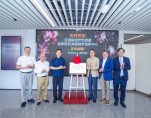
HONG KONG SAR – Media OutReach Newswire – 27 May 2026 – Immuno Cure Group (“Immuno Cure“), headquartered at Hong Kong Science Park, is pleased to announce the inauguration of the research facility for its HIV therapeutic DNA vaccine (“ICVAX®“) at the Center of International Innovation for Technology and Science (“CIITS”) located in Hetao, Shenzhen. The facility aims for the development and application of key technologies for the clinical research and commercialization of Immuno Cure’s ICVAX®. ICVAX® is developed by Immuno Cure with the aim of achieving antiretroviral therapy (“ART“)-free functional cure for HIV infection. This project is carried out in collaboration with Prof. Zhiwei CHEN, the Founding Director of the AIDS Institute of Li Ka Shing Faculty of Medicine, the University of Hong Kong (“HKU AIDS Institute“), and Prof. Hongzhou LU, President of the Third People’s Hospital of Shenzhen, in the capacity as advisors.

From left to right: Dr.Tengfei CAO, Deputy Director of CIITS; Mr. Tom LAU, Corporate Finance Director and Co-Founder of Immuno Cure; Dr. Renchen LIU, Executive Deputy Dean of Research Institute of Tsinghua University in Shenzhen and Director of CIITS; Dr. Xia JIN, CEO and Co-Founder of Immuno Cure; Prof. Zhiwei CHEN, Principal Scientific Advisor and Co-founder of Immuno Cure; Dr. Percy CHENG, Chairman and Co-Founder of Immuno Cure

CIITS is a national-level achievement transformation platform co-built by Guangdong Province, Shenzhen Municipality, and Tsinghua University, and is located at the Hetao Shenzhen-Hong Kong Science and Technology Innovation Co-operation Zone (“Hetao Co-operation Zone“). It is committed to building a world’s leading major technological innovation and industrialization platform with a global perspective. It focuses on key tracks including biomedicine, high-performance materials, and artificial intelligence (AI). It aims to aggregate global innovation resources, connect with leading enterprises, and conduct organized scientific research and achievement transformation to address national major strategic needs.

Since AIDS was first identified in 1981, 40.8 million people have died from HIV infection, with over 44.1 million people living with HIV globally. While antiretroviral therapy can effectively control HIV replication, it cannot cure the disease, highlighting the critical need for immunotherapies. Designed to enhance the host’s immune response, immunotherapies aim to achieve sustained viral control without lifelong ART, ultimately leading to complete viral suppression and functional cure. Immuno Cure’s proprietary innovative HIV therapeutic DNA vaccine, ICVAX®, induces broad-spectrum, polyfunctional virus-specific T cells to achieve the ultimate goal of ART-free functional cure of HIV infection.

Immuno Cure completed the first-in-human Phase I clinical trial of ICVAX® in November 2024, demonstrating excellent safety and promising immunogenicity. Two multi-center Phase II clinical trials—randomized, double-blind, and placebo-controlled—are scheduled to launch in Q2-2026 to evaluate the vaccine’s mechanism of action and efficacy. The trials will be conducted at Prince of Wales Hospital in Hong Kong, as well as eight top-tier hospitals in China, including the Shenzhen Third People’s Hospital, Beijing Ditan Hospital Affiliated to Capital Medical University, Beijing Youan Hospital affiliated to Capital Medical University, the Eighth People’s Hospital of Guangzhou, the Second People’s Hospital of Tianjin, the Sixth People’s Hospital of Zhengzhou, Chengdu Public Health Clinical Medical Center, and Chongqing Public Health Medical Center.

Notably, standardized testing systems for evaluating immunological and virological indicators are crucial for HIV vaccine clinical trials. However, the lack of domestic standard operating procedures (SOPs) for infectious samples in clinical trials hinders the clinical development and regulatory approval of novel infectious disease therapies like ICVAX®. The mission of this research facility at CIITS is to establish an internationally aligned standardized clinical testing system for T-cell immunogenicity and viral reservoirs, as well as identify core biomarkers associated with vaccine efficacy — filling a domestic technical gap. Immuno Cure will offer the ICVAX® Phase II clinical trial to facilitate the development of this standardized precision testing method for clinical sample analysis.

Dr. Xia JIN, CEO of Immuno Cure, stated, “I am delighted to be appointed to lead this key project of CIITS. I would also like to thank CIITS for the fully fitted modern laboratory space and the RMB10.0m funding support for this 2-year initial phase. My whole scientific team is committed to contributing diligently to the success of this project. I have no doubt that the development of a standardised testing regime would not only enhance the quality of our clinical trials for ICVAX® but would also eventually be adopted as industry and national standards for the clinical translation of medicine for HIV/AIDS and other infectious diseases.

Renchen LIU, Executive Deputy Dean of Research Institute of Tsinghua University in Shenzhen and Director of CIITS, stated, “Warmest congratulations on the inauguration of the research facility for ICVAX® at the CIITS. In the future, CIITS will continue to leverage its platform resources to implement full-chain incubation services. Project managers will provide service support throughout the entire project period, ensuring the smooth progress of the project through resource integration, talent recruitment and development, clinical collaboration, and achievement transformation. These efforts will safeguard the steady progress of the project.”

As the project advances, Immuno Cure’s ICVAX® is positioned to become the world’s first therapeutic DNA vaccine to deliver an ART-free functional cure for HIV infection, bringing new hope to people currently living with HIV. In parallel, the standardized testing platform and collaborative innovation model developed through this effort will provide a scalable, replicable blueprint for R&D of novel therapies targeting other major infectious diseases. Together, these outcomes will strengthen the global competitiveness of biomedicine development in GBA and contribute to the development of national biosecurity capabilities and a more resilient public health system.

Hashtag: #ImmunoCure


The issuer is solely responsible for the content of this announcement.

About the Center of International Innovation for Technology and Science (“CIITS”)

Center of International Innovation for Technology and Science (CIITS), as the international headquarter of the Greater Bay Area National Center of Technology Innovation (GBA NCTI), is operated by Research Institute of Tsinghua University in Shenzhen (RITS). CIITS actively promotes the commercialization of technology and scientific advances with overseas and domestic innovation institutions and teams, as well as industry partners, focusing on areas such as biomedicine, advanced materials and artificial intelligence.

To learn more about CIITS, please follow the WeChat official account: gh_425f503135d5

About Immuno Cure

Immuno Cure is a clinical-stage biotechnology group headquartered at Hong Kong Science Park. Immuno Cure is committed to the R&D of innovative DNA vaccines and antibody immunotherapies for infectious diseases, inflammations, and cancers. Immuno Cure possesses two technologies: the “PD-1 Enhanced DNA Vaccine Platform” and the “Anti-Δ42PD1 Antibody”.

To learn more about Immuno Cure, please visit:

Brussels faces resistance from Germany and Spain over a proposed EU-wide move to force telecom operators to remove Huawei and ZTE equipment from critical networks, exposing a rift between the European Commission’s security agenda and national concerns over cost, timing and market disruption. Officials in Berlin and Madrid are pushing back against plans that would turn the EU’s existing 5G security guidance into binding law, arguing that […]

ByteDance is weighing capital expenditure of as much as $70 billion this year as the TikTok owner accelerates an artificial intelligence push aimed at strengthening its position in China’s intensifying technology contest. The Beijing-based group is discussing one of the largest spending programmes by a private technology company outside the United States, with funds expected to go into data centres, AI chips, networking equipment and model development. […]

Arabian Post Staff -Dubai Washington is pressing ahead with claims of progress toward a peace deal with Tehran, even as fresh US strikes on targets in southern Iran and renewed uncertainty over the Strait of Hormuz exposed the fragility of efforts to end a war approaching its third month. The latest flare-up came after US forces struck what they described as missile launch sites and mine-laying boats, […]

Qualcomm has secured a major opening in artificial intelligence infrastructure through a deal to supply ByteDance with chips for AI data centres, giving the San Diego-based group a high-profile customer as it pushes beyond its traditional smartphone processor business. The agreement covers application-specific integrated circuits, or ASICs, designed to support AI workloads in ByteDance’s expanding data-centre operations. The chips are expected to be used for AI agent […]

China’s e-commerce industry expanded steadily in the first four months of 2026, reinforcing its role as a major support for consumption even as the broader economy showed signs of uneven demand and weaker momentum in traditional retail channels.

Online retail sales of goods and services rose 6.6 per cent year on year in January-April, reaching about 6.53 trillion yuan, as digital platforms continued to draw shoppers through discounts, livestreaming, faster delivery and wider service offerings. Online retail sales of goods contributed 72.2 per cent to the growth of total retail sales of consumer goods, underlining the sector’s importance to household consumption and the wider services economy.

The performance stood out against a softer macroeconomic backdrop. Total retail sales of consumer goods increased 1.9 per cent year on year to 16.49 trillion yuan in the first four months, while April’s retail sales rose only 0.2 per cent from a year earlier, slowing sharply from March. Industrial output also moderated in April, while fixed-asset investment weakened in the January-April period, adding pressure on policymakers to keep consumption and digital commerce at the centre of growth-support measures.

Food, apparel, daily necessities and services remained key pillars of online demand. Online sales of agricultural products rose 12.2 per cent during the four-month period, reflecting stronger farm-to-consumer supply chains and the growing ability of digital platforms to connect rural producers with urban buyers. E-commerce transactions involving metal products climbed 34.8 per cent, while chemical products rose 12.2 per cent, signalling that business-to-business digital trade is becoming a larger part of the sector’s expansion.

Services delivered some of the strongest growth. Online tourism sales jumped 33.2 per cent, while online catering sales rose 20 per cent, helped by domestic travel demand, app-based restaurant bookings, group-buying promotions and instant delivery networks. This shift has broadened the definition of e-commerce beyond parcel delivery, making it a channel for local services, entertainment, travel and food consumption.

China’s major platforms remain central to the sector’s trajectory. Alibaba continues to rely on Taobao and Tmall while pushing faster local delivery through integrated quick-commerce services. JD. com is using its logistics network to defend its position in electronics, household goods and same-day fulfilment. Pinduoduo remains a powerful force in value-led shopping, while Douyin and Kuaishou have expanded livestream commerce by converting entertainment traffic into direct sales. Meituan has become a key player in instant retail, extending its food-delivery infrastructure into groceries, medicines, flowers, consumer goods and convenience-store items.

The fastest change is taking place in instant retail, where platforms promise deliveries within an hour by linking consumers to nearby warehouses, restaurants, pharmacies and shops. The model has moved beyond food delivery into daily essentials and non-food categories, creating a new battleground for Alibaba, JD. com and Meituan. Heavy subsidies have helped attract users, but they have also raised concerns about margins, rider welfare, food safety and wasteful competition.

Regulatory scrutiny is rising alongside the sector’s growth. Authorities have fined major food-delivery and e-commerce platforms over failures in vendor verification and consumer protection, while new rules on platform pricing and unfair competition are tightening oversight of discounting, algorithms and merchant treatment. The regulatory direction suggests support for digital commerce will continue, but platforms are being pushed towards higher-quality growth rather than unchecked subsidy wars.

Cross-border e-commerce also remained a bright spot. The Silk Road e-commerce initiative helped lift online sales of imported products from partner countries, with Thai durians, beverages from the UAE and Italian casual trousers recording sharp gains in January-April. The trend points to growing consumer appetite for imported food, fashion and lifestyle products, while also helping overseas exporters access China’s vast digital marketplace through platform partnerships, bonded warehouses and livestream selling.

Rural e-commerce is another policy priority. Expanded digital infrastructure, village-level logistics points and platform-backed agricultural campaigns have helped smaller producers sell fruit, tea, seafood, grains and speciality foods directly to consumers. The model supports rural incomes and reduces dependence on traditional wholesale chains, though smaller sellers still face challenges from platform fees, return costs, traffic concentration and intense price competition.

China-linked cyber operators have targeted edge routers across Southeast Asia with a custom Linux implant, widening concern that network infrastructure has become a prime entry point for long-term espionage rather than a peripheral security risk. The campaign centres on Linux-based border and edge routers used by organisations to manage traffic entering and leaving enterprise networks. By compromising these devices, the attackers place themselves at a strategic point […]

China’s artificial intelligence market is entering a faster and more expensive phase, with enterprise spending forecasts pointing to a surge that could reshape global competition in cloud computing, semiconductors, robotics and industrial automation.

Global enterprise AI expenditure is expected to reach about $940 billion in 2026 and climb to roughly $2.1 trillion by 2029, reflecting a shift from experimental deployments to large-scale use across manufacturing, finance, logistics, health care, energy and public services. China is emerging as one of the fastest-expanding markets within that cycle, helped by heavy infrastructure spending, state-backed industrial policy and a corporate race to build domestic alternatives to foreign chips, models and cloud platforms.

The acceleration is no longer confined to model development. China’s AI buildout is moving across the full technology stack, from data centres and accelerators to enterprise software, robotics and agentic systems capable of handling complex workflow tasks. The first phase of the investment wave was dominated by computing power, foundational models and large infrastructure projects. The next phase is being shaped by applied AI, intelligent services and automation across production lines, offices and consumer platforms.

That transition is putting pressure on global rivals. US technology groups still lead in advanced chips, frontier models and hyperscale cloud capacity, but China’s market has advantages in deployment speed, manufacturing depth and policy coordination. Companies including Alibaba, Tencent, Baidu, Huawei and ByteDance are expanding AI services while also trying to reduce dependence on restricted US semiconductor supplies. Alibaba has unveiled a new AI chip through its T-Head unit and is directing tens of billions of dollars into cloud and AI infrastructure over several years. Huawei’s Ascend processors have become central to China’s domestic accelerator strategy as export controls limit access to top-tier Nvidia products.

Infrastructure remains the foundation of the race. Worldwide AI infrastructure spending is on course to exceed $1 trillion by 2029, with accelerated servers accounting for the overwhelming share. China remains the second-largest AI infrastructure market after the US, even though export restrictions have created supply constraints for high-end accelerators. Those restrictions have encouraged domestic chip design, local server ecosystems and more efficient deployment models for inference, where many commercial AI applications run after models have been trained.

China’s data centre expansion is also moving into more specialised formats. AI workloads demand dense computing power, stable electricity supply and advanced cooling, all of which are raising costs and straining grids. Projects near Shanghai and other technology hubs are testing alternative energy and cooling systems, including offshore and renewable-powered facilities. These efforts reflect a broader attempt to manage the energy burden of AI while supporting national ambitions in cloud services, industrial software and smart manufacturing.

Robotics is becoming a central pillar of the spending wave. China already has the world’s largest industrial robot base and is pushing into embodied intelligence, where AI systems are integrated into machines that operate in factories, warehouses, homes and public spaces. Forecasts for China’s robotics market point to rapid expansion over the next five years, with demand coming from electric vehicles, electronics, logistics and elder care. The combination of AI models, sensors, batteries and manufacturing scale gives domestic firms a route to compete internationally beyond software alone.

Policy support is reinforcing corporate investment. Beijing’s “AI Plus” strategy, issued in 2025, aims to embed artificial intelligence across the economy by expanding access to data, compute and talent while promoting open-source ecosystems and industrial adoption. Local governments have added funding programmes, innovation parks and procurement support, creating competition among cities such as Beijing, Shanghai, Shenzhen and Hangzhou. That model can accelerate deployment, though it also raises the risk of duplicated capacity, uneven standards and projects driven more by subsidy incentives than commercial demand.

The competitive picture remains mixed. China leads in AI publication volume, citations, patent output and industrial robot installations, while the US continues to produce more frontier models and higher-impact patents. The performance gap between leading US and Chinese models has narrowed, aided by open-source releases and engineering efficiency from Chinese labs. DeepSeek’s breakthrough earlier in the cycle demonstrated that capable systems could be produced with fewer resources than previously assumed, intensifying debate over whether raw spending alone will determine leadership.

By Nitya Chakraborty With the U.S. President Donald Trump himself downgrading the status of the four nation Quadrilateral Security Dialogue (QUAD), why is Indian government spending so much of its precious time on QUAD meetings? It is sheer wastage of time for the Prime Minister Narendra Modi as also Foreign Minister Dr. S Jaishankar. US […]

The article Trump Has Downgraded Status Of QUAD-India Should Not Waste Time On It appeared first on Latest India news, analysis and reports on Newspack by India Press Agency).

HONG KONG SAR – Media OutReach Newswire – 26 May 2026 – At 11.08pm on May 24, Dr Lai Ka-ying made history by becoming the first Hong Kong astronaut to blast off into space aboard the Shenzhou-23 manned spaceship. This momentous occasion also launched a new era for Hong Kong’s development of innovation and technology (I&T) as well as the city’s participation in national development under China’s 15th Five-Year Plan.

Congratulating Dr Lai on her achievement, John Lee, Chief Executive of the Hong Kong Special Administrative Region (HKSAR), said that the HKSAR can “transform from a ‘supporter’ of the country’s great aerospace endeavours into an ‘executor’ “.

Dr Lai Ka-ying (left) made history by becoming the first Hong Kong astronaut to blast off into space aboard the Shenzhou-23 manned spaceship.

“This not only demonstrates the HKSAR’s capability in contributing to the country’s development into an aerospace power, but also showcases how Hong Kong could better integrate into and serve the overall national development,” Mr Lee said.

“This mission is of great significance, as it is not only the first manned spaceflight mission during the 15th Five-Year Plan period, but also the first time for a payload expert from the HKSAR to participate in it.”

The Shenzhou-23 crew will conduct on-orbit rotation with the Shenzhou-21 crew. The crew, including Dr Lai, will stay in the space station and conduct multiple experiments and applications in various fields such as scientific applications.

The Secretary for Innovation, Technology and Industry of the HKSAR Government, Professor Sun Dong, led a delegation to the Jiuquan Satellite Launch Center to witness this historic moment. Members of the delegation included other government representatives, I&T experts, youths and students.

“I truly believe this is a great demonstration of Hong Kong integrating into and serving the overall national development through concrete actions, while contributing our strength in I&T,” Professor Sun said.

” ‘Science and technology is primary productive force, talent is primary resource, and innovation is primary driver of growth.’ The HKSAR Government will continue to drive the development of I&T, accelerate the establishment of an international I&T centre, and make greater contributions to building our nation into a strong power in science, technology, and aerospace.”

Commissioner for Innovation and Technology of the HKSAR Government, Mr Ivan Lee, said that the Government had been providing funding support for universities and research institutions in conducting aerospace technology-related projects through the Innovation and Technology Fund.

“In 2024, we launched a special call for funding applications, inviting universities to submit project proposals related to aerospace technology. Following a selection process, we supported six projects. Among them was the Multi‑Spectral Imaging Carbon Observatory (MUSICO) developed by a team from the Hong Kong University of Science and Technology,” he said.

On the Tiangong Space Station, Dr Lai will conduct experiments including operating the MUSICO — the world’s first lightweight, high-resolution synergistic observatory for carbon dioxide and methane emission point sources.

The Long March 2F Y23 carrier rocket carrying the Shenzhou-23 manned spaceship launched successfully at 11.08pm on May 24 at the Jiuquan Satellite Launch Center. ‎

Born and raised in Hong Kong, Dr Lai is a Superintendent of the Hong Kong Police Force. In the recruitment exercise of China’s fourth batch of preparatory astronauts launched in 2022, she was successfully selected as a payload expert and was deployed to the China Astronaut Research and Training Center for training.

Before embarking on the historic spaceflight, Dr Lai expressed hope that it would inspire more Hong Kong youths to devote themselves to the field of I&T, thereby contributing to the country’s scientific and technological self-reliance and strength.

Hashtag: #HongKong #BrandHongKong #I&T #aerospace #technology


The issuer is solely responsible for the content of this announcement.

New Delhi and Washington have signed a framework agreement to secure critical minerals and rare earth supplies, placing mining, processing, recycling and financing at the centre of a strategic push to reduce exposure to China-dominated supply chains.

The agreement was signed on Tuesday during the Quad foreign ministers’ meeting in New Delhi, where External Affairs Minister S Jaishankar and US Secretary of State Marco Rubio held talks covering economic security, energy resilience and Indo-Pacific cooperation. The pact gives both countries a structured route to work together across the full minerals value chain, from exploration and extraction to refining and downstream industrial use.

Critical minerals and rare earth elements have become central to the global contest over clean-energy technologies, semiconductors, electric vehicles, defence systems, communications equipment and advanced manufacturing. For New Delhi, the agreement offers access to US capital, technology partnerships and supply-chain coordination at a time when domestic demand for lithium, cobalt, nickel, graphite, copper and rare earth magnets is expected to rise sharply.

China’s dominance remains the main strategic driver behind the pact. Beijing controls a large share of global rare earth refining and magnet production, giving it leverage over industries that depend on high-performance permanent magnets, battery inputs and specialised industrial materials. Export restrictions and licensing measures imposed by China on select critical minerals have added urgency to efforts by major economies to diversify sourcing and processing.

New Delhi’s gains could come in several layers. The first is supply security. India’s electronics, defence, renewable energy and electric mobility sectors need stable access to minerals that are often mined in one region and processed in another. A bilateral framework with Washington can help identify viable projects, link producers with manufacturers and create longer-term offtake arrangements that reduce price and availability shocks.

The second benefit lies in processing. India has mineral-bearing resources, a large manufacturing base and expanding demand, but it lacks sufficient refining and separation capacity for several high-value critical minerals. Collaboration with US companies and research institutions could support technology transfer, pilot processing facilities, environmental safeguards and recycling systems. That is particularly important because rare earth value chains are not only about mining; separation, purification and magnet-making often determine strategic control.

A third advantage is financing. Critical mineral projects are capital-intensive, slow to develop and vulnerable to volatile prices. The new framework is expected to encourage coordinated investment, risk-sharing and policy support. For India, this could help attract patient capital into mineral exploration, processing parks, recycling ventures and specialised manufacturing units linked to batteries, magnets and electronics.

The agreement also fits into New Delhi’s wider industrial strategy. The government has launched auctions for critical mineral blocks, expanded exploration and moved to build partnerships with resource-rich countries. State-backed and private companies have shown growing interest in lithium, rare earths and battery materials, while domestic manufacturers are seeking greater localisation of supply chains for electric vehicles, solar power, wind equipment and semiconductors.

Washington’s interest is equally clear. The US wants trusted partners that can help build alternatives to China-centred mineral flows. India offers scale, engineering capacity, a large market and geopolitical alignment through the Quad. A stronger minerals partnership can also support US efforts to diversify clean-energy and defence supply chains beyond a narrow group of suppliers.

The pact follows earlier India-US cooperation in technology, defence, semiconductors and clean energy. It also complements Quad-level initiatives designed to strengthen supply chains and energy security across the Indo-Pacific. Australia brings mining strength, Japan brings advanced materials and manufacturing capacity, the US brings capital and technology, and India brings market scale and industrial ambition.

Challenges remain substantial. New mining and processing projects often face long approval timelines, environmental scrutiny, land acquisition issues and high upfront costs. Rare earth separation involves complex chemistry and waste management concerns. Recycling can reduce dependence on fresh extraction, but collection systems and processing capacity remain underdeveloped. India will also need a skilled workforce, stable regulation and clear pricing signals to convert diplomatic agreements into viable industrial projects.

VISHNU RAJA
RYO YAMADA
HITORI GOTOH
IKUYO KITA