Gold prices climbed to a one-week high on Friday as declining oil prices eased inflation concerns and pressure on US Treasury yields, encouraging investors to return to bullion despite uncertainty over further Federal Reserve interest rate increases. Spot gold advanced 1.4% to $4,190.49 an ounce during US trading, extending gains for a second consecutive session. The metal was heading towards a weekly increase of approximately 1.2%, recovering […]
SHENZHEN, CHINA – Media OutReach Newswire – 9 October 2026 – OPPO, a leading global smart device brand, today announced that the upcoming Find X10 Pro Max will be among the first smartphones to feature the flagship MediaTek Dimensity 9600 Pro and launch in international markets.
Built on TSMC’s advanced 2nm N2P process, the MediaTek Dimensity 9600 Pro delivers a significant generational leap in performance and power efficiency. Compared with the previous-generation process, it delivers up to a 61% improvement in CPU multi-core energy efficiency, providing a stronger foundation for sustained flagship performance and increasingly demanded on-device AI workloads on Find X10 Pro Max.
For CPU performance, the Dimensity 9600 Pro continues MediaTek’s All-Big-Core architecture with a new configuration featuring two 4.55GHz C2-Ultra cores and six performance cores. The new CPU delivers an overall performance improvement of 17%, while independent frequency control for each core enables more precise workload scheduling, helping Find X10 Pro Max balance sustained performance with outstanding power efficiency.
Graphics performance takes another step forward with the latest flagship G2-Ultra NX GPU, introducing enhanced ray tracing and new neural graphics capabilities. Under sustained heavy workloads, the Dimensity 9600 Pro delivers approximately 27% higher performance, enabling richer visual detail and more immersive gaming experiences on Find X10 Pro Max.
The Dimensity 9600 Pro also brings a major upgrade to on-device AI with its latest-generation dual-NPU design, combining a powerful NPU with a Super Efficient NPU. The new high-performance NPU delivers 51% faster LLM prefill performance, providing powerful support for workloads including large-model inference and computational imaging. Meanwhile, the Super Efficient NPU is 40% more power efficient, enabling persistent AI capabilities to run at ultra-low power for more responsive and always-available AI experiences.
Further enhancing the platform is OPPO Laminar Flow Engine, jointly developed by OPPO and MediaTek and making its debut on Find X10 Pro Max. By restructuring the underlying rendering architecture and coordinating it more closely with system scheduling, the technology achieves a better balance between ultra-smooth system responsiveness and low power consumption. It also helps accelerate app launches and maintain smooth and stable content loading during demanding scenarios such as rapid photo browsing.
Further details about OPPO Find X10 Pro Max, powered by the MediaTek Dimensity 9600 Pro, will be revealed at the upcoming global launch event.
Hashtag: #OPPO
The issuer is solely responsible for the content of this announcement.
About OPPO
OPPO is a leading global smart device brand. Since the launch of its first mobile phone – “Smiley Face” – in 2008, OPPO has been in relentless pursuit of the perfect synergy of aesthetic satisfaction and innovative technology. Today, OPPO provides a wide range of smart devices spearheaded by the Find and Reno series. Beyond devices, OPPO also provides its users with ColorOS operating system and internet services. OPPO has footprints in more than 90 countries and regions, with more than 40,000 employees dedicated to creating a better life for customers around the world.
Britain, the United States and international partners have issued a joint cybersecurity warning identifying malicious operations enabled by China’s Integrity Technology Group, as American authorities seized internet domains associated with tools used to penetrate critical infrastructure networks. The advisory, released on Thursday by Britain’s National Cyber Security Centre and agencies from six other countries, describes how China-linked operators combine automated scanning, compromised devices and direct exploitation of […]
AUCKLAND, NEW ZEALAND – Media OutReach Newswire – 9 October 2026 – Lee Kum Kee Sauce (“Lee Kum Kee”), the global Asian sauces and condiments brand, has been named a winner in the Healthy Food Guide 2026 Awards in New Zealand for its Gluten Free Soy Sauce. This marks the first time the product has received this recognition. The win also comes as Lee Kum Kee Gluten Free Soy Sauce continues to grow its presence in Australian and New Zealand supermarkets.
Lee Kum Kee Gluten Free Soy Sauce wins the Healthy Food Guide 2026 Awards in New Zealand.
Judged by a panel of qualified dietitians, the Healthy Food Guide Awards is one of New Zealand’s independent guides to healthy eating and nutritious supermarket products. Products are assessed by dietitians, based on nutritional profile, value for money and taste. Lee Kum Kee Gluten Free Soy Sauce was awarded Best Soy Sauce for its simple ingredients and gluten free formulation, enabling consumers with gluten sensitivities to enjoy authentic, flavourful meals with confidence.
“We’re proud to receive the Healthy Food Guide Awards, alongside reaching a decade of availability for our Gluten Free Soy Sauce in New Zealand” said Gary Hui, Business Development Director – Oceania of Lee Kum Kee Sauce. “This award validates our commitment to quality and to ensuring consumers with dietary requirements never have to compromise on flavour.”
Trusted by home cooks across Australia and New Zealand, Lee Kum Kee Gluten Free Soy Sauce has become a go-to pantry staple for everyday cooking.
Traditionally fermented using non-GM soybeans, Lee Kum Kee Gluten Free Soy Sauce contains no added colouring, flavouring or preservatives, and is suitable for vegetarians and vegans. It is designed for use across everyday cooking, from stir-fries and marinades to dipping sauces. It serves as a trusted pantry staple for home cooks seeking a gluten-free alternative that delivers the same depth of flavour and versatility expected from traditional soy sauce.
The product also carries the Coeliac New Zealand Crossed Grain logo — the nationally recognised symbol for tested and certified gluten-free products, giving shoppers reassurance at a glance. As a sponsor of Coeliac Awareness Week by Coeliac New Zealand and Coeliac Australia, Lee Kum Kee has been a keen supporter of the programme that helps raise awareness of coeliac disease across the country.
Meet us at the upcoming gluten-free events this October in Australia and New Zealand for cooking solutions with Lee Kum Kee Gluten Free Soy Sauce, food sampling and special offers. Stay tuned for more updates on the brand’s Instagram accounts:@leekumkeeaustralia, @leekumkeenz.
Melbourne Gluten Free Expo
Date: 17-18 October 2026 (Saturday: 9am-5pm; Sunday: 9am-4pm) Booth and Venue location: Stand #30, Melbourne Convention & Exhibition Centre Website: https://www.glutenfreeexpo.com.au/
Auckland Gluten Free Food Festival
Date: 31 October 2026 (9am-4pm) Booth and Venue location: Stands H1 & H2, Due Drop Events Centre, 770 Great South Rd, Manukau City, Auckland Website: https://www.theglutenfreefoodfestival.co.nz/
Lee Kum Kee Gluten Free Soy Sauce is available nationwide at major supermarkets across New Zealand and Australia. Discover more about our recipes and serving inspiration featuring Lee Kum Kee Gluten Free Soy Sauce at: https://nz.lkk.com/en/products/gluten-free-soy-sauce.
Hashtag: #LeeKumKee
The issuer is solely responsible for the content of this announcement.
About Lee Kum Kee Sauce
Lee Kum Kee Sauce is the global gateway to Asian culinary culture, dedicated to promoting Chinese culinary culture worldwide. Since 1888, it has brought people together over joyful reunions, shared traditions and memorable meals. Beloved by consumers and chefs alike, Lee Kum Kee Sauce’s range of more than 300 sauces and condiments sparks creativity in kitchens everywhere, inspiring professional and home chefs to experiment, create and delight. Headquartered in Hong Kong, China and serving over 100 countries and regions, Lee Kum Kee Sauce’s rich heritage, unwavering commitment to quality, sustainable practices and “Constant Entrepreneurship” combine to enable superior experiences through Asian cuisine for people worldwide. For more information, please visit www.lkk.com.
About Healthy Food Guide Awards
The Healthy Food Guide Awards is the credible and definitive guide to the most nutritious food products on supermarket shelves, brought by Healthy Food Guide magazine. Judged by qualified dietitians, the annual awards help consumers identify healthier food choices across a wide range of categories. For more information on this year’s award list in New Zealand, visit https://awards.healthyfood.com/winners/nz/.
Introducing Private Funds, Complementing End-to-End Digital Capabilities with Dedicated Offline Wealth Management Service, Creating a Digital Wealth Management Experience That Balances Flexibility with Professionalism
HONG KONG SAR – Media OutReach Newswire – 9 October 2026 – Ping An Digital Bank (International) Limited (“Ping An Digital Bank” / “PingAnDB”) announces its expansion into high-end wealth management, making it the first digital bank in Hong Kong to enter this sector. By introducing private fund products coupled with seamless end-to-end digital capabilities and dedicated offline services, PingAnDB aims to reshape high-end wealth management customer experience. This enables customers to achieve diversified asset allocation and capture global investment opportunities, while enjoying a digital wealth experience defined by flexibility and professionalism.
According to the Securities and Futures Commission’s Asset and Wealth Management Activities Survey 2025, Hong Kong’s asset and wealth management industry accelerated sharply in 2025 to reach a historic high. Total assets under management (AUM) surged 20% year-on-year to HK$42.2 trillion by the end of the year. Within this, the private banking and private wealth management business demonstrated robust momentum, with AUM reaching nearly HK$12.9 trillion—a record high. This strong trajectory underscores the accelerating demand for wealth management solutions in the region. However, traditional high-end wealth management services typically impose high entry thresholds, which may not fully satisfy the needs of all individuals who possess substantial assets and seek global asset allocation or alternative investment opportunities. Ping An Digital Bank precisely addresses this market gap by launching private fund services, combining its fully digital platform and dedicated offline wealth management services to address customers’ demands for global asset allocation and financial management.
Mr. Ronald Iu, Chief Executive of Ping An Digital Bank, said, “Ping An Digital Bank remains committed to being a user-centric digital bank. Since launching our wealth services in March 2026, we have observed strong demand among customers for diversified asset allocation and flexible wealth management solutions.
Furthermore, a recent report indicates that Hong Kong has overtaken Switzerland as the world’s leading cross-boundary wealth management center, which is another reason to expect increasing capital inflows to the city. Capitalising on this momentum, Ping An Digital Bank is introducing private fund products, marking our debut as the first digital bank to step into the high-end wealth management sector. Leveraging our agile digital platform and dedicated offline wealth management services, we are reinventing the high-end wealth management experience to empower customers in optimising their portfolios and achieving their global asset allocation goals.”
Ping An Digital Bank’s wealth management service is designed around user experience at its core, streamlining processes to make the investor journey simpler and more convenient. The Bank collaborates with leading global fund houses, including J.P. Morgan Asset Management and Aberdeen Investments, to offer semi-liquid fund products to customers. Going a step further, the Bank complements its end-to-end digital capabilities with dedicated offline wealth management services. In addition to offline support, the online platform offers analysis tools and trading experiences comparable to online brokerages, ensuring swift and efficient execution to deliver an all-around wealth management ecosystem.
Looking ahead, Ping An Digital Bank will continue to advance its brand vision, “Always with You, Always Ahead,” harnessing financial technology to expand its footprint in high-end wealth management. By combining personalized offline wealth services with the agility of its digital infrastructure, PingAnDB aims to provide customers with comprehensive, flexible asset management solutions, setting a new benchmark for digital wealth management in Hong Kong.
Important Notes Investment involves risks. Investors should carefully read the offering documents of each product to understand the detailed risk disclosures applicable to the relevant products. The information contained herein is for general reference purposes only and does not constitute, nor should it be regarded as, any investment advice, recommendation, offer, solicitation, inducement, commitment, or guarantee. Private wealth management financial products, including private funds, are not regulated by the Securities and Futures Commission and are offered solely to customers who meet the professional investor requirements under the Securities and Futures (Professional Investor) Rules.
The issuer is solely responsible for the content of this announcement.
Ping An Digital Bank
Ping An Digital Bank (International) Limited (“Ping An Digital Bank,” “PingAnDB”) is a wholly-owned subsidiary of Lufax Holding Ltd (“Lufax”) (SEHK: 6623; NYSE: LU) and a member of Ping An Insurance (Group) Company of China, Ltd. (“Ping An”) (SEHK: 2318; SSE: 601318). Ping An Digital Bank was granted a banking licence by the Hong Kong Monetary Authority in May 2019 to offer retail banking and business banking services. Backed by Ping An’s advanced technology, Ping An Digital Bank is elevating banking experience, serving customers in Hong Kong and the Greater Bay Area, establishing itself as Ping An Group’s integrated financial platform in Hong Kong.
Protection for ageing parents up to age 100 against conditions such as dementia, with maximum entry age at 80* and no medical underwriting required
Lifetime protection for the child, covering death, terminal illness, total and permanent disability, with optional crisis care add-ons
SINGAPORE – Media OutReach Newswire – 8 October 2026 – Prudential Singapore (“Prudential”) has launched PRUActive Family Care (PAFC), a whole-of-life protection plan designed for Singaporeans caring for multiple generations. The plan enables caregivers to provide protection for both their child and ageing parents under a single policy.
PAFC provides lifetime protection for the caregiver’s child, as the life assured, covering death, terminal illness, total and permanent disability (TPD). It also offers critical illness add-ons that cover 182 conditions including juvenile conditions and mental illness.
The plan also includes Parent Guard Benefit that provides protection for the caregiver’s ageing parents up to age 100, without the need for medical underwriting. It offers financial and income support when a parent is diagnosed with specified age-related conditions, including Alzheimer’s disease, Dementia, Parkinson’s disease and Progressive Supranuclear Palsy.
Often, older adults may find it challenging to get insurance coverage due to health-related underwriting requirements. By including protection for parents under the caregiver’s policy, PAFC helps families address the protection gap.
The launch of PAFC comes as Singapore has become a super-aged society as the proportion of citizens aged 65 and above was at 21.4 per cent in 2026, an increase from 13.7 per cent in 2016. By 2035, more than one in four citizens is expected to be aged 65 and above1. As such, there will be an increasing number of people taking on caregiving responsibilities.
Mr Manu Tandon, Chief Health & Protection Officer of Prudential Singapore, said: “As Singapore’s population ages and families become smaller, many caregivers in the “sandwiched generation” are caring for their ageing parents while raising their young children. These caregivers can face significant financial and emotional stress as they need to fund their children’s education, meet their parents’ healthcare needs – particularly when ongoing care is required – and save for their own retirement.”
Prudential’s recent research2 also highlights the financial challenges many caregivers face. Nearly three in four Singaporeans (72 per cent) cited financial support as the most important form of assistance for caregivers, yet only 13 per cent believed their household would have enough savings if a caregiver had to stop working to provide care.
Added Mr Tandon: “PRUActive Family Care helps families prepare for rising caregiving demands with protection for both parents and child under one plan, while safeguarding the caregiver’s financial future. Importantly, the Parent Guard Benefit extends protection to the caregiver’s ageing parents without underwriting required, who may otherwise find it difficult to obtain coverage.”
Supporting the Needs of the Multigenerational Families by Protecting Ageing Parents
Reflecting the diverse needs of caregivers, PRUActive Family Care offers flexibility for individuals with or without children. It allows the caregiver (the policyowner) or their child to be the life assured, with the option to enhance the life assured’s coverage by up to five times through the Multiplier Benefit. In addition, the Parent Guard Benefit provides coverage for both parents of the caregiver.
The Parent Guard Benefit offers the following financial and income support3:
Diagnosis Support: 20 per cent sum assured (SA) upon parent’s diagnosis of covered conditions (Alzheimer’s disease, Dementia, Parkinson’s disease and Progressive Supranuclear Palsy)
Income Support: Up to 5 years upon parent undergoing the first treatment due to the diagnosis of the covered condition
Accidental Fracture Hospital Income: Upon parent’s hospitalisation due to an Accidental Bone Fracture, a daily income of $150 will be paid for up to 10 days. This is an additional benefit that does not reduce the Parent Guard Sum Assured (SA).
Family Support: Up to 8 per cent of SA upon parent’s death
Up to two parents can be included in the plan, with entry up to age 80* and coverage to age 100. Benefits are payable for eligible diagnoses in any of 13 recognised countries**.
Supporting Recovery and Rehabilitation
Beyond financial protection, PAFC is a holistic plan that provides value-added service to support recovery long after treatment or hospitalisation. The caregiver (policyholder), his/her child and parents, can tap on the recovery and rehabilitation services including physiotherapy, chiropractic care, osteopathy and traditional Chinese medicine, and home care and medical services.
With ageing, the risk of developing health conditions increases. In Singapore, an estimated 72,000 people were living with dementia in 2023, and the Ministry of Health projects this figure could rise to 135,000 by 2030 (Source: Ministry of Health Parliamentary QA, 4 November 2025)
This protection is especially relevant as about 90 to 100 new cases of childhood cancer are detected each year in Singapore among children under the age of 15 (Source: Singhealth website, 5 October 2026)
1 in 3 adolescents aged 10–18 experience symptoms of anxiety, depression and loneliness (Source: Youth Epidemiology and Resilience (YEAR) Study, National University of Singapore, 2024)
** Diagnosis must be provided by a registered medical practitioner in one of the following: Singapore, Australia, Brunei Darussalam, Canada, China (limited to class 3 hospitals in designated cities), Hong Kong, Macau, Malaysia, New Zealand, Taiwan, United Arab Emirates (Abu Dhabi and Dubai), United Kingdom, United States
The issuer is solely responsible for the content of this announcement.
About Prudential Assurance Company Singapore (Pte) Ltd (Prudential Singapore)
Prudential Assurance Company Singapore (Pte) Ltd is one of the top life and health insurance companies in Singapore, serving the financial and protection needs of the country’s citizens for 95 years. As at 31 December 2025, it has S$66.3 billion funds under management. The company has an AA Financial Strength Rating from leading credit rating agency Standard & Poor’s and delivers a suite of well-rounded product offerings in Protection, Savings and Investment through multiple distribution channels including a network of 5,400 financial representatives.
SHENZHEN, CHINA – Media OutReach Newswire – 8 October 2026 – OPPO today announced that its latest flagship smartphones, OPPO Find X10 Series, will make their global debut on October 21 in Mallorca, Spain. Built to be a “Hasselblad True-to-Life Camera”, the new series combines industry-leading camera hardware with the next-generation LUMO True Image Engine, marking a new chapter in OPPO’s pursuit of true-to-life imaging.
“Find X Series reflects our relentless pursuit of exceptional mobile imaging,” said Pete Lau, SVP and Chief Product Officer at OPPO. “Together with Hasselblad, we are taking another significant step forward with Find X10 Series, bringing true-to-life detail, color and tone to everyday photography. Simply open the camera and capture the moment as you see it, with no extra settings required.”
Find X10 Series carries forward the Find X Series’ minimalist design language with premium materials and thoughtfully crafted details. Its all-new Borderless Design features One-Piece Sculpted Glass that flows seamlessly into the camera module, softening the visual impact of the camera bump for a clean, cohesive look.
Find X10 Pro Max in Luna White draws design inspiration from classic cameras. Its LUMO Camera Island features a matte silver metallic finish and houses the new-generation True Color Camera and dual-flash system, complemented by knurled detailing and Hasselblad’s signature matte orange accent ring. Across the back, smooth matte glass meets a subtle fabric-inspired pattern in a distinctive two-tone finish.
Find X10 will be available in Glacier Blue, Glow Coral and Mist Grey, while Find X10 Pro Max will come in Titanium Grey and Luna White.
The series pairs this refined design with a major leap in imaging hardware. Find X10 features a category-first Dual 200MP Camera System co-developed with Hasselblad. Find X10 Pro Max goes even further with the industry’s first Triple 200MP Camera System, bringing 200MP sensors to the ultra-wide, main and telephoto cameras for the first time on a smartphone.
Shot on OPPO Find X10 Pro Max with the Ultra-Wide Camera
Making the most of its camera hardware is OPPO’s next-generation computational photography solution, LUMO True Image Engine. It combines OPPO’s imaging expertise with the natural tone rendering of Master Mode, supported by precise color information captured by the True Color Camera. LUMO True Image Engine delivers authentic detail, accurate color and natural tone. From nuanced skin tones and fine textures to the natural contrast of a scene, images stay true to the moment as you remember it.
Shot on OPPO Find X10 Pro Max with the 3x Telephoto Camera
Find X10 Series also brings a major upgrade to videography. On Find X10 Pro Max, all three rear cameras support 4K 120fps and 8K 30fps video recording, while Find X10 brings the same capabilities to its two 200MP cameras. Find X10 Series also introduces Open Gate Capture, using the sensor’s full imaging area to capture more of the scene and give creators greater freedom to crop and reframe the same footage for landscape, portrait and other formats in post-production.
Powering Find X10 Series are flagship MediaTek chipsets. Find X10 runs on MediaTek Dimensity 9600M, while Find X10 Pro Max is among the first smartphones to feature the 2nm MediaTek Dimensity 9600 Pro, delivering a major leap in both performance and power efficiency.
Both models feature an 8,000mAh OPPO Silicon-Carbon Battery¹, delivering up to two days of typical use on a single charge. Designed for long-term durability, the battery is also engineered to retain over 80% of its original capacity after five years of typical use.²
Find X10 Series also features the latest ColorOS 17, bringing a fresh look and smarter everyday experiences. Its new Living Flow Design combines refined visuals with fluid interactions, while AI Mind Pilot with Agent Mode connects agentic AI with files and photos on the phone, helping users complete complex tasks with a single prompt.
OPPO will reveal full specifications, pricing and availability, alongside more of the series’ latest innovations, at the global launch in Mallorca on October 21.
¹ Battery capacity may vary by market. Find X10 and Find X10 Pro Max feature a 7,150mAh battery in selected markets. ² Data from OPPO Lab. Actual battery health may vary depending on settings, usage and environmental conditions.
Hashtag: #OPPO
The issuer is solely responsible for the content of this announcement.
Rated AAA on the China national scale by Lianhe and recently ranked 398th on Forbes Global 2000, up from 1007th in 2022 · Milestone marked by a gong ceremony at the Connect Hall, Hong Kong Stock Exchange, on 30 June 2026
BUDAPEST, HUNGARY and HONG KONG SAR – Media OutReach Newswire – 30 June 2026 – OTP Bank Plc. (“OTP Bank” or “OTP”), the leading banking group in Central and Eastern Europe (CEE), today marked the establishment of its EUR 7 billion Euro Medium Term Note (EMTN) programme on the Stock Exchange of Hong Kong Limited (the “Hong Kong Stock Exchange” or “HKEX”) with a commemorative gong ceremony at the Connect Hall, Hong Kong Stock Exchange. OTP is the first European Union financial institution to open an EMTN programme on the exchange.
Official OTP Bank Gong Ceremony
The EUR 7 billion programme was established on the Hong Kong Stock Exchange on 28 May 2026, following approval of its base prospectus by Luxembourg’s Commission de Surveillance du Secteur Financier (CSSF) on 27 May 2026, allowing the issuer to raise debt in multiple tranches, currencies, structures and maturities over time. For OTP – which holds an AAA issuer rating on the China national scale from Lianhe Ratings, the highest available – it establishes a permanent platform for trading with certain OTP bonds, and later for raising capital from Asian institutional investors.
On 16 June 2026, OTP priced the programme’s inaugural issuance: a EUR 1 billion Tier 2 note, listed in Hong Kong and Luxembourg. It is OTP’s largest-ever bond transaction and, as at the issue date, the largest euro-denominated Tier 2 note issued by a bank in the CEE and wider CEMEA region. The offering drew a peak order book of EUR 4.1 billion – the largest in OTP’s history – and priced at a coupon of 4.625%.
The listing builds on OTP’s growing presence in Asian capital markets. In 2025 OTP issued its first Dim Sum green bond, raising CNH 900 million and becoming the first Hungarian institution to issue a public offshore renminbi green bond, following a CNY 300 million bond in 2024. The Bank has operated a representative office in Beijing since 2017, became a full member of the Asian Financial Cooperation Association (AFCA) in 2024, and maintains a strategic partnership with the Industrial and Commercial Bank of China (ICBC).
Sándor Pataki, Director of Investor Relations and Capital Markets Operations of OTP Bank, said: “Listing our EMTN programme in Hong Kong is a clear demonstration of OTP Bank’s long-term vision and strategic commitment to international capital markets. Hong Kong excels itself as one of the world’s leading international financial centres, serving as a vital bridge between East and West. For OTP Bank, this is not only an opportunity to access liquidity, but also to deepen relationships and build lasting trust with investors in this dynamic region. The demand we have seen for OTP’s credit, including the record order book for our inaugural issue off the programme, reflects the growing interest in high-quality European issuers.”
As Asian investors increasingly look to Europe to diversify their portfolios, Central and Eastern Europe offers a distinctive proposition: emerging-market growth rates combined with the low-risk profile of the European Union. The region’s attractiveness is reinforced by its convergence towards the eurozone. Three of the five countries in which OTP is the market leader sit at the heart of Europe’s euro-convergence story – Bulgaria, which adopted the euro on 1 January 2026, Slovenia, which adopted the euro years ago, and Hungary, OTP’s flagship market, where the recently elected government aims to create the conditions for euro adoption around 2030.
OTP combines what rarely comes together in European banking: high growth, strong profitability and an ultraconservative balance sheet built for resilience. OTP Group is one of the largest and fastest-growing banking groups in the region, recently ranked 398th on the Forbes Global 2000 list, up from 1007th place in 2022. It pairs an annual organic loan growth of around 15% with a disciplined acquisition record and high profitability – a 2025 return on equity of 21.6% – and with an ultraconservative balance sheet: a leverage ratio well above its European peers, strong capital and liquidity, and one of the most resilient outcomes in the European Banking Authority’s latest stress test. In 2023, OTP became the first European bank to enter Uzbekistan, bringing the total population across OTP’s markets to 110 million.
Sándor Pataki, Director of Investor Relations and Capital Markets Operations of OTP Bank, added: “We believe the combination of growth, profitability and stability is what makes OTP an attractive name for fixed-income investors. This is also reflected in our recent ranking among the world’s top 500 companies by Forbes.These achievements are the result of a consistent strategy: prudent growth, diversified funding sources, and a strong focus on long-term partnerships. Over the decades, OTP Bank has built a solid track record in international debt capital markets, and today’s milestones further strengthen that foundation. Looking ahead, we see significant opportunities to deepen our engagement with Asian investors and institutions. We are confident that this listing will serve as a cornerstone for long-term cooperation, mutual growth, and shared success.” Hashtag: #OTPBank #Banking #Finance #HongKong #Hungary
The issuer is solely responsible for the content of this announcement.
OTP Bank
OTP Group provides universal financial services to 17.5 million customers across 11 countries in Central and Eastern Europe and Central Asia, with 40,000 employees and total assets of USD 138 billion. OTP has ranked No. 1 in Central and Eastern Europe by Tier 1 capital in The Banker’s Top 100 CEE Banks for three consecutive years (2023-2025); it was named the second best-performing bank in Europe by S&P Global Market Intelligence and the Best Bank in Central and Eastern Europe by Global Finance. The Group has risen to 398th on the Forbes Global 2000 in 2026 (from 1007th in 2022). OTP Bank has been listed on the Budapest Stock Exchange since 1995. The Bank holds an AAA issuer rating on the China national scale from Lianhe and is rated BBB by S&P.
Nepal has formally ended its search and rescue operation for victims of the August 26 flash floods, leaving 5,285 people officially unaccounted for as authorities shift resources towards rehabilitation and reconstruction. The decision, taken this week after about 40 days of searching, has divided families still waiting for news of relatives swept away when floodwaters tore through the Bhotekoshi-Trishuli river system. At least 1,455 people have been […]
A UPS employee failed to act on a security email barring sensitive F-35 components from transiting Hong Kong, leading the shipment to be diverted there and taken into Chinese custody, according to a person briefed on the incident. The disclosure provides the clearest explanation yet for how a cockpit canopy and weapons-bay door from an Australian F-35 ended up in Hong Kong while being shipped to the […]
Iranian pressure on commercial shipping in the Strait of Hormuz has intensified as Gulf oil flows recover towards levels seen before the war, exposing the fragile security underpinning the rebound in global energy supplies. UK Maritime Trade Operations has recorded nine attacks in the waterway so far in October, compared with 18 across the Strait of Hormuz and Persian Gulf during all of September. Four of September’s […]
Chinese fitness influencer Abeeeer has apologised for riding on a bicycle during the Berlin Marathon and concealing the episode after initially celebrating her finish as a personal best. The creator, identified from her race bib as Sun Yuanyuan with more than 520,000 followers on Xiaohongshu, or RedNote, acknowledged that taking the ride during the September 27 race violated race rules. She said physical discomfort on the course […]
U. S. forces have imposed a curfew, alcohol ban and temporary operational pause in Okinawa after a Marine was arrested on suspicion of robbing and killing a local woman, intensifying anger over the American military presence on the Japanese island. The measures followed the arrest of Lance Corporal Devin Jacob Ballard, 20, who is suspected of killing 39-year-old Anna Yagi at a hotel in Naha, Okinawa’s capital, […]
US$10 Billion in Venture Capital Convenes to Meet Hong Kong Start-ups; Government, Business and Young Professionals Explore Opportunities in the New Economy
HONG KONG SAR – Media OutReach Newswire – 7 October 2026 – The Global Youth Powerhouse Summit 2026, organised by Hong Kong Youth Professional Global Advocacy, was held on 5 October at the Conrad Hong Kong. Now in its third edition, the Summit coincides with the release of the Hong Kong Special Administrative Region’s First Five-Year Plan for Economic and Social Development (2026–2030) and the latest Policy Address, which together set a clear blueprint for the city’s future. Anchored on these core themes and conducted entirely in English, the full-day programme focused on artificial intelligence, geopolitics, Hong Kong as an education hub, capital markets, life and health technology, and start-up financing. Government and business leaders, corporate representatives and young professionals were invited to examine Hong Kong’s strategic opportunities in the new economic landscape.
The Global Youth Powerhouse Summit 2026 brings together more than 600 young professionals, government and business leaders and corporate representatives
The Summit aims to connect young professionals with international resources, enabling participants to engage directly with industry leaders, grasp developments at the frontier of industry, and look ahead to the opportunities and challenges arising from artificial intelligence and Greater Bay Area integration. Previous editions have drawn a strong response. Across three editions, the Summit has attracted more than thousands of in-person participants and about 17,000 online participants from over 30 countries and regions, with social media reach exceeding 50 million.
This year’s Summit was the largest yet, bringing together more than 600 young professionals, government and business leaders and corporate representatives. Participants from over 60 countries and regions joined online. More than 30 distinguished speakers and moderators were invited, including officials of the Hong Kong Special Administrative Region Government and representatives of leading local and international organisations such as Huawei, the Alibaba Hong Kong Entrepreneurs Fund, Hong Kong Exchanges and Clearing Limited, Bullish and Endowus. In addition, consular representatives from up to 20 countries attended the Summit.
The Chief Executive of the Hong Kong Special Administrative Region, Mr John Lee, GBM, SBS, PDSM, PMSM, delivered a pre-recorded video speech, encouraging young professionals to seize the opportunities of the times and inject fresh momentum into Hong Kong’s high-quality development. He said: “For our young people, I firmly believe that your opportunities ahead outweigh the difficulties. The HKSAR Government will join hands with all sectors to build platforms for you to thrive in Hong Kong, in our country, and in the global arena.”
The Deputy Secretary for Justice of the Hong Kong Special Administrative Region, Dr Cheung Kwok-kwan, SBS, JP, delivered an opening keynote entitled “Opportunities for the Professional Development of Young People”, and stressed: “As the saying goes, ‘Change is the only constant’—or as our Cantopop classic famously put it, ‘變幻原是永恆’. Today, we no longer measure change in years or decades, but in months and days. For our young professionals, this fast-paced era unlocks unprecedented career horizons. By accelerating Greater Bay Area integration through our new GBA Task Force and empowering you to act as the ultimate ‘super-connectors’ and ‘super value-adders’ helping Mainland enterprises go global, we are turning rapid change into your greatest professional advantage.”
Dr Kevin Lau, MH, Founding Convenor of Hong Kong Youth Professional Global Advocacy, said: “This is more than a high-level forum. It marks a milestone in the maturing of our network of young professionals. This afternoon, venture funds managing an estimated US$10 billion in assets gathered in the room — and what they are looking at is Hong Kong’s next generation. In life and health technology, our core belief is clear: artificial intelligence can assist imaging and diagnosis, but a physician’s care, and the warmth of a human hand, can never be replaced by technology.”
Other distinguished guests included Mr Kevin Choi, JP, Permanent Secretary for Innovation, Technology and Industry; Professor Frederick Ma, GBS, JP, Chairman of the Hong Kong Trade Development Council; Ms Bonnie Y Chan, JP, Chief Executive Officer of Hong Kong Exchanges and Clearing Limited; and Mr James Chau, President of the China-United States Exchange Foundation and World Health Organization Goodwill Ambassador for Sustainable Development Goals. Mr Bryan Che, Chief Strategy Officer of Huawei, and Ms Cindy Chow, Executive Director and Chief Executive Officer of the Alibaba Hong Kong Entrepreneurs Fund, also attended in person to exchange views with young professionals.
Panel discussions
Artificial intelligence: from first-time users to advanced users The opening session began with remarks by Mr Kevin Choi, JP, Permanent Secretary for Innovation, Technology and Industry, and was moderated by Ms Stephaine Chan, Director of the Office of the Vice Chairman of Esquel Group. Panellists included Ms Ilaria Chan, Chair of the Tech For Good Institute; Mr Bryan Che, Chief Strategy Officer of Huawei; and Ms Cindy Chow, Executive Director and Chief Executive Officer of the Alibaba Hong Kong Entrepreneurs Fund. The discussion focused on whether small and medium-sized enterprises, non-governmental organisations and schools can genuinely put artificial intelligence to use, and on the talent, trust and practical-application issues Hong Kong faces in driving “AI for all”.
Mr Kevin Choi, JP mentioned: “Every major technology shift brings uncertainty. Our theme today from entry-level shock to AI-powered users building the next talent leader.”
Ms Stephaine Chan said: “Every AI conversation ends in the same place, right? More investment, better people, better models and stronger policy.”
Ms Ilaria Chan said: “These days, Al is so powerful that they can scan the Internet and social media and find vulnerable young people or old people. They can find it instantly and have a very sophisticated way to trick them and fraud them from scamming.”
Mr Bryan Che: “One of the opportunities of Al is because the interface is much more natural for most people to interact with. On one sense, it’s a lot easier for everyone to get started.”
Ms Cindy Chow said: “So I guess some of the most damaging thing is not allowing people to use or not, you know, really have the attitude to embrace all this new technology, what this new technology has to bring to you.”
Geopolitics: the super-connector This session was moderated by Mr James Chau, President of the China-United States Exchange Foundation and World Health Organization Goodwill Ambassador for Sustainable Development Goals. Speakers included Ms Ilaria Chan, Chair of the Tech For Good Institute; Ms Ellana Lee, Senior Vice President, Managing Editor, Asia Pacific, and Global Head of Productions at CNN; and Professor Frederick Ma, GBS, JP, Chairman of the Hong Kong Trade Development Council.
Mr James Chau said: “Against this backdrop, we often hear Hong Kong described as a super connector, typically framed in terms of trade volumes, capital markets and logistics but I think that these connections that we’re speaking of really only become very valuable and we understand and recognize the human bonds that pin these together.”
Professor Frederick Ma , GBS, JP said: “We are part of China. And yet we are under one country 2 systems connected to the rest of the world. That is the power of Hong Kong.”
Ms Ellana Lee said: “We made a very strategic decision when the times were tough to stay and remain in Hong Kong. I think that has and you know, we make these decisions not just out of a whim, but we are very calculative on why we need to stay. I have 8 cities across Asia Pacific. Hong Kong happens to be the hub for Asia Pacific. And there’s it boils down to four major reasons.”
Ms IIaria Chan: “Simple of how tech is helping people, there is an organization, WHO care for children that was founded 20 years ago that helps orphans in developing China back then Vietnam, Thailand now in Africa, Middle East to find loving permanent homes. But their bottleneck is how they train social workers and governments on how to take care of orphan welfare. Now this year we’ve actually been launching an online product that is able to scale these bottlenecks, especially in areas that are underfunded. This is a great example of Al tech.”
Education: Hong Kong as Asia’s education hub This session was co-moderated by Mrs Jennifer Yu Cheng, JP, Founder of the Future Leaders Foundation, and Ms Jennifer Ma, Founder of JM Edu Consulting. Speakers included Ms Maggie Chau, School Partnership Advisor at the Academy for Educational Development and Innovation of The Education University of Hong Kong; Mr Dion CHEN, MH, Vice-Chairman of the Hong Kong Direct Subsidy Scheme Schools Council; and Professor Charles Ng Wang-Wai, Vice-President for Institutional Advancement of The Hong Kong University of Science and Technology.
Mrs Jennifer Yu Cheng, JP said: “An education hub is more than a place with excellent institutions. It is a place that students and families choose, where young people flourish, and connects education with research, innovation, careers and a wider community.”
Professor Charles Ng said: “With our national policy. And I think we should do better to support this great initiatives and thinking back actually 2023 and home government already in in the government policy in October, if I remember correctly to start to increase the local student quota from 20% to 40%.”
Ms Jennifer Ma said: “As a consultant we need demand to meet supply and we are definitely seeing the demand for Hong Kong education at K12 level…….The advocacy for Hong Kong to be the gateway for China Resources and talents to leave China and go into international arenas. But at the same time, we also see a lot of international people interested in what’s happening in mainland, and therefore Hong Kong is a great gateway. So, with that global education, global education philosophy, that means they really appreciate Hong Kong trilingual education by cultural mindset.”
Mr Dion CHEN, MH mentioned: “In 2026, a lot of DSS schools will work very hard to try to welcome and also promote welcome to Hong Kong and also promote Hong Kong’s education to the students in different countries.”
Ms Maggie Chau said: “Maggie: I can see that all the universities are actually implementing AI in their curriculum. Talking about teacher education, the programs we offer, I mean, not just The Education University of Hong Kong, the programs we offer in all universities implement Al in the curriculum in a way that we draw attention to the use of Al is it has to be ethical.”
Capital markets: AI listings, asset tokenisation and the new economy This session was moderated by Ms Emily CHAN Tan, a former CNBC anchor. Speakers included Ms Bonnie Y Chan, JP; Ms Clara CHAN Ka Chai, Chief Executive Officer of the Hong Kong Investment Corporation Limited; Mr Michael Lau, Senior Vice President and Head of Group Business Development at Bullish and Chairman of Consensus; and Mr Samuel RHEE, Co-founder, Chairman and Group Chief Investment Officer of Endowus.
Ms Clara CHAN Ka Chai said: “We always say that from zero to 1 is the most challenging part. So, the patients in terms of having staying power is the core, but it has to go in hand with other qualities like being proactive, being professional.”
Mr Michael Lau said: “I think it’s an interesting proposition to consider that these types of companies that are so capital. I would start looking beyond the current horizon of where we are to see where it could go next. And so I do think that there is a demand looking to that future where this idea of a tokenized capital market could be quite interesting.”
Mr Samuel RHEE mentioned: “First of all, maybe we just take a step back and just try to understand all of the capital markets, not just equities.”
Ms Bonnie Y Chan, JP said: “I want to point out one thing. I mean, we are operating a stock exchange and I think capital markets at the end of the day, the basic function is to match capital with opportunity. So what I’m very focused on is that I’m not just focused on technology or AI.”
Ms Emily CHAN Tan said: “We are not just witnessing a cyclical recovery, but also some would call this the threshold of a capital markets renaissance.”
Life and health technology: building a health-industry hub This session was moderated by Professor Lo Yuk-lam, BBS, Founding President of the Hong Kong Biotechnology Organisation. Speakers included Professor LI King-Chuen, Founding Dean of the School of Medicine at The Hong Kong University of Science and Technology; Dr Sarah SALVILLA, Director of Health and Strategic Partnerships at FWD Group; and Professor Anthony Wu Ting-yuk, GBS, JP, former Chairman of the Hospital Authority and Non-executive Chairman of Trinity Medical Group. The discussion focused on how AI in healthcare can strengthen the competitiveness of Hong Kong’s health industry.
Professor Lo Yuk-lam, BBS said: “Building HK’s holistic wellness hub, this year marks a defining moment for HK. With the release of our first ever five year plan and their chief executive policy address just a few weeks ago, our city’s road map for healthcare and biotechnology knowledge has never been clearer or more ambitious.”
Professor Anthony Wu Ting-yuk, GBS, JP said: “Every country every city is trying to recruit more talent and I think Hong Kong is an ideal position to attract talents.”
Professor LI King-Chuen said: “Our education system will be individualized. And we will do the factual knowledge transfer through mostly self-directed learning. So we guide them, we build an AI system with prescribed information.”
Dr Sarah SALVILLA said: “Prevention for sure in terms of how do we educate people to be much more proactive in their everyday lives, yes you know, kind of the lifestyle things.”
Start-up pitching: connecting with capital The closing session was moderated by business journalist Ms Elaine Yu, with Mr LU Chin Yung, Senior Vice President (Start-ups) of the Sector Specialist Group at Invest Hong Kong. Representatives of 11 venture funds were present, including the Alibaba Hong Kong Entrepreneurs Fund, Clee Capital, Click Ventures, GT Healthcare Capital Partners, Gobi Partners GBA, HKSTP Ventures, MindWorks Capital, Ryoden Medical Holdings, Seveno Capital, Verge HealthTech Fund and W2 Venture Partners. Together, the funds manage an estimated US$10 billion, have invested in more than 600 start-ups across more than 30 economies, and have backed at least nine unicorns, including Airwallex, Animoca Brands, Prenetics and GoGoX. Start-ups taking part in the pitching session included CELLmeric, Entoptica, PointFit, Syngular, Kodifly, AilsynBio, EveryBaby, A-grade, Orimmune Biotech, Nordia Biotech, Oncolmmu Nostics Limited, The Harbour School (THS), VisionBridge, Eden’s Garden, and CARE CONNECT.
Ms Elaine Yu said: “We have 15 startups and I think a group of students as well, very precocious students WHO are already thinking of ideas, real businesses with commercial viability at the cutting edge of science, research, healthcare and so forth. So, this should be a fun dynamic session.”
Mr LU Chin Yung pointed out: “Hong Kong is great in a lot of rankings in the world and this is not given, this is hard earned by your parents, by some of you sitting here. But as a young founder in Hong Kong, if you come to Hong Kong, you get to enjoy all this very safe environment. You have efficiency and then you also have a very clean government. This one I can say for sure. Yeah. And and all this, it helps the the founders to focus on your business, focus on grow, growing instead of you have to deal with many, many things.”
The Summit closed amid lively exchange. Hong Kong Youth Professional Global Advocacy said it will continue to build the Summit into a platform for dialogue between young professionals and leading figures in government and business, helping Hong Kong’s young talent seize the opportunities of the new economy.
Vice-Chairman, Hong Kong Direct Subsidy Scheme Schools Council
Mrs Carrie Cheng, JP
Founder, Future Leaders Foundation
Dr Cheung Kwok-kwan, SBS, JP
Deputy Secretary for Justice, Hong Kong Special Administrative Region
Mr Kevin Choi, JP
Permanent Secretary for Innovation, Technology and Industry
Ms Cindy Chow
Executive Director and Chief Executive Officer, Alibaba Hong Kong Entrepreneurs Fund
Dr Kevin Lau, MH
Founding Convenor, Hong Kong Youth Professional Global Advocacy
Mr Lau Tak-ho
Senior Vice President and Head of Group Business Development, Bullish, and Chairman, Consensus
Ms Ellana Lee
Senior Vice President, Managing Editor, Asia Pacific, and Global Head of Productions, CNN
Professor King Li
Founding Dean, School of Medicine, The Hong Kong University of Science and Technology
Professor Lo Yuk-lam, BBS
Founding President, Hong Kong Biotechnology Organisation
Mr Raymond Lui
Senior Vice President (Start-ups), Sector Specialist Group, Invest Hong Kong
Ms Michelle Ma
Founder, JM Edu Consulting
Professor Frederick Ma, GBS, JP
Chairman, Hong Kong Trade Development Council
Professor Charles Ng
Vice-President for Institutional Advancement, The Hong Kong University of Science and Technology
Mr Samuel Rhee
Co-founder, Chairman and Group Chief Investment Officer, Endowus
Dr Sit Wai-nga
Director, Health and Strategic Partnerships, FWD Group
Professor Anthony Wu, GBS, JP
Former Chairman, Hospital Authority, and Non-executive Chairman, 全仁醫療集團
Ms Elaine Yu
Business Journalist
Ms Jeanne Cheng, JP
District Officer (Central and Western)
Dr Elsie Leung, GBM, JP
Former Secretary for Justice, Hong Kong Special Administrative Region
Professor Teresa Cheng, GBM, GBS, SC, JP
Secretary-General, International Organization for Mediation, and former Secretary for Justice
The Hon Tommy Cheung, GBM, GBS, JP
Non-official Member, Executive Council
The Hon Dr Lam Ching-choi, GBS, JP
Non-official Member, Executive Council
The Hon Chan Hoi-fung, BBS, MH, JP
Legislative Council Member
The Hon Chan Kin-por, GBM, GBS, JP
Non-official Member, Executive Council
The Hon Nixie Lam
Legislative Council Member
Mr Andrew Yao, SBS, JP
Hong Kong Deputy to the 14th National People’s Congress
Professor Herman Hu, GBS, JP
Hong Kong Deputy to the 14th National People’s Congress
Mr Gordon Lam
Hong Kong Deputy to the 14th National People’s Congress
Mr Chan Chung-ni, SBS, JP
Hong Kong Deputy to the 14th National People’s Congress
Mr Ho Hon-kuen, BBS, MH
Hong Kong Member, 14th National Committee of the Chinese People’s Political Consultative Conference
Mr Tu Haiming, BBS
Hong Kong Member, 14th National Committee of the Chinese People’s Political Consultative Conference
Mr Kung Wing-tak
Hong Kong Member, 14th National Committee of the Chinese People’s Political Consultative Conference
Dr Lo Kam-wing, BBS, JP
Hong Kong Member, 14th National Committee of the Chinese People’s Political Consultative Conference, and President, The Chinese Manufacturers’ Association of Hong Kong
Mr Li Tai-chong, SBS, OM, JP
Member, National Committee of the Chinese People’s Political Consultative Conference
The Hon Lam Wai-chuen
Legislative Council Member
The Hon Lau Man-kwan, JP
Legislative Council Member
The Hon Chong Ho-fung
Legislative Council Member
The Hon Lee Kwong-yu, MH
Legislative Council Member
The Hon Leung Tsz-wing, MH
Legislative Council Member
Mr Ng Yuk-yeung
Hong Kong Member, 14th National Committee of the Chinese People’s Political Consultative Conference
The Hon Fong Kwok-shan
Legislative Council Member
The Hon Lau Ka-keung, BBS, MH, JP
Legislative Council Member
The Hon Revd Canon Peter Koon, SBS, JP
Legislative Council Member
Mr Pablo Macedo Riba
Consul General of Mexico in Hong Kong
Dr Esteban Ramírez González
Consul General of Mexico in Hong Kong
Mr Alberto Martínez
Representative, Consulate General of Spain in Hong Kong
Ms Silvia Civera
Representative, Consulate General of Spain in Hong Kong
Mr Javier Sampedro
Commercial Representative, Consulate General of Spain in Hong Kong
Mr Juha Niemi
Consul General of Finland in Hong Kong and Macao
Mr O’Brien Ernesto Guerra Córdova
Consul General of Venezuela in Hong Kong
Mr Ammala Saenchonghack
Consul General of the Lao People’s Democratic Republic in Hong Kong
Mr Riaz Ahmed Shaikh
Consul General of Pakistan in Hong Kong
Mr Yos Sokhemrin
Consul General of Cambodia in Hong Kong
Mr Maurits Ter Kulve
Consul General of the Netherlands in Hong Kong
Ms Lim Kim Suan
Consul General of Brunei Darussalam in Hong Kong
Mr Hassan Doutaghi
Consul General of Iran in Hong Kong
Mr Ali Abdulla Al-Hitmi
Deputy Consul General of Qatar in Hong Kong
Ms Helen Silvester
British Council
Mr Wilhelm Brauner
Belgium-Luxembourg Chamber of Commerce
Professor Sin Kuen-fung, MH
Co-Executive Director, Academy for Educational Development and Innovation, The Education University of Hong Kong
Mr Lam Siu-hong, JP
Commissioner for Youth, Home and Youth Affairs Bureau
Mr Arnold Lau
Assistant Director-General, Invest Hong Kong
Professor James Dai
Associate Dean of Students, The Hong Kong Polytechnic University
Dr Chan Pui-yin
Vice-President, Hong Kong Medical Association
Ms Cecilia Ho
Chief Executive, Lee Hysan Foundation
Mr Quentin Merour
Consulate General of France in Hong Kong
Ms Christine Ma Lau
Founder and Principal, JEMS Character Academy
Ms Agnes Chan, BBS
Senior Advisor, Office of the Chairman, Greater China, EY
Ms Melissa Pang, BBS, MH, JP
Former President, The Law Society of Hong Kong, and Member, National Committee of the Chinese People’s Political Consultative Conference
Mr Patrick Yeung
Chief Executive Officer, Hong Kong General Chamber of Commerce
Ms Kimberly Kwok
Founder, Mighty Oaks
Mr Larry Chiang
Founder and Chief Executive Officer, International Finance Capital Group Limited
Ms Sophia Kao, GBS, JP
Former Chairperson, Women’s Commission, and founding Chairperson, Financial Reporting Council
Ms Marie Mercy
Consulate General of France in Hong Kong
Mr Peter Shum
Deputy Chairman of Federation of Hong Kong Industries
Mr Daryl Lin
JCI Hong Kong
Mr Jacky Chung
Hong Kong Trade Development Council (represented by Mr Andrew Chui)
Mr Silas Chu
Hong Kong Trade Development Council
Mr Lot Chan
Assistant Director of Health (Preparatory Office for Centre for Medical Products Regulation)
Dr Jeff Lee
Head of the Health Informatics and Technology Office
The issuer is solely responsible for the content of this announcement.
Hong Kong Youth Professional Global Advocacy
Hong Kong Youth Professional Global Advocacy is a community organisation founded in 2023 by young professionals in Hong Kong. It seeks to serve as a bridge between Hong Kong and the world, uniting Hong Kong young people globally through a range of exchange activities and cultivating an overseas youth network that supports “Hong Kong opportunities”. The organisation brings together more than 120 young professionals across finance, real estate, building surveying, manufacturing, environmental protection, healthcare, law, accounting and technology, and works closely with professional bodies, industry associations and the media. Through monthly salons and online exchanges with the Greater Bay Area, Southeast Asia and countries along the Belt and Road, it promotes understanding of the development of the Hong Kong Special Administrative Region and the Chinese Mainland, explores opportunities for collaboration, and ultimately aims to build a stronger network of professional youth and deepen exchange and cooperation with young people around the world.
Qualcomm has agreed to license patents underpinning Huawei Technologies’ LogicFolding chip architecture as part of a broad multiyear intellectual-property agreement spanning 5G, artificial intelligence, computing and networking technologies.
The agreement gives Qualcomm access to technology Huawei has presented as an alternative route to higher semiconductor performance when conventional transistor shrinking becomes harder and more expensive. It also marks an important commercial endorsement of Huawei’s expanding patent portfolio as the company seeks a larger role in global AI and computing markets.
Huawei and Qualcomm said the arrangement includes cross-licences to their patent portfolios across multiple technology fields. Qualcomm will separately purchase certain Huawei patents registered in the United States covering computing, AI, networking and other technologies. That purchase remains subject to required regulatory approvals.
Financial terms and the duration of the agreement were not disclosed. Huawei said completion of the transaction would lift the cumulative value of its patent licensing agreements above $6.9 billion. The company has said its intellectual-property licensing operation has generated positive revenue since 2021.
LogicFolding forms part of Huawei’s Tau Scaling Law, a semiconductor design framework unveiled in May. Rather than depending solely on geometric scaling — making transistors progressively smaller — the approach seeks to reduce the time required for signals to travel through chips and electronic systems.
Huawei says LogicFolding can shorten critical signal paths by reorganising circuits across vertically integrated layers. The company argues that compressing signal-propagation delay can raise effective transistor density and improve performance and energy efficiency without relying entirely on successive advances in lithography.
The technology has particular strategic importance for Huawei because US export controls have restricted its access to some advanced semiconductor equipment and technologies. China-based chipmakers cannot obtain the most advanced extreme-ultraviolet lithography systems made by ASML, complicating efforts to manufacture chips using leading-edge processes through conventional methods.
Huawei has therefore increasingly emphasised architecture, packaging, interconnection and system-level optimisation as ways of extracting more computing performance from available manufacturing technology. LogicFolding is one element of that effort, although Huawei’s performance claims and longer-term projections remain subject to commercial-scale validation.
Huawei has already introduced the architecture in its latest Kirin processors. The Kirin 9050 Pro used in the Mate XT 2 foldable smartphone incorporates LogicFolding, providing an early commercial application of the design approach. Huawei has also outlined plans to extend the underlying method beyond mobile processors towards AI accelerators and other high-performance computing systems.
The patent arrangement does not mean Qualcomm is adopting Huawei’s complete chip architecture in its products. Patent licensing provides legal rights to use covered inventions under agreed terms, while individual product designs, manufacturing decisions and implementation choices remain separate. Neither company disclosed which Qualcomm products, if any, could eventually incorporate technologies covered by the LogicFolding patents.
The broader agreement also deepens a long-running intellectual-property relationship between the companies. Huawei made its first patent-licensing payment to Qualcomm in 2001, while the new pact is their first licensing agreement to encompass 5G technologies.
John Han, executive vice-president and general manager of Qualcomm Technology Licensing, said the agreement recognised Huawei’s continuing innovation and intellectual property in 5G and other technology fields. He also said it reaffirmed recognition of Qualcomm’s 5G technology and its standard-essential-patent licensing programme.
Huawei chief intellectual property officer Alan Fan said the agreement demonstrated the value of Huawei’s innovations while recognising Qualcomm’s foundational contributions to modern communications technology. Both companies said their licensing practices were intended to be consistent with fair, reasonable and non-discriminatory principles.
The deal comes as Qualcomm broadens its business beyond smartphone processors into personal computers, automotive systems, networking and data-centre computing, areas where efficient AI processing and high-speed interconnects are increasingly important.
Qualcomm’s licensing business remains central to its model, with the company saying its portfolio contains 200,000 granted and pending patents across more than 100 countries and jurisdictions, including foundational cellular and AI inventions.
Grade A Office Availability Rate Drops Further, High Street Leasing Activities Focus on Kowloon
Residential Market: Market sentiment turned more cautious in Q3, with total residential transaction numbers slipping by 40% q-o-q and 21% y-o-y to record around 13,240 cases. Home prices softened by 0.8% between July and August, yet, supported by stronger 1H performance, still recorded a cumulative rise of 7% in the first eight months of 2026.
Grade A Office Market: Citywide net absorption reached 412,400 sq ft in Q3, mainly driven by expansion activities by the banking, financial services and insurance (BFSI) sector. Rents in Greater Central continued to pick up, while rental level declines in non-core submarkets narrowed. The overall office market rental level is expected to rise by +5% to +7% in 2026.
Retail Market: Overall retail sales growth remained resilient on the back of growing tourist arrivals and stronger economic fundamentals supporting local consumption sentiment. The overall high street vacancy rate remained broadly stable in Q3, with leasing activities concentrated in Mongkok and Tsimshatsui.
HONG KONG SAR – Media OutReach Newswire – 5 October 2026 – Global real estate services firm Cushman & Wakefield today held its Hong Kong Property Markets Q3 2026 Review andOutlook press conference. The Hong Kong residential market entered a consolidation phase in Q3 amid a shift in the U.S. Federal Reserve’s interest rate outlook, increased stock market volatility, and tighter cross-border capital controls in the Chinese mainland. Against this backdrop, residential transaction numbers dropped by 40% q-o-q to record around 13,240 cases in Q3, while home prices declined by 0.8% during July and August. In the Grade A office market, the total new leased area for Q3 reached 1.4 million sq ft, the highest quarterly level since 2019, supported by expansion activities from the BFSI sector. Citywide net absorption reached +412,400 sq ft for the quarter, bringing the overall availability rate to trend further downward, while YTD rental growth recorded +6.1%. In the retail sector, total retail sales remained resilient in Q3. The overall high street vacancy rate remained broadly stable during the quarter, chiefly supported by more active leasing commitments in Mongkok. Leasing activity in Hong Kong Island districts moderated somewhat.
Grade A office leasing market:BSFI expansion demand fuels leasing momentum
The Q3 2026 period marked another active quarter for Hong Kong’s Grade A office market. Total new leased area reached 1.4 million sq ft in Q3, the highest quarterly level since 2019. The banking, financial services, and insurance (BFSI) sector, and consumer products / manufacturing sectors, were the key demand drivers, with BFSI occupiers largely expansion-led. Citywide net absorption reached +412,400 sq ft in the quarter. This performance helped pull down the overall availability rate 0.4 percentage point q-o-q to 19.1%. Core district rents continued to outperform non-core areas. Greater Central rents continued to climb by a further 3.0% q-o-q in Q3, while non-core area rental level declines further narrowed. Rents in Hong Kong East and Hong Kong South edged up slightly in Q3. The overall citywide rental level rose by 1.7% q-o-q in Q3, bringing YTD rental growth to +6.1%.
John Siu, Managing Director, Hong Kong, Cushman & Wakefield,said, “Rents in Greater Central grew by 13% YTD, reflecting strong demand for prime offices. However, mid-priced Grade A offices, particularly those with net effective rents of around HK$45-60 psf, are expected to continue facing headwinds, as abundant existing space and forthcoming supply across multiple submarkets within this price range is likely to sustain intense competition.”
Siu added, “Looking ahead, positive market momentum is likely to partly offset the scheduled 1.2 million sq ft of new supply in Q4, keeping the availability rate broadly stable at 19% to 20% at the year-end. With a decelerating supply pipeline beyond 2026, availability may have passed its cyclical peak in 2025, but non-core areas will continue to face absorption pressure. Full-year rental growth in Greater Central is now projected to grow by +12% to +14%, supporting the citywide Grade A office rental level to rise by +5% to +7% in 2026.”
Retail leasing market: Retail sales growth remains resilient, with Mongkok leading high street leasing activities
Hong Kong retail sales growth remained resilient in Q3, driven by growing tourist arrivals and stronger economic fundamentals supporting local consumption sentiment. The city’s overall retail sales for the January to August 2026 period reached HK$266 billion, up 8.5% y-o-y. Among key retail categories, the Jewellery & Watches sector recorded the strongest performance, recording y-o-y sales growth of 22.6%. Other sectors, such as Medicines & Cosmetics (+5.0%) and Fashion & Accessories (+3.2%), recorded more modest low single-digit growth.
The overall high street vacancy rate remained broadly stable at 5.4% in Q3, chiefly supported by more active leasing commitments in Mongkok, with the district’s vacancy rate dropping to 4.8% from 8.6% in Q2. In Tsimshatsui, although the vacancy rate moved up to 9.5%, notable new transactions were also recorded during the quarter. On Hong Kong Island, vacancy rates in Causeway Bay and Central increased in Q3, rising to 5.1% and 1.4%, respectively, after remaining at 0% for two consecutive quarters. With prime retail spaces in both districts fully occupied in previous quarters, leasing activity moderated in Q3.
High street retail rents in both Causeway Bay and Tsimshatsui remained unchanged in the quarter. In Mongkok, stronger leasing momentum supported a 0.4% q-o-q rise in rental levels. As for Tsimshatsui, a slowdown in the luxury segment combined with relatively high vacancy weighed on the district’s rental performance, resulting in a fall of 1.1% q-o-q. In the F&B sector, rents remained under pressure amid high availability, dropping within a 1% range q-o-q across the four key districts.
John Siu commented, “We have observed stronger leasing demand from Japanese, South Korean and Thai brands in recent months. Looking at the first-stores recorded so far this year, approximately 36% originated from Japan, South Korea and Thailand, similar to the share accounted for by Chinese mainland brands, while exceeding the 29% recorded for 2025 full-year. We expect this trend to continue through the remainder of the year. Looking ahead, the Hong Kong retail market is expected to remain supported by resilient local consumption resulting from stronger economic fundamentals, together with greater tourist spending underpinned by a stronger RMB, and a pipeline of planned mega-events. These factors will bring continued momentum to the city’s retail market. We also expect local and non-local retailers to remain selective, with demand focused on well-located retail spaces in core districts offering attractive rental packages. In turn, the city’s retail market is likely to maintain a gradual recovery trajectory. We forecast high street retail rents in Causeway Bay and Central to pick up by 2% to 3% y-o-y in 2026, with Tsimshatsui and Mongkok recording modest rental growth of 1% to 2% y-o-y.”
Residential Market: Home prices consolidate as transaction numbers cool in Q3, rate hikes remain key
The Hong Kong residential market consolidated somewhat in Q3 following the strong momentum recorded in 1H. After the sustained release of purchasing power over the past year, coupled with the shift of the U.S. Federal Reserve rate direction, increased stock market volatility and heightened uncertainties, some prospective buyers reverted to a wait-and-see stance. This resulted in a noticeable slowdown in transaction activity from July onwards. The monthly transaction number, which averaged more than 7,000 cases in Q2, fell back to around 4,000 deals between July and September. A total of 13,242 residential transactions were recorded in Q3, down 40% q-o-q, bringing cumulative transactions to reach 54,052 cases for the first nine months of the year, representing an 18% increase y-o-y.
Edgar Lai, Senior Director, Valuation and Consultancy Services, Hong Kong, Cushman & Wakefield, commented, “Housing price growth momentum decelerated in Q3 2026. Rating and Valuation Department data suggests that the overall residential price index softened by 0.8% in the two months from July to August, yet still achieved 7.0% growth for the first eight months of 2026. Meanwhile, our Cushman & Wakefield mid-and-small size units price index shows that home prices mildly dropped 0.1% q-o-q, yet still registering a cumulative increase of 7.7% year to date. Our tracking of popular housing estates shows that prices softened in Q3 across different market segments. Prices at City One Shatin, representing the mass market, declined by 5.7% q-o-q, while prices at Taikoo Shing, representing the mid-market, dropped by 0.6% q-o-q. Residence Bel-Air, representing the luxury segment, retreated by 3.8% q-o-q. Following the sustained release of purchasing power over the past year, coupled with tighter cross-border capital controls from the Chinese mainland, and the U.S. Fed rate hike of 0.25% in September, our September Verbal Enquiry Index declined by 35% compared with the peak seen in May.”
Rosanna Tang, Deputy Managing Director, Head of Research, Hong Kong, Cushman & Wakefield, added, “The city’s residential market consolidated in Q3, with monthly transactions retreating to around 4,000 cases. The slowdown reflects a more cautious stance among homebuyers amid shifting interest rate expectations and heightened external uncertainties. Looking ahead, the frequency and pace of rate hikes, together with whether local banks will follow suit, will be the key factors affecting homebuyers’ purchasing decisions and affordability. Given the slower pace of transactions in Q3, we have revised our full-year residential transaction forecast to around 67,000 to 68,000 cases.
“As for pricing, should the U.S. Fed rate further increase in Q4, the residential market is expected to remain in a consolidation phase, with 2026 annual home prices likely to fluctuate in a narrow range near +7%. The rental market, however, will be more resilient underpinned by rental demand brought by the inflow of talent, non-local students, and new entrants to the city. With rental growth of 4.9% recorded in the first eight months of the year, we project a 5% to 7% y-o-y increase for the full year of 2026.”
Hashtag: #CWK
The issuer is solely responsible for the content of this announcement.
About Cushman & Wakefield
Cushman & Wakefield (NYSE: CWK) is a leading global commercial real estate services firm for property owners and occupiers with approximately 53,000 employees in nearly 350 offices and 60 countries. In Greater China, a network of 23 offices serves local markets across the region. In 2025, the firm reported revenue of $10.3 billion across its core services of Valuation, Consulting, Project & Development Services, Capital Markets, Project & Occupier Services, Industrial & Logistics, Retail, and others. Built around the belief that Better never settles, the firm receives numerous industry and business accolades for its award-winning culture. For additional information, visit www.cushmanwakefield.com.hk or follow us on LinkedIn (https://www.linkedin.com/company/cushman-&-wakefield-greater-china).
Arabian Post Staff -Dubai Saudi Aramco has cut the November official selling price of its flagship Arab Light crude for Asian customers by $3 a barrel, setting it at a $5 discount to the average of Oman and Dubai benchmarks, the widest discount since June 2020. The unexpectedly deep reduction comes as Brent crude remains above $100 a barrel amid persistent Middle East security risks, while recovering […]
DeepSeek has expanded support for Huawei’s Ascend artificial-intelligence processors by releasing core programming libraries designed to preserve familiar developer workflows across rival hardware, strengthening China’s effort to loosen Nvidia’s grip on AI computing software.
The Hangzhou-based AI developer released Ascend versions of several key components on September 30, including its DeepGEMM matrix-multiplication library and DeepEP communications software. The projects are designed to work with Huawei’s Ascend processors while keeping public interfaces aligned with versions built around Nvidia hardware, reducing the amount of code developers may need to rewrite when moving workloads.
That portability targets a critical part of Nvidia’s competitive advantage. Nvidia’s CUDA software platform has become deeply embedded in AI development, giving programmers mature libraries, tools and optimisation techniques built over years. Competing chips therefore have to overcome not only differences in raw computing performance but also the cost and complexity of shifting software away from CUDA.
DeepSeek’s DeepJIT project takes a further step by providing a shared runtime interface for Nvidia CUDA graphics processors and Huawei Ascend neural-processing units. It handles compilation, caching, loading and launching of specialised AI kernels while retaining backend-specific code where necessary. The approach does not make the two architectures interchangeable, but it can reduce friction for developers maintaining software for both.
DeepGEMM-Ascend is fully API-compatible with DeepSeek’s original DeepGEMM package and supports BF16, FP8 and FP4 calculations used in demanding AI workloads. DeepSeek says the library uses Ascend-specific optimisation methods to approach the hardware’s performance limits while shielding programmers from lower-level complexities including memory layouts, alignment constraints and address calculations.
Its DeepEP-Ascend library similarly aligns its public buffer interfaces with the Nvidia version while using Huawei’s communications technologies underneath. DeepSeek has also added Ascend support to DeepSelect, a specialised component used for sparse-attention and sampling operations, and released Ascend sparse-attention kernels for its model infrastructure.
Huawei, meanwhile, has been opening more of the software surrounding Ascend. Its CANN platform — the company’s counterpart to the programming infrastructure required to exploit AI accelerators — supports frameworks including PyTorch and works with open-source projects such as Triton, vLLM and veRL.
Huawei said last month that CANN had moved to sustained community-driven open-source development, with external programmers accounting for 61 per cent of its CANN developers. The company said the community had more than 5,200 monthly active developers, while more than 40 models had been natively pre-trained using Ascend and CANN.
The combination matters because China’s challenge to Nvidia has increasingly shifted from producing an alternative accelerator to assembling a usable full computing stack. Hardware can win orders only if model developers can train and run workloads efficiently without sacrificing too much engineering time or performance.
DeepSeek’s software also gives Huawei an influential independent developer helping test and improve that stack. The AI laboratory became prominent for building capable models with an emphasis on computational efficiency, and its infrastructure code is closely watched by developers seeking lower-cost approaches to training and inference.
The effort comes as US export controls continue to restrict China’s access to Nvidia’s most advanced processors, creating stronger incentives for technology groups to adopt domestic alternatives. Those restrictions have helped expand the strategic importance of Huawei’s Ascend line, even though China still faces constraints in advanced semiconductor manufacturing.
Nvidia nevertheless retains formidable advantages. CUDA has a vast installed developer base and an extensive collection of mature libraries, while Nvidia’s leading accelerators remain central to major AI training systems outside China. Compatibility layers and open-source libraries also require sustained testing, documentation and optimisation before they can match the reliability of an established platform across diverse workloads.
Shares perspectives on leadership, resilience and legacy with nearly 1,000 customers, young professionals, and aspiring leaders
HONG KONG SAR – Media OutReach Newswire – 4 October 2026 – Prudential Hong Kong Limited (“Prudential”) welcomed Dr Maye Musk, a globally renowned author, supermodel and dietitian, to the Prudential Leadership Forum, titled Beyond Success: The Blueprint for Leadership, Resilience and Legacy, held on 3 October 2026.
(From left) Lawrence Lam, Chief Executive Officer, Prudential Hong Kong Limited; Dr Maye Musk; and Angel Ng, Regional CEO, Greater China; Group Customer and Wealth, Prudential plc, at the Prudential Leadership Forum, where they shared perspectives on leadership, resilience and legacy planning across generations.
Nearly 1,000 VIP customers, young professionals, aspiring leaders and top-performing financial consultants came together for a conversation on resilience, reinvention and the values that shape lasting family legacies.
Opening the forum, Lawrence Lam, Chief Executive Officer, Prudential Hong Kong Limited, highlighted Prudential’s commitment to customers: “Prudential has earned enduring trust with families by actively listening to their evolving needs across generations. Sustaining that trust requires a forward-looking vision, creating meaningful opportunities for customers to connect with visionary leaders and fresh perspectives. Dr Maye Musk’s journey is a powerful reminder that experience, resilience and ambition can open new possibilities at every stage of life. ”
The centerpiece of the day was an engaging fireside chat between Dr Musk and Angel Ng, Regional CEO, Greater China; Group Customer and Wealth, Prudential plc. Through the exchange, Dr Musk shared candid reflections on rebuilding her career across life stages and countries, empowering her three children to pursue their distinct ambitions, and wealth succession.
Reflecting on her journey, Dr Musk said: “Success is rarely a straight line. Throughout my life, I have had to start over, adapt and embrace new opportunities, often when others thought it was too late. What I have learned is that resilience is built through action, not certainty. Whether as a parent, a professional or a leader, our role is not to create a perfect path for the next generation, but to give them the confidence, values and independence to create their own. Lasting legacies are built not by removing challenges, but by helping others develop the strength to navigate them.”
Angel highlighted Prudential’s vision for legacy: “In today’s rapidly evolving world, planning for the next generation is about more than passing on financial wealth. It is also about passing on the values and judgement that help them make informed decisions and pursue their aspirations. When families pair clear principles with the confidence to make their own choices, they can protect what they have built while creating a stronger foundation for generations to come. Prudential supports families in planning ahead, passing on their wealth with confidence, and building a brighter tomorrow.”
Building on the theme of preparing for the future, the forum then turned to the city’s distinctive advantages and emerging opportunities for talent through a panel discussion titled Hong Kong: Where Global Wealth and Talent Converge. Felix Chan, the Director of Hong Kong Talent Engage; and Jason Fong, Global Head of Family Office at Invest Hong Kong shared perspectives on how the leaders of tomorrow can learn, grow and thrive in Hong Kong.
By bringing together forward-looking perspectives and opportunities to engage with global leaders, Prudential continues to support customers at every stage of life, helping them plan for their health and financial wellbeing, protect what matters most, and build resilience for the future. This commitment is also reflected in value-added platforms such as PruNextGen, through which we support families in planning early for their children’s future, broadening their horizons and laying the foundations for lifelong success.
Hashtag: #PrudentialLeadershipForum
The issuer is solely responsible for the content of this announcement.
About Prudential Hong Kong Limited
Prudential has been serving the people of Hong Kong since 1964. Through Prudential Hong Kong Limited and Prudential General Insurance Hong Kong Limited, the Company provides a range of financial planning services and products, including individual life insurance, investment-linked insurance, retirement solutions, health and medical protection, general insurance, and employee benefits to protect over 1.41 million customers in Hong Kong. Beyond Hong Kong, Prudential serves the Macau community through its branch, offering health insurance and financial solutions to complete its footprint in the Greater Bay Area. Visit www.prudential.com.hk for more information.
Transforming QS Practice in a New Era: Integrating Digital Construction, Collaborative Contracting and Payment Security
HONG KONG, CHINA – Media OutReach Newswire – 3 October 2026 – The Hong Kong Institute of Surveyors (HKIS) Quantity Surveying Division hosted the HKIS Quantity Surveying Division Conference 2026 (the Conference) today at the CIC-Zero Carbon Park.
This year’s theme, “Transforming QS Practice in a New Era: Integrating Digital Construction, Collaborative Contracting and Payment Security”, reflects the evolving role of Quantity Surveyors during a time of economic restructuring.
The Conference brought together around 200 participants both in person and online, including government officials, industry leaders, professionals, academics, and young practitioners.
Mr LAU Chun Kit, Ricky, JP, Permanent Secretary for Development (Works) for Development Bureau of the HKSAR Government, attended as the Guest of Honour and delivered a keynote speech.
Quantity Surveyors are trained professionals with expert knowledge of construction costs and contracts who play a crucial role throughout the project development cycle, from investment feasibility studies and procurement strategy to commercial governance, contract administration, and dispute management. The seminar aims to explore how, amidst the ever-changing landscape of the digital revolution and the implementation of new legislation, quantity surveyors can evolve from their traditional roles in contract and cost management into enablers who drive successful value creation in construction projects.
Mr. LAU Chun Kit, Ricky, JP, Permanent Secretary for Development (Works), Development Bureau, said: “The theme of this year’s conference is both timely and visionary. The Conference serves as a strategic platform for surveying practitioners and professionals to exchange insights, explore best practices, and formulate a collective vision for the future of the surveying profession. The insights and best practices generated will not only contribute in advancing the role of surveying profession in the new era, but also reinforcing Hong Kong’s position as a leader in construction excellence.”
The conference featured 20 distinguished speakers from Hong Kong Government bureaux and departments, the private sector, academia, professional institutions, and law firms to share their insights and best practices in the quantity surveying field. Through thought-provoking discussions, the event not only enhanced participants’ technical knowledge but also catalyzed long-term cross-sector collaboration, empowering the industry to continuously deliver highly efficient and resilient built assets in the future.”
Sr WAN Wai Ming, Tony, President of the Hong Kong Institute of Surveyors, noted in his welcome speech, “As the construction landscape undergoes profound shifts, quantity surveyors are evolving from traditional cost guardians into strategic value architects. Under this year’s theme, we gather to explore emerging challenges, tackle critical issues, and seize new opportunities. Together, we redefine our professional identity, share actionable insights, and shape a forward-looking roadmap for the quantity surveying industry in Hong Kong.”
Sr TING Yuen Chun, Eric, Chairman of the HKIS Quantity Surveying Division, acknowledged that the built environment is facing increasingly complex social and economic pressures. He emphasised that these challenges serve as an important reminder that, while technology is a vital enabler of progress, built-environment professionals must continue to apply their expertise and professional judgement, while strengthening collaboration across disciplines, to navigate change and deliver sustainable value to society.
Sr WONG Kin Yan, Winnie, Organising Committee Chair of the Conference stated in her closing remarks, “Developments in Collaborative Contracting, Digital Construction, and Payment Security present an opportunity for our profession to evolve beyond traditional cost management.
Today’s quantity surveyors are increasingly called upon to serve as trusted advisers, driving collaboration, leading digital transformation, and championing transparency and fairness across the entire project lifecycle. By embracing these changes, we can continue to play a pivotal role in delivering sustainable, resilient and high-performing built assets for our community.”
List of Speakers (in order of presentation delivery)
Keynote Speech by Guest of Honour
Mr LAU Chun Kit, Ricky, JP, Permanent Secretary for Development (Works), Development Bureau, HKSARG
Session 1: Collaborative Contracting
Mr LEUNG Lap Ki, Francis, Team Leader (Trade & Procurement), Development Bureau, HKSARG
Sr CHOI Wing Chung, Hayman, Project Strategy and Delivery Leader (Asia), Mott MacDonald Hong Kong Limited
Ir LEUNG Cheuk Lun, NEC Strategic Advisor, Civil Engineering and Development Department, HKSARG
Ir WANG Yan Hua, Chairman and Managing Director, China Road and Bridge Corporation (Hong Kong)
Sr Yau Wan Fong, Deputy Director, WT Partnership (HK) Limited
Mr Put HUI, Senior Digital Transformation Lead, Innovative Technology, Gammon Construction Limited
Mr Ronald CHAN, Head of Sustainability for APAC, Currie & Brown
Sr Sunny CHOI, Chairman of Digitalisation Sub-committee, Quantity Surveying Division, The Hong Kong Institute of Surveyors; Past Chairman of Quantity Surveying Division, The Hong Kong Institute of Surveyors (2021-2023)
Sr Dr Paul HO, Past Chairman of Quantity Surveying Division, The Hong Kong Institute of Surveyors (2005-2006)
Session 3: Payment Security
Sr Tommy CHAN, Executive Director, Arcadis Hong Kong Limited
Cr Sr Ir ZA Wai Gin, Tony, Executive Director, Hip Hing Construction Co., Ltd.
Sr Hinson CHEUNG, Partner, Pinsent Masons
Sr Terry CHAK, Director of North Asia Region, Rider Levett Bucknall Limited
Sr TT CHEUNG, BBS, JP, Past President, The Hong Kong Institute of Surveyors
Sr CHONG Lui Chuen, Executive Committee Member, CSHK Professional Committee
Mr Eric CHUNG, Barrister-at-Law, Pacific Chambers
Sr Prof LEUNG Hing Fung, Professor and Head, Department of Law and Business, Hong Kong Shue Yan University; Adjunct Professor, Department of Real Estate and Construction, University of Hong Kong; Barrister-at-law, Arbitrator and Mediator
Ir Prof Thomas HO, JP, Chairman, Construction Industry Council;
Sr Amelia FOK, Chairman, The Association of Consultant Quantity Surveyors;
Ir Prof Michael YAM, Head of Department and Professor, Department of Construction Management and Intelligence, The Hong Kong Polytechnic University;
Sr Renee CHAN, Senior Lecturer, Department of Design and Architecture, Technological and Higher Education Institute of Hong Kong
First Row: Past Presidents of the Hong Kong Institute of Surveyors, Executive Committee of the Hong Kong Institute of Surveyors, and Council Member of the Quantity Surveying Division, the Hong Kong Institute of Surveyors
007 Sr Winnie WONG, Organising Committee Chair of the HKIS Quantity Surveying Division Conference 2026, delivered closing remarks.
008 The Conference gathered around 200 industry professionals, participating in person and online.
The issuer is solely responsible for the content of this announcement.
About the Hong Kong Institute of Surveyors
Established in 1984, The Hong Kong Institute of Surveyors (HKIS) is the only surveying professional body incorporated by ordinance in Hong Kong. As of 30 September 2026, the number of members reached 11248, of which 8301 (FHKIS: 579, MHKIS: 7722) were corporate members, 49 were associate members and 2898 were probationers and students.
HKIS work includes setting standards for professional services and performance, establishing codes of ethics, determining requirements for admission as professional surveyors, and encouraging members to upgrade skills through continuing professional development.
The Institute has an important consultative role in government policy making and on issues affecting the profession. We have advised the government on issues such as building safety and unauthorized building works, problems of property management, town planning and development strategies, construction quality, construction costs and housing problems. We have also issued guidance notes on floor area measurement, real estates valuation and land boundary survey, etc.
We have an established presence in the international arenas, have overseas connections, and have entered into reciprocal agreements with professional surveying and valuation institutes in Australia, Canada, Japan, New Zealand, Singapore, the United Kingdom, and Mainland China recognizing the counterpart’s member’s qualifications. In addition, HKIS is a member of various leading international surveying organisations.
SHENZHEN, CHINA – Media OutReach Newswire – 3 October 2026 – Huawei hosted an international media roundtable today featuring Richard Yu, Executive Director, Chairman of the Investment Review Board, and Chairman of the Board of Directors of the Consumer BG. Yu shared comprehensive insights into Huawei’s consumer business and HarmonyOS ecosystem.
Richard Yu joined Huawei in 1993, working on early developments like the first-generation program-controlled switch and participating in the establishment of Huawei’s wireless communications business, which started with GSM. Over the past decade, Yu has led Huawei’s consumer business with the vision to deliver a seamless AI life experience to all consumers across five key scenarios: HIMA-powered Smart Travel, HarmonyOS Office, Smart Home, Fitness & Health, and Entertainment, which he said is also the long-term strategy for Huawei’s consumer business over the next 10 years.
Between 2007 and 2025, Huawei invested more than CNY1.8 trillion into R&D shifting from roughly 10% of annual revenue in early years to over 20% recently. Huawei has continued to increase investment into the core technologies of the ICT domain and basic research, which has translated into robust core capabilities, extensive intellectual property, and a vast patent portfolio, and helped with achieving a series of breakthroughs in technological innovation.
The Mate 90 series smartphones Huawei just launched come with the latest Kirin 9050 Pro chip. The overall device performance is 31% higher than the previous generation. The Balong modem, image sensor processor (ISP), mobile security processor (MSP), Lingxi CPU, Maleoon GPU, and the NPU that adopts Huawei’s Da Vinci architecture for AI processing are all designed by Huawei. They offer higher energy efficiency and deliver much-improved overall system-level performance.
Even though Yu admitted that Huawei has limited access to advanced semiconductor processes, Huawei recently made a new breakthrough in the semiconductor domain – the LogicFolding technology under the Tau Scaling Law. Unveiled by He Tingbo, head of Huawei’s Semiconductor Business Department this May, this technology vertically stacks the logic layers of chips and restructures the circuit layout through inter-layer high-density interconnect to shorten critical paths and reduce latency. This technology was adopted on Kirin 9050 Pro chip, which shows very strong AI processing power. The Mate 90 series powered by this chip can run a 30B MoE on-device AI model.
In the AI domain, Yu talked about the Ascend compute foundation that Huawei provides, by remarking Huawei’s large models called openPangu, AI capabilities for intelligent driving, and HarmonyOS Celia, which is similar to Gemini in the Google Android ecosystem. Huawei is also using AI to improve the O&M of communications network equipment. By combining AI computing power with domestic open-source large models, Huawei’s vision is to help enterprises and industries around the world to become more productive and bringing more convenience to everyone.
In the past years, Huawei has launched a broad series of products and solutions, including smartphones, PCs, tablets, wearables, TWS audio products, Smart TVs, home routers, smart home control solutions, as well as intelligent electric vehicles together with partners. Underlying these products and solutions are Huawei’s chip hardware platform and HarmonyOS – another OS ecosystem after iOS from Apple and Android from Google that Huawei developed to support all the smart devices and smart hardware across all scenarios.
Development of HarmonyOS began in 2019. Before that, Huawei was a major contributor to the Android community as well as the entire Android ecosystem. Now, more than 90 million devices, including smartphones, PCs, and tablets, currently run on HarmonyOS 6 and HarmonyOS 7. This figure is expected to hit the 100 million mark by the end of this year. The number of apps and services in the HarmonyOS ecosystem has already exceeded 450,000. Its global registered developer count has reached 11 million, and Huawei now has over 23,000 app innovation partners. Expressing his special thanks to all partners and developers for their trust and support, Yu also pointed out that Huawei is considering gradually bringing HarmonyOS to the global market in the future.
Globalization is another topic of the conversation. Yu mentioned that Huawei had very good collaboration with many companies from the US, Europe, Japan, South Korea, and Taiwan, delivering huge business value and benefits to those partners. When it comes to the difficulties that Huawei overcame since 2019, Yu said that relying on homegrown technologies and capabilities, Huawei gradually designed its own operating system and developed basic tools and software by themselves, putting a domestic supply chain in place. In 2023, Huawei started to manufacture the chips used by smartphones domestically again. With these chips and HarmonyOS, and by relying on China’s domestic supply chain, materials, and process nodes, Huawei has basically gotten rid of the dependence on US technologies.
While Huawei’s global market share was once No. 1, nowadays it only sells several million units of smartphones outside China every year. However, Yu revealed that Huawei is trying to return to the overseas market step by step.
Taking wearables as an example, Huawei is No. 1 in terms of the market share both in China and globally. Other innovative products such as TWS earphones, are also growing fast and have reached No. 1 in many countries. While Huawei’s tablet and PC business was greatly affected after it was denied access to Windows and Intel x86 chips, the HarmonyOS-based tablets are now performing strongly. Another example would be CPE, which is a mobile router that provides connectivity to the unconnected in remote and rural areas. These products are also very well received across many regions outside China, helping more people connect to the rest of the world and live better lives.
Question: Both the Huawei XT 2 and the two most advanced models of the Mate 90 series use a LogicFolding chip. Will LogicFolding chips be used for more phones in the future? We understand that Huawei’s chip production capacity is still limited. Huawei has launched SuperPoDs, and AI infrastructure is a huge business. They are both very important in China. How do you secure a larger share of the chip supply internally?
Richard Yu: We started introducing the chip that adopts the LogicFolding technology powered by the Tau Scaling Law to the Mate XT 2 tri-fold phone. To answer your question, yes, more of our phones will definitely use these LogicFolding chips in the future.
Currently, the production capacity for advanced semiconductors in China still cannot meet the rapidly growing demand. Huawei’s Ascend chips for the AI domain also use such capacity. But we have developed a requirement plan, which also covers the chip requirements of smartphones.
The sharp price increase for memory components over the past two years has somewhat limited the smartphone sales volume. Even though the production capacity remains tight right now, generally it is sufficient to meet our market shipment needs.
We hope that production capacity will ramp up in China’s semiconductor industry so that we can manufacture more advanced products for consumers in the Chinese market as well as the overseas market in the future.
Arabian Post Staff -Dubai Abu Dhabi’s Mubadala Investment Company was the most active sovereign wealth fund among the Gulf’s leading state investors during the first nine months of 2026, deploying $26.2 billion, according to data released by Global SWF. Saudi Arabia’s Public Investment Fund ranked second with $14 billion of investments between January and September, followed by Abu Dhabi Investment Authority at $12.2 billion, Abu Dhabi’s L’imad […]
Google executive James Manyika has said artificial intelligence companies cannot be solely responsible for policing systems, arguing that regulation and public oversight are necessary alongside industry safeguards. Manyika, Google’s senior vice-president for Research, Labs, Technology & Society, said responsibility for managing AI’s risks must be shared among developers, governments and society. His comments come as debate intensifies in the United States over whether voluntary commitments by leading […]
BEIJING, CHINA – Media OutReach Newswire – 2 October 2026 – People’s Daily’s video series Decoding Rural China’s Governance, which explores grassroots governance and rural development in different parts of China, follows this six-village tourism cluster in its latest episode One Green Haven, Six Linked Villages, exploring how the six villages are turning online attention into a shared opportunity for rural development.
Xixinan village first went viral in 2023, when photos of its fairy-tale greenery spread on Chinese platforms. But the tourism boom also raised new questions: How could the village generate revenue without charging an entrance fee? And how could it share the benefits with neighboring villages rather than compete with them?
The video looks beyond Xixinan to five nearby villages that, together with Xixinan, form a six-village tourism network. The villages have developed a range of experiences, including bamboo raft rides, a sightseeing train, homestays and nighttime fish-lantern tours. By connecting these attractions into a complete travel route, the network encourages visitors to stay longer and spend more time in the town, allowing more local businesses to benefit from growing tourist traffic.
Rather than competing for visitors, the villages have embraced a cluster development approach, developing complementary businesses, connecting tourism resources and sharing opportunities.
At the heart of this cooperation is the villages’ revenue-sharing model: 70 percent goes to the village where a business operates, 20 percent is distributed according to the original equity ratio (Xixinan village takes 5 percent and the other five villages take 3 percent each) and 10 percent is retained by the town’s operating company as working capital. The mechanism allows different villages to benefit from shared tourism resources while encouraging each to develop its own distinctive businesses.
More than 70 percent of residents in this town work in tourism. In 2025, each village generated more than 1 million yuan (about $140,000) in revenue, helping ensure that the benefits of tourism are shared across the town.
This video follows the journey from Xixinan’s viral rise to the broader transformation of the six villages, showing how natural scenery, connected tourism routes and a shared-interest mechanism can turn visitor traffic into broader rural development.
By linking six villages into a development cluster, the model offers a glimpse of how rural communities in China are exploring new ways to share opportunities and prosperity.








 https://awards.healthyfood.com/winners/nz/



 https://sg.linkedin.com/company/prudential-assurance-company-singapore
 https://www.facebook.com/PrudentialSingapore/
 https://www.instagram.com/prudentialsingapore/?hl=en


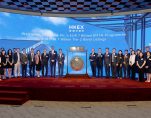


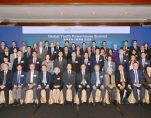




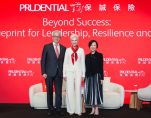




 https://www.youtube.com/@hkisofficial