News related to
China

Arabian Post Staff -Dubai Abu Dhabi’s push to build a crude export route outside the Strait of Hormuz has moved to the centre of Gulf energy security after ADNOC said its new West-East Pipeline is about halfway complete and on course to expand shipments through Fujairah by 2027. The project, being fast-tracked under the direction of Sheikh Khaled bin Mohamed bin Zayed Al Nahyan, Crown Prince of […]

OpenAI will commit more than S$300 million, or about US$234 million, to build its first Applied AI Lab outside the United States in Singapore, marking a significant step in the company’s international expansion and the city-state’s push to become a global centre for practical artificial intelligence deployment. The multiyear partnership with Singapore’s Ministry of Digital Development and Information will operate under the “OpenAI for Singapore” initiative, aimed […]

By Nitya Chakraborty This is the season of high level summits. On May 14 and 15, U.S President Donald Trump visited Beijing and had ‘ fantastic’ talks, according to the U.S. President, Chinese media also went overboard explaining the great possibilities of China-US cooperation in political and economic spheres and also how important this was […]

The article Cuba Is Under Siege By USA, But Neither Xi Jinping Nor Putin Taking It With Trump appeared first on Latest India news, analysis and reports on Newspack by India Press Agency).

MELBOURNE, AUSTRALIA – Media OutReach Newswire – 20 May 2026 – On May 19-20, Dreame Technology launched its flagship XT Combo Home Cleaning Station at a Melbourne event, showcasing its cutting-edge cleaning technologies to local distributors, industry institutions and mainstream media. As a representative of China’s high-end intelligent manufacturing, the brand further strengthened its layout in Australia’s high-end home appliance market.

Dreame’s global competitiveness lies in its self-developed core motor technology. After years of R&D, it launched the world’s first 250,000-rpm levitating high-speed motor in April 2026. Developed by a 100-member team over two years, the motor adopts aerospace-grade craftsmanship and five core breakthroughs, delivering 420AW strong steady suction, outperforming mainstream industry standards.

The new XT Combo, equipped with 92 self-developed technologies, provides full-scenario smart cleaning. It supports wet and dry dual cleaning, 70°C hot air drying with a 99.99% sterilization rate, AI dirt detection and automatic suction adjustment. Its foldable design and fully automatic base station enable 100 days of maintenance-free use.

Boasting strong product strength, Dreame saw robust global growth in 2026, with its April global sales up 63% month-on-month. Its sales in Australia surged 182% year-on-year in Q1. The Melbourne launch marks a key step for its Oceania market expansion, helping Chinese smart manufacturing gain greater global influence.

Hashtag: #Dreame

The issuer is solely responsible for the content of this announcement.

Washington has imposed sanctions on more than 50 Iran-linked individuals, companies and vessels, targeting a currency exchange network and oil transport channels as pressure builds on Tehran to reach a deal and reopen the Strait of Hormuz. The measures announced on Tuesday place Amin Exchange, also known as Ebrahimi and Associates Partnership Company, at the centre of a renewed campaign against Iran’s financial and petroleum networks. The […]

Microsoft has disrupted infrastructure used by Fox Tempest, a cybercrime-enabling group accused of selling fraudulent code-signing services that helped ransomware operators disguise malware as trusted software. The action, led by Microsoft’s Digital Crimes Unit, targeted a malware-signing-as-a-service operation that allegedly abused legitimate software verification systems, including Microsoft’s Artifact Signing platform. A legal case unsealed in the US District Court for the Southern District of New York said […]

BEIJING, CHINA – Media OutReach Newswire – 19 May 2026 – During Donald Trump’s high-profile diplomatic visit to China, a state-level welcome banquet was hosted in Beijing, assembling global industry leaders from the semiconductors, consumer electronics, new energy and intelligent manufacturing sectors. Beyond diplomatic protocol, the banquet’s strategic seating arrangement sparked extensive industry discussion, with a dedicated elite tech table becoming the focal point of global industrial attention. Jia Shaoqian, Chairman of Hisense Group, was invited to the exclusive tech table, seated alongside iconic U.S. tech figures including Elon Musk, Tim Cook, Jensen Huang, and Tyson Jacob. The premium seating objectively validates Hisense’s worldwide technological prowess and authoritative industrial discourse power.

The high-end roundtable establishes a premium communication channel bridging Chinese manufacturing and U.S. hard technology. While U.S. representatives cover artificial intelligence, advanced semiconductors and new energy vehicles, Hisense represents China’s sophisticated technology manufacturing with a multi-dimensional technological layout. Shattering the long-standing stereotype of a conventional home appliance maker, the company has built inimitable technological barriers in high-end display and smart home sectors, maintaining sustained technological iteration and undisputed global technological advantages in 2026.

Empowered by its end-to-end industrial chain capability, Hisense occupies an apex position in the global display industry. The company’s self-developed RGB-Mini LED technology achieves comprehensive leadership in R&D, mass production and technological iteration. Equipped with the pioneering Linglong 4-Core True Colour Backlight system and independently developed Hi-View AI image processing chip, Hisense’s 2026 latest UX series features 110% BT.2020 ultra-wide colour gamut, 10,000 nits peak brightness and 134-bit high-precision colour control, reproducing over 120 million distinct colours. With these innovations, Hisense now has a one-year technological head start over its competitors, enabling the enterprise to set industrial benchmarks and secure rule-making authority within the global display ecosystem.

Hisense remains an undisputed global pioneer in laser display technology, holding full independent intellectual property rights covering laser light sources, optical modules and terminal devices. Continuous investment in underlying optical research enables superior imaging performance with ultra-high contrast, eye-friendly visual comfort and wide colour gamut. The persistent technological edge reinforces Hisense’s dominant market share in the global laser TV industry, consolidating its status as an indispensable Chinese technological powerhouse in the high-end display landscape.

Beyond display technologies, Hisense expands its technological frontier in premium smart home appliances. The self-developed heat pump washing machine adopts an innovative four-in-one integrated heat pump structure, delivering low-temperature fabric-friendly washing and drying while significantly cutting energy consumption. As an original global energy-saving home appliance solution, it embodies Hisense’s green manufacturing philosophy and diversified R&D strength beyond display technology.

During the banquet, Jia Shaoqian engaged in in-depth dialogues with international tech elites regarding technological innovation, transnational industrial collaboration and eco-friendly intelligent manufacturing. The high-level face-to-face communication enhances mutual trust and cooperation potential between Chinese and U.S. technology enterprises. Adhering to a globalised development strategy, Hisense maintains steady overseas revenue and robust independent brand influence, with its technology-oriented products widely recognised across mainstream international markets.

The prestigious seating arrangement serves as compelling proof of global recognition for China’s high-end manufacturing industry. As a leading Chinese tech enterprise, Hisense has obtained equal diplomatic-level dialogue status within the world’s top technological circle. Moving forward, Hisense will consistently invest in independent R&D, continuously iterate RGB-Mini LED, laser display and heat pump appliance technologies, and actively explore global industrial cooperation. Committed to technological empowerment, Hisense will further strengthen the global influence and industrial voice of Chinese high-end manufacturing.

Visit hisense.sg to learn more about Hisense’s innovative products available now in Singapore.

Disclaimer: This article is an objective industrial observation without exaggerated promotional statements. All technical parameters are sourced from Hisense’s official 2026 product releases.

Hashtag: #Hisense

The issuer is solely responsible for the content of this announcement.

About Hisense

Founded in 1969, Hisense is a global technology group operating in 160+ countries, with a strong portfolio across TVs, home appliances, air-conditioning and commercial solutions. Recognised as one of the Top 2 TV brands worldwide, Hisense continues to strengthen its global presence through innovation, quality manufacturing and major international partnerships, including its role as an Official Sponsor of the FIFA World Cup 2026™

Advertisements

Greenlogue/AP Global building emissions rose again in 2024, underscoring how rapid urban expansion is outpacing efficiency gains and slowing the sector’s shift towards a net-zero pathway. Operational emissions from buildings increased 1 per cent to 9.9 gigatonnes of carbon dioxide last year, even as energy intensity improved across parts of the global building stock. The latest Global Status Report for Buildings and Construction 2025-2026, released on 19 […]

SINGAPORE – Media OutReach Newswire – 19 May 2026 – The ECOVACS WINBOT is the world’s #1 bestselling robotic window cleaner, according to data from global market intelligence firm IDC. ECOVACS Robotics, a global leader in service robotics, pioneered this category in 2011 with the WINBOT 5 Series – the world’s first robotic window cleaner. ECOVACS’ “Created for Ease” philosophy led it to create the WINBOT to bring consumers a smarter, safer, and easier way to tackle window cleaning.

ECOVACS WINBOT

Keeping the large windows and expansive views in today’s modern homes crystal-clear can be risky, inconvenient, and labor-intensive. Windows are constantly exposed to dust, pollution, and severe weather. For those in high-rise buildings, cleaning exterior windows can be dangerous and requires expensive professional help. Manual cleaning often leaves streaks. Scrubbing large glass surfaces can be tiring. These challenges lead many to avoid cleaning their windows altogether.
Robotic window cleaners like the ECOVACS WINBOT help solve these pain points so users can enjoy clear views from edge to edge with ease. Consumer demand for them is surging, according to IDC, which found that the ECOVACS WINBOT was the world’s #1 selling robotic window cleaner in 2025.1 It has also been #1 in China for three consecutive years according to data from All View Cloud (AVC).
A Trusted Choice for Effortless Cleaning
ECOVACS is a pioneer in service robotics. Knowing that consumers want effortless smart home cleaning solutions beyond floor cleaning, it began developing robotic window cleaners 15 years ago. Since the first WINBOT, the line has undergone seven generations of core upgrades. Leveraging its R&D strengths, ECOVACS continually sets new industry benchmarks with innovative technologies that make window cleaning safer, faster and more convenient for users.

ECOVACS WINBOT’s innovations for enhanced cleaning performance are designed to effectively remove dust, rain stains, and pollution buildup. For example, ECOVACS’ TruEdge Technology is designed to clean edges and hard-to-reach corners — ensuring spotless, crystal-clear views — and its Three-nozzle Wide-angle Spray Technology enables a deeper clean.

Other innovations enhance convenience. The all-in-one OMNI Station is a control panel, charger, stabilizer, and portable storage space for the WINBOT and its accessories. It is also equipped with a safety rope with a tensile strength of up to 100KG. Other WINBOT safety features include optimized suction power, anti-drop protection, edge detection, smart navigation for obstacle avoidance, and insurance protection.
The ECOVACS WINBOT’s sales performance is also impressive. In 2025, its sales volume exceeded 1 million units, with cumulative global sales surpassing 2.6 million units.

From entry-level to premium models, ECOVACS offers a diverse WINBOT product portfolio across different markets to meet users’ needs for taking care of various glass surfaces, including glass panels, balcony glass, and shower screens. The ECOVACS WINBOT family revolutionizes window cleaning with cutting-edge technologies that bring users a high-performance, convenient and hassle-free experience that ensures crystal-clear views with absolute peace-of-mind.

1https://www.idc.com/resource-center/blog/global-home-cleaning-robot-market-2025/

Hashtag: #ECOVACS

The issuer is solely responsible for the content of this announcement.

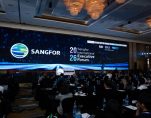
BANGKOK, THAILAND – Media OutReach Newswire – 18 May 2026 – Sangfor Technologies successfully hosted the Sangfor Executive Forum 2026 in Bangkok, bringing together CIOs, IT leaders, and cybersecurity decision-makers to explore how organizations can modernise IT infrastructure, accelerate AI adoption, and reduce reliance on legacy virtualisation environments.

Sangfor-1.jpg

Held under the theme “Run · Build · Protect: Driving the Future with the Power of AI,” the forum showcased how enterprises across Asia Pacific are rethinking traditional infrastructure strategies and adopting integrated cloud platforms designed to simplify operations, strengthen security, and support long-term AI-driven growth.

A major focus throughout the event was the growing market demand for VMware alternatives following industry-wide changes to licensing and infrastructure costs. Sessions explored how organizations are seeking more flexible, cost-efficient virtualization platforms that can support both traditional enterprise workloads and future AI-driven operations. Discussions also highlighted SCMT (Sangfor Cloud Management Tool), designed to support seamless VMware migration to Sangfor Cloud.

During the forum, Sangfor showcased its integrated cloud infrastructure platform, combining compute, storage, networking, organization , and built-in cybersecurity into a unified architecture designed to reduce operational complexity and simplify migration from legacy virtualization environments.

The event also highlighted Sangfor’s AI-ready infrastructure capabilities, including support for virtual machines, containers, AI workloads, and integrated storage management through a single platform.

Keith Lee, Cloud Business Director, Sangfor Technologies, said: “Across the region, organizations are reassessing legacy virtualization strategies and looking for platforms that can provide greater flexibility, operational simplicity, and long-term scalability. Businesses today need infrastructure that combines cloud, security, AI readiness, operational efficiency and friendly licensing policies within a single platform. This is driving growing interest in next-generation VMware alternatives that can support both current enterprise requirements and future AI-driven growth.”

Lee added that Sangfor continues to expand investment across Southeast Asia, with Thailand identified as one of the company’s fastest-growing markets in the region.

The forum also featured discussions around infrastructure resilience, cloud-native applications, Zero Trust security strategies, and AI-powered operations, alongside customer case studies and live demonstrations showcasing enterprise transformation initiatives across both public and private sectors.

Sarayut Siragulthiraphong, Presales Consultant, Sangfor Thailand, added: “Successful AI adoption requires more than just AI applications themselves. Organizations also need infrastructure that is secure, scalable, and capable of supporting evolving workloads.”

Sangfor was joined by partners including Cohesity, Veeam, Sundray, IT Green, VR Comm, VST ECS, and TechHub, highlighting a collaborative ecosystem supporting enterprise transformation across Asia Pacific.

Sangfor will continue the Executive Forum series across key markets in the region, with upcoming events planned:

  • 5/6/2026 Turkey (Istanbul)
  • 5/7/2026 Thailand
  • 5/10/2026 Saudi Arabia (Jeddah)
  • 5/14/2026 Turkey (Ankara)
  • 5/12-15/2026 Middle East & Africa (Shenzhen)
  • 5/17/2026 Saudi Arabia (Riyadh)
  • 5/21/2026 Malaysia
  • 6/3/2026 Philippines
  • 6/5/2026 Vietnam
  • 6/9/2026 Europe (Italy)
  • 6/11/2026 Indonesia
  • 6/24/2026 Hong Kong

For more information, please visit https://www.sangfor.com

Hashtag: #SangforTechnologies

The issuer is solely responsible for the content of this announcement.

ABOUT SANGFOR TECHNOLOGIES

Sangfor Technologies is a global provider of cloud infrastructure and cybersecurity solutions, headquartered in Shenzhen (China). Founded in 2000, the company serves over 100,000 customers worldwide across 22+ countries and regions. Sangfor delivers AI-enabled cloud infrastructure that integrates compute, storage, network and built-in security into a unified platform, helping organizations simplify digital and AI transformation.

With a strong focus on innovation and customer success, Sangfor is also recognized as a proven VMware alternative, offering enterprise-grade solutions for infrastructure modernization, migration, and operational efficiency.

For more information, visit

By Nantoo Banerjee India’s continuous hesitancy to curb the retail oil consumption pattern despite a worldwide surge in fuel prices is inexplicable, if not unacceptable. The government, the biggest benefactor of large domestic fuel use by way of imposition of levies close to 50 percent of the retail oil prices, is not prepared to ration […]

The article India Needs To Curb Oil Consumption appeared first on Latest India news, analysis and reports on Newspack by India Press Agency).

New medical plan combines cashless inpatient protection across Hong Kong and Mainland China with embedded outpatient and preventive care in Hong Kong

HONG KONG SAR – Media OutReach Newswire – 18 May 2026 – Bupa Hong Kong today announced the launch of Bupa Care Bridge Health Insurance Scheme, a new medical insurance solution designed to support Hong Kong residents whose lives increasingly span Hong Kong and Mainland China, and who are seeking affordable, practical health protection that covers both major medical events and everyday healthcare needs.

Bupa Hong Kong Launches Bupa Care Bridge as an Affordable Health Insurance Solution for Cross-border Living

Cross‑border healthcare has become a growing reality for many Hong Kong people. In 2024 alone, Hong Kong residents made approximately 700,000 medical visits in Shenzhen, reflecting rising familiarity with receiving medical services across the border for efficiency, convenience and follow‑up care. At the same time, most continue to rely on Hong Kong for routine outpatient consultations, ongoing care and long‑term health management.

Bupa Care Bridge is designed around this reality. The scheme provides inpatient coverage across Hong Kong and Mainland China, while anchoring outpatient and preventive care in Hong Kong, where everyday healthcare is most frequently accessed. Designed with affordability in mind, the scheme offers two plan levels and flexible deductible options that allow customers to balance premium levels with the degree of protection they need, making the plan relevant to young adults, cross‑border professionals and retirees, including those managing healthcare costs over the long term.

Rather than positioning outpatient care as an optional add-on, Bupa Care Bridge embeds outpatient services within the medical plan itself, helping customers manage everyday healthcare costs more predictably while maintaining comprehensive inpatient protection.

Key features of Bupa Care Bridge include:

  • Cashless inpatient care at designated hospitals, subject to pre-authorisation, with entitlement to standard private room accommodation in Mainland China and semi-private room accommodation in Hong Kong, providing greater certainty and comfort during hospital stays.
  • Inpatient coverage across Mainland China or Greater China (Hong Kong, Macau, Mainland China and Taiwan), based on plan level, with worldwide coverage for emergency treatment to support major medical needs wherever they arise.
  • Embedded outpatient care in Hong Kong, supporting everyday healthcare needs and follow-up care outside hospital settings (only applicable to Bupa Care Bridge Health Insurance Scheme Plus Plan). Covered services include general practitioner and specialist consultations, traditional Chinese medicine, physiotherapy, and X-ray and laboratory tests.
  • Clear, predictable co‑payments for outpatient services, helping customers manage routine healthcare costs — with GP consultations from HK$40 per visit, specialist consultations from HK$60 per visit, and defined co‑payments for other outpatient services.
  • Simplified underwriting with a streamlined health questionnaire, reducing friction at enrolment.
  • Guaranteed lifetime renewal, providing long‑term certainty as healthcare needs evolve.
  • Care coordination support for cross-border hospital treatment, including assistance with arranging transportation at discharge from hospital to home in Hong Kong and Shenzhen.

The scheme also supports preventive care, offering access to health check‑ups to encourage early detection and ongoing health monitoring, helping customers take a more proactive approach to managing their health rather than reacting only when serious illness occurs.

By combining affordable everyday outpatient care in Hong Kong with cashless inpatient protection across borders, Bupa Care Bridge supports both short‑term healthcare needs and longer‑term health planning in a more connected region.

Bupa Care Bridge Health Insurance Scheme is now available for enrolment. For more information, please visit www.bupa.com.hk/en/care-bridge.

Hashtag: #保柏香港 #BupaHongKong #跨境醫療 #CrossBorderHealthcare #GreaterChina

The issuer is solely responsible for the content of this announcement.

Bupa – An international health insurance specialist

Established in 1947, Bupa’s purpose is helping people live longer, healthier, happier lives and making a better world. We are an international healthcare company serving over 68 million customers worldwide. With no shareholders, we reinvest profits into providing more and better healthcare for the benefit of current and future customers. Bupa has businesses around the world, principally in Australia, the UK, Spain, Poland, Chile, Hong Kong SAR, India, Türkiye, Brazil, Mexico and New Zealand. We also have associate businesses in Saudi Arabia.

Bupa has been a health insurance specialist in Hong Kong since 1976, offering one-stop solutions across domestic and international health insurance, and healthcare services. Our comprehensive medical insurance schemes are tailored to meet individual needs, and we provide health solutions for companies of all sizes. We also have a team of registered nurses, health management professionals, and doctors who provide various expert healthcare support.

Our healthcare provision arm, Quality HealthCare Medical Services (QHMS), became part of Bupa in October 2013. QHMS offers Western Medicine, Traditional Chinese Medicine, Diagnostics & Imaging, Physiotherapy, Mental Health and Wellness services via a network of over 1,650 provider service points in Hong Kong.

For more information, visit .

Mineral Resources will restart operations at its wholly owned Bald Hill lithium mine in Western Australia, moving to bring back production after an 18-month shutdown as stronger prices revive confidence across parts of the battery metals sector. The Perth-based diversified miner said site activity will begin ramping up in late May, with crushing and mining operations scheduled to start in June and first spodumene concentrate production expected […]

Arabian Post Staff -Dubai Saudi Arabian Refineries Company has moved to deepen its clean energy ambitions by signing a non-binding memorandum of understanding with China’s Ally Hydrogen Energy to develop a green ammonia production plant in Jazan Industrial City. The agreement, signed on 15 May, places Jazan at the centre of another proposed low-carbon fuel project as Saudi Arabia seeks to build industrial capacity around hydrogen, ammonia […]

Washington’s defence establishment is confronting a sharper supply-chain warning after President Donald Trump left Beijing claiming major trade progress, while China kept key controls on materials vital to US weapons, aircraft, satellites and advanced electronics. Trump ended his two-day visit by declaring that he had reached “fantastic trade deals” with President Xi Jinping, saying the understandings would benefit both economies. The commercial package pointed to tariff discussions, […]

China’s market regulator has set 34 priorities for 2026 aimed at strengthening private sector growth, placing fair competition, legal safeguards and more efficient supervision at the centre of Beijing’s effort to restore business confidence.

State Administration for Market Regulation said the agenda would focus on removing market barriers, promoting a unified national market, improving law enforcement practices and curbing destructive price wars that have weighed on corporate margins. The measures form part of a broader policy push to reassure entrepreneurs after years of regulatory tightening, weak domestic demand, a property downturn and intense competition across technology, retail and manufacturing.

Private firms remain central to China’s economic model, accounting for more than half of tax revenue, over 60 per cent of economic output, about 70 per cent of technological innovation, more than 80 per cent of urban employment and the bulk of registered enterprises. Beijing’s latest move signals that policymakers see the sector as essential to stabilising growth, sustaining jobs and advancing innovation under the 2026–2030 development blueprint.

The 34-point programme places particular emphasis on equal treatment for private and state-backed enterprises. Regulators are expected to expand checks on local protectionism, discriminatory procurement rules, hidden entry restrictions and administrative practices that prevent companies from competing across provincial borders. The objective is to make China’s internal market function more like a single national marketplace rather than a patchwork of local systems shaped by regional preferences.

Fair competition has become a sharper policy concern as price wars spread across food delivery, electric vehicles, e-commerce and consumer services. Authorities have described extreme discounting and subsidy battles as “involution-style” competition, a term used in China to describe intense rivalry that consumes resources without producing sustainable gains. Regulators are now seeking to distinguish legitimate competition from practices that damage suppliers, workers and smaller rivals.

The plan also strengthens the legal dimension of private sector support. It follows the Private Economy Promotion Law, which came into force in May 2025 and formally placed protections for private business within the legal system. That law sought to address long-standing complaints over unequal access to finance, arbitrary penalties, delayed government payments, inconsistent enforcement and barriers to participation in infrastructure and public procurement.

Beijing is under pressure to show that those commitments can be enforced beyond policy slogans. Private entrepreneurs have frequently complained that local officials apply rules unevenly, with smaller companies facing heavier compliance burdens than larger state-linked groups. The latest regulatory agenda calls for more standardised enforcement, fewer unnecessary inspections and better coordination among agencies, reducing the risk that overlapping regulatory demands disrupt business operations.

The emphasis on efficient regulation also reflects a change in tone after the sweeping crackdowns that reshaped China’s platform economy from 2020 onwards. Internet groups, education providers, fintech companies and delivery platforms faced tighter controls, large fines and abrupt policy shifts, weakening investor sentiment. Although authorities continue to insist that capital must operate within defined boundaries, the current message is more focused on predictability, confidence and growth.

Financial support remains another pillar of the wider policy framework. China has encouraged banks and financial institutions to increase lending to private firms, particularly in advanced manufacturing, artificial intelligence, green technology, biotechnology and other strategic sectors. Large banks have announced multi-year financing pledges for the private economy, while policymakers have called for broader fundraising channels and lower financing costs for smaller enterprises.

The regulatory agenda fits into China’s 2026 economic strategy, which prioritises stable growth, stronger domestic demand, technological self-reliance and risk control. The government has set a growth target range of 4.5 to 5 per cent for 2026, lower than earlier expansion rates but still demanding at a time of weak household confidence, subdued inflation and pressure from external trade frictions.

Private firms are especially important in technology and advanced manufacturing, where China is seeking to reduce reliance on foreign supply chains. Companies such as Huawei, BYD, CATL, Tencent and Alibaba remain closely watched as indicators of the relationship between the state and enterprise sector. Beijing’s message to these firms is twofold: innovation is encouraged, but expansion must align with national priorities and regulatory boundaries.

Foreign investors will watch whether the new priorities translate into measurable changes. China has pledged to widen market access and improve the business environment, but concerns remain over data rules, cross-border flows, procurement access, security reviews and policy transparency. For multinational companies and domestic entrepreneurs alike, the credibility of the 34-point programme will depend on implementation by local authorities as much as central-level messaging.

The market regulator’s plan also gives Beijing a mechanism to address deflationary pressures caused by excessive competition. Food delivery platforms, online retailers and electric vehicle producers have all faced pressure from aggressive pricing campaigns. While consumers may benefit from lower prices, sustained discount battles can weaken profitability, reduce wages across supply chains and discourage investment in quality improvements.

By Nitya Chakraborty Now that the U.S. President Donald Trump is back to Washington DC. After his two day summit talks in Beijing on May 14 and 15, it is appropriate to decode the gains of the summit. There were four major issues– Taiwan, Iran war, trade deals and facilitating more business for the American […]

The article Decoding Global Geopolitical Impact Of Trump-Xi Summit In Beijing appeared first on Latest India news, analysis and reports on Newspack by India Press Agency).

Arabian Post Staff -Dubai Money managers have lifted bullish copper wagers to their highest level in five months, reinforcing a powerful rally that has pushed New York futures to record territory and sharpened debate over whether the market is pricing a durable supply squeeze or a crowded speculative trade. Hedge funds and other large speculators raised their net-long position in Comex copper by 16 per cent to […]

President Donald Trump is nearing a decision on whether to revive US air strikes against Iran as diplomatic efforts to reopen the Strait of Hormuz remain stalled and military planners prepare options for a sharper phase of confrontation. Senior aides have drawn up plans that would allow Washington to resume attacks if Trump concludes that negotiations have failed. The preparations do not mean a strike order has […]

Arabian Post Staff -Dubai Abu Dhabi has moved to accelerate a strategic crude oil pipeline expansion that would sharply increase exports through Fujairah, as confrontation between the United States and Iran intensifies pressure on the Strait of Hormuz and exposes the vulnerability of Gulf energy routes. The project is designed to double the country’s capacity to ship crude from the Gulf of Oman coast by 2027, reducing […]

Arabian Post Staff -Dubai Etihad Airways has signed a codeshare agreement with Uzbekistan Airways, opening eight destinations across Uzbekistan to its global passengers and giving travellers from Tashkent access to Abu Dhabi through a single-ticket arrangement. The agreement takes effect from 15 May 2026 and is designed to connect Etihad’s international network with Uzbekistan Airways’ domestic reach through Tashkent, the largest city in Central Asia. Bookings are […]

Prime Minister Narendra Modi and UAE President Sheikh Mohamed bin Zayed Al Nahyan have agreed to widen cooperation on strategic crude and gas reserves, giving New Delhi a larger buffer against supply shocks at a time of heightened volatility across West Asia and global energy markets.

The agreement, reached during Modi’s official visit to Abu Dhabi on 15 May 2026, includes a strategic collaboration between Indian Strategic Petroleum Reserves Limited and Abu Dhabi National Oil Company to expand the UAE’s participation in India’s strategic petroleum reserves to 30 million barrels. Both sides will also work on establishing strategic gas reserves, a move that signals a broader shift from emergency crude storage towards a more diversified energy security framework.

The pact places ADNOC at the centre of New Delhi’s stockpiling strategy. The UAE became the first country to partner with India in strategic petroleum storage when ADNOC stored crude in the Mangaluru cavern under an earlier arrangement. The new framework is substantially larger and comes as India seeks to reduce exposure to sudden disruptions in the Strait of Hormuz, sanctions-driven shifts in trade flows, shipping risks, and sharp swings in spot fuel prices.

India, the world’s third-largest oil consumer, imports more than 85 per cent of its crude requirement and nearly half of its natural gas needs. Its existing strategic petroleum reserve system has underground rock caverns at Visakhapatnam, Mangaluru and Padur, with a combined capacity of about 5.33 million tonnes, equivalent to roughly 39 million barrels. These reserves are separate from commercial inventories held by refiners and oil marketing companies.

The current reserve base covers only a limited number of consumption days, making expansion a long-standing policy priority. Phase-two plans have included additional capacity at Padur and a new facility at Chandikhol in Odisha, while officials have explored public-private partnership models to bring in foreign oil producers and trading firms. The UAE arrangement is likely to support that model by tying storage capacity to assured supply and commercial flexibility.

The energy package also includes a long-term LPG supply arrangement between Indian Oil Limited and ADNOC. The UAE is already the largest source of LPG for India, meeting about 40 per cent of its import requirement. A deeper supply contract is significant for household energy security, as LPG remains a politically sensitive fuel linked to cooking gas access, subsidy management and inflation expectations.

Gas cooperation is another important element. New Delhi has been trying to raise the share of natural gas in its energy mix, but price volatility and limited storage have slowed progress. Strategic gas reserves could help shield fertiliser plants, city gas distributors, power producers and industrial users from abrupt supply constraints. The concept remains more complex than crude storage because gas requires specialised infrastructure, including LNG terminals, underground storage or converted reservoirs, but the agreement shows that both governments see gas security as part of the next phase of their partnership.

The Abu Dhabi talks also build on a wider hydrocarbons relationship. The UAE was among India’s top crude suppliers last year and has become a central partner in LNG, LPG, upstream investment and petroleum product trade. State-backed companies from India hold stakes in Abu Dhabi oil assets, including the Lower Zakum concession and Onshore Block 1, marking a rare upstream footprint for New Delhi in the Gulf.

The timing gives the agreement strategic weight. West Asian tensions have renewed concern over maritime chokepoints and insurance costs for energy cargoes. Any prolonged disruption near the Gulf would affect Asia’s largest consuming economies first, particularly import-dependent buyers such as India, Japan, South Korea and China. Larger stockpiles do not remove that vulnerability, but they give policymakers more room to manage price spikes, refinery supply schedules and emergency releases.

For the UAE, the pact strengthens its role as a long-term energy partner beyond crude sales. ADNOC has been widening its international storage, trading, LNG and downstream footprint as Abu Dhabi positions itself as both a reliable supplier and a capital partner. Participation in overseas strategic reserves gives the company access to storage optionality while reinforcing diplomatic ties with major demand centres.

The Modi-Sheikh Mohamed meeting also covered defence, investment, infrastructure and regional security, underscoring the shift in bilateral ties from labour, remittances and trade towards a broader strategic partnership. The UAE hosts a large expatriate community from India and remains one of New Delhi’s most important Gulf economic partners, with strong links in logistics, ports, food security, renewable energy and financial services.

When AI Meets Artistic Intelligence — Cross-City, Cross-Disciplinary Creative Education in Action

HONG KONG SAR – Media OutReach Newswire – 15 May 2026 – As artificial intelligence (AI) sweeps across the globe, how should humanity redefine the core competencies needed to shape the future? Funded by The Hong Kong Jockey Club Charities Trust and organised by AFTEC, Knowledge Exchange 2026—Artistic Intelligence: Shaping Human Achievement opens today for two days at Hong Kong’s newest cultural landmark—the East Kowloon Cultural Centre—marking the venue’s first major international arts education event. As a flagship annual initiative of the AFTEC Jockey Club Creative Futures Project, the forum has attracted nearly 260 educators, artists and stakeholders to explore how creative teaching and learning can inspire learning, spark creativity and nurture talent, laying the foundation for a better future.

Bringing Together Education and Cultural Leaders to Build a Cross-Disciplinary Creative Network

The opening ceremony was officiated by Ms Winnie Yip, Head of Charities (Culture & Sports Cluster; Community Engagement), The Hong Kong Jockey Club.

In her opening speech, Ms Winnie Yip, Head of Charities (Culture & Sports Cluster; Community Engagement), The Hong Kong Jockey Club, said: “The Club has been supporting the AFTEC Jockey Club Creative Futures Project since 2021. The results have been truly encouraging. The programme has strengthened participating students’ understanding of and care for others, while deepening their interest in arts and interdisciplinary learning. With the second phase now underway, we look forward to further supporting the growth and transformation of students and teachers.”

The opening ceremony also featured Prelude in Light, Sound & Video, a multimedia work created by students of the School of Theatre and Entertainment Arts at The Hong Kong Academy for Performing Arts (HKAPA), setting the stage for the forum and showcasing the creative potential of the younger generation.

Ms Lynn Yau, Chief Executive Officer of AFTEC and Project Director of the AFTEC Jockey Club Creative Futures Project, said: “In an era dominated by artificial intelligence, we need to redefine the unique value of humanity more than ever. AFTEC has always been committed to training teachers and creative practitioners, nurturing the ‘5Cs’ core competencies—Creativity, Critical Thinking, Communication, Collaboration, and Contribution—through systematic teaching strategies. By integrating creative learning into school curricula, we nurture a new generation equipped with resilience and problem-solving skills, while actively building a cross-disciplinary learning network. We are deeply grateful for the vision and support of The Hong Kong Jockey Club Charities Trust and the participation of our partners from various sectors, allowing us to collaboratively shape human achievement through Artistic Intelligence and mould the future with creativity.”

Redefining AI — Nurturing Irreplaceable “first-class humans”

The highlight of the forum’s first day was the first cross-city dialogue, a keynote entitled Creative Cities, Creative Mindsets: Bath, Hong Kong, New Delhi. Ms Kate Cross MBE, Director of The Egg at Theatre Royal Bath, United Kingdom; Ms Jigyasa Labroo, CEO and Co-founder of Slam Out Loud, New Delhi, India; Professor Anna CY Chan, Director of The Hong Kong Academy for Performing Arts; and Ms Lynn Yau, Chief Executive Officer of AFTEC, delivered the keynote together. The four creative visionaries highlighted that Artistic Intelligence is an indispensable competency for humanity in the age of AI, and shared how global frameworks can be adapted to local practice across the three cities’ distinctive educational and cultural ecosystems to cultivate young people’s imagination, empathy and meaning-making — core competencies for navigating an ever-changing future.

Ms Kate Cross introduced the School Without Walls programme, a groundbreaking initiative that immerses students in cultural venues for seven weeks, significantly enhancing their writing, emotional expression, and self-directed learning abilities. Ms Jigyasa Labroo shared Slam Out Loud’s work, which, through over 100 hours of arts-based social-emotional learning (SEL) curriculum, has successfully boosted the confidence, curiosity, and emotional regulation of 700,000 children across two Indian states. Professor Anna CY Chan, from the macro perspective of higher education and talent cultivation, emphasised the bridging role of Artistic Intelligence between professional arts training and primary/secondary creative education. Ms Lynn Yau showcased how the AFTEC Jockey Club Creative Futures Project transforms artists into “Teaching Artists,” shifting schools’ vision from “Arts Provisioned” towards being “Arts Empowered,” enabling Hong Kong students to demonstrate stronger vitality in cross-disciplinary learning.

The session also featured internationally acclaimed arts educator Professor Anne Bamford OBE, FCGI, Director of the International Research Agency; Professor Anne Mette Hjort, Director of The Research Centre for Creative Arts and Public Value, The Education University of Hong Kong; Mr Victor Kwok, Deputy Research Director of Our Hong Kong Foundation and Committee Member of the All-China Youth Federation; and Ms Heidi Lee, Executive Director of Hong Kong Ballet, as respondents. They offered diverse perspectives from policy research, cultural promotion and professional development, exploring how the arts and creativity can nurture outstanding talent of the future through structured and sustainable educational approaches in Hong Kong.

Collaborative Workshops—From Theory to Practice

The forum also featured collaborative workshops, where participants experienced first-hand how educational visions can be translated into practical teaching plans in an interactive setting.

In today’s (15 May) sessions, Creative Classroom LIVE!, led by teaching teams from Tin Shui Wai Methodist Primary School and Tuen Mun Government Primary School, brought authentic teaching plans to life in the theatre, allowing participants to experience the transformative power of creativity in local schools’ setting. Professor Anne Bamford OBE, FCGI, Director of the International Research Agency, facilitated the session The How Factor Lab: Designing Arts-rich Learning that Lasts?, discussing how the arts can be incorporated into education through sustainable policy and teaching strategies to establish a long-term and stable creative ecosystem in schools and communities.

Day Two Highlights — The Many Dimensions of Artistic Intelligence

On the second day of the forum (16 May), discussions will build upon the first day’s highlights and continue to delve deeper into the theme of Artistic Intelligence. In the keynote The Real AI: Artistic Intelligence and the Future of Human Potential, Professor Anne Bamford OBE, FCGI, Director of the International Research Agency, will discuss how the integrated development of personal cognitive, creative, social and digital capabilities can unlock human potential and shape a new generation equipped with innovation and adaptability, calling on education systems, cultural institutions and communities to collaborate in ensuring that young people maintain their unique edge in the age of AI.

Two collaborative workshops will also take place. School Without Walls: Changing Sites of Learning, led by Ms Kate Cross MBE, Director of The Egg at Theatre Royal Bath, United Kingdom, will demonstrate how learning spaces can be extended beyond school campuses to curate meaningful and personalised arts education experiences through the School Without Walls programme. What if We All Had a Voice? The Possibilities of the Arts in Social-Emotional Learning, led by Ms Jigyasa Labroo, CEO and Co-founder of Slam Out Loud, New Delhi, India, will share how locally rooted curriculum resources that address social issues can be developed to empower children to use creativity to tackle life and societal challenges and to weave their dreams.

Mutual Growth—Frontline Teachers and Artists Share Their Journeys and Learning

The forum also invited schools and creative practitioners from the AFTEC Jockey Club Creative Futures Project to share their practical experiences. In the panel discussion From Traditional to Creative Teaching, Vice Principal Kiley Tse of Ho Lap Primary School (Sponsored by Sik Sik Yuen), Ms Katherine Ip of Hong Kong and Macau Lutheran Church Primary School, and Ms Jourdan Wong of Cheung Sha Wan Catholic Primary School will share insights and explore the far-reaching impact of creative teaching and learning on teachers’ personal growth, students, the learning environment, and the overall creative learning culture of schools.

Another panel discussion, From Introspective Artists to Communicative Teaching Artists, features creative practitioners Ms Grace Cheng; Mr Reds Cheung of Laichankee; Ms Cally Yip of Passoverdance; and Ms Priscilla Lai, Lead Creative Practitioner of the AFTEC Jockey Club Creative Futures Project. Their sharing proves that the Project’s collaborative model not only benefits schools—teachers’ and creative practitioners’ artistic practices are also nourished through the teaching process, fostering mutual growth and grooming the community of practice of teaching artists in Hong Kong.

Creative Learning Arts Awards — Celebrating Local Education Transformation

To showcase the Project’s impact over the years, the forum will host the Creative Learning Arts Awards ceremony, recognising outstanding schools, teachers and creative practitioners, and celebrating the remarkable progress of the local education community in advancing creative thinking and whole-person development.

For more information, please visit:

AFTEC Jockey Club Creative Futures Project: https://creativefutures.aftec.hk/home-en/

Knowledge Exchange 2026—Artistic Intelligence: Shaping Human Achievement: https://creativefutures.aftec.hk/knowledge-exchange/ke2026/

Hashtag: #AFTEC

The issuer is solely responsible for the content of this announcement.

About AFTEC Jockey Club Creative Futures Project

Funded by The Hong Kong Jockey Club Charities Trust, the AFTEC Jockey Club Creative Futures Project is a multi-level creative learning scheme designed to provide a much-needed system-led approach to creative thinking in educational institutions from tertiary to primary.

Based on a successful pilot (2021 – 2024), the key focus in this expanded version is in training teachers and creative practitioners.

With practical strategies for professionals to teach across the curriculum based on the 5C’s—Creativity, Critical Thinking, Communication, Collaboration, and Contribution— creative practitioners join teachers for in-school classes to co-design and co-create lesson plans for use in classroom throughout the year.

About AFTEC

Advancing creative learning and arts education in Hong Kong

Creativity allows us to recognise potential within ourselves and the world around us. It promotes problem-solving, nurtures relationships, cultivates resilience, and can transform lives in countless ways. At AFTEC, we work with students, educators, and creative practitioners to plant the seeds of creativity in our community.

As a proudly homegrown Hong Kong organisation, we nurture the city’s greatest natural resource — its people. Through co-designed, collaborative, and inclusive bilingual education programmes, we create supportive environments where young minds are free to explore, express, and flourish. We spark imagination, build confidence, and foster a sense of growth and belonging together.

Website:

A suspected China-linked hacking group attempted to breach the India operations of a global manufacturer using TencShell, a previously undocumented malware implant built from an open-source command-and-control framework and adapted for stealthy enterprise intrusion. The attempted compromise, detected in April 2026, centred on a third-party user connected to the manufacturer’s environment, underscoring the growing security risks created by supplier, contractor and partner access. The attack was blocked […]

VISHNU RAJA
RYO YAMADA
HITORI GOTOH
IKUYO KITA