News related to
China

From campus-based learning to visits to a Chinese medicine production base, combining story-based learning with hands-on experience to bring students closer to TCM through fun and interactive engagement

HONG KONG SAR – Media OutReach Newswire – 16 June 2026 – Building on last year’s success, Beijing Tong Ren Tang’s “The Tong Ren Extraordinary Journey” school outreach programme has been further deepened and expanded this year. Evolving from in-school learning to a model that integrates and extends into off-campus activities, the programme combines school visits with tours of Beijing Tong Ren Tang’s production and R&D base, opening a new chapter in a comprehensive way and bringing students closer to traditional Chinese medicine (TCM) through a lively and interactive engagement.

Photo 1: "The Tong Ren Extraordinary Journey" visited 20 primary schools in Hong Kong, bringing students a fun and engaging introductory journey into the world of Chinese medicine.
Photo 1: “The Tong Ren Extraordinary Journey” visited 20 primary schools in Hong Kong, bringing students a fun and engaging introductory journey into the world of Chinese medicine.

Two-stage learning: from in-school education to hands-on experience
Through a variety of interactive formats, “The Tong Ren Extraordinary Journey” offers students an engaging and knowledge-rich introduction to Chinese medicine. Designed around the concept of “from understanding to experience,” the programme combines in-school learning with off-campus visits to Beijing Tong Ren Tang’s production and R&D base. Activities include guided storytelling on the “Tong Ren” story, acupoint-based interactive games, and lively introductions to Chinese medicine culture and basic Chinese medicine knowledge, making the learning experience both enjoyable and informative. Students can also visit Beijing Tong Ren Tang’s production and R&D base in Tai Po, where they tour the museum, learn about the operation of the production line, and explore the Chinese Herbal Garden. In this way, students gain a well-rounded understanding of Chinese medicine and learn how it can be applied in daily life.

Herbal planting activities reinforce learning experience
A special feature of the programme is a planting experience in the Beijing Tong Ren Tang Chinese Herbal Garden. Guided by gardeners and instructors, students take part in a seedling transplanting activity, observing herbal plants up close and experiencing the planting process first-hand. This hands-on experience not only gives them a sense of achievement but also deepens their understanding of what they have learned. Through this enjoyable and educational activity, Chinese medicine culture is brought to life for the younger generation while supporting its preservation and continued development.

Photos 2: Students visited the "Beijing Tong Ren Tang Chinese Herbal Garden" to learn about the characteristics and medicinal value of different Chinese herbs and took part in a hands-on planting activity.
Photos 2: Students visited the “Beijing Tong Ren Tang Chinese Herbal Garden” to learn about the characteristics and medicinal value of different Chinese herbs and took part in a hands-on planting activity.

In-school learning: “The Tong Ren Extraordinary Journey” tutorial
During the school visits under “The Tong Ren Extraordinary Journey,” Chinese medicine practitioners and instructors each led nearly 100 students at a time through a lively one-hour session, using an easy-to-understand approach that combined storytelling and interactive games to explore Chinese medicine knowledge. Topics covered ranged from itinerant physicians to hall physicians, from the acupuncture bronze figure to the meridian system, and from the four diagnostic methods of Chinese medicine to its internal and external treatment approaches. Students were also introduced to Tong Ren Tang’s history of supplying imperial medicine, as well as Chinese medicine concepts such as “monarch, minister, assistant and guide“. These sessions helped students understand Chinese medicine in an accessible way, while interactive acupoint games further strengthened memory and comprehension through play.

Off-campus experience: visits to Beijing Tong Ren Tang’s production and R&D base
After completing the school visit component of “The Tong Ren Extraordinary Journey,” students also had the opportunity to visit and experience Beijing Tong Ren Tang’s production and R&D base in Hong Kong. During the guided tour, students gained a deeper understanding of the story of Tong Ren Tang, a time-honoured Chinese medicine brand, its imperial medicine tradition and its pharmaceutical culture, while revisiting the core beliefs it upholds: “cultivating benevolence and virtue, and promoting health for the benefit of society” and its corporate motto of “No compromise on cost and labour despite the complexity of processing herbal medicine. No compromise on quality and standard despite the scarcity of medicine ingredients.”

During the visit, students sampled herbal tea as an entry point to understanding Chinese herbs. They then learned about the Chinese medicine production process and took part in a workshop on the traditional pill-rolling technique, an item of intangible cultural heritage. This allowed them to translate theory into practical experience, and to understand how herbs are processed and prepared into medicinal materials for use. Through this, they learned about the development of Chinese medicine from ancient times to the present, as well as the evolution of different dosage forms. Students later moved to the Beijing Tong Ren Tang Chinese Herbal Garden for a herbal planting activity, where they learned how soil, water and sunlight affect plant growth.

Expanded to 20 primary schools, with a comic book supporting school-based extended reading
This year, “The Tong Ren Extraordinary Journey” expanded to 20 primary schools, reaching approximately 3,000 teachers and students in total. To complement the in-school curriculum and extended reading, Beijing Tong Ren Tang specially wrote and produced the comic book The World of Chinese Medicine – “The Tong Ren Extraordinary Journey”. Featuring the adorable “Little Tong Ren” as the main character and guide, the comic adopts a child-friendly narrative approach to help students understand the meaning of “Tong Ren” and “Tong Ren Tang,” the wisdom of balance emphasised in Chinese medicine culture, and its people-oriented spirit of benevolence and compassionate healing. Beijing Tong Ren Tang hopes that, through more interesting and approachable content formats, Chinese medicine culture can take root on campus and, through students’ reading and sharing, extend into families and communities as a cultural learning journey that can be passed on continuously.

Bringing Chinese medicine into everyday life
Beijing Tong Ren Tang hopes to foster a relaxed and enjoyable learning environment for students, introducing Chinese medicine step by step and encouraging them to share what they have learned with family and friends. By starting from a child’s perspective and focusing on themes such as meridians, herbs and balance, the programme helps integrating the wisdom of TCM into students’ everyday knowledge systems and encouraging them to share and apply these insights in daily life.

Hashtag: #BeijingTongRenTang #TheTongRenExtraordinaryJourney #primaryschool #chinesemedicine


The issuer is solely responsible for the content of this announcement.

About Beijing Tong Ren Tang

Tong Ren Tang was founded in 1669 and has a 356-year history. The company has always adhered to its corporate motto of “No compromise on cost and labour despite the complexity of processing herbal medicine. No compromise on quality and standard despite the scarcity of medicine ingredients.” This commitment has led Beijing Tong Ren Tang to steady development, lasting through every generation, achieving excellence, and becoming a national treasure while expanding globally.

At the same time, Beijing Tong Ren Tang has taken on the mission of promoting traditional Chinese medicine culture, actively participating in domestic and international traditional Chinese medicine promotion activities, facilitating cultural exchanges around the world, and striving to expand the international influence of traditional Chinese medicine. To date, it has been operating over 160 retail branches in 26 countries and regions overseas, making it one of the most recognized traditional Chinese medicine brands internationally.

About Beijing Tong Ren Tang Chinese Medicine Company Limited

Established in Hong Kong in 2004, Beijing Tong Ren Tang Chinese Medicine Company Limited serves as Tong Ren Tang’s development platform outside Mainland China. The Company was listed on the Growth Enterprise Market of the Hong Kong Stock Exchange in 2013 and transferred to the Main Board in 2018. Guided by its corporate spirit of “cultivating benevolence and virtue, and promoting health for the benefit of society” and driven by its mission to “create health for all to share globally,” the Company has built on Hong Kong as its base while expanding its global presence. It is committed to promoting Chinese medicine culture beyond Mainland China, and has accelerated the internationalisation of Chinese medicine through a communication model that integrates medical services with pharmaceutical products and places culture at the forefront. (Beijing Tong Ren Tong Chinese Medicine Company Limited website: )

The West Synchrony™ Prefillable Syringe (PFS) System offers strategic infrastructure to support Chinese biotech innovators to expand their global footprint in biologics and vaccines.

SHANGHAI, CHINA – Media OutReach Newswire – 16 June 2026 – West Pharmaceutical Services, Inc. (NYSE: WST), a long-standing partner to China’s pharmaceutical industry, today announced the availability of its West Synchrony™ prefillable syringe (PFS) system to drug developers at CPHI & PMEC China 2026, taking place June 16-18, 2026. This innovative platform uniquely integrates the syringe barrel, plunger, and needle shield/tip cap into a fully harmonized, verified system from a single supplier and emphasizes the company’s commitment to supporting the development of China’s biopharmaceutical sector in alignment with the country’s 15th Five-Year Plan. By strengthening the innovation ecosystem and accelerating development and time to market, the company supports China’s biopharmaceutical companies in achieving biotechnology breakthroughs and reaching global milestones.

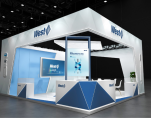
West Pharmaceutical Services, Booth N5D18, CPHI & PMEC China 2026


Enabling China’s Next Phase of Global Biopharmaceutical Growth

China’s biopharmaceutical sector is entering a new phase of global relevance. Long recognized as a strategic pillar of the national economy, sustained policy support and investment over the past decade have helped build deep scientific capabilities and a rapidly maturing innovation ecosystem.

As more biopharmaceutical companies “Go Global”, many are establishing a growing international footprint, while others are accelerating their overseas ambitions. Emerging as core players on the global stage, Chinese companies accounted for nearly 50%1 of all new drug molecules entering human trials in the first half of 2025 alone.

At the same time, the growing complexity of biologics and vaccines is driving increased demand for advanced, high-quality drug delivery and packaging systems that can support product performance and safety from early development through commercialization. Competing globally also requires navigating stringent regulatory environments while ensuring reliable, scalable supply. Together, these factors make trusted partners with proven technical expertise and international regulatory experience critical for sustainable growth.

To support Chinese biopharmaceutical companies in their ambitions, West has now made the West Synchrony™ PFS system available in the country.

West Synchrony™ PFS System

This gives Chinese innovators the infrastructure needed to compete on quality, safety, and regulatory compliance across international markets, with greater confidence and efficiency.

“Chinese biopharmaceutical companies today have established themselves as serious global innovators, with significant opportunities to sustain momentum through high‑quality innovation,” said Maha Guruswamy, Vice President & Managing Director, Commercial, Asia Pacific. “The challenge is that a traditional, individual-component system introduces significant technical and regulatory complexities. West Synchrony addresses these by providing a fully verified and integrated containment and delivery system from a single source, allowing our partners to accelerate development and focus on delivering therapies to patients.”

Deepening A Long-Term Partnership with China’s Pharmaceutical Ecosystem

The introduction of the West Synchrony™ PFS system reflects the company’s decades-long commitment to supporting pharmaceutical innovation. This investment extends beyond product offerings to include technical expertise, regulatory support, and a single source of accountability that serve both domestic Chinese companies and multinational partners operating in China.

“As China’s biopharmaceutical companies continue to strengthen their capabilities and expand their presence globally, West is committed to partnering with them at every stage of their growth journey,” said Philip Wang, Senior Director, Commercial, China. “We aim to enable them to achieve their global ambitions, and the West Synchrony™ PFS system is one example from our portfolio of high‑quality, innovative solutions that provide customers with the same trusted infrastructure relied upon by leading multinational pharmaceutical companies worldwide.”

Join West at CPHI & PMEC China 2026

The West Synchrony™ PFS system will be showcased at CPHI & PMEC China 2026, where an expert from West will present on the role of integrated delivery systems in supporting China’s next phase of biopharmaceutical innovation and its global ambitions for expansion. Trade media and industry stakeholders interested in learning more about the technology and its application in biologics are invited to visit the West booth during the exhibition. The details of the presentation are as follows:

Presentation: “Stop Piecing It Together—Get an Integrated Verified Prefillable Syringe System from One Source”

  • Date & Time: June 17, 14:10-14:40
  • Location: Shanghai New International Expo Center
  • Speaker: Lynn Yao, Senior Manager, TCS, AP
The West Synchrony™ PFS System is now available to bio and pharmaceutical companies in China. Visit West at Booth N5D18 to learn more, or find out more information via the website here.

Forward-Looking Statements

Certain forward-looking statements are included in this press release. They use words and phrases such as “achieving biotechnology breakthroughs,” “reaching global milestones,” “accelerate development,” and other similar terminology. These statements include, but are not limited to, statements regarding the anticipated benefits of the West Synchrony™ prefillable syringe system in China, the expected growth of China’s bio-health and pharmaceutical industries, and West’s ability to support customers’ development and commercialization efforts. These statements reflect management’s current expectations regarding future events and operating performance and speak only as of the date of this release.

Forward-looking statements are based on current expectations and assumptions and are subject to risks and uncertainties that could cause actual results to differ materially from those expressed or implied in such statements. Factors that could cause actual results to differ materially include, but are not limited to, changes in market conditions, regulatory requirements, global economic and geopolitical conditions, customer demand, supply chain constraints, competitive developments, technological changes, and other risks. These important factors are not all inclusive. For a description of certain additional factors that could cause West’s future results to differ from those expressed in any such forward-looking statements, see Item 1A, entitled “Risk Factors,” in West’s Annual Report on Form 10-K for the year that ended on December 31, 2025. Except as required by law or regulation, West undertakes no obligation to publicly update any forward-looking statements, whether as a result of new information, future events, or otherwise.


1 Goldman Sachs, “China Is Increasing Its Share of Global Drug Development”, December 2025. https://www.goldmansachs.com/insights/articles/china-is-increasing-its-share-of-global-drug-development

Hashtag: #WestPharmaceuticalServices

The issuer is solely responsible for the content of this announcement.

About West Pharmaceutical Services, Inc.

West Pharmaceutical Services, Inc. is a leading provider of innovative, high-quality injectable solutions and services. As a trusted partner to established and emerging drug developers, West helps ensure the safe, effective containment and delivery of life-saving and life-enhancing medicines for patients. With over 10,000 team members across 50 sites including 26 manufacturing facilities worldwide, West helps support its customers by delivering over 41 billion components and devices each year.

Headquartered in Exton, Pennsylvania, USA, West in its fiscal year 2025 generated USD 3.07 billion in net sales. West is traded on the New York Stock Exchange (NYSE: WST) and is included on the Standard & Poor’s 500 index. For more information, visit .

All trademarks and registered trademarks used in this release are the property of West Pharmaceutical Services, Inc. or its subsidiaries in the United States and other jurisdictions, unless otherwise noted.

Oil prices fell to three-month lows as a US-Iran framework to reopen the Strait of Hormuz and place Tehran’s enriched uranium stockpile under international control moved towards a planned June 19 signing in Geneva, easing fears of a deeper Gulf energy shock. Brent crude slipped to about $83 a barrel on Tuesday after a sharper fall at the start of the week, while West Texas Intermediate traded […]

A China-nexus hacking group maintained covert access to a segregated critical-infrastructure network for nearly a decade by tampering with Linux authentication tools that administrators rely on to control access. The operation, tracked as Velvet Ant and labelled Operation Highland by investigators, exposed a high-risk tactic in cyber espionage: rather than relying only on conventional malware, the intruders replaced trusted OpenSSH binaries and Pluggable Authentication Modules with altered […]

Rise vGPU + ModelHub Power China’s AI into the Heterogeneous Orchestration Era

HONG KONG SAR – Media OutReach Newswire – 15 June 2026 – Frost & Sullivan, a globally renowned growth consulting firm, has released its “2026 AI Infrastructure Orchestration Platform White Paper”. The report recognizes Phancy Group’s Rise vGPU as a Tier 1 Leading Platform, the highest maturity tier in heterogeneous GPU orchestration. Phancy’s ModelHub also achieved the highest Overall Score in the enterprise-grade model management platform evaluation. This marks a significant endorsement of Phancy’s technological capability in heterogeneous AI infrastructure.

According to the white paper, as large model applications scale rapidly, China’s AI industry is facing structural challenges stemming from multi-chip coexistence. These include hardware heterogeneity, fragmented software stacks, persistently low GPU utilization (generally below 30%), and rising model adaptation complexity — all of which have become major bottlenecks for enterprise-scale AI deployment.

The report highlights a fundamental shift in AI infrastructure competitiveness – moving away from “single-chip performance” toward “cluster-scale system coordination.” At this critical juncture, Phancy has positioned itself as a leader in advanced orchestration through its full-stack AI infrastructure platform, offering a proven solution to heterogeneous compute challenges and helping drive China’s AI industry from “compute accumulation” into a new era of “compute orchestration.”

Phancy Rise vGPU: Tier 1 Leading Platform

In its assessment of mainstream AI infrastructure platforms, Frost & Sullivan defined Tier 1 criteria across three core dimensions: heterogeneous support, fine-grained control, and production-grade execution. Phancy Rise vGPU meets all three standards and has been recognized as a Tier 1 Leading Platform.

Rise vGPU transforms AI infrastructure from fragmented, low-efficiency device-level management to a unified software-defined control plane. Its key technology breakthroughs include:

  • Comprehensive Heterogeneous Management: Unified onboarding and management across more than 10 mainstream GPU/NPU vendors, including NVIDIA, Ascend, Cambricon, Hygon, and others.
  • Ultra-Fine Resource Partitioning: Industry-leading sub-GPU level compute and MB-level memory granularity slicing.
  • Significant Utilization Improvement: Through safe oversubscription and time/space multiplexing, GPU utilization is increased from industry averages below 30% to 70%-90%.
  • Intelligent Precision Scheduling: Multi-dimensional scheduling algorithms based on priority, topology, load, and resource awareness to achieve optimal compute allocation.
  • Production-Grade SLA Assurance: The Deterministic Execution Layer delivers committed and auditable SLA guarantees for critical inference workloads.
  • Full Lifecycle Operability: Comprehensive monitoring, metering, and cost allocation capabilities that turn GPU resources into truly operable digital assets.

Model Hub: Highest Overall Score in Model Management Platform Evaluation

Beyond compute orchestration, the report underscores the strategic importance of enterprise-grade model management platforms. As a powerful complement to Rise vGPU, Phancy ModelHub enables enterprises to build a complete full-stack AI infrastructure — from compute to models and from resource scheduling to business delivery.

The white paper notes that Phancy ModelHub delivers leading performance in key areas such as Model & Chip Compatibility, Execution Stability & Performance, and Model-GPU Coordination & Scheduling, achieving the highest Overall Score. Through its unified model management and execution platform, ModelHub creates a seamless closed-loop process covering model onboarding, deployment optimization, inference services, and version governance — significantly lowering the barrier to model deployment and accelerating AI innovation.

Dr. Dai Wenyuan, Founder & CEO of Phancy, said: “The Frost & Sullivan white paper accurately captures the inflection point in AI infrastructure development. The recognition of Rise vGPU as a Tier 1 Leading Platform and ModelHub’s top Overall Score provide important authoritative validation of Phancy’s technology strategy and product strength. As a full-stack AI cloud service platform, Phancy believes the next wave of competitiveness in the AI industry will come from systematic improvements in compute orchestration efficiency. We will continue to focus on heterogeneous compute unified scheduling and model ecosystem operations, working closely with customers and industry partners to advance China’s AI industry from ‘compute accumulation’ to a true ‘compute orchestration’ era.”

Hashtag: #PhancyGroup

The issuer is solely responsible for the content of this announcement.

About Phancy Group

Phancy Group (6682.HK) is a leading full-stack AI cloud services platform, providing comprehensive solutions for the AI 2.0 era. Our offerings include Rise vGPU, ModelHub and SageAIOS, delivering efficient and scalable AI infrastructure with end-to-end capabilities. We provide a complete solution from heterogeneous compute resource management and optimization to the deployment of intelligent agent models. These solutions empower digital transformation across a wide range of industries, supporting our vision of building a large-scale and efficient “Token Factory.”

Guided by the mission of “AI for Everyone” and positioned as the “Navigator of AI,” Phancy Group is committed to becoming a global leader in Artificial General Intelligence.

SHANGHAI, CHINA – Media OutReach Newswire – 15 June 2026 – On June 11, the People’s Bank of China (PBOC) and Bank Indonesia held the Second Governors’ Meeting of the Joint Work Program in Shanghai, announcing a series of financial cooperation outcomes. The China-Indonesia cross-border QR payment linkage was officially launched in the presence of the governors of both central banks. With this milestone, the number of UnionPay QR merchants outside the Chinese mainland has surpassed 46 million. In attendance at the ceremony were Dong Junfeng, Chairman of China UnionPay and UnionPay International (UPI); Santoso Liem, Chairman of the Indonesian Payment System Association (ASPI); Ge Haijiao, Chairman of Bank of China; Larry Wang, CEO of UPI; and Yang Peng, CEO of Ant International.

Under the government-to-government (G2G) framework, guided by both central banks, and with participation from multiple industry stakeholders, the payment linkage has become a benchmark for digital finance cooperation between China and Indonesia, creating profound impact in the following ways.

First, the linkage delivers convenient, secure, and efficient cross-border payment services to the people of both countries, facilitating bilateral people-to-business exchanges and promoting trade relations.

Second, UnionPay has fully leveraged its role as the hub of the payment industry, collaborating with Ant International and Bank of China (Hong Kong) Jakarta Branch to set a prime example of Chinese enterprises working in concert for global expansion.

Third, the project pioneers bilateral local currency settlement, whereby transactions made by Indonesian wallets in the Chinese mainland are settled in RMB, and transactions made by Chinese wallets in Indonesia are settled in Indonesian Rupiah—effectively enhancing the acceptance and user stickiness of the RMB in international markets.

Fourth, the initiative creates a replicable, scalable framework for cross-border payment connectivity, paving the way for an expansion into more regions across the globe, such as Latin America and Europe.

With the full rollout, two-way cross-border QR code payments have achieved near-nationwide coverage. So far, payment networks in seven out of the eleven ASEAN nations are interoperable with UnionPay.

Chinese users can now use the UnionPay App, banking apps integrated with the UnionPay MobileWallet Connect, and Alipay to make QR payments at tens of millions of QRIS (Quick Response Code Indonesian Standard) merchant locations across Indonesia. Likewise, visitors from Indonesia can pay to UnionPay and Alipay QR merchants in the Chinese mainland with dozens of major Indonesian wallets, such as MyBCA, OVO, DANA, GoPay, Mandiri and ShopeePay.

In recent years, UnionPay continues to grow its global card and QR payment networks and enhance its cross-border payment ecosystem. To date, UnionPay has launched over 200 UnionPay-powered wallets in 37 countries and regions outside the Chinese mainland. Since the beginning of 2026, transactions made by these wallets in China have doubled year-on-year in both transaction count and value, while the number of QR payments made outside the mainland by the UnionPay App and Chinese partner wallets has surged over 300% year-on-year. Moving forward, UnionPay will remain committed to its strategic vision of “Trusted Ties, Shared Success”, scale up two-way payment linkages, enhance user experiences, and deliver more benefits to consumers worldwide.

Hashtag: #UnionPay

The issuer is solely responsible for the content of this announcement.

Arabian Post Staff -Dubai Washington and Tehran have accepted a preliminary framework aimed at ending their war, lifting the U. S. blockade of Iran and reopening the Strait of Hormuz, a move that pushed oil prices lower while leaving Iran’s nuclear programme for another round of negotiations. President Donald Trump declared the agreement “complete” on Truth Social on Sunday evening in Washington, shortly after Pakistan’s Prime Minister […]

Advertisements
SHANGHAI, CHINA – Media OutReach Newswire – 15 June 2026 – ACE ROBOTICS today announced that its open-source Kairos world model has achieved leading results across four global embodied-intelligence benchmarks: RoboTwin 2.0, LIBERO-Plus, WorldModelBench Robot and DreamGen. Kairos ranked first among evaluated world models and vision-language-action (VLA) systems on these benchmarks’ public leaderboards as of 12 June 2026, leading across the core capabilities of embodied intelligence, including complex robotic manipulation, scene-level generalization, physical-world modeling and zero-shot transfer. The project is openly available on GitHub, Hugging Face and ModelScope, giving researchers and developers a public reference point for the model, benchmark results and technical materials.

Tops Four Leading Benchmarks in World Generation & Prediction

Embodied intelligence faces a fundamental challenge: generalization. A robot must operate reliably in environments it has never seen, adapting to new lighting, layouts, objects, embodiments and noisy real-world conditions. While VLA models have become a prevailing approach by directly mapping perception and language inputs to robot actions, ACE ROBOTICS believes world models offer a more scalable path by explicitly learning the underlying dynamics of the physical world and predicting how environments evolve. Kairos is designed to validate that approach.

Leading scene-level generalization on LIBERO-Plus

One of Kairos’ most significant results comes from LIBERO-Plus, a scene-level generalization benchmark proposed by the Shanghai Innovation Institute with Fudan University, Tongji University and the National University of Singapore. It evaluates robustness under seven real-world variables: camera angle, robot embodiment, language instruction, lighting, background, sensor noise and spatial layout.

Kairos achieved an overall score of 89.0, ranking first among all evaluated world models and VLA systems. It surpassed leading VLA models including ACoT-VLA (88.0), Pi 0.5 (85.7) and ProGAL-VLA (85.5), as well as the Being-H0.7 world model (84.8). It also showed strong environmental robustness, with near-ceiling performance on lighting (97.7), noise (96.8) and background (95.8), and ranked highly on camera angle and language instruction.

According to ACE ROBOTICS, this marks the first time a world-model approach has outperformed leading VLA systems on LIBERO-Plus for scene-level generalization, pointing to a path where robots adapt to homes, factories, retail spaces and other environments with far less environment-specific retraining.

A compact model with strong physical modeling efficiency

On WorldModelBench Robot, a physical-modeling benchmark proposed by researchers from UC Berkeley, UC San Diego, NVIDIA and MIT, Kairos-4B achieved an overall score of 9.30, ranking first on the benchmark. With only 4 billion parameters, it outperformed larger systems including 28-billion-parameter Lingbot, 16-billion-parameter Cosmos 3, 14-billion-parameter Abot-PhysWorld and 5-billion-parameter Wan 2.2, setting a new record for parameter efficiency in embodied world models.

Kairos matched the top instruction-following score (2.36) of the 16-billion-parameter Cosmos 3 with about one quarter of the parameters, a fourfold efficiency gain. It scored 4.96 on physics adherence, with perfect marks on Newtonian mechanics and gravity, and a perfect score on temporal quality, reflecting strong temporal consistency and visual continuity over long horizons.

A unified architecture, not a modular pipeline

ACE ROBOTICS attributes Kairos’ performance to its native unified “multi-modal understanding-generation-prediction” architecture. Unlike modular approaches that stitch together separate components for world understanding, generation and prediction, Kairos integrates these within a single backbone that shares one global world state, reducing the information loss and coordination latency between modules for more consistent physical modeling, stronger long-horizon prediction and more reliable action planning.

ACE ROBOTICS first introduced this architecture in December 2025, and the broader industry is now converging on a similar path: NVIDIA’s Cosmos 3.0, introduced in 2026, adopts a comparable single-system design that brings vision reasoning, world generation and action prediction into one architecture. Built on this foundation, Kairos-4B is, in ACE ROBOTICS’ description, the first embodied world model able to drive a physical robot directly on-device, closing the perception-to-action loop without intermediate translation latency.

Leading on synthetic data transfer and complex robot manipulation

Kairos also ranked first on DreamGen Bench, a benchmark led by NVIDIA with the University of Washington, UC Berkeley and UCLA that measures how well synthetic data generated by world models transfers to unseen objects, behaviors and environments, a key predictor of downstream robot-training value. Kairos ranked first on both average physics adherence (AVG_PA 0.538) and overall average score (AVG_Score 0.618), and led globally on new-behavior execution and new-environment adaptation.

On RoboTwin 2.0, a demanding dual-arm manipulation benchmark proposed by Shanghai Jiao Tong University and the University of Hong Kong with Shanghai AI Laboratory, Kairos scored 96.1% — a state-of-the-art result on the benchmark’s public leaderboard as of 12 June 2026. Across the benchmark’s 50 complex two-arm tasks it scored 96.9% in clean scenarios and 95.2% in randomized scenarios, ahead of VLA models such as G0.5 (93.2) and starVLA (88.3) and world models including AIM (93.1), Fast-WAM (91.8) and MotuBrain (96.0).

From benchmark leadership to commercial deployment

Together, these results validate Kairos’ technical direction across the core dimensions of embodied intelligence, from physical-rule understanding and zero-shot generalization to environmental robustness and fine-grained dual-arm manipulation, supporting ACE ROBOTICS’ aim to move robots beyond task imitation toward physical-world understanding, long-horizon reasoning and real-world execution.

The results come as ACE ROBOTICS accelerates commercialization. The company says it has raised several hundred million U.S. dollars across financing rounds in the first half of 2026, including a recent Angel+ round backed by investors such as Geely Capital, Dachen Caizhi, Shenzhen Capital Group and the Shanghai Sci-Tech Innovation Fund, with existing shareholder SenseTime’s Guoxiang Capital increasing its stake. The proceeds will support continued world-model research and integrated hardware-software solutions for sectors including smart retail, security and inspection, tourism and hospitality.

“Embodied intelligence is the next era of AI, and a world model is the key to unlocking it,” said Wang Xiaogang, Chairman of ACE ROBOTICS. “Our mission is to give every robot a capable brain.”

Kairos is openly available on GitHub, Hugging Face and ModelScope:
https://github.com/kairos-agi/kairos-sensenova
https://huggingface.co/kairos-agi
https://modelscope.cn/collections/kairos-team/kairos30

Hashtag: #ACEROBOTICS


The issuer is solely responsible for the content of this announcement.

About ACE ROBOTICS – Equipping robots with intelligent “brains” and engaging “souls”

ACE ROBOTICS is a pioneering robotics company dedicated to advancing the field of embodied intelligence. Through breakthrough technological innovations and deep insights into embodied intelligence scenarios, we aim to empower robots with the ability to autonomously understand and explore the physical world, thereby accelerating their commercial implementation.

The company pioneered the ACE R&D paradigm and built a vision-based “environmental data engine, real-world cognition, embodied interaction generalization” technology chain. Using full spatiotemporal and multi-perspective environmental capture as its engine, along with Kairos 3.0 – China’s first open-source and commercially applicable world model – plus the Embodied Foundation Model as its technical backbone, ACE ROBOTICS addresses core industry challenges such as data scarcity, common sense gaps, poor generalization, and limited versatility. Simultaneously, the company unveiled its flagship A1 Embodied Super Brain Module, accelerating the large-scale commercial deployment of embodied intelligence across diverse scenarios.

ACE ROBOTICS is both a technology pioneer and an ecosystem builder. Through strategic cooperation with top hardware manufacturers, cloud service providers, and vertical scenario partners, we have broken through the “model-hardware-scenario” industrial deadlock, providing standardized and customized solutions that are driving the development of China’s embodied intelligence industry.

By K Raveendran The promise of a ‘great settlement’ from President Trump has been enough to pull oil prices lower, calm equity markets and revive hopes that the Strait of Hormuz may return to normal traffic. Yet it shows how fragile the relief remains. A diplomatic opening can move prices in an instant, but a […]

The article The ‘Great Settlement’ That Could Decide Price Of Iran War World Will Pay appeared first on Latest India news, analysis and reports on Newspack by India Press Agency).

OpenAI has shut down two China-linked ChatGPT account clusters that it says tried to manipulate US debates over artificial intelligence infrastructure, tariffs and technology policy, with one campaign generating posts and cartoons that blamed data centres for higher electricity bills. The San Francisco-based company said the accounts were used to produce social media comments, comic strips, slogans and political cartoons for apparent covert influence operations. The activity […]

Refined fuel exports from the Persian Gulf have climbed this month as more tankers crossed the Strait of Hormuz, easing pressure on diesel, jet fuel, gasoline and naphtha markets starved of supply since the waterway was disrupted by the Iran war. The rebound marks a break from the squeeze that followed the closure of the world’s most important energy chokepoint after the February 28 attack on Iran […]

XIAMEN, CHINA – Media OutReach Newswire – 12 Jun 2026 – On June 12, the 7th Cross-Strait Financial Forum and Taiwan-Funded Enterprise Development Forum was held in Xiamen.The event was jointly organized by the Fujian Provincial Financial Regulatory Administration, the Xiamen Municipal Financial Regulatory Administration, and the Association of Taiwan Investment Enterprises on the Mainland, hosted by Xiamen Jinyuan Investment Group, and executed by Jinyuan Uni-President Securities. Under the theme “Three Years of Integration Embarking on a New Journey, United Development Writing a New Chapter,” the forum focused on cross-strait financial cooperation, expanded financing channels for Taiwan-funded enterprises, industrial transformation and upgrading, and financial innovation between Fujian and Taiwan. It aimed to support Fujian’s efforts to accelerate the development of the first-choice home for Taiwan compatriots and Taiwan-funded enterprises on the mainland.

This year’s forum is an important supporting event of the 18th Cross-Strait Forum. During the event, nine Fujian-Taiwan financial integration projects were signed, with a total value of RMB 9.1 billion. The projects cover a wide range of financial services across areas including cross-strait industrial cooperation, water supply security for public welfare, capacity upgrades for long-established Taiwan-funded enterprises, technology and innovation industries, and modern agriculture. These initiatives continue to unlock the benefits of financial policies, promote shared access to financial resources for Taiwan compatriots and Taiwan-funded enterprises, and inject new momentum into industrial integration between Fujian and Taiwan.

At the forum, the Cross-Strait Wealth and Asset Management Cross-Sector Alliance was officially inaugurated. Supported by Jinyuan Group and jointly proposed by its affiliated financial institutions, the alliance was co-founded by Xiamen International Trust, Jinyuan Uni-President Securities, Yuanxin Yongfeng Fund, Fubon Bank (China), Junlong Life Insurance, and Xiamen Chang Gung Hospital, among others. Centered on serving the wealth management and asset management needs of people on both sides of the Taiwan Strait, the alliance aims to build a one-stop service platform covering asset allocation for Taiwan compatriots and Taiwan-funded enterprises on the mainland, family trusts and wealth succession planning, pension finance, and healthcare protection solutions.

The forum also unveiled a series of innovative financial achievements related to Taiwan. The banking industry’s first group standard dedicated to Taiwan-related financial services on the mainland, the “Specification for Taiwan-Related Financial Services of Banking Financial Institutions,” was officially released. At the same time, the “Bailufen” Taiwan Compatriot Financial Service Platform was introduced, further enhancing financial services for Taiwan compatriots living in Fujian and supporting the development of Taiwan-funded enterprises.

Hashtag: #StraitsFinancialForum

The issuer is solely responsible for the content of this announcement.

Taiwan is moving to anchor its alliance with Paraguay through a data-centre project expected to require at least $200 million in its first phase, tying diplomatic survival to artificial intelligence, clean energy and strategic infrastructure.

The plan, centred on a sovereign AI computing facility in Paraguay, gives Taipei a rare large-scale investment platform in South America as Beijing intensifies pressure on Asunción to cut formal ties. Paraguay remains Taiwan’s only diplomatic partner on the continent and one of just 12 governments worldwide that maintain official relations with Taipei.

The project emerged from a memorandum signed in Taipei during President Santiago Peña’s visit to Taiwan, where he met President Lai Ching-te and senior technology officials. The proposed centre is intended to combine Taiwan’s computing and semiconductor expertise with Paraguay’s abundant hydroelectric power, a resource the Peña administration wants to convert into higher-value digital services.

Paraguay’s authorities have described the first stage as a 10-megawatt data centre focused largely on state use, including secure processing of public records, health data, tax systems and other sensitive government information. Investment for that phase has been estimated at between $200 million and $300 million. Officials have also outlined broader ambitions for later stages that could lift power demand to 100 megawatts and eventually 1,000 megawatts, though those targets remain politically and commercially demanding.

The initiative is being framed by both governments as a sovereign AI project rather than a conventional colocation facility. That distinction is important for Asunción, which wants to avoid being seen merely as a low-cost power host for foreign cloud companies. The official pitch is that Paraguay would retain strategic use of the computing capacity while Taiwan helps provide technology, financing channels and international credibility.

For Taiwan, the political stakes are clear. Paraguay established diplomatic relations with Taipei in 1957 and has resisted repeated calls to recognise Beijing. China claims Taiwan as part of its territory and rejects any formal state-to-state relationship with the island. Taipei rejects Beijing’s sovereignty claim and has sought to hold its remaining partners by shifting assistance from grants and symbolic diplomacy towards trade, investment, technology and education.

Peña has defended the relationship as one based on democracy, freedom and institutions, saying the partnership must produce tangible opportunities for Paraguayans. During the Taipei visit, he also reiterated support for Taiwan’s participation in international organisations and criticised pressure directed at the island. Beijing responded sharply, urging Paraguay to “stand on the right side of history” and sever ties with Taipei.

The diplomatic contest has domestic resonance in Paraguay. Agribusiness exporters and some opposition figures have long argued that formal ties with Taiwan limit access to China’s vast market, particularly for soybeans and beef. Peña’s government is trying to counter that argument by showing that the Taiwan relationship can deliver higher-value investment, technology transfer and market access, including Taiwan’s decision to open its market to Paraguayan poultry.

The data-centre proposal fits into a wider push to position Paraguay as a digital infrastructure hub. The country draws most of its electricity from major hydroelectric assets, including Itaipú and Yacyretá, giving it one of the cleanest power profiles in the region. That advantage is attracting interest from data-centre developers, crypto-mining firms and AI infrastructure companies seeking cheap, low-carbon electricity at a time when demand for computing power is rising worldwide.

Yet the plan faces serious tests. Data centres require not only electricity, but firm grid delivery, fibre connectivity, cooling systems, specialised construction, cybersecurity rules and skilled engineers. Paraguay’s digital workforce remains limited, and critics have questioned whether the country can support an AI facility on the scale described by officials. Energy planners also face pressure to balance industrial demand against future domestic consumption and export commitments.

Regional experience offers both encouragement and caution. Latin America is drawing heavier investment from cloud and AI companies because of renewable energy, growing digital markets and geopolitical diversification. Brazil, Chile, Mexico and Uruguay have advanced faster because they combine power access with deeper telecoms networks, larger technology labour pools and clearer regulatory pathways. Paraguay’s advantage lies in energy supply, but its success will depend on whether infrastructure, governance and talent can catch up.

Launches VocSageX Agent Development Platform to Accelerate Commercial Adoption of Trustworthy AI

HONG KONG SAR – Media OutReach Newswire – 12 June 2026 – Voicecomm Technology Co., Ltd. (“Voicecomm Technology” or the “Company“, Stock Code: 2495.HK), a core technology provider and ecosystem operator of trustworthy conversational AI in China, announces that it has officially signed an ecosystem cooperation agreement with Huawei Cloud during the 2026 Huawei Cloud INSPIRE. The two parties will engage in in-depth collaboration across trustworthy artificial intelligence, industry AI agents, cloud computing infrastructure, and ecosystem development, with the shared goal of accelerating the large-scale deployment of enterprise AI applications.

At the conference, Voicecomm Technology also officially unveiled its next-generation enterprise AI product, the VocSageX Agent Development Platform, further strengthening the Company’s product portfolio in the trustworthy interactive intelligence sector.

Deepening Collaboration with Huawei Cloud to Build a Trustworthy AI Ecosystem
Under the agreement, both parties will leverage their respective strengths in artificial intelligence technologies, industry applications, and cloud infrastructure to jointly drive innovation in enterprise AI solutions. Together, they will explore integrated solutions centered on large language models (LLMs), the VocSageX Agent Platform, and the Company’s proprietary “Intelligent Graph” system across both domestic and international markets.

Going forward, the two companies will continue to deepen cooperation in technology, computing power, market expansion, and ecosystem development. The partnership will accelerate the nationwide rollout and overseas deployment of mature solutions in areas such as smart cities and digital government, while fostering business growth for both organizations.

This collaboration marks a natural progression of an already established relationship built on long-term mutual trust. In January 2026, Voicecomm’s self-developed “Intelligent Graph” system officially passed the technical certification of Huawei’s Ascend AI basic software and hardware platform, completing preliminary validation in platform compatibility and algorithm integration.

Launch of VocSageX: A Trustworthy Foundation for Enterprise AI
Speaking at the conference, Mr. Zheng Bo, Vice General Manager of Voicecomm Technology, noted that enterprises commonly face several challenges when deploying AI, including insufficient trustworthiness, high deployment costs, fragmented systems, and hallucination issues associated with large language models.

To address these challenges, Voicecomm launched the VocSageX Agent Development Platform, a comprehensive lifecycle management system covering agent design, training, deployment, orchestration, operations, maintenance, and asset management. The platform is built around five core capabilities: Trustworthy, Dedicated, Controllable, Collaborative, and Evolvable. It enables enterprises to rapidly develop customized industry-specific AI agents and realize multi-agent collaboration at scale.

Mr. Zheng added: “VocSageX is more than a development tool—it is a comprehensive AI agent operations platform designed for medium and large enterprises. Trustworthy AI that everyone can use is the true driver of productivity.”

Demonstrating Industry AI Applications Across Multiple Sectors
In addition to the platform launch, Voicecomm showcased a range of industry AI agent applications at the conference, covering smart government services, smart elderly care, intelligent manufacturing, customer service, and enterprise digital transformation.

To date, the Company’s trustworthy AI agents have been widely deployed across sectors including city management and administration, automotive and transportation, telecommunications, finance, healthcare, and energy management.

Dr. Tang Jinghua, Chairman of Voicecomm Technology, said: “The AI industry is transitioning from the era of large language models to the era of AI agents. Enterprise demand for trustworthy, secure, and sustainable AI capabilities will continue to grow. Leveraging our proprietary trustworthy intelligence technology framework and strategic partnerships with leading ecosystem players such as Huawei Cloud, Voicecomm Technology is well positioned to capture the opportunities emerging in the enterprise AI market and accelerate the commercialization and value creation of AI technologies across a broader range of industries.”Hashtag: #VoicecommTechnology

The issuer is solely responsible for the content of this announcement.

About Voicecomm Technology Co., Ltd.

Founded in 2005 and headquartered in Wuhan, Voicecomm Technology is one of the leading core technology providers and ecosystem operators of trustworthy conversational AI listed on the Main Board of the Hong Kong Stock Exchange, and obtained the qualification as National-level SRDI, Technology Little Giant and High-Tech Enterprise. Leveraging its proprietary trustworthy Agent,the Company overcomes pain points in the commercialization of large language models, such as hallucinations and compliance issues, ensuring AI is usable, manageable, and controllable in enterprise environments. For enterprise-level customers, the Company provides AI services covering the entire process of “communication –decision – execution”. Its trustworthy Agent solutions have been widely deployed across multiple scenarios, including City management and administration, Automotive and transportation, Telecommunications, Finance, Healthcare, and Energy management, and it is dedicated to empowering the intelligent transformation of diverse industries.

General Motors has moved deeper into the power business by enabling vehicle-to-grid functions for some electric-vehicle customers, positioning its bidirectional EV fleet as a distributed energy resource while pursuing sodium-ion batteries for grid-scale storage. The announcement, made at GM Empower 2026 in San Francisco, centres on a software update that expands the capability of GM’s vehicle-to-home energy system. The update allows eligible users to send electricity from […]

Shin-Etsu Chemical plans to build a new rare-earth refining facility in Fukui Prefecture as Japan accelerates efforts to protect critical mineral supply chains from disruption caused by China’s export controls.

The project marks the company’s first new rare-earth refining facility since 2008 and comes as demand for high-performance magnets rises across electric vehicles, hard disk drives, robotics, wind power systems, defence equipment and advanced electronics. The investment is expected to exceed ¥35 billion, with ¥17.5 billion to be covered by government subsidy support, although the final cost and production schedule have not yet been fixed.

The new facility is intended to reinforce supplies for Shin-Etsu’s rare-earth magnet business and strengthen access to raw materials used in neodymium-based magnets. Heavy rare earths such as dysprosium, terbium and yttrium are particularly important because they improve magnet performance in high-temperature and high-stress applications, including vehicle motors and precision industrial systems.

Shin-Etsu already operates rare-earth refining facilities in Japan and has long been one of the country’s most important producers in the sector. Its rare-earth operations are centred in Fukui Prefecture, where it smelts materials and manufactures magnets at its plant in Echizen. The company says it works from raw materials through production to provide stable quality and supply, while also pursuing recycling and resource diversification.

The planned expansion reflects a broader shift in Japan’s industrial policy after months of tightening access to critical minerals. Chinese shipments of several heavy rare earths and gallium to Japan have been severely restricted since late 2025, heightening concerns among manufacturers that depend on these materials for magnets, semiconductors and other precision components. China continues to dominate mining, separation and refining capacity across the rare-earth value chain, giving Beijing considerable leverage over downstream industries.

Japan remains the largest rare-earth magnet producer outside China, but its manufacturers are still exposed to bottlenecks in the supply of heavy rare earths. The country has built stockpiles, backed overseas projects and encouraged recycling since the 2010 rare-earth shock, when diplomatic tensions with China exposed the risk of overdependence on one supplier. Those measures have improved resilience, but they have not removed the vulnerability.

The latest project is significant because it targets refining and processing rather than simply raw-material procurement. Mining deposits alone do not solve the supply challenge; rare earths require complex separation, purification and alloy processing before they can be turned into magnets. China’s advantage lies not only in reserves but also in decades of accumulated processing capacity, cost efficiency and industrial integration.

Shin-Etsu’s move also fits into a wider network of partnerships being pursued by Japan with Australia, France and the United States. Tokyo has backed alternative producers, supported offtake arrangements and encouraged private-sector investment in midstream processing. Australia-based Lynas has become a key non-China supplier, but output of heavy rare earths remains far below the volumes needed to replace Chinese supply in full.

The pressure is not limited to Japan. Manufacturers in the United States and Europe have faced similar supply uncertainty as export licensing delays affect rare earths used in aerospace, defence, clean energy and electronics. Companies exposed to the restrictions are searching for alternative suppliers, but industry executives warn that rebuilding a fully independent supply chain will take years.

For Shin-Etsu, the business case rests on both security and demand. Permanent magnets are central to electrification and digital infrastructure. Electric vehicles require compact, powerful motors; data centres and hard disk drives depend on precision magnetic components; wind turbines need high-strength magnets to improve efficiency. Demand growth has made the magnet supply chain a strategic concern for governments as well as manufacturers.

The company’s project is unlikely to eliminate Japan’s reliance on imported feedstock, especially for heavy rare earths where global non-China supply remains thin. It could, however, give domestic manufacturers greater control over processing, quality assurance and emergency production planning. That matters for customers in sectors where delivery delays can disrupt production lines and where material specifications are tightly controlled.

The government subsidy underscores how rare earths have moved from a specialist materials issue to a national industrial priority. Public support reduces the financial burden on companies undertaking technically demanding projects with long payback periods. It also signals that Tokyo is prepared to use industrial policy to keep strategic capabilities onshore.

BEIJING, CHINA – Media OutReach Newswire – 11 June 2026 – AIVA, an AI-native mobility brand, was officially unveiled in Beijing on 9 June 2026.

AIVA will collaborate with Volcano Engine, ByteDance’s cloud and AI platform, to jointly define, design, and develop a new generation of AI vehicles. Volcano Engine will provide AIVA with advanced capabilities, including the Doubao AI Foundation Model and intelligent cockpit, enabling smarter in-vehicle interactions.

At the launch event, AIVA unveiled its brand name and logo, introducing a development philosophy centered on “AI-first vehicle creation”—where AI comes before the car itself. It is believed that AI-native vehicles will fundamentally redefine the relationship between people and automobiles. AIVA also showcased the AIVA Origin Concept, while AIVA ME7, its first mass-production model, is scheduled to debut in 2026. The AIVA lineup will target the mainstream market segment priced above RMB 200,000.

AIVA, short for Artificial Intelligence Voyage Ahead, reflects the brand’s vision of AI accompanying users on every journey toward the future. Built around AI-native mobility, AIVA aims to create embodied AI companions powered by advanced intelligence, transforming vehicles from mere transportation tools into trusted partners that understand, accompany, and serve their users.

When AI is deeply integrated into the vehicle, users no longer need to navigate complex menus. Instead, AI operates around human intent, making the interaction intuitive and direct. By understanding real-time context and user preferences, it can proactively anticipate needs and coordinate vehicle capabilities, delivering a more natural, personalized mobility experience.

As an independently operated company backed by a powerful alliance of strategic shareholders, AIVA will oversee brand development, product strategy, and business operations. SERES Group, as a key shareholder and industrial partner, will provide expertise in vehicle manufacturing and supply chain management. CATL will contribute comprehensive battery solutions. Shaci Zhiyuan, a strategic institutional investor, will provide industrial resource support.

Looking ahead, AIVA will broaden its product lineup through rapid innovation and iteration. By focusing on AI-powered interaction, intelligent experiences, emotional companionship, and safety-centered care, AIVA is committed to creating vehicles that not only move people, but understand them, unlocking a new era of intelligent mobility.
Hashtag: #AIVA

The issuer is solely responsible for the content of this announcement.

Arabian Post Staff -Dubai Industrial and Commercial Bank of China Limited’s Dubai branch is marketing dual-currency green bonds, offering investors a dollar floating-rate tranche and a renminbi fixed-rate tranche as sustainable debt issuance continues to gain traction across Gulf capital markets. The proposed three-year dollar notes carry initial price guidance at the Secured Overnight Financing Rate plus 90 basis points, while the three-year offshore renminbi tranche is […]

Chinese investors shut out of SpaceX’s planned blockbuster share sale are turning to indirect routes, fuelling speculative demand for offshore vehicles, supplier stocks and domestic space-sector names as Elon Musk’s rocket company prepares for one of the largest market debuts on record. Underwriters handling the offering have been told not to accept orders from investors in mainland China and Hong Kong, with the restriction linked to US […]

SINGAPORE – Media OutReach Newswire – 9 June 2026 – Credit Bureau (Singapore) Pte Ltd (CBS) and Experian Information Services (Malaysia) Sdn. Bhd. (Experian Malaysia) have signed a Memorandum of Understanding (MOU) to develop a two-way cross-border credit reporting service between Singapore and Malaysia.

From left to right: Ms. Dawn Lai, Chief Executive Officer of Experian Information Services Malaysia and Mr. William Lim, Executive Director of Credit Bureau Singapore

The MOU establishes a framework for collaboration to facilitate consented cross-border credit report applications for individuals with financial footprints in either country. The initiative aims to enhance financial inclusion, strengthen credit risk assessment, and support the growing economic integration between the two neighbouring markets.

Singapore and Malaysia share one of ASEAN’s most dynamic economic relationships, with bilateral trade regularly exceeding SGD 100 billion annually. Both countries maintain deep labour, education and business linkages, supported by strong digital infrastructure and rapidly growing digital financial services ecosystems.

The collaboration is strategically aligned with the Johor-Singapore Special Economic Zone (JS-SEZ), which places strong emphasis on digital industries, data-driven enterprises and technology-enabled services. As the digital economy accelerates cross-border business models, including fintech, e-commerce, digital banking and platform-based SMEs, trusted cross-border credit infrastructure will be critical to enabling secure digital onboarding, responsible lending and seamless access to capital across both markets.

Under the MOU, CBS and Experian Malaysia intend to collaborate on a cross-border initiative that enables the structured and secure exchange of individual credit information between the two markets.

The proposed framework will define:

  • The operational roles of the “Source Bureau” and “Processing Bureau” in generating and facilitating cross-border credit data applications
  • Secure mechanisms for obtaining and managing consumer consent for a one-time release of the credit report
  • Personal data protection and compliance safeguards in accordance with applicable laws
  • Commercial and governance models to support sustainable implementation

For consumers, the initiative is expected to improve access to financial products by enabling lenders to consider verified credit histories of individuals from across the border. This may particularly benefit digital-native workers, entrepreneurs and professionals whose financial footprints span both jurisdictions. As more individuals build financial footprints on both sides of the Causeway, the ability to securely and responsibly reflect their credit history across borders becomes increasingly important. A structured cross-border credit reporting framework can help ensure that consumers are assessed more fairly and comprehensively, rather than being treated as “new-to-credit” applicants when they move between Singapore and Malaysia.

For financial institutions, access to cross-border credit data can provide a more holistic view of an applicant’s financial obligations, supporting stronger digital underwriting, reduced cross-border fraud risk and more confident expansion into adjacent markets. Improved cross-border data transparency may also enhance operational efficiency and portfolio resilience in increasingly digital lending environments.

CBS and Experian Malaysia emphasised that data protection, regulatory compliance, and consumer consent are foundational to the initiative. Both parties are committed to working within their respective legal and regulatory frameworks and engaging relevant authorities to facilitate responsible implementation. The MOU also contains confidentiality provisions governing information exchanged in the course of collaboration.

Mr. William Lim, Executive Director of Credit Bureau Singapore, said:

“As individuals and businesses operate more seamlessly across Singapore and Malaysia, credit information systems must evolve to reflect cross-border realities. This collaboration represents an important step towards enabling more seamless and responsible access to credit for consumers.”

Ms. Dawn Lai, Chief Executive Officer of Experian Information Services Malaysia, added: “Trusted data collaboration is key to strengthening digital financial ecosystems. By working together, we aim to enhance financial inclusion, improve risk transparency and support sustainable growth across both markets.”

Mr. Vincent Yap, CBS Board Chairman & Group Chief Credit Officer, Consumer Credit Risk Management of Oversea-Chinese Banking Corporation, said “The access to cross-border credit data can provide a more comprehensive view of an individual applicant’s financial obligations, supporting more accurate risk assessment outcomes, reduced cross-border fraud risk and promote seamless access to capital across both markets.”

Hashtag: #Experian

The issuer is solely responsible for the content of this announcement.

About Credit Bureau (Singapore) Pte Ltd (www.creditbureau.com.sg)

Credit Bureau (Singapore) Pte Ltd (CBS), a subsidiary of Credit Bureau Asia Limited (CBA), is Singapore’s most comprehensive consumer credit bureau that has full-industry uploads from financial institutions such as retail banks, merchant banks, finance companies and credit card issuers licensed by the Monetary Authority of Singapore (MAS). CBS is a joint venture between The Association of Banks in Singapore (ABS) and Infocredit Holdings Pte Ltd.

The setting up of a consumer credit bureau in Singapore is a significant addition to enhance the Republic’s risk management capability. Since 2002, the Banking Act, administered by the Monetary Authority of Singapore, has allowed CBS members to disclose and obtain credit-related information to mitigate consumer credit risk through information pooling from CBS. From 2021, credit bureaus that conduct consumer credit reporting businesses in Singapore, such as CBS, are regulated under the Credit Bureau Act 2016.

As part of consumer credit reporting business, CBS aggregates credit-related information amongst participating members and presents a more complete risk profile of a customer to credit providers. This helps credit providers to determine the likelihood of the customer repaying, thus enhancing their risk assessment capabilities. Our goal is to also educate and reach out to the wider community on the importance of credit reputation.

CBS has also been designated by the Ministry of Law as the operator of the Moneylenders Credit Bureau (MLCB) under Section 56 of the Moneylenders Act.

MLCB is a central repository of data on borrowers’ loans and repayment records with all licensed moneylenders (LMLs) in Singapore. It will allow LMLs to assess the creditworthiness of borrowers and make informed decisions when granting loan applications. MLCB will also help borrowers to understand their loan information report so as to work towards achieving better financial health.

About Credit Bureau Asia Limited
(www.creditbureauasia.com)
Credit Bureau Asia Limited (CBA) is a leading player in the credit and risk information solutions market in Southeast Asia. CBA provides credit and risk information solutions to an extensive client base of financial institutions (“FI”), multinational corporations, telecommunication companies, government bodies and public agencies, local enterprises and individuals across Singapore, Malaysia, Cambodia and Myanmar. CBA’s business has two core segments, the FI Data Business and the Non-FI Data Business, covering both consumer and commercial credit risk information.

As at 31 December 2024, the Group has more than 255 financial institution members across Singapore, Cambodia and Myanmar, including banks, microfinance institutions, leasing companies and rural credit operators.

For its Non-FI Data Business, the Group has more than 6,000 enterprise customers, ranging from multinational corporations to small and medium-sized enterprises. CBA’s Non-FI Data Business operates in Singapore and Malaysia, where enterprise customers can access a wide range of business information and risk management services, sales and marketing solutions, and commercial insights. CBA combines data sourced from a variety of publicly accessible registries, Dun & Bradstreet’s extensive international network, as well as information contributed by businesses which subscribe to CBA’s payment bureau services. The Group has access to a database of more than 580 million business records globally.

CBA was named in Forbes Asia’s 2025 “Best Under A Billion” list, marking the second consecutive year that CBA has been named among the top 200 top-performing publicly listed small and mid-sized companies across the Asia-Pacific region.

About Experian (www.experianplc.com)

Experian is a global data and technology company, powering opportunities for people and businesses around the world. We help to redefine lending practices, uncover and prevent fraud, simplify healthcare, deliver digital marketing solutions, and gain deeper insights into the automotive market, all using our unique combination of data, analytics and platforms. We also assist millions of people to realise their financial goals and help them to save time and money.

We operate across a range of markets, from financial services to healthcare, automotive, agrifinance, insurance, and many more industry segments.

We invest in talented people and new advanced technologies to unlock the power of data and to innovate. A FTSE 100 Index company listed on the London Stock Exchange (EXPN), we have a team of 25,200 people across 33 countries. Our corporate headquarters are in Dublin, Ireland. Learn more at experianplc.com.

For media enquiries please contact:
Credit Bureau (Singapore) Pte Ltd
Laura Chia
Marketing Manager
Experian
April Ng
Head of Marketing, Southeast Asia & Greater China
PRecious Communications (for Experian)
Tanaya Chakraborty (Singapore)
Ainur Faqihah (Malaysia)

New Delhi has tightened import controls on key silver categories, making prior authorisation from the Directorate General of Foreign Trade mandatory for specified products under Chapter 71 of the ITC 2022 schedule.

The amended rules, issued through Notification No. 19/2026-27 dated 2 June 2026, apply with immediate effect to silver powder, silver grains, silver of 99.9% purity or more, and other unwrought silver. The change adds a fresh approval layer to a trade channel that was already limited to nominated agencies, banks and qualified jewellers using authorised routes.

The affected ITC codes include 71061000 for silver powder, 71069110 for silver grains, 71069120 for silver containing 99.9% or more by weight of silver, and 71069190 for other unwrought silver. These categories fall within the broader heading for silver, including silver plated with gold or platinum, in unwrought, semi-manufactured or powder form.

Until the amendment, eligible imports could be routed through banks notified by the Reserve Bank of India, agencies notified by the DGFT, and qualified jewellers notified by the International Financial Services Centres Authority for imports through the India International Bullion Exchange. The new framework keeps those channels in place but requires a valid DGFT Import Authorisation before shipments can proceed.

The order marks a sharper shift in bullion management after curbs were placed in May on silver bars of 99.9% purity and other semi-manufactured forms. Together, the steps move a large portion of silver inflows away from a relatively open framework towards a case-by-case approval regime. The policy direction points to closer official monitoring of volumes, end-use and trade routing at a time when precious-metal purchases have added pressure to the external account.

Silver imports have climbed sharply, with the country’s import bill for the metal touching a record $12 billion in the financial year ended March 2026, compared with $4.8 billion a year earlier. April shipments rose 157% year on year to $411 million, underlining the scale of demand before the latest controls took effect.

The bullion market is likely to feel the immediate impact through slower approvals, tighter availability and wider domestic premiums if import authorisations do not keep pace with demand. Dealers have already been adjusting to a compliance-heavy environment, including the April publication of the list of banks authorised to import gold and silver until March 2029 after delays had held up consignments at customs.

The policy also comes after duties on gold and silver were raised to 15% from 6%, a move aimed at discouraging discretionary imports of precious metals. Higher tariffs and tighter licensing conditions together indicate a broader attempt to contain import demand, protect foreign exchange reserves and reduce pressure on the rupee at a time when oil and other commodity bills remain sensitive to global price swings.

Industrial users will be watching the authorisation process closely because silver is not only a bullion and jewellery metal. It is used in electronics, solar cells, conductive pastes, precision engineering, industrial chemicals and electrical components. Silver powder and grains are important inputs for manufacturers as well as refiners and jewellers, making clarity on approval timelines essential for supply planning.

Investment demand has become a larger part of the market’s momentum. Silver bars, coins and exchange-traded products have attracted interest from investors looking for exposure to precious metals, particularly when global uncertainty and currency volatility lift demand for hard assets. That trend has complicated policy choices because the same metal feeds both household savings and industrial supply chains.

The India International Bullion Exchange remains central to the formalisation of bullion trade through GIFT City, especially for qualified jewellers using the exchange route. By requiring DGFT authorisation even for eligible jewellers importing through IIBX, the amendment signals that institutional routing alone will no longer be treated as sufficient compliance for specified silver categories.

Silver dore imports by refineries continue under the existing licence framework with actual-user conditions where applicable, leaving the refining route distinct from the broader authorisation requirement for covered products. This distinction matters for refiners that process raw material into marketable silver, though they too are operating in a tighter policy environment.

Major supply sources for the country include the UAE, Britain and China, making the rule change relevant for global bullion flows as well as domestic trade. Suppliers may face slower shipment planning, while banks and nominated agencies will need to factor DGFT approvals into import schedules.

The immediate test for the new system will be administrative efficiency. A transparent and predictable authorisation process could help the government track sensitive inflows without disrupting legitimate industrial consumption. Delays, however, could push up local premiums, affect manufacturers dependent on imported feedstock and encourage buyers to shift procurement strategies.

China’s aluminium exports accelerated in May as overseas buyers turned to the world’s biggest producer to offset supply disruption triggered by the Middle East war, while crude oil imports dropped to their lowest level in eight years in a sign of strain across the country’s commodity flows.

Customs figures showed a sharp rise in outbound shipments of unwrought aluminium and aluminium products, extending the strong performance seen in April, when exports reached 598,000 metric tonnes. The increase underlined China’s role as the main buffer for a global market unsettled by production cuts, shipping delays and higher insurance costs linked to the conflict around the Gulf and the Strait of Hormuz.

The aluminium surge came as China’s wider trade machine gathered pace. Total exports rose 19.4 per cent from a year earlier in May, beating forecasts and widening the trade surplus to more than $105 billion. Imports also grew 27.4 per cent, but the headline gain masked a sharp fall in crude purchases, with volumes down about 29 per cent as refiners leaned more heavily on inventories and cut some buying amid elevated freight and geopolitical risks.

Aluminium has become one of the clearest channels through which the Middle East war is reshaping industrial supply chains. Producers in Gulf states account for a meaningful share of non-Chinese primary aluminium supply, and disruption to power-intensive smelting, port activity and shipping routes has tightened availability for consumers in Europe, Asia and North America. Prices in London climbed to a four-year high this month as traders priced in the risk of prolonged supply constraints.

Chinese exporters have benefited from the opening. Producers and traders have increased shipments of semi-finished products and other aluminium categories where overseas premiums have risen faster than domestic prices. The price gap has improved margins for exporters, even as Beijing continues to manage capacity growth in a sector long associated with heavy energy use and emissions.

The market shift is particularly important for manufacturers in transport, construction, packaging, power infrastructure and renewable energy. Aluminium is widely used in electric vehicles, aircraft parts, solar frames, building systems and high-voltage transmission equipment. A sustained shortage outside China could raise input costs for industries already dealing with expensive financing, disrupted shipping schedules and volatile energy markets.

China’s advantage rests on scale. The country dominates global aluminium production and has built deep processing capacity across provinces such as Shandong, Henan, Guangxi and Yunnan. Its producers can move quickly when export margins improve, though output remains constrained by power costs, environmental controls and the national ceiling on smelting capacity.

The export rise also carries political sensitivity. Western governments have long argued that China’s industrial policies create excess capacity and depress global prices. A fresh wave of metal exports, even if driven by war-related shortages, could sharpen trade friction at a time when the United States, Europe and other economies are expanding scrutiny of Chinese goods in sectors ranging from steel and batteries to solar components and electric vehicles.

Crude oil tells a different story. China remains the world’s largest crude importer, but May’s decline showed how refiners are adjusting to uncertainty in Gulf shipping. The Middle East supplied a large share of China’s crude last year, with Saudi Arabia, Iraq, the United Arab Emirates, Oman, Kuwait and Qatar among key reported suppliers, while Iranian barrels have continued to reach Chinese buyers through opaque trading channels.

Refiners have drawn on commercial and strategic inventories built during earlier periods of lower prices and heavy discounted buying. Weak domestic fuel margins have also reduced the incentive to import aggressively. Independent refiners in Shandong and state-run plants have faced pressure from high crude costs, capped fuel prices and softer demand growth as electric vehicles erode petrol consumption.

The fall in crude imports may help ease immediate pressure on global oil markets, but it also reflects the vulnerability of China’s energy security to maritime disruption. The Strait of Hormuz remains central to crude and liquefied natural gas flows, and any prolonged interruption would force Beijing to rely more on stockpiles, pipeline supplies from Russia and Central Asia, and alternative seaborne routes.

For commodity markets, May’s trade data showed a split picture. Metals exports are expanding where China can monetise overseas shortages, while energy imports are being managed more cautiously to reduce exposure to war-driven price spikes. Copper imports slipped from April, suggesting that parts of the manufacturing supply chain remain uneven despite the strong headline export performance.

Apple has unveiled a major overhaul of Siri and a broad set of child safety tools at its Worldwide Developers Conference, placing artificial intelligence and family controls at the centre of its next software cycle. The new Siri AI is available immediately for developer testing across iOS 27, iPadOS 27, macOS 27 and visionOS 27, with support for watchOS 27 due in a later developer beta. A […]

SANYA, CHINA – Media OutReach Newswire – 9 June 2026 – As the morning sun bathed Sanya Bay in golden light, a group of international tour operators began their exploration of the city. From June 4 to 5, delegates participating in the Overseas Tour Operators Hainan Tour 2026 visited Sanya for an in-depth familiarization tour of its luxury resort hotels, coastal cultural and tourism destinations, and duty-free shopping complexes.

1

From the spectacular underwater suites at Atlantis Sanya, to the colorful street-art alleys of Tianya Town, and the rooftop infinity pool at Sanya Conifer Resort, each stop gave the visitors a fresh impression of Hainan. Many visitors paused to capture the scenery, remarking with delight: “Sanya is full of surprises!”

Exploring Luxury Resorts and Applauding World-Class Service

At 10 a.m. on June 4, the tour operators arrived at Atlantis Sanya. Upon entering the lobby, they were immediately captivated by the resort’s massive aquarium, where sharks, rays, and other marine creatures glided gracefully through the water. The group was visibly amazed.

The group toured both the ocean-view suites and the resort’s signature underwater suites. In the latter, floor-to-ceiling windows offer direct views into the aquarium, allowing guests to lie in bed and watch marine life drift by as if they were beneath the sea.

“The underwater suite concept is truly unique. Very few hotels in the world can offer an experience like this,” said tour operator Vivian He from Hong Kong. “The dreamlike setting would make an outstanding feature for honeymoon packages and would appeal strongly to younger travelers. I’ve already taken plenty of photos and videos on my phone and plan to use them for promotion when I return.”

The group then traveled to Hyatt Regency Sanya Tianli Bay in Tianya District. Strolling through palm-lined gardens, they were greeted by breathtaking views where the infinity pool seemed to merge with the sea and sky beyond. Many guests stopped to take photos, fascinated by the striking visual effect, which made it look as though water flowed directly into the ocean.

“The design is incredibly clever. It gives you the urge to dive right in and swim toward the sea,” said Julia, a tour operator from Germany, while taking photos of the stunning view. Having worked in the European outbound travel market for many years, she was visiting Sanya for the first time. “In Europe, hotels with sea views like this often come with a very high price tag. Hainan offers excellent value for money. Combined with China’s visa-free policy for travelers from 86 countries, it has tremendous appeal for European visitors.”

The hotel’s representative introduced the group to the property’s all-ocean-view suites, children’s amusement facilities, and its distinctive pink-sand beach. Natthapat, a tour operator from Thailand, showed particular interest in these features. “The children’s facilities and the pink-sand beach are perfect for family travel products. When I return home, I’ll discuss with my team how we can incorporate this destination into our product offerings.”

The delegation then proceeded to Rosewood Sanya. The hotel’s sky lobby, located on the 14th floor, offers sweeping 270-degree ocean views. Equally impressive was the elevated infinity pool on the 13th floor. Suspended between sea and sky, the pool’s edge appears to merge with the horizon, creating a spectacular setting from every angle.

“This is one of the most visually stunning hotel pools I’ve ever seen,” said Amy, a tour operator from Australia, while admiring the view from the poolside. She noted that Australian travelers also have a strong preference for luxury resort experiences, and the design aesthetic and sense of privacy here align perfectly with the expectations of the high-end market.

Throughout the visit, many tour operators actively exchanged business cards with hotel sales representatives, inquiring about partnership opportunities, group rates, and capacity for group reception. A tour operator from Southeast Asia said that he hopes to bring a group of high-end family travelers to experience Sanya’s luxury resort offerings.

Tianya Town’s Artistic Transformation Resonates with Tour Operators

The delegation also visited Tianya Town, where they experienced the unique charm of this “seaside arts village.” From the colorful mural-covered walls at the entrance of Huanglong Street, to the pure-white architecture of Sanya Guanxia Seaview B&B, and the cave-inspired interiors of Malt Cave Seaview Café, every corner became a favorite photo stop.

“This is completely different from the fishing village I imagined,” said Eter, a tour operator from Georgia, pausing at the iconic “18° North Latitude” landmark to examine the coordinates displayed on the wall. She noted that the destination could be easily integrated with the coastal tourism resources of Sanya, Lingshui, and Wanning. “Visitors are drawn to places with distinct geographic markers, which give the destination a sense of occasion.”

A local guide accompanying the group explained that in recent years, Tianya Town has undergone a series of small-scale renovations and refined upgrades. While retaining the original layout and character of a traditional fishing village, it has incorporated contemporary artistic elements, evolving into a popular photo-friendly destination. Today, Tianya Town is home to dozens of seaview guesthouses, cafés, and cultural and creative shops, making it especially popular among younger travelers.

“These small but beautifully designed destinations are exactly what many European travelers are looking for,” said Zhang Jing, a tour operator from Ireland. “Many European visitors are keen to experience local culture and everyday life when they travel. Tianya Town combines fishing village stories, artistic ambiance, and seaside accommodations. It has tremendous appeal.”

Inside one of the town’s cultural and creative stores, the visitors showed great interest in souvenir products featuring traditional Li ethnic totems. France, a tour operator from the United States, even inquired on the spot about purchasing the products in bulk as gifts for clients.

Meanwhile, Korean tour operator Lee Jae-hyun was particularly impressed by the town’s photogenic appeal. “Every corner is picture-perfect. Young people in Korea love destinations that look great in photos. If Tianya Town were included in independent travel packages, I’m sure it would be very popular.”

Duty-Free Shopping Drives Strong Interest and New Cooperation Opportunities

On the afternoon of June 4, the tour operators continued their familiarization tour with visits to Sanya Conifer Resort and Pullman Oceanview Sanya Bay Resort & Spa.

At Pullman Oceanview Sanya Bay Resort & Spa, the group was introduced to the hotel’s comprehensive conference facilities and family-oriented amenities. Guests were particularly intrigued by the hotel’s exclusive underground passageway, which provides direct access to Sanya Bay Beach.

Sanya Conifer Resort, meanwhile, impressed visitors with its iconic 70-meter-high rooftop infinity pool. Offering panoramic views of the Sanya Bay coastline, the elevated waterscape has become one of the hotel’s signature attractions. Its distinctive architectural design also earned high praise from the international tour operators.

Later that day, the delegation arrived at the final highlight of their Sanya tour—a self-guided visit to the CDF Sanya International Duty Free City. As the world’s largest single-building duty-free shopping destination, the complex brings together more than 800 international brands.

Aziz, a tour operator from Malaysia, found himself spoiled for choice in the cosmetics and fragrance section. “Malaysian travelers love duty-free shopping. The selection of brands here is impressive, and the pricing is highly competitive. If duty-free shopping can be combined with resort stays as part of a travel package, I believe it would be extremely well received by the market.”

Julia, a tour operator from Germany, was equally impressed by the scale and variety of the shopping complex. “European travelers enjoy purchasing luxury goods and cosmetics, and Sanya’s duty-free advantages are very clear. I believe Sanya has the potential to become a new favorite destination among European visitors.”

After several days of exploration across Hainan, tour operators from around the world expressed strong interest in developing partnerships in sectors ranging from sports tourism and wellness travel to cultural and leisure tourism. Shirley, a tour operator from Australia, paid particular attention to Hainan’s sports tourism resources. “Hainan has outstanding assets for sports tourism, especially golf and coastal outdoor activities. These resources are ideal for developing sports-focused holiday products. Australian consumers are passionate about sports travel, and I plan to introduce Hainan’s sports tourism offerings to the Australian market.”

According to officials from the Sanya Municipal Bureau of Tourism, Culture, Radio, Television and Sports, the city has launched several new international air routes since the beginning of this year, contributing to steady growth in inbound visitor arrivals. Looking ahead, Sanya will continue to improve its inbound tourism services and strengthen international market outreach, encouraging more global tour operators to include the city in their product portfolios.

Sunny Hainan, heart’s desire. Although the two-and-a-half-day familiarization tour was brief, it provided tour operators from around the world with a firsthand look at Sanya’s diverse tourism offerings and strong hospitality capacity. More importantly, it allowed visiting industry professionals to identify tangible opportunities for future cooperation. With the continued expansion of international flight connections and the ongoing optimization of inbound travel policies, Sanya is embracing the world with an increasingly open and welcoming outlook, ready to receive more visitors from across the globe.

Hashtag: #SanyaTourismBoard

The issuer is solely responsible for the content of this announcement.

VISHNU RAJA
RYO YAMADA
HITORI GOTOH
IKUYO KITA