News related to
Dubai’s

The Dubai Land Department (DLD) has announced that private property owners along Sheikh Zayed Road—from the Trade Centre Roundabout to the Water Canal—and in the Al Jaddaf area are now eligible to convert their properties to freehold ownership. This policy change is applicable to all nationalities, encompassing a total of 457 plots: 128 on Sheikh Zayed Road and 329 in Al Jaddaf.

To initiate the conversion process, property owners should first verify their eligibility through the “Dubai REST” application. The procedure requires submitting an application to the DLD for property evaluation and valuation. Following this, common area fees and service charges will be determined in line with the Real Estate Regulatory Authority’s guidelines. A conversion fee amounting to 30% of the property’s valuation, based on its Gross Floor Area, will be applicable. Upon payment, a new map and freehold ownership title deed will be issued to the owner.

This initiative is anticipated to enhance the market value of properties in these areas, particularly for those opting for freehold conversion. It is also expected to bolster the economic appeal of these locations, paving the way for real estate developments tailored to freehold investors and attracting new investment to Sheikh Zayed Road and Al Jaddaf.

Eng. Marwan Ahmed bin Ghalita, Director General of DLD, stated that enabling private property owners in the designated areas to convert their properties to freehold ownership will drive significant growth in Dubai’s real estate sector. This move aligns with Dubai’s Real Estate Strategy 2033, reinforcing the city’s position as a global economic hub and a leading destination for real estate investment.

The distinction between leasehold and freehold ownership is significant. Leasehold grants property rights for a fixed term, up to 99 years, without ownership of the land. In contrast, freehold ownership provides absolute ownership of both the property and the land it occupies, allowing owners to sell, lease, or occupy at their discretion. While the initial cost of purchasing a leasehold property may be lower, there are limitations on modifications, which often require approval from the freehold owner.

Salik, the Dubai-based road toll operator, is set to introduce a dynamic toll pricing system by the end of January. This move is part of the company’s broader strategy to adjust its toll fees based on traffic flow and demand. However, as the company prepares to launch this pricing model, there are growing concerns over the valuation of its stock, which has been a standout performer on […]

Dubai has unveiled the Creators HQ, a pioneering initiative aimed at attracting 10,000 influencers to the United Arab Emirates (UAE) in the coming years. Located in Emirates Towers, this hub is designed to empower digital content creators by providing comprehensive support, including assistance with UAE Golden Visa applications, relocation services, and business setup facilitation. The Creators HQ was inaugurated during the third edition of the 1 Billion […]

The Dubai Civil Aviation Authority (DCAA) has formalized a partnership with Keeta Drones, a Chinese drone technology firm, to enhance the safety and regulation of drone delivery operations across Dubai. This collaboration underscores Dubai’s commitment to positioning itself as a global leader in civil aviation and smart transportation solutions.

The Memorandum of Understanding (MoU) was signed by H.E. Mohammed Abdullah Lengawi, Director General of DCAA, and Dr. Yinian Mao, Chairman of Keeta Drones. The agreement focuses on several key areas: assessing infrastructure requirements for designated drone zones, reviewing airspace needs, and evaluating safety and security measures essential for effective drone delivery operations within the emirate.

H.E. Mohammed Abdullah Lengawi emphasized the significance of this partnership, stating, “This collaboration highlights the DCAA’s dedication to implementing Dubai’s leadership vision by enabling drone-based delivery and offering innovative infrastructure that allows companies to test their solutions within a safe and model environment.” He further noted the authority’s commitment to creating an attractive environment for emerging aviation technologies while ensuring regulatory frameworks that enhance safety and security.

Dr. Yinian Mao expressed optimism about the collaboration, remarking, “With DCAA’s support, Keeta Drones will be able to expedite the expansion of its operations by establishing routes across Dubai, offering more services, and exploring diverse new initiatives.” He assured that Keeta Drones would adhere to the required safety standards and work jointly with the DCAA to transform Dubai into one of the most advanced cities for smart transportation.

The DCAA will provide necessary support to Keeta Drones, including facilitating communication with relevant government entities to expedite the establishment of new drone flight paths and promote the growth of the low-altitude aviation economy in Dubai. This initiative is part of broader efforts to regulate drone operations and associated activities, aiming to develop innovative and secure transport solutions that benefit various societal sectors while supporting the emirate’s sustainable and ambitious development goals.

The collaboration between DCAA and Keeta Drones is expected to play a pivotal role in shaping the future of drone-based delivery services in Dubai. By focusing on safety, security, and regulatory compliance, the partnership aims to set a benchmark for drone operations, potentially influencing global standards in the rapidly evolving drone industry.

As drone technology continues to advance, the integration of such systems into urban environments presents both opportunities and challenges. Dubai’s proactive approach in partnering with industry leaders like Keeta Drones reflects its commitment to embracing innovation while maintaining stringent safety and security protocols.

Venture capital funding in Saudi Arabia and the UAE has experienced a notable decline, as shifting investor priorities and regional economic trends impact the growth of startups and early-stage businesses in both countries. The drop reflects broader changes in the global investment landscape, marked by a heightened focus on risk-adjusted returns and increased caution in the face of global economic uncertainty. In the past year, venture capital […]

The UAE’s construction sector is witnessing a significant surge in tender prices as the country’s real estate market continues its upward trajectory. The sharp increase is primarily attributed to soaring demand for residential, commercial, and hospitality projects, fueling competition among contractors and suppliers. As a result, construction companies are facing higher material and labor costs, which in turn has led to inflated tender bids.

Analysts and industry experts have pointed out that this rise in tender prices is indicative of the broader economic recovery within the UAE, where the real estate market has seen remarkable growth. With major developments underway in cities like Dubai and Abu Dhabi, the demand for construction services and materials has skyrocketed, resulting in an intensified bidding environment. This trend is expected to persist as the UAE gears up to host major international events, such as the World Expo 2025 and the FIFA World Cup 2026, driving further demand for infrastructure projects.

In particular, high-end residential and commercial real estate developments have seen the sharpest price increases in tenders. Dubai’s luxury residential projects, including sprawling villas and multi-story towers, have been in high demand. These projects often require specialized labor and premium materials, pushing up both direct and indirect costs. As developers rush to complete these high-profile projects, contractors are forced to submit higher tenders to secure the necessary resources and meet the expected timelines.

Meanwhile, the UAE government’s investment in infrastructure projects has also contributed to the surge in prices. Initiatives such as the development of new airports, expanded metro systems, and ambitious plans for sustainable urban growth have intensified the competition for skilled labor and construction materials. Experts highlight that these large-scale government-funded projects are consuming a significant portion of the available workforce, further driving up tender prices.

The pressure on construction companies is further compounded by global supply chain disruptions. Factors such as the ongoing geopolitical tensions, rising fuel prices, and inflation have contributed to higher costs for imported construction materials, such as steel, cement, and aluminum. This has made it more challenging for contractors to keep tender prices competitive without compromising on the quality of their work.

Labor shortages have become a pressing issue in the UAE’s construction sector. The rapid expansion of the real estate market has created a demand for skilled workers, leading to rising wages, particularly in niche trades such as electrical and mechanical installation. As a result, contractors are adjusting their pricing models to reflect these elevated labor costs, further pushing up tender prices. Additionally, the labor shortage is expected to worsen as new construction projects are announced, making it difficult for companies to meet deadlines and cost expectations without increasing bids.

Some industry players have warned that this trend could lead to delays in project completion. With construction costs spiraling, developers may face challenges in managing their budgets, which could result in postponed or scaled-back projects. This scenario is already unfolding in some sectors, with several major real estate projects experiencing delays due to the rising costs of construction and labor.

On the other hand, real estate developers continue to express optimism about the future prospects of the UAE’s property market. Despite the soaring tender prices, many believe that the long-term value of their investments will more than offset the increased upfront costs. Dubai, in particular, continues to attract international investors and homebuyers, with its status as a global financial hub and safe haven from geopolitical uncertainties. The influx of foreign capital is expected to keep demand for real estate high, even as construction costs climb.

The real estate boom is also being bolstered by the UAE government’s ongoing efforts to attract foreign investment. Initiatives such as the implementation of long-term visas for investors and the expansion of freehold property ownership for expatriates have increased demand for residential and commercial properties. Additionally, the UAE’s focus on becoming a hub for technology and innovation has driven up demand for modern office spaces and smart city infrastructure, further stimulating the construction sector.

One noteworthy impact of this real estate boom is the shift towards sustainability and green building practices. Developers are increasingly incorporating energy-efficient technologies and sustainable materials into their projects to meet both local and international environmental standards. While these features can add to the cost of construction, they also offer long-term savings through lower energy consumption and maintenance costs. This focus on sustainability has attracted global investors who are willing to pay a premium for green-certified properties, thereby helping to offset some of the rising construction costs.

However, the rise in tender prices may present challenges for smaller construction firms. As larger companies dominate the bidding process for major projects, smaller contractors may struggle to remain competitive. This could lead to a consolidation of the market, where larger, more established construction firms are able to absorb the rising costs, while smaller firms face greater difficulties securing contracts. Industry experts believe that this could result in a shift towards greater specialization, with smaller firms focusing on niche markets or lower-scale projects that do not face the same degree of competition as larger developments.

Dubai has seen an impressive influx of international visitors, with 16.79 million tourists arriving between January and November 2024. This substantial number marks a notable recovery and growth for the city’s tourism sector, building on the momentum generated by global interest in the UAE’s post-pandemic offerings and its continued expansion as a global hub for leisure, business, and culture. Tourism figures for Dubai in 2024 have surpassed […]

Advertisements

Sheikh Mohammed bin Rashid Al Maktoum, Vice President and Prime Minister of the UAE, has approved a transformative housing package worth Dhs5.4 billion aimed at enhancing the living conditions of Dubai’s citizens. This strategic move forms part of the government’s broader commitment to improving the quality of life for Emiratis and meeting the growing demand for affordable housing in the city. The initiative is set to provide significant support to citizens looking to own homes in the rapidly developing metropolis.

The housing package, which focuses on providing financial support for homeownership, aligns with Dubai’s long-term vision of fostering sustainable urban growth while maintaining social stability. It is expected to address the demand for residential properties, particularly in light of the increasing population and urban expansion in the emirate. Experts suggest that this initiative will be pivotal in ensuring that citizens are not left behind as the city continues its ambitious development agenda.

The allocation of Dhs5.4 billion will facilitate the construction of new homes and offer assistance to Emirati families looking to purchase property. This comprehensive program is tailored to ensure that financial barriers are reduced for citizens, making homeownership more accessible to a larger segment of the population. The initiative underscores the UAE leadership’s dedication to providing a high standard of living to its people, especially in the face of the challenges posed by rising property prices in Dubai.

In addition to new housing developments, the package includes provisions for subsidized loans, which will ease the financial burden on families seeking to build or buy homes. The move also includes enhancements to the existing infrastructure, ensuring that residential areas are equipped with essential amenities, including schools, healthcare facilities, and recreational spaces. These upgrades are in line with Dubai’s commitment to creating integrated communities that foster both economic growth and quality of life.

This initiative comes at a time when the UAE’s real estate sector is experiencing significant growth, particularly in the luxury segment. While Dubai’s high-end market continues to attract international investors, the demand for affordable housing for its citizens has become increasingly pressing. Experts have pointed out that initiatives like Sheikh Mohammed’s housing package play a crucial role in ensuring the equitable distribution of the benefits of the city’s success, preventing the widening of social divides.

The housing package is also expected to stimulate economic activity within the local construction and real estate sectors. With the funds earmarked for both residential development and infrastructure enhancements, a wide range of industries, from construction to finance, will benefit from the government’s investment. Furthermore, the provision of affordable housing is likely to contribute to a more stable labor market, ensuring that Dubai remains an attractive destination for both local and foreign talent.

Dubai has made considerable strides in addressing the housing needs of its citizens over the past decade. However, the city’s rapid expansion and growing population have placed increasing pressure on the availability of affordable housing. Experts have noted that the affordability gap has widened, particularly for middle-class families. The latest initiative from Sheikh Mohammed is seen as a timely intervention to rectify this imbalance, offering a lifeline to citizens struggling to enter the property market.

This initiative aligns with other significant housing policies implemented by the UAE government over the years, such as the provision of land grants to Emiratis for residential purposes and other subsidy schemes that have bolstered homeownership. The focus, however, has now shifted to ensuring that these efforts are both sustainable and scalable in the face of an evolving urban landscape.

The allocation of funds for such an extensive housing project reflects the broader goals of the UAE’s leadership to create a more inclusive society where every citizen has the opportunity to thrive. By ensuring that Emiratis have access to affordable homes, the government is not only improving individual livelihoods but also fostering long-term economic stability. The initiative is expected to have ripple effects throughout the economy, particularly in the real estate and construction sectors, where demand for new projects is expected to grow.

Dubai has firmly established itself as one of the world’s most influential urban centers, securing a spot among the top 10 cities globally in the 2024 Global Power City Index (GPCI). The index, which evaluates cities based on various economic, cultural, political, and environmental factors, underscores Dubai’s growing status as a critical global hub for finance, innovation, and infrastructure.

The GPCI is a highly regarded tool that ranks major cities worldwide according to their strength in multiple categories, including business environment, human capital, cultural interaction, and quality of life. Dubai’s ascent in the rankings is attributed to its robust economic performance, advanced technological infrastructure, and the expansion of its global reach through strategic international partnerships.

One of the primary factors behind Dubai’s rise is its dominance in the business and financial sectors. The city has become an increasingly important player in global markets, offering a favorable environment for both startups and multinational corporations. It is home to a dynamic economy, buoyed by its position as a key financial hub in the Middle East, drawing significant foreign investment and becoming the headquarters for numerous international firms.

Dubai’s business-friendly regulatory environment has contributed significantly to this growth. Policies that promote ease of doing business, combined with tax incentives and world-class infrastructure, have made it a magnet for companies and entrepreneurs seeking to establish a presence in the region. The city’s ambitious plans to further develop its financial sector and embrace emerging technologies such as blockchain and fintech have also cemented its place as a future-facing global economic powerhouse.

The city’s commitment to technological innovation has also played a crucial role in its rising global standing. Dubai has been at the forefront of the tech revolution in the Middle East, with a heavy focus on smart city initiatives and advancements in artificial intelligence, digital payments, and autonomous transport systems. The government’s initiatives, such as the Dubai Smart City project, have positioned it as a model for cities worldwide seeking to integrate technology into urban development.

Dubai has been increasingly recognized for its role in international trade. The city’s ports and logistics infrastructure, including the world-renowned Jebel Ali Port, have made it a central node in global shipping and freight networks. The expansion of Dubai’s air transport sector, led by Emirates Airlines, has further strengthened its position as a vital air transit hub, connecting it to key global markets and boosting its tourism industry.

Dubai’s influence extends well beyond the financial and technological sectors. The city is also gaining recognition for its leadership in cultural and lifestyle offerings. The growth of its art, entertainment, and sports industries has enhanced its soft power, attracting international events such as the Dubai International Film Festival and Formula 1 Grand Prix. The city’s unique blend of modernity and tradition appeals to a diverse range of visitors and residents, making it an increasingly sought-after destination for global talent.

On the social front, Dubai’s focus on enhancing the quality of life for its residents has helped it climb in the GPCI rankings. The city’s government has invested heavily in developing green spaces, improving public transportation, and providing high-quality healthcare and educational facilities. These efforts contribute to Dubai’s reputation as a livable city with a high standard of living, further attracting expatriates from around the world.

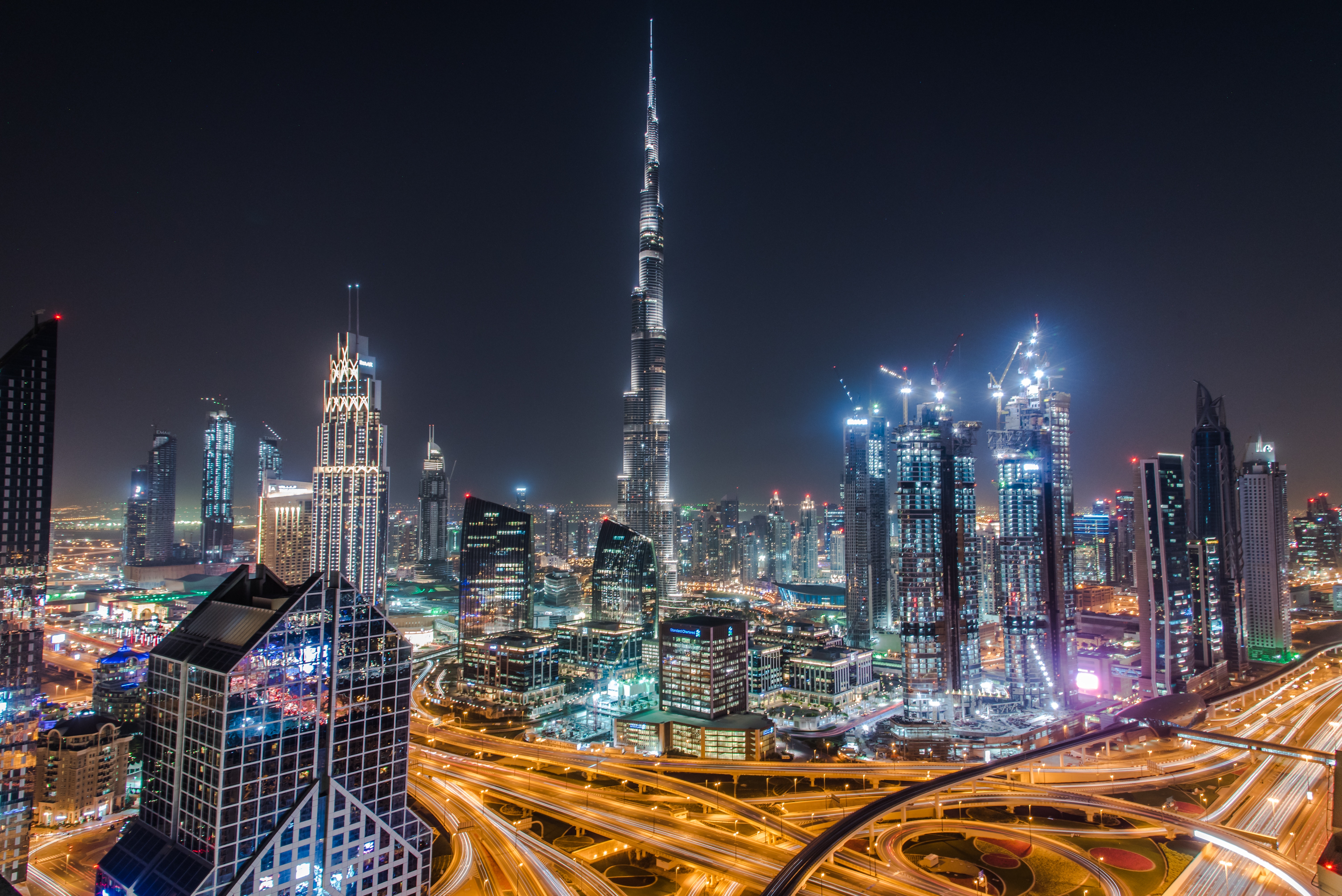
Dubai’s dynamic real estate market also plays a pivotal role in its positioning on the global stage. The city’s skyline, dominated by landmarks such as the Burj Khalifa and other ultra-modern developments, has become synonymous with cutting-edge architectural design and luxury living. With ongoing projects in sustainable urban development and the continued growth of residential, commercial, and tourism sectors, Dubai’s real estate market remains a key driver of its economic growth and global visibility.

The city’s tourism industry continues to thrive, drawing millions of visitors annually for business, leisure, and cultural experiences. Dubai’s attractions, including iconic landmarks, shopping festivals, and luxury resorts, attract travelers from around the world, bolstering its image as a global tourism destination. The government’s strategic focus on expanding the city’s tourism infrastructure and diversifying its offerings, such as through cultural initiatives and major international exhibitions, has contributed to its international appeal.

Dubai’s rise in the GPCI rankings is a testament to the city’s forward-thinking approach and its ability to adapt to changing global dynamics. Its growth trajectory aligns with its broader vision of becoming a global leader in innovation, sustainability, and economic development. As Dubai continues to attract global talent, investment, and attention, it is poised to solidify its position as a central player in the global urban landscape.

This transformation is also reflected in the city’s ambitious plans for the future. Dubai aims to continue enhancing its competitiveness by investing in next-generation infrastructure, sustainable urban planning, and new industries such as space exploration. Its growing stature in the GPCI highlights its resilience and capacity to navigate challenges, from geopolitical uncertainties to global economic shifts, while maintaining its upward trajectory.

Dubai’s property market has experienced a remarkable surge in demand, with the fourth quarter of 2024 marking the highest-ever quarterly sales, signaling a bullish outlook for 2025. The city’s real estate sector continues to attract investors and homebuyers, bolstered by favorable economic conditions and government initiatives aimed at supporting growth. The trend suggests that Dubai’s property market will likely maintain its momentum, making it one of the most attractive destinations for real estate investment globally.

The Dubai Land Department (DLD) reported that in Q4 2024, the total value of real estate transactions soared to new heights, breaking previous records. In addition to an increase in the volume of sales, the average property prices have seen upward movements, driven by high demand in both residential and commercial segments. This strong performance is attributed to a combination of factors, including the city’s resilient economic recovery, strong investor confidence, and a growing population that is increasingly seeking quality housing and investment opportunities.

Leading this growth is the luxury real estate segment, which has experienced a particularly sharp uptick. High-net-worth individuals and international investors have shown a preference for prime residential properties, with villas, penthouses, and beachfront developments seeing the most significant price increases. As international travel restrictions ease and global investors return to the market, Dubai’s luxury offerings continue to be seen as attractive, safe havens for capital preservation.

In addition to the luxury sector, there is increasing interest in mid-market housing. The city’s developers have been responding to this demand by focusing on affordable housing projects, catering to the growing middle class. Several large-scale developments, particularly in emerging areas such as Dubai South, Dubai Creek Harbour, and Mohammed bin Rashid City, are underway to address this need.

The government’s proactive role in shaping the property landscape cannot be overstated. Initiatives such as long-term visas, tax breaks, and investor-friendly policies continue to provide a favorable business environment for property owners. Furthermore, the Expo 2020 Dubai, despite its delayed launch, has had a lasting impact on the city’s infrastructure, attracting additional global attention and investment. The city’s diverse and dynamic economy, with sectors like tourism, technology, and finance growing at a rapid pace, further strengthens the property market’s growth potential.

Dubai’s location as a global financial hub and a gateway between East and West remains a crucial factor for foreign buyers. The city’s diversification efforts, which focus on sectors such as fintech, renewable energy, and logistics, make it an attractive option for investors seeking growth and stability. As a result, Dubai’s real estate market remains a strong performer compared to other global cities.

The UAE’s ambitious Vision 2025 plans, which include expanding tourism, enhancing urban infrastructure, and fostering a knowledge-based economy, will likely boost demand for both residential and commercial properties in the long term. These national efforts support the city’s appeal as a thriving center for business and leisure, encouraging both local and foreign investments.

As Dubai’s economy continues to diversify and evolve, real estate will remain a key pillar. Developments in the infrastructure sector, such as the expansion of the Dubai Metro and road networks, are expected to play a significant role in sustaining the growth of property markets in both established and developing areas. Additionally, a growing focus on sustainability and green developments has led to an increase in eco-friendly properties, which appeal to environmentally conscious buyers and investors.

The residential market, while currently the star of the show, is not the only segment benefitting from this upswing. Dubai’s commercial real estate market has also seen robust demand, particularly in office spaces and retail developments. As more businesses, particularly tech and financial firms, establish a foothold in the city, the demand for high-quality office spaces in prime locations has risen. Moreover, the hospitality industry has also enjoyed a boost, with new luxury hotels and resorts attracting both international and regional visitors, supporting the broader tourism sector.

Looking ahead to 2025, experts predict that Dubai’s property market will continue to attract investment, particularly from buyers and developers seeking stability amid global economic uncertainties. Analysts are particularly optimistic about the long-term prospects of the market, with the growing demand for both luxury and affordable housing creating a balanced real estate ecosystem. The projected growth of the city’s economy, combined with its increasing role as a global business hub, positions Dubai to maintain its upward trajectory.

Despite the optimistic outlook, challenges remain, particularly in terms of rising construction costs and the potential for market saturation in some areas. However, developers are adapting to these challenges by focusing on innovative design and sustainable construction practices. The launch of new projects is expected to continue at a strong pace, with an emphasis on meeting the needs of an increasingly diverse population. Whether through green building initiatives, mixed-use developments, or community-focused design, Dubai’s real estate sector is evolving to meet the demands of modern buyers and investors.

Dubai Police have successfully apprehended Ridouan Taghi, a notorious international fugitive and the leader of the criminal organization ‘Angels of Death,’ marking a significant achievement in global law enforcement efforts. Taghi, who is 41 years old, had been listed on INTERPOL’s most-wanted list for years, known for his involvement in a string of violent crimes across multiple countries, particularly the Netherlands.

Taghi, a Moroccan-Dutch national, was considered one of the most dangerous individuals on the international criminal radar. His organization, the ‘Angels of Death,’ is infamous for its role in numerous murders, drug trafficking, and organized crime syndicates. Dutch authorities had been hunting him for his alleged involvement in orchestrating a series of high-profile killings, many of which were tied to the growing conflict between rival crime families in Europe. His arrest is being hailed as a major breakthrough in efforts to dismantle the vast criminal networks operating in Europe and beyond.

The fugitive was arrested in Dubai after a carefully coordinated operation involving multiple international law enforcement agencies, including the Dutch National Police and INTERPOL. The capture of Taghi is seen as a key success for international cooperation in the fight against organized crime. Dubai’s strategic position as a global hub for business and travel has made it a focal point for law enforcement operations targeting high-profile criminals seeking to evade capture.

Authorities revealed that Taghi had been living under a false identity, using sophisticated methods to conceal his whereabouts. His arrest was the result of months of surveillance and intelligence-sharing between international agencies, which eventually led investigators to Dubai. His criminal empire, which spanned several continents, involved activities such as arms trafficking, money laundering, and the coordination of several brutal assassinations. Taghi was a prime figure in a criminal syndicate that operated with brutal precision, spreading fear and violence in both his home country and across Europe.

Dutch law enforcement officials expressed relief and satisfaction at the news of Taghi’s arrest. The head of the Dutch National Police emphasized that this operation is a monumental step forward in their efforts to dismantle organized crime. “Ridouan Taghi has been at the center of one of the most violent and dangerous criminal organizations in Europe,” said the official. “His arrest is not only a victory for Dutch police but also for the international community.”

Taghi’s criminal network had long been a thorn in the side of European authorities. His involvement in high-profile killings, such as the murder of investigative journalist Peter R. de Vries, who had been reporting on the criminal activities surrounding Taghi, brought his activities into the global spotlight. The murder of de Vries shocked the Netherlands and raised concerns about the growing influence of organized crime in the country.

In addition to orchestrating murders, Taghi is also believed to have been deeply involved in the narcotics trade, particularly in the trafficking of cocaine. His ability to navigate international borders and evade capture for so long had earned him a reputation as a master of evasion. His criminal activities spanned countries, including the Netherlands, Belgium, Spain, and Morocco, and he is said to have enjoyed the protection of powerful criminal factions that further complicated efforts to bring him to justice.

The investigation into Taghi’s activities also brought attention to the role of international cooperation in combating organized crime. The success of his capture highlights the increasing importance of information-sharing and coordination among law enforcement agencies. INTERPOL, which played a key role in the operation, noted that the arrest sends a strong message to other criminals who believe they can hide from the law.

Following his arrest, Taghi was immediately placed in custody and is expected to be extradited to the Netherlands to stand trial. Dutch authorities have charged him with numerous offenses, including murder, attempted murder, and involvement in a criminal organization. His trial will be closely monitored, as it is expected to shed light on the inner workings of his criminal network and the extent of its operations.

Taghi’s arrest is likely to have significant implications for organized crime across Europe. It is expected to destabilize the power structure of the criminal organizations that have long relied on his leadership and influence. Moreover, it serves as a warning to other high-profile fugitives that international law enforcement agencies are more determined than ever to pursue them across borders.

Experts in international law enforcement have pointed out that Taghi’s capture is a rare example of the global reach of criminal organizations being successfully confronted through collaborative policing. It highlights how organized crime, which once seemed untouchable due to the complex networks that shielded its leaders, is becoming increasingly vulnerable to coordinated efforts.

The United Arab Emirates (UAE) has introduced the National Agenda for Integrated Waste Management, a strategic initiative by the Ministry of Climate Change and Environment (MOCCAE) aimed at revolutionizing waste management practices to bolster the circular economy and advance sustainable development. This comprehensive agenda is structured around three strategic directions: minimizing waste production, adopting circular economy practices, and enhancing landfill management. Developed in collaboration with local authorities, […]

Arabian Post Staff -Dubai The United Arab Emirates, once a federation of small desert states, has become a beacon of rapid development and transformation over the past five decades. Under the visionary leadership of the late Sheikh Zayed bin Sultan Al Nahyan, the UAE has emerged as a global economic hub, with its journey serving as an inspiration to countries around the world. From humble beginnings in […]

Dubai is set to unveil an innovative rental index that will track real-time transaction data, providing a more accurate picture of the city’s evolving rental market. This move aims to address growing concerns over fluctuating rents and offer greater transparency to both tenants and landlords. The index will rely on actual rental contracts, rather than estimates or surveys, to better reflect the dynamics of the market.

The introduction of this new system is expected to have a significant impact on the real estate sector, which has seen sharp price increases over the past few years. With its dynamic nature, the rental index will allow for more responsive adjustments, providing both market participants and policymakers with up-to-date insights. Industry professionals are hopeful that it will encourage fairer rental practices and more informed decision-making.

Real-time data will be collected from a variety of sources, including government agencies, property developers, and real estate companies, ensuring a comprehensive overview of the market. By incorporating transactional data, the rental index aims to offer an unparalleled level of precision compared to traditional methods of tracking rent prices.

The move comes as Dubai’s rental market continues to face pressure, with demand outstripping supply in several key areas. Properties in central locations, such as Downtown Dubai and Dubai Marina, have seen some of the steepest increases in rent, driven by a combination of population growth, returning expats, and a thriving tourism sector. At the same time, other areas of the city, such as Dubai Silicon Oasis and International City, have witnessed more modest increases, reflecting broader trends in the real estate market.

This initiative is also part of Dubai’s broader efforts to modernize its infrastructure and become more data-driven in its approach to urban planning. The rental index will complement existing digital initiatives, such as the Dubai Land Department’s e-services platform, which allows residents and property owners to complete transactions and obtain relevant permits online. By harnessing the power of big data, the government aims to improve urban management and streamline processes, enhancing both the quality of life for residents and the efficiency of business operations.

Experts argue that the real-time rental index could play a key role in mitigating rent volatility, particularly in times of economic uncertainty. With inflationary pressures affecting global markets and economic conditions fluctuating, many Dubai residents have been grappling with rising living costs, especially in the rental sector. The rental index will provide more consistent benchmarks for pricing, allowing tenants to better plan their finances and giving landlords a clearer understanding of the competitive landscape.

The data-driven approach to tracking rents also has the potential to reduce speculation in the market. Real-time transactional data will help establish more accurate baseline rents and avoid inflated pricing based on outliers or overly optimistic projections. For tenants, this means less uncertainty in terms of potential price hikes and a clearer path to securing affordable housing options. For landlords, it provides a tool to gauge the market and adjust rental prices in line with demand, ensuring competitiveness without overpricing.

The rental index is not expected to be a one-size-fits-all solution but rather a resource for stakeholders to use in conjunction with other market data. The government’s focus on transparency will be key, as it will encourage both landlords and tenants to align their expectations with more factual, data-driven insights. The index will also be instrumental in creating a fairer environment for the growing number of new residents who have recently moved to Dubai.

With more transparency in rental data, potential investors from abroad may be more inclined to enter the Dubai real estate market. Clearer information on rental trends, backed by verified data, will offer them the confidence they need to make informed investment decisions. The introduction of such an index highlights Dubai’s ongoing commitment to evolving as a global hub for business and innovation.

As Dubai’s rental market continues to evolve, the success of the new index will depend on the accuracy and comprehensiveness of the data it tracks. Real-time data will need to be consistently updated to ensure that the index reflects the latest trends and developments. Furthermore, its effectiveness will also depend on how well it is integrated into broader real estate and urban planning strategies, including new housing policies and initiatives aimed at boosting supply in high-demand areas.

The rental index is expected to have wider implications for how housing is regulated and managed in Dubai. By prioritizing data over assumptions, the city is taking a bold step toward more equitable and efficient real estate practices. The index will provide both tenants and landlords with a reliable framework for navigating the rental market, creating a more balanced environment for all involved.

Sheikh Mohammed bin Rashid Al Maktoum, Vice President and Prime Minister of the UAE and Ruler of Dubai, recently conducted a comprehensive review of the progress of multiple development initiatives in Hatta, a picturesque enclave situated in the UAE’s Hajar Mountains. These initiatives, part of a broader $980 million revitalization program, aim to transform the region into a prime tourism and economic hub, enhancing the quality of […]

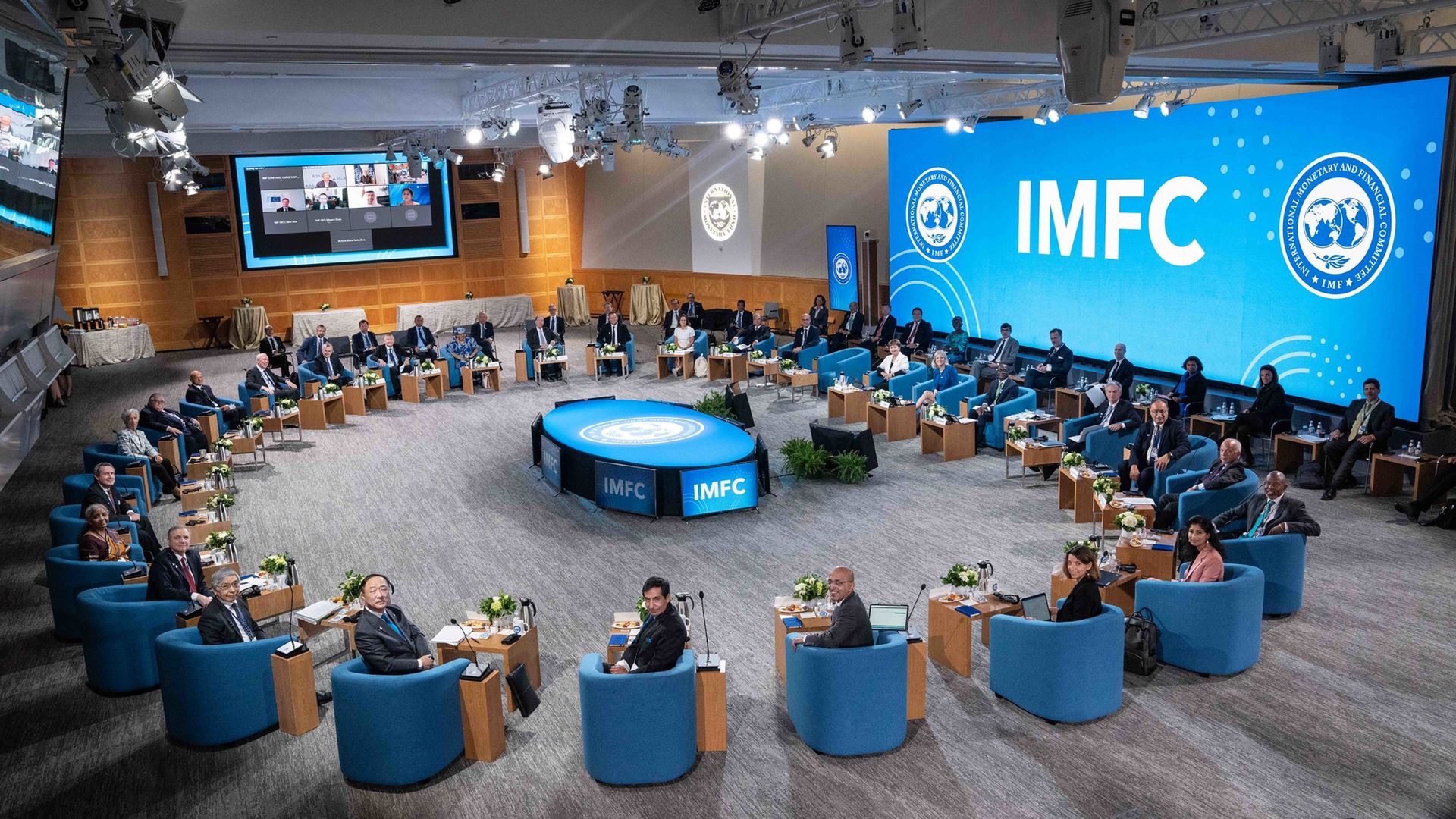
The Gulf economies are expected to continue their upward trajectory despite ongoing geopolitical tensions across the Middle East, according to the latest report from the International Monetary Fund (IMF). The region’s resilience, the IMF suggests, is driven by its diversified economic base, robust fiscal policies, and higher oil prices, which have counterbalanced the adverse effects of regional instability.

While the Middle East remains a hotspot for geopolitical risks, including tensions in Yemen, Syria, and Iran, the Gulf Cooperation Council (GCC) states—namely Saudi Arabia, the UAE, Qatar, Kuwait, Bahrain, and Oman—are poised for solid growth. The IMF’s economic outlook for the Gulf for the upcoming year signals a stable trajectory, with growth projections ranging from 3.2% to 3.5% for most of the member states. This comes on the back of strong economic fundamentals and the region’s strategic efforts to diversify away from oil dependency.

According to the IMF, the GCC’s fiscal prudence and economic diversification initiatives are vital drivers of the positive outlook. Non-oil sectors such as finance, real estate, tourism, and technology have become key contributors to economic growth. Saudi Arabia, for instance, has ramped up its Vision 2030 reform plan, focusing on broadening its economic base and reducing the country’s dependency on hydrocarbons. These efforts have led to an uptick in foreign direct investment and economic activity outside of oil.

The region’s handling of fiscal policies has played a crucial role in shielding it from the negative impacts of external shocks. Governments in the Gulf have generally maintained sound fiscal policies, with substantial fiscal surpluses bolstering state coffers, even as global oil prices fluctuate. For instance, Saudi Arabia and the UAE have used their oil revenues to fund ambitious infrastructure and diversification projects that promote long-term stability.

Saudi Arabia’s economic transformation efforts, notably under the leadership of Crown Prince Mohammed bin Salman, are already yielding results. The kingdom’s GDP has experienced robust growth, especially in non-oil sectors such as entertainment, sports, and tourism. Major projects like Neom, the futuristic city being developed in the northwest, and the Red Sea Project are expected to generate significant economic activity in the coming years. These initiatives reflect a long-term vision to create new economic hubs and reduce reliance on oil.

The UAE, another key player in the Gulf, has also shown a remarkable shift towards diversifying its economy. Dubai’s push to become a global center for technology and finance is starting to pay off, with the city positioning itself as a regional leader in both fintech and blockchain. Abu Dhabi’s focus on renewable energy and clean technologies is further strengthening the UAE’s long-term economic resilience. With such initiatives, the UAE is set to continue its strong performance, with growth forecasts suggesting the economy will expand by 4% over the next year.

Qatar has similarly proven its economic resilience. The country’s investment in liquefied natural gas (LNG) projects has enhanced its export capabilities, enabling it to weather external market fluctuations. Qatar has also shifted its focus to developing a more diverse economy, emphasizing finance, sports, and education, particularly through initiatives like the Qatar National Vision 2030.

The IMF also highlighted that Kuwait and Oman are expected to experience moderate growth, driven by their diversified economies and investments in non-oil sectors, including infrastructure and services. Although Oman has faced fiscal challenges in the past, its recent economic reforms and strategic investments are expected to yield positive results in the coming years. Similarly, Kuwait’s substantial sovereign wealth fund continues to provide a financial cushion, enabling the country to continue its development plans despite challenges.

Despite the ongoing tensions in neighboring countries, the Gulf states have managed to maintain political stability, a crucial element in sustaining investor confidence. The UAE’s role as a neutral hub for international trade, coupled with Qatar’s robust diplomatic efforts, has further insulated the region from potential instability. While conflicts in Yemen, Syria, and Iraq present challenges, the Gulf countries have largely shielded their economies from these disturbances through strong governance and military spending.

The Gulf’s active participation in global energy markets continues to provide it with a cushion against external shocks. Oil remains a crucial driver of revenue, but the higher global oil prices in the past year have supported economic resilience. Saudi Arabia and the UAE have also taken steps to ensure that their energy resources are used sustainably, with the UAE focusing on clean energy initiatives and Saudi Arabia looking to become a leader in green hydrogen production.

The region’s financial markets have also performed admirably in the face of geopolitical risk. Stock exchanges across the Gulf have been showing positive growth, with investors confident in the long-term prospects of the region. The UAE, in particular, has seen a surge in its financial markets, fueled by investor confidence in its economic diversification plans. Furthermore, the region’s strong banking sectors and their adaptation to digital banking and fintech have made them more attractive to foreign investors.

On the global stage, the Gulf has increasingly become a key partner in trade and investment. Its strategic location, at the crossroads of Europe, Asia, and Africa, continues to make it a central hub for international trade. In addition, initiatives such as the GCC’s Free Trade Agreement and the bloc’s involvement in the World Trade Organization (WTO) strengthen its position as a trade powerhouse.


The Roads and Transport Authority (RTA) of Dubai has awarded a landmark $5.6 billion contract for the expansion of the city’s metro network. The deal, which was secured by an international consortium, marks a major step toward enhancing Dubai’s public transport infrastructure, solidifying the city’s status as a leading global metropolis. The multi-billion-dollar contract will focus on the extension of the Red Line, which forms the backbone […]

JJJ, a new hedge fund established by former Moore Capital executives, has made a significant move into Dubai’s thriving financial market, joining a growing list of hedge funds that are increasingly eyeing the Middle East for expansion. The firm’s decision to set up shop in Dubai comes as part of a larger trend in the financial world, with several major hedge funds diversifying their portfolios and strategies by targeting the region’s rapidly developing financial infrastructure.

Dubai’s status as a global business hub continues to rise, with the emirate offering a favorable regulatory environment, access to wealth management opportunities, and strategic proximity to both emerging and developed markets. While the city has long been a financial nexus, the past few years have seen an influx of hedge funds, private equity firms, and asset managers. This has been driven by various factors, including political stability, economic diversification, and reforms that have made Dubai an increasingly attractive destination for investors.

The move by JJJ is part of a broader trend of hedge funds exploring opportunities outside of their traditional bases in Europe and the United States. Firms are seeking not only the benefits of a more competitive regulatory environment but also the ability to tap into the vast capital reserves held in the Middle East. The region is home to some of the wealthiest sovereign wealth funds and private investors in the world, offering hedge funds the opportunity to manage capital from highly liquid sources.

Dubai’s financial ecosystem has been evolving to meet the demands of global investors, with key initiatives such as the Dubai International Financial Centre (DIFC) and the Dubai Financial Market (DFM) enhancing the city’s status as a financial powerhouse. The DIFC, in particular, has introduced reforms to make it easier for foreign firms to operate, including offering tax incentives, regulatory flexibility, and a wide range of financial products designed to appeal to global investors.

Hedge funds such as Bridgewater Associates, Citadel, and Renaissance Technologies have already made substantial investments in the Middle East, setting up operations or partnerships in Dubai to take advantage of these changing dynamics. The attraction is clear: with the city’s tax advantages, world-class infrastructure, and access to high-net-worth individuals, Dubai offers a unique blend of opportunity for firms looking to expand globally.

JJJ’s entrance into the market signals its belief in the growing potential of Dubai as a financial center. The firm’s founders, who built their careers at Moore Capital before launching their own venture, have chosen the UAE as a base to further expand their global strategy. Dubai’s thriving real estate, tourism, and technology sectors provide additional opportunities for diversification, and the financial ecosystem is uniquely poised to help firms manage and grow assets in these sectors.

Market analysts are observing that Dubai’s development as a financial hub is accelerating. The UAE government has focused on attracting international investors through a series of economic reforms, including the introduction of a new visa system aimed at increasing foreign talent and capital inflows. Additionally, the UAE has strengthened its financial regulations to align more closely with international standards, helping to bolster the confidence of global investors.

The UAE’s efforts to enhance its financial landscape come at a time when many traditional financial centers, particularly in Europe, are facing economic challenges. With the UK navigating post-Brexit uncertainties and European financial markets encountering growing regulatory pressures, Dubai’s business-friendly environment and stable geopolitical landscape provide an appealing alternative. As a result, Dubai has emerged as a go-to location for hedge funds seeking to reduce their reliance on markets that are less certain or experiencing instability.

One of the key factors driving hedge funds to Dubai is the emirate’s strong connection to the global oil industry, which remains a significant driver of wealth in the region. The UAE’s energy sector continues to evolve, with a growing emphasis on renewable energy investments and green technologies. Hedge funds are positioning themselves to tap into these new opportunities, aligning with the region’s broader vision for sustainable development.

Dubai’s geographic location also makes it an attractive proposition for hedge funds looking to diversify their global investment strategies. Sitting at the crossroads of Asia, Europe, and Africa, the city serves as a bridge between markets in these regions, giving hedge funds access to a wide range of assets and opportunities. Dubai’s proximity to fast-growing emerging markets, particularly in Asia and Africa, allows hedge funds to tap into growing economies while also maintaining their existing connections to established markets in the West.

JJJ’s foray into the Dubai market comes at a time when the global hedge fund industry is seeing an increasing appetite for alternative investments. These funds, which traditionally relied on traditional equity and bond markets, are now diversifying their portfolios to include private equity, real estate, and other alternative asset classes. Dubai, with its dynamic growth and diverse industries, offers an ideal environment for this kind of diversification.

The Trump Organization is set to expand its presence in the Gulf with the development of Trump Towers in both Abu Dhabi and Dubai. These luxury projects, slated for construction in partnership with Dar Global, are expected to bring unparalleled opulence to the region, with one of the towers located in Downtown Dubai. According to Eric Trump, son of the US president-elect, the Abu Dhabi development is […]

The UAE property market has experienced a significant surge in demand as a growing number of Europeans relocate to Dubai, seeking a dynamic lifestyle and favorable business environment. According to Ali Sajwani, Managing Director of Damac Properties, a leading real estate developer in the region, the shift has been fueled by a combination of factors that make Dubai an increasingly attractive destination for expatriates. These factors include […]

flydubai has officially inaugurated its new Business Class Lounge at Terminal 2 of Dubai International Airport (DXB), a move aimed at enhancing the travel experience for its premium passengers. This opening aligns with the airline’s ongoing efforts to offer top-tier services and improve convenience for its growing number of high-end travelers.

The launch event was attended by key figures from the airline and local government, including Hamad Obaidalla, Chief Commercial Officer at flydubai, and H.E. Major-General Obaid Muhair bin Suroor, Deputy Director-General of the General Directorate of Residence and Foreigners Affairs in Dubai. Both emphasized the strategic importance of the new lounge in fostering customer satisfaction and reinforcing Dubai’s position as a global hub for air travel.

flydubai’s new Business Class Lounge is designed to offer a comfortable, spacious environment with state-of-the-art amenities, ensuring that passengers can relax or work in a serene setting before their flights. The lounge features a variety of seating options, private workstations, high-speed Wi-Fi, and an extensive selection of food and beverages, tailored to meet the needs of both business and leisure travelers.

The move marks a significant upgrade to the airline’s offerings, as it continues to expand its route network and improve its services. This new lounge, located in the busy Terminal 2, is also a step towards aligning the airline’s infrastructure with the high standards expected of modern international airports. Terminal 2 handles millions of passengers annually, with a significant portion of those traveling in premium classes, further underscoring the demand for such facilities.

The opening of the lounge comes at a time when global air travel is recovering from the pandemic, with airlines increasingly focusing on improving customer experience and loyalty. This lounge is part of flydubai’s broader strategy to distinguish itself in a highly competitive market by offering tailored services for its business class passengers. The airline has made significant strides over the years, with a focus on modernizing its fleet, expanding routes, and improving in-flight services. The introduction of premium lounges at key airports is another step in its long-term vision to provide a seamless travel experience that meets the expectations of today’s discerning passengers.

The flydubai Business Class Lounge is not only a reflection of the airline’s commitment to customer care but also a response to the growing trend among travelers seeking high-end, comfortable experiences at airports. According to aviation industry experts, premium passengers are increasingly looking for more than just luxury in-flight services; they want a complete experience, starting from the moment they step into the airport. This is particularly true in Dubai, where the airport is a critical hub for international connections, and many passengers spend hours waiting for their connecting flights.

The lounge’s design emphasizes a blend of functionality and luxury. The space is divided into different zones, offering everything from quiet areas for relaxation to more active zones for business meetings. The introduction of private workstations caters to business travelers who need a quiet place to prepare for meetings or make calls. For those looking to unwind, the lounge offers a variety of entertainment options, including television screens and comfortable lounge seating. The food and beverage offerings are diverse, with an emphasis on fresh and healthy options, as well as a selection of regional and international delicacies.

Hamad Obaidalla, speaking at the event, noted that the lounge was not only a response to growing demand but also a reflection of the airline’s dedication to innovation in customer service. “As we continue to expand our operations, we are committed to enhancing the travel experience for our passengers,” he said. “The new lounge is an example of how we are investing in facilities that provide our customers with comfort and convenience at every step of their journey.”

The inauguration of this lounge highlights Dubai’s continuous efforts to upgrade its aviation infrastructure. Dubai International Airport has long been a leading global airport, serving millions of passengers each year, and it continues to evolve to meet the needs of the growing air travel market. With new developments, such as the flydubai Business Class Lounge, the airport reaffirms its role as a key player in the global aviation industry.

The move also aligns with broader trends in the aviation sector, where airlines are increasingly focusing on customer experience to stay competitive. In recent years, airlines worldwide have been ramping up their investments in premium services, including dedicated lounges, personalized travel experiences, and enhanced in-flight offerings. As competition in the Middle East’s aviation market heats up, carriers like flydubai are striving to set themselves apart by offering not only affordable fares but also world-class services.

This new facility also reflects the airline’s increasing focus on the business and corporate travel market. Dubai’s status as a global business hub is well-established, and flydubai’s new lounge is designed to cater to the needs of travelers who prioritize efficiency and comfort. Business travelers often have tight schedules and expect high levels of service both on the ground and in the air. With this new lounge, flydubai hopes to make the airport experience as seamless and stress-free as possible.

The Roads and Transport Authority (RTA) of Dubai has officially launched the ‘Logisty’ platform, a major technological initiative aimed at enhancing the efficiency of freight transport across the region. The platform, designed to streamline logistics operations, will serve as a pivotal tool for both local businesses and international traders, helping to optimize the movement of goods in and out of Dubai. With logistics playing a key role […]

Dubai Electricity and Water Authority (DEWA) has forged a strategic partnership with the Electric Power Research Institute (EPRI), aiming to accelerate the shift towards renewable energy. This collaboration aligns with DEWA’s long-term goal to enhance energy sustainability and address the evolving global energy challenges. By joining forces, both organizations seek to leverage cutting-edge technologies and drive forward Dubai’s ambitious clean energy agenda.

The agreement between DEWA and EPRI will focus on various aspects of the energy transition, including grid modernization, renewable energy adoption, and advanced energy storage solutions. With EPRI’s extensive research capabilities and DEWA’s robust infrastructure, the two entities plan to create a framework for knowledge exchange, joint projects, and innovation. The partnership is poised to play a pivotal role in the development and implementation of modern energy technologies, helping to shape the future of energy in Dubai and beyond.

As part of the collaboration, the two organizations will engage in training and development programs aimed at equipping professionals with the skills needed to navigate the challenges of the energy sector. These training initiatives will cover a range of topics, including energy efficiency, clean power generation, and grid resilience. This aspect of the partnership underscores the importance of developing human capital to support the energy transformation process.

DEWA has made significant strides in transitioning towards a more sustainable energy mix, with projects such as the Mohammed bin Rashid Al Maktoum Solar Park serving as flagship examples. The solar park, which is one of the largest in the world, has been a critical part of Dubai’s strategy to reduce carbon emissions and meet its renewable energy targets. By expanding its renewable energy portfolio and collaborating with global leaders like EPRI, DEWA is reinforcing its position as a leader in the Middle East’s energy sector.

EPRI, a US-based non-profit organization, brings decades of expertise in power systems, energy generation, and environmental sustainability. The institute works with utilities, governments, and other stakeholders worldwide to research and develop solutions for the energy industry. EPRI’s contribution to the collaboration with DEWA will be instrumental in driving innovations in smart grid technologies, energy storage systems, and the integration of renewable energy sources into the existing power infrastructure.

The collaboration is timely, as global energy systems are undergoing profound changes. Governments and organizations worldwide are facing the dual challenge of increasing energy demand while reducing environmental impact. In Dubai, DEWA’s leadership in renewable energy is essential for meeting the emirate’s energy goals, which include generating 50% of its power from clean sources by 2050. To achieve these targets, the emirate is focusing on solar, wind, and other renewable technologies, alongside improvements in energy efficiency and grid management.

Energy storage is one area that will benefit from the DEWA-EPRI collaboration. As renewable energy sources like solar and wind are intermittent, energy storage solutions are crucial for ensuring a stable and reliable power supply. The partnership will explore innovative energy storage technologies to better manage fluctuations in energy generation, enabling DEWA to enhance grid stability and reduce reliance on fossil fuels.

The focus on grid modernization will be vital as Dubai looks to incorporate a larger share of renewable energy into its power mix. Modernizing the grid involves upgrading infrastructure to handle decentralized and variable energy sources. This is particularly important as more renewable energy is generated locally through distributed systems, such as solar panels on buildings. Advanced grid technologies, such as smart meters and automation, will help integrate renewable energy more effectively while maintaining reliability and minimizing energy losses.

DEWA’s collaboration with EPRI also underscores the growing importance of international partnerships in addressing global energy challenges. As nations worldwide aim to meet climate goals set under international agreements such as the Paris Agreement, sharing knowledge and expertise becomes crucial. By working with EPRI, DEWA taps into a global network of energy innovators, ensuring that its energy transition strategies are informed by the latest research and best practices.

Dubai’s clean energy push is part of a broader trend across the region, where energy producers are increasingly embracing sustainable practices. The UAE has made significant investments in renewable energy projects, such as the Barakah nuclear power plant and the Noor Abu Dhabi solar plant. These efforts are not only aimed at reducing the country’s carbon footprint but also at diversifying its energy sources and enhancing energy security.

The DEWA-EPRI partnership also highlights the critical role of technological innovation in the energy sector. The growing adoption of digital tools and advanced analytics is transforming how utilities manage energy systems. Artificial intelligence, big data, and machine learning are becoming essential in optimizing grid performance and predicting energy demand patterns. These technologies will play a central role in the collaboration, helping to improve the efficiency and flexibility of Dubai’s energy infrastructure.

Another key area of focus for DEWA is enhancing energy efficiency across various sectors, including transportation and buildings. The collaboration with EPRI will explore how advanced technologies can be applied to optimize energy use in these areas, helping to reduce consumption and lower costs. Additionally, the partnership aims to promote the integration of electric vehicles (EVs) into Dubai’s transport network, providing a sustainable alternative to traditional fuel-powered vehicles.

Mohammed Bin Rashid Aerospace Hub (MBRAH) has inaugurated a new hangar facility at Dubai World Central (DWC), marking a significant milestone for both the aviation industry in the UAE and global business aviation. The event, which took place recently, was attended by key figures including Khalifa Al Zaffin, Executive Chairman of Dubai Aviation City Corporation, alongside senior executives from MBRAH and Comlux, a prominent name in business aviation, known for its specialized services in aircraft transactions, completions, and maintenance.

The new hangar facility is part of MBRAH’s broader vision to strengthen Dubai’s position as a global aviation hub. The expansion of aviation infrastructure at DWC further supports Dubai’s goal to become a world-leading center for aviation excellence. Comlux’s investment in this new facility reflects the growing demand for business aviation services and underscores the strong partnership between the private sector and governmental initiatives aimed at enhancing the aviation ecosystem.

Comlux, headquartered in Switzerland, provides services including aircraft management, charter, completions, and maintenance. The company’s decision to establish a new base at DWC not only reinforces the UAE’s role in global aviation but also emphasizes Dubai’s strategic location as a prime hub for business aviation in the Middle East. With its newly inaugurated hangar, Comlux aims to enhance its operational capacity and cater to a wider range of clients across the region.

DWC has been positioning itself as a key player in the global aviation sector, offering world-class facilities for both commercial and private aviation. The MBRAH hub, in particular, serves as a dynamic platform for companies in the aerospace industry, providing tailored services and state-of-the-art infrastructure. This includes specialized hangars for the maintenance and repair of aircraft, as well as facilities designed to support business aviation operations.

The inauguration ceremony highlighted the growing importance of private and business aviation services within the UAE. With Dubai’s aviation sector continuing to thrive, the demand for high-end services such as those provided by Comlux has surged, prompting further investments in infrastructure to meet these needs. This new hangar is expected to serve a range of aircraft, from smaller jets to large, long-range models, with maintenance and servicing capabilities designed to handle diverse client requirements.

The development of the Comlux facility is expected to provide a significant boost to Dubai’s aviation ecosystem by fostering increased collaboration between local and international stakeholders. It also presents new opportunities for job creation within the sector, offering a variety of roles in aircraft management, engineering, and logistics. By strengthening its infrastructure, Dubai aims to not only meet the needs of the growing business aviation market but also drive further economic growth in the aviation and aerospace industries.

VISHNU RAJA
RYO YAMADA
HITORI GOTOH
IKUYO KITA