News related to
Dubai’s

Aldar has unveiled a joint venture to spearhead a $476 million real estate development in Expo City Dubai, marking a significant move in the Emirate’s property market. The collaboration, which brings together Aldar and Dubai Holding, is expected to fuel Expo City’s transformation into a premier residential and commercial hub. The partnership will develop approximately 38,000 square meters of land within the city, with a focus on sustainability, innovation, and high-end living. This latest announcement is viewed as a strategic step for Aldar as it seeks to expand its portfolio and strengthen its presence in Dubai’s booming property sector.

Expo City Dubai, originally conceived as a site for the World Expo 2020, has been gradually transformed into a multi-functional district, serving residential, business, and entertainment needs. Aldar’s latest development aims to further enhance this district by introducing a series of new residential complexes designed to cater to the increasing demand for upscale living spaces. The development is anticipated to attract both residents and businesses looking to benefit from Expo City’s strategic location and well-established infrastructure.

This project comes at a time when the UAE’s property market is experiencing steady growth, with rising demand for luxury homes and commercial spaces. The collaboration between Aldar and Dubai Holding will leverage the strengths of both entities, with Aldar contributing its expertise in real estate development and Dubai Holding providing prime land and access to Expo City’s robust infrastructure. The project’s primary goal is to create an integrated community that aligns with Expo City’s vision of becoming a leading global destination for business, leisure, and sustainable living.

Aldar, headquartered in Abu Dhabi, has been expanding its footprint in Dubai’s real estate market over the past few years. This joint venture highlights the developer’s ambitions to play a more prominent role in shaping Dubai’s urban landscape. Aldar’s CEO has emphasized that the project will not only contribute to the city’s economic growth but also help position Dubai as a leading destination for property investment. The development, he said, aligns with the UAE’s long-term strategy to diversify its economy and boost its non-oil sectors, particularly real estate and tourism.

Expo City, which has retained much of its infrastructure and facilities from the World Expo, has seen an uptick in investment since the event concluded. Aldar’s project is one of several high-profile developments slated for the area, which is expected to attract both domestic and international buyers and investors. The city is being marketed as a hub for sustainability, innovation, and connectivity, with easy access to key locations such as Al Maktoum International Airport, Jebel Ali Port, and major highways connecting it to Abu Dhabi and the rest of Dubai.

With a focus on environmental sustainability, the development will incorporate energy-efficient designs and technologies, in line with the UAE’s broader sustainability goals. Aldar has a strong track record of integrating eco-friendly features into its projects, and this new venture is expected to follow suit, offering smart homes, green spaces, and pedestrian-friendly environments. Such features are increasingly sought after by buyers in the UAE, where the government has been promoting sustainable urban development as part of its Vision 2030 plan.

Dubai’s real estate market has shown resilience over the past year, with property prices and transactions rebounding after a challenging period due to the pandemic. Experts in the industry are optimistic about the future, pointing to Expo City’s unique selling points and its role in Dubai’s broader urban development plans. Aldar’s involvement in such a high-profile project further cements its status as one of the leading developers in the UAE, and the collaboration with Dubai Holding is expected to bring considerable synergies to the development.

Aldar’s focus on high-end residential units in this project aligns with the broader trend in Dubai’s property market, where luxury homes and apartments have seen significant growth in demand. The influx of high-net-worth individuals, particularly from Europe and Asia, has driven the expansion of the luxury segment, with properties in premium locations commanding higher prices. Aldar and Dubai Holding’s joint venture is well-positioned to capitalize on this trend, offering a blend of exclusivity, innovation, and strategic location within Expo City.

Dubai Holding, which manages an extensive portfolio of assets across multiple sectors, is expected to play a crucial role in facilitating the development’s integration with the rest of Expo City. As a key player in Dubai’s real estate and infrastructure sectors, Dubai Holding has the resources and expertise to ensure the success of this venture. Both companies have expressed confidence in the project’s potential to contribute to the city’s long-term vision of becoming a global hub for trade, tourism, and investment.

The new development is also expected to create numerous job opportunities, both during the construction phase and after the project’s completion. Expo City has already seen significant interest from businesses looking to set up offices in the area, and Aldar’s project will likely further boost its appeal as a commercial center. The mixed-use nature of the development means that it will cater to both residential and business needs, creating a dynamic community that reflects the diverse nature of Dubai’s population and economy.


Dubai, UAE – EcoClean, a leading provider of eco-friendly cleaning solutions, is proud to announce the expansion of its home and apartment cleaning services, designed to offer Dubai residents a cleaner, healthier, and more sustainable living environment. With a commitment to eco-friendly practices, EcoClean’s services cater to homeowners seeking high-quality cleaning without harmful chemicals.   Comprehensive cleaning solutions for every home EcoClean’s home cleaning services provide a […]

China Tiejsu has been awarded a significant construction contract for a tower in Dubai’s Business Bay, marking a notable expansion of its presence in the UAE construction market. This contract comes at a time when the UAE is experiencing a construction boom, fueled by ambitious development projects aimed at enhancing the country’s infrastructure and real estate sectors. The new tower is set to contribute to the skyline of Business Bay, a hub for commercial and residential developments in Dubai.

The announcement of this deal highlights the growing confidence in the UAE’s real estate sector, which is recovering robustly following the economic impacts of the COVID-19 pandemic. With an increase in demand for both commercial and residential properties, developers are keen on investing in high-profile projects. Business Bay has emerged as a focal point for real estate investments, driven by its strategic location and modern amenities, making it an attractive area for businesses and residents alike.

The contract awarded to China Tiejsu signifies not only the company’s commitment to quality construction but also its ability to navigate the complexities of large-scale projects. The firm, which has previously engaged in various international projects, is known for its efficient construction practices and innovative engineering solutions. The Business Bay tower will likely incorporate modern design elements and sustainable building practices, aligning with global trends towards greener construction.

As the UAE government pushes forward with its Vision 2040 initiative, which aims to diversify the economy and enhance sustainability, the demand for innovative construction solutions is more pronounced. The emphasis on building environmentally friendly structures is expected to be a key component of the Business Bay project, positioning it as a leader in sustainable urban development.

This contract is part of a broader strategy by China Tiejsu to establish a foothold in the Gulf region, leveraging its expertise in infrastructure development. The company aims to enhance its reputation by delivering high-quality projects on time and within budget, ensuring client satisfaction. The strategic location of Business Bay, with its proximity to key areas such as Downtown Dubai and the Dubai Canal, further adds to the attractiveness of this project.

With the global construction industry also facing challenges such as supply chain disruptions and fluctuating material costs, China Tiejsu’s ability to manage these factors will be critical. The firm has developed robust supply chain strategies to mitigate these risks, ensuring the smooth progression of its projects. This proactive approach not only enhances operational efficiency but also positions China Tiejsu as a reliable partner in the region.

The award of this contract is expected to create numerous job opportunities within the local market, further supporting the UAE’s economic recovery. The construction sector, which plays a crucial role in the nation’s economy, has seen a surge in employment as new projects get underway. Skilled labor and construction workers will be in high demand, contributing to the local workforce and economic growth.

The government’s commitment to enhancing the infrastructure in Dubai has attracted various international construction firms, resulting in heightened competition and innovation within the sector. This environment has pushed companies to adopt advanced technologies and sustainable practices, which are increasingly becoming the norm in new construction projects. China Tiejsu’s entry into the Business Bay market underscores this trend, showcasing the potential for future collaborations and partnerships.

Market analysts predict that the construction sector in the UAE will continue to grow, driven by ongoing investments in infrastructure, tourism, and real estate. The upcoming Expo 2025 in Dubai is also expected to stimulate further development, as the city prepares to accommodate increased visitors and businesses. With the backing of the government’s supportive policies and investment incentives, the landscape for construction companies appears promising.

Dubai has taken a significant step toward becoming a cashless economy with the launch of the “Dubai Cashless Strategy.” This ambitious initiative aims to boost the emirate’s position as a global digital economy leader by increasing cashless payments across both public and private sectors. The strategy’s goal is to ensure that 90% of all transactions in Dubai are digital by 2026, a move expected to generate over AED 8 billion in economic growth annually.

A key component of this transformation is fintech innovation, with particular focus on digital payment solutions driven by artificial intelligence and contactless technologies. These innovations will be instrumental in delivering seamless, secure payment experiences for businesses and consumers alike.

Abdulrahman Saleh Al Saleh, Director-General of Dubai’s Department of Finance, noted that Dubai already boasts an advanced financial ecosystem adhering to international standards. He emphasized that 97% of government transactions were conducted digitally in 2023, illustrating the strong foundation for this cashless transition. This effort aligns with the broader goals of the Dubai Economic Agenda (D33), which seeks to enhance the city’s economic standing on the world stage.

Hamad Obaid Al Mansoori, Director-General of Digital Dubai, reiterated the strategic significance of the initiative. He emphasized that the move toward cashless transactions not only enhances the ease of daily life but also reinforces Dubai’s attractiveness as an investment hub. The fintech sector, critical to this strategy, will help the city maintain its digital leadership while fostering new innovations in financial services.

Dubai Holding, a prominent global investment conglomerate, has announced its intention to establish a Real Estate Investment Trust (REIT), targeting substantial investment in the region’s thriving real estate sector. This strategic move aligns with the company’s broader vision of enhancing Dubai’s position as a premier investment destination while responding to the increasing demand for innovative financial products in the market. The planned REIT will focus on a […]

A significant refinancing deal has been finalized for Fairmont The Palm, a prominent luxury hotel located in Dubai. IFA Hotels & Resorts announced it has secured a $163 million refinancing package from Emirates NBD. This move is aimed at strengthening the hotel’s financial position and facilitating continued investment in its operations and services.

Fairmont The Palm is situated on the iconic Palm Jumeirah, a man-made island renowned for its luxurious residences and attractions. The hotel boasts 391 rooms, multiple dining options, and extensive leisure facilities, including a private beach, swimming pools, and wellness services. Given Dubai’s status as a premier tourist destination, the hotel’s location and amenities contribute to its strong appeal.

The refinancing package represents an important step in IFA Hotels’ strategy to optimize its capital structure and support the ongoing recovery of the hospitality sector in Dubai. The funds are expected to be utilized for various enhancements within the hotel, ensuring that it remains competitive in a rapidly evolving market.

Dubai’s hospitality industry has shown resilience and adaptability in the face of challenges brought on by the COVID-19 pandemic. As travel restrictions ease and international tourism rebounds, hotels across the emirate are focusing on improving guest experiences and expanding their offerings. Fairmont The Palm, with its established reputation and high occupancy rates, stands well-positioned to benefit from this recovery.

The financing from Emirates NBD not only underscores the bank’s confidence in the hospitality sector but also aligns with its commitment to supporting strategic developments in Dubai’s tourism landscape. Emirates NBD has played an active role in financing significant projects across various sectors, reflecting its dedication to facilitating growth in the region’s economy.

Investment in hospitality has become a priority for Dubai, particularly as the emirate aims to attract 25 million visitors annually by 2025. Initiatives to enhance tourism infrastructure, such as the recent launch of new entertainment venues and improved transportation links, are part of a broader strategy to diversify the economy and reduce reliance on oil revenues.

Fairmont The Palm’s refinancing is indicative of broader trends within the hospitality sector, as hotels and resorts seek financial solutions that enable them to adapt to changing market dynamics. Many establishments are re-evaluating their business models to focus on sustainability, digital transformation, and personalized guest experiences.

Industry analysts point to the increasing importance of wellness and sustainability in hospitality. As guests become more conscious of their impact on the environment, hotels that invest in sustainable practices are likely to gain a competitive edge. Fairmont The Palm has been recognized for its commitment to sustainability, implementing eco-friendly initiatives such as waste reduction programs and energy-efficient technologies.

Looking ahead, Fairmont The Palm plans to capitalize on emerging trends in the hospitality industry. The hotel is exploring new culinary concepts, partnerships with local artists for cultural programming, and technology-driven enhancements that improve guest interactions. These initiatives aim to create memorable experiences that resonate with both leisure and business travelers.

The refinancing deal is not only beneficial for Fairmont The Palm but also reflects the overall health of Dubai’s hospitality market. With the UAE government’s efforts to boost tourism and investments in infrastructure, hotels are witnessing a surge in both domestic and international bookings. As events and exhibitions resume, the demand for accommodations is expected to increase further, providing opportunities for hotels to maximize their revenue streams.

Several key players in the hospitality sector are closely monitoring the developments surrounding Fairmont The Palm and other major hotels in Dubai. The success of such refinancing deals could pave the way for additional investments and partnerships in the region, particularly as the emirate strives to maintain its position as a leading global tourist destination.

As the global hospitality industry continues to recover from the pandemic, the focus on financial resilience and adaptability will be paramount. Fairmont The Palm’s successful refinancing indicates a positive outlook for the sector, positioning the hotel to thrive amidst the evolving landscape.

Dubai’s real estate market has been experiencing significant growth, with apartment prices increasing by nearly 25% over the past 12 months. This sharp surge is driven by strong demand from both international and domestic buyers, as well as a continuous influx of new developments catering to various income brackets.

High-end areas such as Palm Jumeirah, Downtown Dubai, and Dubai Marina have been at the forefront of this price rise. Luxury properties in these prime locations have seen price increases ranging from 10% to 24%, fueled by limited availability and a growing appetite for premium homes. Mid-tier and affordable segments, particularly in areas like Jumeirah Village Circle and Dubai Silicon Oasis, have also recorded significant gains, with apartment prices climbing by 12% to 23%.

This increase in demand is mirrored by the number of property transactions in Dubai, which reached a record high during the first half of 2024. The total value of these sales exceeded AED 122.9 billion, reflecting the market’s resilience. The trend also shows a shift in buyer preferences, with more investors exploring suburban and emerging neighborhoods outside of the city’s core. These areas are becoming more popular due to their competitive pricing and better returns on investment. Additionally, Dubai’s expanding infrastructure and lifestyle amenities are making these outlying areas increasingly attractive to potential buyers.

The off-plan market has also been thriving, with more than 80% of units launched since 2022 being sold out. Notably, areas such as Emaar’s The Valley and Tilal Al Ghaf have garnered significant interest from both first-time homebuyers and seasoned investors. These developments, characterized by a combination of affordability and modern conveniences, have further boosted the overall appeal of Dubai’s real estate sector.

Rising rents are another facet of this growth. Many rental properties across Dubai have seen a surge in prices, particularly in high-demand areas like Business Bay, Dubai Marina, and Jumeirah Lakes Towers. In some neighborhoods, apartment rents have increased by up to 31%, particularly for affordable and mid-tier segments, underscoring the increasing costs for residents. However, Dubai still offers competitive returns for investors, with rental yields in certain areas exceeding 9%, making the city a lucrative market for property investment.

The ongoing upward trajectory in Dubai’s real estate sector has prompted developers to respond with new projects. Emaar Properties, one of Dubai’s leading developers, has launched key projects such as The Oasis and Grand Polo Club & Resort. These master communities are expected to meet the growing demand for both luxury and family-oriented homes, particularly among international buyers seeking properties in Dubai for lifestyle and investment purposes.

Advertisements

Dubai has rolled out a new initiative aimed at recognizing exceptional educators within its private school system. Sheikh Hamdan bin Mohammed bin Rashid Al Maktoum, Crown Prince of Dubai, announced the eligibility criteria for private school teachers to apply for the UAE Golden Visa. The program, which was introduced on World Teachers’ Day, is part of a broader effort to appreciate the crucial role educators play in shaping Dubai’s future generations.

The Knowledge and Human Development Authority (KHDA) detailed the selection criteria that will allow teachers to qualify for the long-term residency permit. Only those who demonstrate outstanding achievements in their profession will be eligible to apply for the visa. This move is seen as a significant boost to Dubai’s private education sector, providing long-term stability and rewards to teachers who make substantial contributions to their students’ success.

Dubai’s Roads and Transport Authority (RTA) has lifted the restriction on foldable e-scooters within the Dubai Metro and Tram system, marking a shift in transport policy that comes with a firm set of guidelines. The RTA had initially introduced the ban in March 2024, citing concerns for commuter safety. However, with revised safety protocols in place, e-scooter riders are once again permitted to carry their devices on public transit, provided they adhere to stringent conditions aimed at maintaining safety and order within metro and tram stations.

The decision to relax the ban coincides with an increase in the popularity of e-scooters as a convenient mode of transport, especially for the last-mile commute in Dubai’s growing urban landscape. Foldable e-scooters have now been given the green light, provided they meet specific criteria set by the RTA. These scooters must be no larger than 120cmx70cmx40cm and weigh no more than 20kg. Additionally, they must be folded and placed in designated areas when inside stations or on public transport. This move comes as part of Dubai’s broader strategy to enhance eco-friendly transportation options, integrate diverse mobility solutions, and alleviate congestion in high-density areas.

Safety, however, remains a top priority. The new rules emphasize that riding e-scooters inside stations or on public transport is strictly prohibited, with the RTA reiterating that passengers must fold their scooters upon entering metro or tram premises. Failure to comply with these rules could lead to penalties, as part of the city’s drive to maintain high safety standards in public areas.

This policy adjustment reflects Dubai’s commitment to promoting sustainable transport, aligning with global trends that see cities embracing micro-mobility solutions. With e-scooters gaining traction in urban areas worldwide, especially in Europe and the US, cities are increasingly adopting frameworks to ensure these devices coexist safely with other forms of transport.

RTA’s renewed focus on safety is also evident in the broader context of its micro-mobility regulations. In addition to the size and weight restrictions, users are reminded that scooters must meet specific technical standards, such as brake functionality and proper lighting. Moreover, the RTA has announced that it will continue to monitor compliance and may introduce further updates to these regulations as necessary.

This regulatory shift follows a period of deliberation and review after the initial ban was imposed earlier this year. Public feedback and input from safety experts were reportedly considered in developing the new rules, ensuring that e-scooters can be integrated into the city’s public transport network without compromising the safety of metro and tram passengers.

By lifting the ban and putting these guidelines in place, Dubai joins a growing number of global cities that are actively working to incorporate micro-mobility solutions into their transport networks. It is yet another step in Dubai’s transformation into a smart city, enhancing the quality of life for residents by providing more flexible and sustainable transport options.

For e-scooter users, the easing of restrictions offers new convenience, particularly for commuters looking to bridge the gap between metro stations and their final destinations. As this mode of transport continues to evolve, the RTA is expected to remain vigilant in enforcing safety measures and adapting to the needs of a rapidly changing urban mobility landscape.

Dubai’s booming real estate sector, characterized by record demand and competitive opportunities, is posing mounting challenges for developers seeking prime land. According to Reef Luxury Developments CEO, Samer Ambar, securing high-value plots has become a significant hurdle as the market continues to grow, attracting a diverse array of investors from around the globe. Ambar’s insights come at a pivotal moment for Dubai’s real estate market, which has […]

Dubai has maintained its position as the world’s top destination for greenfield foreign direct investment (FDI) projects in the first half of 2024, solidifying its leadership in global markets. The city attracted a high volume of investments, surpassing all other major financial hubs globally. These investments, particularly in greenfield projects, continue to play a significant role in driving the city’s economic diversification and positioning it as a […]

Dubai’s booming real estate market reached a record-breaking milestone in Q3 2024, posting an unprecedented $38.6 billion (Dh141.9 billion) in sales. This new benchmark represents the highest quarterly sales in the city’s history, surpassing the $33.8 billion (Dh124 billion) set in the previous quarter, underscoring a sustained surge in demand across the property sector.

The latest figures show a significant 30.1% year-on-year growth, signaling robust momentum that has been building throughout 2024. A total of 50,423 property sales were completed during the third quarter, marking a 16.6% rise from Q2 and an impressive 37.9% increase compared to the same period last year.

Apartments remained the dominant driver of this expansion, contributing 77% of all transactions. Over 39,000 apartment sales accounted for a combined value of $19.2 billion (Dh70.5 billion), representing a 43.9% surge in volume from Q3 2023. Villas, too, saw strong performance, with 8,156 units sold, generating $10.7 billion (Dh39.2 billion) in sales, up 16.6% in volume and 18.4% quarter-over-quarter. This marks the continued preference for premium residential living and underscores the growing interest in lifestyle-oriented properties.

The median price per square foot also climbed to $411 (Dh1,511), reflecting the rising property values in the city. The ongoing price appreciation is notable when compared to previous years, with a sharp rise from Dh1,017 per square foot in 2021 to Dh1,405 last year, illustrating the long-term trajectory of property value growth in Dubai.

Dubai’s position as a global hub for innovation has drawn considerable attention to the city’s expanding cryptocurrency market. The United Arab Emirates (UAE), with its pro-technology policies and investment in blockchain infrastructure, has emerged as a strategic hotspot for crypto exchanges. With a clear focus on security, liquidity, and competitive fees, Dubai-based crypto platforms are capturing the attention of both retail and institutional investors alike. As the industry evolves, some exchanges stand out for their user-friendly approach, strong compliance with local regulations, and diverse product offerings.

The cryptocurrency landscape in Dubai is buoyed by the government’s proactive stance, including the adoption of blockchain technology in public services. The introduction of Emcash, the UAE’s first official cryptocurrency, underscores the country’s ambition to lead in the digital asset space. Given the booming interest in cryptocurrency trading, finding the best platform in Dubai is critical for investors keen to participate in this dynamic market. Several exchanges distinguish themselves by catering to different needs, from high liquidity to low transaction fees, ensuring that both new traders and seasoned professionals can find a suitable platform.

Among the leading platforms, Binance stands out due to its global reach, immense liquidity, and strong security features. Binance’s popularity in Dubai can be attributed to its diverse offering of digital currencies, its top-tier security measures such as multi-factor authentication, and its ability to process high transaction volumes efficiently. The exchange also boasts advanced trading features, including futures contracts, margin trading, and staking options, making it a go-to for both day traders and long-term investors.

Bybit, another prominent player in the Dubai market, has carved a niche for itself with its focus on derivatives trading and copy trading features. For those new to cryptocurrency, Bybit’s copy trading option allows users to mimic the trades of successful investors, reducing the risks typically associated with beginner errors. The platform’s clean interface and educational tools make it an appealing choice for new traders while offering robust charting tools and high-leverage options for more experienced users. Additionally, Bybit’s emphasis on compliance with UAE regulations has made it a trusted platform for local traders.

For investors looking to diversify beyond crypto assets, eToro provides an ideal solution. The platform is known for its multi-asset capabilities, allowing users to trade both cryptocurrencies and traditional forex markets. The added flexibility of managing diverse portfolios from a single platform enhances its appeal among traders in Dubai. eToro’s social trading feature, where users can follow and replicate trades from more experienced investors, adds another layer of accessibility, especially for those less familiar with the nuances of cryptocurrency markets. Its compliance with local regulatory frameworks further strengthens its credibility in the region.

BitOasis, one of the UAE’s homegrown exchanges, is widely recognized for its user-centric approach. Established in Dubai, the platform provides an easy entry point for new investors by simplifying the process of buying and selling popular cryptocurrencies like Bitcoin and Ethereum. What distinguishes BitOasis is its deep integration with local banking systems, which allows for smooth fiat-to-crypto conversions. This local focus has also enabled it to build a reputation for reliability and transparency, making it a preferred choice for users keen to avoid international transfer fees or delays.

On the other end of the spectrum, Rain has become a popular platform due to its low trading fees and ease of use, particularly appealing to budget-conscious investors. Originally based in Bahrain but with a strong presence in Dubai, Rain caters specifically to the Middle Eastern market by offering support for local currencies and adhering to regional regulations. The platform also offers a mobile-first design, ensuring that users can manage their portfolios and execute trades on the go. Its emphasis on low transaction fees makes it one of the most affordable options for traders in Dubai, helping Rain carve out a space in the competitive crypto exchange market.

While all these exchanges have different strengths, it is important to note the regulatory landscape of the UAE. In Dubai, the Virtual Assets Regulatory Authority (VARA) plays a crucial role in overseeing the cryptocurrency sector, ensuring that platforms operate within legal frameworks and adhere to stringent anti-money laundering (AML) and know-your-customer (KYC) requirements. This ensures that Dubai remains a secure environment for cryptocurrency activities, providing peace of mind for investors concerned with compliance and security.

The integration of blockchain technology within Dubai’s economy continues to grow, spurred on by these exchanges and the government’s broader vision for the future of digital assets. Dubai’s government has been at the forefront of blockchain adoption, aiming to become a global leader in the digital economy. Through initiatives like the Dubai Blockchain Strategy, the city has laid the groundwork for a more efficient, transparent, and secure financial ecosystem, with cryptocurrencies playing a pivotal role in this transformation.

Dubai Multi Commodities Centre (DMCC) has entered into a strategic partnership with Switzerland-based CV VC to enhance the development of the Web3 ecosystem across Dubai and Switzerland. This significant agreement was formalized during the annual CV Summit 2024, held in Zug, Switzerland, an event recognized as the leading blockchain and Web3 gathering in the country. The summit attracted thousands of industry leaders and entrepreneurs, creating a vibrant […]

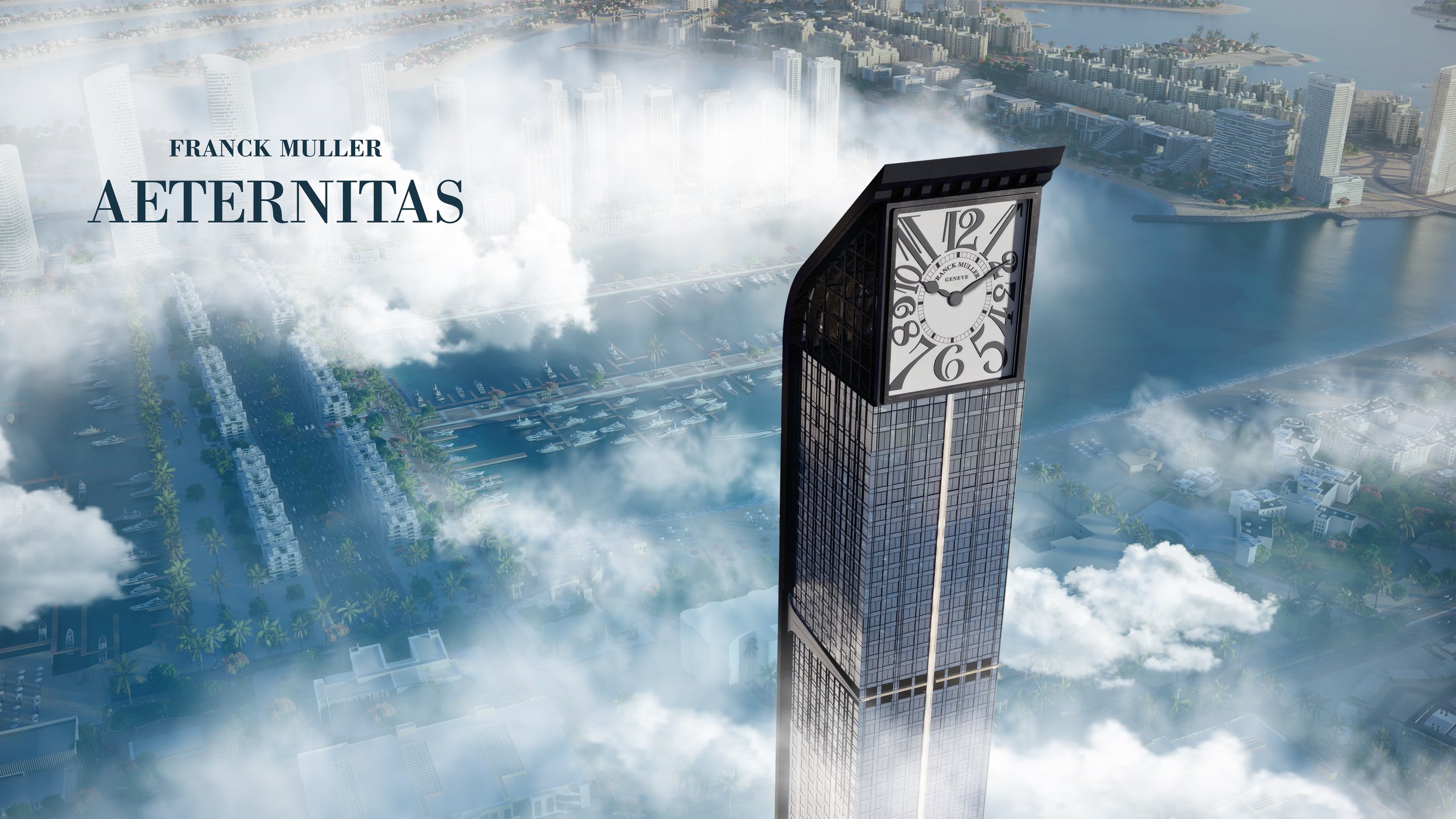
Luxury real estate in Dubai has taken another leap forward as London Gate, a prominent UAE-based developer, and renowned Swiss watchmaker Franck Muller, have unveiled the Franck Muller Vanguard Tower. Set in Dubai Marina, this is their second major collaboration following the successful launch of Franck Muller Aeternitas Tower, which sold out swiftly after its release. The new residential tower promises to raise the bar for high-end living, combining Swiss precision with modern design and cutting-edge amenities.

This latest development continues the partnership between the two luxury brands, targeting an elite segment of homebuyers and investors looking for exclusive real estate in one of Dubai’s most sought-after areas. With its prime location in Dubai Marina, the Vanguard Tower aims to redefine contemporary luxury, blending Franck Muller’s craftsmanship with London Gate’s innovative architectural concepts.

The 38-story tower, designed by DAR Consult, will offer an array of upscale apartments, ranging from studios to three-bedroom units. It will feature state-of-the-art amenities such as a rooftop swimming pool, 24/7 security, dedicated retail spaces, and recreational areas for residents to relax and socialize. Notably, the building will integrate elements inspired by Franck Muller’s watchmaking heritage, reflecting the brand’s ethos of precision and artistry. Delivery is scheduled for the fourth quarter of 2027.

Dubai’s luxury real estate market is witnessing a significant surge in property sales, driven by a growing demand that currently outstrips available listings. In the first half of the year, the emirate saw a remarkable increase in transactions for high-end properties, underscoring the resilience of its real estate sector amidst global economic uncertainties. Recent reports highlight that Dubai has become a magnet for affluent buyers, particularly from […]

The Karl Lagerfeld brand is venturing into the luxury real estate market, announcing ambitious plans to expand its portfolio of branded residences both in the UAE and globally. This move marks a significant shift for the iconic fashion house, which has primarily been associated with haute couture, accessories, and lifestyle products. The expansion aligns with a broader trend in the luxury sector, where fashion brands are increasingly diversifying their offerings to include real estate as a means to enhance their brand presence and engage consumers in new ways.

The announcement comes as part of a collaboration between the Karl Lagerfeld brand and the luxury real estate developer, K. Group, headquartered in Dubai. The partnership aims to develop exclusive residential projects featuring the distinctive design and aesthetic synonymous with Lagerfeld’s legacy. The first of these projects is expected to launch within the next two years in one of Dubai’s upscale neighborhoods, further solidifying the city’s reputation as a global luxury hub.

This strategic expansion into branded residences capitalizes on the growing demand for luxury living spaces that offer personalized experiences, combining opulence with the allure of high fashion. Branded residences have become increasingly popular among affluent buyers seeking unique living experiences that reflect their lifestyle preferences. This trend is particularly pronounced in regions such as the Middle East, where luxury and exclusivity are paramount.

Lagerfeld’s iconic design sensibility, characterized by clean lines, bold colors, and a contemporary aesthetic, will play a central role in shaping the residential projects. Each residence is expected to showcase custom interiors inspired by Lagerfeld’s distinct style, ensuring that residents will experience a unique living environment that embodies the brand’s ethos. The integration of high-quality materials, innovative design features, and cutting-edge technology will further enhance the allure of these properties.

As the luxury real estate market continues to evolve, fashion houses like Karl Lagerfeld are leveraging their brand equity to tap into new revenue streams. This strategy not only enhances brand visibility but also creates a sense of community among residents who share an affinity for the brand. Moreover, the collaboration with K. Group will enable the Karl Lagerfeld brand to benefit from the developer’s extensive market knowledge and expertise in the real estate sector.

The global luxury real estate market is witnessing a surge in interest from high-net-worth individuals seeking investment opportunities that combine lifestyle with financial returns. According to industry analysts, the branded residences market is projected to grow significantly, driven by increasing demand for luxury properties in prime locations. The trend is particularly evident in cities like Dubai, where luxury developments have consistently attracted wealthy investors from around the world.

The partnership between Karl Lagerfeld and K. Group represents a broader trend among luxury brands diversifying their portfolios. Similar ventures have been seen with brands like Versace, Bulgari, and Armani, each establishing their own branded residences in various markets. These projects not only serve as a revenue stream but also deepen the emotional connection between consumers and the brand, fostering loyalty and enhancing the overall brand experience.

The move into branded residences also aligns with the growing consumer preference for experiential luxury, where buyers are increasingly looking for more than just a property. They seek a lifestyle that is intricately woven with the values and aesthetics of the brands they admire. By offering residences that reflect the essence of the Karl Lagerfeld brand, the company is poised to capitalize on this shift in consumer behavior, providing potential buyers with a unique living experience that transcends traditional luxury.

With the Karl Lagerfeld brand’s expansion into branded residences, the fashion house is set to redefine the luxury living experience. The move underscores the evolving landscape of the luxury market, where boundaries between fashion, lifestyle, and real estate continue to blur. As the brand prepares to unveil its first residential projects, anticipation is building among potential buyers eager to experience the unique fusion of high fashion and luxury living.

Dubai has taken a significant step toward solidifying its position as a global leader in innovation and intellectual property (IP) management with the launch of the Dubai Intellectual Property Hub (DIPH). Developed in collaboration between the Dubai Future Foundation (DFF) and the UAE Ministry of Economy, the DIPH aims to provide a centralized platform for managing IP and intangible assets (IA) in the region. The initiative targets a wide range of stakeholders, including innovators, artists, entrepreneurs, researchers, academics, and startups, by offering streamlined support and resources.

The DIPH was unveiled at the “IP2024: Glimpse on the Future of IP” event, which attracted high-level officials, industry experts, and leading figures from the IP sector. The introduction of this hub underscores the UAE’s ambitions to position itself as a competitive hub for global intellectual property development and protection. The platform is designed to assist those working in knowledge-based industries, which are becoming increasingly crucial in today’s digital economy.

The Dubai Intellectual Property Hub is expected to fill a longstanding gap in the region’s innovation ecosystem by offering a one-stop solution for intellectual property needs. Through DIPH, innovators will have access to various resources that streamline the IP registration and management process, reducing the complexity that often hampers the commercialization of innovative ideas. By making it easier for creators to secure their intellectual property rights, Dubai is also encouraging the creation and growth of knowledge-based industries.

The launch of the DIPH comes at a critical time when global economies are placing more emphasis on knowledge and innovation. Intangible assets, such as patents, trademarks, copyrights, and trade secrets, are increasingly valuable, and their protection is crucial to driving growth and competitiveness in global markets. This new hub aims to address that demand by providing comprehensive support for the entire IP lifecycle, from idea generation and patent registration to commercialization and enforcement.

In remarks delivered during the launch event, officials highlighted the significance of the DIPH in fostering innovation not just in the UAE but across the broader Middle East and North Africa (MENA) region. The platform aims to establish Dubai as a center for IP-related activities, attracting talent and investment from across the globe. By empowering individuals and organizations to secure their intellectual property more efficiently, the UAE aims to create an environment that nurtures creativity and entrepreneurship.

The DIPH’s comprehensive services include assistance with patent filings, IP rights consultations, educational workshops, and resources on the commercialization of intangible assets. The hub also promises to facilitate networking opportunities between innovators, investors, and legal experts, thereby fostering collaborations that could lead to the development of cutting-edge technologies and creative endeavors.

The collaboration between the Dubai Future Foundation and the Ministry of Economy also reflects the UAE’s broader strategy of diversifying its economy away from traditional sectors like oil and gas. By promoting knowledge-based industries, the UAE is positioning itself as a global leader in sectors like artificial intelligence, biotechnology, and clean energy, where intellectual property plays a critical role. Officials at the launch underscored that the Dubai Intellectual Property Hub is aligned with the UAE’s long-term vision for innovation-driven economic growth.

The DIPH aims to be more than just a registry for patents and trademarks; it aspires to be a catalyst for innovation across multiple sectors. By providing a centralized resource for IP-related activities, the hub is set to attract innovators from around the world, providing them with the tools and support they need to succeed. This effort is in line with Dubai’s larger objective to become a leader in the global knowledge economy, fostering a fertile environment where new ideas and technologies can flourish.

The launch of the Dubai Intellectual Property Hub coincides with the UAE’s commitment to aligning its innovation goals with international standards. Officials noted that DIPH would ensure that the UAE remains compliant with international intellectual property laws and agreements, facilitating smoother collaboration with global partners and investors. This alignment is particularly crucial in today’s interconnected world, where cross-border collaborations are becoming more prevalent.

The introduction of DIPH has been met with widespread optimism from industry experts, who believe that the hub will help to overcome several challenges currently faced by innovators and businesses in the region. One of the primary obstacles to IP protection in many emerging markets is the lack of streamlined processes and resources for managing intellectual property rights. By addressing these gaps, the Dubai Intellectual Property Hub is expected to provide an essential service that will benefit both local and international innovators.

The DIPH is also designed to support the growth of startups in the UAE, which are often heavily reliant on their intellectual property for competitive advantage. Startups and small businesses frequently struggle to navigate the complex world of intellectual property law, and the DIPH aims to alleviate some of these burdens by offering tailored support to emerging companies. Through educational resources, legal consultations, and partnerships with venture capital firms, the hub will assist startups in securing their innovations and bringing them to market.

Ripple has secured in-principle approval from the Dubai Financial Services Authority (DFSA), marking a pivotal step in its global expansion. The approval allows Ripple, a prominent digital asset infrastructure provider, to extend its operations within the Dubai International Financial Centre (DIFC), one of the world’s leading financial hubs. This regulatory nod signals the continued embrace of blockchain-based financial solutions in the Middle East, further positioning Dubai as […]

Sofitel has officially launched its inaugural branded residences in Downtown Dubai, marking a significant expansion of the luxury hotel brand’s presence in the region. The development, in collaboration with Azha Development and Dubai Sotheby’s International Realty, is strategically located just minutes away from iconic landmarks like the Burj Khalifa and the Dubai Mall, catering to affluent buyers and investors seeking a premium living experience.

The Sofitel branded residences comprise 174 luxurious units, including one, two, and three-bedroom apartments, designed to embody the essence of French elegance fused with Middle Eastern hospitality. Each residence features modern amenities, sophisticated interiors, and expansive views of the city’s skyline, ensuring a lavish lifestyle for residents. The project aims to attract both local and international buyers, reflecting the growing demand for upscale living spaces in Dubai’s thriving real estate market.

The launch comes at a time when Dubai’s property sector is witnessing robust growth, fueled by the UAE’s strategic initiatives to boost tourism and attract foreign investment. Recent reports indicate a surge in luxury property sales, with many buyers from various regions, including Europe and Asia, looking to invest in Dubai’s thriving real estate market. This trend is partly driven by the UAE’s successful handling of the pandemic and its appeal as a global business hub.

Sofitel’s entry into the branded residences segment aligns with its global strategy to enhance brand visibility and cater to an evolving clientele that values luxury and lifestyle. The residences are not merely living spaces; they are designed to provide a holistic lifestyle experience. Residents will have access to a range of amenities, including a swimming pool, a wellness center, and exclusive dining options, all curated to deliver the signature Sofitel experience.

Azha Development’s partnership with Sofitel exemplifies a growing trend among developers in Dubai, who are increasingly collaborating with international brands to elevate their projects. The collaboration aims to leverage Sofitel’s prestigious reputation in the luxury hospitality sector to enhance the appeal of the residences. This synergy is expected to boost the overall value of the development, making it an attractive investment opportunity.

Dubai Sotheby’s International Realty plays a crucial role in the sales strategy for these branded residences, leveraging its extensive network and expertise in the luxury real estate market. The agency’s involvement underscores the importance of marketing strategies tailored to affluent buyers, utilizing high-end branding and exclusive events to showcase the lifestyle offered by the Sofitel residences.

Market analysts suggest that branded residences have become a significant trend in the global real estate market, particularly in high-demand areas like Dubai. Buyers are increasingly drawn to properties that offer the backing of renowned brands, as these often promise a certain level of quality, service, and lifestyle. This trend is expected to continue, with luxury brands like Sofitel leading the charge in meeting the growing demand for high-end living.

The demand for branded residences is fueled by the lifestyle aspirations of wealthy individuals who prioritize a seamless blend of luxury, service, and location. The proximity of the Sofitel residences to major attractions in Dubai positions it as a prime choice for buyers looking for convenience and accessibility. The development’s strategic location allows residents to immerse themselves in the vibrant culture, entertainment, and leisure activities that Dubai offers.

The launch of the Sofitel branded residences also coincides with ongoing efforts by Dubai’s government to promote the city as a premier destination for expatriates and investors. Initiatives such as long-term residency visas and the Golden Visa program have attracted a diverse pool of buyers, further boosting demand for luxury properties. The city’s real estate market has seen a notable uptick in transactions, with luxury properties leading the way in terms of both sales and price appreciation.

Ripple has achieved a significant milestone by receiving in-principle approval from the Dubai Financial Services Authority (DFSA) to enhance its operations from the Dubai International Financial Centre (DIFC). This approval marks Ripple as the first blockchain-enabled payment services provider licensed by the DFSA, enabling the company to offer its suite of digital asset infrastructure and services in the United Arab Emirates (UAE). With this regulatory endorsement, Ripple […]

As the Halloween horror budget approaches in the UK, scheduled for October 30, an ominous cloud looms over wealthy Britons, prompting many to consider leaving the country. This migration trend began under the Conservative government, which pushed UK taxes to a staggering 70-year high. The situation has escalated dramatically, with reports indicating that last year alone saw 4,200 millionaires departing the UK. With Labour now in charge, […]

Dubai’s property market is poised for a significant surge with an anticipated launch of nearly 40,000 new off-plan units in the last four months of 2024. This development comes amid a backdrop of increased demand for residential properties, particularly in high-end and strategically located areas.

The off-plan sector has already seen robust performance, with transaction values reaching AED 52 billion in the second quarter of 2024, reflecting an 81% increase compared to the same period last year. This growth can be attributed to a strong economic environment and investor confidence in Dubai’s real estate market. The areas most active in transactions include Jumeirah Village Circle, Mohammed Bin Rashid City, Business Bay, Ras Al Khor, and Dubai Hills Estate .

Key developers have been proactive in responding to the rising demand, introducing a diverse range of units designed to appeal to various buyer segments. This includes a mix of apartments and villas, with a focus on modern amenities and customization options . Industry experts highlight a growing preference among buyers for off-plan properties, driven by flexible payment plans and the allure of new developments. The strategic planning by developers aims to capitalize on this trend and ensure adequate supply to meet the increasing demand.

Dubai’s strategic positioning as a global business hub and a desirable residential destination is playing a crucial role in this surge. Investors are drawn to the city not only for its investment potential but also for its lifestyle offerings and modern infrastructure. The government’s initiatives to boost the economy and enhance living standards contribute to a favorable market environment .

Analysts anticipate that this influx of new projects will significantly impact the market, addressing the current shortage of ready-to-move-in homes. The combination of high demand and new supply is likely to keep property values stable, while still offering attractive opportunities for investment .

With developers focusing on key trends such as sustainability and technological integration in housing projects, the Dubai real estate market is well-positioned for continued growth. The upcoming months are expected to further highlight Dubai’s appeal as a leading destination for real estate investment. This dynamic landscape is poised to attract both local and international investors eager to capitalize on the evolving market conditions .

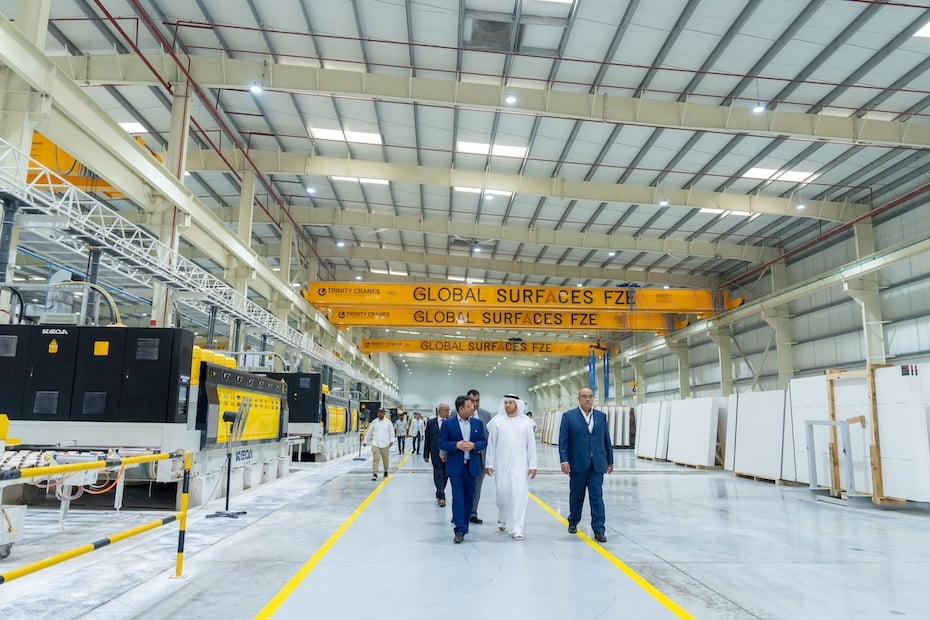
Global Surfaces, a key player in the artificial quartz market, has inaugurated a manufacturing facility in the Jebel Ali Free Zone (Jafza), marking a significant step in the region’s industrial expansion. The state-of-the-art facility, with a price tag of Dhs100 million, is poised to become the largest of its kind in the Middle East, focusing on advanced production processes to meet the surging demand for engineered quartz across the Gulf region and beyond.

The new facility is expected to drastically enhance the company’s production capacity and solidify its market leadership in the region. The plant has been equipped with the latest technology to manufacture artificial quartz and other surface materials, positioning Global Surfaces to capitalize on the growing trend of sustainable and resilient building materials in real estate and construction projects.

Global Surfaces’ decision to base its manufacturing hub in Jafza aligns with Dubai’s strategy to position itself as a global manufacturing and logistics center. This strategic location will allow the company to serve both regional and international markets with greater efficiency. Dubai’s well-established infrastructure, combined with its connectivity through Jafza and proximity to the Jebel Ali Port, was a critical factor in Global Surfaces’ choice of location. The facility will not only boost the company’s operational capabilities but will also create new employment opportunities, contributing to the local economy.

Jafza, part of DP World’s expansive logistics network, is home to over 7,500 businesses from around 135 countries. It has long been a magnet for global manufacturing and trading enterprises due to its integrated infrastructure and streamlined processes for global trade. The free zone’s strategic location offers easy access to key markets across the Middle East, Asia, and Europe, making it an ideal base for companies like Global Surfaces, which aims to scale its production and distribution networks across multiple continents.

Artificial quartz, a popular alternative to natural stone, is increasingly in demand for both commercial and residential projects due to its durability, low maintenance, and eco-friendly properties. The market for quartz surfaces has seen steady growth as developers and architects prefer engineered materials for high-traffic areas such as kitchens and bathrooms. Additionally, advancements in manufacturing technologies have made artificial quartz more customizable, offering a wider range of aesthetic options compared to traditional materials like marble or granite.

The global market for artificial quartz is projected to grow significantly in the coming years, with demand fueled by a resurgence in construction activity, urbanization trends, and the shift towards sustainable building materials. The Middle East, particularly the UAE, has been at the forefront of adopting these innovations, driven by ambitious infrastructure and real estate projects. Global Surfaces’ new facility in Jafza is positioned to tap into this rising demand, enabling faster production cycles and reduced lead times for clients.

While artificial quartz is a key focus of the new plant, the facility will also produce a variety of surface materials to cater to diverse industry needs. With the advanced capabilities of this plant, Global Surfaces will be able to cater to custom specifications, offering clients a broad spectrum of colors, textures, and finishes.

As Global Surfaces scales its production output, the company is expected to strengthen its ties with key developers and contractors in the region. By ensuring a steady supply of high-quality artificial quartz surfaces, the firm is likely to play a vital role in some of the region’s most prestigious construction projects, particularly in the UAE and Saudi Arabia, where demand for cutting-edge building materials remains robust.

The company’s commitment to sustainability is another significant aspect of this expansion. The new facility in Jafza is designed to minimize environmental impact through energy-efficient processes and the use of sustainable raw materials. Global Surfaces has pledged to reduce its carbon footprint by incorporating green technologies into its production line, aligning with the broader industry shift towards environmentally responsible manufacturing practices.

Global Surfaces has also hinted at potential future expansions, both in terms of product offerings and geographical reach. The Jafza facility is seen as a cornerstone of the company’s long-term growth strategy, enabling it to serve not only the Middle East but also other global markets, including Europe and North America.

This latest development from Global Surfaces highlights the company’s ambition to become a leading name in the global artificial quartz industry. The Jafza facility, with its advanced technological capabilities and strategic location, will be instrumental in achieving this goal. The company’s leadership expressed optimism about the future, emphasizing that the new plant would enable them to better meet the needs of their clients while supporting the UAE’s industrial and economic growth.

VISHNU RAJA
RYO YAMADA
HITORI GOTOH
IKUYO KITA
Just in:
Google patches actively exploited Chrome XML security flaw // Public Protests Challenge Elected Power In Europe And India // Trump’s Defeat In Midterm May Lead To Both Challenges And Opportunities For Indian Economy // Rubio rejects prospect of imminent Iran peace breakthrough // Abu Dhabi court holds NMC executives liable for fraud // NIA Highlights Three Exemplary Breakthroughs from National Innovation Awards, Driving Thailand Toward a Global ‘Innovation Nation’ // From Seoul to Wuzhen: Korean Celebrities and Creators Spark a Water Town Slow-Living Trend // Vijayan seeks immediate reversal of decision // Houthi missile barrage damages Aramco tower in Riyadh // European refrigeration hacks expose Gulf retail security risks // Deemed status for high-performing aided colleges // Trump directs Justice Department scrutiny of Democratic threats // Lee Kum Kee Sauce-Sponsored 2026/27 Hong Kong Windsurfing Circuit – iQFOiL Championships Conclude Successfully // UAE non-oil trade climbs to AED 2.945 trillion // Recognition under the U.S. Green Building Council’s rating system confirms the 22-residence tower is on track for full certification on completion // PhotonPay Strengthens North American Regulatory Footprint with Canada’s RPAA Registration // AutoSwift secures close to A$10 million from Singapore’s X Star Technology to scale AI WINGMAN // Sber announces results of GigaArt AI-art festival: Nearly half a million images // Republicans Struggling To Come Out Of Nov 3 Debacle To Prepare For 2028 Prez Polls // Setback for Usha in Olympic body //