News related to
Dubai’s

Dar Global and The Trump Organization have announced the development of Trump International Hotel & Tower in Dubai, marking a significant expansion of the Trump brand in the Middle East. The 80-storey skyscraper is set to become the tallest building on Sheikh Zayed Road, standing at 350 metres. Scheduled for completion in December 2031, the tower will introduce a new level of luxury living to the city. […]

Chelsea Football Club has signed a landmark partnership agreement with DAMAC Properties, appointing the Dubai-based luxury real estate developer as the club’s official Property Development Partner. The collaboration will see the launch of Chelsea Residences by DAMAC, a high-end residential development in Dubai that will merge world-class football branding with luxurious living.

The development will be situated in Dubai Maritime City, an area known for its premium waterfront views and proximity to the heart of Dubai. This location will offer residents seafront views and easy access to the city’s key attractions. Chelsea Residences is slated to include over 1,400 residential units, ranging from apartments to luxury villas, designed to meet the needs of affluent buyers seeking both high-end living and a touch of football culture in their homes.

The project’s design promises to blend the elegance of Chelsea’s iconic blue branding with the sophisticated and modern style synonymous with DAMAC Properties. It will feature Chelsea-branded amenities, including state-of-the-art fitness centres, wellness facilities, and a football-themed community space, which aims to embody the values of health, fitness, and well-being that the club advocates both on and off the pitch.

In addition to providing a distinctive football-themed residential experience, the collaboration will also see the creation of exclusive lifestyle experiences for residents. This could include special events, VIP access to Chelsea games, and potential meet-and-greet opportunities with players and management. The project is expected to attract not only football fans but also investors interested in combining luxury living with a globally recognized sports brand.

This partnership marks a strategic move by Chelsea FC to further enhance its brand value beyond football, entering the lucrative real estate market. For DAMAC Properties, the association with one of the world’s most popular football clubs is an opportunity to expand its portfolio and tap into new demographics, particularly those with a passion for football.

The project also underscores Dubai’s status as a global hub for luxury real estate and sports investment. The city, known for its ambitious development projects and high-profile partnerships, continues to draw attention from international investors. By combining the global appeal of Chelsea FC with DAMAC’s reputation for delivering top-tier residential projects, Chelsea Residences aims to attract both local and international buyers looking for a distinctive and luxurious living environment.

The development aligns with the UAE’s wider strategy to position itself as a leader in luxury lifestyle offerings, particularly in the areas of hospitality, sports, and entertainment. Dubai has long been a magnet for wealthy expatriates and investors, with its real estate market offering a unique blend of high-end developments and tax-free benefits.

While DAMAC Properties is no stranger to branding collaborations, this partnership with Chelsea FC is particularly notable for its scale and the integration of football culture into real estate. Previous DAMAC ventures have included high-profile collaborations with fashion brands like Versace and Fendi, but the Chelsea partnership takes it a step further by incorporating a sport with such a massive global following.

Chelsea Residences by DAMAC is part of a broader trend of football clubs seeking new ways to monetise their brand through property developments and other ventures outside of traditional sponsorship deals. Similar moves have been made by other top European clubs, which have entered the real estate market to capitalize on their large, global fanbases. However, this development is unique for its strong focus on the football experience and its integration of Chelsea’s ethos and values.

The project is expected to be completed in phases, with the first units likely to be ready for occupancy within a few years. The development’s timeline will likely be influenced by factors such as the economic climate and demand for luxury properties in the region. However, early interest in the project is anticipated to be strong, particularly among Chelsea fans and international investors looking to secure a piece of the high-end Dubai market.

This partnership also highlights a growing trend in the sports industry, where clubs are diversifying their revenue streams and looking beyond traditional matchday earnings, broadcasting deals, and merchandise sales. With its extensive global fanbase, Chelsea FC’s partnership with DAMAC opens up the potential for new revenue streams, while offering DAMAC a chance to strengthen its brand association with one of the most successful football clubs in the world.

Foreign investments in Gulf stocks have surged in recent years, as nations within the Gulf Cooperation Council continue to transform their economies and capital markets. By the close of 2024, foreign equity inflows are expected to double to $60 billion, a sharp increase from 2022, driven by a combination of regulatory changes and inclusion in the prestigious MSCI Emerging Market Index.

The GCC’s capital markets have experienced substantial growth. Market capitalisation has increased four-fold, reaching $4.2 trillion, with turnover doubling to $690 billion. The rapid expansion of foreign participation is reshaping the region’s financial landscape, as countries seek to diversify their economies beyond oil revenues. This shift has become particularly evident in the stock markets of the region, where foreign investors are now a more prominent presence than ever before.

Gulf nations have made concerted efforts to modernise their economies, making them more attractive to international capital. A key development has been the GCC’s growing inclusion in global financial indices. Four out of six GCC countries – Saudi Arabia, the UAE, Qatar, and Kuwait – are now part of the MSCI Emerging Market Index. This inclusion has attracted significant international attention and capital, as investors see the region as a promising avenue for growth.

One of the critical factors behind the inflow of foreign capital is the series of regulatory reforms that have been introduced in recent years. These reforms have been designed to make the region’s markets more accessible and investor-friendly. Foreign ownership limits have been eased, allowing international investors to take larger stakes in companies listed on Gulf exchanges. These changes have made the GCC markets more appealing to institutional investors who were previously deterred by restrictive ownership rules.

In addition to regulatory changes, the GCC countries have also improved their financial infrastructure. The establishment of new exchanges, the introduction of better trading mechanisms, and the enhancement of corporate governance standards have all contributed to the region’s growing appeal to international investors. These efforts have created a more stable and predictable investment environment, crucial for attracting foreign capital.

The shift towards diversification from oil has been another driving force behind the surge in foreign investment. Gulf nations, particularly Saudi Arabia and the UAE, have been actively working to reduce their dependence on oil revenues by investing in a variety of industries. Saudi Arabia’s Vision 2030 plan, for example, aims to develop sectors such as technology, entertainment, and tourism, positioning the kingdom as a global investment hub. The UAE, meanwhile, has focused on becoming a regional leader in technology and innovation, with Dubai’s growing status as a fintech hub contributing to the rise in foreign equity participation.

The role of foreign investors in shaping the region’s stock markets cannot be overstated. Their increasing presence is evident in the growing market capitalisation and turnover of Gulf stock exchanges. As more international players enter the market, their influence on corporate governance and market dynamics becomes more pronounced. This has led to greater transparency and a more competitive business environment, which benefits both local and foreign investors alike.

Looking ahead, there are clear signs that the GCC countries will continue to evolve as attractive investment destinations. The ongoing reforms, coupled with the broader diversification strategies being pursued by the region, are likely to sustain the momentum of foreign investment. Oman, which is yet to be included in the MSCI Emerging Market Index, is expected to join in 2027, further expanding the reach of GCC capital markets.

While the region’s markets have flourished, there are also challenges that must be addressed. The volatility of global oil prices continues to be a concern, given that the GCC economies remain largely dependent on oil exports, despite efforts at diversification. Moreover, the geopolitical dynamics of the region also present risks that could affect foreign investment flows. However, the GCC countries have demonstrated resilience in managing these risks, through sound economic policies and a commitment to strengthening ties with global markets.

As Dubai continues to expand its real estate offering, a noticeable shift is underway in how residential developments are being conceptualized and delivered. Traditional high-rise towers, long considered the hallmark of urban prestige in Dubai, are increasingly being complemented — and in some cases, replaced — by boutique-scale, low-rise residential buildings designed for privacy, walkability, and long-term lifestyle value. At the center of this movement is Dubai […]

China International Capital Corp. is intensifying efforts to expand its presence beyond mainland China by establishing a new branch in Dubai and deepening its foothold in Southeast Asia, as global demand for cross-border financial services continues to grow. The Beijing-based investment bank, recognised as one of the country’s most influential financial institutions, is preparing to open a new branch in the Gulf city to cater to sovereign […]

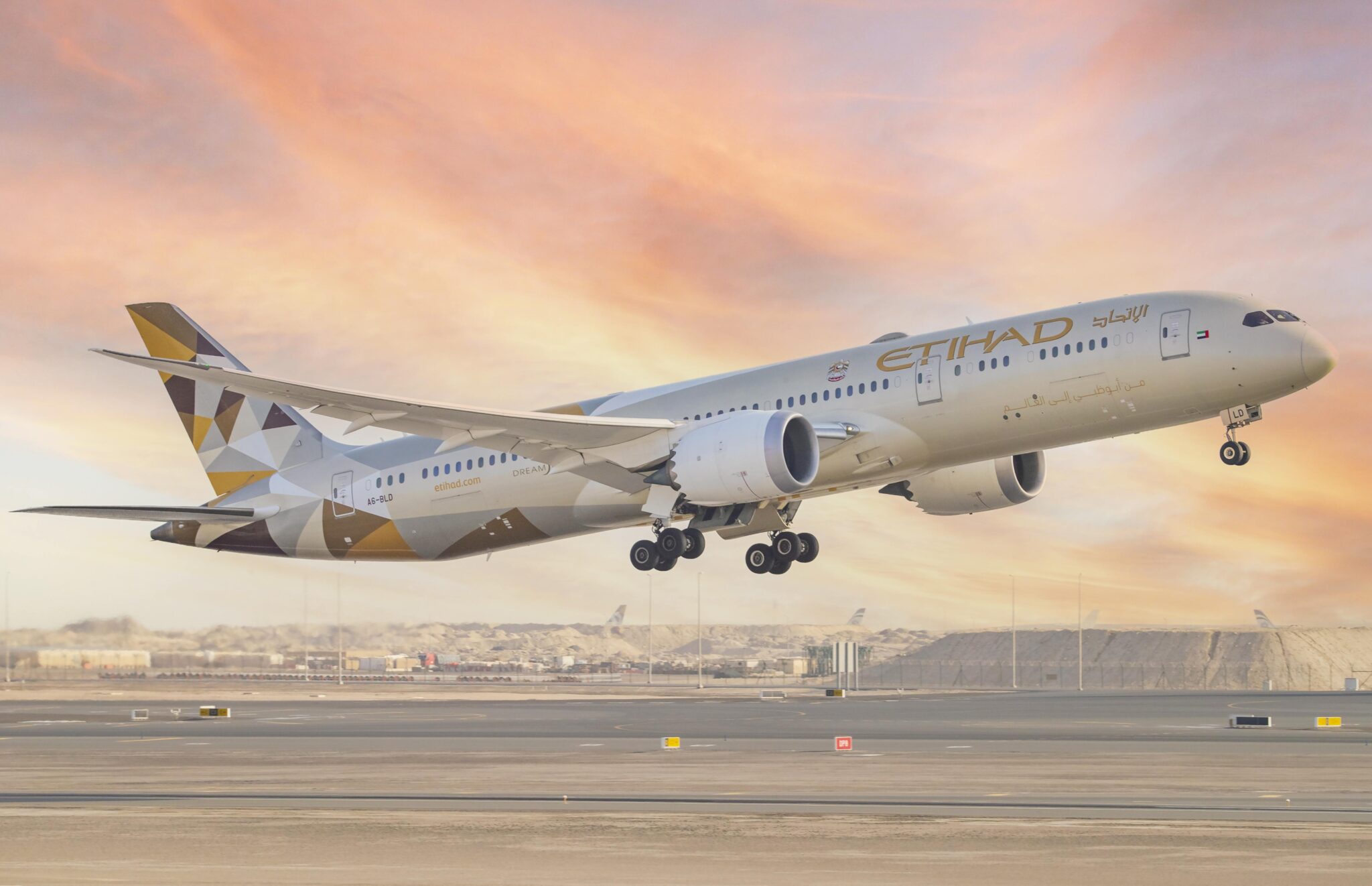
Etihad Airways is edging towards a decision on its much-anticipated initial public offering, with CEO Antonoaldo Neves indicating that the final call rests with the airline’s shareholder. Market speculation suggests that a formal announcement could arrive within this quarter, although the carrier has yet to confirm any official timeline.

Speaking during the Arabian Travel Market conference in Dubai, Neves reaffirmed Etihad’s commitment to a progressive expansion plan, despite persistent headwinds from global economic volatility, including US tariff pressures and fluctuating oil prices. He emphasised that while discussions around a potential listing are gaining momentum, the ultimate decision lies with the shareholder, Abu Dhabi’s state-backed holding company ADQ.

Market interest surrounding Etihad’s IPO ambitions has grown steadily over the past months, fuelled by the airline’s strong operational turnaround and ambitious future plans. Etihad reported a return to profitability in 2023, with a net profit of $143 million, reversing years of accumulated losses and restructuring challenges. The carrier’s sharp focus on operational efficiency, route network optimisation, and sustainability initiatives have been cited as key drivers behind its improved performance.

The $7 billion fleet investment programme, announced last year, underscores Etihad’s broader ambitions. Under the plan, the airline aims to double its fleet size to around 150 aircraft by the end of the decade. Neves reiterated at the conference that the expansion is designed to position Etihad as a leading global connector, with new long-haul routes to key growth markets across Asia, Africa, and Europe already in the pipeline.

Industry analysts suggest that the timing of a potential IPO would be critical, given the volatile backdrop of global markets. Aviation stocks have shown mixed performance this year, influenced by concerns over rising fuel costs, geopolitical tensions, and evolving travel demand patterns. Nevertheless, Abu Dhabi’s broader economic diversification strategy, coupled with increasing investor appetite for exposure to the Middle East’s aviation sector, provides a favourable context for Etihad’s market debut.

Etihad’s prospective IPO would follow the path set by other regional carriers such as Dubai’s Dnata Group-linked entities and Saudi Arabia’s flynas, which have either listed or are exploring listing options to tap into investor enthusiasm and raise growth capital. However, Neves made it clear that the airline’s current focus remains on executing its five-year strategy, which includes boosting load factors, enhancing customer service innovation, and advancing sustainability initiatives aimed at achieving net-zero emissions by 2050.

Over the past year, Etihad has embarked on a series of strategic partnerships and codeshare agreements with airlines such as Air France-KLM, offering it greater network reach without significantly adding to operational costs. The airline has also invested in next-generation fuel-efficient aircraft, such as the Boeing 787 Dreamliner and the Airbus A350, aligning with its green aviation objectives. These moves have not only improved the airline’s environmental credentials but have also enhanced its cost competitiveness in an increasingly price-sensitive market.

Neves’ leadership has been widely credited for steering the airline through a transformative phase, characterised by prudent financial management and targeted growth. Before joining Etihad, he served as CEO of TAP Air Portugal, where he oversaw a significant restructuring programme that returned the airline to profitability. His experience in navigating complex corporate environments has positioned him well to lead Etihad into its next phase of development, including the potential leap into public markets.

While Neves refrained from giving any concrete details about the potential size or structure of an IPO, market experts speculate that Etihad could aim for a multi-billion-dollar valuation, given its strategic importance to Abu Dhabi’s economy and the airline’s growing operational metrics. Any public offering is expected to attract significant regional and international investor interest, particularly among funds focused on infrastructure, aviation, and emerging markets.

Etihad’s evolution reflects broader shifts underway across the Gulf’s aviation sector, where legacy carriers are reorienting themselves to compete in a post-pandemic world marked by changing travel patterns, heightened sustainability pressures, and new technological disruptions. The Middle East remains a pivotal aviation hub, with Abu Dhabi investing heavily in airport infrastructure upgrades and tourism promotion to bolster its global standing.

Beyond its immediate IPO ambitions, Etihad continues to refine its customer experience offering, rolling out new premium cabin products and digital enhancements aimed at differentiating the brand in a crowded market. The airline’s loyalty programme, Etihad Guest, has also been expanded through a series of partnerships with financial institutions, retail brands, and travel service providers, adding new revenue streams and deepening customer engagement.

Although no definitive IPO timeline has been announced, analysts maintain that Etihad’s fundamentals, combined with the supportive regulatory and economic backdrop in the United Arab Emirates, create a strong foundation for a successful listing when the decision is ultimately made. Abu Dhabi’s increasing emphasis on privatisation and public-private partnerships signals a strategic shift aimed at unlocking value from key state-owned assets, with Etihad poised to be a potential flagship offering in this broader economic transformation.

As speculation builds, market participants are closely watching for signals from ADQ, whose growing portfolio of publicly listed companies reflects an ambitious strategy of capital market development and diversification. The shareholder’s decision on Etihad’s IPO will not only impact the airline’s future trajectory but also serve as a key indicator of Abu Dhabi’s evolving approach to strategic asset management.

Neves’ remarks at the Arabian Travel Market have reignited interest and speculation across industry circles and financial markets alike. His assurance that the airline is forging ahead with its aggressive expansion blueprint, even amid external challenges, suggests that Etihad is carefully laying the groundwork for a sustainable and prosperous future, whether as a privately held entity or as a publicly traded airline.


Burj Azizi, developed by Azizi Developments, has been recognised with the ‘Iconic Design of the Year’ award at the UAE Realty Awards 2025, highlighting its remarkable architectural achievement. Positioned to become the world’s second-tallest building upon completion, the landmark project is setting new standards for structural design and innovation in Dubai’s evolving skyline. Situated on Sheikh Zayed Road in Dubai, Burj Azizi stands as a testament to […]

Advertisements

A new chapter is unfolding in the heart of the UAE’s real estate landscape as Arabian Hills Estate emerges to replace a once highly anticipated but ultimately undelivered development initially sold by Wahat Al Zaweya Holding PJSC. Positioned near Al Ain, on land just across the Abu Dhabi border, this expansive community of villa and mansion plots is being marketed as a symbol of luxury and renewal, […]

A strong surge in Dubai’s vehicle rental sector has been recorded in 2024, with the Roads and Transport Authority reporting a 43 per cent increase in newly registered commercial vehicles compared to 2023. The authority also noted a substantial 33 per cent rise in the number of newly licensed rental companies, highlighting the emirate’s strengthening position as a regional transport and logistics hub.

The RTA’s Licensing Agency confirmed that 867 new rental companies were registered, bringing the total to 3,494 companies operating across the city, up from 2,627 the previous year. The commercial rental fleet grew markedly, reaching 71,040 vehicles compared to 49,725 in 2023, underscoring a clear trend of expansion in Dubai’s transport and mobility sectors.

Ahmed Mahboob, CEO of the Licensing Agency at RTA, attributed the growth to Dubai’s continued focus on facilitating business-friendly conditions and enhancing transport infrastructure. “The increase in the number of newly registered vehicles and companies operating in the commercial transport sector demonstrates Dubai’s competitiveness and appeal in attracting businesses to this sector. It also underscores the emirate’s commitment to accelerating economic growth and fulfilling its overarching development vision,” Mahboob stated.

Industry observers point out that Dubai’s strategic location, ambitious economic diversification initiatives, and robust regulatory framework are critical factors behind the expanding rental market. The city’s focus on preparing for major upcoming global events, such as COP28 and other international conferences, has also fuelled demand for flexible mobility solutions. Analysts further emphasise that the transport sector’s upswing aligns with Dubai’s broader ambitions under its D33 Economic Agenda, aimed at doubling the size of its economy over the next decade.

Market players in the rental industry are experiencing heightened demand from sectors such as tourism, logistics, real estate, and technology. The influx of expatriates, professionals, and digital nomads has significantly contributed to the appetite for short- and medium-term vehicle rentals. According to the Dubai Department of Economy and Tourism, the emirate welcomed 17.15 million international overnight visitors in 2023, a number expected to rise in 2024, thereby strengthening mobility requirements across the board.

The preference for rental vehicles over private ownership is also being driven by lifestyle shifts, with a growing emphasis on convenience, flexibility, and cost-effectiveness. According to a recent mobility survey conducted by consultancy firm Arthur D. Little, nearly 35 per cent of respondents in the UAE indicated a preference for rental or subscription-based vehicle services, suggesting a broader behavioural transformation underway in the transportation domain.

Commercial fleet operators have seized the opportunity by expanding their offerings beyond conventional vehicles to include electric vehicles , luxury cars, and specialised logistics transporters. Several leading rental companies have announced plans to increase their EV fleet components, aligning with the Dubai Green Mobility Strategy 2030, which targets a 30 per cent electrification rate across public and private fleets.

The supportive regulatory environment has played a pivotal role in boosting confidence among rental businesses. Dubai’s Licensing Agency has streamlined procedures for company registration and vehicle licensing, introduced digital platforms for permit applications, and incentivised fleet modernisation programmes. The introduction of smart traffic management systems and expansion of dedicated transport zones have further enhanced operational efficiency for rental operators.

Challenges remain, however, particularly concerning market saturation and competitive pricing pressures. As more companies enter the sector, maintaining profitability while ensuring high service standards has become a balancing act for operators. Experts warn that without continuous innovation, quality assurance, and diversification into niche services, some smaller players may struggle to sustain operations over the long term.

On the technological front, rental companies are investing heavily in digital transformation initiatives. Mobile booking apps, AI-powered fleet management systems, and customer service chatbots are becoming standard across the sector. Industry executives acknowledge that tech-driven operational efficiencies are crucial to managing costs, enhancing customer satisfaction, and scaling up rapidly to meet growing demand.

The integration of mobility-as-a-service platforms is emerging as a key trend, with rental companies partnering with public transport providers and ride-sharing apps to offer seamless transport solutions. This model aims to cater to a diverse customer base seeking unified, flexible options that combine private rentals with metro, tram, and bus networks. Such integration aligns with Dubai’s broader Smart City ambitions and Vision 2021 goals for sustainable urban mobility.

Economic analysts at Emirates NBD note that the transport and storage sector in Dubai grew by 11.5 per cent in 2023, reflecting the importance of mobility services to the emirate’s GDP. With new infrastructure projects, including expansion of Al Maktoum International Airport and investments in Dubai South, the momentum is expected to continue, providing further impetus to ancillary industries like vehicle rentals.

The city’s drive towards autonomous vehicle deployment and smart transport ecosystems is encouraging rental companies to prepare for future demand shifts. Partnerships between Dubai’s government agencies and global automotive technology firms signal a readiness to embrace disruptive mobility solutions. Rental companies that can adapt to these technological shifts are likely to be better positioned for long-term success.

The demographic dynamics of Dubai also contribute significantly to the expanding rental landscape. A youthful, tech-savvy population with a preference for service-oriented consumption models tends to favour rental and subscription services over traditional ownership. Additionally, Dubai’s tax-free environment, high disposable incomes, and strong entrepreneurial culture attract business travellers and start-up communities that rely heavily on flexible transport solutions.

Cloud 22 at Atlantis The Royal is set to revive its Moonlight Sessions starting Thursday, 1 May, offering guests evening access to its rooftop infinity pool. Perched 96 metres above ground, the venue provides panoramic views of Palm Jumeirah and the Dubai skyline, creating a distinctive setting for nighttime swims. The sessions will run every Thursday to Saturday from 7pm to 11pm, aligning with the city’s rising […]

Dubai-based luxury real estate developer Omniyat Holdings has mandated a consortium of international and regional banks to arrange its inaugural US dollar-denominated green sukuk, marking its entry into the sustainable finance market. The issuance, structured as a three-year fixed-rate senior unsecured sukuk under Regulation S, is poised to attract global investors seeking Sharia-compliant green investment opportunities.

The appointed joint global coordinators for the transaction are ADCB, Citi, ENBD Capital, JP Morgan, Mashreq, and Standard Chartered. Supporting them as joint lead managers and bookrunners are Ajman Bank, Commercial Bank of Dubai, Dubai Islamic Bank, First Abu Dhabi Bank, Kamco Invest, RAKBANK, and Warba Bank. Investor calls are scheduled to commence on Thursday, setting the stage for the sukuk’s launch, subject to market conditions.

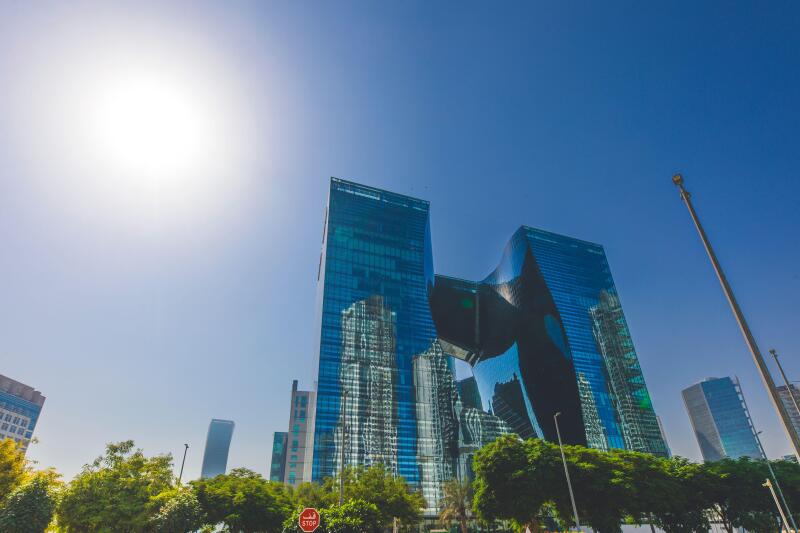
Omniyat, renowned for its high-profile developments such as The Opus in Dubai’s Business Bay—designed by the late Zaha Hadid—aims to leverage the proceeds from the green sukuk to finance or refinance projects that align with environmental sustainability criteria. This move aligns with the broader trend in the Gulf Cooperation Council region, where issuers are increasingly tapping into the green finance market to support environmentally friendly initiatives.

The UAE has emerged as a leader in green sukuk issuances, with activity in the sector doubling to $8.6 billion in the first half of 2024. This surge is attributed to a series of high-profile issuances by major financial institutions and corporations, reflecting the country’s commitment to sustainable development and its 2050 Net Zero Goals.

Omniyat’s entry into the green sukuk market follows similar moves by other prominent UAE entities. For instance, Abu Dhabi Islamic Bank successfully raised $500 million through a green sukuk offering, marking the world’s first US dollar-denominated green sukuk issued by a financial institution. The issuance was met with exceptional demand, attracting interest from over 100 global and regional investors, and was listed on the London Stock Exchange’s International Securities Market and Sustainable Bond Market.

Similarly, Majid Al Futtaim, a UAE-based developer and operator of shopping malls, has previously issued a $600 million green sukuk to finance a portfolio of green projects. The issuance, which was listed on Nasdaq Dubai, underscores the growing appetite for sustainable investment products in the region.

  Dubai has become a premier destination for real estate investment, drawing attention from around the world due to its favorable regulatory environment, economic stability, and strategic location. The emirate’s real estate sector has consistently attracted international investors, and the regulatory changes implemented over the past few years have only strengthened its appeal. In this article, Elkhan Salikhov, CEO and co-founder of Elite Merit Real Estate LLC […]

Dubai’s luxury property market has seen an impressive surge in sales, with 111 homes valued at over $10 million changing hands during the first quarter of 2025. This marks the highest number of sales for the first quarter on record, signalling a robust demand from ultra-wealthy individuals seeking to invest in the emirate’s prime real estate. The sales activity represents a 5.7 per cent increase compared to […]

Hotel Indigo Dubai Downtown is set to host a vibrant celebration of Korean art on 25 April, spotlighting the works of three emerging Korean artists on the terrace of its social eatery, Open Sesame. This event underscores the hotel’s commitment to fostering cultural exchange and supporting the burgeoning Korean creative presence in the UAE. The upcoming showcase is part of Hotel Indigo’s broader initiative to integrate art […]

New Benchmark for Luxury Living in Majan, Dubai A boutique mid-rise with 60 residences, Estrella blends innovation, luxury, and a thoughtfully serene environment. Nexus Developer has officially launched ‘Estrella by Nexus’, a boutique residential project in Majan, Dubai, that introduces a new model for luxury living in low-rise communities. With just 60 high-end residences, the development represents a shift toward more personalized, well-designed living spaces in Dubai’s […]

Dubai General Properties, a subsidiary of Al Ali Property Investments, has launched Mews Mansions, an ultra-luxury residential project in the Meydan district, with an estimated investment exceeding AED 950 million . The development comprises ten bespoke five-bedroom villas, each designed to offer opulent living experiences and set new standards in the high-end real estate market. Situated in the prestigious Nad Al Sheba area within Meydan, Mews Mansions […]

Dubai Internet City is set to spotlight its pivotal role in the Middle East’s digital economy at GITEX Asia 2025, scheduled from April 23 to 25 at Marina Bay Sands, Singapore. As part of a delegation led by Dubai’s Department of Economy and Tourism, DIC aims to attract global investors and tech enterprises to its expanding innovation ecosystem. Celebrating its 25th anniversary, DIC has evolved into a […]

Dubai homes stay shut tight most of the year. Windows stay closed. ACs run non-stop. That’s how people stay cool in the heat. But this setup traps dust and allergens. Over time, the air inside your home gets worse than the air outside. That’s where AC duct cleaning comes in. And that’s why more Dubai residents are calling EcoClean. What’s in your air? Take a deep breath […]

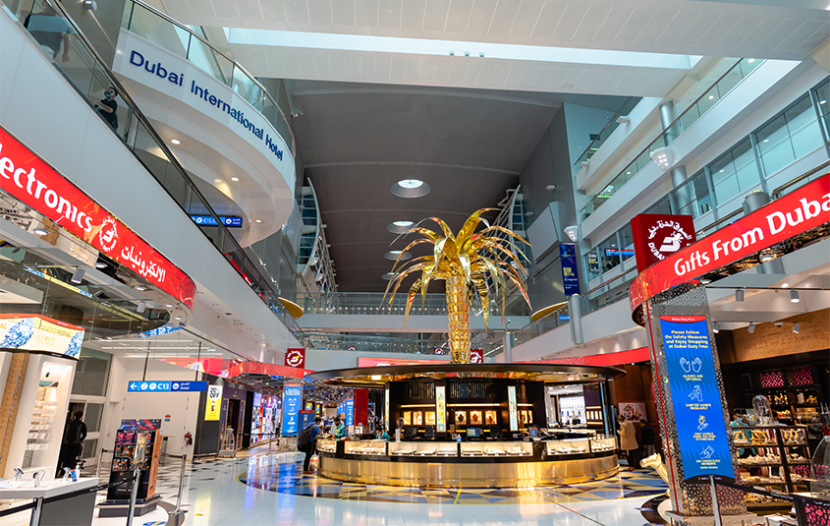
Dubai International Airport achieved a historic benchmark in 2024, welcoming 92.3 million passengers and solidifying its status as the world’s busiest international airport for the tenth consecutive year. This figure eclipses its previous high of 89.1 million set in 2018 and underscores the emirate’s strategic role in global aviation.

The surge in passenger traffic reflects Dubai’s sustained investment in infrastructure and its appeal as a nexus for international travel. December emerged as the busiest month, recording 8.2 million travellers, highlighting the city’s capacity to handle peak demand efficiently.

India remained DXB’s top destination market, contributing 12 million passengers. Saudi Arabia and the United Kingdom followed, with 7.6 million and 6.2 million passengers respectively. The airport’s extensive network now connects to 272 cities across 107 countries, serviced by 106 airlines, reinforcing its position as a global hub.

Operational efficiency has been a cornerstone of DXB’s success. Despite the increased footfall, 98.2% of departing passengers cleared passport control in under ten minutes, and 99.2% passed through security in less than five minutes. Baggage handling also saw improvements, with only 5.5 mishandled bags per 1,000 passengers, outperforming the international standard of 6.9.

Over the past decade, DXB has facilitated over 700 million passenger journeys across more than 3.3 million flights. This consistent performance is attributed to the airport’s commitment to innovation and excellence in service delivery.

Looking ahead, plans are underway to transition operations to Al Maktoum International Airport by 2032. The proposed $35 billion expansion aims to accommodate future growth, featuring five parallel runways and 400 aircraft gates. The design incorporates advanced technologies, including facial recognition systems, to streamline passenger processing and enhance the travel experience.

Dubai’s aviation sector continues to outpace traditional competitors. While London’s Heathrow Airport recorded 63.1 million passengers in the same period, DXB’s figures underscore its dominant position in international air travel.

Banking powerhouse Standard Chartered, in collaboration with global cryptocurrency exchange OKX, has launched an innovative pilot programme in Dubai aimed at reshaping the landscape for institutional investors trading in digital assets. This new initiative, known as the collateral mirroring programme, promises to transform how cryptocurrencies and tokenised money market funds are used as collateral, potentially setting a new standard in the industry.

The programme enables institutions to use their digital assets as collateral for trading purposes without needing to transfer these assets onto an exchange. This method significantly reduces counterparty risk, one of the primary concerns in the crypto world, particularly for large investors. The model allows firms to maintain control over their assets while still participating in the market, addressing long-standing issues surrounding asset security and liquidity.

This venture marks the first time that a major global bank, a regulated crypto platform, and a traditional asset manager have come together to support secure crypto trading for institutional investors. By collaborating, the entities are not only offering a new approach to collateral management but also strengthening the framework for institutional participation in the crypto space.

Dubai, a hub for both traditional and digital finance, serves as the ideal location for this pilot programme. The city has long been at the forefront of adopting innovative financial technologies, positioning itself as a global leader in digital asset regulation. The Dubai Financial Services Authority has consistently supported initiatives that balance innovation with regulatory oversight, providing a clear framework for the crypto industry to grow within secure boundaries.

Institutional investors have traditionally been hesitant to fully engage in cryptocurrency markets due to concerns about volatility, security, and regulatory ambiguity. The new programme addresses these concerns by ensuring that assets are not exposed to the vulnerabilities of traditional exchanges. Instead of transferring assets directly onto an exchange, they remain in the custody of the institutional investors, with their value mirrored for trading purposes. This provides a layer of protection, reducing the risks associated with custodial services and enhancing capital efficiency.

Capital efficiency is another critical factor for institutional investors, who often deal with large volumes of assets. By using cryptocurrencies and tokenised funds as collateral without the need to move them onto exchanges, investors can free up their capital for additional trading opportunities. This is a significant improvement over the current model, where assets typically need to be held in exchange accounts or liquidated to meet collateral requirements.

The programme comes at a time when institutional interest in cryptocurrencies is growing. The global market for digital assets continues to expand, with more traditional financial institutions looking to integrate crypto services into their portfolios. According to industry experts, such initiatives are a necessary step to bridge the gap between the traditional financial system and the emerging world of digital currencies. The collaboration between Standard Chartered and OKX highlights how traditional financial institutions can innovate while still adhering to regulatory standards.

The partnership is also a response to the increasing demand for tokenisation in financial markets. Tokenisation, the process of converting real-world assets into digital tokens, has gained significant traction in recent years. With tokenised assets, transactions become faster, cheaper, and more transparent, making them attractive to institutional investors. This new initiative builds on the growing trend of tokenisation, offering a secure and regulated way for investors to participate in the digital asset market.

OKX, known for its compliance with global regulations, is well-positioned to offer the technological infrastructure needed for such a programme. As one of the largest cryptocurrency exchanges in the world, it provides a secure platform for trading and asset management, making it an ideal partner for institutional investors who demand reliability and transparency.

Standard Chartered’s involvement brings an additional layer of credibility to the initiative. As one of the world’s leading banking institutions, its participation signals a growing acceptance of cryptocurrencies within the mainstream financial system. By partnering with OKX, Standard Chartered is signalling its commitment to staying ahead of the curve in the rapidly evolving world of digital assets.

The collaboration also reflects a broader trend within the financial industry towards digitalisation. More and more, traditional financial institutions are recognising the potential of blockchain and cryptocurrency technologies to enhance financial services. As digital currencies continue to gain acceptance, the lines between traditional and digital finance are becoming increasingly blurred. This programme is a tangible example of how these two worlds can work together to create a more secure, efficient, and transparent financial system.

While this pilot programme represents a major step forward, the broader implications for the global financial system remain to be seen. The success of the programme will likely influence how other financial institutions and regulators approach the integration of digital assets into their operations. Should it prove successful, it could lead to similar initiatives being launched in other financial hubs around the world.

However, challenges remain. The regulatory landscape for digital assets is still evolving, with countries and jurisdictions adopting varying stances on how cryptocurrencies should be treated. This uncertainty could pose challenges for institutions looking to engage in digital asset trading. Nevertheless, Dubai’s proactive regulatory environment provides a model that other financial centres may look to replicate as they develop their own frameworks for crypto regulation.

Dubai’s property market, which has enjoyed a robust 70% rally over the past few years, now faces uncertainty amid growing concerns over global trade tensions and rising tariffs. These external factors are posing risks to the region’s otherwise bullish real estate sector, which had been buoyed by strong demand from both international investors and affluent buyers seeking stable assets.

While the property market in Dubai had been thriving thanks to its appeal as a safe haven for foreign capital, the shifting landscape of international trade and geopolitical issues are beginning to create ripples. Tariffs, particularly those affecting the construction sector, have seen a marked increase, potentially driving up the cost of raw materials such as steel and cement, which could ultimately disrupt the market’s growth trajectory.

Dubai’s real estate market has long been a barometer of economic sentiment, drawing investors from across the globe who have been eager to tap into its lucrative prospects. However, with the imposition of new tariffs between major global economies, analysts suggest that both developers and investors are likely to face additional challenges, as supply chains are strained and costs climb higher.

The UAE government had, up until now, maintained a favourable regulatory environment, with policies aimed at attracting foreign capital and ensuring a favourable investment climate. These efforts have been part of a wider strategy to diversify the nation’s economy and reduce its dependence on oil revenues. However, with rising global inflation rates and the unpredictability of international tariffs, even the UAE’s free-market policies might not be enough to shield the market from external pressures.

The construction sector, which directly impacts the overall real estate market, has already started feeling the heat. Many developers have raised concerns that rising tariffs on imported materials could force them to increase the prices of new homes and commercial properties. This could result in a slowing of the rapid sales pace observed over the last few years, as potential buyers and investors may hesitate to commit to higher-priced assets.

Global economic instability is causing some caution among international investors. High inflation and a fluctuating global market have dampened investment appetites, and the UAE is not immune to these international economic trends. A reduction in international investment could lead to less capital flowing into Dubai’s property market, making it harder for the city to sustain its property price increases.

Despite the looming risks, there are still some positive indicators for Dubai’s property market. The UAE’s economic diversification strategy, alongside government efforts to ensure the stability of the banking system, has helped sustain confidence in the country’s real estate. Furthermore, Dubai’s positioning as a global financial hub, coupled with its luxury real estate offerings, continues to attract high-net-worth individuals, particularly from regions like Europe, Russia, and parts of Asia.

The growth of Dubai’s tourism sector and events such as Expo 2020 have been contributing factors to the property boom. With a steady influx of visitors and the growing number of residents moving to Dubai for work or lifestyle, the demand for high-quality, well-located properties remains strong.

However, as Dubai continues to build its reputation as a global luxury real estate destination, the sector’s reliance on external factors cannot be ignored. Political shifts in major economies, fluctuations in currency values, and trade disruptions are all variables that could significantly affect the long-term outlook of Dubai’s property market.

New industry survey reveals that 80% of respondents confirm venture capital firms in Dubai are actively seeking AI-driven startups, reinforcing the city’s position as a global hub for AI investment and technological innovation. The findings are part of the newly released Practical Guide to Dubai’s AI Ecosystem 2025, developed by Duamentes Global Alliance in collaboration with Dubai Silicon Oasis (DSO). The guide provides key insights into investment trends, AI adoption, […]

Off-plan property sales in Dubai surged 19.3% year-on-year in March 2025, underscoring sustained investor confidence in the emirate’s real estate sector, even as monthly figures registered a 7.4% decline compared to February. According to data from real estate consultancy ValuStrat, off-plan transactions accounted for nearly 70% of all residential deals during the month, reaffirming their dominant position in the market.

Jumeirah Village Circle led off-plan activity, followed by Business Bay, Damac Island City, Dubai Production City, and Dubai Maritime City. Notably, Dubai Production City and Uptown Motor City each recorded their highest-ever monthly volumes of off-plan sales, highlighting the growing appeal of emerging residential hubs.

While off-plan sales experienced a month-on-month dip, the broader market context remains robust. In February, off-plan registrations had increased by 22.2% compared to January, representing over 70% of total home sales. This upward trajectory aligns with the broader trend of rising demand for new developments, driven by attractive payment plans and anticipated capital appreciation.

The secondary market, meanwhile, showed mixed signals. Ready home transactions declined by 2.4% month-on-month in March but edged up 1.1% year-on-year. This suggests a stabilising trend in the resale segment, as buyers weigh options between immediate occupancy and investment in upcoming projects.

Dubai’s real estate market has been buoyed by a combination of factors, including population growth, limited new supply, and investor-friendly policies. In 2024, the city added over 170,000 new residents, the highest annual increase since 2018, while only 58% of the projected residential supply was delivered, equating to about 27,000 completed homes. This supply-demand imbalance has contributed to significant price increases across various property segments.

The ValuStrat Price Index reported a 27.5% annual rise in residential capital values by December 2024, with villas appreciating by 31.6% and apartments by 23.6%. Such growth has reinforced investor interest in off-plan properties, perceived as offering better value and higher potential returns.

In a city like Dubai, it is very important not to forget about achieving personal goals, given how fast life rushes in the vastness of such a metropolis. For many people, this seems impossible, because there are too many distractions that do not even allow you to exercise normally. The solution is very simple and effective, which has already been tested in practice many times – contacting […]

VISHNU RAJA
RYO YAMADA
HITORI GOTOH
IKUYO KITA