News related to
Dubai’s

Arabian Post Staff Dubai state-owned Emirates Group that operates the world’s largest international carrier, Emirates Airline, reported a record profit before tax of Dh10.4 billion (US$2.8 billion) for the first six months of 2024-25, its best-ever half-year financial performance, surpassing its record profit before tax for the same period last year. This is the first financial year that the UAE corporate income tax, enacted in 2023, is […]

Dubai’s office market has experienced a significant surge in rental prices during the third quarter of 2024, with prime office locations recording the steepest increases. This upward trend is reflective of the city’s growing appeal as a global business hub, particularly for multinational companies across sectors such as finance, technology, and consulting. Notably, areas like Dubai International Financial Centre (DIFC) and Downtown Dubai have seen substantial rent hikes, driven by an influx of businesses looking to capitalize on the city’s business-friendly environment and strategic location.

A combination of factors has fueled this rapid growth. The city’s favorable tax environment, ease of business setup, and top-tier infrastructure continue to attract international firms seeking stable, high-quality office space. Experts have noted that hybrid working models, a post-pandemic trend, have also contributed to the growing demand for flexible office spaces. Companies are increasingly prioritizing flexible, open-plan layouts and co-working spaces that allow them to adjust their office footprint based on operational needs. This shift has further amplified the demand in both premium and emerging commercial districts.

While top-tier locations continue to see the highest rental growth, more affordable options in areas such as Dubai Science Park and Dubai Investments Park are also experiencing robust demand. In these locations, rents have jumped by as much as 37% year-on-year, reflecting broader market expansion. Moreover, Expo City, once seen as a secondary option, is now emerging as a competitive contender in the office space market, offering quality facilities with better price points and strong transport connectivity compared to central business areas.

The expansion is not just limited to office space demand; Dubai’s infrastructure projects and strategic vision, which emphasize connectivity and business continuity, have also played a role in reinforcing the city’s position as a leading global business destination. Experts forecast that this demand will likely sustain through the remainder of the year, supported by Dubai’s continued role as a bridge between East and West.

Gulf markets experienced an upward swing today as oil prices rebounded and optimism surfaced across key regional sectors. The market’s movement also responded to global cues, with investors eyeing gains in the energy sector after oil prices recovered from a recent dip, fueled by U.S. plans to replenish strategic reserves. The rally comes at a time when former U.S. President Donald Trump claimed victory in the ongoing U.S. election campaigns, drawing attention to potential shifts in international relations and economic policies.

Saudi Arabia’s Tadawul All Share Index (TASI) edged up 0.1%, bolstered by gains across the financial and utility sectors. Zain KSA, one of the kingdom’s major telecom firms, reported a slight rise following a positive quarterly performance, indicating a robust demand for telecom services within the region. Investment flows also gained momentum as Saudi Arabia continues to position itself as a leading regional hub, with over 540 multinational companies having established regional headquarters in the kingdom, surpassing the nation’s ambitious 2030 target.

The Abu Dhabi Securities Exchange (ADX) rose by 0.1%, supported by the solid performance of Borouge, an energy giant and diversified holdings firm. This positive development in the UAE capital aligns with a broader trend of stable gains across the GCC, where Dubai’s DFM General Index gained 1%. Notable contributions came from Emirates Central Cooling Systems Corp and Salik Co., which posted gains of 1.8% and 1.3% respectively, underlining investor confidence in infrastructure and cooling solutions as demand spikes amid steady urban growth.

In Qatar, the Qatari index rose 0.8% as Qatar National Bank, the Gulf’s largest lender, saw its shares climb 1.1%. The bank’s upward trajectory helped support broader market sentiment, with investors anticipating further gains from upcoming earnings announcements, particularly in the petrochemical sector where Industries Qatar saw a 0.7% rise. Qatar’s stock performance also mirrors the cautiously optimistic outlook seen across the region, where energy investments and government spending continue to drive economic activity.

Meanwhile, Bahrain’s index increased by 0.3%, supported by financial sector stability, while Kuwait’s stock market remained flat. Oman’s MSM 30 index, however, slipped by 0.6%, marking a modest decline amid mixed sentiments on oil output and demand.

Oil prices, an essential driver for Gulf economies, climbed by over 1% following a steep drop in previous sessions. This gain was attributed to the U.S. government’s plans to boost the Strategic Petroleum Reserve, a move anticipated to buoy oil demand in the near term, while supply outlook remains restrained due to geopolitical factors. This resurgence in oil prices provided a welcome reprieve for GCC markets, which had felt pressure from international oil price volatility.

Lime, a global leader in micromobility solutions, is poised to launch its innovative no-pedal electric bikes in Dubai, expanding its portfolio of sustainable transportation options in the city. This development aligns with Dubai’s broader strategy to enhance urban mobility and reduce congestion while promoting eco-friendly transportation alternatives. The no-pedal e-bikes, designed for ease of use and accessibility, require riders to simply accelerate with a throttle rather than […]

Dubai’s hospitality landscape is set for a fresh addition as the city debuts its first licensed street for nightlife and dining, known as 25 Jump Street, situated in the bustling area of One Central. Developed by 7 Management, the street aims to elevate Dubai’s nightlife by blending a vibrant mix of entertainment, culinary options, and event spaces. The street, nestled close to the 25hours Hotel Dubai in the World Trade Centre district, has already piqued interest with its promise of year-round attractions, aligning with Dubai’s continued push to redefine urban leisure experiences.

25 Jump Street will feature an array of dining venues, each offering distinct flavors and experiences designed to attract both residents and tourists. In a nod to Dubai’s multicultural demographic, the establishments on this street will serve a mix of international cuisines alongside specialized bars and lounges, fostering a lively atmosphere that resonates with Dubai’s dynamic social scene. One Central’s surrounding infrastructure, with its walkable boulevards and vibrant community, has been designed to accommodate high foot traffic, underscoring the destination’s aspirations to become a go-to nightlife hub.

The strategy behind 25 Jump Street is to cater to a wide audience with varying tastes, integrating casual dining spots with upscale restaurants and licensed venues. Prominent examples in the area include the Tandoor Tina, which blends British and Indian cuisines, and Monkey Bar, renowned for its Latin American dishes and panoramic views of Dubai’s iconic Museum of the Future and Burj Khalifa. These options are expected to create an immersive dining experience, enhanced by the scenic backdrop of Dubai’s cityscape.

Looking beyond food, 25 Jump Street is positioning itself as a year-round entertainment spot. The management has outlined plans for hosting themed events, live performances, and seasonal festivals, all crafted to add an extra layer of excitement to the area. These regular events will contribute to the city’s cultural fabric by offering a steady flow of activities for both locals and international visitors. A variety of markets, pop-up stalls, and open-air events are anticipated, turning the street into a seasonal focal point within Dubai’s thriving leisure sector.

The concept also supports Dubai’s broader goals of expanding its tourism portfolio, aligning with the emirate’s strategy to attract over 25 million visitors annually by fostering world-class attractions. As part of this vision, One Central itself has been developed to serve as a lively mixed-use area, comprising office spaces, hotels, dining, and retail outlets, all integrated within a pedestrian-friendly zone. By situating 25 Jump Street within this context, Dubai hopes to cement the area as an essential part of the city’s leisure map.

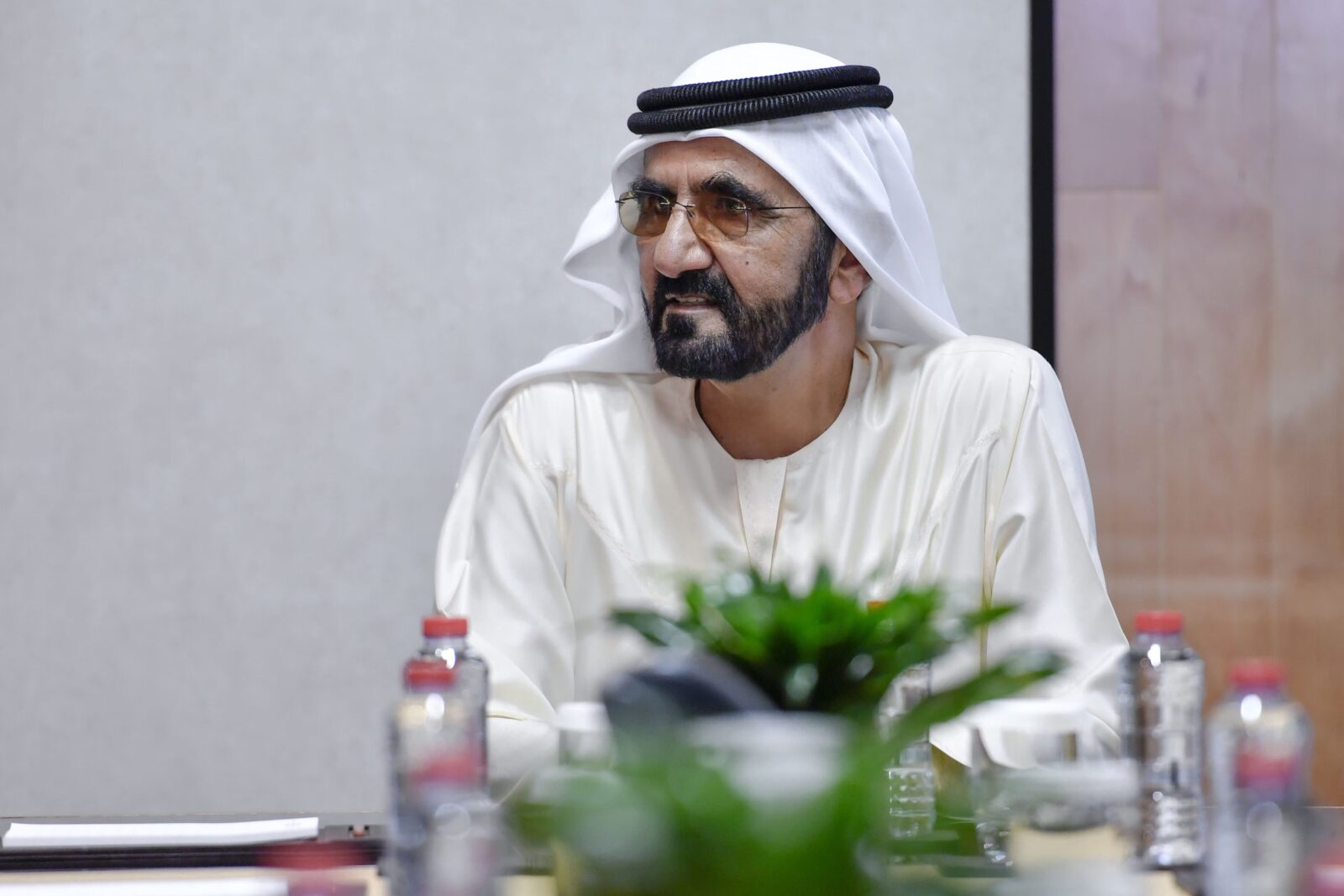
Dubai’s Crown Prince, Sheikh Hamdan bin Mohammed bin Rashid Al Maktoum, has assessed the Roads and Transport Authority’s (RTA) ambitious infrastructure plan, which encompasses an investment of approximately $4.35 billion for the years 2024 to 2027. This extensive project aims to enhance road networks across the emirate, reflecting the ongoing commitment to improving transportation infrastructure in alignment with Dubai’s strategic vision for growth and sustainability. During a […]

Dubai International Airport (DXB) has attained a significant milestone in its sustainability efforts by receiving the Airport Carbon Accreditation (ACA) certification at the “Level 3+ Neutrality” stage. This recognition places DXB among a select group of international airports committed to environmental responsibility and carbon neutrality. The certification underscores the airport’s ongoing commitment to reducing its carbon footprint and enhancing sustainable practices in its operations. The Airport Carbon […]

Advertisements

A landmark budget for 2025 to 2027 has been approved by the Dubai Government, marking a pivotal step in its economic strategy. This new budget is set at an unprecedented AED 69.5 billion, representing a significant increase over the previous budget cycle, which focused on robust investment in infrastructure, education, and sustainability initiatives. The plan reflects Dubai’s ambition to enhance its status as a global economic hub and to foster innovation and growth across various sectors.

The approved budget highlights an allocation of AED 20.4 billion for infrastructure development, aimed at enhancing the city’s transport systems, public facilities, and digital infrastructure. This investment is expected to not only improve the quality of life for residents but also attract further investments and tourism. Additionally, AED 11 billion is earmarked for social development programs, emphasizing education and healthcare, ensuring that the benefits of growth reach all segments of society.

Economic recovery remains a central theme within the budget, as Dubai continues to rebound from the impacts of the global pandemic. The government anticipates an economic growth rate of 3.5% over the next three years, supported by strategic investments and initiatives that will bolster various sectors including tourism, trade, and technology. The commitment to a diversified economy is reflected in the emphasis on supporting small and medium-sized enterprises (SMEs), which are considered crucial for job creation and innovation.

The budget also prioritizes sustainability, with a dedicated allocation for green initiatives and projects that align with Dubai’s long-term vision of becoming one of the world’s most sustainable cities. Plans include the expansion of renewable energy sources and investments in waste management technologies, which aim to minimize environmental impact while promoting economic efficiency.

The budget includes provisions to enhance public services, particularly in areas such as education and healthcare. Investments in education are designed to equip the workforce with skills necessary for a rapidly changing global market. Healthcare spending is set to improve facilities and services, ensuring a high standard of living for all residents.

This ambitious budget reflects the government’s confidence in Dubai’s resilience and adaptability in the face of global challenges. The leadership aims to create a dynamic economic environment that fosters innovation, nurtures talent, and attracts international businesses. The government has actively engaged stakeholders across sectors to ensure that the budget meets the needs of the community while aligning with long-term strategic goals.

The tourism sector, a vital component of Dubai’s economy, is poised for a significant revival, bolstered by new attractions and events planned for the coming years. With major global events such as Expo 2020 having laid a foundation for increased international visibility, the government is keen on leveraging this momentum to further boost tourism and hospitality.

In terms of governance, the budget introduces measures aimed at enhancing transparency and accountability in financial management. The Dubai Government emphasizes its commitment to responsible spending and efficient use of resources, ensuring that public funds are utilized effectively to achieve the outlined objectives. This aligns with broader efforts to build trust among citizens and investors alike.

Experts have noted that the budget’s focus on innovation and technology is particularly relevant in today’s rapidly evolving global landscape. The allocation for digital transformation initiatives highlights the government’s recognition of technology as a key driver of economic growth. Investment in smart city projects is expected to enhance urban living while providing seamless services to residents and visitors.

The approval of this budget has been met with optimism among business leaders and economists, who see it as a signal of Dubai’s ongoing commitment to economic development and diversification. With an eye towards future challenges and opportunities, the government’s financial plan positions the emirate to navigate shifts in global markets effectively.

UAE-based issuers have raised a staggering $11.7 billion in the third quarter of 2024 through bond and sukuk offerings, marking a significant achievement in the region’s capital markets. This surge demonstrates robust investor confidence and a growing appetite for fixed-income securities, despite global economic uncertainties and fluctuations in interest rates. The third quarter witnessed a notable increase in activity compared to previous quarters, with both sovereign and […]

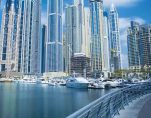
Arada has officially launched W Residences at Dubai Harbour, marking a significant addition to the luxury real estate market in the UAE. This vibrant three-tower complex is designed to offer residents an unparalleled seafront living experience, combining modern luxury with the natural beauty of the waterfront. The announcement comes amid a broader trend of increasing investment in high-end residential properties in the region, as demand for luxurious living spaces continues to grow.

The W Residences complex comprises three elegant towers, each offering stunning views of the Arabian Gulf and Dubai’s iconic skyline. The project features 104 lavish residences, ranging from two to four-bedroom apartments. The design incorporates contemporary architecture with elements that reflect the rich cultural heritage of the UAE. Each residence boasts floor-to-ceiling windows that not only enhance natural light but also provide breathtaking panoramic views.

The amenities at W Residences are designed to cater to a lifestyle of luxury and comfort. Residents will have access to exclusive facilities, including a state-of-the-art fitness center, infinity pools, and private beach access. The complex also features beautifully landscaped gardens and private outdoor spaces, allowing for a seamless blend of indoor and outdoor living. A dedicated concierge service ensures that all residents’ needs are met, from housekeeping to event planning.

The launch of W Residences aligns with Dubai’s ongoing efforts to position itself as a leading global destination for luxury living. Real estate experts note that high-net-worth individuals are increasingly drawn to the city, attracted by its vibrant lifestyle, world-class amenities, and tax-free environment. The strategic location of Dubai Harbour further enhances the appeal of the W Residences, situated in proximity to key attractions such as the Dubai Marina, the Palm Jumeirah, and the upcoming Dubai Lighthouse.

Arada’s commitment to sustainability is evident in the construction of W Residences, which adheres to the highest environmental standards. The development is designed to minimize its carbon footprint through energy-efficient technologies and sustainable materials. This approach reflects a growing trend within the UAE’s real estate sector, where developers are increasingly prioritizing eco-friendly practices in response to both regulatory pressures and consumer demand.

The launch event was attended by key figures from the real estate industry, including investors, developers, and influencers, who gathered to witness the unveiling of this innovative project. Arada’s leadership emphasized their vision of creating not just residences but a vibrant community that reflects the lifestyle aspirations of modern residents. The company has positioned itself as a pioneer in the UAE’s real estate landscape, with previous successful developments that have garnered significant attention and accolades.

The demand for luxury properties in Dubai has been bolstered by a surge in tourism, with the city welcoming millions of visitors each year. The hosting of major global events, such as Expo 2020, has further enhanced Dubai’s visibility on the world stage, attracting affluent individuals seeking to invest in prime real estate. Industry analysts suggest that this trend will continue, with expectations of sustained growth in property prices and rental yields for high-end developments.

The W Residences project also benefits from Arada’s strategic partnerships with leading international brands, which enhance the overall living experience for residents. Collaborations with renowned interior designers and luxury brands ensure that each residence is not only aesthetically pleasing but also equipped with high-end finishes and state-of-the-art technology. This attention to detail resonates with buyers looking for a sophisticated lifestyle that combines comfort with modern convenience.

As the real estate market evolves, Arada’s W Residences stands out as a prime example of the luxury offerings that are redefining living standards in Dubai. The project’s focus on both community and individual luxury reflects broader trends in the market, where buyers increasingly seek more than just a place to live. Instead, they desire a holistic lifestyle experience that encompasses leisure, wellness, and social engagement.

The success of W Residences could pave the way for further developments in the region, as other developers look to capitalize on the growing demand for luxury residential options. The strategic positioning of the project within the rapidly developing Dubai Harbour area suggests that it will serve as a catalyst for future investments and enhancements to the local infrastructure. With its unique blend of luxury, sustainability, and community-focused design, W Residences is poised to become a landmark in Dubai’s luxury real estate market.

Dubai Chamber of Commerce has inaugurated the Korean Business Council to bolster economic ties and foster collaboration between businesses in Dubai and the Republic of Korea. This initiative is part of Dubai Chamber’s ongoing efforts to diversify its economic partnerships and attract foreign investment. The council’s establishment comes at a time when both regions seek to enhance their bilateral trade relations, with an eye on creating sustainable business opportunities.

The inaugural annual general meeting of the Korean Business Council took place in Dubai, featuring prominent business leaders, government officials, and representatives from various sectors. This gathering provided a platform for discussions on enhancing trade and investment flows between Dubai and South Korea. Key participants included senior officials from Dubai Chambers, members of the diplomatic community, and representatives from South Korean firms operating in the UAE.

During the meeting, chamber officials emphasized the significance of the council in facilitating dialogue and collaboration. The council aims to serve as a vital link between the two regions, fostering partnerships across various sectors, including technology, renewable energy, tourism, and healthcare. By leveraging the strengths of both economies, the Korean Business Council intends to create a synergistic environment conducive to business growth and innovation.

The UAE is already a significant trading partner for South Korea in the Middle East. In 2023, bilateral trade between the two nations reached approximately $15 billion, with South Korea exporting goods such as machinery, electronics, and automobiles. The establishment of the Korean Business Council is expected to further stimulate this trade and attract South Korean companies to invest in Dubai’s growing market.

South Korea’s Ministry of Trade, Industry, and Energy has expressed support for the initiative, recognizing the strategic importance of strengthening economic relations with the UAE. South Korea’s trade envoy to the UAE highlighted the country’s commitment to fostering business collaborations and creating a more robust economic framework for bilateral trade.

The new council will offer various services to its members, including market research, networking opportunities, and access to resources that can assist in navigating the Dubai business landscape. By providing a platform for collaboration and knowledge-sharing, the council aims to empower businesses to expand their reach and enhance their competitiveness in the region.

The council is expected to play a pivotal role in attracting South Korean investment into Dubai’s rapidly developing sectors. As Dubai continues to position itself as a global business hub, the Korean Business Council will facilitate opportunities for South Korean firms looking to establish or expand their operations in the region.

With its strategic location, favorable business environment, and established infrastructure, Dubai has become an attractive destination for South Korean companies. Numerous South Korean enterprises have already made significant investments in sectors such as construction, hospitality, and technology, underscoring the potential for further collaboration.

The Korean Business Council will also focus on promoting cultural exchanges between the two regions. Cultural ties are essential in fostering mutual understanding and trust, which can enhance business interactions. Events showcasing Korean culture, technology, and innovation are expected to be organized to facilitate this cultural exchange, enabling Dubai businesses to gain insights into South Korea’s advancements in various industries.

The council’s establishment aligns with the UAE’s Vision 2021, which aims to position the nation as a global economic leader and a hub for trade and investment. By enhancing relationships with key markets like South Korea, Dubai is making strategic moves to achieve its economic diversification goals.

In addition to economic benefits, the council is poised to contribute to the broader goal of sustainable development. As both regions prioritize sustainability and innovation, the council will encourage cooperation in sectors such as renewable energy and environmental technology. Collaborative initiatives in these areas can lead to significant advancements, addressing pressing global challenges while promoting economic growth.

As the Korean Business Council embarks on its journey, its success will rely on the active participation of its members and the commitment to fostering a dynamic and collaborative business environment. The council’s leadership has expressed enthusiasm for creating a vibrant network of businesses that can thrive in Dubai’s competitive landscape.

Engaging with local stakeholders and participating in trade missions and exhibitions will be crucial in building relationships and expanding business opportunities. By connecting South Korean and Dubai-based companies, the council aims to unlock the potential for innovative partnerships that can drive economic growth.


Dubai is a city of luxury, speed, and sophistication, making it the perfect destination for sports car enthusiasts. Whether you’re here for business or pleasure, the thrill of driving a high-performance sports car on Dubai’s modern highways is an experience like no other. If you’re looking to rent the best sports cars in the city, Huracan Evo Rent a Car stands out as the top provider of […]

A significant boost to Dubai’s real estate market is on the horizon as the emirate prepares to deliver an impressive 90,000 new homes within the next two years. This initiative, driven by rising demand and a focus on sustainable development, marks a pivotal moment for the city’s housing landscape. The initiative is part of Dubai’s broader strategy to enhance its residential offerings, with authorities anticipating a substantial […]

Dubai Holding Asset Management has officially rebranded its residential portfolio as part of a strategic initiative to strengthen its position in the real estate market. This transformation reflects a commitment to enhancing customer experience and aligns with Dubai’s vision for sustainable urban living. The new branding initiative not only updates the visual identity but also integrates a more customer-centric approach, emphasizing quality and innovation in residential offerings.

The rebranding comes amid significant growth in Dubai’s real estate sector, buoyed by a surge in demand for high-quality residential properties. According to industry reports, property transactions in Dubai reached record levels, with investments from both local and international buyers driving the market’s dynamism. The rebranding of Dubai Holding’s residential portfolio positions the company to capitalize on this upward trend, aiming to attract a wider audience.

Central to the rebranding effort is the introduction of a unified identity across all residential properties managed by Dubai Holding. This includes a refreshed logo, updated marketing materials, and a commitment to innovative design and sustainable practices. The company aims to create not just living spaces but vibrant communities that foster a sense of belonging and enhance the quality of life for residents.

One key focus of this initiative is sustainability. Dubai Holding has pledged to incorporate eco-friendly features and energy-efficient technologies in its residential developments. This commitment aligns with global trends toward sustainability in real estate and responds to the increasing demand from consumers for greener living options. The company has already begun implementing these practices in several ongoing projects, setting a benchmark for future developments.

The rebranding initiative highlights Dubai Holding’s strategic partnerships with renowned architects and designers, enhancing the aesthetic appeal and functionality of its residential offerings. By collaborating with industry leaders, the company aims to deliver high-quality living environments that meet the diverse needs of residents, from families to young professionals.

As part of this initiative, Dubai Holding has also introduced enhanced customer service features. These include improved digital platforms that allow potential buyers and current residents to access information about properties, amenities, and community events. By leveraging technology, Dubai Holding seeks to provide a seamless experience, making it easier for residents to engage with their community and access essential services.

Industry analysts have noted that Dubai Holding’s rebranding comes at a pivotal moment when the global real estate market is experiencing transformative changes. The demand for flexible living spaces that cater to remote work and community-oriented lifestyles is increasing. By adapting to these trends, Dubai Holding is not only reinforcing its market position but also addressing the evolving preferences of modern residents.

The rebranding initiative is expected to enhance Dubai Holding’s competitive edge in a crowded market. With several major players in the real estate sector, establishing a distinct identity and a strong brand reputation will be crucial for attracting investors and buyers. The company is confident that its renewed focus on quality, sustainability, and customer engagement will resonate well with its target audience.

The Dubai real estate market has shown resilience in the face of global economic challenges, with many experts predicting continued growth in the coming years. The introduction of new visa regulations and ongoing investment in infrastructure are factors contributing to this optimism. Dubai Holding’s rebranding aligns with these developments, positioning the company to leverage new opportunities as the market evolves.

In light of this strategic rebranding, Dubai Holding has also indicated plans for future developments that will further expand its residential portfolio. The company is exploring innovative concepts such as mixed-use developments that integrate residential, retail, and recreational spaces. This holistic approach is designed to create vibrant neighborhoods that foster community engagement and provide residents with a comprehensive living experience.

The launch of the rebranded residential portfolio has garnered positive feedback from stakeholders within the industry. Real estate experts believe that Dubai Holding’s commitment to quality and innovation will attract discerning buyers looking for premium living spaces in the heart of Dubai. Additionally, the emphasis on sustainability and community well-being aligns with broader global trends that prioritize responsible development.

As the rebranding unfolds, Dubai Holding will focus on marketing its properties through various channels, including digital platforms and targeted outreach campaigns. Engaging potential buyers through immersive experiences and showcasing the lifestyle benefits of living in its communities will be a cornerstone of the marketing strategy.

Dubai’s real estate sector is poised for a significant expansion, projected to deliver approximately 90,000 new homes within the next two years. This surge, driven by a blend of robust demand, favorable government policies, and infrastructural advancements, marks a pivotal moment in the emirate’s housing market, indicating a strong recovery from the downturn experienced during the pandemic.

The influx of new housing is expected to address the growing population’s needs and meet the demand from expatriates and investors seeking to establish residence in the emirate. Recent reports from various real estate consultancies highlight that Dubai’s property market has shown resilience, with residential sales and rental prices steadily increasing. This trend has been underpinned by factors such as Dubai’s strategic location, world-class amenities, and a business-friendly environment that continues to attract global investments.

Leading real estate developers have ramped up their construction efforts, with several large-scale projects underway across various districts. Notable developers such as Emaar Properties, DAMAC Properties, and Nakheel are among the key players contributing to this ambitious housing agenda. Emaar, for instance, is actively advancing its Dubai Hills Estate and Downtown Dubai projects, which are anticipated to add thousands of units to the market.

Analysts emphasize that this upcoming supply will not only enhance housing availability but also introduce a diverse range of options, from affordable units to luxury villas. The diversification in housing stock is crucial for catering to the varied needs of potential buyers and renters. Moreover, government incentives aimed at boosting homeownership, including long-term residency visas for property investors, have further stimulated market interest.

Data from the Dubai Land Department indicates a remarkable growth trajectory in property transactions. The value of real estate transactions in Dubai reached AED 69 billion (approximately USD 18.8 billion) in the first half of 2024, reflecting a 23% increase compared to the same period in 2023. This vibrant market dynamic is expected to sustain momentum as the emirate continues to position itself as a global business hub.

Emerging trends in the housing market reveal a growing preference for sustainable and smart living solutions. Developers are increasingly incorporating green technologies and sustainable practices in their projects, appealing to environmentally-conscious buyers. This shift is aligned with Dubai’s broader vision to become one of the world’s most sustainable cities, as outlined in its Dubai 2040 Urban Master Plan.

In addition to sustainability, there is a heightened focus on community living, with many new developments emphasizing integrated communities that provide residents with a blend of lifestyle, leisure, and connectivity. The trend reflects a growing recognition of the importance of communal spaces and amenities in enhancing the overall quality of life for residents.

Infrastructure developments also play a pivotal role in bolstering Dubai’s real estate sector. The ongoing expansion of public transportation, including the Metro and road networks, is facilitating easier access to various neighborhoods, thereby enhancing their attractiveness. The upcoming Expo 2025 and the anticipated hosting of major events will further augment the demand for housing, as international visitors flock to experience what Dubai has to offer.

Challenges remain, however, as the market navigates through fluctuations in global economic conditions and interest rates. Rising construction costs and supply chain disruptions pose potential hurdles that could impact project timelines and profitability. Developers are urged to adopt innovative construction methodologies and materials to mitigate these challenges and maintain project viability.

Investors are also keeping a close watch on regulatory developments that could affect market dynamics. The Dubai government’s commitment to transparency and investor protection has fostered a favorable climate for investment. New regulations aimed at enhancing the ease of doing business and ensuring the stability of the property market are likely to maintain investor confidence and encourage further capital inflows.

Construction plans in Dubai are unveiling a striking new addition to the skyline: a skyscraper designed to be just one apartment wide, set to reach an impressive height of 380 meters. This innovative architectural marvel, dubbed “The One,” is part of a growing trend in urban development focused on maximizing space in densely populated cities. The project represents a shift towards vertical living, showcasing a blend of cutting-edge design and functional urban planning that aims to redefine modern living.

Developed by the UAE-based firm, HDA Architecture, “The One” is positioned in the bustling Business Bay district, an area known for its luxurious residential and commercial properties. The building’s unique design aims to maximize views of the iconic Dubai skyline and the Burj Khalifa, enhancing the living experience for its residents. The project is emblematic of the ongoing transformation within Dubai, where space constraints and rising population demands have prompted architects to explore innovative solutions.

Construction of “The One” is slated to commence in early 2025, with completion expected in 2028. The structure will comprise 80 floors, housing a total of 140 luxury apartments. Each unit will feature floor-to-ceiling windows, offering unobstructed views and allowing natural light to permeate the narrow living spaces. This design approach aims to create a sense of openness despite the building’s slender profile, making it attractive to potential buyers seeking both luxury and uniqueness.

The concept of ultra-slim skyscrapers is not entirely new, with similar projects emerging worldwide. However, “The One” stands out due to its unprecedented width-to-height ratio. The tallest of such buildings, “The One,” sets a new benchmark for urban architecture. The development also includes various amenities, such as a sky garden, fitness center, and swimming pool, all designed to cater to the high-end lifestyle of its residents.

Dubai’s real estate market continues to flourish, driven by a combination of factors, including foreign investments, tourism, and the emirate’s status as a global business hub. The demand for unique living spaces has increased, particularly among high-net-worth individuals looking for exclusive properties that offer both luxury and distinctive features. “The One” is expected to attract significant interest from international buyers, further enhancing Dubai’s reputation as a destination for innovative and opulent living.

The construction of such a narrow skyscraper raises questions about the practicalities of living in a one-apartment-wide structure. Experts in architecture and urban design have pointed out that while the aesthetic appeal is undeniable, there are challenges related to logistics, fire safety, and structural integrity. The design and engineering teams behind “The One” are working diligently to address these concerns, ensuring that the building meets the highest safety and sustainability standards.

The development reflects broader trends in architecture, where the need for space efficiency is paramount. As urban centers become more congested, the focus shifts toward vertical living solutions that utilize limited land effectively. Innovations in materials and construction techniques have paved the way for skyscrapers that were previously deemed impractical. “The One” embodies this ethos, pushing the boundaries of what is possible in high-rise construction.

As the project moves forward, it will undergo rigorous evaluations and approvals from local authorities. Dubai’s Urban Planning Department and the Dubai Municipality will ensure that the design adheres to safety regulations and urban planning guidelines. These assessments are critical to the success of such an ambitious project, and stakeholders are optimistic about the outcomes.

The architectural vision for “The One” includes not only residential spaces but also a commitment to sustainability. Developers are incorporating eco-friendly technologies, such as energy-efficient systems and sustainable building materials, aiming to minimize the environmental footprint of the skyscraper. This aligns with Dubai’s broader goals to enhance sustainability and resilience within the built environment, as outlined in its urban development strategy.

Dubai’s reputation as a hub for innovative architecture and luxury living continues to solidify with projects like “The One.” The city’s skyline is rapidly evolving, characterized by futuristic designs that draw global attention. The upcoming construction of this narrow skyscraper not only showcases cutting-edge architecture but also reflects the emirate’s ambition to be at the forefront of urban innovation.

Moro Hub, a subsidiary of Digital DEWA, has formalized a partnership with Dubai Islamic Bank (DIB) aimed at enhancing the bank’s cybersecurity capabilities. The collaboration focuses on the provision of advanced colocation services and a comprehensive cybersecurity suite, ensuring the security and resilience of DIB’s IT infrastructure. This development is expected to boost Dubai Islamic Bank’s efforts to safeguard its operations and data against an evolving threat landscape while expanding its digital footprint.

The Memorandum of Understanding (MoU) signed between Moro Hub and Dubai Islamic Bank underscores the growing need for robust digital infrastructure in the financial sector. As part of the agreement, Moro Hub will provide DIB with secure colocation services in a state-of-the-art data center, alongside a suite of cybersecurity solutions tailored to meet the specific needs of the financial institution. These services aim to mitigate the risk of cyberattacks and ensure the bank’s compliance with regulatory standards, reflecting the increasing pressures on banks globally to adopt enhanced security measures.

Colocation, a service allowing businesses to rent space for their servers and other computing hardware within a third-party data center, offers banks like DIB the advantage of enhanced physical security, disaster recovery, and operational efficiency. Moro Hub’s colocation services will enable Dubai Islamic Bank to host its critical systems in a secure environment, benefiting from the company’s advanced infrastructure, which is designed to meet the stringent security requirements of financial institutions.

This partnership comes at a time when financial institutions in the UAE and around the world are grappling with a surge in sophisticated cyber threats. With the rise of digital banking services and the increased reliance on online platforms, banks have become prime targets for cybercriminals. By leveraging Moro Hub’s expertise in cybersecurity, Dubai Islamic Bank aims to strengthen its defenses against these threats, ensuring the protection of its clients’ sensitive information.

The global banking sector has witnessed a dramatic rise in cybersecurity incidents over the past few years, prompting financial institutions to invest heavily in protective measures. From phishing attacks to sophisticated ransomware campaigns, banks are constantly under siege by attackers seeking to exploit vulnerabilities in their systems. Dubai Islamic Bank’s decision to partner with Moro Hub reflects a proactive approach to dealing with these challenges, as the bank seeks to stay ahead of the curve in an increasingly digitalized world.

Moro Hub, established as part of Dubai’s broader Smart City initiative, has positioned itself as a key player in the region’s digital transformation efforts. The company’s data centers and cybersecurity services are aligned with international standards, making it a trusted partner for businesses seeking to secure their digital operations. For Dubai Islamic Bank, this partnership offers a significant opportunity to enhance the security and efficiency of its IT operations while also reducing the operational costs associated with maintaining in-house data centers.

Cybersecurity is no longer just a technological challenge; it has become a critical component of business strategy for banks and other financial institutions. Regulatory bodies in the UAE and across the globe have tightened their requirements for data protection, mandating that banks adopt stricter security protocols to safeguard customer data and prevent breaches. Failure to comply with these regulations can result in hefty fines and damage to the institution’s reputation. By partnering with Moro Hub, Dubai Islamic Bank aims to ensure full compliance with these regulatory standards while also minimizing the risk of operational disruptions caused by cyberattacks.

Beyond the immediate security benefits, this partnership is also expected to have broader implications for Dubai Islamic Bank’s digital transformation journey. The bank has been steadily expanding its digital services, offering customers a range of online banking options, including mobile banking apps and digital payment platforms. As customer expectations continue to evolve, DIB’s ability to provide seamless and secure digital services will be crucial to maintaining its competitive edge in the market.

The digital banking landscape is undergoing rapid transformation, with customers increasingly favoring online and mobile services over traditional banking methods. This shift has forced banks to rethink their operational strategies, with a focus on enhancing the digital experience for customers while ensuring robust security measures are in place. For Dubai Islamic Bank, the partnership with Moro Hub is a strategic move to ensure that its digital infrastructure is capable of meeting these demands while also safeguarding against the growing threat of cyberattacks.

Financial institutions across the UAE have been accelerating their investments in digital infrastructure in response to changing market conditions and regulatory pressures. With initiatives such as the UAE’s National Cybersecurity Strategy and Dubai’s push towards becoming a global fintech hub, banks are under increasing pressure to enhance their cybersecurity frameworks. Dubai Islamic Bank’s collaboration with Moro Hub is in line with these national priorities, positioning the bank as a leader in digital security within the financial sector.

While the specific financial terms of the MoU were not disclosed, the partnership between Moro Hub and Dubai Islamic Bank represents a significant step forward in the bank’s efforts to strengthen its IT infrastructure. The bank’s leadership has emphasized the importance of cybersecurity as a core component of its business strategy, and this collaboration with Moro Hub is expected to play a key role in achieving those objectives.

Bolt, a European ride-hailing platform, has made its entry into the UAE with a strategic partnership with Dubai Taxi Corporation (DTC). The move, which has already attracted attention, aims to provide ride-hailing services across Dubai, leveraging the extensive fleet and operational expertise of DTC. The partnership is expected to strengthen Dubai’s transportation infrastructure, offering commuters more ride options, and is in line with the city’s vision for […]

The Solana blockchain network is moving to strengthen its presence in the UAE, a key emerging market in the crypto world, by hosting the Founders’ Villa event. Organized by Solana Foundation and held at the luxury Founders’ Villa, the event attracted attention from global Web3 investors, entrepreneurs, and developers eager to engage with one of the fastest-growing ecosystems in blockchain.

Solana, known for its high-speed and low-cost transactions, has been pushing aggressively to expand its global footprint. The UAE, with its business-friendly regulatory environment, burgeoning tech hub, and growing interest in blockchain technologies, presents a strategic opportunity for Solana to establish itself as a major player in the region.

At the heart of the event was the growing interest from the UAE’s tech community in Web3 innovations. The Founders’ Villa featured panels, networking opportunities, and demonstrations that showcased Solana’s capabilities, particularly its decentralized finance (DeFi) applications and non-fungible token (NFT) projects. The event highlighted the blockchain’s commitment to improving scalability and security while addressing environmental concerns through energy-efficient Proof-of-History (PoH) consensus mechanisms.

The UAE’s recent strides in blockchain adoption have made it a significant player in the global blockchain ecosystem. Solana’s move into the region aligns with Dubai’s Vision 2030 initiative, which includes heavy investment in digital technologies, blockchain, and smart city solutions. The Dubai Multi Commodities Centre (DMCC) has also been a major supporter of blockchain innovation, launching initiatives such as the DMCC Crypto Centre, which provides a hub for blockchain and crypto-related companies.

Solana’s push into the UAE isn’t just about adoption—it’s about leadership in a market that’s rapidly expanding. The Founders’ Villa event provided a platform for investors to explore the potential of Solana’s ecosystem, with key figures emphasizing the importance of creating sustainable, scalable blockchain solutions. The event comes at a time when the UAE is increasingly viewed as a global hub for Web3, alongside major financial centers like Singapore and Switzerland.

In tandem with this effort, Solana has been targeting partnerships in the Gulf region. The blockchain’s ability to process transactions at a much higher speed than Ethereum and Bitcoin while maintaining lower fees has drawn interest from companies and governments looking for blockchain applications in finance, supply chain, and other sectors. The focus of Solana’s team at the event was not just on expanding the user base but also on ensuring that the network can continue to scale effectively without compromising on performance.

One of the key themes that emerged from the Founders’ Villa was the UAE’s readiness to integrate blockchain into mainstream sectors. Participants from industries including finance, real estate, and logistics expressed growing confidence in blockchain as a foundational technology for future digital ecosystems. Solana’s developers shared insights into new technical upgrades, including planned developments aimed at making the network more resilient against outages, a key challenge the network has faced in the past.

The Founders’ Villa event also provided a platform for showcasing NFT art and decentralized applications (dApps) being built on Solana. The UAE’s growing interest in NFTs, particularly as an investment class, was a major point of discussion. Experts at the event suggested that the region’s wealth managers and family offices are increasingly considering NFTs as part of a diversified investment strategy, particularly as the regulatory environment becomes more supportive of digital assets.

Meanwhile, Dubai’s commitment to fostering innovation in crypto is increasingly drawing global talent to the city. Solana’s decision to hold this event in the UAE signals the blockchain network’s strategic shift toward markets that are less saturated but hold significant potential for growth. The event was marked by a series of announcements about upcoming initiatives that will deepen Solana’s involvement in the region, further strengthening its role as a leader in the blockchain space.

The global blockchain industry has taken note of the UAE’s efforts, and Solana is positioning itself to be at the forefront of this movement. By building relationships with regulators, businesses, and developers in the region, Solana aims to tap into the vast potential of the Middle Eastern market, which is rapidly evolving as a center for blockchain innovation and Web3 technologies.

Dubai is set to revolutionize its public transport system with the introduction of electric pods that will provide seamless door-to-door connectivity from the Metro stations to residences and businesses. This innovative initiative, a collaborative effort between Dubai’s Roads and Transport Authority (RTA) and various technology partners, aims to enhance urban mobility and create a more sustainable transport ecosystem. By combining the efficiency of the Metro with the convenience of electric pods, the city seeks to address the growing demand for integrated public transport solutions.

The electric pods are designed to transport passengers from Metro stations to their destinations without the need for additional transfers. Utilizing an advanced technology framework, these autonomous vehicles will operate on dedicated lanes, minimizing congestion and improving overall travel times. RTA officials have indicated that the electric pods will not only serve as an extension of the existing Metro network but will also promote a more environmentally friendly mode of transport, aligning with Dubai’s broader sustainability goals.

The introduction of electric pods is a part of Dubai’s ambitious 2040 Urban Master Plan, which envisions a city that is smarter, more connected, and environmentally conscious. The plan includes enhancing the public transport network to ensure that at least 20% of all journeys in Dubai are made via public transport. This initiative aims to reduce reliance on private vehicles, contributing to lower traffic congestion and improved air quality.

Dubai’s RTA has emphasized the importance of technological integration in this project. The electric pods will leverage advanced systems for navigation and traffic management, ensuring safe and efficient operation. These vehicles are expected to be equipped with state-of-the-art sensors and artificial intelligence capabilities, allowing for real-time data processing and responsive decision-making. This will not only enhance the user experience but will also ensure that safety remains a top priority.

As part of the pilot program, a select number of electric pods will be deployed in strategic locations around Dubai to gather data and refine the service model. Feedback from initial users will be crucial in optimizing the service, addressing any operational challenges, and enhancing passenger comfort. This phased approach is essential to ensure that the technology meets the needs of Dubai’s diverse population.

The project is anticipated to benefit a wide demographic, including residents, tourists, and those commuting for work. For residents, the convenience of an electric pod that connects directly from the Metro to their doorstep can significantly enhance daily commuting experiences. Tourists will also find this service appealing, as it offers an efficient means to navigate the city without the need for extensive travel planning.

The environmental impact of this initiative cannot be understated. By utilizing electric pods, Dubai aims to reduce the carbon footprint associated with traditional transport methods. The reliance on electric power rather than fossil fuels is a crucial step in the city’s quest to promote sustainability. With global focus shifting towards green technology and eco-friendly practices, Dubai’s initiative reflects a broader trend of urban areas seeking to embrace cleaner transport solutions.

The electric pod initiative is expected to stimulate economic growth and create new job opportunities. The demand for skilled professionals in technology, engineering, and transportation logistics will rise, fostering a more dynamic job market in these sectors. Additionally, partnerships with local businesses to facilitate charging stations and maintenance services will further support economic development.

Looking ahead, Dubai’s commitment to integrating electric pods into its transport infrastructure signifies a bold step towards smart urban living. This initiative not only aligns with the city’s strategic vision but also sets a precedent for other global cities striving to enhance public transport systems. As cities worldwide face challenges related to congestion and pollution, Dubai’s innovative approach may serve as a model for sustainable urban transport.

Dubai, a thriving metropolis renowned for its opulence and multicultural environment, is experiencing a surge in its expatriate population that is exerting pressure on the city’s infrastructure. The latest figures indicate that approximately 88% of Dubai’s population comprises expatriates, with many flocking to the emirate for employment opportunities and an enviable lifestyle. As this trend continues, authorities are faced with significant challenges in managing the growing demand […]

Dubai’s reputation as a global hub for blockchain innovation solidified further as industry leaders from across the globe gathered for the Future Blockchain Summit 2024. The summit, which runs from October 13 to 16 at Dubai Harbour, features cutting-edge discussions and presentations from experts in blockchain, crypto, NFTs, Web 3.0, and more, signaling a key moment in the advancement of the digital economy.

The Future Blockchain Summit, now in its sixth edition, has evolved into a premier platform for fostering collaborations between governments, enterprises, and startups. It continues to align with Dubai’s ambitious blockchain and digital transformation goals. The event promises to showcase transformative technologies that could redefine financial services, supply chains, healthcare, and governance.

Key highlights of the 2024 edition include insights from a diverse array of speakers, including thought leaders from both the public and private sectors. Major players in the blockchain space, such as Ethereum co-founder Vitalik Buterin and representatives from global blockchain firms, are expected to provide critical analysis on the evolution of decentralized systems, and the road ahead for mainstream blockchain adoption.

Dubai’s focus on blockchain technology is part of a broader strategic vision that began with the Dubai Blockchain Strategy and the Emirates Blockchain Strategy. This framework aims to digitize key government services using blockchain by 2025. The event’s organizers have highlighted the importance of this convergence, noting how governments and enterprises worldwide are increasingly exploring the potential of blockchain to drive efficiency, transparency, and trust in digital transactions.

This year’s summit emphasizes the practical applications of blockchain and its ability to disrupt industries beyond cryptocurrency. With the integration of NFTs, the Metaverse, and Web 3.0 technologies into the mainstream, blockchain is being recognized for its broader implications. During the summit, new solutions and case studies will be shared, shedding light on how blockchain can facilitate digital ownership, secure identity management, and more transparent business operations.

Beyond the focus on blockchain applications, the summit is expected to stimulate dialogue on regulation and sustainability. Policymakers and regulators are anticipated to discuss the creation of balanced frameworks that encourage innovation while ensuring the safety of participants in the digital space. Dubai, in particular, has been a key player in fostering a progressive regulatory environment that has attracted blockchain firms from around the globe.

Among the prominent names attending the event are representatives from DMCC (Dubai Multi Commodities Centre), a key participant in the event. DMCC has been instrumental in supporting blockchain enterprises through its crypto center and blockchain-related initiatives, further solidifying Dubai’s status as a hub for blockchain businesses. DMCC’s representatives will present their insights at the summit, discussing how the organization supports blockchain development within its award-winning free zone community.

The summit also offers opportunities for startups, with several exhibitions and networking events designed to connect emerging firms with potential investors. Several blockchain startups are expected to showcase their innovations, with a particular focus on solving industry-specific challenges through decentralized technologies.

This year, Dubai aims to further its vision as a “Smart City” by emphasizing the integration of blockchain into smart infrastructure projects. These initiatives aim to streamline everything from real estate transactions to cross-border payments. The event underscores how blockchain can enhance operational efficiency, promote transparency in government processes, and provide secure, tamper-proof records.

Notable discussions on the agenda include the future of decentralized finance (DeFi), which is gaining traction as a legitimate alternative to traditional banking. DeFi uses blockchain to eliminate intermediaries in financial transactions, potentially lowering costs and improving access to banking services in underserved markets. Additionally, the summit will explore the impact of blockchain on sustainable practices, particularly in the energy sector.

Dubai’s strategic importance in the global blockchain community is reflected in its hosting of this key event. As the blockchain industry continues to expand, the city is positioning itself as a leader in shaping the future of digital assets and decentralized technologies. The Future Blockchain Summit 2024 is expected to serve as a catalyst for further growth and collaboration within the blockchain ecosystem, helping to propel the technology toward mainstream adoption across industries.

Growing interest in Dubai as a premier destination for high-net-worth individuals is intensifying discussions about the potential implementation of departure taxes on those leaving high-tax jurisdictions. This trend is primarily driven by a surge of wealthy expatriates relocating to Dubai to benefit from its tax-friendly environment, which boasts zero personal income tax, minimal corporate tax, and a lifestyle that attracts affluent individuals and families seeking an appealing alternative to more heavily taxed countries.

The UAE has established itself as a hub for international business and luxury living, drawing in millionaires from around the globe, particularly from Europe and North America. Factors contributing to this migration include favorable tax policies, a robust economy, and an attractive quality of life characterized by luxury amenities, safety, and a multicultural environment. The influx of wealth has raised concerns among governments in higher-tax regions, leading to discussions on implementing exit taxes for those leaving their jurisdictions for more favorable tax climates.

High-profile figures and successful entrepreneurs are among those choosing to relocate to Dubai. The UAE government has made concerted efforts to attract global talent, introducing initiatives such as the Golden Visa program, which grants long-term residency to investors, entrepreneurs, and skilled professionals. This program has proven particularly enticing for individuals seeking stability and security, as it allows them to reside in a tax-efficient environment while retaining their wealth.

Reports indicate that countries like the United Kingdom and France are contemplating implementing exit taxes to mitigate the loss of revenue associated with wealthy individuals relocating abroad. The UK, in particular, is facing increasing pressure to address its fiscal policies in light of the exodus of high-income earners. Notable figures in finance, entertainment, and technology have made headlines for their decision to move to Dubai, sparking discussions among policymakers about potential strategies to retain their tax base.

The implications of departure taxes could be significant. Governments may argue that such levies are necessary to safeguard public finances, ensuring that wealthy individuals contribute fairly to the welfare of their home countries. However, critics contend that these measures may inadvertently drive further migration, leading to a brain drain and exacerbating the very issues they aim to address.

Emerging trends in global taxation are also influencing this landscape. With the rise of digital nomadism and remote work, affluent individuals are increasingly seeking jurisdictions that provide a favorable tax regime and quality of life. Countries like Portugal and Malta have already implemented schemes targeting digital nomads, while Dubai continues to enhance its appeal through initiatives aimed at attracting tech-savvy professionals.

As the debate over departure taxes intensifies, Dubai’s allure as a tax haven will likely continue to grow. The city’s reputation as a destination for the wealthy is reinforced by its thriving economy, which has shown resilience in the face of global challenges, including the COVID-19 pandemic. The UAE’s diversified economy, characterized by sectors such as tourism, real estate, and technology, positions it as a robust alternative for high-net-worth individuals looking for new opportunities.

Experts suggest that as more millionaires flock to Dubai, local authorities may need to adapt their strategies to accommodate the influx while maintaining the city’s appeal as a desirable place to live and work. This could involve creating an environment that balances the needs of the wealthy with the broader interests of society, ensuring that the benefits of this migration extend beyond the elite.

The notion of departure taxes has sparked a broader conversation about wealth distribution and social equity. Policymakers are grappling with how to address the growing disparity between wealthy individuals who can relocate to tax-friendly jurisdictions and those who remain in high-tax areas. The challenge lies in creating a tax system that is both fair and conducive to economic growth, without alienating the very individuals it aims to tax.

As Dubai cements its status as a global magnet for wealth, the city is expected to play a pivotal role in shaping the future of international taxation. The dynamics of wealth migration are complex and multifaceted, driven by a confluence of factors ranging from fiscal policies to lifestyle preferences. The growing trend of millionaires relocating to Dubai is a testament to the city’s ability to adapt and thrive in an increasingly competitive global landscape.

Local businesses are reaping the rewards of this influx, with the luxury goods and services sectors experiencing significant growth. High-end real estate markets are booming, fueled by demand from affluent expatriates looking to invest in properties that reflect their newfound status. The impact on the local economy is palpable, as increased consumer spending by wealthy individuals bolsters various sectors, from hospitality to retail.

Dubai’s regulatory authority overseeing virtual assets has escalated its enforcement actions against several cryptocurrency firms operating in violation of local regulations. The Virtual Assets Regulatory Authority (VARA), which governs virtual asset activities in the emirate, imposed fines on seven entities, citing breaches of licensing requirements and improper marketing practices. This move is part of an ongoing effort to bolster oversight of the burgeoning crypto industry, reinforcing Dubai’s […]

VISHNU RAJA
RYO YAMADA
HITORI GOTOH
IKUYO KITA
Just in:
AutoSwift secures close to A$10 million from Singapore’s X Star Technology to scale AI WINGMAN // Houthi missile barrage damages Aramco tower in Riyadh // Lee Kum Kee Sauce-Sponsored 2026/27 Hong Kong Windsurfing Circuit – iQFOiL Championships Conclude Successfully // Gulf states formalise joint railway operating framework // Republicans Struggling To Come Out Of Nov 3 Debacle To Prepare For 2028 Prez Polls // Bank of England flags sharper AI share correction risks // AI stock rout erodes sovereign and pension holdings // NIA Highlights Three Exemplary Breakthroughs from National Innovation Awards, Driving Thailand Toward a Global ‘Innovation Nation’ // Sber announces results of GigaArt AI-art festival: Nearly half a million images // Abu Dhabi court holds NMC executives liable for fraud // Trump’s Defeat In Midterm May Lead To Both Challenges And Opportunities For Indian Economy // Lula commits to budget discipline after election victory // Deemed status for high-performing aided colleges // EU challenges TikTok video rankings over harmful content loops // Recognition under the U.S. Green Building Council’s rating system confirms the 22-residence tower is on track for full certification on completion // UAE non-oil trade climbs to AED 2.945 trillion // LNG tanker exits through Hormuz reach wartime peak // From Seoul to Wuzhen: Korean Celebrities and Creators Spark a Water Town Slow-Living Trend // Public Protests Challenge Elected Power In Europe And India // European refrigeration hacks expose Gulf retail security risks //