Just in:
Abu Dhabi court holds NMC executives liable for fraud // From Seoul to Wuzhen: Korean Celebrities and Creators Spark a Water Town Slow-Living Trend // Republicans Struggling To Come Out Of Nov 3 Debacle To Prepare For 2028 Prez Polls // Japan’s Nikkei advances as buyers return after sell-off // LNG tanker exits through Hormuz reach wartime peak // Trump’s Defeat In Midterm May Lead To Both Challenges And Opportunities For Indian Economy // NIA Highlights Three Exemplary Breakthroughs from National Innovation Awards, Driving Thailand Toward a Global ‘Innovation Nation’ // FAB takes full ownership of Bahrain fund administrator Yasira // North Korean hackers channel Binance funds through fake tokens // Abu Dhabi unveils restored Porsche from royal motorcade // Public Protests Challenge Elected Power In Europe And India // Sber announces results of GigaArt AI-art festival: Nearly half a million images // Bank of England flags sharper AI share correction risks // European refrigeration hacks expose Gulf retail security risks // FinCEN identifies $8 billion in suspect overseas payments // FATF unveils measures to dismantle global scam networks // PhotonPay Strengthens North American Regulatory Footprint with Canada’s RPAA Registration // Recognition under the U.S. Green Building Council’s rating system confirms the 22-residence tower is on track for full certification on completion // Trump directs Justice Department scrutiny of Democratic threats // Deemed status for high-performing aided colleges //

News related to
Dubai’s

Dubai-listed Union Properties has unveiled a major new development in the Motor City master plan, the Mirdad project, which will be valued at 2 billion UAE dirhams. Spanning over 356,931 square feet, the project promises to be a landmark addition to the emirate’s real estate landscape, with construction set to be completed by the fourth quarter of 2028.

The Mirdad development will consist of four residential towers offering a total of 1,087 apartments. Aimed at catering to the growing demand for high-quality living spaces in Dubai, the project has been designed with a focus on both luxury and functionality. The strategic location within Motor City places it at the heart of a thriving district, already home to numerous businesses, entertainment venues, and residential communities.

Union Properties, one of Dubai’s prominent real estate developers, has ensured that the Mirdad project will stand out not just for its scale but for the range of amenities it offers. The development will feature over 26 indoor and outdoor facilities designed to enhance the quality of life for its residents. These amenities include wellness-oriented spaces such as a pocket Zen garden, dedicated yoga lawns, and spas, catering to those seeking tranquility and relaxation. Additionally, the development will have resort-style pools to provide a luxurious and leisurely lifestyle.

The project is also tailored for modern professionals, with coworking hubs integrated into the design. These hubs are intended to support the rising trend of remote and flexible work, offering residents dedicated spaces to work, collaborate, and innovate. The inclusion of multipurpose halls further supports the development’s versatility, making it suitable for both professional gatherings and community events.

Union Properties has made a concerted effort to address the growing demand for integrated lifestyle communities in Dubai. The Mirdad project aims to provide a balanced living experience, where residents can enjoy comfort, convenience, and wellness all in one place. The strategic mix of residential, recreational, and workspaces reflects the changing preferences of modern residents who seek a holistic living environment that supports both personal well-being and professional success.

Construction on the Mirdad project is already underway, with the developer keen to meet its 2028 deadline. The phased completion of the development will ensure that each aspect of the project is meticulously crafted, from the towers themselves to the expansive array of amenities. The development’s focus on sustainability and contemporary design further positions it as a significant addition to Dubai’s ever-expanding skyline.

Dubai’s property market has remained resilient in recent years, buoyed by an influx of international investment and a thriving tourism industry. Union Properties’ Mirdad project is set to capitalize on this momentum, offering both investors and residents an opportunity to be part of a rapidly developing area within the city. As more people seek to live, work, and play within the same community, projects like Mirdad represent the future of urban living in Dubai, where convenience and luxury are seamlessly integrated.
Horizon English School has announced the establishment of an all-through campus in the Town Square community of Dubai, signalling a strategic expansion of the institution’s British curriculum offering to ages 3-18. Under a joint venture between education group Cognita and developer Nshama, the new facility is scheduled to open in August 2027 and will begin with Foundation Stage 1 through Year 8, expanding to Year 13 in […]

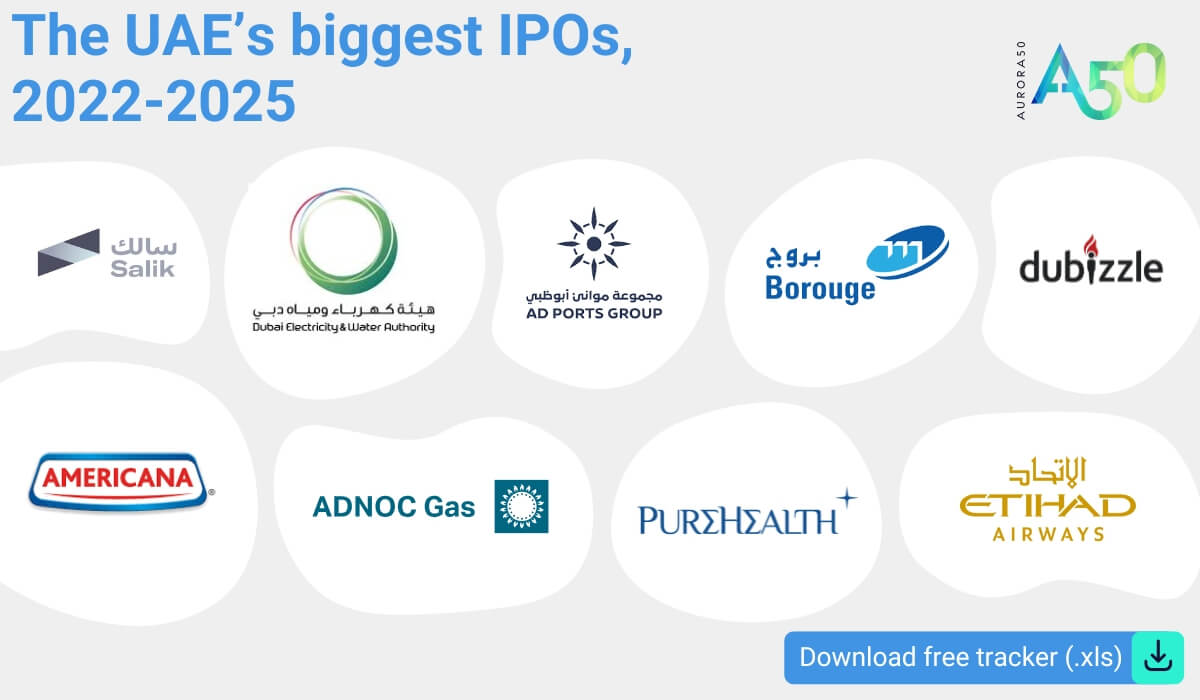
The cancellation of the highly anticipated initial public offering by UAE-based classifieds giant Dubizzle has raised serious concerns about the current state of the Middle East’s equity capital markets. Once viewed as a promising player in the region’s IPO landscape, Dubizzle’s decision to abandon its listing highlights the significant challenges the Middle East faces in generating investor confidence after a year of lacklustre aftermarket performance.

Dubizzle’s IPO was set to value the company at approximately US$2 billion, a deal that was initially expected to attract substantial interest from both regional and international investors. However, a series of setbacks, including a sharp downturn in market conditions, led to its eventual abandonment. “It’s a complete disaster for the region,” remarked a UAE-based investor, underscoring the gravity of the situation. This sentiment is echoed by many analysts who point to the stark contrast between the current climate and the boom years that saw the Middle East emerge as a dominant force in EMEA ECM.

The UAE’s IPO market has long been a significant player in the regional capital markets. Over the last few years, the area had enjoyed strong performances from listings such as the floatation of ADNOC Drilling and Dubai’s top retail operator, EMIRATES NBD. These successes painted a rosy picture of the region as a flourishing hub for high-profile public offerings. However, 2024’s market performance has been far from reflective of that growth. The Dubizzle setback is just the latest in a series of underwhelming IPO results, a trend that analysts attribute to a combination of factors, including investor caution, regional political instability, and global market headwinds.

Investor sentiment had already been fragile due to the underperformance of several high-profile companies post-IPO. Notably, Talabat, the online delivery service, saw its stock plunge nearly 40% from its initial issue price, while construction giant Alec Holdings also experienced significant losses. Both companies, initially thought to be solid IPO candidates, have fallen victim to what some analysts are calling an “overheated market” in 2023, where optimism led to inflated valuations. These negative outcomes have made investors more reluctant to engage in new listings, further dampening the appeal of subsequent IPOs, including Dubizzle.

Market observers point out that the combination of volatile regional economic conditions, which include oil price fluctuations and rising inflation, has contributed to a cautious outlook. The global economic environment, particularly in Europe and the United States, also has ripple effects in emerging markets like the UAE, with rising interest rates and a slowing global economy compounding investor fears of weak returns. These external pressures have combined with a tightening regulatory environment in the region, adding to the difficulties of orchestrating a successful IPO.

As the region grapples with these challenges, many are questioning whether the Middle East’s ECM sector can regain its former momentum. The last few years witnessed an influx of private equity and venture capital investments into the region’s tech startups, which fueled expectations that these companies would eventually go public and bolster the stock market. However, the persistent volatility and failure of IPOs to deliver on their promise have now raised doubts over whether such investments will yield the expected returns.

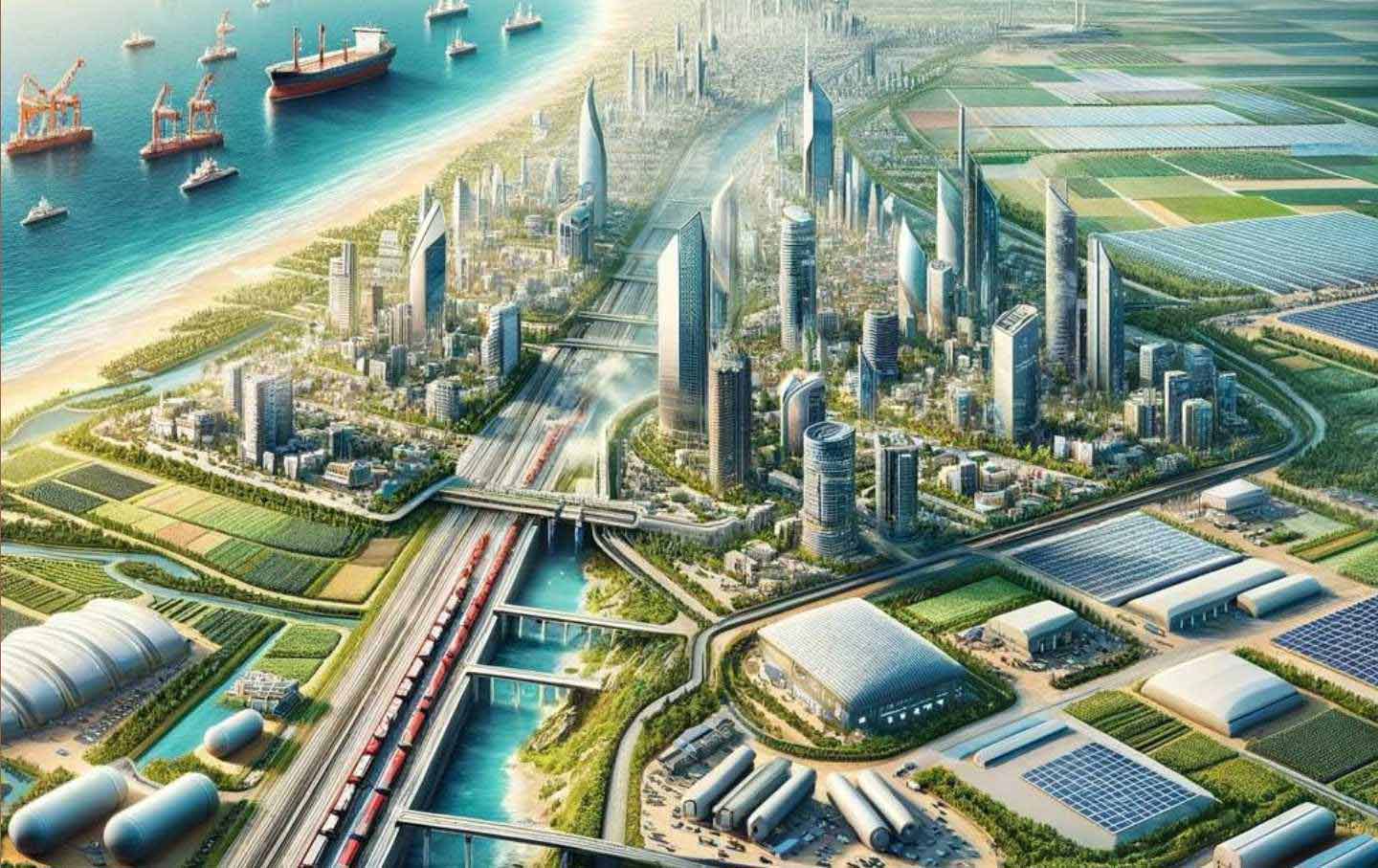
India is positioning itself as a global food supplier using Dubai as the logistical gateway, according to statements made by Chief Minister N. Chandrababu Naidu of Andhra Pradesh during his visit to the UAE. He declared that India’s strengths in agriculture, horticulture, aquaculture and logistics will enable the country to serve “the global community” through Dubai’s market access.

Naidu spoke of the UAE city’s strategic connectivity and global reach as ideal for scaling Indian-food exports. He noted that the Andhra Pradesh government is aiming to reduce logistics costs by integrating inland waterways, railways, road and seaports, and by spending around 14 per cent of the state’s GDP on logistics infrastructure as part of the drive to increase efficiency. His role as chief minister of Andhra Pradesh places him at the centre of an ambitious push to offer the state as a manufacturing and supply-chain hub with Indian agriculture at its core.

The announcement comes amid a broader investment road-show in which Naidu met with senior policymakers and business leaders in the UAE to discuss partnerships across multiple sectors, including food processing, green energy, AI and infrastructure. During a dialogue in Dubai the chief minister stated that India will supply food to the global community through Dubai as a hub, adding that he met ministers, family-business leaders and airlines executives during the visit. He praised the Indian diaspora for their contributions and flagged the state’s goal of making the new capital Amaravati a “green and blue city” built around water, greenery and advanced infrastructure.

Andhra Pradesh’s food-processing ambitions are a central plank of the strategy. The state government has invited investment from UAE food-conglomerates to scale cocoa cultivation, chocolate manufacturing, aquaculture and related logistics. The Chinese food-industry trend of “value-added exports” is echoed by India’s attempt to move beyond raw agricultural exports towards packaged, processed and high-logistics-integrated supply chains.

From a trade perspective, positioning Dubai as a re-export hub can offer Indian producers quicker access to Middle East, African and European markets. Dubai’s status as a global logistics and trading hub gives India the opportunity to piggy-back on existing infrastructure and reach. It also offers investors assurances of regulatory, financial and physical connectivity.

However, a number of challenges stand in the way. India already faces structural issues in agriculture: fragmented landholdings, variable productivity, post-harvest losses, and high domestic logistics costs. While Naidu cites a logistics cost of about 14 per cent of GDP for Andhra Pradesh, the national average remains higher and such a figure implies major optimisation ahead. The use of Dubai as a hub also raises questions of tariff regimes, transit duties, warehousing handling cost and competition from other international producers using the Gulf as re-export platforms.

Critics also point to the risk of over-promising on export capacity. India’s agriculture export ratio remains modest relative to the size of its production, and moving up the value chain into globally competitive processed foods will require investment in cold-chain infrastructure, quality standards and market-specific certifications. The reliance on a single state’s announcement may also raise concerns about federal coordination and falling short of expectations if broader national agricultural reforms lag.

Gulf states are emerging as influential players in digital assets, with governments across the region intensifying efforts to regulate cryptocurrencies, tokenisation and Web3 innovations. A growing number of jurisdictions are introducing licensing frameworks for virtual asset service providers, stablecoin regimes and asset-tokenisation structures, signalling a shift in strategy from reactive oversight to proactive design.

The Central Bank of the United Arab Emirates has introduced a Payment Token Services Regulation that obliges issuers, distributors and custodians of payment tokens to maintain full reserve backing, undergo mandatory licensing and meet robust anti-money-laundering and cybersecurity standards, thereby positioning the UAE as a regulatory pioneer in the region. Across the region, countries such as Bahrain and Saudi Arabia have developed layered digital-asset frameworks, with Bahrain’s central bank among the earliest movers and Saudi launching fintech sandboxes and pilot token-asset schemes under its Vision 2030 plan.

Market data underline these developments. Analysis shows that between July 2023 and June 2024 the Middle East and North Africa region handled some US$338.7 billion in on-chain crypto value, accounting for approximately 7.5 per cent of global transaction volume. Institutional flows dominate: about 93 per cent of value transferred in the region came in amounts of US$10,000 or more.

Several regional platforms have obtained new licences under this regulatory push. The region’s first licensed crypto-asset service provider, Rain Financial Inc., has expanded its services under licence from both Bahrain’s regulator and Abu Dhabi’s ADGM-FSRA. In Bahrain, over 50 firms including nearly half focused on digital-assets are in discussions to establish operations under the Central Bank’s regime.

The tokenisation of real-world assets is gaining traction, with banks and global institutions exploring issuance of token-backed bonds, real estate and commodity-linked tokens. According to consultancy research, tokenisation could add as much as US$230 billion annually to MENA-region GDP. Major international exchanges and asset-managers are establishing footholds: for instance, the global exchange Binance uses the UAE as its regional base and has obtained a licence under Dubai’s Virtual Assets Regulatory Authority.

Despite this momentum, the region faces challenges. Implementation remains uneven: regulatory capacity across jurisdictions varies, local consumer-protection rules are still emerging and cybersecurity vulnerabilities in wallet providers and exchanges pose material risk. Energy-use and environmental impacts of crypto-mining have also drawn regulatory scrutiny: in one Gulf city, electricity consumption fell by over fifty per cent after enforcement of mining curbs.

Taxation and corporate-governance issues are also under development. In Saudi Arabia individuals currently pay no capital-gains tax on crypto, though businesses may face up to 15 per cent tax with corporate income taxed at 20 per cent plus a 2.5 per cent zakat levy. Given the youth-skewed demographics of Gulf markets and high smartphone penetration, regulators see digital-assets as both a diversification lever and a conduit to broader fintech innovation.

For global crypto and Web3 players the Gulf region offers a combination of clear regulation, large capital pools and government-driven ambition. However firms must navigate rigorous licensing conditions, reserve-backing rules, AML frameworks and evolving governance standards. The regulatory focus on stability and consumer protection underscores that the region expects digital-asset innovation to be embedded in mainstream finance rather than existing outside it.

Dubai– Nakheel has unveiled a new collection of ultra-luxury waterfront villas at its flagship Palm  Jebel  Ali development, signalling a major push in high-end residential real estate on the island. The release covers both the “Beach Collection” and “Coral Collection” villa clusters, with the broader master plan of the scheme now coming into sharper focus. The announcement highlights that the master community will include a 9,000 sq […]

The urban development landscape of the Emirate of Ras Al Khaimah is being reshaped as Marjan and RAK Hospitality Holding announced a landmark merger to form a unified entity under the Marjan brand, merging land-development and hospitality arms into one. Under the partnership, Marjan will consolidate real-estate development, hospitality operations and lifestyle offerings, effectively becoming one of the largest property developers in the United Arab Emirates. According […]

Advertisements

The Dubai Department of Economy and Tourism has launched an incentive programme that reimburses eligible hotel developments for 100 per cent of the Dubai Municipality room-sales fee and the Tourism Dirham levy for two years following opening. The scheme targets new hotels, resorts, hotel apartments and other approved hospitality facilities in the designated growth zones of Dubai South, Palm Jebel Ali, Dubai Parks and Dubai Islands. The move stems from Executive Council Resolution No.  of 2025, […]

CME Group has launched its first physical base in the Middle East with an office at the Dubai International Financial Centre, to serve as its hub for the region under a licence from the Dubai Financial Services Authority. Sharif Jaghman, relocated from London, will head the new Middle East and Africa operations. The move follows a 16 per cent rise in average daily trading volumes from the […]

Dubai’s Roads and Transport Authority inked three major Memoranda of Understanding this week at GITEX Global 2025, forming strategic partnerships with KHDA, Parkin PJSC, and PayPal to deepen integration of the nol card ecosystem.

Under the agreement, RTA and the Knowledge and Human Development Authority, in partnership with GTS Alive Middle East, will roll out the “Study in Dubai – nol ISIC” card, enabling students to use nol across campus services and lifestyle benefits. The nod with Parkin aligns its digital parking operations with the nol payment interface, while the PayPal deal aims to embed nol into broader digital commerce and point-of-sale systems.

Mohammed Al Mudharreb, Chief Executive Officer of RTA’s Corporate Technology Support Services Sector, led the signings on behalf of RTA. On the KHDA side, Dr Saeed Mubarak bin Kharbash and Michal Lezo signed for KHDA and GTS Alive Middle East respectively; Parkin’s participation was endorsed by Mohamed Abdulla Al Ali, and PayPal was represented by Otto Williams, SVP and General Manager for PayPal Middle East and Africa.

According to RTA, the thrust of the MoUs is to position nol as more than a public transport card — it aims to transition nol into a multifunctional payment instrument across retail outlets, restaurants, parking, entertainment venues, events, and institutional services. The authority hopes that expanding acceptance will drive convenience, reduce cash reliance, and support Dubai’s smart city ambitions.

KHDA emphasized the student-centric angle: the “Study in Dubai – nol ISIC” card is expected to be accepted across higher education institutions in the emirate, granting students access to discounts, campus services, and lifestyle perks under a unified payment mechanism. Officials stated it will enhance the student experience and streamline campus operations.

From Parkin’s standpoint, the collaboration enables interoperability between its parking systems and the nol platform — motorists may use nol directly for parking payments, potentially eliminating the need for separate digital wallets or parking apps. Meanwhile, PayPal’s role is to act as a bridge for merchants and service providers to adopt nol-based transactions, especially in digital and brick-and-mortar payment contexts.

These moves come amid a broader push by Dubai authorities to accelerate digital payment adoption and integrate city services under unified ecosystems. The expansion from transit to wider commerce mirrors trends in other global cities, where transport payment cards or mobile passes are becoming de facto urban wallets.

A challenge will lie in merchant adoption and technological integration. To be effective, retail outlets, parking operators, education institutions, and event venues must invest in infrastructure to accept nol-based payments, whether via terminals or backend systems tied to PayPal’s network. RTA has framed these partnerships as a pathway to co-developing nol-linked products and value-added services, creating new revenue streams and customer experiences.

Customer satisfaction is a recurring pillar in RTA’s narrative: by enabling one card to handle multiple daily transactions, the authority expects to reduce friction and improve uptake. Sustainability is also a stated goal — shifting transactions away from paper tickets and cash is presented as an environmental benefit.

Notably, Dubai is also spotlighting innovations in mobility at GITEX: the Trackless Tram, an AI-driven, driverless tram solution, is among projects on display. The new MoUs dovetail with such transport-led technology investments, reinforcing Dubai’s intent to integrate mobility and payments as part of its future city blueprint.

Within the education sector, KHDA’s endorsement of nol for student services signals a bridging of infrastructure between municipal systems and institutions — a model that, if successful, could serve as a template for other smart city programmes. The partnership with PayPal is particularly significant, since its global payments reach gives nol a pathway into cross-border and e-commerce transactions, beyond typical fare or local merchant payments.

Dubai’s government has unveiled plans for a radical upgrade to its “Invest in Dubai” digital platform, enabling business licences to be granted in as little as 17 seconds. The platform’s new version, featuring Agentic AI capabilities, was introduced at GITEX Global 2025 and is expected to go live by the end of 2026. Ahmad Khalifa AlQaizi AlFalasi, CEO of Dubai Business Registration and Licensing Corporation, explained that […]

Dubai’s 45th edition of GITEX GLOBAL opened on 13 October at the Dubai World Trade Centre, attracting what organisers call unprecedented global participation. The event hosts more than 6,800 exhibitors, 2,000 startups and 1,200 investors from over 180 countries. Sheikh Mohammed bin Rashid Al Maktoum inaugurated the event, underscoring the UAE’s ambition to lead in AI-driven economies. Dubai’s leadership has signalled this edition will be the last […]

Mohammed Bin Rashid Housing Establishment is spotlighting a suite of digital housing solutions at GITEX Global 2025, announcing strategic tie-ups aimed at advancing smart infrastructure and inclusive living. The initiative underscores Dubai’s push to fuse technology with urban development amid intensifying global competition in digital transformation.

MBRHE is presenting new digital services engineered to optimise housing operations, energy efficiency and resident experience. At GITEX, the entity finalised a partnership with Emirates Islamic Bank to develop financing and digital payment tools tailored for homeowners, and earlier inked an agreement with AI Smart to retrofit housing units with assistive technologies for People of Determination. The latter includes deploying smart systems in five identified residences to enhance mobility and independence. These deals complement an existing MoU with Emirates Gas to supply next-generation LPG composite cylinders across MBRHE communities, complete with annual maintenance services.

As part of Dubai’s government ecosystem at GITEX, MBRHE is listed among Gold Partners in the Digital Dubai pavilion, joining over 50 public and private entities promoting the emirate’s City-as-a-Service model. This placement gives MBRHE visibility amid hundreds of technology players from more than 180 countries. The pavilion is intended to demonstrate cross-sector digital synergies across health, energy, mobility and governance spheres.

MBRHE officials emphasise a multipronged strategy. The partnership with Emirates Islamic is geared toward embedding embedded financial tools into housing services. The AI Smart alliance is positioned as a step toward inclusive smart homes. Meanwhile, the collaboration with Emirates Gas addresses energy reliability and safety in residential zones under MBRHE’s purview. In announcing the AI Smart engagement, MBRHE described it as aligning with UAE leadership’s agenda to empower all segments of society, especially People of Determination.

The move follows MBRHE’s earlier commitment with GFS Developments to launch the Smart Housing Forum 2025, a platform to convene global experts on sustainable housing innovation. That partnership, formalised in late September, frames GITEX as a conduit for showcasing outcomes and inviting further collaboration.

Industry analysts say MBRHE’s integration of housing, finance, energy and assistive technology is representative of a wider trend in the Gulf: public agencies are no longer viewing infrastructure in isolation but as an integrated service ecosystem. State-linked housing bodies are increasingly collaborating with fintech, cleantech, proptech and social inclusion tech firms to convert static assets into responsive, data-enabled platforms.

Critics caution that the true test lies in execution, particularly in integrating legacy systems, ensuring cybersecurity across interconnected modules, and managing equitable access across lower-income beneficiary groups. For instance, retrofitting older housing stock with IoT or assistive systems often requires structural upgrades, which carry cost and logistical burdens.

At GITEX, MBRHE is expected to demonstrate live pilot models of smart home systems, energy monitoring dashboards, and resident apps that tie into real estate finance. These demos will act as proof points to entice further private sector engagement and scaling. MBRHE’s role as both regulator and operator gives it leverage but also raises accountability for outcomes.

Dubai has recorded a landmark quarter in its upper-tier residential sector, with 103 homes sold for over US$ 10 million in Q3, representing a 24 % rise compared with Q3 of 2024. Demand in the ultra-luxury segment translated into 17 sales above US$ 25 million — more than double the tally from the same period last year. By the end of September, the cumulative number of US$ […]

Dubai Healthcare City Authority has unveiled a Dhs1.3 billion development programme for Phase 1 of Dubai Healthcare City, marking an aggressive expansion that aims to elevate its global standing in health infrastructure. Construction is set to start in December, with a targeted completion window by November 2027.

At the heart of the initiative lies a triple-pronged buildout: a LEED Platinum-certified office block, a purpose-built medical complex, and supporting infrastructure—each tailored to attract health-related investors and operators. The office building, designed by P&T Architects & Engineers, spans some 13,000 sqm across nine levels and includes flexible workspaces and ground-floor retail zones. The medical complex, by Design & Architecture Bureau, covers 5,800 sqm, with two basements and five floors, and is planned to accommodate surgical units, diagnostics, outpatient services and lab facilities.

Beyond buildings, the infrastructure scope includes multi-storey parking with electric vehicle charging points, integration with Salik for smart parking, and accessibility enhancements. The aim is to strengthen the underlying ecosystem so that the healthcare precinct becomes not just a cluster of clinics, but a fully serviced global health hub.

Issam Galadari, DHCA’s CEO, asserted that these projects reflect the authority’s ambition to combine sustainability, global investment appeal and design excellence, aligned with Dubai’s Economic Agenda and the UAE’s Net Zero Strategy 2050. Allae Almanini, COO, added that the works will “boost confidence for healthcare providers and investors” by improving efficiency, accessibility and sustainability across the community.

Phase 1 of DHCC, located in Oud Metha, currently operates within a 4.1 million sq ft footprint dedicated to medical services and education. Phase 2, by contrast, spans around 19 million sq ft at Al Jaddaf, and is oriented more toward wellness and mixed support services.

This new investment signals a sharpened focus on physical infrastructure as a differentiator. In recent years, DHCC has emphasised partnerships and innovation: its free-zone model already supports over 400 licensing entities and more than 168 clinical facilities. Earlier this year, DHCA collaborated with AI Quantum Intelligence Institute to launch an AI healthcare innovation lab in the free zone, and formed an agreement with AirMed International to deepen medical transport capabilities.

Analysts see the move as a bid to compete not only regionally, but globally. Healthcare infrastructure, especially when linked with sustainability credentials such as LEED Platinum certification, is increasingly a factor in investors’ decisions. The new build will position DHCC among the few healthcare zones worldwide that combine clinical, administrative and research capacity within one contiguous ecosystem.

However, the scale and timeline carry risks. Dubai’s construction sector is already navigating supply-chain pressures, labour constraints, and rising material costs. Ensuring timely delivery and quality control in a high-performance project will demand rigorous project management. Meanwhile, the authority must ensure that demand from healthcare operators, both local and international, matches the expanded real estate supply, lest vacancy rates rise.

More immediately, the December commencement date — just weeks away — will test DHCA’s readiness in securing contractors, tendering work packages and coordinating certifications. Delays in permitting or approvals could cascade into missed target windows. Yet, if executed successfully, the project will enable DHCC to present itself as an integrated health campus offering offices, clinical space, and support services under one sustainable umbrella.

Observers note that medical tourism in Dubai already commands significant weight, drawing patients from the GCC, the broader Arab world, Europe, and Asia. DHCA’s bet is that infrastructure sophistication will amplify that pull, especially for high-end specialty and precision medicine segments.

Dubai-based Dubizzle Group Holdings has unveiled plans to float about 30.34 % of its share capital via an initial public offering on the Dubai Financial Market. The offer comprises 1.25 billion ordinary shares, of which 196.1 million are fresh issues from the company and 1.05 billion are existing shares sold by current shareholders. Subscription will be open from 23 to 29 October, the price will be fixed on 30 October, and trading is expected to begin on 6 November 2025.

The firm has appointed Rothschild & Co. as Independent Financial Advisor and Emirates NBD Capital as Listing Advisor. The IPO will be co-managed by banks including Abu Dhabi Commercial Bank, Barclays, EFG-Hermes UAE, Emirates NBD, Goldman Sachs International, HSBC Middle East and Morgan Stanley. Dubizzle’s largest shareholder, Prosus N. V., is committing USD 100 million to the issuance, signaling continued backing after initially investing in 2011.

Dubizzle operates across two main platforms: dubizzle, which handles automotive and general classifieds, and Bayut, focused on real estate. In the 18 months leading up to the IPO, the group pursued strategic acquisitions such as Drive Arabia, Hatla2ee, and most recently Property Monitor, a UAE real estate data and analytics provider. The acquisition of Property Monitor, which delivered a revenue CAGR of 55 % from 2022 to 2024, is expected to deepen Dubizzle’s insight offering in its property vertical.

Financially, the group has improved its performance. In 2024, revenues reached USD 222 million, with the net loss narrowing. For the first half of 2025, revenue rose to USD 133 million, while adjusted profit stood at USD 14 million. The more constrained net loss of USD 8.9 million in H1 2025 marks further progress in reducing deficits.

Market conditions have played in Dubizzle’s favour. Dubai’s real estate market has surged, with prices climbing over 70 % over four years, boosting transaction activity and demand for online classifieds. Analysts view the Dubizzle IPO as one of the largest tech offerings this year in the UAE, designed to attract capital inflows into the growing digital marketplace sector.

Yet challenges lie ahead. Investor scrutiny of valuations and corporate transparency will intensify, and Dubizzle must show sustainable path to profitability beyond growth. Some analysts estimate the IPO value in the USD 500 million to USD 1 billion range, consistent with its fundraising and valuation aspirations. Liquidity and free float requirements—especially for inclusion in indices like MSCI—may pressure the group to deliver consistent operational metrics.

In preparing for the public listing, Dubizzle has restructured its syndicate. It previously engaged banks such as Emirates NBD, Goldman Sachs, HSBC, and now rotated in Morgan Stanley, replacing former links to Citigroup. The reconfiguration suggests an adaptive approach designed to secure stronger placement and institutional interest.

Dubizzle and many other UAE firms are benefiting from momentum in the IPO pipeline. According to regional capital markets observers, between 25 IPOs were recorded in the first half of 2025, generating about USD 4.5 billion. Brokers like Citi assert that the pipeline remains healthy, even amid macro and geopolitical headwinds, and highlight investor demand for exposure to unlisted technology, fintech, and real estate-adjacent sectors.

Dubai has launched a new permit scheme that enables free-zone companies to conduct business within its mainland, a move designed to dismantle long-standing regulatory barriers between jurisdictions and unlock new commercial opportunities.

Under Executive Council Decision No. 11 of 2025, the “Free Zone Mainland Operating Permit” allows companies already holding a Dubai Unified Licence to apply for mainland access digitally via the Invest in Dubai platform. The permit spans six months, priced at AED 5,000, and may be renewed under the same terms. The scheme applies initially to non-regulated sectors such as technology, consulting, design, professional services and trading. Companies granted the permit must maintain distinct financial records for mainland operations and will incur a 9 per cent corporate tax on revenues generated onshore.

Dubai Business Registration and Licensing Corporation, part of the Dubai Department of Economy and Tourism, has partnered with the Dubai Free Zone Council to administer the framework. Ahmad Khalifa Al Qaizi Al Falasi, CEO of DBLC, described the initiative as a step toward “regulatory modernisation” and a more seamless investor experience. Dr Juma Al Matrooshi, Assistant Secretary-General at the Free Zones Council, said the permit enhances Dubai’s competitiveness by combining the flexibility of free zones with access to domestic markets.

Authorities expect the permit to benefit over 10,000 existing free-zone firms, adding 15–20 per cent to cross-jurisdiction business activity in its first year. Businesses can now tap domestic trading avenues and contend for government tenders previously off-limits to entities without a mainland presence. Existing free-zone staff may serve mainland operations, eliminating the need for new hiring under those permits.

Though the permit removes many structural hurdles, certain limitations and compliance obligations remain. Firms dealing in regulated activities—such as banking, healthcare, education or financial services—must still secure approvals from relevant regulators. The new scheme prohibits its use for entities within the Dubai International Financial Centre, which remains under a distinct legal regime.

The resolution introduces three permitted pathways: establishing a branch physically in the mainland, setting up a branch that operates out of the free zone, or obtaining a temporary permit for limited operations. All applications require consent from both DET and the corresponding free-zone authority. The permit regime mirrors the requirements of Resolution No. 11, which mandates separate bookkeeping and compliance under federal and local laws.

Dubai’s regulatory architecture has evolved in recent years: free zones traditionally offered full foreign ownership and streamlined processes, but lacked direct access to local markets. To counter that gap, companies often had to replicate operations via separate mainland entities or dual licences—a burden that increased costs and administrative duplication.

The new permit scheme thus signals a strategic pivot toward harmonising the city’s jurisdictional divide. Corporate law specialists note that simpler structures reduce overhead, ease governance challenges and mitigate tax or substance-test scrutiny. As one regional legal adviser put it, “Businesses can now use a single platform to expand rather than duplicating corporate filings.”

The pricing and validity terms are notable. The six-month, AED 5,000 permit is significantly more affordable and flexible than establishing a full mainland company, lowering the threshold for smaller firms and startups to experiment with onshore operations. The 9 per cent tax rate aligns with federal rules that apply to mainland income, while free-zone revenues remain eligible for preferential regimes.

Dubai’s GITEX GLOBAL 2025 is turning the spotlight on East Africa as a rising force in the artificial intelligence landscape, with regional governments and private players leveraging the event to signal ambition across infrastructure, AI research and startup ecosystems. More than 6,800 tech enterprises and 2,000 startups from 180 countries will convene in Dubai from 13 to 17 October under the GITEX banner, showcasing breakthroughs in biotech, […]

Nasdaq Dubai has officially welcomed the listing of USD 500 million Sustainability-Linked Financing Sukuk issued by Emirates Islamic, heralding what the bank describes as the world’s first issuance of its kind. The structure is designed to tie financial terms to environmental and sustainability metrics, reflecting escalating demand in both Islamic finance and ESG markets. The Sukuk is issued under Emirates Islamic’s USD 4 billion Sukuk Programme and […]

Demand for Regulated Forex Brokers Grows for UAE Investors Trade247, a broker firm based in Dubai and regulated by the UAE’s Securities and Commodities Authority as well as the Financial Services Commission of Mauritius, has introduced its technology geared towards what it calls “complete multi-asset trading,” which covers forex, equities, indices, commodities, precious metals, energy products, and digital currencies, in which they identify the current trend of […]

Dubai Airports has announced an extended 10-year strategy aimed at transforming Dubai International and Dubai World Central – Al Maktoum into the world’s most accessible and inclusive airports by 2035. The plan underscores a shift from enhancing infrastructure alone to driving cultural change, embedding empathy and user-centred design in every element of the passenger journey.

The strategy rests on three pillars: reinforcing existing accessibility frameworks, improving guest experience across every touchpoint, and elevating the airports’ status as global benchmarks in inclusive aviation. The commitment aligns with the UAE’s broader obligations to support the rights of People of Determination and Dubai’s ambition to become a disability-friendly city.

Majed Al Joker, Chief Operating Officer of Dubai Airports, emphasised that accessibility is a “core pillar” rather than a peripheral initiative. He noted that, for the first time, the airport authority is co-creating programmes with the PoD community to redesign the passenger journey from their lived perspective. The launch coincides with the debut of a public awareness campaign called “DXB for All”, which presents six narratives of travellers with sensory sensitivities, mobility challenges, hearing or visual impairments, and highlights their airport experiences.

This new phase builds on the 2022 “We All Meet the World Differently” campaign. While that initiative focused primarily on raising awareness, the current strategy delves deeper by integrating accessibility into operations, staff training, and passenger interactions. Airport operators intend to cultivate empathy across staff, travellers, and the public, encouraging all stakeholders to reframe how they engage with PoD.

To facilitate inclusive travel, Dubai Airports already provides a suite of services: a Travel Planner visual guide, the Sunflower Lanyard to signal discreet assistance, free two-hour parking, dedicated taxis, wheelchair support from curb to gate, over 520 hearing loops across terminals, and a sensory-friendly Assisted Travel Lounge in Terminal 2. These measures will be expanded and refined under the new strategy.

The initiative is being deployed through the “oneDXB” partnership network, which includes Emirates, flydubai, Dubai Police, GDIFA, Dubai Customs, dnata, Dubai Health, Dubai Duty Free, Serco, and other stakeholders. The collaborative structure ensures that airport services, security, passenger handling, health and taxi operations all align with inclusivity goals.

Challenges are considerable. DXB is already operating near capacity: in 2024 it handled 92.3 million passengers, its highest ever annual volume. That puts pressure on space, queueing, and infrastructure to adapt without undermining operational efficiency. Meanwhile, DWC is undergoing significant expansion—with a projected $35 billion investment to scale it toward handling up to 260 million passengers annually. Dubai Airports plans to shift major operations to DWC by 2032, adding urgency to ensuring that new terminals and systems are fully accessible from the start.

Primark will launch three flagship stores in Dubai in early 2026, marking its first retail foray in the UAE under a franchise partnership with Alshaya Group. The outlets are slated for Dubai Mall, Mall of the Emirates and City Centre Mirdif. Under the alliance, the company is also targeting the GCC market more broadly, beginning with a store in Kuwait later this year at The Avenues. The […]

Arabian Post Staff -Dubai Dubai has become home to Emirates’ new Centre of Hospitality Excellence, a sophisticated training facility aimed at enhancing service standards across its fleet of nearly 25,000 cabin crew. The development underscores the airline’s pivot toward immersive hospitality training rooted in luxury-hotel culture. At launch, the centre offers an array of high-end amenities: a fine dining restaurant and lounge that can host up to […]

Organisers have confirmed that Future Blockchain Summit x Fintech Surge will take place at Dubai Harbour from 12 to 15 October 2025, positioning the event as a central nexus for blockchain, digital assets, and fintech innovation across the MENA region. The four-day gathering, held alongside Expand North Star and powered by GITEX GLOBAL, aims to attract regulators, investors, entrepreneurs and technologists to shape emerging frameworks for finance.

Attendance is expected to exceed 70,000, with over 1,200 investors and more than 225 speakers scheduled to participate, alongside 150 exhibitors showcasing new products and solutions. A feature highlight is the Digital Assets Forum, which brings regulators, banks, and innovators together for intensive discussions on topics such as CBDCs, stablecoins, tokenised capital markets, cross-border regulation and the role of AI in compliance.

Speakers confirmed include Jimmy Su, Lily Liu, Eric Piscini, Oliver Stauber, Helen Liu and Kevin Lee. The event also features the Supernova Challenge, a startup pitch competition offering equity-free prizes totalling US$214,000 to finalists presenting to global judges and investors. Corporations such as Ruya, OKX and DKK Partners anchor the sponsorship tiers, while YPAY backs the Digital Assets Forum.

Dubai has been steadily reinforcing its position in the digital asset ecosystem. Earlier this year, the DAMAC Group signed a $1 billion contract with blockchain platform MANTRA to tokenise its real-world assets, a move aligned with the UAE’s aspirations to become a global digital assets hub. The country has been actively implementing regulatory frameworks, particularly in free zones like ADGM and DMCC, to attract blockchain firms and promote tokenisation of assets.

Investment momentum in the broader crypto and fintech sphere in the UAE has been robust. In the first quarter of 2025, global venture capital funding into cryptotech startups reached $5.4 billion, its highest quarterly total since 2022. Dubai has hosted major conferences such as TOKEN2049, drawing tens of thousands of participants and signalling regional leadership, though industry sentiment currently balances optimism with caution amid regulatory uncertainty and macro-economic pressures.

Technology trends driving this year’s agenda include the convergence of AI and blockchain, regulatory clarity for digital assets, tokenised infrastructure, and embedded finance. A newly published academic framework proposes integrating blockchain with Zero Trust security models to improve protection against insider threats in fintech ecosystems — a demonstration of how research is intersecting with commercial deployment.

Organisers emphasise that the event’s format is more than a conference: it is designed to enable deal-making, pilot launches and real partnerships. One-to-one investor matchmaking, live product demonstrations, and structured labs are scheduled to convert ideas into actionable projects. Startups exhibiting at Expand North Star receive automatic inclusion in the Supernova Challenge, deepening integration between the startup and blockchain-fintech community.

Regulators from the MENA region and beyond are expected to engage at the forum. Discussions will centre on harmonising cross-border rules, interoperability of digital asset legislation, and pathways for institutional adoption of tokenised assets. Several central banks may share updates on central bank digital currency explorations.

VISHNU RAJA
RYO YAMADA
HITORI GOTOH
IKUYO KITA
Just in:
Japan’s Nikkei advances as buyers return after sell-off // PhotonPay Strengthens North American Regulatory Footprint with Canada’s RPAA Registration // Trump directs Justice Department scrutiny of Democratic threats // North Korean hackers channel Binance funds through fake tokens // Google patches actively exploited Chrome XML security flaw // European refrigeration hacks expose Gulf retail security risks // California electorate defeats proposed levy on billionaire wealth // FinCEN identifies $8 billion in suspect overseas payments // Lee Kum Kee Sauce-Sponsored 2026/27 Hong Kong Windsurfing Circuit – iQFOiL Championships Conclude Successfully // FAB takes full ownership of Bahrain fund administrator Yasira // Republicans Struggling To Come Out Of Nov 3 Debacle To Prepare For 2028 Prez Polls // Vasavan alleges one-man show by CM Satheesan // AutoSwift secures close to A$10 million from Singapore’s X Star Technology to scale AI WINGMAN // Sber announces results of GigaArt AI-art festival: Nearly half a million images // NIA Highlights Three Exemplary Breakthroughs from National Innovation Awards, Driving Thailand Toward a Global ‘Innovation Nation’ // Smart home choices widen as compatibility standards advance // Recognition under the U.S. Green Building Council’s rating system confirms the 22-residence tower is on track for full certification on completion // Abu Dhabi court holds NMC executives liable for fraud // Bank of England flags sharper AI share correction risks // Setback for Usha in Olympic body //