News related to
Dubai’s

Arabian Post Staff -Dubai Saudi Arabia and the United Arab Emirates (UAE) are locked in a fierce battle for dominance in the Middle Eastern investment banking landscape, with both countries vying for the title of top destination for investment banking fees. The competition between these two financial powerhouses has intensified in 2024, fueled by an uptick in debt underwriting and strong initial public offering (IPO) activity. As […]

Dubai has witnessed a transformative step in sustainable living with the groundbreaking of Knightsbridge, a pioneering climate-adaptive wellness community by LEOS Developments. Marking a milestone in urban planning, the project blends luxury and environmental consciousness, establishing a new benchmark for real estate in the region.

Strategically situated in Meydan’s District 11, the development covers an extensive 335,877 square feet, with an impressive 70% dedicated to green spaces. The Knightsbridge master plan, a collaboration with Nakheel and Meydan, integrates natural surroundings into a luxury urban environment, setting a new standard for ecological harmony and resident well-being.

The design draws inspiration from classic British architecture, integrating modern climate-responsive features such as UV-proof double glazing, energy-efficient LED lighting, and a self-shading building structure. Additionally, the community prioritizes sustainability through solar panels, smart irrigation systems, greywater recycling, and biodegradable reed-bed filtration. The eco-conscious approach ensures optimal adaptation to Dubai’s unique climate, promoting both comfort and efficiency.

Knightsbridge comprises luxury villas and townhouses, offering amenities such as private pools, elevators, climate-controlled outdoor terraces, and cutting-edge smart home systems. Enhanced features in the villas include private cinemas, chef’s kitchens, and jacuzzis, providing an unparalleled living experience. Residents will also enjoy access to a swimmable lagoon, yoga decks, outdoor cinemas, and wellness-focused facilities.

This innovative project positions Knightsbridge not just as a residence but as a lifestyle destination, seamlessly blending luxury, health, and sustainability. LEOS Developments aims to redefine modern living in Dubai, aligning with the emirate’s vision for progressive urban development.

By Saifur Rahman Dubai’s state-owned publicly-listed utility Dubai Electricity and Water Authority (DEWA), reported a 6.2 percent growth in revenue reaching a record US$6.4 billion (Dh23.5 billion) and net profit of US$1.5 billion (Dh5.5 billion) in the first nine months of the year. DEWA, the share of which is traded on Dubai Financial Market also declared a US$844.6 million (Dh3.1 billion) dividend to shareholders. DEWA’s first 9-month […]

The Woofstock Pet Festival, a one-of-a-kind event for dog enthusiasts, is set to take place at Dubai Islands Beach on November 23 and 24, 2024. This two-day celebration will offer an opportunity for pet owners and their furry companions to engage in workshops, enjoy various activities, and participate in educational seminars, all in a family-friendly and dog-friendly environment. Hosted by Doggie Adventures UAE, Woofstock promises to be […]

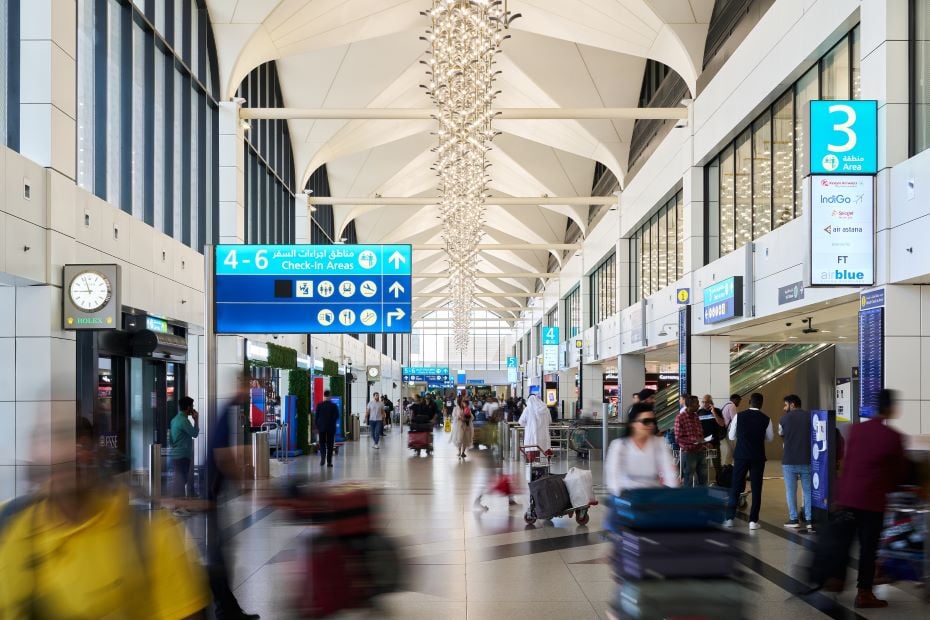
Dubai International Airport (DXB) has positioned itself for a record-breaking year, with passenger traffic reaching 68.6 million during the first nine months of 2024. This performance marks a 36.2% increase compared to the same period in 2023 and reflects a significant recovery and growth in the aviation and tourism sectors.

Paul Griffiths, CEO of Dubai Airports, highlighted that DXB’s recovery surpassed expectations, largely driven by an influx of travelers from Europe, the Indian subcontinent, and the GCC region. Griffiths emphasized the airport’s focus on efficiency and customer experience as pivotal in accommodating the escalating numbers, projecting an annual throughput exceeding 90 million passengers.

The surge in traffic follows a strategic shift in Dubai’s aviation sector, with Emirates and flydubai expanding their networks and seat capacities. DXB’s capacity utilization has approached pre-pandemic levels, indicating robust growth momentum. Meanwhile, Dubai’s broader tourism strategy, including events such as Expo City attractions and global trade exhibitions, has further bolstered inbound travel.

Forecasts for DXB remain optimistic, with the airport poised to break its 2019 record of 86.4 million passengers. This performance underscores Dubai’s ambitions to maintain its status as the world’s busiest airport for international travelers, a title it has held since 2014.

Rothschild & Co. has appointed a seasoned Swiss banker to head its newly established wealth management office in Dubai, marking a significant expansion in the Middle East’s rapidly growing wealth management sector. The move reflects the firm’s strategic intent to strengthen its presence in a region that has seen an increasing concentration of affluent individuals and families.

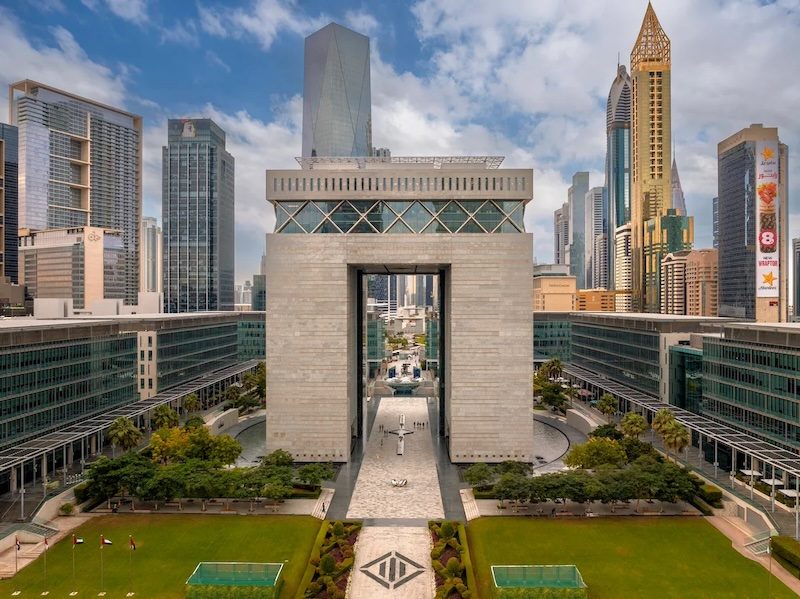
The new office, located in Dubai International Financial Centre (DIFC), aims to provide tailored wealth management services to high-net-worth individuals (HNWIs) and ultra-high-net-worth individuals (UHNWIs) across the Gulf region. With an eye on the UAE’s growing market, Rothschild & Co. is poised to leverage its global expertise to cater to the unique needs of wealthy clients in the Middle East.

The Swiss banker, whose identity remains undisclosed, brings over two decades of experience in wealth management, having previously worked with top-tier financial institutions in Switzerland and other global financial hubs. His appointment underscores Rothschild’s commitment to ensuring that its Middle Eastern clients receive personalized, high-quality advisory services, particularly in managing cross-border wealth, succession planning, and complex family office structures.

Rothschild & Co.’s decision to set up a dedicated office in Dubai is an indication of the firm’s optimism regarding the region’s increasing appeal to investors. Over the past decade, the UAE has become a leading global financial center, attracting not just affluent individuals from across the globe but also major financial institutions seeking to tap into the region’s burgeoning wealth. The region has consistently witnessed growth in the number of high-net-worth individuals, driven by the country’s successful diversification of its economy, rapid urbanization, and its position as a key financial hub for businesses and wealthy families from Europe, Asia, and Africa.

The Dubai office will be pivotal in further extending Rothschild & Co.’s network, which already has a strong presence in key global cities. Rothschild’s wealth management business has long been focused on providing a highly personalized approach to managing wealth, with expertise in both traditional and alternative asset classes. The move into Dubai comes at a time when family offices and private wealth management services are gaining increased importance in the region, particularly among younger generations of wealthy individuals seeking to preserve and grow their wealth for future generations.

Rothschild & Co. is not the only global financial institution eyeing Dubai’s growing wealth management market. Several other international banks have expanded their operations in the region, with private banking and wealth management services seeing strong demand. The city has become a magnet for both business executives and wealthy investors, many of whom are seeking a base in Dubai due to its tax advantages, business-friendly regulations, and cosmopolitan lifestyle.

One of the key factors behind this shift is the increased number of high-net-worth individuals from Asia and Europe who are seeking to establish a presence in Dubai, either for business, lifestyle, or financial reasons. The UAE’s wealth management market has grown alongside its economic diversification and its expanding role as a hub for international investment, especially in sectors such as technology, real estate, and infrastructure.

This influx of capital is being supported by Dubai’s increasing attractiveness as a safe haven for wealth amid global economic uncertainties. In addition to its stable regulatory environment, Dubai’s tax-friendly policies, such as the absence of income tax and its favorable business laws, are a draw for investors looking for more favorable conditions to manage their wealth. Moreover, with Dubai’s strategic geographical location between Europe, Asia, and Africa, it serves as a natural gateway for investors looking to access emerging markets.

Rothschild’s wealth management office is also set to benefit from the growing importance of ESG (environmental, social, and governance) investing in the Middle East. The firm is already a recognized player in sustainable investment management, and its Dubai office will focus on guiding clients toward investments that align with their values, particularly in green energy, real estate, and sustainable technologies.

Rothschild & Co.’s expansion into Dubai also ties in with its broader strategy of enhancing its global wealth management capabilities. The firm has consistently sought to expand its client base in emerging markets while strengthening relationships with existing clients in mature markets. This approach is designed to cater to the growing demand for wealth management services that combine personalized advice with a global perspective, ensuring clients can navigate the complexities of international markets and investments.

Dubai’s status as an economic powerhouse in the Middle East makes it a critical component of Rothschild & Co.’s long-term growth strategy. The city’s status as a luxury destination and its role in the development of major infrastructure projects across the region further solidify its appeal as a wealth management hub. As the city continues to grow in prominence as a business and financial center, it is likely that more global wealth managers will follow Rothschild’s lead in establishing a presence in the UAE.

Arabian Post Staff -Dubai Dubai is positioning itself as a pivotal player in the global gold market, leveraging its unique geographic location, robust infrastructure, and forward-thinking policies. The city has seen a surge in gold trade activity, propelled by geopolitical shifts, increased bullion acquisitions by central banks, and a strategic focus on refining and trading gold to meet evolving market demands.Central banks have significantly boosted their gold […]

Advertisements

Dubai’s rental market continues to show pronounced growth, with mid-income neighborhoods emerging as hotspots for rental increases as more tenants choose to renew leases rather than face escalating costs for new contracts. Analysts attribute this trend to strong demand, limited supply, and landlords maintaining an advantageous position. Tenancy renewal activity has surged in Dubai, with Ejari records indicating a 23.6% rise in renewals over the past year, […]

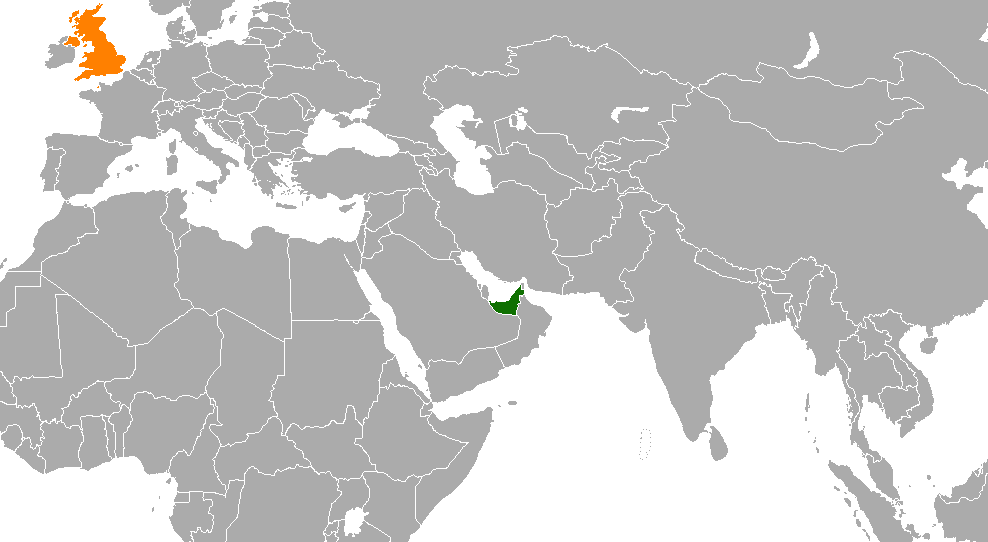
An increasing number of British residents, particularly high-net-worth individuals (HNWIs), are seeking a move to the UAE, drawn by the nation’s tax-friendly environment and strategic economic opportunities. This trend is amplified by the UK’s proposed reforms targeting non-domiciled residents and heightened post-Brexit challenges.

The UK government is set to introduce significant changes to its tax structure for non-domiciled individuals starting April 2025. This will extend taxation to global income after a four-year grace period, a measure projected to generate £2.7 billion annually by 2028. Coupled with stricter immigration rules and economic uncertainty, these changes are driving more residents to explore overseas options.

The UAE, particularly Dubai, has emerged as a top destination for British expatriates. Offering zero income tax, world-class infrastructure, and diverse investment opportunities, the UAE provides a stark contrast to the rising tax burdens in the UK. According to reports, the UAE is poised to attract 6,700 millionaires in 2024 alone, solidifying its status as a global hub for affluent expatriates.

Dubai’s real estate market exemplifies the appeal for British investors. Property transactions involving UK nationals surged by 43% in the first quarter of 2024 compared to the same period last year. The city’s attractive rental yields, high-quality developments, and residency incentives such as the Golden Visa make it a compelling choice for long-term investment and relocation. British buyers now feature prominently in popular neighborhoods like Palm Jumeirah and Dubai Marina, underscoring the UAE’s pull amid shifting global economic landscapes.

The migration trend also reflects broader changes in the UK’s workforce dynamics. Brexit-related policies have curtailed the mobility of skilled professionals and tightened visa regulations, affecting sectors like healthcare and technology. Simultaneously, Dubai’s robust economy, driven by tourism, tech, and real estate, offers a stable environment for career growth and entrepreneurship.

The UAE real estate market delivered strong performance in the third quarter of 2024, marked by an uptick in both residential and commercial sectors. As per the latest insights from Asteco, a leading property consultancy, key markets across the Emirates displayed resilience, with Dubai and Abu Dhabi continuing to see heightened demand for both sales and rentals. Despite global economic uncertainties, the property landscape in the UAE […]

Dubai has launched a suite of groundbreaking initiatives aimed at enhancing the city’s safety and technological infrastructure, with a focus on future-facing innovation. His Highness Sheikh Mohammed bin Rashid Al Maktoum, Ruler of Dubai, revealed a series of projects worth a total of Dhs2 billion, solidifying the Emirate’s reputation as a leader in cutting-edge law enforcement technology. These initiatives are designed to modernize the operational capabilities of […]

Dubai has marked a new milestone in its push to become a leader in futuristic transport solutions with the commencement of construction for the city’s first air taxi station. Located close to Dubai International Airport (DXB), this development is a pivotal step toward integrating urban air mobility (UAM) into the city’s transportation infrastructure. This ambitious project, spearheaded by Dubai’s Roads and Transport Authority (RTA) in collaboration with […]

Dubai is advancing its goal to become a global pioneer in urban air mobility, unveiling plans for its first vertiport station, strategically located adjacent to Dubai International Airport (DXB). The station, spanning 3,100 square meters, represents a key element in Dubai’s vision to implement a sustainable air taxi network, which is projected to serve as many as 170,000 passengers annually once operational in 2026.

In collaboration with Dubai’s Roads and Transport Authority (RTA), Skyports Infrastructure, and Joby Aviation, the vertiport will mark a significant milestone for Dubai’s aviation ambitions, aiming to connect seamlessly with Dubai Metro and other public transport systems. The facility will include an elevated deck to allow for the vertical take-off and landing of electric vertical take-off and landing (eVTOL) aircraft, essential for efficient air taxi operations in urban environments. Foster + Partners, an architectural firm known for its innovative designs, is leading the terminal’s design, integrating it with Dubai’s urban landscape to reflect both modernity and sustainability. The architectural design promises an open, elevated layout that prioritizes passenger comfort while offering panoramic views of both the city and aircraft activity.

Dubai’s air taxi service, a key aspect of the emirate’s urban mobility strategy, was initially announced by Sheikh Mohammed bin Rashid Al Maktoum earlier in 2024, with the aim of achieving operational readiness by 2026. With this vision, Dubai seeks to establish itself as the first city globally to operate a dedicated network of vertiports for air taxis, an achievement expected to bring a new wave of innovation to the city’s public transportation system. The initiative, which aligns with the UAE’s commitment to sustainable development, will enable eVTOL aircraft to traverse Dubai’s most prominent locations, including the Downtown area, Palm Jumeirah, and Dubai Marina.

Emaar Properties, one of the largest real estate developers in the UAE, has reported a modest growth in its profits for the first nine months of the year. The company’s net income rose compared to the same period last year, driven primarily by strong performance in its core real estate development and retail segments. The Dubai-based developer, which operates a diverse portfolio of real estate and hospitality […]

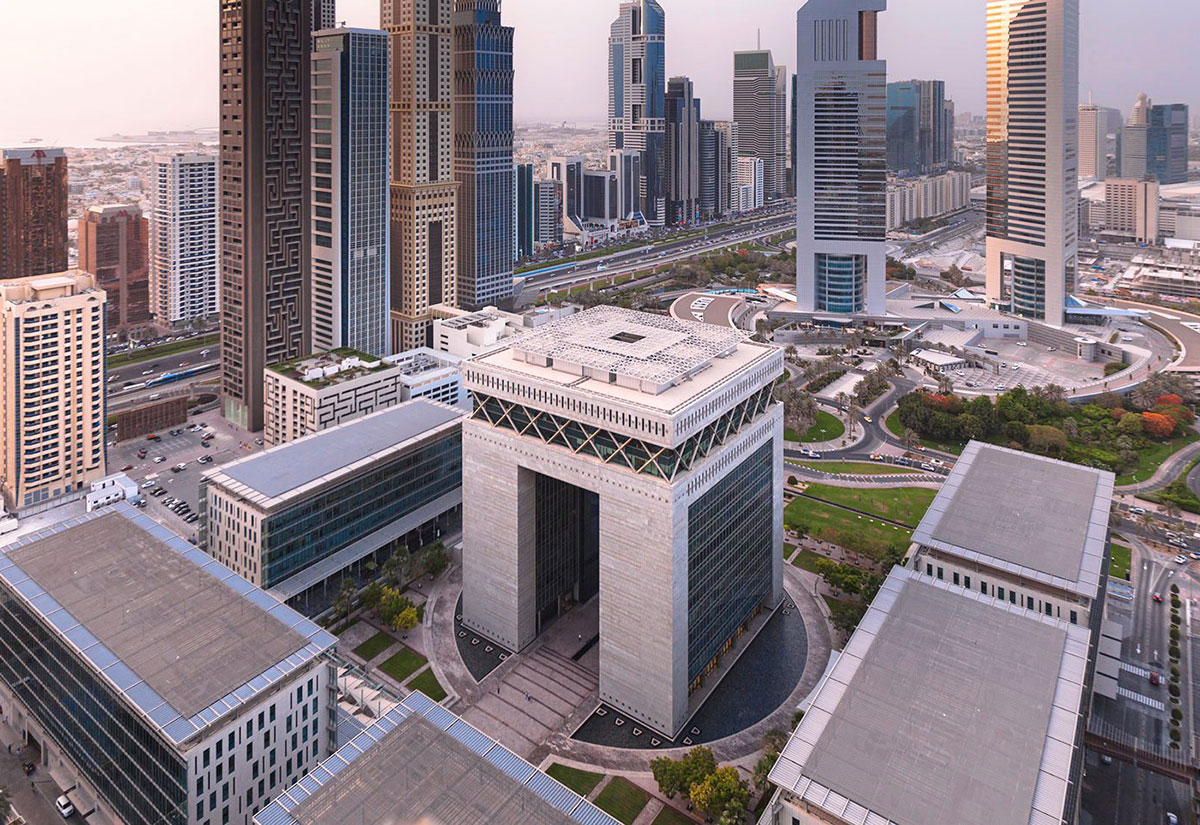
The Dubai International Financial Centre (DIFC) has repaid a $700 million sukuk, a significant milestone in its ongoing development efforts. This bond, originally issued to finance the expansion of the DIFC, helped fund key infrastructure projects, including the growth of its real estate sector and the development of the Gate Avenue retail precinct, which has become a central feature of the financial hub.

The repayment of the sukuk demonstrates the DIFC’s strong financial position, underscoring its ability to service its debt while continuing its mission to evolve as a global financial hub. The sukuk was part of a broader strategy to enhance the DIFC’s infrastructure and attract further investment to the region, reinforcing its status as one of the world’s leading financial centers.

Launched in 2004, the DIFC has seen exponential growth over the past two decades, with its strategic location and favorable business environment making it an attractive destination for international and regional firms. The expansion of DIFC’s real estate and retail offerings, particularly the Gate Avenue precinct, aligns with broader efforts to diversify its revenue streams and cement its position as a global business and lifestyle destination.

The Gate Avenue project, which was central to the sukuk issuance, transformed the DIFC area into a vibrant, mixed-use space combining commercial, retail, and residential offerings. The development has played a critical role in supporting the growth of the financial district, not only as a hub for businesses but also as a dynamic space for leisure and commerce. Gate Avenue features high-end retail outlets, restaurants, art galleries, and a host of premium office spaces, positioning the DIFC as a global destination for business and tourism alike.

The financial success of the sukuk reflects the increasing confidence in the DIFC’s ability to attract investment, maintain a strong credit rating, and manage large-scale projects effectively. The successful completion of the sukuk repayment follows a broader trend of fiscal responsibility within the Dubai government and its key development areas, including the Dubai Economic Agenda and the vision for the city’s continued diversification into non-oil sectors.

Dubai has steadily strengthened its position as a financial center, not just regionally but globally, through strategic investments in infrastructure, fintech, and real estate development. By repaying the sukuk, DIFC reaffirms its reputation as a key pillar of Dubai’s ambitious economic agenda. This action signals to both international investors and local stakeholders that DIFC remains a secure and attractive investment destination.

The sukuk’s issuance and repayment were also a part of the larger trend of Islamic financing mechanisms that have been growing in popularity in the UAE and other parts of the Gulf region. Sukuk, a Sharia-compliant alternative to conventional bonds, are increasingly viewed as an effective tool for raising capital for large-scale infrastructure and development projects. With the growing interest in sustainable finance, sukuk structures are adapting to include green and socially responsible investment components, further broadening their appeal.

The DIFC’s continued investment in its infrastructure is also reflected in its increasing number of financial firms, including major international banks, wealth management firms, and insurance companies, which have made the center their regional base. This is a testament to DIFC’s ability to provide a competitive and secure environment for financial operations, from asset management to fintech innovation.

The development of Gate Avenue, which connects the DIFC’s two main buildings with a series of bridges and corridors, offers not only commercial and office spaces but also cultural experiences that draw visitors and residents alike. This expansion helps differentiate the DIFC from other global financial hubs by offering a comprehensive lifestyle experience beyond the traditional financial operations. Its blend of culture, art, and luxury retail spaces makes it a unique offering in the competitive global financial landscape.

The repayment of the sukuk comes at a time when Dubai is positioning itself as a major player in the global financial and fintech sectors. As part of the Dubai 2040 Urban Master Plan, the city is focused on further expanding its financial infrastructure, which aligns with the UAE’s broader goal of diversifying its economy and attracting foreign investment. Projects like the DIFC’s development and the Gate Avenue precinct are designed to support this long-term vision and are expected to continue to bolster the UAE’s competitive edge.

DIFC’s financial success, evidenced by its ability to meet debt obligations, is closely tied to the broader economic strategies set out by Dubai and the UAE. The city has made substantial investments in becoming a global leader in fintech, with regulatory frameworks designed to foster innovation, while also strengthening its existing financial infrastructure. These efforts are part of a greater strategy to ensure Dubai’s place at the center of international finance, even as global markets face uncertainty.

As the DIFC looks to the future, it will likely continue its focus on sustainable development, leveraging its strategic location to attract global financial institutions and investors. The success of the sukuk repayment highlights the district’s ongoing stability and growth, which in turn strengthens Dubai’s position as a critical financial and business hub in the Middle East and beyond.


Nakheel, a leading Dubai-based developer, has unveiled plans for a collection of luxury waterfront villas located on the iconic Palm Jebel Ali. The development is set to redefine high-end living, with exclusive designs aimed at offering a prestigious lifestyle on one of the world’s most sought-after real estate locations. The new project will feature a series of ultra-luxurious homes, offering sweeping views of the Arabian Gulf. The […]

Dubai’s morning peak traffic has seen a significant reduction, with travel times decreasing by as much as 30%. This shift comes in the wake of widespread adoption of flexible working hours and remote work policies that have reshaped daily commutes across the city. The transformation highlights the growing impact of workplace changes on urban mobility patterns and traffic congestion.

The move towards more adaptable work schedules, accelerated by the pandemic, has seen a marked decline in the number of commuters rushing to the office during traditional hours. As companies continue to embrace hybrid work models, employees have greater autonomy over when they begin their workday, thus spreading out peak travel times.

Dubai, one of the world’s most bustling cities, had long struggled with traffic congestion. The morning rush hour often brought gridlock to key roads, with long waits on highways and delays in public transportation. However, the integration of flexible hours has provided a unique solution. According to traffic management experts, the reduction in office-bound commuters during the congested morning period has relieved pressure on the city’s infrastructure.

The Dubai government’s push for digital transformation and work flexibility has been central to this change. Various private and public sector organizations implemented remote work and staggered hours as part of their long-term business strategies. These policies have allowed workers to avoid the intense traffic rush typical of the early morning commute, particularly along major roads like Sheikh Zayed Road and Emirates Road.

For commuters, the effects of these changes are tangible. Daily travel times have shortened, not only for those who work from home but also for individuals who now choose to drive or take public transportation during non-peak hours. Traffic reports indicate a steady decline in congestion around office-heavy districts such as Business Bay and Dubai International Financial Centre (DIFC).

Dubai’s government has also introduced new traffic management strategies, which include rerouting certain traffic flows and expanding the metro network. These measures, combined with flexible work policies, have created a more efficient and less stressful commuting experience. Authorities have noted that traffic data collected over the past few months shows improved traffic speeds during the early hours of the workday, corroborating the positive effects of these adjustments.

Experts argue that this shift could have long-term benefits for the city’s infrastructure. By spreading out commuting times and reducing the number of vehicles on the road at any given moment, Dubai may be able to delay or even avoid costly investments in road expansions or additional public transport services. Furthermore, the environmental impact is expected to be favorable, with fewer vehicles idling during peak hours, reducing emissions and contributing to the city’s sustainability goals.

Flexibility in the workplace is also expected to continue influencing the way people travel. While Dubai has long been known for its emphasis on innovation, the trend of remote and hybrid working is likely to become a permanent fixture in the city’s labor landscape. This shift also aligns with global trends, as more businesses worldwide adopt similar policies in response to employee demands for better work-life balance.

Local businesses have taken notice of these changes and adjusted their operations accordingly. Companies are increasingly offering employees the option to work from home or choose flexible hours as part of their standard benefits packages. As a result, more people are opting to work remotely for at least part of the week, which further contributes to the reduction in commuter traffic during the busiest hours.

Public transport systems have also seen a positive shift, with trains, buses, and taxis benefiting from a more balanced distribution of passengers throughout the day. The Dubai Metro, which serves as a key mode of transportation for many, has experienced less overcrowding in the morning, offering a more comfortable ride for those who continue to commute to work.

The shift to remote work and flexible hours has also led to noticeable changes in the behavior of businesses. Firms in sectors like technology, finance, and consulting have been quick to embrace hybrid work models, recognizing both the benefits to employee satisfaction and the reduction in operational costs. For employees, this new approach to work offers greater autonomy, allowing them to optimize their schedules for productivity and personal well-being.

Despite these successes, some challenges remain. Although traffic congestion has been alleviated, certain areas of Dubai, particularly near popular commercial hubs, continue to see significant numbers of commuters at specific times of the day. Some business owners worry that widespread adoption of remote work could have unintended consequences, such as a decline in in-person collaboration and innovation. However, many firms are mitigating these concerns by establishing clear guidelines for when employees should be in the office, ensuring that face-to-face meetings and team-building activities continue to play a vital role in business operations.

Dubai is such a vast and diverse city, yet it has certain neighborhoods where most people would love to live. Colife Dubai, an all-in-one solution for modern tenants, property owners, and private investors headquartered in Dubai, highlights the city’s most sought-after neighborhoods. Most often, tenants request rental housing in Marina, JLT and Business Bay. Why? These areas offer a variety of lifestyles to suit anyone’s needs. The […]

Dubai’s economy saw a notable growth of 3.3% in the second quarter of 2024, reaching a value of Dh116 billion ($31.58 billion), fueled by strong performance in key non-oil sectors like tourism, technology, and trade. This growth reflects the emirate’s continued diversification efforts and its ability to capitalize on emerging global trends.

Tourism has played a significant role in this expansion, with the sector experiencing a remarkable uptick in activity. Dubai’s tourism sector has long been a major contributor to its GDP, and in 2024, it was buoyed by the city’s robust tourism campaigns and major international events. The city hosted several high-profile exhibitions, concerts, and sporting events, which, along with the easing of global travel restrictions, have increased visitor numbers. This has had a direct impact on hospitality, retail, and entertainment industries, driving substantial revenue growth in these areas.

The technology sector also made impressive strides, contributing heavily to Dubai’s overall economic performance. Investment in tech infrastructure and innovation continues to push the boundaries of the city’s capabilities, attracting both regional and global players. Dubai has positioned itself as a hub for digital innovation and a global destination for tech startups. With Dubai’s Smart City initiative and various tech-centric projects, the city is setting a benchmark in AI, fintech, and blockchain adoption. These technological advancements are expected to play an even larger role in sustaining growth as the global digital economy expands.

Real estate, a longstanding pillar of Dubai’s economy, continues to show resilience. Despite global uncertainties, the property market has shown consistent demand, especially in the luxury sector. The city’s ambitious developments, including the Expo City Dubai, have helped maintain investor confidence. In addition, increased construction and infrastructural developments have stimulated job creation and supported economic activity in related sectors.

Trade, another critical non-oil sector, also saw an uptick, benefiting from Dubai’s strategic position as a global trade hub. The emirate has expanded its trade relationships, particularly in Asia and Africa, further cementing its status as a gateway for goods flowing into the Middle East and beyond. Efforts to enhance logistics, including advanced port facilities and a strong air cargo network, have been pivotal in boosting the trade sector.

While non-oil sectors remain the driving force, the overall economy has benefited from Dubai’s proactive stance in securing long-term partnerships and fostering innovation. Dubai has capitalized on global shifts, such as the rise of e-commerce and increased demand for digital services, leveraging its infrastructure and regulatory environment to support these industries.

However, challenges remain, particularly in global economic uncertainties and geopolitical factors that could affect trade and investment. The city’s leadership is aware of the need for sustainable growth, and they continue to promote policies aimed at ensuring resilience in the face of global risks. A strong focus on sustainability and green technologies is expected to be a cornerstone of Dubai’s development in the coming years, as part of efforts to diversify and future-proof the economy.

The Dubai government has approved an ambitious succession planning framework, focusing on securing continuity and resilience in public sector leadership. The newly introduced system, announced by Dubai’s Executive Council, aims to cultivate a pool of capable Emirati leaders across various government departments, ensuring that vital functions within the emirate are sustained without disruption.

Developed as part of a broader strategy to enhance corporate risk management, this framework is designed to support smooth leadership transitions and maintain operational consistency. With an emphasis on leadership training and skill-building for younger Emirati professionals, the initiative aims to create a structured approach to identifying and preparing potential successors for senior roles. This structured model is a key step forward, addressing risks tied to unforeseen vacancies and fostering stability across critical sectors.

Dubai’s succession plan aligns with the emirate’s vision of building a competitive and sustainable government workforce. This move also dovetails with Dubai’s larger strategic goals under the Dubai Plan 2021, which seeks to foster an innovative and adaptive public sector while reducing reliance on expatriate expertise in high-stakes roles. By focusing on developing a robust pipeline of national leaders, the government aspires to elevate Emirati talent within its civil service, ensuring a stronger, locally-led workforce.

Several departments, including the Dubai Chamber of Commerce and the Department of Economic Development, have already set up pilot programs to assess the new model’s effectiveness. These early trials have showcased positive outcomes in fostering Emirati leadership across finance, trade, and economic regulation roles. The Dubai Chamber has also emphasized that by formalizing succession planning processes, it aims to enhance efficiency, bring fresh perspectives to strategic decision-making, and address long-term staffing needs.

Deyaar Development has announced plans to launch a new real estate project in Dubai, with a projected investment value of Dh1.5 billion. This project, set for completion by the end of the year, marks a significant milestone for the company, which is renowned for its high-profile developments across the emirate. The initiative is part of Deyaar’s broader strategy to strengthen its presence in the competitive Dubai property […]

Dubai has secured the top position among Middle Eastern and North African cities in the 2024 Global City Index, outperforming other regional hubs in several key metrics including economic activity, global connectivity, and infrastructure. The ranking highlights Dubai’s increasing prominence as a center for commerce, tourism, and innovation, a status bolstered by its advanced digital infrastructure and its appeal to global investors. The Global City Index, an […]

Dubai has launched the Middle East’s first net-positive mosque, a pioneering structure at the crossroads of spirituality and sustainability. With its energy-efficient design, the eco-friendly mosque generates more energy than it consumes, marking a significant step in Dubai’s ambition to lead sustainable development in the region. Located in Al Hudaiba and named after the UAE’s founding father, Sheikh Mohammed bin Zayed Al Nahyan, the mosque represents an […]

Dubai’s financial landscape has showcased substantial activity in recent trades, with the Dubai Financial Market (DFM) witnessing trades valued at $10.51 million across major players, particularly Al Ansari Financial Services and Ajman Bank. Al Ansari’s consistent performance, marked by a 5% rise in operating income to AED 578 million for the first half of 2023, is partly fueled by high corporate demand and an increased volume of […]

VISHNU RAJA
RYO YAMADA
HITORI GOTOH
IKUYO KITA