News related to
Dubai’s

Red Bull is staging a groundbreaking multiplayer gaming finale in Dubai this December, where elite competitors will face off in Tetris on a dramatic canvas: the 150‑metre Dubai Frame, illuminated by more than 2,000 drones. The spectacle promises to be the largest live playable Tetris game ever, combining digital skill with live drone artistry. Red Bull’s global tournament roll‑out kicked off on World Tetris Day, drawing an […]

Apparel Group has marked a significant milestone by launching Go Colors’ inaugural international store at Dubai’s Silicon Central Mall, signalling the brand’s entry into the global retail market. This expansion represents a strategic step for Go Colors, which has established a strong presence in India with its vibrant and affordable fashion offerings. The move aims to capitalise on Dubai’s status as a retail hub, known for its diverse, fashion-conscious clientele and high footfall of international shoppers.

Go Colors is part of the Apparel Group, a leading retail conglomerate that manages over 75 global brands across the Middle East, India, and beyond. The launch in Dubai is designed to leverage the city’s cosmopolitan market, introducing Go Colors’ distinct range of colourful apparel, accessories, and lifestyle products to a broader audience. The brand’s identity revolves around youthful, trendy designs and a commitment to affordable pricing, which has resonated well with the domestic market and is now poised to attract the diverse demographics of Dubai’s shoppers.

Dubai’s Silicon Central Mall, a recently developed retail complex situated in the heart of Dubai Silicon Oasis, was chosen for its strategic location and modern infrastructure. The mall is rapidly emerging as a key destination for technology and lifestyle retail, combining innovation with shopping experiences. This aligns with Go Colors’ dynamic brand ethos and the Apparel Group’s ambition to expand its footprint in premium retail locations. The new store covers approximately 2,000 square feet and features a wide array of products tailored to appeal to men, women, and children, maintaining the brand’s core focus on versatility and style.

The decision to launch Go Colors internationally reflects broader trends in the retail sector, where Indian-origin brands are increasingly seeking growth beyond domestic boundaries. This expansion is facilitated by Dubai’s robust economic framework, ease of doing business, and a strong retail infrastructure that attracts international brands looking to establish a presence in the Middle East. Industry experts note that the Middle East retail market continues to grow steadily, driven by a young population, rising disposable incomes, and a blend of traditional and contemporary shopping preferences.

Go Colors’ entry into the Dubai market comes amid intensifying competition among apparel brands vying for consumer attention in the region. The brand’s strategy focuses on differentiating itself through vibrant colour palettes, frequent new collections, and price accessibility. This approach is expected to attract not only the local UAE residents but also expatriates and tourists, who constitute a significant share of Dubai’s retail consumers. By emphasising a youthful and energetic brand image, Go Colors aims to fill a niche that balances trendy fashion with everyday affordability.

The Apparel Group’s leadership expressed confidence in the growth potential of the new store. The group’s CEO highlighted that the launch represents a blend of innovation, market understanding, and the ability to connect with diverse consumer groups. He underlined the importance of Dubai as a gateway for international expansion and pointed to the group’s extensive experience in managing multiple global brands as a key asset in navigating new markets. The leadership’s vision for Go Colors involves not only store expansion within the UAE but also potential future openings in other strategic locations worldwide.

Operationally, the new store employs a mix of local staff trained in customer engagement and product knowledge, ensuring a high standard of service that aligns with the brand’s values. The layout of the store is designed to offer a seamless shopping experience, combining colourful, eye-catching displays with intuitive product categorisation. This allows customers to easily navigate through seasonal collections, casual wear, and accessories. Additionally, the store integrates digital elements such as QR codes for product information and promotions, reflecting a growing trend towards blending physical and digital retail experiences.

Market analysts observe that the Apparel Group’s expansion strategy is well-timed, considering the growing appetite for fast fashion and lifestyle brands in the Middle East. The region’s retail sector is adapting rapidly to shifts in consumer behaviour, with increased demand for value-oriented yet stylish apparel. Go Colors’ proposition fits into this paradigm by offering fresh designs frequently, thus catering to consumers seeking variety without compromising affordability. This trend is underscored by data indicating increased spending on casual and lifestyle clothing across GCC countries, driven by younger demographics and evolving fashion sensibilities.

While the launch signals optimism, challenges remain for Go Colors as it enters a competitive and sophisticated market. Established international brands and regional players alike have entrenched customer bases, and consumer expectations for quality, trendiness, and service are high. Success will depend on how effectively Go Colors can localise its product offerings, adapt to cultural preferences, and sustain a compelling value proposition. The Apparel Group’s experience in the Middle East retail sector, including managing franchises and original brands, is expected to play a crucial role in mitigating these challenges.

The store opening is also part of a wider retail resurgence in Dubai, as the city continues to attract global investors and shoppers post-pandemic. Retail experts point to increased foot traffic in malls and rising consumer confidence as indicators of a robust recovery. Government initiatives promoting tourism, retail innovation, and business-friendly policies have contributed to this positive environment. For Go Colors, entering this market now could provide early mover advantages as consumer habits stabilise and purchasing power strengthens.

Dubai’s FIX Dessert Chocolatier confirmed it will unveil a new chocolate bar at Mall of the Emirates this Friday, June 13, launching a three‑day pop-up from 10 AM until midnight through Sunday, June 15. The brand, already famed for its pistachio‑and‑knafeh‑filled “Dubai Chocolate” bars, has withheld details on the new variant, teasing only that it draws from “childhood memories”. Shoppers will also encounter interactive games, prize giveaways and brand‑curated surprises […]

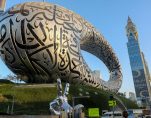
Dubai’s Museum of the Future has launched a vibrant series of events and interactive workshops designed to engage visitors with cutting-edge technology and innovation throughout June. This initiative aims to expand public interaction with future-forward concepts, positioning the museum as a hub for experiential learning and exploration in the region. The new programme features a blend of activities tailored to various age groups and interests, with a […]

Dubai has recorded a robust 20 per cent increase in overall student enrolment at private higher education institutions during the 2024–25 academic year, pushing total numbers to an unprecedented 42,026 students across 41 KHDA‑licensed campuses. International student presence surged by 29 per cent, now constituting 35 per cent of the total enrolment, while Emirati participation surged by 22 per cent, signalling growing confidence among nationals in private university offerings. This expansion […]

UAE’s car market is undergoing a fundamental shift as lifestyle-driven mobility rises to prominence, reshaping consumer choices from metal to experience. A surge in preference for digitally enabled, subscription-based, and autonomous transportation is aligning with the emirates’ drive for sustainable, high-tech urban living. Automakers and transport authorities are adapting, marking a new era for mobility in the region.

At the forefront is the uptake of connected and autonomous vehicles. A 2024 Astute Analytica report found that the UAE invested US $500 million in autonomous and connected vehicle infrastructure, and government surveys show that nearly 60 per cent of residents are open to self-driving cars once available . Dubai aims for 25 per cent of its transport network to operate autonomously by 2030, while Abu Dhabi is piloting robotaxis under a combined Dubai Roads and Transport Authority and DP World initiative . Chinese mobility pioneer WeRide has commenced fully driverless robotaxi trials in Abu Dhabi and holds significant UAE licences, further cementing the country’s status as a regional testbed .

Parallel to autonomy, digital car buying and subscription services are gaining ground. A global study by Arthur D. Little reports that UAE has the highest percentage worldwide of buyers willing to complete vehicle purchases entirely online, with 53 per cent preferring full digital transactions . It also notes more than half of car buyers intend to purchase hybrid or electric models for their next car . Major brands such as Jaguar‑Land Rover, Audi and Volvo have launched subscription models allowing flexible short‑term access to vehicles, reflecting a deeper shift from ownership to access .

Luxury meets lifestyle in a market defined by adventure and affluence. The UAE’s love for off‑road capable SUVs—icons like Land Rover, Toyota Land Cruiser and Mercedes G‑Class—remains strong, supported by driving culture and desert heritage . At the same time, social media has amplified the aspirational value of high‑performance and bespoke vehicles, prompting services offering vehicle customisation and luxury rentals to expand .

Despite their prestige, sustainable mobility options are advancing steadily. Government plans aim for EVs to account for 10 per cent of all vehicles by 2030; Dubai Electricity and Water Authority intends to install 1,000 public charging points by 2025 . Financial incentives including free parking and toll exemptions support uptake. While less than 15 per cent of buyers currently prefer full battery‑electric vehicles , more than 50 per cent plan to choose hybrid or electric options next .

Shared mobility and micro‑mobility solutions are gaining traction among urban dwellers. The UAE’s ride‑hailing market grew to US $1.3 billion in 2023, and car‑sharing usage surged by 30 per cent to over 200,000 subscribers . Platforms like Careem, ekar and others expand convenient access while supporting sustainability goals .

Pre‑owned and rental markets also reflect shifting lifestyle demands. The luxury car rental segment caters to business travellers and experience‑seeking residents, accounting for over half of regional luxury rentals . Certified pre‑owned programmes and digital platforms make premium vehicles accessible and promote circular economy models .

Industry participants are racing to adapt. Six major dealers—including Al Futtaim Motors and Al Habtoor—control more than 62 per cent of the auto market by offering hybrid and electric models, digital sales funnels, and after‑sales personalisation services . Additionally, more than 80 per cent of UAE and KSA consumers now value in‑car digital services and are willing to share data for personalised experiences .

Strategic foreign investment continues to flow. In 2024, DP World handled a record 1.3 million vehicles, up 53 per cent year‑on‑year. China led automotive investments region‑wide, with 27 projects worth US $8 billion, generating 20,000 jobs . The UAE attracted 145 automotive projects valued at US $22 billion, solidifying its regional industry leadership .

Air mobility is emerging as a bold frontier. Authorities, including the General Civil Aviation Authority and Technology Innovation Institute, are mapping aerial corridors for air taxis and drones with a view to commercial roll‑out by 2026. Vertiports are under construction as Dubai aims to launch urban air taxi operations in early 2026 . Collaborations with global developers such as Volocopter and Joby Aviation underscore UAE’s intent to lead advanced mobility innovation.

Demographic and behavioural trends are shifting expectations. UAE’s younger, tech‑savvy population demands multimodal transport, sustainable choices, and flexible ownership. European research shows Gen Z and millennials prefer compact, shared, and electric vehicles, and lease options tied to services—mirroring emerging patterns in the Emirates . The convergence of digital retail, in‑car connectivity, autonomous capabilities and lifestyle choices is now the defining feature of the market.

That convergence gives rise to dynamic policy alignment and infrastructure development. Dubai’s Autonomous Transportation Strategy ambitions to ease congestion and strengthen economic diversification, while public‑private partnerships are building the ecosystem for AI‑enabled transport .

The transformation is clear: the UAE auto sector is evolving from a conventional showroom‑focused industry to an experiential mobility ecosystem. Consumers expect seamless digital transactions, autonomous options, flexible subscriptions, and elevated experiences. Governments and businesses are aligning investment and strategy to meet these expectations, fusing luxury with sustainability, and individual desire with urban resilience.

As the 2030 horizon approaches, next‑generation mobility is no longer an aspiration but a reality rolling on UAE roads, in the air, and on digital platforms—heralding a new age for the Gulf’s automotive narrative.

Maein Khalid Since the pandemic, IPO activity across GCC capital markets has surged – offering a sharp contrast to the stop-start pace on New York’s Nasdaq and the near standstill on London’s LSE. Nearly 300 IPOs have raised around $50 billion across the Gulf since 2021. Below I outline six key macro themes shaping this post-Covid IPO boom in the GCC. First, contrary to expectations, the number, […]

Advertisements

Dubai’s real estate sector demonstrated remarkable momentum last month, with property transactions reaching a record AED 66.8 billion , reflecting a substantial 44% increase compared to the previous year. This surge highlights a growing population and robust demand across various market segments, driven by both primary and secondary sales.

The primary ready property segment emerged as a key growth area, experiencing a fourfold increase in sales value to AED 17.9 billion in May 2025. This sharp rise signals strong confidence among buyers seeking completed units, particularly in sought-after developments across Dubai’s key residential hubs. The secondary ready market also recorded significant gains, with sales amounting to AED 24 billion, up 21% year-on-year, underscoring ongoing interest in resale properties.

Combined, the value of primary ready and off-plan transactions soared by 65% to AED 37 billion, while secondary sales posted a 23% rise, reaching AED 29 billion. These figures set new benchmarks for Dubai’s real estate market, reinforcing its status as a vibrant and attractive destination for investors and end-users alike.

Market analysts point to several factors fueling this upward trajectory. Dubai’s population continues to expand rapidly, buoyed by relaxed visa policies and a growing expatriate community. This demographic shift is driving demand for residential properties across the emirate, particularly in areas offering integrated lifestyle amenities and proximity to business districts.

Infrastructure developments and government initiatives aimed at enhancing the city’s appeal remain key contributors to market confidence. Projects such as the Dubai Metro expansion, new business zones, and cultural hubs are attracting both domestic and international buyers. The real estate sector’s performance also benefits from Dubai’s position as a global trade and tourism hub, which sustains demand in the rental and resale markets.

Within the primary ready segment, the quadrupling of sales reflects a broader trend where buyers prefer completed properties over off-plan purchases, reducing exposure to construction delays and market fluctuations. This preference is particularly pronounced among end-users seeking immediate occupancy. Developers have responded by accelerating delivery schedules and introducing competitive pricing strategies to capture this demand.

Off-plan sales maintain a strong presence, contributing significantly to the overall primary market value. The willingness of buyers to commit to projects still under construction suggests continued optimism about Dubai’s long-term growth prospects. Developers are increasingly targeting affluent buyers with luxury offerings and integrated communities that blend residential, retail, and recreational spaces.

The secondary market’s 23% growth highlights the liquidity and resilience of Dubai’s property resale sector. Investors and homeowners alike are capitalising on rising property values, with many opting to upgrade or diversify their portfolios. This active resale market provides a vital avenue for market participants seeking flexible entry and exit points.

Data also reveals that demand is diversifying geographically. While prime locations such as Downtown Dubai, Dubai Marina, and Palm Jumeirah remain highly sought after, emerging areas like Dubai South and Mohammed bin Rashid City are gaining traction. These developments offer competitive pricing and extensive amenities, appealing to both investors and residents aiming for value and quality of life.

Real estate experts caution, however, that sustainability remains a crucial consideration amid rapid growth. Affordability challenges and potential oversupply in certain segments could temper future gains if not managed carefully. Nonetheless, current market dynamics suggest a healthy balance between supply and demand, supported by Dubai’s strategic economic vision.

Dubai’s Virtual Assets Regulatory Authority has entered into a strategic partnership with SuiHub MENA, the regional arm of the Sui blockchain ecosystem, to bolster the emirate’s position as a global hub for virtual assets. The collaboration aims to support emerging startups, nurture local talent, and provide regulatory guidance within the blockchain sector.

The agreement, formalised earlier this week, outlines a multifaceted approach to ecosystem development. Key initiatives include jointly hosted workshops to assist startups in navigating Dubai’s licensing regime, educational programs to cultivate local expertise in blockchain technology, and the establishment of advisory sessions to offer compliance support. These efforts are designed to streamline the path to market for new ventures and enhance the overall maturity of the virtual asset landscape in the region.

SuiHub MENA’s innovation centre in Dubai will serve as the focal point for these activities, with VARA providing strategic support through roundtables and engagements with government stakeholders. The partnership also encompasses collaborative research opportunities aimed at informing future virtual asset policies and contributing to the sustainable growth of the sector.

This alliance follows a similar memorandum of understanding signed between VARA and the Solana Foundation, reflecting Dubai’s commitment to fostering a conducive environment for blockchain innovation. By aligning regulatory clarity with technological advancement, these partnerships underscore the emirate’s proactive stance in embracing the potential of virtual assets while ensuring robust governance frameworks are in place.

By K Raveendran Strong signs of undercurrents are emerging in the aviation space between India and the Gulf. There is renewed tussle over landing rights — the coveted permissions that determine which airlines get to fly where, how often, and with how many seats. For years, this battleground has been tilted in favour of Gulf-based […]

The United Arab Emirates has long established itself as a vibrant meeting point of cultures, ideas, and innovation — a country where talent from every corner of the world is celebrated. Among the creative figures making their mark on the UAE’s cultural landscape is Zia Ur Rehman Shaikh, a dynamic filmmaker, storyteller, and cultural ambassador whose work continues to inspire and connect communities through the power of […]

Dubai is poised to make a significant impact at the upcoming IMEX event, reinforcing its status as a premier destination for global meetings and events. The city’s persistent rise in the meetings and incentives travel sector has been highlighted by its sustained ranking as the top meeting destination in the Middle East and Africa, according to the latest industry data. The recognition by Cvent, a leading meetings […]

By Saifur Rahman Nisus Finance Investment Consultancy FZCO (NiFCO Dubai), a subsidiary of India’s Nisus Finance Services Company Limited (NIFCO), said it will place funds and assets worth up to US$500 million (Dh1.83 billion) for tokenisation in the UAE. NiFCO Dubai said, it has signed a Memorandum of Understanding (MoU) with Xchain Technologies FZCO (Toyow), a leading blockchain-based forensic and advisory firm, for the tokenisation of funds […]

Solana Foundation has formalised a partnership with Dubai’s Virtual Assets Regulatory Authority , marking a significant step in integrating blockchain innovation within the emirate’s regulatory framework. The Memorandum of Understanding , signed on 3 June 2025, outlines collaborative initiatives aimed at fostering a robust crypto ecosystem in Dubai.

Central to this alliance is the establishment of the Solana Economic Zone in Dubai, envisioned as a hub for developers, entrepreneurs, and startups operating on the Solana blockchain. This zone is designed to provide access to Dubai’s progressive regulatory environment, including sandboxes and talent networks, positioning the city as an attractive destination for international Web3 projects.

The partnership encompasses talent development programs, regulatory workshops, ecosystem research, and market insight sharing. Solana Foundation and VARA plan to co-host events, offer policy guidance, and support Solana-based startups in or relocating to Dubai. An integral component of the agreement is the sharing of anonymised data to evaluate the impact of digital assets on employment and economic growth within the UAE.

Lily Liu, President of Solana Foundation, emphasised the strategic importance of this collaboration, stating that it represents a new chapter for Solana in the MENA region. She highlighted Dubai’s leadership in regulating and fostering digital assets, noting that the partnership bridges builders and regulators in one of the fastest-growing crypto hubs globally.

Henson Orser, CEO of VARA, welcomed the collaboration, reinforcing the authority’s commitment to building a future-forward economy powered by innovation, trust, and inclusion. He acknowledged the potential of the Solana Economic Zone to attract international projects seeking to scale operations under a progressive regulatory framework.

The announcement has had a positive impact on Solana’s market performance. Following the news, the SOL token experienced a modest increase, trading around $160, with a 4% rise observed on the day of the announcement. Market analysts interpret this as a bullish signal for Solana’s long-term outlook, reflecting growing confidence in the ecosystem and broader adoption.

Dubai’s tech and creative sectors are booming, and local startups and agencies are keen on tools that save time and cut costs. On one hand, Make (formerly Integromat) is a no‑code automation platform that lets non-technical teams link apps and automate workflows visually. On the other hand, Replit is an AI‑powered cloud IDE for building and deploying software, aimed at developers. Both promise “do more with less,” […]

As top Gulf leaders vied to commit trillions of dollars in investment pledges during President Donald Trump’s Middle East tour, a significant shift emerged among financiers and business circles. Saudi Arabia’s appeal as the region’s primary investment hub is being overshadowed by the United Arab Emirates and Qatar, whose growing economic clout and more flexible policies are attracting greater international interest. Saudi Arabia’s challenges stem from structural […]

Dubai has solidified its position as the premier global destination for greenfield foreign direct investment in the cultural and creative industries , securing the top spot in the Financial Times’ fDi Markets ranking for the third consecutive year.

In 2024, the emirate attracted 971 CCI projects, marking an 8% increase from the previous year. These ventures brought in AED 18.86 billion in capital inflows, a surge of nearly 60% compared to 2023, and generated 23,517 new jobs, reflecting a 9% year-on-year rise.

The report evaluated 233 cities under the ‘Creative Industries Cluster’ classification, with Dubai outperforming major global hubs such as London and Singapore.

Key growth areas within Dubai’s CCI sector included advertising and public relations, film and media production, gaming, education, and advanced software design. According to the Dubai FDI Monitor, greenfield, wholly-owned ventures constituted 76.5% of all projects, while new forms of investment accounted for 15.4%, reinvestment 5.6%, and mergers and acquisitions 2.4%.

Flexible government policies have played a significant role in boosting FDI flows into the CCI sector, enhancing Dubai’s appeal to investors, entrepreneurs, and innovators.

Her Highness Sheikha Latifa bint Mohammed bin Rashid Al Maktoum, Chairperson of the Dubai Culture and Arts Authority, stated, “Through strategic planning and pioneering initiatives, Dubai has cultivated an environment that empowers creatives, investors, and entrepreneurs to realise their ideas and turn them into impactful, sustainable projects that enrich the emirate’s cultural fabric.”

The United States led in terms of FDI capital inflows into Dubai’s CCI sector in 2024, contributing 23.2%, followed by India , the United Kingdom , Switzerland , and Saudi Arabia . In terms of the number of FDI projects, India topped the list with 18.8%, followed by the United Kingdom , the United States , Germany , and Italy .

Dubai’s Roads and Transport Authority has initiated a comprehensive upgrade of Umm Suqeim Street, aiming to significantly enhance traffic flow and urban connectivity across the city. The project, stretching from the intersection with Jumeirah Street to Al Khail Road, is a pivotal component of a broader strategy to modernise the city’s infrastructure and accommodate its rapid urban expansion.

The upgrade is designed to increase the road’s capacity to 16,000 vehicles per hour in both directions, effectively reducing travel time between Jumeirah Street and Al Khail Road from 20 minutes to just six. This enhancement is expected to alleviate congestion and improve accessibility for key residential and commercial areas, including Jumeirah, Umm Suqeim, Al Manara, Al Sufouh, Umm Al Sheif, Al Barsha, and Al Quoz.

Integral to the project are the redevelopment of six major intersections along Umm Suqeim Street. These include the construction of four bridges and three tunnels, collectively spanning 4.1 kilometres. Notably, a two-lane tunnel in each direction will be constructed at the intersection with Jumeirah Street, complemented by a signalised surface-level junction. Another two-lane tunnel is planned at the intersection with Al Wasl Street to facilitate traffic flow from Sheikh Zayed Road towards Jumeirah Street, while maintaining uninterrupted surface traffic in the direction of Sheikh Zayed Road.

At the intersection with Sheikh Zayed Road, two bridges will be constructed to eliminate traffic overlap and enhance movement efficiency. Additionally, a tunnel will be developed at the intersection with First Al Khail Street to accommodate traffic from Al Barsha towards Sheikh Zayed Road, along with associated surface-level improvements. The stretch between First Al Khail Street and Al Asayel Street will be widened by adding one lane in each direction, increasing capacity to four lanes per direction. At Al Khail Road, the works involve the construction and widening of two flyovers—one connecting Al Khail Road with Al Quoz Industrial Area, and the other facilitating traffic from Umm Suqeim Street to Al Khail Road heading towards Deira.

Beyond vehicular traffic improvements, the project places a strong emphasis on enhancing pedestrian and cyclist infrastructure. Upgrades include the development of pedestrian walkways, dedicated cycling tracks, landscaped boulevards, and vibrant public spaces designed to foster community interaction and promote sustainable urban living. A direct link will also be established between the Mall of the Emirates Metro Station and nearby residential communities, enhancing last-mile connectivity and encouraging the use of public transportation.

This initiative is part of RTA’s master plan to overhaul the surrounding road network, which includes planned upgrades to Jumeirah Street, Al Wasl Street, and Al Safa Street. The overarching goal is to enable uninterrupted traffic flow from Jumeirah to Al Qudra Road over a distance of 20 kilometres, thereby improving connectivity across four major transport corridors: Sheikh Zayed Road, Al Khail Road, Sheikh Mohammed bin Zayed Road, and Emirates Road.

Mattar Al Tayer, Director General and Chairman of the Board of Executive Directors at RTA, stated that the upgraded corridor will directly serve vital residential and development areas with a combined population exceeding two million. He emphasised that the project is designed to accommodate Dubai’s rapid population growth and urban expansion while improving the overall quality of life for residents and visitors.

Construction is already 70% complete on a 4.6-kilometre segment of Umm Suqeim Street from Al Khail Road to Sheikh Mohammed bin Zayed Road. This phase includes an 800-metre tunnel near Kings’ School in Al Barsha South and a surface-level junction, scheduled to open in the third quarter of the year. The completion of this segment is expected to reduce travel time between Sheikh Mohammed bin Zayed Road and Al Khail Road by 61%, from 9.7 minutes to just 3.8 minutes.

The RTA is also leveraging advanced technologies to monitor and manage the project’s progress. Drones are being utilised to capture and analyse project data, while artificial intelligence is employed to track construction milestones and performance indicators. This integrated approach has enhanced operational efficiency on-site, accelerated decision-making processes, and enabled the provision of real-time, high-precision data. The adoption of these technologies has resulted in a 100% increase in field presence and a 60% reduction in the time required for site surveys. Time-lapse imaging systems are also being used to continuously monitor construction activities, contributing to a 40% improvement in overall project monitoring efficiency.

Emirates has confirmed plans to operate its fleet of Airbus A380 double-decker aircraft until the close of the 2030s, signalling a strategic decision to extend the service life of the very planes that propelled the airline to global prominence. The Dubai-based carrier intends to introduce one final upgrade to the A380’s first-class cabins as part of its commitment to maintaining the aircraft’s appeal and competitive edge on […]

Emaar Development has secured a significant land acquisition in Ras Al Khor, marking a strategic expansion amid Dubai’s robust property market. The construction subsidiary of Emaar Properties, the emirate’s largest publicly listed real estate firm, completed the purchase of the plot from Amlak Property Investment for 2.9 billion dirhams , alongside associated transaction costs. This move enhances Emaar Development’s land portfolio, positioning the company to capitalise on […]

Dubai Residential REIT’s debut on the Dubai Financial Market marked a significant milestone, closing nearly 14% higher at AED 1.25 per unit from its offer price of AED 1.10. The $584 million offering, backed by Dubai Holding, attracted overwhelming demand, with the IPO oversubscribed 26 times, reflecting strong investor confidence in Dubai’s residential real estate sector. The REIT, focusing exclusively on residential leasing, launched with a market […]

Akshay Dosaj and Asif Rashid  The UAE’s small and medium-sized enterprises (SMEs) sector is poised for substantial expansion, with projections estimating nearly one million businesses by 2030. As these enterprises navigate a competitive and dynamic environment, mergers and acquisitions (M&A) have become essential strategies for sustainable growth. To maximize these opportunities, SMEs need tailored solutions and expert guidance to achieve their growth ambitions and align with the […]

The real estate landscape in the UAE has evolved significantly in recent years, especially in Dubai where the sector has become synonymous with innovation and excellence. Among the standout players propelling this change is Object 1, a dynamic developer that recently made headlines with the launch of its prestigious N1 Awards. This initiative isn’t just a celebration—it’s a statement about Object 1’s vision for the industry. A […]

Dubai’s employment landscape continues to attract job seekers from across Asia, Europe, and Africa, with South Asians among the most visible presence. From tax-free salaries to a safe, cosmopolitan lifestyle and fast-track digital governance, the emirate is steadily reinforcing its image as a global work destination with an accessible entry point for skilled professionals.

Dubai’s appeal is anchored in a combination of economic liberalism and aggressive infrastructure development, which has made the city one of the busiest hubs for aviation, logistics, finance, hospitality, and tech. For those seeking employment from outside the UAE, Dubai offers two main routes: applying for positions remotely, or entering on a short-term tourist visa with the hope of converting that stay into full-time employment. While the latter path involves risk and financial outlay, it remains the most widely taken route for candidates without existing work permits.

The city’s population is made up of nearly 90% expatriates, with professionals from India, Pakistan, the Philippines, Bangladesh, and the UK dominating several industries. Recruiters in Dubai confirm that demand remains steady for roles in sales, marketing, IT, logistics, real estate, engineering, healthcare, and hospitality. According to hiring trends tracked by regional recruitment firms, companies in free zone jurisdictions are particularly active, often targeting foreign candidates who bring sector-specific experience.

Dubai’s tax structure is a major driver of migration. With no personal income tax and a salary-based remuneration system, employees receive their full contracted pay without statutory deductions. This setup increases the net earnings of professionals, particularly those coming from high-tax jurisdictions. However, the city’s high cost of living — with real estate, private schooling, and transport costs — offsets some of the financial advantage, making proper salary negotiations crucial before signing contracts.

For prospective applicants based outside the UAE, the digital ecosystem built around Dubai’s employment market is an essential resource. Company career pages, job portals such as Dubizzle and Bayt, and professional networks like LinkedIn are widely used by HR departments and hiring managers. LinkedIn in particular has emerged as a preferred screening tool, where recruiters assess candidates’ professional branding even before calling for interviews. A well-structured profile featuring quantifiable achievements, skills endorsements, and updated CV attachments is now considered essential.

Recruitment agencies based in Dubai and in neighbouring countries also play an intermediary role. Many global firms with a presence in the UAE outsource their talent acquisition to specialist agencies. These agencies have formal tie-ups with employers to fill positions across levels, from blue-collar to senior management. In India, for instance, manpower firms with UAE licenses are regularly approached for hospitality, construction, medical, and logistics roles. Candidates approaching these agencies are advised to verify accreditation details and ensure the agency operates under UAE labour ministry guidelines.

A significant portion of those who eventually land jobs in Dubai do so by entering on a 60-day or 90-day visit visa. This visa allows job seekers to attend interviews, network with prospective employers, and explore options in person. While this method can be effective for confident candidates with solid credentials, the costs — including visa fees, accommodation, and living expenses — must be budgeted in advance. Moreover, there is no guarantee of securing employment during this window, making it a calculated gamble for many families.

An alternative is to enter Dubai on a student visa. Universities and training institutions in Dubai offer various professional development courses, and part-time work is permitted in certain free zone jurisdictions. While this route also involves significant upfront costs, it has become popular among young graduates aiming to break into the UAE market through education-led migration. However, strict visa compliance rules and limited working hours under student permits make it less appealing for mid-career professionals.

Once an individual secures a job offer, the employer typically initiates the work visa and residency sponsorship process. This includes submission of documents such as educational certificates, previous employment references, and medical fitness results. Once approved, a UAE resident permit is issued, which then allows the individual to bring in dependents under family sponsorship. The entire onboarding and visa stamping process usually takes two to four weeks, depending on the company’s internal HR process and jurisdiction.

Dubai’s strategic geographical position — within a 4-hour flight radius from major South Asian cities — adds another layer of practicality for job seekers. With only a two-hour time difference from India and Sri Lanka, many multinational firms operate regional back-offices or satellite centres in Dubai, recruiting bilingual and culturally adaptive professionals who can bridge operations between West Asia and South Asia.

Climate compatibility is another subtle advantage for those relocating from tropical or semi-arid regions. Temperatures and humidity levels, while extreme during peak summer months, mirror weather conditions in parts of South Asia and the Gulf, reducing the cultural adjustment curve for new migrants.

Safety and rule of law remain among the top reasons cited by working professionals and families relocating to Dubai. The UAE consistently ranks among the world’s safest countries, with low crime rates and a strong police presence. For women professionals and young students, this perception of security plays a pivotal role in relocation decisions.

Another factor contributing to Dubai’s growing job market is its economic diversification programme. With Vision 2030 and associated sectoral strategies, the city is investing in AI, clean energy, space technology, and digital banking. These emerging sectors have triggered a wave of high-skilled job openings, especially for engineers, data analysts, fintech specialists, and regulatory professionals. Start-up hubs like Dubai Internet City and Dubai Silicon Oasis are witnessing increased hiring, backed by funding incentives and incubator schemes.

However, competition remains high, with thousands of applications flooding each job posting. Recruiters advise applicants to focus on niche skills, international certifications, and sector-specific experience. A generic application or a poorly crafted CV has minimal chance of clearing the initial screening stage. Instead, candidates are urged to tailor their applications to each role, use keywords matching the job description, and attach short, results-oriented cover letters.


VISHNU RAJA
RYO YAMADA
HITORI GOTOH
IKUYO KITA